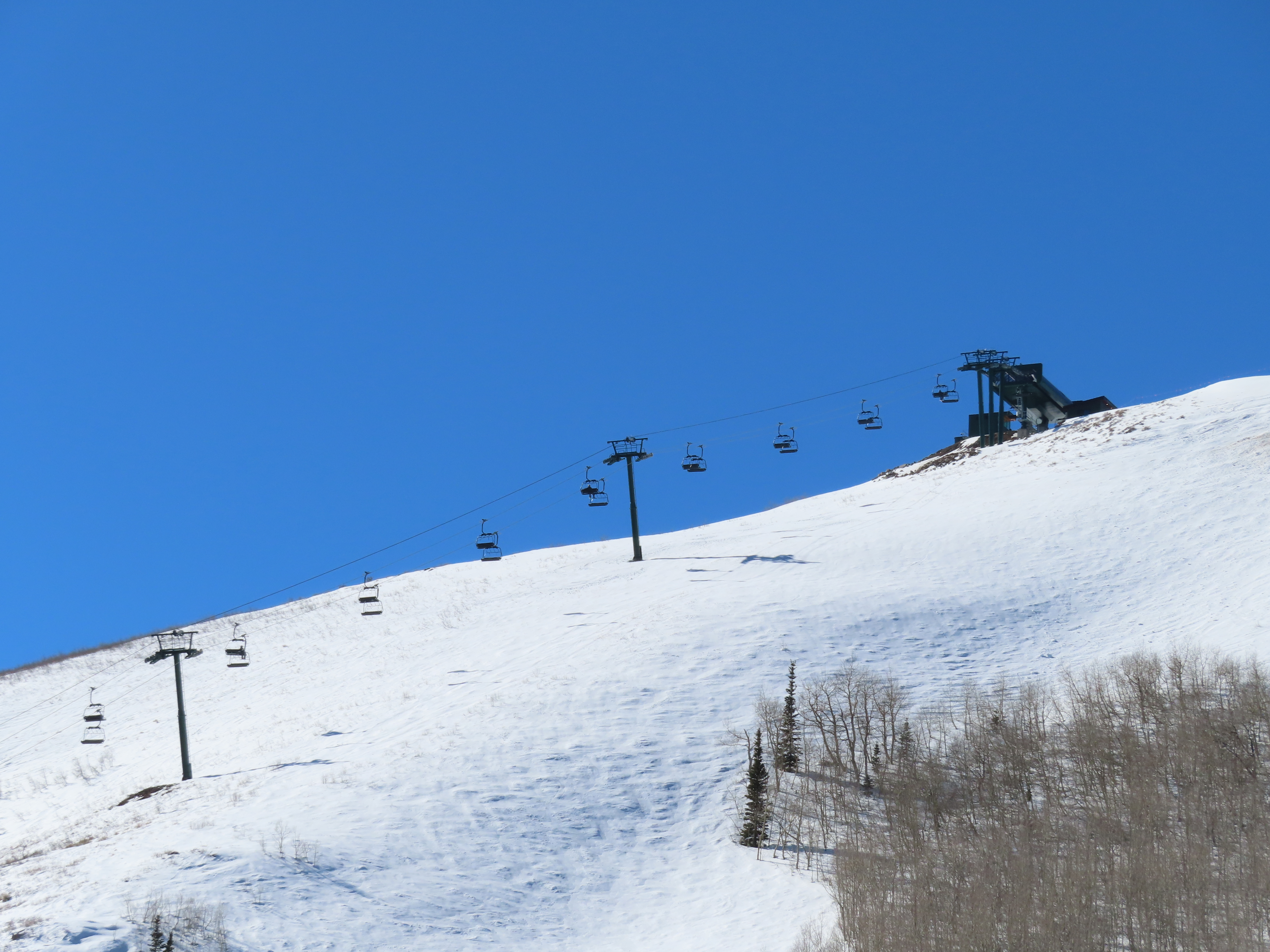
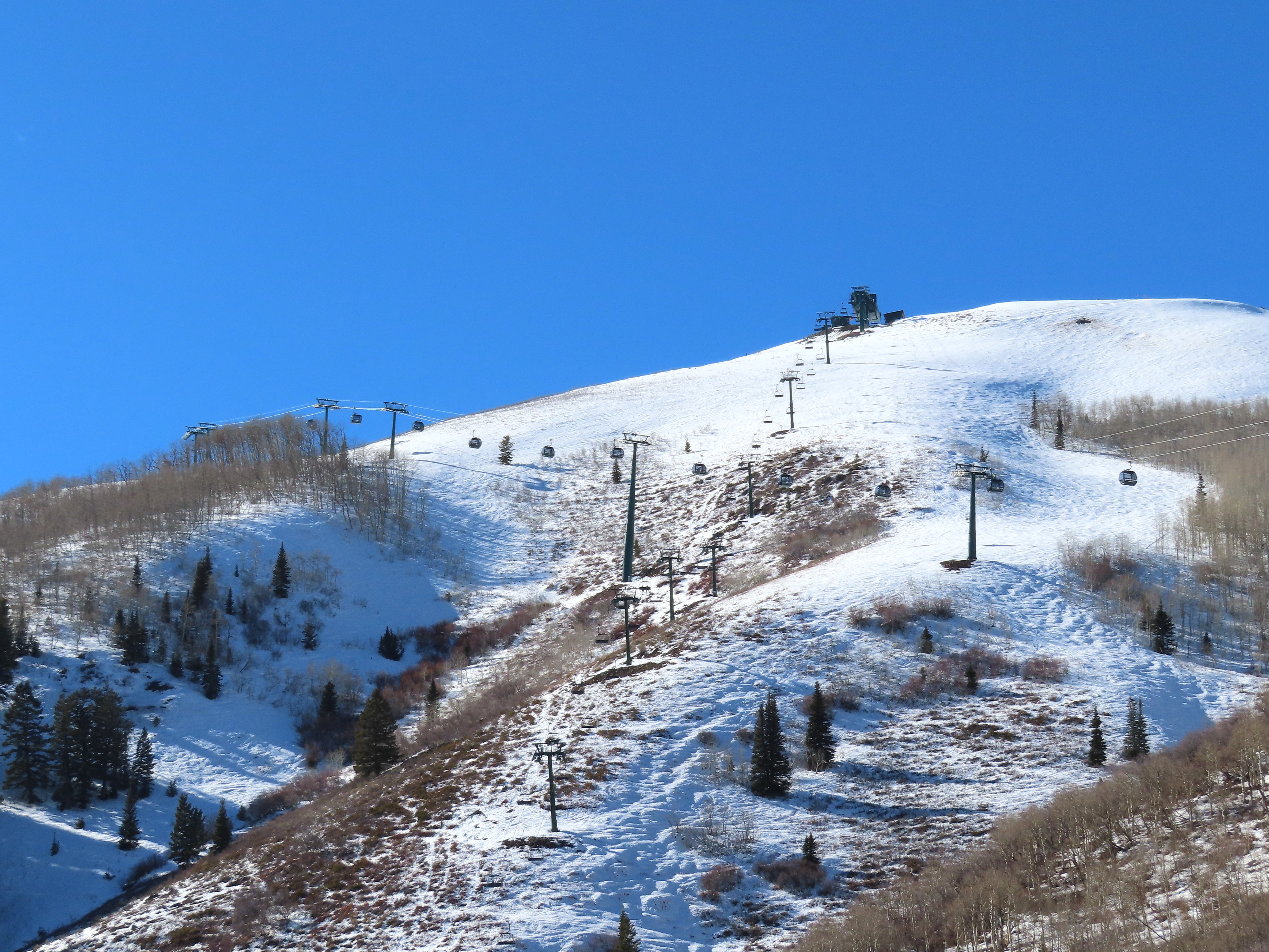
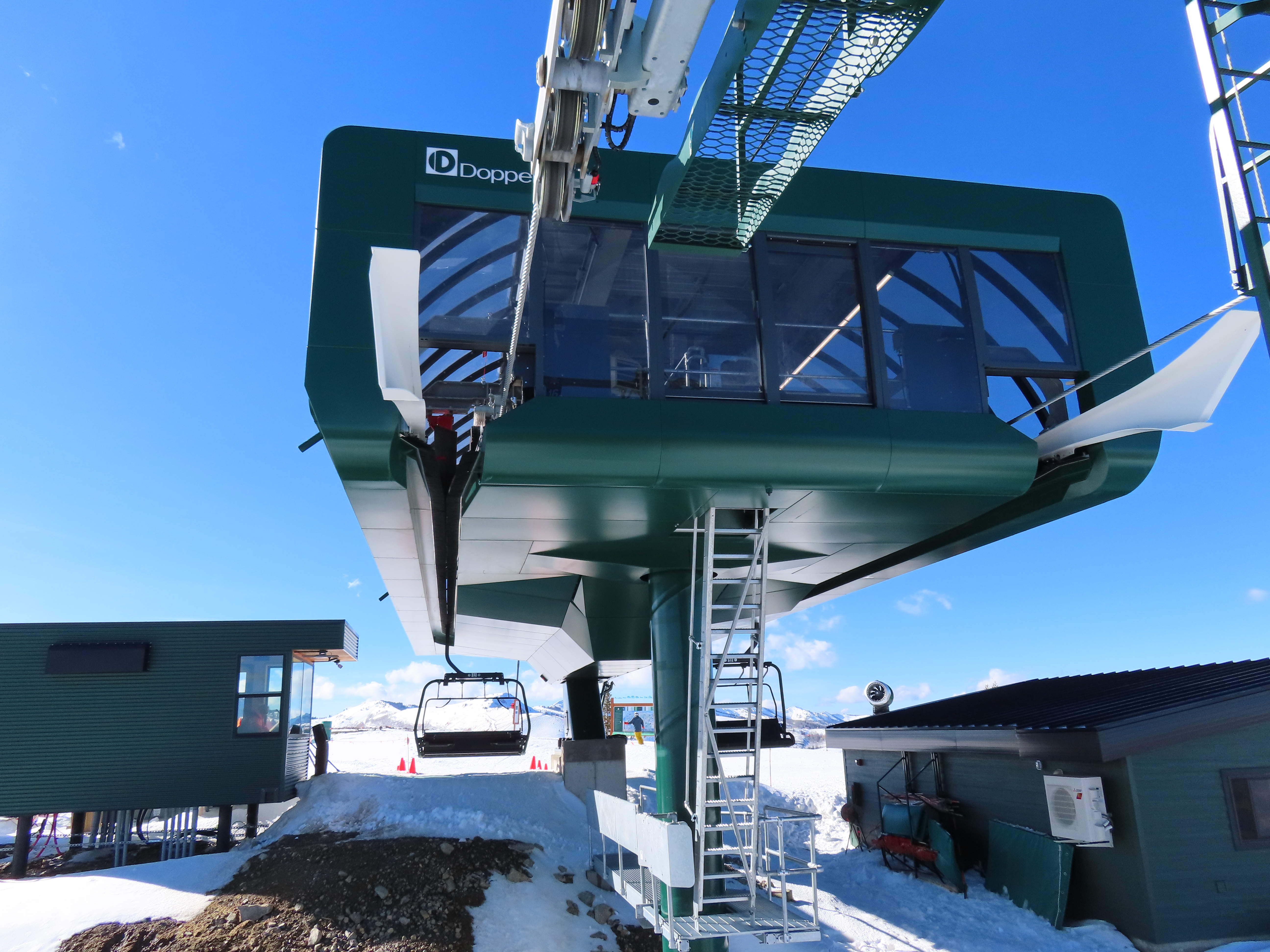
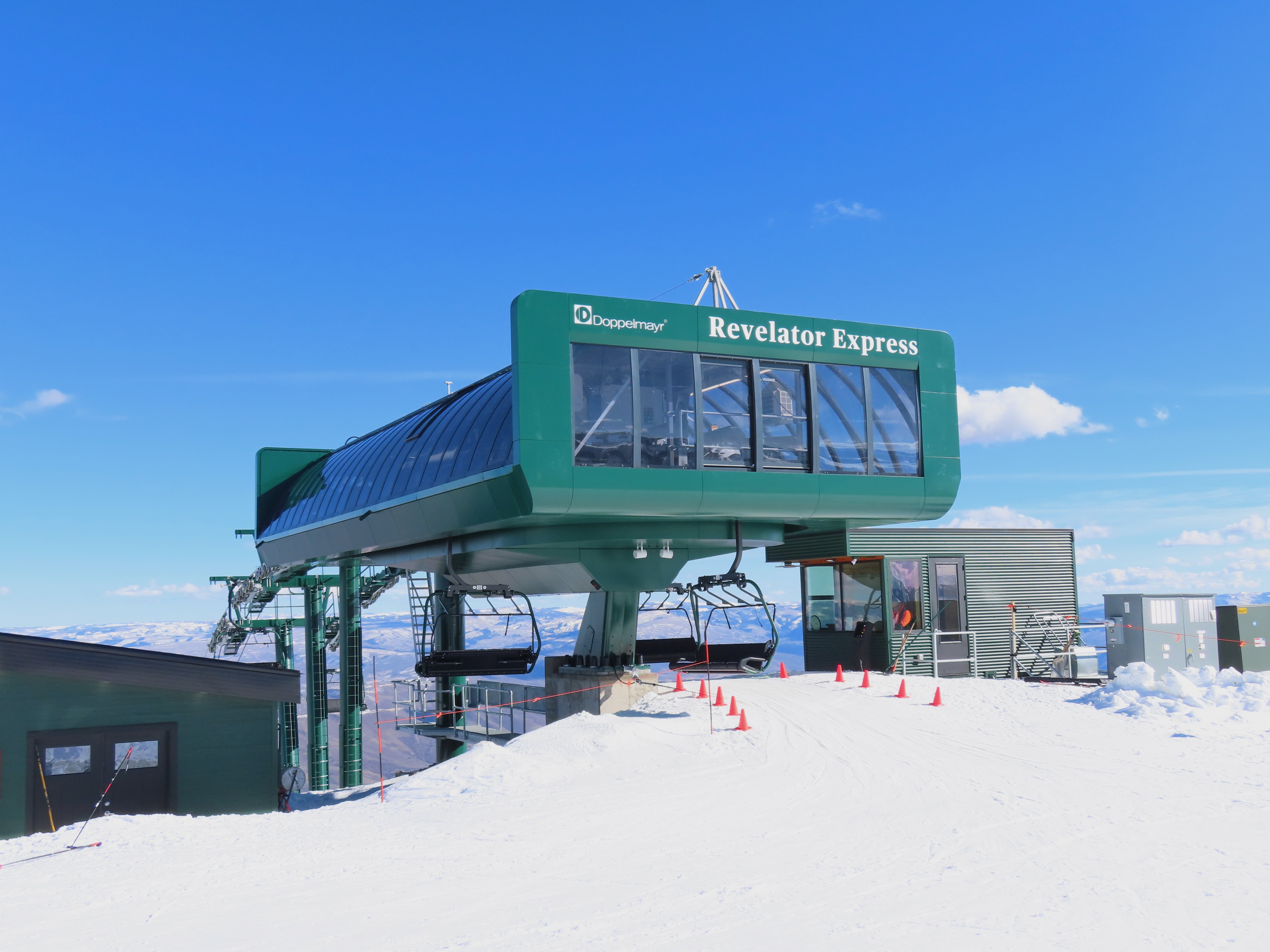
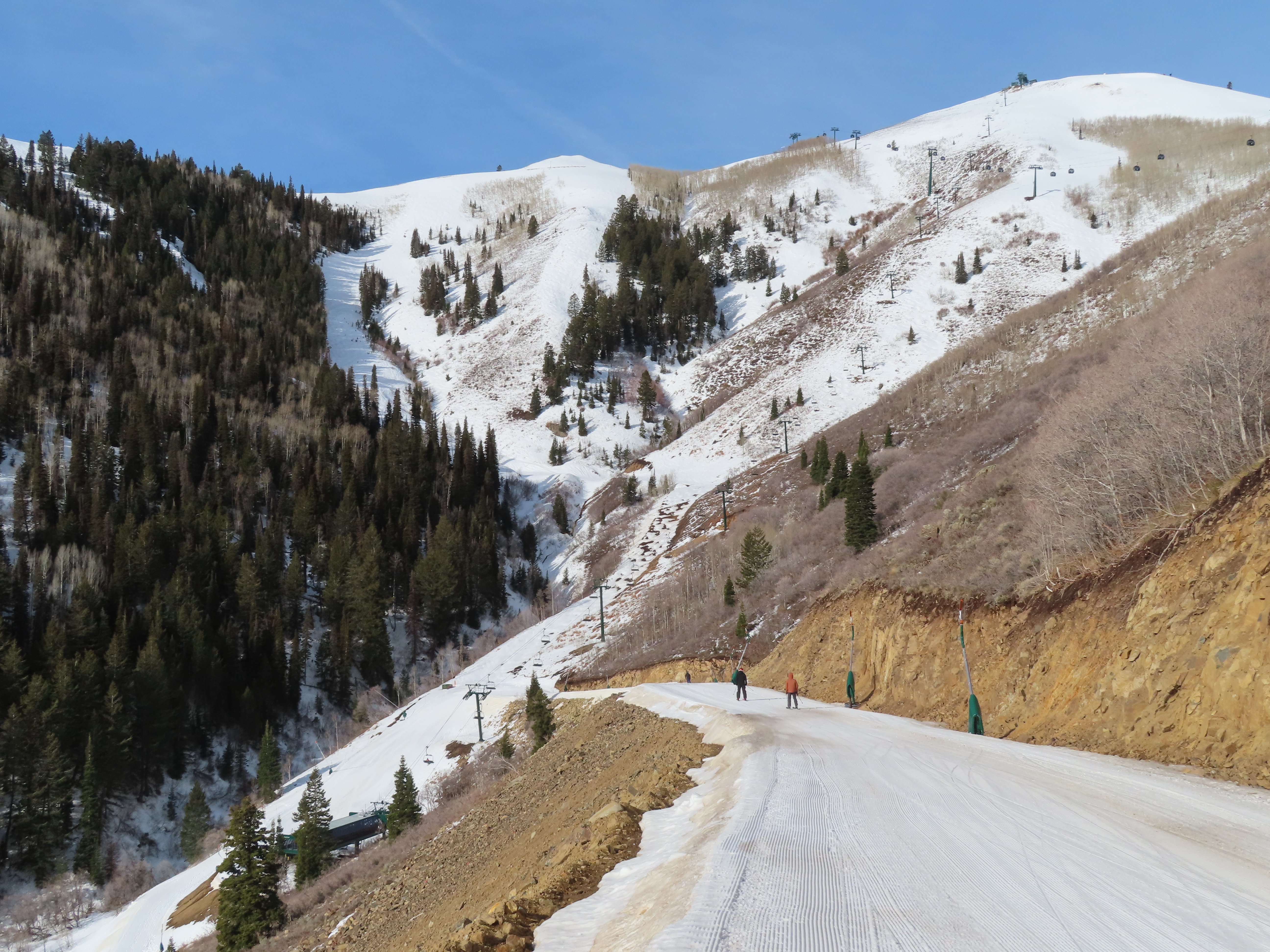
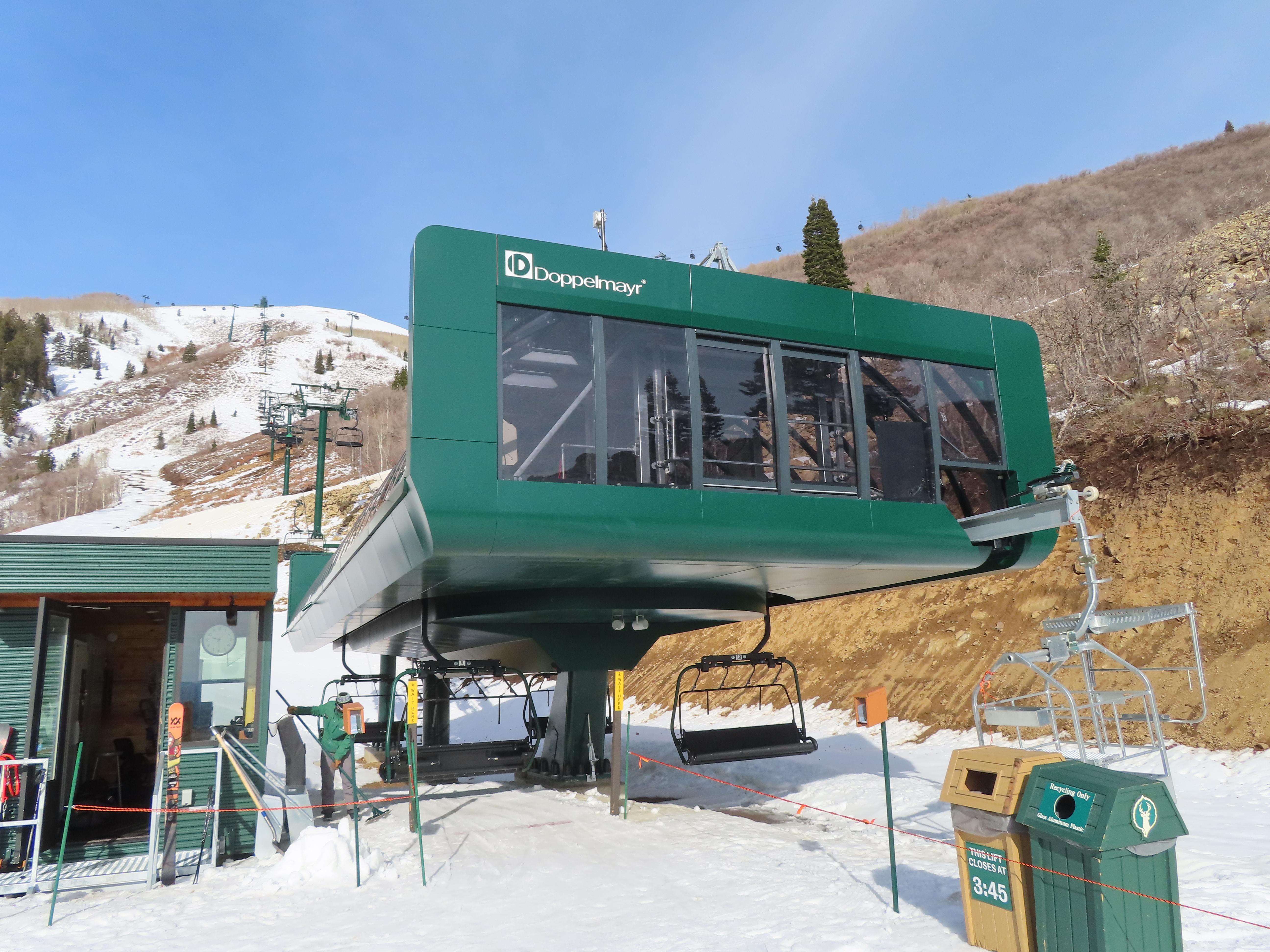
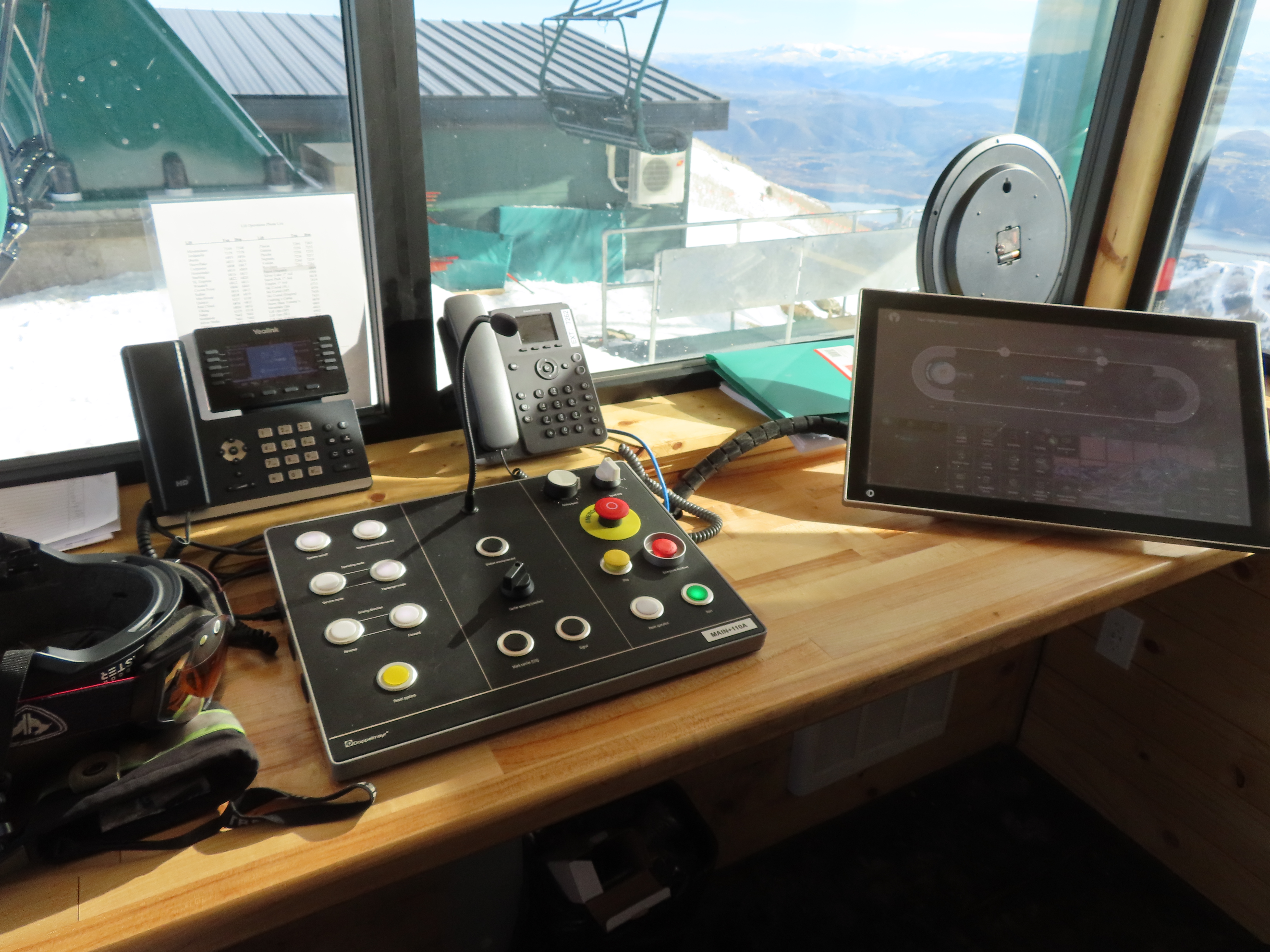
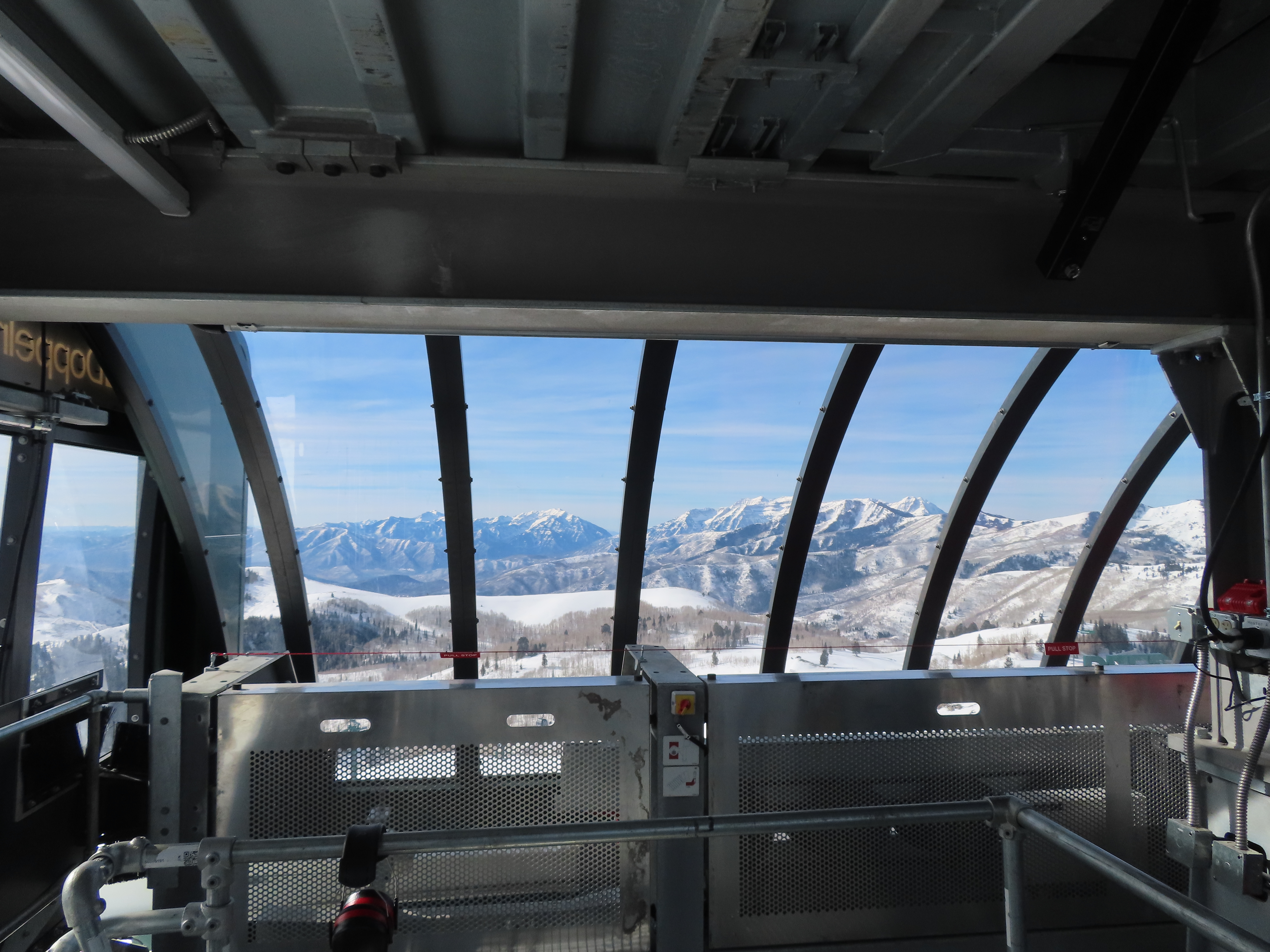
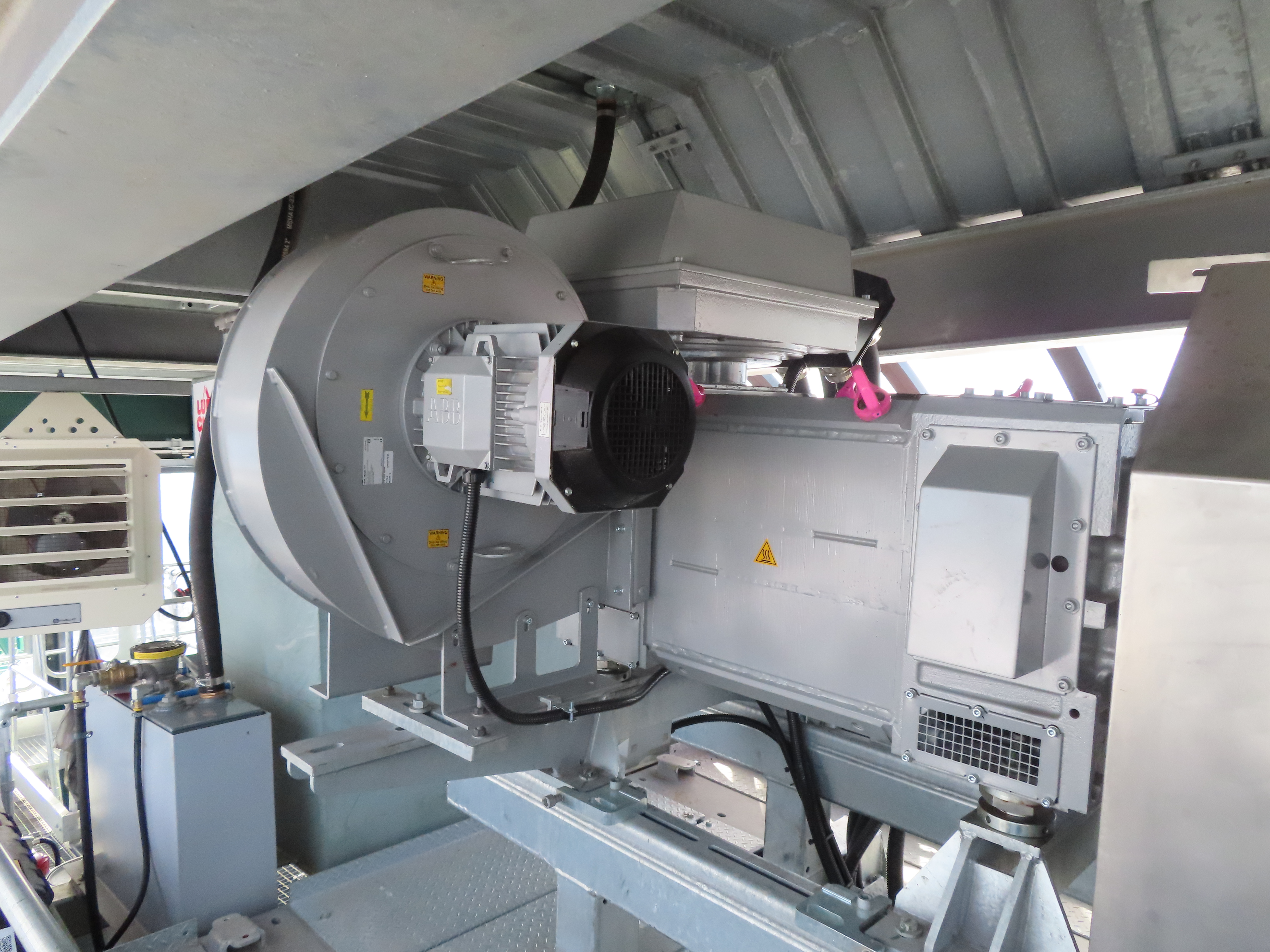
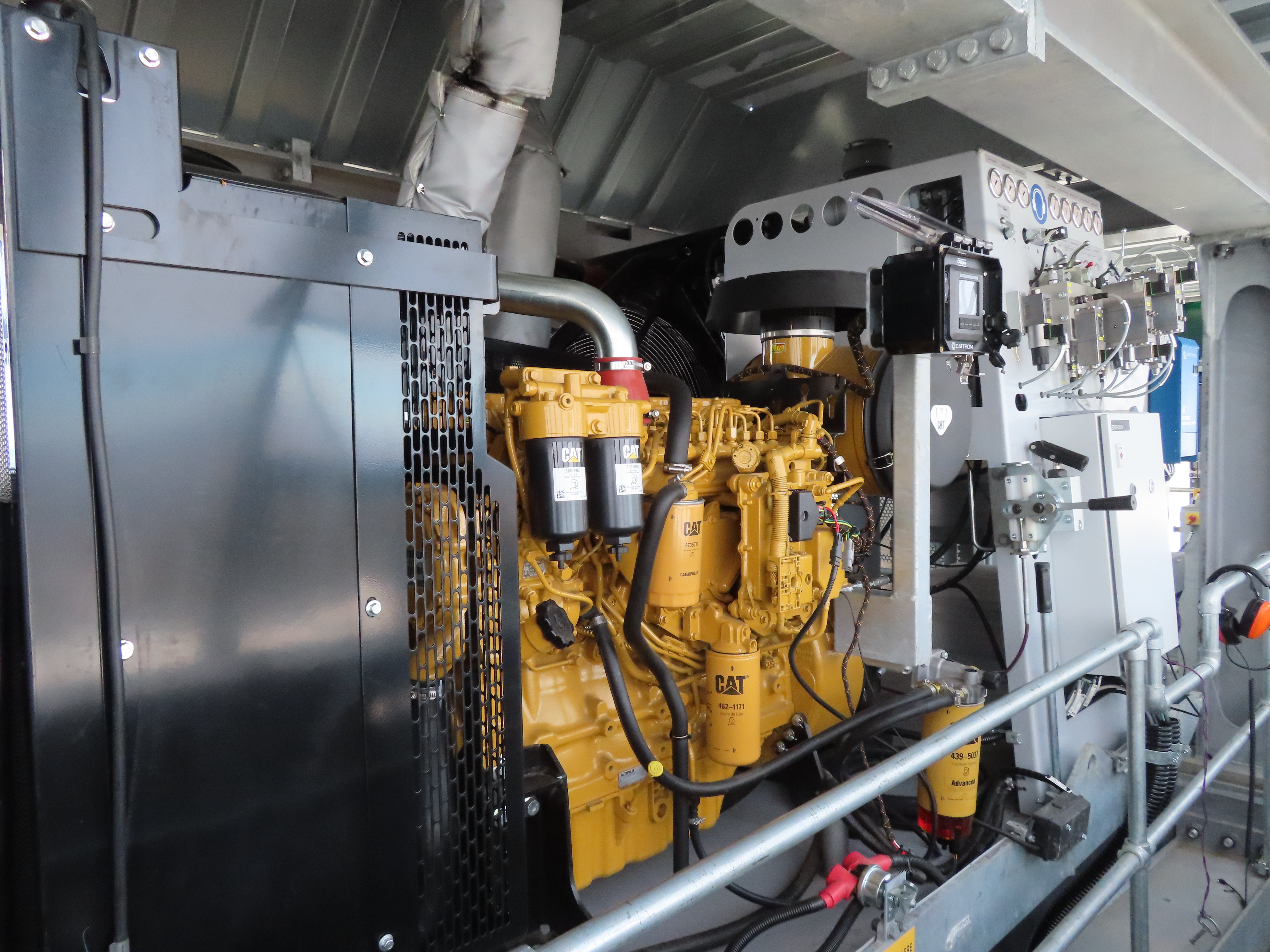
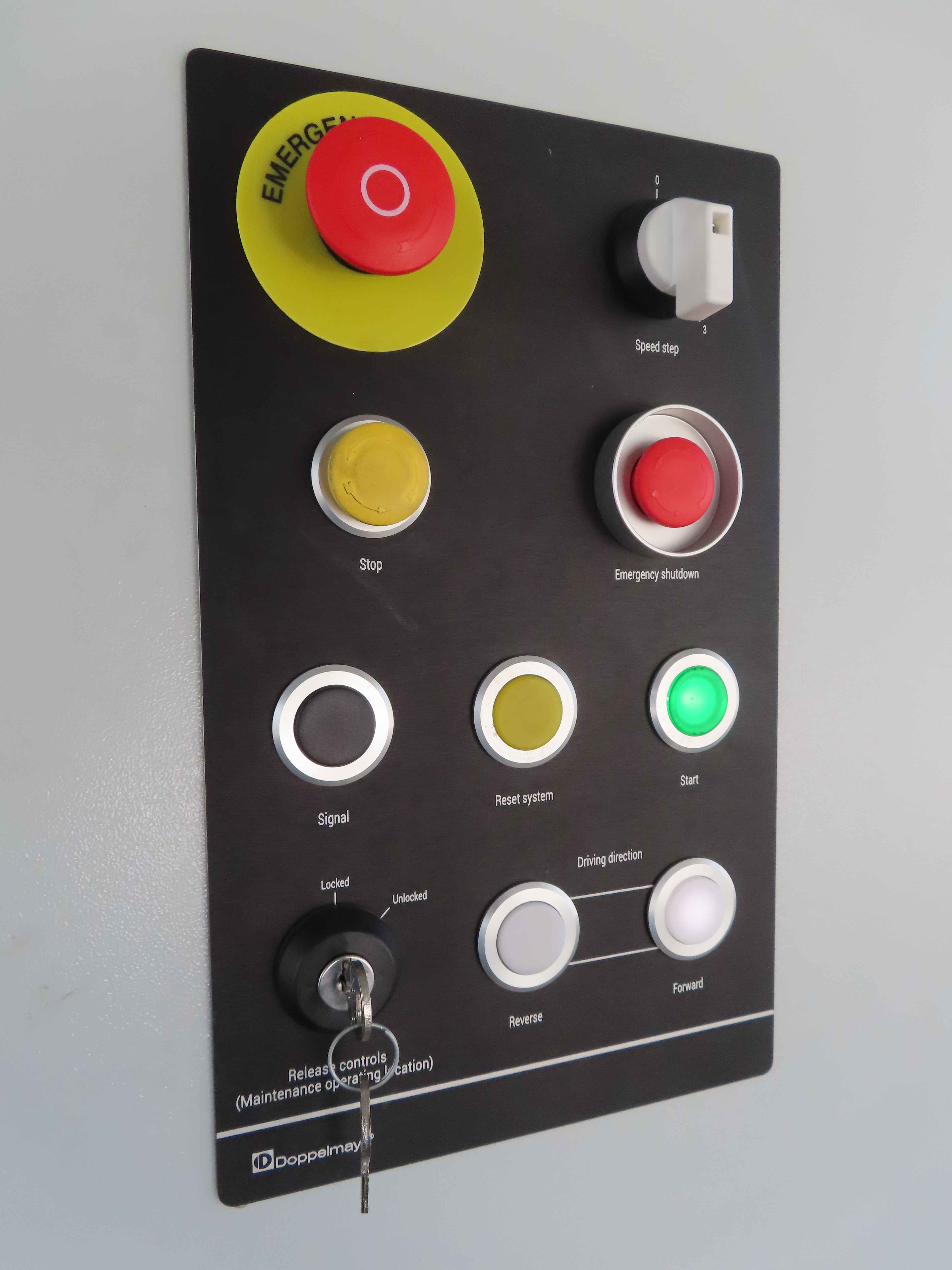
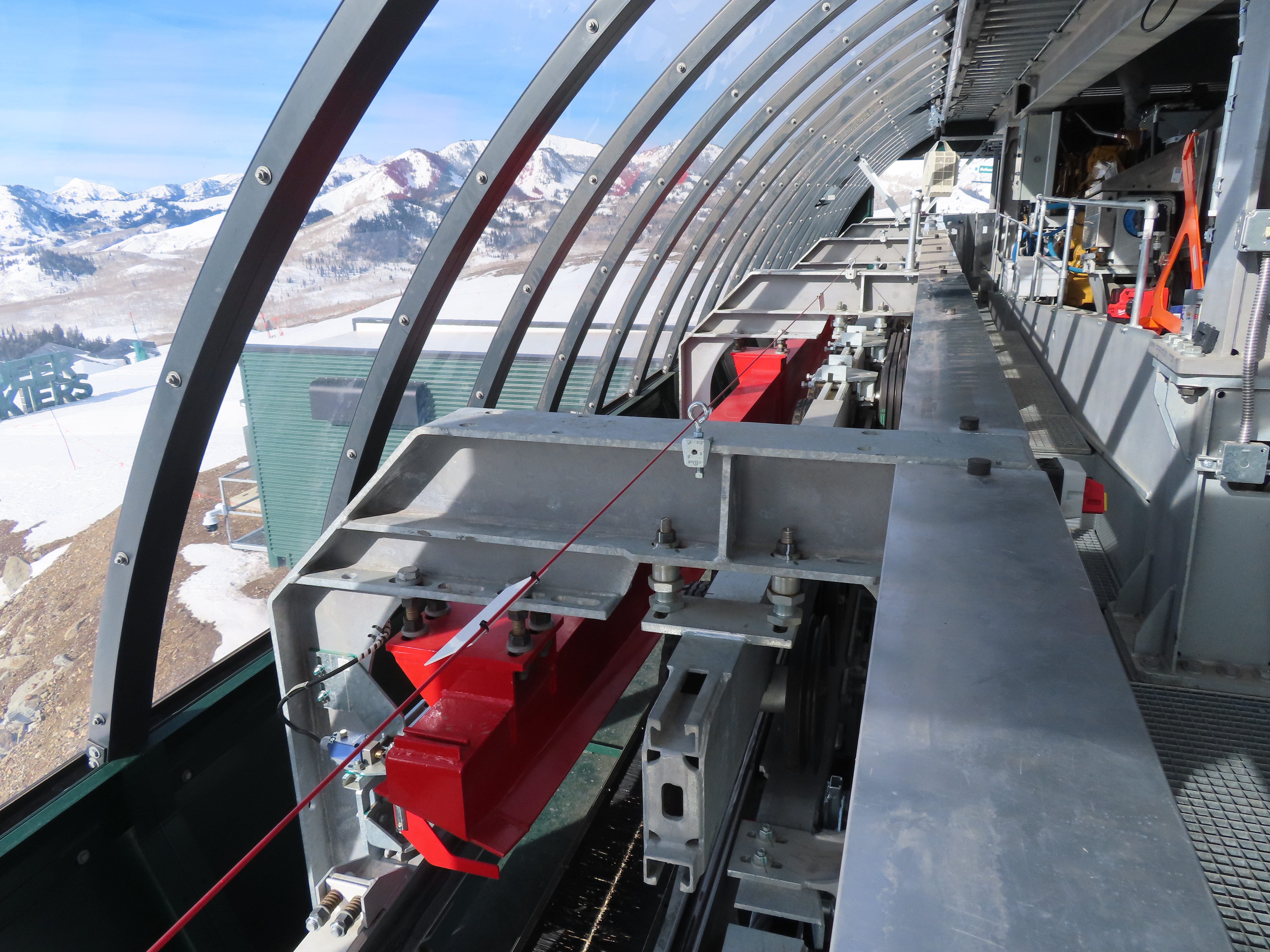
This lift serves the upper half of what was originally planned as one very long lift up the gut of Park Peak.Near the top, Revelator passes underneath the East Village Gondola section II.Lower station and tower 1 along the Catch All trail.View up the line near the bottom terminal.UNI-G station designed to mimic a D-Line.American style tower head.View riding up at tower 7.Looking back down the lower line.Tower 8.Crossing under the gondola at tower 10.View back down.Nearing the summit.Big breakover with three towers.Arriving at the drive.Unloading area on Park Peak.View toward Redemption Ridge.The entire lift seen from behind.Loading area.Riding out of the canyon.Doppelmayr Connect control system at the drive.View from the top terminal.Another view from the motor room.ABB electric motor.Due to its location, this lift incorporates both standby and evacuation engines.Controls in the station.Grip detach rail.View from the summit toward Big Dutch and Jordanelle.Side view of the drive station and breakover.Upper terminal seen from Redemption.Top terminal seen from the air in summer.
I like the alignment they chose for Vulcan when they split this lift in two, but I really think Revelator starts way too far uphill. Only three of the six reliable advanced runs off of Park Peak can be lapped (Non-Descript & Bet Your Boots have southern exposures that will require a lot of snow), and throwing a ton of traffic onto a narrow, southern-facing catwalk (Exchange) is just not a good idea.
I think the lesson of this low-snow year is that another hundred yards of snowmaking is needed on the runout from the north-facing runs. The north-facing runs (Hellcat, Deep Enuf, and Cataract) all held snow fine most of the season and Redemption is a snowmaking run to get to them, but the Catch All runout right above the lift melted out early and the south-facing Exchange catwalk had a hard time staying open and was covered in dirt by the end. They might also cut a path through the trees to get from Papa Joe and Ophelia back down to Revelator without riding Vulcan (similar to the labeled cutoff to get from Orient Express back to Sultan without riding Mayflower). Non-Descript was open for about a week in February this year.
Pay Rock and Joker held up better than I would have thought with snowmaking on southwest and southeast exposures. Another problem is that the freshly blasted runs need some time for grass to grow back to hold down dust for early/late season and low snow years. The freshly-dug-construction-site visual was worse than the snow itself.
All things considered, they did a great job with very little help from Mother Nature this year and were probably lucky to have a chance to see what breaks in a low snow year and where a little extra snowmaking is needed. For example, Silver Link and Dakota are both essential access runs in the legacy DV terrain that face directly south in the low-8000s feet of elevation and now hold up fine with a bunch of snowmaking and some wind fences.
Another question? Why did DV make Revelator counter-clockwise instead of clockwise, as the loading setup can feel rather awkward? I thought Revelator was gonna be clockwise with 90-degree loading like what happened with Vulcan. It would’ve been a bit more comfortable I think in that regard.
I can attest to the fact that the freshly blasted trails can display uncomfortable amounts of dirt to begin with. I skied the Clipper Trail off Pinyon on New Years Day and I got dust all over my coat, face and gear from the high winds that were prevalent that day. Hopefully it isn’t much of an issue next season.
Revelator feels like Mineral Basin at Snowbird since terrain aspects are similar in nature, but Revelator having a lower overall elevation with Park Peak 300 feet lower than even the bottom of Mineral. Not only was the Exchange run suffering from South-Facing exposure but also felt skied off since almost everybody who isn’t advanced/expert are forced to take it for riding Revelator up. I agree also about the trails. Persistence off Vulcan felt rocky since it faces southeast-east on a ridgeline, even when snow conditions were prime, but snowmaking luckily did what it could. What would you say how Big Dutch and Keetley’s terrain fared?
Big Dutch was really nice all year. That’s the best terrain in the expansion for holding snow. It’s a long runout through the construction zone to lap the Big Dutch terrain from the gondola, but they’ve already cut the lift line for the eventual Big Dutch lift from the Sure Thing / Green Monster intersection back to the top. North facing and around the same elevation as Bald Eagle. The low-elevation but north-facing runs under Galena exceeded expectations too. It’s shady and out of the wind down there. Lady of the Lake and Lone Tree are fun cruisers.
The ugliest thing in the whole expansion is the Exchange catwalk down to Revelator. No way to avoid having an exposed south-facing catwalk right there, and you need Vulcan to unload in that spot so there’s a way out. But that whole area is pretty tight to navigate. There’s really no perfect spot for Vulcan to end up on the Carbenite ridge.
I wonder if Revelator rotates clockwise because of wind in a pretty exposed spot. Having the heavy side downhill might allow for shorter towers closer to the ground. Since Vulcan has 90-degree loading in the other direction with a similar loading configuration as Revelator, someone must have thought about it.
Reserving judgment on the whole thing until (1) there’s a halfway decent snow year, and (2) it feels like less of a construction site. It will take a few years to feel seamless. Once the Four Seasons right by the gondola is done, the base area will feel mostly finished for day skiers and the rest of the construction will be farther back closer to the road. The Park Peak Lodge will be spectacular when it’s done and they will hopefully go a few years without a snow year like 25-26. The year Empire opened, 98-99, was a similarly terrible snow year and they didn’t get it open until late January. 98-99, 07-08, 12-13, 17-18, 25-26 stand out as bad snow years. Call it every 5-6 years.

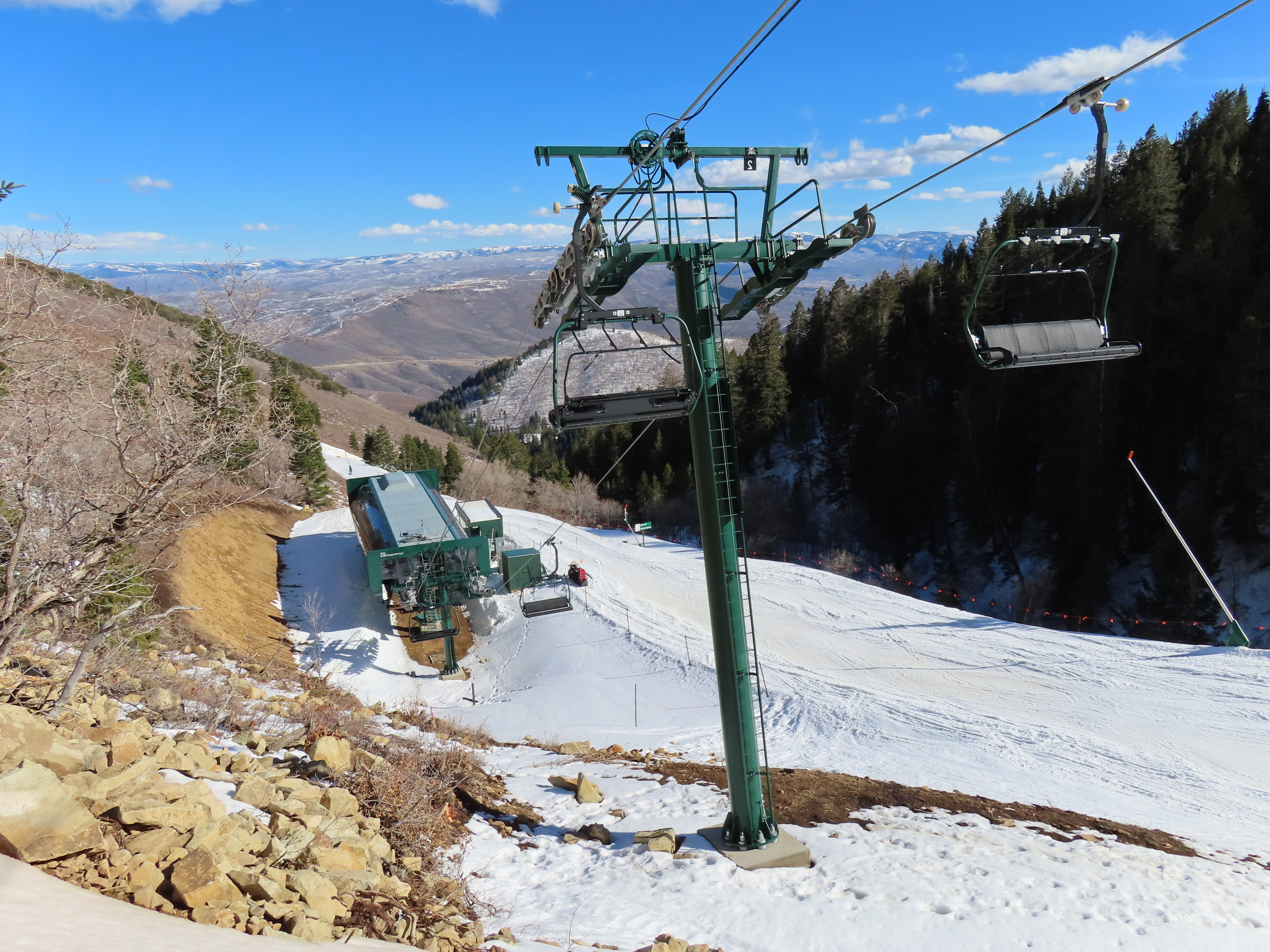
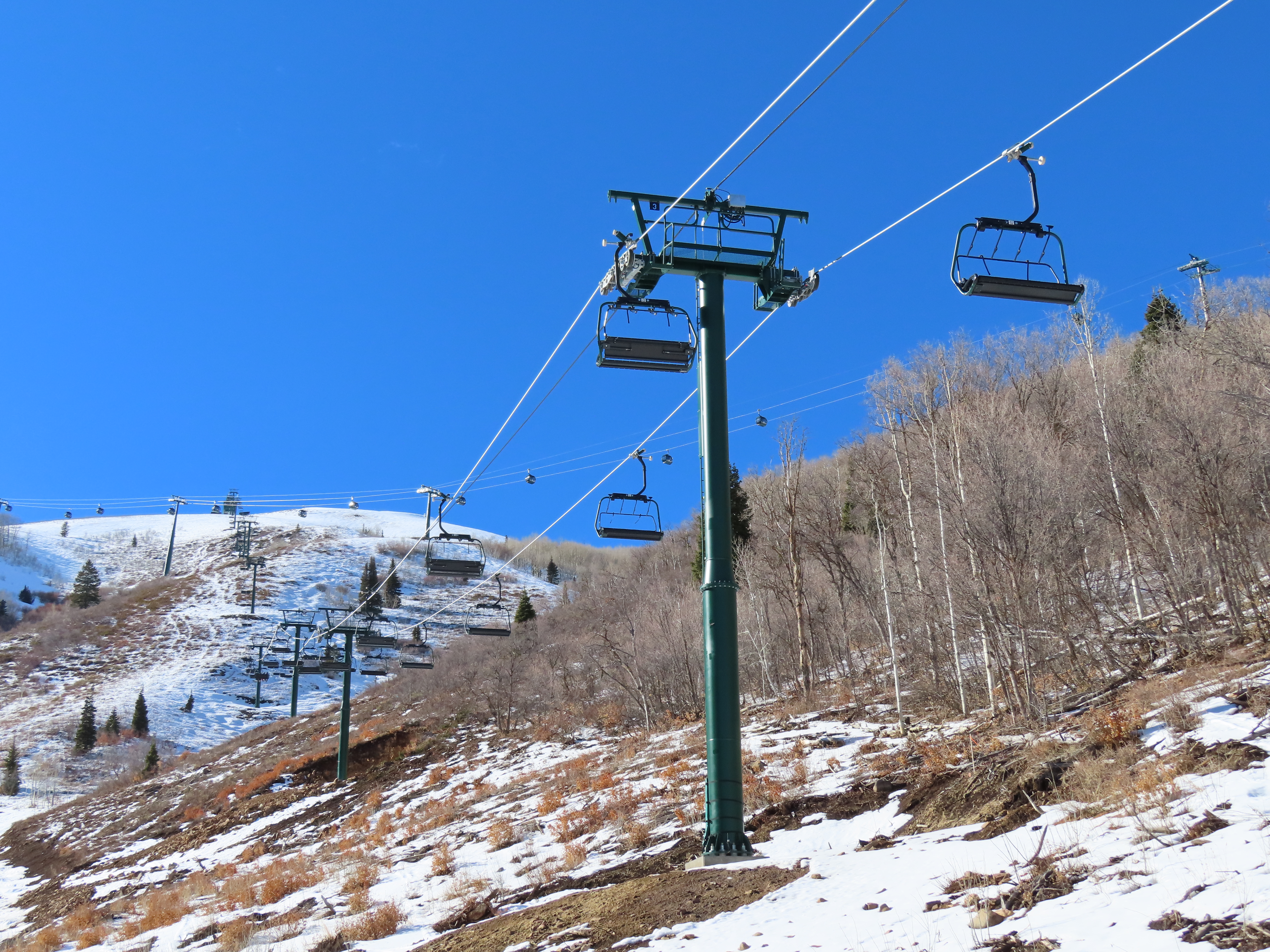
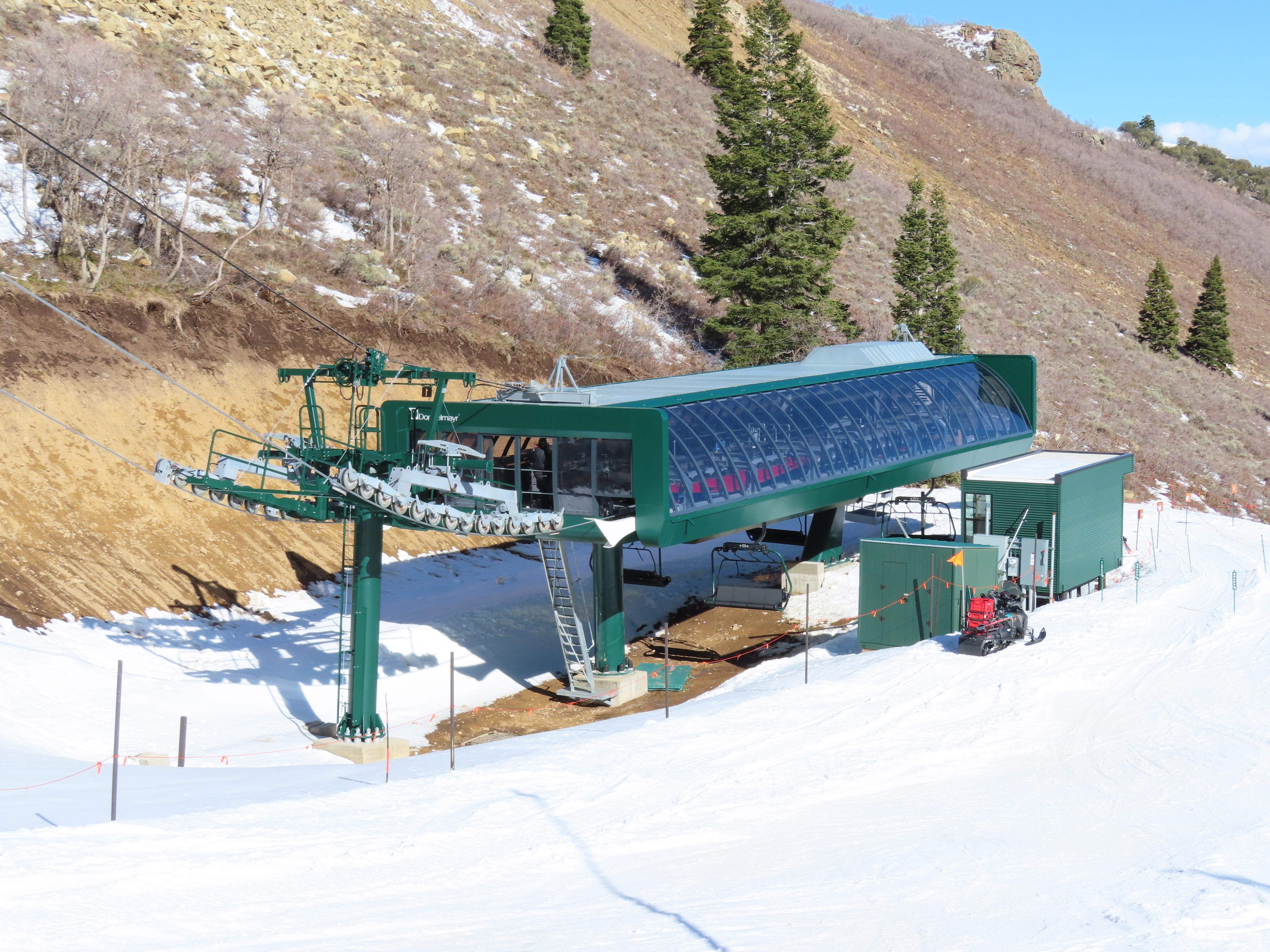
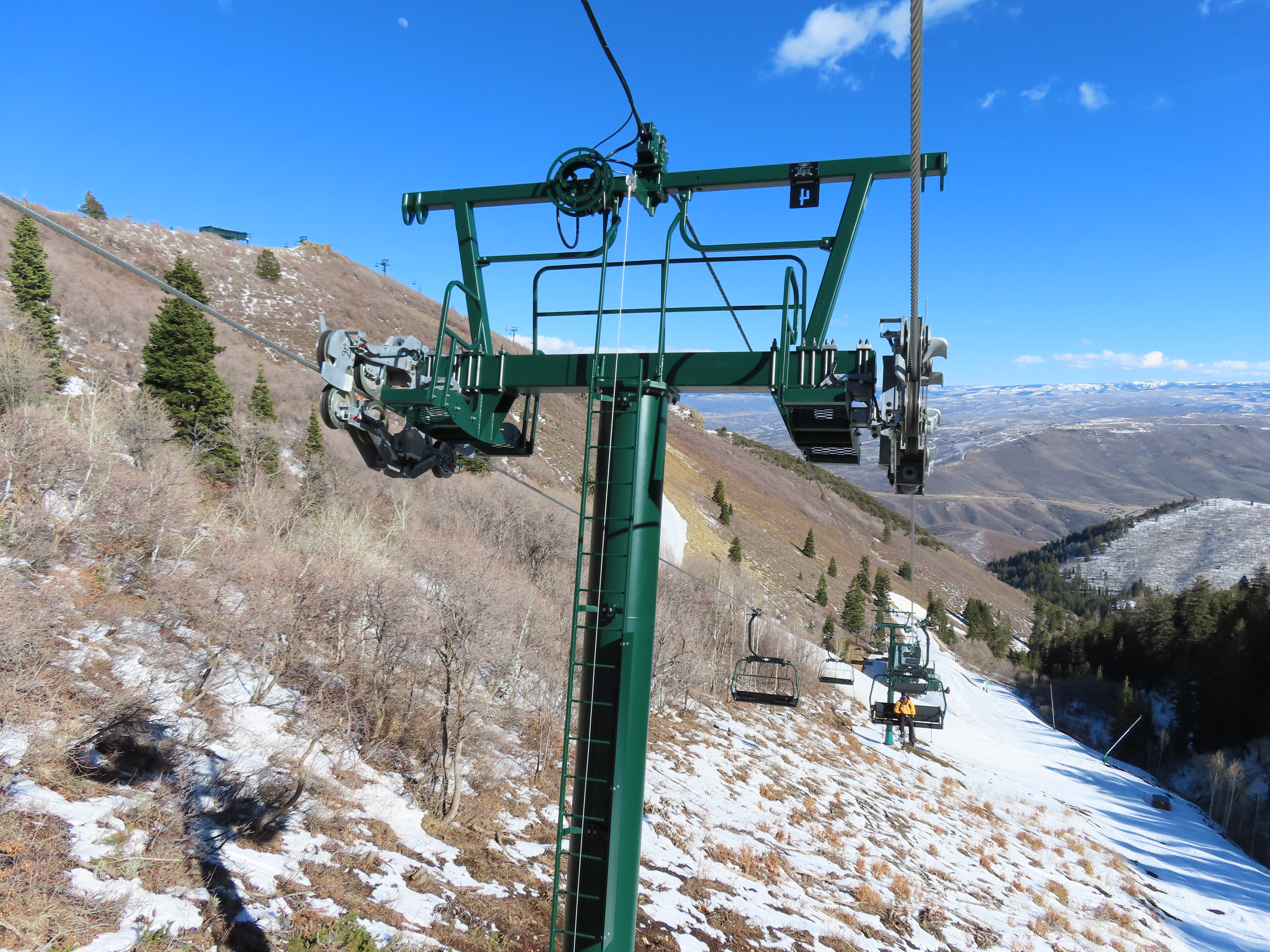
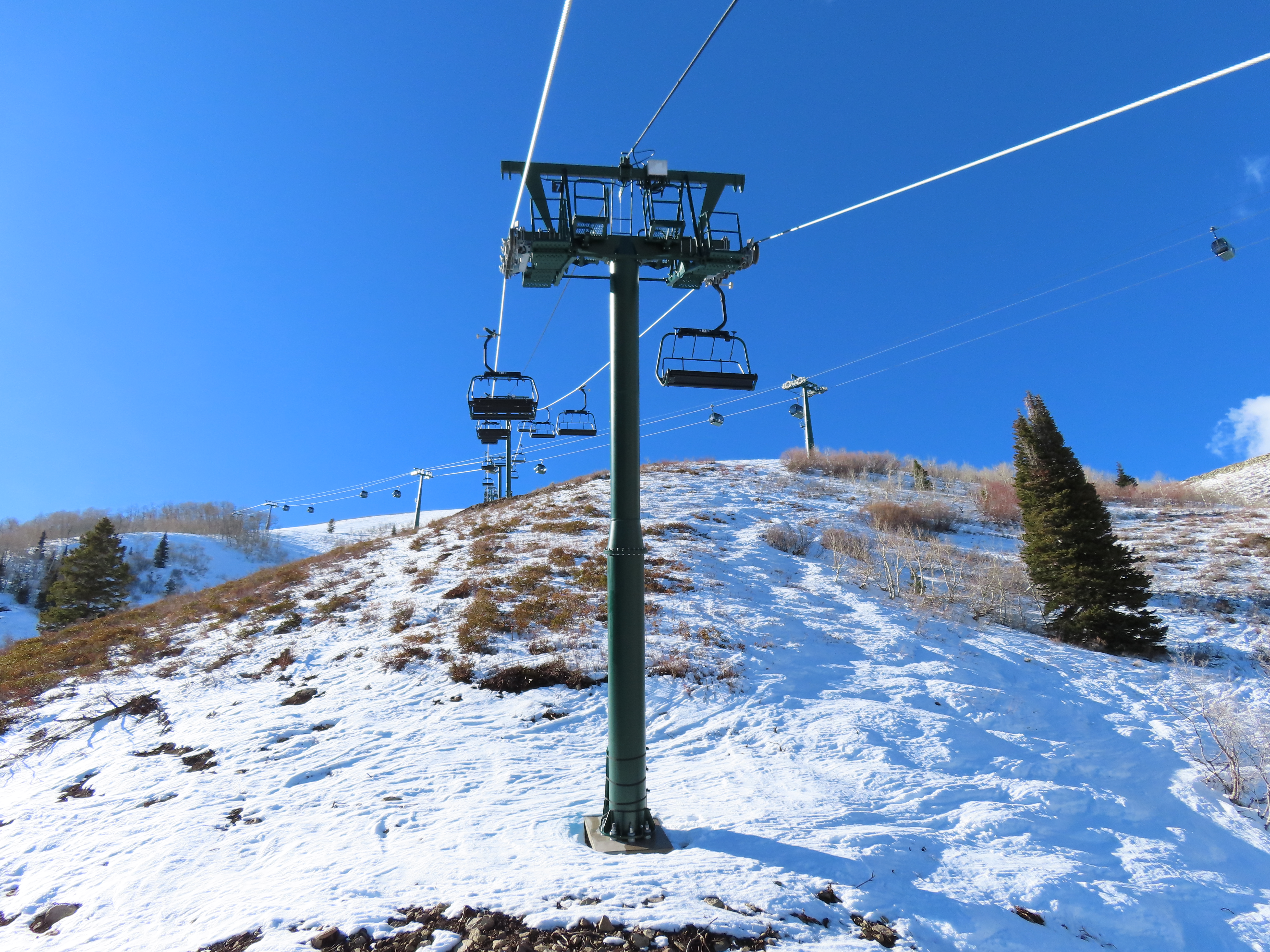
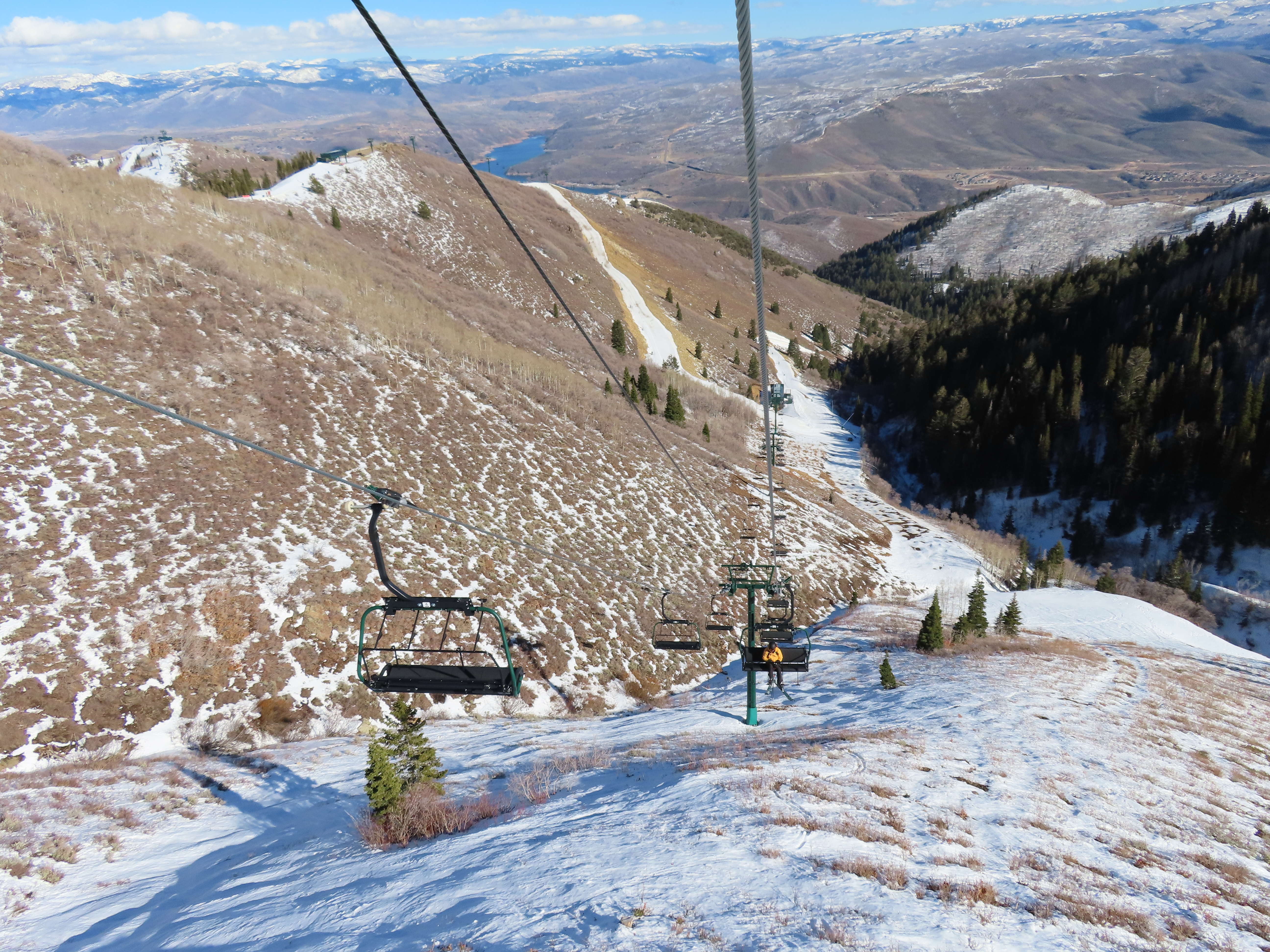
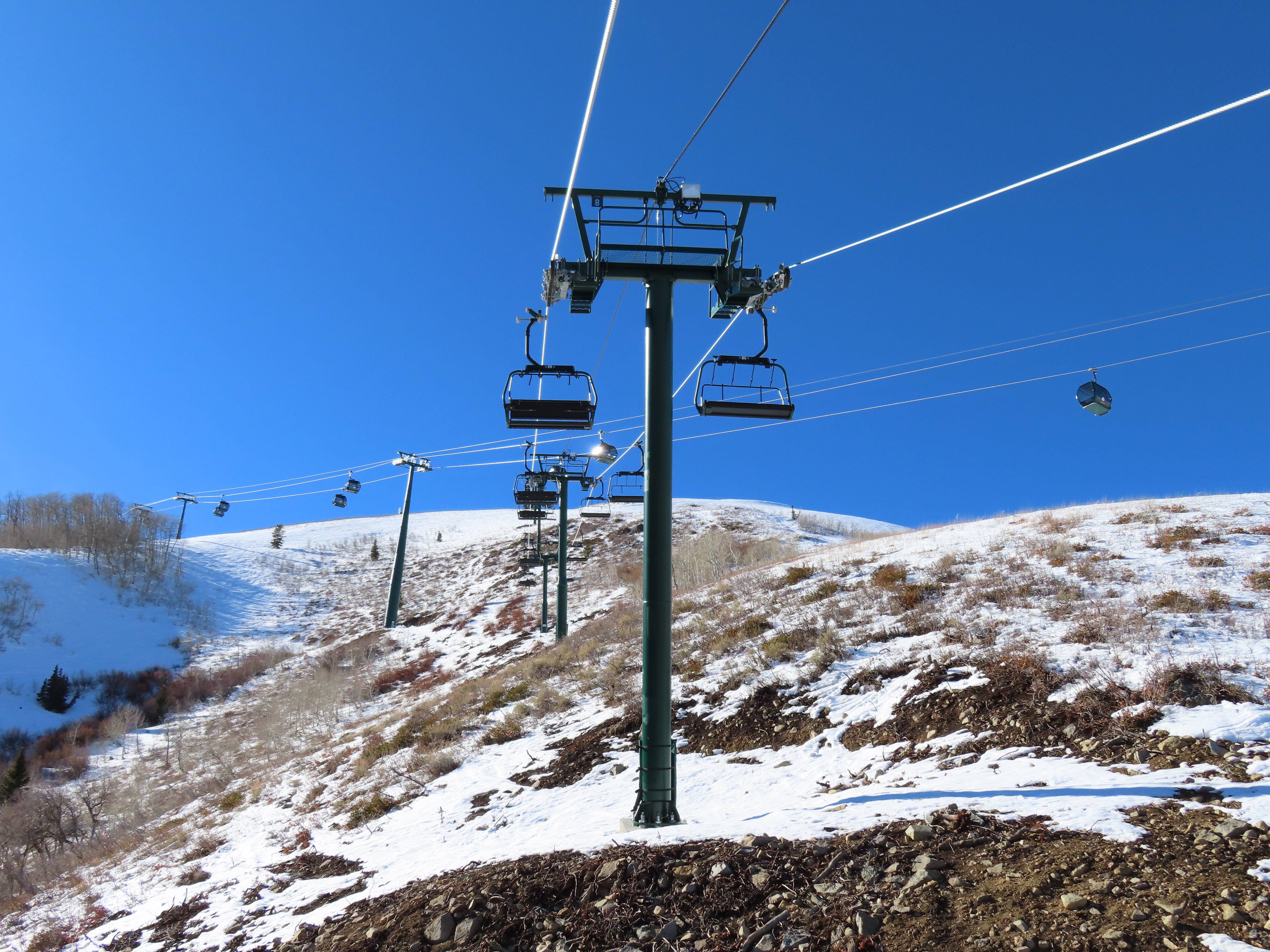
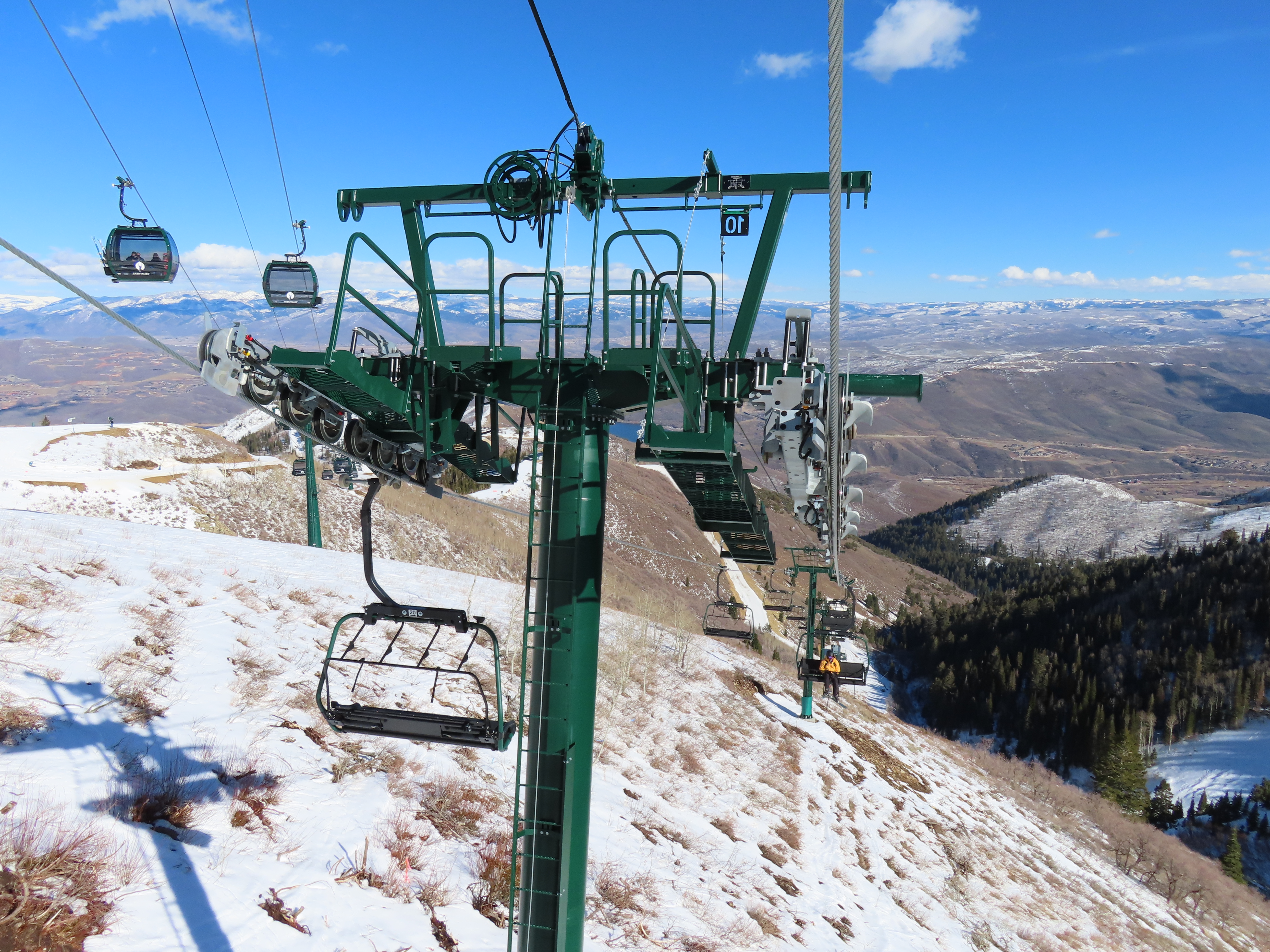
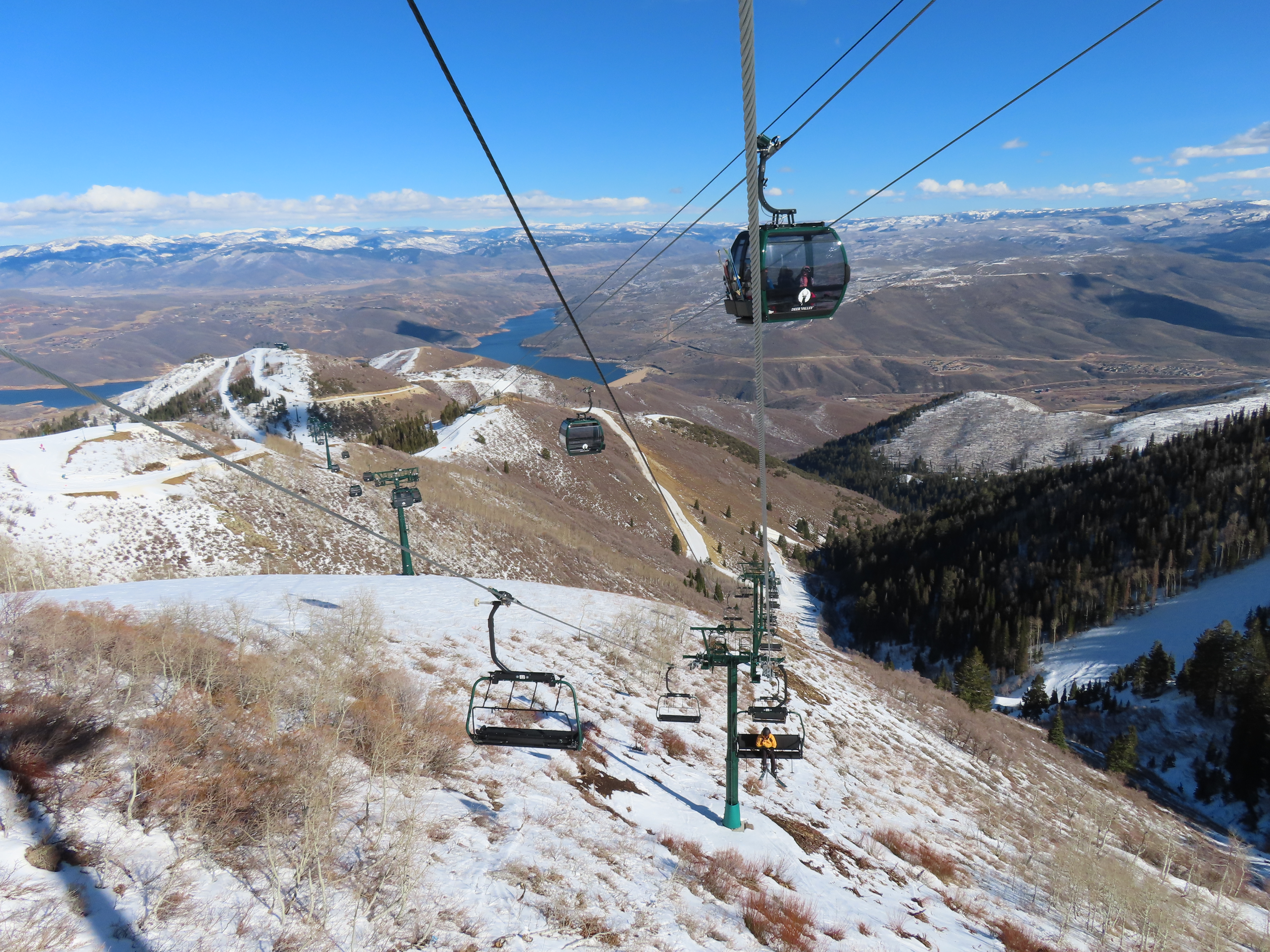
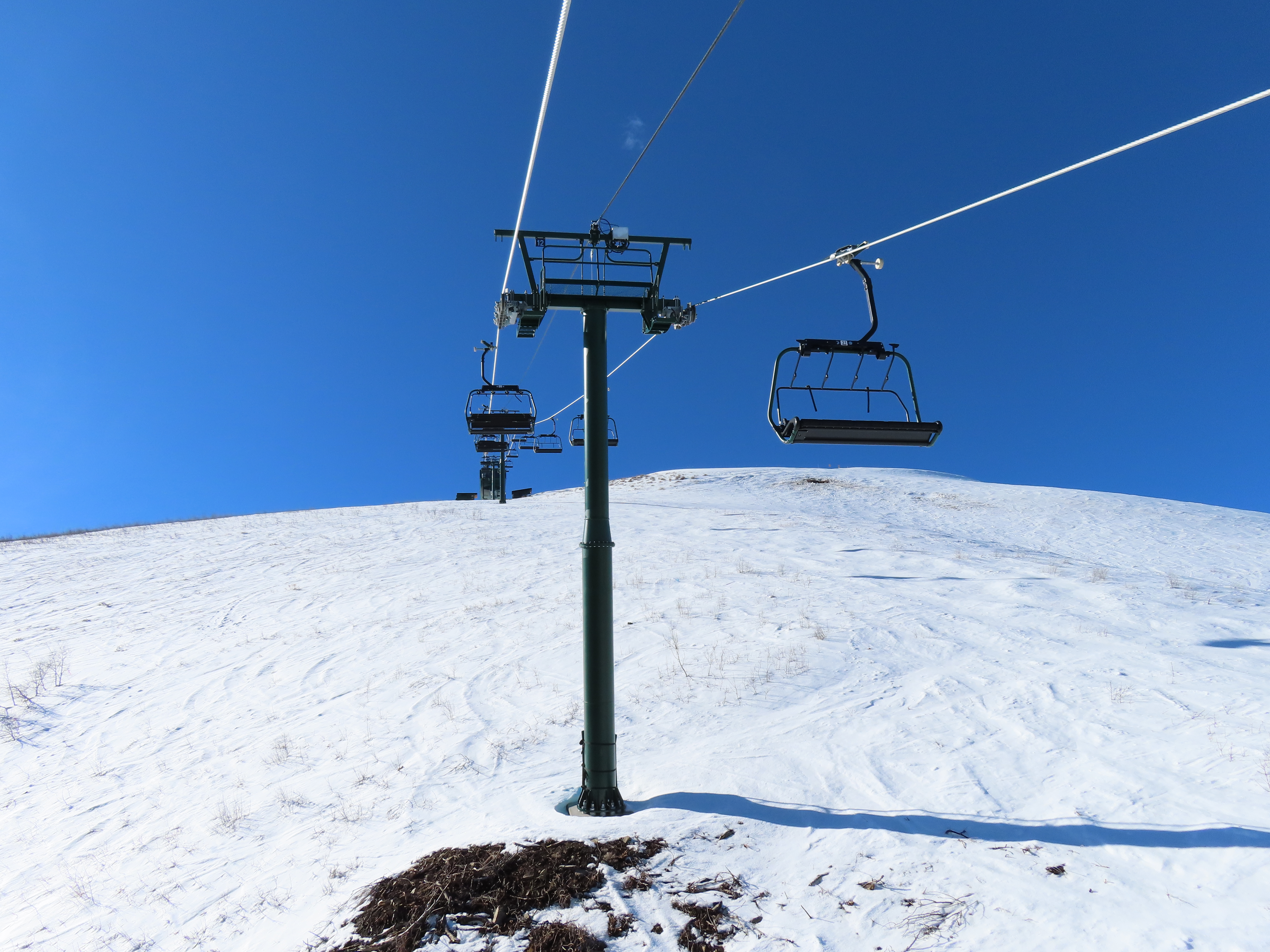
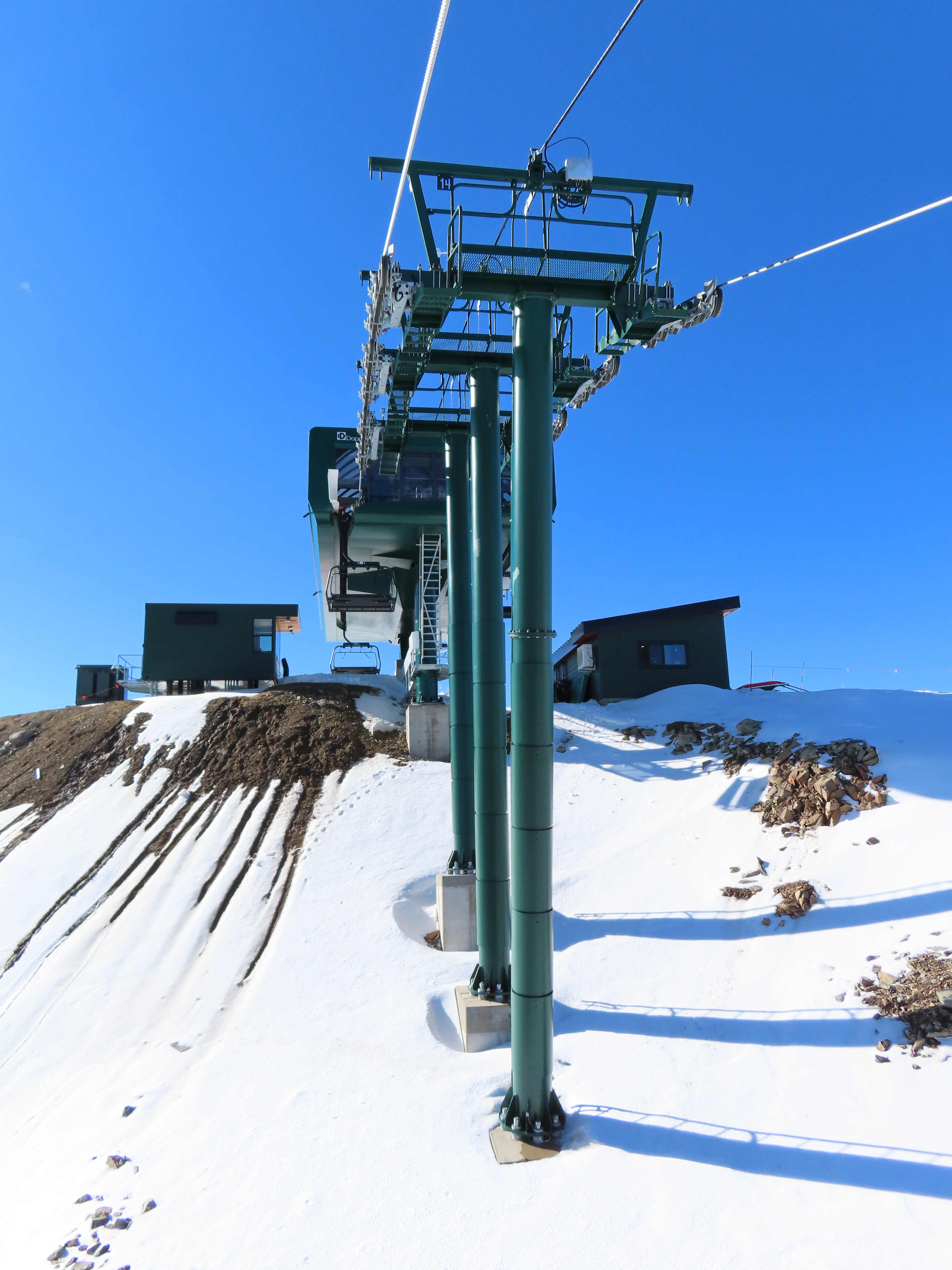
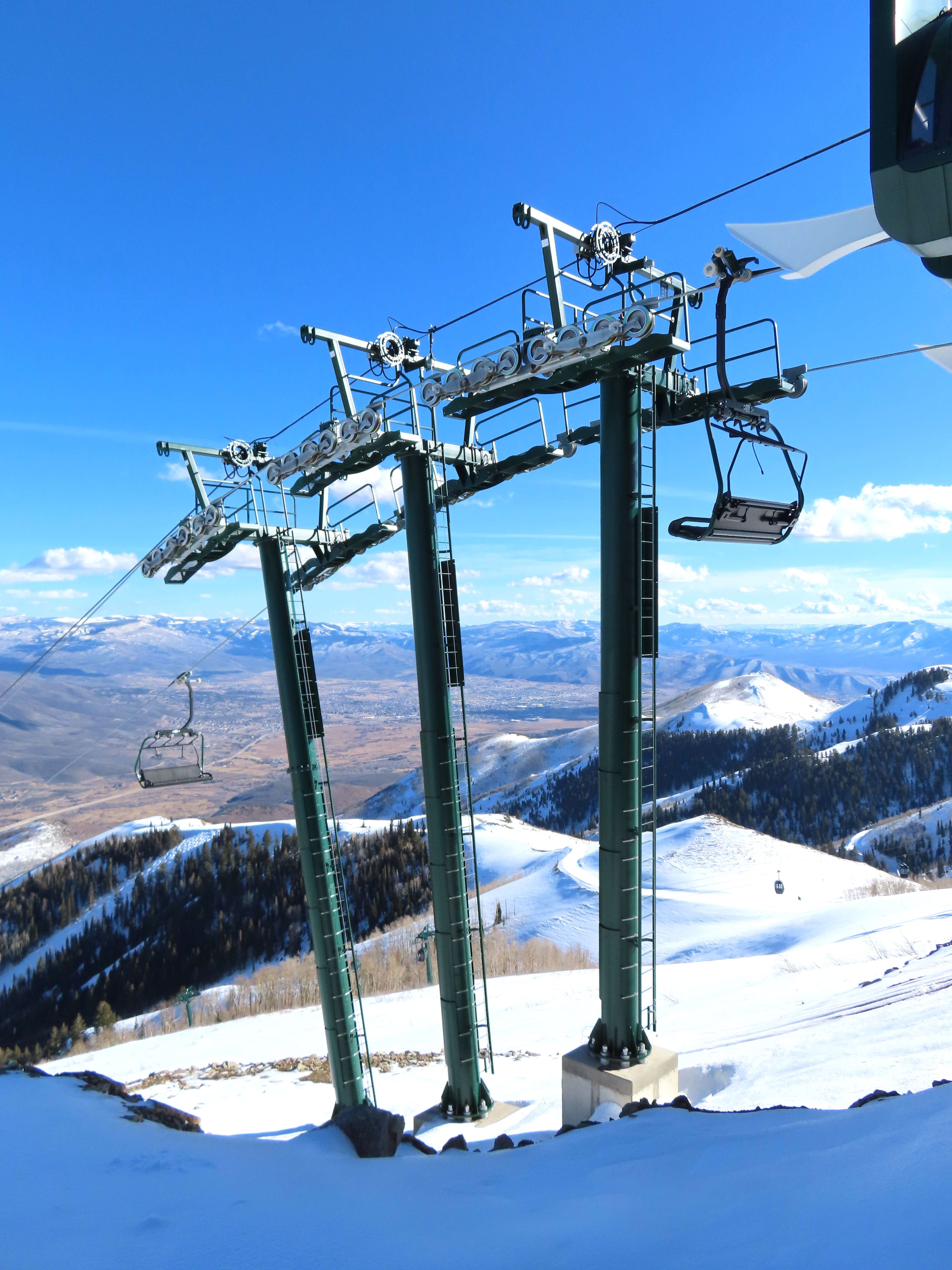
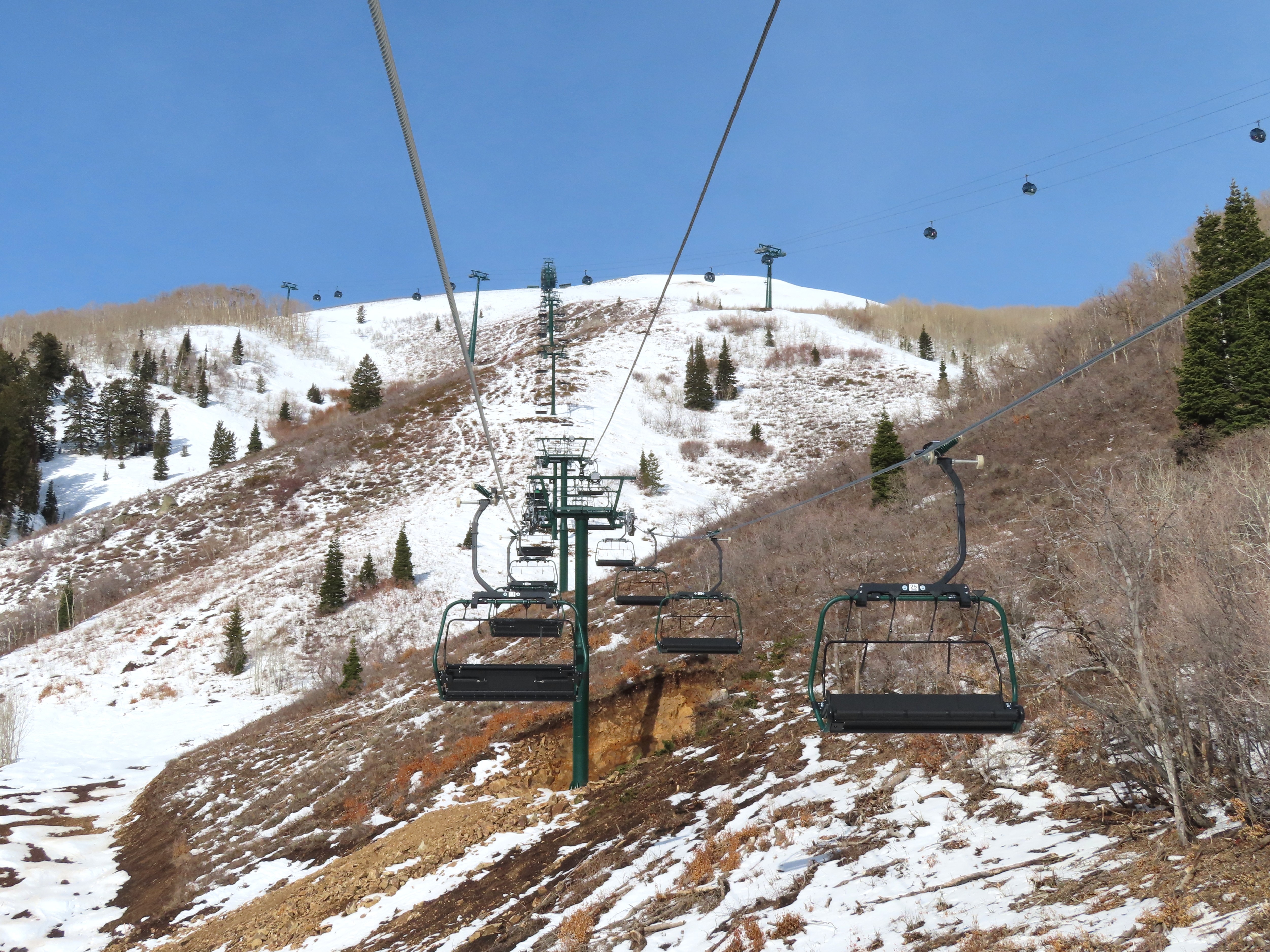
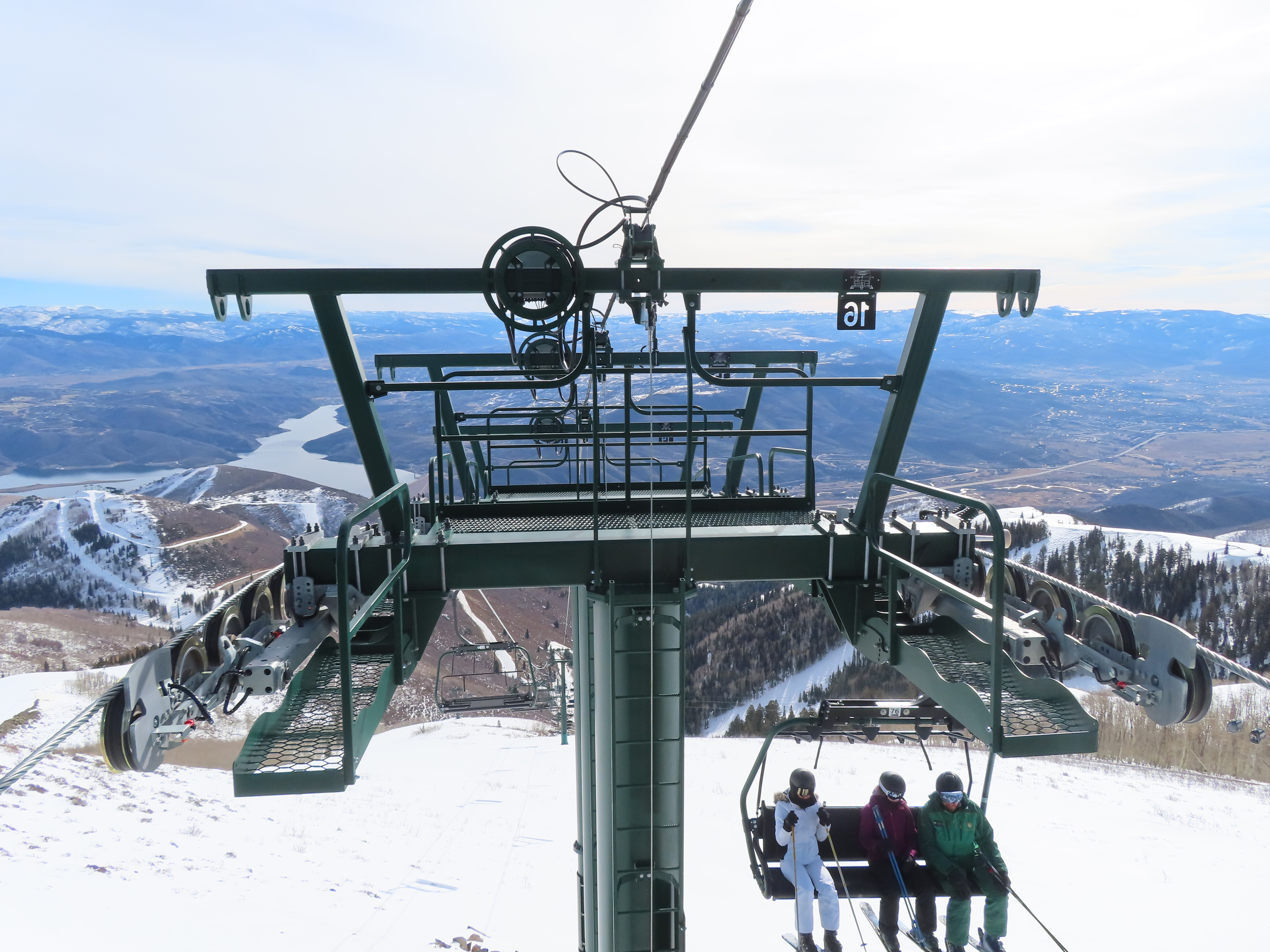
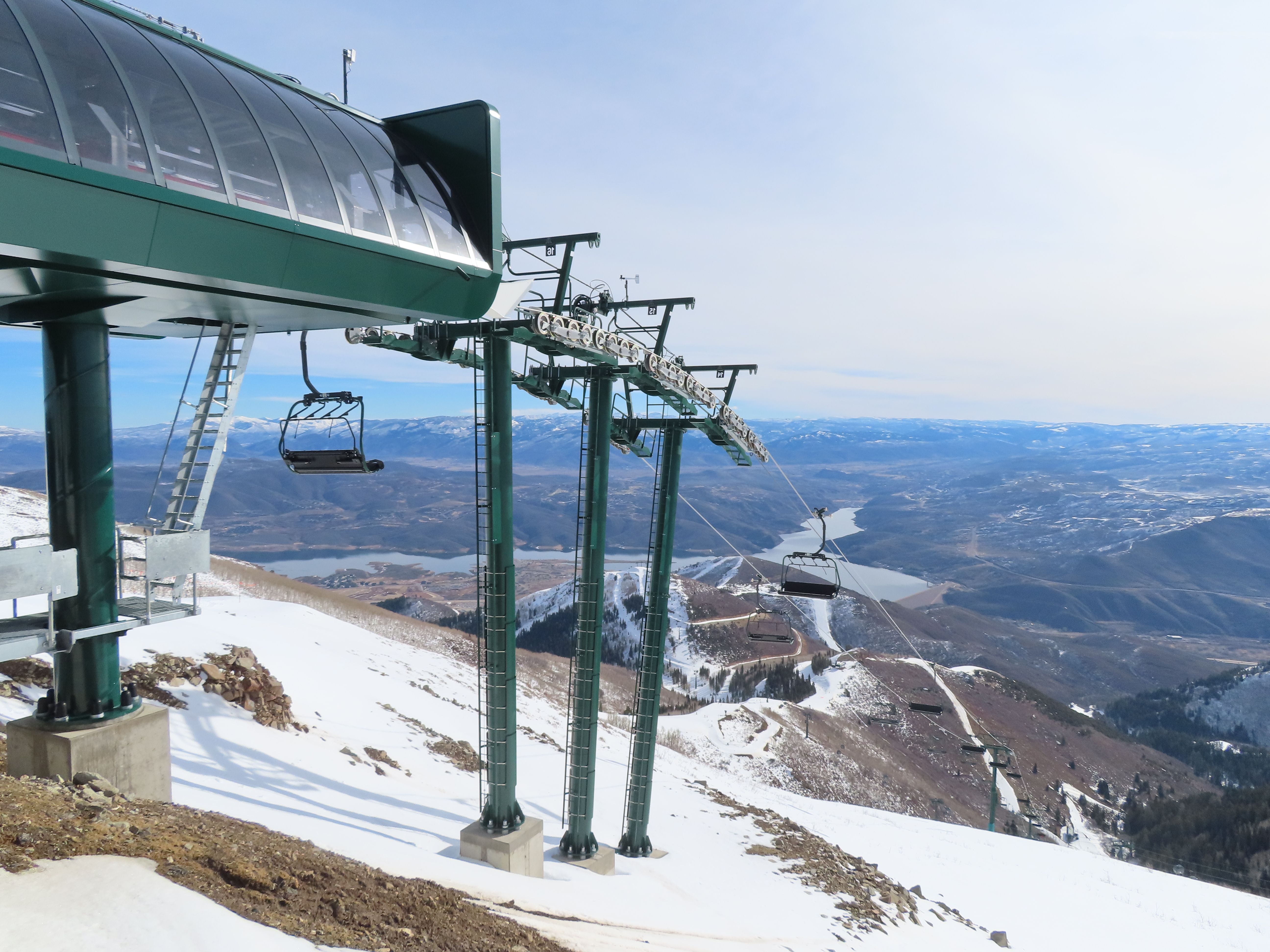
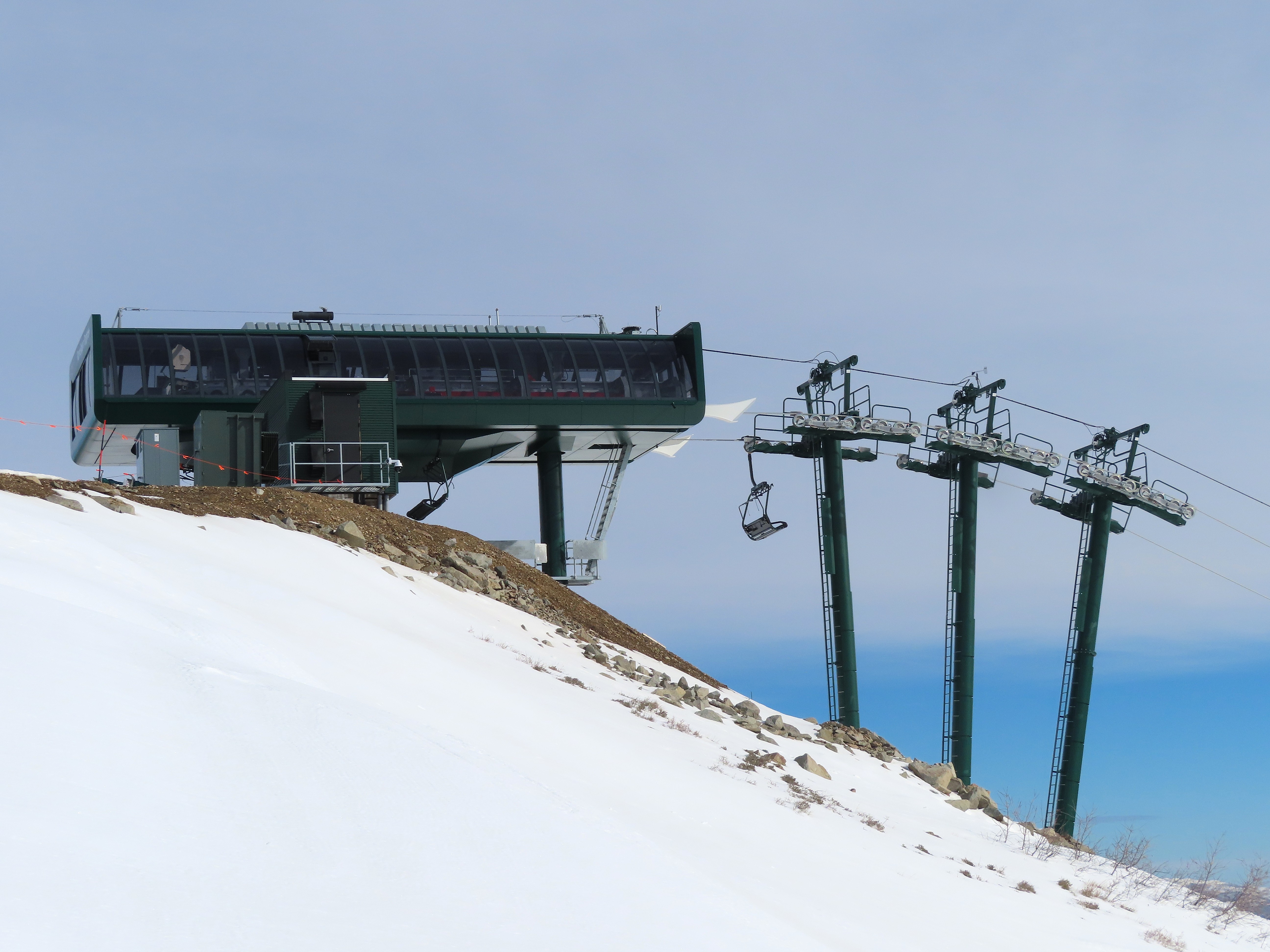
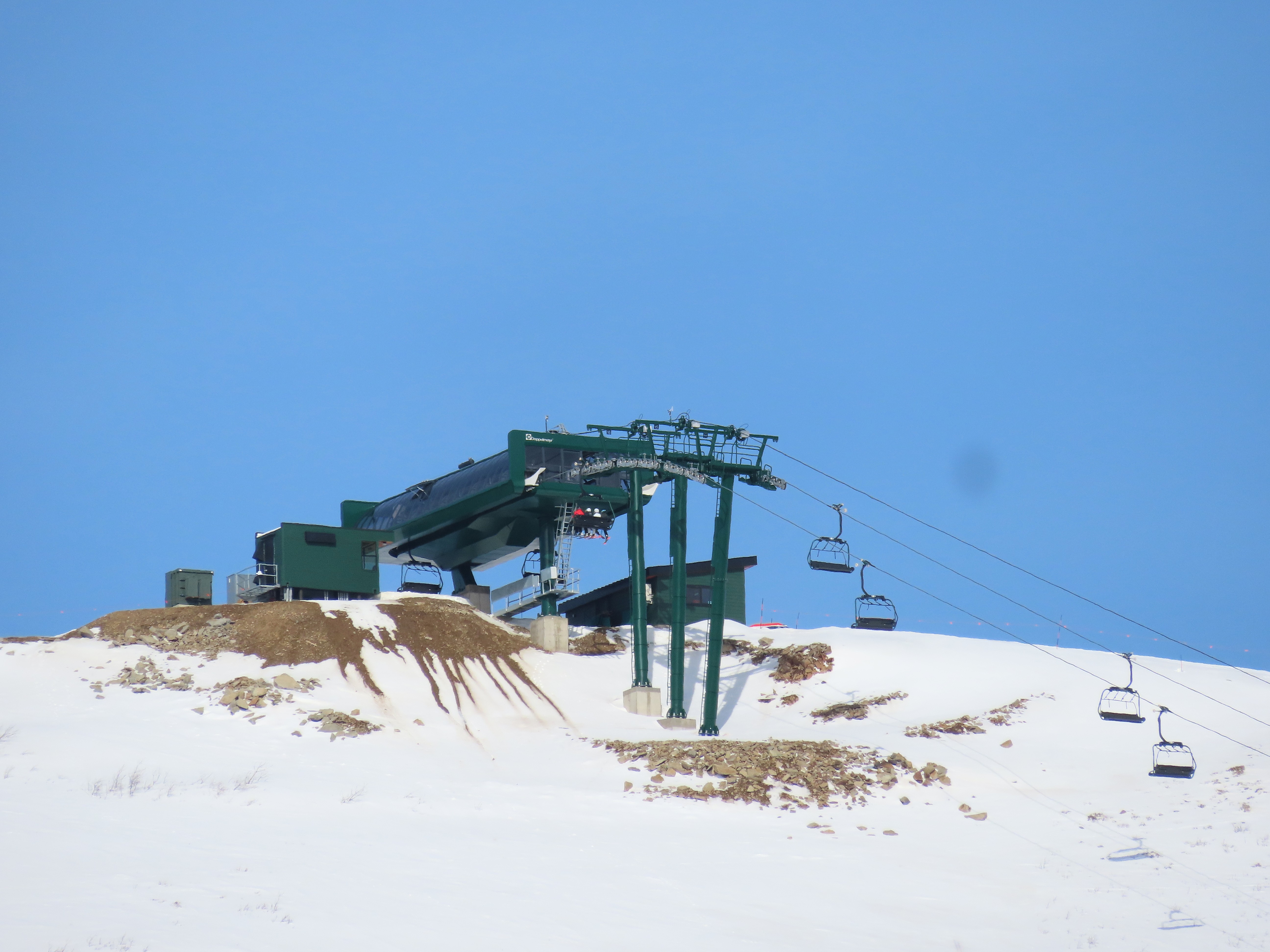
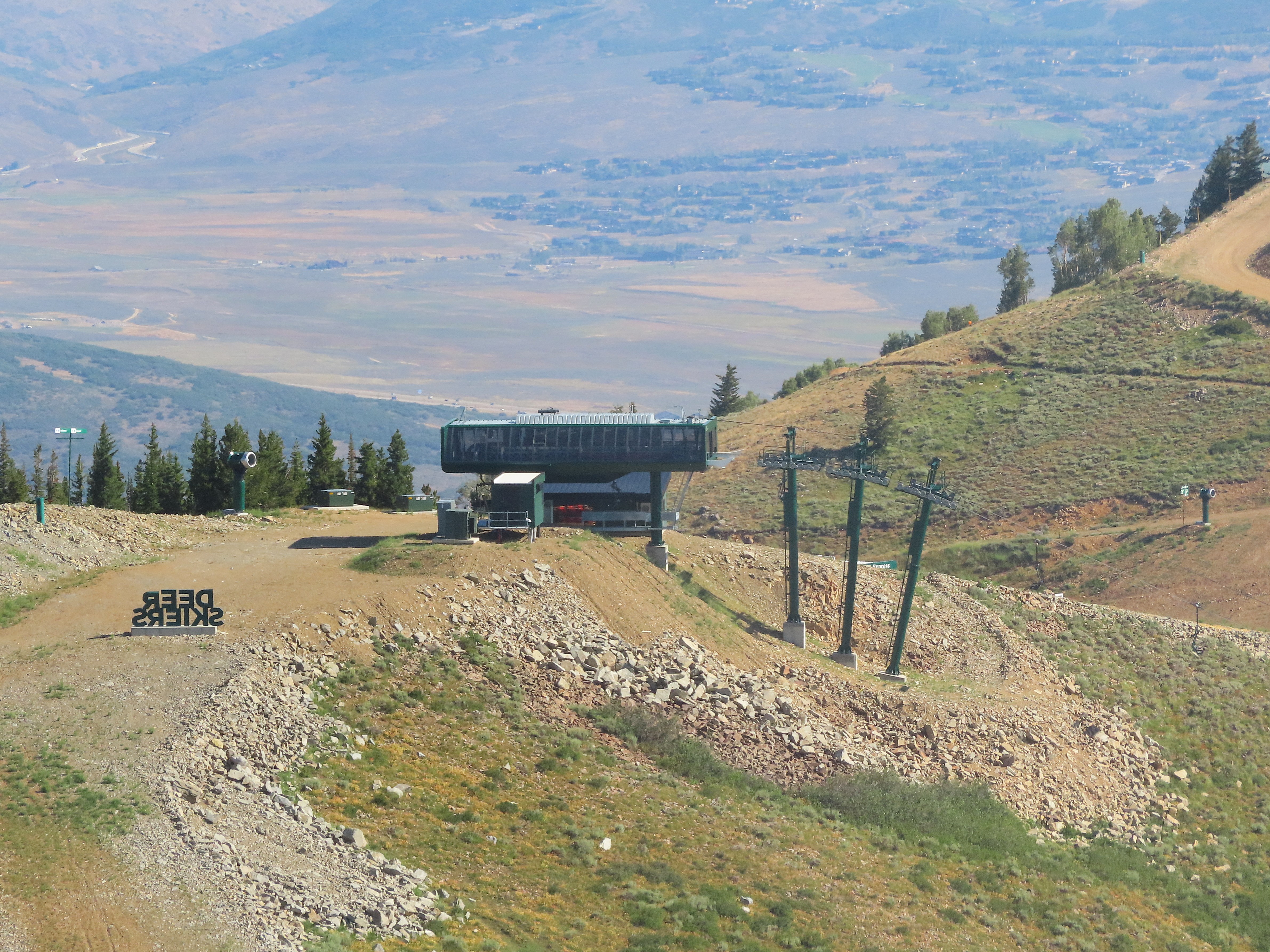


What are the looped up cables on the towers, are they Comms? And if so, why did they feel the need to have so much excess?
LikeLike
https://youtu.be/fYfGDBSU7l4?si=6FPIATHv6SIBcLHT
LikeLiked by 1 person
I like the alignment they chose for Vulcan when they split this lift in two, but I really think Revelator starts way too far uphill. Only three of the six reliable advanced runs off of Park Peak can be lapped (Non-Descript & Bet Your Boots have southern exposures that will require a lot of snow), and throwing a ton of traffic onto a narrow, southern-facing catwalk (Exchange) is just not a good idea.
LikeLike
I think the lesson of this low-snow year is that another hundred yards of snowmaking is needed on the runout from the north-facing runs. The north-facing runs (Hellcat, Deep Enuf, and Cataract) all held snow fine most of the season and Redemption is a snowmaking run to get to them, but the Catch All runout right above the lift melted out early and the south-facing Exchange catwalk had a hard time staying open and was covered in dirt by the end. They might also cut a path through the trees to get from Papa Joe and Ophelia back down to Revelator without riding Vulcan (similar to the labeled cutoff to get from Orient Express back to Sultan without riding Mayflower). Non-Descript was open for about a week in February this year.
Pay Rock and Joker held up better than I would have thought with snowmaking on southwest and southeast exposures. Another problem is that the freshly blasted runs need some time for grass to grow back to hold down dust for early/late season and low snow years. The freshly-dug-construction-site visual was worse than the snow itself.
All things considered, they did a great job with very little help from Mother Nature this year and were probably lucky to have a chance to see what breaks in a low snow year and where a little extra snowmaking is needed. For example, Silver Link and Dakota are both essential access runs in the legacy DV terrain that face directly south in the low-8000s feet of elevation and now hold up fine with a bunch of snowmaking and some wind fences.
LikeLike
Another question? Why did DV make Revelator counter-clockwise instead of clockwise, as the loading setup can feel rather awkward? I thought Revelator was gonna be clockwise with 90-degree loading like what happened with Vulcan. It would’ve been a bit more comfortable I think in that regard.
I can attest to the fact that the freshly blasted trails can display uncomfortable amounts of dirt to begin with. I skied the Clipper Trail off Pinyon on New Years Day and I got dust all over my coat, face and gear from the high winds that were prevalent that day. Hopefully it isn’t much of an issue next season.
Revelator feels like Mineral Basin at Snowbird since terrain aspects are similar in nature, but Revelator having a lower overall elevation with Park Peak 300 feet lower than even the bottom of Mineral. Not only was the Exchange run suffering from South-Facing exposure but also felt skied off since almost everybody who isn’t advanced/expert are forced to take it for riding Revelator up. I agree also about the trails. Persistence off Vulcan felt rocky since it faces southeast-east on a ridgeline, even when snow conditions were prime, but snowmaking luckily did what it could. What would you say how Big Dutch and Keetley’s terrain fared?
LikeLike
Big Dutch was really nice all year. That’s the best terrain in the expansion for holding snow. It’s a long runout through the construction zone to lap the Big Dutch terrain from the gondola, but they’ve already cut the lift line for the eventual Big Dutch lift from the Sure Thing / Green Monster intersection back to the top. North facing and around the same elevation as Bald Eagle. The low-elevation but north-facing runs under Galena exceeded expectations too. It’s shady and out of the wind down there. Lady of the Lake and Lone Tree are fun cruisers.
The ugliest thing in the whole expansion is the Exchange catwalk down to Revelator. No way to avoid having an exposed south-facing catwalk right there, and you need Vulcan to unload in that spot so there’s a way out. But that whole area is pretty tight to navigate. There’s really no perfect spot for Vulcan to end up on the Carbenite ridge.
I wonder if Revelator rotates clockwise because of wind in a pretty exposed spot. Having the heavy side downhill might allow for shorter towers closer to the ground. Since Vulcan has 90-degree loading in the other direction with a similar loading configuration as Revelator, someone must have thought about it.
Reserving judgment on the whole thing until (1) there’s a halfway decent snow year, and (2) it feels like less of a construction site. It will take a few years to feel seamless. Once the Four Seasons right by the gondola is done, the base area will feel mostly finished for day skiers and the rest of the construction will be farther back closer to the road. The Park Peak Lodge will be spectacular when it’s done and they will hopefully go a few years without a snow year like 25-26. The year Empire opened, 98-99, was a similarly terrible snow year and they didn’t get it open until late January. 98-99, 07-08, 12-13, 17-18, 25-26 stand out as bad snow years. Call it every 5-6 years.
LikeLike
I don’t really like the look of the green chair bails and towers, I prefer the galvanized version.
LikeLike