
- HTI buys another company, Polish snowmaker Supersnow.
- Snowland, Utah’s new trail map is out.
- Brian Head introduces a new Rad Smith trail map.
- Skytrac celebrates its 100th sold lift, bound for Brian Head/Aspen Meadows.
- The latest on the Vail Resorts board battle.
- Poma to build a remarkable tricable gondola in Vietnam.
- Mont-Sainte-Anne’s next generation gondola to be named Horizon.
- Mount Kato, Minnesota sells to new local owners.
- Closed Mt. Waterman hits the market again.
- The skyride formerly used at MetLife Stadium finds a new home in Alabama.
- Snoqualmie installs battery storage systems for its most remote terminals at Alpental.
- A painting contractor sues Deer Valley after a lift allegedly started unexpectedly during work.
- A gondola is proposed for Flagstaff Mountain in Jim Thorpe, Pennsylvania.
- Powder to replace Mary’s with a (private) bubble detachable quad next summer, reinstall the old Sundown quad as another private lift.
Doppelmayr Inaugurates New Canadian Headquarters
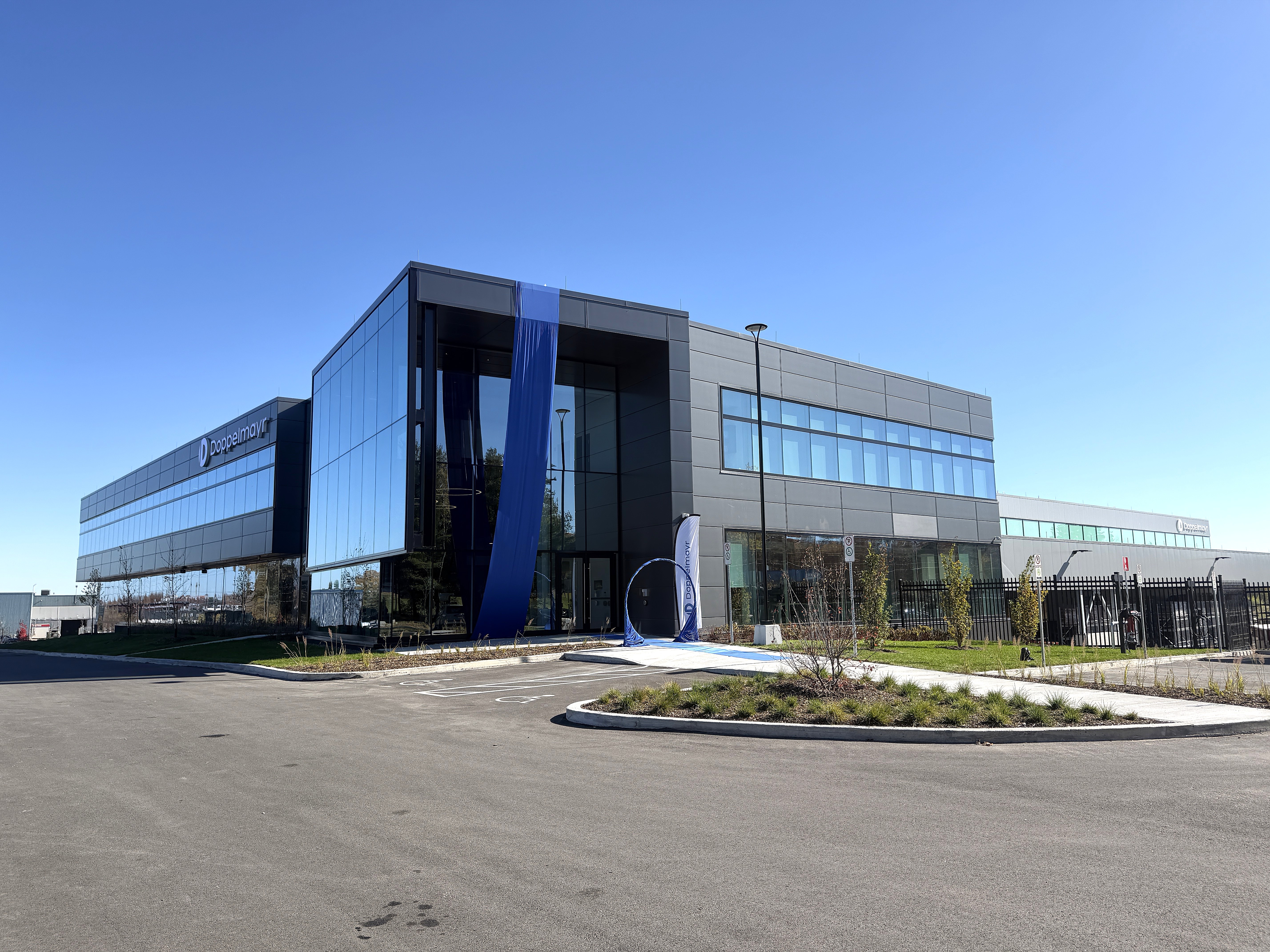
Just two days after opening a new factory in Utah, Doppelmayr christened another gleaming building in Quebec yesterday. The 152,000 square foot Saint-Jérôme plant brings together staff from three dated buildings and builds on nearly 50 years of history for Doppelmayr Canada. The investment totals CA$60 million, including a $3 million contribution from Canada’s federal government.
Like in Salt Lake, Michael Doppelmayr first gave the gathered crowd a history lesson. His grandfather Emil Doppelmayr first came to Canada when planes had to stop in both Iceland and Greenland to make the trip. Doppelmayr chose to set up shop Canada before the US in part due to exchange rates. Like with Doppelmayr USA, the northern subsidiary’s major break came in 1985 with the first detachable quads at Mont Sutton, Saint-Sauveur and Nakiska. Saint-Jérôme has been a detachable powerhouse ever since. What started as a joke on a tradeshow floor became the world’s first six pack at Mont Orignal in 1991. The Quebec plant soon built its first cabriolet at Tremblant and the region’s first chondola at Mont Orford. Over 49 years Saint-Jérôme built hundreds of lifts, including towers for Whistler’s Peak 2 Peak Gondola, components for people movers in Las Vegas and even lifts for China.
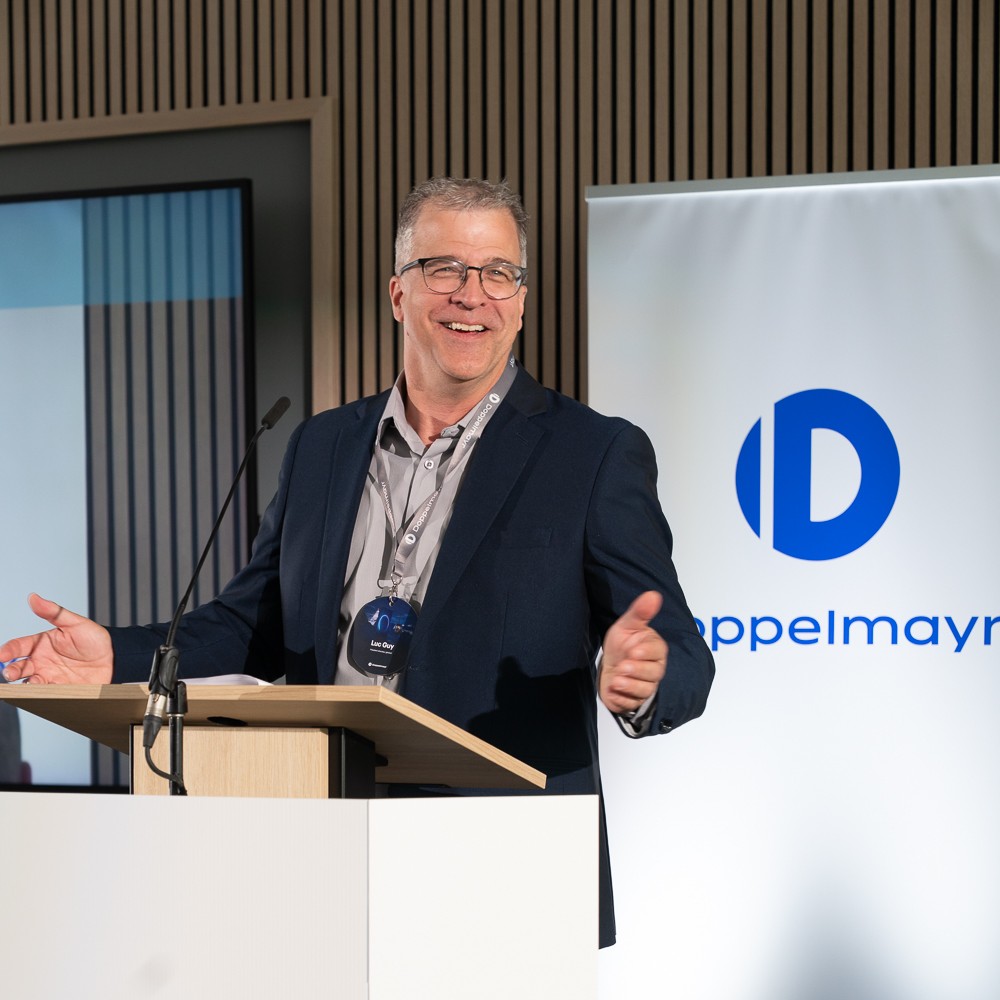
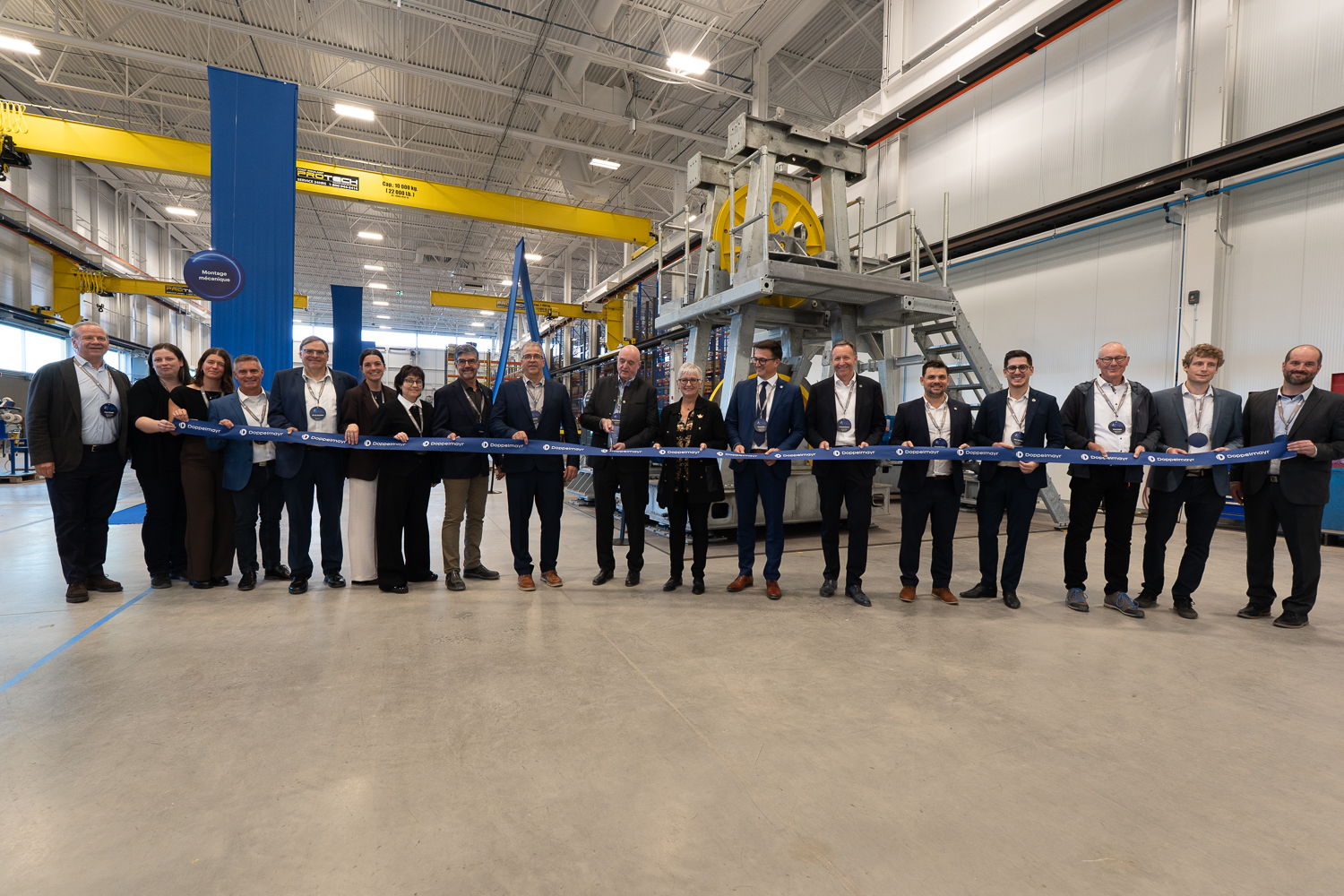
Members of Doppelmayr’s board, employees, elected officials and partners joined to cut the ribbon on the shop floor. Michael Doppelmayr presented Doppelmayr Canada CEO Luc Guy with an Austrian bell and challenged the sales staff to ring it every time they sell a lift. “Ring it so loud I can hear it in Austria,” he said. He then revealed Craigleith Ski Club in Ontario signed that morning. Luc rang the bell, and shots of schnapps were served for everyone to celebrate.
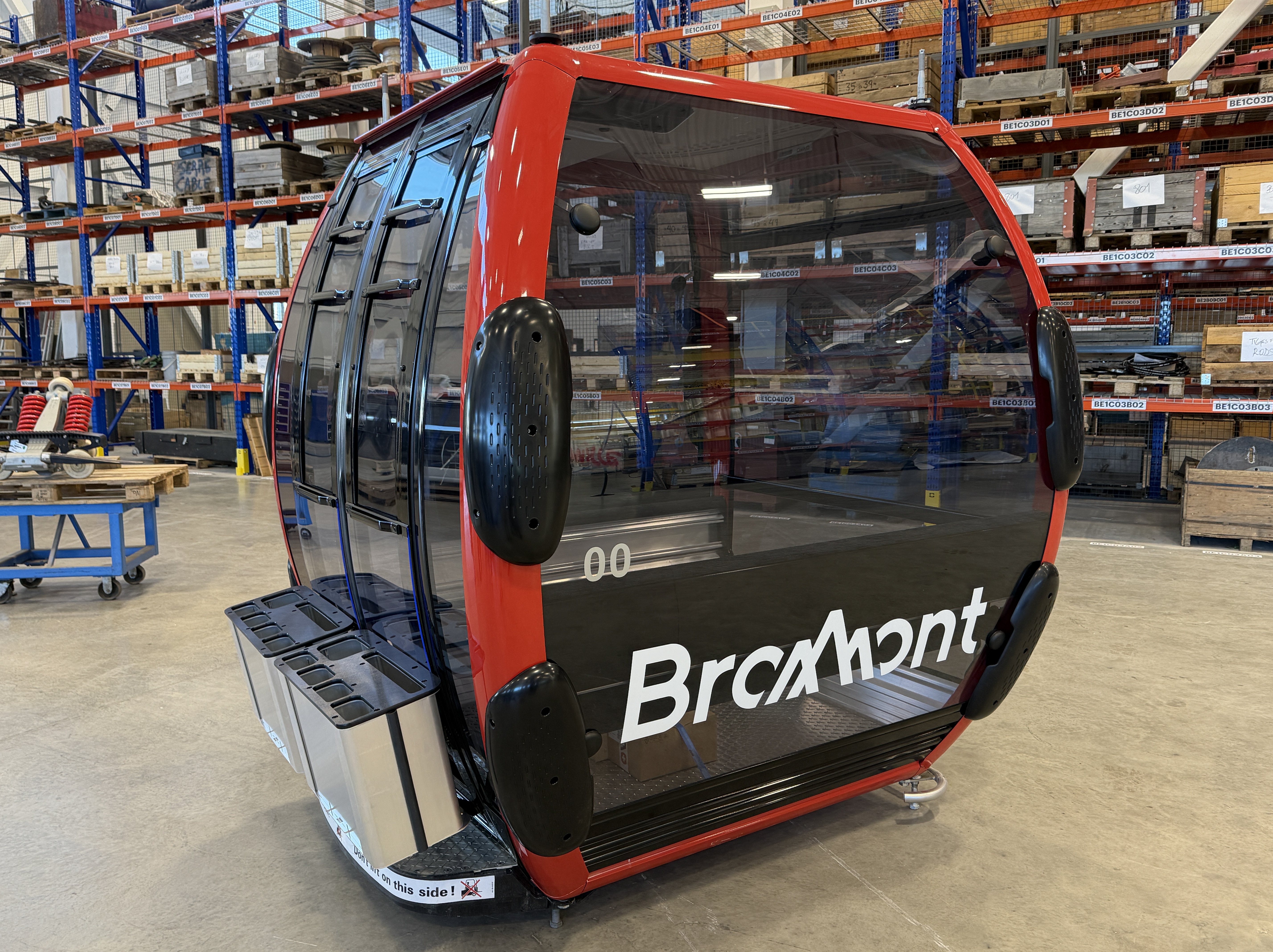
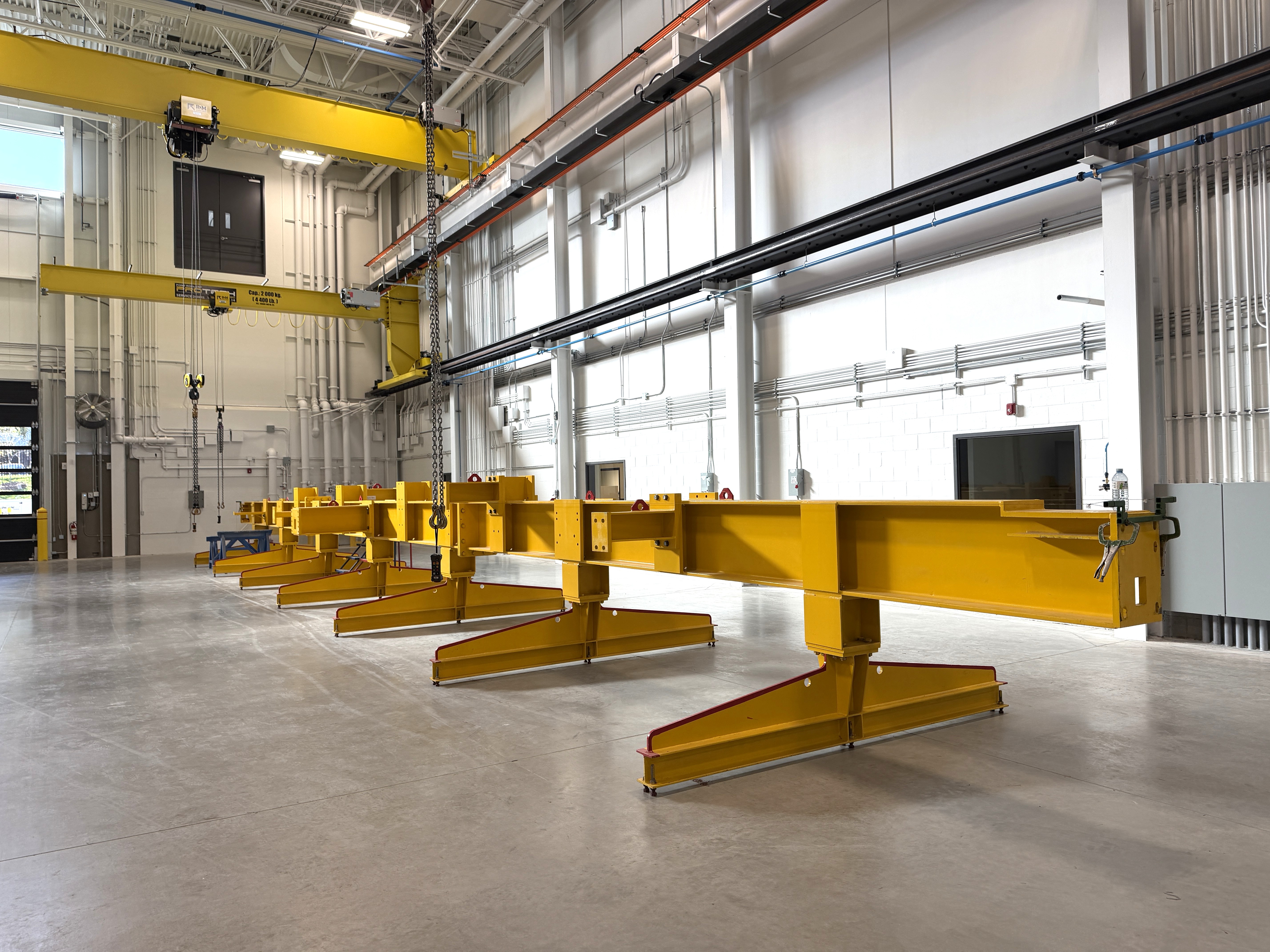
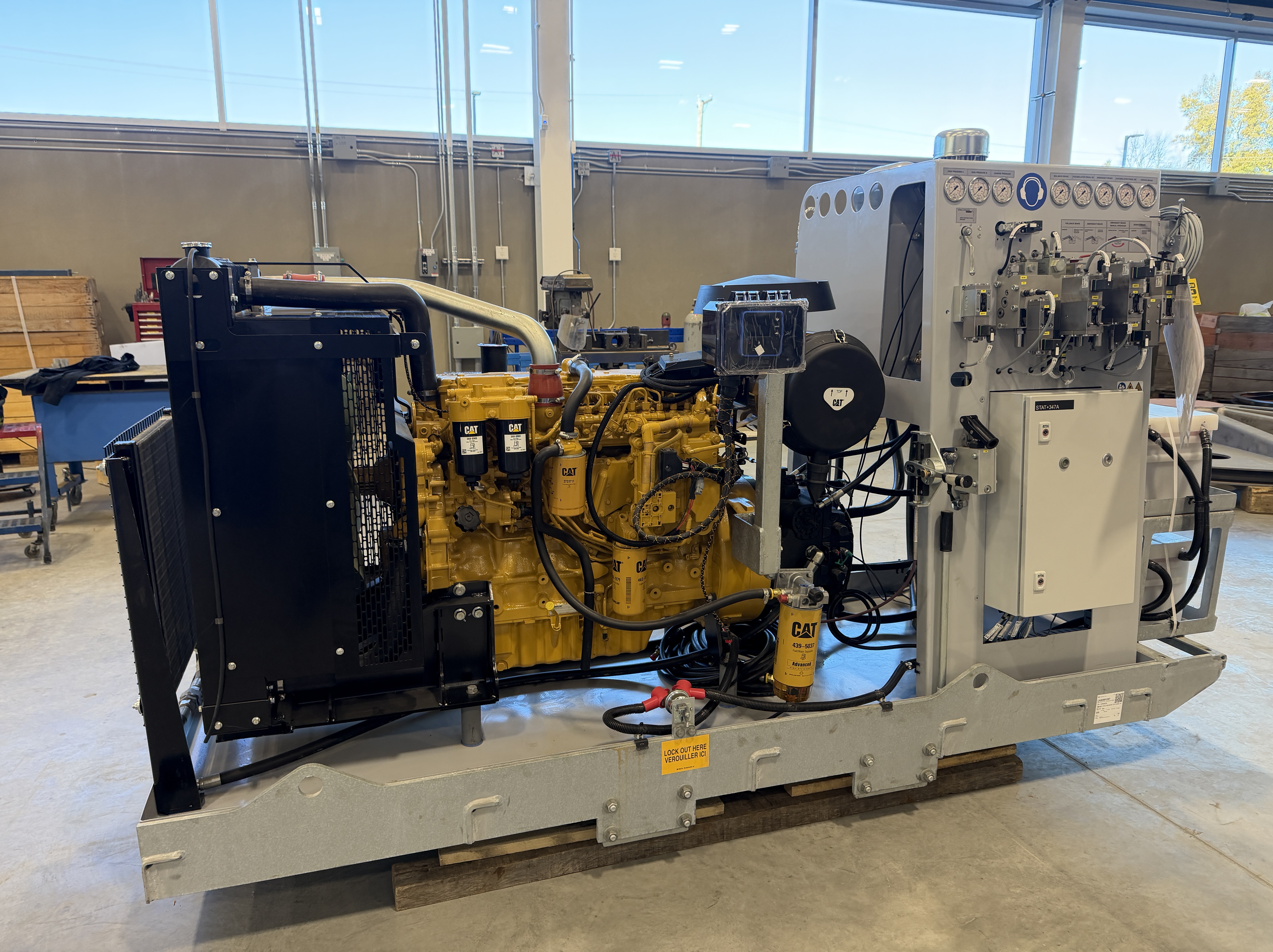
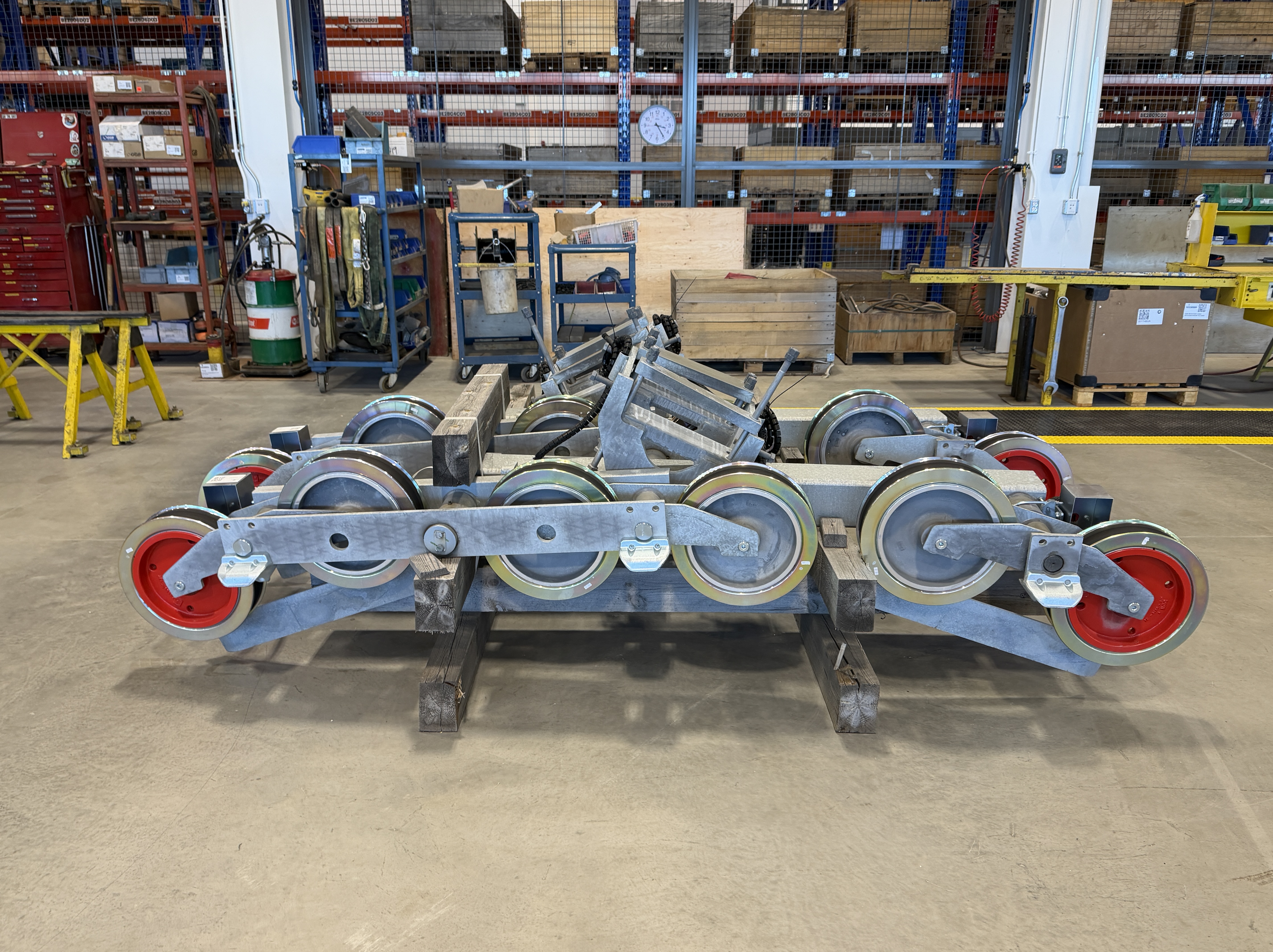
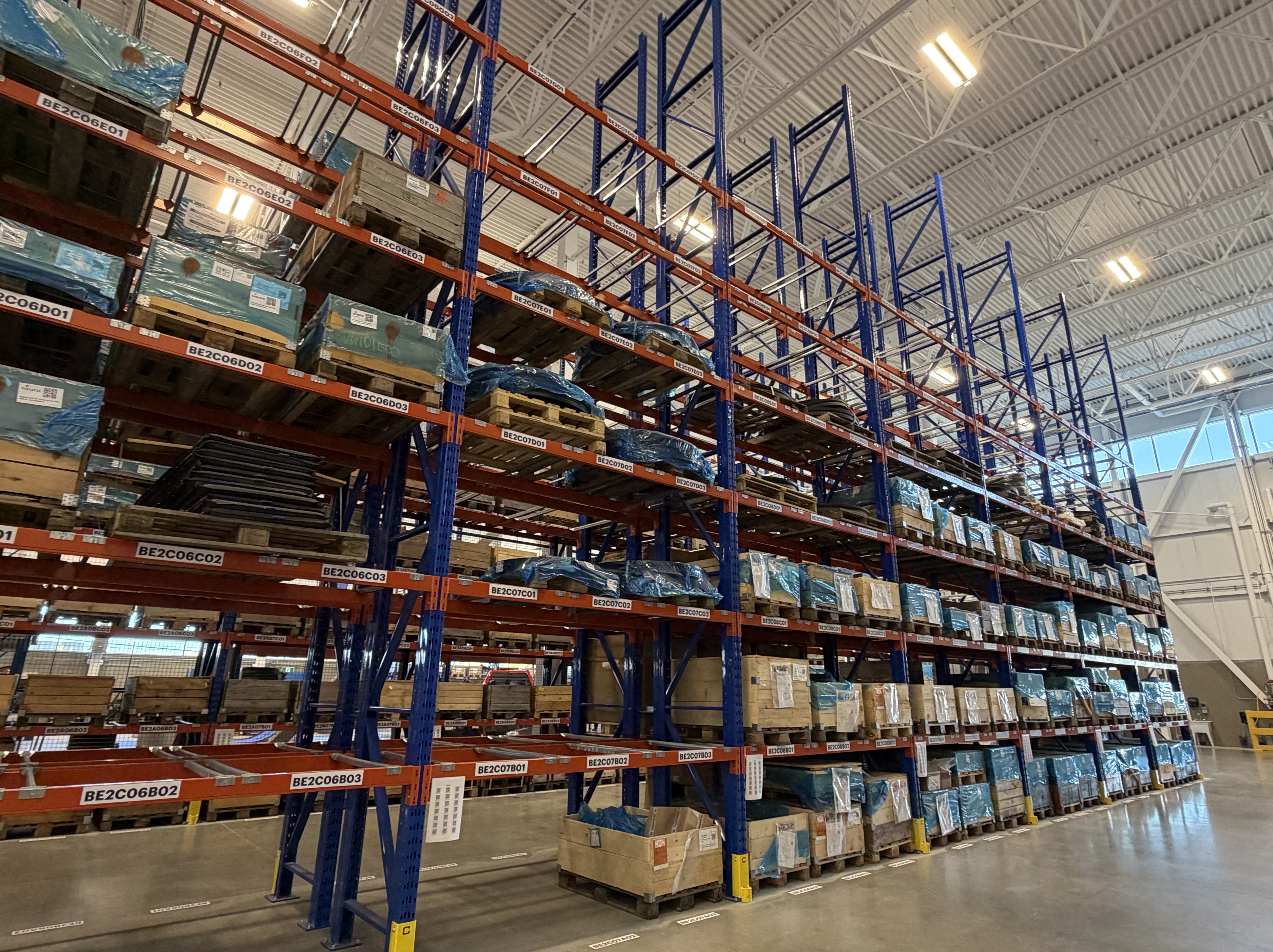
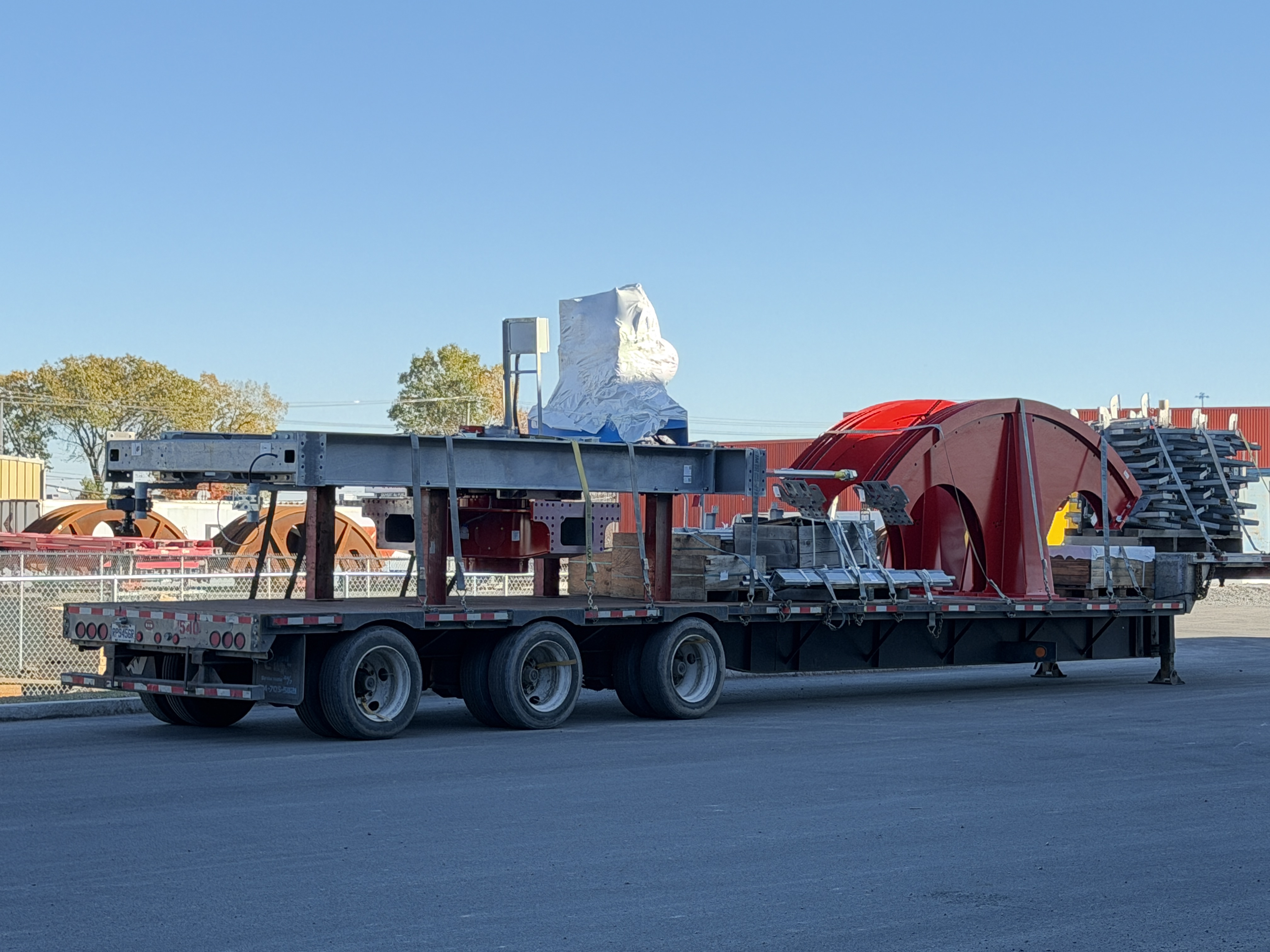
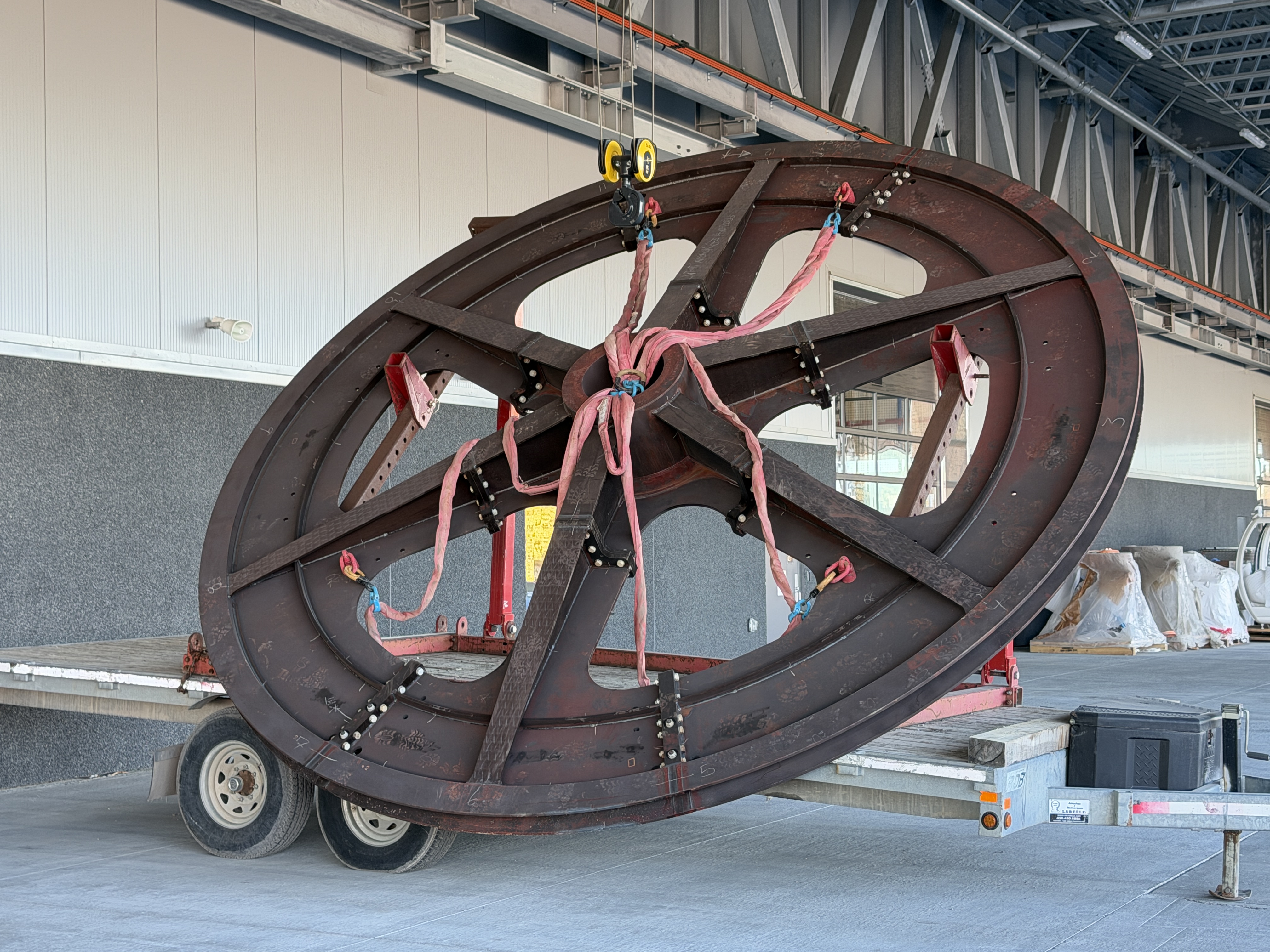
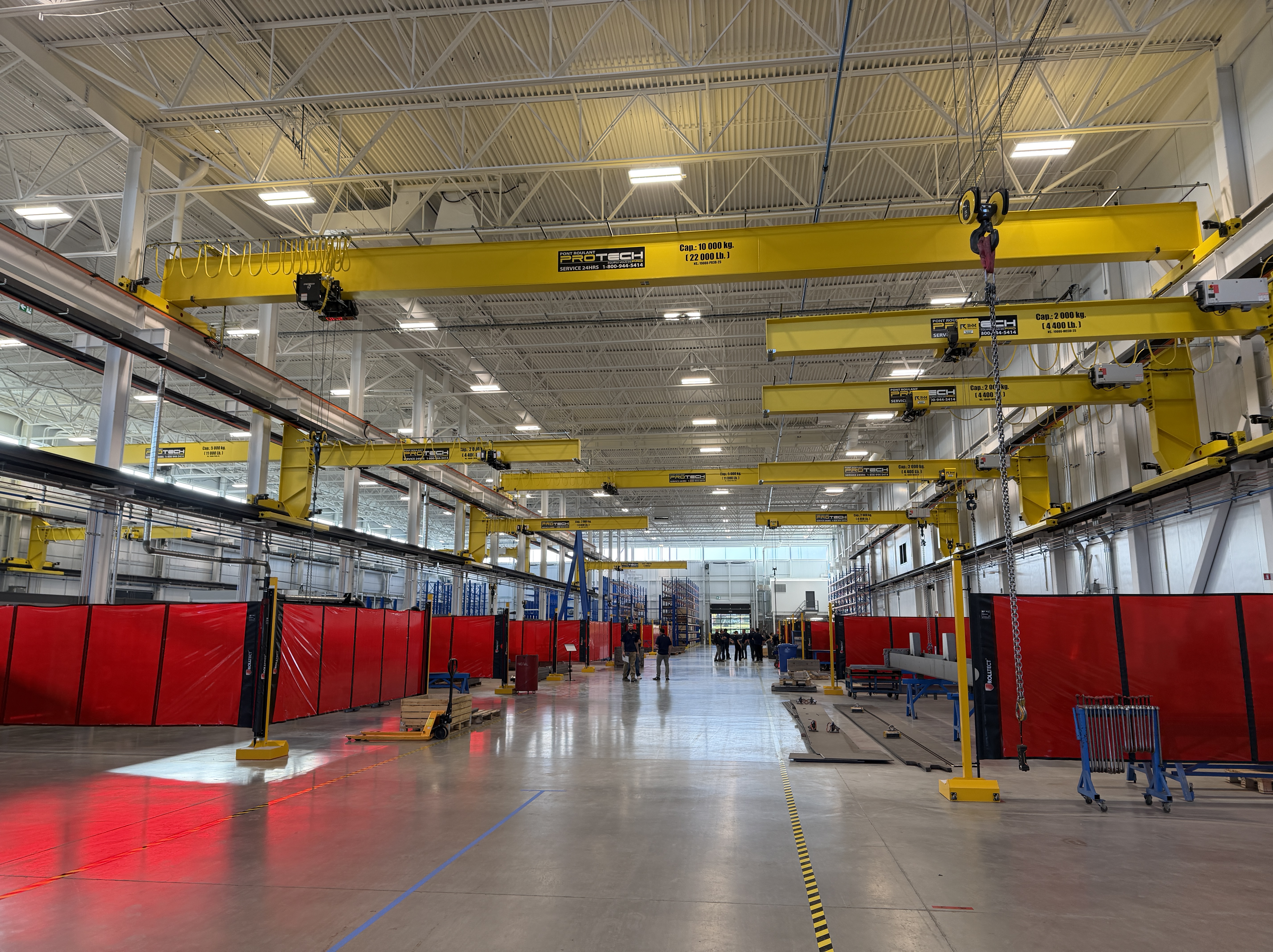
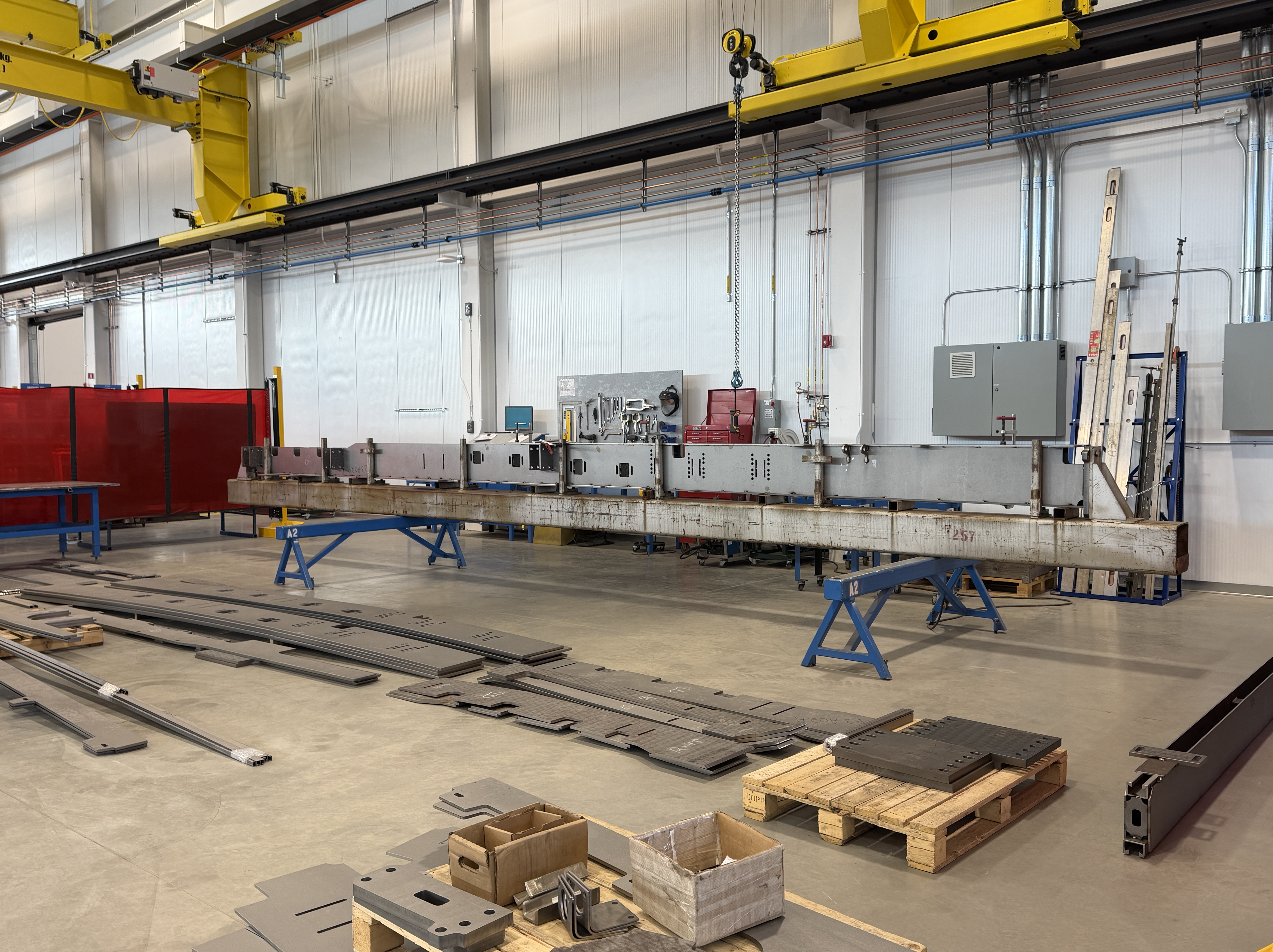
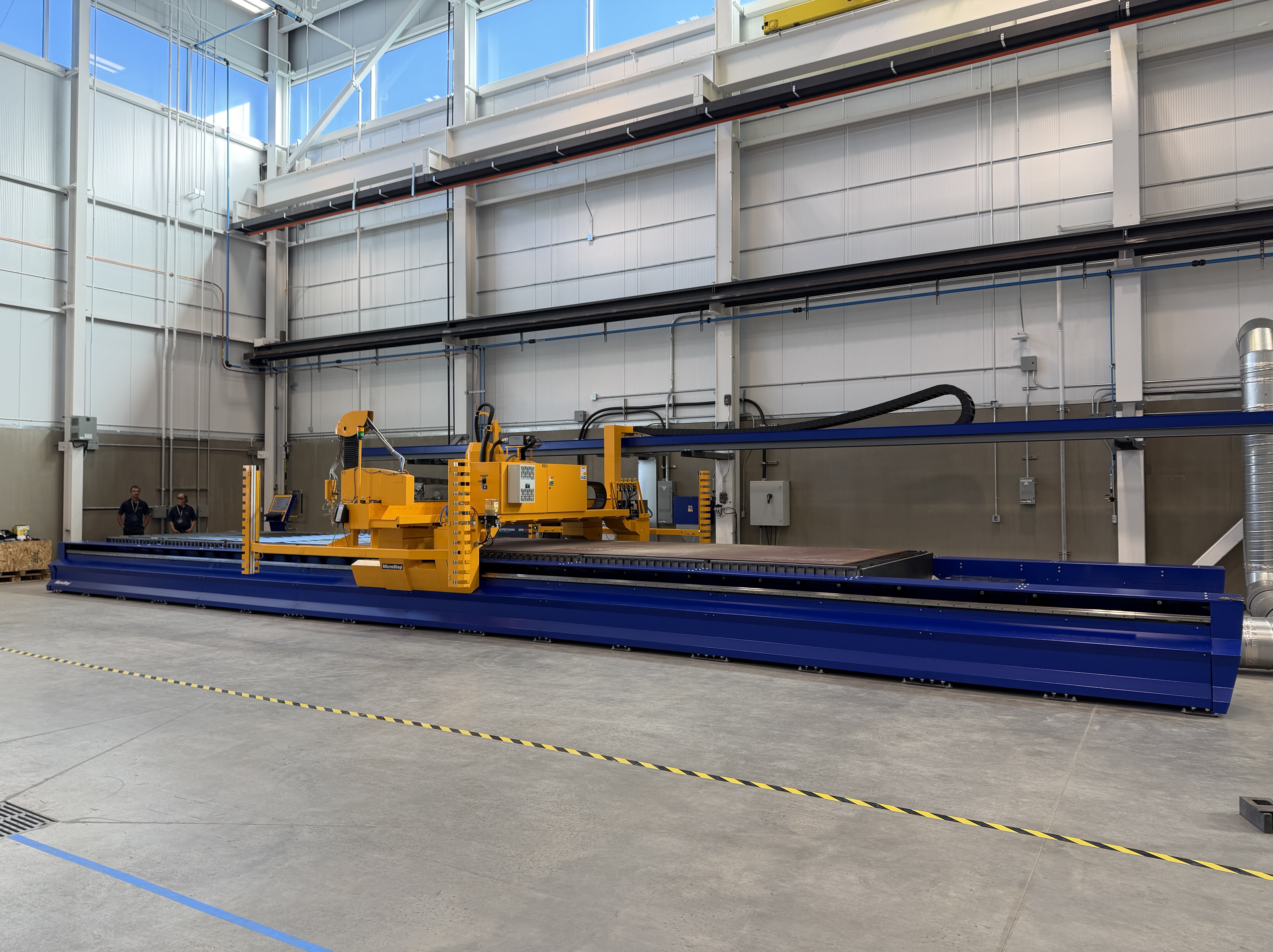
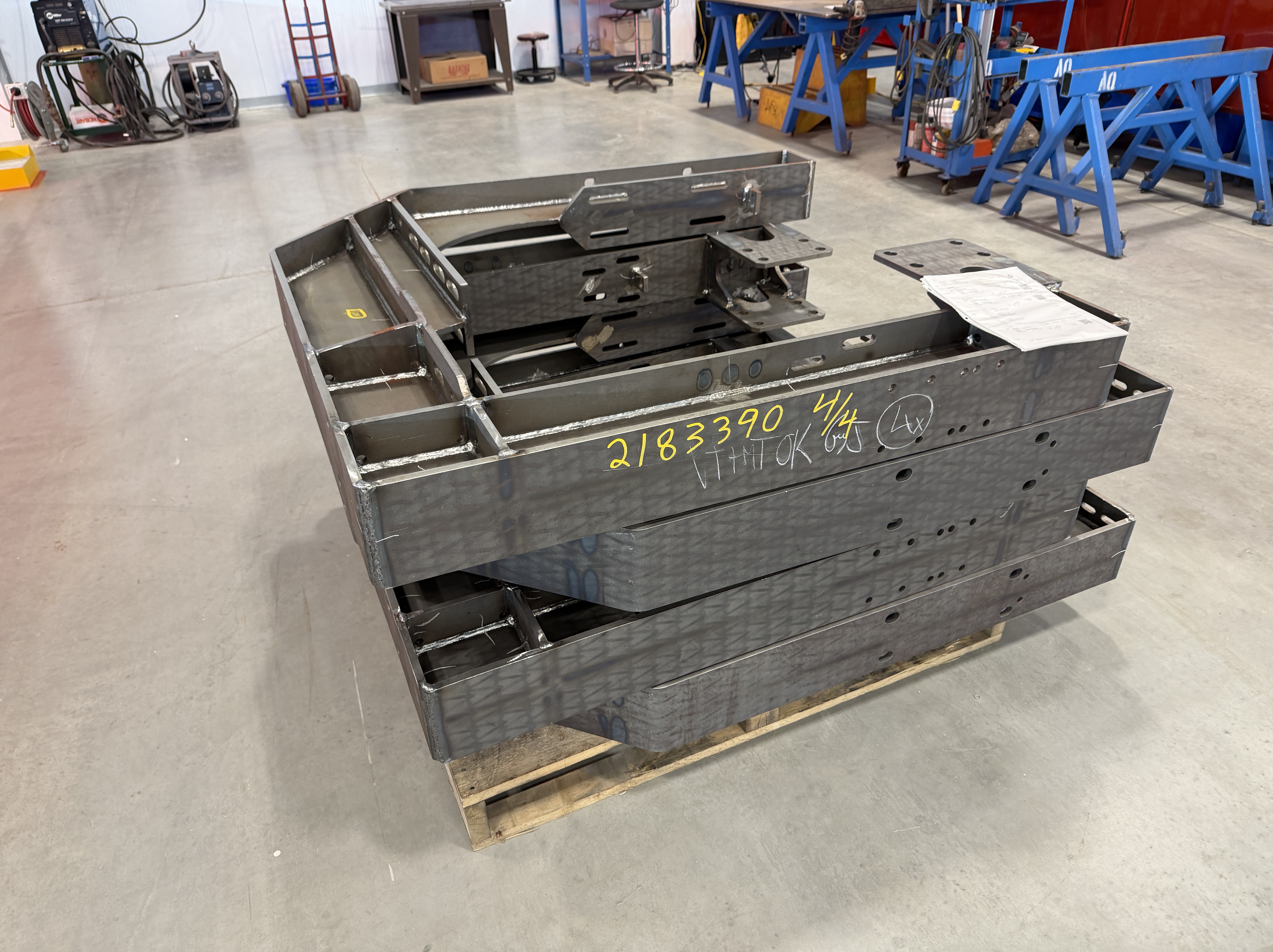
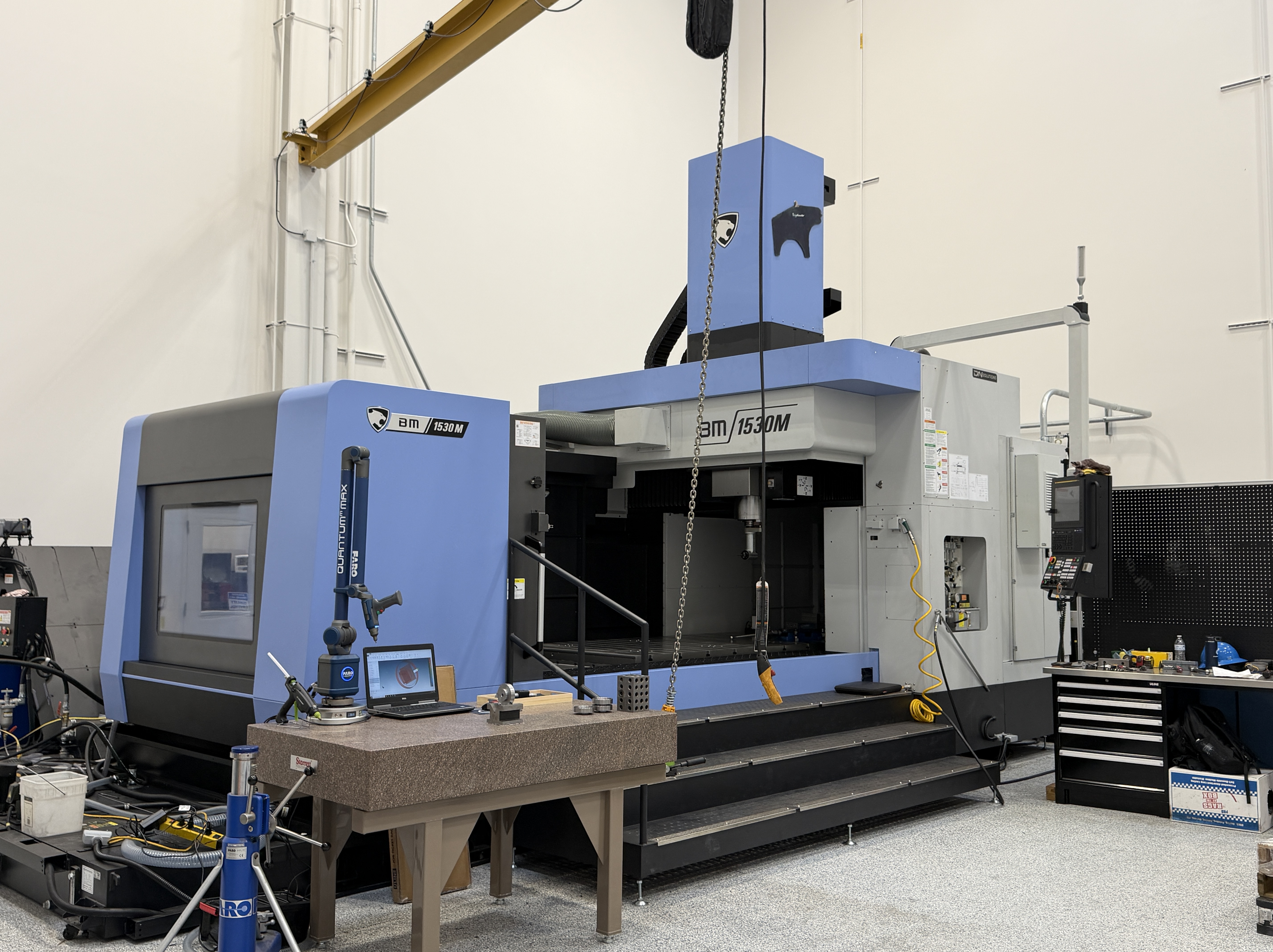
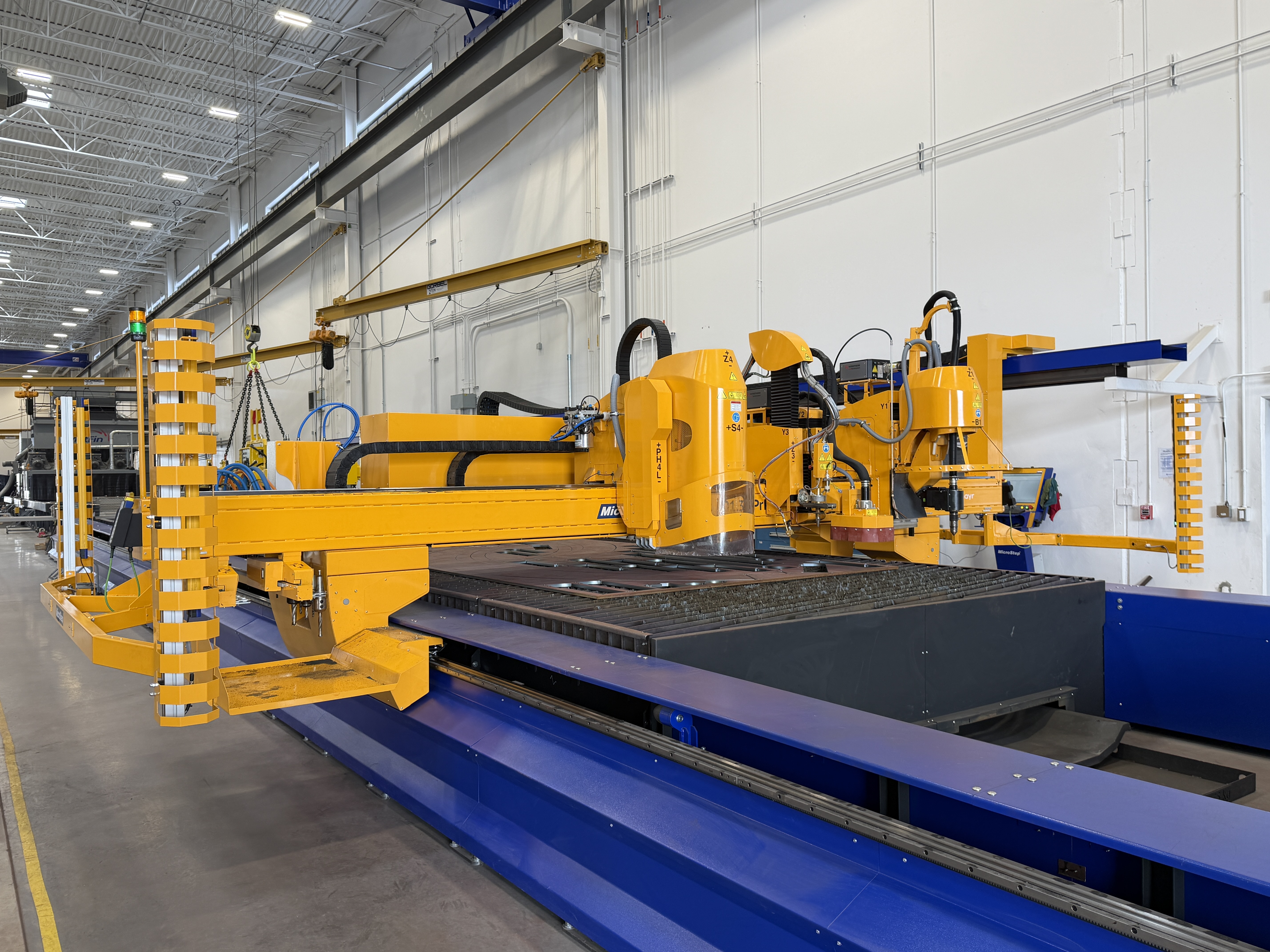
Saint-Jérôme builds UNI-G detachable terminals, drive platforms, hydraulic systems, evacuation drives and sheave assemblies. The goal for the new facility is not just more space but to produce lifts efficiently with a modern working environment for employees. Unlike dry Salt Lake, a higher percentage of the complex is walled in rather than just covered. The goal is to store 80 percent of raw materials inside, not out in the snow. The vast new production line includes two final assembly jigs for UNI-G station tunnels, up from one previously. There are 27 cranes for moving large components around the factory and outside. Doppelmayr bought the same large plasma cutter as Salt Lake and Wolfurt and expects to take delivery soon on a $5.5 million CNC boring and milling machine. There are several vertical lift modules for storing parts and tools. The plant was fairly empty with moving still underway but we got to see components destined for Mont-Sainte-Anne, Bromont and the Getty Museum automated people mover in Los Angeles. Saint-Jérôme runs two shifts and now has immense capacity to produce UNI-G machines.
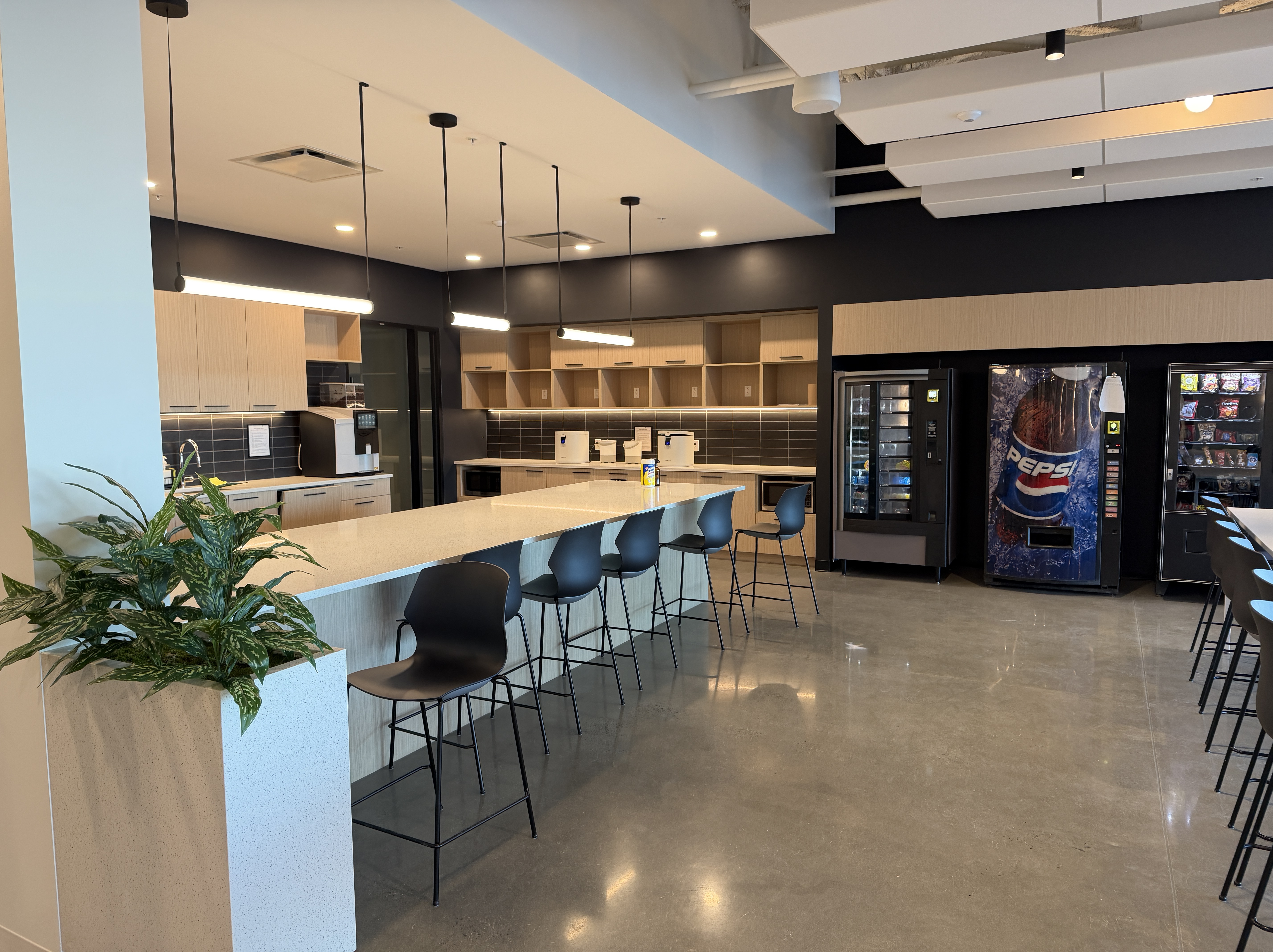
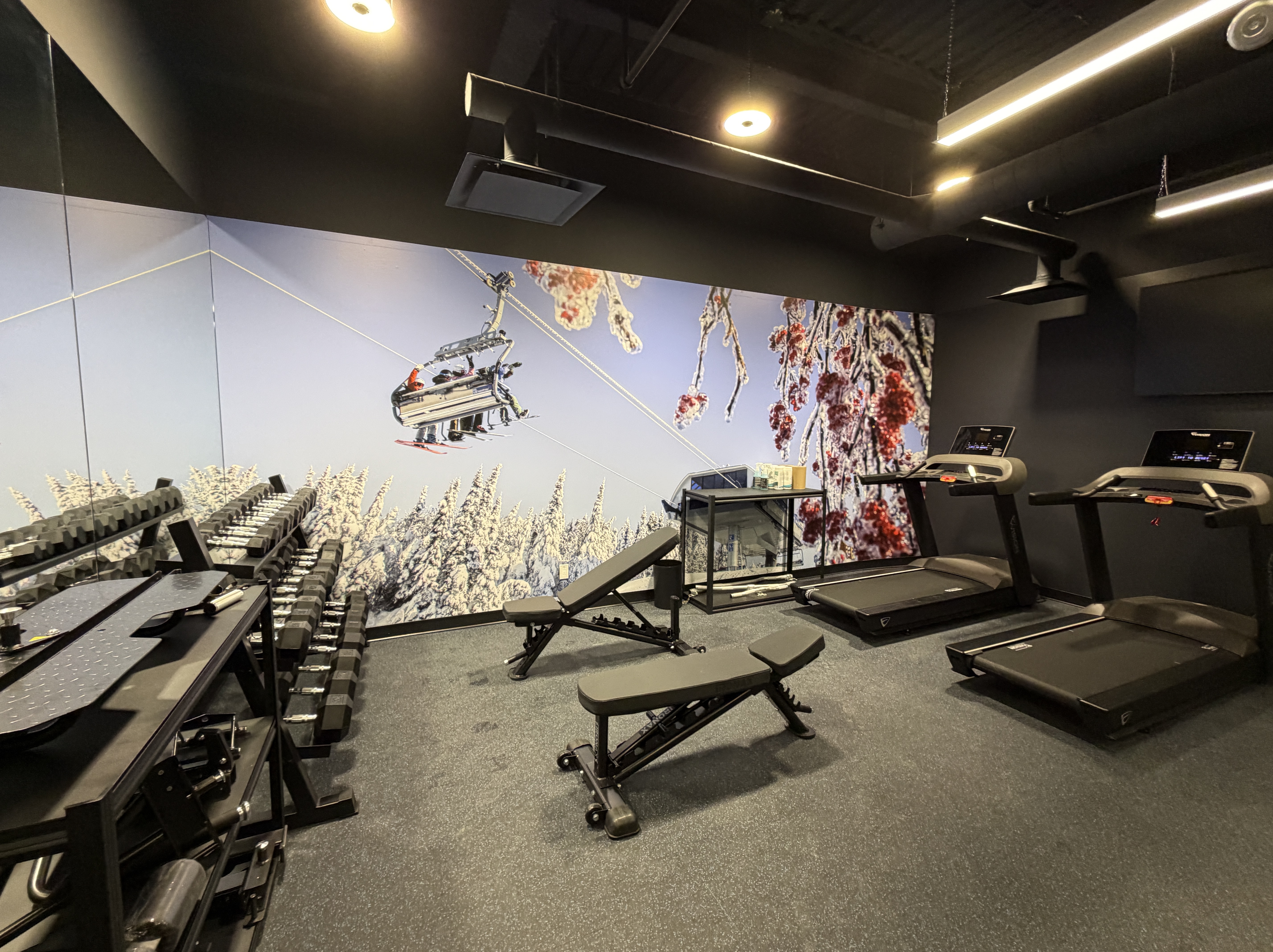
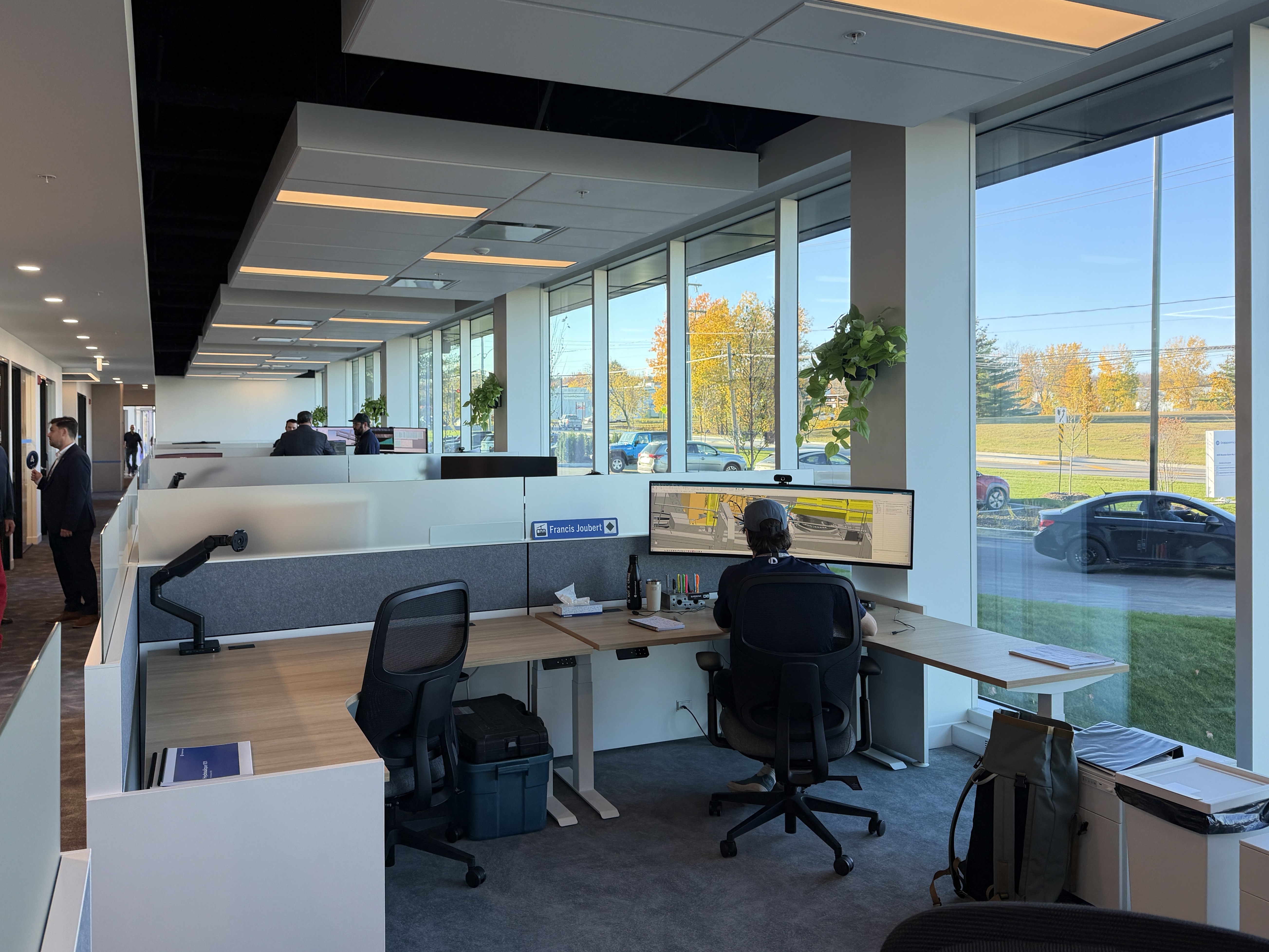
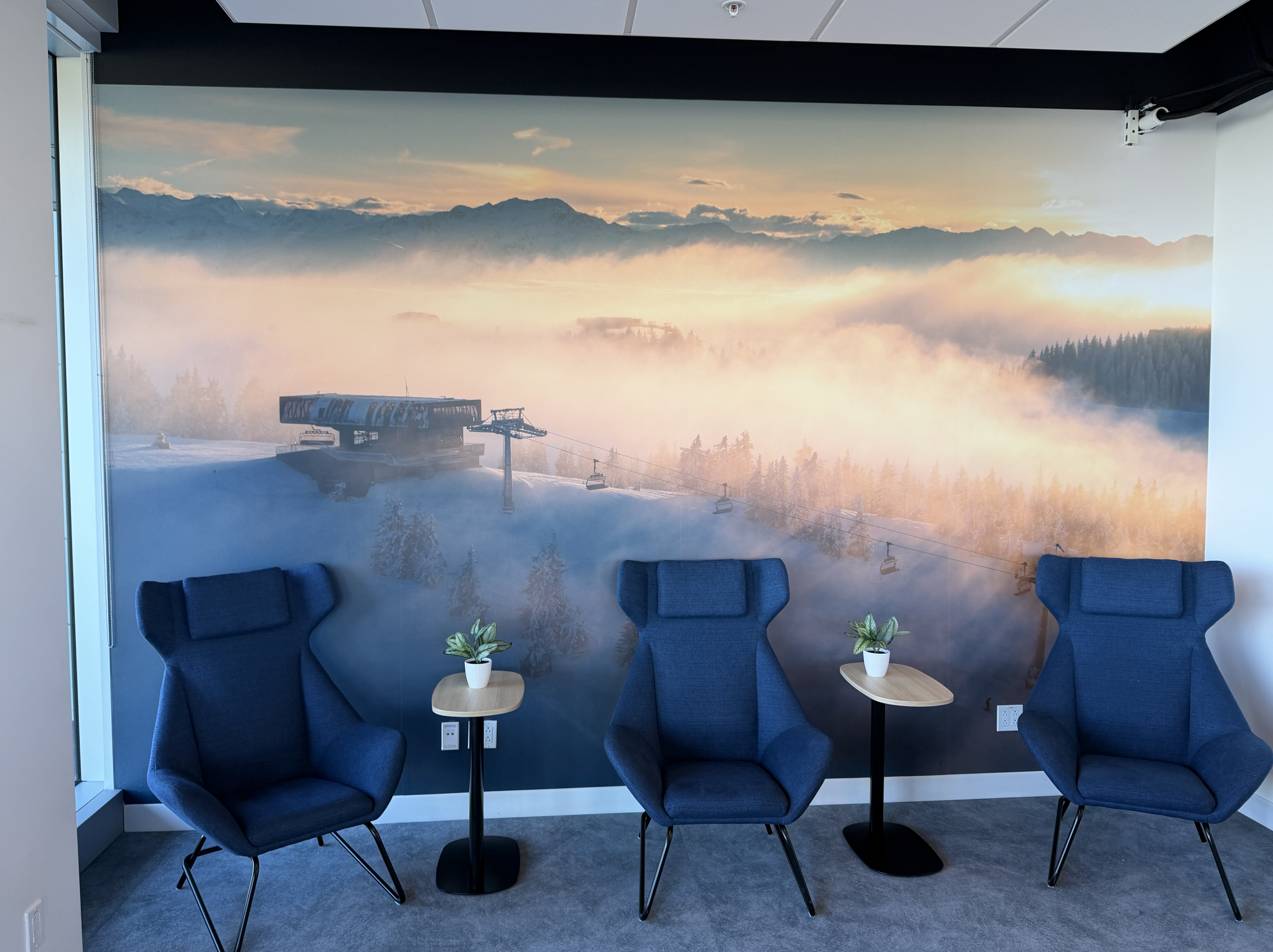
Like Salt Lake, everyone is now under one roof including engineering, service, HR, accounting and sales. There’s room for Doppelmayr to perform more service work such as gondola cabin restoration. Upstairs lies an even bigger training room than Salt Lake and another gym. Most of Doppelmayr’s 150 Canadian employees attended the party and seemed stoked with their new home.
Instagram Tuesday: Last Dash
Every Tuesday, I feature my favorite Instagram photos from around the lift world.
Doppelmayr Opens New Home in Salt Lake City
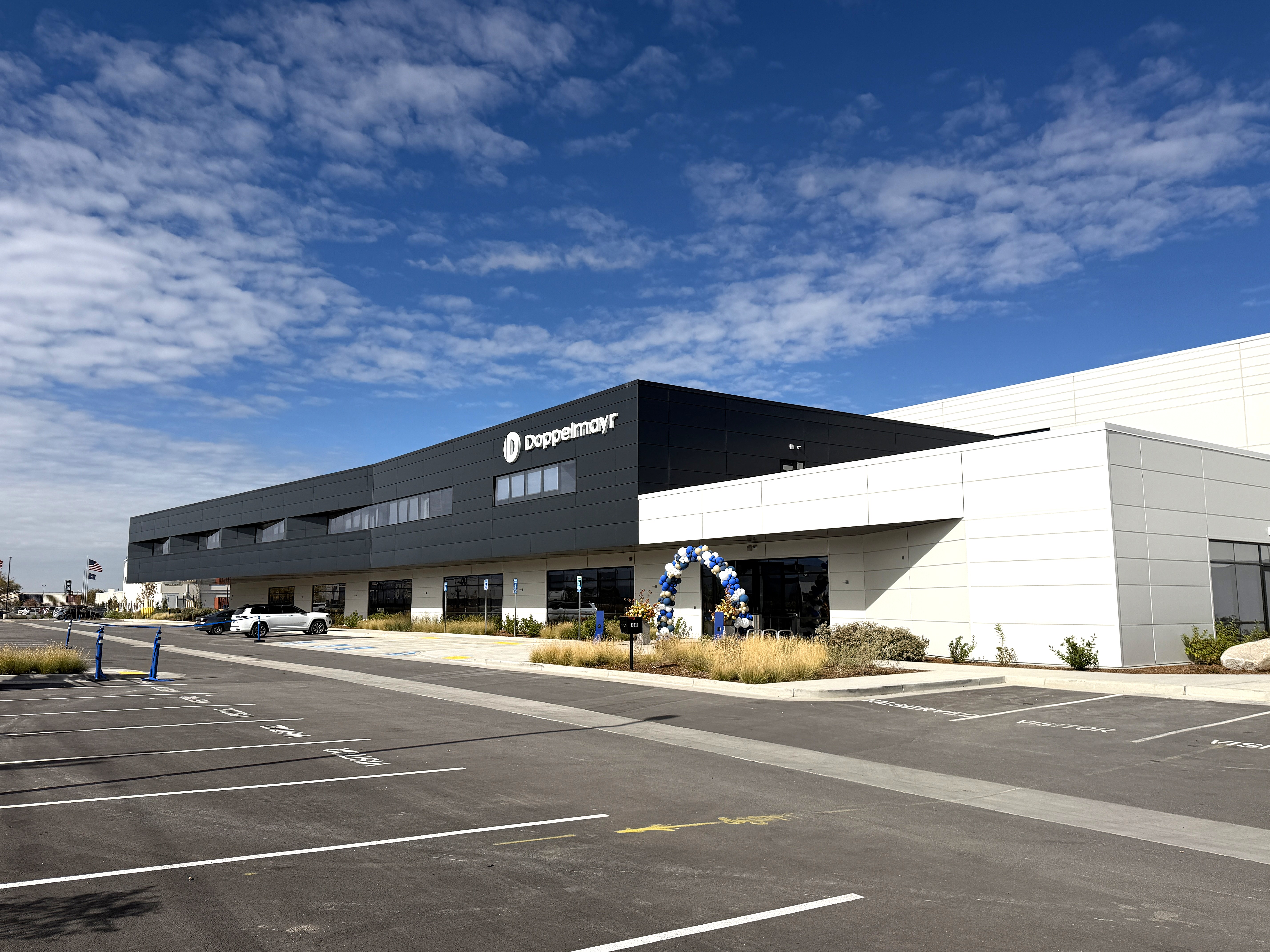
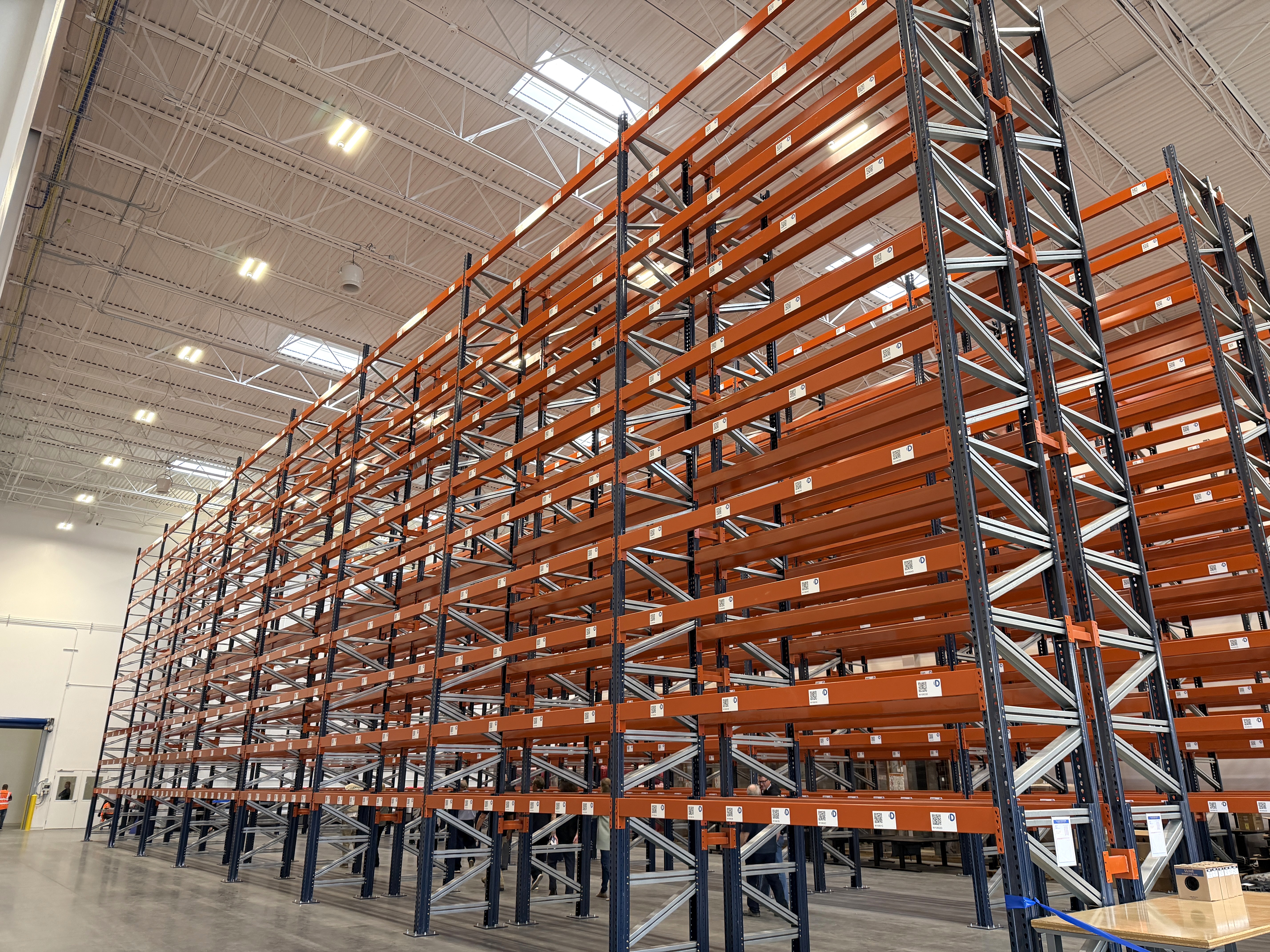
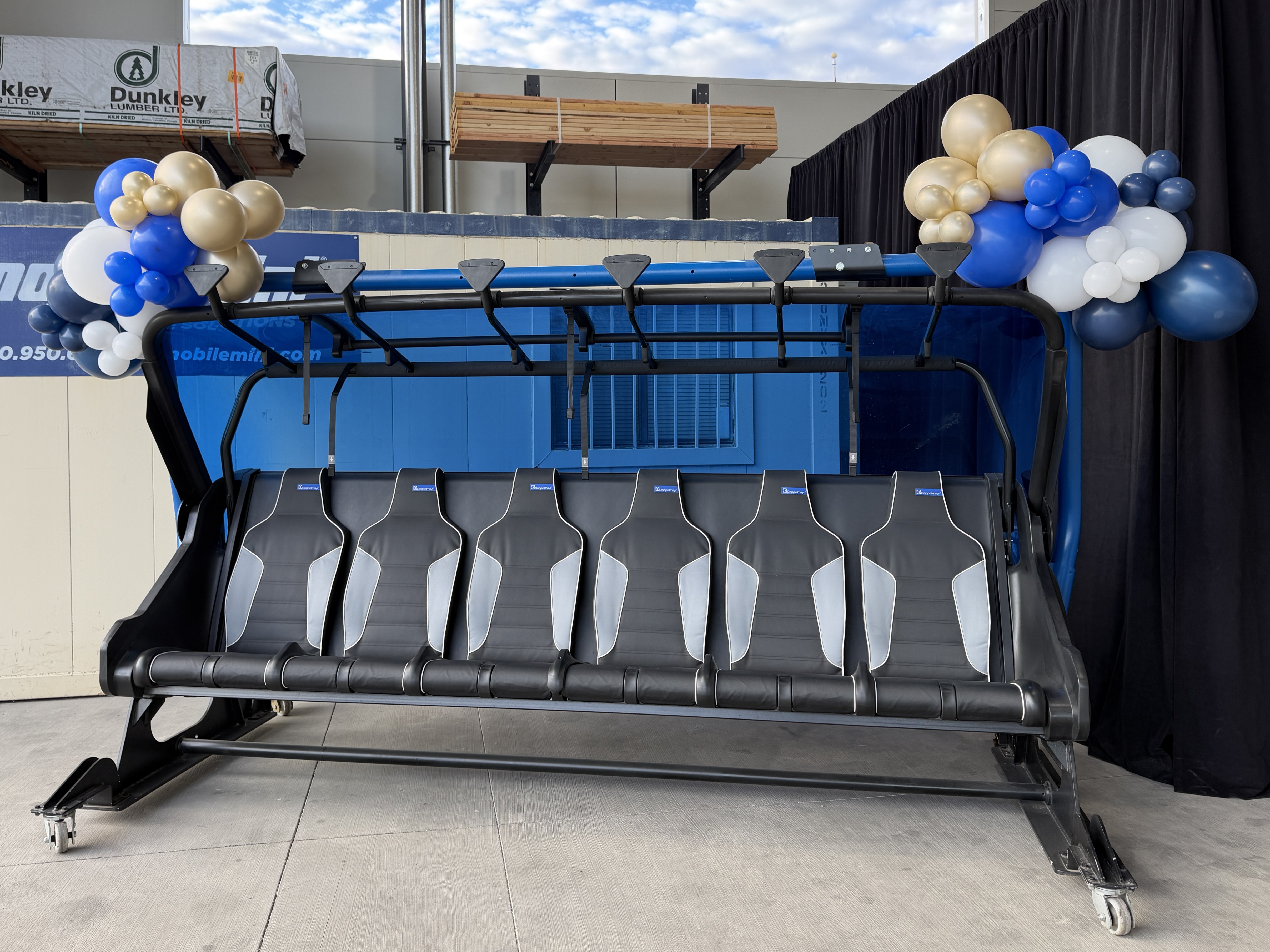
Doppelmayr cut the ribbon today on a brand new US headquarters, located right next to the old one in Salt Lake City. The investment makes SLC one of Doppelmayr’s largest facilities worldwide, bringing together production, sales, engineering, parts, service, training, back office, and construction under one (very large) roof. The 160,000 square foot building nearly doubles Doppelmayr’s footprint with ample room for growth. Austria-based Doppelmayr said recent investments in new facilities in Salt Lake, St. Jerome, Quebec and China will total $150 million.
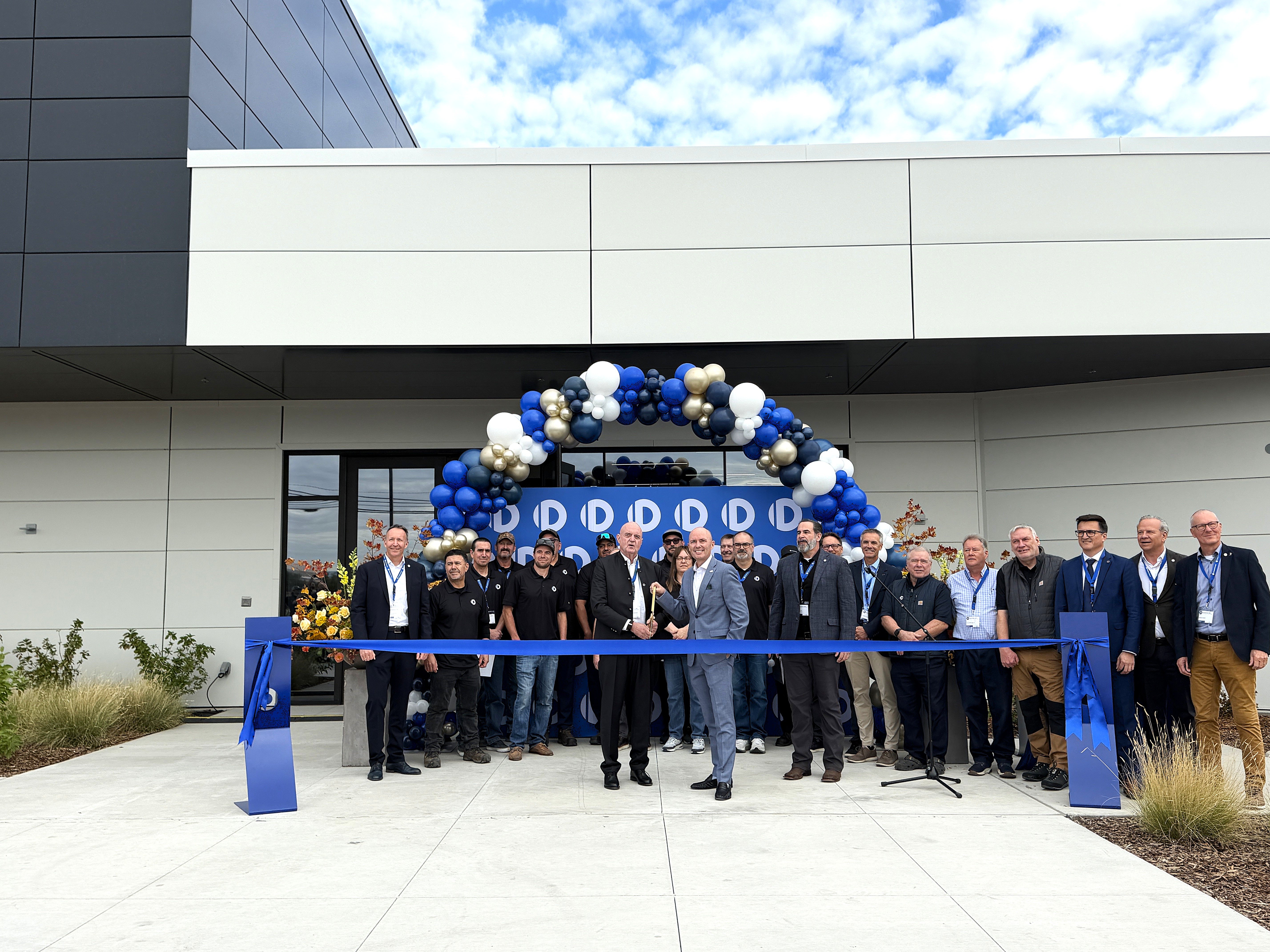
Doppelmayr USA CEO Keith Johns, Chairman of the Board Michael Doppelmayr, Managing Director Gerhard Gassner, and Utah Governor Spencer Cox presided over the festivities. They invited 27 employees with more than 20 years’ experience at the company to join them as they cut the ribbon. Johns also presented GSBS Architects and R&O Construction with traditional Austrian cow bells for their efforts bringing the project to life.
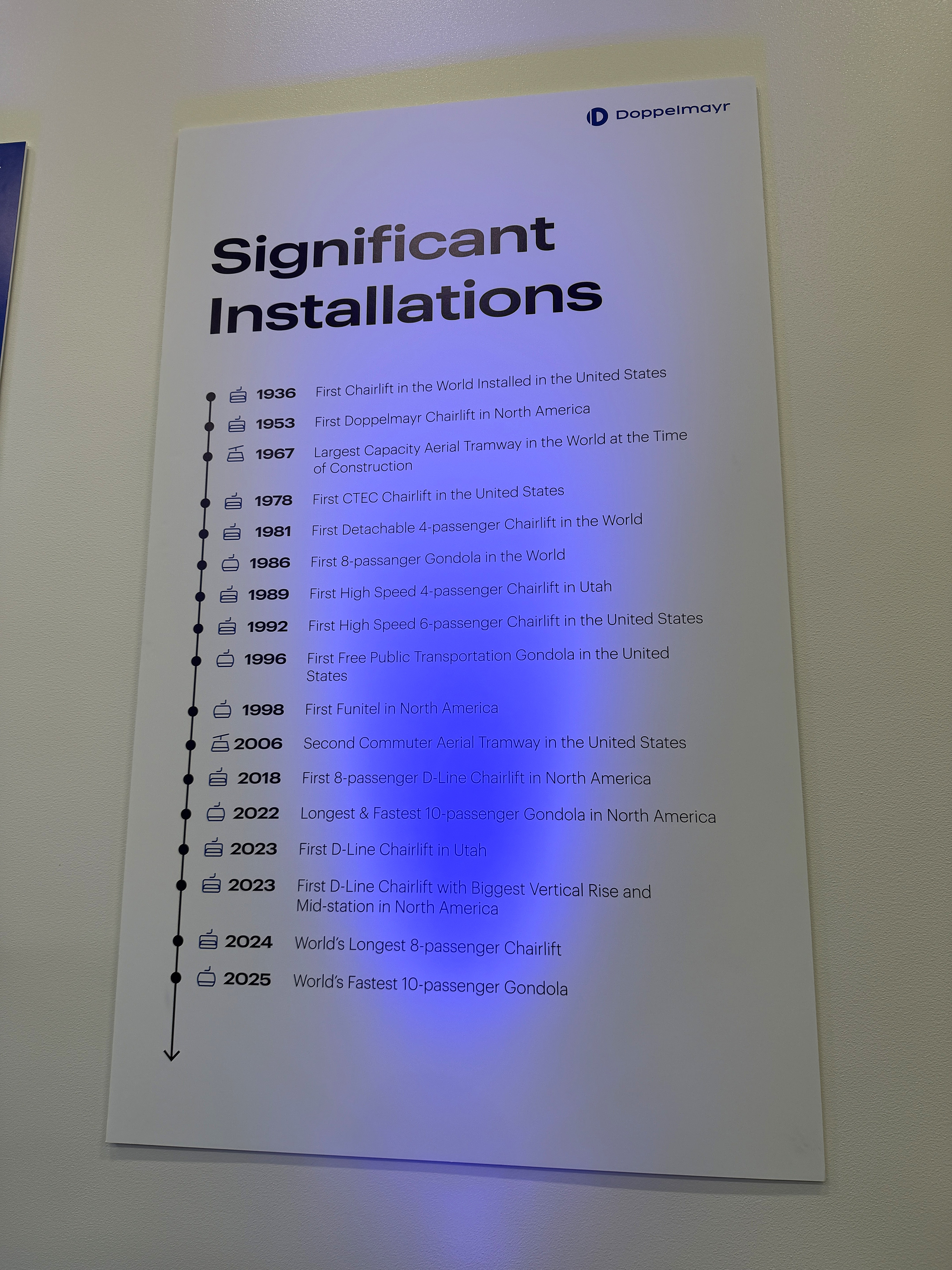
Michael Doppelmayr explained his family’s company has operated in the US for over half a century, but its first big break came in 1985 with a contract for four detachable quads on Vail Mountain. Thus Doppelmayr originally landed in Golden, Colorado before merging with Garaventa and inheriting a Utah office in 2002. In the run up to the Salt Lake Olympics, Doppelmayr partnered with the Holding Family to rebuild Snowbasin’s lift fleet, a relationship which continues to this day. The Utah and North American markets have steadily strengthened ever since. The company’s biggest current project worldwide is right here in the USA at Newark Liberty International Airport. Non-ski projects like Newark now make up one third of the Group’s worldwide sales.
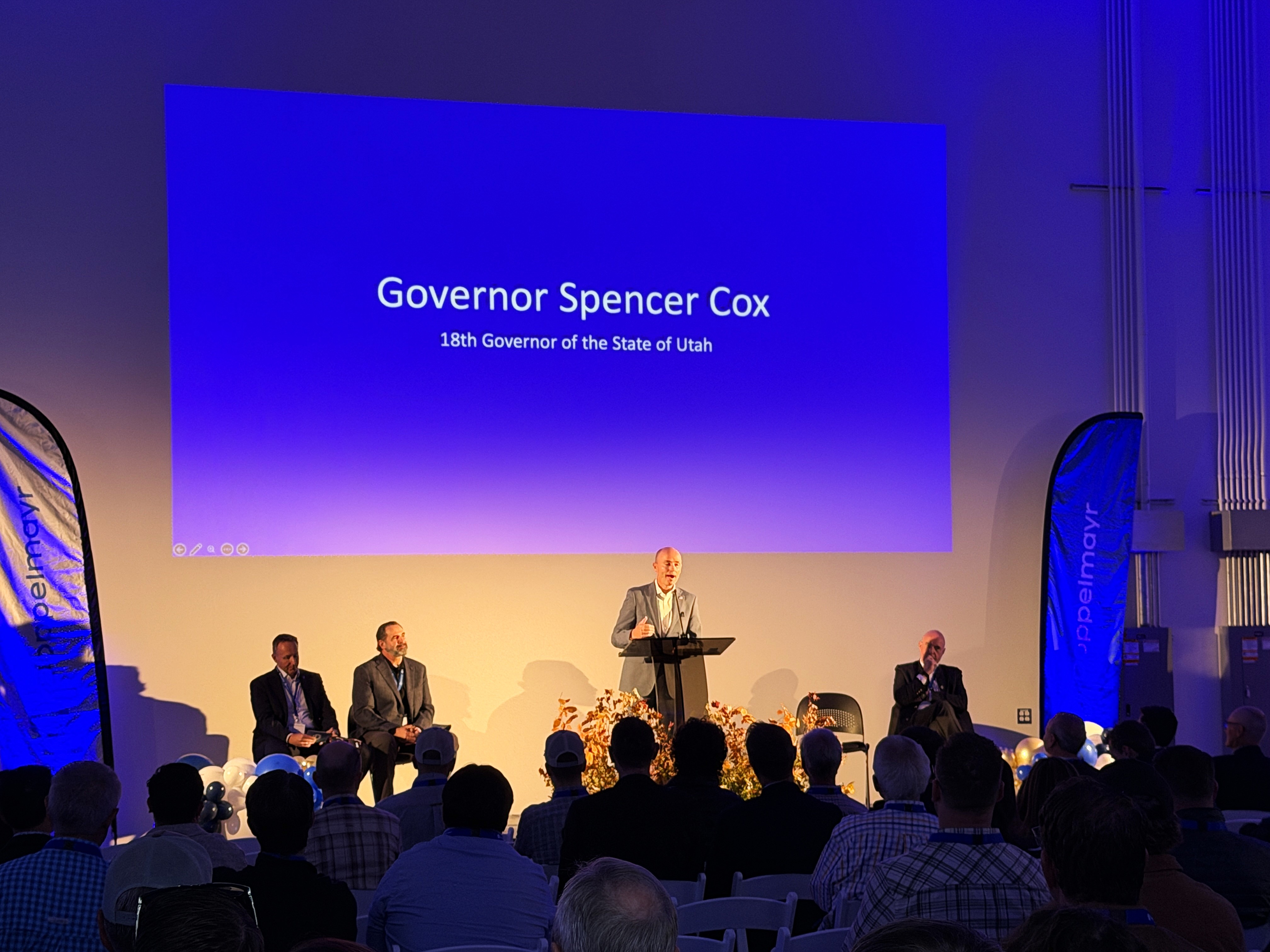
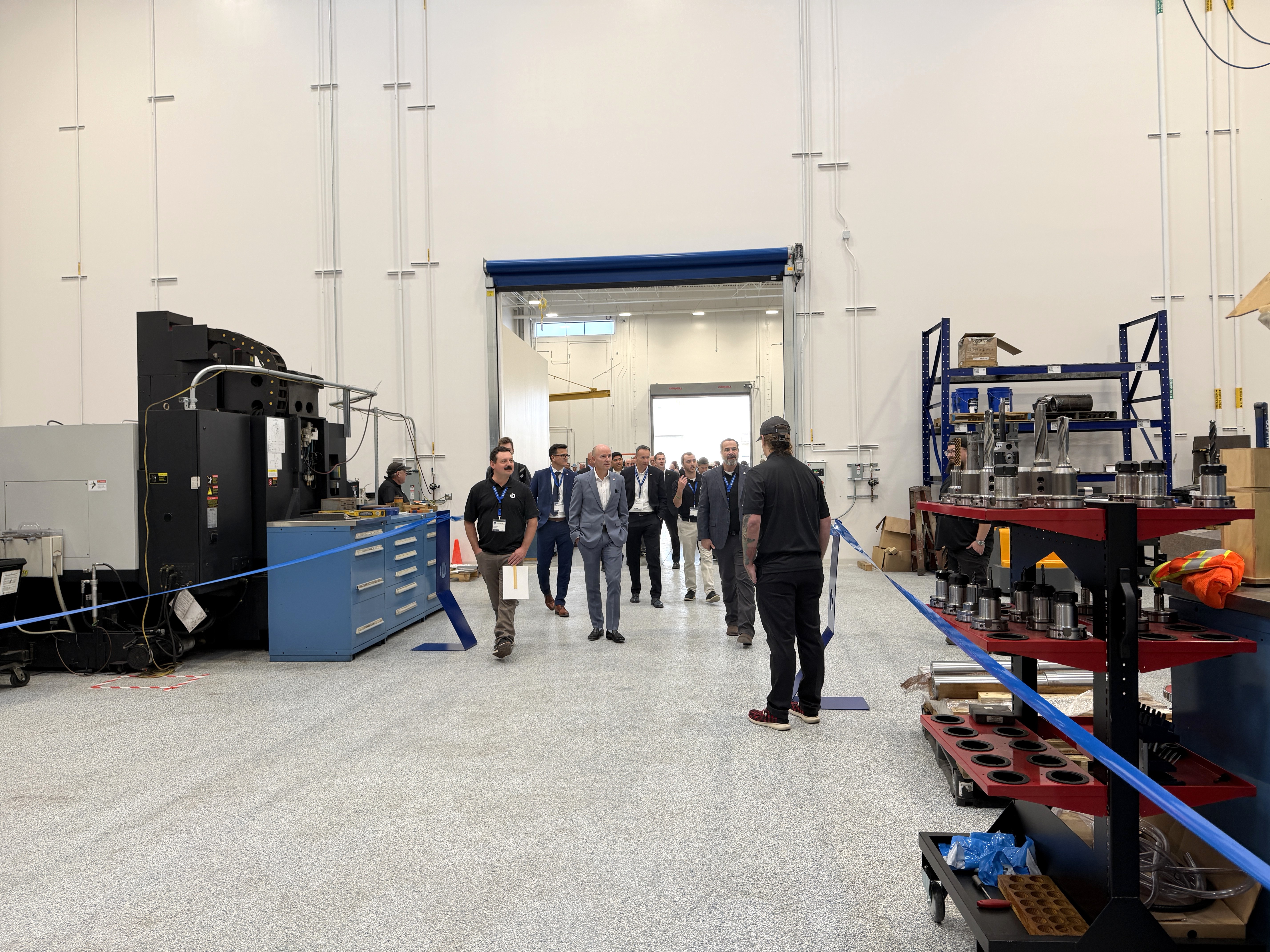
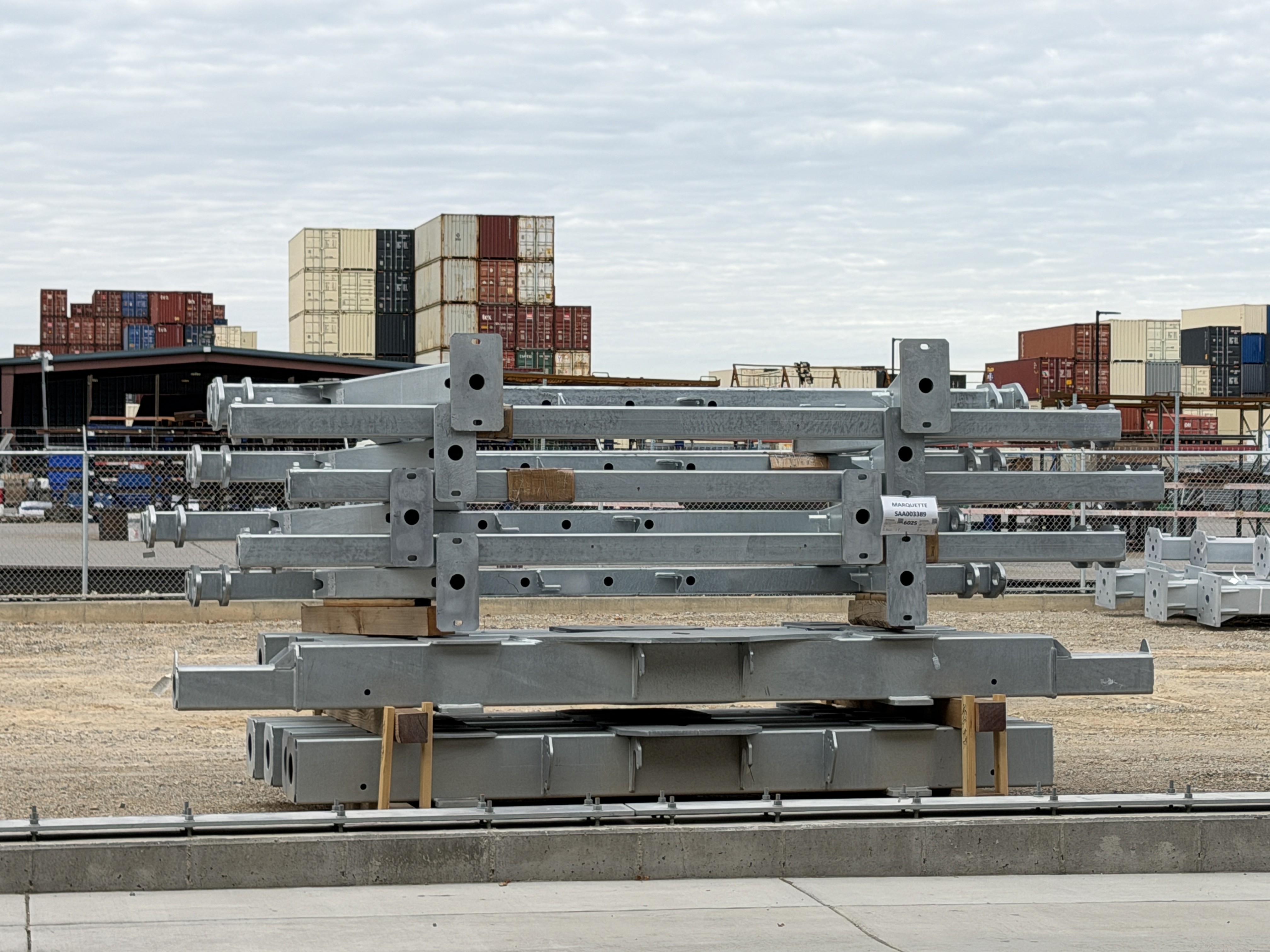
This felt like a ski industry homecoming, however, with representatives from Alterra, Vail, Boyne and many others in attendance. Dignitaries got to see lifts in various stages of production destined for places like Marquette Mountain, Michigan and Mont-Sainte-Anne, Quebec. With a larger plant here, Doppelmayr will strengthen competitiveness and shorten supply chains for North American customers.
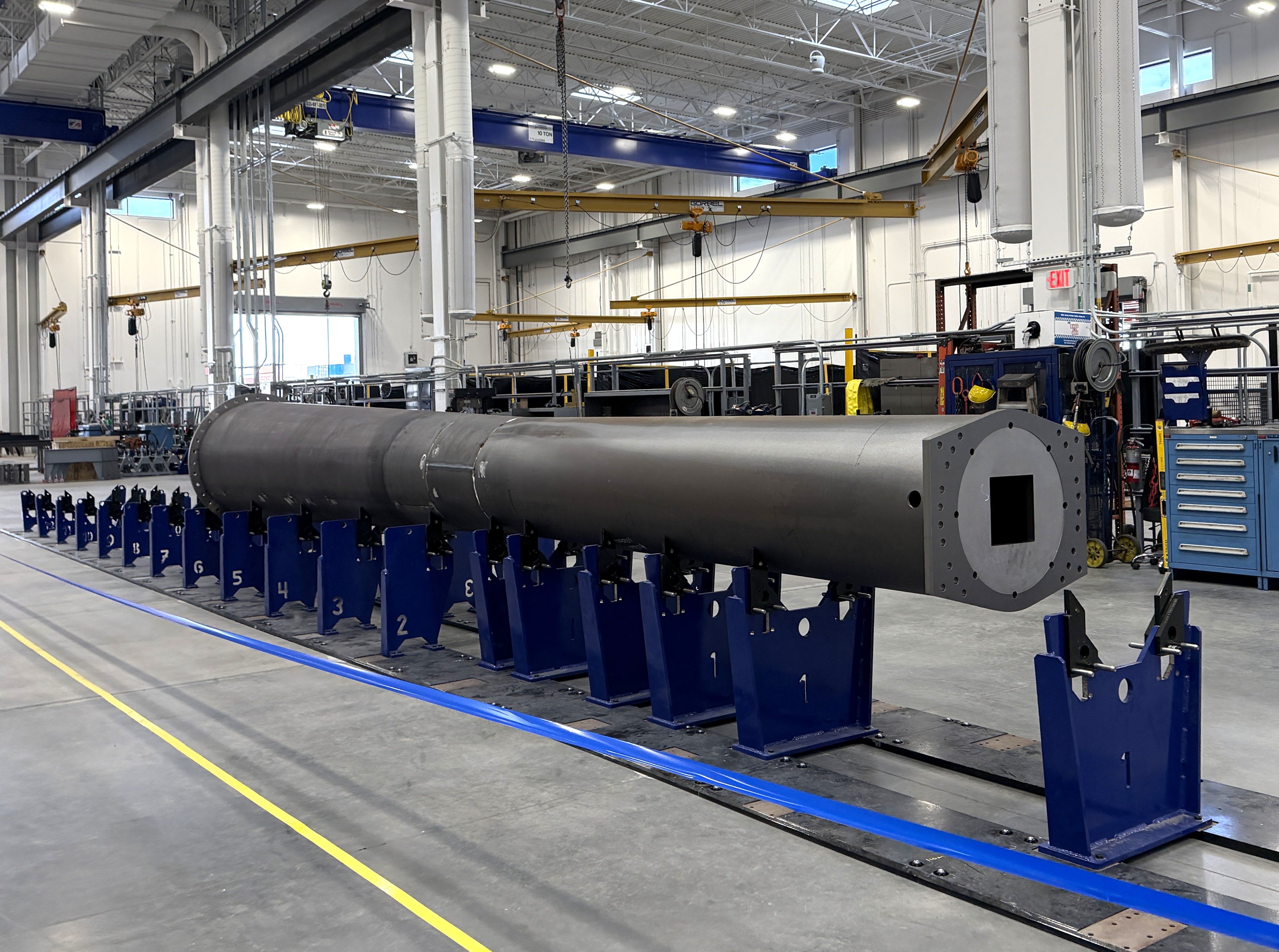
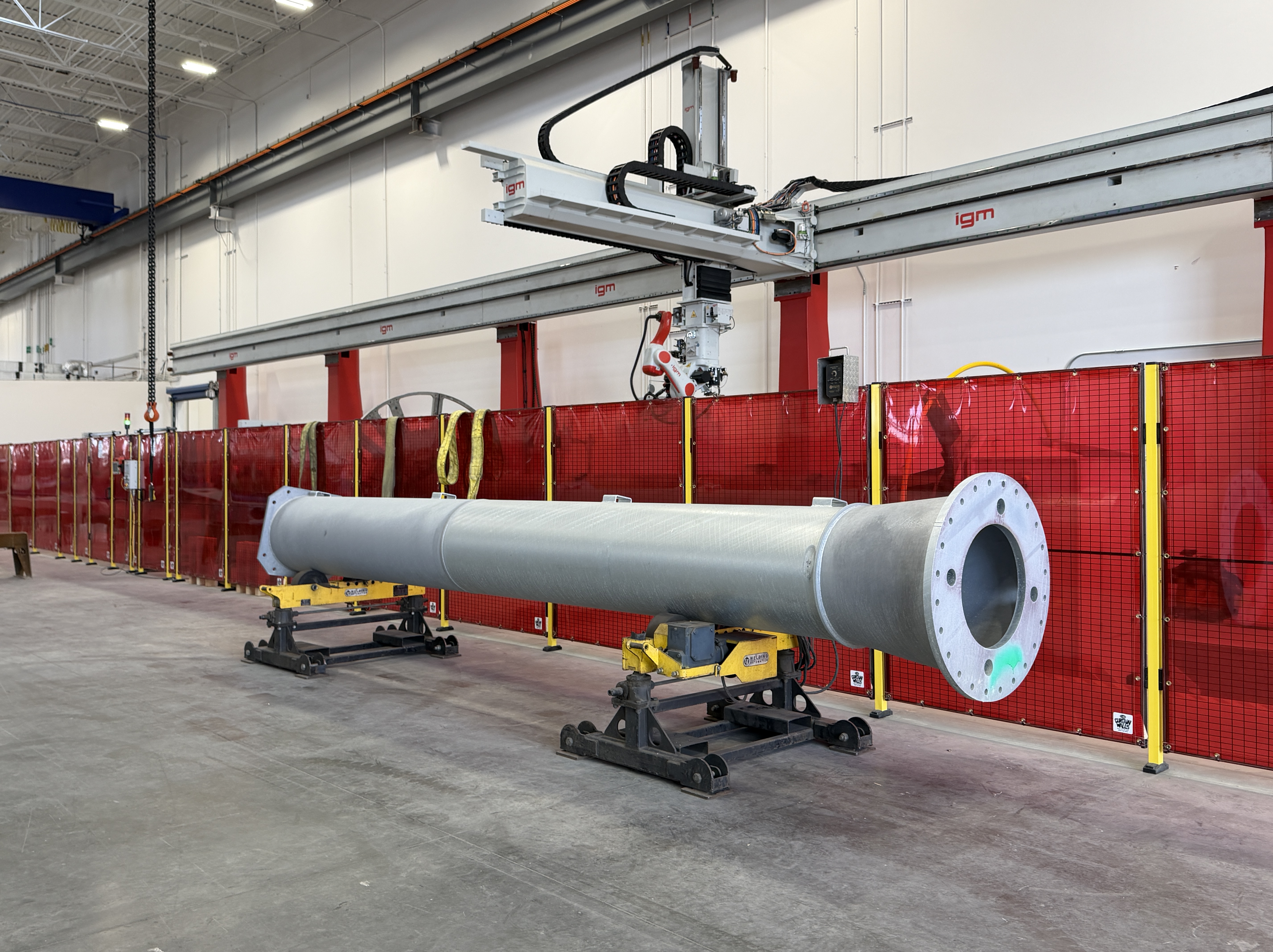
Salt Lake will continue to specialize where it always has: bullwheel and tower fabrication, fixed-grip terminals, electrical control systems and operator houses. One big addition is conical towers, the type used on marquee D-Line and Uni-G machines. Doppelmayr USA just completed its very first one, destined for Yellowstone Club’s new Lodge lift next summer. In the past these were manufactured in Wolfurt, Austria and containerized for the US market. The Salt Lake factory will utilize US steel and specialize in large components that are expensive to ship over the Atlantic. A new welding robot can produce cylindrical towers also, the first of which is headed for Sainte-Anne. This machine reduces welding time by 40-60%, though some welds will still require human craftsmanship.
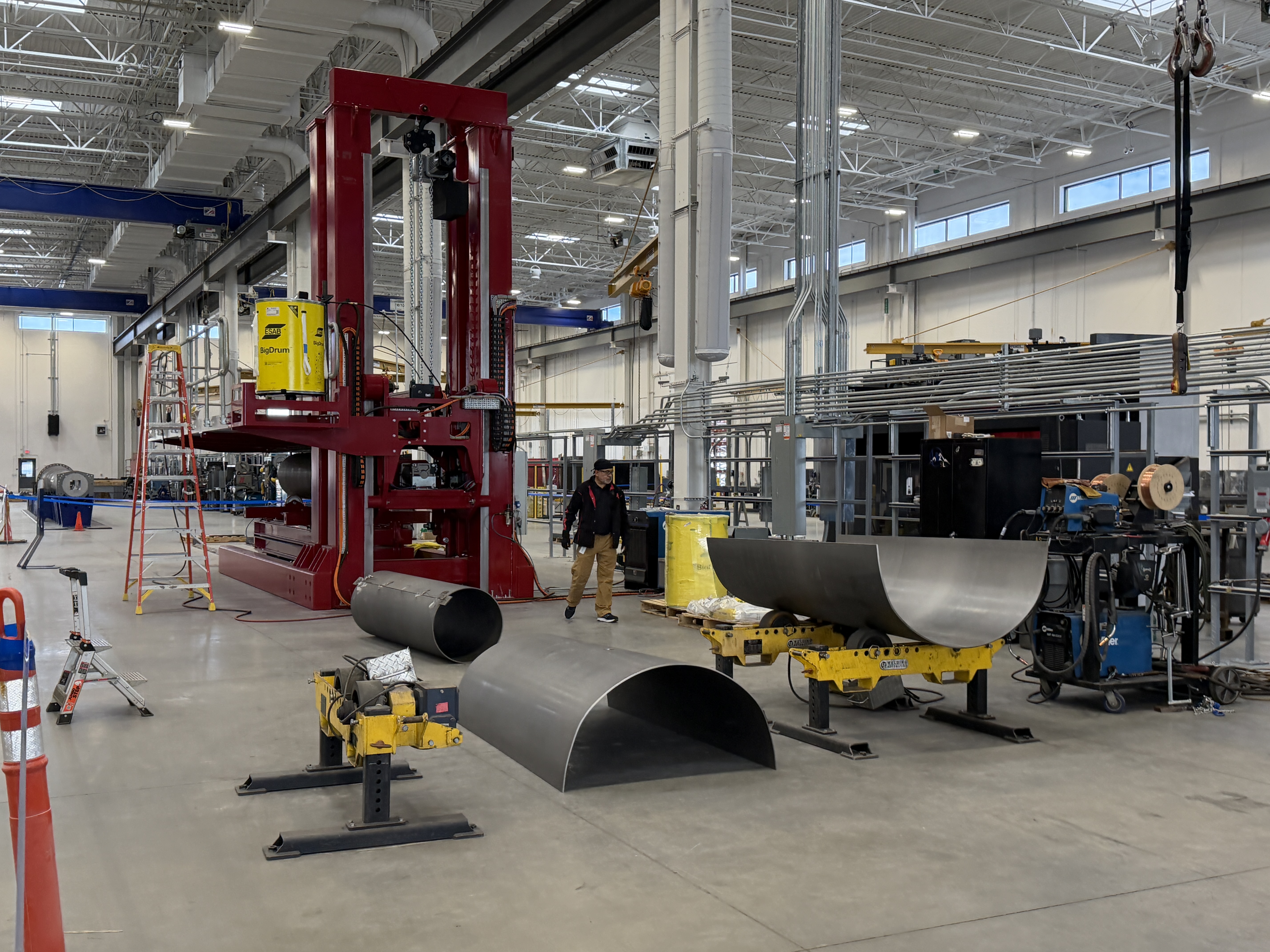
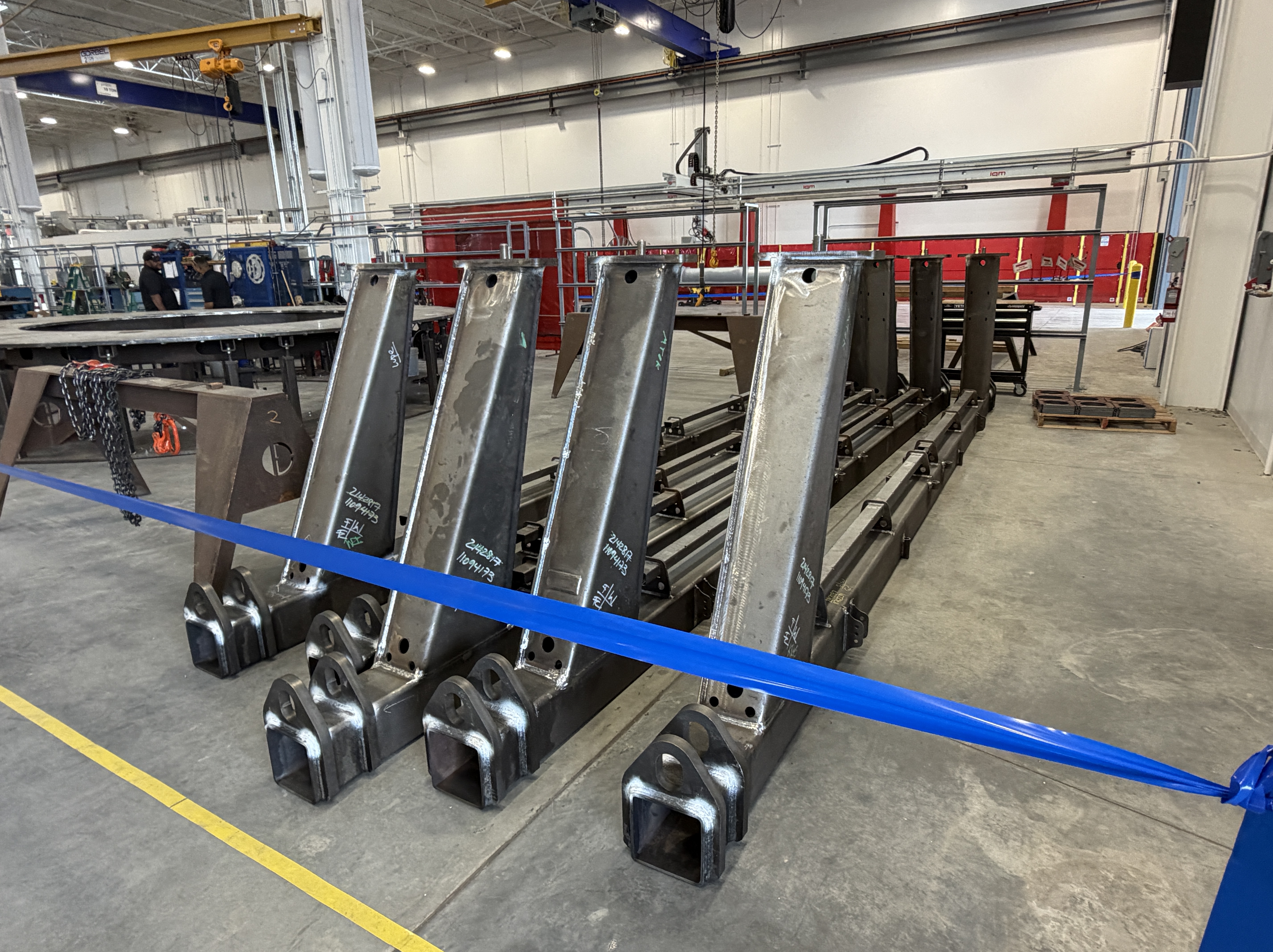
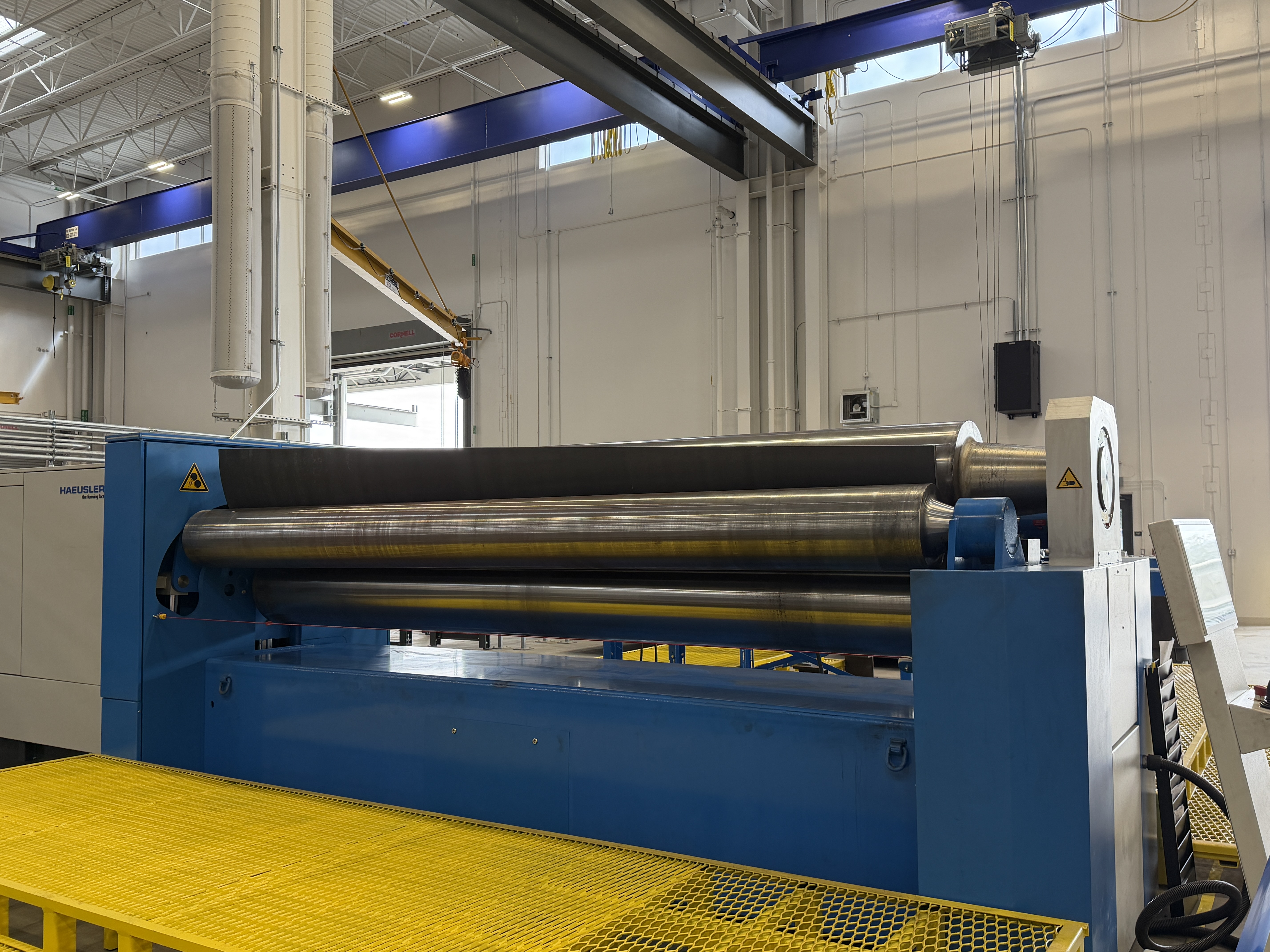
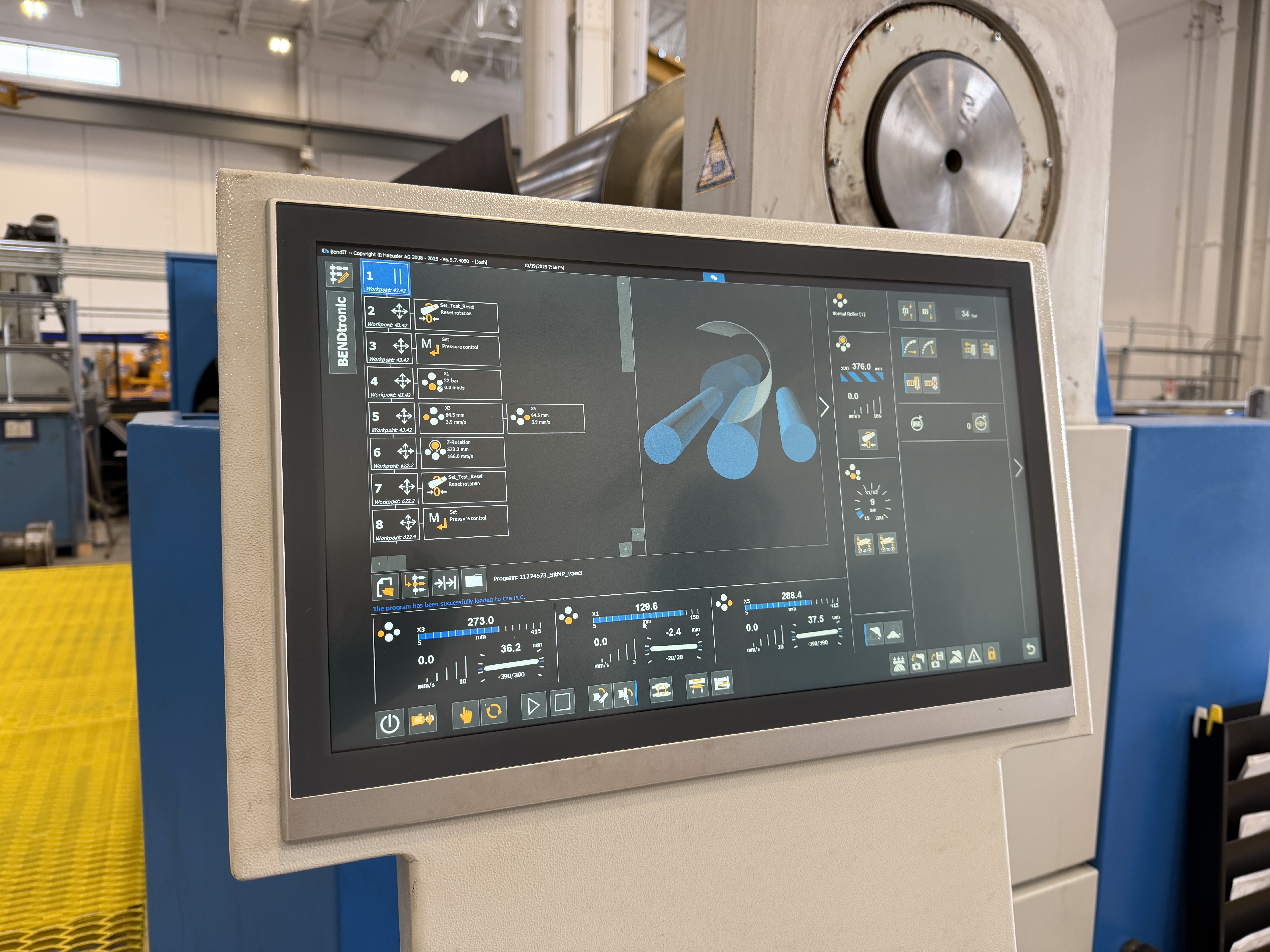
The new machine shop, where one tech said “subtractive manufacturing” occurs, houses four CNCs, three mills and two lathes. This shop regularly produces 3,000 different parts with tolerances of a thousandth of an inch. Doppelmayr’s goal is to build as much in house as possible. Galvanizing will still take place off site, though painting can be done in a new onsite bay. Once parts are finished, they’ll be grouped together in a new laydown port, where trucks can drive through and load by crane before departing for mountains.
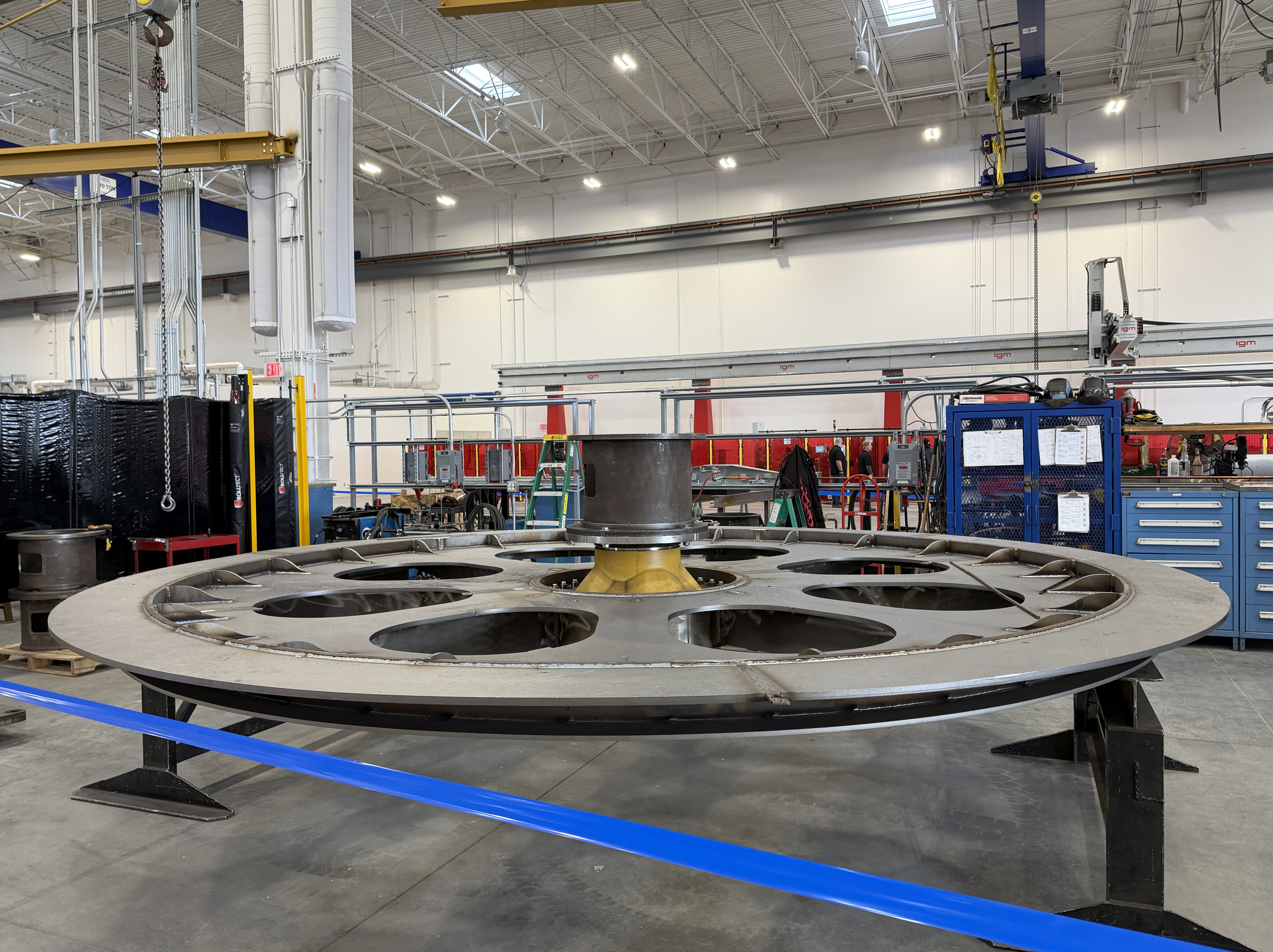
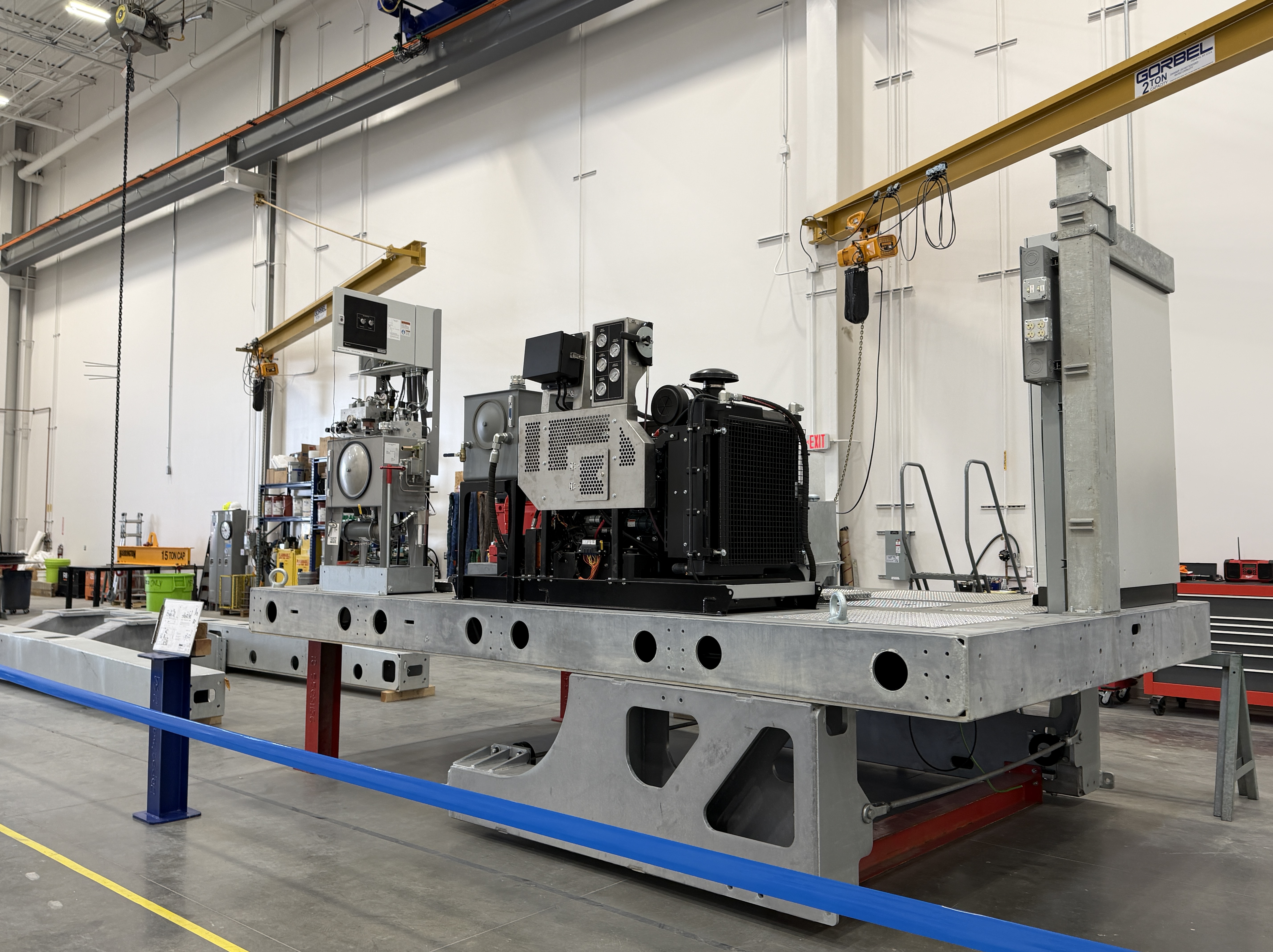
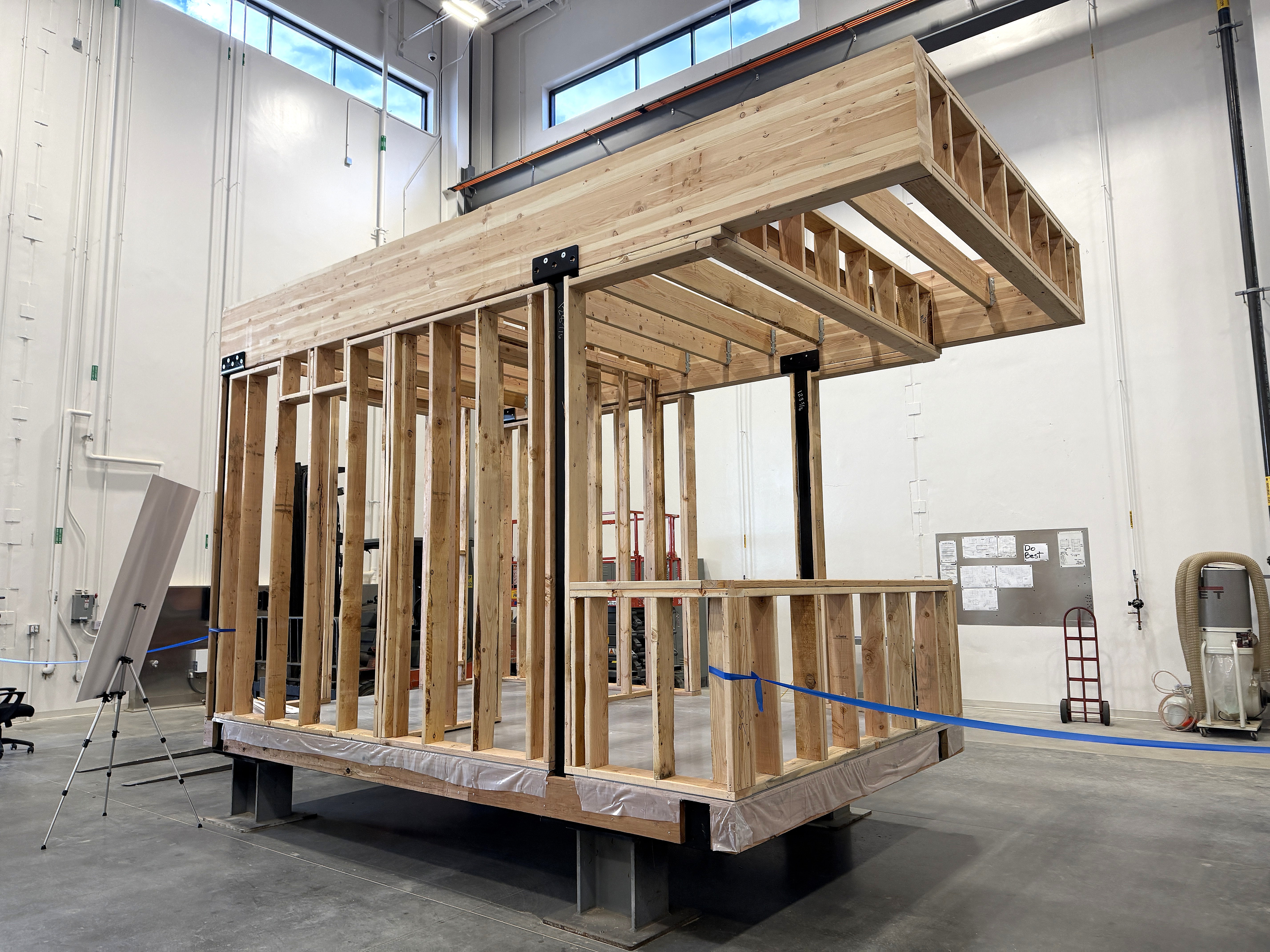
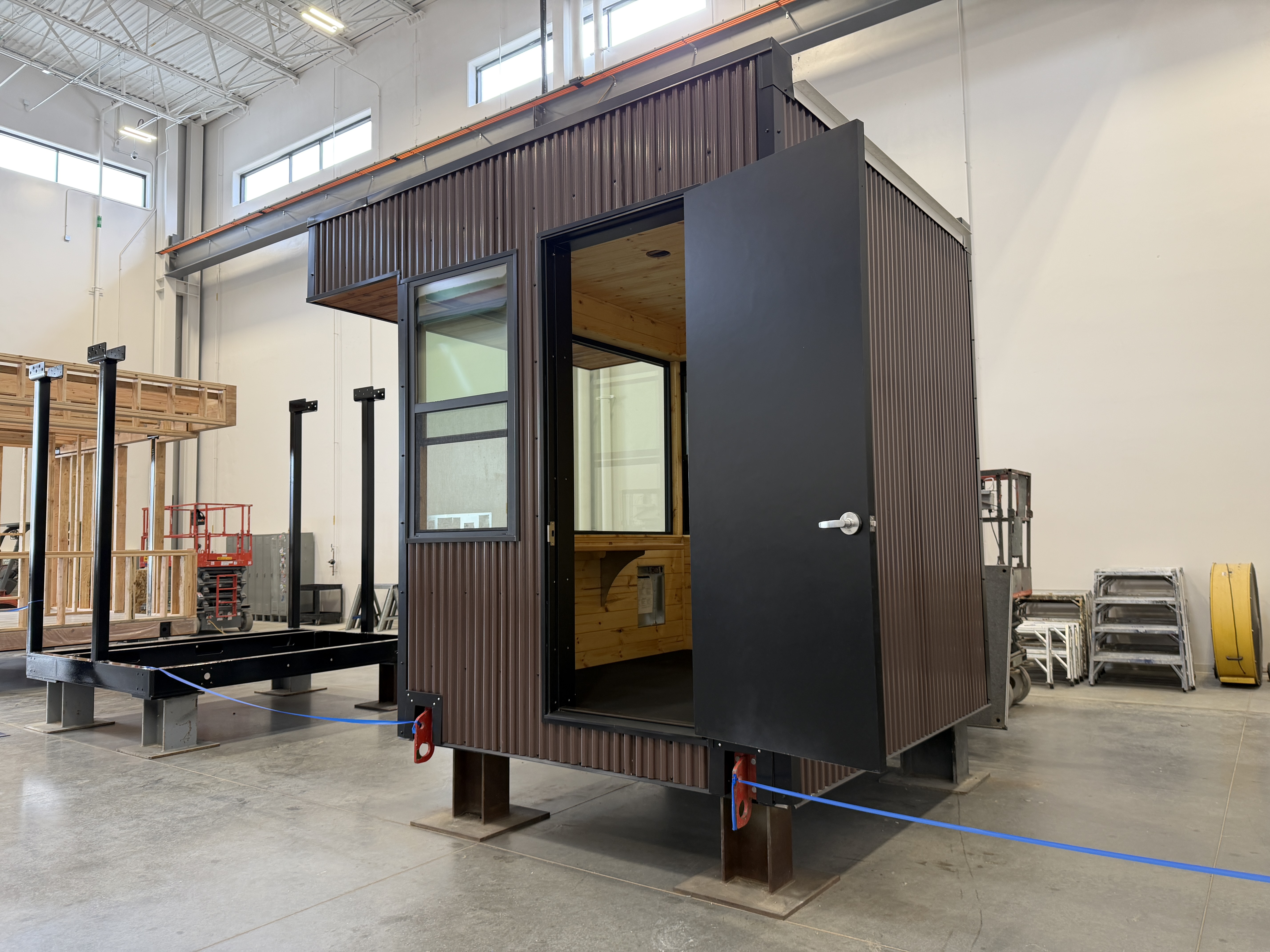
Doppelmayr produces operator houses for most projects in the United States and Canada in Salt Lake. In a typical year, Doppelmayr USA builds 35 operator houses, though the record is 53. Metal bones are fabricated in house and later filled out with wood. Customers can choose from five different shack sizes, three finishes and any color in the rainbow. Today we saw houses destined for Snowland’s new T-Bar as well as a project not yet announced. Prior to a few weeks ago, the operator house crew worked outside in the snow and heat.
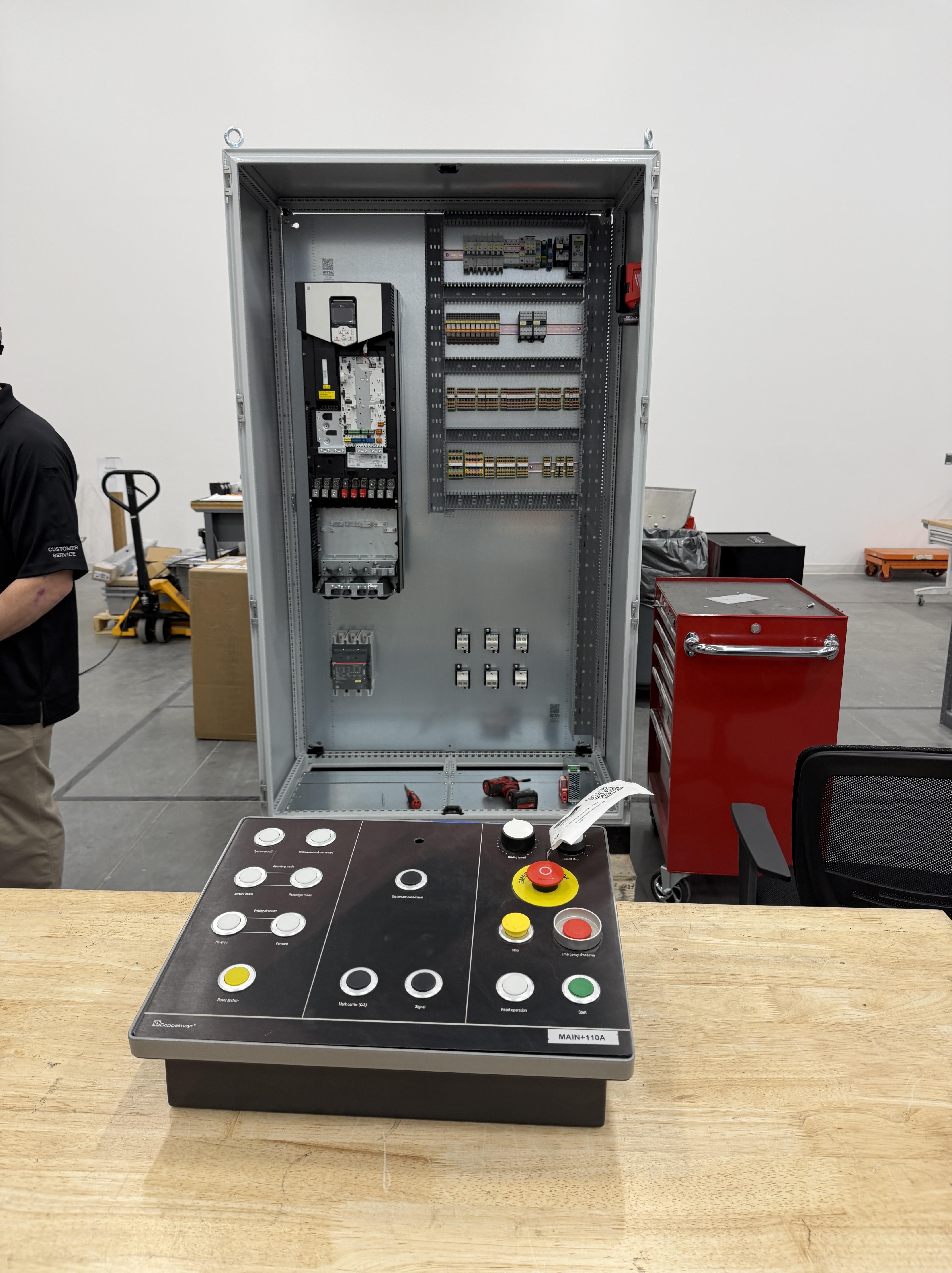
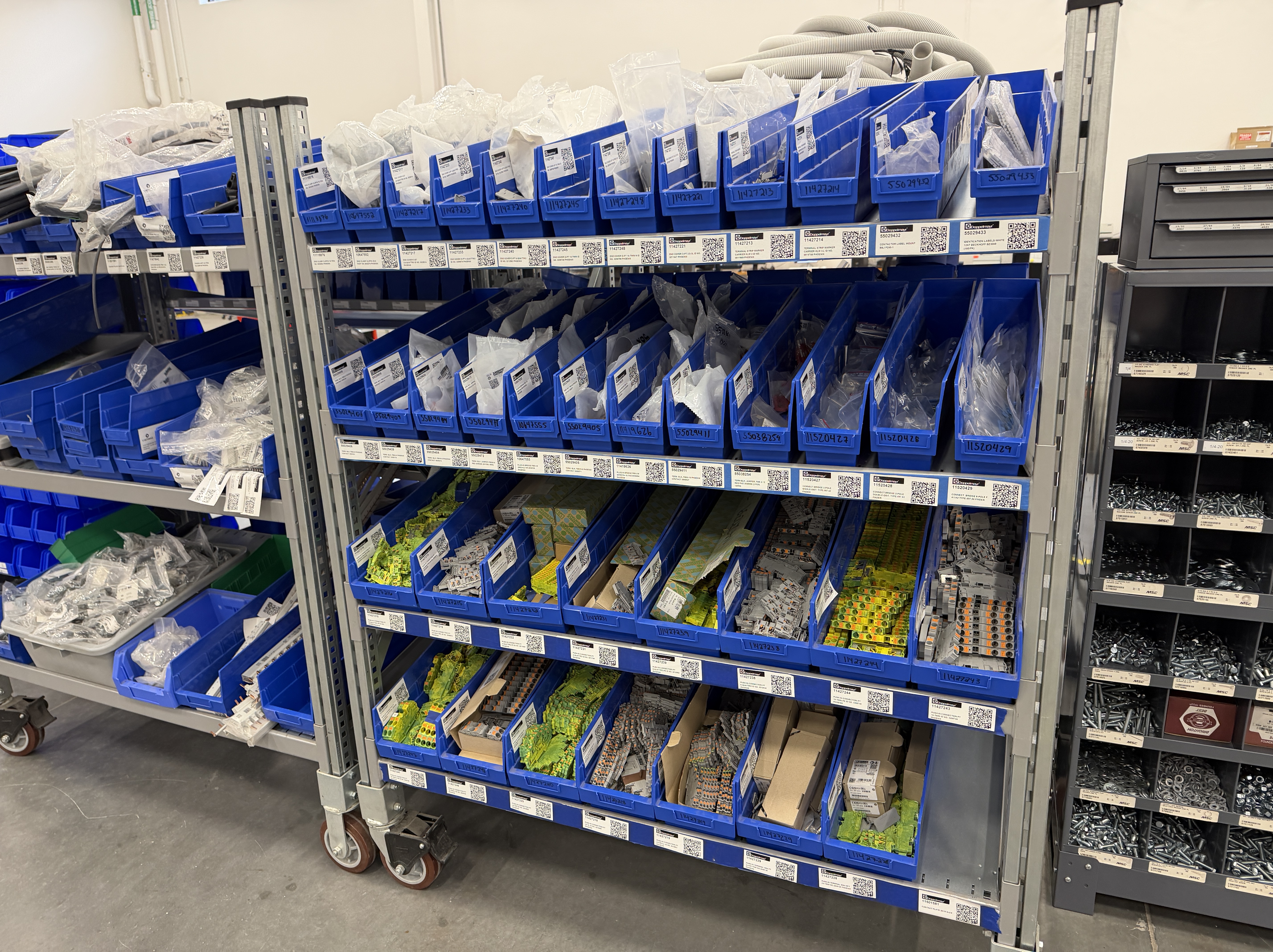
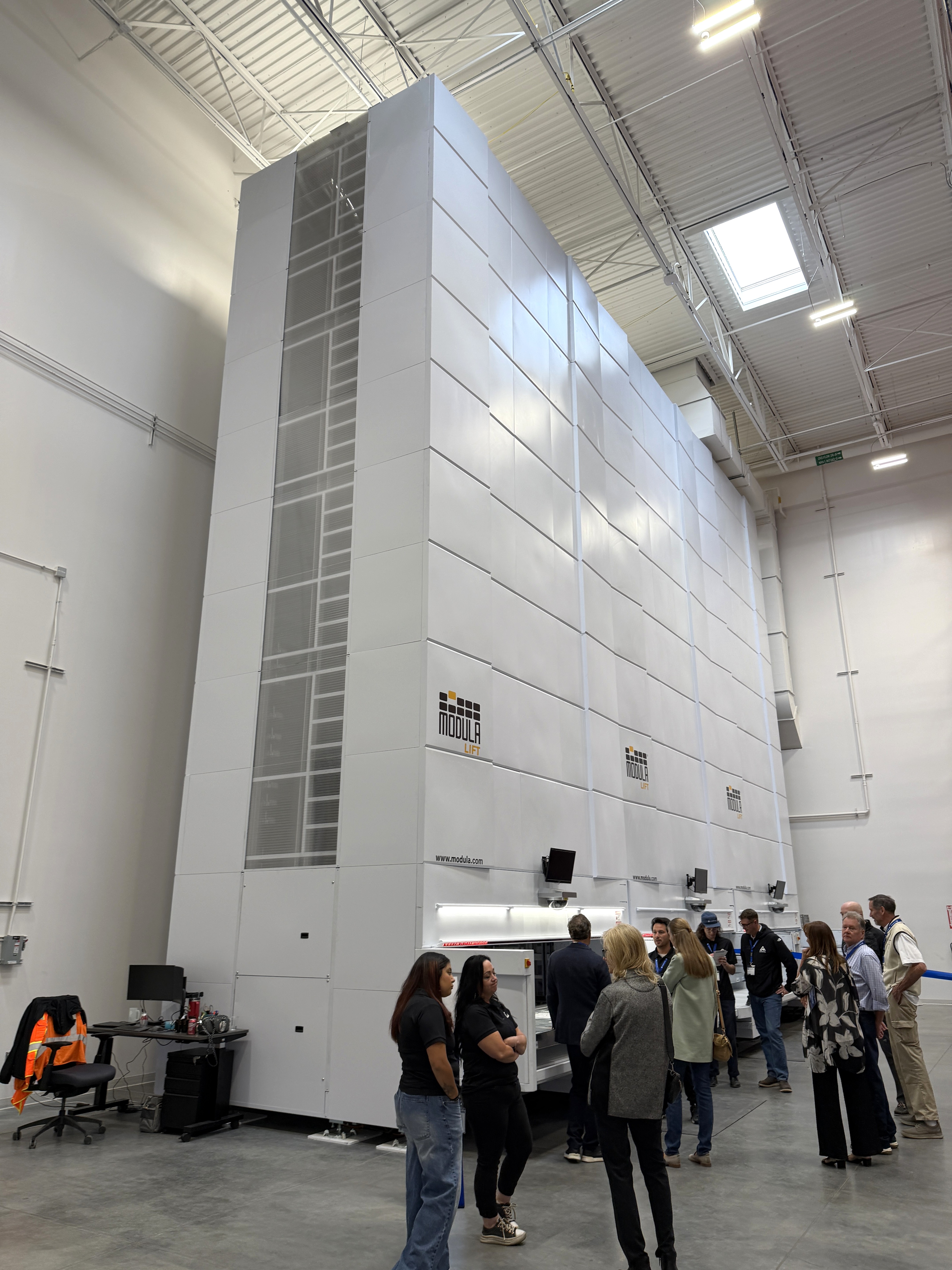
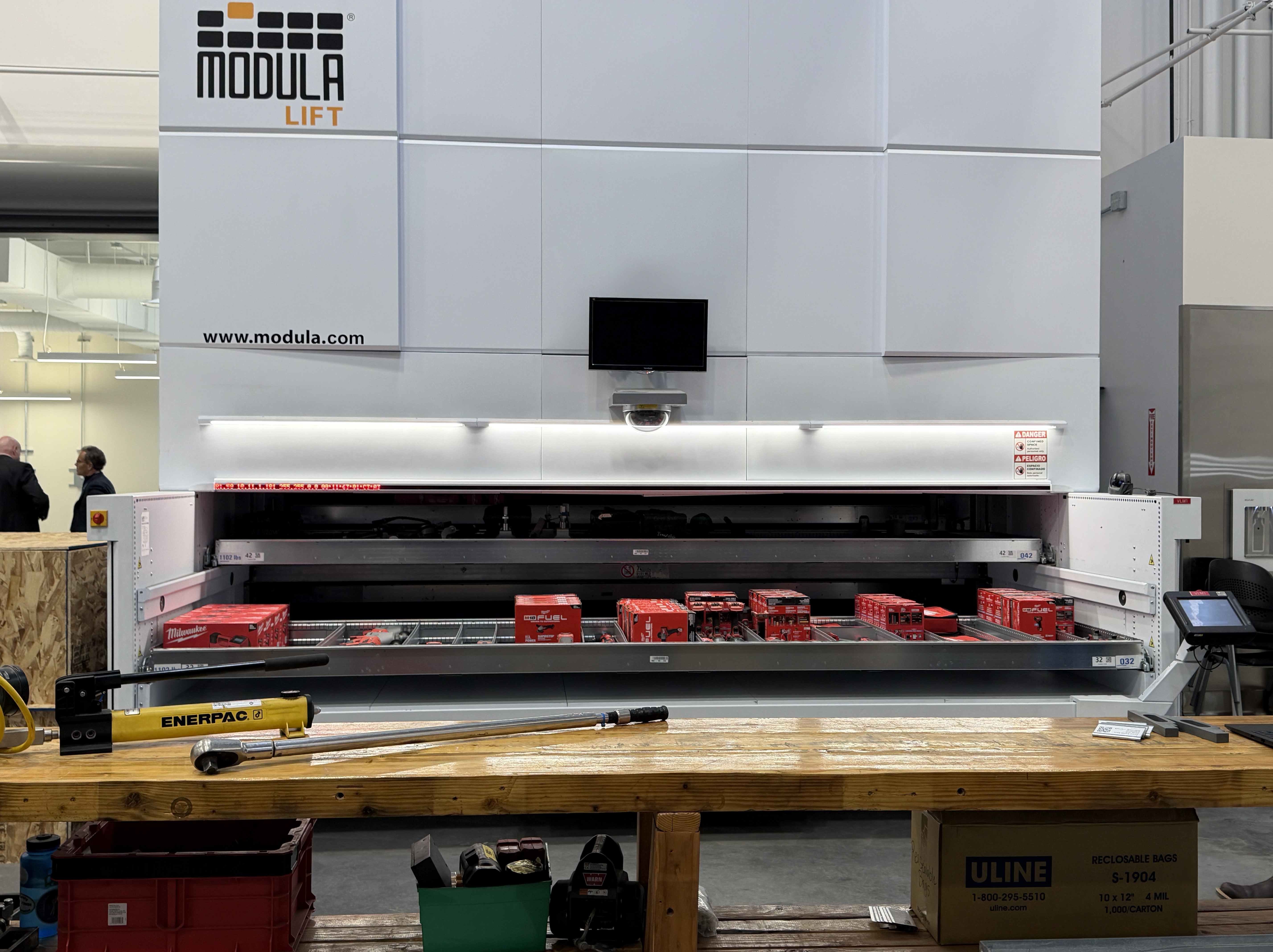
On the electrical side, Doppelmayr USA’s 15 electrical technicians are enjoying their new home. A new system called Eplan automatically calculates the length of wires then cuts, crimps and labels them. Wires will go into 533 different electrical control panels this season, both for new installations and modernizations. Parts and Construction departments will also utilize automation in the new building. Each got a Modula vertical lift module that stores tools and spare parts vertically to maximize space, similar to something you’d see in an e-commerce fulfillment center.
On the service side, Doppelmayr completes roughly 30 projects per year in Salt Lake, including 600 detachable grip rebuilds. We saw grips all the way from Bromley, Vermont being rebuilt by expert staff in a controlled environment.
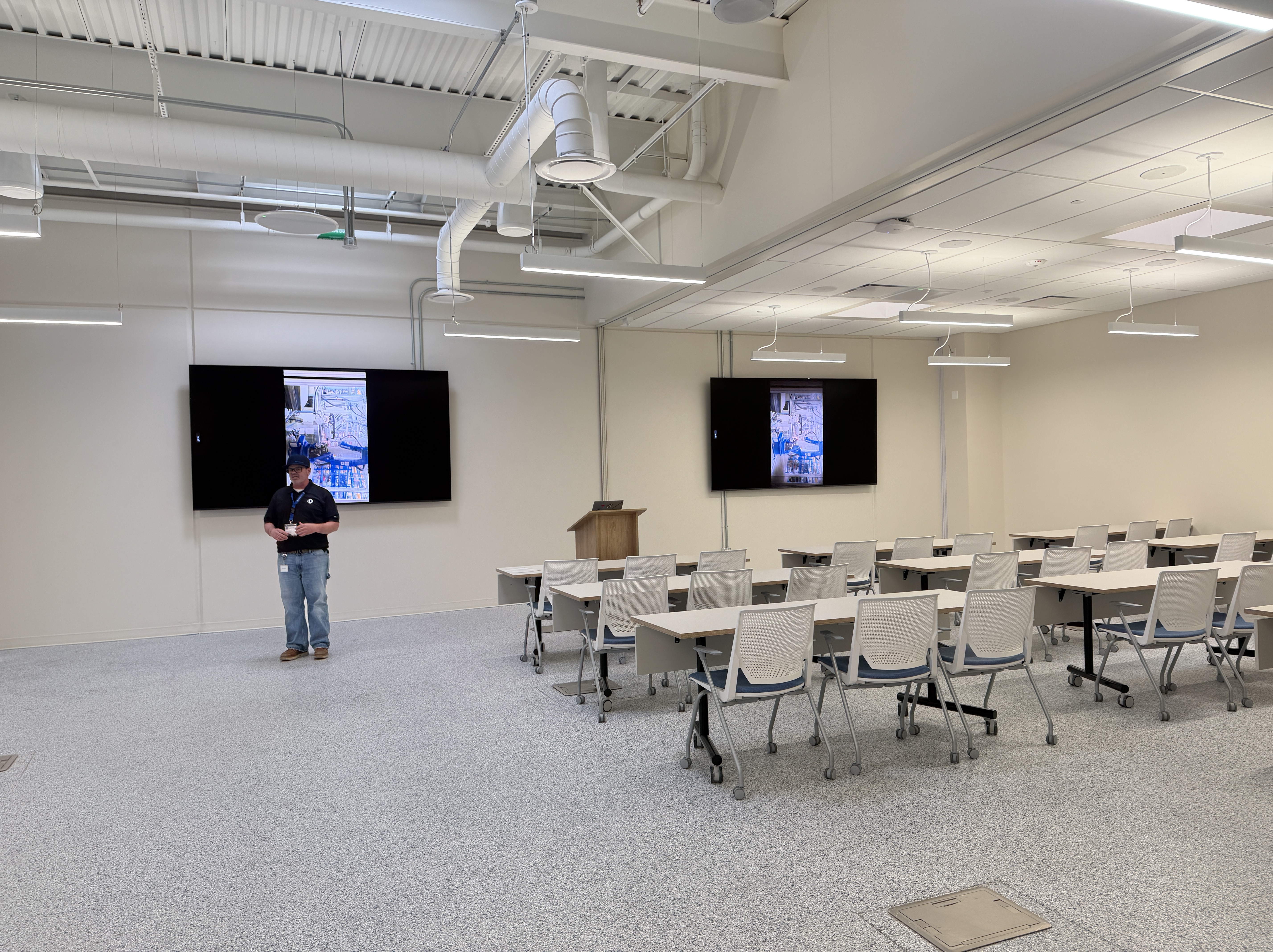
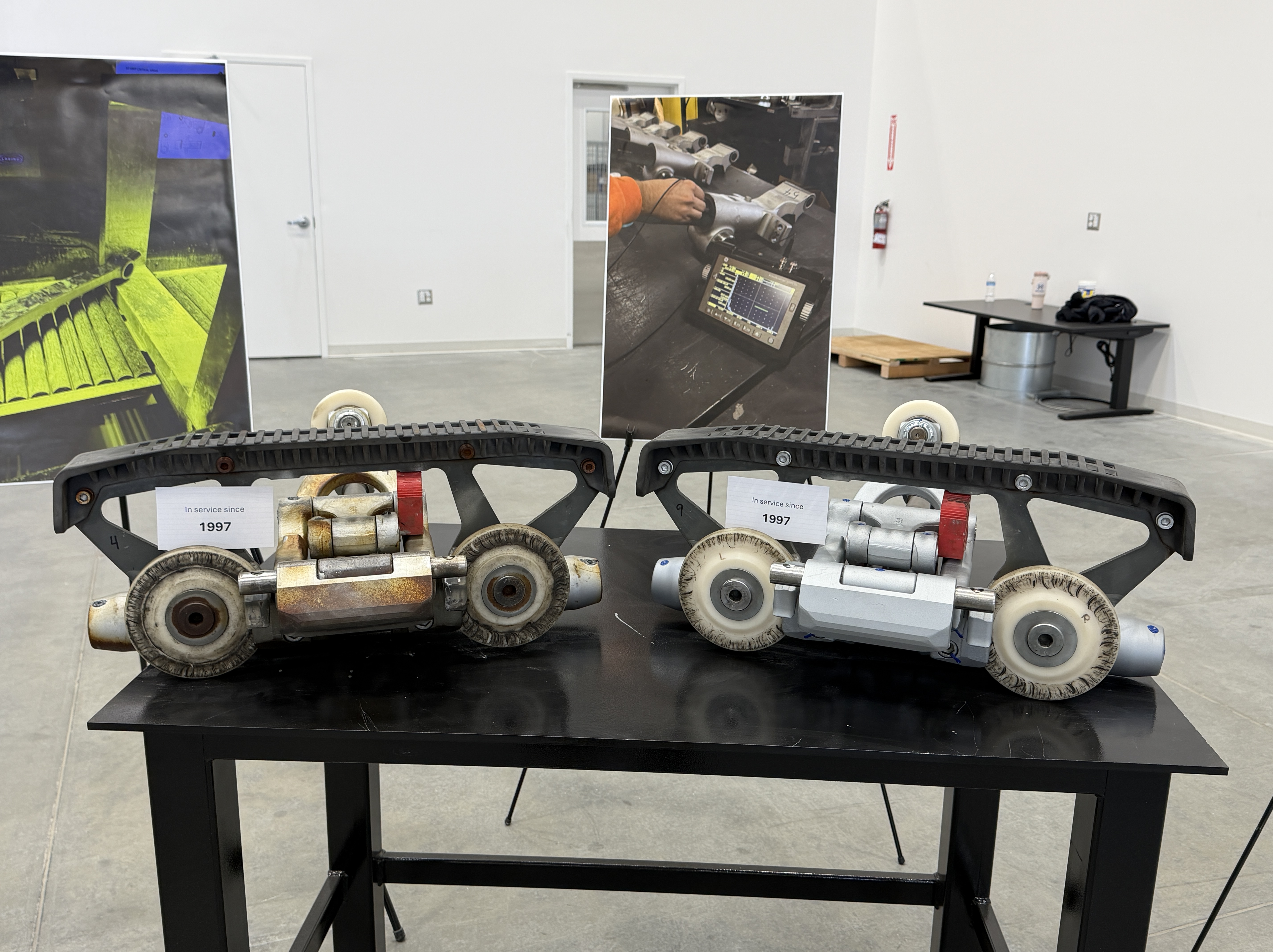
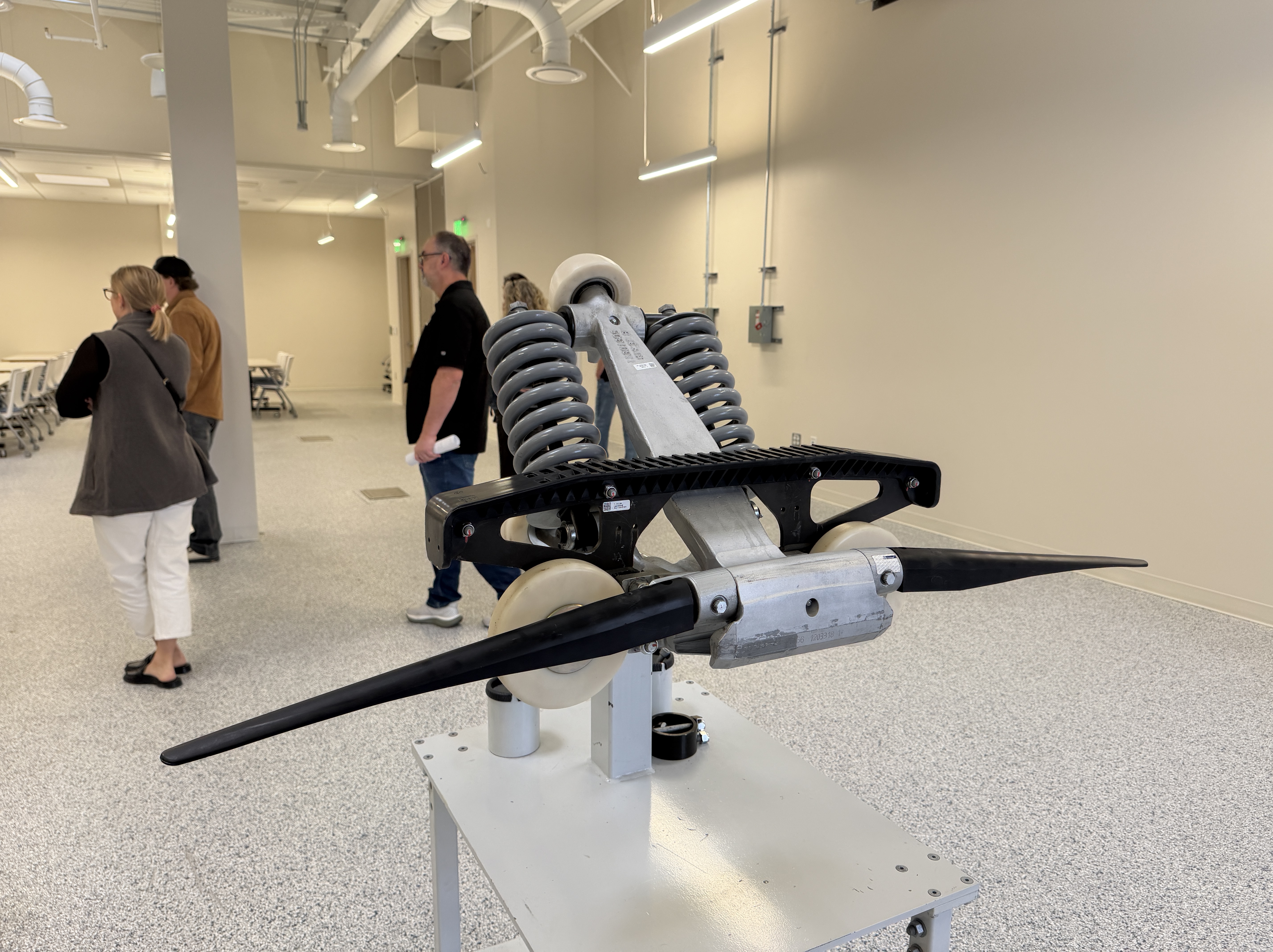
Doppelmayr is launching a brand new US training center capable of hosting 25 people at a time. In addition to a classroom, it features a full Doppelmayr Connect control system, a hydraulic system and various Doppelmayr grips for students to learn on. Classes can also be held virtually.
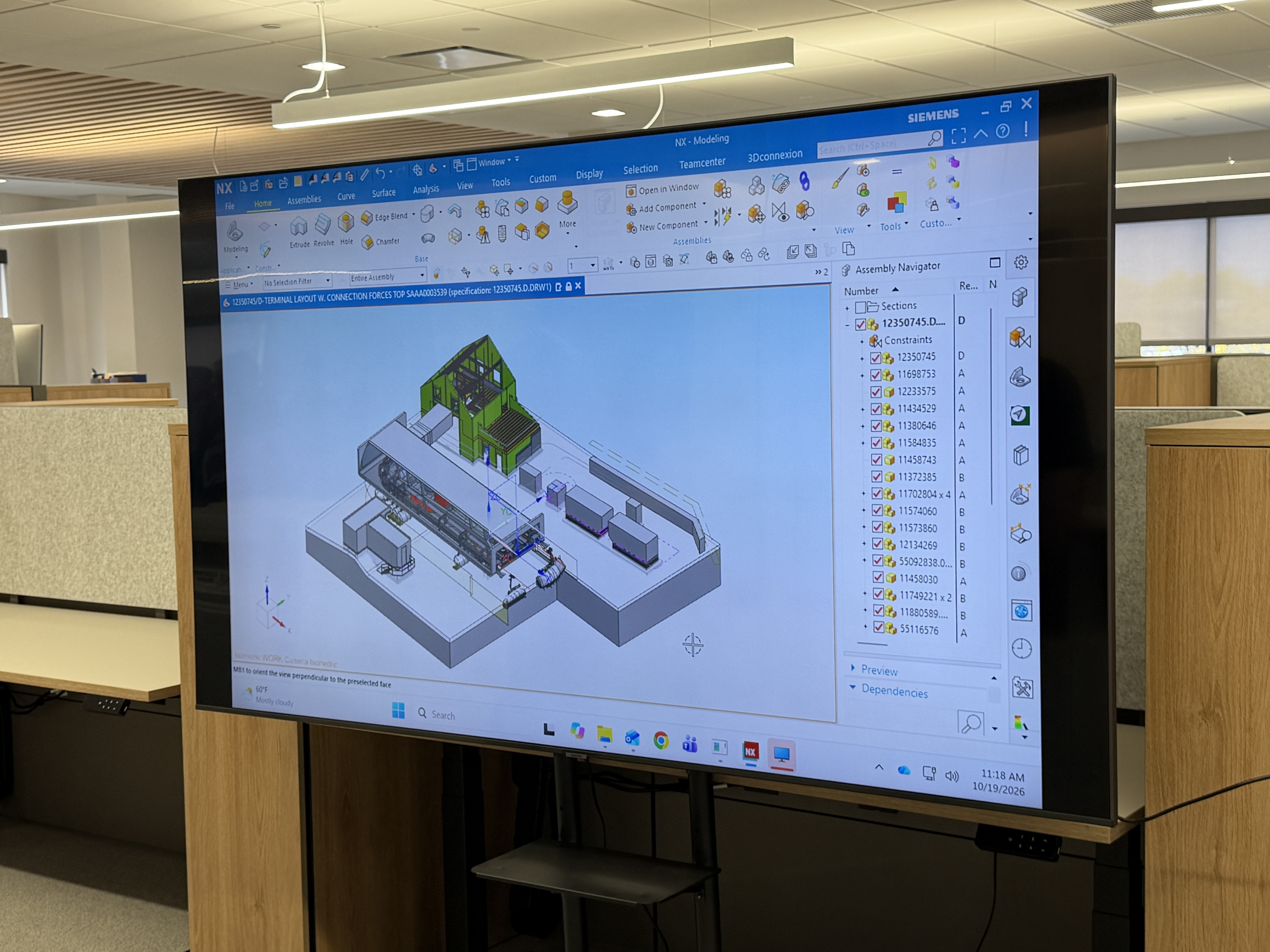
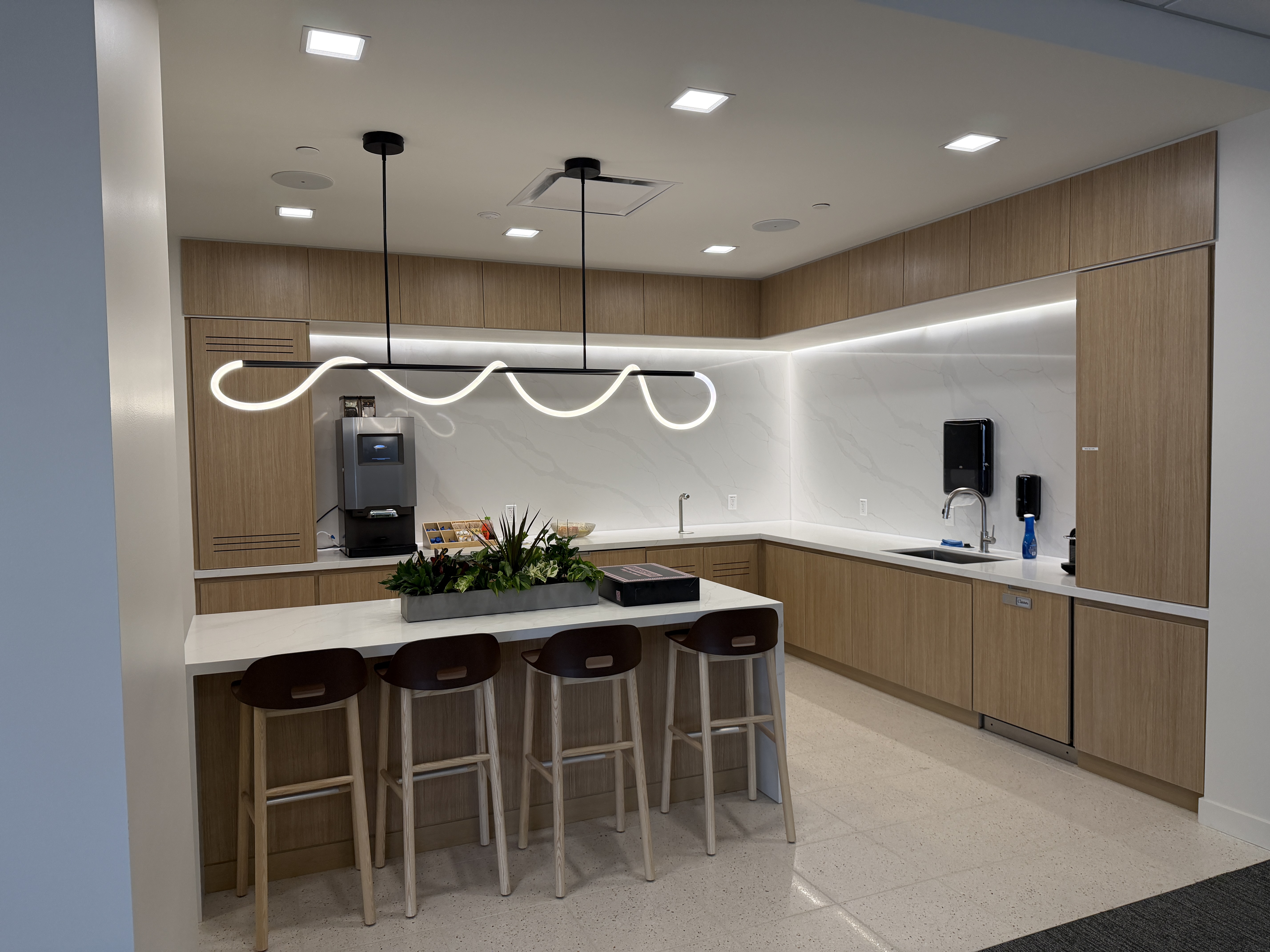
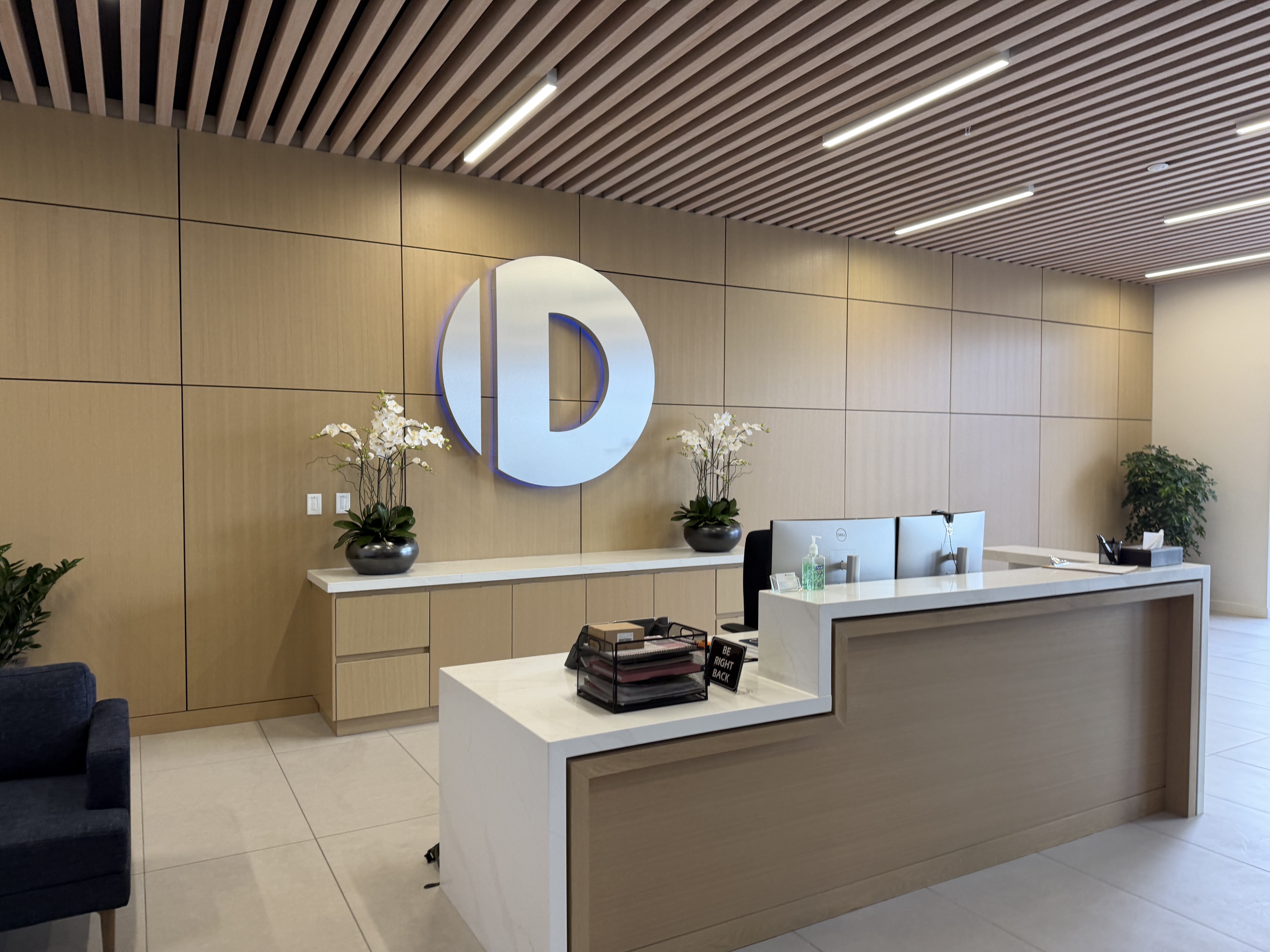
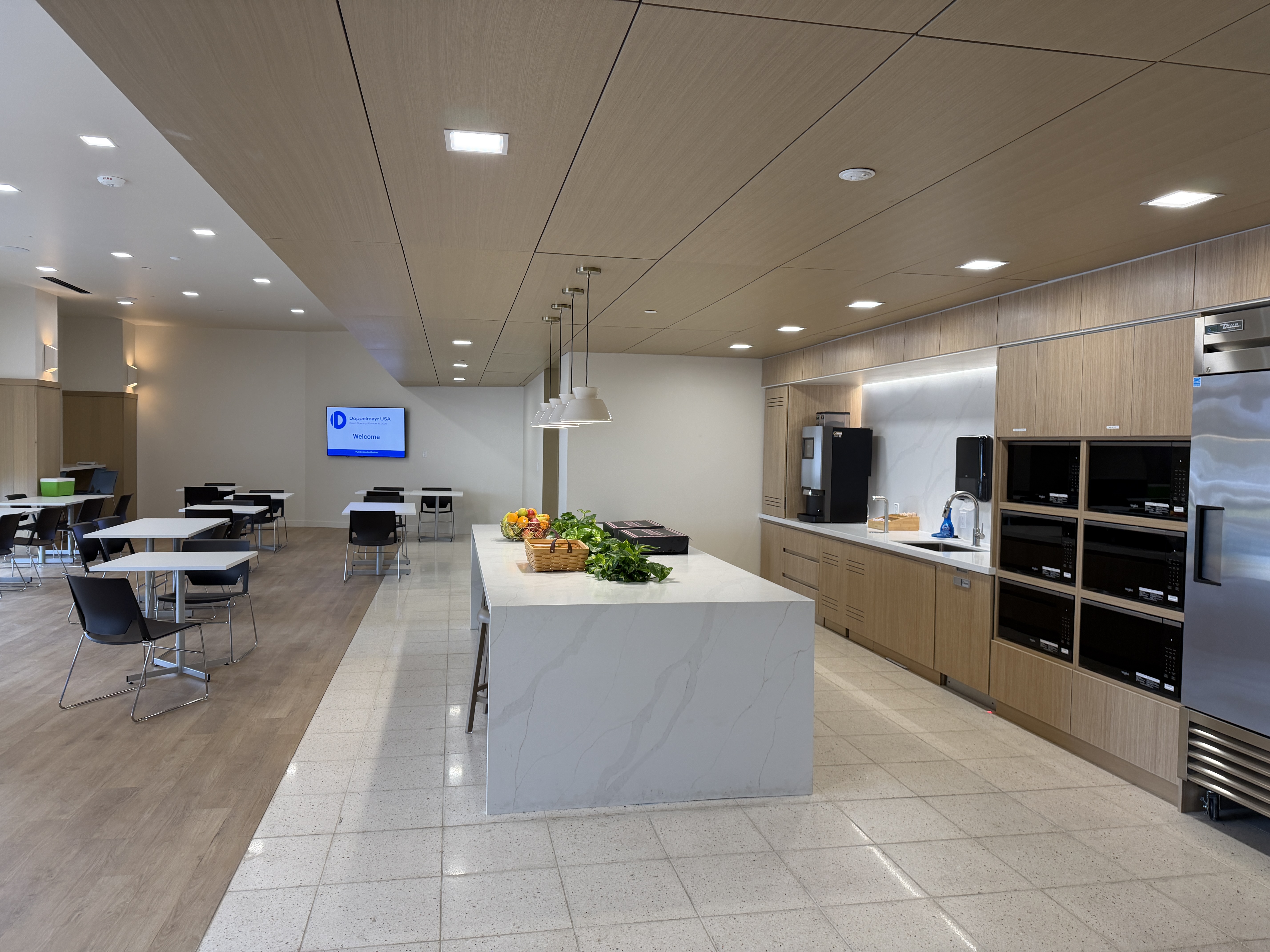
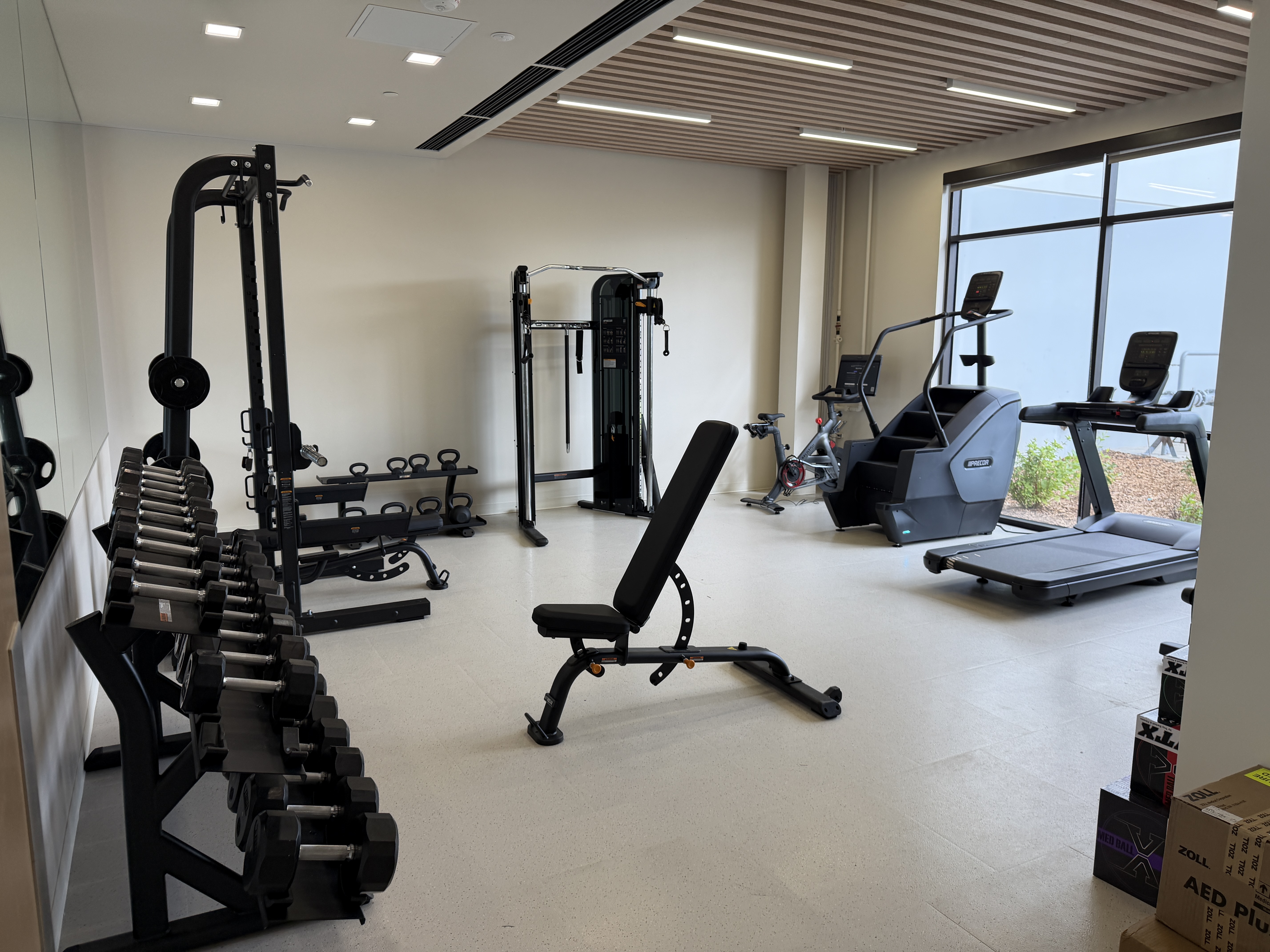
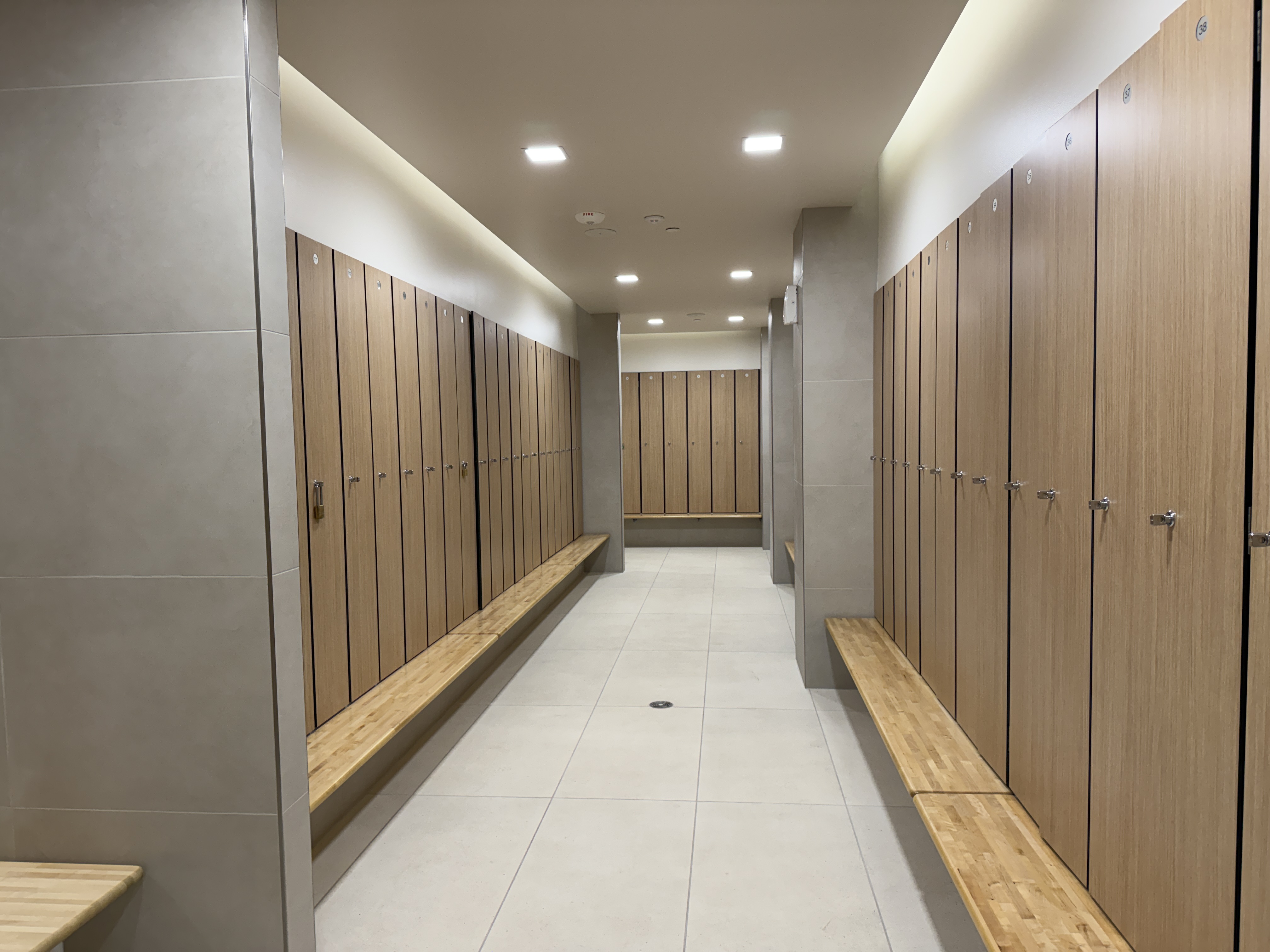
The building itself is gorgeous with everything from indoor bike storage to EV charging, a gym, locker rooms and showers. A top secret swag room requires badged RFID access. White noise even comes out of the ceiling to mask jets taking off from the airport and Union Pacific trains.
The Governor said this facility, along with a new Stadler Rail factory nearby, will provide high-quality jobs for Utahns in the trades. He noted providing work education and apprenticeships at a younger age is a top priority for the state. Doppelmayr presently employs some 300 people in the US and expects to continue to grow. “Employees, you’ve done a wonderful job here,” noted Michael Doppelmayr. “Now fill it up and make it a success,” he said.
Correction: this story was updated to reflect the $150 million investment includes new factories in Salt Lake, Quebec and China – not just Salt Lake.
News Roundup: Wish List
- Sugarloaf no longer plans to install the former Six Shooter from Big Sky, plans a new Timberline detachable quad instead. The Loaf also plans to replace Skidder with two conveyors and remove Sawduster.
- Killington to close the K-1 Gondola much of next summer for a major systems modernization. Replacements for Snowshed and Ramshead to follow as part of a $200 million capital plan.
- Pico to replace Outpost with a low capacity Doppelmayr quad next summer.
- Holiday Mountain, New York’s revitalization tops $15 million.
- Doppelmayr wins a $255 million tender for a six station, 4.1 mile urban gondola in Panama.
- Sir Sam’s, Ontario names its new quad Fireball Express.
- Snowland, Utah’s new T-Bar to be named Ridgeline Express.
- Doppelmayr breaks ground on a new €200 million expansion in Wolfurt.
- A gondola is proposed for the US side of Niagara Falls.
- Sandia Peak, New Mexico eyes a new beginner lift.
- Some in Vail call for Vail Resorts to return to local roots.
- Whistler’s new Showcase lift includes an epic cantilevered tower to avoid glacial ice.
- BC’s Hell’s Gate Airtram, closed since August due to a wildfire, vows to reopen in May 2027.
- Toggenburg Mountain, New York to reopen next winter under new ownership as part of an antitrust settlement.
- Purgatory eyes completing the Ice Creek expansion in 2027 and replacing Twilight with a gondola in 2028.
- Canada’s capital region to study an urban gondola linking Ottawa and Gatineau.
Exploring Mexico City’s Urban Gondolas
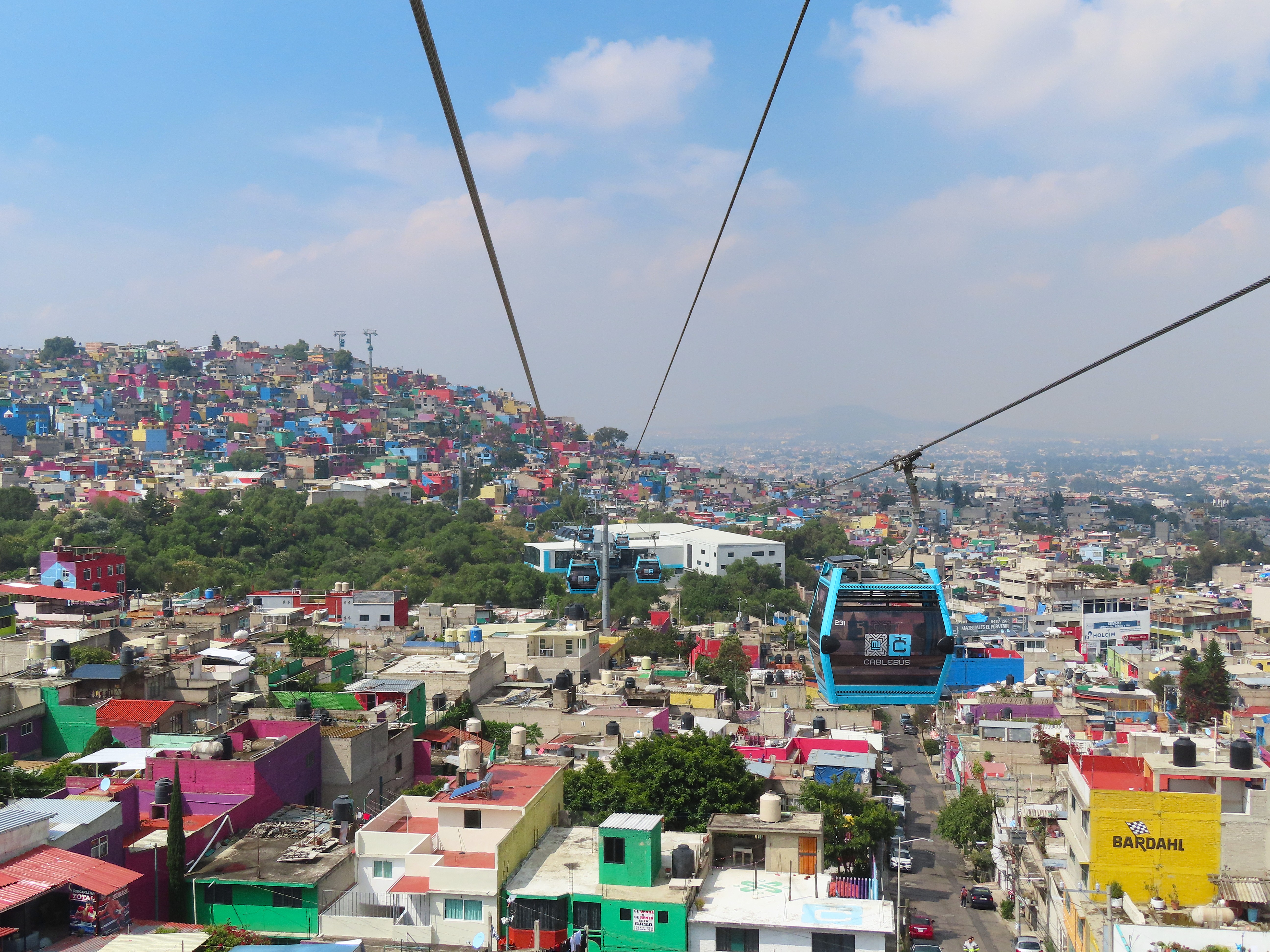
This week I got to ride two of North America’s most complex, high elevation gondola systems. They’ve never carried a single pair of skis but rather shuttle commuters within Mexico City’s expansive transit network. Branded Cablebús, the network consists of 19 stations and three distinct lines, each with several segments. They are fully integrated with the city’s trains and buses, accepting the same transit mobility card. Gondolas live on the city’s subway map in light blue with the same signage, typefaces and iconography as the broader network.
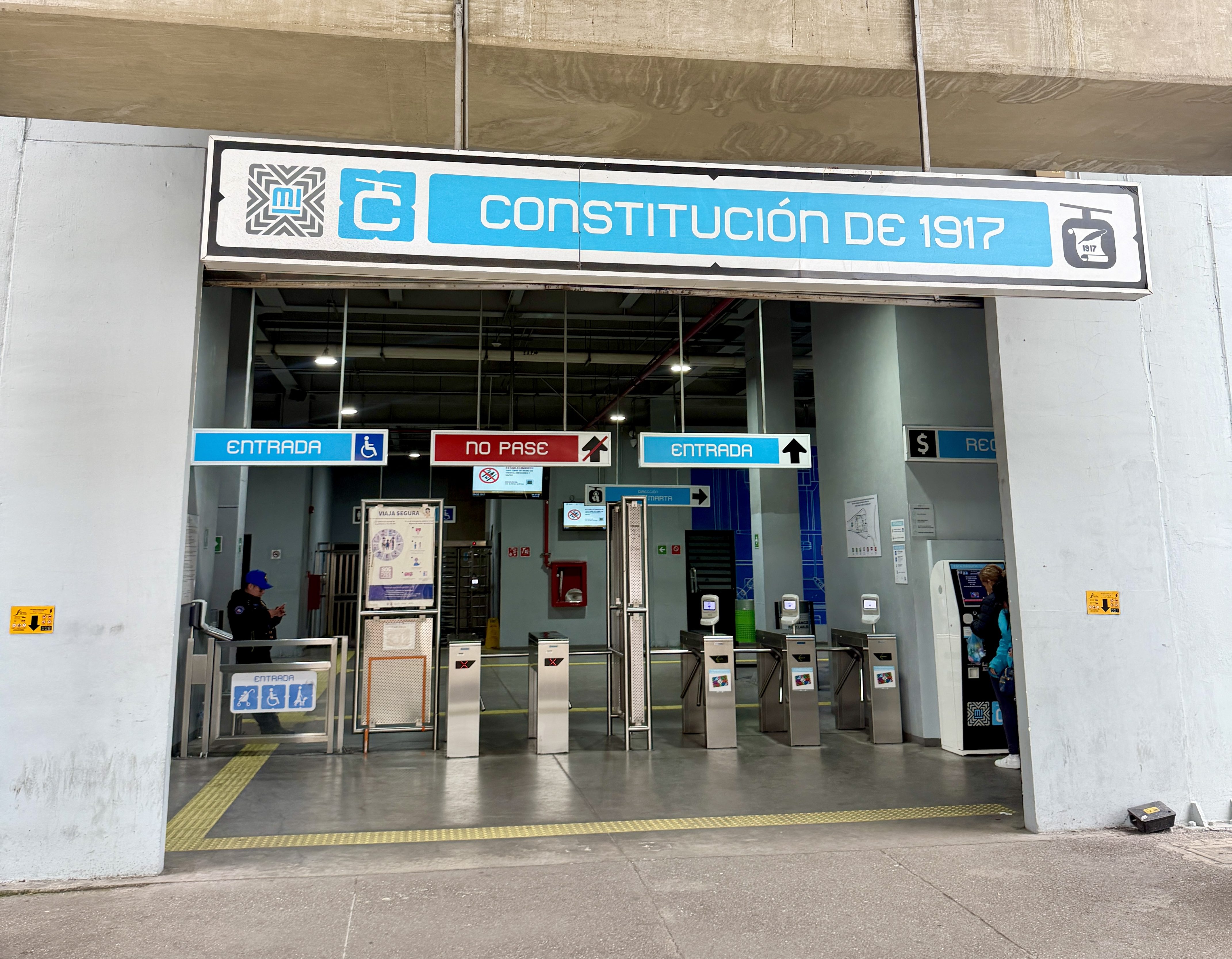
First I ventured to Line 2 in Iztapalapa, a historically poor and congested municipality with 1.8 million inhabitants. Line 2 travels from the end of one subway line to another, connecting seven communities along the way. When Leitner completed the system in 2021, it became the longest urban gondola in the world at 6.2 miles. It’s actually two separate lifts, each utilizting two direct drives and two haul ropes for a total of four ropes and four direct drives. A whopping 305 ten passenger cabins circulate over 59 towers.
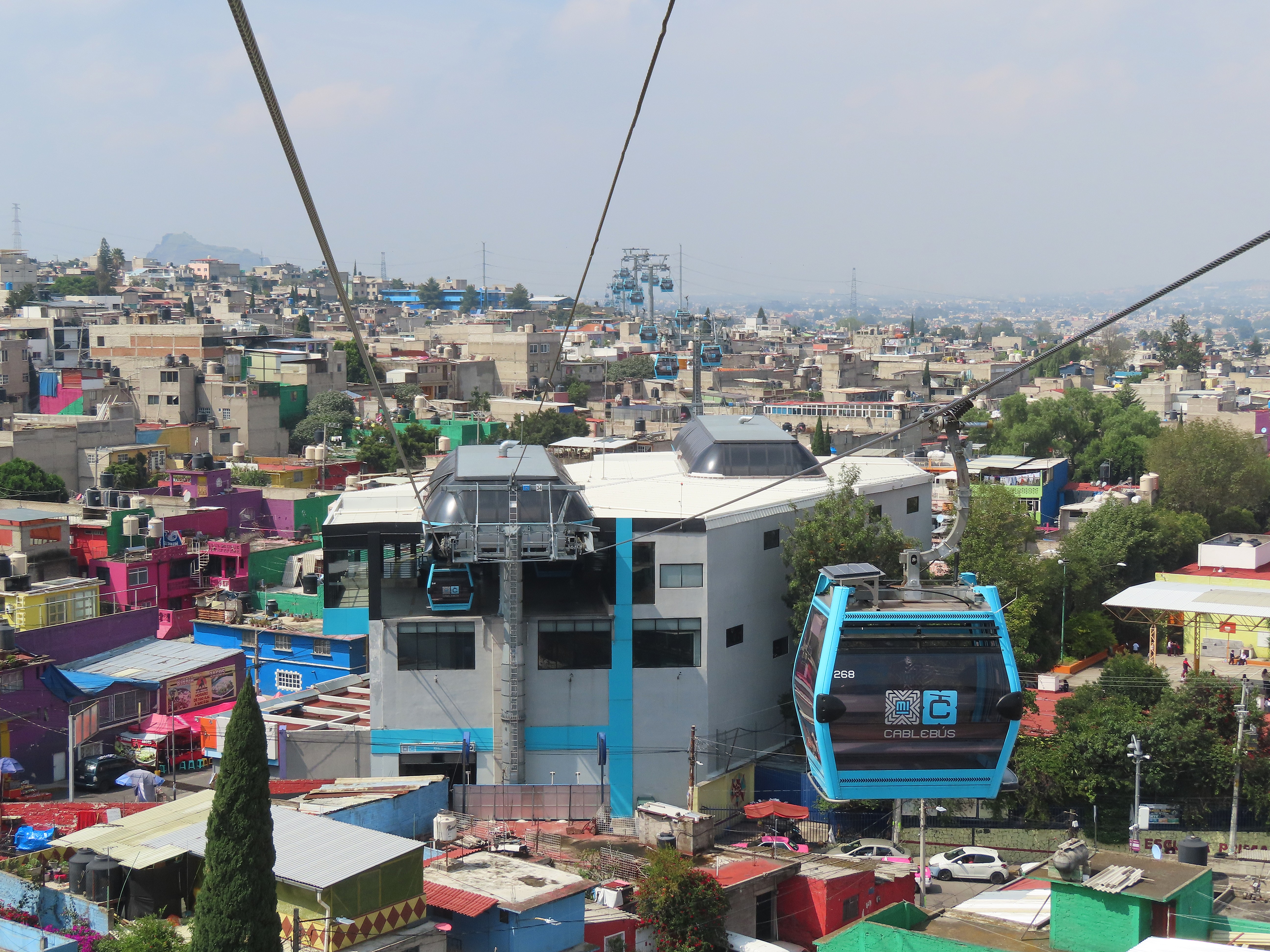
Several stations accommodate sharp angle changes with deflection bullwheels. Others are nearly straight with minimal angle change. Riding the entire line requires a quick switch between cabins at Xalpa station. I was told most commuters take the lift for a few stops and connect to other transit rather than riding the entire 45 minutes like I did.
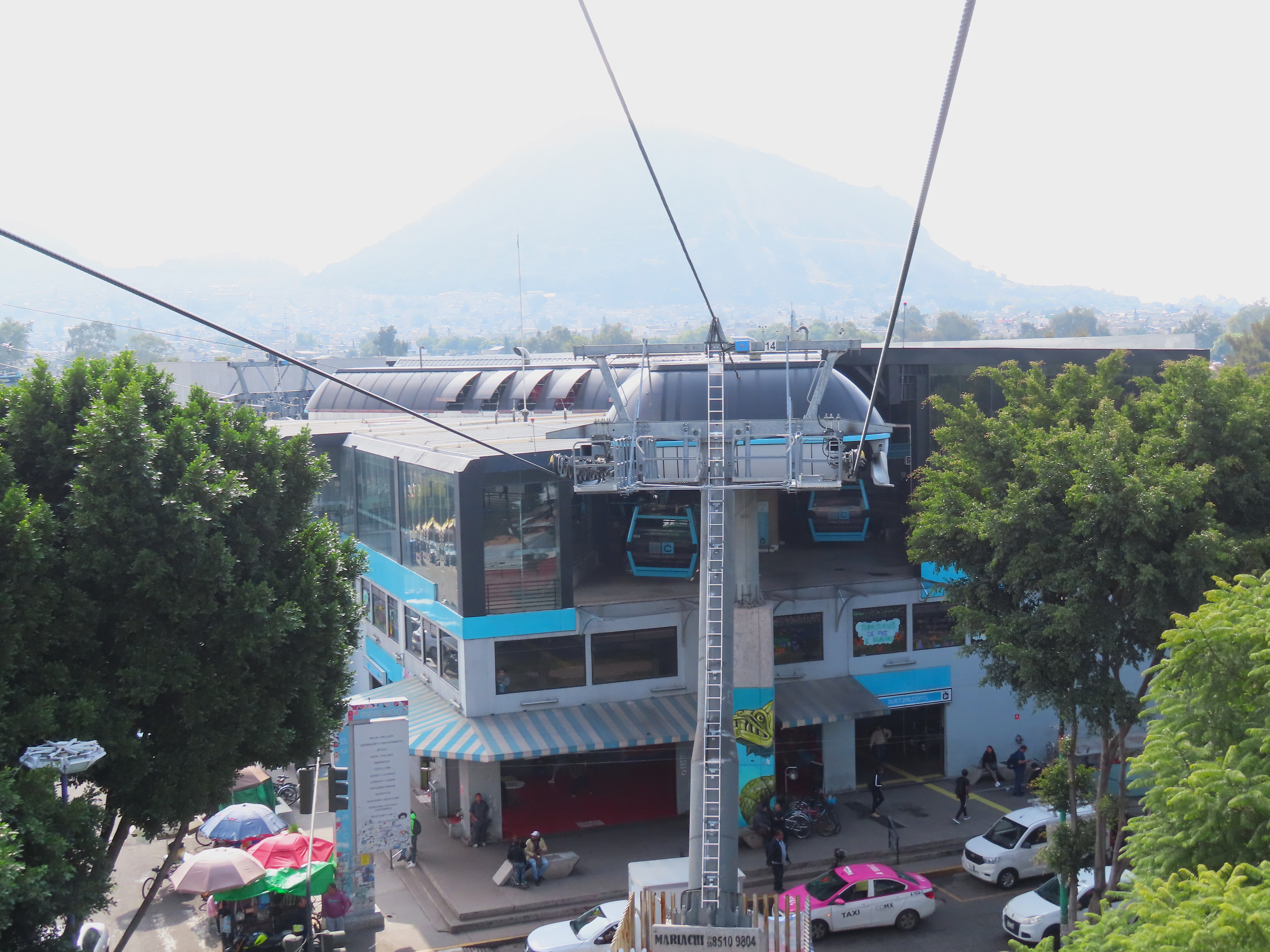
Stations serve as more than just transit stops and angle changes. One features a 150 stall market underneath the cabin parking facility (I’d never ridden a gondola where I could also buy a pig’s head from a butcher.) There are parks, community centers and healthcare along the gondola. Line 2 has proven successful, transporting approximately 63,000 riders per day in 2025. Travel times reduced significantly for residents and safety improved.
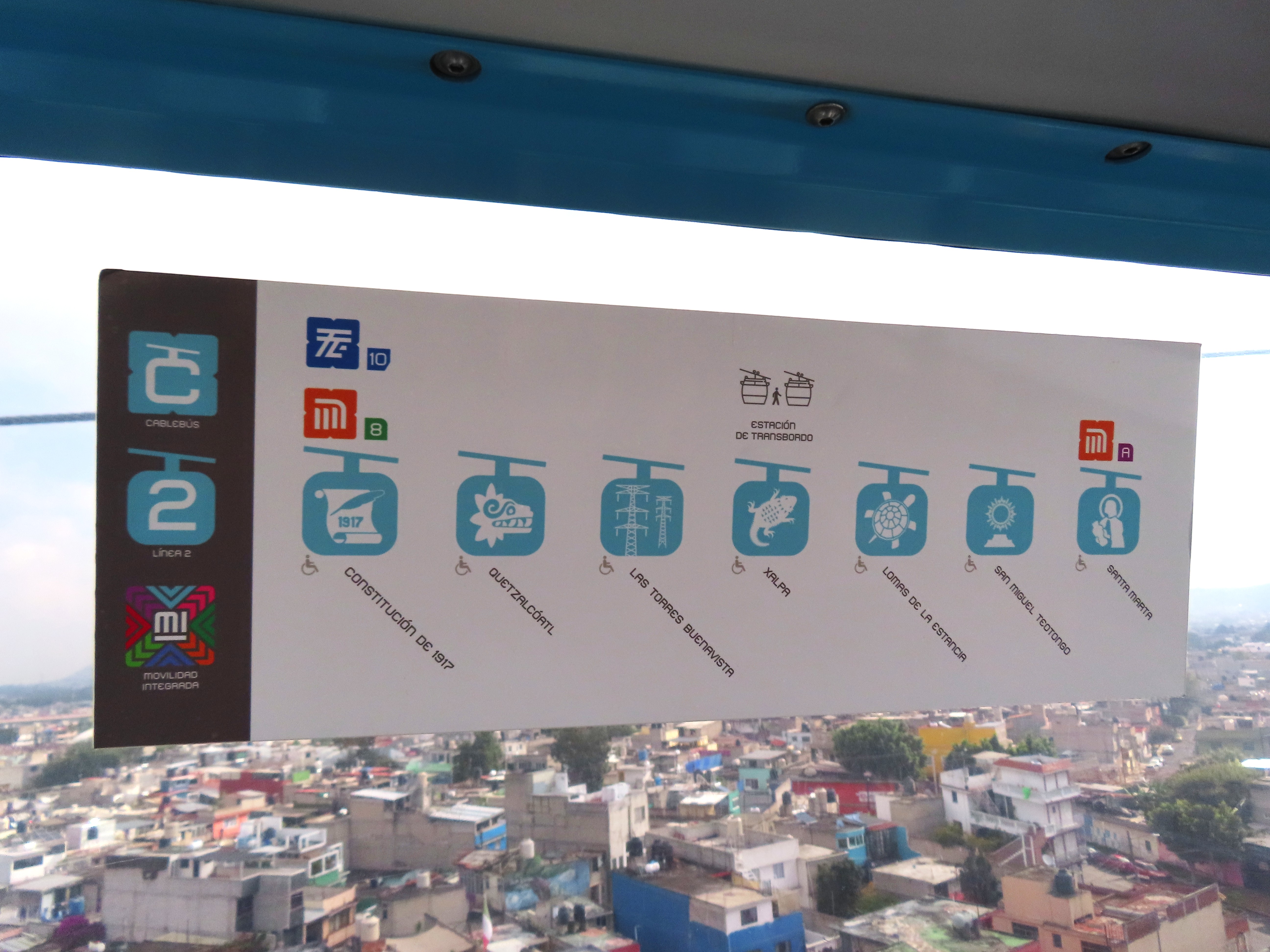
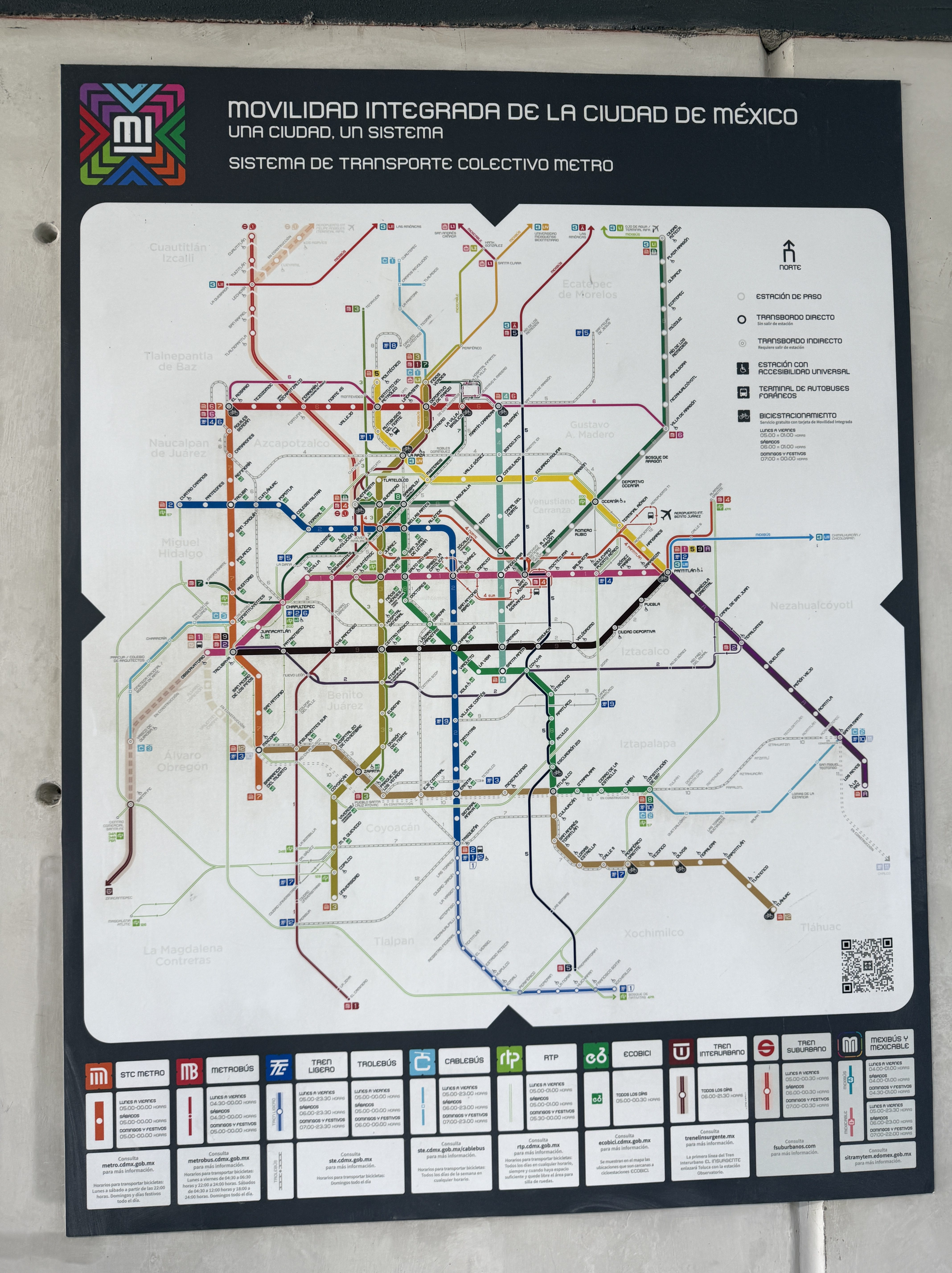
The government partners with joint ventures including Mexican infrastructure companies and European manufacturers to realize each installation here. For Line 2, Leitner and its local partner operated the system for the first year with the city’s transit agency taking over after. Towers were manufactured locally in Mexico.
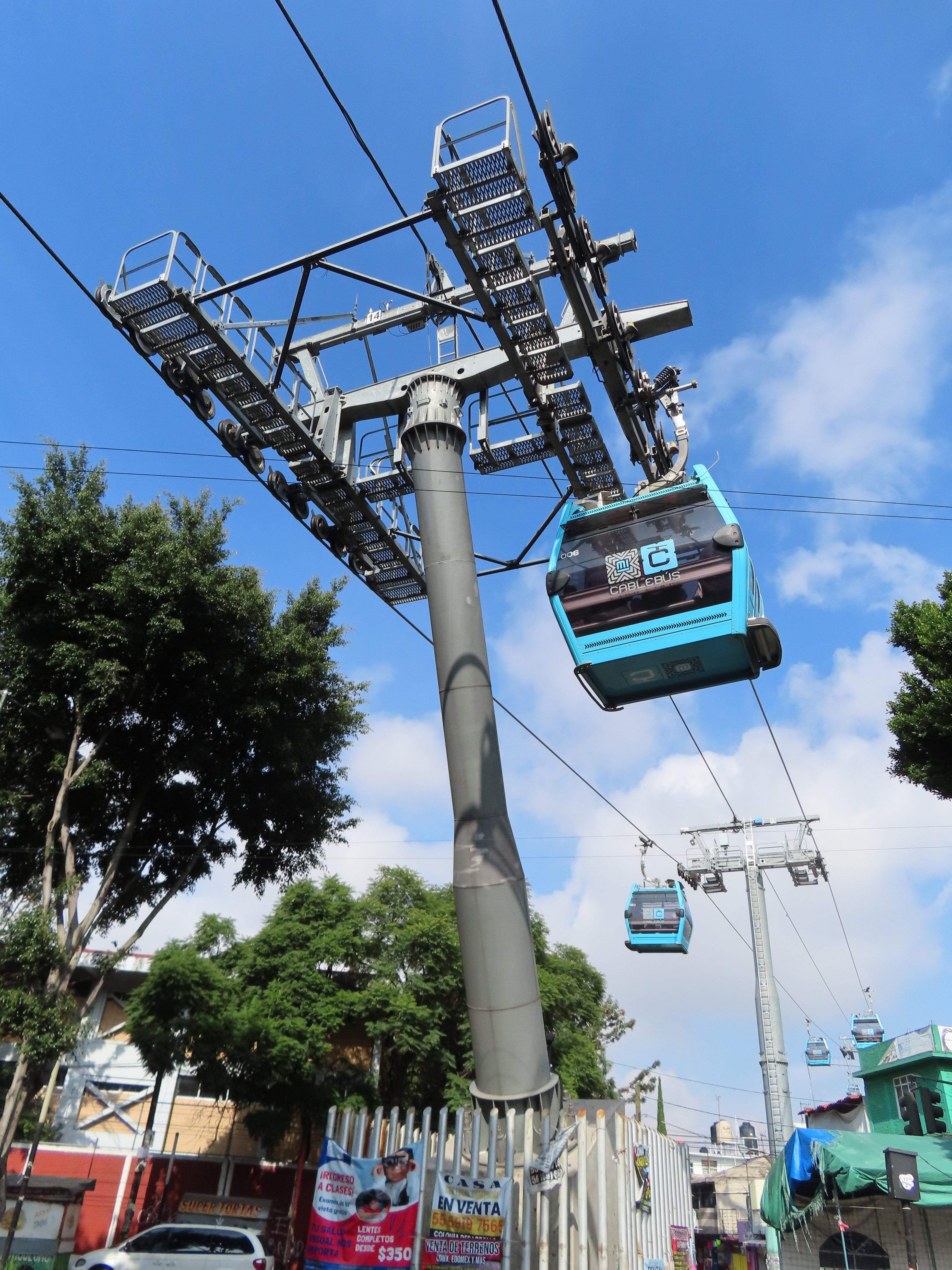
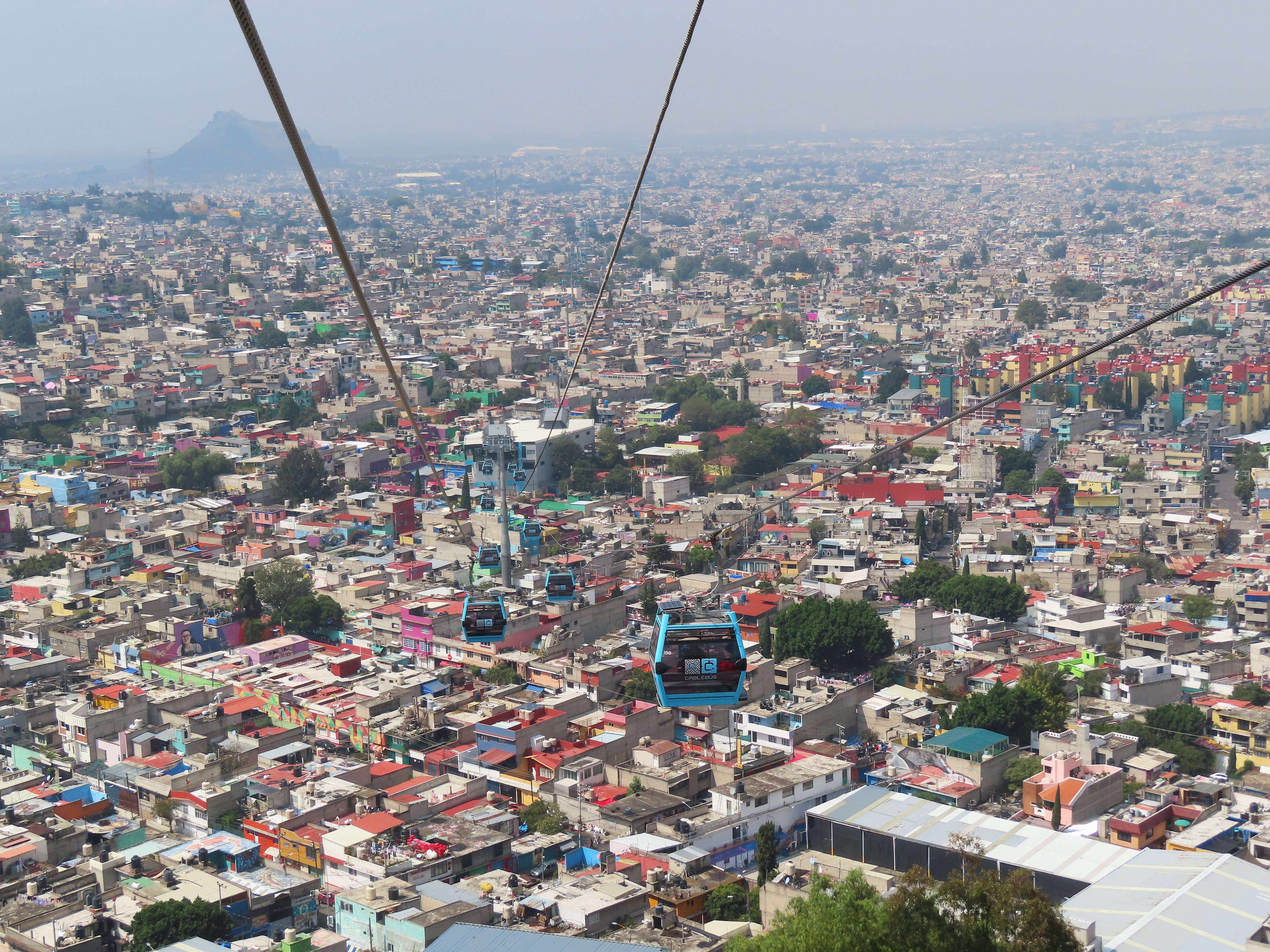
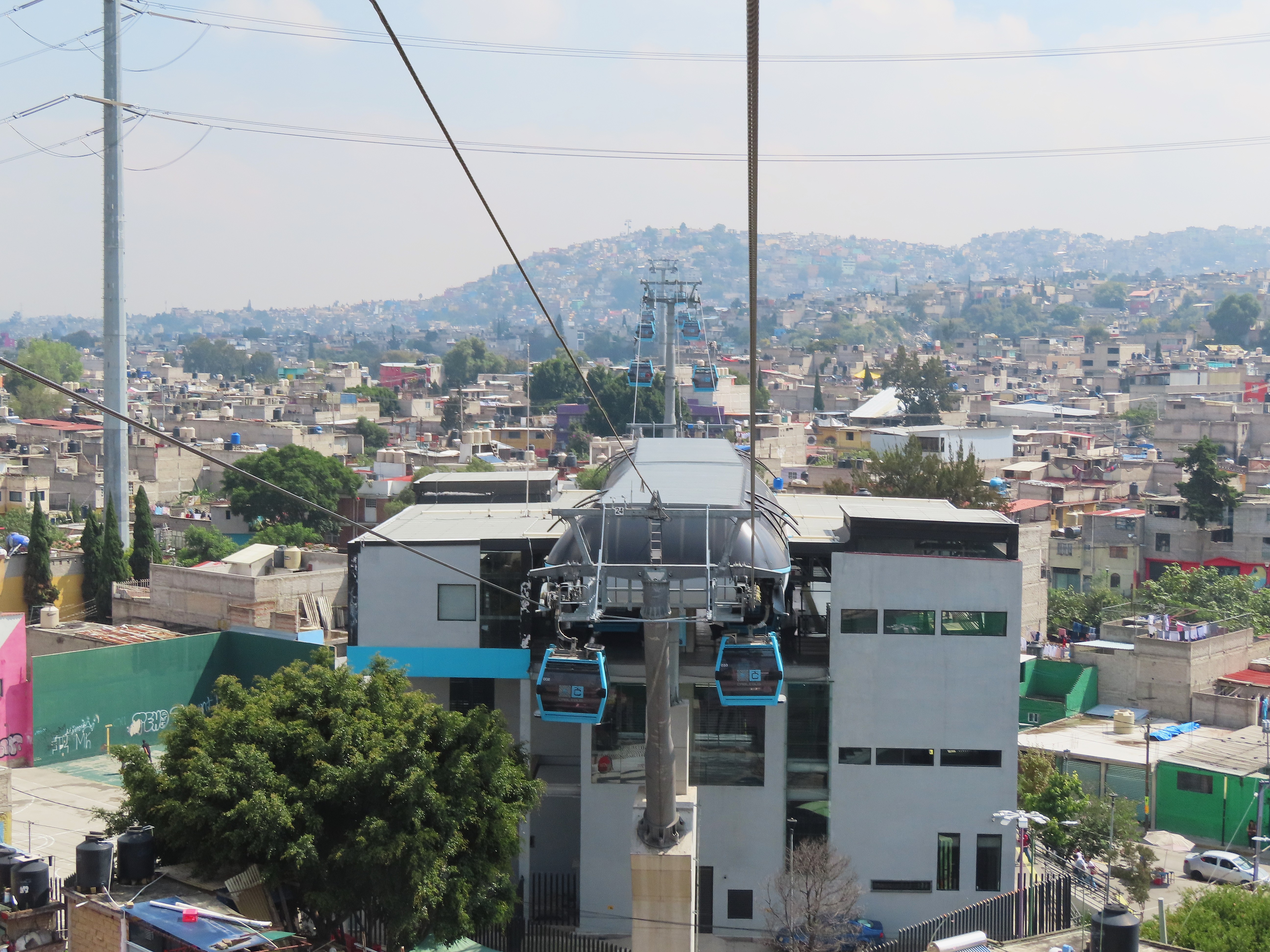
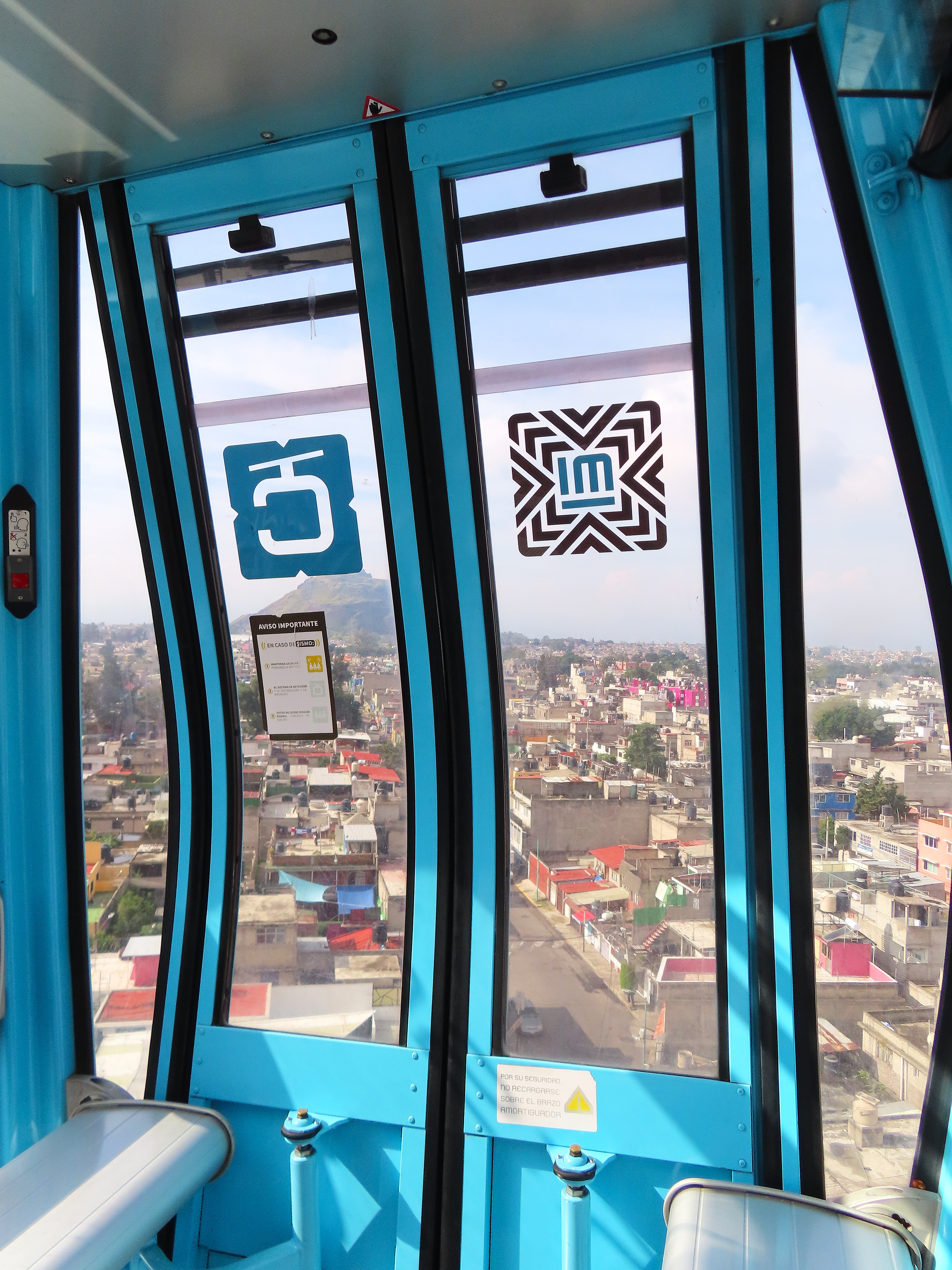
Construction in Latin America can proceed quickly. For Line 2, the time between announcement and inauguration spanned just 30 months with actual construction taking 18. The line cost roughly $160 million to build, far more than a typical ski resort gondola but far less than a subway or highway project.
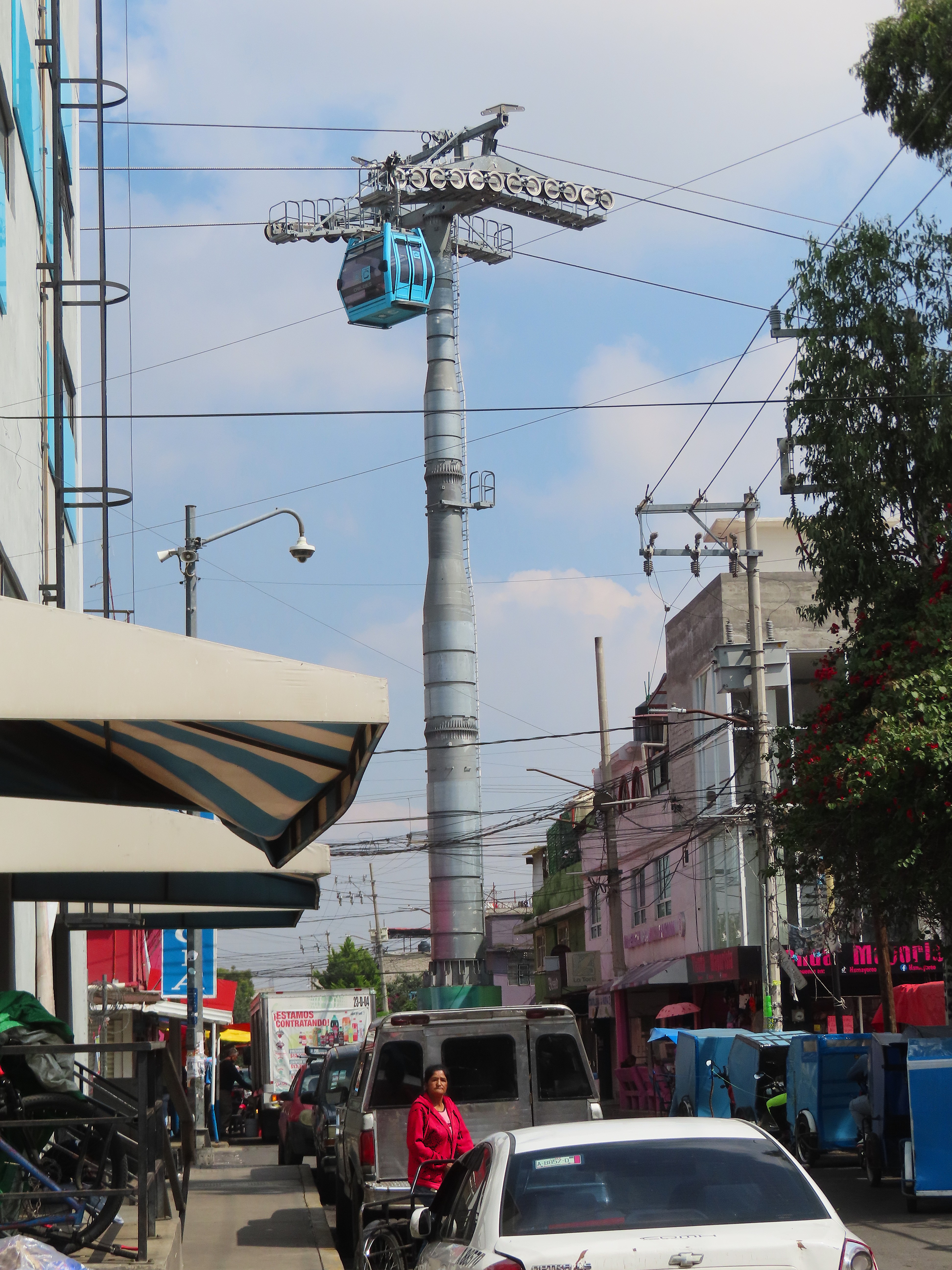
Mexico City’s gondolas utilize extremely tall towers to pass over buildings and minimize the number of towers needed. All of them move between 2,000 and 3,000 passengers per hour and direction.
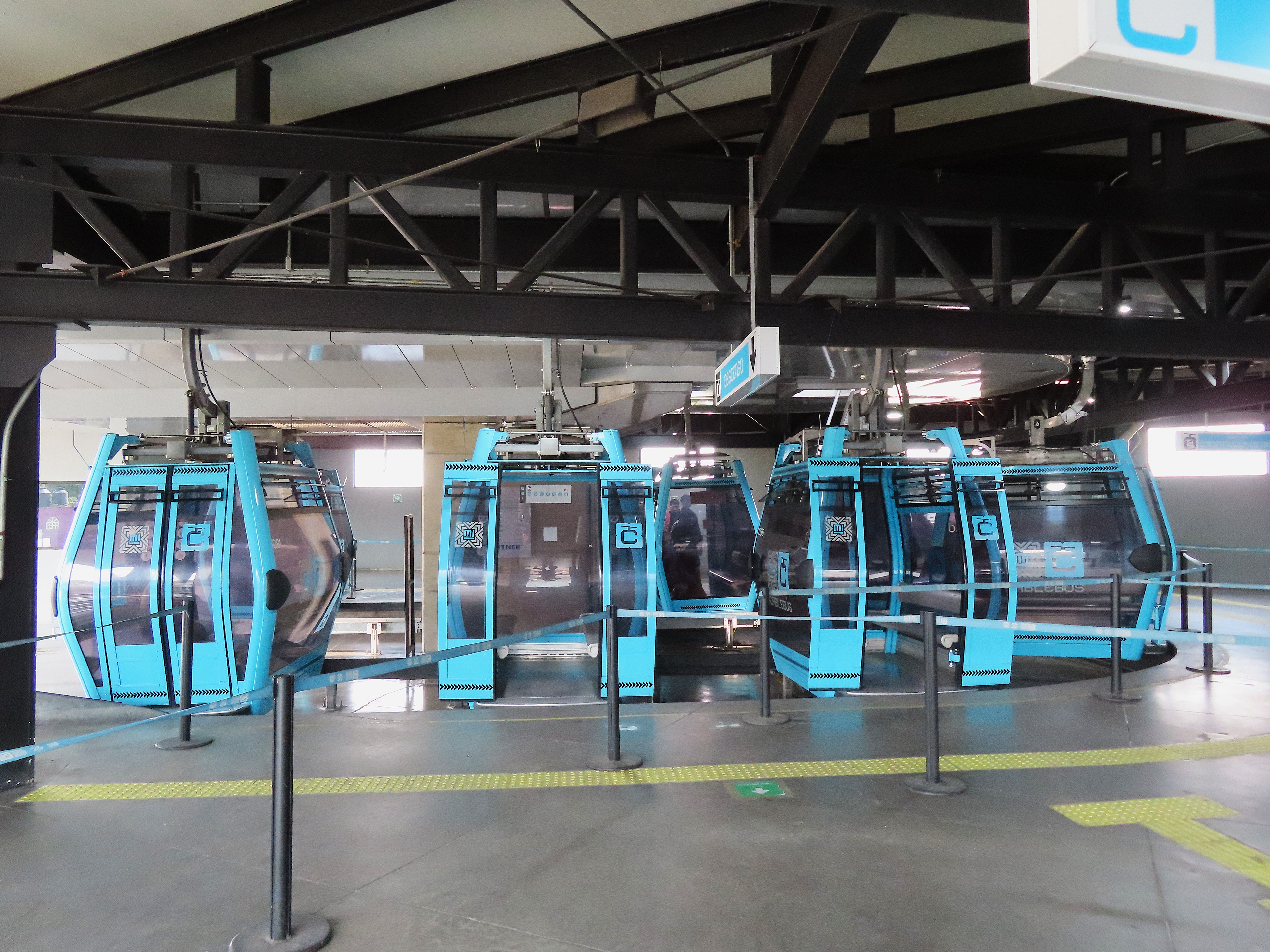
The other gondola I rode was Cablebús Line 3, built by Doppelmayr in 2024. This line services six stations along 3.4 miles of the Chapultepec Forest. This is a less dense, more touristy area and the system opened with just 71 ten passenger cabins. More cabins can be added in the future to reach a final capacity of 3,000 riders per hour. Line 3 moves up to 6 m/s and was fairly busy when I rode, especially when trains would unload at the nearby Constituyentes metro station. Cabins easily accommodate strollers, wheelchairs, dogs and bicycles.
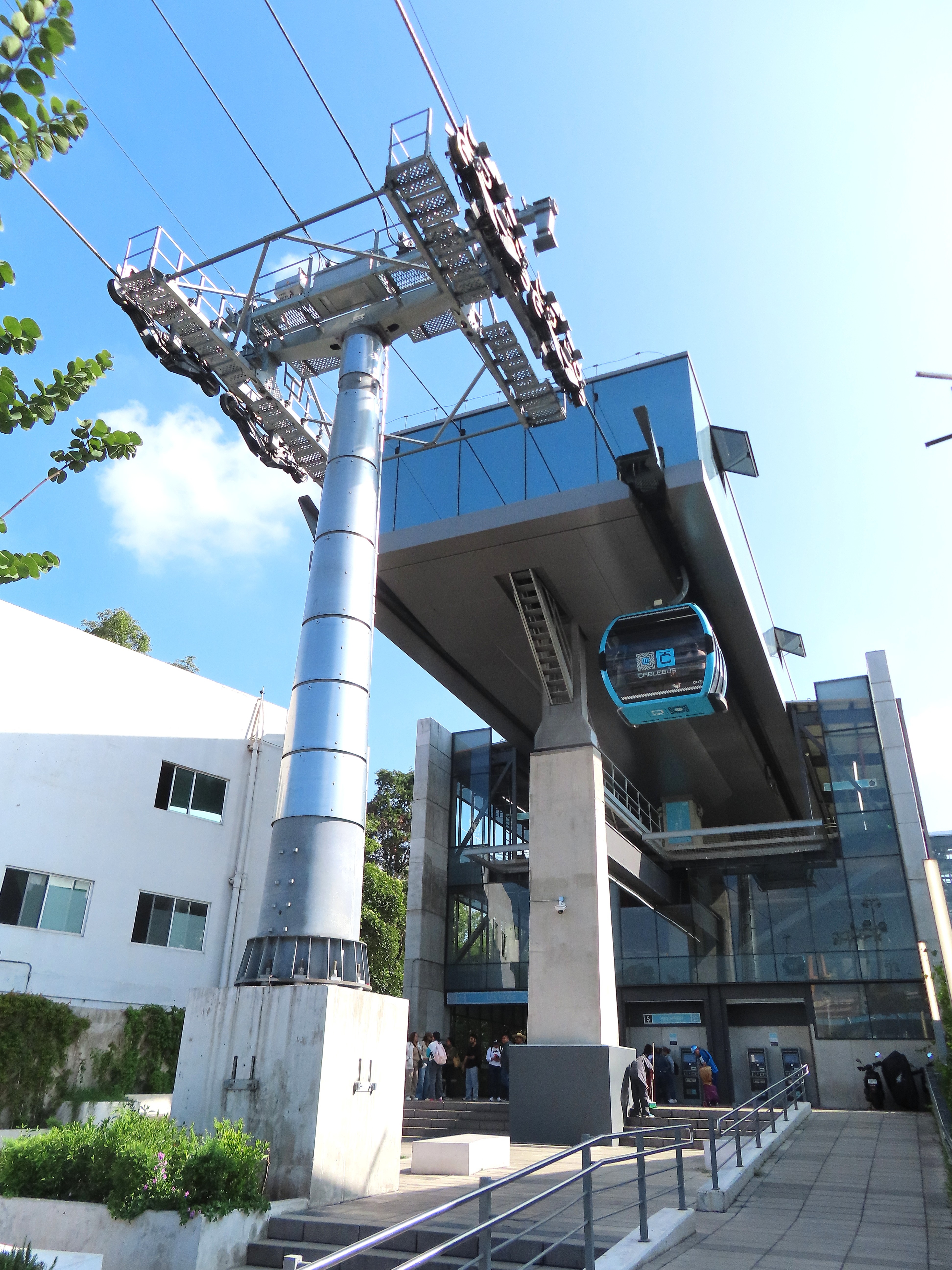
All of Line 3’s stations feature D-Line R2 glass enclosures, giving the lift a modern look. Much of the line passes over a highway, evoking the feeling of flying over traffic. The lifts 39 towers are extremely tall, giving incredible views. At various points cabins pass over a large canyon, a cemetary, train tracks and even an equestrian arena. Like Line 2, Line 3 is really two lifts with two separate haul ropes. On this line, however, cabins move between sections, forming a one seat ride through all six stations.
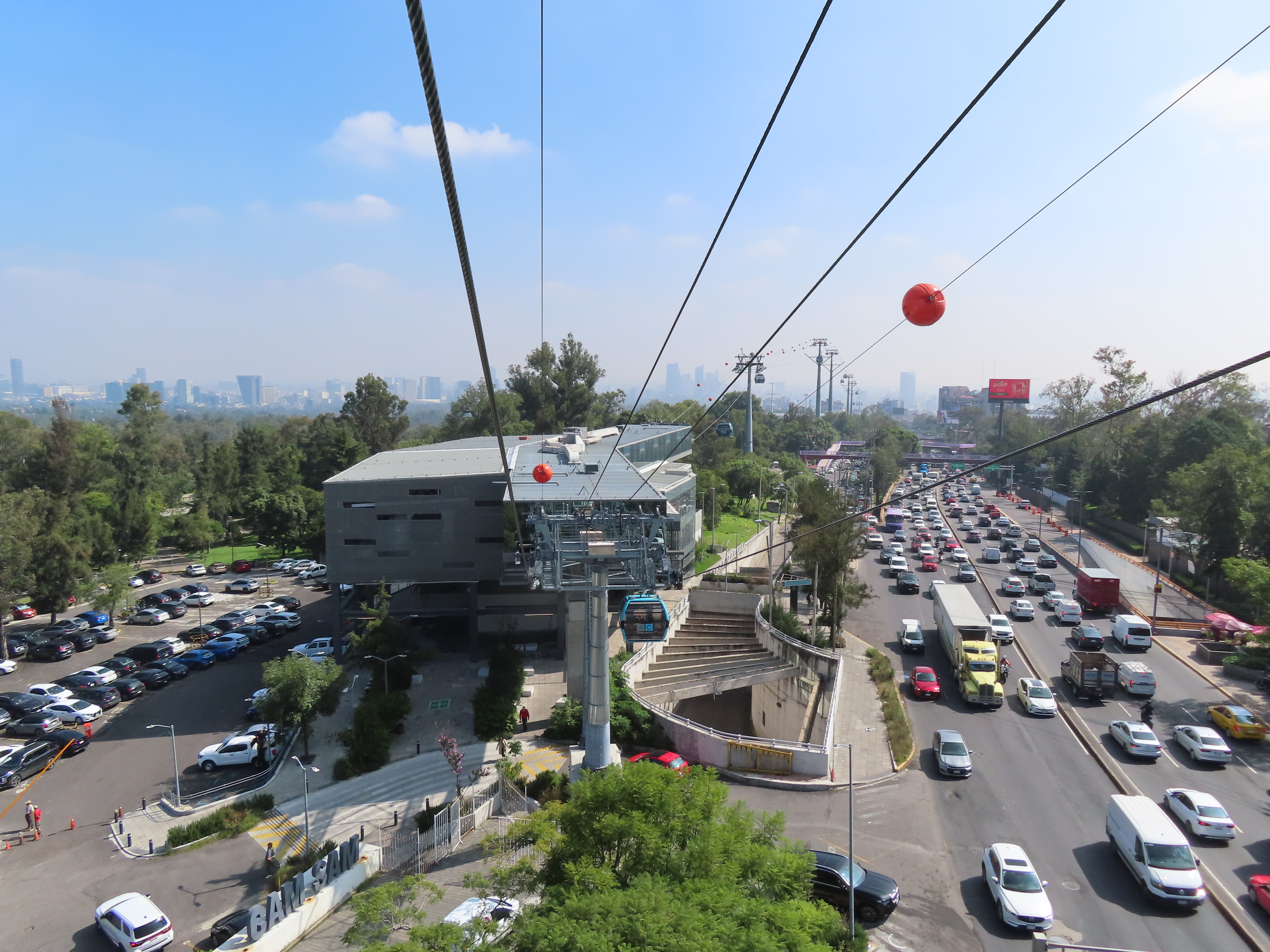
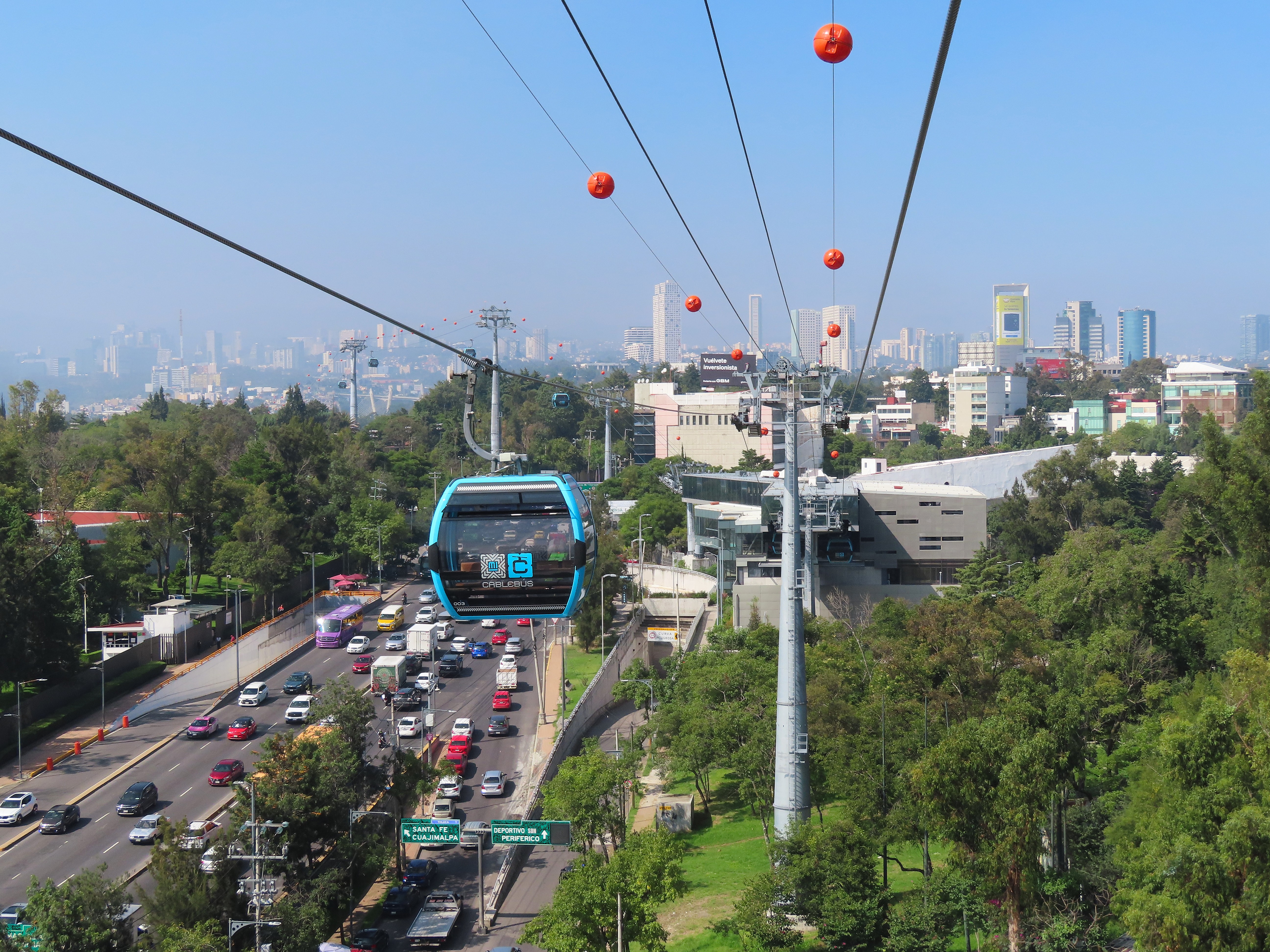
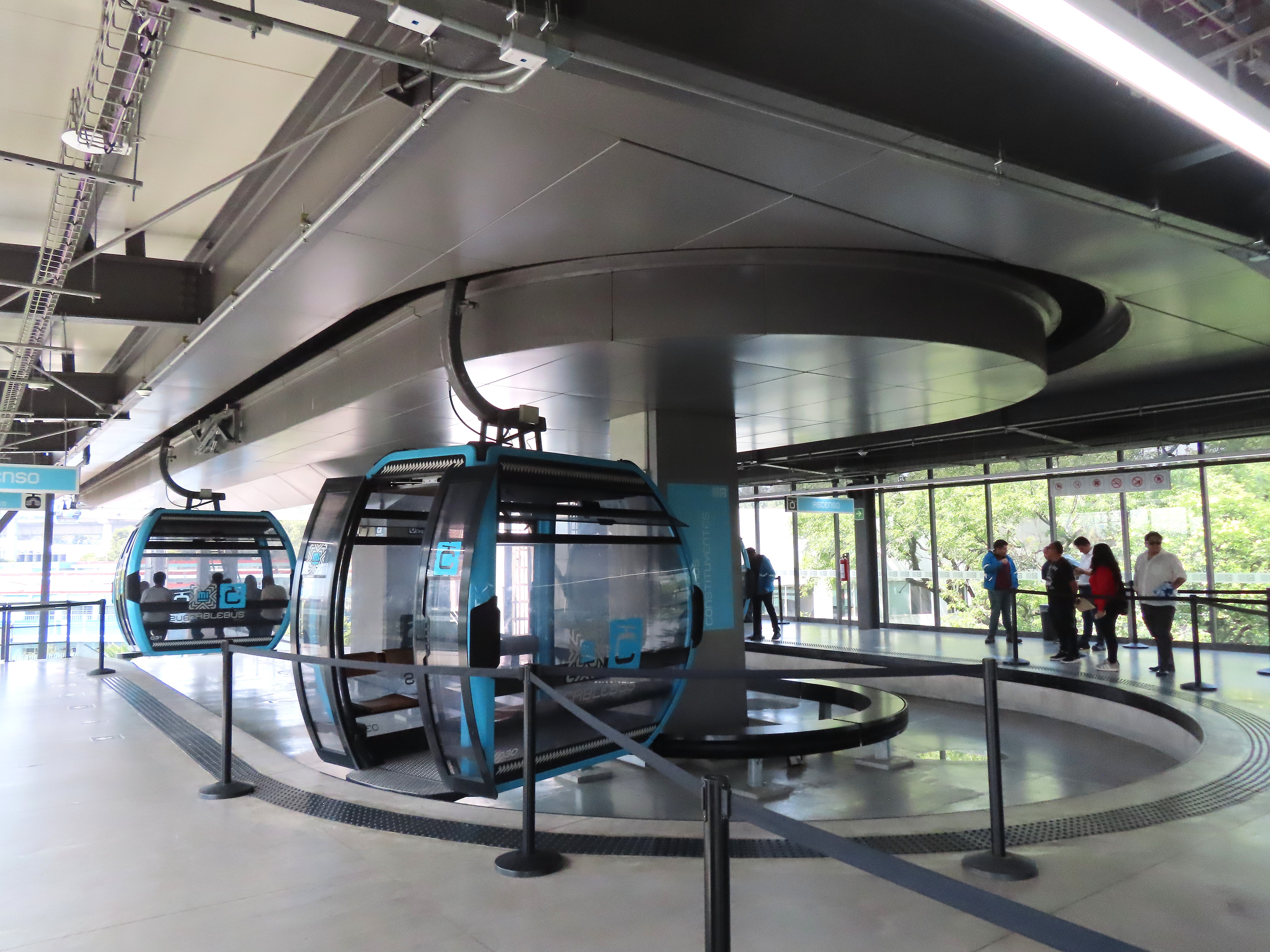
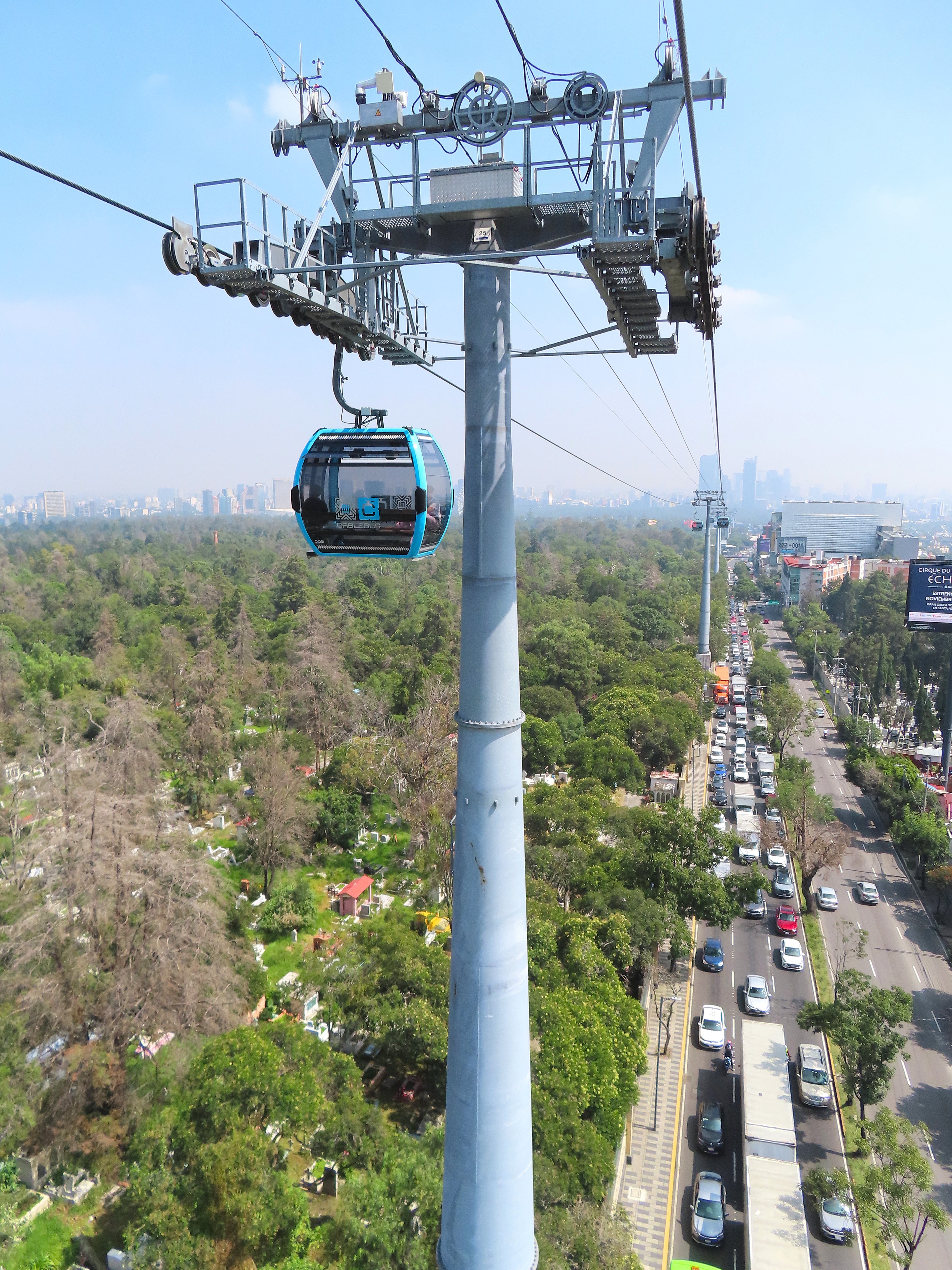
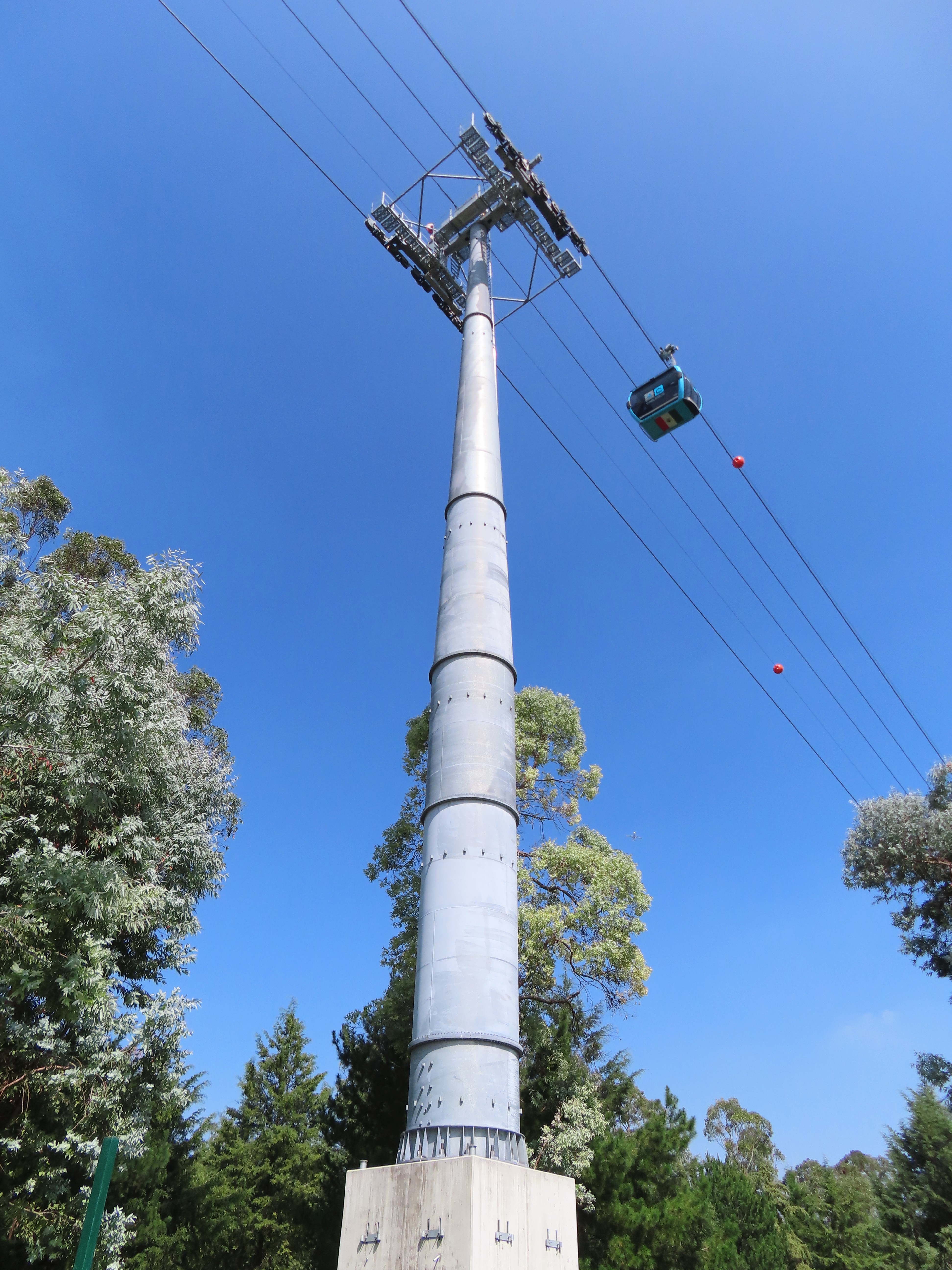
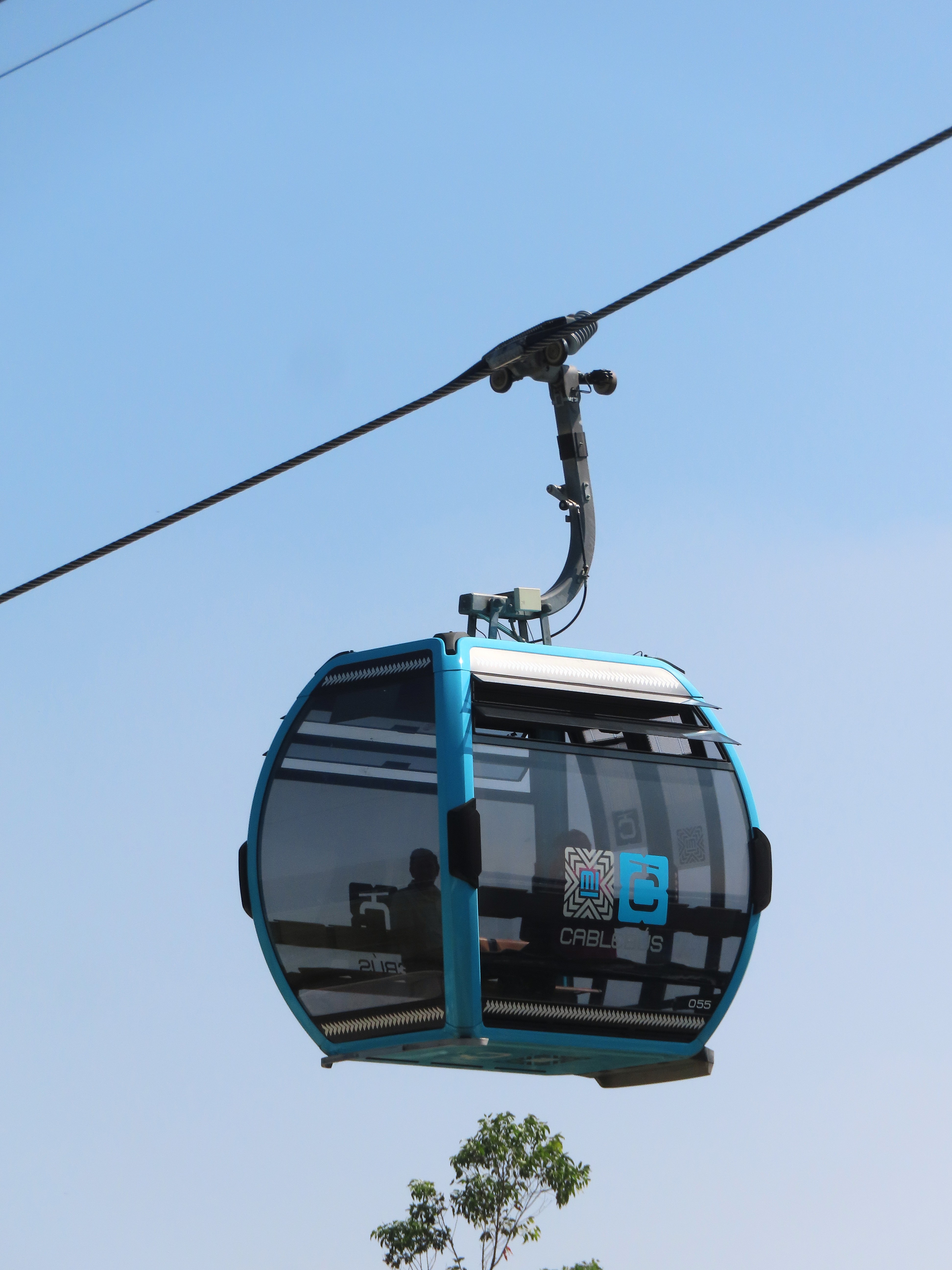
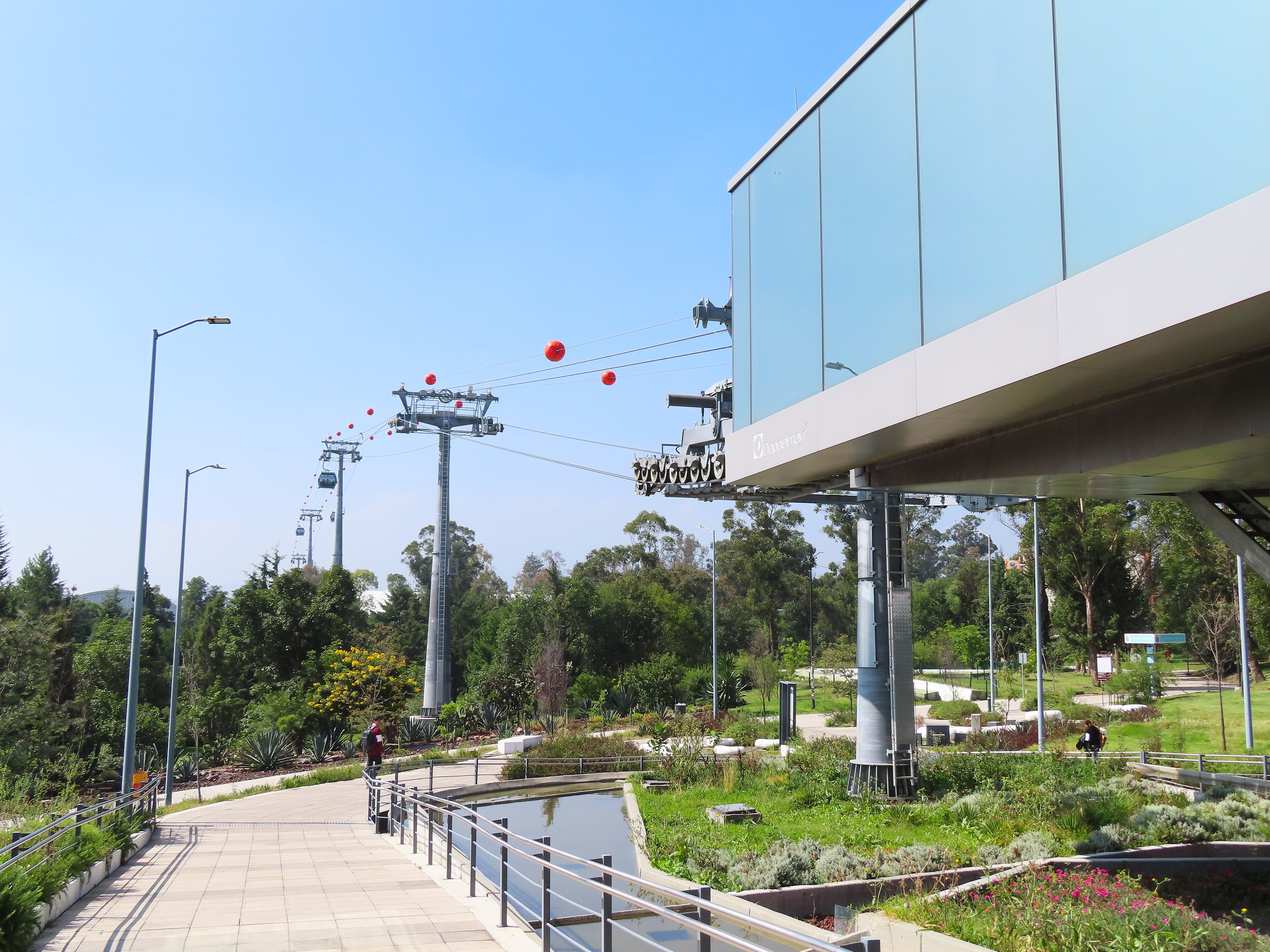
I didn’t get to ride Line 1, Doppelmayr’s largest system in Mexico City spanning 5.8 miles and six stations.
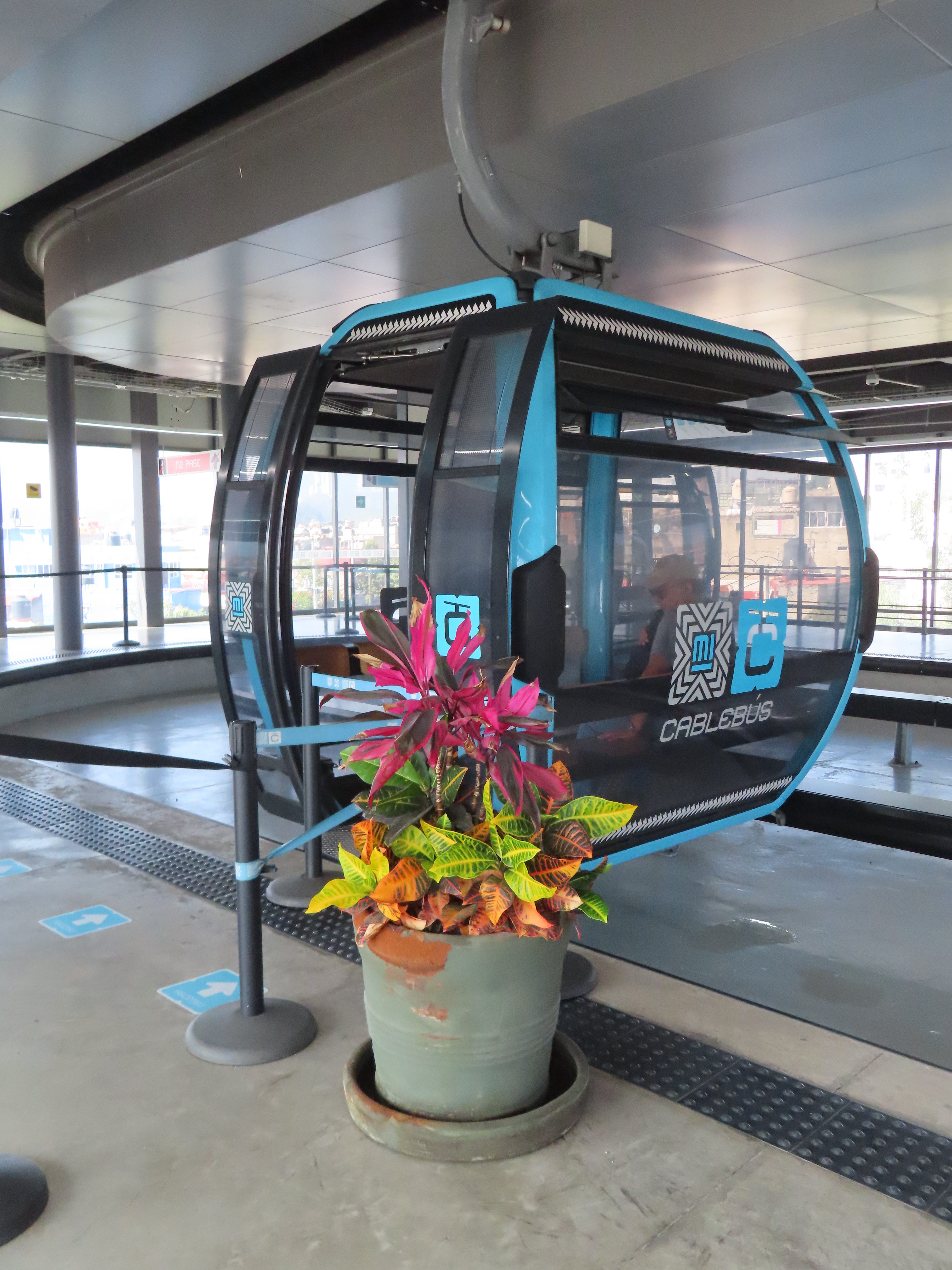
A ride on any of the three Cablebús lines runs just seven pesos or 38 cents US at current exchange rates. Each line runs 5:00 am to 11:00 pm on weekdays with slightly shorter hours on weekends. Maintenance is completed at night or during short closure periods. Mechanics work across three shifts covering 24 hours per day. All three systems feature direct drives and redundancies designed to all-but-eliminate the possibility of a ground evacuation.
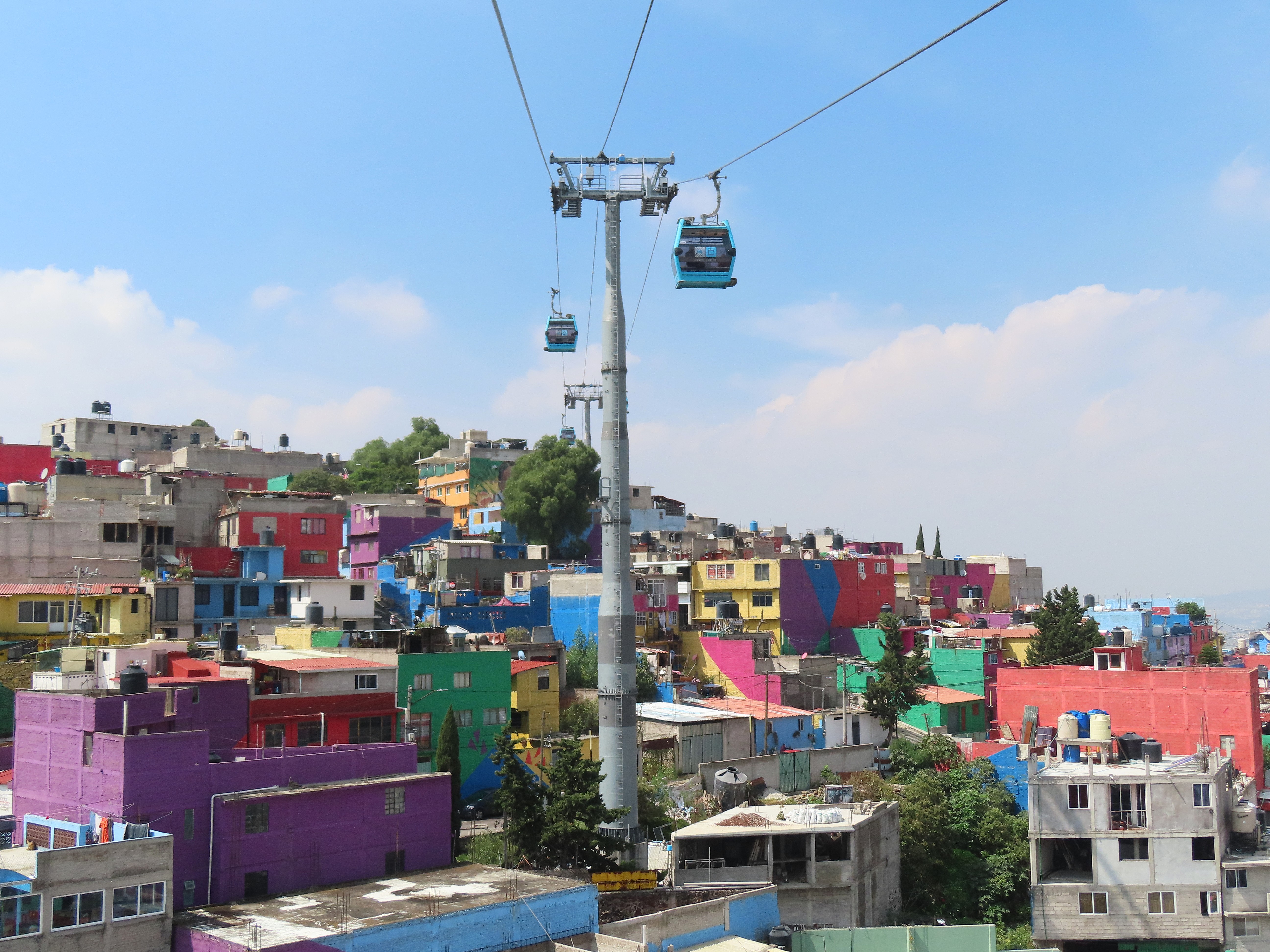
Outside Mexico City proper, the State of Mexico constructed another gondola network called Mexicable that connects with both Cablebús Line 1 and the subway system. Combined, Cablebús and Mexicable encompass 24 miles with 32 stations, 248 towers and 1,244 cabins. More gondolas are coming. Leitner recently won contracts for Cablebús 4 and 6 plus Mexicable Line 3, totalling 21 miles and 25 stations. Doppelmayr will build Cablebús Line 5, set to become the new longest urban gondola in the world with 12 stations along 9.4 miles utilizing 114 towers and 462 cabins. There’s so much work here neither manufacturer could do it all alone.
Instagram Tuesday: Colorful Colorado
Every Tuesday, I feature my favorite Instagram photos from around the lift world.
News Roundup: Batteries
- Mt. Southington, Connecticut to replace Stardust‘s return terminal this fall, followed by the drive terminal and towers in future years.
- Nederland, Colorado provides an update on the stalled Eldora acquisition.
- Alterra names an outsider as CEO.
- An update on Eagle Point fire recovery.
- Berkshire East secures a $4.5 million grant for battery storage technology.
- Snowmass to use batteries as a backup system on the Elk Camp Express.
- A lawsuit filed by someone who fell from a lift at Willamette Pass, Oregon is thrown out.
Instagram Tuesday: Single
Every Tuesday, I feature my favorite Instagram photos from around the lift world.
Hidden Valley, Ontario to Build Leitner-Poma Quad
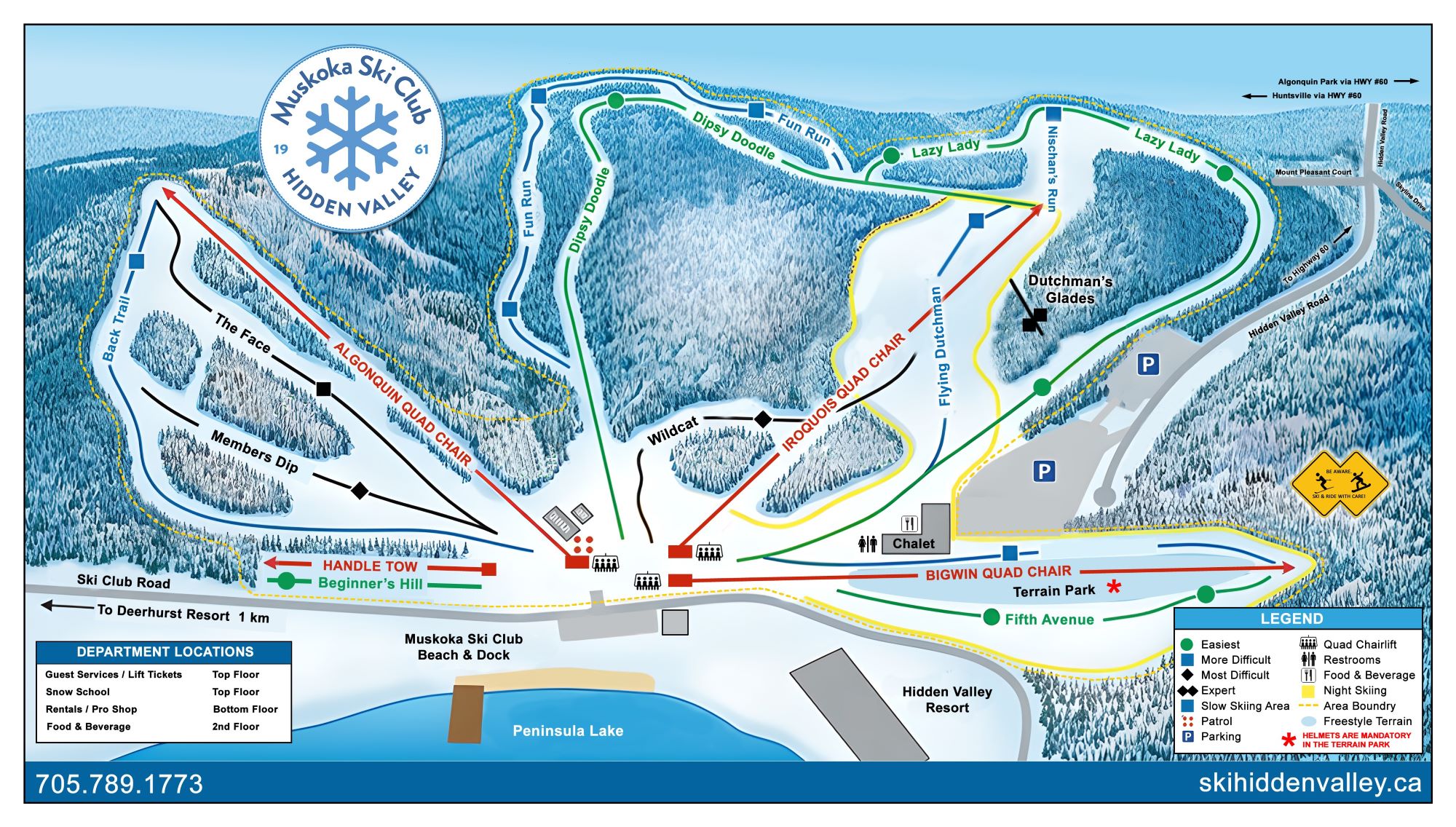
Ontario’s Hidden Valley will replace one of its two BM Lifts quads next summer. Leitner-Poma Canada will install the new Red Chair, replacing Iroquois. The new lift will feature an Alpha drive terminal and 48 chairs moving at 2 meters per second. Ride time will improve as the current lift only spins 1.5 meters per second. Prep work has already begun and the upgrade is expected to be complete for the 2027-28 ski season. After the replacement, fewer than 30 BM lifts will remain in operation across five Canadian provinces.
Hidden Valley also announced improvements to its snowmaking system and terrain park. “Hidden Valley Ski Area has been part of the Muskoka community for generations, and we want to make sure it continues to be here and continues to evolve for generations to come,” said General Manager Chris Beckett. “These projects are about investing in the fundamentals of the Ski Area while also improving the experience for the people who come here to ski, ride, learn and spend time with family and friends.”

