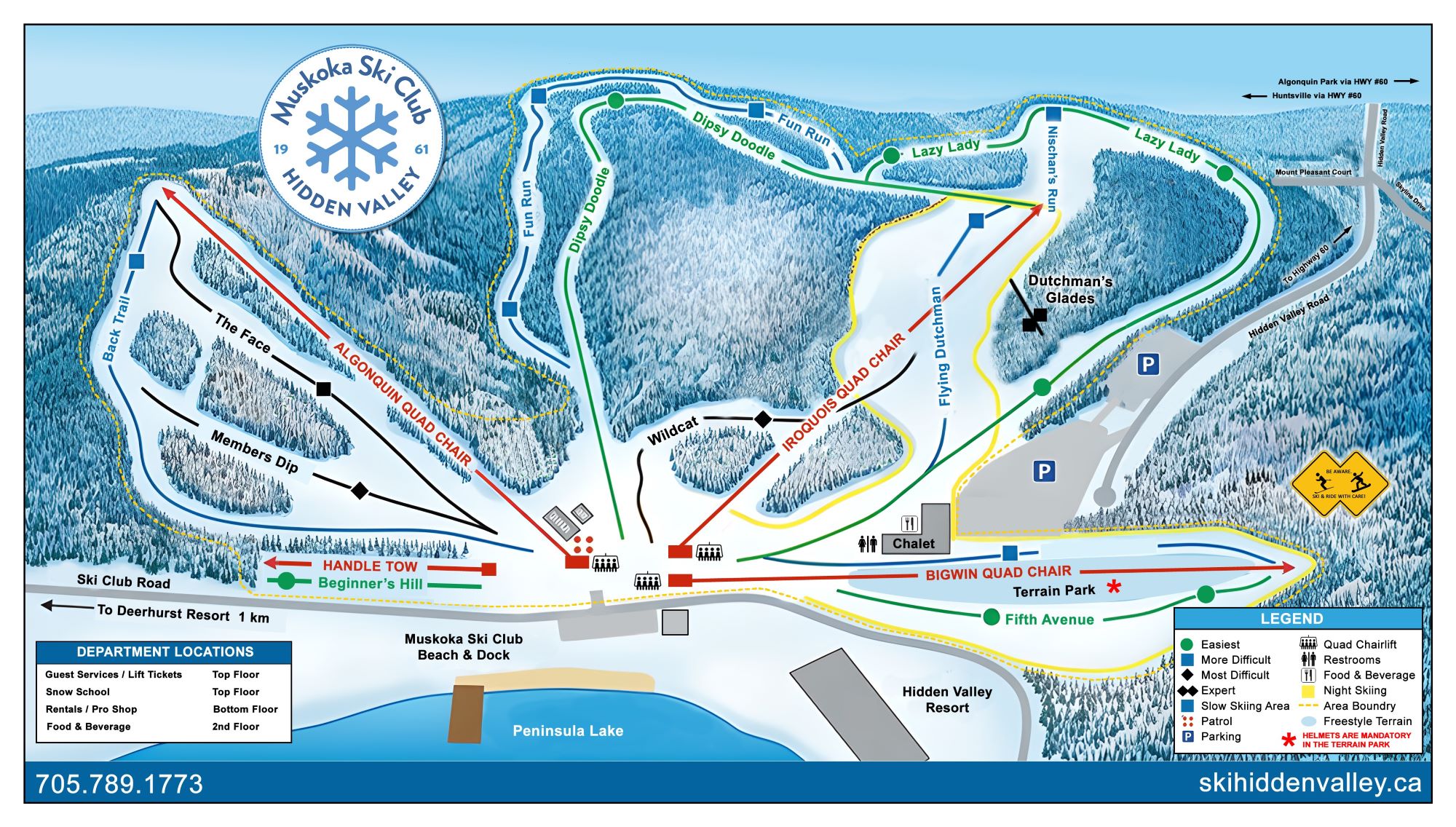
Ontario’s Hidden Valley will replace one of its two BM Lifts quads next summer. Leitner-Poma Canada will install the new Red Chair, replacing Iroquois. The new lift will feature an Alpha drive terminal and 48 chairs moving at 2 meters per second. Ride time will improve as the current lift only spins 1.5 meters per second. Prep work has already begun and the upgrade is expected to be complete for the 2027-28 ski season. After the replacement, fewer than 30 BM lifts will remain in operation across five Canadian provinces.
Hidden Valley also announced improvements to its snowmaking system and terrain park. “Hidden Valley Ski Area has been part of the Muskoka community for generations, and we want to make sure it continues to be here and continues to evolve for generations to come,” said General Manager Chris Beckett. “These projects are about investing in the fundamentals of the Ski Area while also improving the experience for the people who come here to ski, ride, learn and spend time with family and friends.”
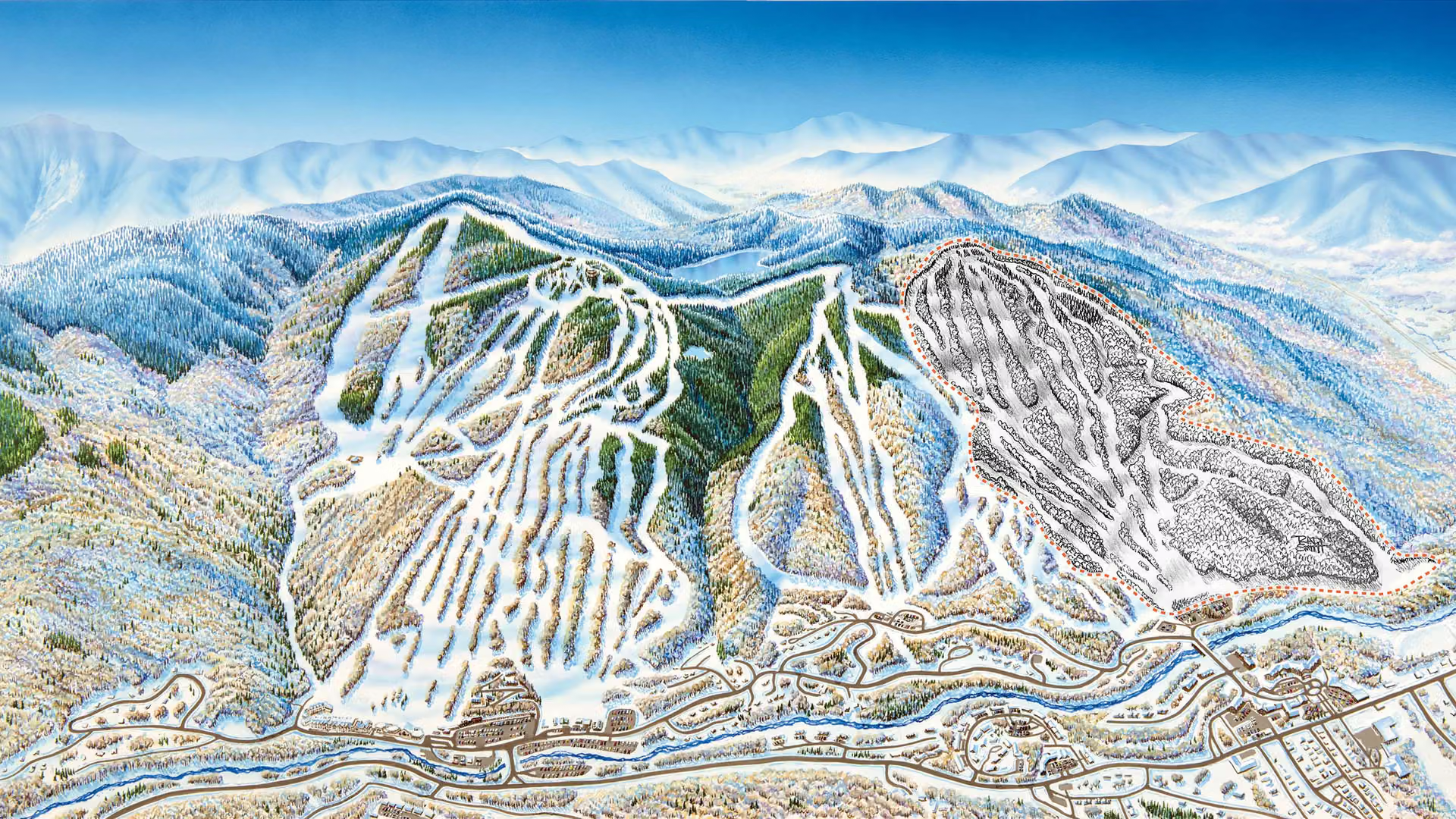
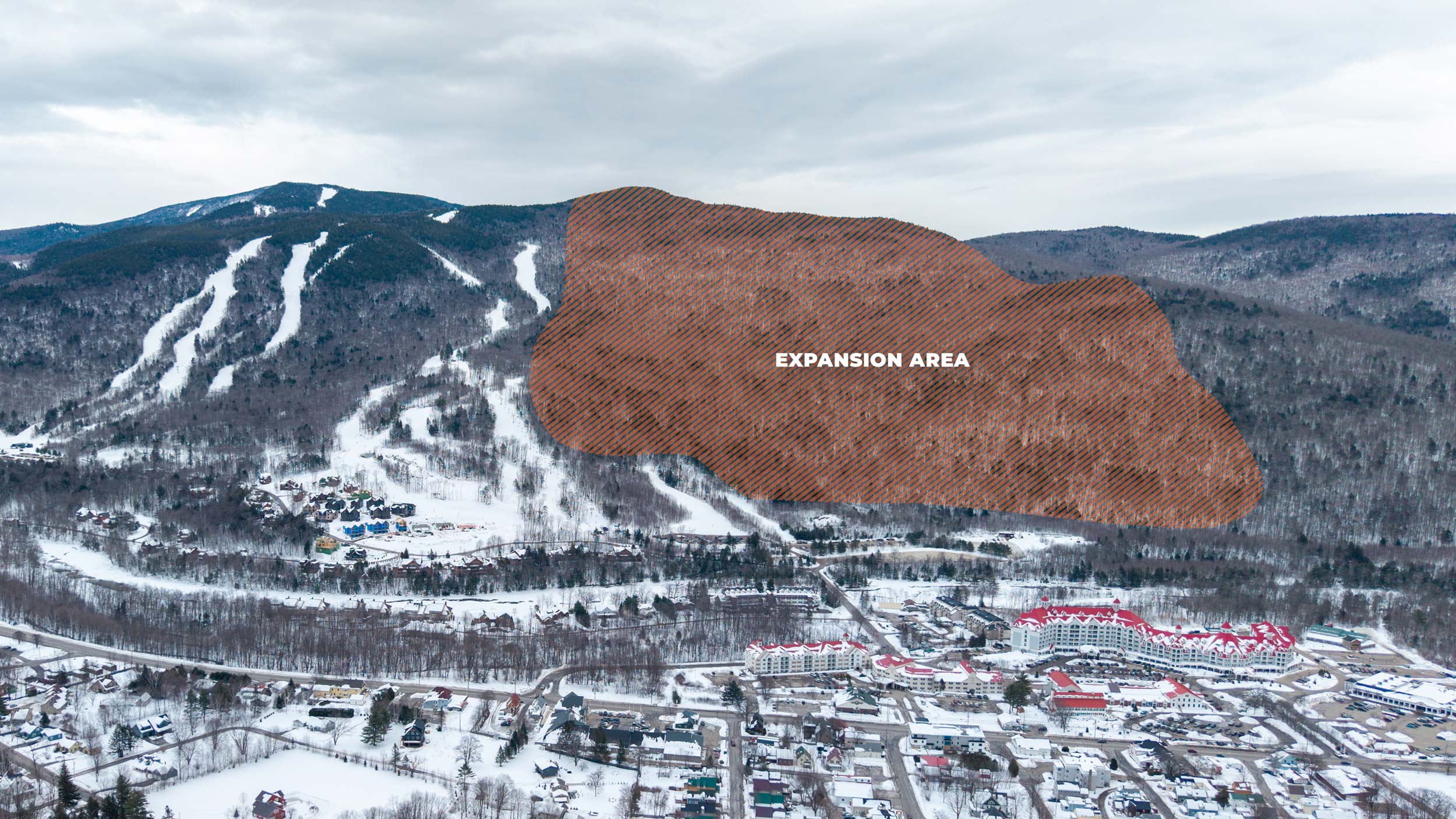
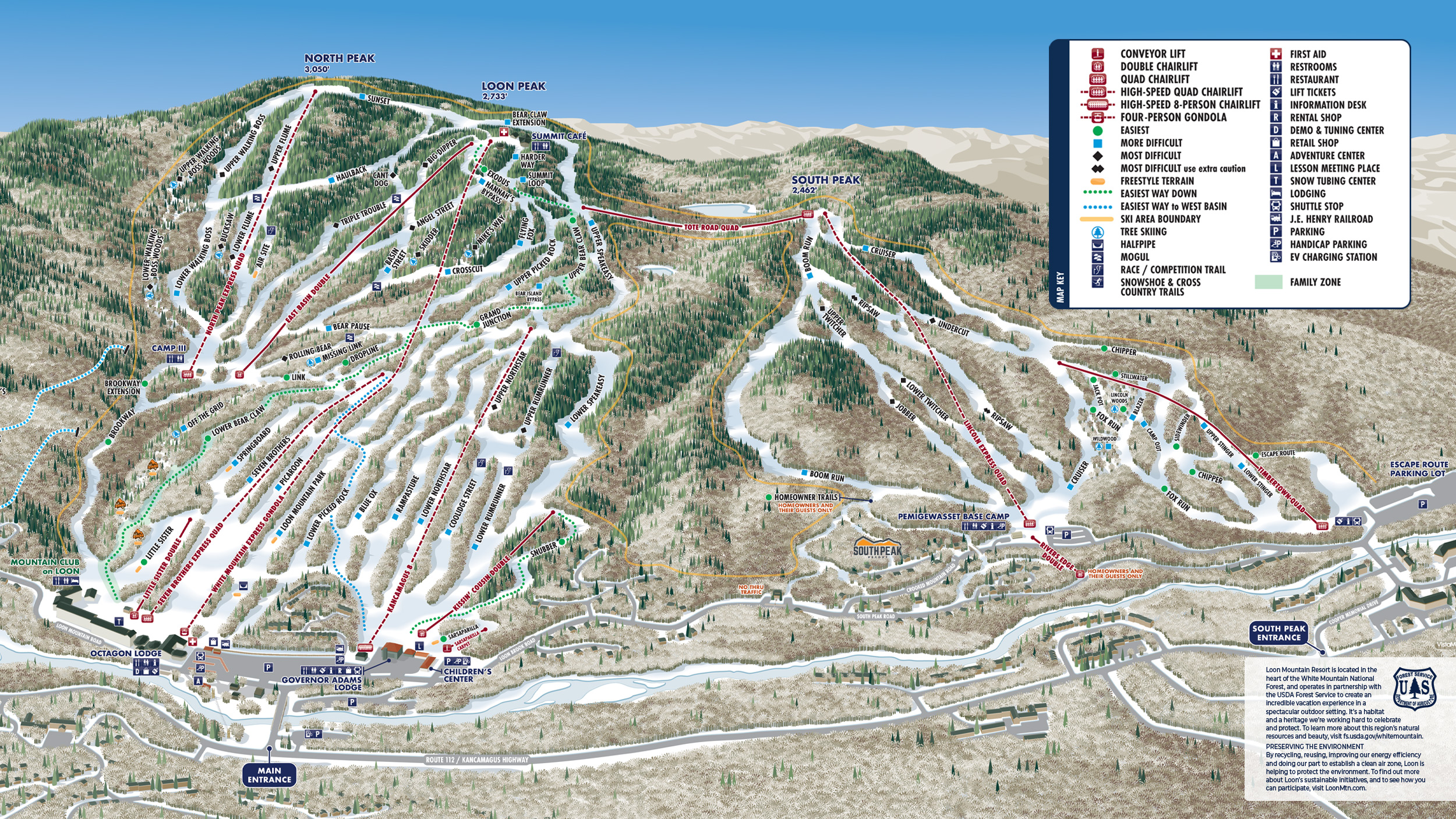
In March 2025, Loon Mountain quietly held an open house for locals to learn about an ambitious expansion plan. Known formally as the 2024 Master Development Plan, Loon would expand east with expert glades and west with cut trails and four new chairlifts. To longtime locals, this plan wasn’t new. When Governor Sherman Adams first built Loon, he eyed Lincoln Peak right above town. Loon President and General Manager Brian Norton said the main reason Adams developed Loon where it was: a smelly pulp and paper mill at the base of Lincoln. “Our founder Sherman Adams actually envisioned the ski resort starting close to the highway,” Norton told me in an interview this summer. “What we’re proposing now was his very first vision.”
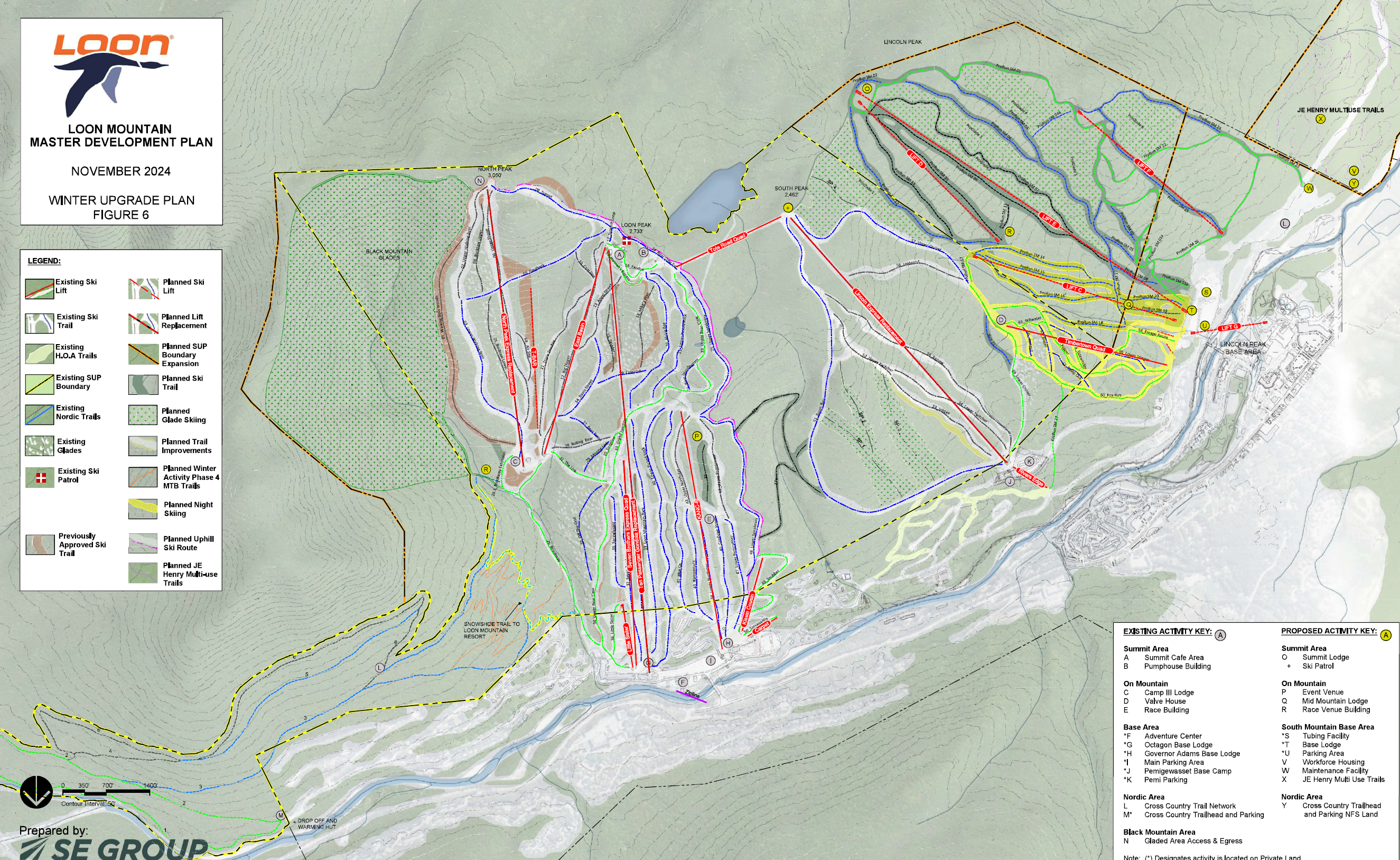
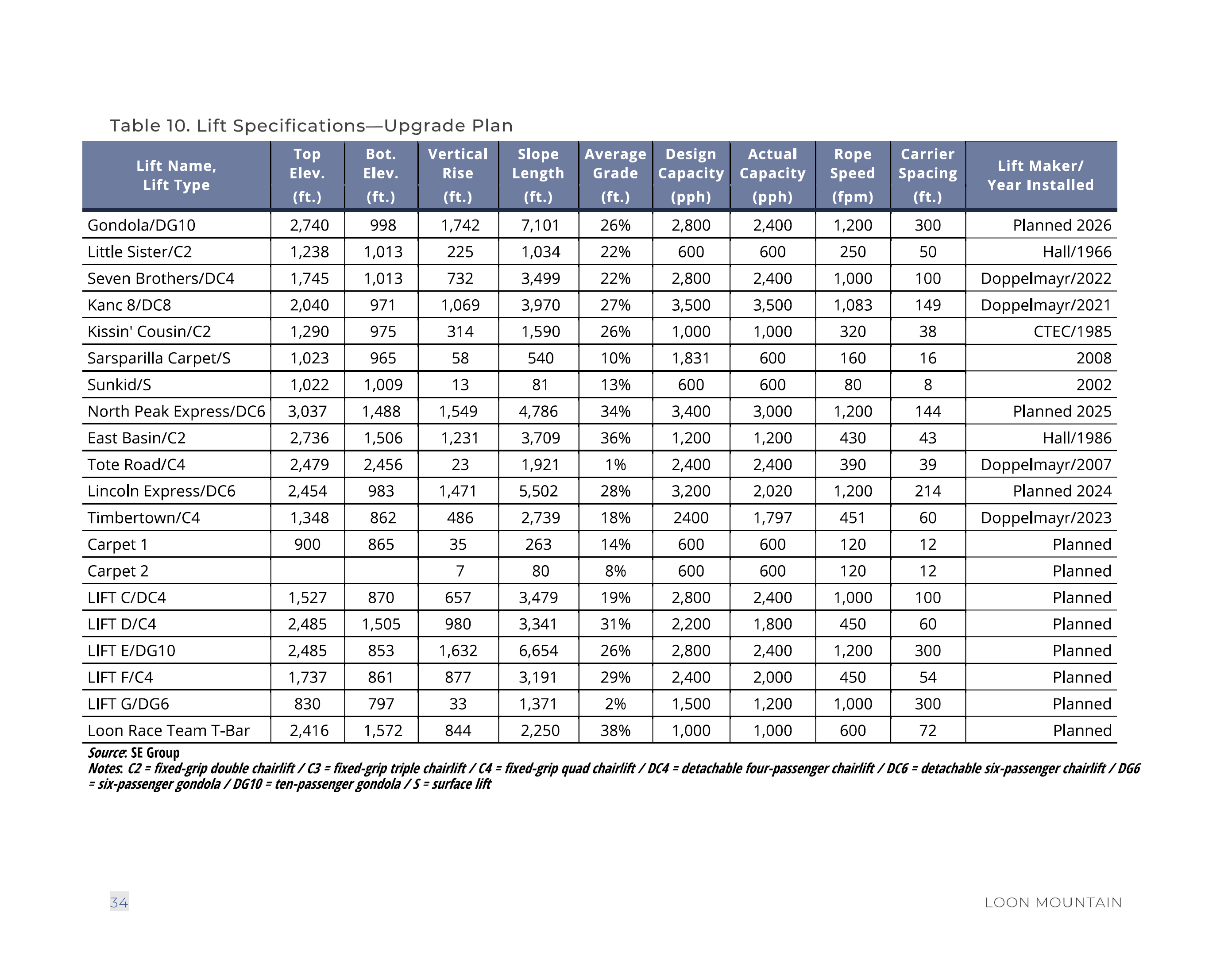
The master plan combines a set of lift replacements with Lincoln Peak and Black Ridge expansions to create a 955-acre beast with seven detachable lifts and three gondolas. Loon Mountain operates on a mix of owned private land, leased White Mountain National Forest land and other private land so the expansion will take cooperation to be realized.
A portion of the plan includes upgrades to existing Loon. Perhaps most pressing is the aging White Mountain Express Gondola, which carries only four people per cabin. As revealed in May, Loon envisions a 10 passenger D-Line replacement. Norton said Loon is still refining the exact configuration but the system would move around 2,800 guests per hour with approximately 50 cabins. “That’s the longest lift line at Loon every single day of the week, all winter long,” he said. “What we’re working through now is it’s a big stinkin’ lift that needs cabin parking and we don’t have a ton of space at the bottom of the mountain.”
To the east, Black Ridge will debut for the 2027-28 season. This area will remain natural with 272 acres of gladed trees and no cut trails or lifts. Two of Loon’s most popular chairlifts – North Peak Express and Lincoln Express, are eyed to become six packs for additional capacity. Asked which could come first, Norton demurred. “I waver on this every day. Is North Peak more important than Lincoln Express if you think about what Black Ridge means to the ski resort?” Loon also plans to expand west, adding pressure to Lincoln. “You have a ski resort growing in both ways with critical lifts on both ends,” said Norton. “Neither of them are old, neither of them need to be upgraded but both of them could be as they support expansion East and West.” He noted it will probably come down to which one of the existing lifts is most useful somewhere else, either at Loon or within Boyne.
A race training T-Bar is also proposed to run next to North Peak Express, allowing for faster laps by Loon Race Team athletes. Interestingly, the East Basin double and Tote Road quad aren’t earmarked for upgrades and will remain fixed-grip. One reason Tote Road will stay slow: Loon plans to eventually construct connector trails for skiers to transit between Loon Peak and South Peak on snow.
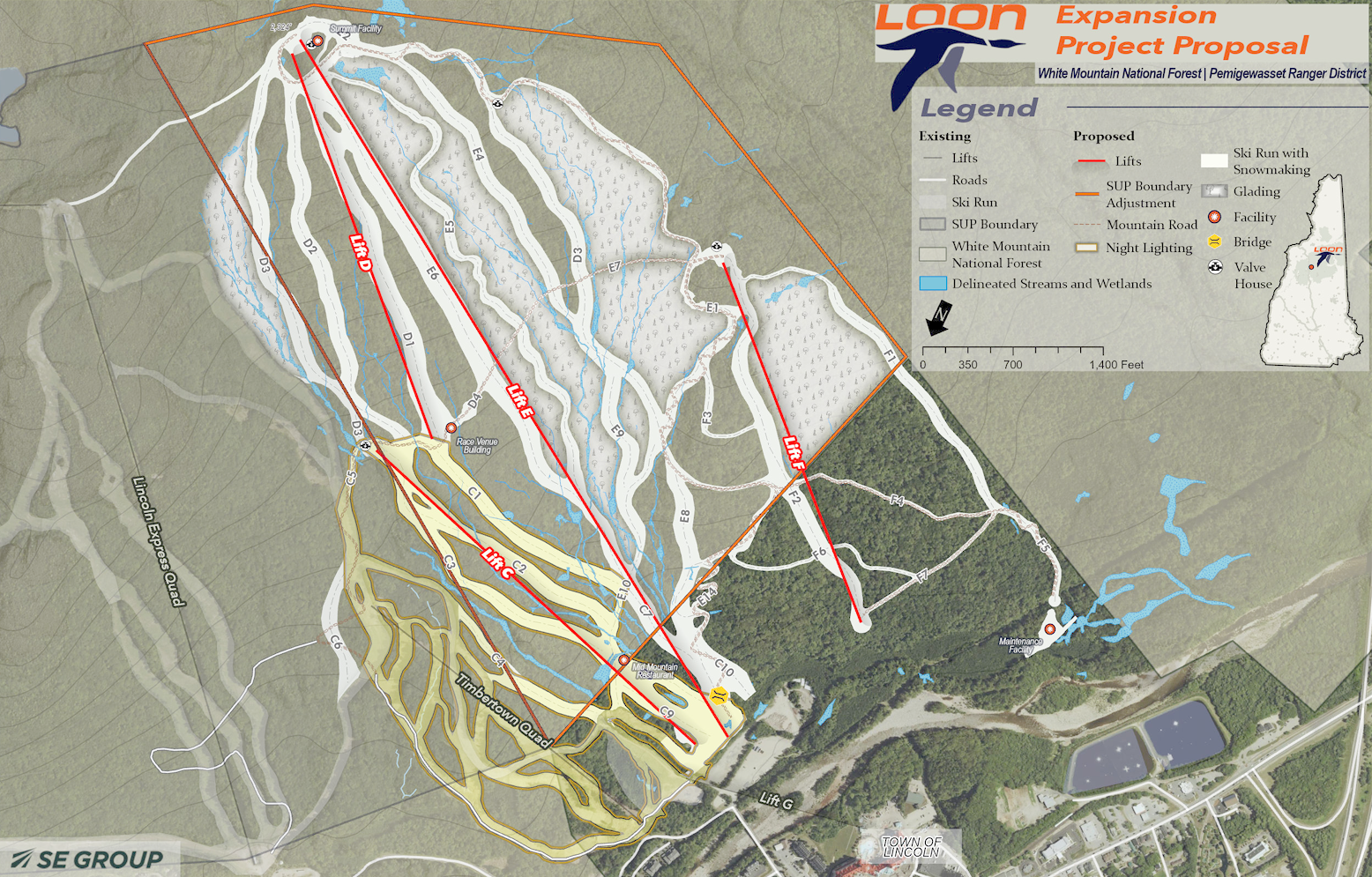
As of October 1st, the Forest Service formally accepted westward expansion for potential approval. The Loon Mountain Resort Expansion Project encompasses 280 acres – 145 acres of traditional trails, 135 acres of glades and five aerial lifts. The first is already under town review and not a ski lift but rather a pulse gondola connecting the RiverWalk Resort with the new Timbertown base. At the community open house last March, Norton called the gondola “privately funded public transportation.” The six passenger gondola would land at a new Camp III base area with skier services building, two conveyors and potential night skiing. Adjacent to Timbertown, a detachable quad would service a new low intermediate terrain pod. “We have a lot of higher end intermediate but we don’t have that lower end intermediate,” noted Norton. “That’s a big part of what Lincoln Peak is, especially the Lift C portal – pure beautiful fall line with more sun.” Asked whether Lift C could be a repurposed North Peak or Lincoln Express, Norton noted both lifts are longer than needed for the new alignment. A night skiing pod open 14 hours a day may not be the best home for a repurposed lift.
The main attraction would be a ten-person gondola spanning 6,654 feet to a new summit lodge on Peak 2,324. Rising 1,632′ vertical, the gondola would move 2,800 skiers per hour and mimic the planned gondola on Loon Peak. Ending at the same point, a fixed quad codenamed Lift D is planned to serve lappable expert trails. Finally, a second fixed quad will run west of the new gondola base and serve beginner and low intermediate terrain. Lift F is closely tied to further private development. Norton noted day skier parking, workforce housing and maintenance facilities may all live at that end of the resort someday. He caveated Loon just solved a longstanding issue of parking with no lift at Escape Route and doesn’t want to replicate the same poor experience again. “Lift F would service that area so we’re not going back in time and forcing people to shuttle from parking again.” Loon noted in its announement that “conceptual trail and lift layouts are in place, but these allow for a flexible, phased rollout that can adapt to public feedback, operational needs, and environmental considerations as the project advances.”
It’s no secret that Loon gets crowded as one of the most accessible large mountains from Boston. Asked whether this expansion is about spreading people out or attracting more people, Norton said some of both. “We’re going to spend a bunch of money over here and we need to pay for that. There’s unused demand at Loon. We’re managing the capacity of the ski resort on peak days. We’re telling people sorry, we’re not going to sell you a ticket and sorry we’re not going to let you come as an Ikon Pass holder because we’re trying to manage the experience.”
The public can learn more about the proposal via a virtual public meeting on October 14th. Asked whether Loon would have to go through a multi-year Environmental Impact Statement to get the expansion approved, Norton said the resort and Forest Service settled on an Environmental Assessment taking around 12 months to complete. “Our expansion at Lincoln Peak is a proposed expansion into a Forest Service zone that’s meant for ski area expansion.” said Norton. “Loon’s new MDP, although slightly different with lift and trail alignments, has largely been the same for 35 or 40 years.”
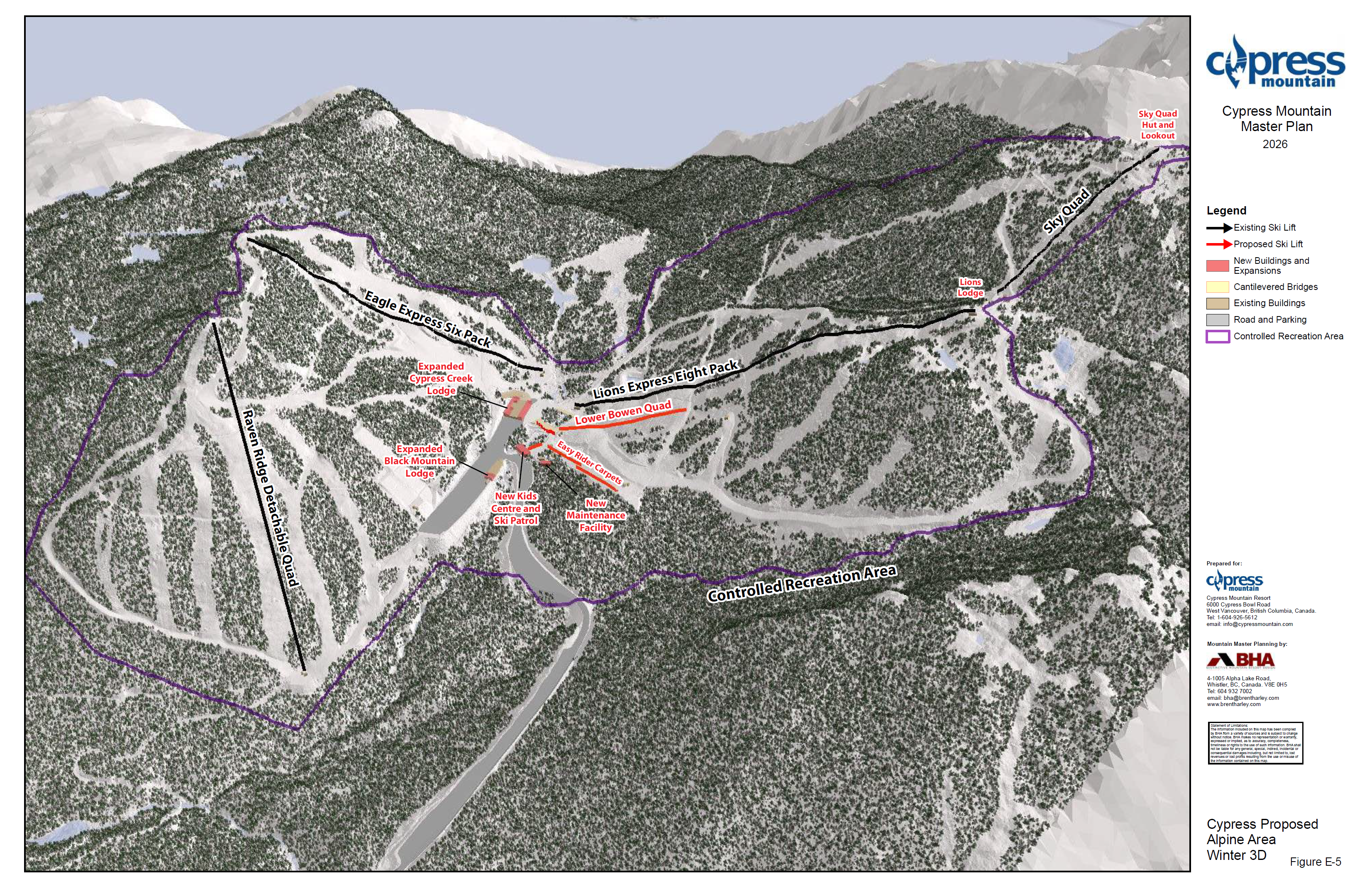
All but one of Cypress Mountain’s six chairlifts would be replaced under a proposed Development Plan released yesterday and up for public consultation. As the largest of Metro Vancouver’s three ski areas, Cypress operates a fleet of five quads and one double, several of which are approaching the end of their useful life. Whistler-based Brent Harley and Associates (BHA) prepared the 60 year plan, which seeks to improve Cypress within its existing footprint rather than expanding. Approval of the vision and individual projects will rest with BC Parks as the ski area occupies Cypress Provincial Park.
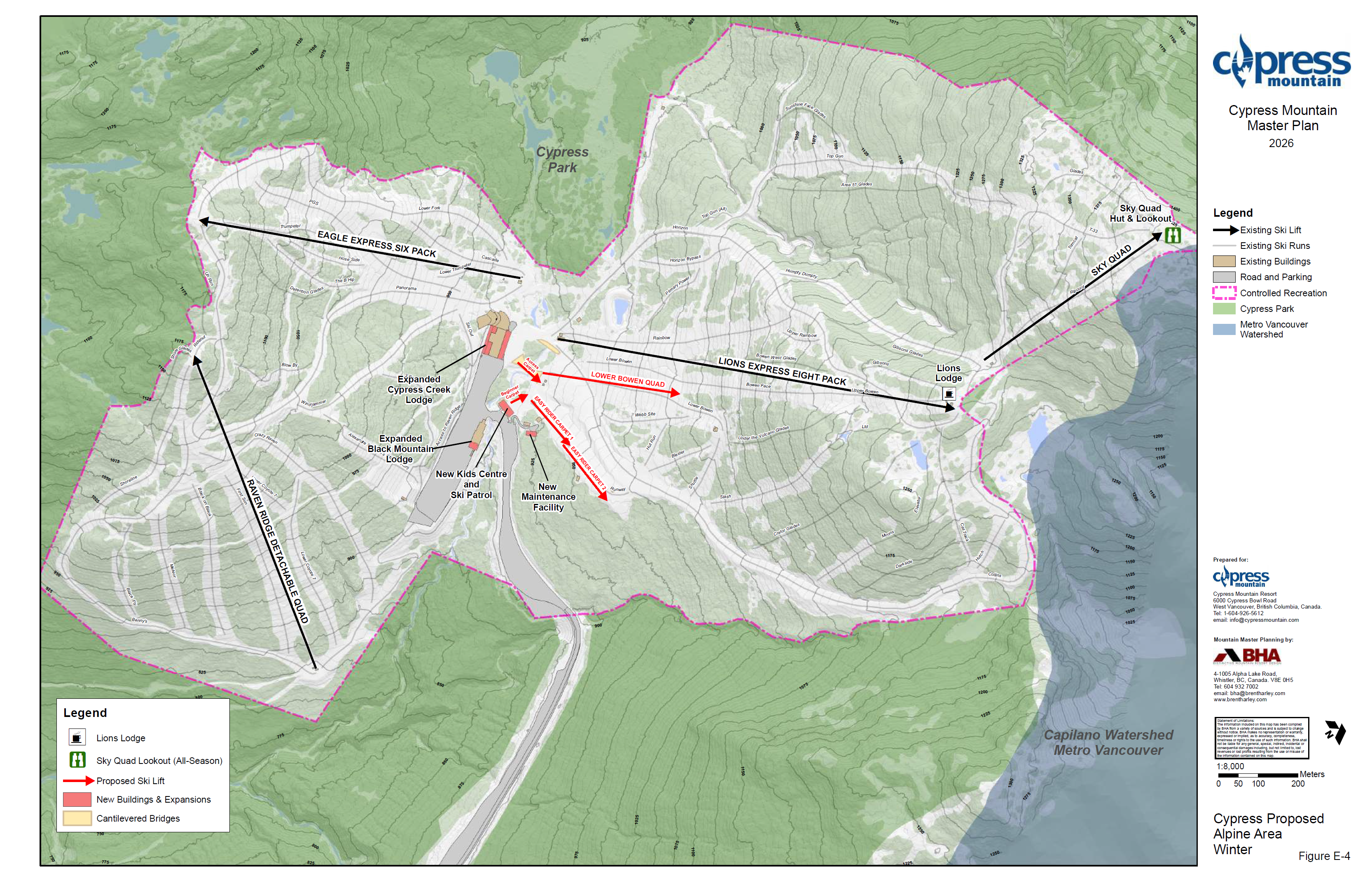
Michigan-based Boyne Resorts took over Cypress in 2001 and immediately installed two Doppelmayr quad chairs now approaching 30 years old. Easy Rider, British Columbia’s third shortest chairlift, would be removed for two conveyors as part of a purpose-built learning expansion. Together with a new ski school building, learning forms the “centrepiece” of BHA’s plan. Vancouver is expected to add 700,000 residents by 2045, the majority of which will be immigrants or children of immigrants who don’t ski. Carpets are now considered easier for new skiers to learn than chairlifts. New conveyors would be positioned to break up existing terrain into shorter lengths of consistent grade. Once removed, the former beginner quad may be relocated and lengthened to replace Midway, the oldest lift at Cypress. The new quad would be called Lower Bowen, running closer to Lions Express and unloading lower on Mt. Strachan.
The second of Boyne’s original installs is Eagle Express. The development plan envisions a six pack replacing the detachable quad, transporting 2,800 skiers per hour (up from 2,200.) Eagle would also serve the Gravity Logic-designed Cypress Bike Park, set to open next summer. One thing a new Eagle won’t carry is mountain coaster carts. The current Eagle pipe coaster is expected to be removed and a new coaster with integrated uplift built near Easy Rider.
Further down the line Cypress envisions installing the Lower Mainland’s first eight place chairlift, joining fellow Boyne Resorts Big Sky, Boyne Mountain, Loon Mountain and Sunday River in the eight place club. Lions 8 would carryt 3,200 skiers per hour, 33 percent more than the current lift constructed for the 2010 Olympics. Finally Cypress plans to replace the Raven Ridge quad, a 1997 Poma fixed-grip with relatively long ride time. A detachable quad would reduce sit time and boost throughput from 2,000 skiers per hour to 2,200. This project could utilize equipment from one of Cypress’ existing detachable quads or one from elsewhere in the Boyne network.
“Together these lift improvements will modernize the lift network, increase beginner ski terrain, and improve circulation and the lift experience across the mountain,” BHA noted. “These changes modestly increase the Alpine Comfortable Carrying Capacity (CCC) from 4,713 to 4,866 skiers per day, while bringing the terrain offering into closer alignment with the skier marketplace.” In addition to lifts, Cypress envisions expanding snowmaking and adding year-round attractions such as a via ferrata, alpine viewing platforms and an aerial adventure park. Parking and facility expansions are also planned.
Cypress will host open houses on September 25th and 26th for the public to learn more. Folks can also share feedback with BC Parks online through November 16th.
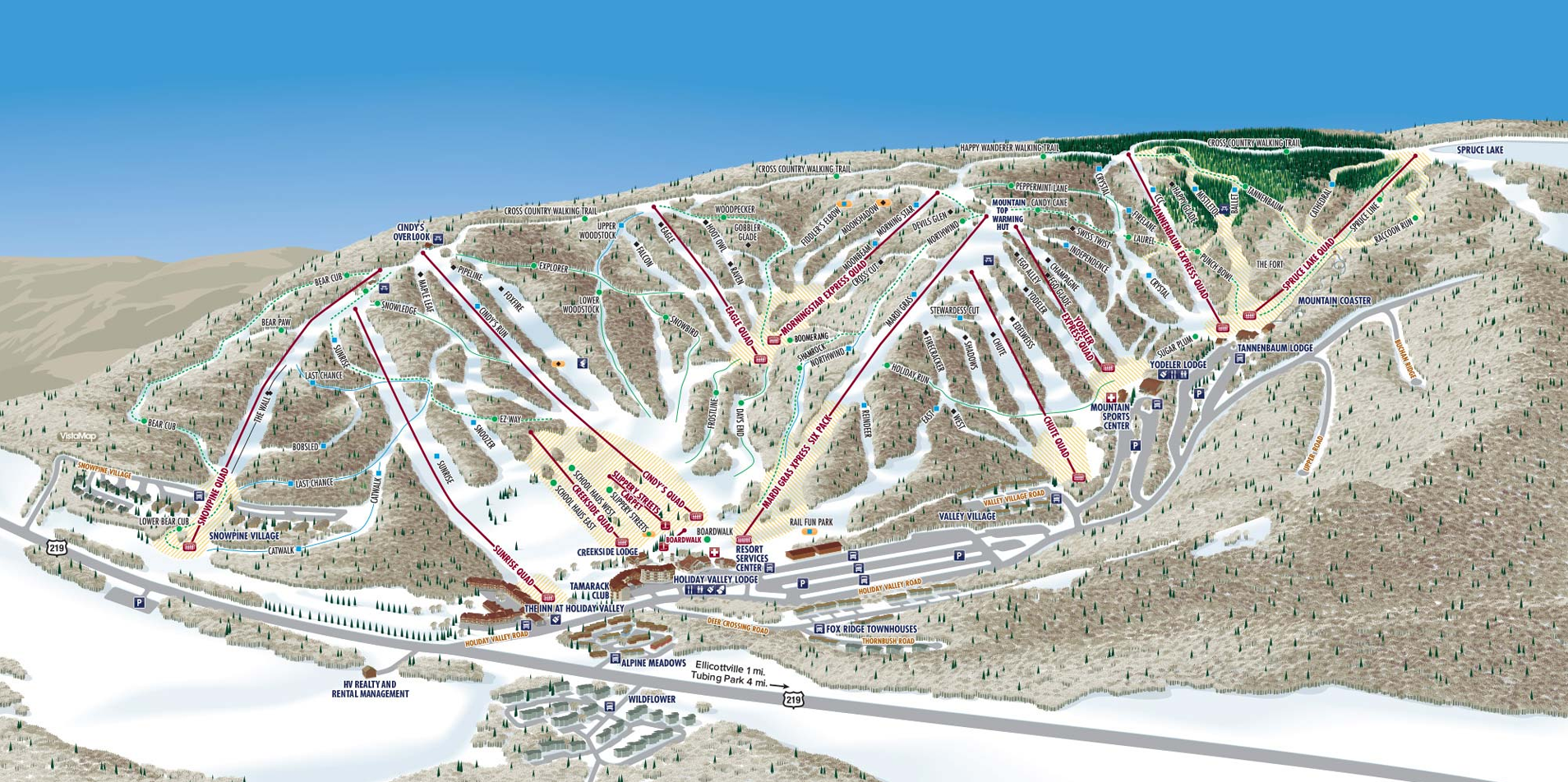
A fifth detachable chairlift will debut at Holiday Valley next year, the resort announced yesterday. Preliminary work has already begun on the Doppelmayr high-speed quad, set to run in a new alignment along the Foxfire trail. A 1991 CTEC quad named Cindy’s will be removed, leaving the Cindy’s trail free of chairlift towers for the first time since 1978.
Holiday Valley’s on mountain team is already working to remove trees and widen Foxfire in preparation for lift installation. The new lift is expected to debut for the resort’s 70th anniversary season in 2027-28.
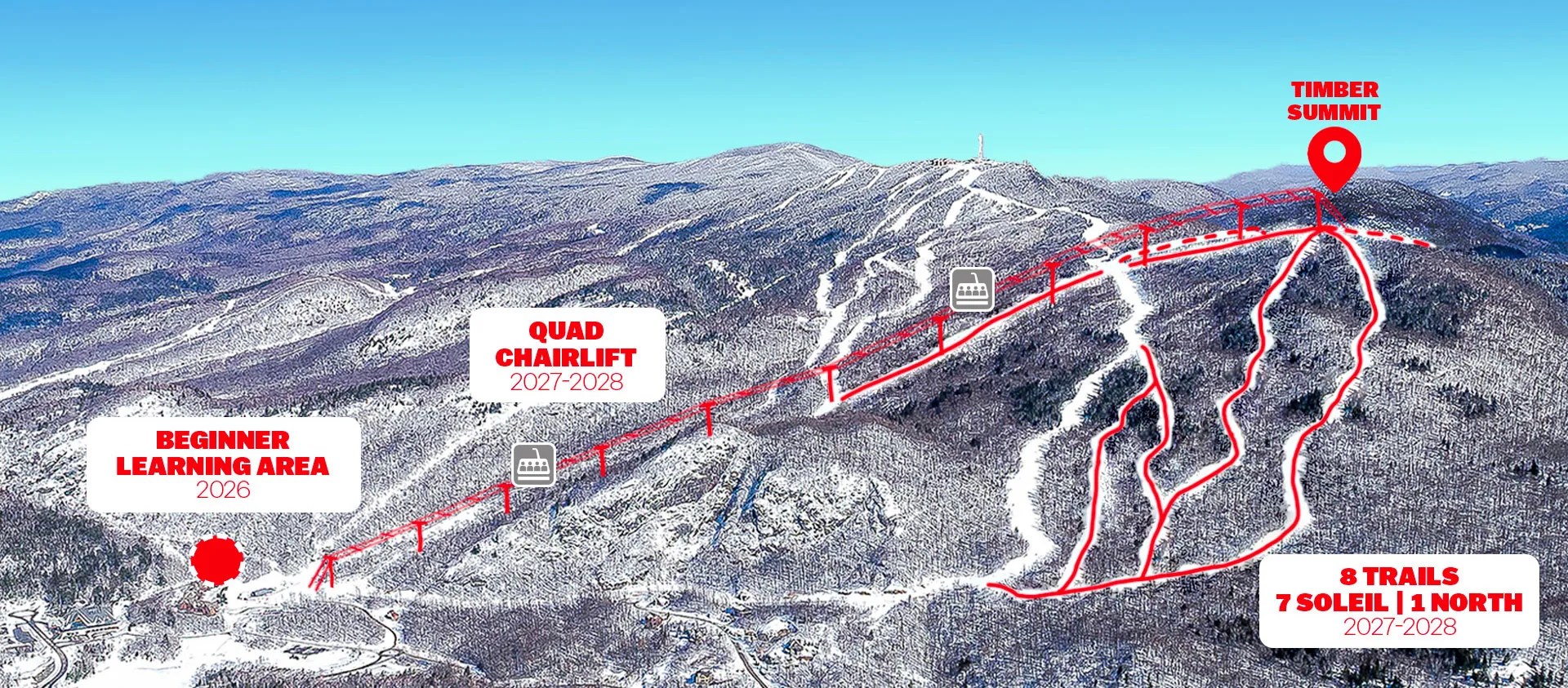
Alterra-owned Tremblant today announced a CA$42.5 million investment catering to a broad range of skiers. Expanding the Soleil side of the mountain, Timber will open in two phases – a beginner pod with conveyor for winter 2026-27 followed by eight new trails and a detachable quad for 2027-28. “Timber Summit represents much more than an expansion of our ski terrain,” said Patrice Malo, President and Chief Operating Officer of Station Mont Tremblant. “It reflects our commitment to continually elevating the Tremblant experience and creating new opportunities for skiers and snowboarders of all abilities, today’s families, and generations to come.”
Tremblant first announced this project March 10th, 2020, just five days before the entire North American ski industry shut down for Covid. After a six year pause, work began anew last month with tree clearing on the summit. The beginner portion of the expansion will include a 1.1 acre slope ideal for learning and a covered surface lift. “The gentle terrain and dedicated infrastructure will be designed to support progression from guests’ very first turns through the early stages of their skiing journey,” noted Tremblant. On weekends and peak periods, guests will access the zone from the village via the existing Casino Express Gondola.
Higher up on the mountain, crews are working to clear one new trail on the North side of Timber and seven trails on the Soleil side. These will total 62 acres and include 100 percent snowmaking coverage. The Timber Express high speed quad will ascend 1,388 vertical feet and transport 2,400 skiers per hour from the Soleil base, where a new Club Med is also under development. The new lift will become a modern alternative to the aging Soleil Express and span more than a mile (5,900 feet) with 125 chairs. A manufacturer hasn’t yet been selected.
Tremblant’s news comes during a busy period of expansion for Canadian ski areas. At least 16 resorts plan to build new lifts in 2026 and 2027 across British Columbia, Alberta, Ontario, Quebec and Nova Scotia.
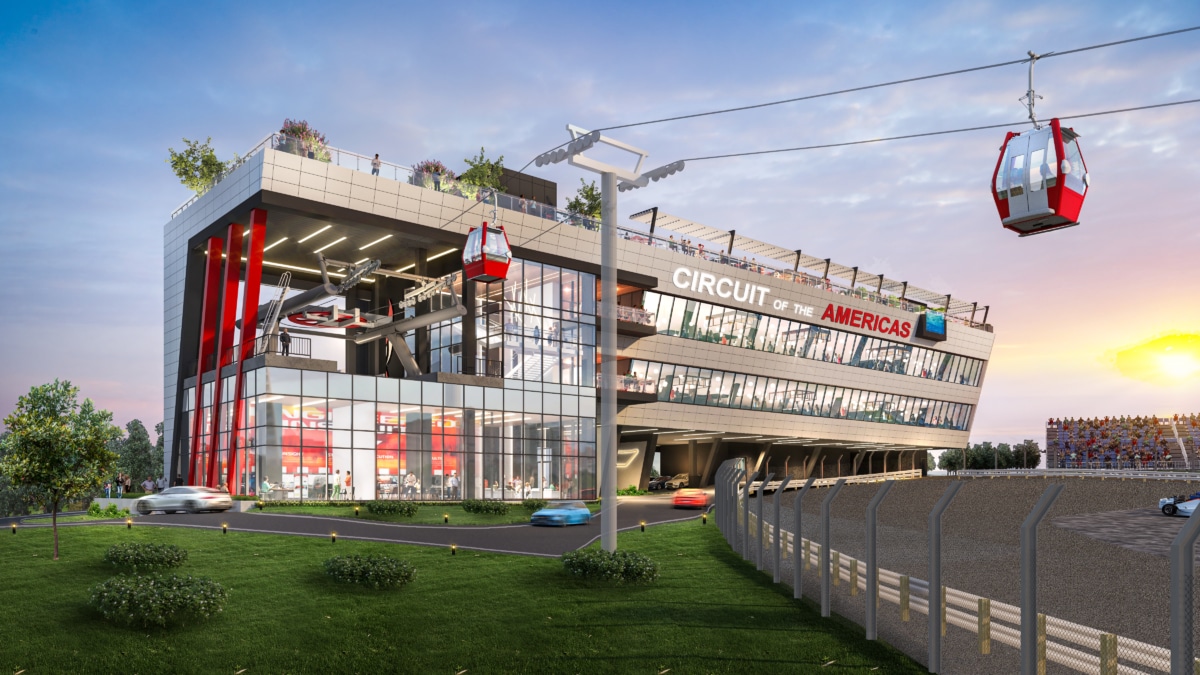
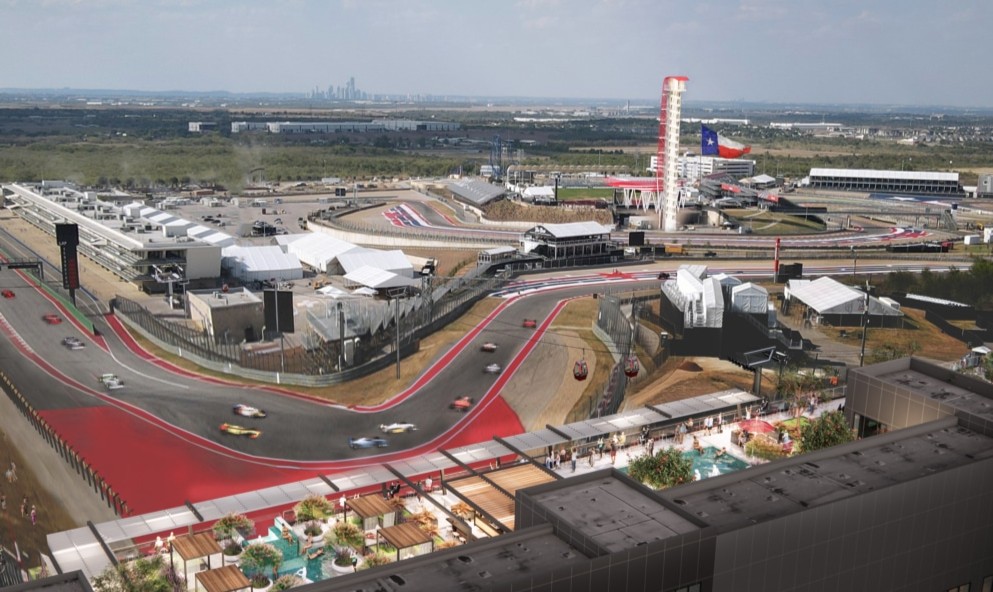
Leitner-Poma will construct a unique gondola at Circuit of the Americas near Austin this year, serving an exclusive motorsports club. It will be the third modern gondola in Texas following installations at the State Fair of Texas in 2007 and the Franklin Mountains in 2013. The lift will exclusively carry members of The Circuit, a year-round membership club featuring track access, rooftop pools and dining. The gondola’s Alpha drive station will occupy a portion of the clubhouse’s second floor. From the drive, riders will descend over four towers and Turn 1 of the track, unloading on the second floor of the pit building. Sigma will supply Diamond cabins with capacity for six passengers, which will run in four pulses of two.
Gondolas and chairlifts are increasingly popping up at non-ski point of interest throughout the United States. Over the past two years, non-ski lifts opened in Arkansas, Colorado, North Carolina, Tennessee and West Virginia serving everything from zoos to bike parks. Texas will join that list when The Circuit opens in 2027.
One of the smallest-gauge gondolas in North American skiing could soon be headed for retirement. The Forest Service today posted Loon Mountain Resort’s application to replace the four passenger White Mountain Express Gondola with a 10 seat D-Line model from Doppelmayr. The new flagship would follow roughtly the same alignment and be constructed in 2027 or 2028. “The current gondola is one of the oldest detachable lifts in New England and nearing the end of its life cycle,” Loon wrote in its application to the White Mountain National Forest. “Visitation at Loon has increased significantly since 1988 when the current gondola was installed. Increasing the uphill capacity of the existing lift from 1,000 people per hour to approximately 1,800 to 2,400 people per hour would better serve guests.” Ten passenger cabins aren’t required to achieve such capacity but they’ve become the gold standard globally for gondolas. With ample space, families can ride together, lessons don’t need to split up and wheelchairs or mountain bikes are easily accommodated. Loon’s parent company, Boyne Resorts, recently partnered with Doppelmayr to install a similar 10 place gondola at Big Sky Resort. Like at Big Sky, I expect the new Loon gondola will feature Omega V cabins, heated seats and a direct drive.
The bottom terminal will move uphill and out of the Octagon Lodge while the top terminal will sit near the current one. Carrier parking will be included at one or both stations. The 7,000 foot long lift line will need to be widened from 35 feet to 65 feet, resulting in up to five acres of disturbance. At last week’s National Ski Areas Association convention, Under Secretary of Agriculture for Natural Resources and Environment Michael Boren told the industry the Forest Service plans to work expeditiously moving projects through environmental reviews. The Forest Service expects to analyze Loon’s project via a Categorical Exclusion, the lowest of three levels under the National Environmental Policy Act. A smaller pulse gondola project is also currently under review by the Town of Lincoln, which would connect Loon’s South Peak base with RiverWalk Resort at Loon Mountain. It’s possible Doppelmayr could construct both lifts at the same time.
When Loon’s existing gondola is retired, Telluride and Deer Valley will operate the only remaining four place gondolas in North American skiing.
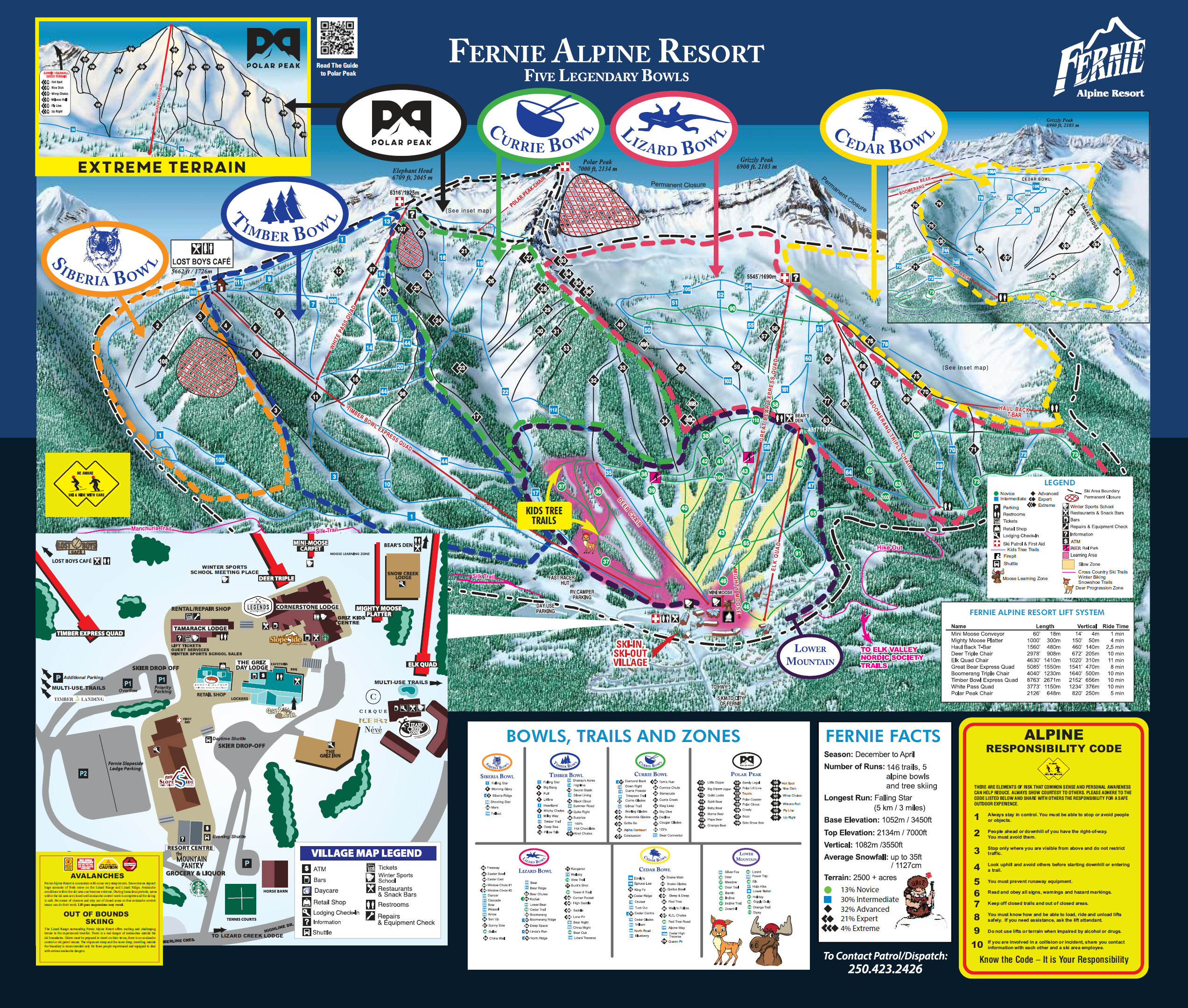
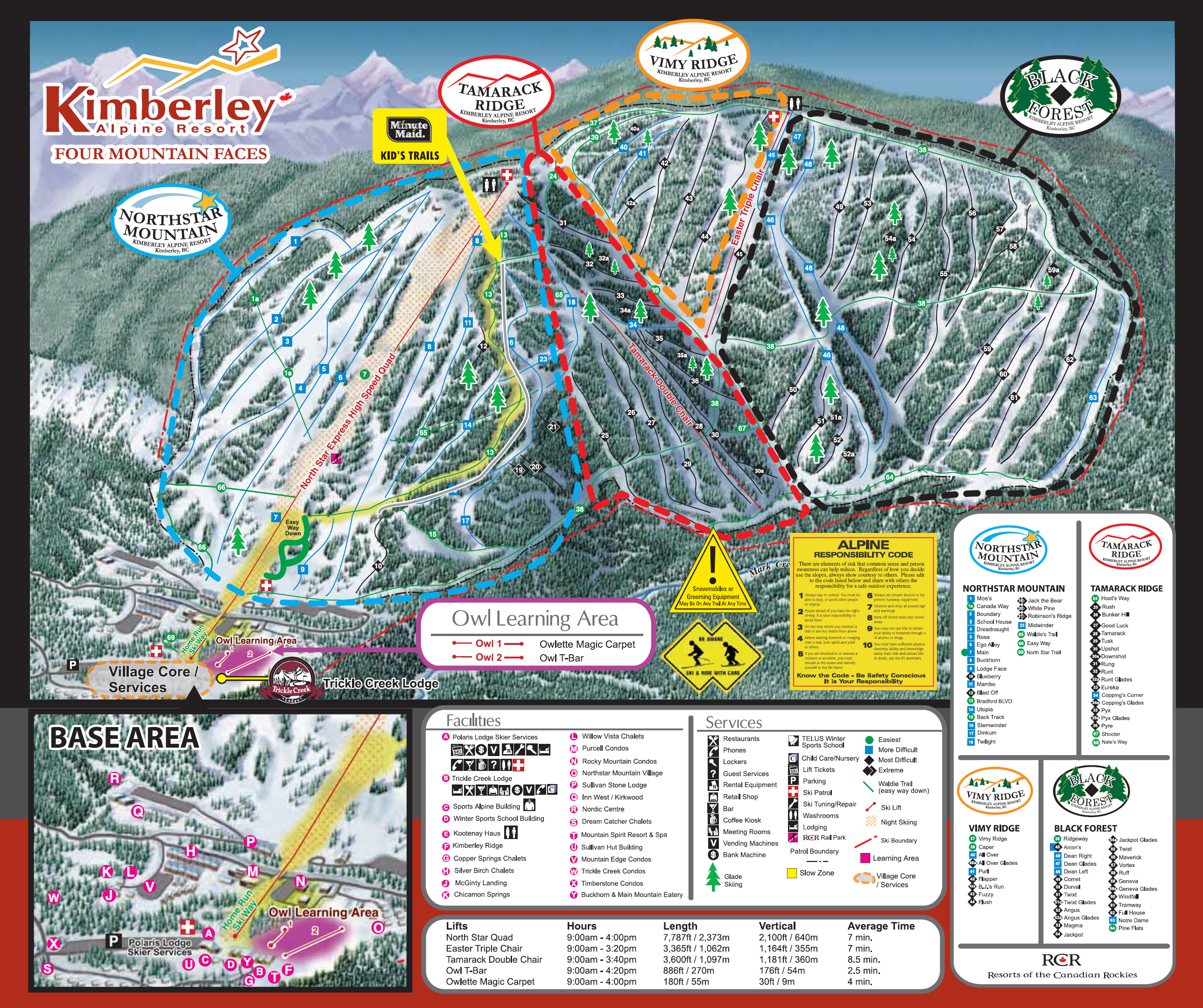
Resorts of the Canadian Rockies today unveiled a landmark order for four Leitner-Poma and Skytrac quad chairlifts set to debut at three British Columbia mountains over the next two years. The news follows RCR’s similar deal with Doppelmayr for three detachable lifts at Mont-Sainte-Anne in March. The total commitment for seven new lifts is remarkable considering the company last built a lift in Western Canada in 2011 and Eastern Canada in 2017. Over the next three years, RCR will add a 10 place gondola, two six packs, three detachable quads and one fixed grip quad across four of its six mountains. From the Leitner-Poma/Skytrac order, two lifts will go to Fernie Alpine Resort, one to Kicking Horse Mountain Resort and one to Kimberley Alpine Resort. “This is a major investment in our BC resorts and shows our company’s commitment to providing excellent experiences for our guests and our resort communities,” said John Shea, President & Chief Resort Officer at RCR.
First up, Leitner-Poma and subsidiary Skytrac will head to Kimberley, replacing the Tamarack double with a fixed grip quad. The current chair is the oldest in RCR’s nationwide fleet, dating back to 1972. Tamarack was originally installed at Lake Louise before moving to Kimberley in 1998. The Tamarack Quad will follow the existing alignment and is expected to debut in December 2026. It will become just the second Skytrac in Western Canada following Whistler Blackcomb’s order for a Monarch quad earlier this year.
The following season, Leitner-Poma will construct two detachable quads at Fernie. The first will replace the 1989 Elk Quad, an out-of-base workhorse that spins both summer and winter. Elk Express will reduce ride time by nearly 50 percent and better accommodate downhill mountain bikers. Equally exciting is the installation of Cedar Bowl Express, a brand new lift from the bottom of Cedar Bowl to the summit of Great Bear Express. This lift will effectively replace the Haul Back T-Bar and eliminate a three lift ride from Cedar Bowl to Bear. Both of Fernie’s new detach quads are slated to debut in late 2027.
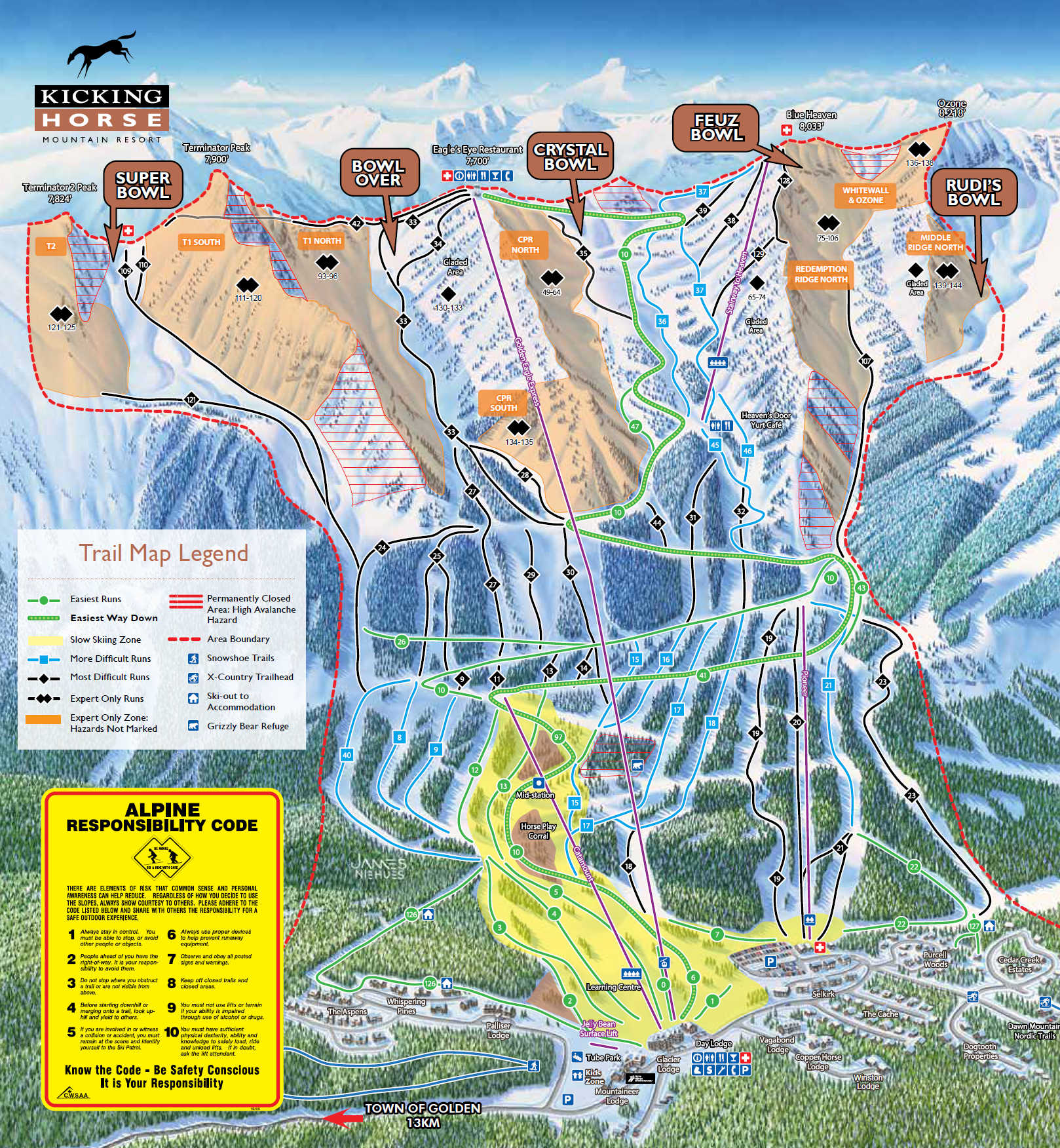
Finally comes huge news for Kicking Horse, which has suffered from lack of redundancy and lift downtime in recent seasons. A new Pioneer Express quad will more than double out-of-base capacity and travel to Stairway to Heaven, providing a sorely-needed alternate to the Golden Eagle Express Gondola. As part of this project, a 1986 Riblet also called Pioneer will retire. Pioneer Express will follow a completely new alignment to Crystal Bowl, rising some 2,600 vertical feet over 8,200 feet of slope length. This beast of a machine is expected to open for the 2027-28 ski season.
Resorts of the Canadian Rockies also announced major new real estate projects at Fernie and Kicking Horse. “Undertaking these new projects is a significant investment into our resorts and allows us to modernize our infrastructure and to significantly improve the experience for our guests, focusing on performance, comfort and innovation,” said Matt Mosteller, Senior Vice President of Resort Experience.
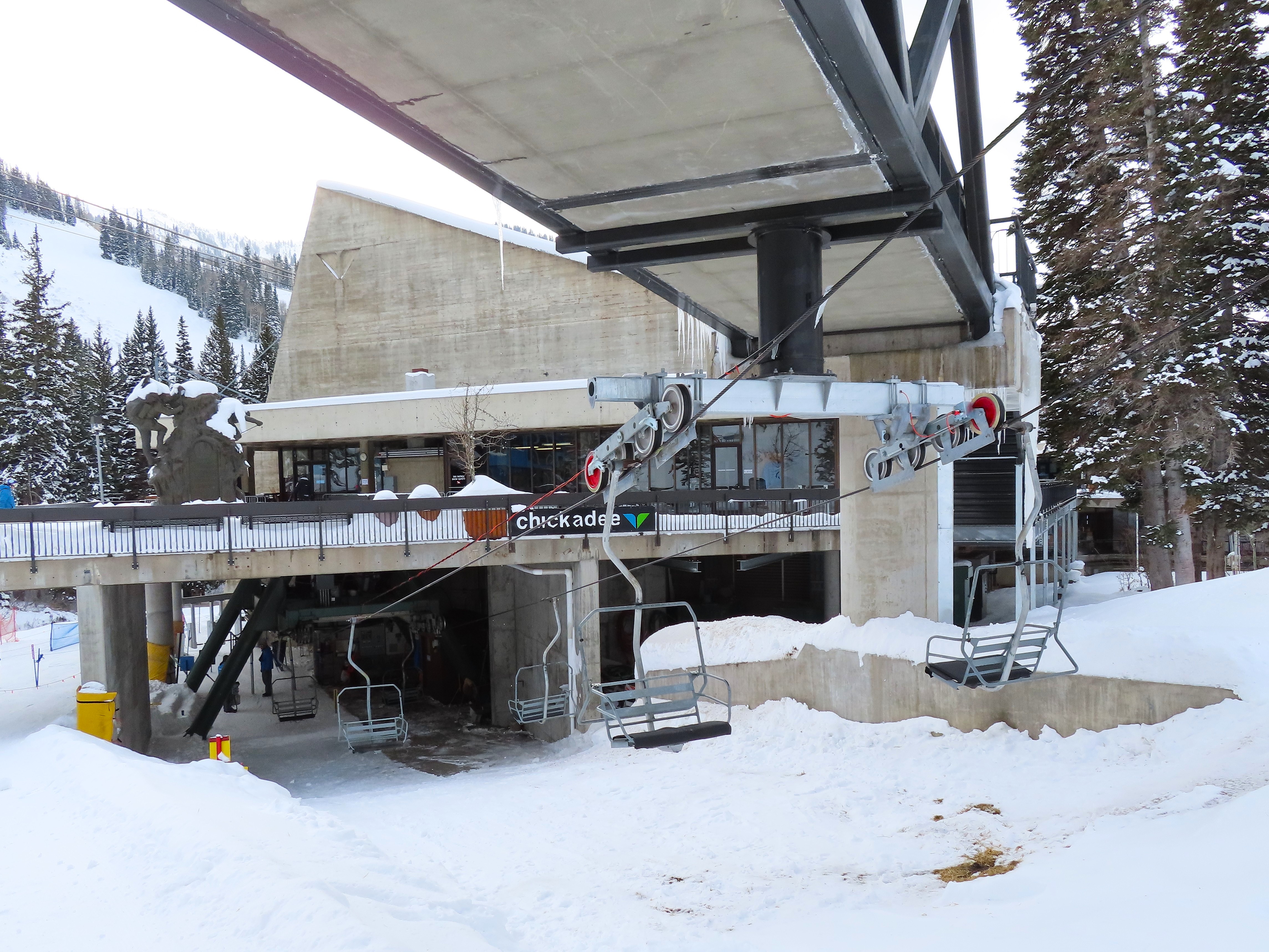
This weekend is your last chance to ride Snowbird’s oldest chairlift, Chickadee. On Monday, Snowbird will begin work to replace the 1972 Thiokol double with a quad in partnership with Skytrac. The new lift will come out from underneath the Snowbird Center deck, giving beginners more space to queue and load. Riders will also enjoy a loading conveyor, making boarding even easier. “The new and fully grown-up version of the Chickadee chair will continue to create the next generation of powder chasers, future Olympians and local legends, just with a bit more room to squeeze in your whole fam,” said Snowbird.
Interestingly this will be the first lift in Snowbird’s 55 year history not constructed by Doppelmayr or a brand it acquired. Snowbird and Skytrac plan to fast-track construction and christen the new Chickadee for summer operations some time in July.
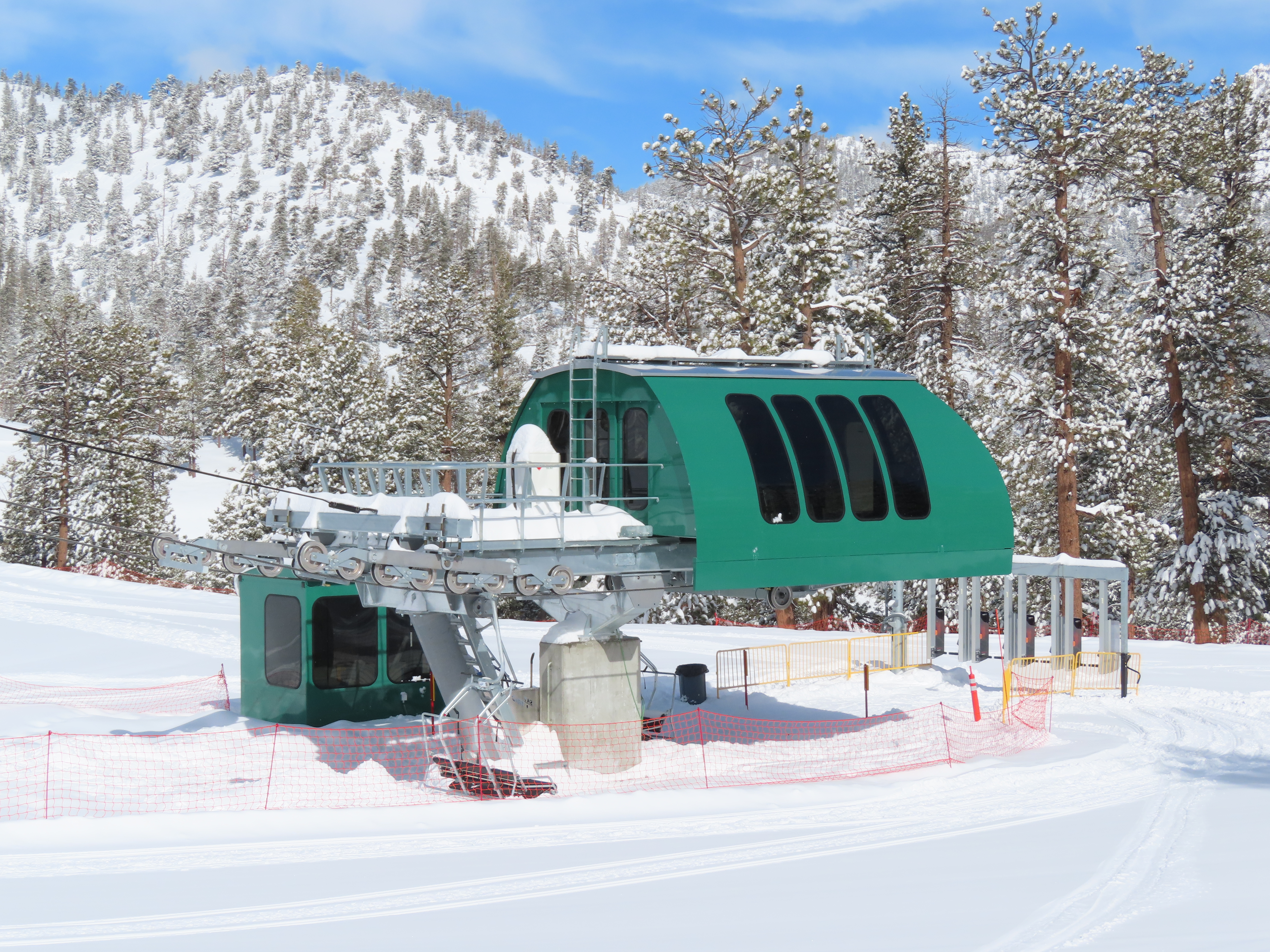
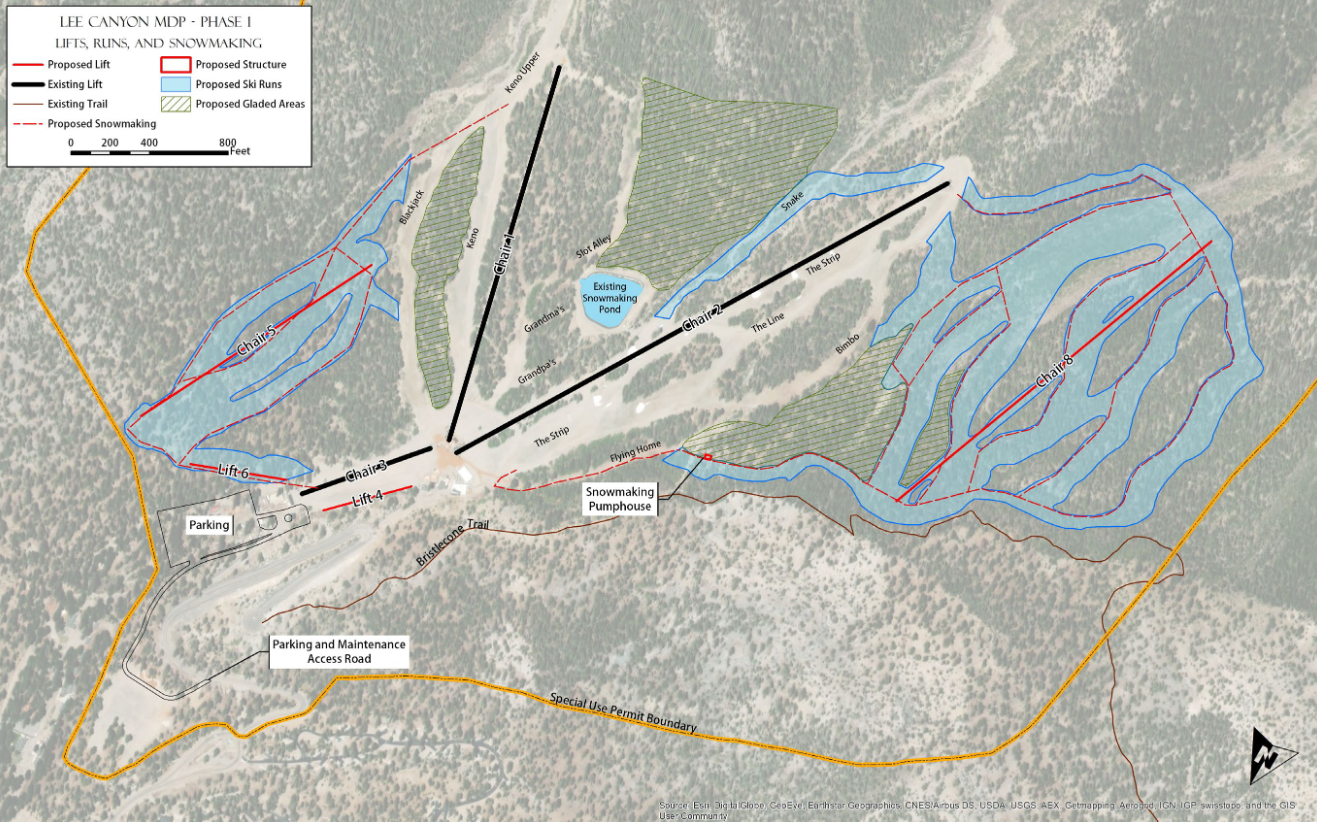
A fifth chairlift will debut at Nevada’s Lee Canyon next winter servicing five new trails in an area known as West Bowl. The 2,200 foot Skytrac quad will rise 650 vertical feet and transport up to 1,800 skiers per hour. It is shown on the below master plan as Chair 8. Lee Canyon completed a similar expansion to the East three years ago with three new runs. West Bowl trails will range from low intermediate to advanced with snowmaking throughout. West Bowl is expected to open for the 2026/27 winter season.
The expansion caps a period of remarkable growth at Las Vegas’ only ski area with new chairlifts in 2012, 2014 and 2023 plus a new lodge in 2019.
Lee Canyon owner Mountain Capital Partners will also partner with Skytrac this summer on an expansion at Purgatory, Colorado. Skytrac plans a busy year overall with projects in Colorado, Michigan, Nevada, Utah, Wisconsin, British Columbia and Quebec.