Killington to Replace Snowdon Triple

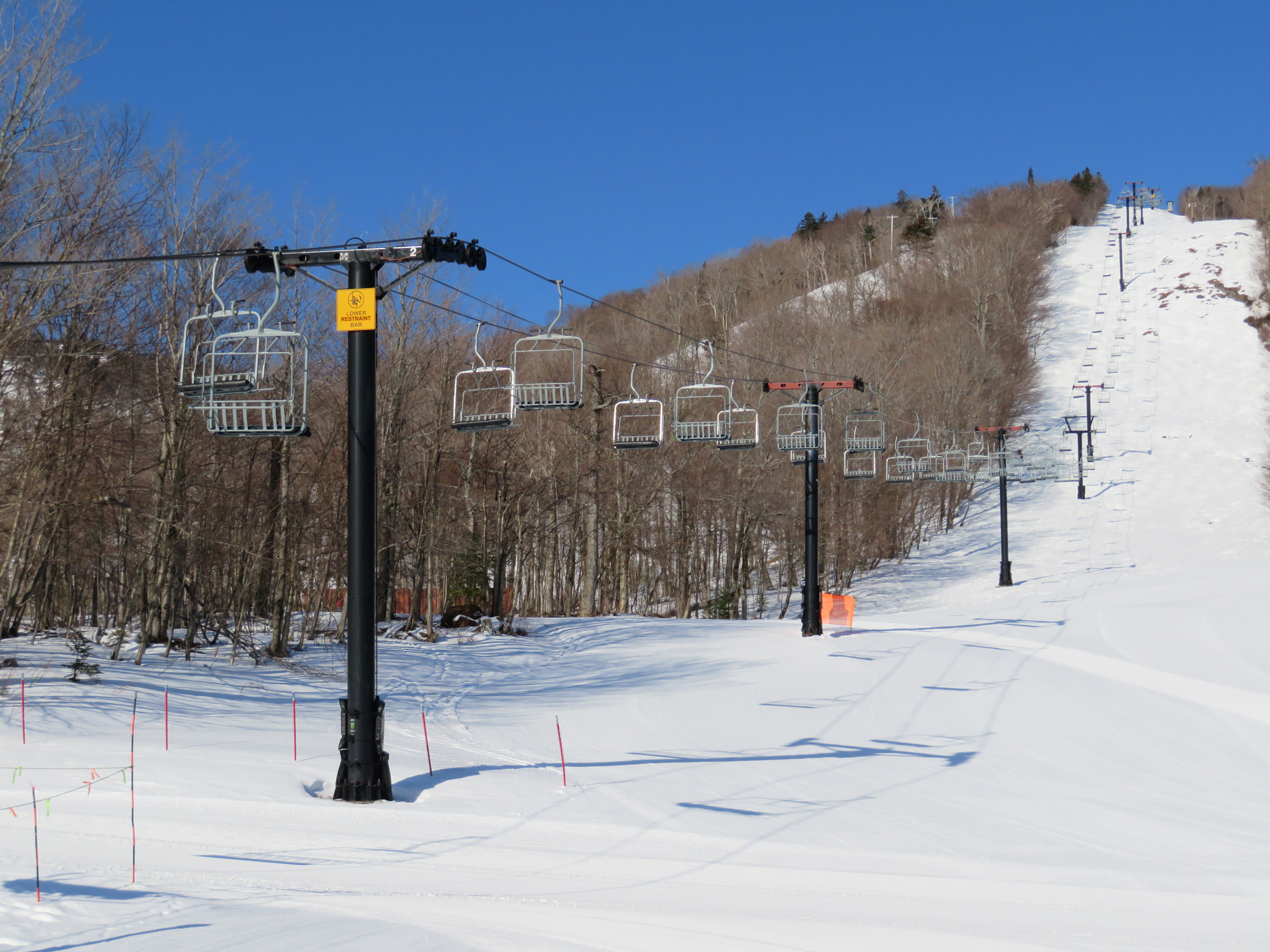
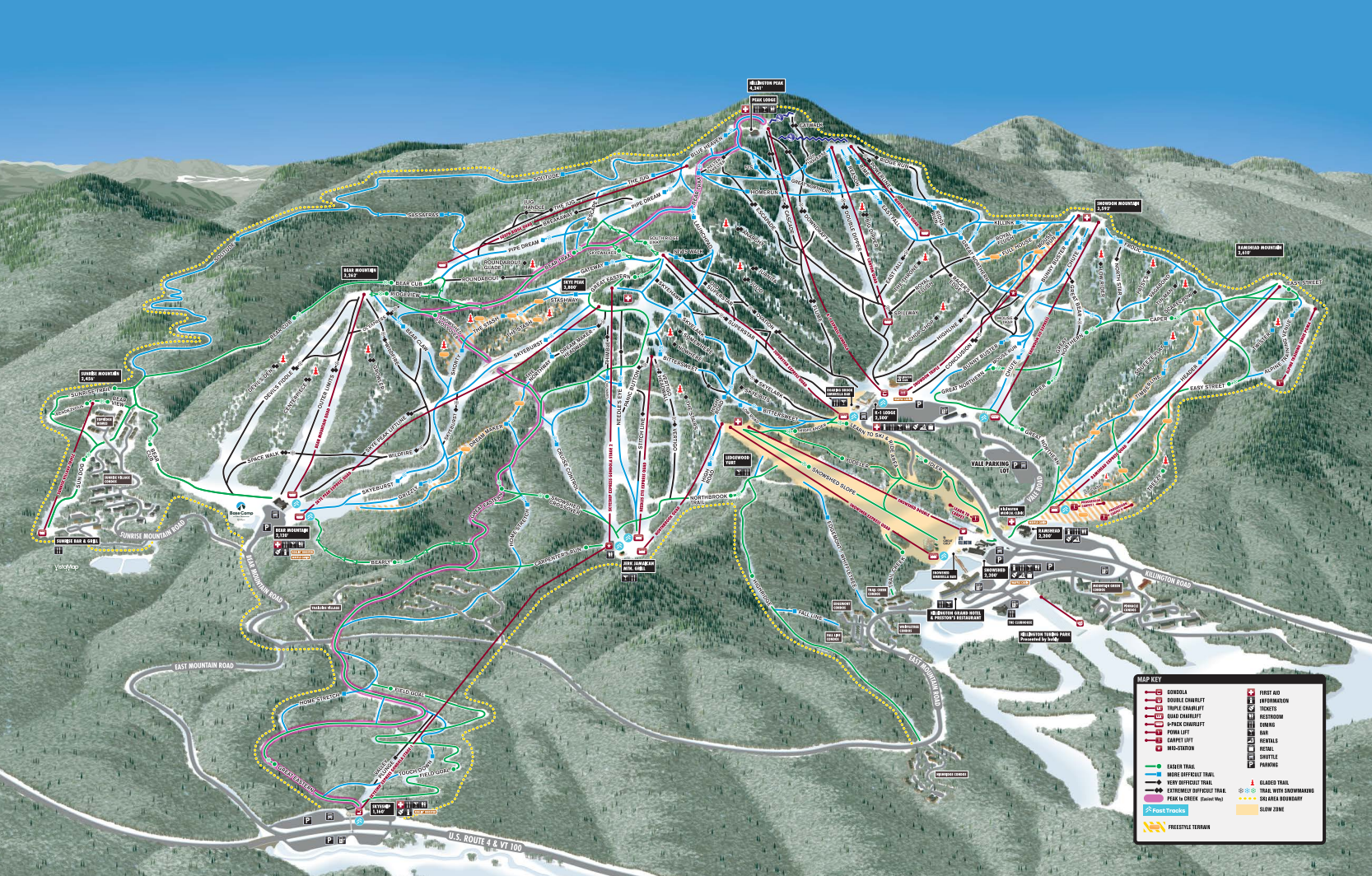
Killington Resort’s new, independent owners plan to spend $22 million on improvements next year, including construction of a new chairlift. Projects will include the fixed grip quad replacing the Snowdon triple, a lodge expansion, $2 million in snowmaking improvements and $2 million for new snowcats. The news comes at the end of a $38 million summer with Killington replacing the Superstar Express, installing new cabins on the Skyeship Gondola and rebuilding Skyeship’s cabin parking facility this offseason. By this time next year, The Beast’s new owners will have invested $60 million since purchasing Killington and Pico from Powdr in 2024.

The $6.5 million Snowdon Quad will load in a slightly different spot but follow roughly the same line as the outgoing triple, a Heron-Poma dating back to 1973. “The lift will feature fixed-grip chairs as opposed to detachable ones to help it stay operational during tougher weather events,” Killington noted. “This is part of a long-term strategy to maintain our network of fixed-grip lifts, ensuring reliable lift access to all areas of the mountain, even during inclement New England weather.” From the top of Snowdon, guests can access both the North Ridge Quad and Canyon Quad even if the nearby K-1 Gondola and Snowdon Six Express are closed. A manufacturer for the new lift was not announced though Doppelmayr built the new Superstar six pack this summer. Otherwise Killington operates an extensive fleet of Leitner-Poma equipment.

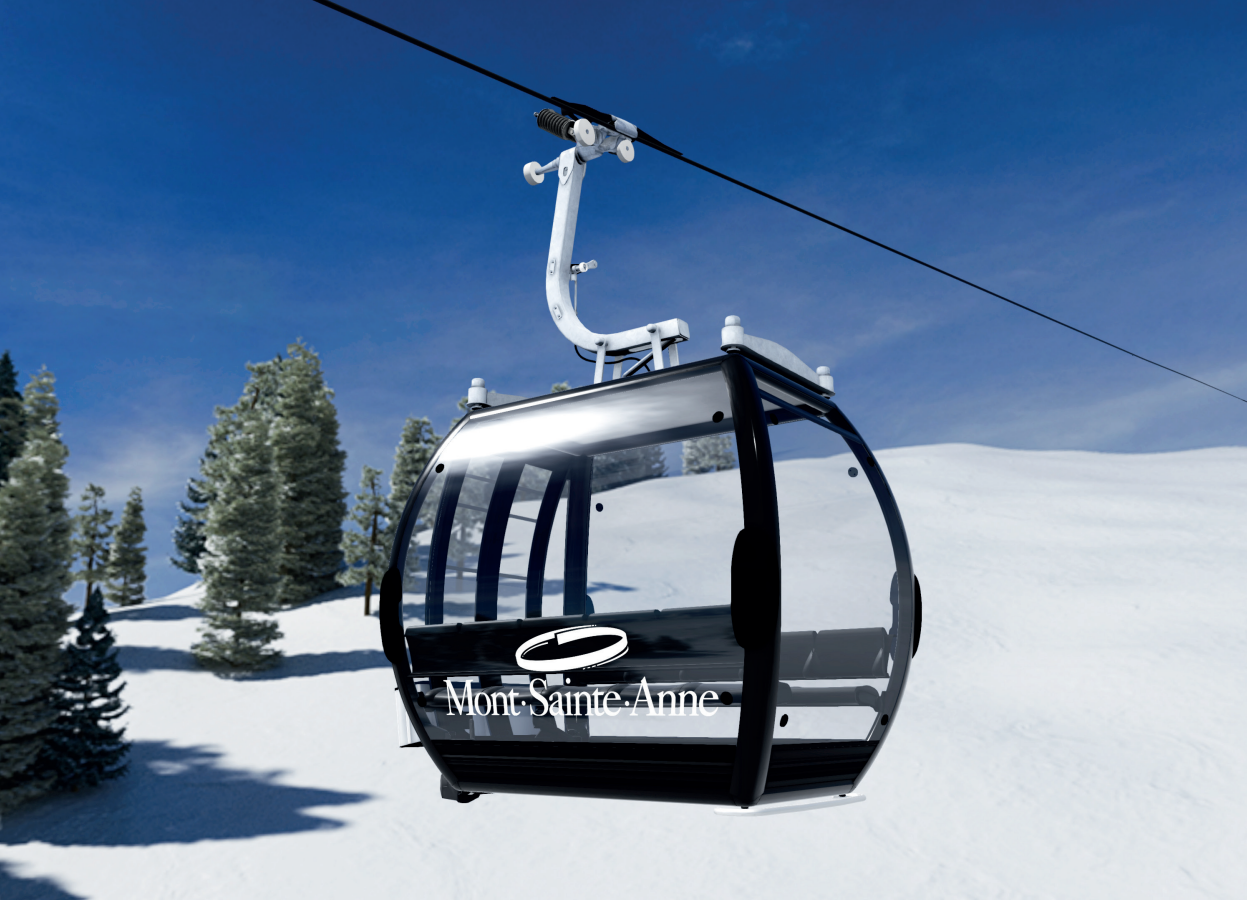
New Sigma Diamond cabins for the Skyeship Gondola awaiting installation.

Construction will begin in the spring and the Snowdon Quad is expected to open for the 2026-2027 ski season.

Caberfae Peaks Announces Green Mountain Expansion

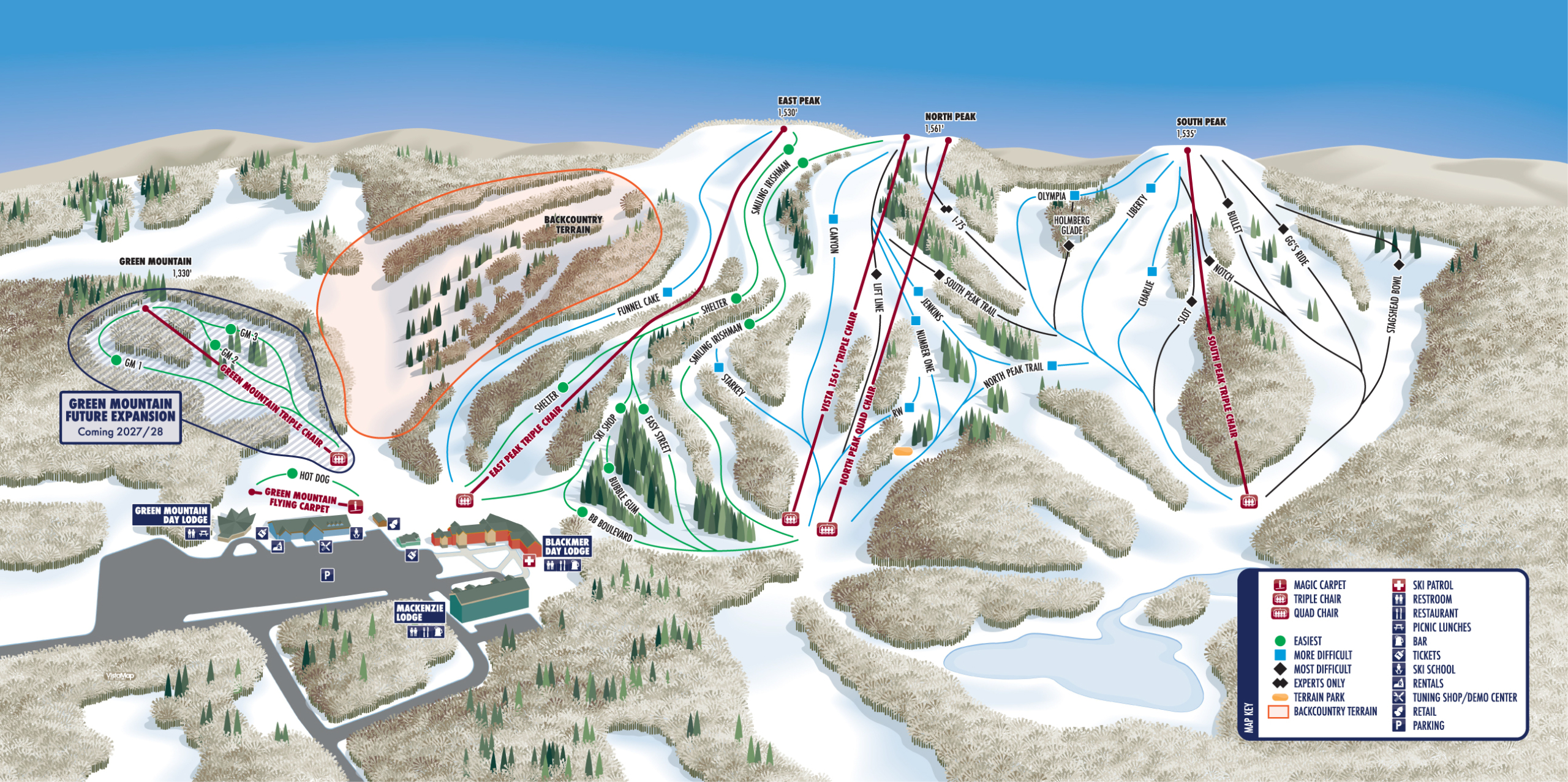
Caberfae, Michigan will build a Doppelmayr triple in 2027, servicing several new beginner trails on Green Mountain. The project follows construction of similar Doppelmayr triples on North Peak in 2016 and East Peak in 2022. This new lift will bridge a progression gap between the learning area and more difficult terrain on East Peak. “We are thrilled to begin this terrain expansion,” said mountain manager Pete Meyer. “Our skiers and riders will now have a dedicated, lift-served area to build confidence and skills before moving on to larger, more challenging slopes.”

Construction is already underway with planning, lift line clearing and grading completed in 2025, foundation and snowmaking installation planned for 2026 and steel erection following in 2027. The new terrain and Green Mountain Triple are expected to debut for the 2027-28 ski season.

Powderhorn Announces West End Replacement

Powderhorn, Colorado will welcome a new lift for its 60th season, expanding detachable access to 100 percent of terrain in 2026. The new Wild West Express will replace the venerable West End double, which has served the western half of the resort since 1972. The new lift will cut ride time by more than half from 13-plus minutes to about six. Pending Forest Service approval, Wild West will follow a shorter alignment terminating 700 feet below the current top station.

Leitner-Poma of America, headquartered in nearby Grand Junction, will realize the project utilizing parts from the former Elk Camp lift at Snowmass. LPOA plans to overhaul both terminals, rebuild sheave assemblies, replace the electrical drive system and supply new grips. Leitner-Poma and Powderhorn completed a similar refurbishment to create Powderhorn’s other detachable, the Flat Top Flyer, in 2015. That project included used equipment from Marble Mountain in Newfoundland, Canada. Interestingly Poma constructed both Elk Camp and the Marble lift in 1995 and the two machines will reunite at Powderhorn 30 years later. “Powderhorn has a special place in my heart, both personally and professionally,” said Daren Cole, President and CEO of Leitner-Poma and former Powderhorn general manager. “Our teams are excited to work on our hometown mountain. Once the lift goes through our rigorous refurbishment process, it will feel like a brand-new installation. Powderhorn is an essential asset for this community, and we are honored to be a part of their future.”

Powderhorn is one of six regional mountains operated by Pacific Group Resorts and a new detachable is a big deal for the company which last built a lift eleven years ago. “This is a major step forward for Powderhorn,” noted Powderhorn General Manager Ryan Schramm. “Installing a high-speed lift on the west side of the resort will feel like opening new terrain,” he continued. “The old West End lift was long enough that most people only did a run or two before returning to the Flat Top Flyer. This upgrade marks the next chapter in our commitment to invest in the resort’s future and enhance the guest experience across the mountain.” Construction is expected to commence in summer 2026 with opening planned for the 2026-27 ski season.

Powder Mountain Announces Several More Lifts

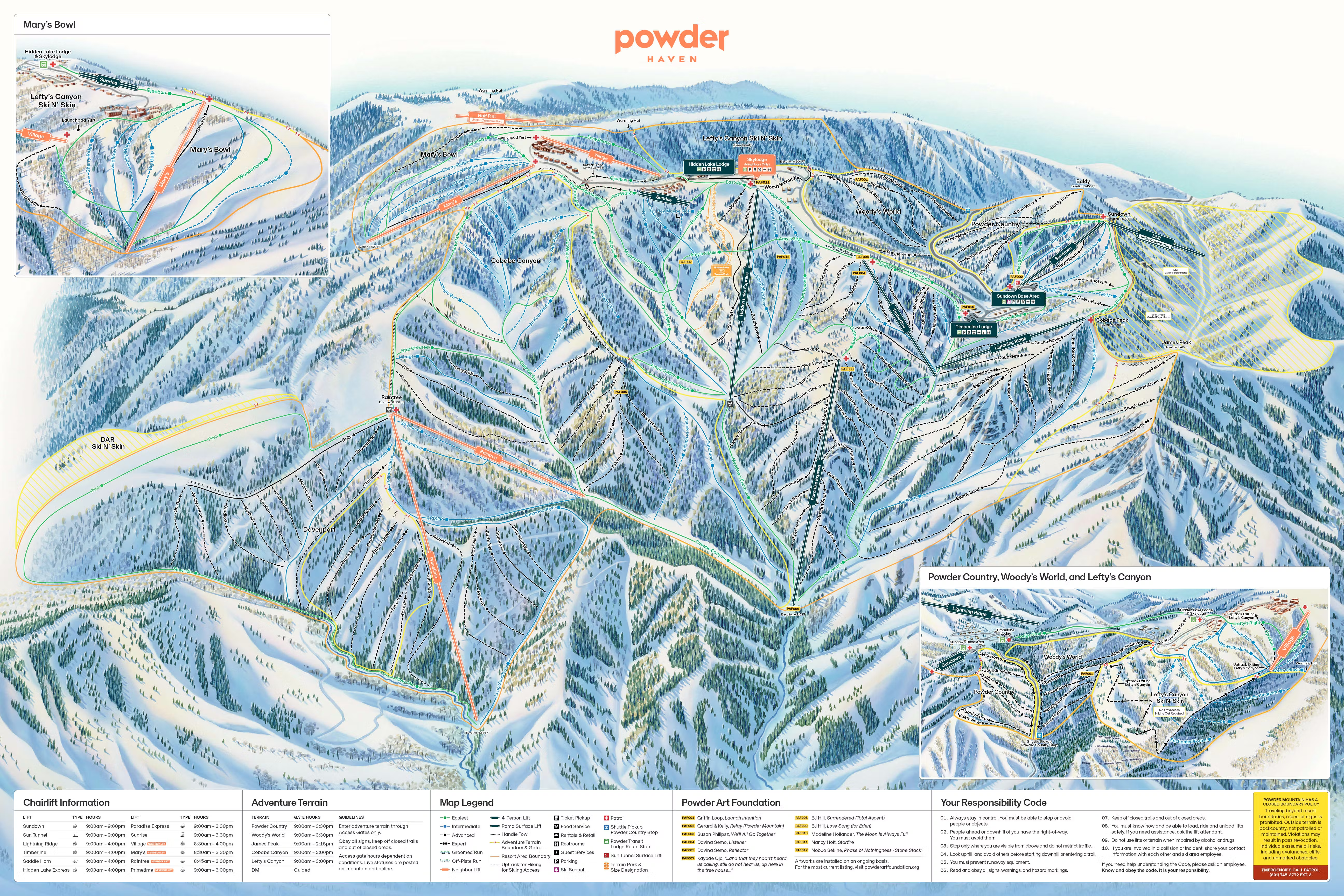
Three more chairlifts are coming to Utah’s Powder Mountain over the next two years, though you’ll need to purchase a house or know someone with one to ride two of them. First, a bit of background. Ever since Powder Mountain’s founding in 1971, the ski area struggled to generate enough cash for growth and capital improvements. The volume of skiers venturing beyond more accessible resorts like Park City and Snowbird was never enough to match the ambition and available terrain at PowMow. Not a single new lift was constructed from 1976 to 1993 while dozens popped up across the Wasatch including an entire new ski area named Deer Valley. Fixed grip doubles and triples serviced the bulk of Powder Mountain’s terrain well into the mid-2000s. A couple different owners tried their hands at PowMow over the following years with only modest growth.

Fast forward to 2023 and Netflix co-founder and chairman Reed Hastings purchased a controlling stake in Powder for $100 million. He quickly pivoted to a bifurcated model where real estate sales and private skiing would subsidize a smaller public mountain. The public side would continue to be known as Powder Mountain with the private complex dubbed Powder Haven. Two existing lifts, Village and Mary’s, were removed from the public area and reserved for homeowners only. Last year, Hastings constructed four new lifts, three of which opened to the public. Raintree became the first all-new lift to be reserved exclusively for real estate owners. The public gained new access to Lightning Ridge. This season Powder will span 8,000 acres, making it the largest mountain in North America (with several caveats.)

Powder Haven Davenport expansion and Primetime lift alignment.

Powder broke ground on three more lifts this summer, one of which will be public and two private. I’m told the initial plan was for all three to be completed this summer but permitting delays recently pushed two to next year. The first to open will be Primetime, a Leitner-Poma detachable quad servicing the all-new Davenport territory and topping out next to Raintree. Davenport makes up “1,000 gnarly acres of powdery glades and cut runs on the northeast face of the mountain,” notes Powder Haven’s sales site. “Serviced by a new high-speed detachable lift, Davenport is ready and waiting for those ready to push their limits and let it rip on some of North America’s most uniquely challenging terrain.” Primetime will become the first detachable quad at Powder open exclusively to homeowners and their guests. It will also be the lowest elevation lift at Powder, increasing the mountain’s vertical to 3,346 vertical feet – if you have means to access it.

Powder Haven Half Pint lift line.

Next summer a fixed grip quad will rise to service the private Shelter Hill neighborhood. Its 39 homesites will encompass “a blend of family retreats and bespoke enclaves, each one rare and distinctive in its own way,” the sales deck notes. Skytrac will install the lift, called Half Pint, utilizing CTEC equipment from the former Paradise quad. “Private ski slopes glide down the mountain below,” says the website. “All around, panoramic views and a closeness with the wild world around you.”

By next season Powder Haven will swell to 2,700 private acres, making it larger than most US ski areas with five dedicated chairlifts. A 73,000 square foot lodge is set to open for winter 2027-28, designed by the same architect as the Yellowstone Club, Spanish Peaks and the Ritz-Carlton Bachelor Gulch. The private facility will include a rock climbing wall, thermal pools and omakase experience, among other amenities.

Powder Mountain DMI expansion

The public can look forward to a new DMI lift, scheduled to open for winter 2026-27. This Skytrac triple will service some of the steepest terrain at PowMow, currently accessed only via guided expedition. The lift will rises out of Wolf Canyon and terminate at the top of Sundown. DMI will add 900 acres of lift-served and 147 acres of hike-to access, for a total of 1,047 acres of public advanced terrain. With the addition of DMI, Powder Mountain’s public lift fleet will span two detachable quads, four modern fixed grip chairlifts and several surface lifts. The future of the Sunrise Poma is unclear, woefully under capacity with equipment over 30 years old and a potentially private Cobabe lift earmarked for the same vicinity.

Powder continues to buck industry trends, shunning multi-mountain passes and reserving peak weekends for season passholders again this season. “Escape the Masses,” Powder’s public homepage proclaims. I hit Powder Mountain several times last winter and its was indeed uncrowded and powder-filled, even on weekends. In a letter to passholders last year, Hastings wrote “the previous business model was failing. While we’ve historically been uncrowded and inexpensive, we’ve been losing money, not upgrading lifts or lodges, and building up debt,” he said, simultaneously announcing increased prices but eliminating a cap on the number of season passes sold. “The rise of Epic and Ikon have made the independent ski resort business very challenging, and we likely would have been acquired by one of the mega pass owners had we stayed on the old model…Our Wolf Canyon expansion, alongside limiting day ticket sales and not accepting mega passes, continues to fulfill our promise of keeping Powder Mountain uncrowded, independent, and truly a special experience for generations to come.”

Stratton to Replace Tamarack Lift

Stratton Mountain plans to build its seventh detachable lift, a quad replacing the aging Tamarack triple. The new chair will follow the existing alignment with the top terminal shifting slightly uphill. Stratton applied for Vermont Act 250 approval on August 22nd. Drawings show Doppelmayr as the builder utilizing UNI-G equipment at a cost of $8.5 million. The new lift will utilize a bottom drive, top tension configuration with a manual parking rail adjacent to the bottom station. The alignment will utilize 10 towers along a 575 foot vertical rise.

Tamarack Express will be Stratton’s first new chairlift in eight years and improve access to beginner and low intermediate trails. I’m told the goal is to install the lift ahead of the 2026-27 season, subject to environmental approval.

Sun Valley Plans Two New Lifts in 2026

Sun Valley Resort’s Bald Mountain will see two upper mountain lift upgrades for the 2026-27 season. Lookout Express will be upgraded to a detachable six pack and Christmas will be replaced by a modern detachable quad. Both outgoing machines are Yan high speed quads dating back to 1993 and 1988, respectively. A new Christmas was originally approved as a gondola-chairlift combination lift but in the end will only include chairs. A new lift maintenance facility is also planned near the summit of both lifts. “With today’s announcement, Sun Valley is embarking on another round of major investments in the mountain,” said Pete Sonntag, COO of Sun Valley Resort. “The replacement of Christmas and Lookout Express chairlifts will ensure fast, reliable access to some of Sun Valley’s best terrain for many years to come,” he continued. A manufacturer was not announced as Sun Valley is still working through the contract process. Baldy currently operates a mostly Doppelmayr fleet.

These projects will be the fourth and fifth new lifts for family-owned Sun Valley in four years. New Challenger and Flying Squirrel opened in 2023 and an upgraded Seattle Ridge debuted in 2024. By winter 2026-27, Sun Valley will have replaced five of its seven Yan detachable quads built between 1988 and 1994. The final two, Frenchman’s and River Run, are going through replacement scoping now with no set timeline for construction. They probably won’t be around for long as Sun Valley’s parent company, Grand America Hotels & Resorts, has been investing heavily in both its ski resorts of late. Sun Valley’s sister mountain, Snowbasin, has similarly added three marquee lifts in the past five years. That’s eight new lifts in five years for the company – all detachable.

In partnership with the Forest Service and Bureau of Land Management, Sun Valley will host a community open house and public comment opportunity next Monday, July 21st. It will be held at the Community Library from 4:30 to 6:00 pm.

Park City Looks to Replace Canyons Village Cabriolet

Park City and the Canyons Village Management Association today announced plans (pending approval) to retire the aging Cabriolet, which carries guests from a lower parking lot and transit center to Canyons Village. The new lift would be a gondola, though specifics on cabin size and design will be detailed later this month. The one year build is expected to follow closely behind the Sunrise Gondola, slated to open this coming winter between Canyons Village and Red Pine Lodge.

Open air cabriolets became popular in the 1990s as a way to efficiently move guests over relatively short distances. These lifts were usually chosen to quickly move crowds between parking lots and villages. On the plus side, they’re efficient people movers and rarely stop. On the less great side, they require guests to remain standing while exposed to the elements and don’t easily accommodate bikes.

Intrawest installed four cabriolets between 1994 and 2008 (at Tremblant, Mountain Creek, Panorama and Winter Park) while American Skiing Company’s lone cabriolet debuted at The Canyons in 2000. At opening, The Canyons Cabriolet carried 3,000 passengers an hour in 40 eight place carriers. Talisker Corporation inhereted the lift when it acquired The Canyons in 2007 and Vail Resorts took over operations in 2013 while combining Park City and The Canyons into one mountain. The Cabriolet kept spinning through all this change, reliably transporting thousands of skiers each day from 7:00 am to 7:00 pm.

The new gondola would be designed to “enhance mountain accessibility for lodging guests, base and mid village area residents, and day skiers and snowboarders,” Vail Resorts said in an email to media. This opens up the possibility of an intermediate station. The new lift would also likely feature larger cabins to service the new Canyons Village Parking Structure. Park City broke ground on the expansive new garage and pedestrian plaza this spring. The first phase will open in 2025-26 with 653 parking spaces. The full five story, 1,850 stall facility is expected to debut in winter 2026-27 alongside the new gondola, again pending approval.

Residents can learn more about the project at an Open House on July 14th.

Sugar Bowl to Build New Gondola

Seventy three years after building the West Coast’s first gondola, Sugar Bowl will invest in a brand new gondola for 2026. The eight passenger, Doppelmayr D-Line system will anchor a major revitalization encompassing multiple lodges and facilities. The new gondola will run from an overhauled parking garage along Donner Pass Road to North America’s only snowbound village at the base of the Disney Express.

CTEC manufactured the current Village Gondola in 1983, carrying four passengers at a time between the parking area and village. The low angle gondola traverses over several roads, past several railroad tracks and under high voltage power lines. Historically the system ran 24 hours a day during the winter season. Recently it has operated less and become subject to frequent maintenance closures. The new lift will be more reliable and one of two new D-Line gondolas in Tahoe next year, the other being at Homewood Mountain Resort.

The new Sugar Bowl gondola is expected to be completed in November 2026.

Quebec’s First Skytrac Coming to Mont Sutton

Mont Sutton plans to revitalize its teaching side of the mountain in 2026 with a fixed grip quad from Skytrac. The new lift will replace three aging Mueller doubles and become the first Skytrac in Quebec. The news marks a significant milestone as Doppelmayr dominates the Quebec market and its 75 ski areas (more mountains than any other Canadian province or US state.) Skytrac’s expansion into Canada has been measured thus far with the first Monarch in Canada debuting in 2018 and three projects following at Searchmont, Ontario in 2020, 2021 and 2022. The Leitner-Poma subsidiary has yet to build any lifts in Western Canada.

Sutton’s new lift will load near the main chalet and transport 2,400 skiers per hour. It will feature a loading conveyor and greatly improve the learning experience for beginners and intermediates. As part of the project, Mont Sutton will move an existing conveyor lift, add a second conveyor, implement RFID gates and improve snowmaking around the new chair. The CA$8 million lift project, funded in part by the Government of Quebec, represents the largest investment in the resort’s 65 year history. “This announcement is the culmination of the planning work of all the teams over the past few years,” noted Jean-Michel Ryan, President and CEO of Mont Sutton. “The Skytrac quadruple chairlift, thanks to the quality of the overall proposal made by Poma Canada, meets all the essential criteria sought by Mont Sutton.” Construction is expected to commence in spring 2026 and be complete in time for the 2026-27 ski season.

Cooper Master Plan Prescribes Four New Lifts

Colorado gem Ski Cooper is thriving among giants. Over the past ten seasons, visits have grown 63 percent, fueled in part by affordable lift tickets. Last winter, a midweek ticket cost $45, regardless of the time or method of purchase. Peak days cost $110 with Fridays and Sundays running a bit less. Surrounded by Copper Mountain, Vail, Breckenridge and Beaver Creek; Cooper’s customer base naturally skews local. But the hill also attracts a growing number of skiers from the Front Range and surrounding states, owing to its accessible tickets and laid back character.

Cooper is an outlier, especially in Colorado. Lake County owns the fixed assets like buildings and the hill straddles two National Forests. Operations are handled by Cooper Hill Ski Area Inc., a 501(c)4 nonprofit organization. Last year the mountain brought in $6.8 million in revenue, more than triple its sales in 2011. Expenses have also creeped up but not as quickly as revenue. The ski area netted $1.1 million in 2024 and carries no debt. This model has allowed consistent re-investment including a new conveyor lift in 2006, the Little Horse T-Bar expansion in 2019 and overhaul of the Piney Basin triple in 2021. Future improvements will be funded by retained earnings, not debt or taxpayer funds.

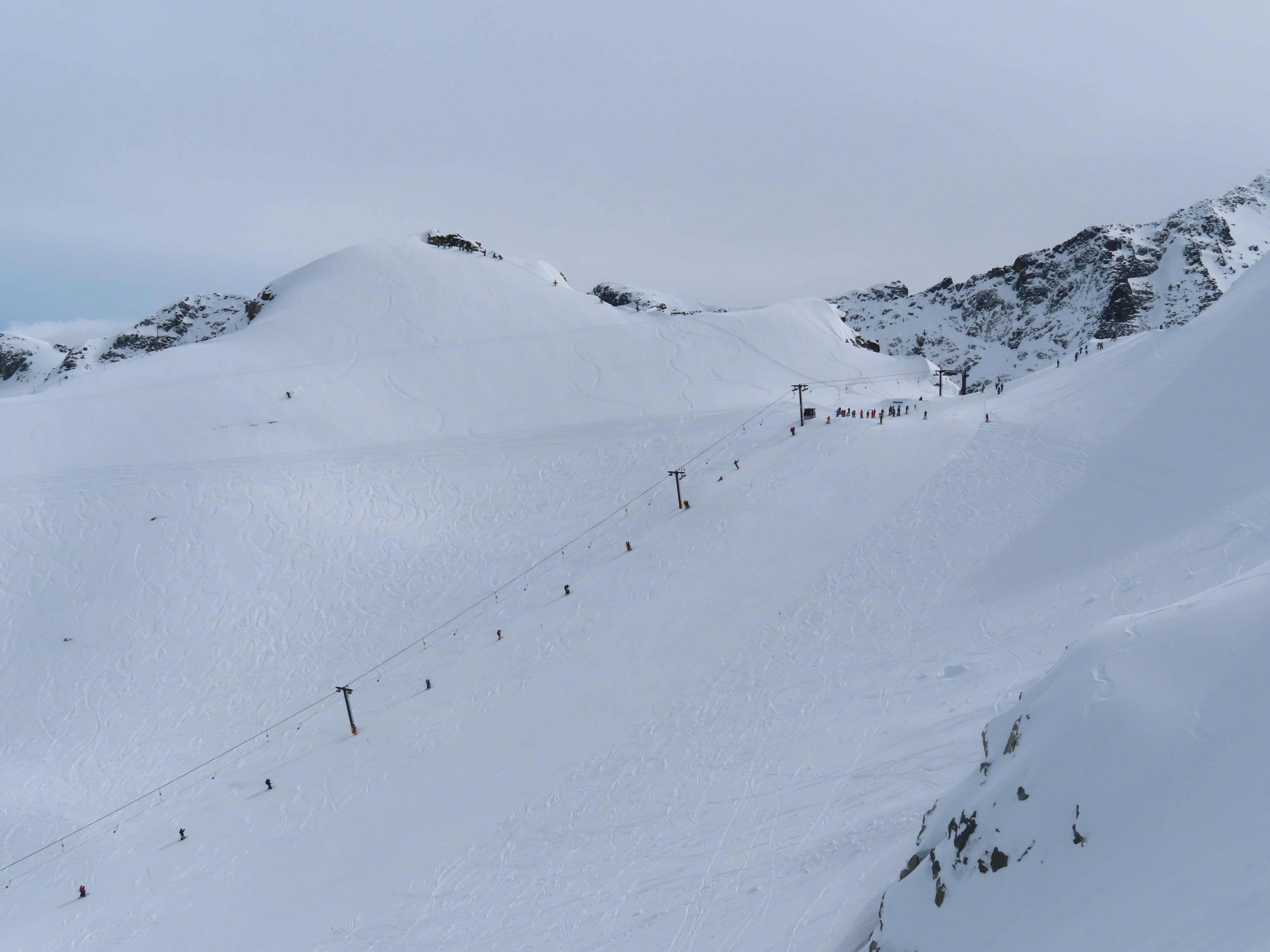
View down the Little Horse T-Bar line with Chicago Ridge and the proposed Sawmill double lift line in the background.

Because Cooper sits on Forest Service land, it’s required to periodically file a Master Development Plan (MDP.) The current master plan dates back to 1999 and Cooper is in the final stages of perfecting its 2025 Master Development Plan. The ski area expects to submit the plan to the Forest Service in July for acceptance. Like with all MDPs, projects are conceptual in nature and subject to NEPA approval before implementation. Unlike most master plans, Cooper’s 2025 MDP includes projected costs and phasing. In true Cooper fashion, it was prepared in house rather than by a consulting firm.

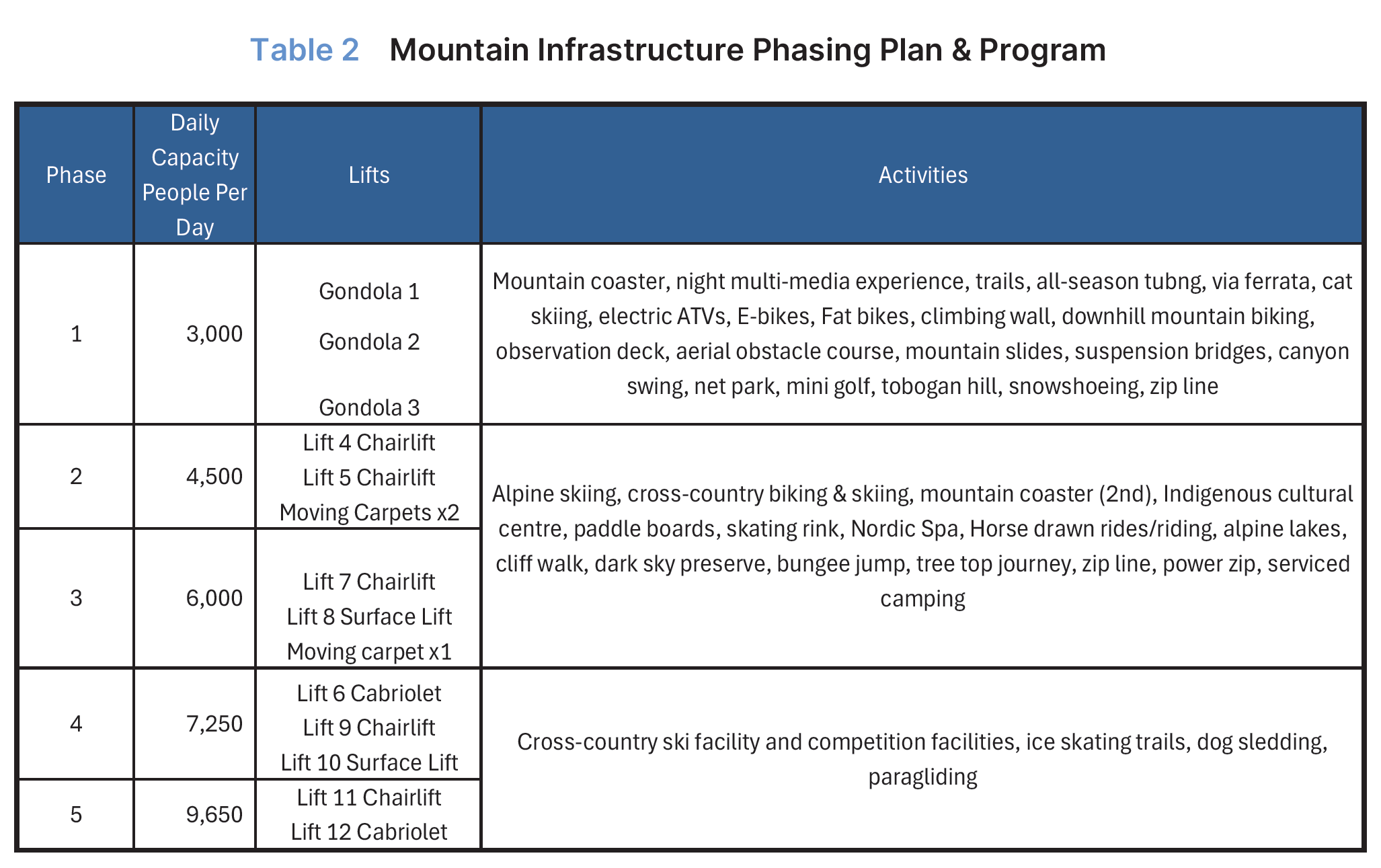
Phase one includes relief for the base-to-summit 10th Mountain Double. Replacement of the workhorse 10th has long been envisioned and was first approved in 2000. Instead of replacement, Cooper now plans to run a new fixed grip quad alongside the double and utilize both on peak days. The new quad combined with water/sewer upgrades, a lodge addition and parking expansion in phase one would cost $13 million.

Phase two would see a new lift constructed on Chicago Ridge called Sawmill. This double chair would serve 250 acres within Cooper’s existing permit area but never previously lift-served. Sawmill would rise 1,093 vertical feet and increase Cooper’s overall vertical drop by 382 feet. “A future Master Plan may envision further lift served use of the Chicago Ridge area within the SUP,” the plan notes. New double chairs are exceedingly rare in the United States with the last one installed at Arapahoe Basin in 2020. The last instance before that was six years earlier at Crystal Mountain, Washington. Like with those examples, a double would allow Cooper to service intermediate and expert terrain with a relatively fast lift (550 ft/min) at relatively low cost. Expansion up Chicago Ridge would also require a new patrol facility, skier bridge and trail improvements. Together with a second beginner conveyor in the base area, phase two totals $12 million.

Phase three includes Cooper’s first-ever snowmaking system and a second new double chair called Hoyt’s. This lift would service 60 acres of intermediate-pitched meadows on the west-southwest face of Cooper Hill. Hoyt’s double would span approximately 4,000 feet with a vertical of 942 feet and five new trails.

A third project in phase three is a replacement for the Buckeye Platter, which dates back to 1983. This project is planned as a T-Bar, increasing capacity by 120 percent. The mountain’s second T-Bar could run at a speedy 600 feet per minute with an intermediate unload station. Combined with a new lodge and additional parking, phase three is estimated to cost $14.5 million.

Cooper’s current comfortable carrying capacity (CCC) totals 1,819 guests but gets exceeded several times most winters. If all MDP projects are completed, the ski area could comfortably accommodate 3,682 guests, effectively doubling capacity. “Ski Cooper’s goals are to continue operating at less than full capacity, but add lifts, lift capacity, and terrain in order to improve circulation, keep wait times at lifts at a comfortable level, improve overall terrain offerings, and therefore maintain the reliably high-level ski experience Ski Cooper’s guests have come to expect,” the plan notes.

Lake County is currently soliciting feedback on the plan before submittal to the feds.