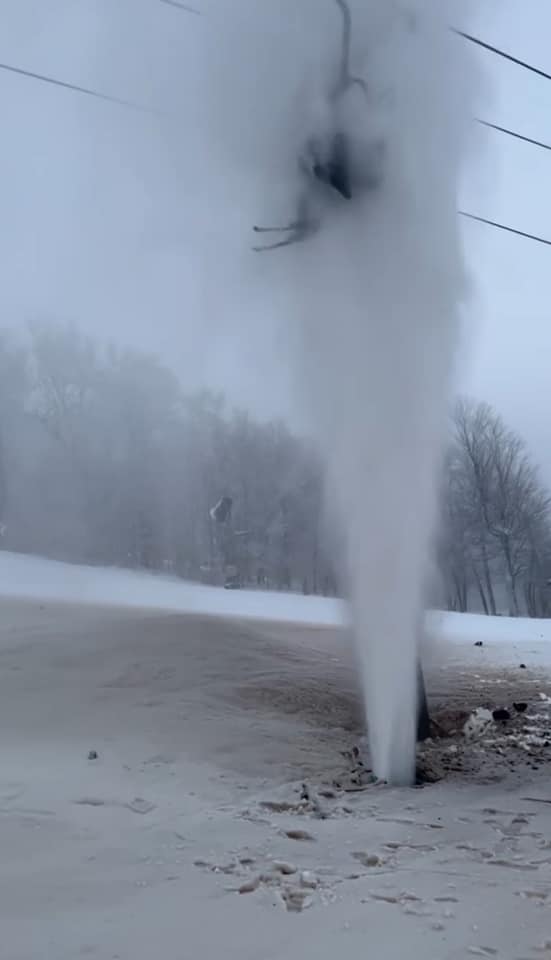
An unfortunate situation was caught on video yesterday at Beech Mountain, North Carolina when a skier hit and broke a snowmaking hydrant under the #1 double. Now viral videos show guests struggling to stay in chairs as high pressure water hits them from below. Some chairs swing violently and it appears a few riders jumped or fell from the lift. At one point the lift stopped with two people directly in the path of the spray.
“On Friday, January 7, an uninjured guest skied into a water and air hydrant during snowmaking operations,” read a statement from resort management. “The hydrant was under a loaded chair, resulting in several patrons getting wet. Our operations and safety team worked diligently to unload the lift and drain the system safely. Avery EMS transported two patrons to a local hospital with non-life-threatening injuries. We believe everyone is okay outside of the unfortunate situation, and operations are on a regular schedule.”
A similar incident occurred at Stratton Mountain, Vermont in 2018. In that case, a snowmaking pipe burst and sent water toward gondola cabins, causing them to swing. No one was injured in that mishap.
The new year started with a long, cold night for a group of Sandia Peak employees. Late on New Year’s Eve, the resort’s aerial tramway stopped midway through a trip due to icing of cables from precipitation and high winds. Twenty passengers in cabin 2 and an attendant in cabin 1 were stuck until early this afternoon. The tram cars are not heated but rescuers were able to climb tower 2 and provide one of the cabins with food, water and emergency blankets. By 2:00 pm, a number of passengers had been lowered down from that cabin and taken off the mountain by helicopter.
The other cabin was not at a tower and the lone occupant took longer to rescue. “We are happy to report that at this time all people needing rescue from the Tram cars have been rescued and are safely at base,” the Bernalillo County Fire Department tweeted just before 4:00 pm. “We still have rescue personnel on the mountain who are hiking out due to difficulty in making access with the helicopter.” Much of the rescue operation was broadcast live on Facebook by the Bernalillo County Sheriff’s Office.
The tram was built by Bell in 1965 and is the fourth longest ropeway in North America. It travels over extremely rugged terrain with no road access for most of its length. The system also stranded riders for a number of hours in August 2020 and dozens of people spent more than 24 hours on the tram in a 1973 mishap.
The ski area, tramway and restaurant announced will remain closed at least until Monday.
All 21 people and rescuers are off the mountain with no injuries. We want to thank BCSO, NM Search and Rescue Teams, NM State Police, and Sandia Peak Aerial Tram personnel for their assistance in making this a successful rescue. Way to start the New Year off right!!
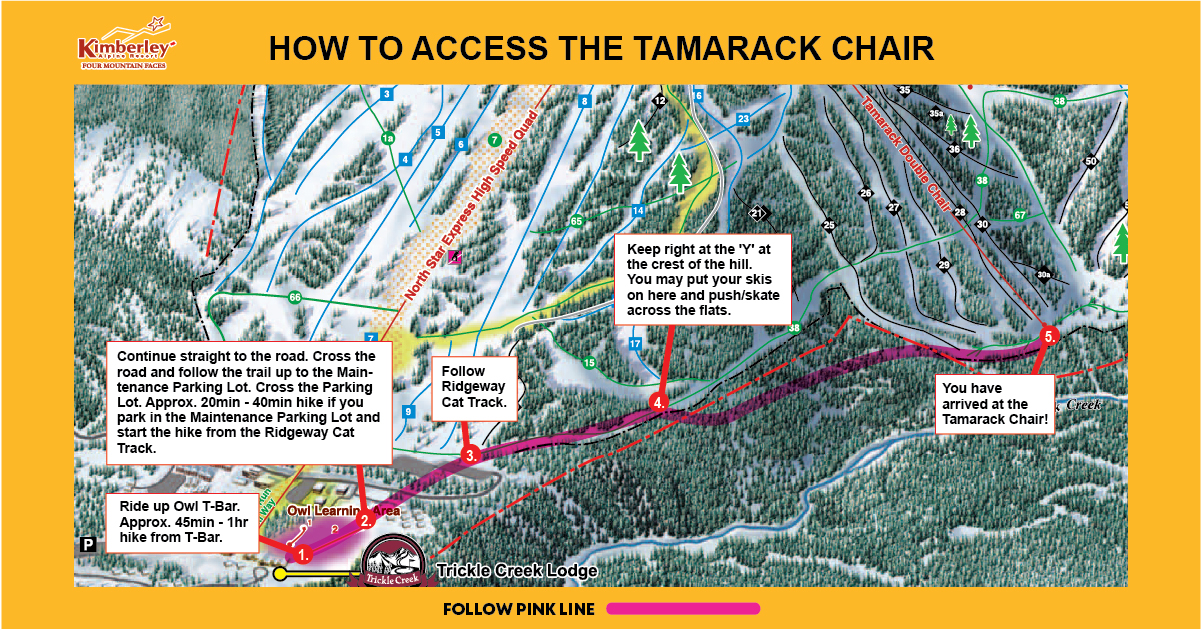
For the second time in less than a year, the community of Kimberley, British Columbia faces weeks without a lifeline ski lift. A fire ignited at the Northstar Express early Saturday morning, burning the top operator hut. While outbuildings next to lifts are usually small, they typically contain electrical components critical to operation. Thankfully, the lift was not operating at the time and no one was injured.
The resort’s website shows the last image from the lift shack taken at 1:20 am, just before the fire was reported. While fires have occurred by accident at chairlifts in the past, police are investigating to determine the cause of the blaze. The town of Kimberley was already on edge due to another early morning fire which destroyed the Kimberley Gymnastics Club on December 14th and was deemed suspicious in origin. Police have yet to make any public statements about the cause of the Northstar Express fire.
The timing of ignition the morning after opening day and just before the key Christmas period is incredibly unfortunate if not suspicious. “Our hearts also go out to everyone in Kimberley who makes a living dependent on tourism and the operation of the ski resort, including the owners of many of the businesses in town, and the great staff who work for them,” the resort said in a statement. “Please know that our main focus right now is continuing to give locals and visitors access to the great skiing and riding, and to make visiting the resort as fun and enjoyable as we can.”
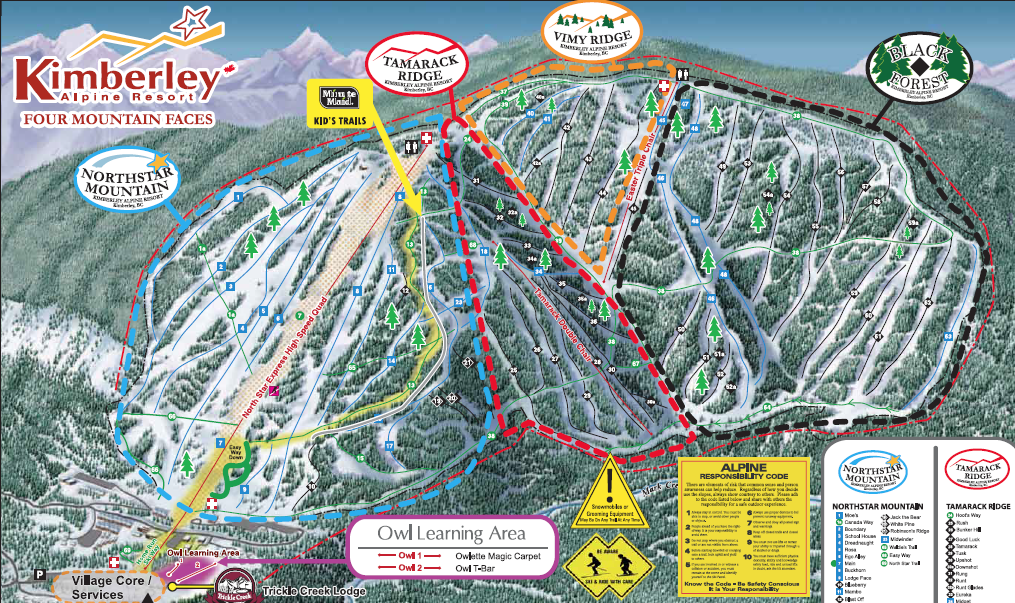
The Northstar Express is the only lift servicing the front side of the mountain and providing access to backside lifts. At one point, Resorts of the Canadian Rockies (RCR) operated four different parallel lifts on this part of the hill including a triple chair, double and T-Bar. All but the quad were removed in the early 2000s to save labor and maintenance costs associated with lifts deemed redundant. A string of setbacks now again leave the resort with two functioning chairlifts on the back of the mountain with no easy access.
There is precedent for the workhorse Northstar being out of service. On January 2nd last year, the Leitner-built quad was rendered inoperable by a gearbox failure. Kimberley lift maintenance and Leitner-Poma worked on repairs, which were completed in just over two weeks. In the meantime, the resort stayed open with uphill hiking allowed to access the backside Easter and Tamarack lifts. A similar operation is planned this time around with the addition of ski/snowboard transportation for those hiking. “Our main focus of course is getting the Quad chair up running again as soon as we possibly can,” said Kimberley. “We are working hard to source any parts we can from around the world to try to replace what was lost.” In the meantime, season passholders are invited to ski at other RCR mountains including Kicking Horse and Fernie.
The Kimberley RCMP is requesting anyone with any information that could assist the investigation to please contact them at (250) 427-4811.
Another aerial tramway has crashed in Europe, this time in the Czech Republic. The incident occurred on a two cabin reversible system on Ještěd Mountain around 2:00 pm Sunday. An attendant operating the downbound cabin suffered fatal injuries. Thirteen passengers and a dog in the upbound cabin were safely evacuated by ladder truck.
Při pádu kabiny lanovky na Ještěd zemřel její strojvedoucí. Druhá kabina zůstala viset, bylo v ní 15 lidí. Nikdo z nich nebyl zraněn, utrpěli ale šok >> https://t.co/J47x5hgVkmpic.twitter.com/v4clkD6wjl
The 4,000 foot long tramway was constructed by a Czech firm and opened in 1933. Each cabin rides on one track rope and there is a single haul rope loop made up of two segments. A major renovation of the system was completed in 1975 with electrical upgrades undertaken more recently. The lift is operated by a government-owned national railway and today was the last scheduled day of operation before a planned seasonal maintenance period. “The cause of this tragic accident is being investigated,” read a statement from the company. “Czech Railways expresses regret over the accident and sends its deepest condolences to the bereaved.”
Dnes po 14:00 hodině došlo k pádu kabiny lanovky na Ještěd. Bohužel jeden z našich kolegů pád kabiny nepřežil. Děkujeme za záchrannou akci složkám integrovaného záchranného systému. Cestující z druhé kabiny jsou v péči lékařů. Na místě probíhá vyšetřování příčiny tragické nehody.
This is the third catastrophic incident of the year on European aerial tramways. 14 people were killed in May when a haul rope broke on a tram in Northern Italy. Last month, two cabins were destroyed when a tramway failed to stop in France. That mishap occurred during maintenance and no one was injured.
Later in the day, the rail company issued a second statement and acknowledged the haul rope system failed, causing one of the cabins to fall.
We are very sorry that this tragic event has taken place and we want to express our deepest condolences to the survivors of our colleague. At the same time, we would like to thank all those who participated in the evacuation of passengers from the second cabin and took care of their transfer to safety. The cableway to Ještěd has a prescribed system of inspections, checks and revisions, which are regularly performed and records and protocols are kept about them. There is a daily visual inspection of the equipment with testing of safety features and regular maintenance every Monday. Every 14 days, the cable car undergoes a major inspection and once a month a so-called comprehensive inspection with protocol records. Major inspections are carried out on the cable car twice a year, always in spring and autumn between the summer and winter seasons. The ropes have a prescribed diagnostic inspection, which is performed for the supporting ropes every 3 years and for smaller ropes, every 2 years. The last diagnostic inspection of the tow rope took place in November 2020. Another inspection was recommended by an expert by November 2022.
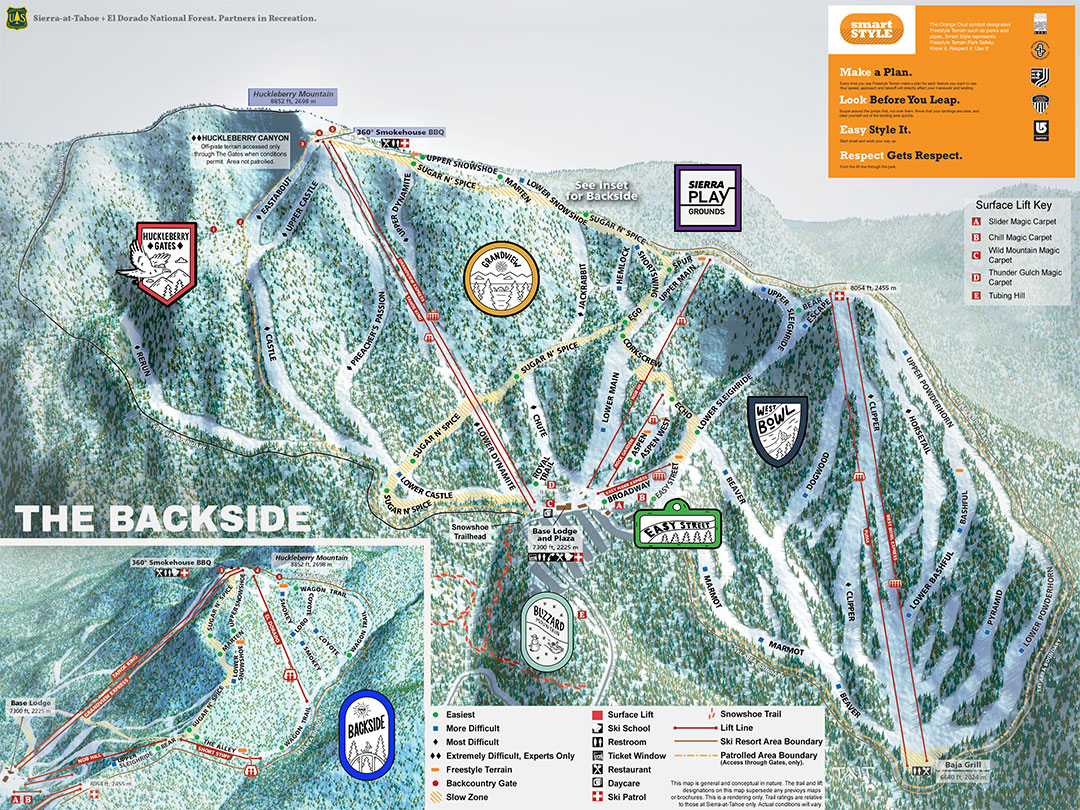
As a winter storm heads for California, significant work remains before Sierra at Tahoe can open for the 2021/22 season. It was seven weeks ago the Caldor Fire tore through the majority of the resort’s drought-stricken terrain, damaging lifts and destroying millions of dollars of equipment. Most buildings were saved but Sierra now says extensive damage and supply chain challenges could mean a later than normal start to the season with limited terrain. Parts of the ski area won’t open at all this winter, including the entirety of West Bowl and its two chairlifts.
The season will likely include the Easy Rider Express, Tahoe King, Short Stuff and El Dorado. These lifts are currently undergoing repairs along with normal annual maintenance and inspections. Short Stuff’s fire-damaged haul rope has already been replaced with a spare rope from Mammoth Mountain installed with assistance from Palisades Tahoe. Another lift which needs a new rope, the Grandview Express, will remain out of service until a replacement arrives from Switzerland. “We are focused on making repairs and restoring Sierra to optimal condition, while simultaneously navigating global supply chain and shipping challenges for essential equipment and components,” read an update posted yesterday.
In addition to the West Bowl closure, many tree skiing areas will be off limits the 2021/22 season due to dangerous conditions. Sierra at Tahoe is offering passholders next season on top of this one should they choose to stick it out. This deal also includes a $50 rebate, which can optionally be donated to a fund for Sierra employees impacted by the fire. Resort owners will match $50 donations to make them $100. Passholders who choose not to take the two year season pass options can request a full refund.
“Our opening timeframe for the 2021/22 season is still unknown, as there is a tremendous amount of work to be done in order to offer you the quality ski experience you have come to expect from Sierra,” the resort told passholders. “We are hopeful to have more clarity on an estimated timeframe for opening the resort in the coming weeks.”
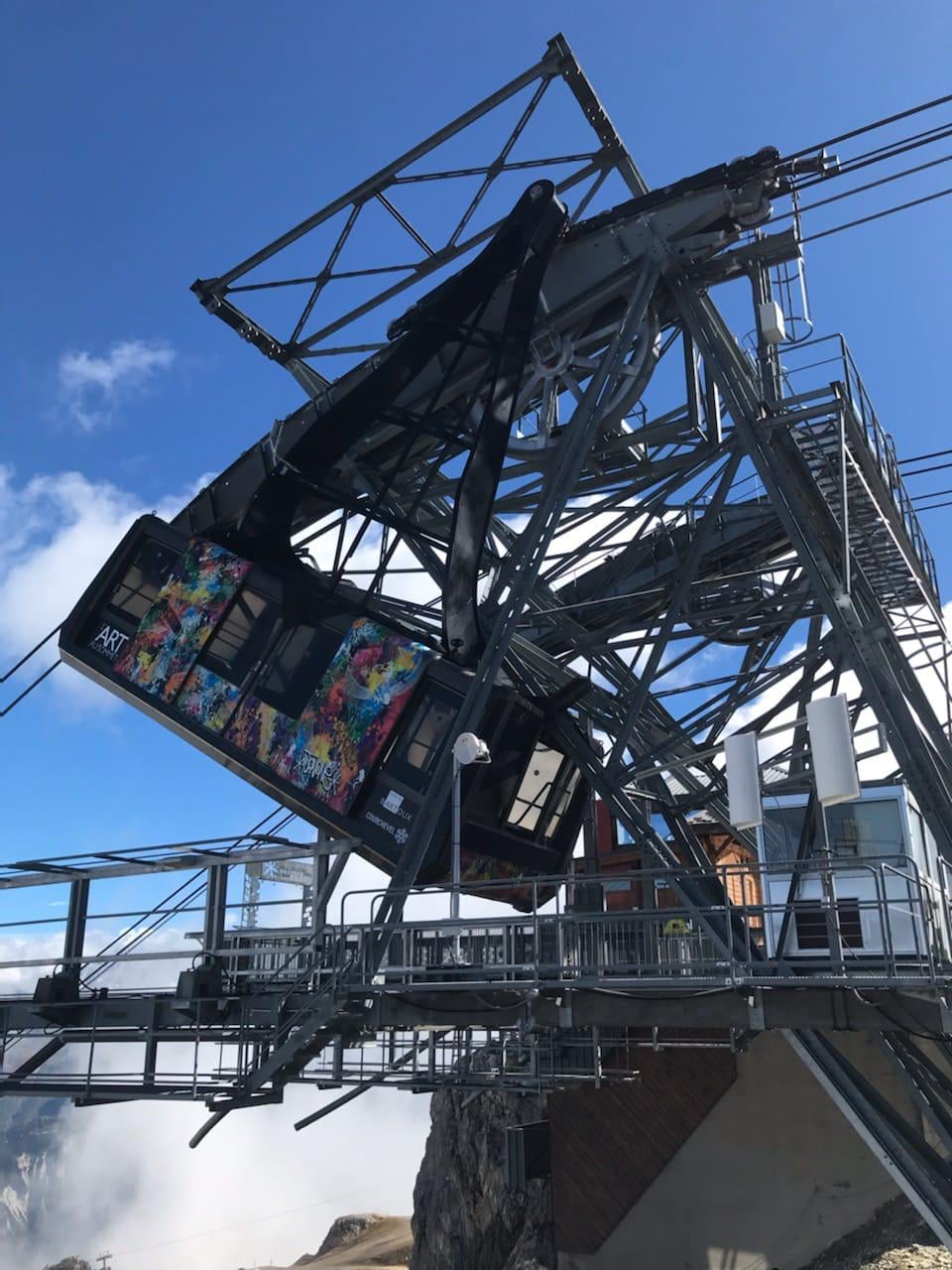
Both cabins on a 120 passenger aerial tramway collided into stations earlier today in Courchevel, France. The Saulire Cable Car was undergoing tests at the time and no one was injured. “During an annual regulatory check carried out at the technical limits of the device, an incident severely damaged the two cabins,” read a statement from the Société des 3 Vallées, operator of the tramway. “An expert report will determine the causes of the incident and the S3V will do everything in its power to restore the ropeway in complete safety.”
The Saulire tramway was the world’s largest when built by Poma in 1984. At that time its cars carried up to 160 passengers each. Both cabins were renovated in 2013 at a cost of €300,000.
Courchevel makes up one part of Les 3 Vallées, the largest ski complex in the world with 183 lifts.
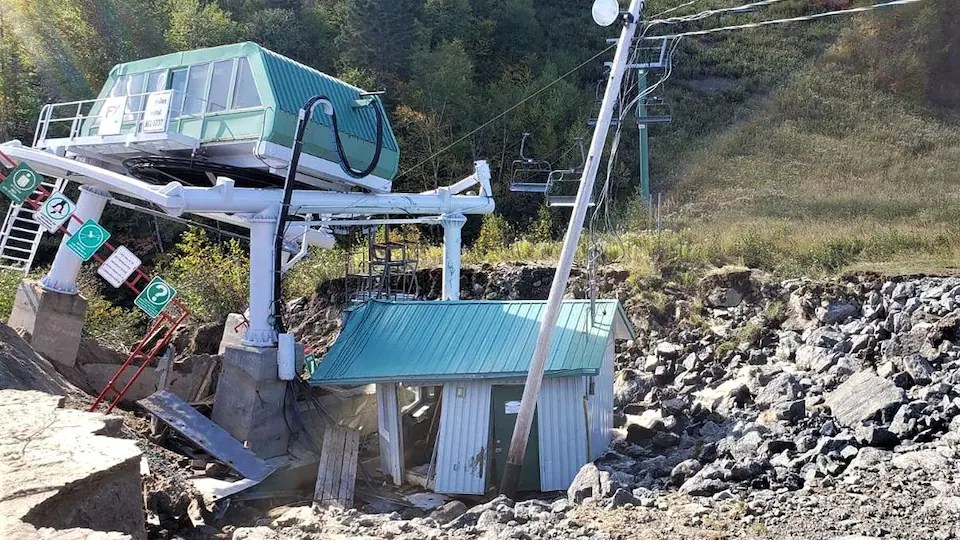
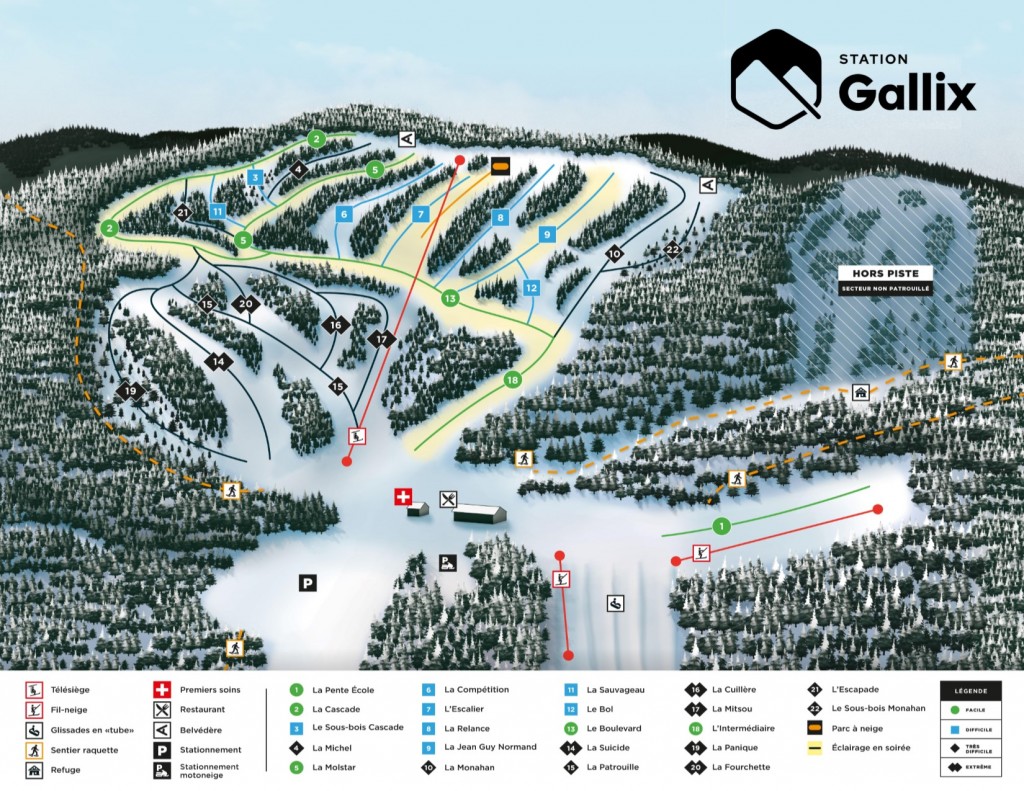
Heavy rains caused the drive terminal of a Northern Quebec ski resort’s only chairlift to collapse Sunday night. Photos from the scene show all four terminal legs and the operator house out of position with the motor room hanging precariously. The lift involved is a 1998 Doppelmayr fixed grip quad with a slope length of 2,660 feet.
“The Gallix station team is working hard to secure the perimeter of the lift pending the arrival of the supplier inspectors,” the mountain said in a statement. “During this time, we ask the public not to visit the scene because of the extreme danger of soil stability and chairlift structure. It’s still too early to conclude anything about the 2021-22 season. Thank you for your words of encouragement and understanding,” the mountain added.
The chairlift cost CA$1.5 million when it was installed. A meeting is scheduled for Wednesday between the ski area and its insurance company.
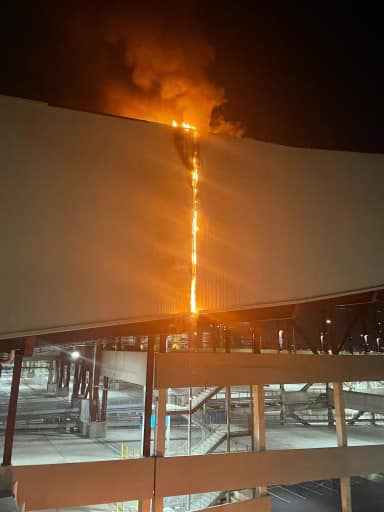
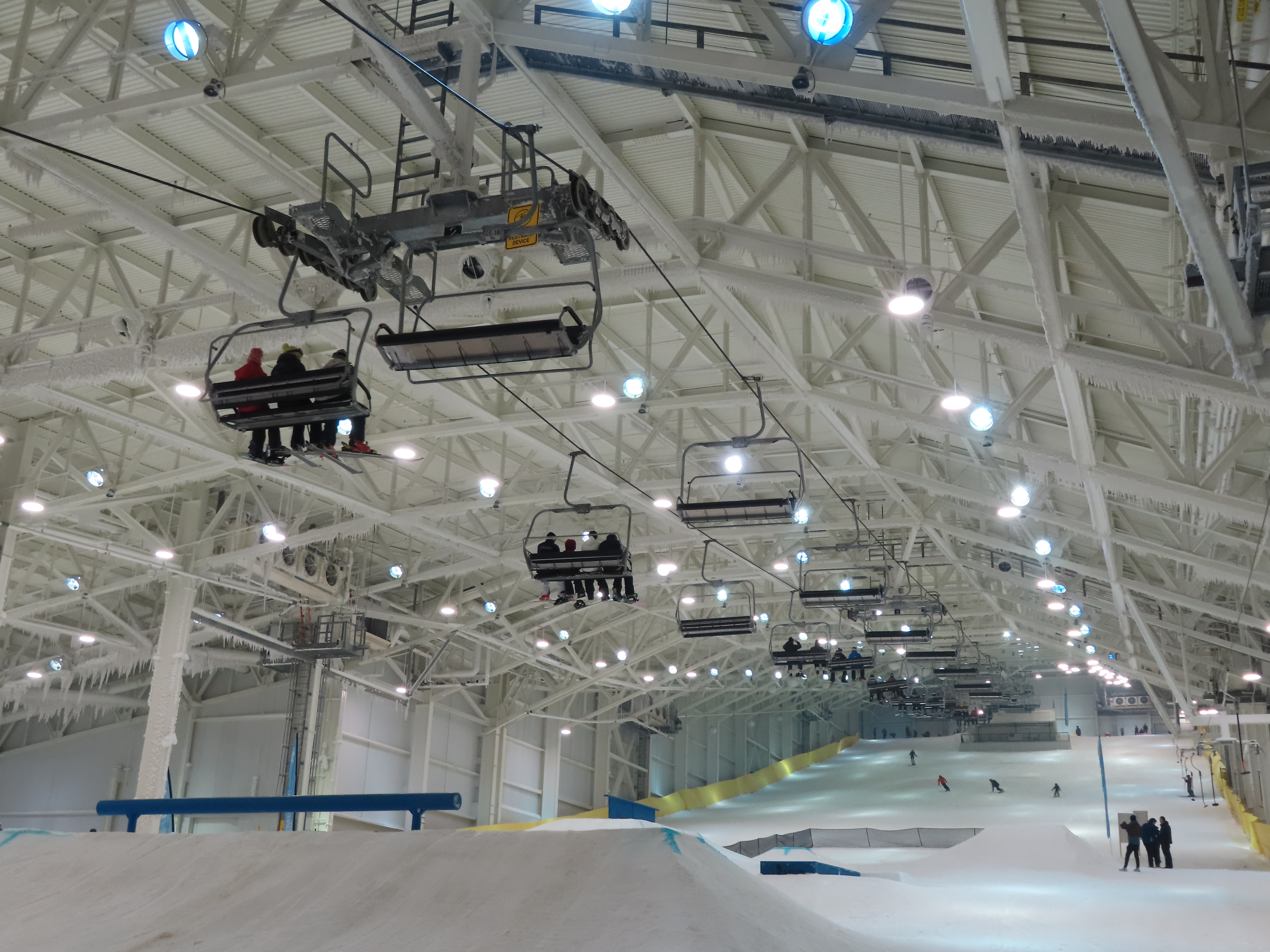
North America’s only indoor ski area will be closed for at least a week following an overnight fire. The three alarm blaze broke out around 4:15 am when the facility was empty and no one was injured. “Unfortunately, we will be closed at least through October 2nd as we assess the total damage and repairs needed to re-open,” the mountain posted in a statement. “We are tremendously thankful for the quick response and efforts of the local fire departments in working to contain this fire.” The fire was reported to have started in the roof, which supports snowmaking, lighting and lift systems. Firefighters do not consider the blaze to be suspicious.
The 180,000 square foot space includes a quad chair, platter lift and conveyor servicing three slopes. The snow dome contains 5,500 tons of snow which requires constant radiant cooling.
Big Snow is no stranger to setbacks. The original developer of the attraction went bankrupt and the lifts sat idle for 11 years. A new developer, Triple Five Group, partnered with Mountain Creek owner SNOW Operating to finally open the facility in December 2019. Then came Covid, which shut the operation down after only three months of operation. Big Snow kept its snow cold the entire lockdown and reopened in September of 2020. Now facing a fire cleanup, the mountain promises to be back and better than ever as soon as repairs are complete.
Happening now HHFD at work on the roof of the American Dream mall in East Rutherford pic.twitter.com/lSMDRWa1JH
Two intentional haul rope cuts and a global pandemic aren’t keeping British Columbia’s Sea to Sky Gondola from its mission of carrying guests high above Howe Sound. The lift will once again open to passengers a week from Friday with enhanced health and security measures in place.
The gondola was forced to close September 14th, 2020 when its haul rope was intentionally cut. Shockingly, this was the second such crime mirroring a similar incident in August 2019. The gondola first reopened Valentine’s Day 2020 only to be shuttered again by the pandemic the very next month. It reopened for a second time amid Covid last May, catering to locals and passholders. After the cable was cut a second time, Fatzer again worked to provide a new haul rope while CWA manufactured 25 new cabins. “Needless to say, the past eight months have been extremely challenging for everyone,” read a reopening announcement on the Sea to Sky website. “We would like to thank our fantastic Sea to Sky community and industry partners who, despite their own challenges, have supported us every step of the way.”
“We have implemented extensive updates to our security system, including a professional in-house security team; 24-hour surveillance of all infrastructure and refined our detection and response capabilities in partnership with the Royal Canadian Mounted Police,” said the gondola. “Our security architecture is extraordinary in the lift industry and has evolved after extensive consultation with security experts. We will not be disclosing all of the details of our security system; however, by design, we will provide a safe experience for everyone.”
The gondola will continue to adhere to all Covid public health orders and travel advisories as it reopens, hopefully for good. A $250,000 reward remains in place for information leading to the arrest and conviction of anyone responsible for the 2019 and 2020 downings.
The owner and two employees of the Stresa-Mottarone cable car operating company were arrested overnight, charged with manslaughter and intentional removal of precautions against accidents at work. Prosecutor Olimpia Bossi said two devices were foundblocking the crashed cabin‘s emergency track rope brakes in the open position. Company owner Luigi Nerini, engineer Enrico Perocchio and service manager Gabriele Tadini admitted this had become common practice to avoid downtime when brakes were malfunctioning. The brakes on cabin 3 had reportedly not been operable since April 26th. “It was a conscious choice dictated by economic reasons,” said Bossi, who is coordinating the criminal investigation. “The ropeway should have remained stopped until the problem was fixed.” One of the so-called forks was found still attached to cabin 3’s brakes and the other located on the ground nearby. The bright red devices are intended to be used during unmanned operation or for maintenance purposes. Brakes were not blocked on the other cabin sharing the same haul rope and that car was safely stopped and evacuated.
There’s no indication the underlying failure of the haul rope system was intentional and that remains the focus of a technical investigation. The haul rope loop was made up of two sections, an upper and lower, socketed to each of the cabins.
The crash killed 14 people and seriously injured a 5 year old child named Eitan. His condition was said to be improving Wednesday. Both his parents, his 2 year old brother and two great grandparents all perished along with 9 other passengers.