https://instagram.com/p/5ryobXTUHm/
https://instagram.com/p/5hspN3iuZY/

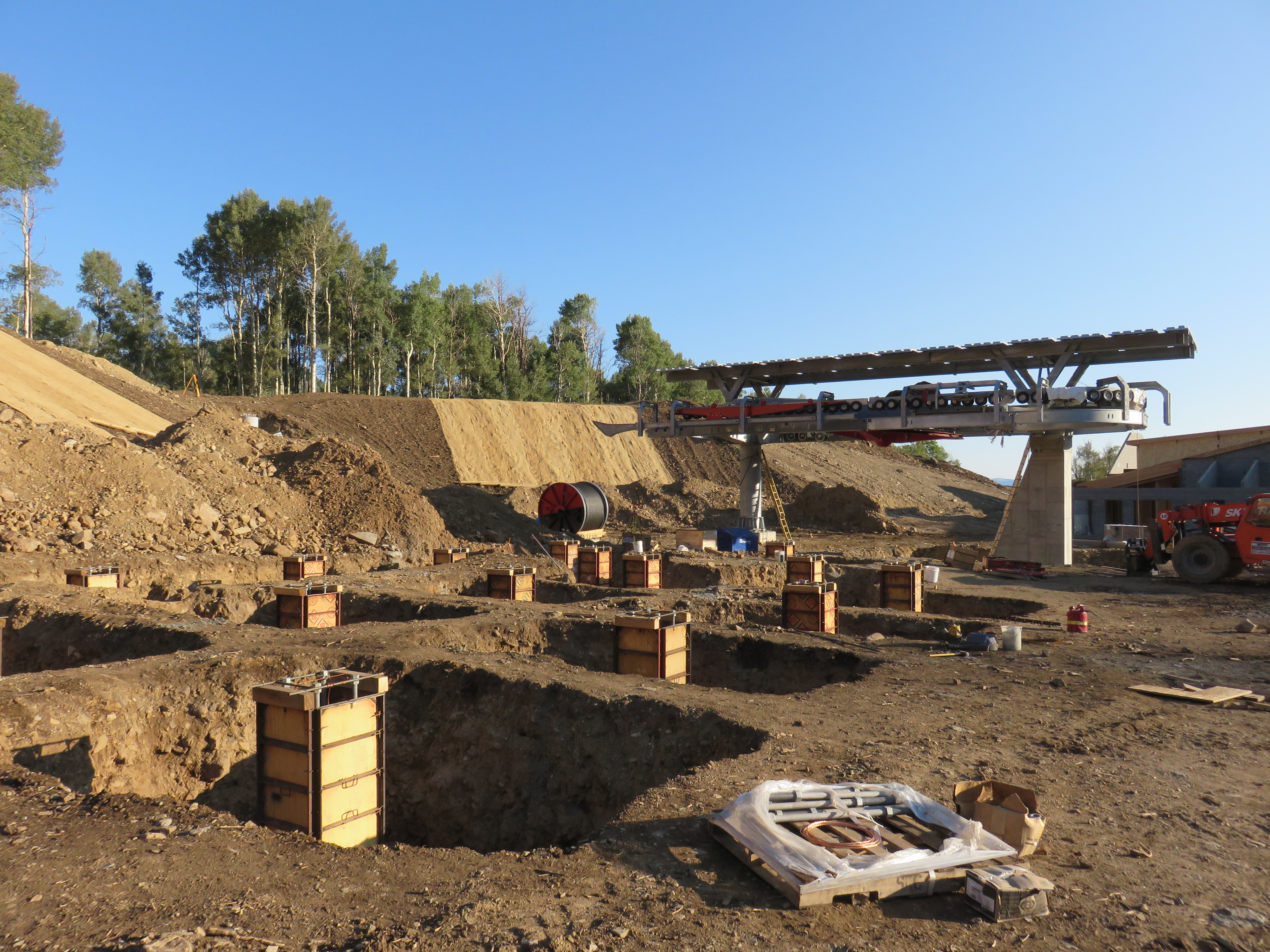
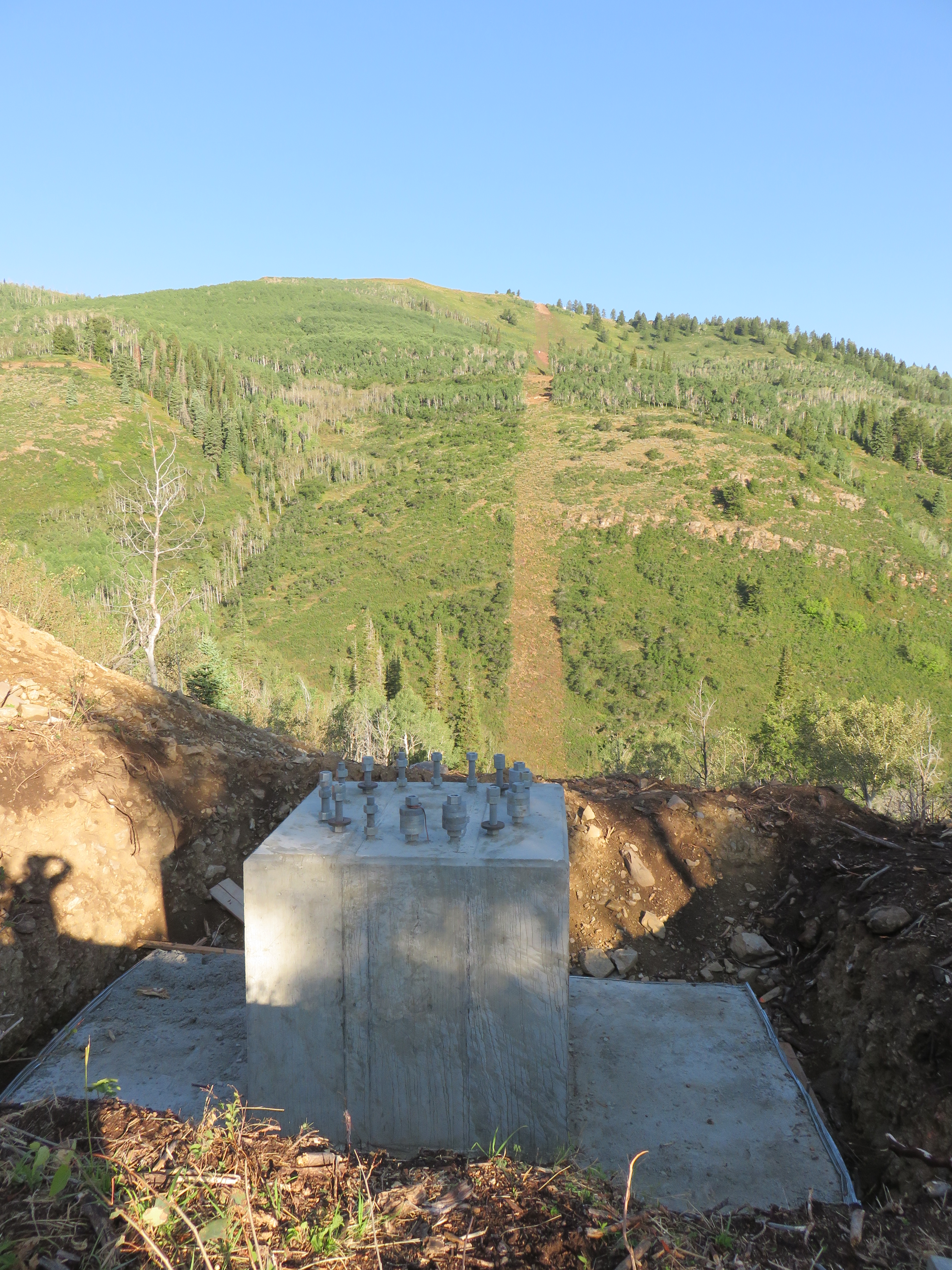
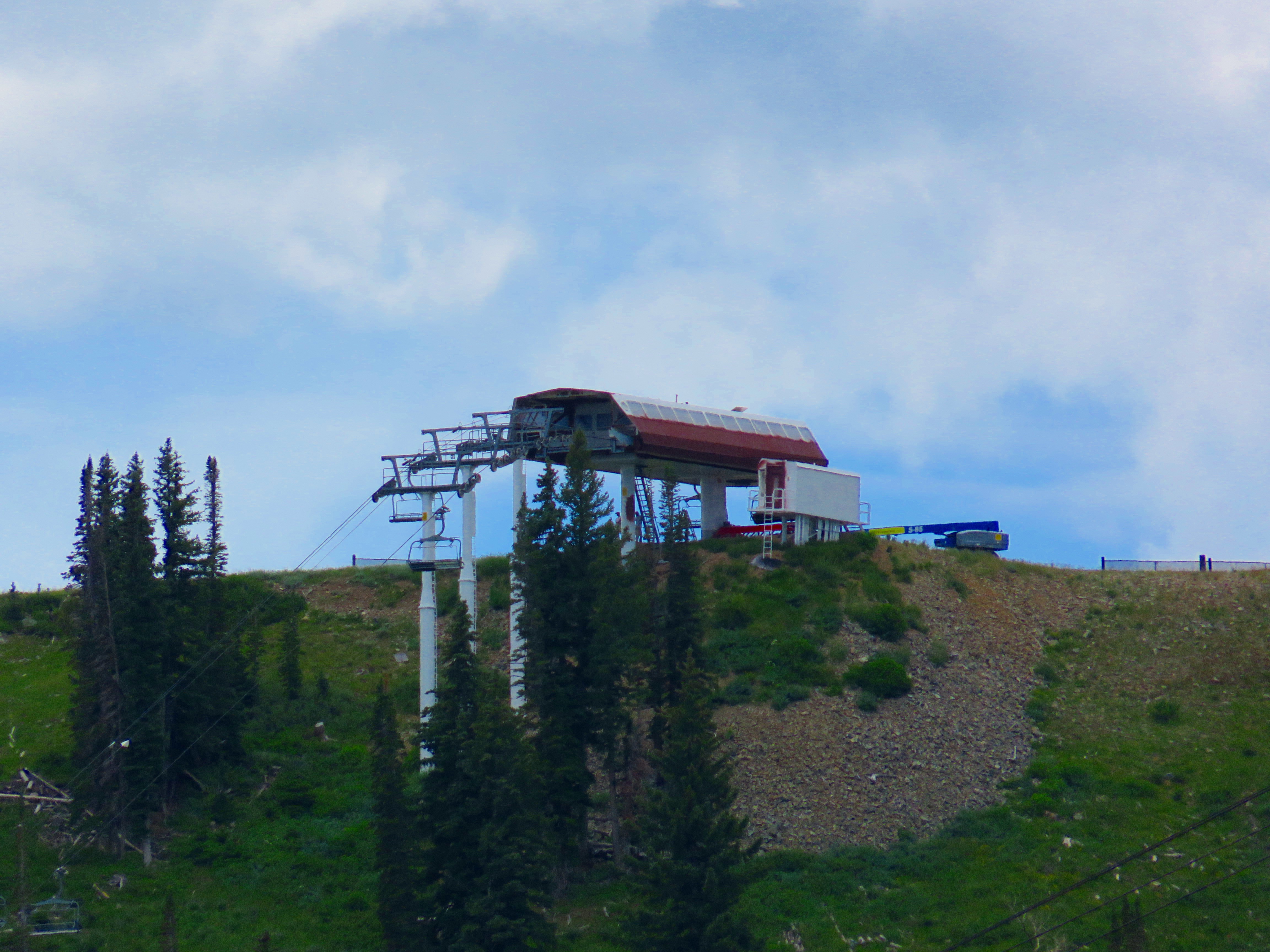
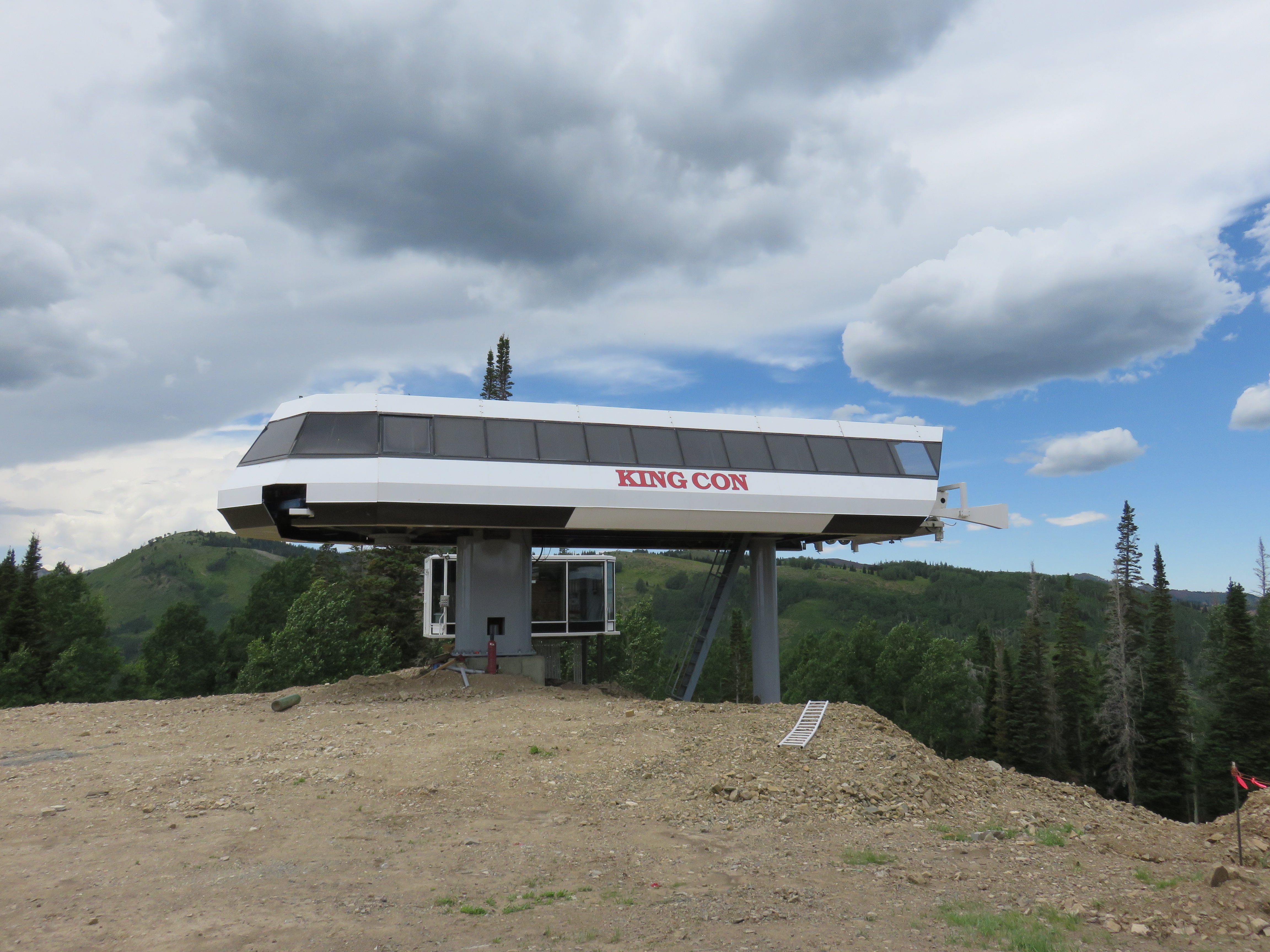
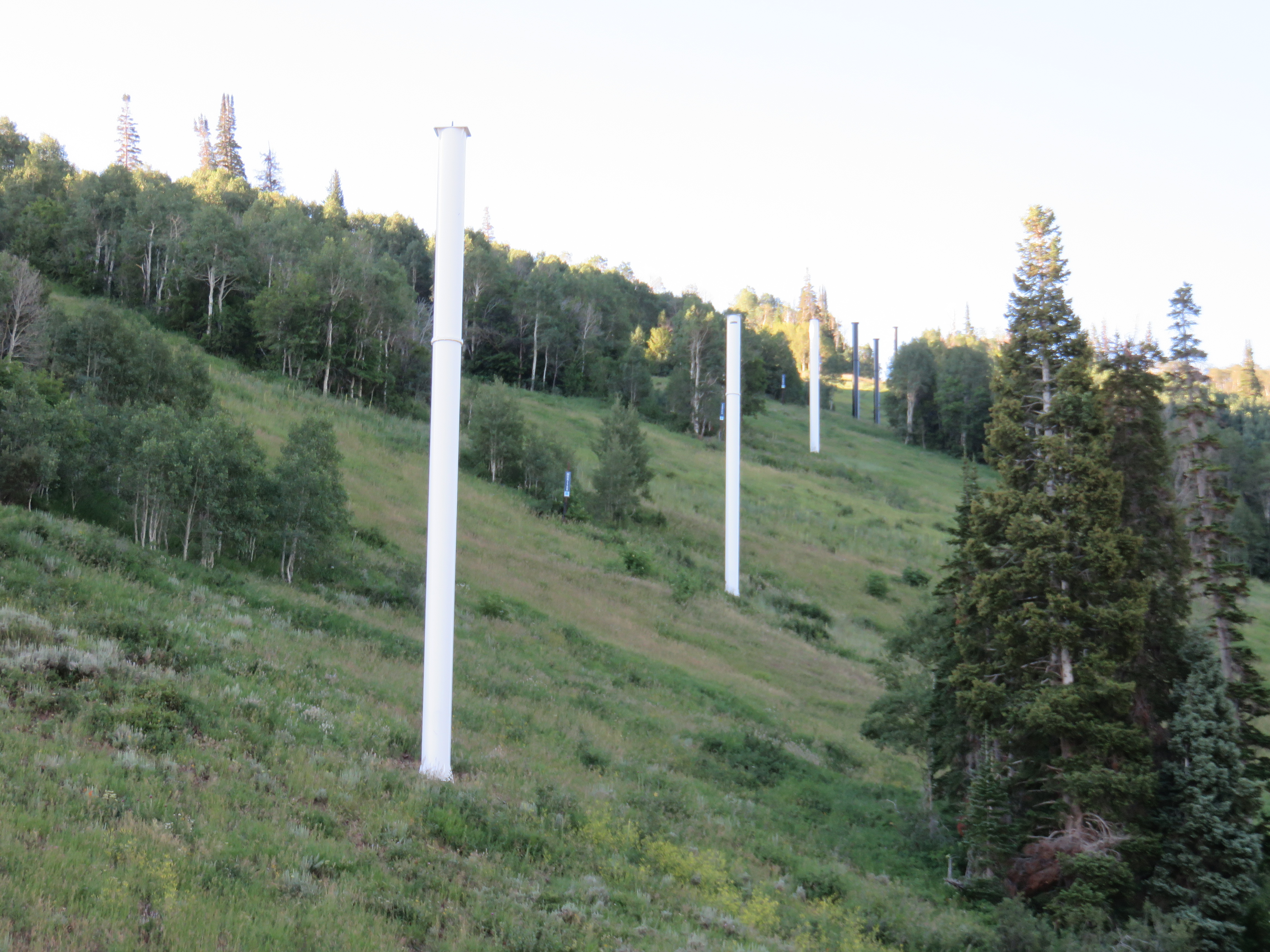
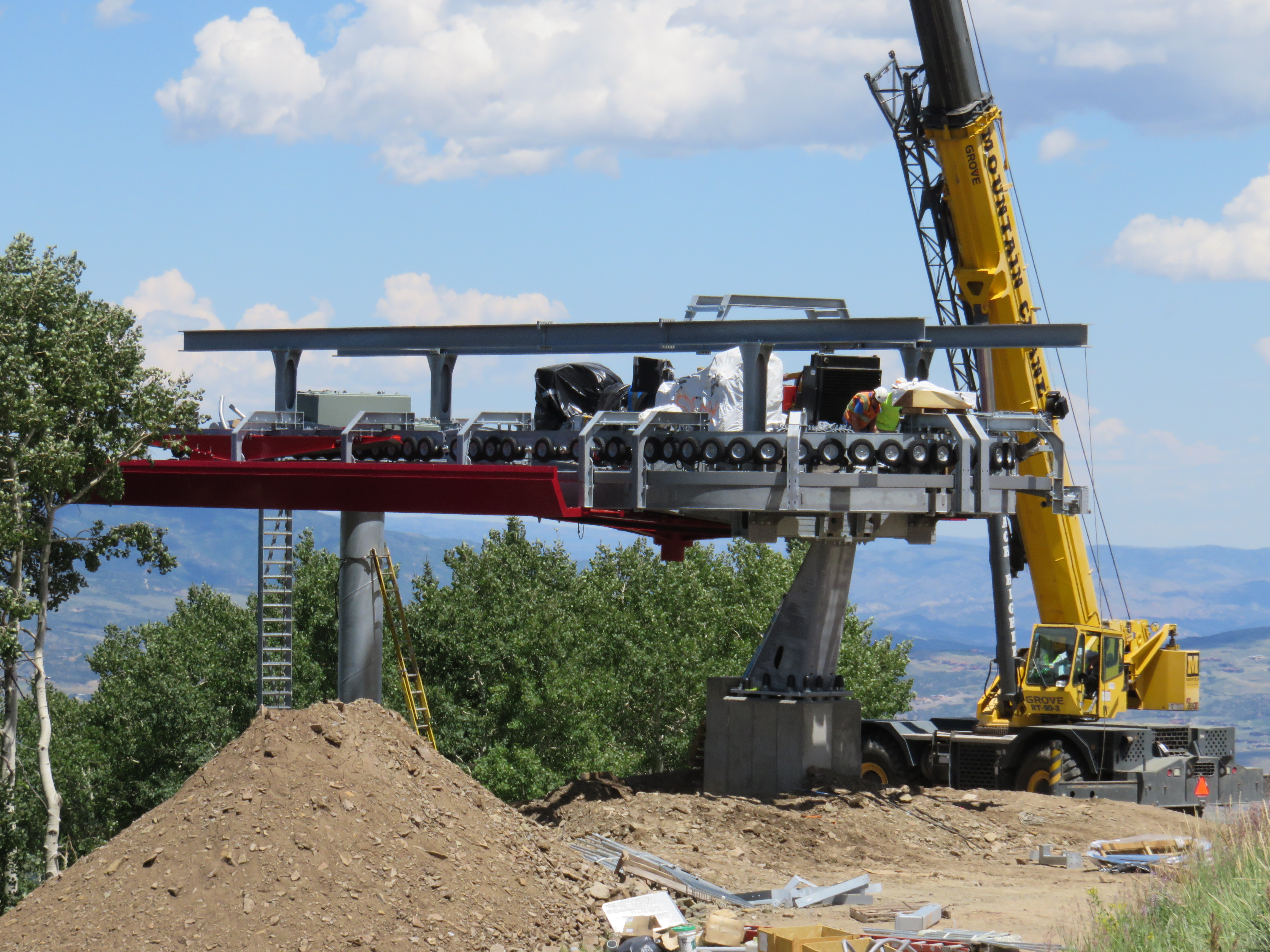
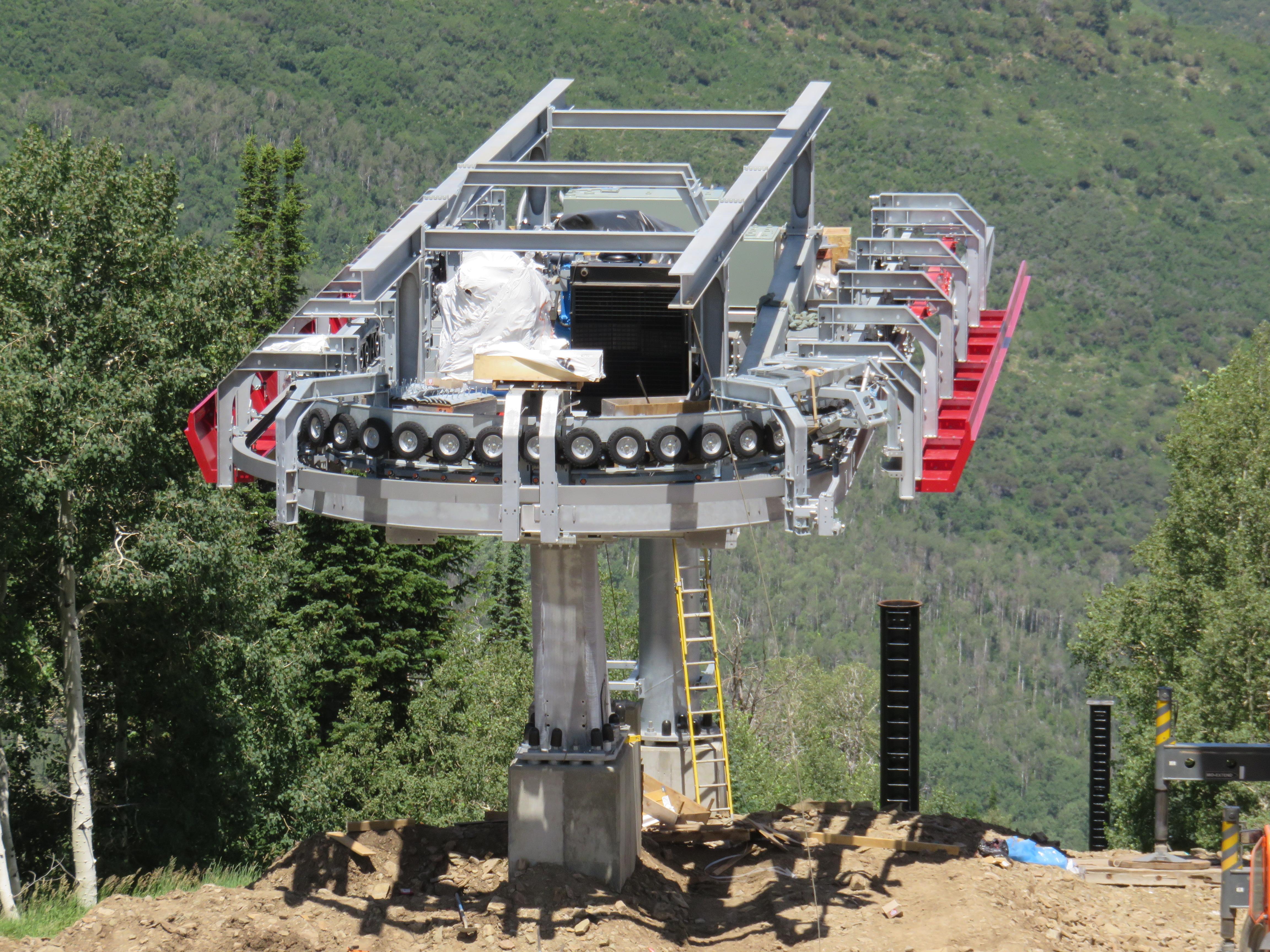
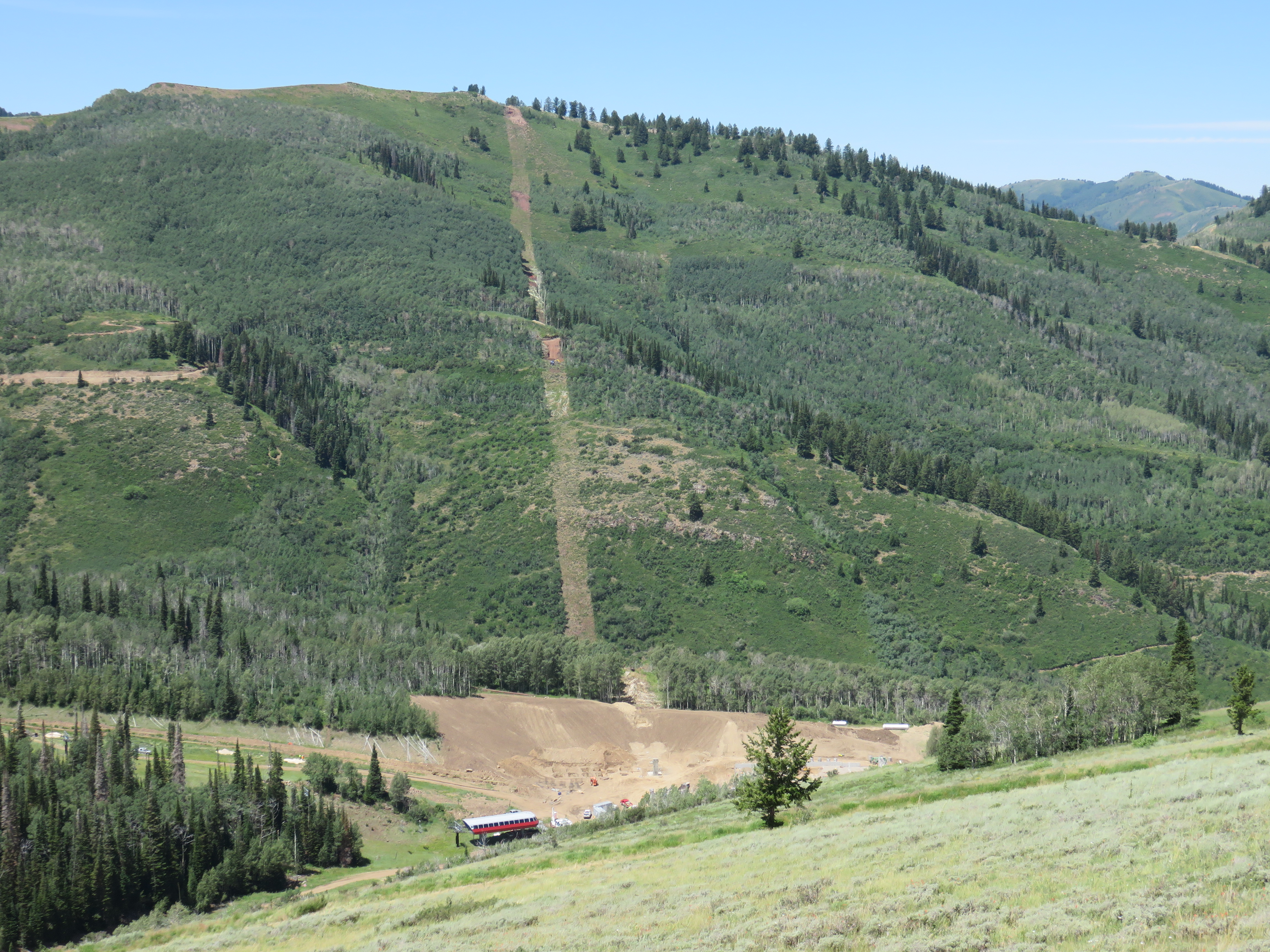
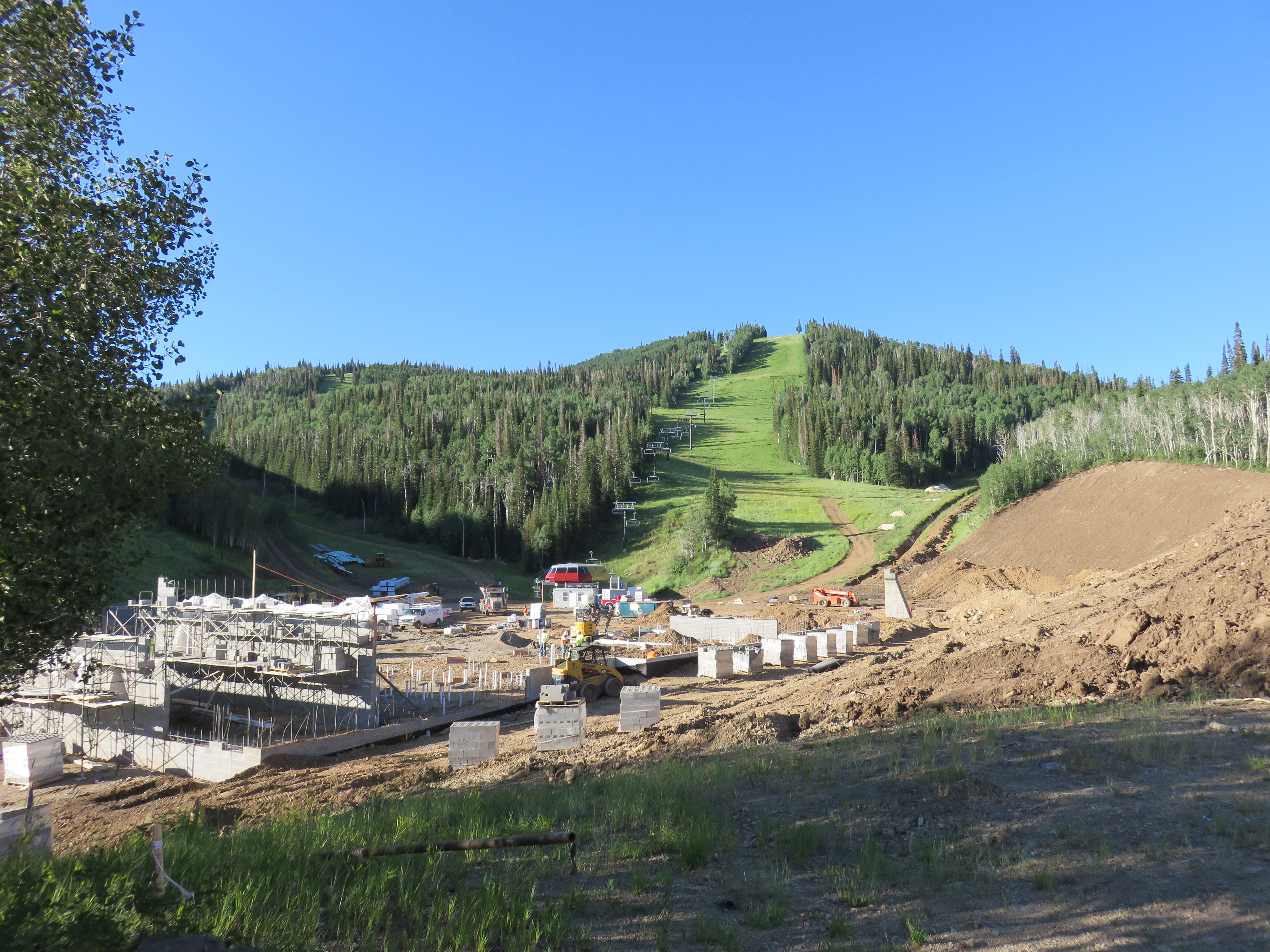
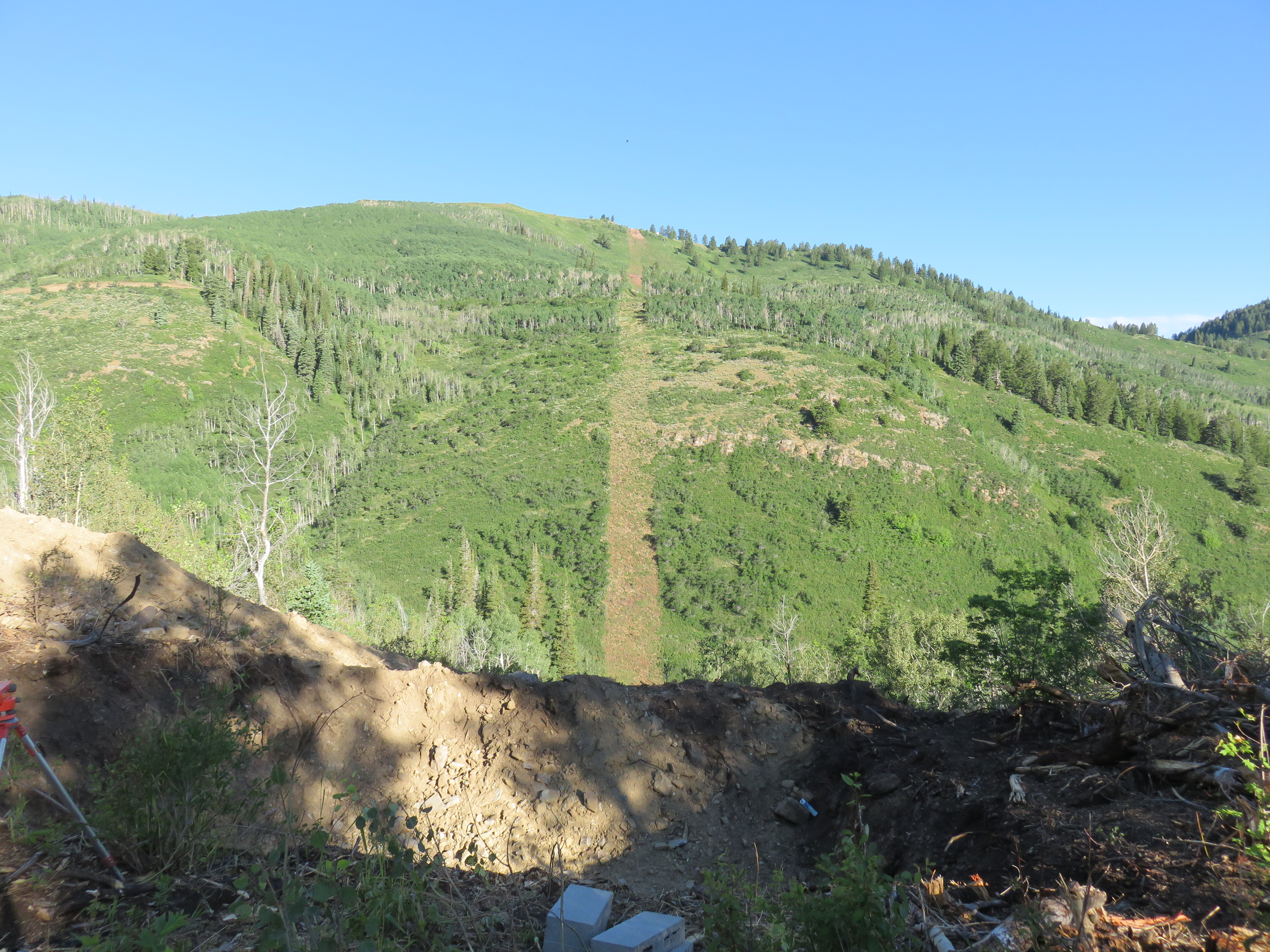
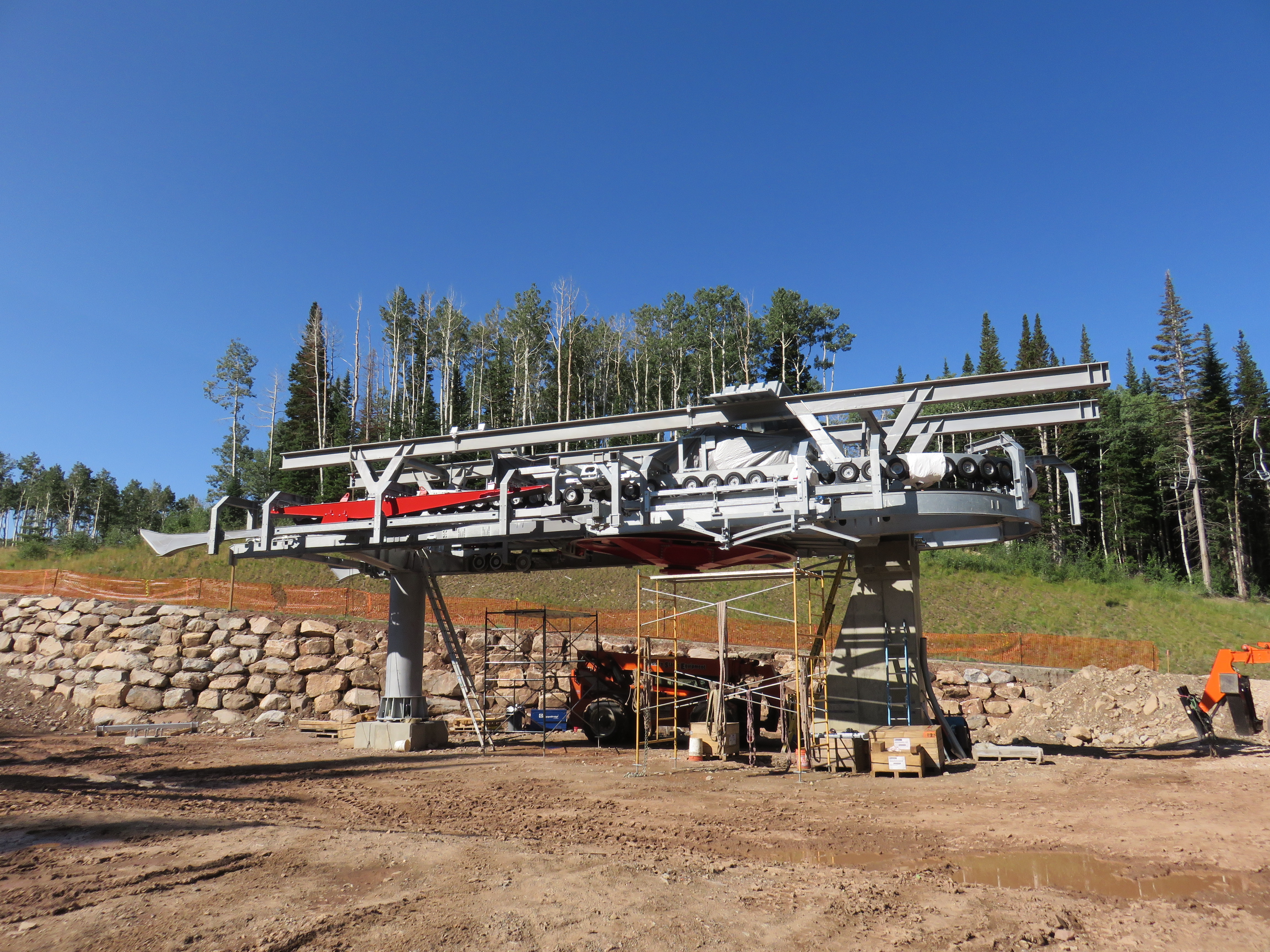
Park City removed the Motherlode triple early this spring to make way for a new high speed quad in the same alignment. Instead of a brand new lift, Vail Resorts opted to relocate the King Con lift, originally built in 1993. Both CTEC terminals have already been moved and all tower footings poured. Motherlode will get new tower tubes but just about everything else is coming from King Con. The lift may need some new chairs due to the increased length of Motherlode. The new tower tubes and haul rope are on site.

In addition to the new Pinecone Gondola, Vail Resorts is doing a major lift shuffle at Park City Mountain this summer. The King Con high speed quad (1993 CTEC) is being replaced with a brand new Doppelmayr six pack. King Con is being refurbished and relocated to replace Motherlode higher up on the hill. More on that in an upcoming post.
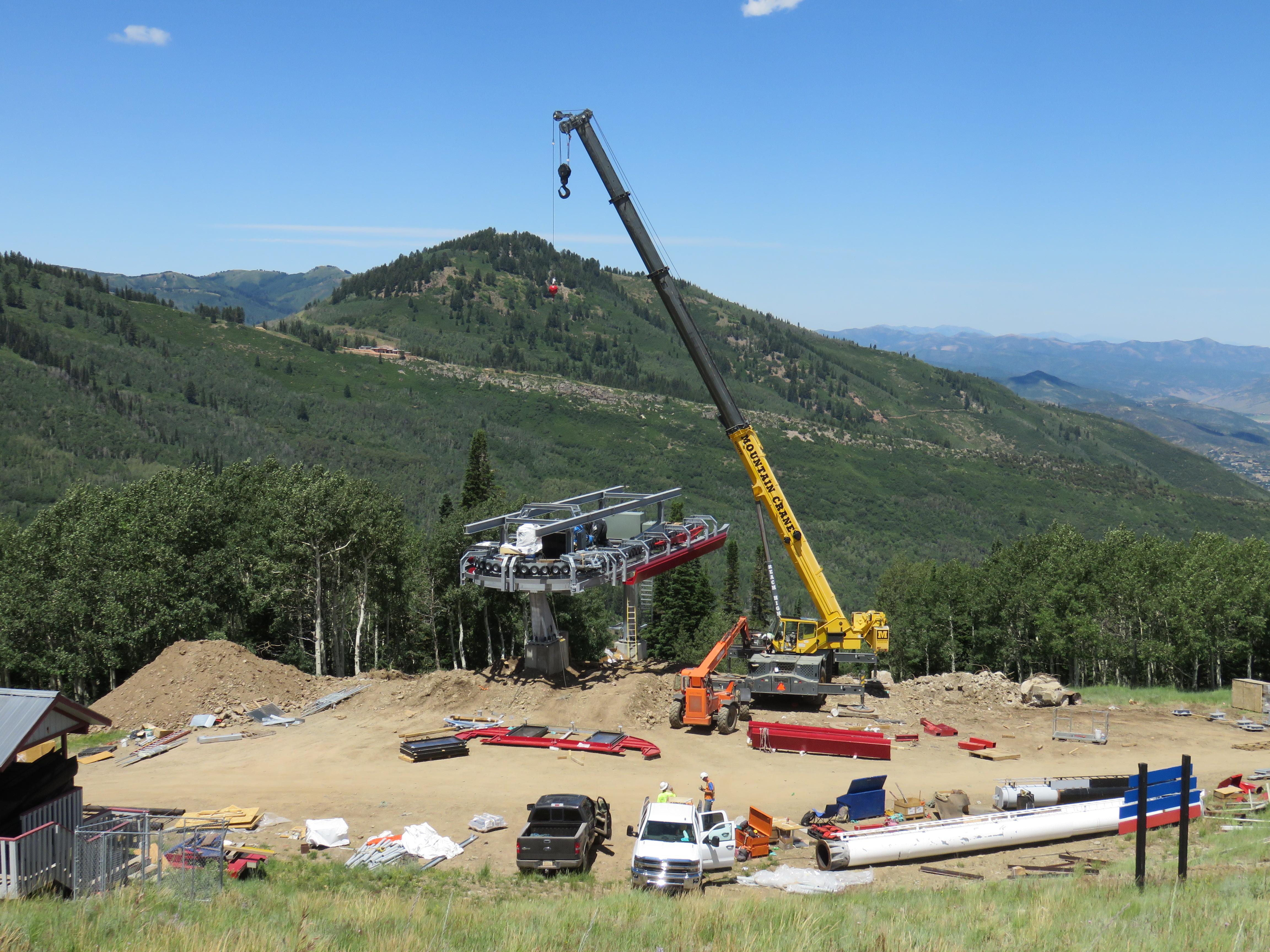
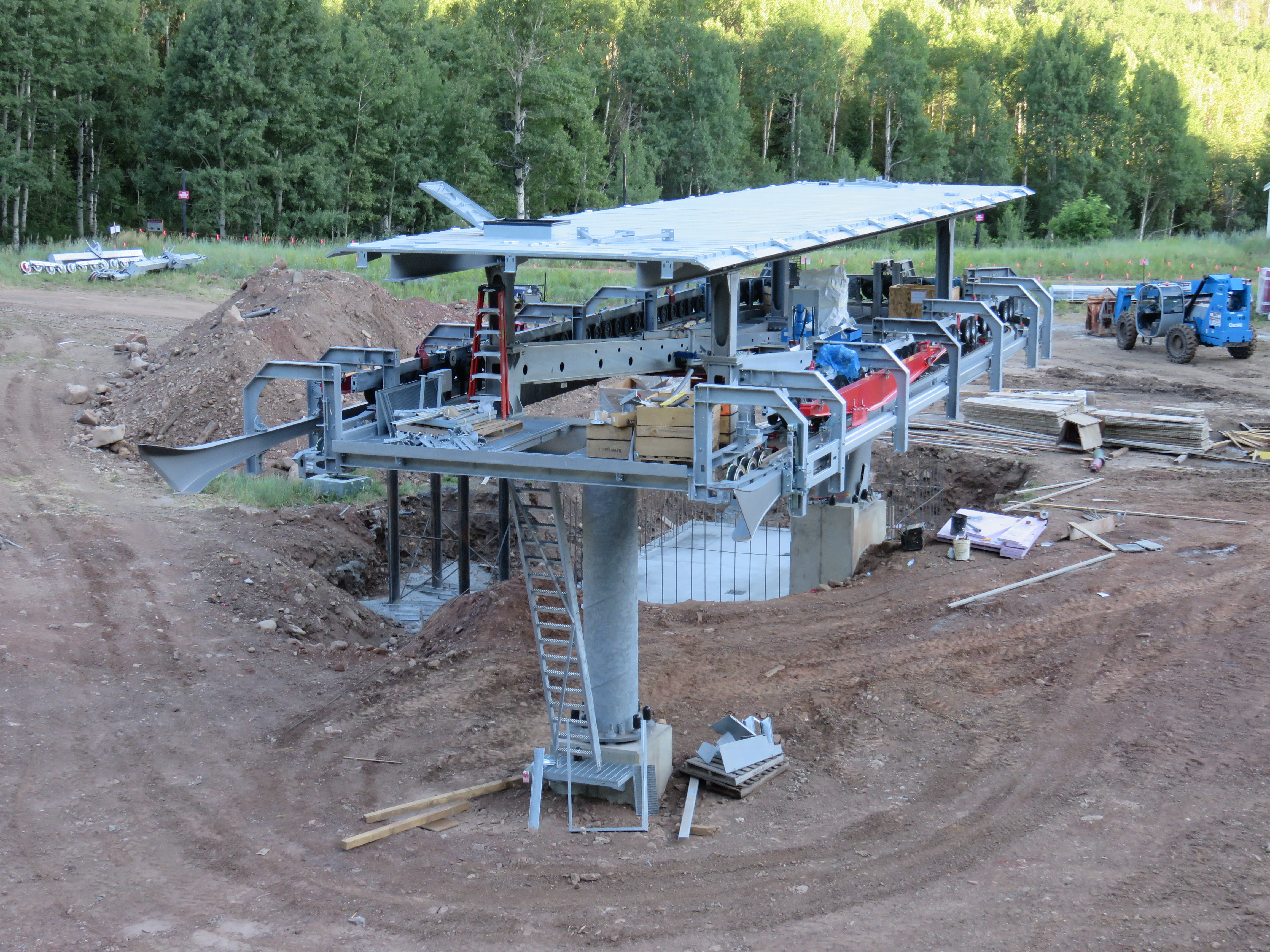
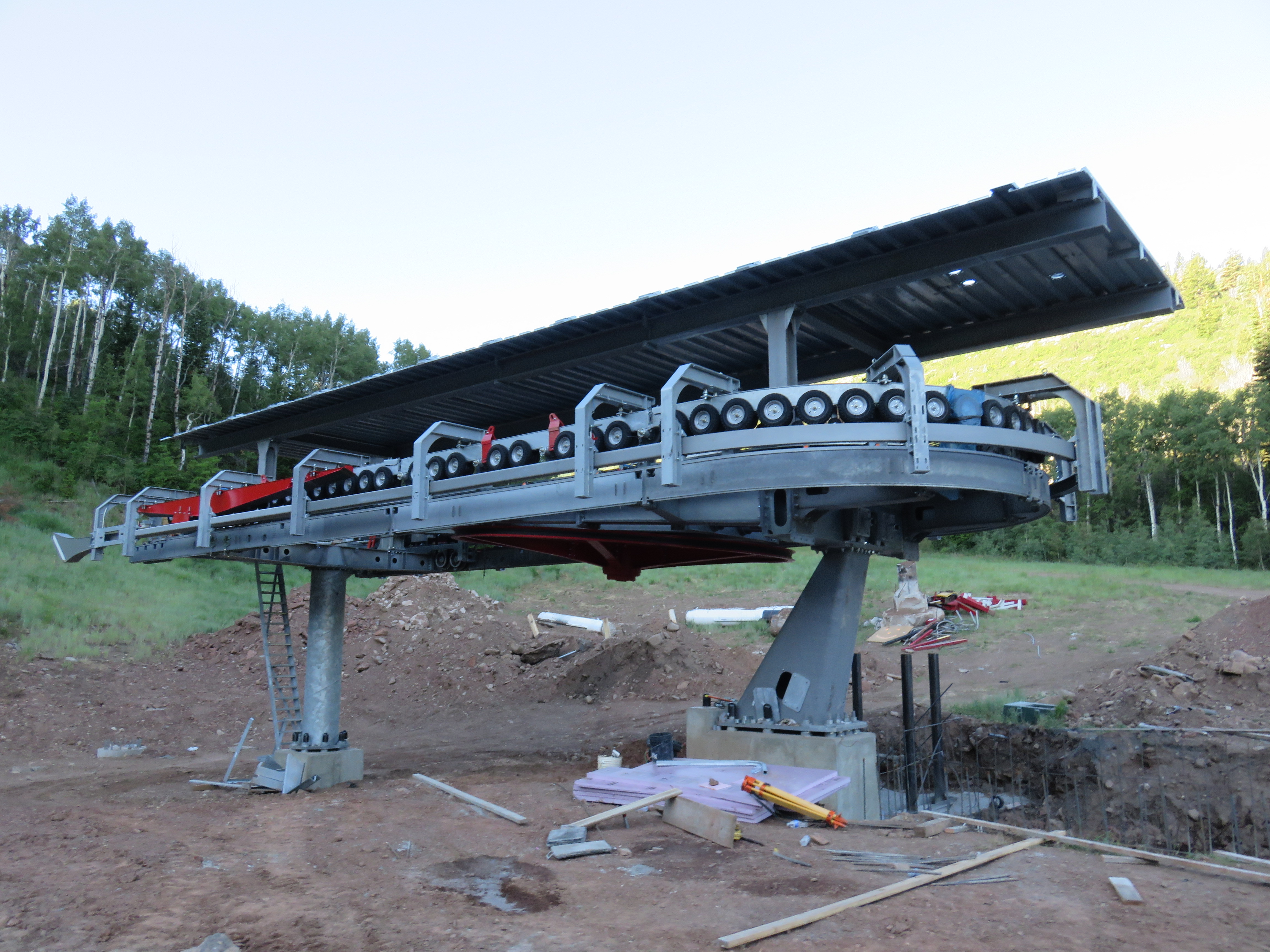
Both terminals for the new King Con are largely complete as of this week. The Uni-G model terminals will be dark red and silver to match the new Park City Mountain logo and brand which will be unveiled on July 29th. Rumors are that the word resort will be removed from the PCMR name and the new logo will be a dark red version of the Canyons infinity logo. Most of the existing detachable lifts at Park City have already been painted in the new color scheme.
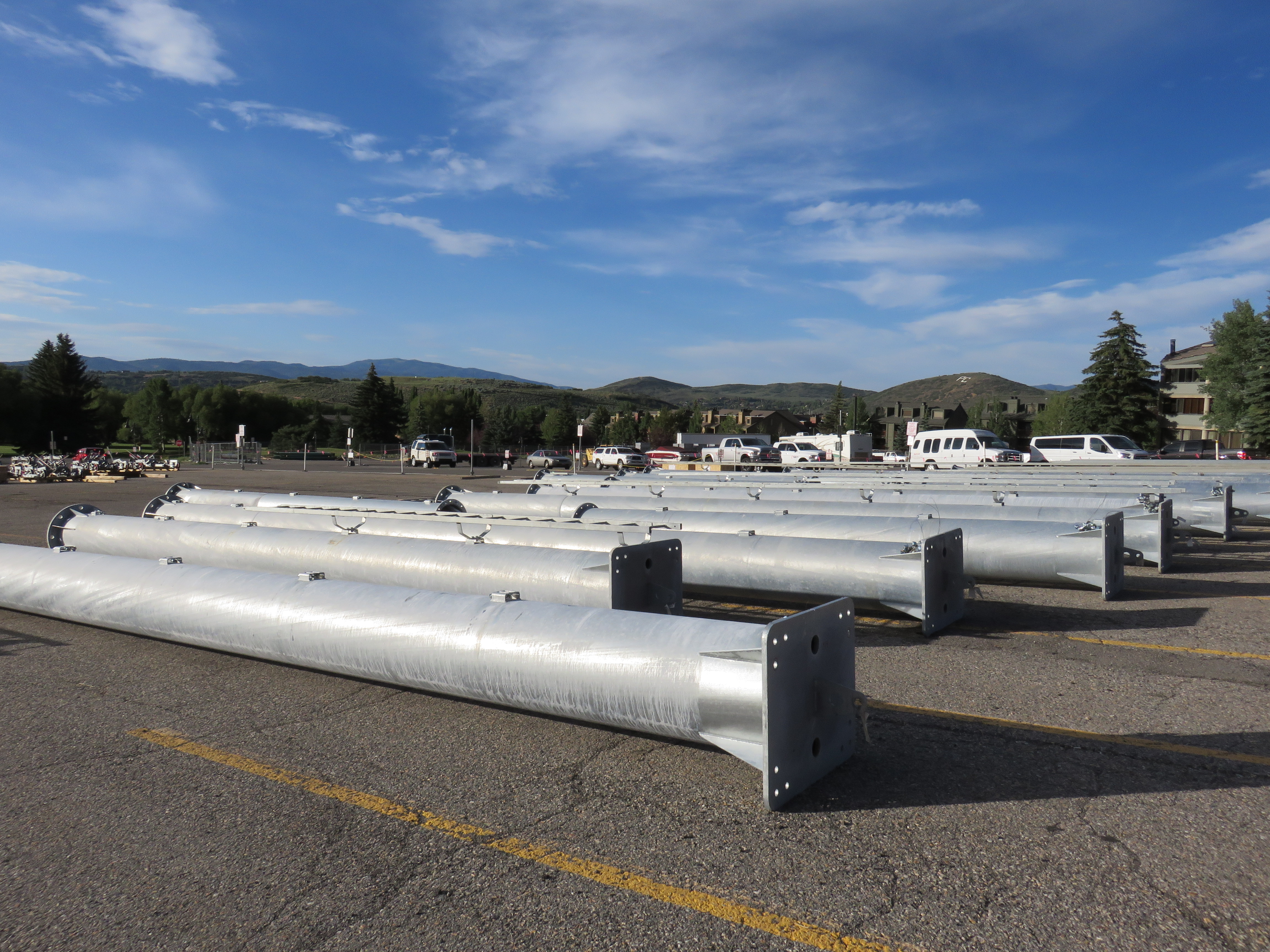
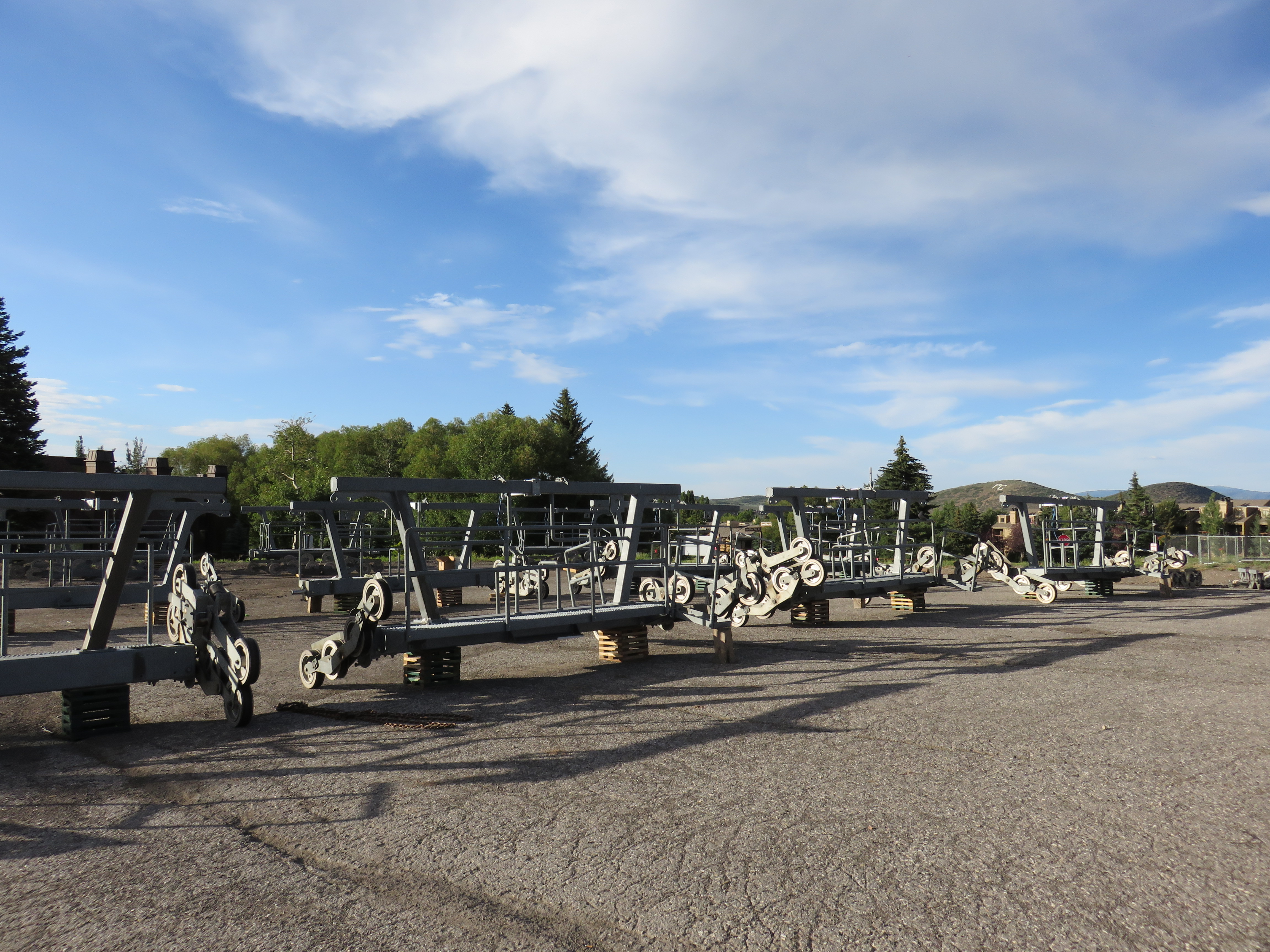
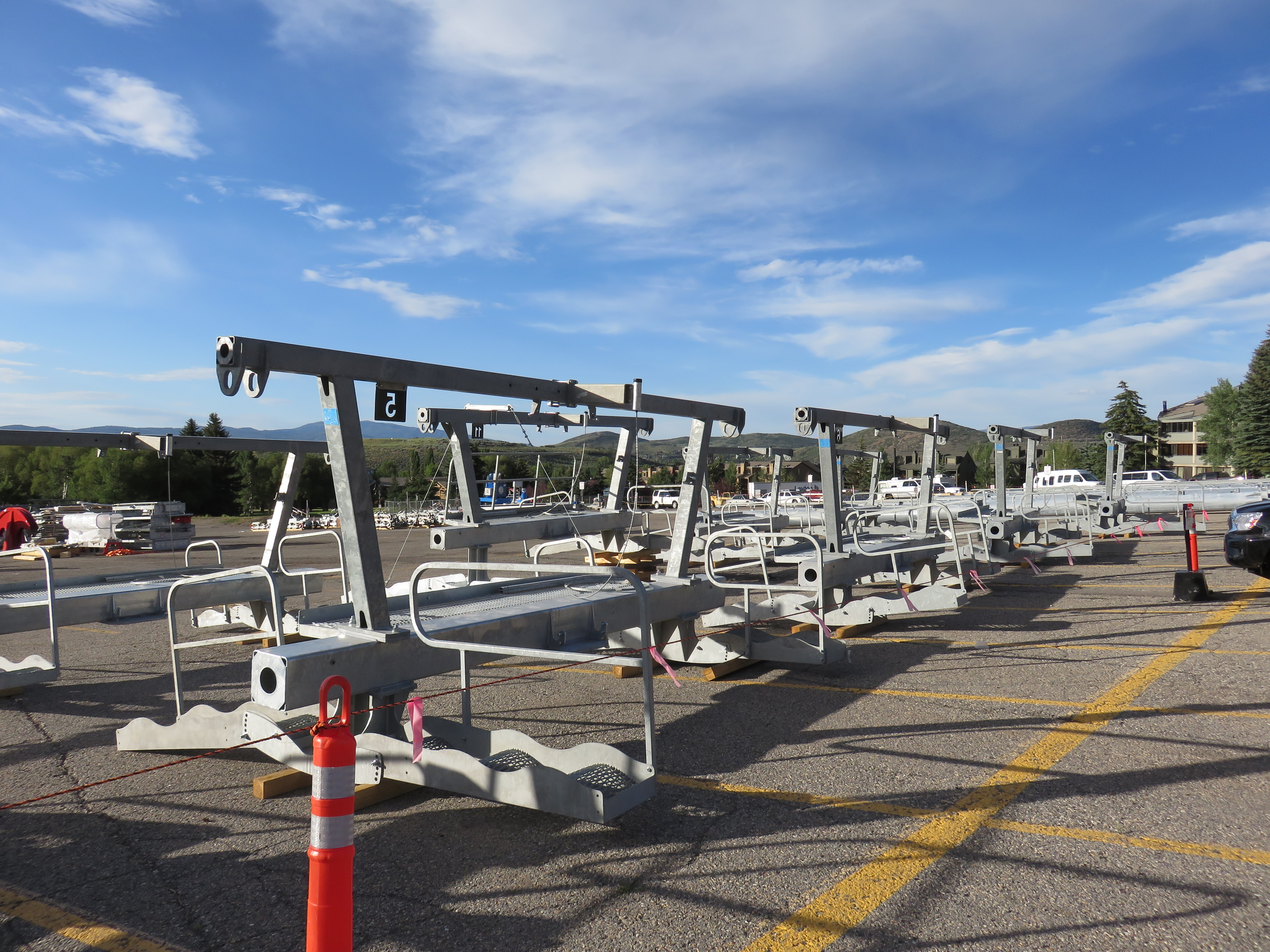
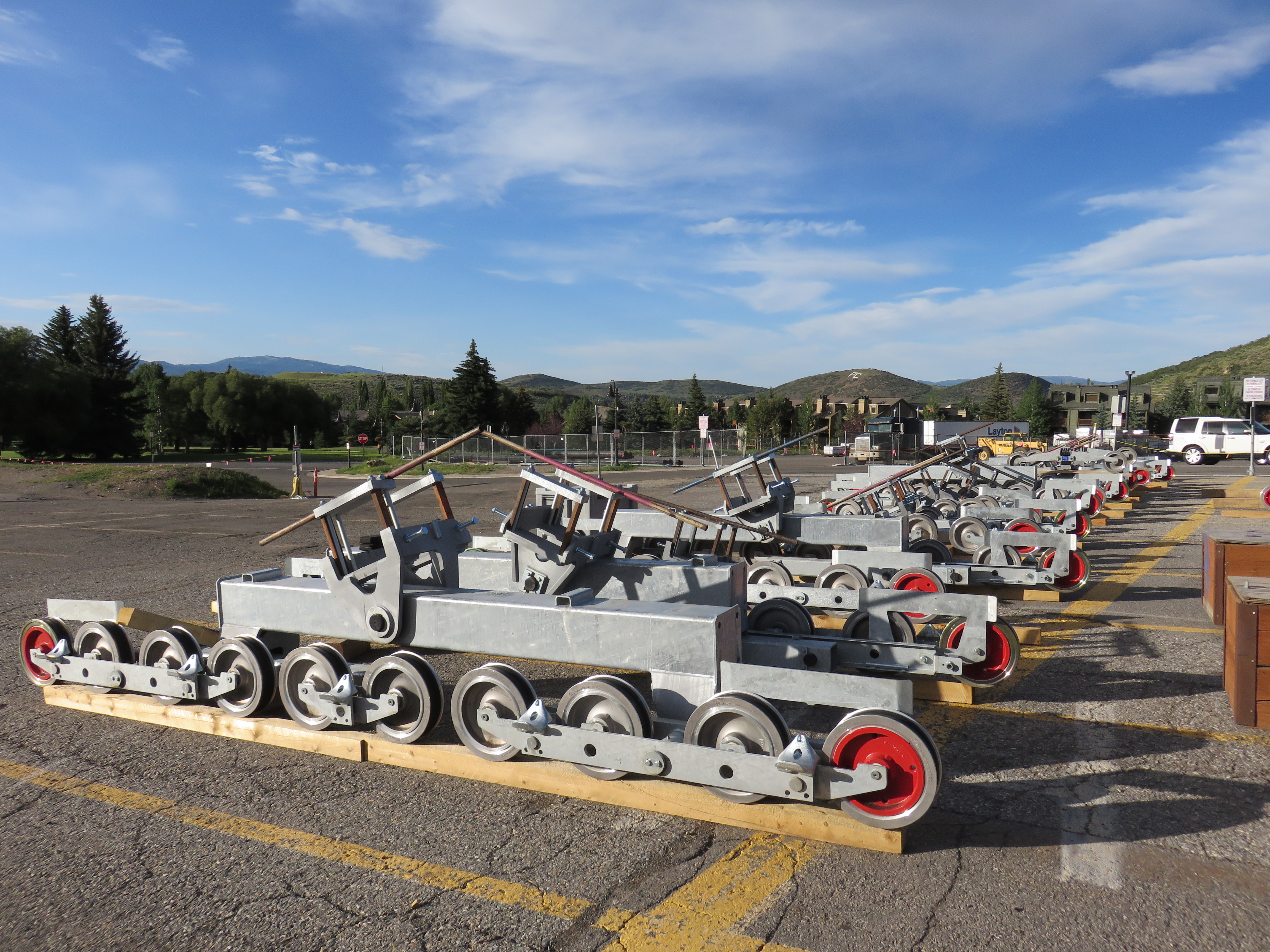
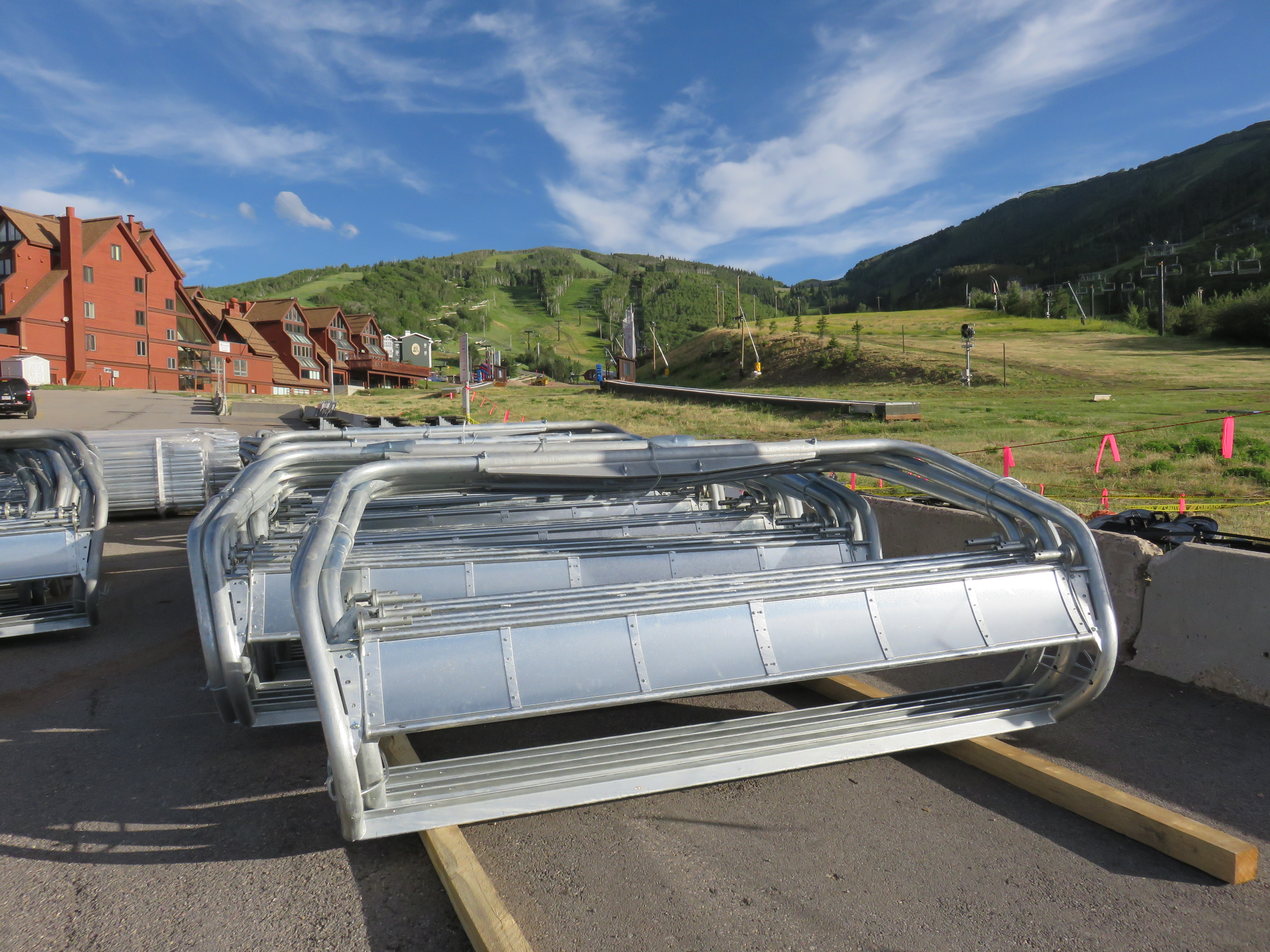
King Con Six will re-use the CTEC tower tubes from the old high speed quad. New tower heads are being assembled in the base area parking lot. The bottom terminal will have a loading carpet as is standard with all new detachable lifts at Vail Resorts these days. The lift is a top-drive, bottom-tension configuration. Doppelmayr EJ six passenger chairs are already on-site. All three of Park City’s new lifts will have Redaelli haul ropes which have also been delivered.

I found myself near Park City this week and had to check out all the construction creating Utah’s largest ski resort. It’s one thing to read Vail Resorts’ press releases touting $50 million in improvements but it is quite another to see hundreds of workers scrambling to complete a long list of projects spread over 7,300 acres. This post will focus on what is perhaps the most exciting part – the new Pinecone Gondola that will link Park City to Canyons.

The 8,200′ long gondola starts adjacent to Park City’s Silverlode six-pack where a new Snow Hut lodge is also being built. The terminal and first two tower footings have already been poured. From this point, the line crosses over a modest ridge and descends before beginning the climb to Canyons in earnest. There is a break halfway up Pinecone Ridge where the liftline moderates before a steep section to the summit. Most of the holes for the towers in this portion have been dug including the two breakover towers just before the ridge-top mid-station. I was surprised at how sharp the midstation’s angle will be – around 30 degrees.

Park City and Jackson Hole just started building new lifts but trail map illustrator James Niehues is already finishing illustrations for their 2015-16 trail maps. Niehues planned to retire last year but apparently some projects are too good to pass up. There is no question Mr. Niehues is the best in the business and I hope he keeps painting as long as possible.
Jackson Hole’s new Teton lift will open up a handful of new trails in between the Apres Vous and Casper areas this coming winter. Mr. Niehues is repainting the portion of the map that was previously known as The Crags while the rest will remain true to his original 1991 painting.

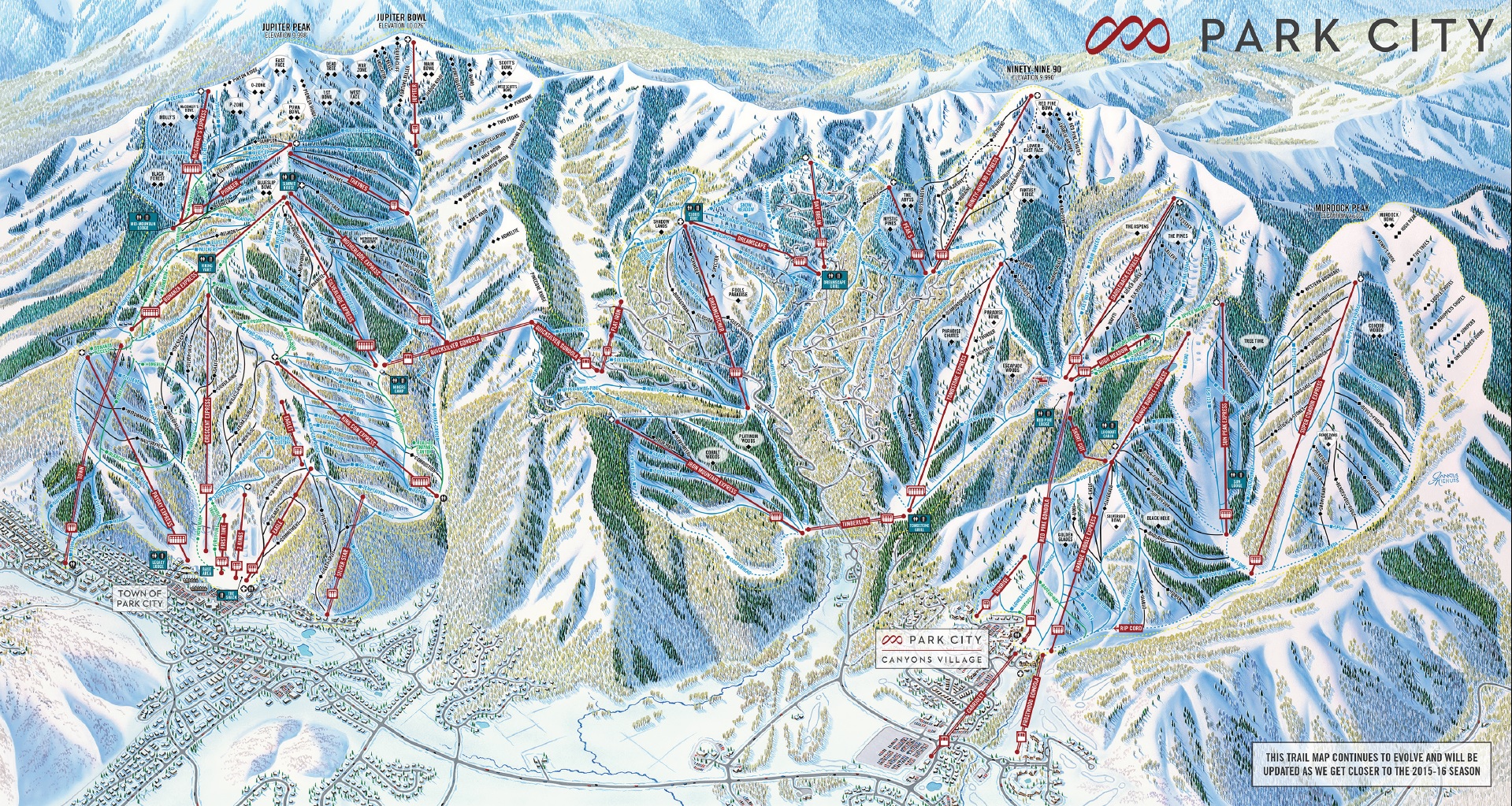
Vail Resorts contracted James to paint an all-new, unified map of Park City Mountain Resort and Canyons Resort which will operate as one from 2015-16. I was surprised and pleased to hear they were going with a painting instead of the awful computer-generated maps that Vail, Beaver Creek, Breckenridge and Northstar have gone to. Niehues admits he had to get creative with portions of the map to show 37 lifts and 7,300 acres of terrain acres in one view. The final result below is impressive and shows why paintings make more compelling trail maps than satellite photos.