Pacific Group Resorts Wins Jay Peak Auction

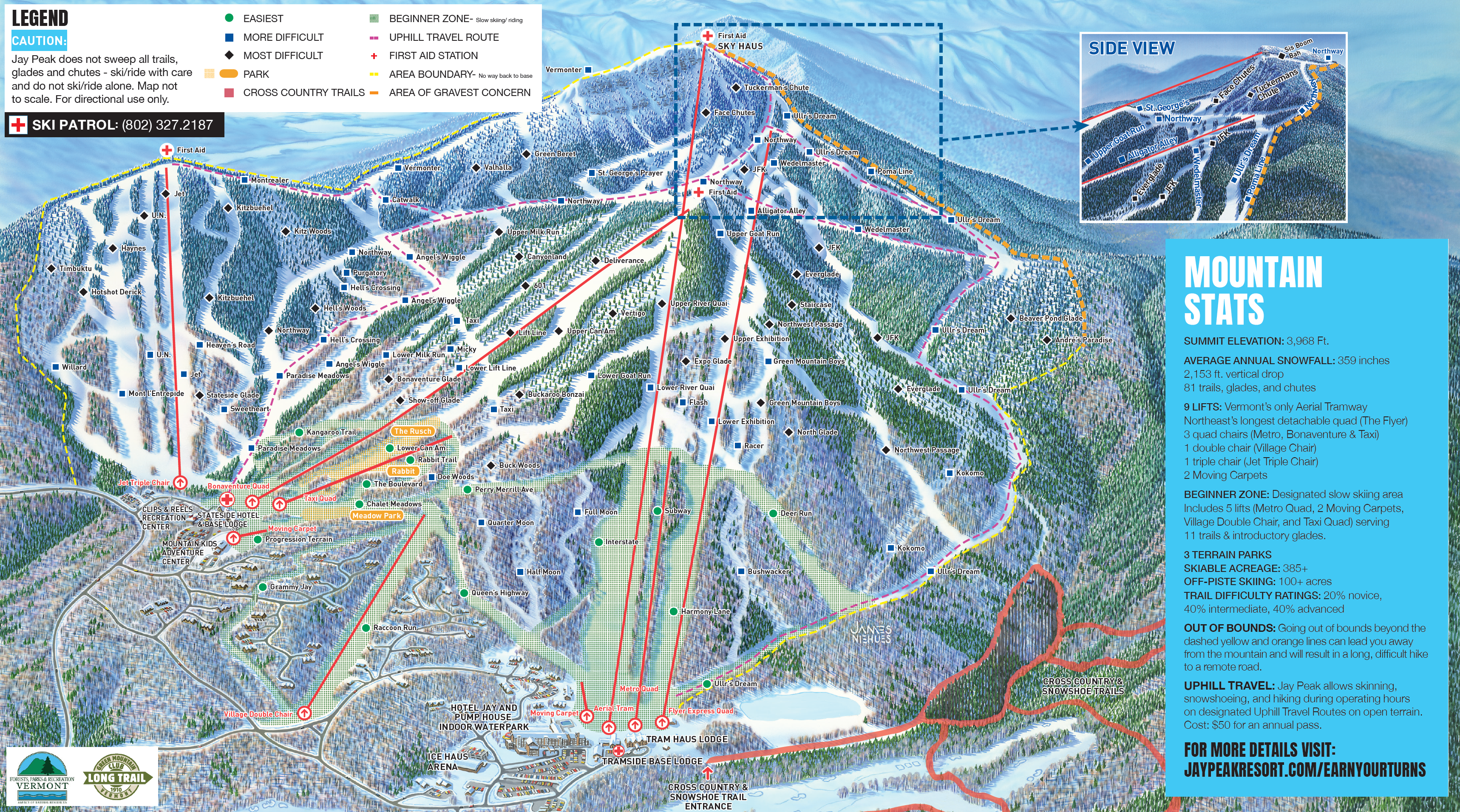
Park City based Pacific Group Resorts, Inc. placed the highest bid – $76 million – at an auction yesterday for Jay Peak Resort. Subject to court approval, Jay will join PGRI’s group of five ski resorts located across the United States and Canada. “With the success of this auction, we are one step closer to concluding the receivership of Jay Peak Resort,” said Jay Peak receiver Michael Goldberg. “It has been six long years during which the resort has made tremendous progress under the leadership of general manager Steve Wright and his team and the guidance of Leisure Hotels. The time had come to put the resort back into private hands, and our investment bank, Houlihan Lokey, ran a strong sale process for us culminating in a very competitive auction. We are pleased an experienced operating company like Pacific Group Resorts ended up with this great asset.” The sale price of $76 million is $18 million over the auction’s opening bid. The identities of other bidder(s) were not disclosed.

“We began pursuing this acquisition over three years ago and couldn’t be more pleased with the auction’s outcome which paves the way to add Jay Peak to our growing family of resorts,” said Pacific Group Resorts President and CEO Vern Greco. “Jay has a high quality team of dedicated employees who have weathered the uncertainty of the receivership for a long time. We look forward to bringing renewed stability to the property and its staff, we’re enthusiastic about the prospects for the resort, and we are delighted to be in Vermont which is an important market for any mountain resort operator.”

A court hearing to approve the sale is scheduled for next Friday and the transaction is expected to close prior to the start of the 2022-23 ski season. There will be no changes to season passes or Indy Pass participation for this season. Burke Mountain, which is also under receivership, will be marketed separately at a later date.
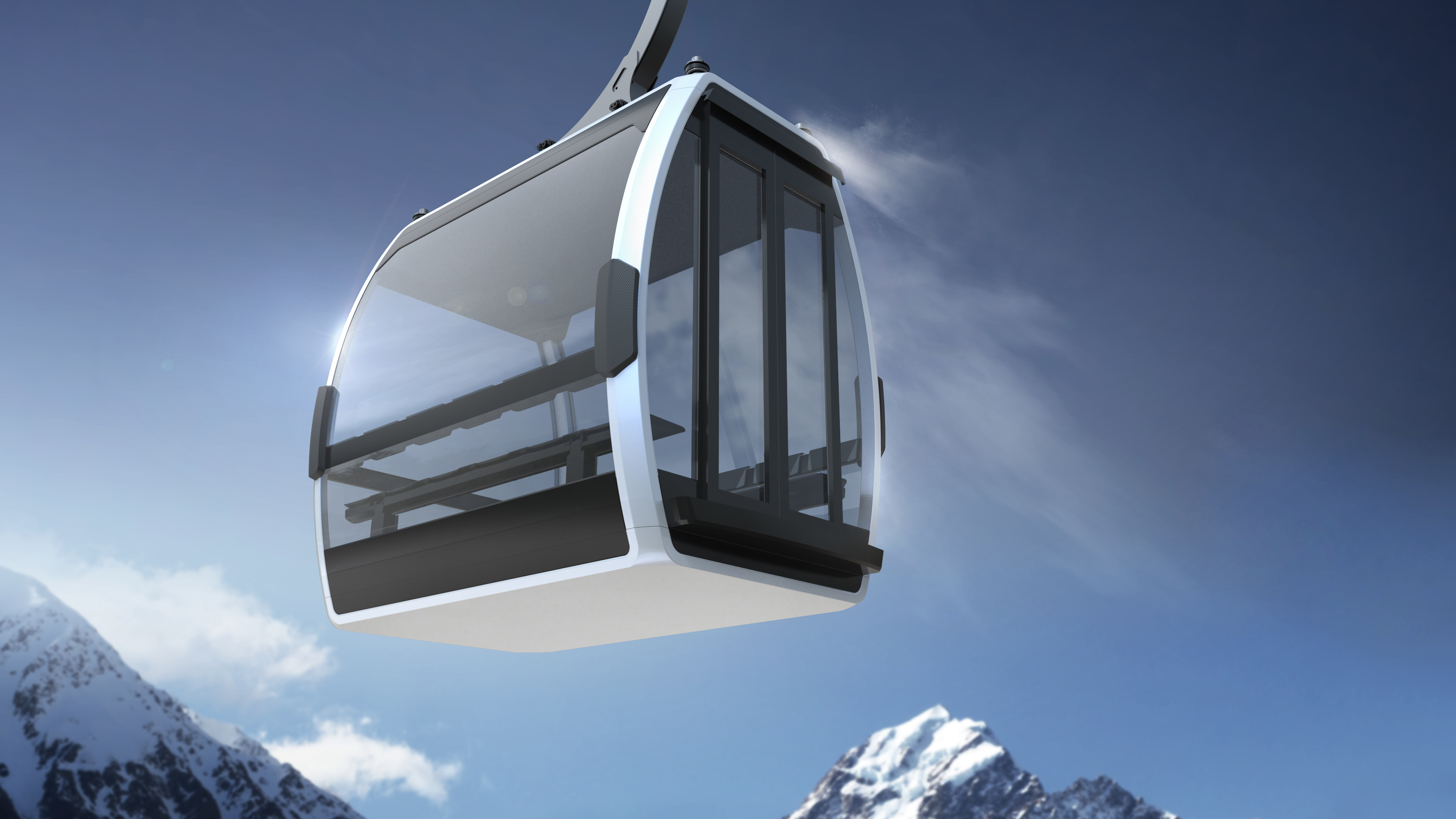
Doppelmayr Introduces TRI-Line Three Cable System

A Swiss ski resort will become the launch customer for a new hybrid ropeway design by Doppelmayr. TRI-Line (pronouned “treeline”) will combine the benefits of a tri-cable 3S ropeway with Doppelmayr’s D-Line detachable generation. The new system offers throughput of up to 8,000 passengers per hour with a smaller footprint and lower cost than a 3S. “The TRI-Line is a detachable continuous-movement system and a compact further development based on two proven ropeway systems,” explains Peter Luger, head of TRI-Line development in Wolfurt. “It combines the benefits of the D-Line with those of the high-capacity 3S system.” The concept is similar to Leitner’s new 2S system but utilizes two track ropes rather than one. Doppelmayr notes two track ropes provide a stable running surface and the highest wind stability. Multiple ropes allow for very long spans between towers, a hallmark of 3S systems.

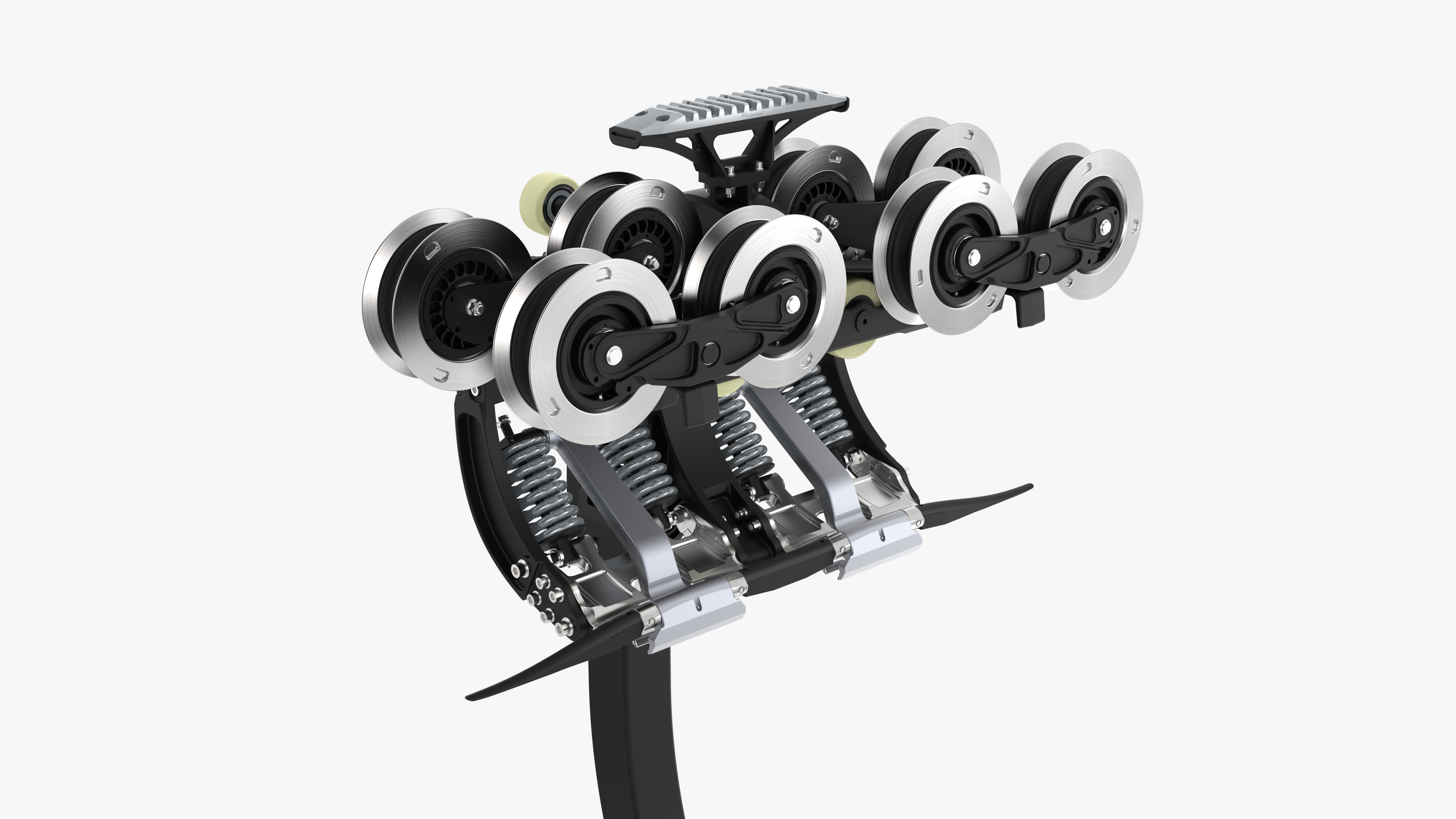
TRI-Line cabins will combine elements of CWA’s newest Omega V gondolas with those of Atria 3S cabins. The new cabins will accommodate up to 20 passengers in a 12 seated, 8 standing configuration. The carriage will utilize two D-Line detachable grips and eight running wheels. Cabins can be ordered with electronic sliding doors on two sides for high capacity and urban applications.

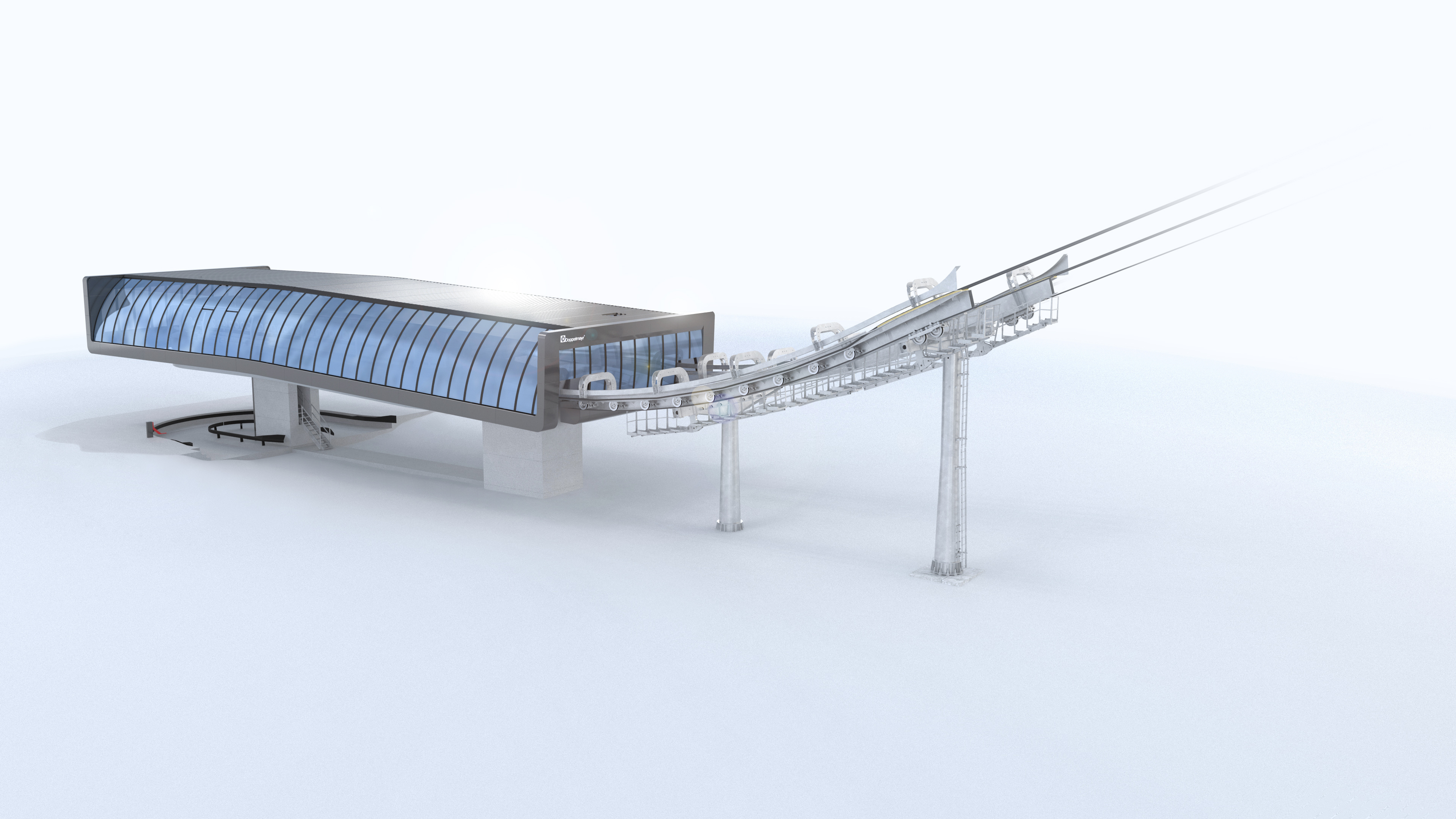
TRI-Line will utilize D-Line stations modified to accommodate track ropes and larger carriages. The new system will feature tubular towers rather than lattice towers. In addition to reducing tower footprints, this brings advantages in the construction phase such as the suitability of the components for air transport. Direct Drive gearless technology, Doppelmayr Connect controls and AURO autonomous operation are all compatible with TRI-Line.

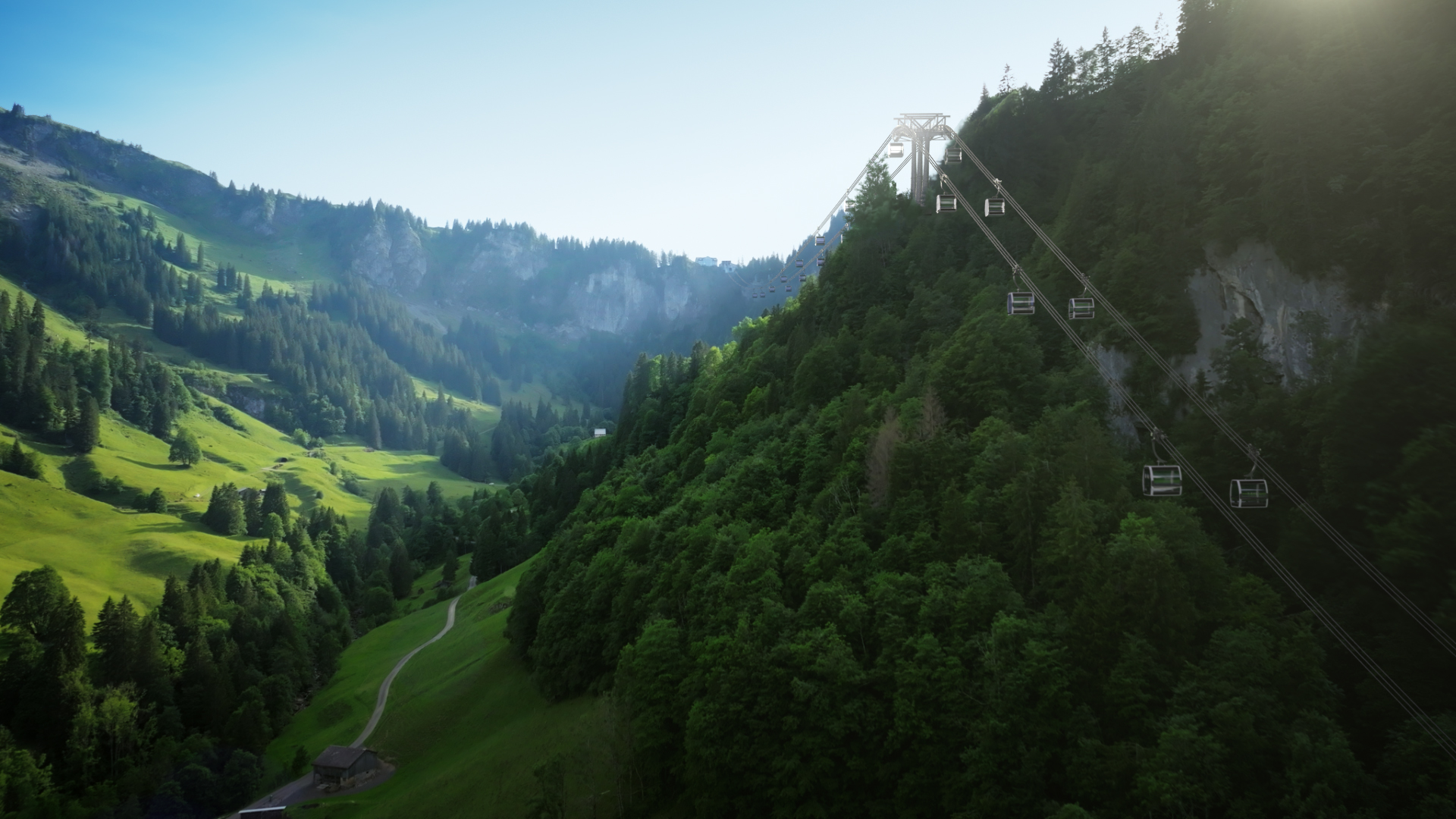
The first TRI-Line installation is already underway at Hoch-Ybrig, Switzerland replacing a 55 year old reversible tramway. “With the TRI-Line, we’ve found a ropeway system that meets all our requirements – and does so for a reasonable price,” said Urs Keller, CEO of Hoch-Ybrig. “While a monocable gondola would have been an option from a technical point of view, it would have entailed various challenges with our particular terrain and therefore been difficult to build. The 3S lift, as an alternative, was beyond our budget. The TRI-Line is compact and can cope with our wind conditions thanks to the 3S benefits, which is a decisive criterion for our important feeder lift. Thanks to the new cabins with their comfortable seats and the generously proportioned glazing, we can now offer our guests a far higher level of comfort.”

News Roundup: Preferred Alternative