
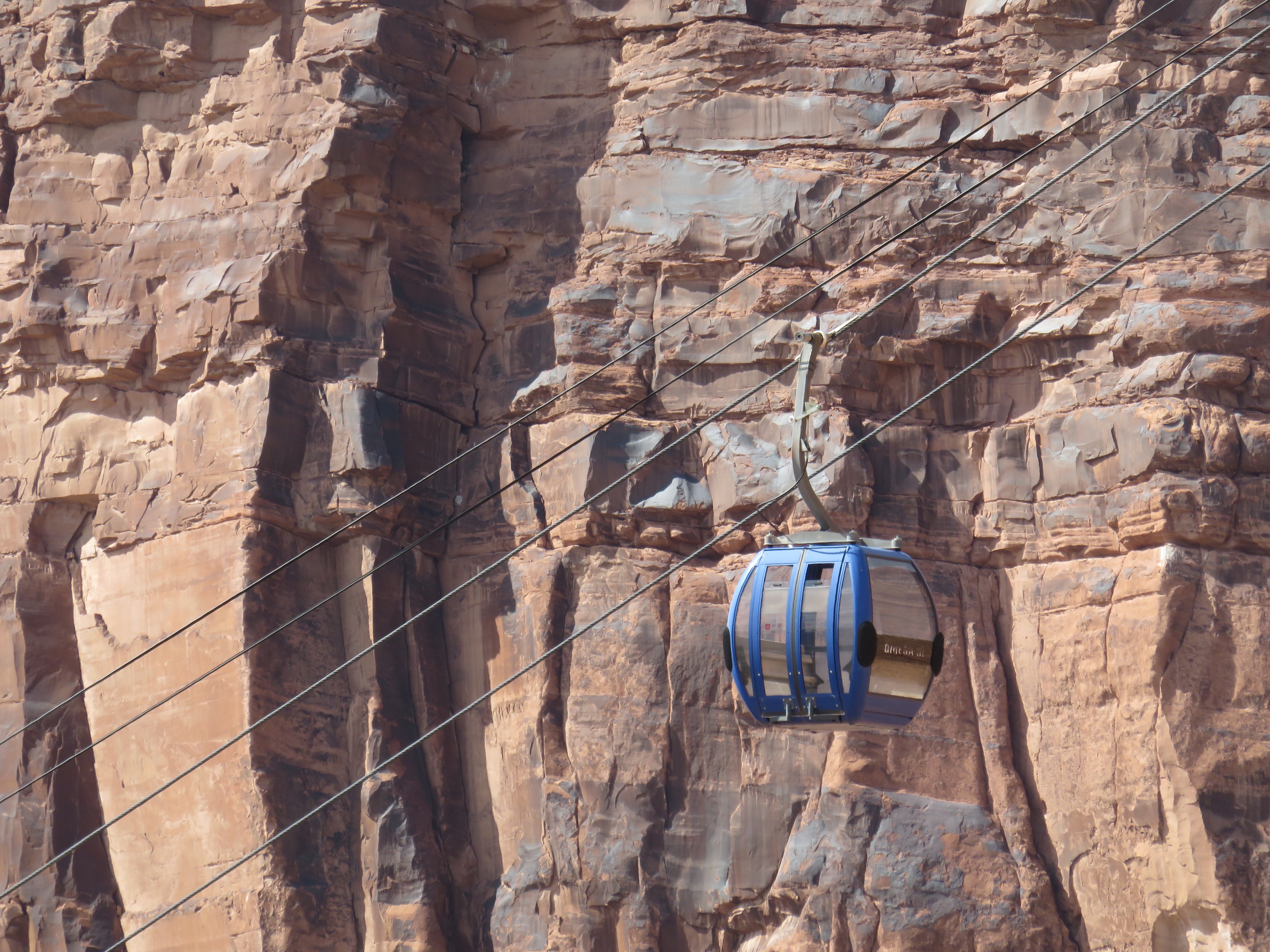
Moab, a town of 5,000 in the Utah desert is the surprising home of two failed lift projects – a gondola that never opened and a modern chairlift that lasted only a few years.
Moab Scenic Tram
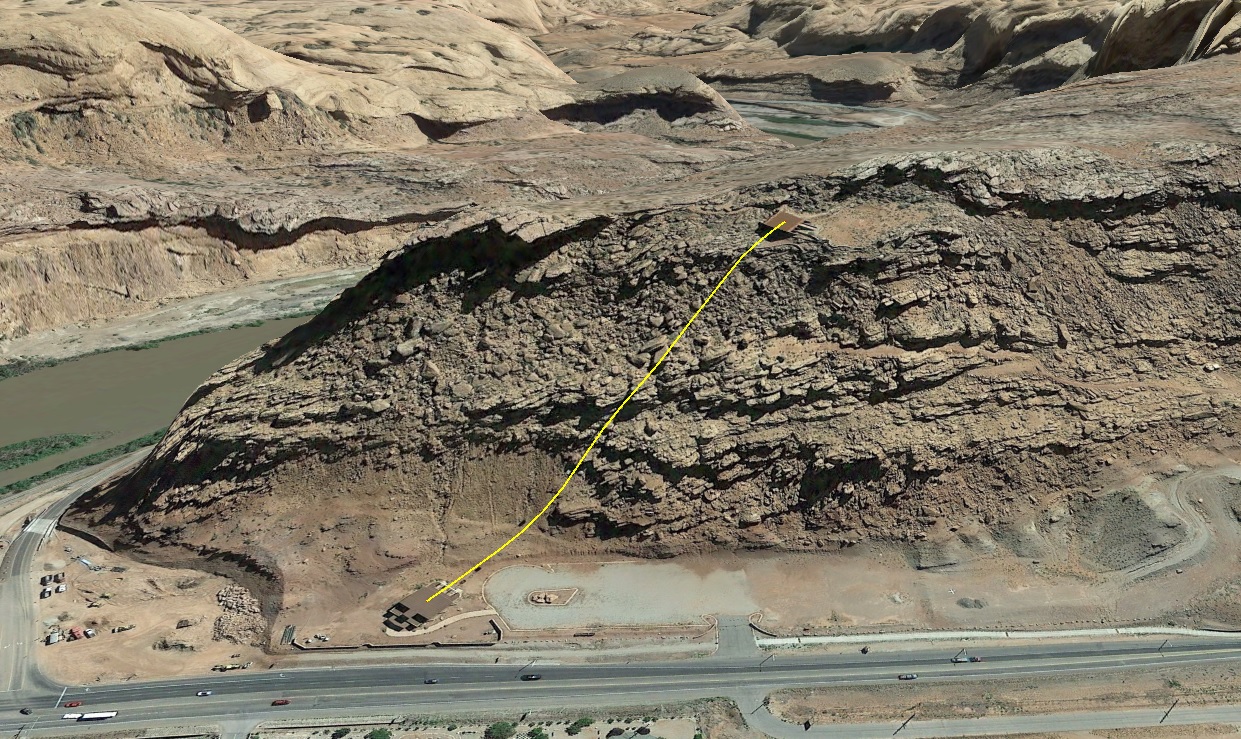
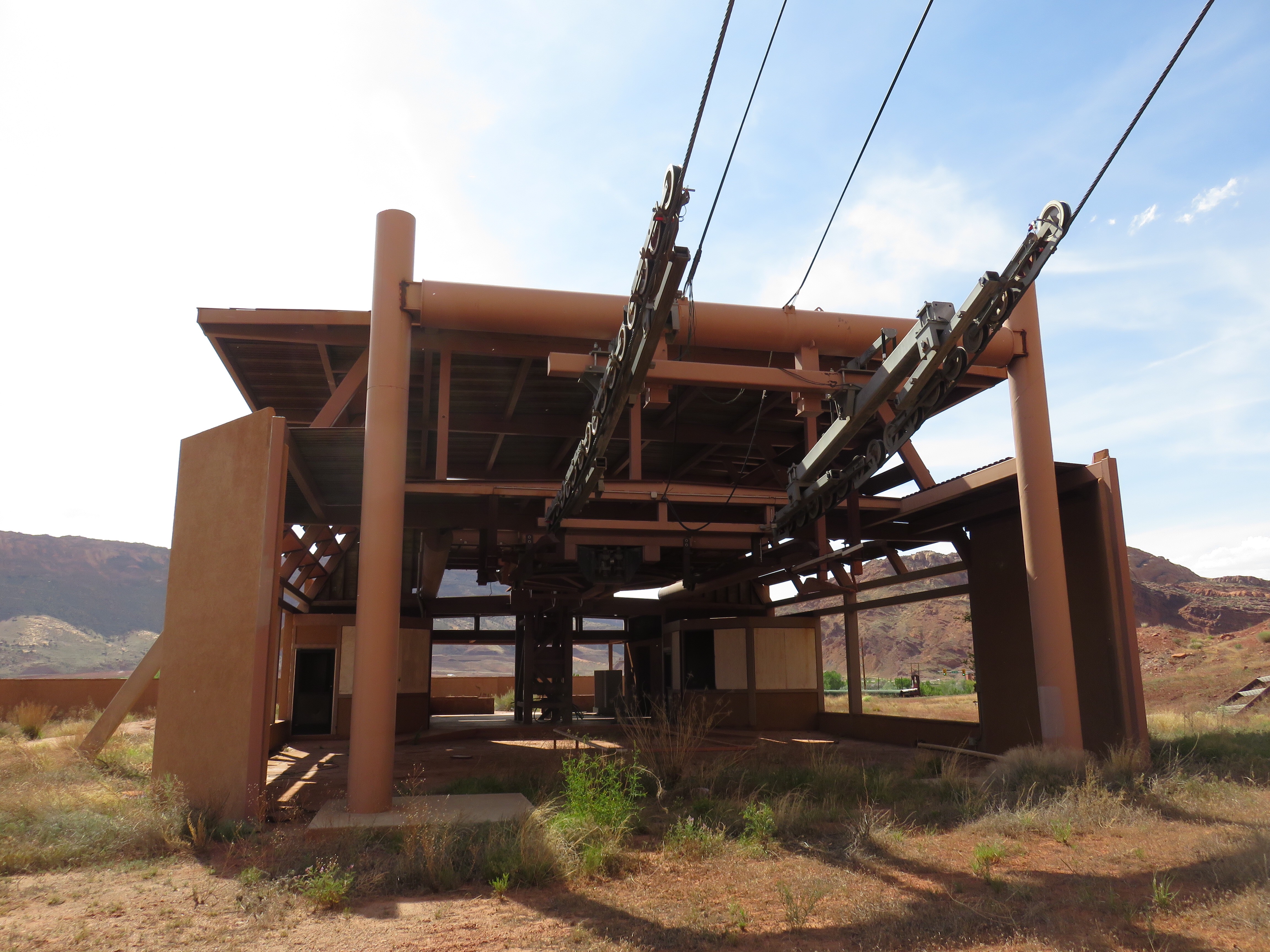
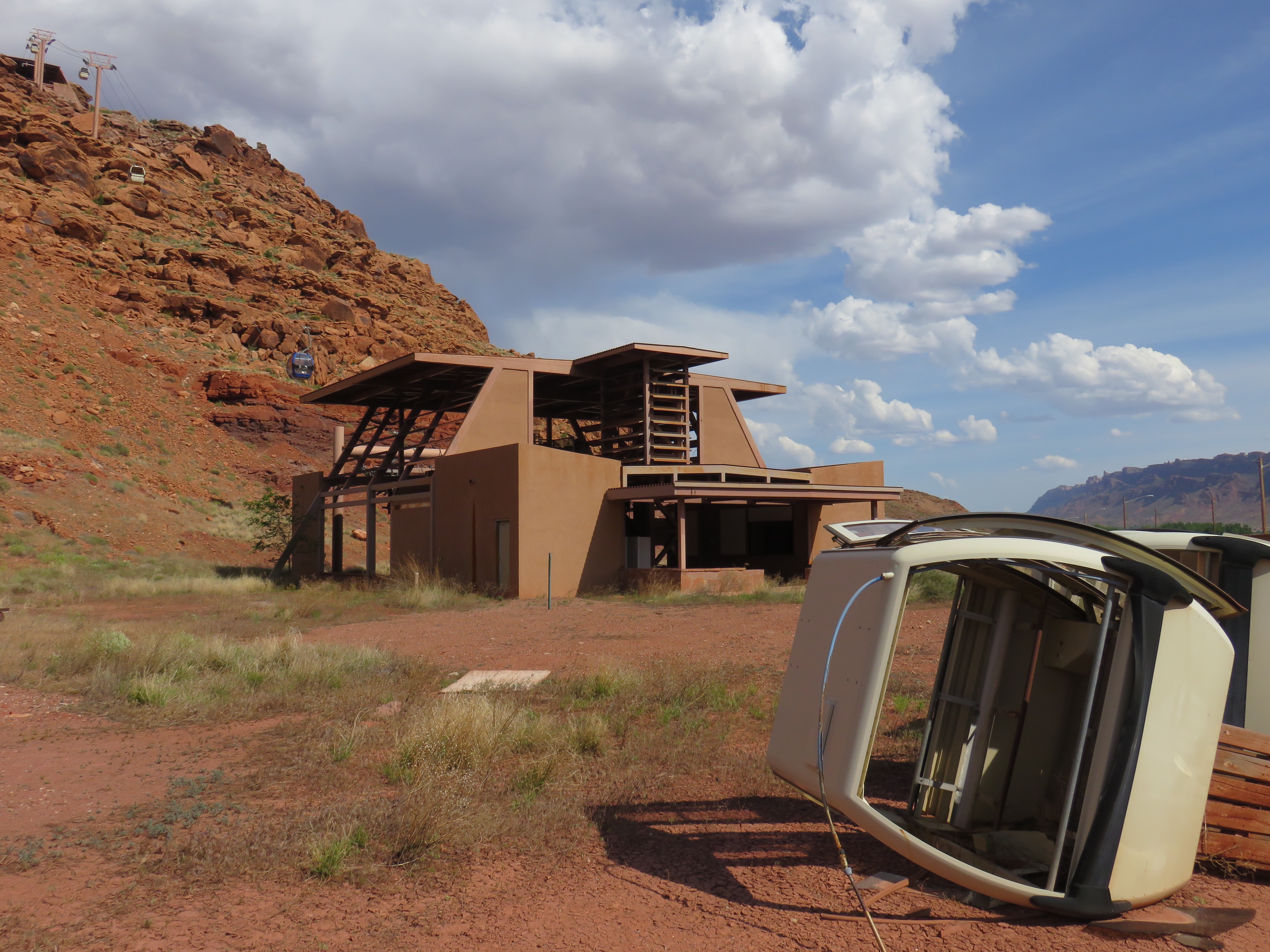
Moab Scenic Skyway
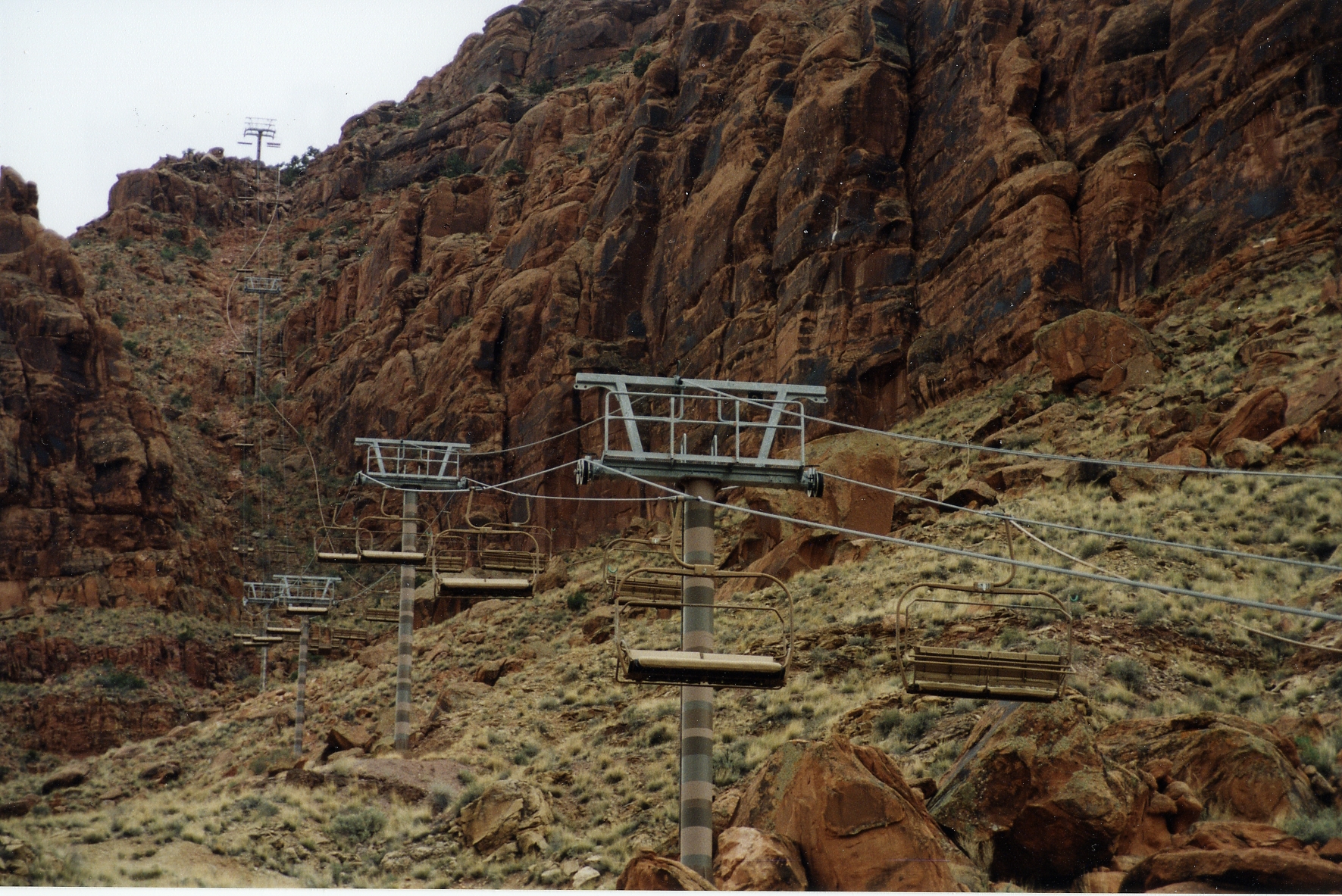
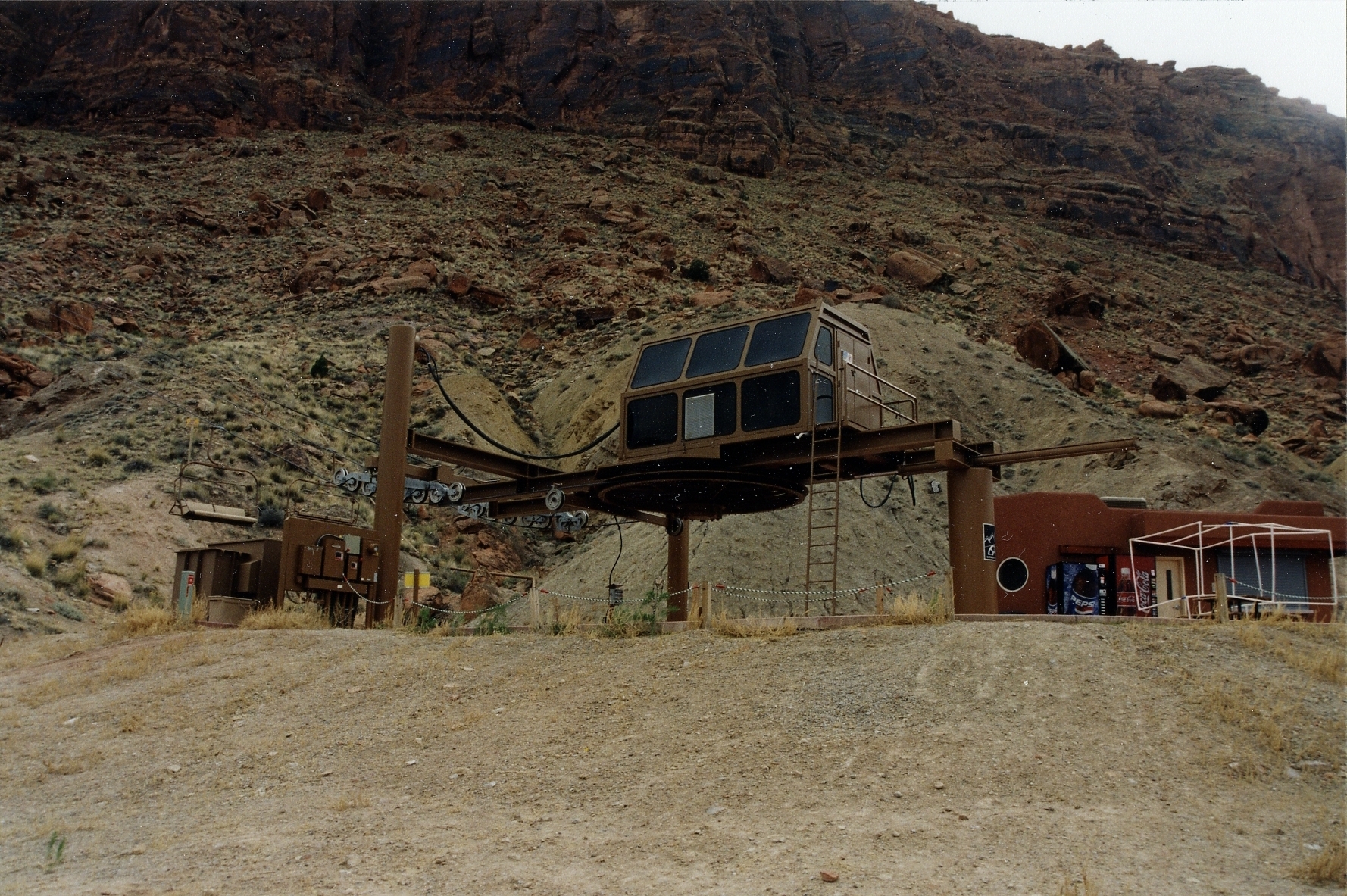
Moab, a town of 5,000 in the Utah desert is the surprising home of two failed lift projects – a gondola that never opened and a modern chairlift that lasted only a few years.
I got a chance to check out the Sea to Sky Gondola during its first few months of operation last summer. It’s located along the Sea to Sky Highway between Vancouver and Whistler. The system is just over 7,000 feet long and goes from a parking lot at sea level to a lodge 3,000 feet above. There are 20 CWA 8-passenger cabins that take riders to the top in 7.1 minutes. The summit lodge has expansive views of Howe Sound in addition to hiking trails and snow tubing in the winter. The project cost $22 million to build and is owned by a small group of private partners.
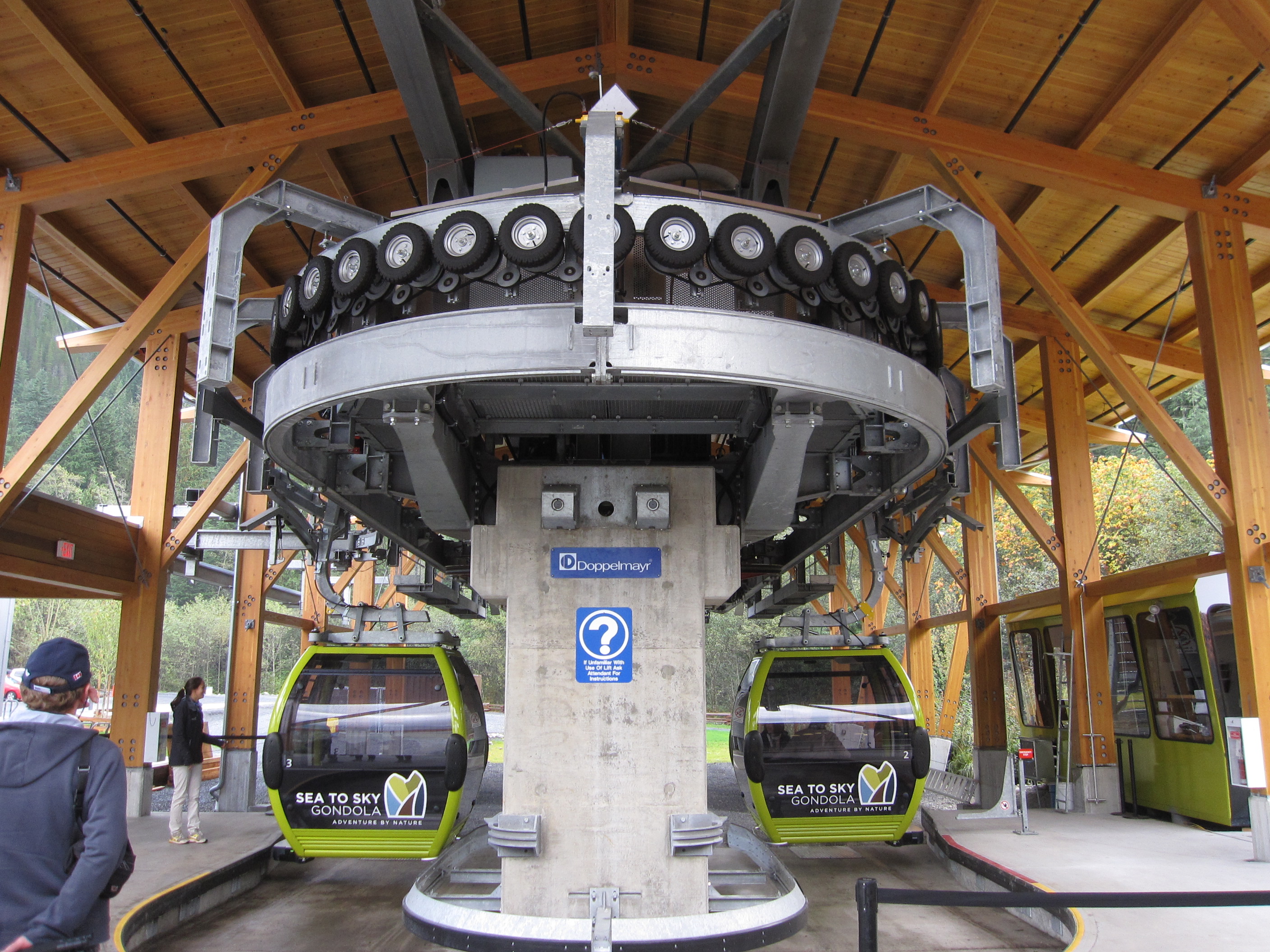
Doppelmayr began building the gondola in April 2013 and it passed its acceptance test in January 2014. The bottom drive terminal has a unique wooden structure over it instead of the normal Uni-G terminal. The lower section climbs an 800 foot cliff and none of the lift line is accessible by road. Many of the 14 towers were anchored directly to bedrock. Most trees under the line were left standing which would make for a challenging evacuation.
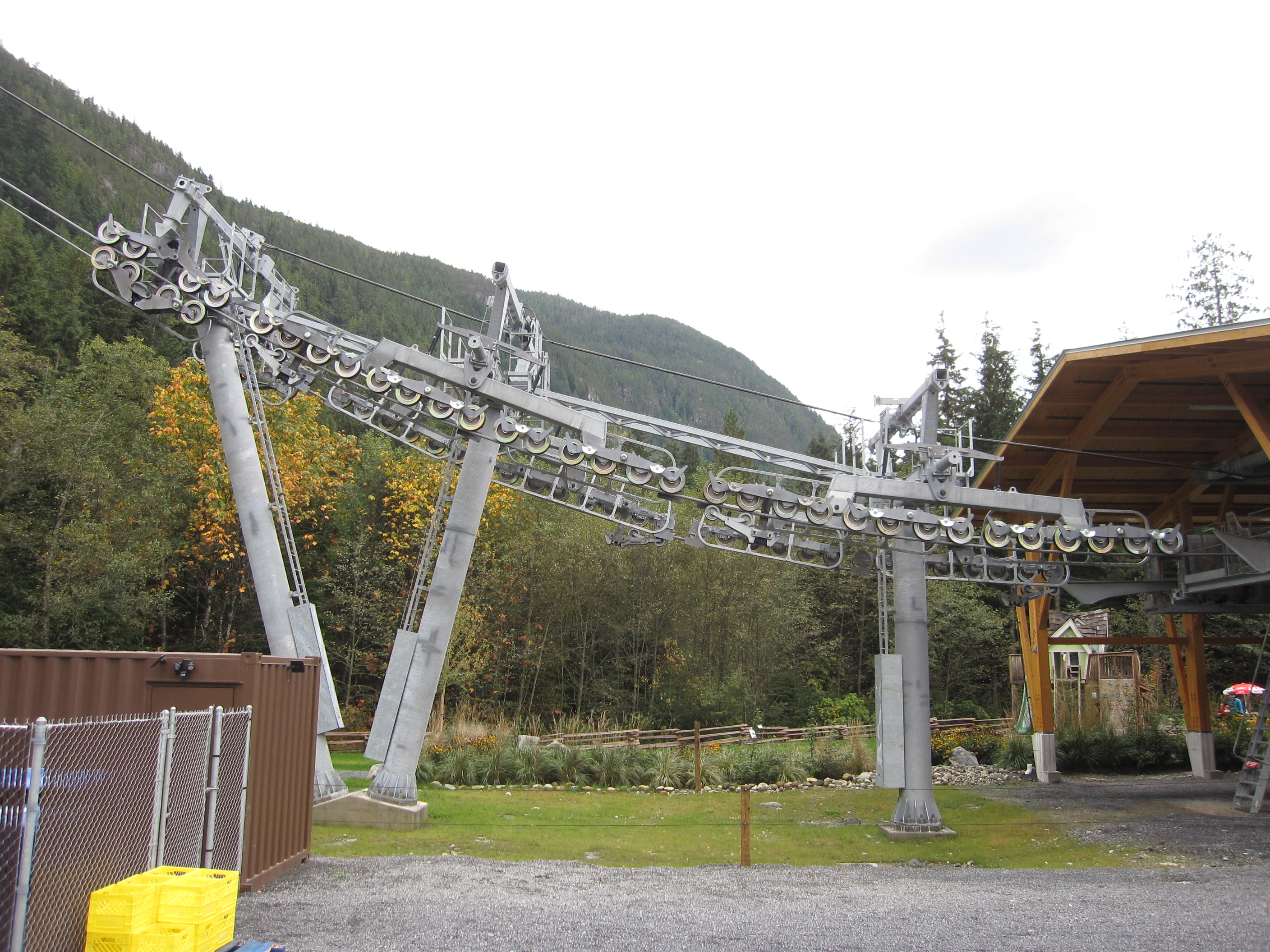
The gondola had a major accident on February 4th, 2014. At the time it was only open for construction workers and the media. The system stopped automatically around 8:30 am due to two rope position faults at tower 7. The only personnel on-site were two operators, the Mountain Manager and an employee from Doppelmayr. It took the Doppelmayr employee almost two hours to reach tower 7 on foot where he found a cabin on the ground.
There is a ropeway revolution going on in the Bolivian city of La Paz. Last month, Doppelmayr won the largest lift construction contract in history to expand the region’s urban gondola network. The government of Bolivia will pay $450 million for six new 10-passenger gondolas. To put it in perspective, Doppelmayr’s total revenue last year was $915 million. The company says 80% its business still comes from building lifts at ski resorts but that seems poised to change with La Paz as an urban ropeway success story.
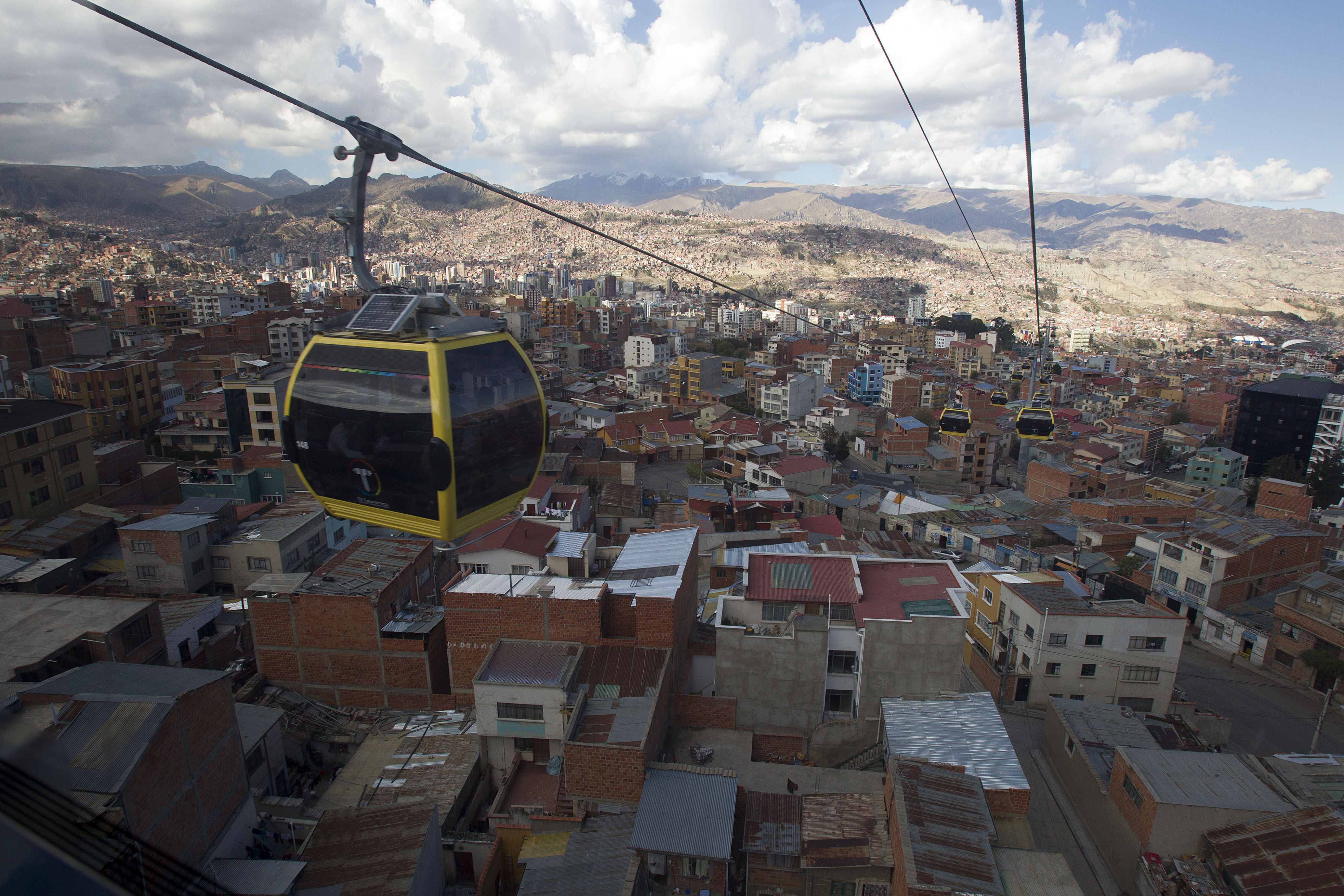
La Paz already has three Doppelmayr gondolas that opened last year. They have already carried more than 16 million people. Each line operates 17 hours per day and a ride costs less than fifty cents US. There are 11 Uni-G terminals where passengers load and unload. The only major incident happened when a eucalyptus tree fell on the yellow line back in February, causing a deropement and rope evacuation.
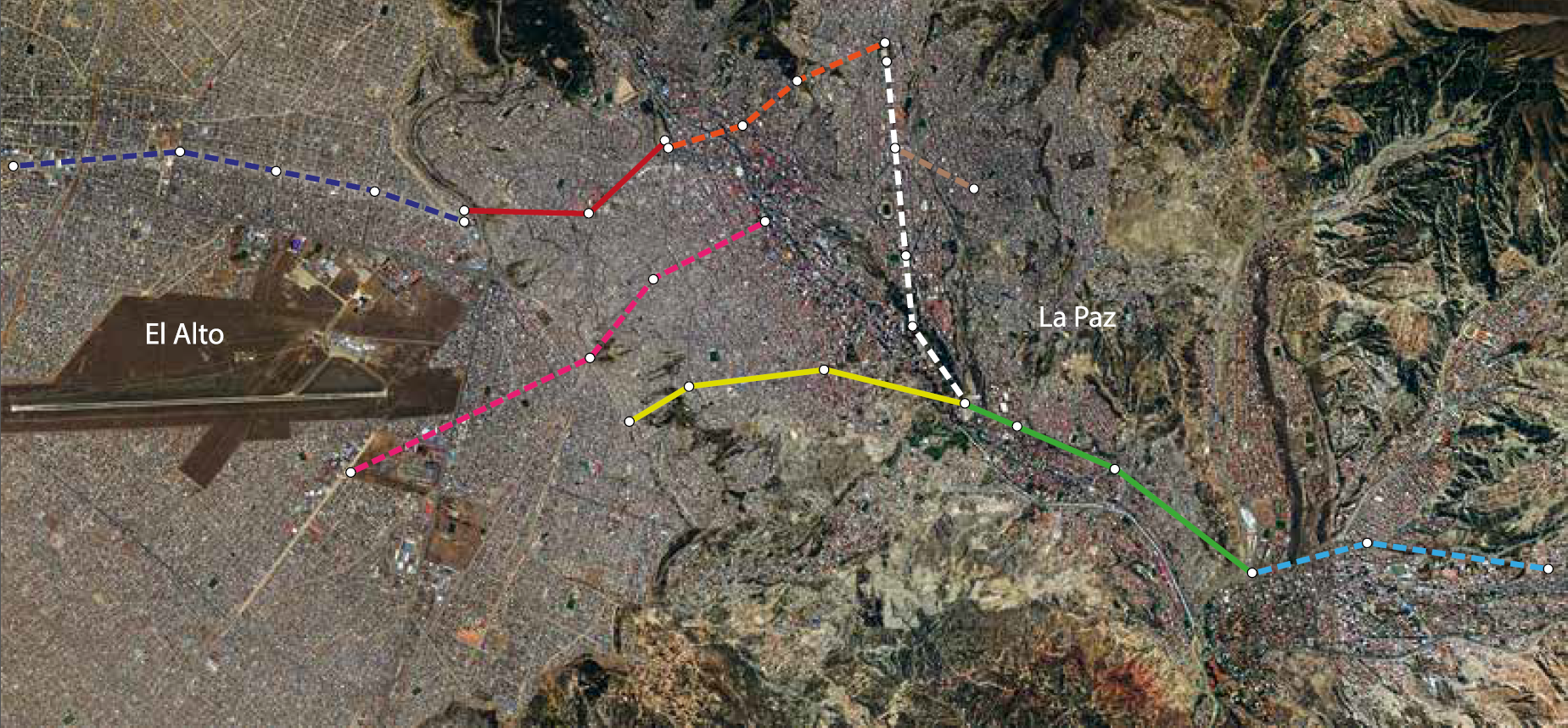
Phase II of the system will add 6 lines and 23 terminals between 2017 and 2019. Once completed, the network will include 19 miles of gondolas spread across 9 haul ropes. There will be a total of 34 stations and a ridiculous 1,350 CWA 10-passenger Omega cabins.
There are plenty of examples of urban ropeways scattered around the world, but no other city has gone all in on gondolas like La Paz. It will be interesting to see if any American cities follow their example.
Ever wanted to know how many lifts are operating in each state? Read on. Colorado has the most operating lifts of any state with 275. California is close behind with 263 followed by New York (189) and Michigan (165). There are only 9 states with more than 100 lifts each. The majority of states have fewer than 20 lifts today. Five sad states have no aerial lifts at all to my knowledge – Alabama, Arkansas, Delaware, Hawaii and Louisiana. (Louisiana used to have a 6-passenger Poma gondola called MART that crossed the Mississippi River.)
Each one of Canada’s 10 provinces has at least 3 lifts used for skiing. Only the Nunavut and Northwest Territories do not have a lift. Quebec has the most lifts by far with 226 followed by British Columbia (165), Ontario (162), and Alberta (87).
The average age of lifts varies significantly by region. Maryland’s 7 lifts average 17 years old while Ohio’s 33 lifts are more than twice as old at 34.4 years. Utah and Montana stand out as having new lifts averaging 19.4 and 19.9 years old, respectively. Places with really old lifts tend to be in the East and Midwest. Wisconsin, Minnesota, Michigan, Ohio and New York all have lifts that average more than 30 years old.
It’s also interesting to look at which brand has the most operating lifts in each state/province. 25 states/provinces are dominated by brands which disappeared decades ago – Yan, Riblet, Borvig and Hall. Borvig dominates in 5 eastern states – IL, VA, IA, ME, and PA. Hall lifts are pervasive in many eastern states – ND, CT, MA, NY, WI, MN, OH, and SC. Riblet still dominates all of the northwest and some of the midwest – MO, OR, WA, SD, AK, NM, IN, MI, and KY. Yan takes its home state of Nevada and neighboring California and Arizona.
Doppelmayr is the most common lift brand in surprisingly few states – MD, GA, MT, NJ, NH, ID, and NC. The story is different in Canada where Doppelmayr is the top brand in most of the country – BC, MB, SK, AB, QC, and NB. Despite being gone for a decade, CTEC and GaraventaCTEC are still the most popular in Utah, Wyoming and West Virginia (thanks solely to Snowshoe Resort.) Finally Poma and Leitner-Poma take their home state of CO plus VT and ON, NL, PEI and NS in Canada.
Resorts are starting to close and construction season is upon us. Many new lift projects have already been announced. You can see the full list here. After last year’s “win” by Leitner-Poma, Doppelmayr will return to dominate with at least 14 projects. Remarkably almost all of them will be detachables – more on that later. So far the only other confirmed projects are a Leitner-Poma detachable at Powderhorn, CO and 2 Leitner urban gondolas in Mexico City. (Apparently these are being built by Leitner in Italy, not by Leitner-Poma in Grand Junction.)
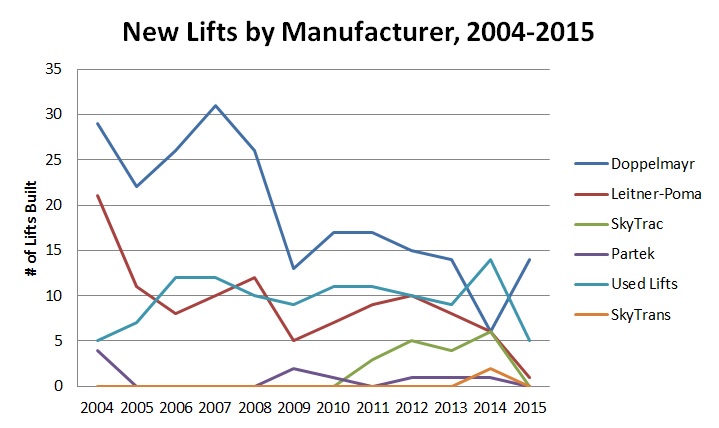

2015 also will be the first year since 2011 that more detachable lifts are built than fixed-grip lifts. So far only 3 fixed grips have been announced.
 Lift Blog