
- Highland Mountain Bike Park is closed this week as crews reinforce a 1987 Borvig triple top terminal foundation, surely as a result of the Sunday River Spruce Peak incident. The bike park, which is no longer a ski resort in the winter, hopes to re-open tomorrow.
- At Sunday River, Spruce Peak’s haul rope has reportedly been cut. Its sister lift, the 1984 Borvig Locke Mountain triple had its rope removed from the top bullwheel.
- Cardrona Alpine Resort in New Zealand will build a Doppelmayr 6/8 chondola for next season.
- Splicer Bill Alsup died last Tuesday in a crane accident at the age of 78. He started working for Poma in 1959, ran the Poma distributorship in Vermont for more than 25 years and was also an Indy Car driver.
- Steamboat inches towards two new gondolas.
- Leitner-Poma of America is designing the huge gondola from Queenstown to The Remarkables that would have three stations, 80 towers and cost approximately $36 million.
- Italy’s first heated-seat chairlift will be an 8-pack.
- Ski Magic, LLC signs purchase agreement for Magic Mountain and will immediately begin work required by the Vermont Passenger Tramway Board to make lifts operational. First priority is the Pohlig triple chair that’s sat idle the past two seasons. Geoff Hathaway, President of the new ownership group commented, “it was either Magic or Whistler Blackcomb. I think we got the better deal.”
- Aspenites continue to argue over the placement of 1A’s new lower terminal.
Leitner-Poma
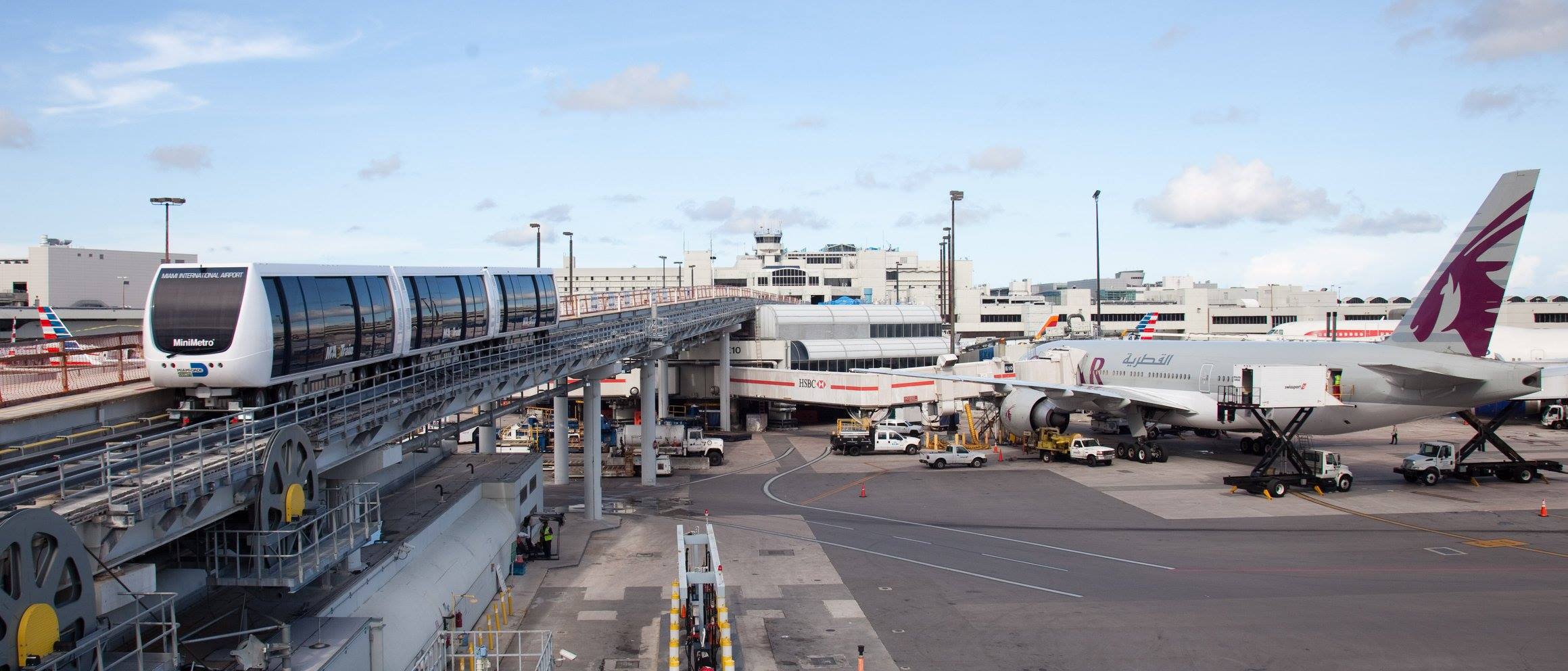
Leitner-Poma MiniMetro Debuts at Miami International Airport

Aerial lifts are far from the only transport applications where cable-propelled systems make a lot of sense. Earlier this month, Leitner-Poma celebrated the opening of its newest MiniMetro train at Miami International Airport. It’s the first phase of a system that will carry up to 30 million passengers annually to the Concourse E Satellite using less energy and with lower costs than a traditional automated people mover. Leitner-Poma of America President Rick Spear said of the opening, “we are very pleased with the new MiniMetro train at MIA. We have demonstrated our ability to be a competitive alternative to existing self-propelled technology both on price and performance, and in particular on the yearly operating and maintenance costs.” Many of the train’s components were manufactured at Leitner-Poma’s Grand Junction facility that also builds ski lifts for North America, Australia and New Zealand.
The new train at Concourse E replaces one built in 1980 by Bombardier. The Leitner-Poma project is the fourth people mover at Miami International Airport and the first to be cable-driven instead of having propulsion in each car. Mitsubishi Heavy Industries constructed the MIA Mover & Skytrain and also bid on the Concourse E replacement project. Miami-Dade County awarded Leitner-Poma the $87 million contract in 2014, which includes 15 years of operation and maintenance. “The Leitner-Poma team has delivered a train that is aesthetically appealing and has a very smooth ride. The south lane is open and is being well received by our passengers,” said Eddie Chinea, Miami-Dade Aviation Department APM/Transport Systems Chair and Assistant Project Director.
New England Gets a Lift: Suicide Six to Build New Quad Chair
Vermont’s Woodstock Inn & Resort unveiled plans Thursday for a new quad chairlift at its Suicide Six Ski Area. Normally this wouldn’t be a big deal, but it marks the first (and possibly only) major lift project in the Northeast United States for 2016. Over the last ten seasons, Northeastern ski resorts have built an average of ten new lifts each year, testament to this year’s huge departure from normal in the wake of a rough winter.
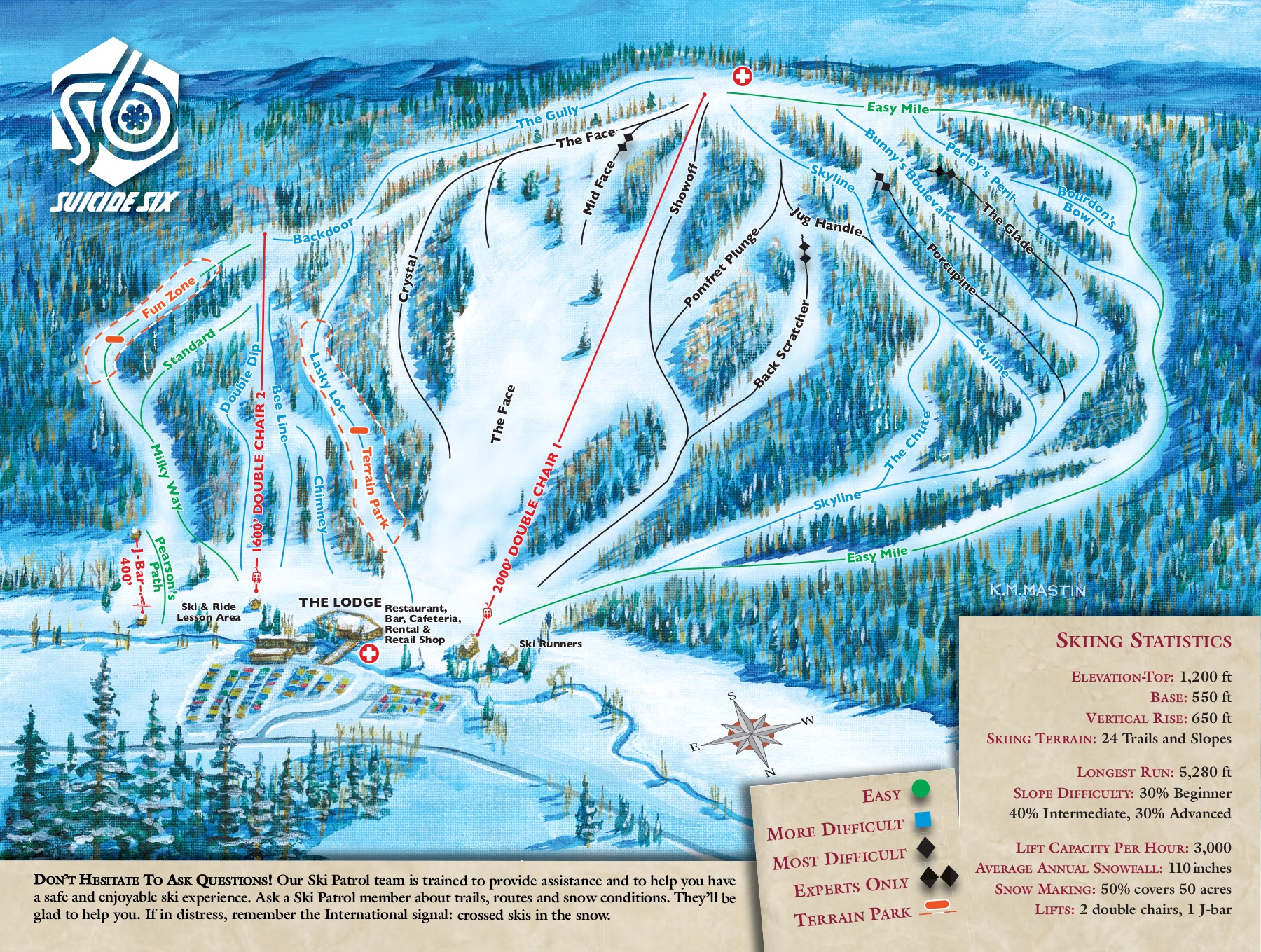
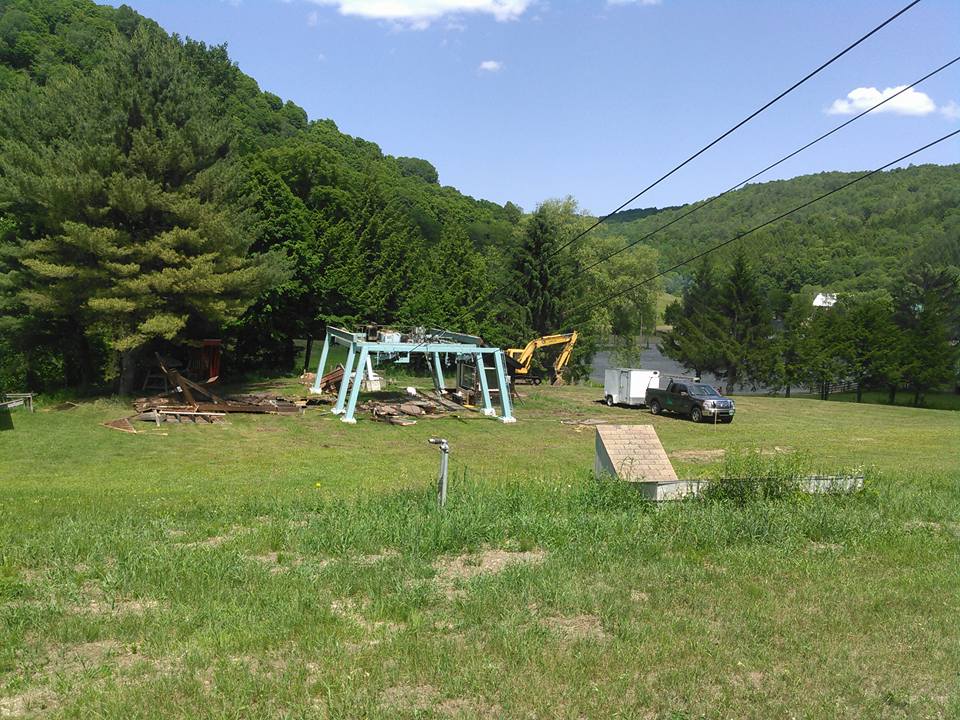
The new Lift #1 will replace a 1975 Borvig double and be built by Leitner-Poma of America. The Laurance S. Rockefeller Fund will foot the bill for the $1.5 million project. The Rockefeller Family’s RockResorts once owned Suicide Six and the Woodstock Inn and spun them off as the nonprofit Woodstock Foundation in the 1980s. Vail Resorts bought RockResorts in 2001.
The 2000′ Borvig double chair being replaced closed in February after the ski area found tower cracks following the Timberline, WV crossarm failure. Although the two lifts’ towers were of different design, the State of Vermont ordered inspections of all Borvig-brand lifts. The new quad will be Suicide Six’s first new lift since Poma built the 1,600′ chairlift way back in 1978. The mountain first opened for skiing in 1936 and currently has two double chairs, a J-Bar and 24 trails.
Woodstock President and General Manager Gary Thulander said in a news release, “We recognized the need to upgrade this chairlift as part of the long-term support of the regional ski community including local schools, season pass holders, the Woodstock Ski Runners program, and visiting skiers. Increased chair capacity means a dramatic upgrade to the overall experience of the mountain by all levels of skiers, racers and snowboarders.” Removal of the old chair is already underway.
This is Leitner-Poma’s eighth new lift project for 2016, up from seven last year. With this news from Suicide Six and other recent announcements, the total new lift count for North America stands at 39, up 11 percent from last summer’s 35.
News Roundup: Six-Packs
- Mt. Snow becomes the latest mountain to replace a chairlift with a beginner-friendly carpet lift.
- New construction webcams are live at the Leitner 3S Matterhorn Glacier Paradise project.
- Skier visits in Colorado were up 13.9 percent last season, Vermont was down 32 percent.
- County approves The Balsams redevelopment.
- Baton Rouge, Louisiana is still eyeing gondolas.
- Stunning photos from inside the new Eisgratbahn 3S stations.
- Sipapu is upping the power on its new quad chair.
- Leitner-Poma will build three new lifts in Ontario this summer including a six-pack at Horseshoe Resort.
- Telluride’s Mountain Village Gondola turns 20 this year with celebrations planned. The gondola has over 100,000 hours and provides 2.5 million rides each year!

Five Challenges Facing Chicago’s Skyline

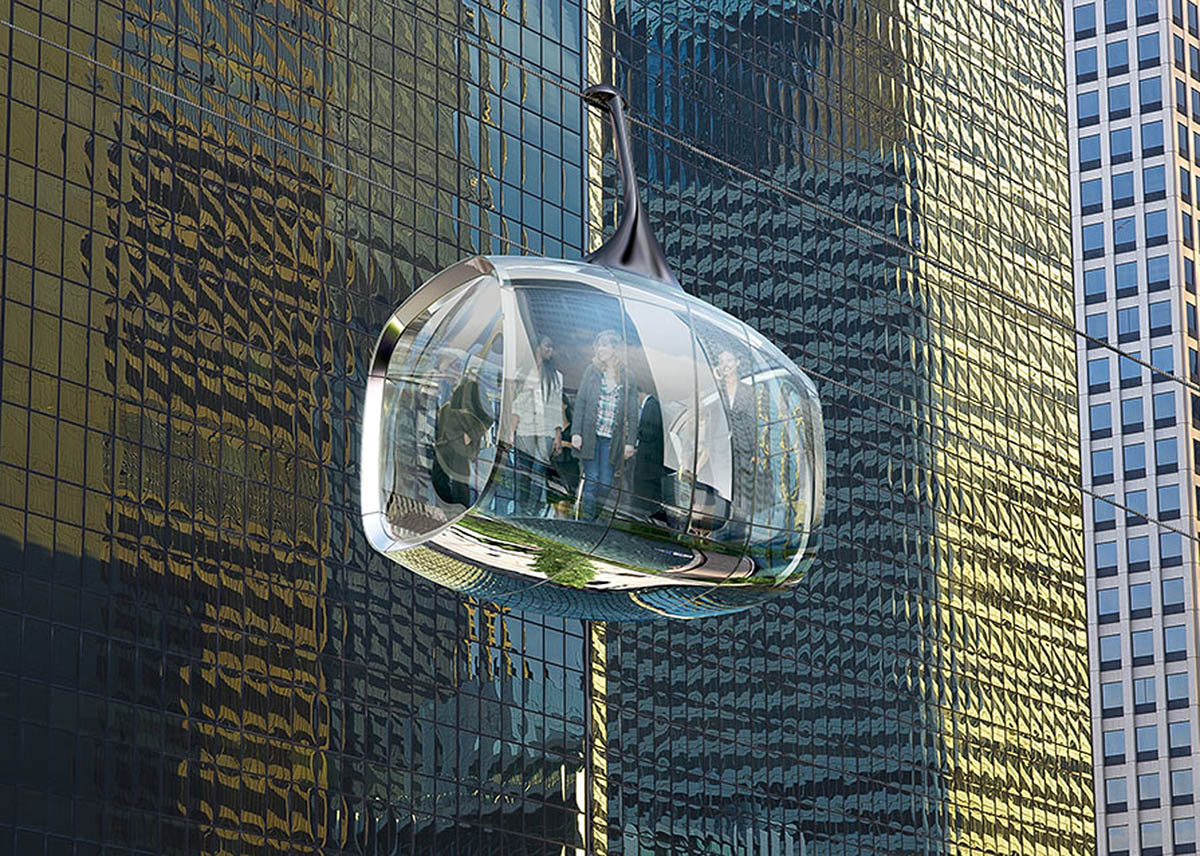
Chicago doesn’t have an iconic tourist attraction. There’s no giant Ferris wheel, no observation tower, no famous bridge. Entrepreneurs Lou Raizin and Laurence Geller want to change that with a gondola. Over the past four years, the men studied more than fifty signature attractions in cities around the globe and came up with the Skyline as an iconic attraction for the Windy City. As presented to the City Club of Chicago on May 3rd, the plan includes a gondola from Navy Pier with multiple stops along the Chicago Riverfront. David Marks, the architect behind the London Eye, collaborated on the innovative design with New York-based Davis Brody Bond. Marks also designed the British Airways i360 observation tower with a passenger capsule built by Poma and Sigma. The Skyline project would likely bring together the same team from the Eye and i360 with engineering firm Jacobs Inc. and ropeway technology from Leitner-Poma.
Mr. Raizin and Mr. Geller say they’ve spent millions designing and studying the Skyline, which will cost an estimated $250 million raised from private investors. The premise is sound but the proposal comes with significant challenges.
1. What is it?
“This is not your typical aerial gondola,” Mr. Geller told the City Club. The system would transport 3,000 visitors per hour at 800 feet a minute. That’s pretty standard for a monocable gondola. The challenge is architects want big, beautiful cabins while also keeping a “light footprint” for the system. Renderings show approximately 25-passenger cabins with only one haul rope and no grips. To date, the largest monocable gondolas in the world carry 15 passengers, not 25. Larger cabins require track ropes, bigger terminals and complex towers with saddles.
Cascade Mountain Announces $9 Million Expansion with 2 New Lifts
Cascade Mountain will get two new Leitner-Poma quad chairs this summer with more new lifts on the way, the resort announced today. This summer’s $9 million slate of improvements includes a high speed quad replacement for the Cindy Pop chair, a new quad serving seven new trails, an expanded base lodge and snowmaking improvements.
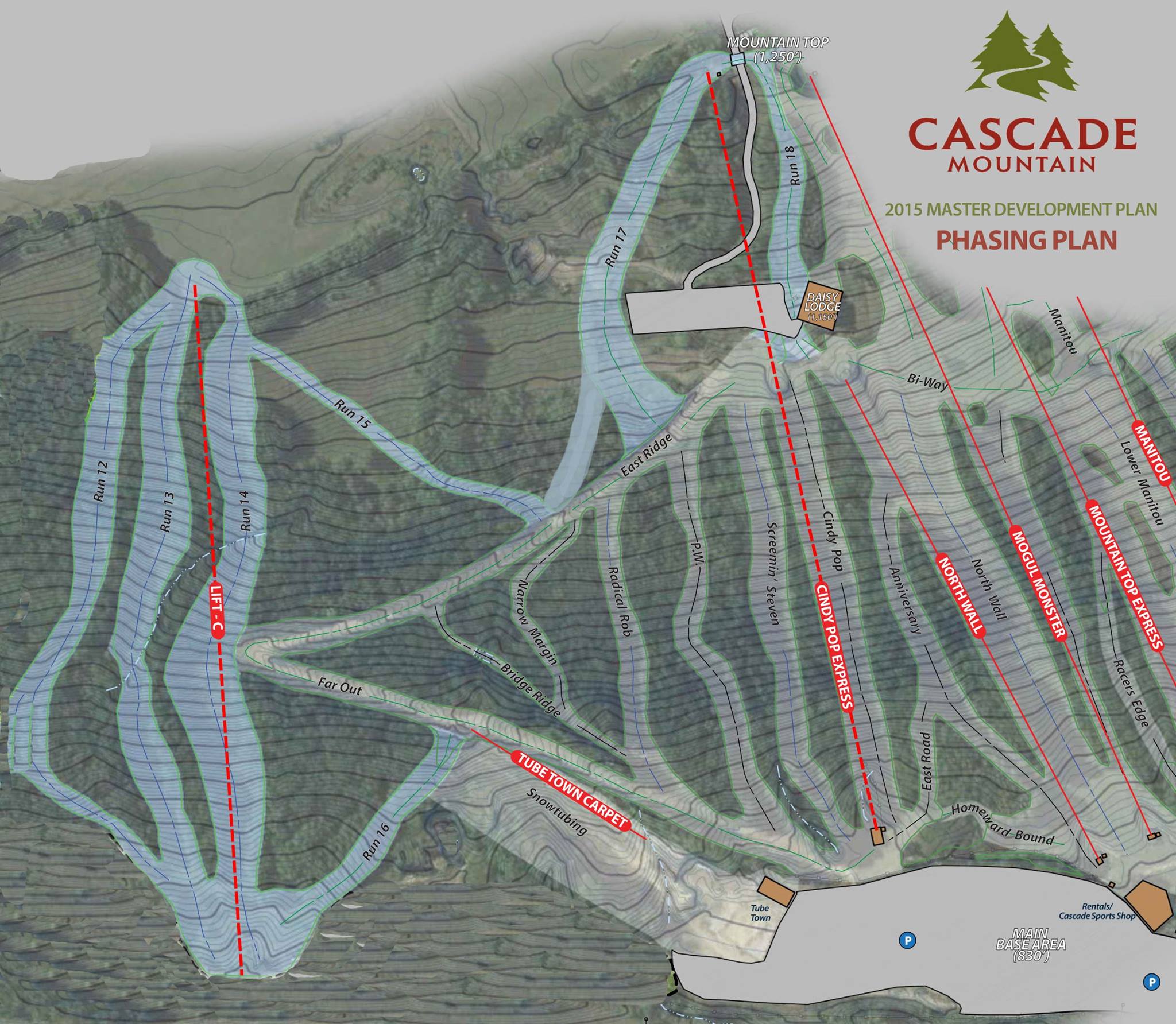
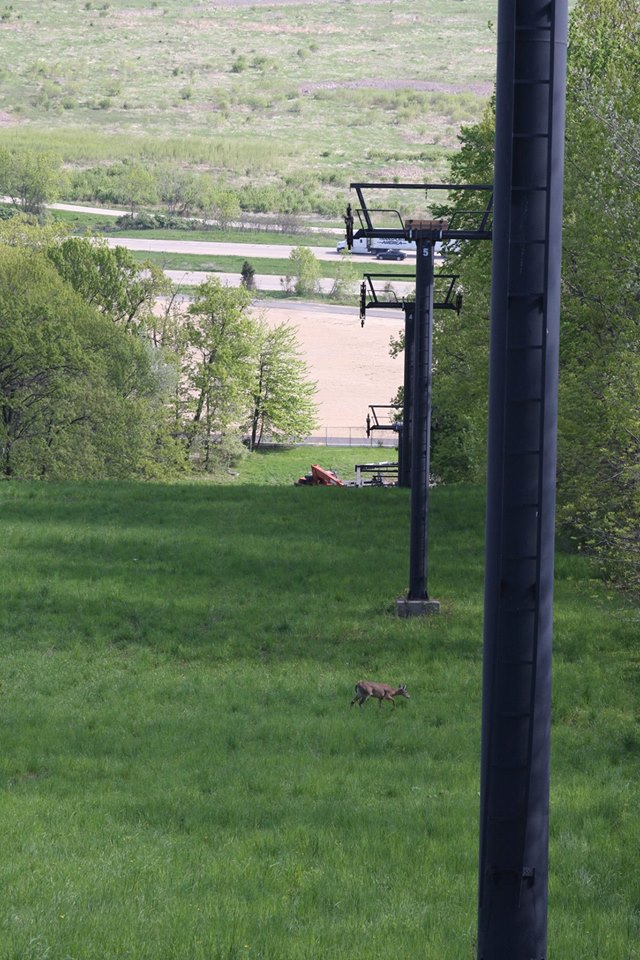
Cascade Mountain became the first ski area in Wisconsin with a high-speed lift back in 1998 and has eight lifts including three quad chairs. The new Cindy Pop Express will be nearly twice as long as the 1991 Borvig quad chair it replaces and will move 2,400 skiers per hour. The new “Lift C” will be a fixed-grip quad east of the current ski area serving new terrain. Cascade owners Rob and Vicki Walz are excited to move forward with the expansion that’s been years in the making. “My dad always envisioned using the far east side of Cascade for an expansion and he started cutting trails many years ago. The time has come to reach the next level for Cascade. Our customers will appreciate the new intermediate trails which are longer than what we have on the west side,” commented Rob Walz in the announcement on the resort’s website.
In His Own Words: Carl Skylling of Skytrac on the Leitner-Poma Acquisition
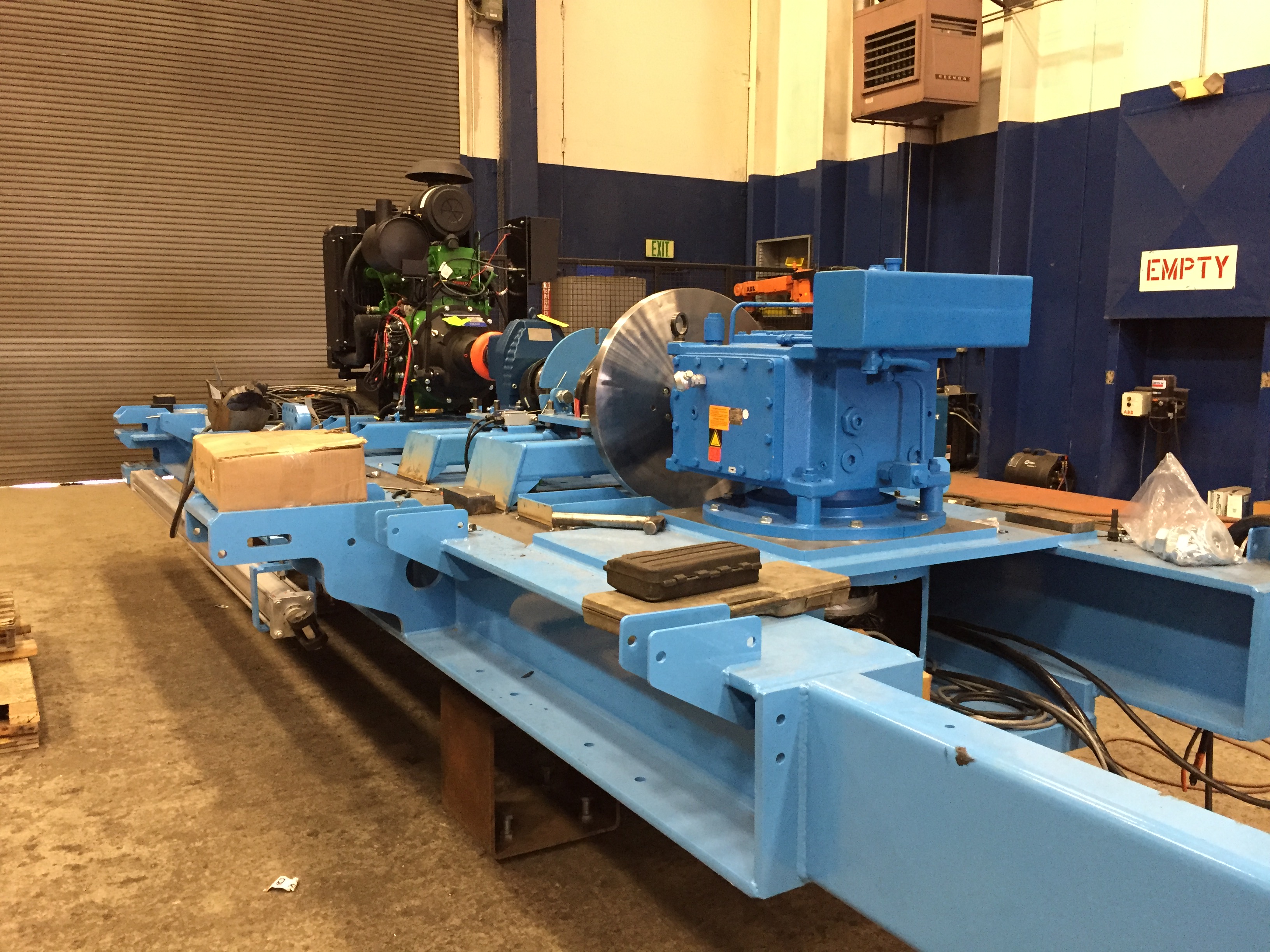
Last week on my way home from the Rocky Mountain Lift Association conference, I stopped by Skytrac headquarters to sit down with Carl Skylling, General Manager of the company that’s shaken up the lift-building industry in North America over the past eight years. If you hadn’t heard, Leitner-Poma bought Skytrac two weeks ago in a move that surprised many. Carl is an industry veteran who worked his way up through Garaventa CTEC, Doppelmayr CTEC and Skytrac in construction, operations and management positions. In addition to kindly agreeing to be interviewed, Carl introduced me to some of the hard-working men and women who design and build Skytrac lifts in Salt Lake City.

Peter: How did you get started with SkyTrac?
Carl: I started out with Garaventa CTEC and then got pulled into the merger with Garaventa and Doppelmayr, becoming Doppelmayr CTEC. Jan Leonard had stepped down in 2008 and by 2010 I was Vice President of Operations but getting restless to do something different.
I approached these guys with a concept I had to continue this whole idea of doing service work and modification work because I saw that there was a big niche in the market that was missing there. So I approached Dave Metivier and Alan Hepner, and about the same time Jan Leonard was also getting interested in finding a way to take care of his former customer base by supporting them with service and parts. So there was this huge potential market to make all those parts.
One thing kind of led to another between [Jan] and I approaching our partners, Dave and Alan, who were running Hilltrac and Skytrac at the time. We ended up taking this Skytrac concept to the point where, with the four of us, we realized why stop with parts? Why not do a design of our own. SkyTrac started in 2008 doing some engineering/modification work with Dave and Alan but we really, in 2010, took it to the next level.
New Book Chronicles 80 Years of Innovation at Poma
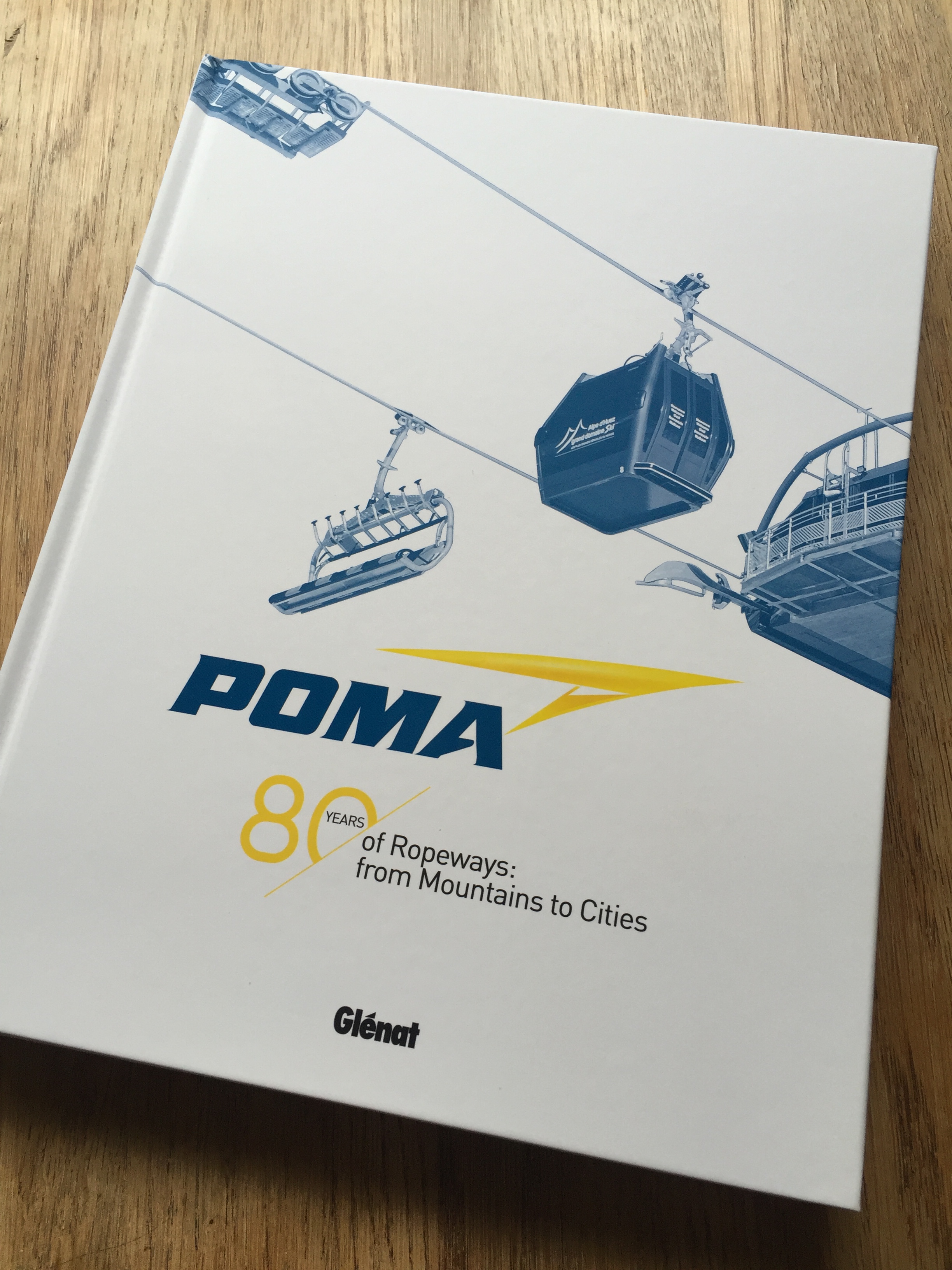
The above dedication sits on the first page of a new book celebrating eighty years of commercial success called Poma: 80 Years of Ropeways from Mountains to Cities. The 190-page work, written by Béatrice Méténier and Christian Bouvier, looks back at the firm’s more than 8,000 ropeway installations from the mountains of France to Colorado, South America and beyond.
A skier at heart, Jean Pomagalski installed his first surface lift in 1934 at Alpe d’Huez. He constructed it mostly out of wood and with a used Ford motor. After building three additional tows, Mr. Pomagalski had himself a company and filed a patent in 1936 for a “carrying device hauled by a rope moving at a constant speed.” After a break for Wold War II, Pomagalski S.A. grew to 15 employees by 1953. Even so, Mr. Pomagalski still found himself simultaneously a salesman, surveyor, designer and builder of lifts that were sent off as kits for installation by customers. The company’s first chairlift, a single-seater, debuted in 1955 near Chamonix.

By 1958, Pomagalski was selling 120 lifts a year, many of them to customers in the United States and Canada. Mr. Pomagalski decided to drop the latter part of his name from the company’s in 1965 to better appeal to English-speaking clients. Poma delivered its first gondola systems simultaneously in 1966 at Queenstown, New Zealand and Val d’Isère, France. A small new company called Sigma Plastiques provided the egg-shaped cabins. Poma trusted Sigma again the next year for the world’s first gondola with automatic doors and the rest is history.
Big News! Leitner-Poma Acquires Skytrac


Leitner-Poma acquired Skytrac this week in a deal revealed today. Even more exciting is Skytrac will continue to operate as a subsidiary brand of the Leitner-Poma Group. “We would like to welcome Skytrac to our family,” said Anton Seeber, CEO of the European parent company of both Leitner and Poma. “Like Leitner-Poma, Skytrac also will be managed autonomously and independently to make sure the Skytrac team can focus on its strengths and hone its skills, all while having access to the Group’s resources to be able to benefit from particular synergies.” Leitner and Poma have experience operating in Europe as separate brands while sharing technology such as the latest-generation LPA detachable grip.
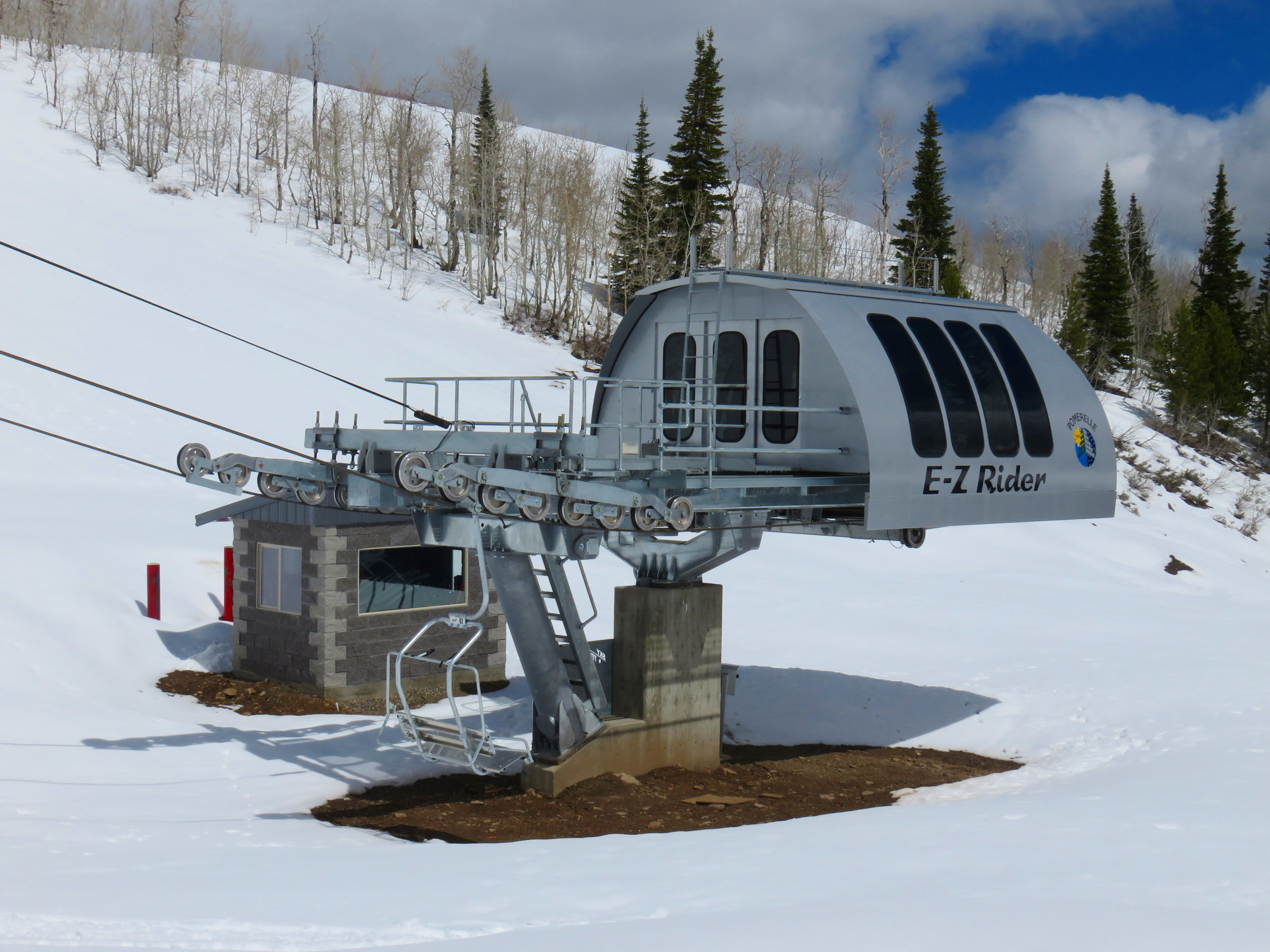
Jan Leonard and other former CTEC employees started Skytrac in 2010 to fill a niche retrofitting older lifts and building economical fixed-grip lifts in Salt Lake City. The company has built 19 complete lift systems to date, mostly at small-to-medium sized ski areas from Washington to Massachusetts. Skytrac had its best year in 2014, building as many new lifts as both Leitner-Poma and Doppelmayr that year. In addition to building complete lifts, Skytrac also specializes in outfitting older lifts with new terminals and control systems.
Arizona Snowbowl & Purgatory Announce New Lifts
Fresh on the heels of adding three lifts at his collective of Southwestern resorts last summer, James Coleman revealed today he will invest another $10 million to build new lifts and more at Arizona Snowbowl and Purgatory in 2016.
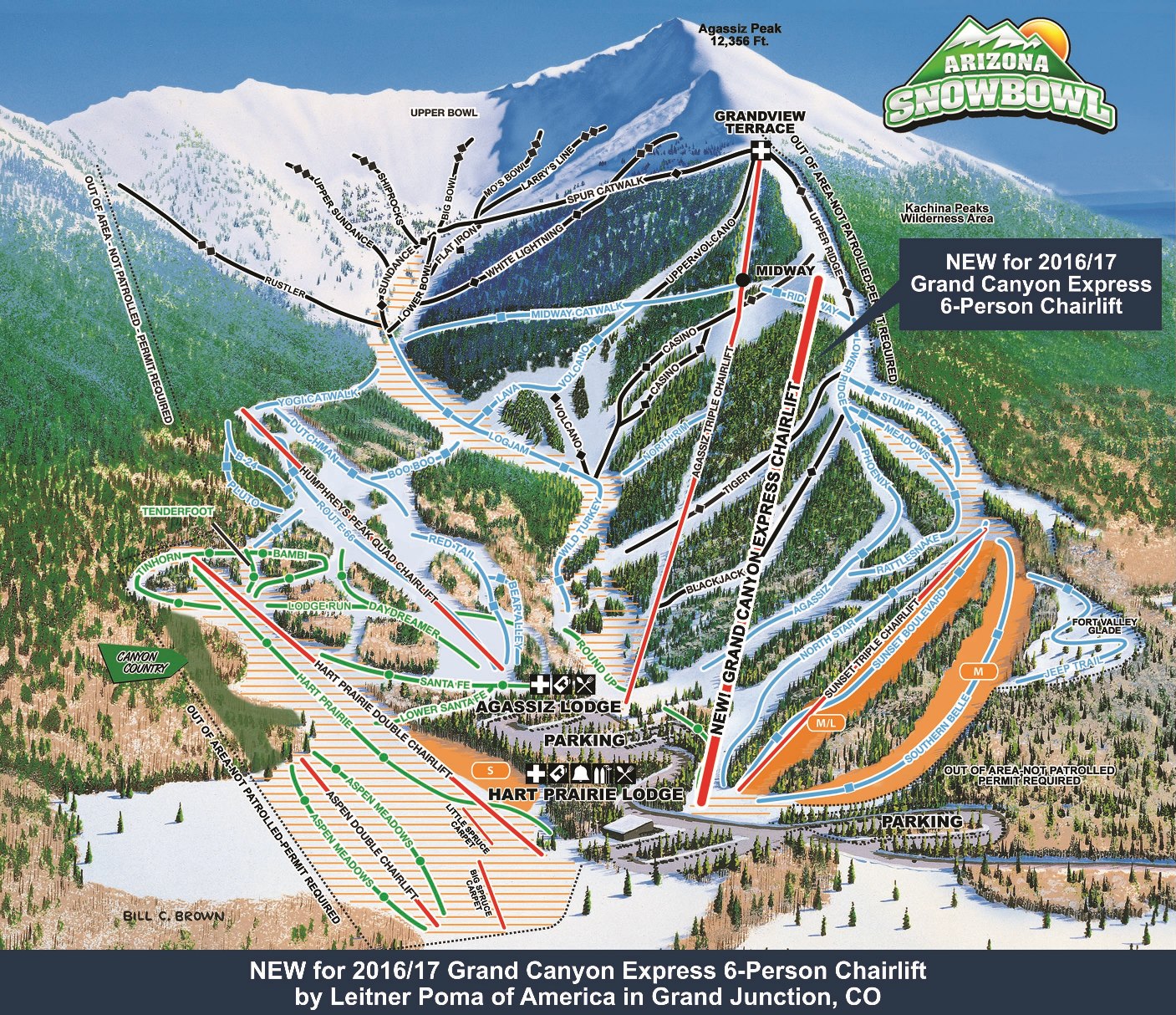
The Leitner-Poma-built Grand Canyon Express will serve 85 percent of Arizona Snowbowl’s terrain with a 5.8 minute lift ride. It will run approximately 5,500′ (1,530 vertical feet) in a new alignment starting near the Hart Prarie Lodge and topping out at 10,900′ in elevation near the Agassiz mid-station. This is the second new chairlift at Arizona Snowbowl following last summer’s Humphreys Peak addition that expanded the mountain’s intermediate terrain with a SkyTrac quad. The Sunset triple (a 1983 CTEC) will likely be removed and may be used to replace the Aspen double in the future. Arizona Snowbowl’s master plan also calls for a second detachable lift to replace the Hart Prarie double. Exciting times at a mountain whose very survival was questionable a few years ago!
In Colorado, Purgatory Resort will get a new two-way surface lift called T-3 to link the bottom terminals of backside lifts 5 and 8. The latter is a 1980 Riblet double, the former a 2015 Leitner-Poma high speed quad. Purgatory plans to add a similar connection between lifts 3 and 5 and replace more of the resort’s aging fixed-grip chairlifts (namely #2, 4 and 5) in upcoming years.
Mr. Coleman is the Durango-based businessman who’s owned Sipapu since 2000 and took over operations at Pajarito, Purgatory and Arizona Snowbowl in 2014. When the Durango Herald asked last year whether he was done buying ski areas, Coleman replied “no.” That’s great news considering his willingness to invest in capital improvements to the tune of $20 million thus far.

