- The weather mostly cooperates with Waterville Valley’s ambitious late-fall expansion.
- Suicide Six is also building this November.
- Jay Peak misses tax payment ahead of winter season. So does Burke Mountain.
- Urban gondola ideas emerge in Branson, MO, Greenville, SC, Montreal and San Antonio.
- Another Bolivian city – Sucre – to get cable car network.
- Zacatecas, Mexico stops work on its new gondola, much of which Leitner has already delivered, due to environmental and cultural concerns.
- BC Safety Authority reminds skiers that rider (mis)behavior causes most lift accidents.
- Telluride wants to replace lifts 7, 9, 10 and 14.
- Saddleback Mountain Foundation raises $750,000 towards the purchase of Maine’s second largest ski area which closed in 2015. The group plans to replace the Rangeley double and Cupsuptic T-Bar with new lifts and eventually expand with a new Magalloway lift.
Author: Peter Landsman
Instagram Tuesday: Final Push
Every Tuesday, we pick our favorite Instagram photos from around the lift world.
https://www.instagram.com/p/BMjuxksgIw2/
Jackson Hole Nears Launch of Game-Changing Sweetwater Gondola
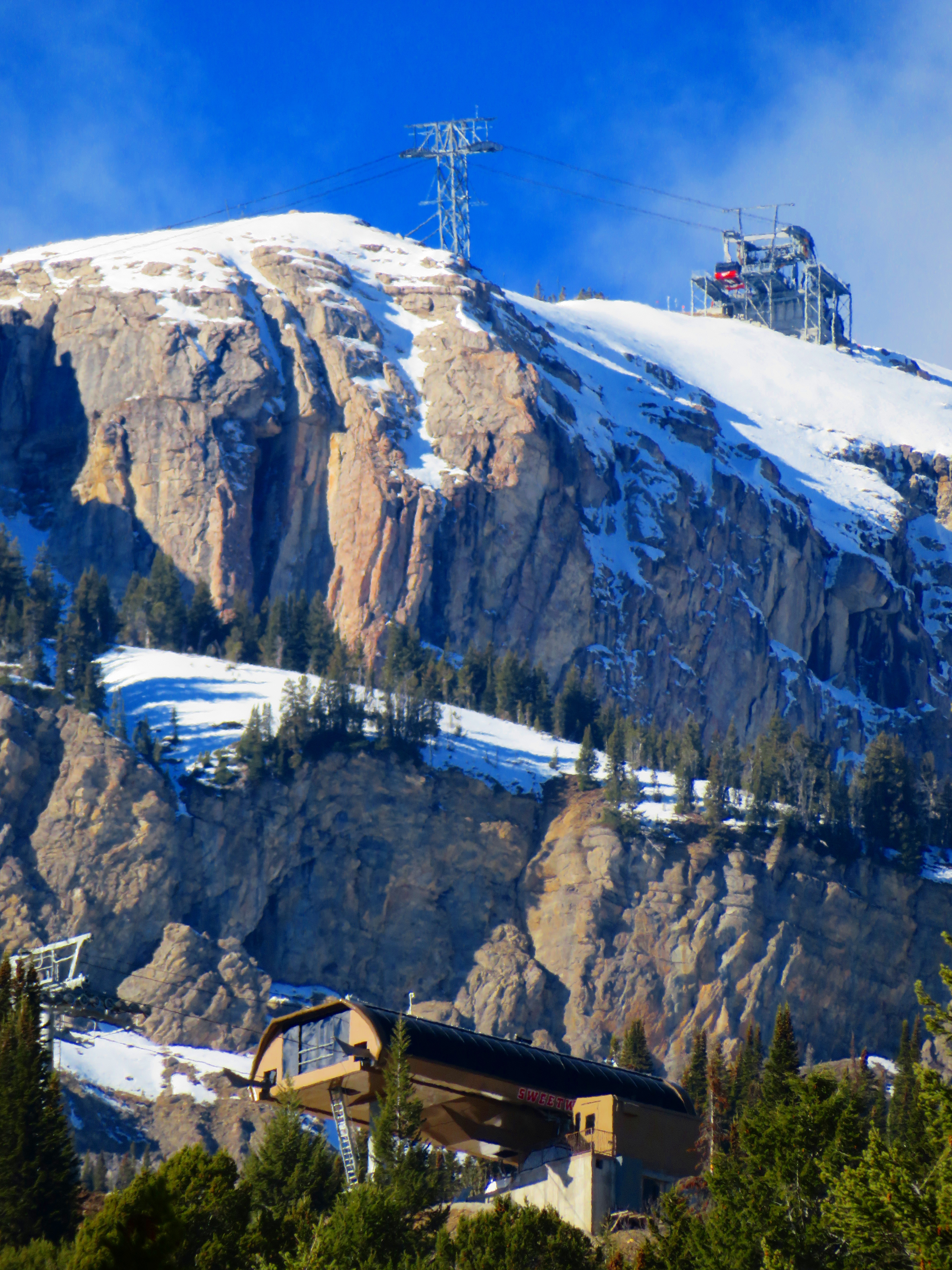
That mountain was Peak 10,450, today known as Rendezvous Mountain. Eight decades later, when you board the Jackson Hole Aerial Tram and again upon exiting, a safety message reads, “our mountain is like nothing you have ever skied before…it is huge…with dangerous cliff areas and dangerously variable weather. You could make a mistake and suffer personal injury or death.”
As David Gonzales remarked in his 2002 book, Jackson Hole: On a Grand Scale, “Missing are the hallmarks of a typical American ski area – the wide, artificial swaths of snow streaming down a forested hillside…Instead, Jackson Hole’s trails blend seamlessly with the avalanche paths and scree fields that abound in the Tetons.” In fact, a group of Salt Lake City investors who surveyed the area in the late 1950s regarded the Cache Creek drainage in the Gros Ventre Mountains as the only suitable site for a ski resort in Northwestern Wyoming. They recruited University of Denver ski coach Willy Schaeffler to come to Jackson and survey. He came and went, unimpressed with the mellow terrain in the Gros Ventres. According to Pete Seibert, Schaeffler said the same about about a yet-to-be-developed Vail Mountain.
Harry Baxter, marketing director from 1974 to 1995, at one point tried to re-brand The Big One as the Gentle Giant, with trail maps noting, “there is more intermediate skiing on the small mountain, Apres Vous, than 90 percent of America’s best.” When the new Casper high-speed-quad launched, it was marketed as “All new, all blue.” Even today, the summer tram announcement reads, “the aerial tram, together with the Bridger Gondola and a variety of other lifts, offers more expert, intermediate and beginner terrain than most resorts in the United States. Yet many still regard the home of Corbet’s Couloir, Teton Gravity Research, Doug Coombs and the Tram as the wild west of skiing.
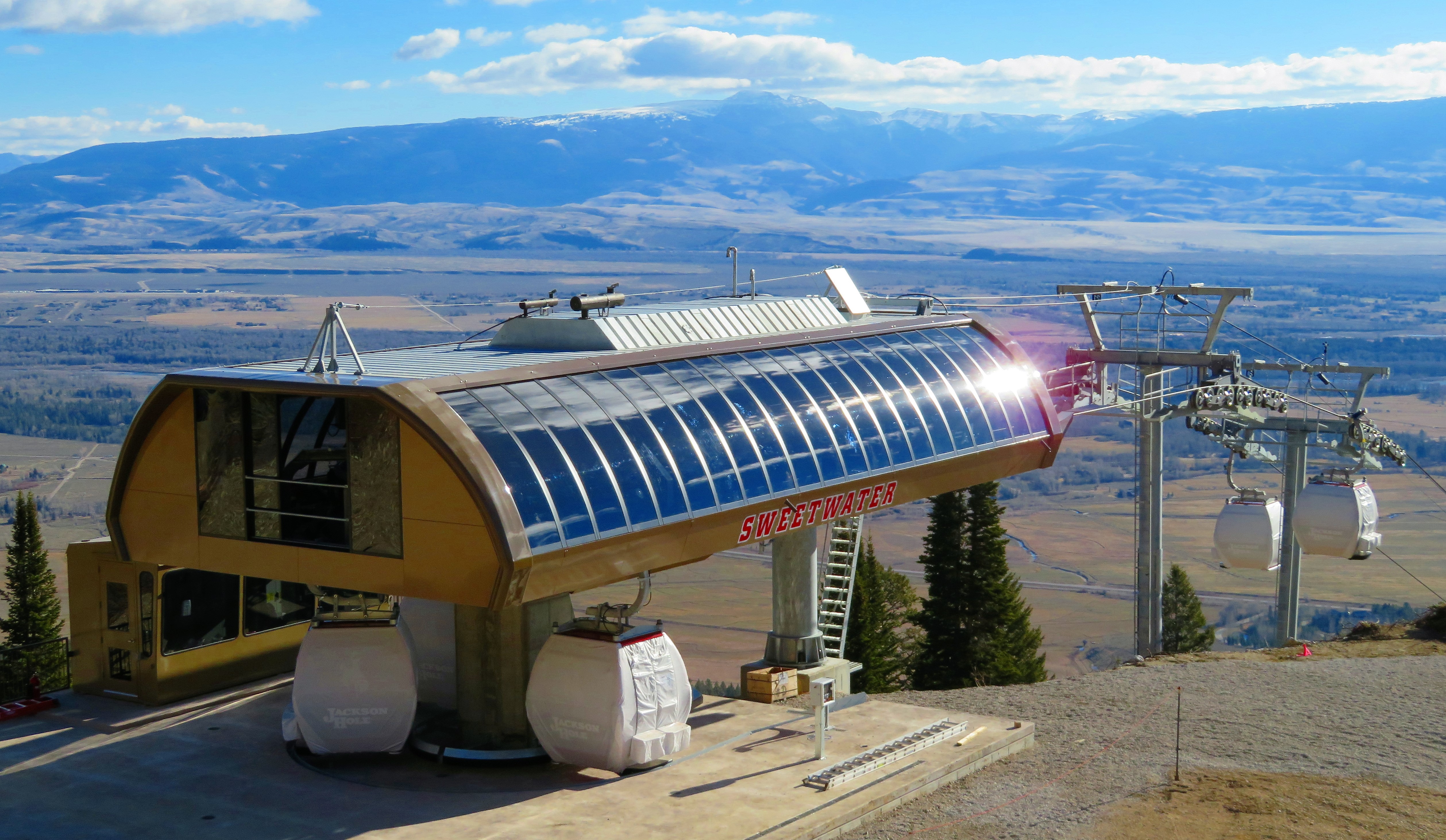
From opening in 1965 until the mid-1990s, Jackson Hole added just four new chairlifts. In the same period, Vail built 31 new ones, as the Ski Corp. struggled to even stay afloat. That all changed in 1992, when Jay Kemmerer and his family bought out not only Paul McCollister, but other investors he had taken on in tough times. The Kemmerer Family wanted to reinvest in Wyoming, and they’ve done so to the tune of $130 million. The Thunder Quad in 1994. Wyoming’s first detachable lift, Teewinot, in 1996. Bridger Gondola in 1997. A new Apres Vous in 1999. Moose Creek and Union Pass in 2000. Sweetwater in 2005 and a $32 million aerial tram opening at the height of the Great Recession in 2008. Followed by three new lifts in five years – Marmot, Casper and Teton.


First Look at Big Sky’s Powder Seeker Six and Challenger 2.0
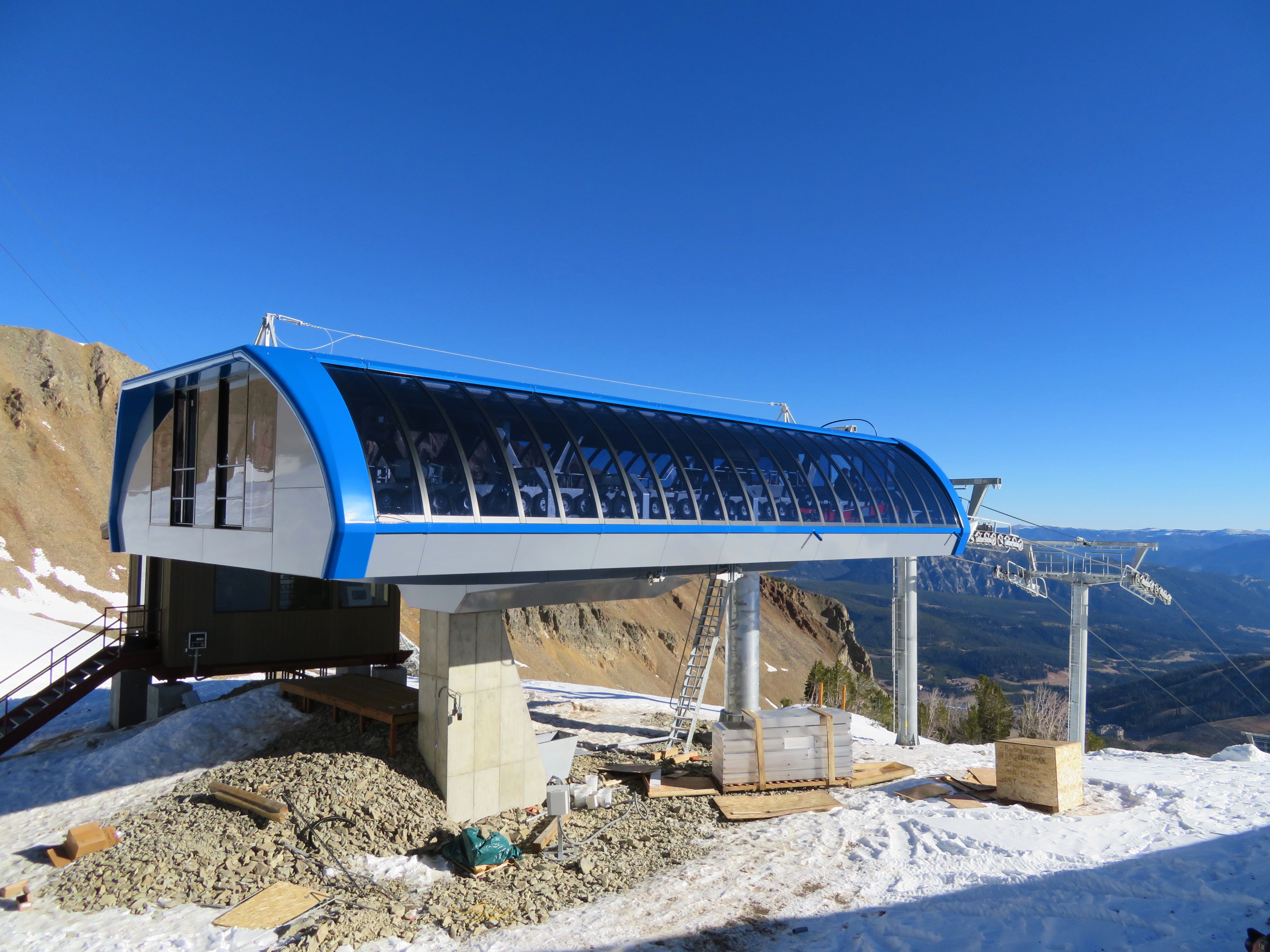
Lone Peak is a happening place this November as crews from Doppelmayr USA and Big Sky Resort work to finish not one, but two of America’s largest new lifts this year. I’ve been following these projects since April, when the aging Lone Peak triple and Challenger double chairlifts were torn down to make way for new versions that will greet lucky guests when the snow flies. Mike Unruh, Director of Mountain Operations at Big Sky, kindly gave me a sneak peak of the shiny new lifts today.
Powder Seeker
A six-pack dubbed Powder Seeker is the new the crown jewel of Big Sky’s 26-lift fleet, with blue bubbles, heated seats and headrests. Servicing the above treeline terrain in the Bowl, Powder Seeker is just over 2,600′ long with 14 towers and an 823′ vertical rise. With a 6.1 meter line gauge and 45 mm haul rope, it should be able to spin through all but the harshest Montana winds. In addition to a chair parking rail that will eventually be enclosed, the Uni-G-M stations feature tire banks that can raise hydraulically to park chairs. Thirty-one carriers will go on the line initially; Big Sky also bought two spares and can add more as as needed.


The lower station features Chairkit gates, 90-degree loading, an AC prime mover, Doppelmayr-Lohmann gearbox and two Cummins diesel backups. The seat heating system can be seen in the pictures above with yellow charging rails and black contacts attached to the DT grips. Another cool feature is a headset in the motor room connected to the lift’s phone system so that mechanics will be able to hear communications, like a helicopter pilot can.
Georgetown-Rosslyn Gondola is Viable, Study Says

At least 6,500 people would ride a a proposed gondola from Washington’s Georgetown neighborhood to Rosslyn, Virginia daily, according to a long-awaited study released last week. ZGF Architects and Engineering Specialties Group consulted with more than 20 federal, state and local agencies along with Georgetown University and local residents. Not only is the project technically feasible, it would improve mobility for residents and visitors while positively impacting the region’s economy. The system would cost $80-90 million, expensive by gondola standards, and take approximately six years years to open.
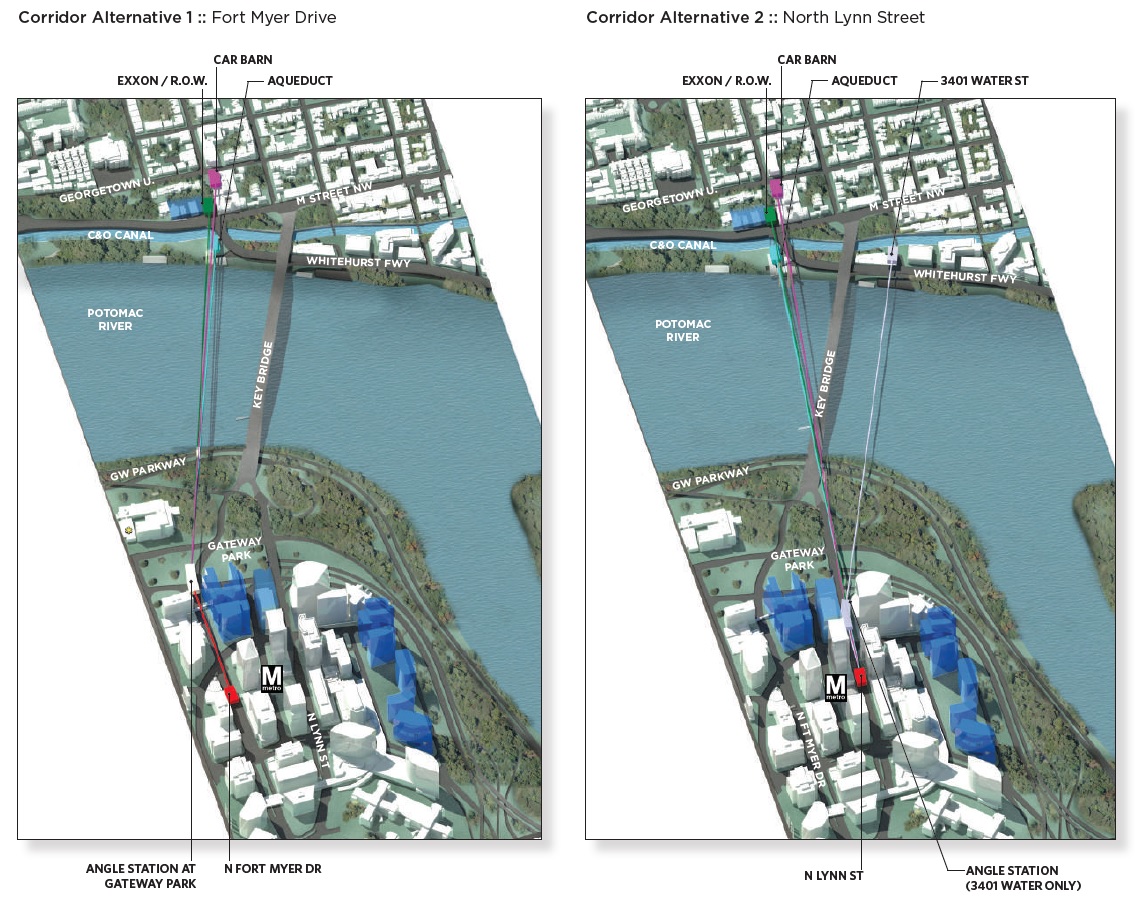
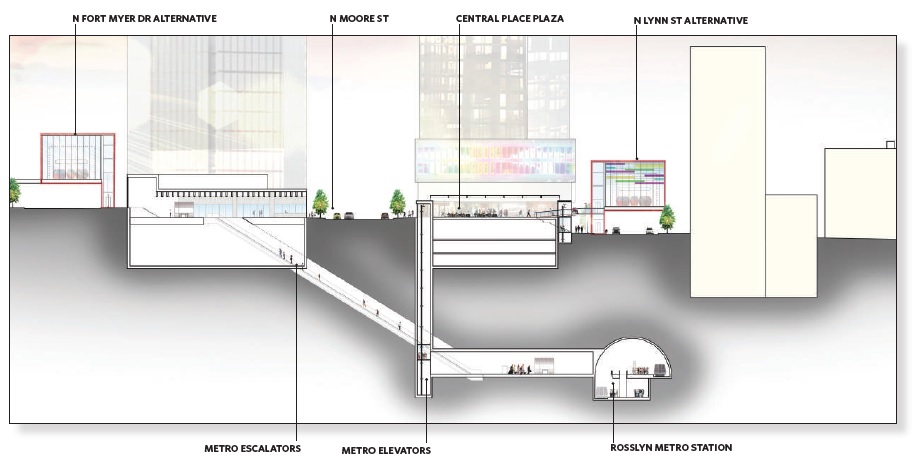
A look at 15 possible alignments yielded two preferred alternatives. Most require an angle station in public right of way on the Virginia side of the Potomac at an added cost in the neighborhood of $7 million. Both of the above lines terminate adjacent to the Rosslyn Metro Station and the southeastern corner of the Georgetown U. campus. Towers in or adjacent to the river would be 130-150 tall to allow vessels to pass below and give riders a compelling view over the Key Bridge.
Instagram Tuesday: Election Day
Every Tuesday, we pick our favorite Instagram photos from around the lift world.
Telluride Weighs Future of Mountain Village Gondola
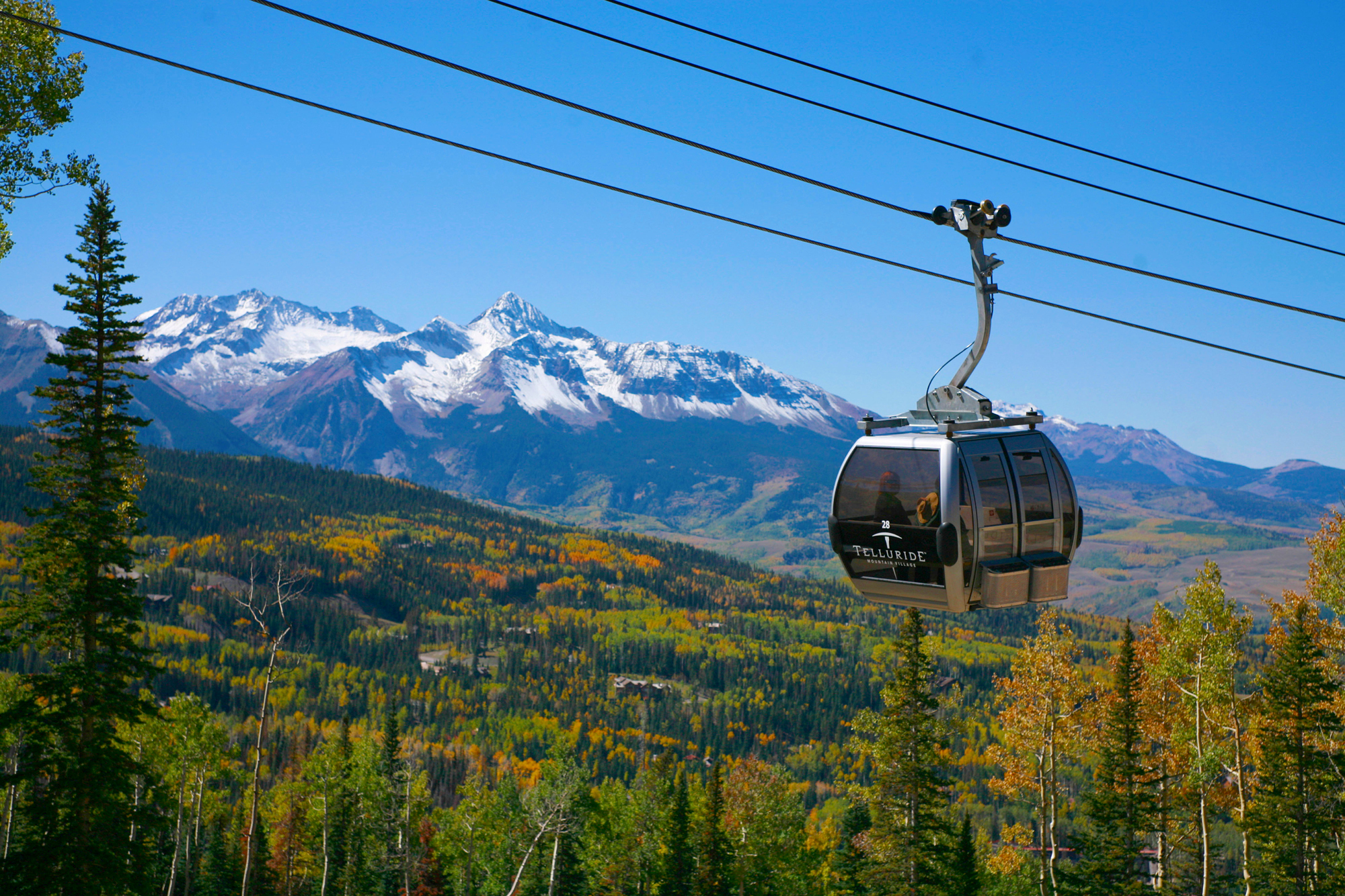
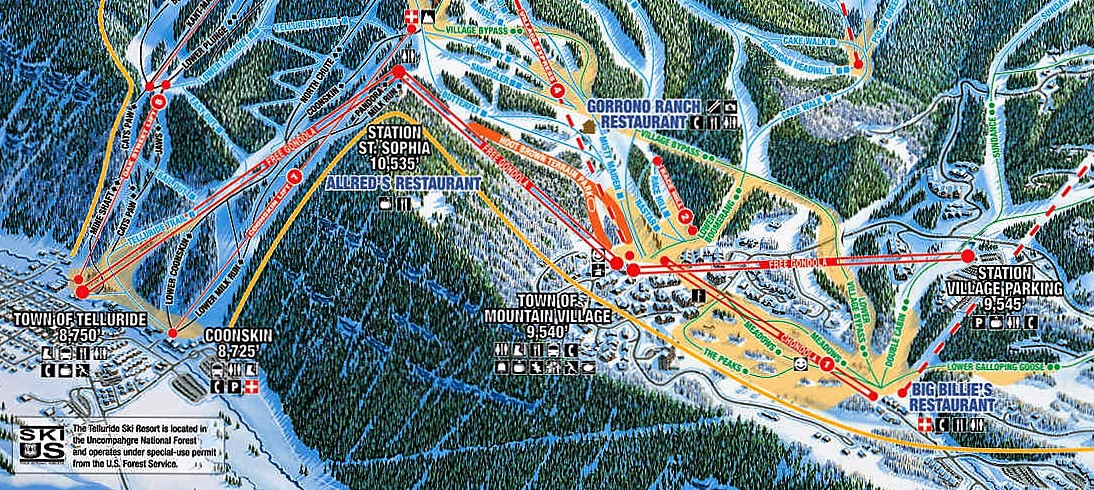
Twenty one years ago this December, a first-of-its kind gondola system opened between Telluride and Mountain Village in one of the world’s great mountain towns. The 3-stage Garaventa CTEC gondola cost $16 million to build but is completely free to ride. Thirty-nine million passengers later, this unique system operates 275 days each year and 19 hours per day. The lift features three haul ropes and cabins interline between sections 1 and 2, from Oak Street to Station St. Sophia and Mountain Village. Section 3 further connects Mountain Village Center to Station Village Parking. The Town of Mountain Village owns and operates the gondola (at a cost of $4 million a year) with funding from Telluride Ski & Golf, the Telluride Mountain Village Owners Association and San Miguel County. The parties in 1999 agreed to fund the gondola through 2027, but with over 100,000 operating hours the existing machine may not last until then.
To give you an idea how critical this transportation link has become to people who live, work and visit Telluride, dates of operation are announced three years in advance and a fleet of buses replaces gondola service whenever down time reaches 30 minutes or more. Custom lightning protection on towers maximizes up-time year round. The gondola’s aggressive operating schedule makes upgrading an aging system challenging. A $6 million overhaul completed in 2007 and 2008 replaced many of the systems moving parts in phases.
In 2014, the U.S. Department of Transportation agreed to fund an engineering study of the gondola due to its crucial role in public transportation. Not surprisingly, Doppelmayr submitted the winning bid to perform the study and released their findings last fall. The 239-page report looked at adding system capacity, transitioning to level walk-in boarding, replacing major components and/or rebuilding the entire system. Russ Oberlander of Doppelmayr concluded ultimately that, “past and continued maintenance, along with the capital replacements and upgrades of the Mountain Village Gondola system could allow the system to run indefinitely.”
News Roundup: Transactions
- Skytrac begins construction on two new quad chairs at a new Rainforest Adventures park in St. Maarten.
- The old Casper triple from Jackson Hole won’t debut at Magic Mountain in time for this winter.
- New York hedge fund buys 13 ski resorts from CNL Lifestyle Properties, Enterainment Properties Trust takes Northstar.
- Saddleback Mountain Foundation agrees to purchase Saddleback for $6 million if it can raise enough money.
- Seattle real estate developer buys Silver Mountain.
- Steamboat’s local paper previews the Elkhead Express.
- First cabins fly on the Dominican Republic’s new urban gondola system.
- Doppelmayr’s latest Wir magazine is available.
- Some splice advice from Mountain Wire Rope Services.
- The Black Hawk finds new civilian life with Timberline Helicopters building lifts.
- Powder Mountain makes new lifts official, will become largest ski resort in the United States.
Instagram Tuesday: Solo
Every Tuesday, we pick our favorite Instagram photos from around the lift world.
After 45 Years, Snowbird Tram Still Soars

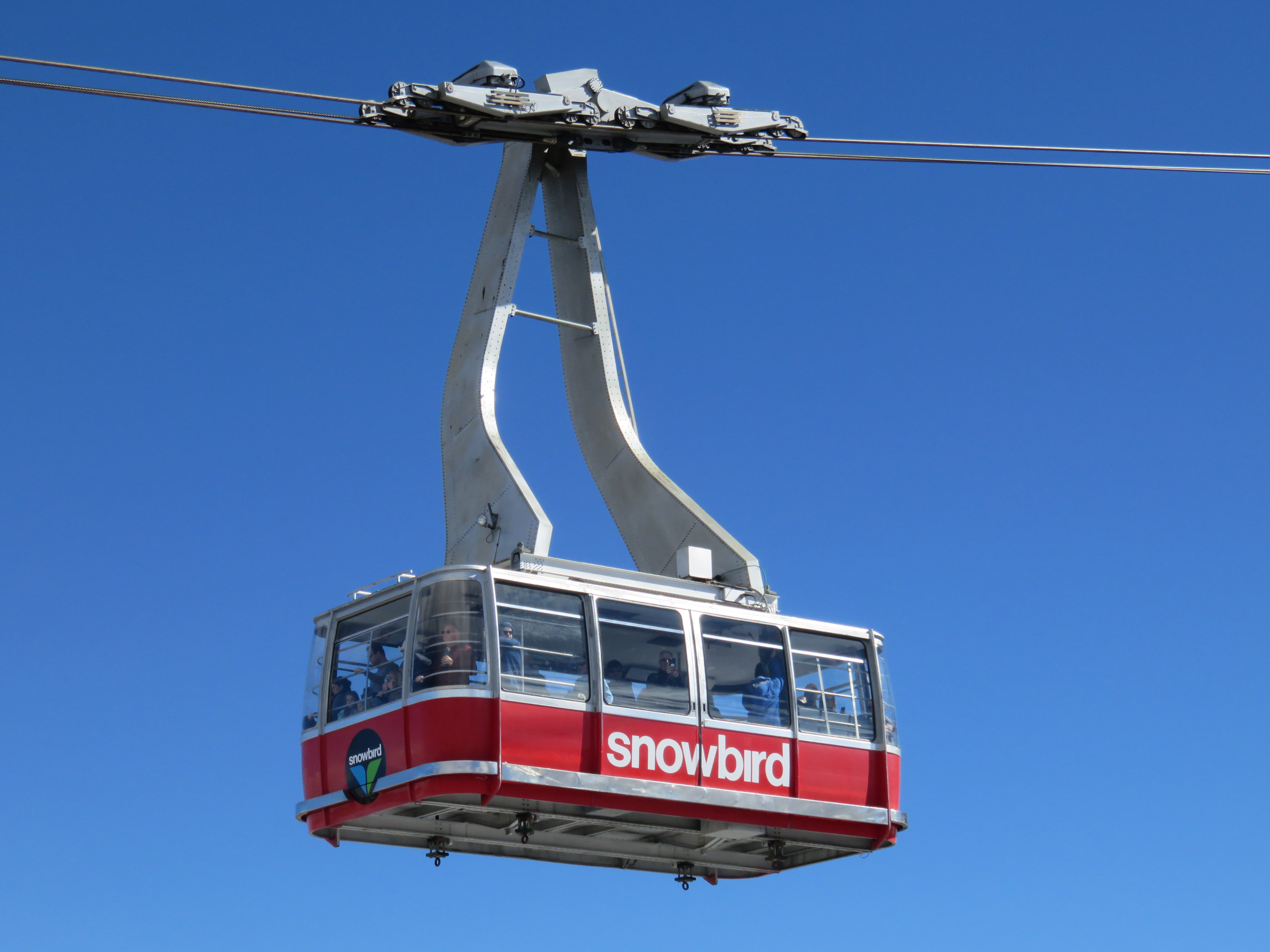
Few lifts in the world are as iconic as the Snowbird Tram with its 125 passenger red and blue cabins rising from Little Cottonwood Canyon to Hidden Peak. When it opened in 1971, the tram was one of the longest, largest and most powerful aerial tramways in the world and remains so today. In his 168-page book dedicated to this machine, Walt McConnell said of the tram, “It was loaded with innovative features and immediately became the symbol of Snowbird.” A timeless style combined with recent upgrades mean the tram is sure to remain an icon of the Wasatch for years to come.
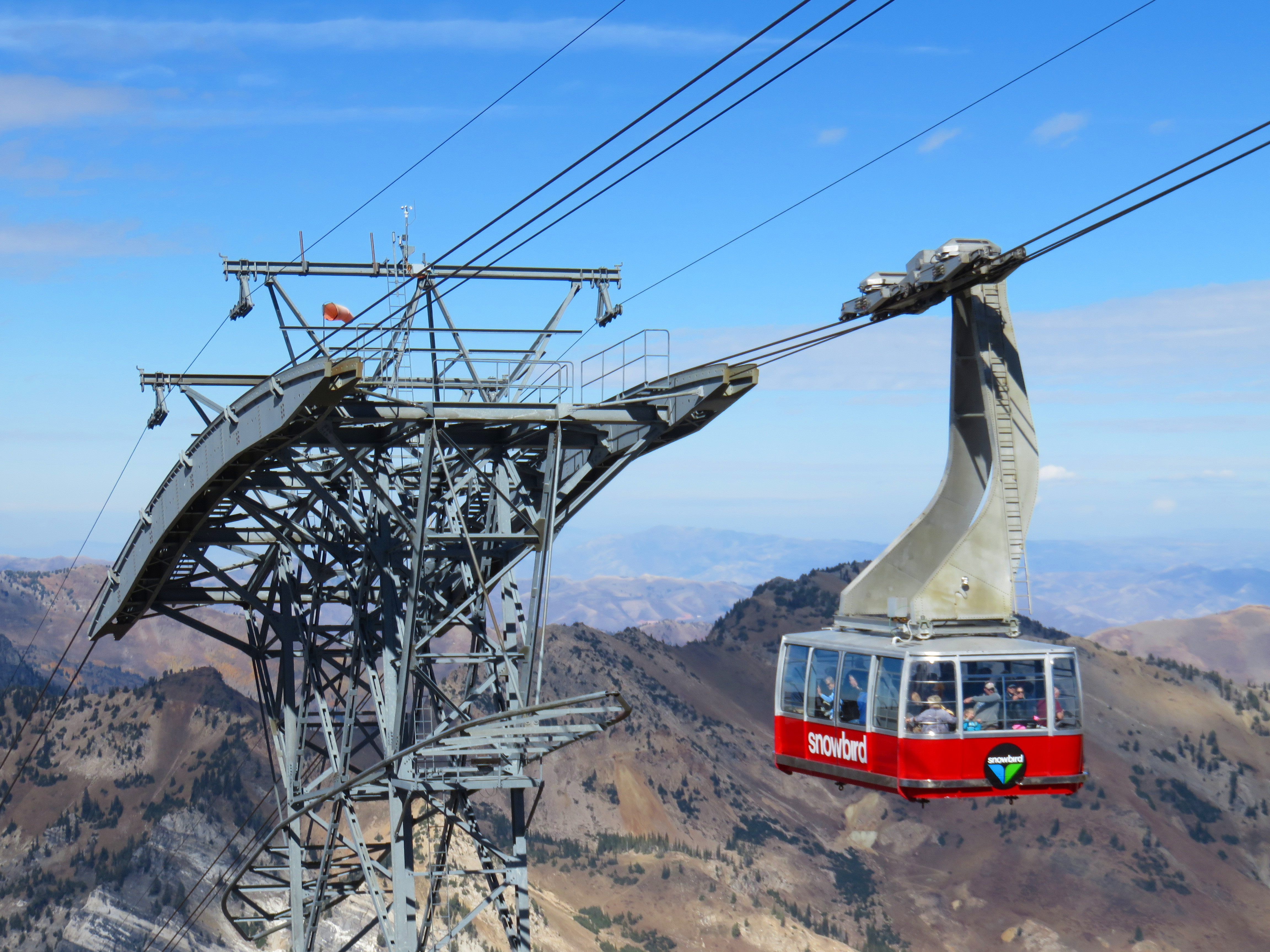
Decades after the founding of nearby Alta, Ted Johnson envisioned a carefully-designed, 40-acre resort village with modern American design anchored by a tramway. After a trip over from Vail, Dick Bass agreed to join team Snowbird and provide financial backing. Ted quietly began buying mining claims in Little Cottonwood Canyon while still working at Alta. In Ted’s mind, a tram was the only lift to build and the route to Hidden Peak was clear. “The awesome massiveness of the tramway and its terminal buildings-to-be set the stage for the bold architectural statements of all of Snowbird,” he declared. He went public with the Snowbird development in 1966, forming Snowbird Design Group.