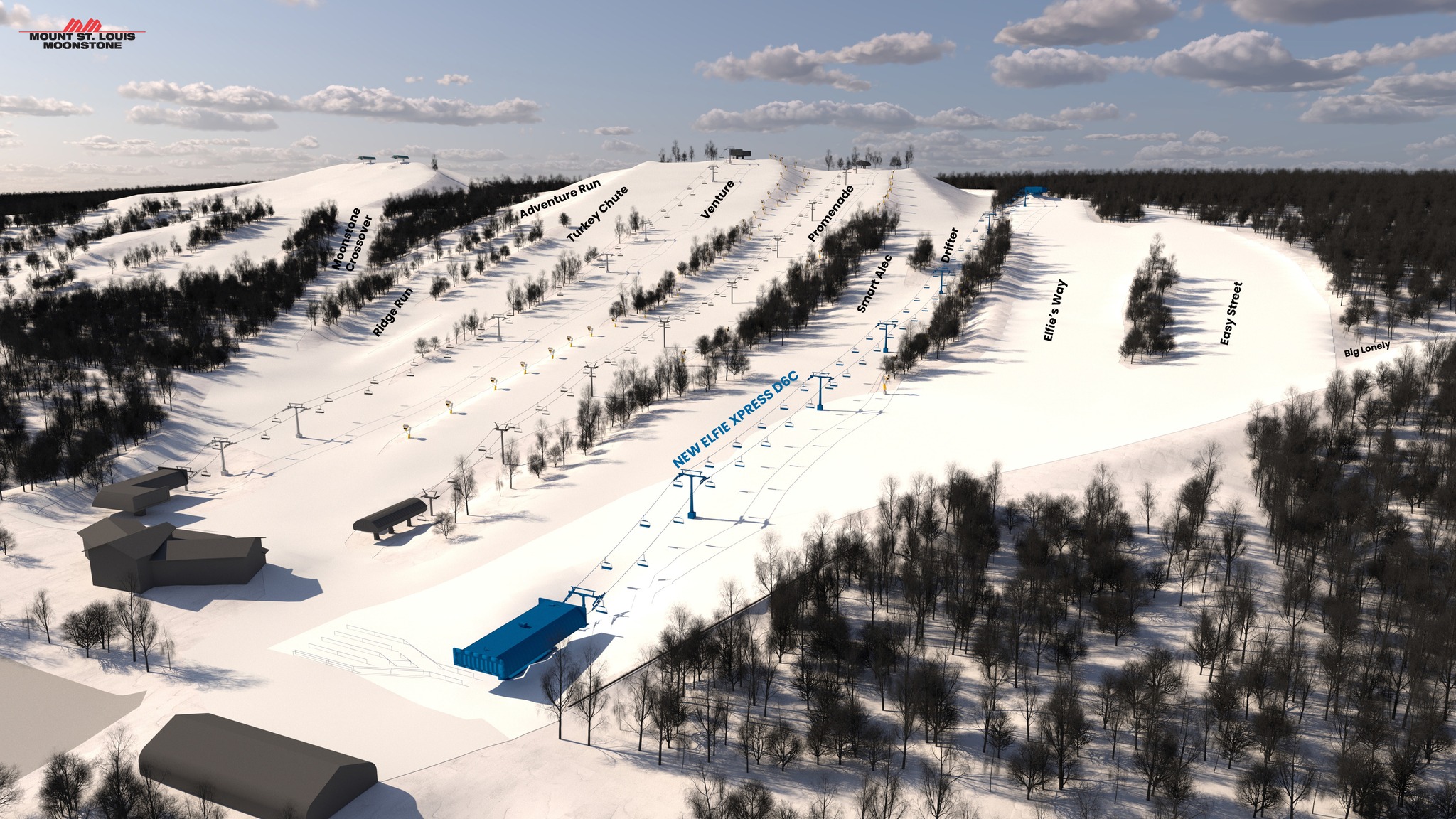
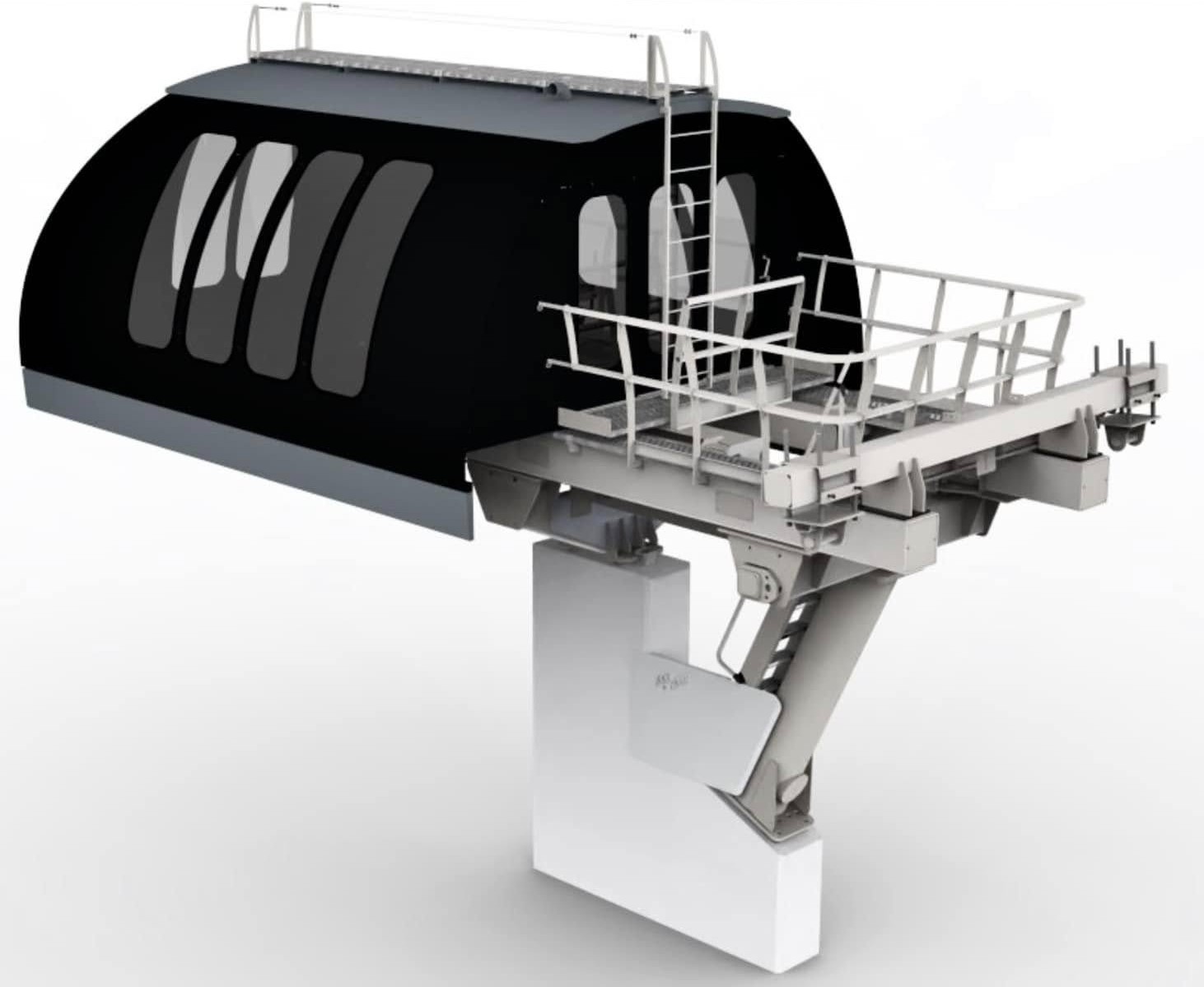
Canada’s third D-Line lift will debut at Moonstone, Ontario next winter, just steps from the groundbreaking Adventure8. Mount St. Louis Moonstone has again partnered with Doppelmayr to build the Elfriede Huter Xpress, a 3,000 passenger per hour six pack. The new lift will replace the Easy Street and Outback fixed grip lifts on the north flank of the mountain. “We’re saying goodbye to two legendary lifts,” said Robert Huter, General Manager of MSLM. “We’re thrilled to be writing the next chapter in our commitment to delivering the best lift infrastructure in Eastern Canada.” The project is named for Elfriede Huter, co-founder of the resort and matriarch of the Huter family who passed away last winter at the age of 86 (the six year old Josl Huter Express bears the name of Elfriede’s late husband and co-founder.) “Elfriede’s strength, warmth, and quiet determination helped build the resort from humble beginnings into the iconic destination it is today,” the resort noted.
MSLM will move some 100,000 cubic meters of fill to add 28 vertical feet for the new D-Line to land on. The Elfie Xpress will feature a direct drive, heated seats, manual locking restraint bars and a raiseable loading conveyor. When the lift is complete, MSLM will operate five detachable lifts moving more than 3,000 skiers an hour apiece. “Our goal is to stay ahead of the curve, investing where it matters most—on the slopes,” said Operations Director Andre Huter. “This new lift is not just about speed, it’s about guest experience, comfort, and continuing to build on the legacy of innovation that’s been our family’s foundation since 1964.” Lift construction has already begun and the new ride is expected to be complete by December.
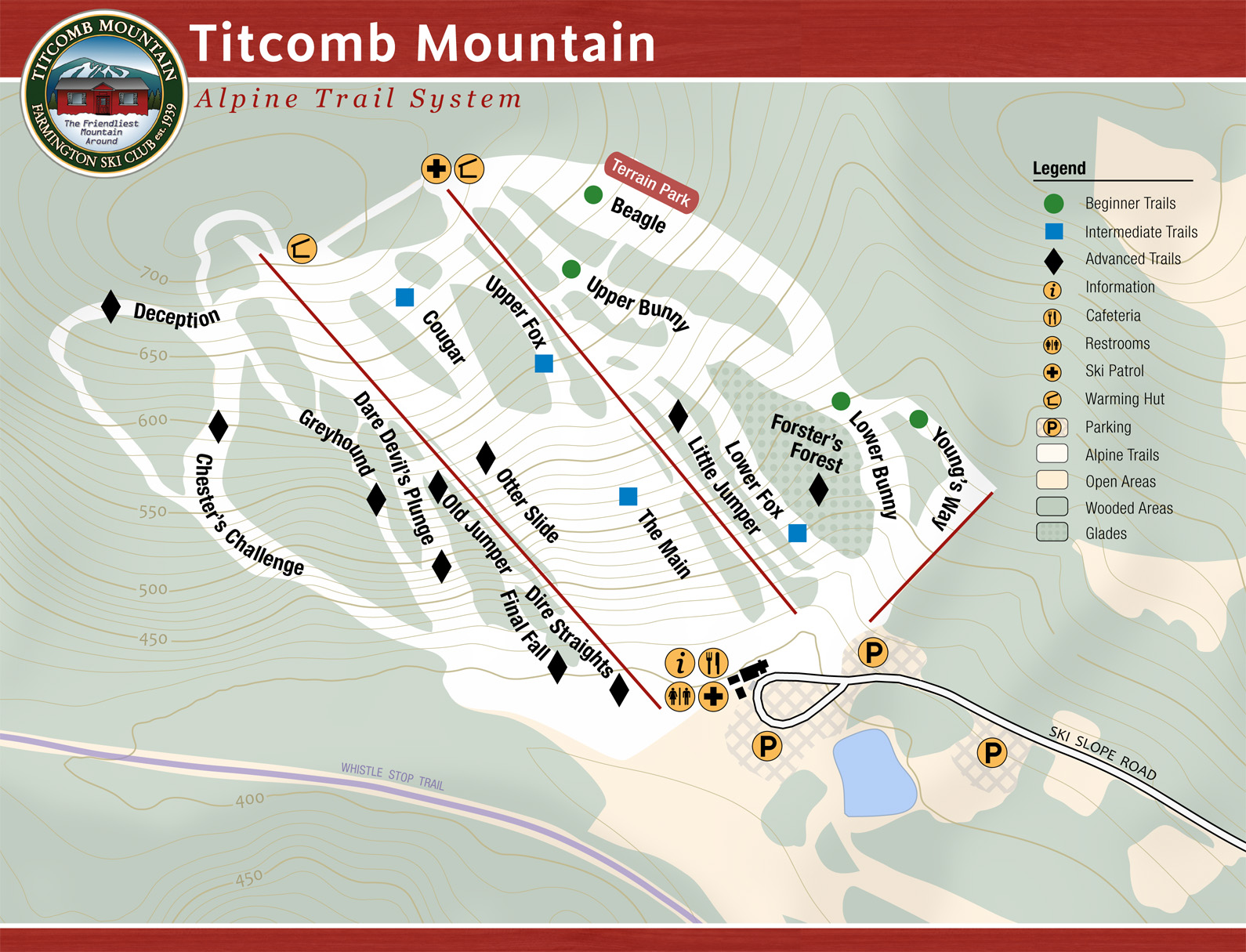
Nonprofit Titcomb Mountain will erect a shiny new T-Bar this fall in partnership with Doppelmayr. The new T-Bar 2 will replace a 1953 Constam which had been relocated from Cannon Mountain and reached the end of its useful life. The move comes after Titcomb successfully raised over $1.6 million of an estimated $2.25 million needed to renew mountain infrastructure. Initially Titcomb considered installing another used lift but settled on new after reviewing bids from several manufacturers. “Thanks to your donations, and a bid from Doppelmayr USA that came in well below our expected price, we will be installing a BRAND NEW T-Bar where our beloved Lift 2 once stood,” the mountain wrote on social media. “This is a pivotal time for Titcomb, and we greatly appreciate having the support of our community, as it breathes new life into our Mountain and increases our sustainability,” the post continued.
Production will begin immediately and the new lift is expected to open for the 2025-26 season. Titcomb is still fundraising to replace the aging T-Bar 1, which could happen as soon as this fall as well. The link to donate is here.
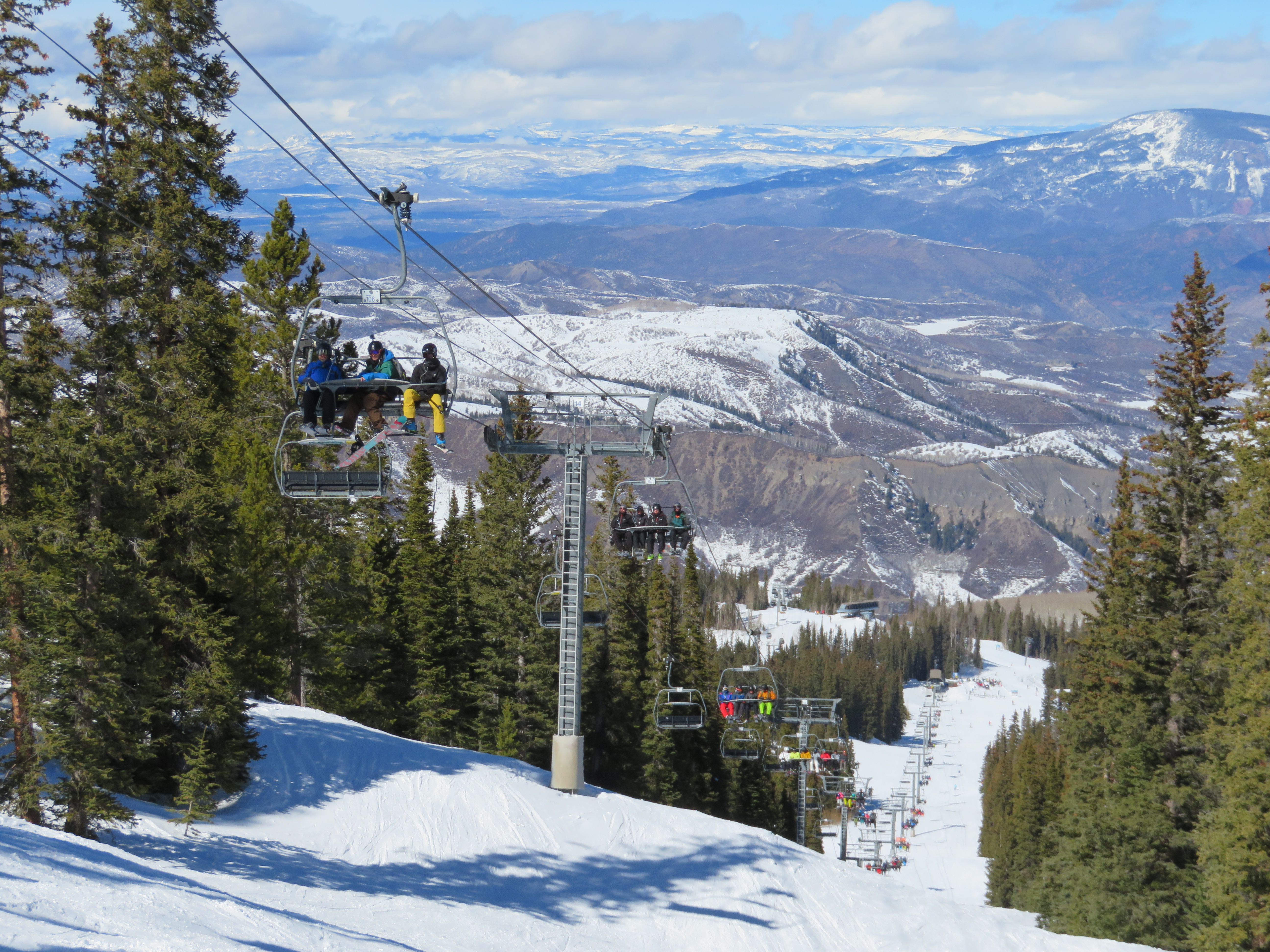
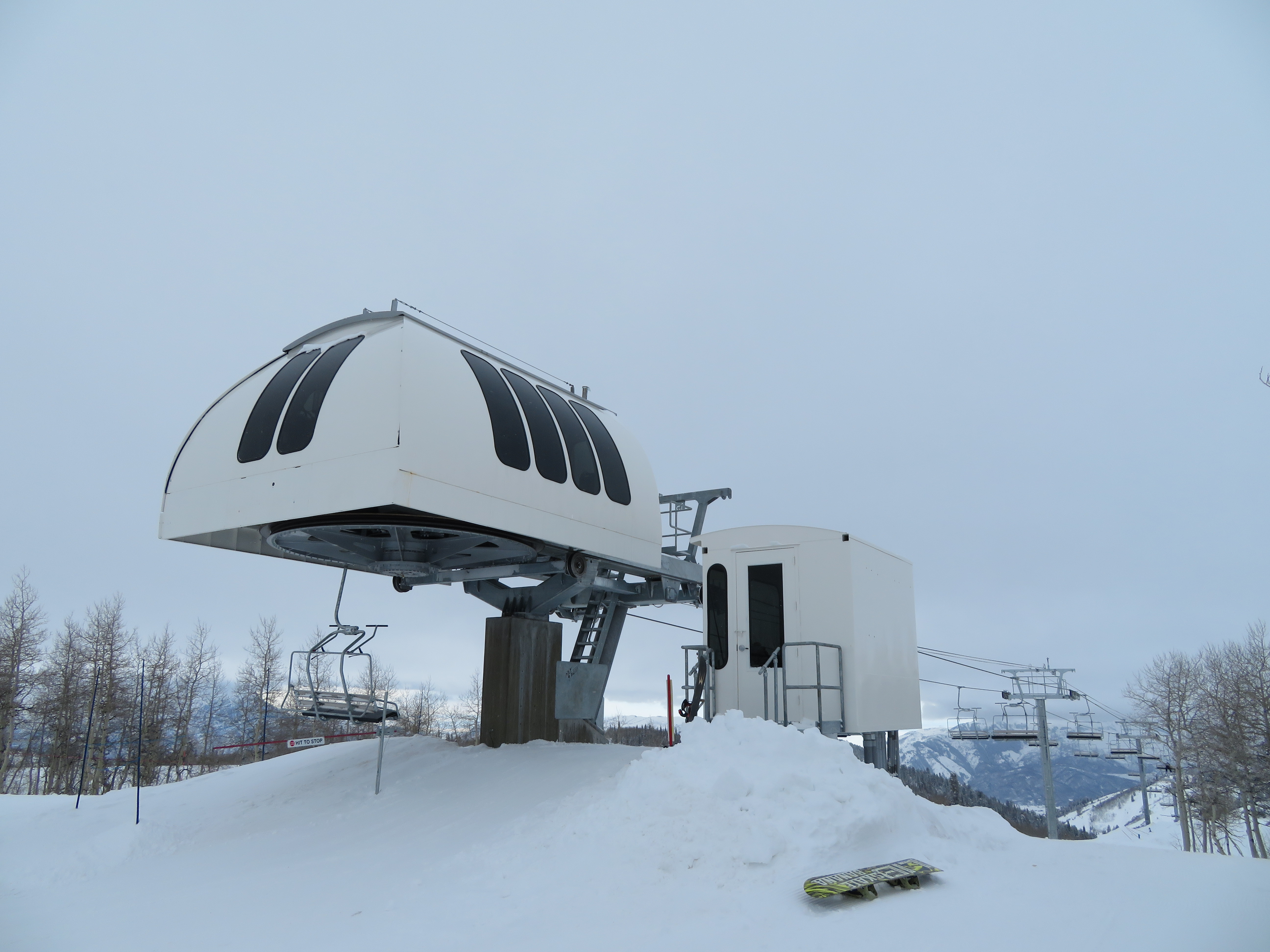
It’s official: Snowmass will construct two lifts simultaneously this summer for the first time since 2006. Leitner-Poma will replace the Elk Camp detachable quad with a six pack and Skytrac will install a T-Bar to replace the Cirque platter. The projects are part of an $80 million capital improvement summer for Aspen Snowmass. Other projects include a new Ullrhof restaurant, snowmaking upgrades and forest health work. “We have a huge summer ahead for on-mountain developments here at Aspen Snowmass,” said Geoff Buchheister, CEO of Aspen Skiing Company. “These projects represent Aspen One’s commitment to ongoing investment in delivering the most exceptional guest experience possible.”
The Elk Camp chair dates back to 1995, tied for the third oldest lift at Snowmass. Elk Camp services popular intermediate terrain in the winter and hauls bikes to the top of the Snowmass Bike Park come summer. Winter throughput will increase from 2,020 skiers per hour on the current quad to 2,800 while bike haul capacity will nearly double. The lift’s alignment will shift slightly away from the Elk Camp Restaurant.
At the top of the mountain, the curved Cirque platter will be retired in favor of a straight Leitner/Skytrac T-Bar. Capacity here will increase from 450 guests per hour to 1,000. Similar to the new surface lift at Champan Hill, Colorado, Cirque will combine specialized Leitner parts from Europe with American made towers, controls and operator houses from Skytrac.
“The areas of terrain served by these lifts are some of the most popular on our mountain,” said Susan Cross, Mountain Manager at Snowmass. “These updates allow for guests to more smoothly access Snowmass’ classic wide-open slopes and sweeping vistas at Elk Camp, and the incredible variety of high-alpine terrain we have off The Cirque. I am proud that we continue to invest in making this mountain the best that it can be, and having high-speed, higher capacity lifts is critical to the Snowmass experience,” she continued.
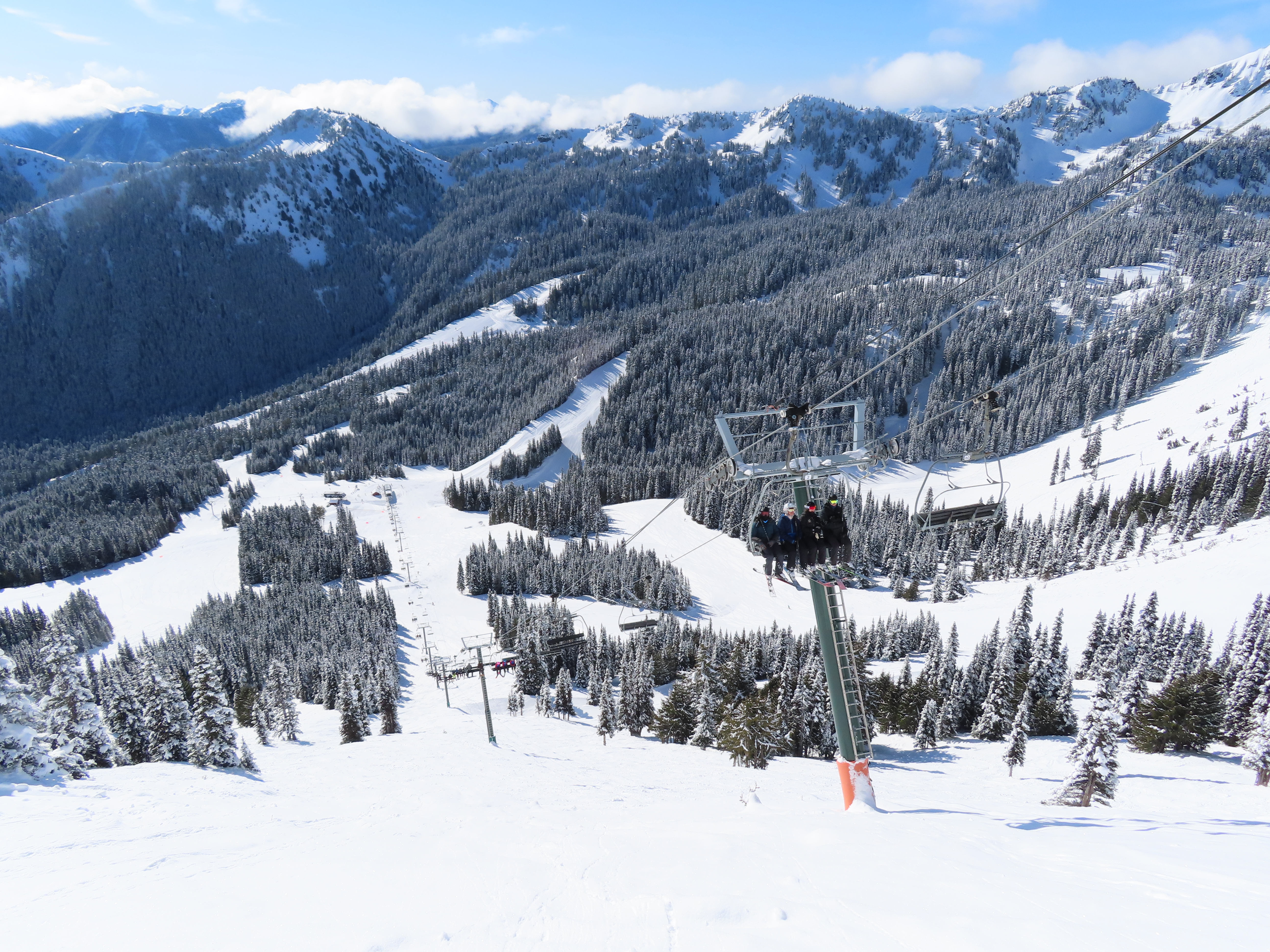
Washington’s oldest detachable chairlift will be retired this spring to make way for a next-generation high speed quad. Crystal Mountain’s Rainier Express, or “Rex” for short, dates back to 1988, when a group of local shareholders purchased two Poma chairlifts for the mountain. By the mid-1990s, Boyne Resorts acquired Crystal and replaced nearly every lift between 1997 and 2014. Rex endured, however, and has now carried skiers for 37 seasons.
Alterra Mountain Company bought Crystal in 2018 and Rainier Express 2.0 will be their first lift project at Washington’s largest ski area. “Referred to locally as ‘REX,’ this high-speed quad was the first detachable chairlift built in Washington State,” noted Crystal. “Since its construction in 1988, it has represented Crystal Mountain’s pioneering spirit in big-mountain, skier-focused operations and investments.”
Leitner-Poma will build the new high speed quad and expects to break ground in June. The new lift will carry skiers 1,600 vertical feet to the Summit House in under five minutes. For Rex’s final weekend May 2nd-4th, Crystal plans a rail jam, photo contest and 1988 themed party. Most of the old lift will be scrapped and chairs auctioned to the public to benefit the Northwest Avalanche Center. The new Rainier Express is expected to be completed in December 2025.
Purgatory will embark on a significant expansion this summer, constructing the long-awaited Gelande lift and five new trails. The top drive Skytrac triple will introduce a new out-of-base option, allowing day visitors to bypass the main village. “This addition will greatly improve our guests’ experience by creating a new way to access the top of the mountain without requiring access through the Columbine or Village base areas while adding to the advanced and expert terrain offered on the frontside of the mountain,” said Purgatory General Manager Dave Rathbun.
The triple chair will be substantial for a fixed grip, spanning roughly 4,200 feet with 1,600 feet of vertical rise. The alignment includes some very steep sections near the bottom and flatter segments up top.
The Forest Service approved this project back in 2018 and it will add 26 acres to Purgatory’s special use permit boundary. The expansion is expected to create 12-15 construction jobs, mostly utilizing existing winter seasonal employees. Purgatory hopes the new year-round team will continue building new lifts and trails in future summers. “We are excited to be in position to grow and develop our year-round team of employees,” said Rathbun. “These positions will play a crucial role in the ski lift construction and ski trail development. It will also give us the opportunity to provide year-round, benefited positions to some of our key winter seasonal employees and build a stronger, more knowledgeable and experienced team.”
Due to construction, the Purgatory Bike Park will not operate in 2025. “We understand that the temporary closure of the Mountain Bike Park may be an adjustment, but we are confident that the long-term benefits of the new Gelande chairlift and ski terrain will be well worth it,” said Purgatory.
Mountain Capital Partners (MCP) may construct its second chairlift/gondola hybrid lift at Sandia Peak, its latest acquisition near Albuquerque. The Telemix system would directly replace Chair 1, a Stadeli double which dates back to 1963, and effectively replace Chair 3, a Riblet double constructed in 1980. MCP acquired and reopened Sandia Peak earlier this year and quickly reactivated two of its four chairlifts that had sat idle for several seasons. Chair 1 was not among them and has been inoperable since 2017.
The new lift would closely resemble the Arizona Gondola which Leitner-Poma built for MCP at Arizona Snowbowl in 2020. Sandia’s Telemix would travel 7,400 feet in 7.5 minutes, half the time of the old lift. It could operate in both winter and summer for skiers as well as foot passengers coming from the independently-owned Sandia Peak Tramway. Although specific chair and gondola sizes weren’t specified, the lift would transport 2,400 guests per hour. The Forest Service is currently accepting comments on the proposal via email and expects to reach a decision in August.
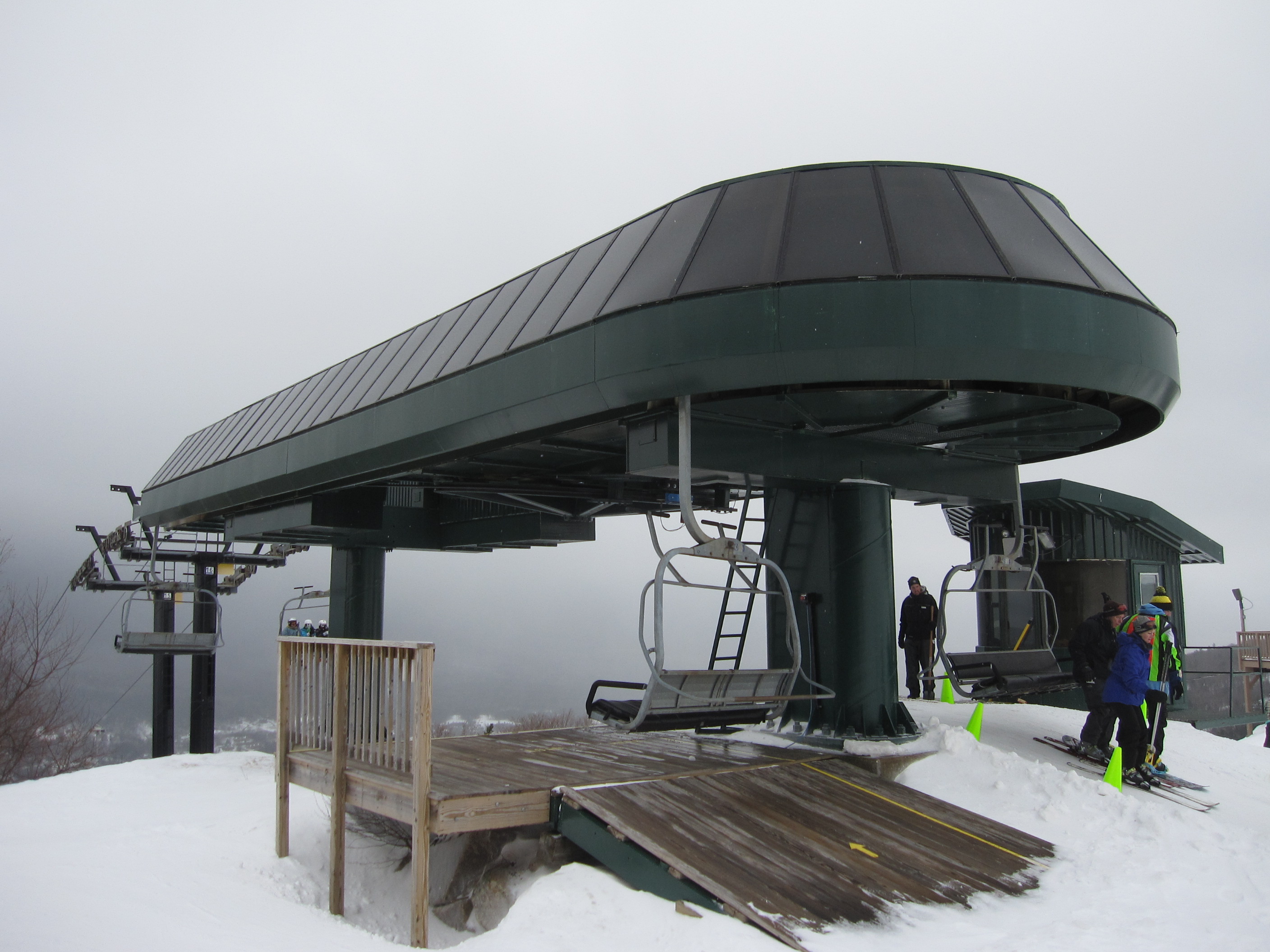
At least four new lifts will be constructed in New Hampshire this summer following the state tramway board’s approval for Bretton Woods to begin construction on a new high speed quad. The new lift will replace the Bethlehem Express, the oldest of five detachables on the mountain. Doppelmayr constructed the current lift in 1989 but the new one will be built by Leitner-Poma. It will be the first Poma lift constructed at Bretton Woods since 1973, when three Heron-Poma lifts debuted for the resort’s inaugural season. In addition to retiring Bethlehem Express, Bretton Woods is also retiring the nearby Fayban’s Express triple and auctioning the chairs.
Bretton Woods is part of the Omni Mountain Washington Resort, itself a subsidiary of Omni Hotels & Resorts. The company has invested heavily in its New Hampshire ski area over the past decade including building an eight passenger gondola and expansive summit lodge. Bretton Woods and Leitner-Poma plan to start construction on Bethlehem in April and the new lift should be substantially completed in October.
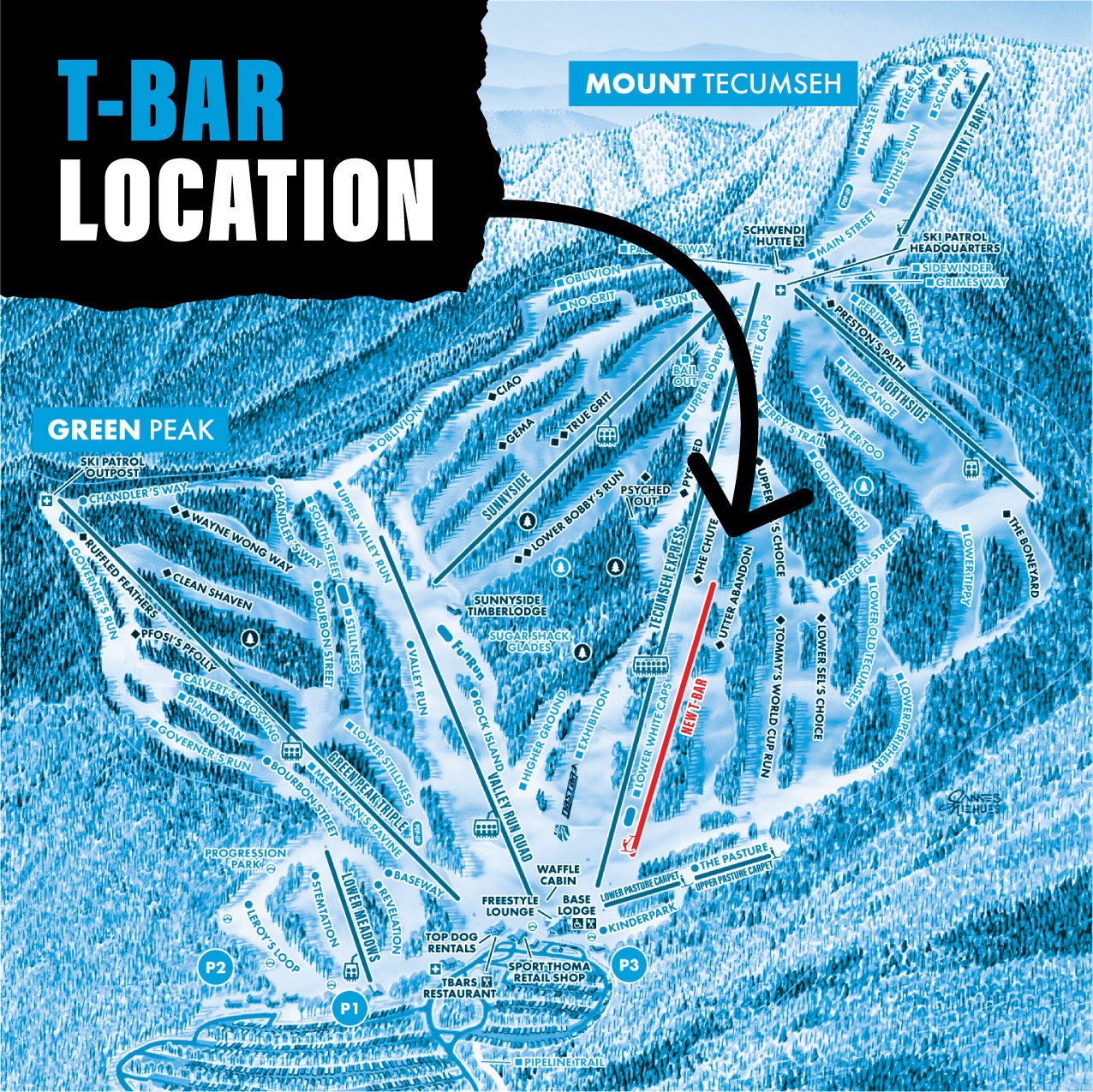
MND Ropeways will construct another lift at Waterville Valley, New Hampshire this summer, replacing the existing World Cup T-Bar and Exhibition Poma. The lift will run in a new alignment, serving athletes and training programs as well as the general public. The new T-Bar will span 2,226 feet with a vertical rise of 602 feet and capacity of 1,100 skiers per hour.
“This new T-Bar is an exciting investment in our mountain’s infrastructure,” said Tim Smith, President & General Manager of Waterville Valley Resort. “It will greatly improve our ability to support training camps, race and freestyle programs, and provide enhanced access for recreational skiers.”
This will be the fifth MND Ropeways installation at Waterville following the High Country T-Bar, Tecumseh Express and two conveyors. As part of this summer’s work, Waterville will install redesigned bubbles for the Tecumseh Express’ 83 chairs. A new bubble material has already been tested and found to be more durable than the original Bartholet version.
Minnesota gem Welch Village plans to continue upgrading its lift fleet this summer with a new quad from Skytrac. The chairlift will replace the Skilink double in a completely new alignment. The existing Hall double dates back to 1967 and originally operated at Birch Park, Wisconsin. It was moved to Welch circa 1989 and services exclusively beginner terrain. “With the upgraded lift, beginners will have quicker access to the slopes, and more space will be available to practice and develop their skills,” said Welch.
Skilink will be the mountain’s seventh fixed grip quad and follows three recent Doppelmayr installations. It will take the place of an existing rope tow and terrain park. As part of the project, the rope and park will move near Skilink’s former location, allowing for a steeper terrain park.
Welch’s project is one of just two installations announced in the Midwest for next season thus far, the other being at Spirit Mountain, also in the Land of 10,000 Lakes.
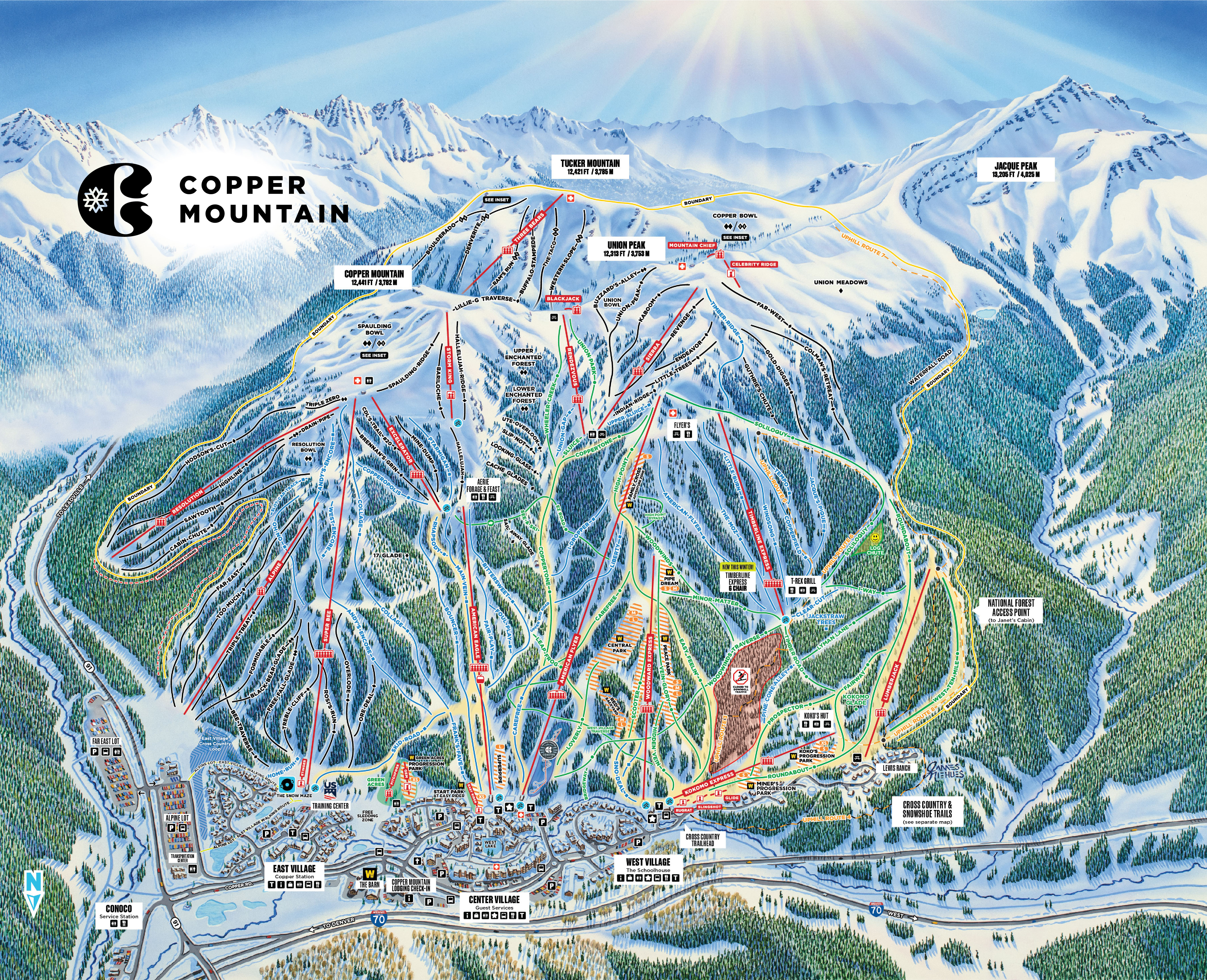
One of outgoing White River National Forest Supervisor Scott Fitzwilliams’ final actions last week was accepting a new master plan for Copper Mountain, one of eleven ski areas he oversaw for 15 years. The plan, prepared by SE Group, includes three direct lift replacements, four lift replacements in extended alignments, four new infill lifts within existing terrain and two expansion lifts. Notably, all projects reside within Copper’s existing 7,343 acre permit boundary. Copper’s operation today spans 3,641 acres and that would grow to 4,154 acres, an expansion of 14 percent. “The upgrade plan works to improve circulation around the mountain with updated lift infrastructure, as well as provide guests with access to new and unique terrain within Copper’s existing Special Use Permit area,” notes SE Group.
Two lift projects in the plan have already been approved but not yet implemented. The first is a six person replacement for Lumberjack on the far west side of the resort. The existing Lumberjack triple dates back to 1981 and takes more than nine minutes to ride. The replacement detachable would run 4,818 feet and access excellent beginner terrain. This project was originally approved as a quad but was later re-approved as a six place.
The second approved project is an Alpine replacement, green lighted since 2006. Even though Alpine recently received a new return terminal, the rest of the lift is nearing 50 years old and lacks sufficient capacity for planned development around the Alpine base. Detachable Alpine’s top terminal would be extended uphill, providing riders access to more terrain.
The most exciting component of the plan is a lift up Jacque Peak, located west of Tucker Mountain, which gained lift service in 2020. A 5,900 foot long detachable quad called Jacque East would service intermediate and advanced terrain in the Tucker Gulch drainage, becoming the highest lift in North America. It would top out at 13,150 feet, soundly beating Breckenridge’s Imperial Express record of 12,840 feet (Loveland’s master plan includes a lift to just over 12,900 feet which could be constructed before Copper gets to Jacque Peak.) “The [Jacque East] lift is strategically positioned to reduce potential impacts to known wetland areas with its alignment and minimize habitat impacts with its location above tree line, while still providing exceptional access to high alpine terrain,” notes SE Group.
A second expansion lift would be installed between Tucker Mountain and Jacque Peak called Thunderbird. This fixed triple would service advanced terrain similar to Three Bears. The short lift would also provide essential egress from Tucker Gulch back toward Copper’s base areas. “The Tucker Gulch expansion is designed to emphasize the high alpine experience,” the plan notes. “The vast majority of the terrain is above treeline, lee to the predominant westerly winds, and well-suited to provide a breathtaking but accessible guest experience.”
Related to the Jacque Peak expansion, both Blackjack and Mountain Chief in Copper Bowl are slated for replacement. These doubles date back to 1973 and 1977 and would see increased traffic as guests come and go from Jacque Peak. Blackjack would likely be replaced with a detachable quad and Mountain Chief a fixed triple in existing alignments.
Another major lift addition is called Union Meadows. This nearly 8,000 foot detachable quad would load west of the new Timberline Express and unload at the top of Union Meadows, providing access to the future Jacque East lift. Union Meadows Express would rise 1,366 vertical feet and carry up to 2,400 riders per hour.
Elsewhere on the front side, numerous lifts are earmarked for replacement. Chief among them is Super Bee, Copper’s first six pack dating back to 1998. The new Super Bee would become Copper’s first eight place chairlift and include a mid-station near the top of Rosie’s Run. The intermediate station would be useful for Copper’s extensive early season race training program. At nearly 9,000 feet long with an hourly capacity of 3,400 skiers, Super Bee 8 would be a monster lift. Alternatively, it could be constructed as two separate lifts like Copper had for decades prior to Super Bee’s construction.
Excelerator is slated to go from a quad to a six pack with the bottom terminal extended downhill to reduce crowding and cross traffic near the Aerie. Capacity would jump from 2,450 to 3,200 skiers per hour.
Rendezvous is also slated for extension with the bottom terminal shifting significantly east and downhill. “Upgrading the Rendezvous lift to a detachable quad and extending its current alignment will improve access to the Copper Bowl area while still providing an incredible beginner experience in the high-alpine,” notes the plan. A high speed Rendezvous would also reduce pressure on American Flyer and Timberline Express, which service similar terrain.
Just below the new Rendezvous lift, another detachable quad is proposed in the Sail Away Glades area. This lift would fill the void between American Eagle and American Flyer, servicing several new trails. This pod would add to Copper’s intermediate terrain, take pressure off base area lifts and improve cross-mountain circulation. Sail Away Express would run 968 vertical feet and transport 2,400 guests an hour.
Finally Copper intends to improve access to freestyle terrain, embracing its mantra as The Athlete’s Mountain. An 825 foot long platter lift is planned to run alongside the existing Superpipe, providing quicker laps. Similarly, a 2,500 foot long fixed grip chairlift is envisioned to service a terrain park near Woodward Express.
The plan also includes significant snowmaking improvements, new parking, restaurants and maintenance facilities. Overall comfortable carrying capacity would increase from 12,940 guests per day to 17,860 – not a goal or cap but rather a planning benchmark. This would allow Copper to maintain its current surplus of terrain for the number of skiers it hosts and continue to provide a high quality experience.
As always, master plans are conceptual in nature and do not constitute approval or timelines for specific projects. However, given Powdr’s recent sale of Killington and pending sales of Eldora, Mt. Bachelor and SilverStar, they may have the cash to follow this ambitious plan at their flagship mountain in the coming years.