
Every Tuesday, we pick our favorite Instagram photos from around the lift world.
https://www.instagram.com/p/BHsX7KMDB8g/
Every Tuesday, we pick our favorite Instagram photos from around the lift world.
https://www.instagram.com/p/BHsX7KMDB8g/
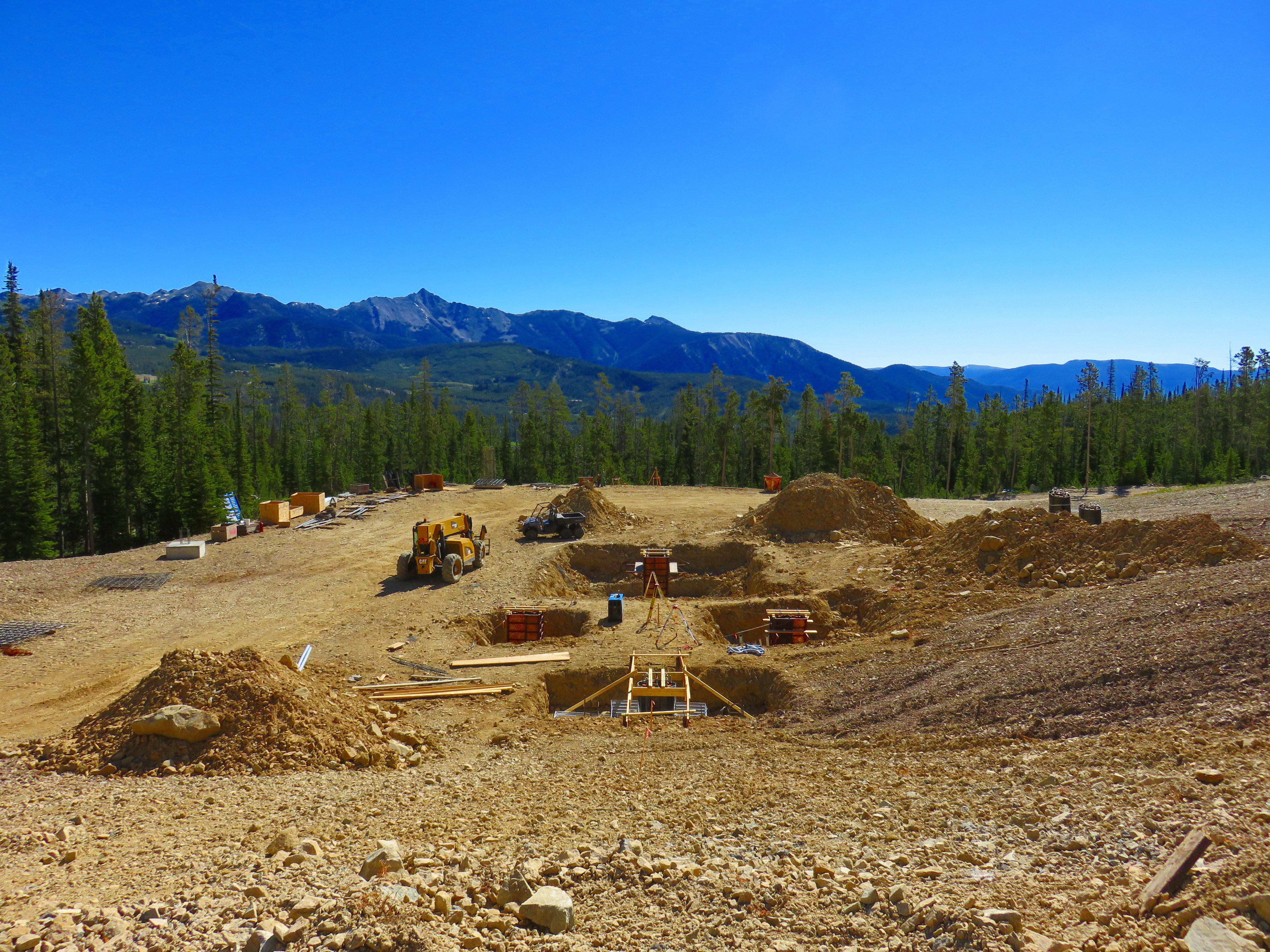
Next winter is going to be huge at Big Sky with a bubble six-pack detachable opening in The Bowl and a new triple chair replacing the legendary Challenger double. Doppelmayr is off to a solid start with terminal and tower footings going in for both lifts. Big Sky is known for its crazy steeps and rocky terrain which makes both projects challenging.
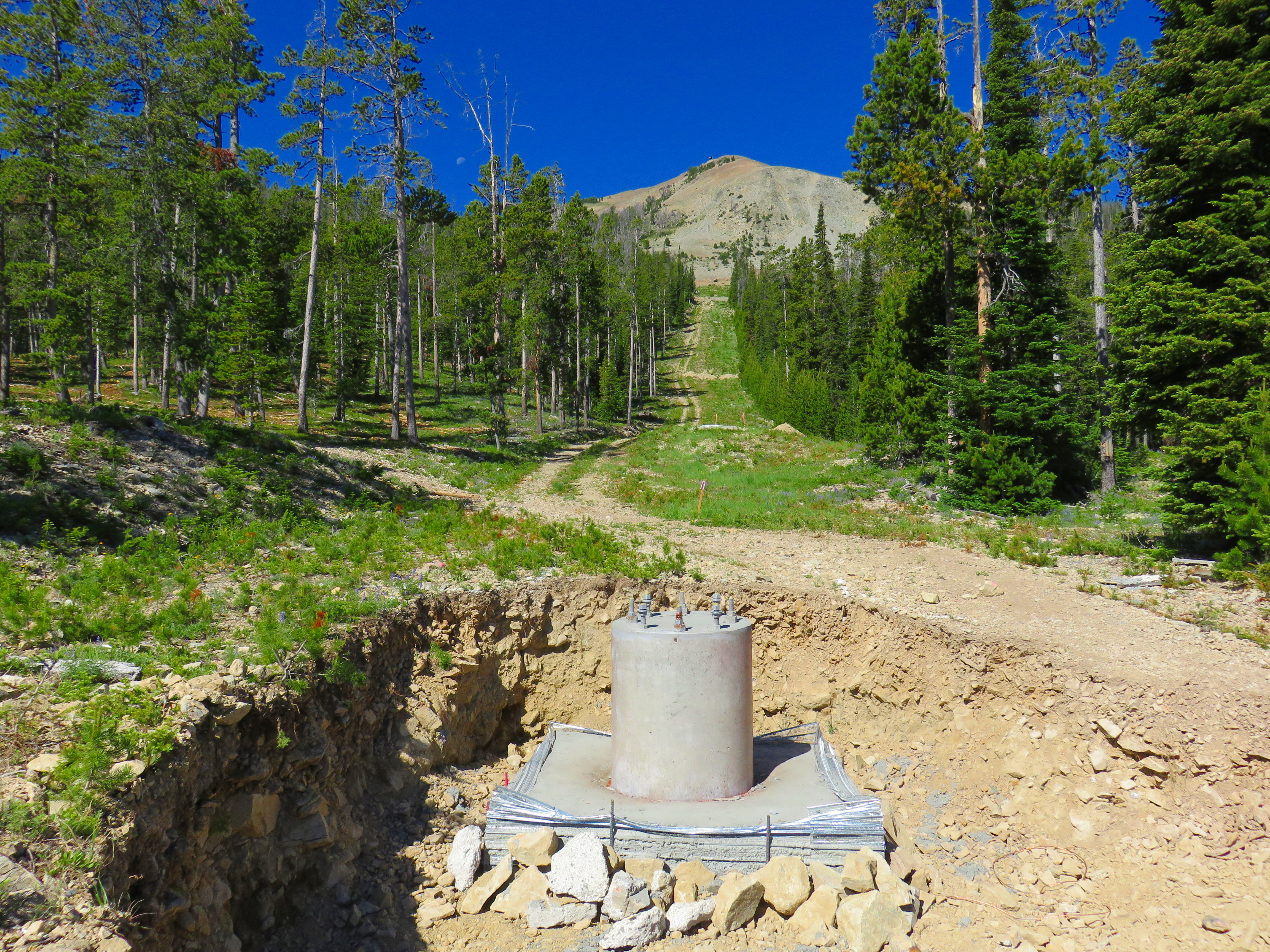
From what I can tell approximately half the old Challenger tower bases from 1988 will be re-used on the new lift. Dyer All Terrain Excavation was working on the upper section of Challenger with a spider hoe today. The only way to the top of Challenger is scrambling on foot or riding the Headwaters chair from the Moonlight side.
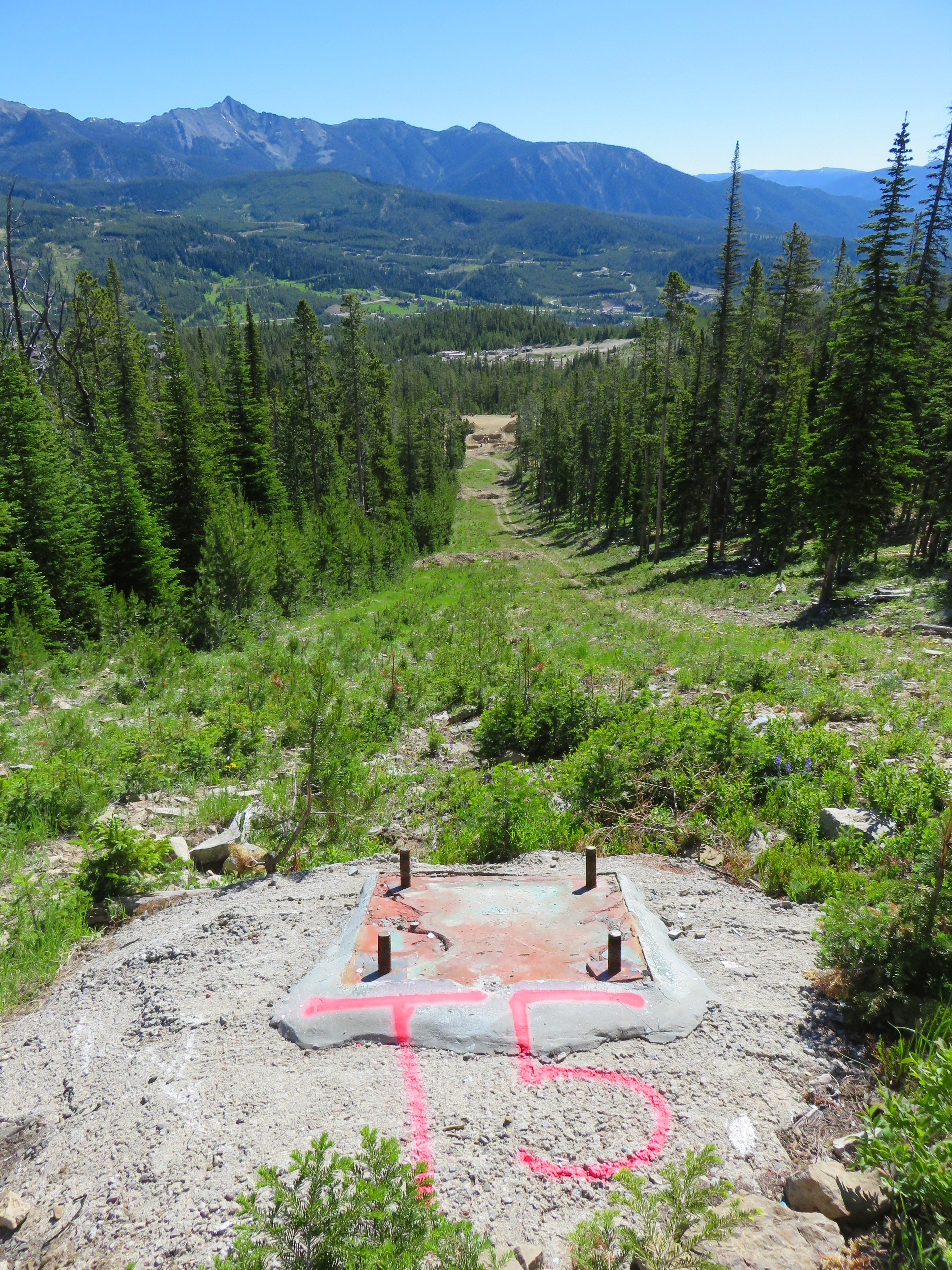
Boyne Resorts has firmed up an approximately $10 million deal with Doppelmayr USA to build a flagship detachable lift in The Bowl at Big Sky Resort and replace the damaged Challenger double with an all-new fixed-grip triple chair this summer, according to multiple sources. The resort announced back in February that two new lifts were coming but has yet to officially say much else. These will be the first new lifts built in Big Sky since Moonlight Basin, Spanish Peaks and the Yellowstone Club went bankrupt in 2008-10 and a sure sign that the region has bounced back.
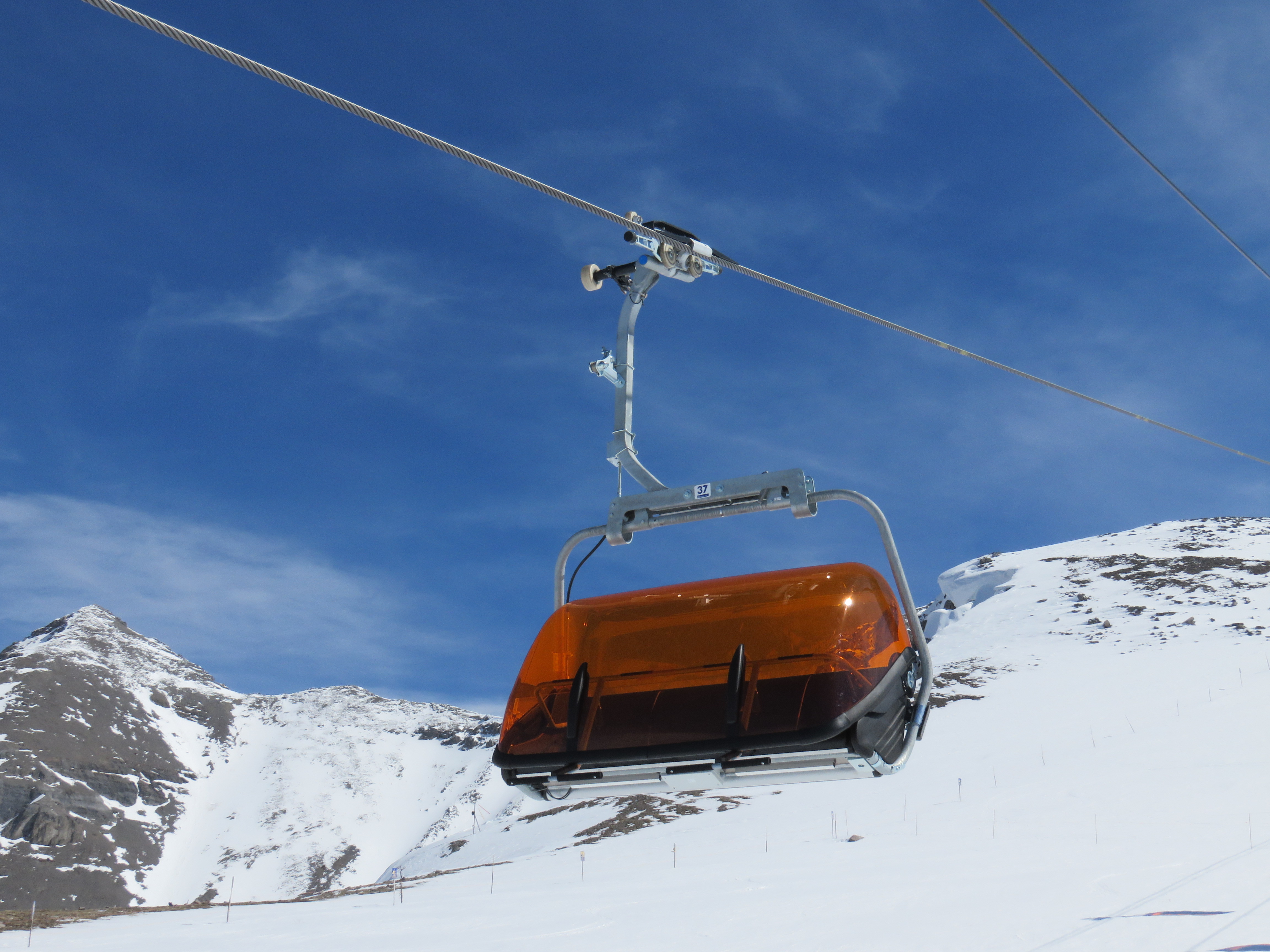
The big story here is the six-pack replacement of the Lone Peak triple which will be just the sixth lift in North America to feature chairs with bubbles and heated seats. The others are at Park City, Sunshine Village, Okemo and the private Hermitage Club in Vermont. The new six pack’s alignment will be altered from the current lift for better traffic flow and the bottom station will feature 90-degree loading. The lift will be just over 3,000 feet long with a vertical rise of approximately 800 feet and ride time of just three minutes.
The new Challenger lift will be a bottom drive/bottom tension fixed-grip triple with loading carpet, capable of spinning up to 500 feet a minute for a 9.5 minute ride. The Challenger double chair that broke in February only ran 396 fpm. Challenger will most likely feature Doppelmayr’s Tristar drive/tension terminal and an expanded unloading area next to the summit of the Headwaters double.
It’s official; in the wake of the incident two weeks ago, Big Sky Resort will remove and replace the Challenger double chair this summer rather than repair it. General Manager Taylor Middleton announced, “After exhaustive efforts to make Challenger operational for the rest of the season, we have determined that the best course of action is to replace it with a completely new lift. Skiers will continue to access the Challenger terrain via the Headwaters Lift for the rest of this season.” The new lift will be built by Doppelmayr but there’s no word yet on model and capacity.
In addition, a letter to passholders announced the Lone Peak triple chair – a 1973 Heron-Poma – will also be replaced this summer in some form. Big Sky has struggled for years with aging lifts needing replacement. The mountain’s gondola had a multi-tower de-ropement in February 2008 and never ran again. Big Sky has been looking to build a new, longer gondola from the base of the mountain to the Lone Peak Tram that would span more than two miles. With a mid-station, such a gondola could replace the original Gondola One, Lone Peak triple and Explorer beginner double in one alignment. Elsewhere on the mountain, the Shedhorn double needs more capacity and Big Sky has floated an idea of a lift up Liberty Bowl.
If you include Moonlight Basin and Spanish Peaks, what is now Big Sky Resort built an amazing 13 new lifts in six years between 2002 and 2007 (with 7 more going in at the Yellowstone Club.) The 2008 recession literally stopped the construction boom in its tracks, with the Stagecoach lift at Moonlight left half-finished and abandoned when owner Lehman Brothers went bankrupt. I’ve heard SkyTrac will be finishing that lift this summer. It’s going to be a busy one on Lone Peak.
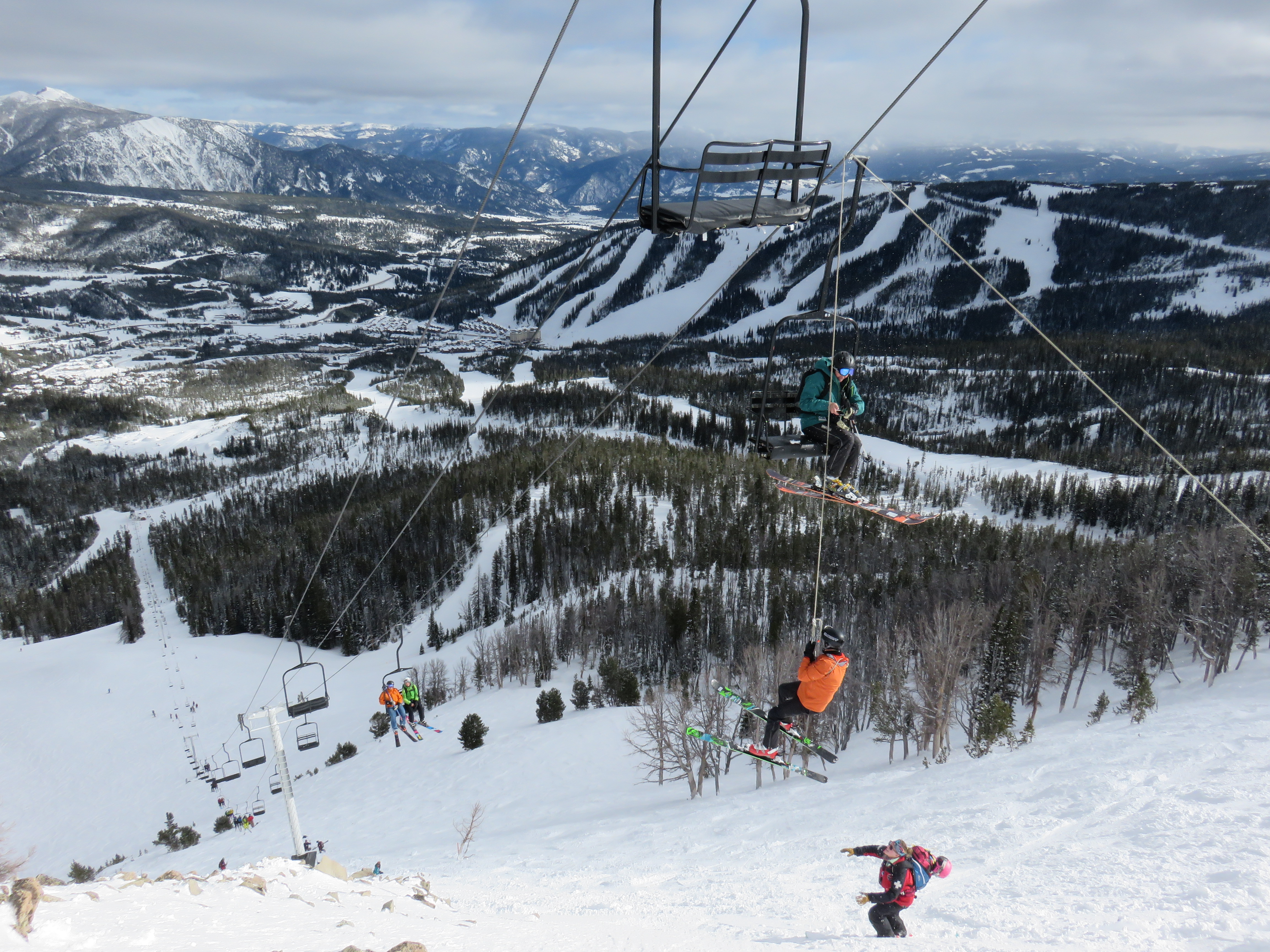
In any given year, about a third of ski areas’ “new lifts” are actually lifts removed from other locations that are finding a new home. There are entire websites dedicated to the buying and selling of second-hand ski lifts. By my count, at least 374 lifts in the US and Canada have been re-engineered and re-installed at new places, either at the same ski resort or clear across the country.
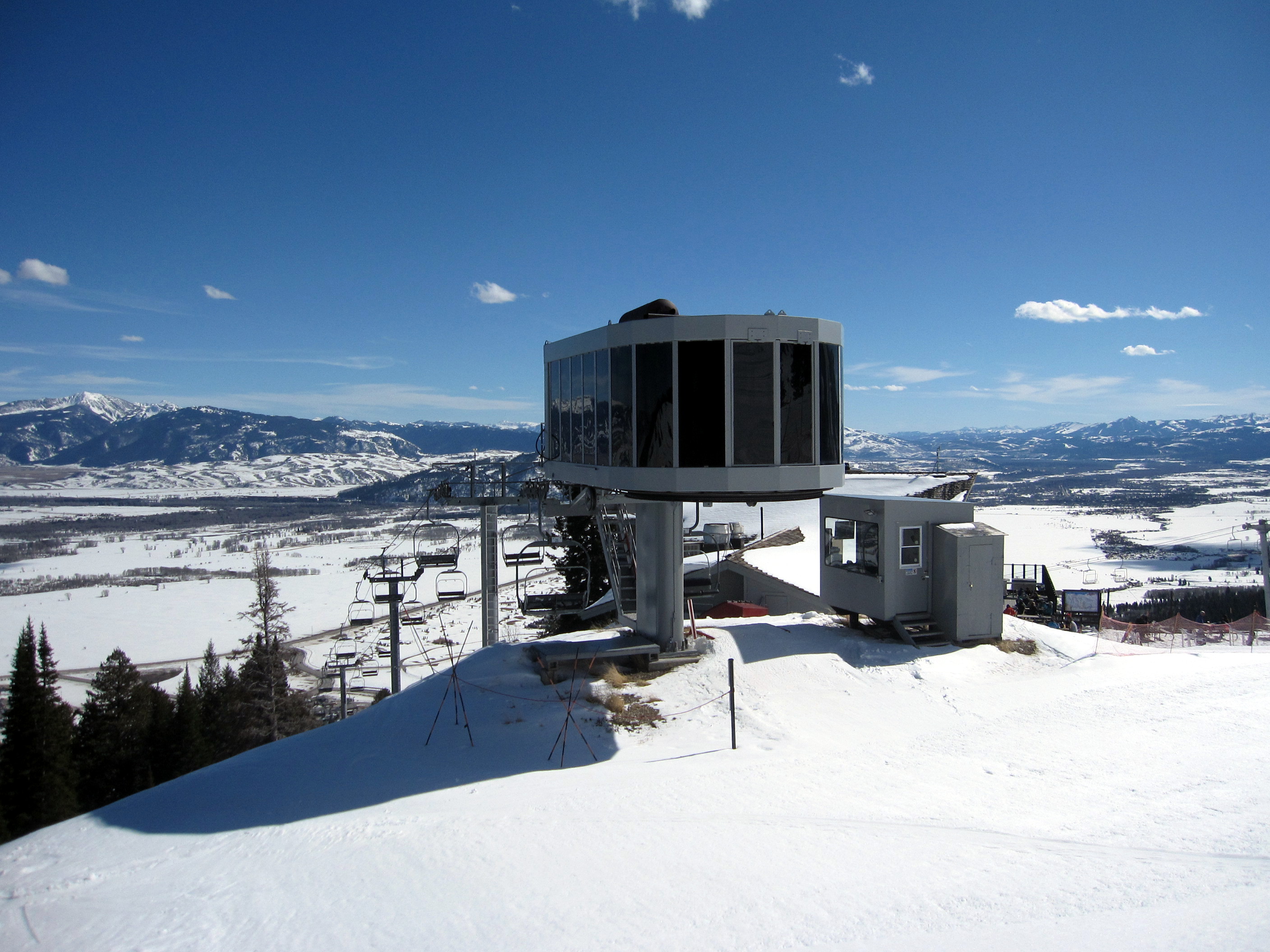
The ski area that has sent the most lifts to other places is, not surprisingly, Whistler-Blackcomb. Ten of its former chairlifts live on at ski areas across the US and Canada. Some resorts operate fleets of lifts pieced together entirely from other places. Big Sky Resort operates nine used lifts, many of them hand me downs from other Boyne Resorts. Removed lifts that don’t get snapped up by other ski areas often end up at amusement parks and zoos.
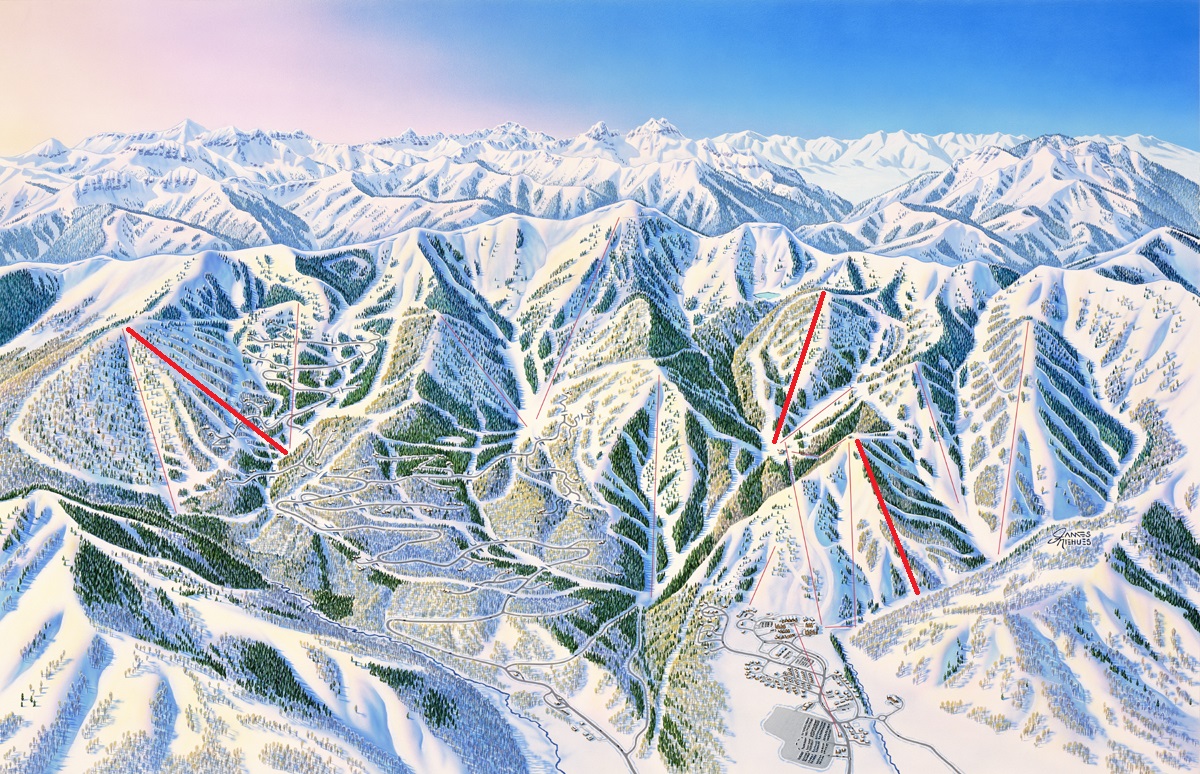
A handful of lifts have been moved multiple times. The Dreamscape lift at Park City (formerly Canyons) is in its third location on the same mountain. Originally installed by Garaventa CTEC in 1996 as the Saddleback quad, it was replaced the very next season by a detachable quad. The fixed-grip quad became Raptor, which served the runs between Super Condor Express and Golden Eagle for three seasons, after which it was removed (and still not replaced.) That same summer, Raptor went to the opposite side of the mountain to anchor a major expansion called Dreamscape. I would not be surprised to see Vail Resorts replace Dreamscape this coming summer, giving the still-not-that-old quad chair a chance at a fourth life.
We’re used to lifts that run in a perfectly straight line between terminals but sometimes a lift just has to have a turn. Common reasons for this uncommon occurrence include buildings in the preferred alignment and challenging property lines. Most lifts with turns are detachable systems with angle stations which are very expensive. But not all lifts that need to turn require loading or unloading mid-way. In a handful of these cases, lift manufacturers have avoided the need for angle stations or extra bullwheels by designing towers with canted sheaves.
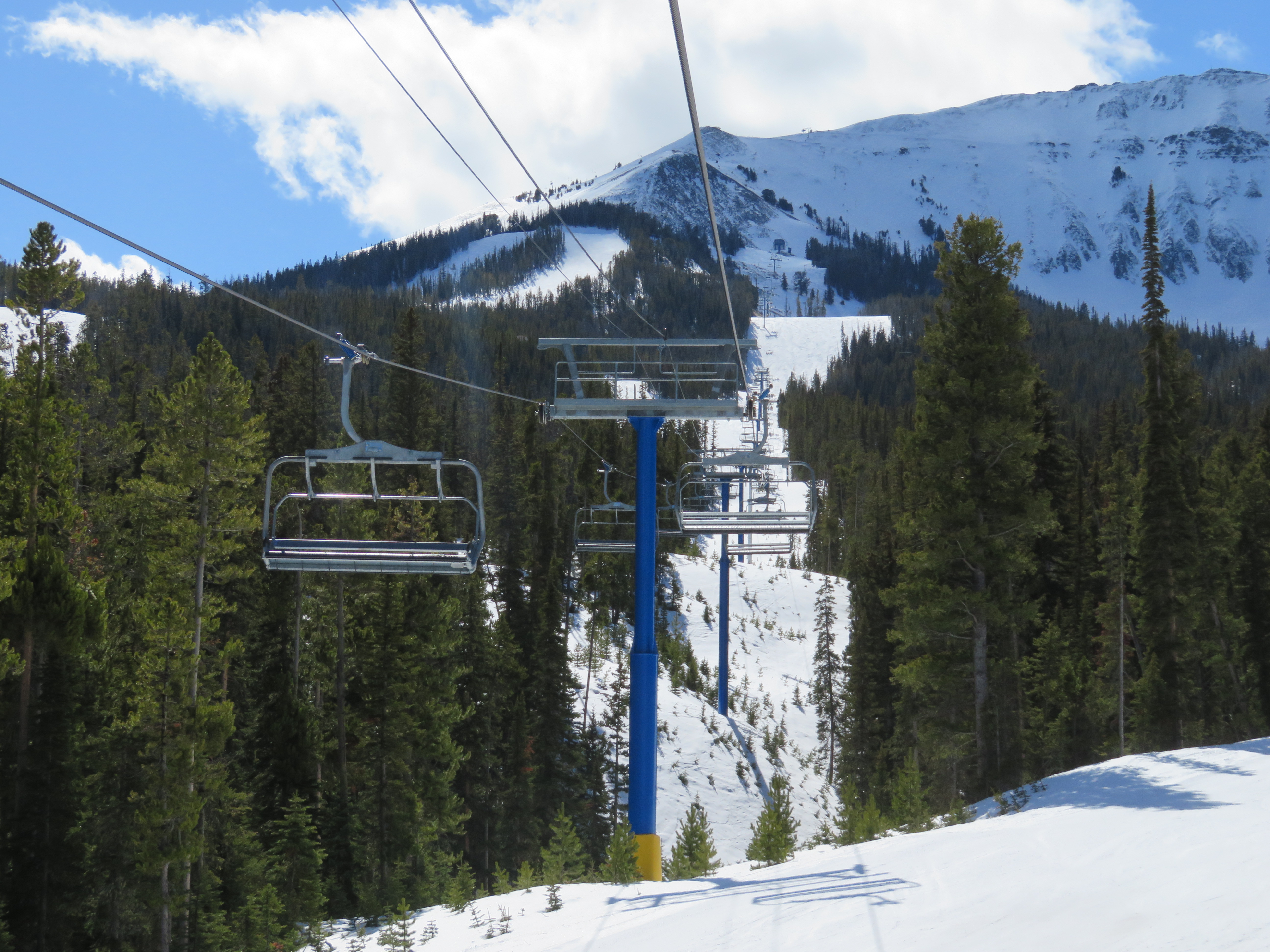
The first company to use this trick was Riblet with Chair 5 at Breckenridge way back in 1970 1986. Closely-spaced towers 10A, 10B and 11 have angled sheaves in a compression-support-compression setup. I’m not sure of the exact angle of the turn on Chair 5 but its a couple of degrees. (Edited to add later: the lower terminal and towers of Chair 5 were moved in 1986, 16 years after the lift was first built.)
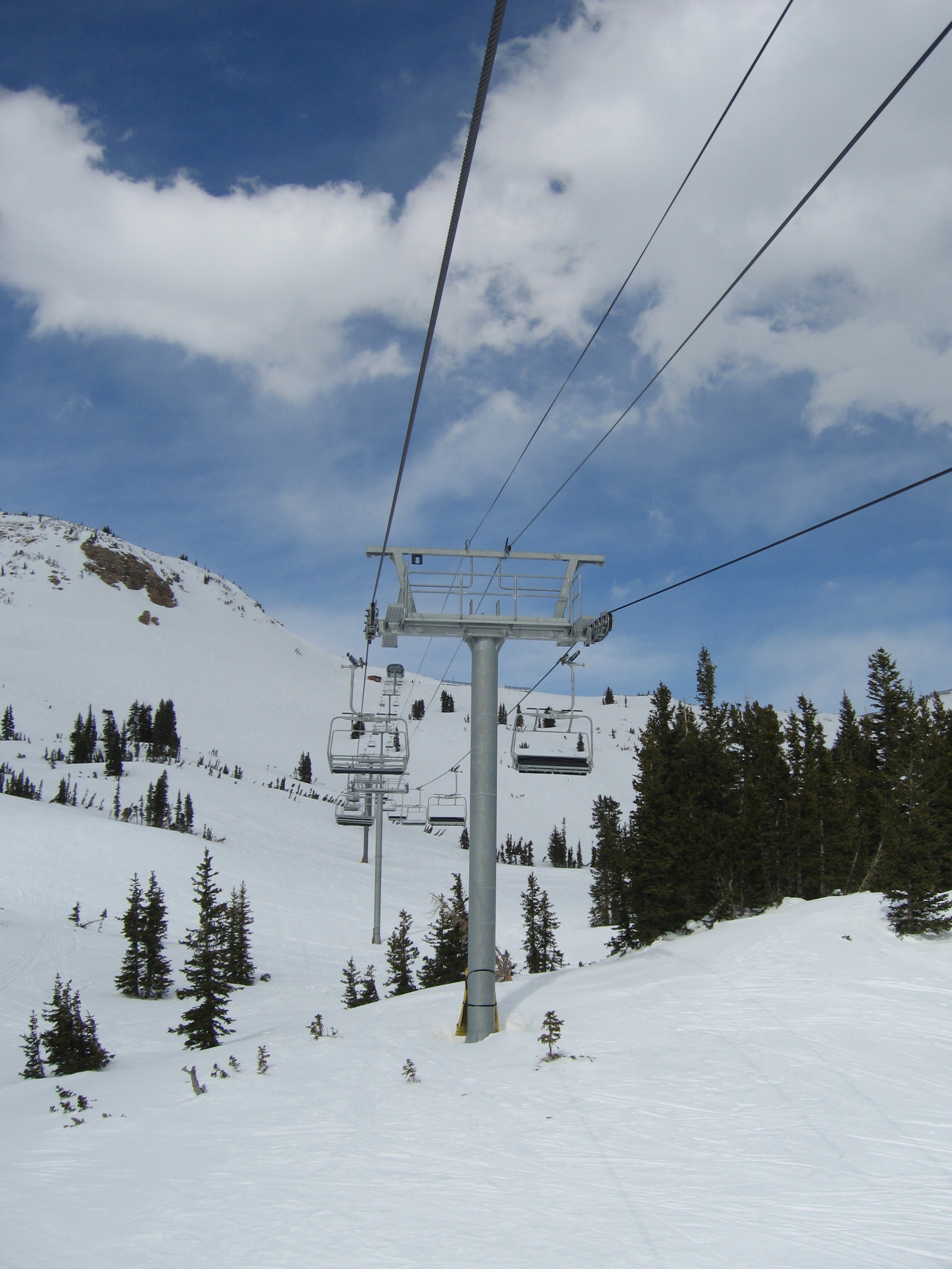
Most of the lifts that turn using angled sheaves were built by Doppelmayr CTEC and its predecessor Garaventa CTEC and turn less than five degrees. A turn is typically accomplished over three towers with the middle of the three being a depression assembly. The Cabriolet at Park City (formerly Canyons) was the first modern lift with this setup and opened in 2000, connecting the main parking lot to village. Its five degree turn was required due to private property lines and existing buildings.

A year after the experiment at The Canyons, Garaventa CTEC built another detachable with a turn for Snowbird. The Baldy Express turns between towers 10 and 12 again due to private property lines. The first six pack with a turn was the Six Shooter at Big Sky (formerly Moonlight Basin) which was built in 2003 and has a couple degree turn between towers 24 and 26. I’ve heard Six Shooter’s turn was due to a surveying mistake that would have put the top terminal on Big Sky Resort’s property. Doppelmayr CTEC engineered the turn rather than re-doing a bunch of tower bases. The irony here is that ten years later Big Sky ended up buying the land and lifts anyways.
Below is a list of the top ten steepest lifts in the US and Canada. I calculated these using a ratio of slope length to vertical rise using data from the manufacturers. To give you some perspective, Snowbasin’s tram has the lowest ratio at 1.11 while Whistler’s Peak 2 Peak has the highest ratio at 120. The average lift is 4.65, meaning 4.65 feet of length to rise one vertical foot, on average. Only three of the top ten are chairlifts and only five serve ski-able terrain.
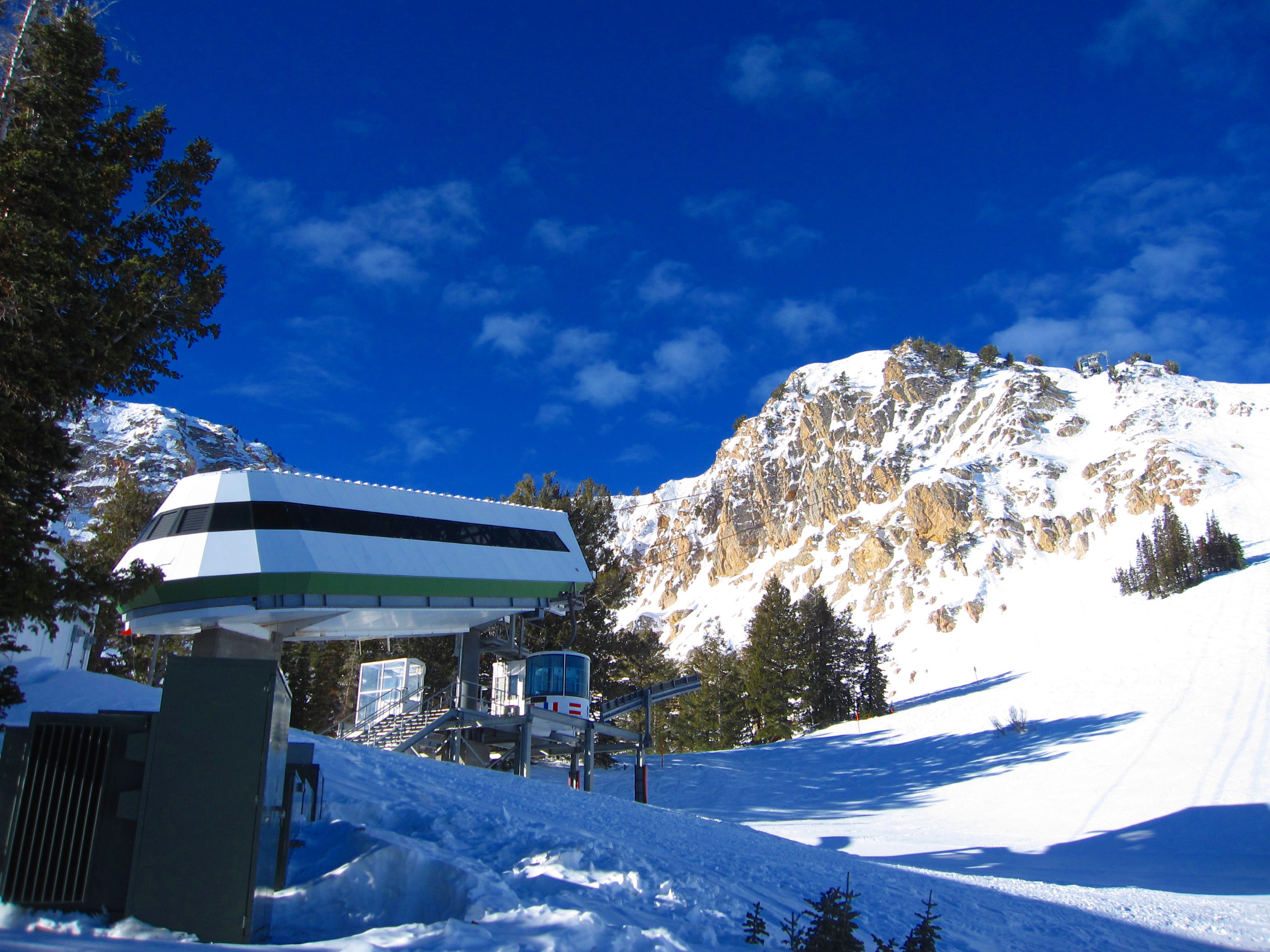
1. Mt. Allen Tram, Snowbasin, Utah – 1998 Doppelmayr 15-passenger tramway
1,165′ slope length x 1,047′ vertical rise = 1.11 length to vertical ratio
edit: Ski Area Management’s lift construction survey had the incorrect vertical for this lift. It is actually 510′ making the Mt. Allen Tram about half as steep as posted above.
2. Mt. Roberts Tram, Juneau, Alaska – 1996 Poma 60-passenger tramway
3,098′ slope length x 1,746′ vertical rise = 1.77 length to vertical ratio
3. Lone Peak Tram, Big Sky Resort, Montana – 1995 Doppelmayr 15-passenger tramway
2,828′ slope length x 1,450′ vertical rise = 1.95 length to vertical ratio
4. Sulphur Mountain Gondola, Banff, Alberta – 1959 Bell 4-passenger bi-cable gondola
4,498′ slope length x 2,292′ vertical rise = 1.96 length to vertical ratio
5. Honeycomb Return, Solitude Mountain Resort, Utah – 2002 Doppelmayr CTEC quad
1,300′ slope length x 655′ vertical rise = 1.98 length to vertical ratio
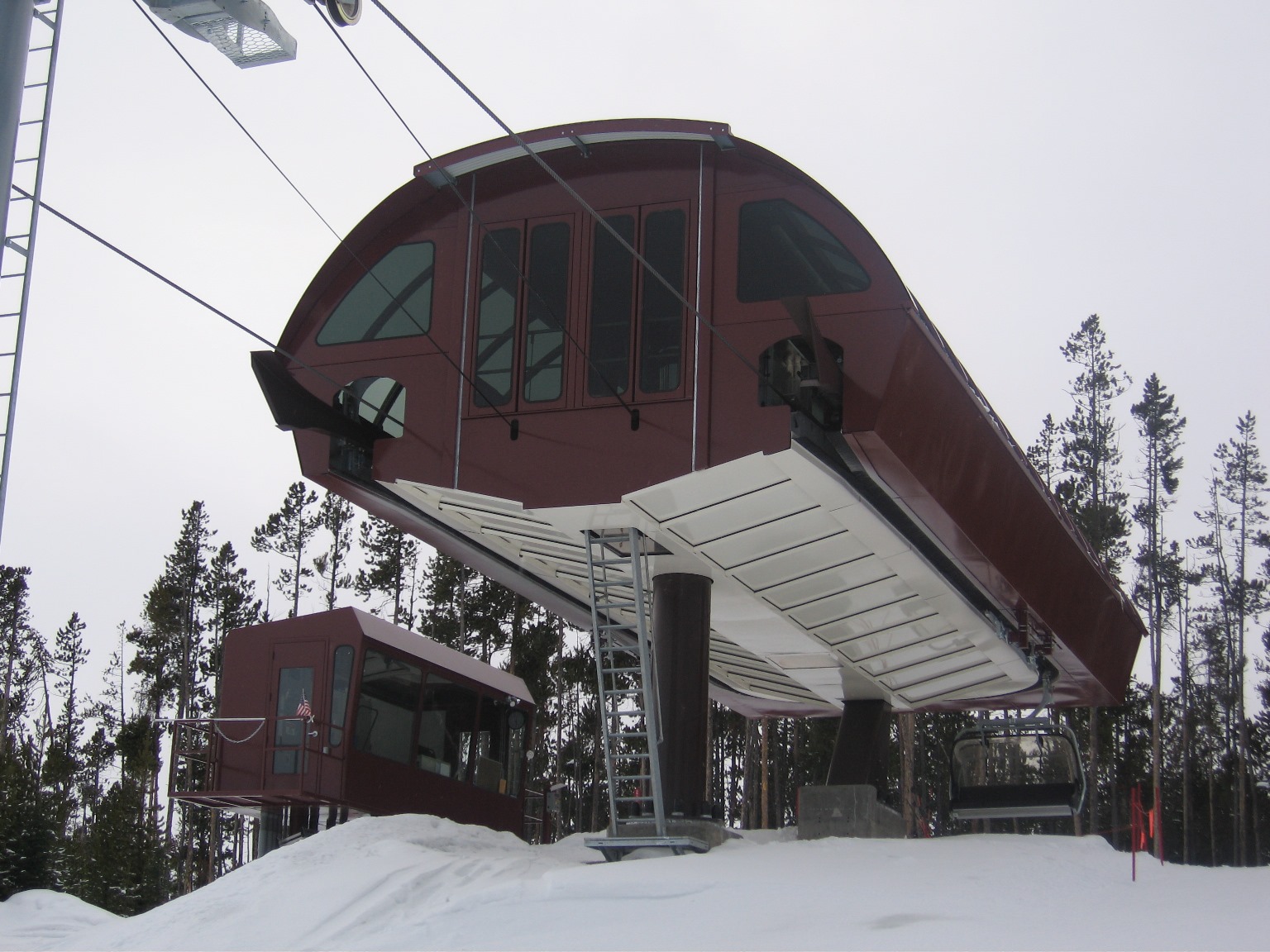
Lewis & Clark is a 2005 Doppelmayr CTEC Uni-GS detachable quad in the Spanish Peaks residential development in Big Sky, Montana. It was built during Big Sky’s real estate boom when the Yellowstone Club, Spanish Peaks and Moonlight Basin were all developed. For those who haven’t been to the area, each resort includes lifts and ski trails connected to the original Big Sky Resort. 17 lifts were built during the boom years from 2004 to 2007. No lifts have been built in Big Sky since.
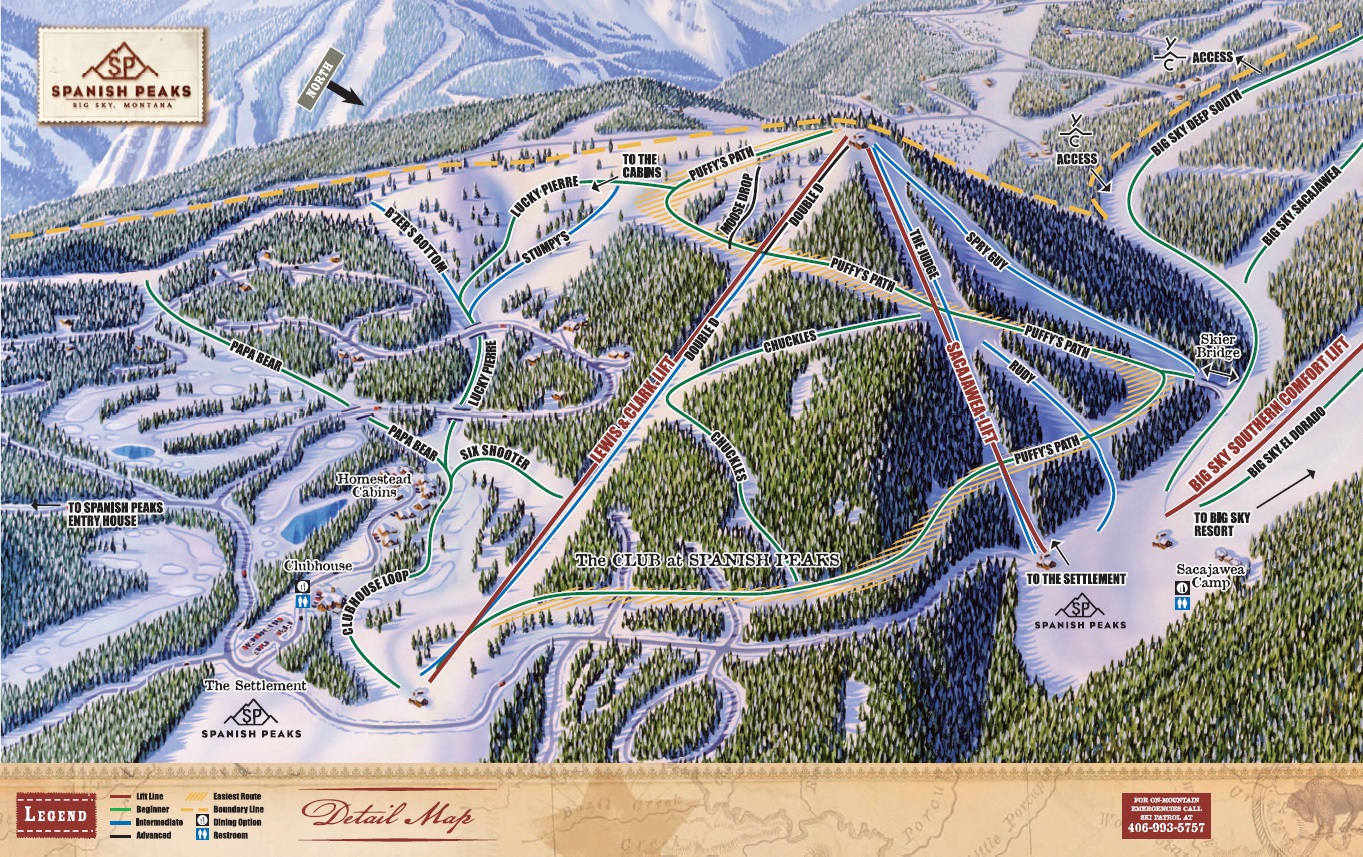
Spanish Peaks was developed by timber billionaire Tim Blixseth, (who founded the neighboring Yellowstone Club) and James Dolan, the CEO of Cablevision. Doppelmayr built all 5 of Spanish Peaks’ lifts in the summer of 2005. In addition to Lewis & Clark, there are 2 triples and 2 platters. Lifts and trails opened for the 2005-06 ski season.
 Lift Blog