Squaw Valley
Instagram Tuesday: Rising
Instagram Tuesday: Rime
Squaw-Alpine Applies to Build Base-to-Base Gondola(s)
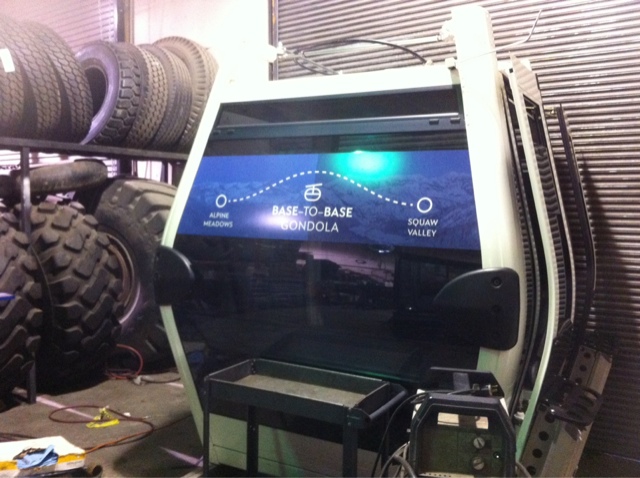
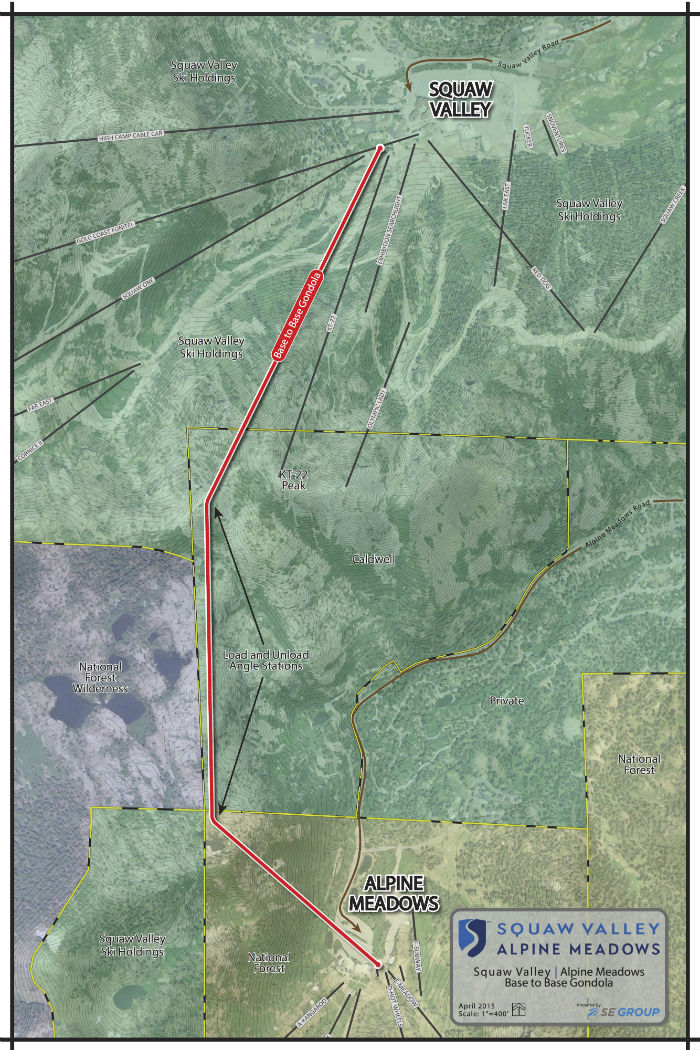
Earlier this fall, Squaw Valley Ski Holdings submitted its formal application to the Placer County Planning Department to build the three-stage gondola connecting Squaw Valley with Alpine Meadows that was first announced last spring. Leitner-Poma will design the system on the heels of completing Squaw’s Big Blue and Siberia six-packs. LPOA has lots of experience building detachable lifts with angle stations including similar three-section gondolas at Breckenridge and Sunshine Village.
The Squaw-Alpine gondola will be around 13,000 feet long with 37 towers and two ridge-top angle stations. The unique system will have three haul ropes but only two drives located at the end stations (Breck and Sunshine’s gondolas have just one rope & drive each.) In this sense, the base-to-base gondola is really two gondolas similar to Whistler Village and Revelstoke. What’s different at Squaw is the center section will operate with the Alpine drive by sharing a common bullwheel where the sections meet. As such, the Squaw section could be run independently but the other two spans must operate together. Regardless, cabins will normally make the entire trip from Squaw to Alpine. The gondola’s hourly capacity will be 1,400 passengers per direction with 8-passenger cabins and a line speed of 1,000 fpm. Squaw also plans full-speed operations during a power outage with generators at each drive station.
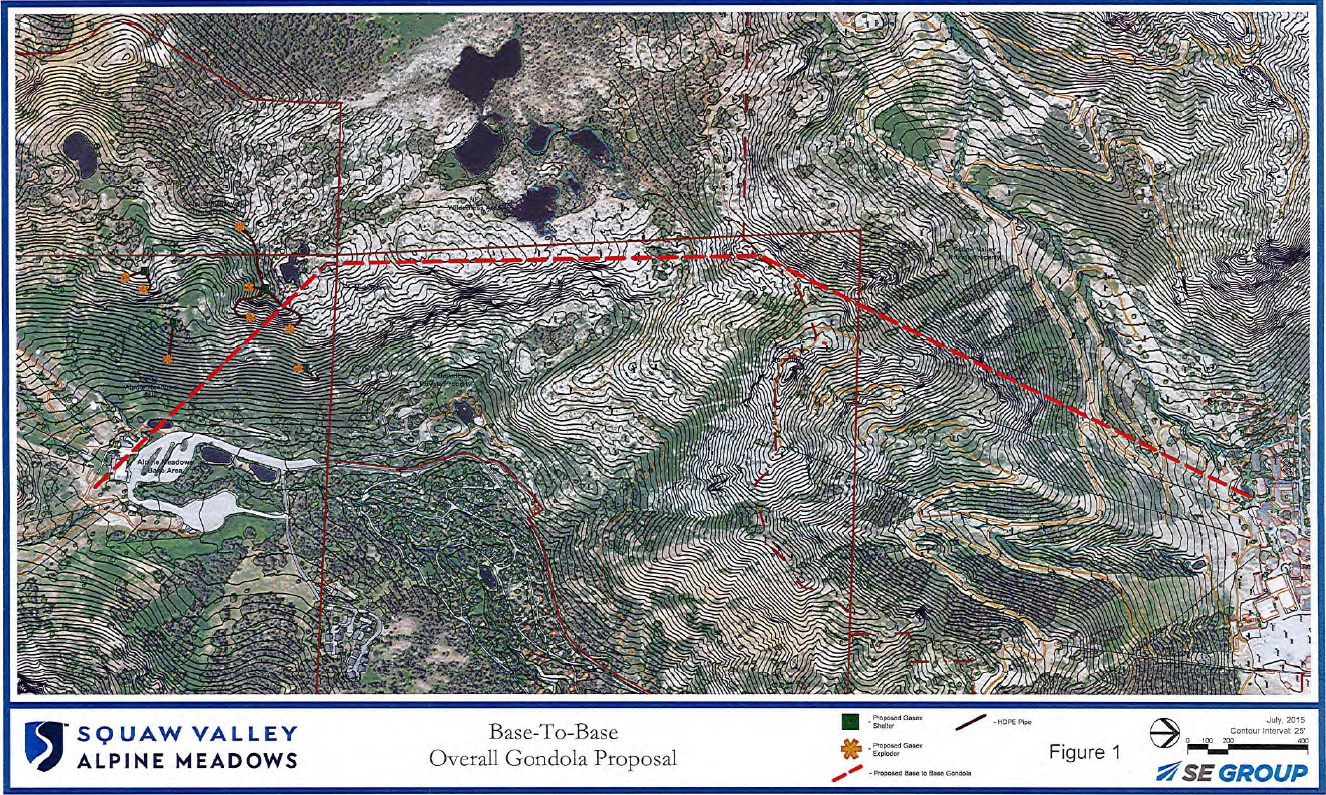
The north mid-station on the Squaw side will be sited on private lands near the summit of the KT-22 detachable quad while the south mid-station will be in the Tahoe National Forest within Alpine’s existing permit boundary. Skiers will be able to access some pretty awesome terrain from both mid-stations when conditions allow. The Squaw Village terminal will sit between KT-22 and the Squaw One Express while the Alpine terminal will be between the Roundhouse Express and Hot Wheels. The gondola will actually fly over Alpine’s base lodge and under Squaw’s Funitel. One interesting point from the application is that the Alpine mid-station at just over 7,700 feet in elevation will have no permanent road access or power line to it, which is part of why the central section has no drive motor of its own. The terminal control systems, lights, etc. will run off a line generator and diesel genset.
Instagram Tuesday: Poma
Instagram Tuesday: Snow Ghosts
Instagram Tuesday: Climbing
Squaw Valley’s New Siberia Express Six-Pack
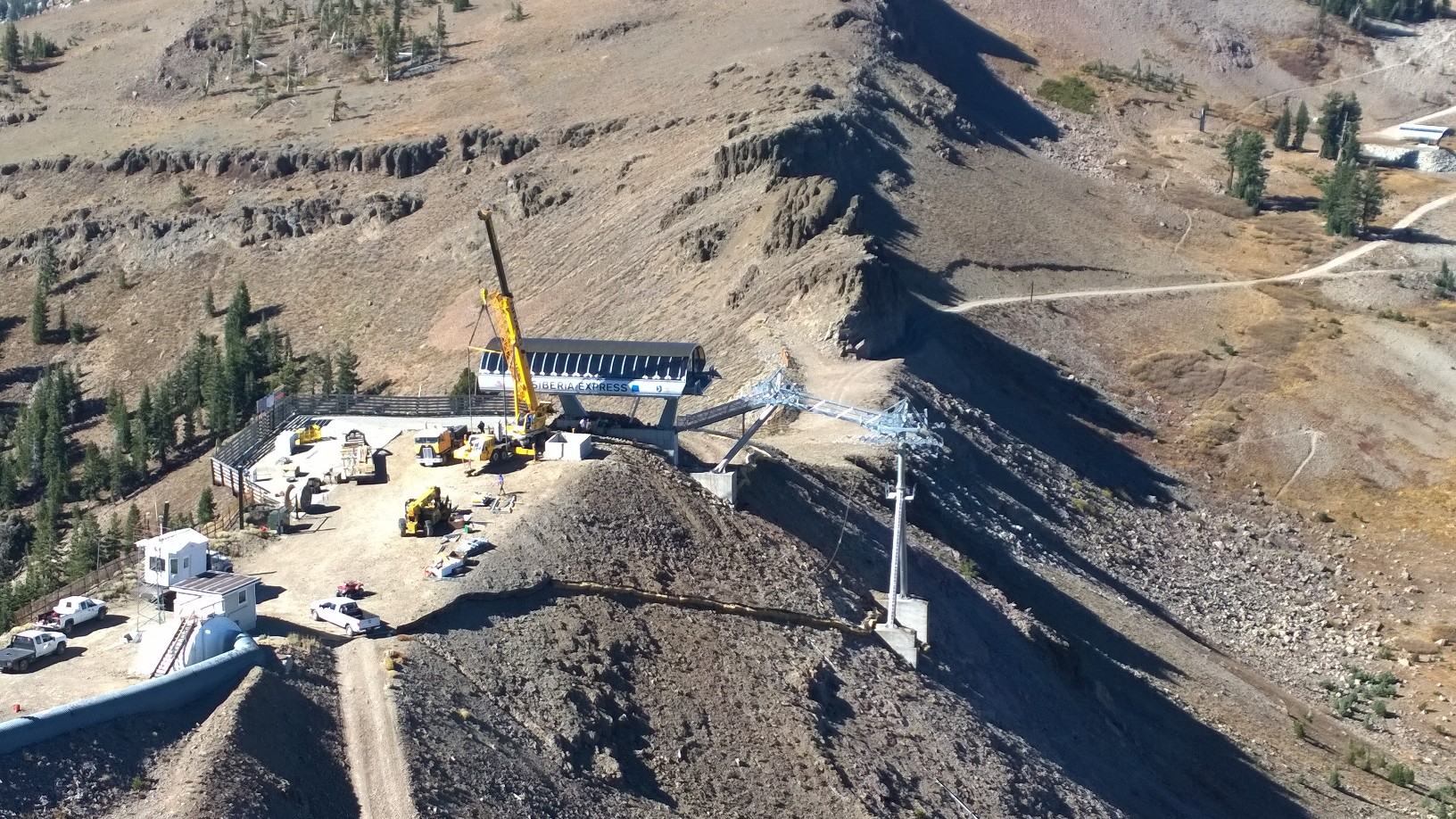
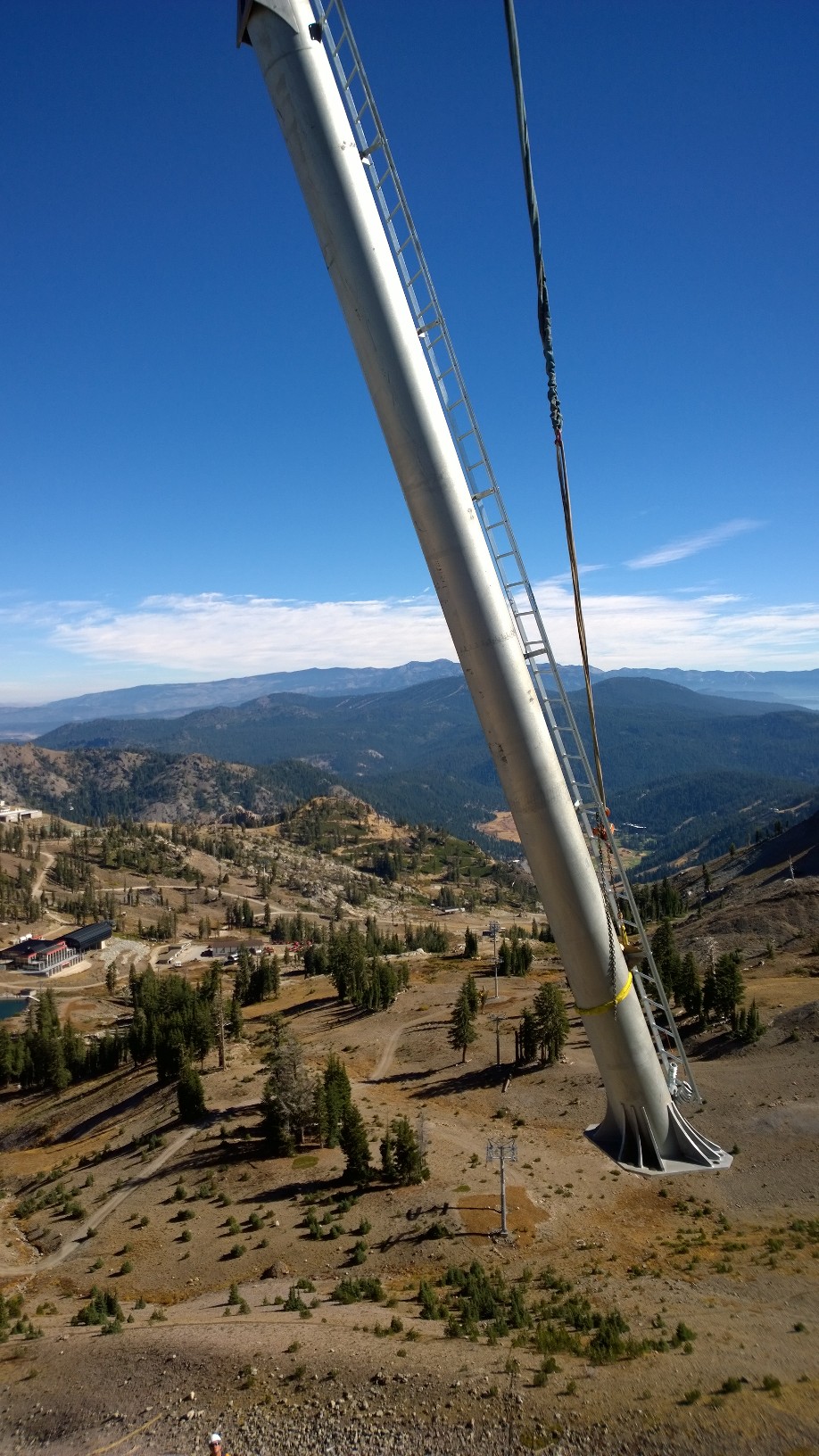
Squaw Valley has removed ten of its lifts since 2007 while building only four new lifts in the same period. What’s going on? Squaw is strategically removing redundant/older fixed grips like Cornice II and replacing first-generation detachable quads with newer technology. This summer’s project replaces the Siberia Express (a 1985 Poma) with an all-new Leitner-Poma six-pack. The new Siberia will be Squaw’s second lift with LPA grips and terminals. The first was the Big Blue six-pack, which replaced not one but three Yan lifts in 2012. The LPA grip is now used worldwide by both Leitner and Poma but terminals used in North America are designed and built in Grand Junction, Colorado.
The original Siberia was a workhorse at Squaw for thirty years, operating in a harsh above-treeline environment. It had an old-school Alpha drive building and chain-driven contours. In addition to upgraded technology, the new Siberia should be less subject to wind closures with heavier chairs. In a press release announcing the project, Squaw Valley CEO Andy Wirth noted, “upgrading the Siberia Express lift to a high-speed six-passenger chairlift is guaranteed to have a positive impact on the skier experience on the upper mountain at Squaw. In addition, the lift has been designed in a way that will improve its ability to operate during inclement weather.” Because its line is so exposed, the new lift has parking for all 56 chairs at the drive terminal.
 Lift Blog