Leitner-Poma MiniMetro Debuts at Miami International Airport

A new Leitner-Poma/Sigma MiniMetro train car transports flyers at Miami International Airport.  Photo credit: Leitner-Poma
A new Leitner-Poma/Sigma MiniMetro train car transports flyers at Miami International Airport. Photo credit: Leitner-Poma

Aerial lifts are far from the only transport applications where cable-propelled systems make a lot of sense.  Earlier this month, Leitner-Poma celebrated the opening of its newest MiniMetro train at Miami International Airport.  It’s the first phase of a system that will carry up to 30 million passengers annually to the Concourse E Satellite using less energy and with lower costs than a traditional automated people mover.   Leitner-Poma of America President Rick Spear said of the opening, “we are very pleased with the new MiniMetro train at MIA.  We have demonstrated our ability to be a competitive alternative to existing self-propelled technology both on price and performance, and in particular on the yearly operating and maintenance costs.”  Many of the train’s components were manufactured at Leitner-Poma’s Grand Junction facility that also builds ski lifts for North America, Australia and New Zealand.

The new train at Concourse E replaces one built in 1980 by Bombardier.  The Leitner-Poma project is the fourth people mover at Miami International Airport and the first to be cable-driven instead of having propulsion in each car. Mitsubishi Heavy Industries constructed the MIA Mover & Skytrain and also bid on the Concourse E replacement project.  Miami-Dade County awarded Leitner-Poma the $87 million contract in 2014, which includes 15 years of operation and maintenance.  “The Leitner-Poma team has delivered a train that is aesthetically appealing and has a very smooth ride.  The south lane is open and is being well received by our passengers,” said Eddie Chinea, Miami-Dade Aviation Department APM/Transport Systems Chair and Assistant Project Director.
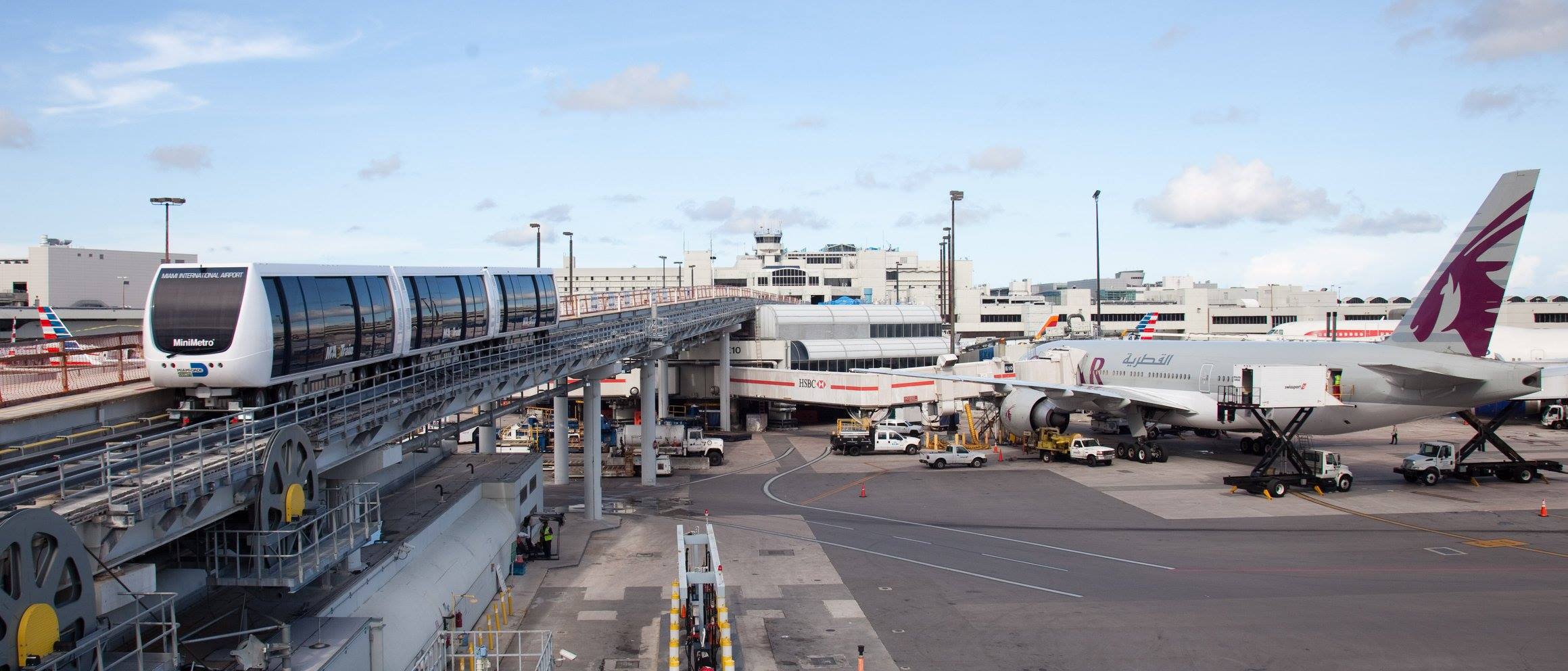
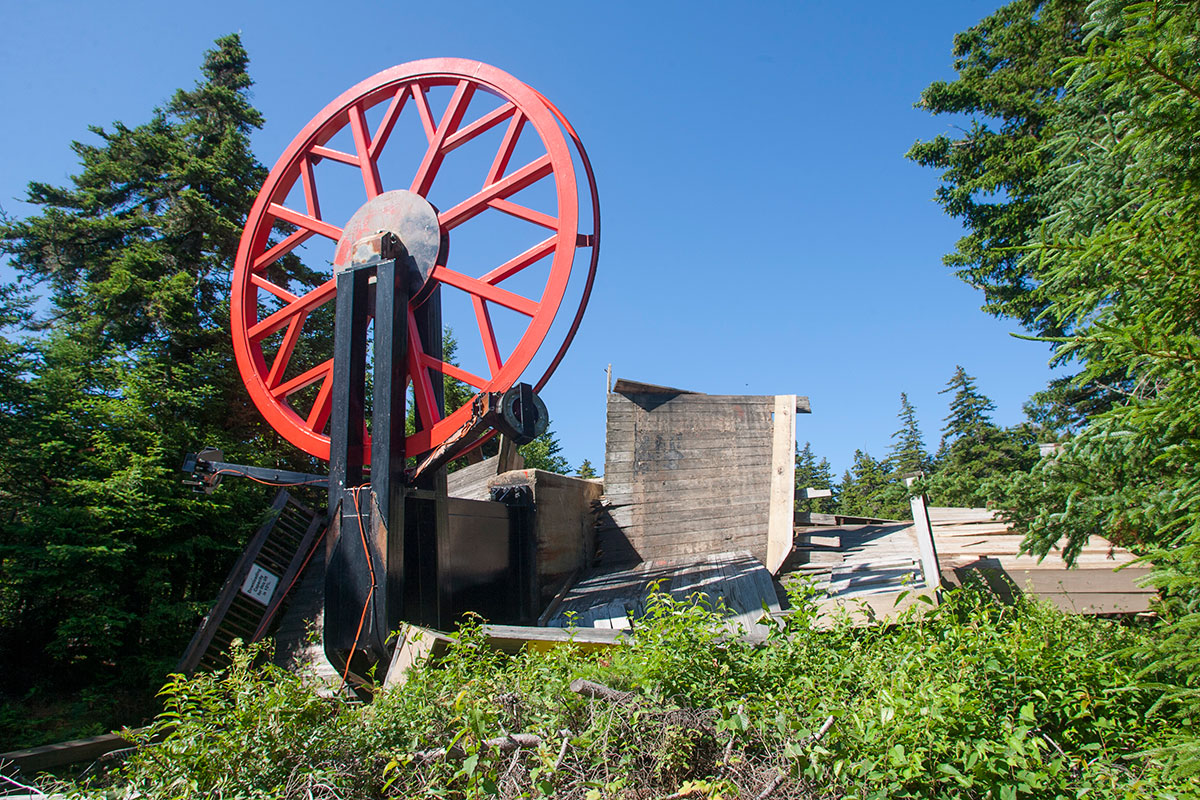
Photo credit: Leitner-Poma

Continue reading

News Roundup: Signs of Life

https://www.youtube.com/watch?v=y0QgeMl2-ck

Sunday River Lift Severely Damaged as Terminal Falls

SunRiv-Lift8-Web2
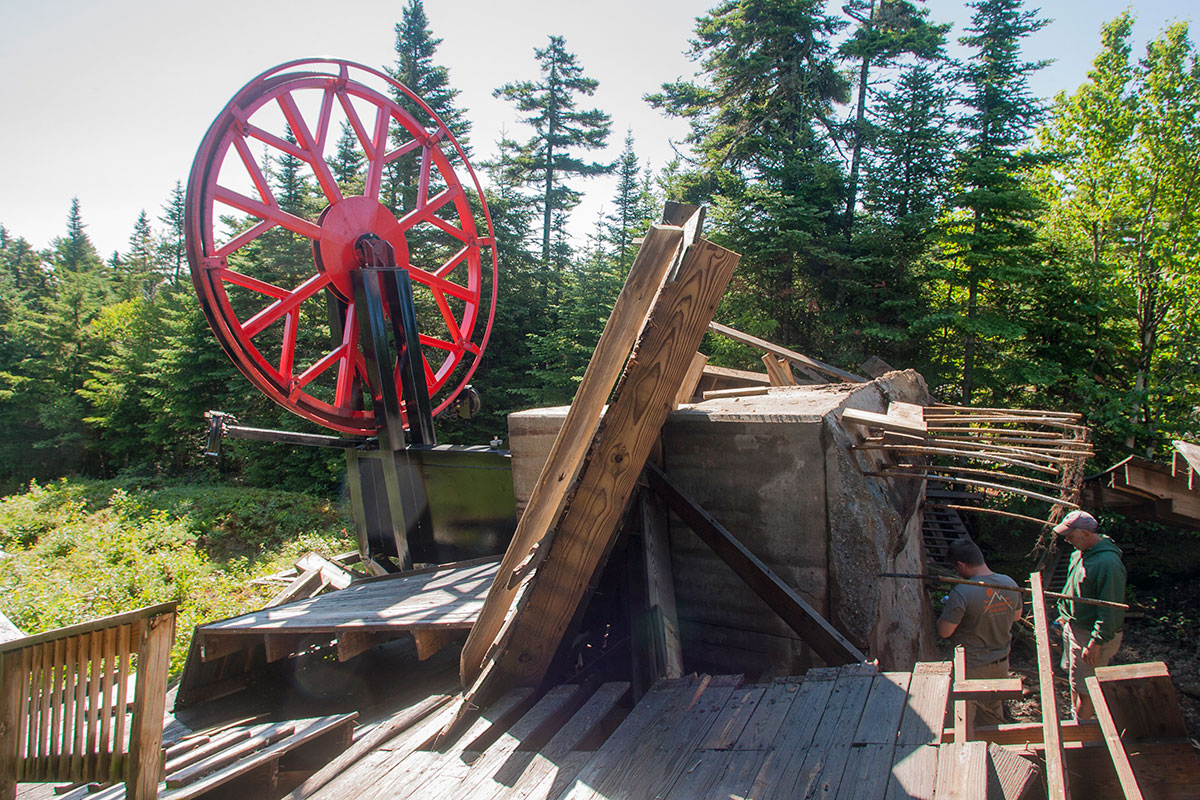
A Borvig return bullwheel lies in ruin Tuesday after a strange series of events in Western Maine over the weekend. Photo Credit: Sunday River

A truly bizarre incident came to light tonight when Sunday River revealed the top terminal of its Spruce Peak Triple chairlift slid downhill and flipped on its side over the weekend. Scott Crowell, the resort’s lift maintenance manager discovered the damage on Sunday. From the pictures, it appears the foundation and return bullwheel moved together, with the tension of the lift and gravity sending the line to the ground. Thankfully, the lift does not operate in the summer and no one was injured.

According to Weather Underground, Bethel, Maine received nearly an inch of rain in the four days leading up to the discovery of the damage.  Sunday River said the lift in question was last load tested in Fall 2015.

SunRiv-Lift8-Web3
Photo Credit: Sunday River

Spruce Peak is one of two Borvig triples remaining at Sunday River and its second oldest lift, built in 1986.  Chairkit added a loading carpet at the bottom station in 2014.  Spruce is 4,382 feet long and rises 1,211 feet with 17 towers and 177 chairs.  In a statement, Sunday River noted, “Decisions on repairing or replacing the lift have not been made at this point and will depend on several factors, including the results of the investigation. The resort is committed to moving forward as quickly as possible.”  The mountain is working with its insurance company, Willis MountainGuard, and state investigators.  Presumably there is still time to get a brand new lift built in time for the coming 2016-2017 winter season if the order is placed soon.  Alternatively, a lift manufacturer could come in and replace just the top terminal and any damaged chairs. Continue reading

Mount Roberts Tramway Celebrates Twenty Years

IMG_8823
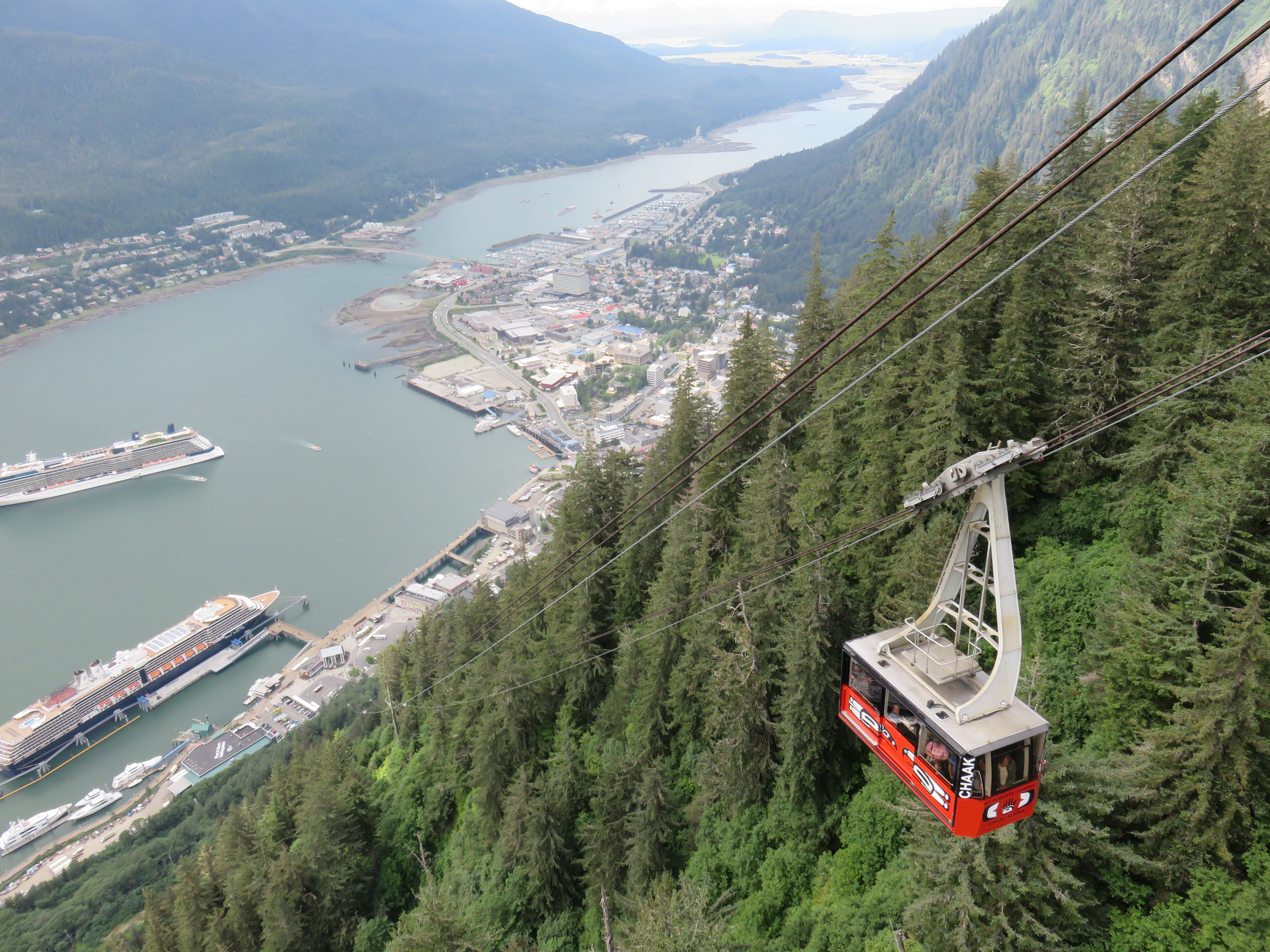
Opened in 1996, The Mt. Roberts Tramway flies above downtown Juneau from the city’s waterfront.

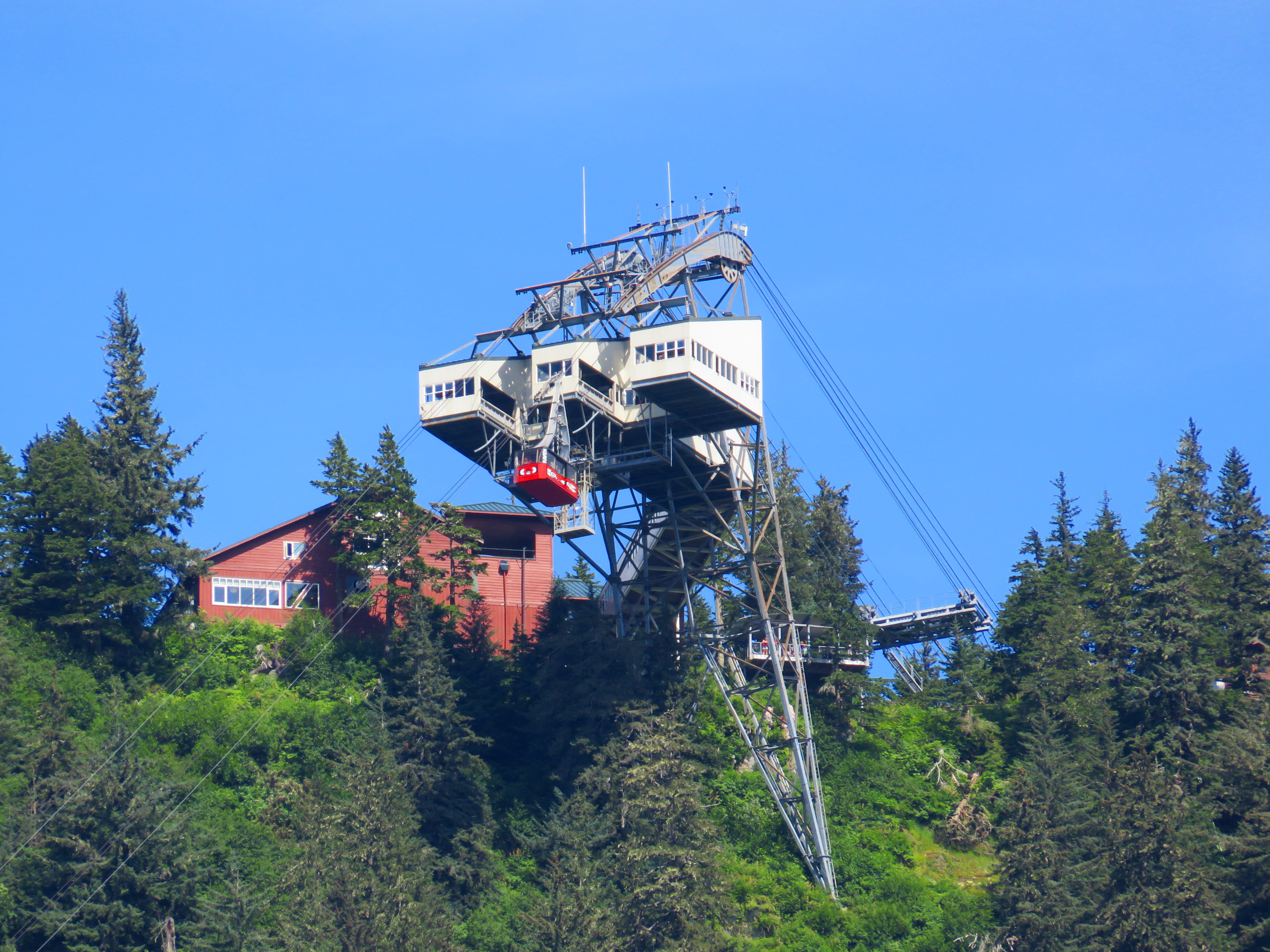
Rising from the cruise docks on the edge of Alaska’s capital, the Mt. Roberts Tramway is the undisputed steepest lift in North America with an average slope angle of 39 degrees.  The now-famous tram carried its first passengers 1,800 feet above Juneau almost twenty years ago. It’s among the newest large aerial tramways in North America and one of two in the U.S. built by Poma. The summit terminal soars 165 feet above the forested slopes of Mt. Roberts, downtown Juneau and the massive cruise ships below.  On August 10th, the tram will celebrate twenty years of service and more than 3.5 million riders.

IMG_7216
The top terminal is basically a tower, similar the Portland Aerial Tram but located in a more spectacular setting.

John Heiser proposed the lift in 1994, becoming President of the Mount Roberts Development Corporation before leaving to join Intrawest.  He financed the $16 million project with investments from Anchorage businessmen and Goldbelt (an Alaska Native Corporation) and leased right of way from the City of Juneau.  Goldbelt took 100-percent ownership of the tram in 1998.

IMG_8909
The bottom terminal fits the definition of a tram dock!  The motor room is located above rather than below due to its unique location.

Continue reading

News Roundup: New in New Zealand

New England Gets a Lift: Suicide Six to Build New Quad Chair

Vermont’s Woodstock Inn & Resort unveiled plans Thursday for a new quad chairlift at its Suicide Six Ski Area.  Normally this wouldn’t be a big deal, but it marks the first (and possibly only) major lift project in the Northeast United States for 2016.  Over the last ten seasons, Northeastern ski resorts have built an average of ten new lifts each year, testament to this year’s huge departure from normal in the wake of a rough winter.

Suicide 6 Trail Map 2016.jpg
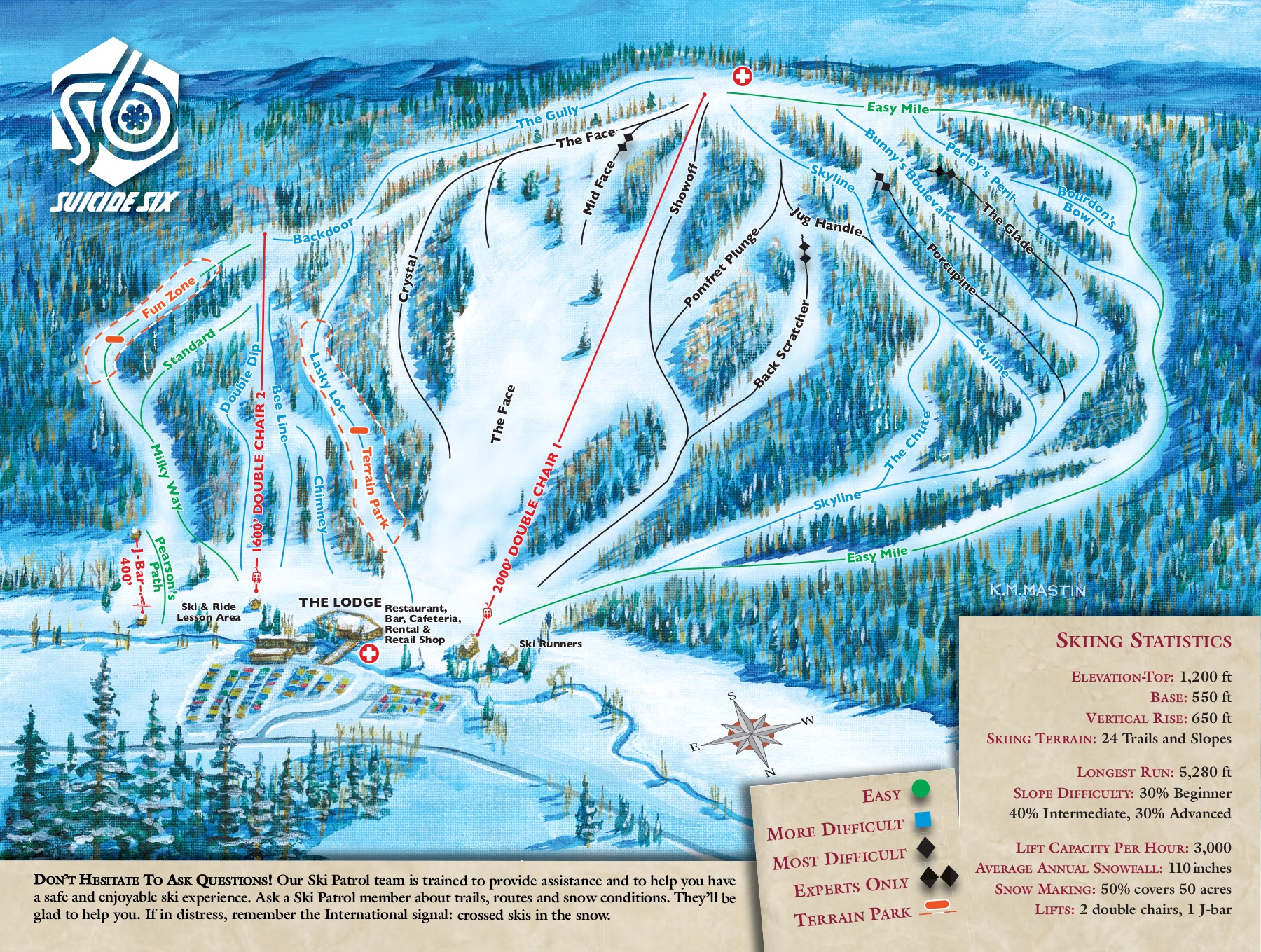
Suicide Six is replacing the longer of its two chairlifts.

The new Lift #1 will replace a 1975 Borvig double and be built by Leitner-Poma of America.  The Laurance S. Rockefeller Fund will foot the bill for the $1.5 million project.  The Rockefeller Family’s RockResorts once owned Suicide Six and the Woodstock Inn and spun them off as the nonprofit Woodstock Foundation in the 1980s.  Vail Resorts bought RockResorts in 2001.

The 2000′ Borvig double chair being replaced closed in February after the ski area found tower cracks following the Timberline, WV crossarm failure.  Although the two lifts’ towers were of different design, the State of Vermont ordered inspections of all Borvig-brand lifts.  The new quad will be Suicide Six’s first new lift since Poma built the 1,600′ chairlift way back in 1978.  The mountain first opened for skiing in 1936 and currently has two double chairs, a J-Bar and 24 trails.

Woodstock President and General Manager Gary Thulander said in a news release, “We recognized the need to upgrade this chairlift as part of the long-term support of the regional ski community including local schools, season pass holders, the Woodstock Ski Runners program, and visiting skiers.  Increased chair capacity means a dramatic upgrade to the overall experience of the mountain by all levels of skiers, racers and snowboarders.” Removal of the old chair is already underway.

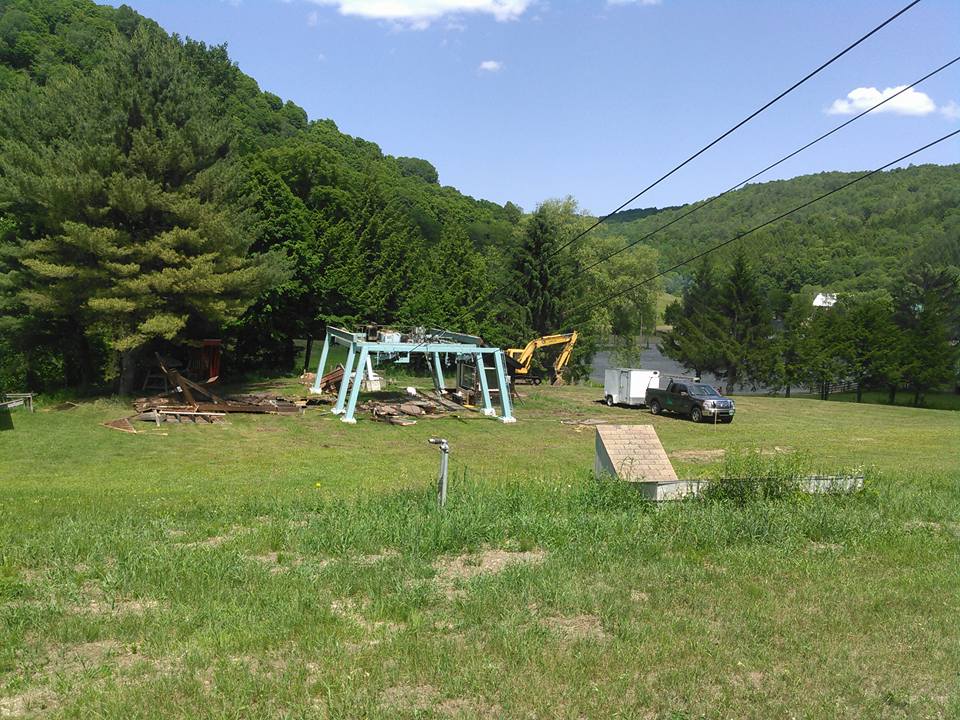
Out with the old.  Photo credit: Green Mountain Control Systems.
Out with the old Borvig. Photo credit: Green Mountain Control Systems.

This is Leitner-Poma’s eighth new lift project for 2016, up from seven last year.  With this news from Suicide Six and other recent announcements, the total new lift count for North America stands at 39, up 11 percent from last summer’s 35.

Hauling Bikes: How Far We’ve Come

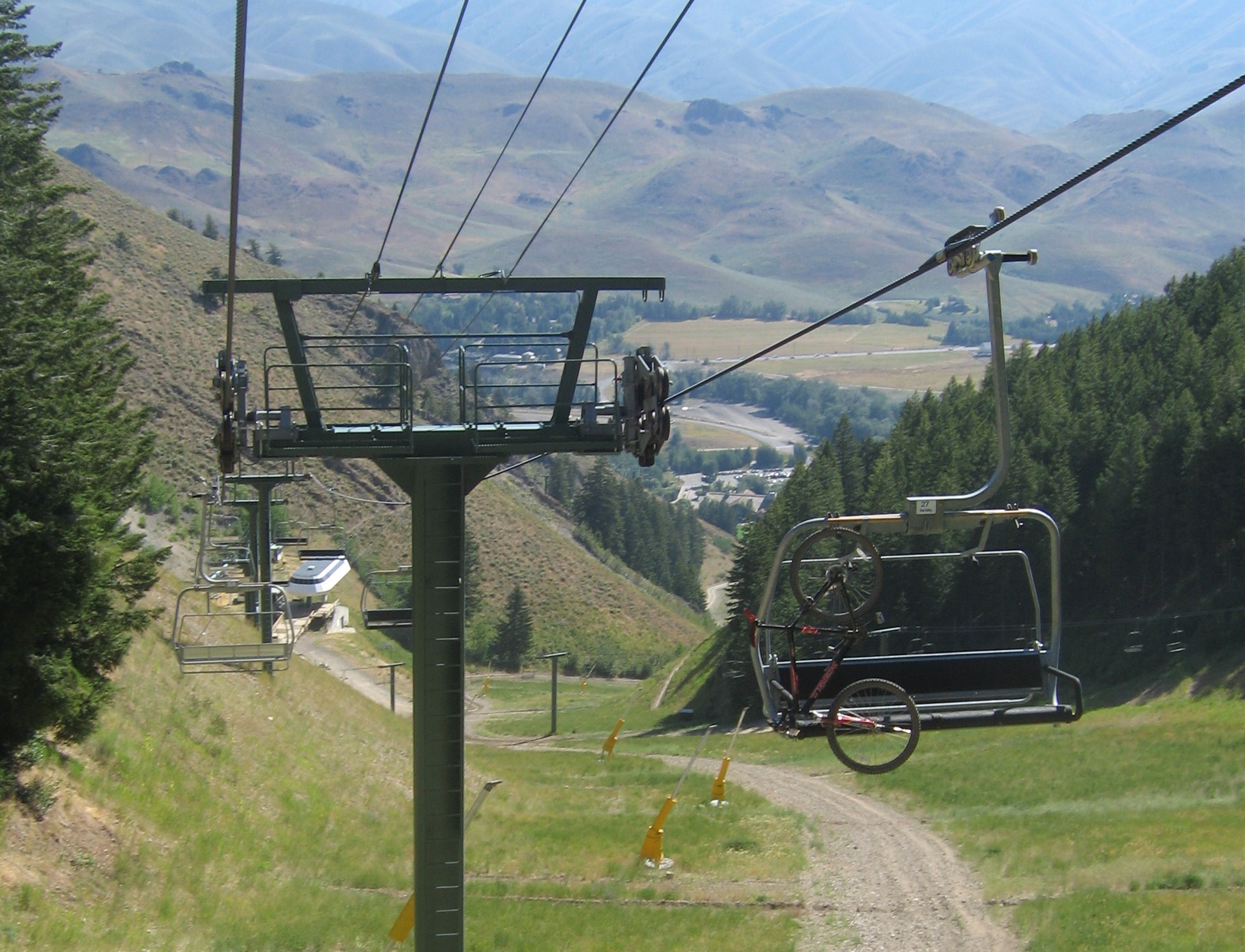
My first experience with lift-served mountain biking was at Sun Valley as a teenager.  In those days I would happily hand off my cross-country mountain bike to lift operators and they would heave them onto hooks on the bails of every other chair.  At the top, 2-3 operators would pull bikes off and wheel them to a nearby bike rack.  This worked alright with mostly empty chairs, few bikers and even fewer trails.  But this system required a ton of staff and could only carry a maximum of two bikes every two chairs – not very good for machines with capacity normally measured in thousands of riders per hour.

baldy 132
Sun Valley’s bike haul setup on the Lookout Express in 2006.

Whistler-Blackcomb changed everything in 1998 with the opening of the Whistler Mountain Bike Park.  Its creators didn’t just build some trails but created an experience that thrills riders of all abilities with jumps, berms and bridges.  Eighteen years later, the Whistler Mountain Bike Park is now larger than most North American ski resorts with two gondolas and three high speed quads accessing 73 trails and 5,000 vertical feet.  The team behind the world’s best bike park now designs parks all over the world from Gravity Logic headquarters in Whistler. The Whistler Bike Park could never have succeeded without the invention of efficient, custom bike racks initially built for the Fitzsimmons Express.  Whistler-Blackcomb partnered with Murray-Latta Machine Co., which long ago transformed from a ski lift builder to custom fabricator.  The two companies set out to create the best bike racks for chairlifts.

The debut of roll-on, roll-off bike carriers was a huge leap forward.  They allowed a single lift operator at the bottom terminal to focus on watching the lift and guests rather than lifting heavy mountain bikes onto hooks.  Quick-load carriers can move 2-4 times as many bikes as hooks when installed on every other chair.  They reduce damage to bikes that get more expensive every year while limiting the number of workers compensation claims by lift staff. After the jump, see a rundown of innovative bike carriers now available for chairlifts and gondolas.

Continue reading