Snow Partners has revealed details of its upcoming frequency card, tailored toward casual and traveling skiers in the Northeast. The Snow Triple Play will offer three total days across Snow Partners’ two mountains in New Jersey, ORDA’s three mountains in New York, Les Sommets’ four mountains in Southern Quebec plus others in New York, Massachusetts, Connecticut, Maine and Nova Scotia. The first thousand cards will sell for $169.99 plus a 5 percent processing fee, working out to just $59.50 per day. The list price will be $199.99 plus 5 percent or exactly $70 per day of skiing. Either way, that’s a huge discount for resorts like Whiteface, Mountain Creek and Pleasant Mountain. In order to use all three days, card holders must visit at least two mountains; they cannot use all three days at one mountain. Details on potential blackout dates are still forthcoming. The pass will go on sale on Labor Day and sell through Christmas Eve.
“We recognized that there’s a significant portion of the skiing and snowboarding population that loves the sport but doesn’t ski frequently enough to justify a full Season Pass,” said Dave Belin, CFO of Snow Partners and COO of the Snow Triple Play. “The Snow Triple Play bridges that gap, offering substantial savings while giving skiers the flexibility to explore different mountains throughout the region.” He noted 73 percent of the 11+ million skiers and snowboarders in the US ski five days or less each season while most existing season pass products require skiing five days or more to pencil out.
The pass will particularly appeal to Tri-State area skiers, with options for redemptions across New York, New Jersey, Connecticut and Massachusetts. Popular ski states Vermont and New Hampshire are noticeably absent from the initial partner list, making the product less appealing to Boston residents. Interestingly, Snow Triple Play includes Boyne-owned Pleasant Mountain in Maine but not Boyne’s other New England resorts in Maine or New Hampshire. Similarly, the pass includes the four Les Sommets near Montreal but not Sommet Edelweiss near Ottawa. Snow Partners also signed Ski Martock in Nova Scotia but not sister mountain Cape Smokey. Independent mountains on the pass are Oak Mountain, New York; Plattekill, New York; Mount Southington, Connecticut and Ski Butternut, Massachusetts.
Another interesting aspect of this product is the lack of overlap with other passes. Not one of the 15 mountains on Snow Triple Play participates in Epic, Ikon or Indy. At such a low price point, serious skiers could easily snag a Snow Triple Play card on top of their usual mega pass and check out three new mountains.
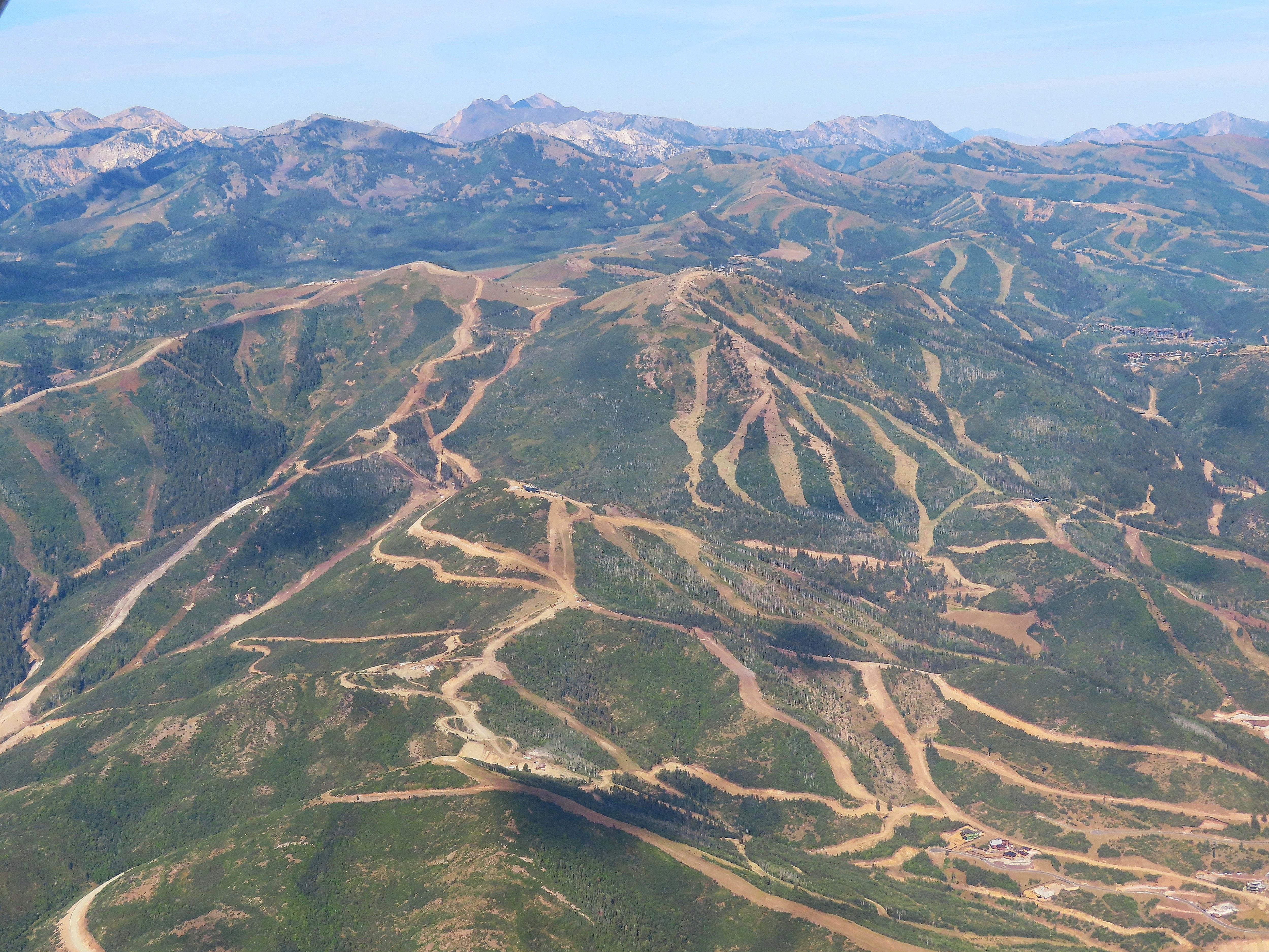
Each morning, roughly 200 workers converge on Deer Valley’s east flank, putting finishing touches on the largest ski expansion in US history. It’s hard to believe Alterra Mountain Company and Extell Development Company unveiled their partnership to bring the Mayflower project under Deer Valley’s brand less than two years ago. By December, a three mile gondola, two six packs and seven quad chairs will be ready for skiers, completing the majority of the Expanded Excellence vision. After a limited preview last season, Deer Valley’s footprint will more than double this winter to 4,300 acres and 31 lifts. The expansion spans 2,850 feet of vertical relief, with the gondola alone rocketing 2,570 feet skyward in 14.5 minutes.
Deer Valley Senior Director of Mountain Operations Garrett Lang and Alterra Senior Manager of Construction Pete McKinnon graciously took time to show me around this week. I’ve never seen so many lifts at every stage of construction from concrete to rope pulling. Beyond lifts, some 1,250 fixed snow guns, a ridgetop snowmaking pond, several pumphouses and a maintenance facility are also nearing completion. It feels like Deer Valley’s building a city’s worth of infrastructure on the side of a mountain. Of course every fan gun, every lift tower and every terminal sport Deer Valley green.
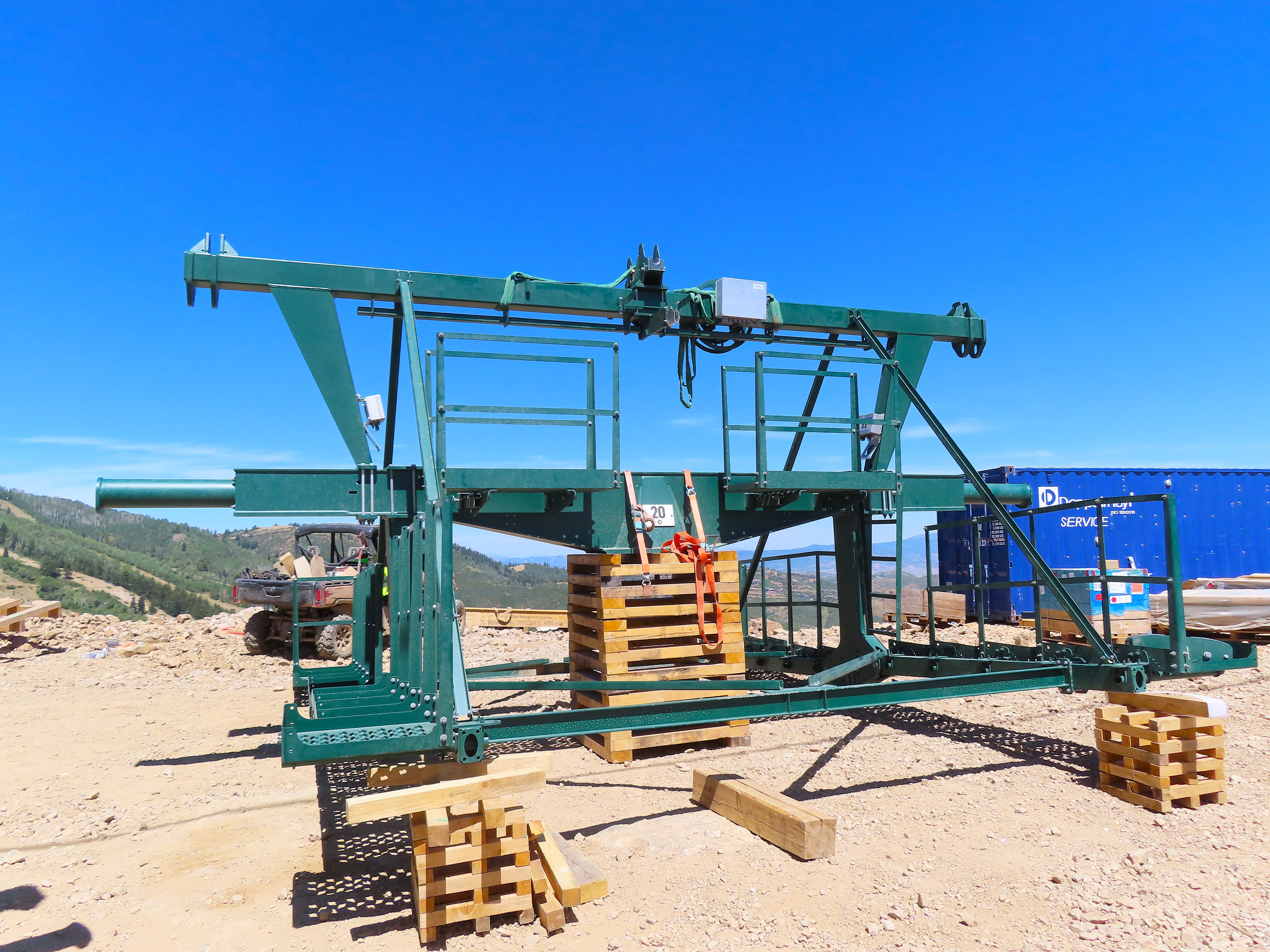
The only way to complete such an ambitious project in three construction seasons was to divide and conquer. While Doppelmayr supplied all the lifts, they’re only assembling some of them. Big-D Construction crafted numerous foundations while already on site working on buildings. Highlander Ski Lift Services & Construction tackled roughly half the chairlift installations from start to finish. Doppelmayr brought in lift construction experts from all over, including Canada and Europe.
Most readers know Deer Valley launched the six place Keetley Express and two nearby quad chairs last season. While Keetley’s gorgeous, she represents a small portion of the overall project. Within that initial footprint, Layton Construction continues work this summer to complete a parking building for Keetley’s 102 bubble chairs. Right next to the top of Keetley sits the top of Galena Express, one of two detachable quads finished and commissioned last spring. The second is Pioche Express, connecting the bottom of Aurora to the northernmost summit in the 2,274 acre expansion.
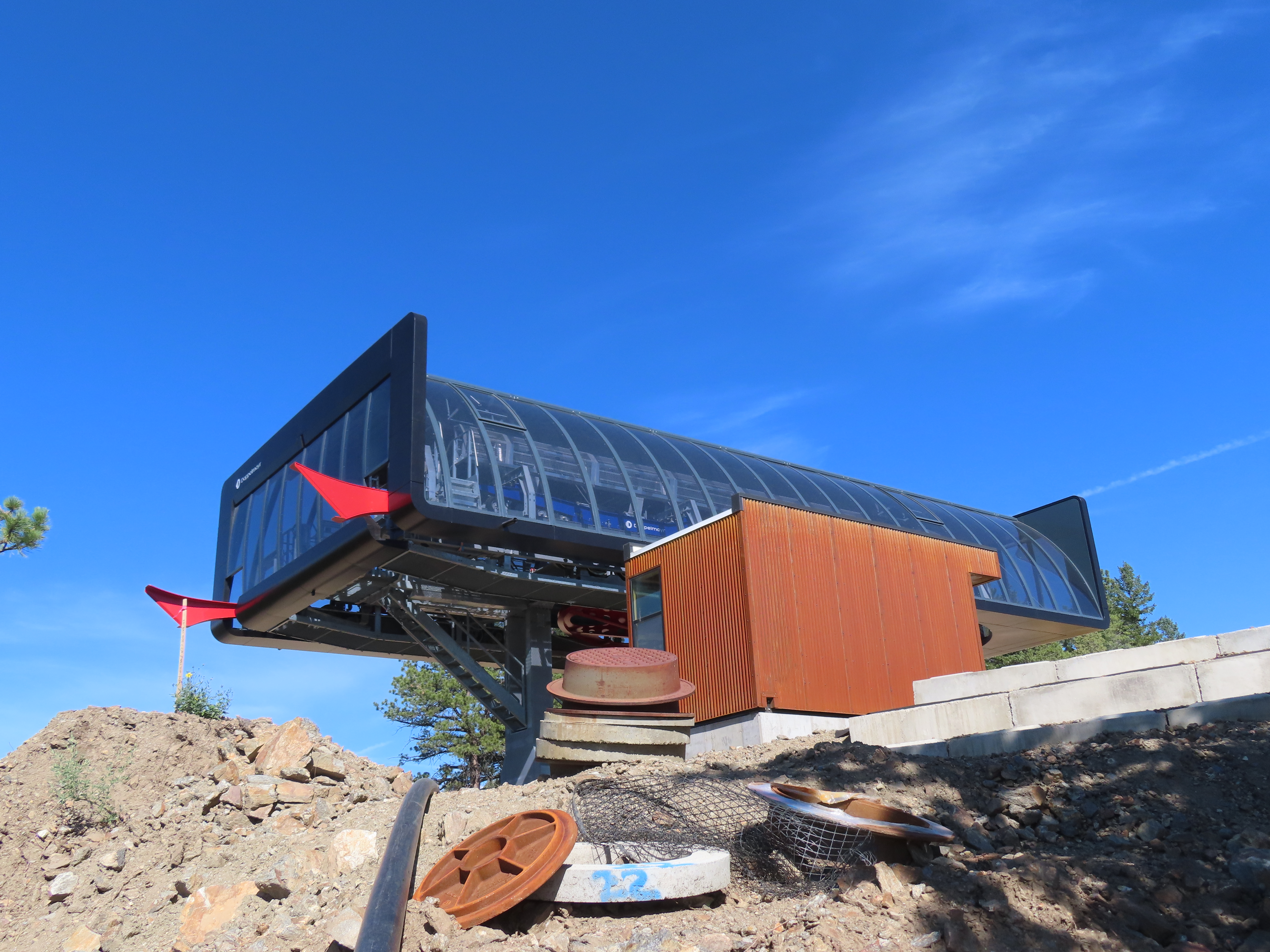
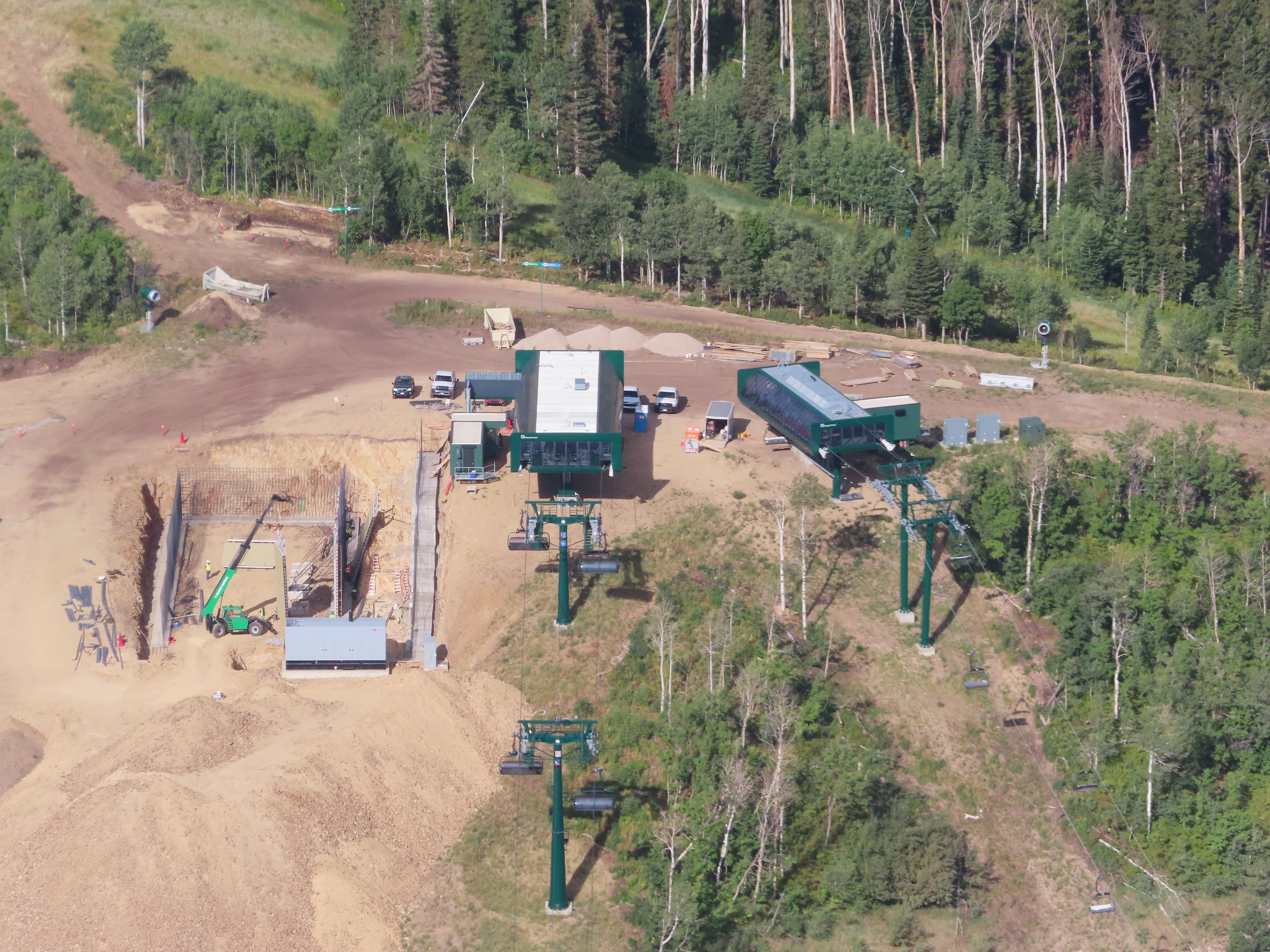
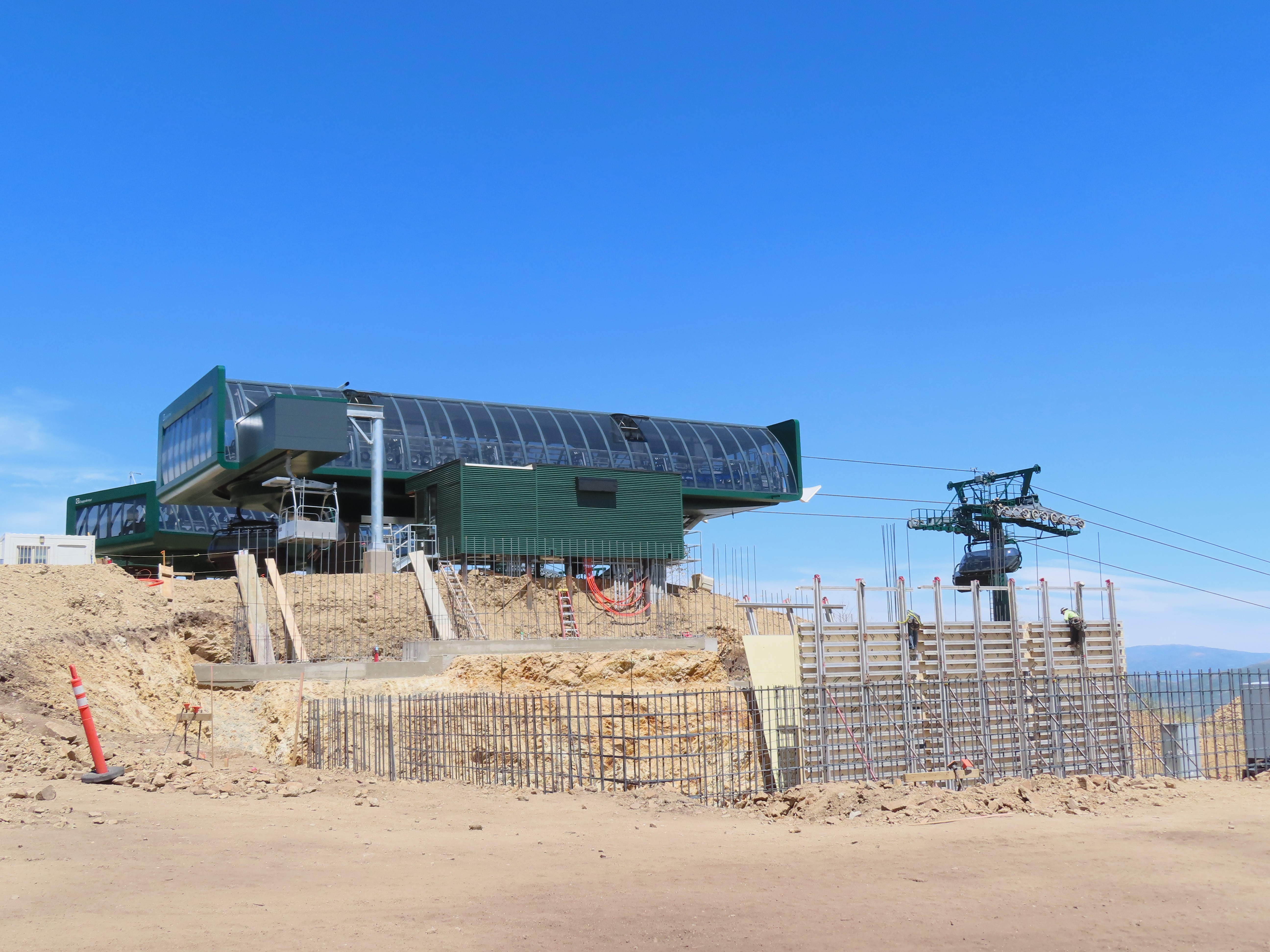
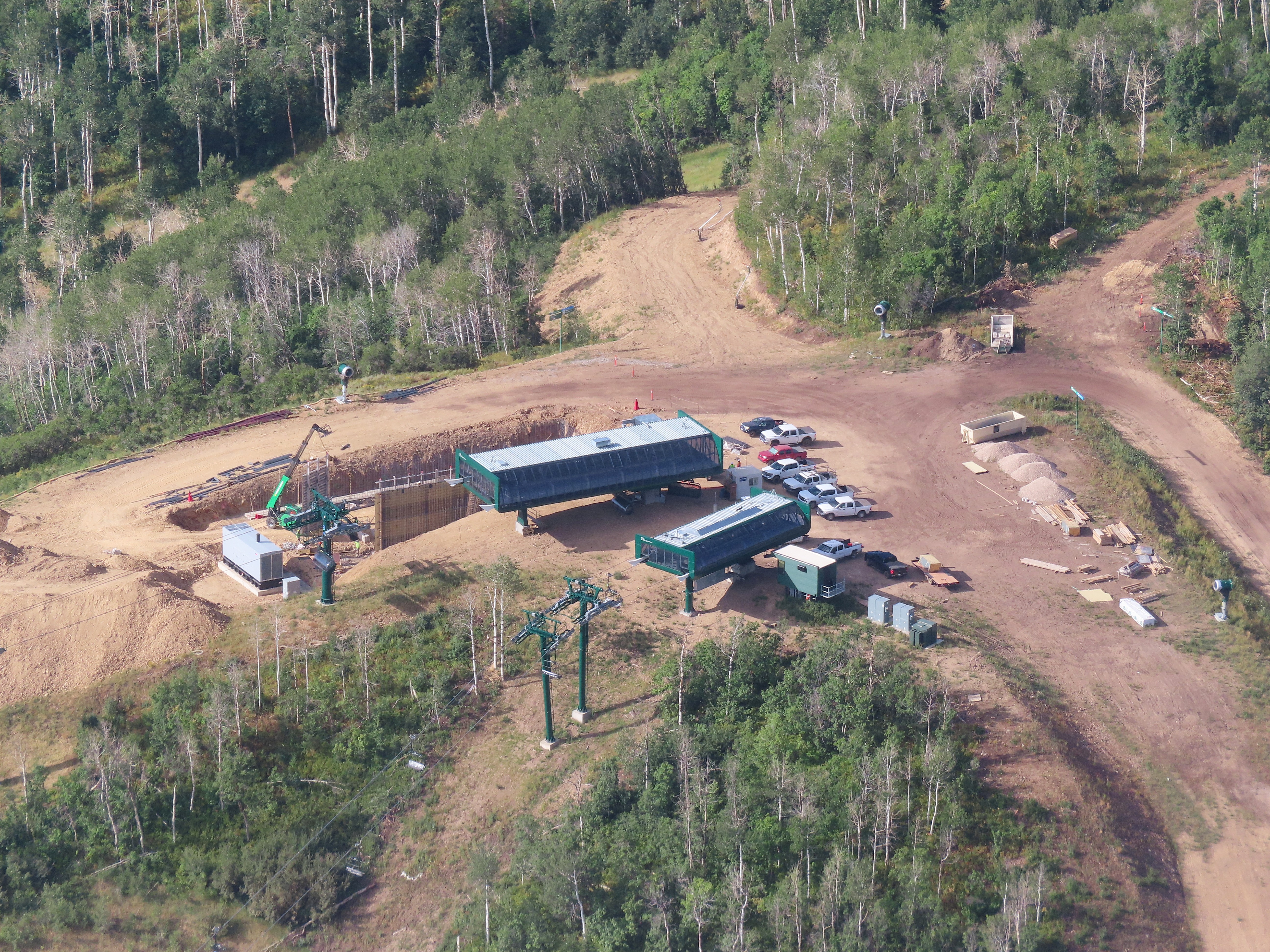
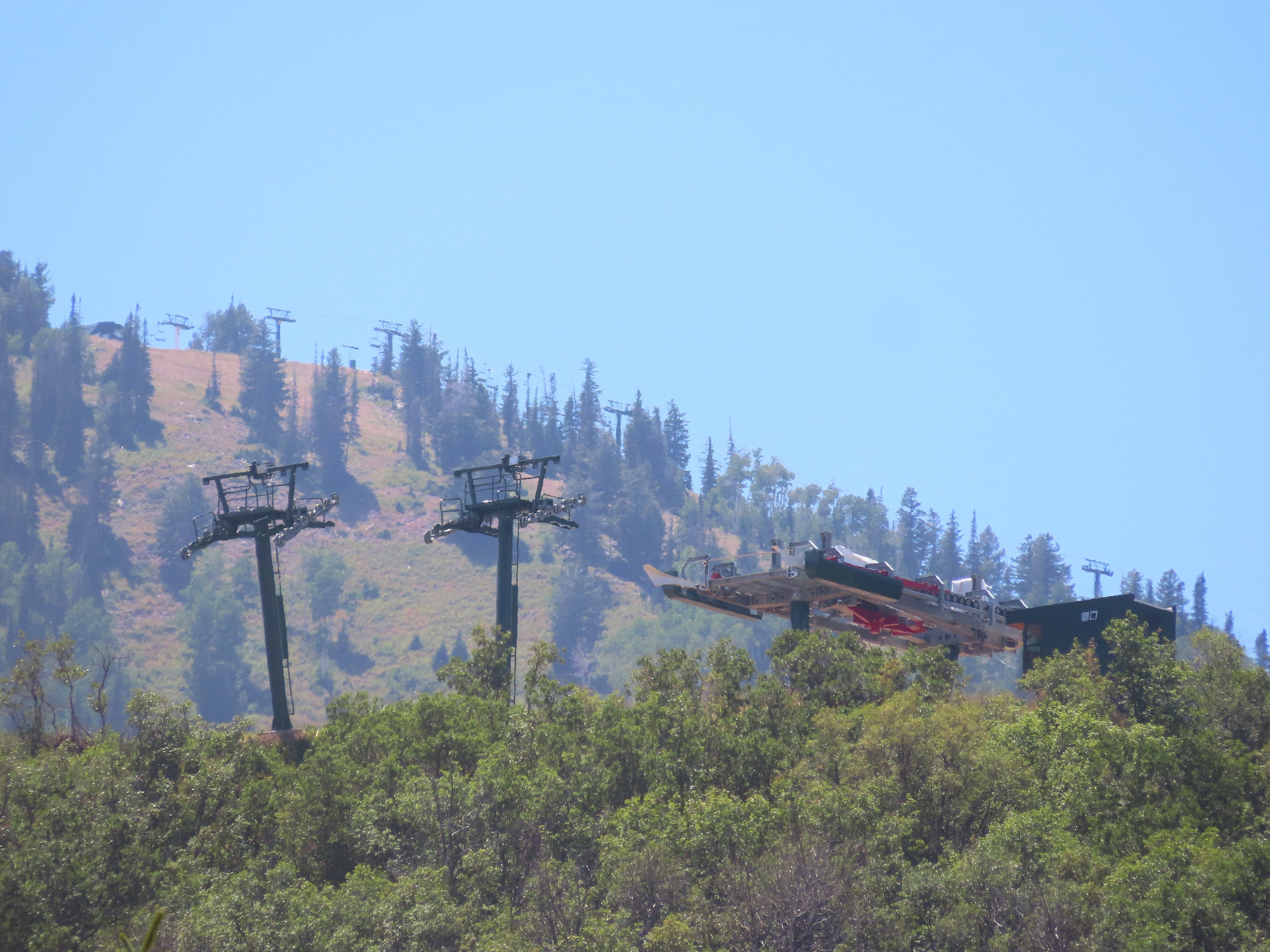
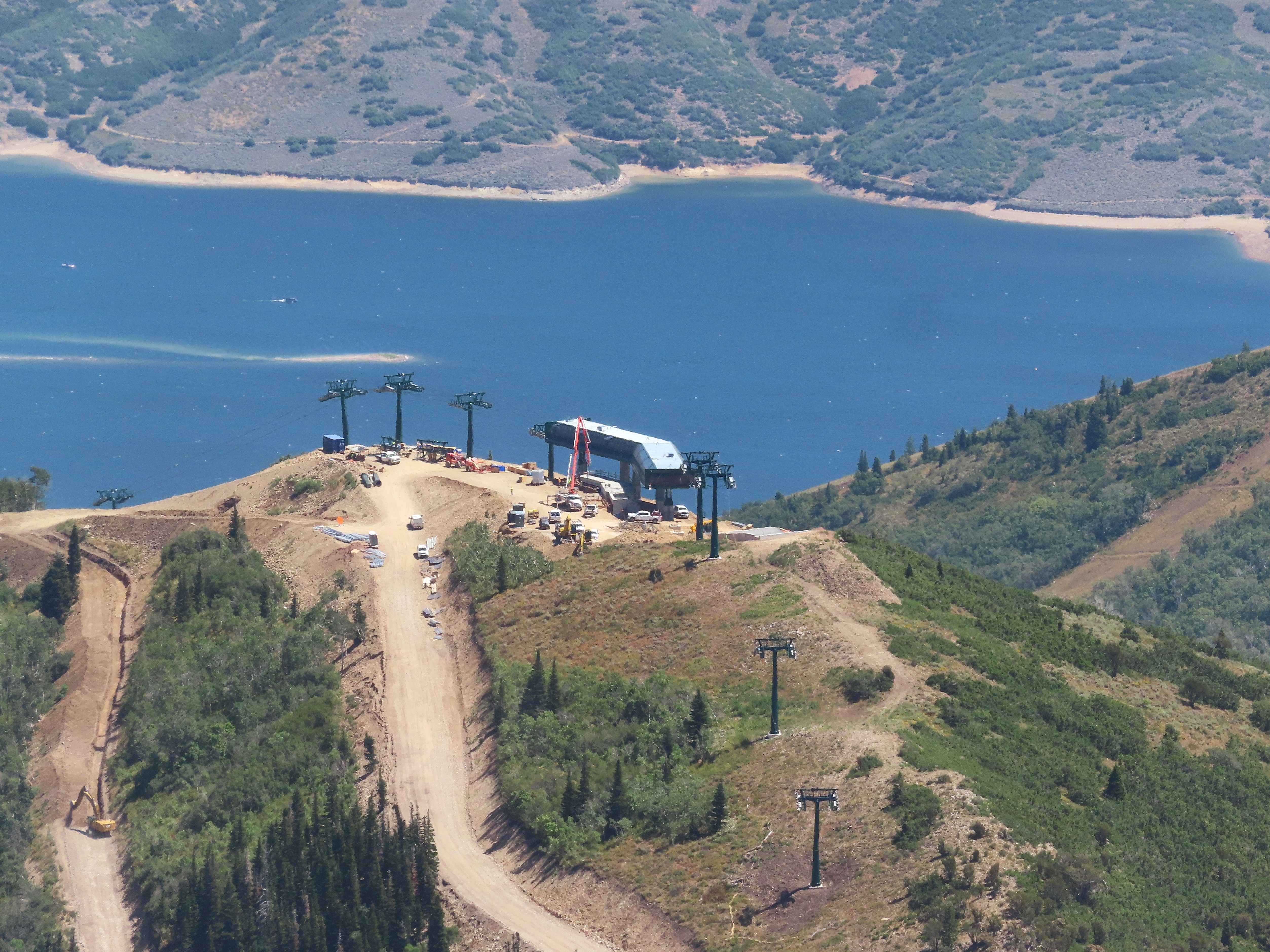
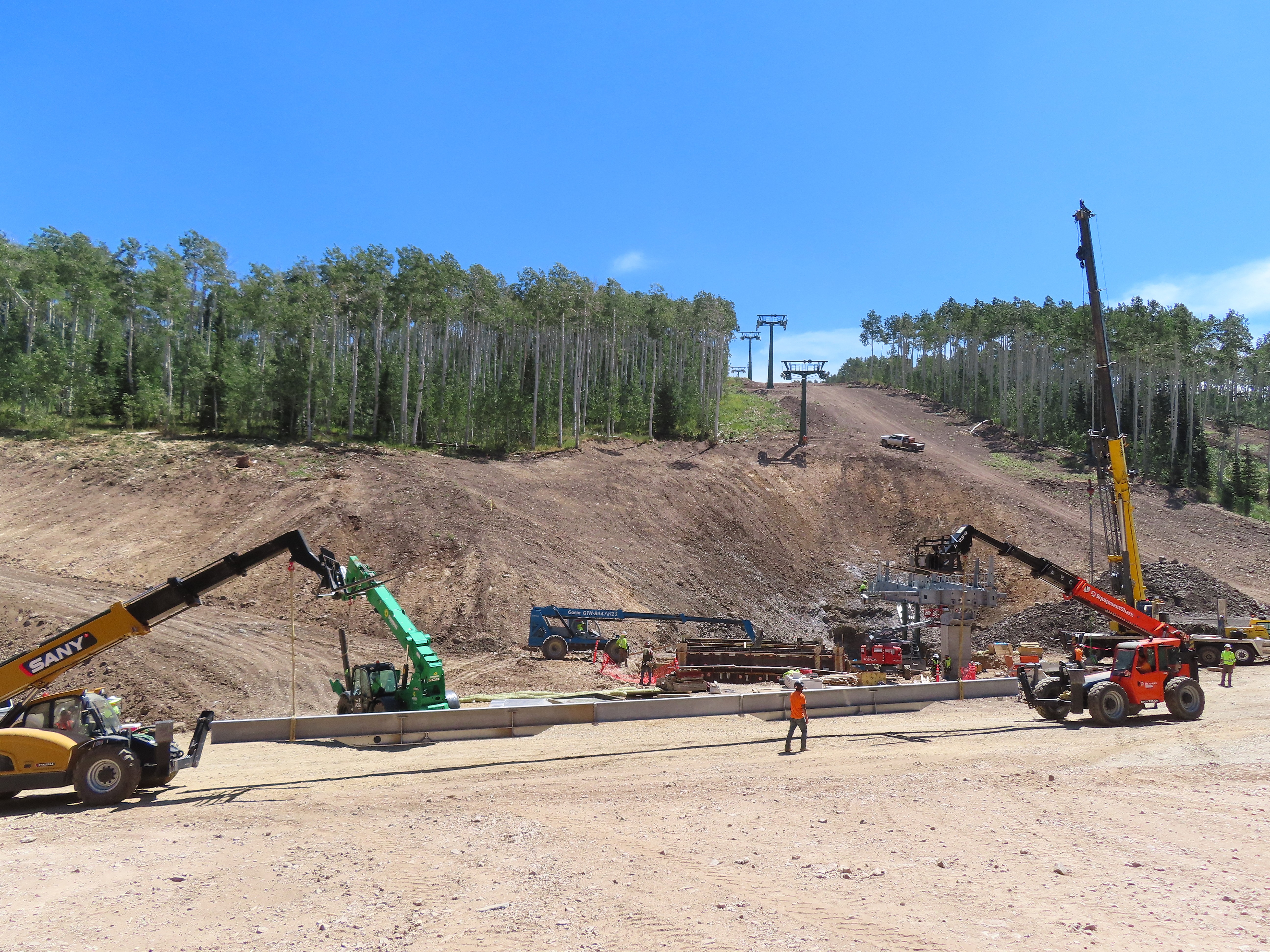
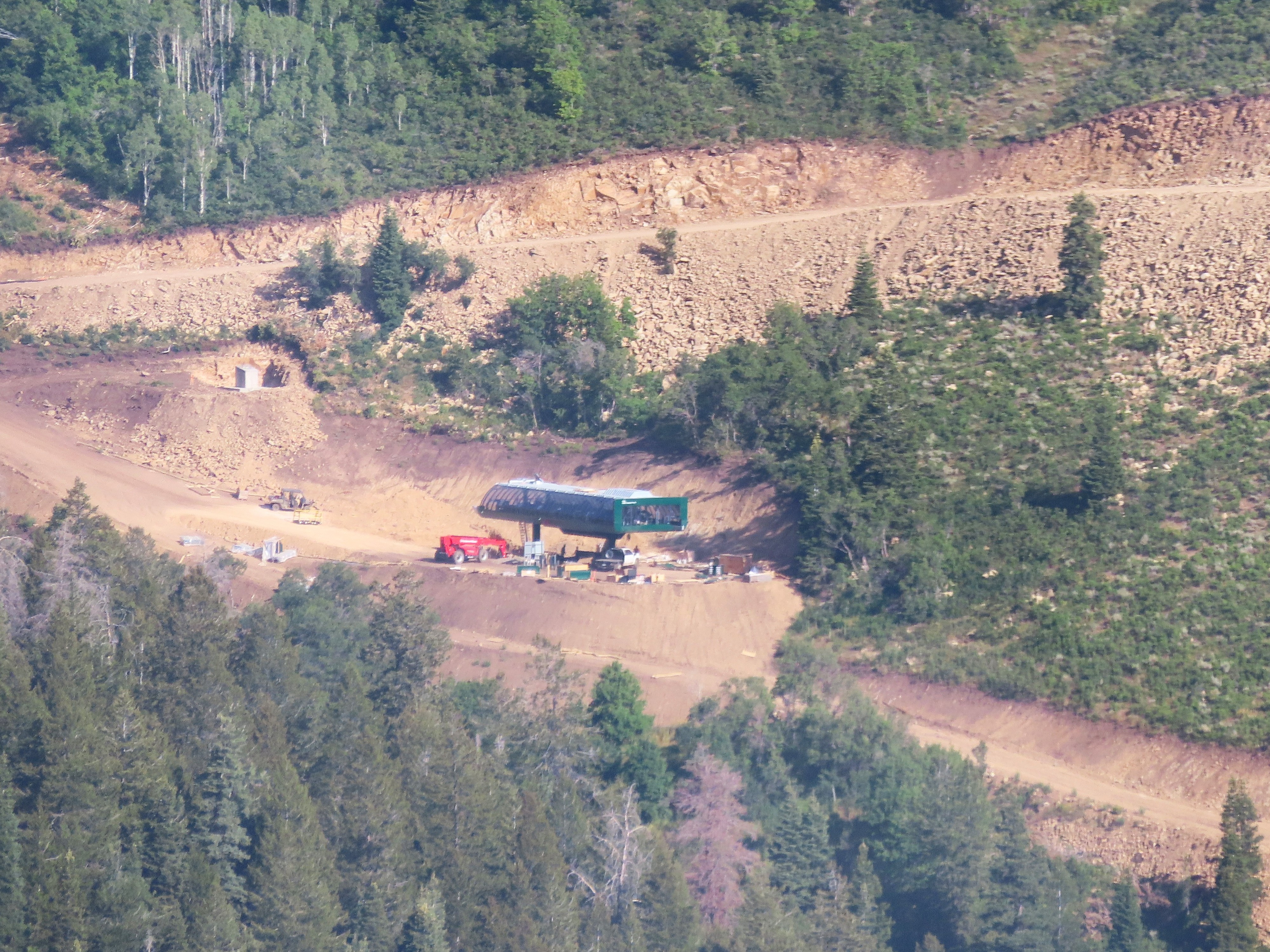
The smallest lift under construction is Neptune Express, set to load below Pioche Village and top out next to Pioche Express. This is one of the two machines Highlander’s installing this summer on top of several last year. The Highlander team was completing the top drive terminal this week with the bottom to follow.
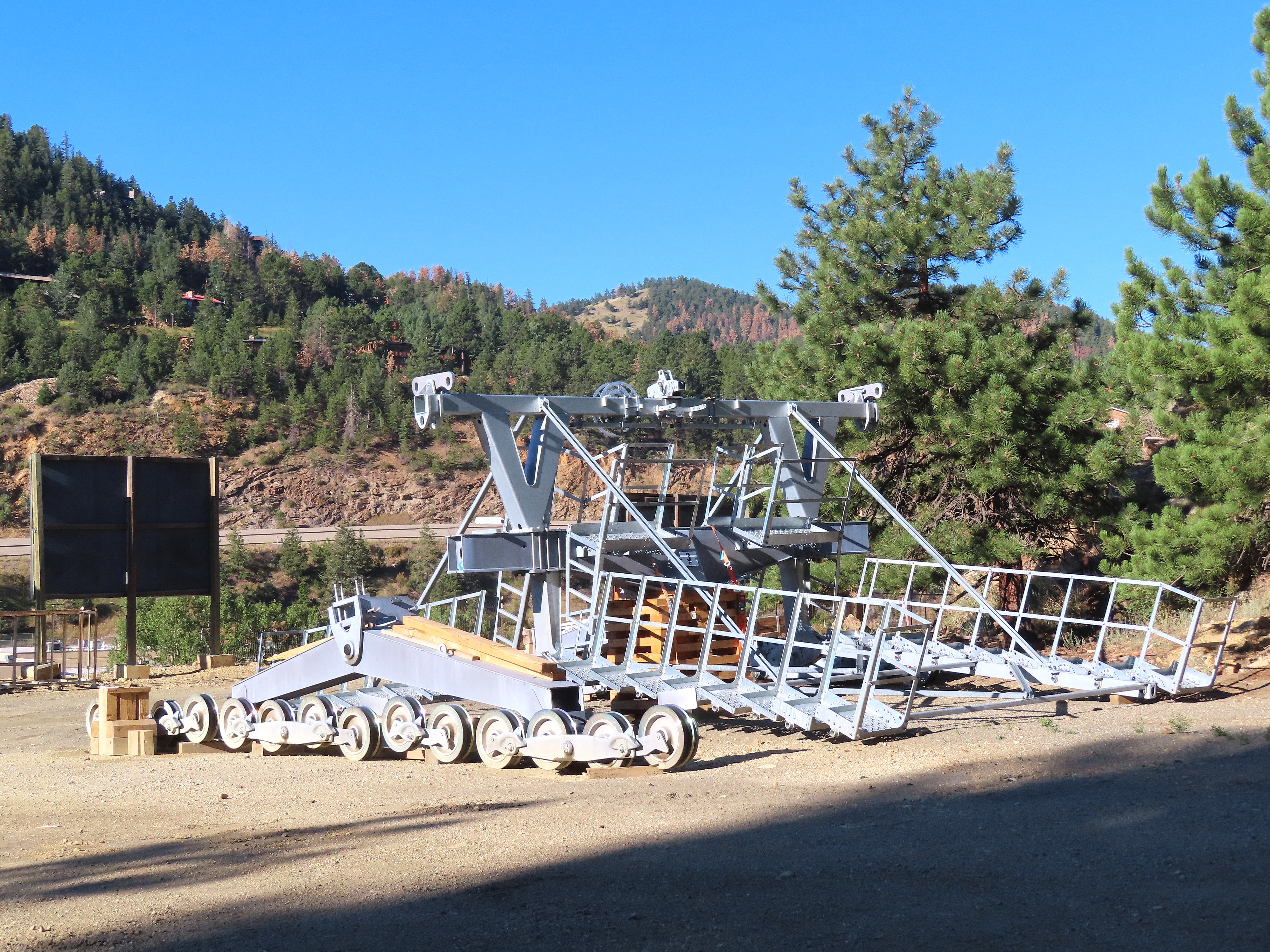
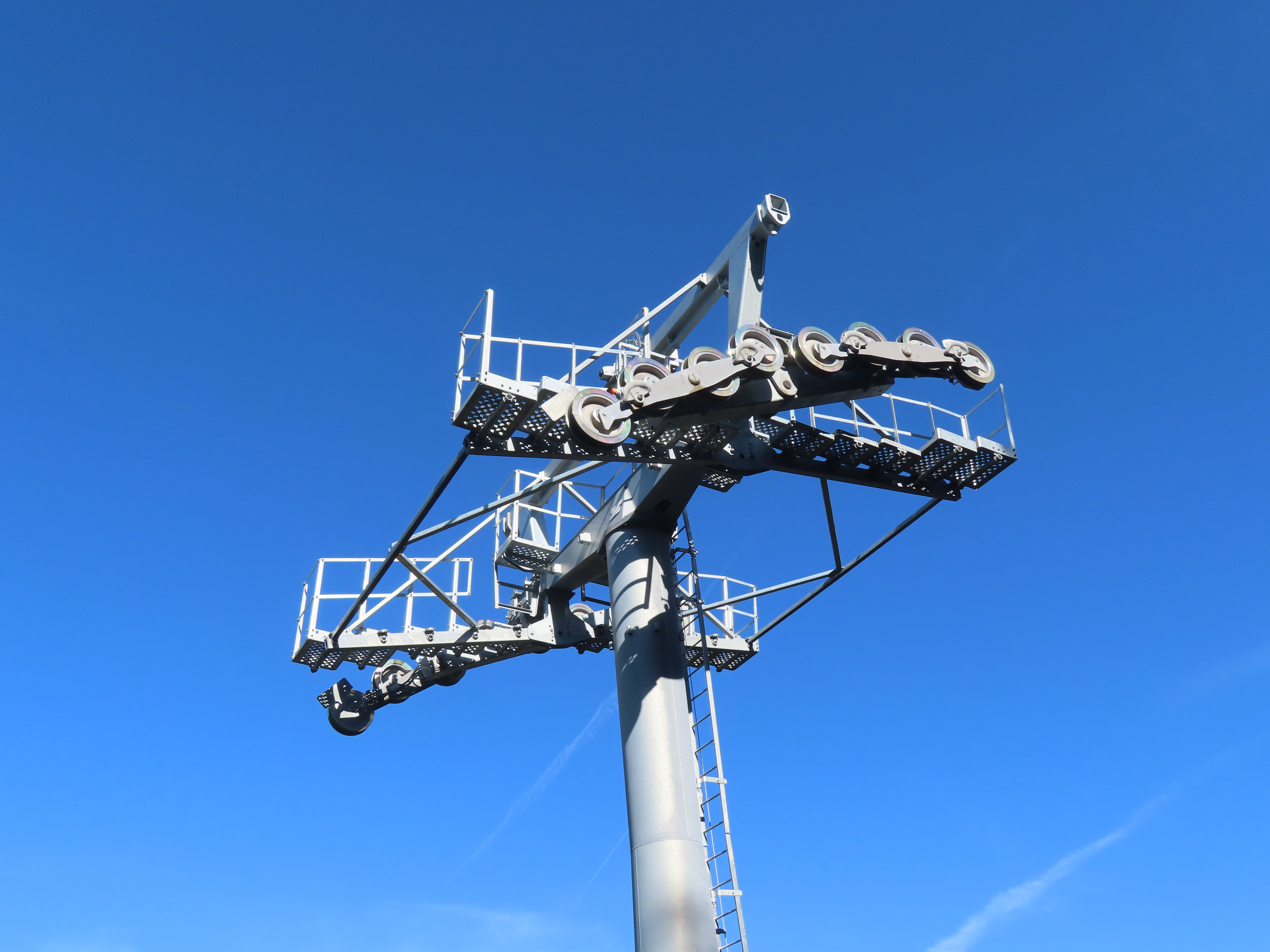
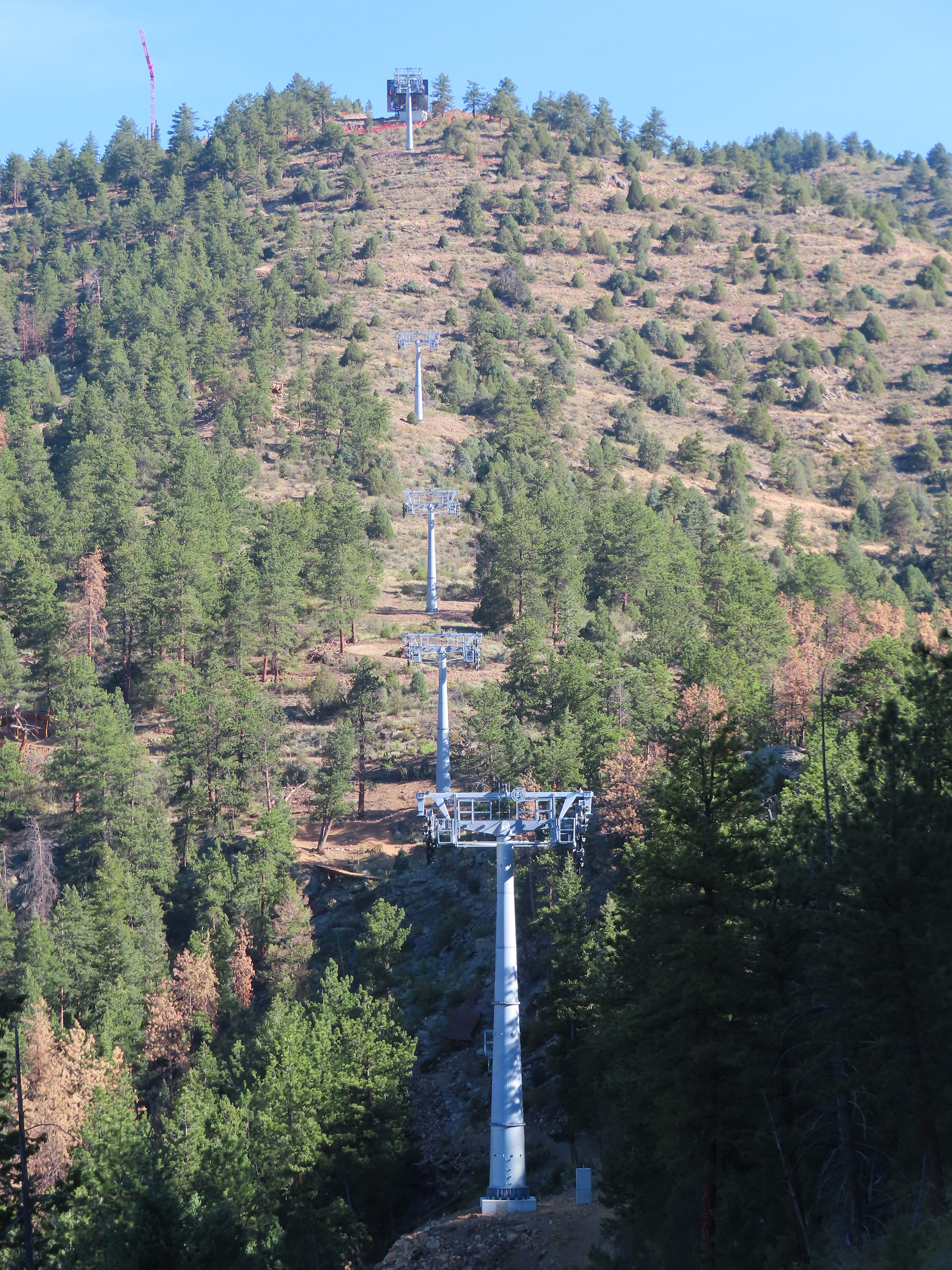
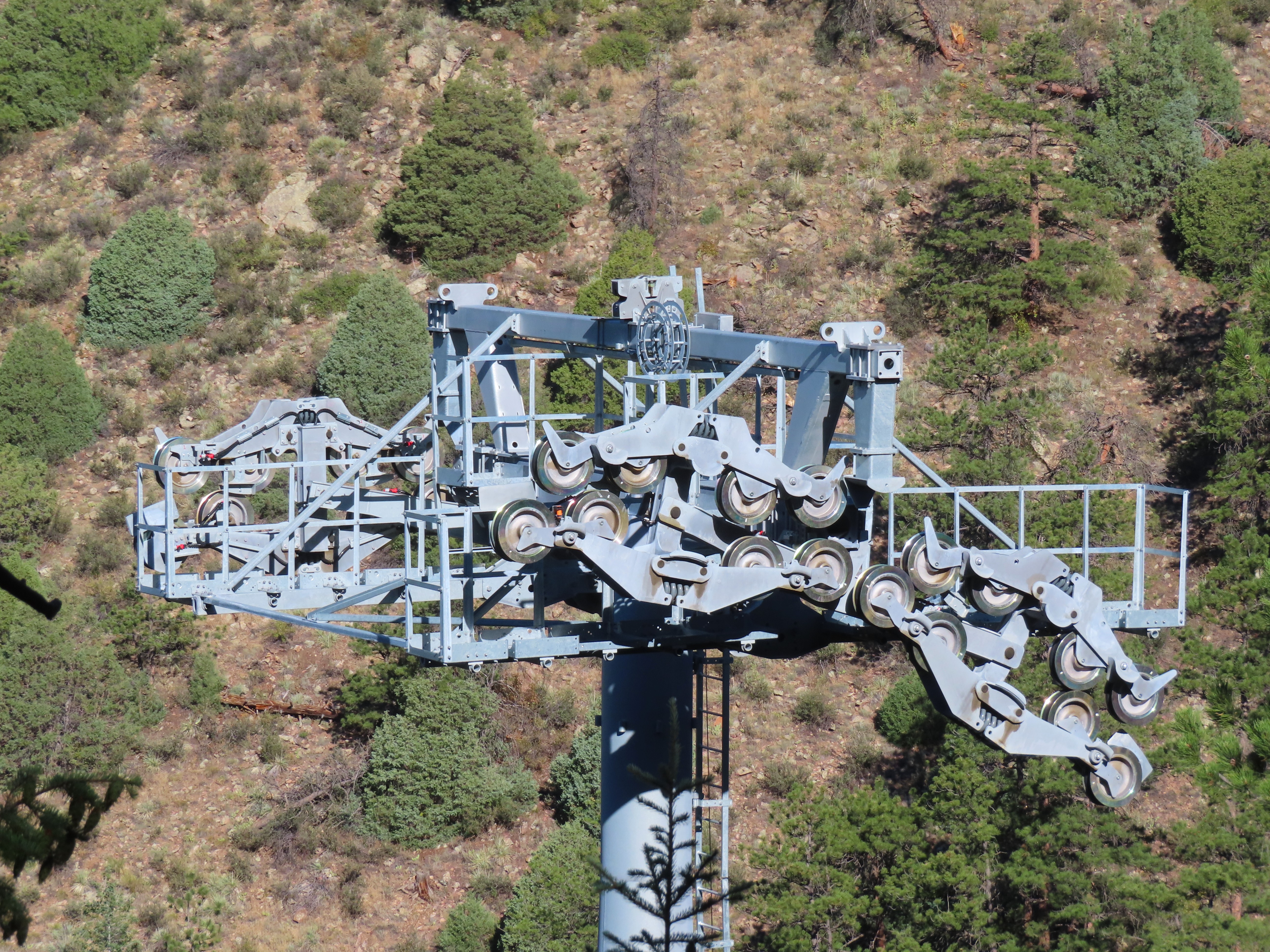
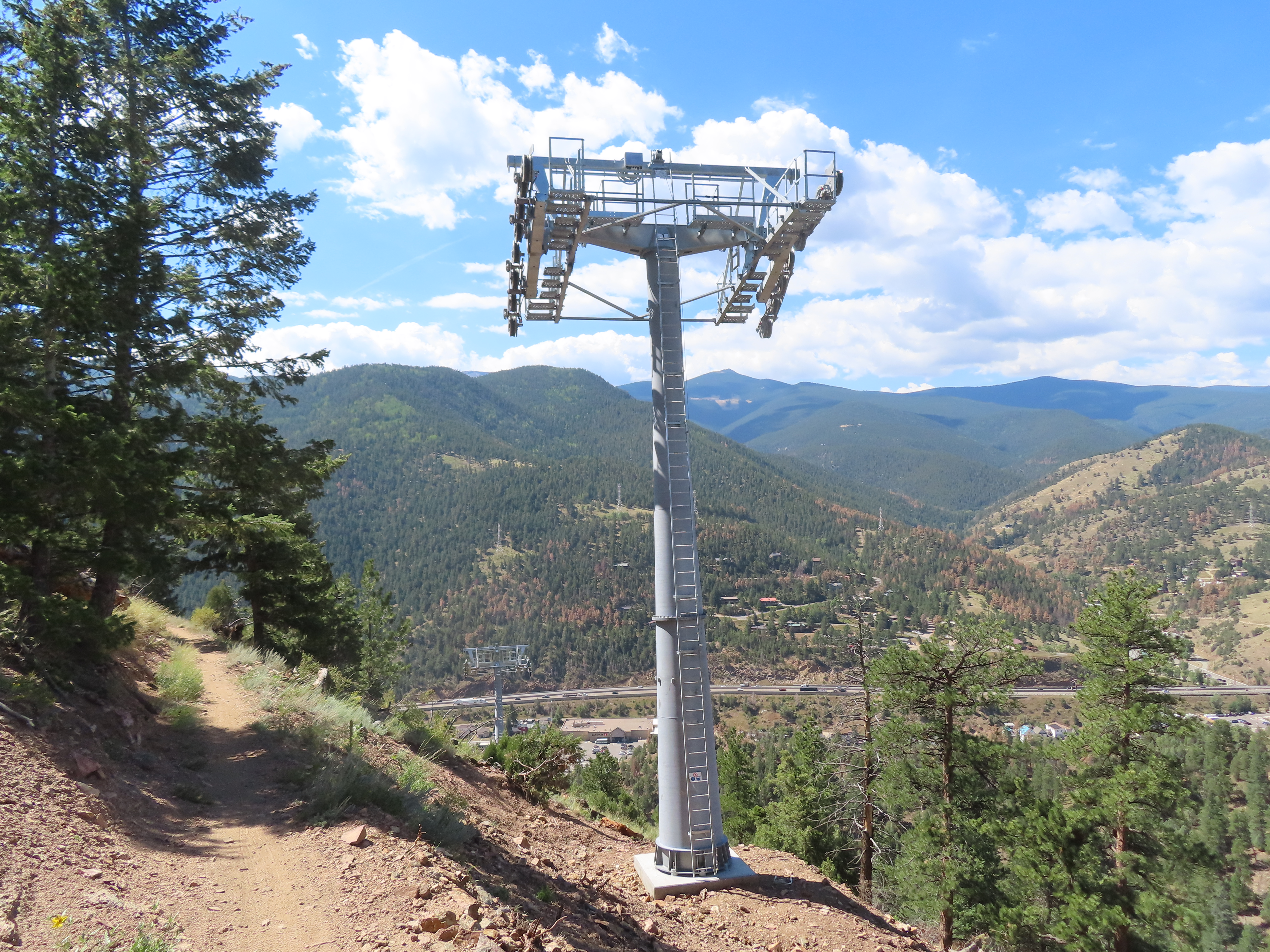
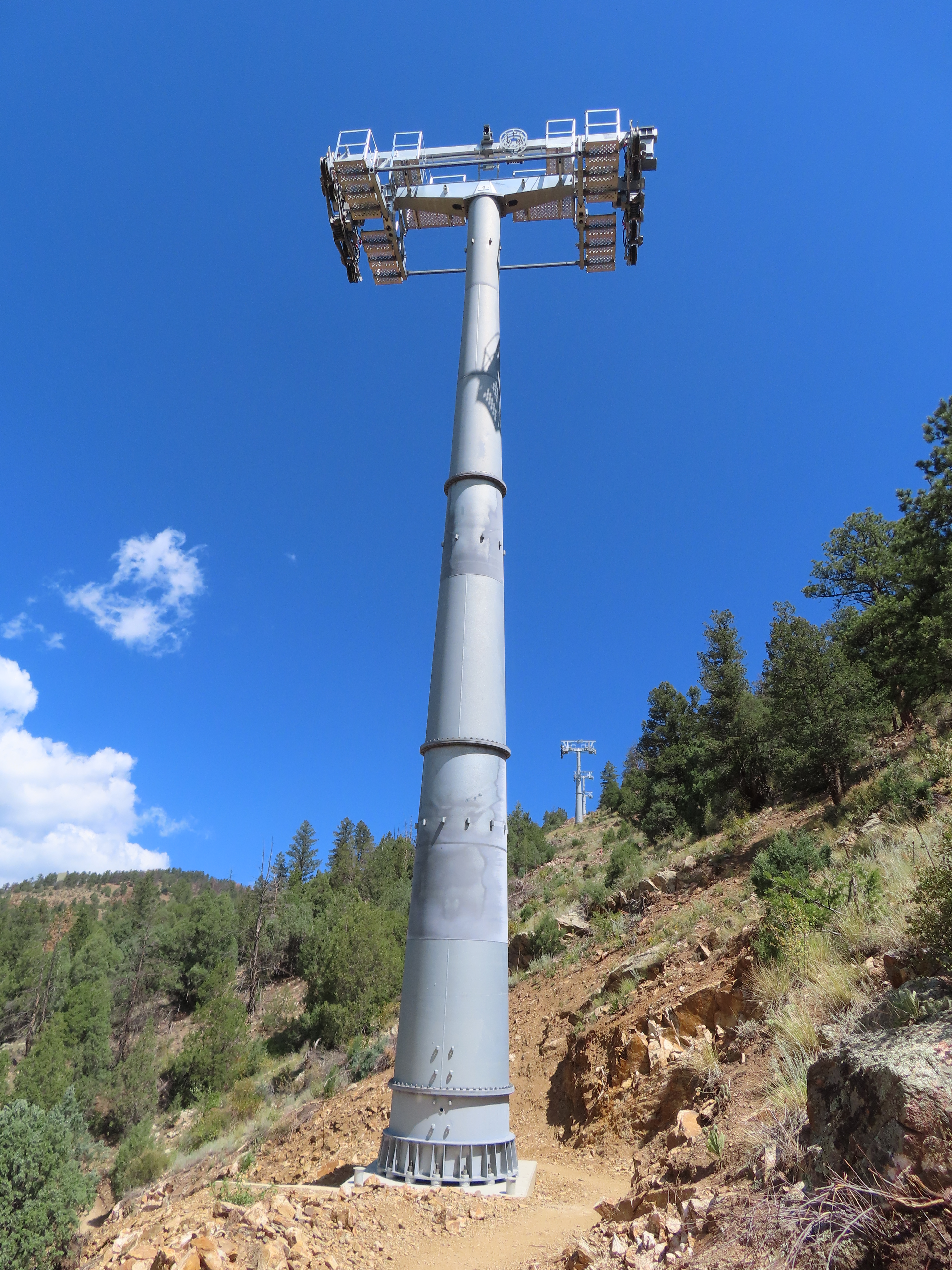
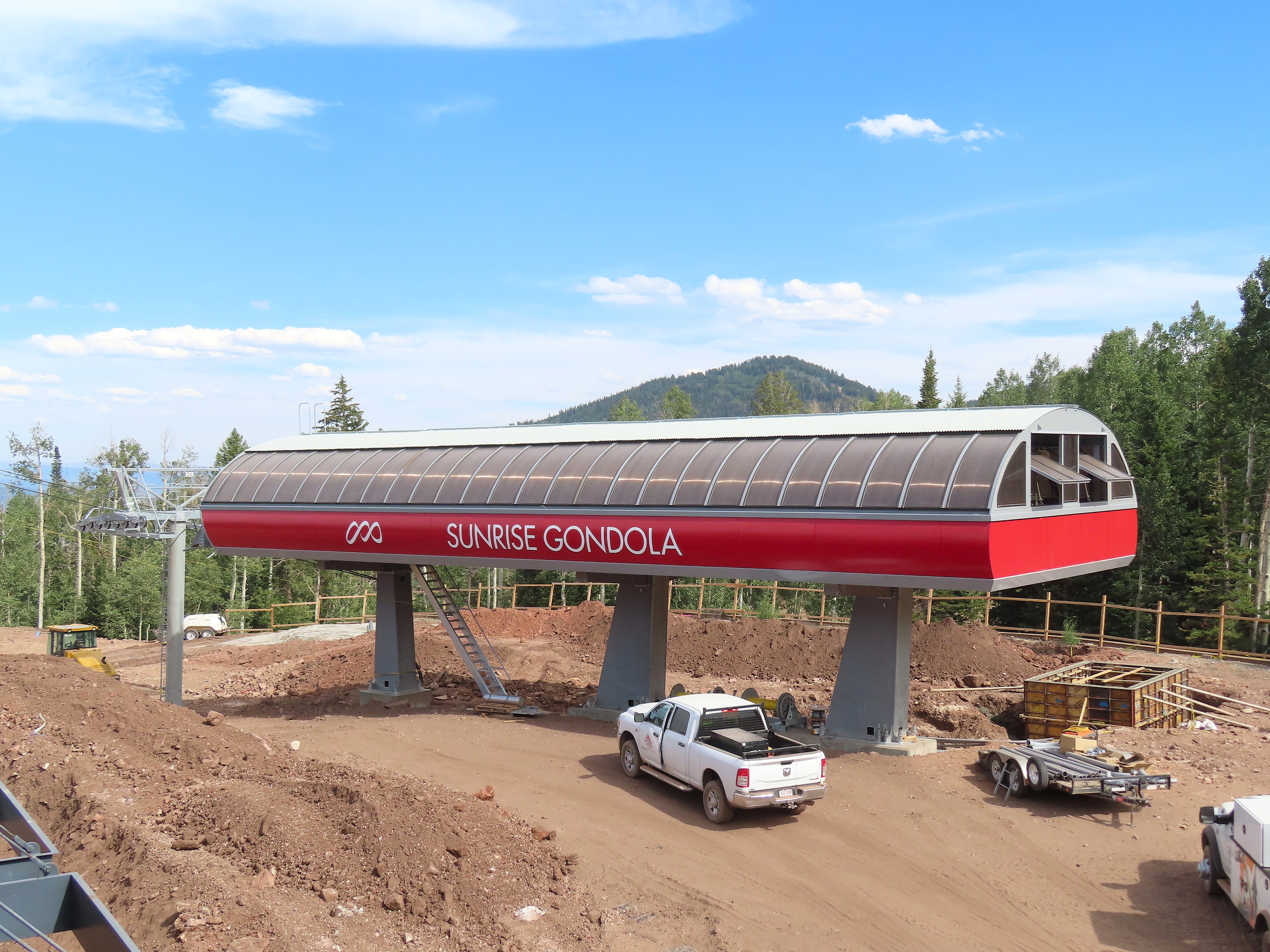
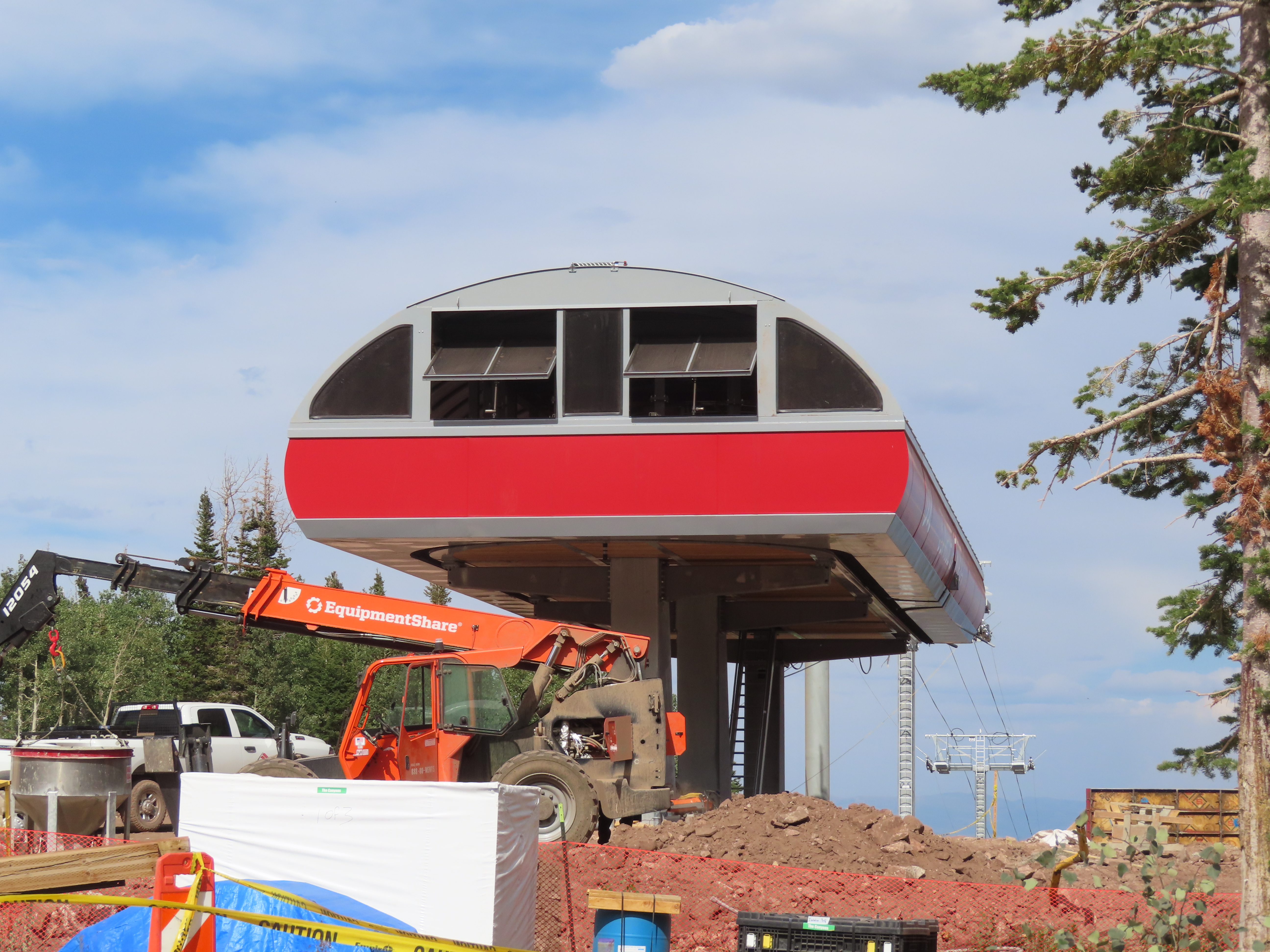
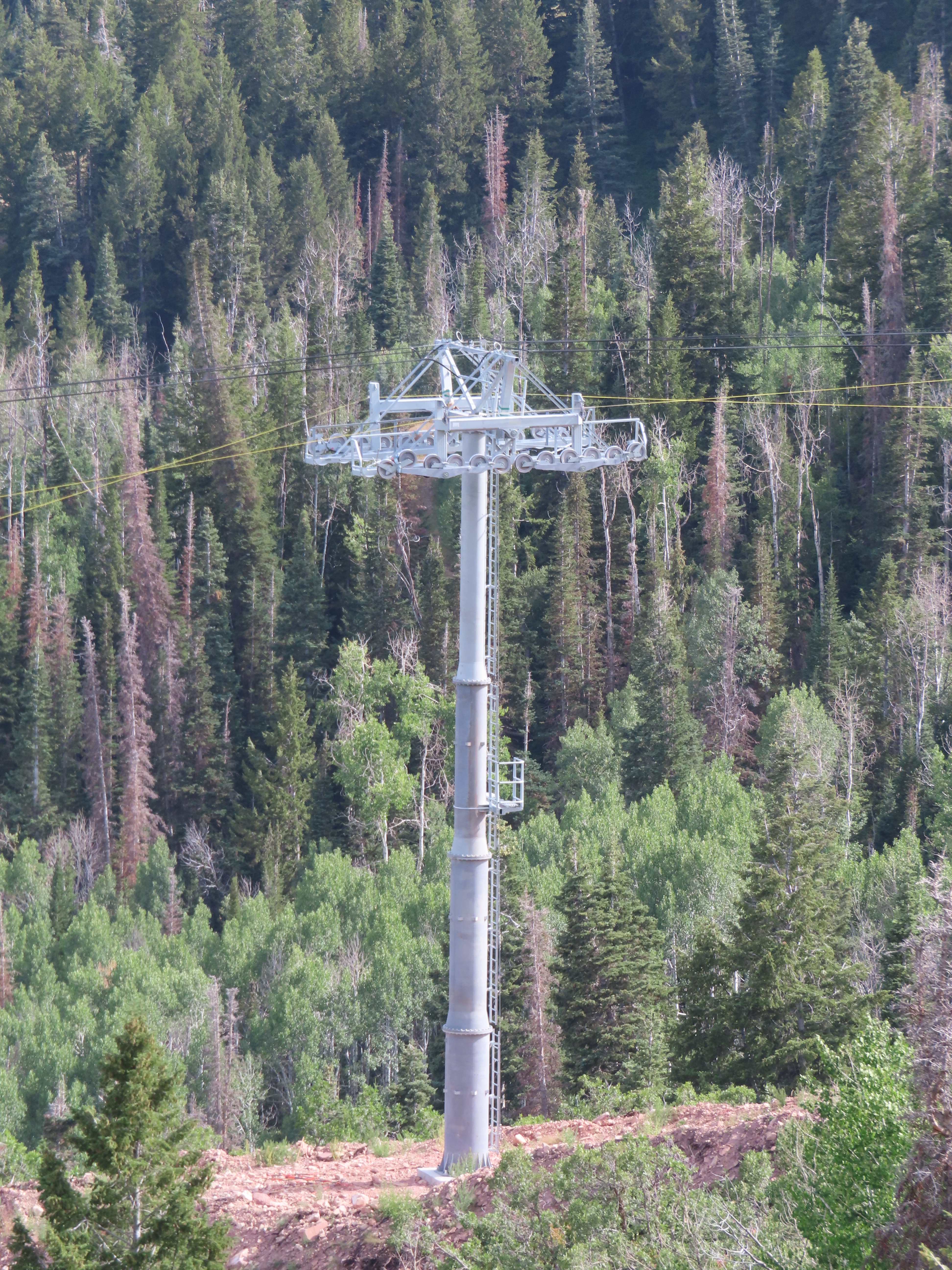
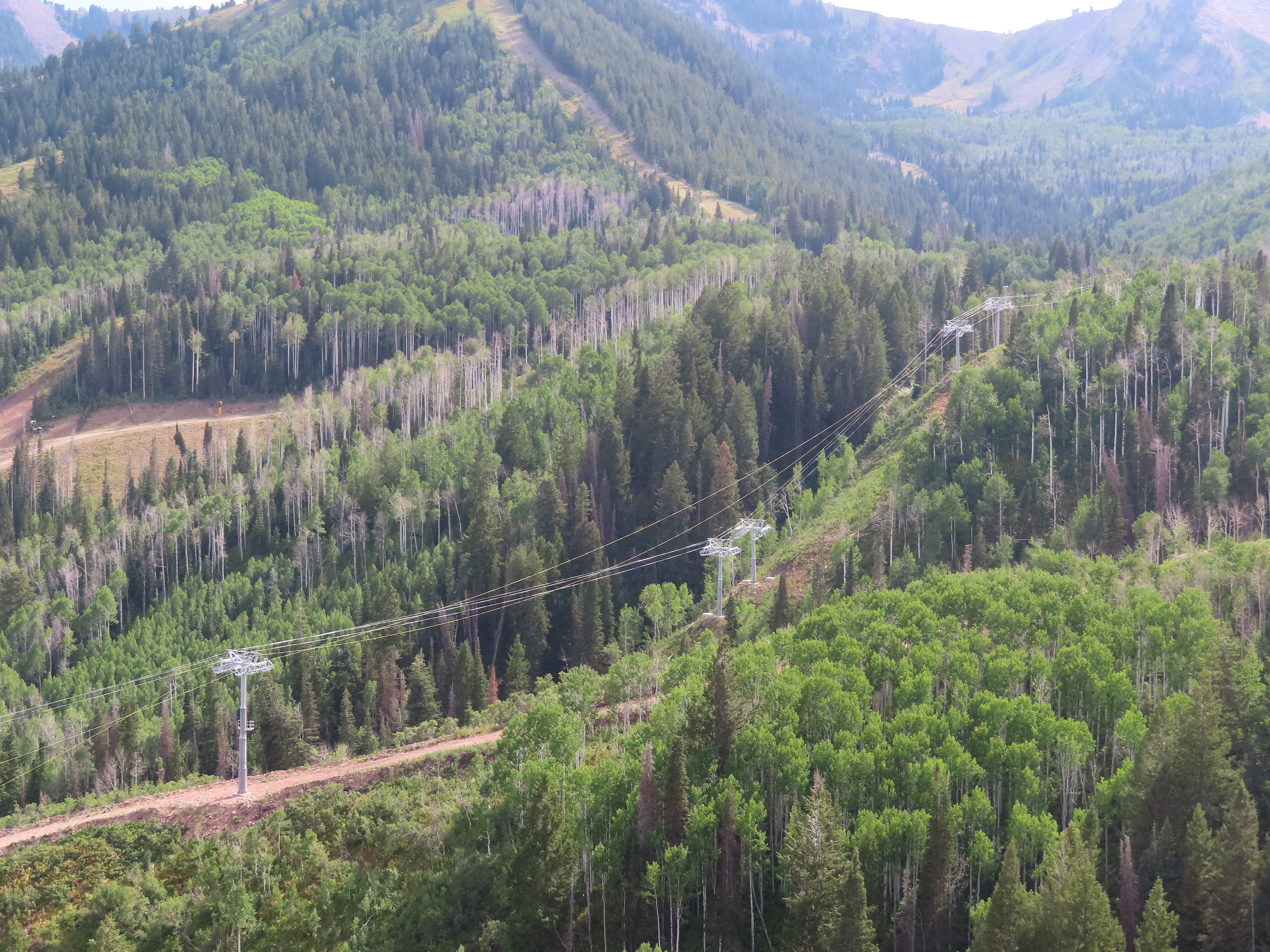
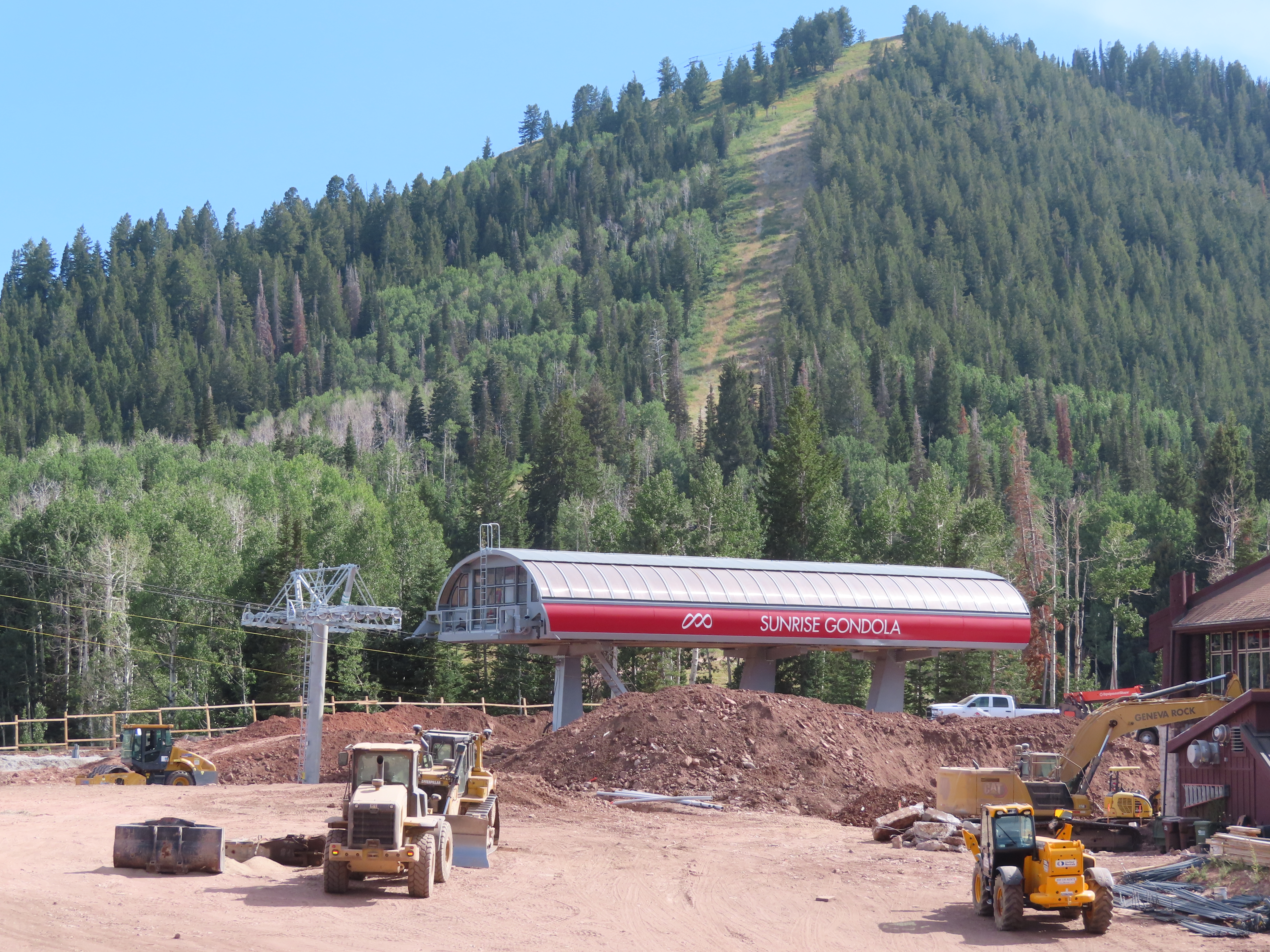
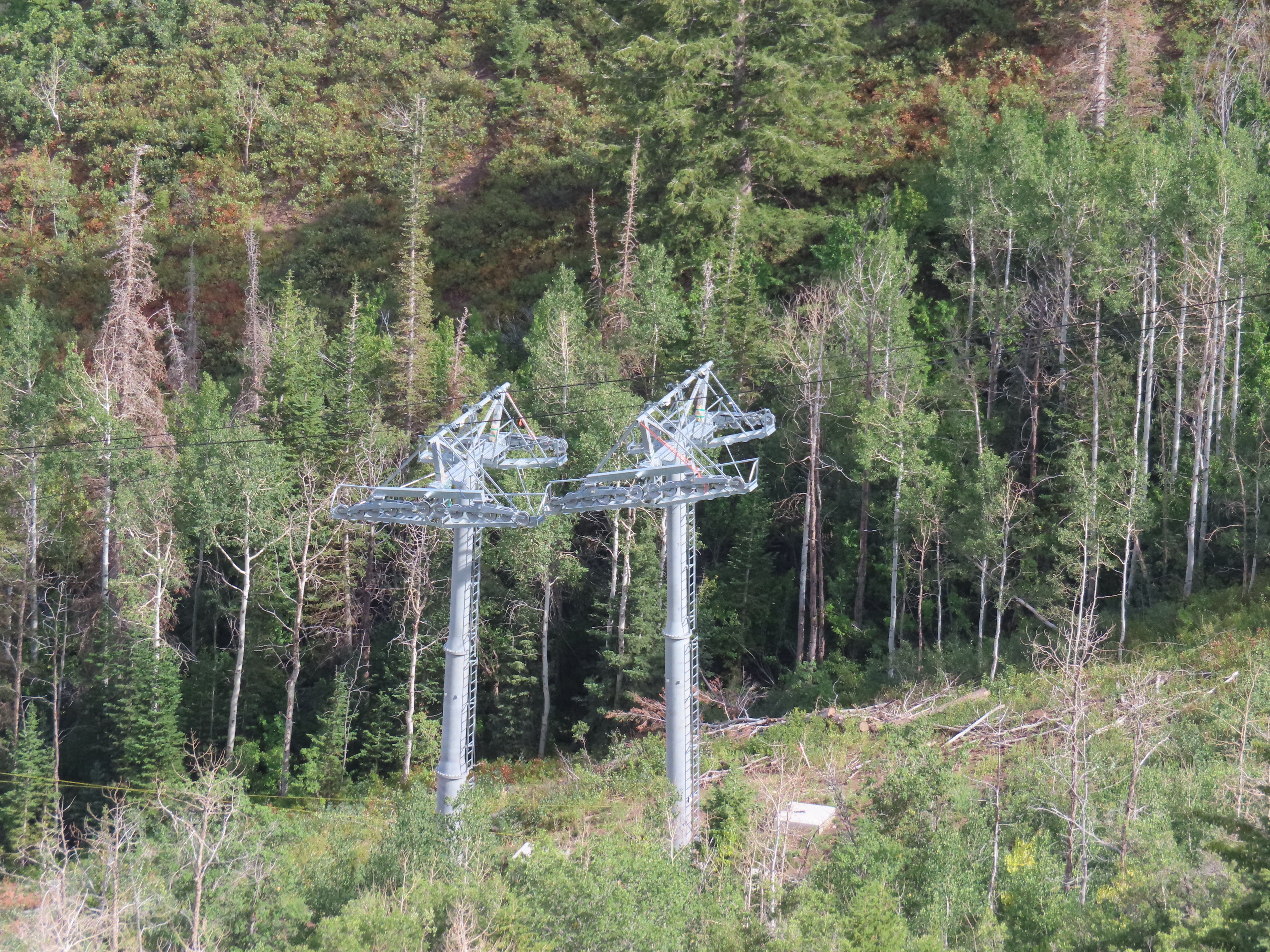
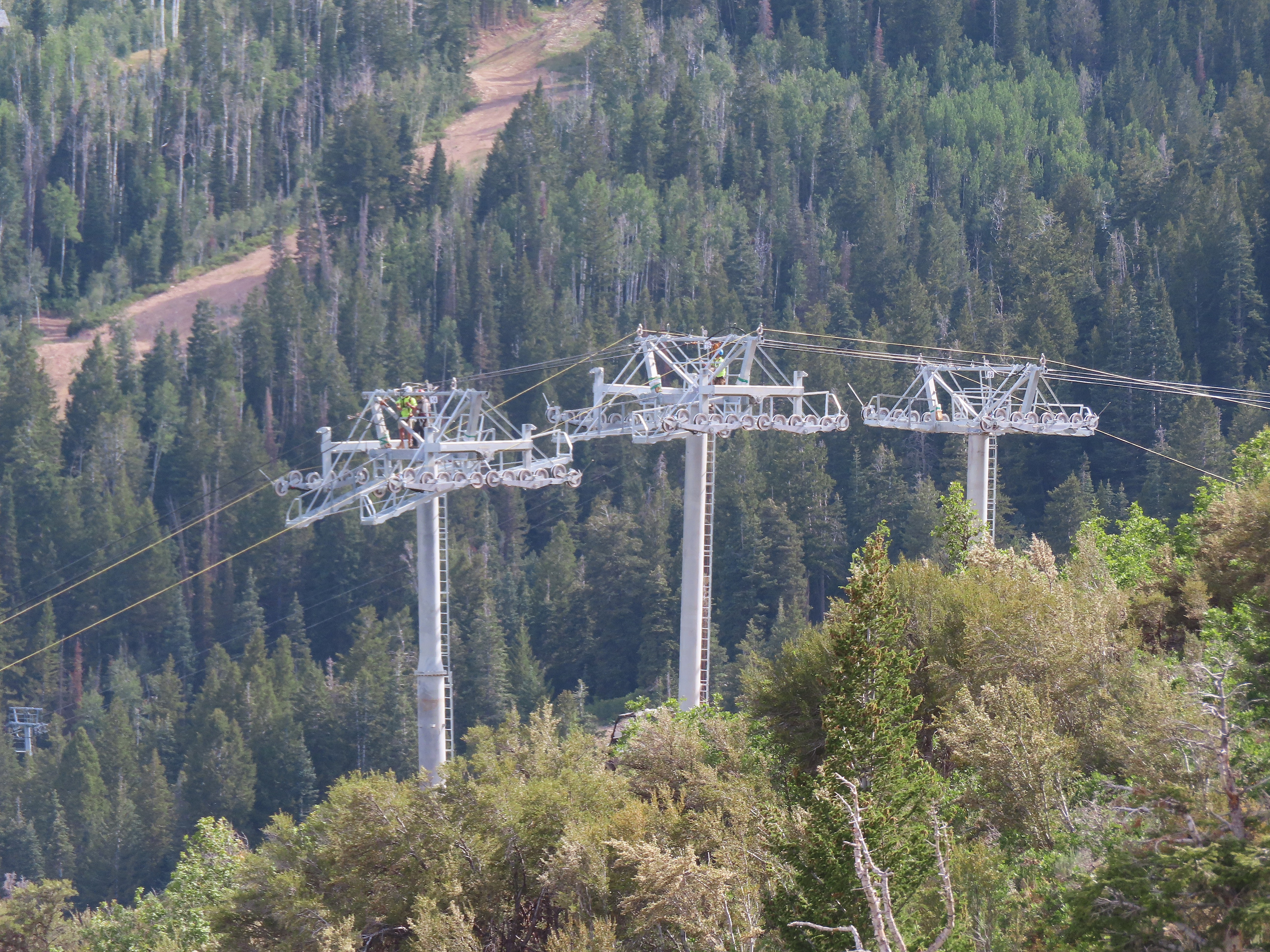
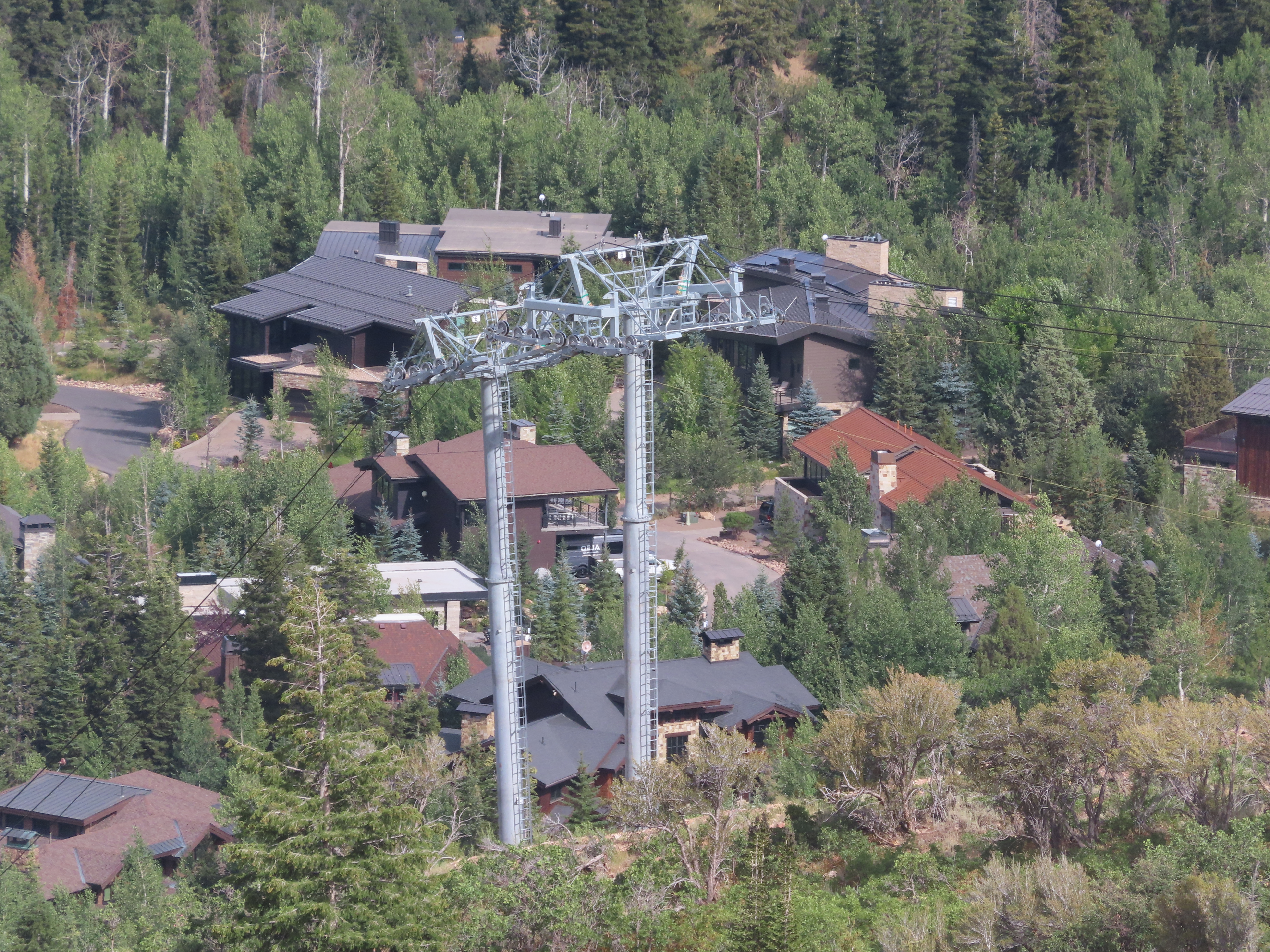
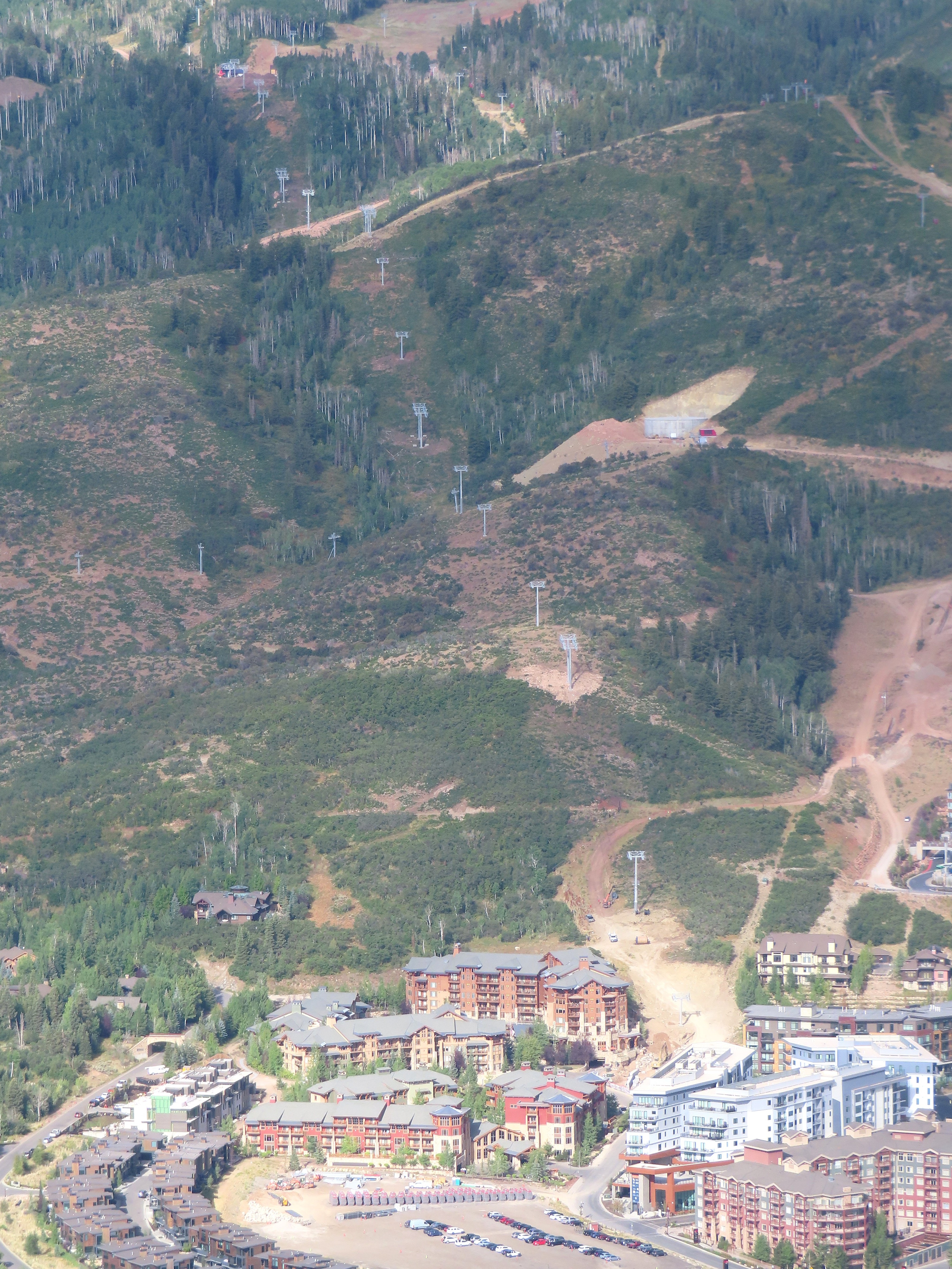
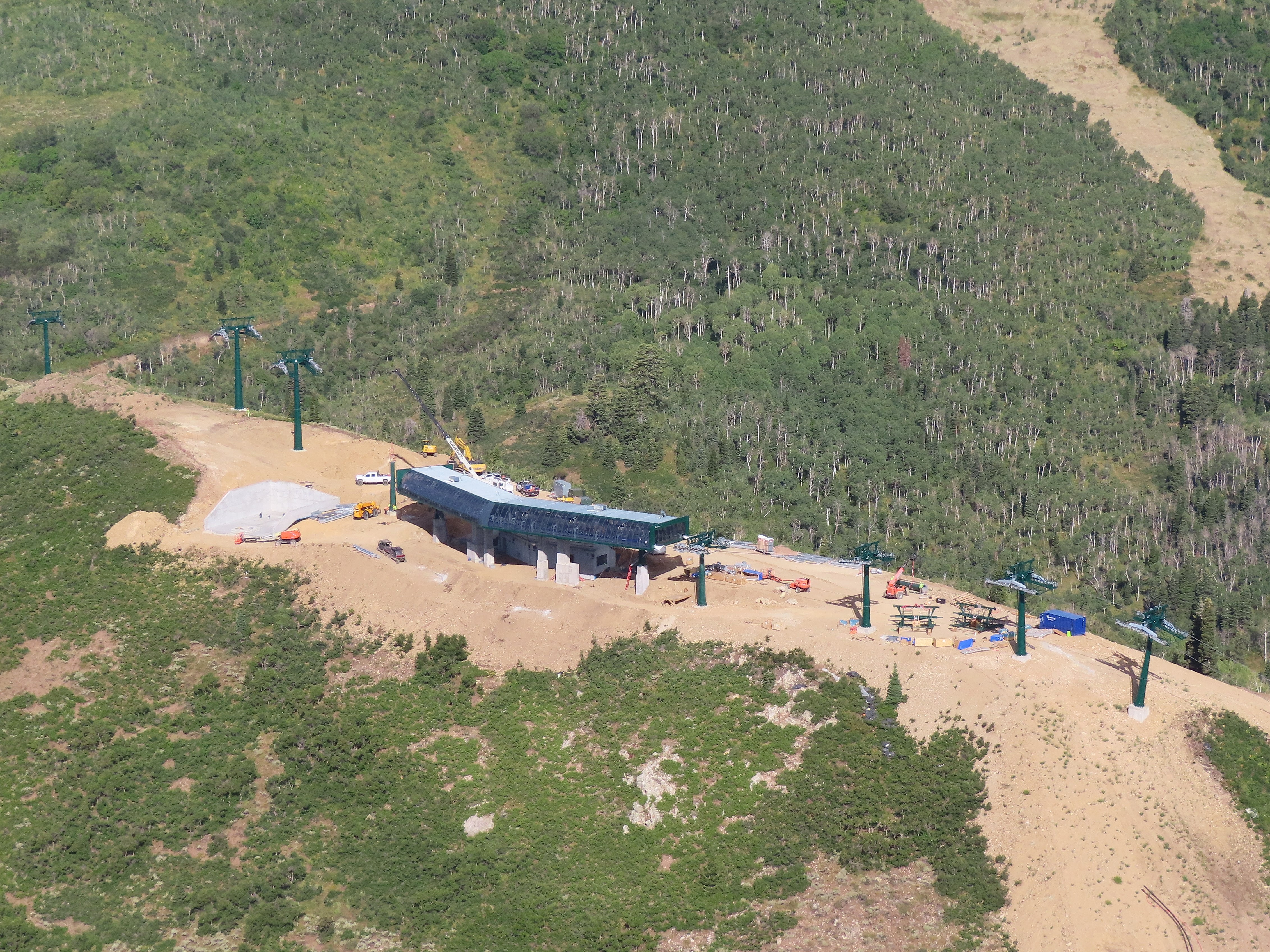
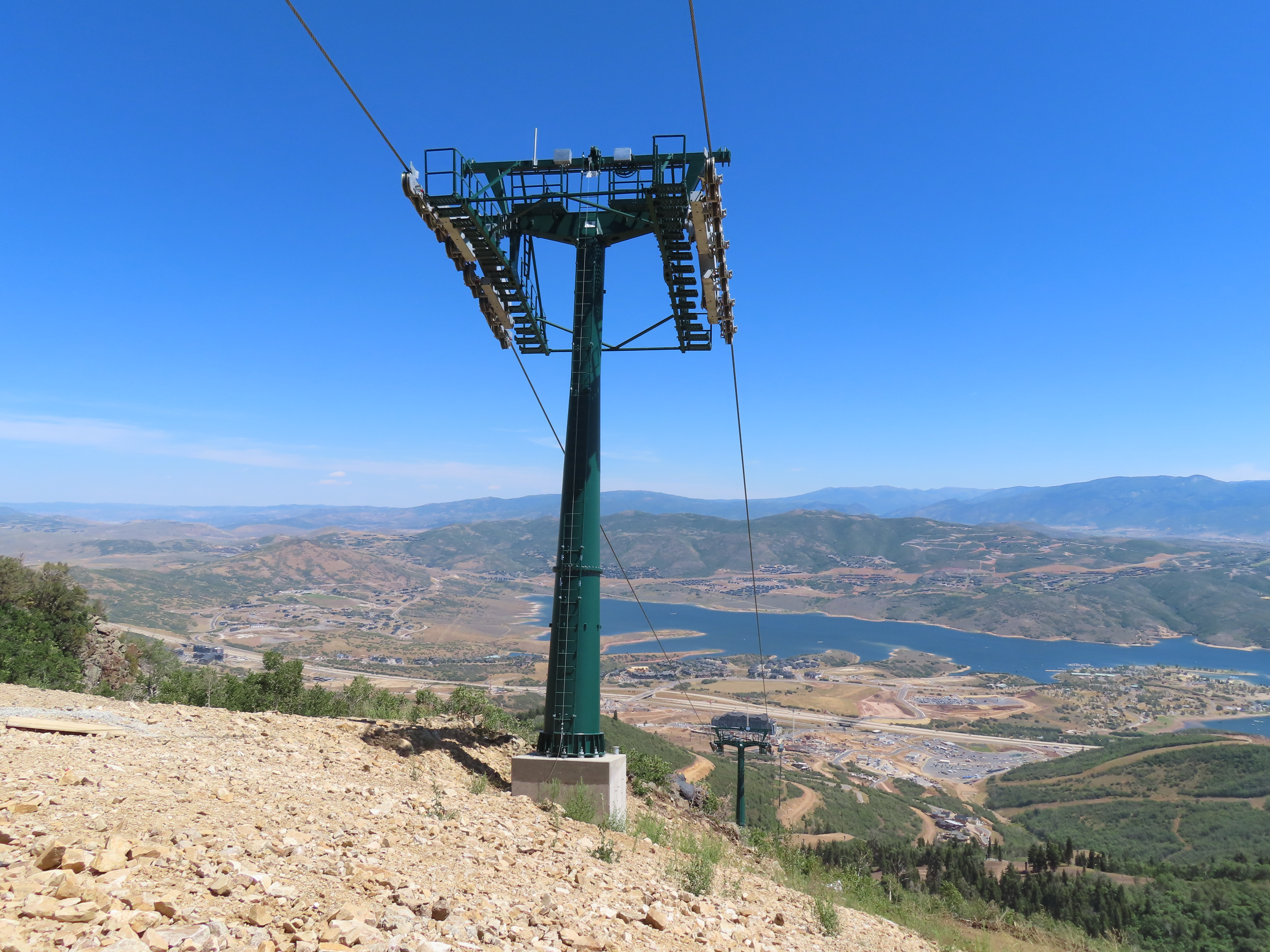
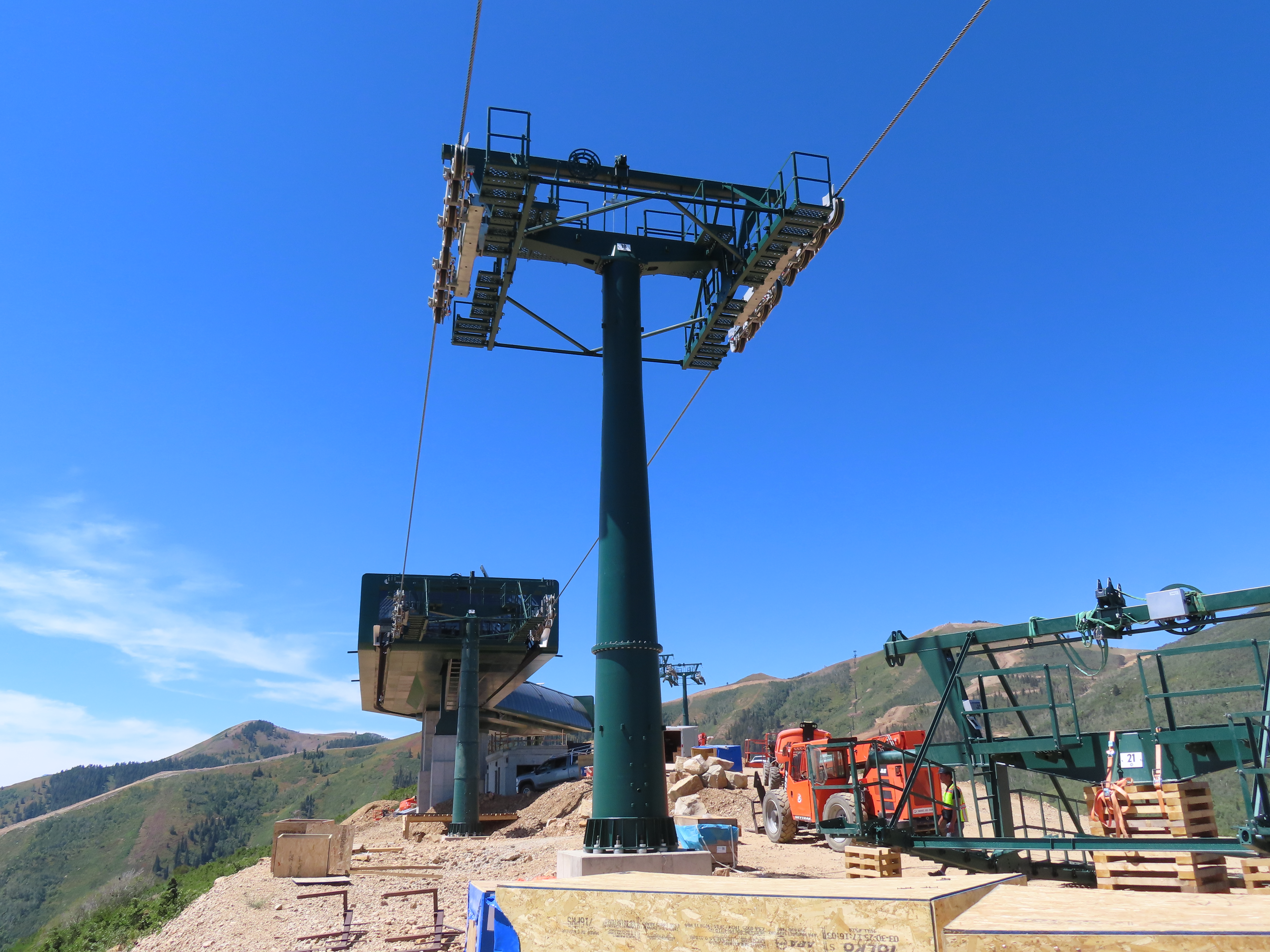
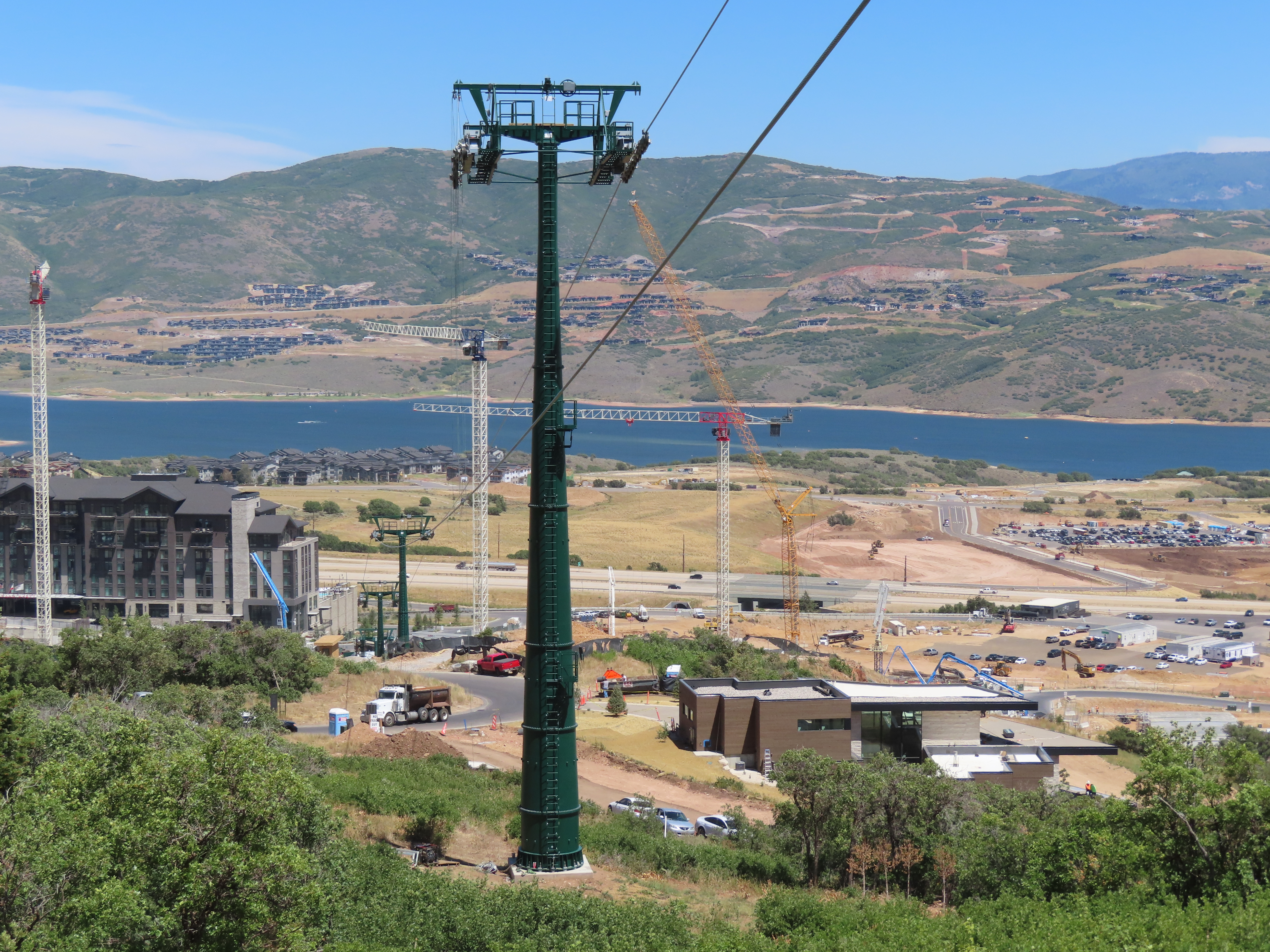
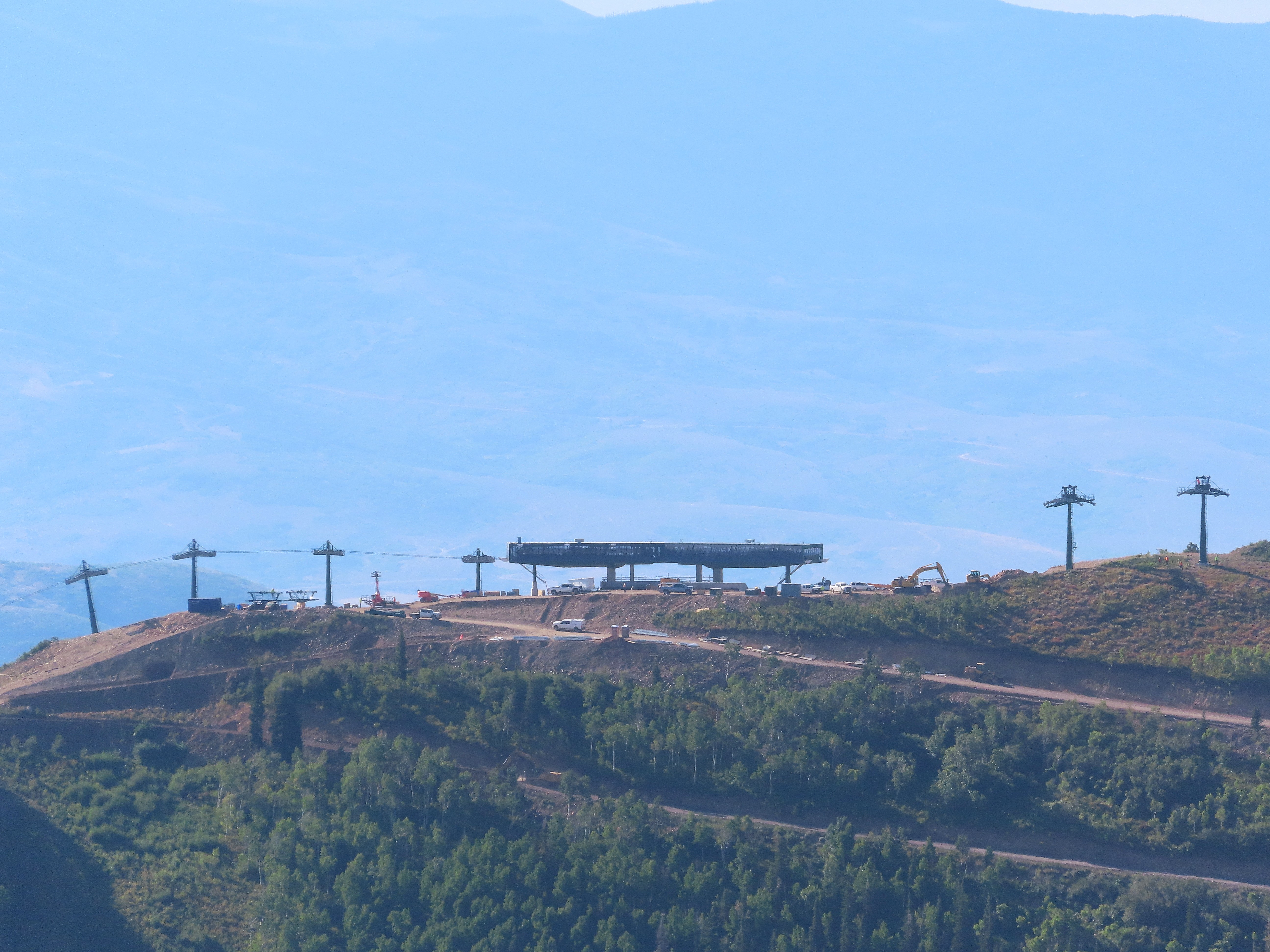
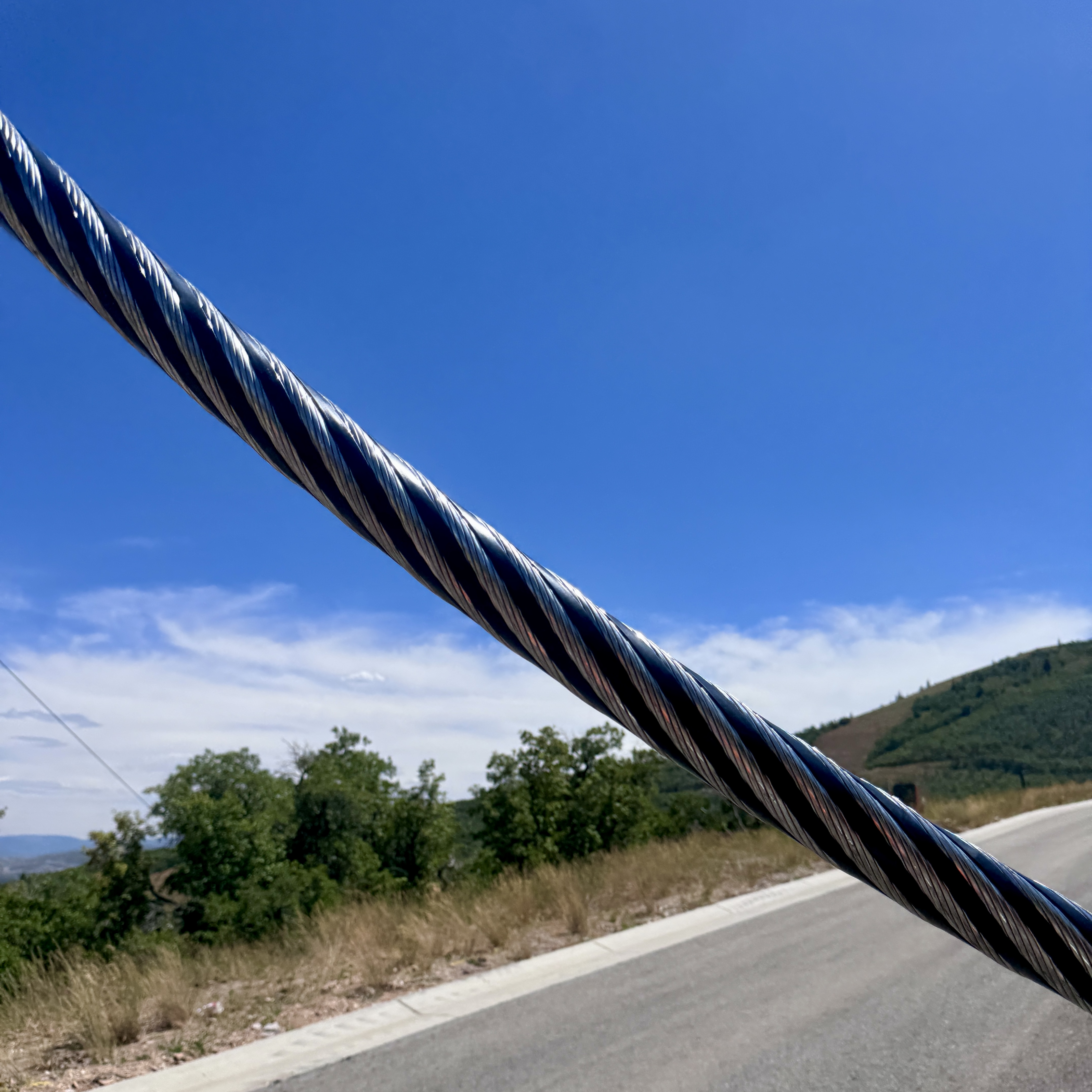
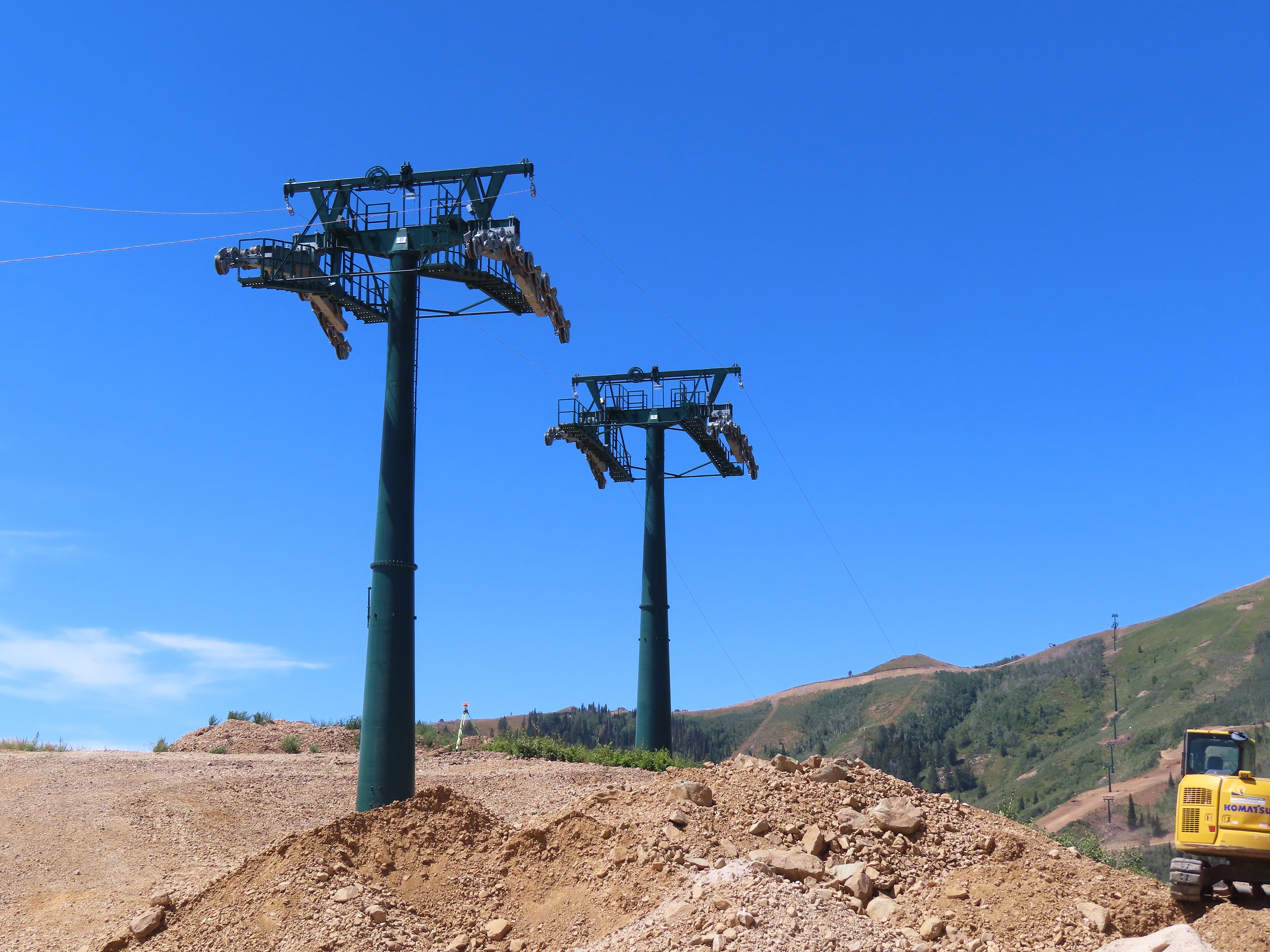
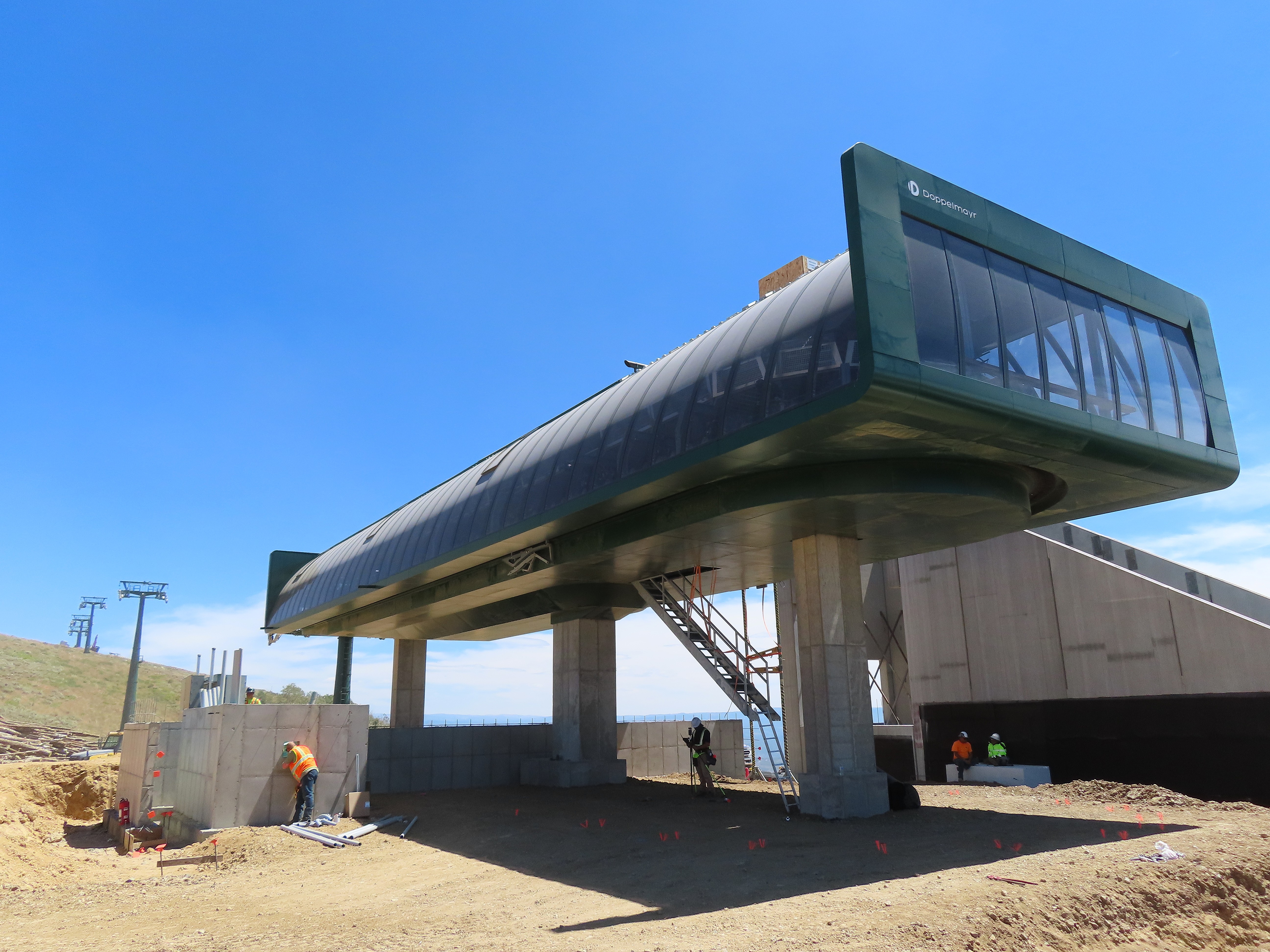
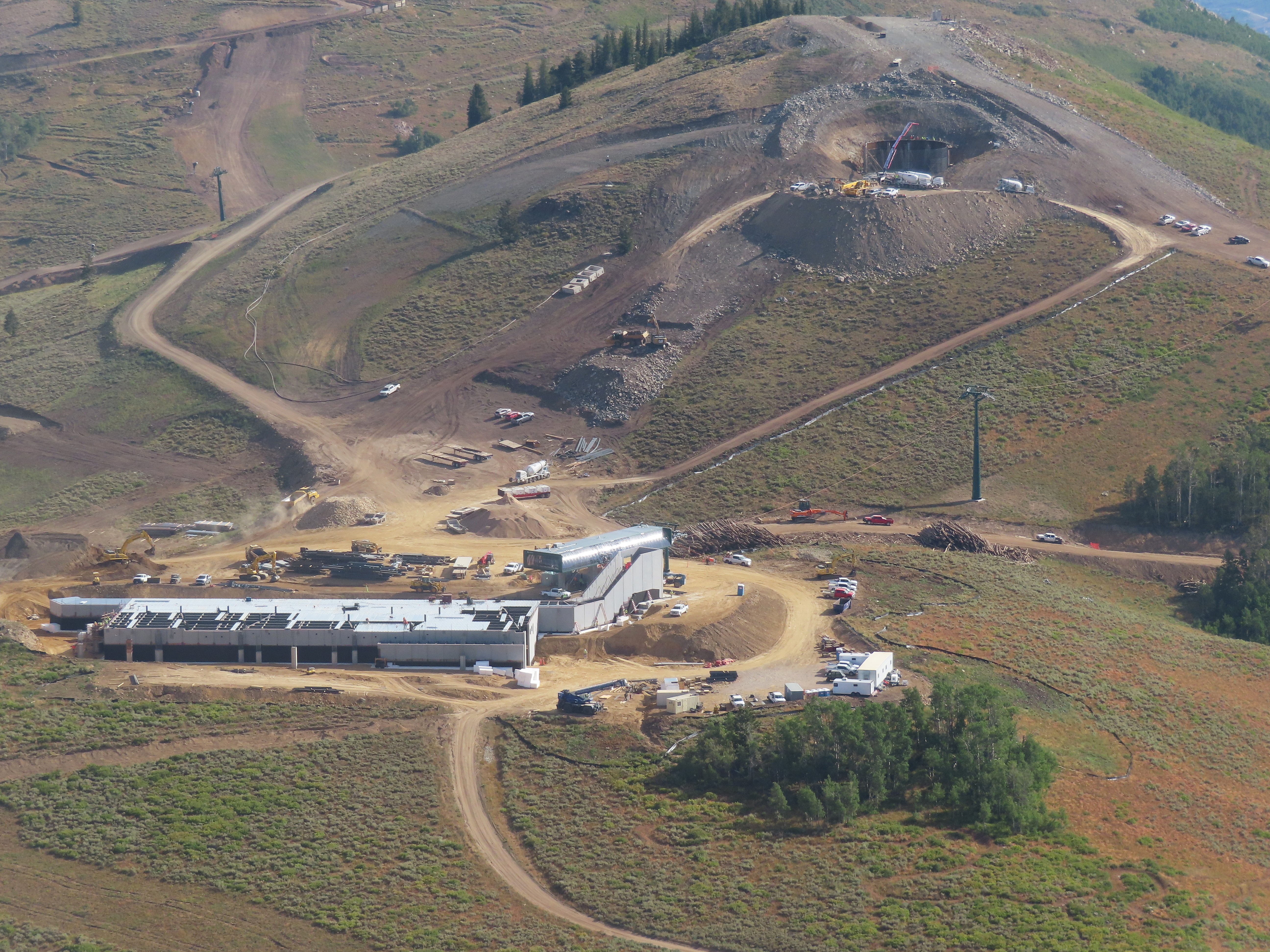
The flagship East Village Express gondola will run all the way to Park Peak. A behemoth of a mid-station sits on Big Dutch Peak, where the lift’s two sections connect at an angle. Each segment features its own direct drive and a Fatzer Performa-DT haul rope with cabins able to switch between lines. All three stations and most of the 40 towers were installed earlier this summer. Fatzer subsidiary Rigging Specialties worked to pull ropes this week with the lower line already on most towers. The upper rope, being installed now, will pass over several extremely tall towers and travel downhill at several points along the line.
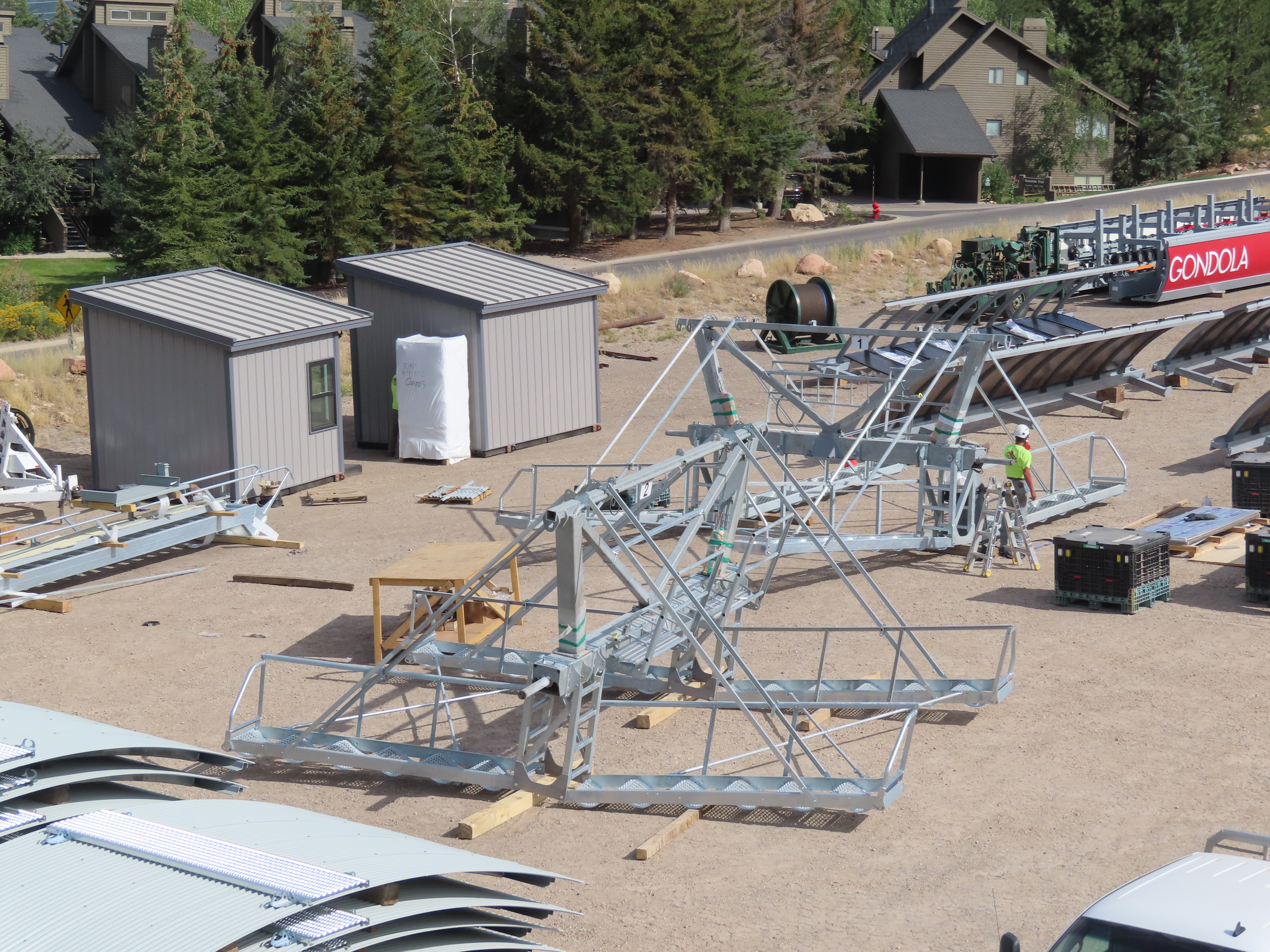
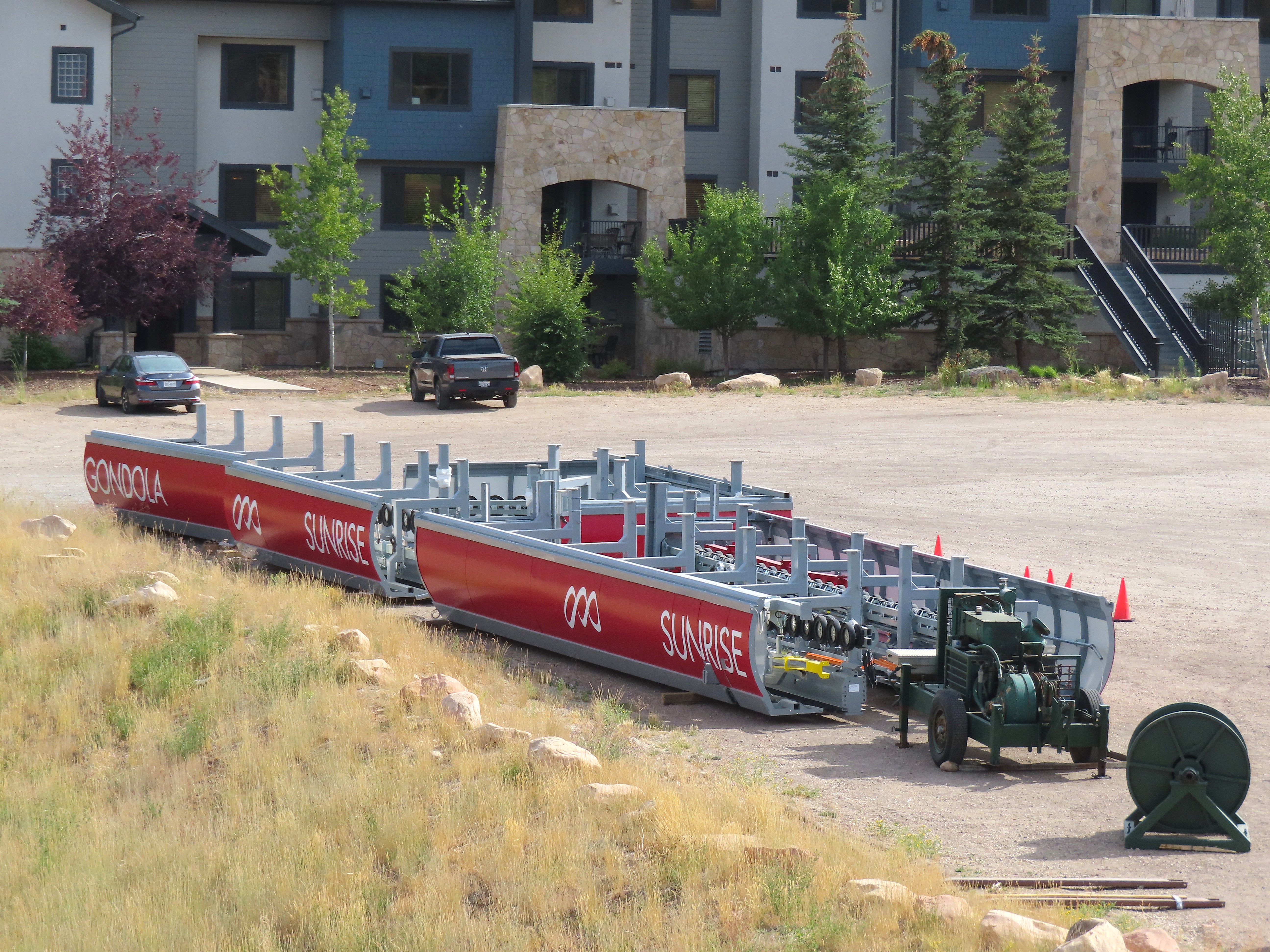
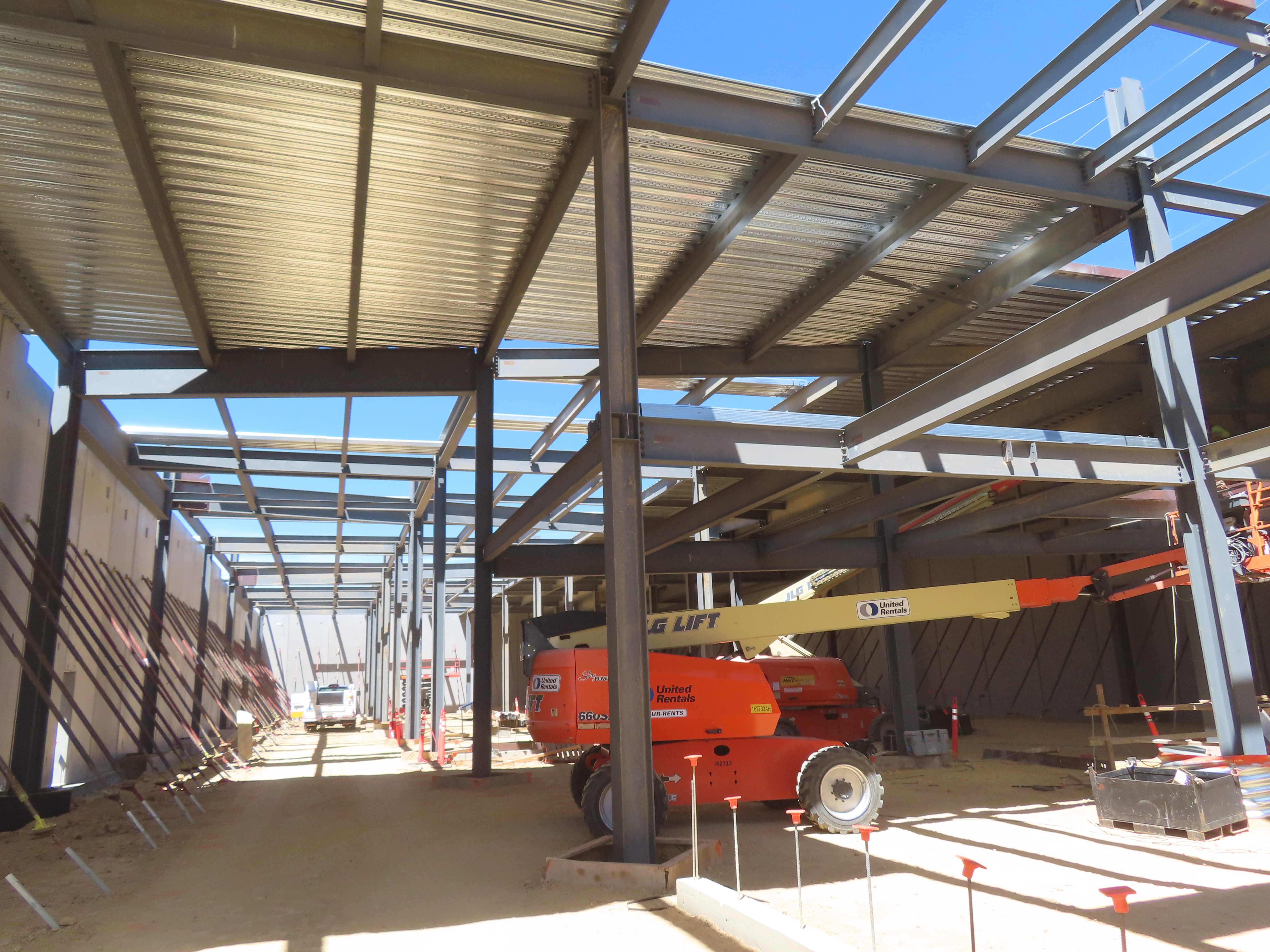
142 Omega V cabins are set to begin arriving from Switzerland next week. Similar to Steamboat’s Wild BlueGondola, they’ll feature individual logoed seats. At Deer Valley, they’ll be heated. Big-D Construction is piecing together the gondola’s parking facility, located underneath the future Park Peak lodge. Lodge services won’t be ready for this winter but the first floor parking system should be. It will be fully automated and the plan is to park cabins nightly. The Park Peak complex is designed for a possible third gondola segment down to Silver Lake Village.
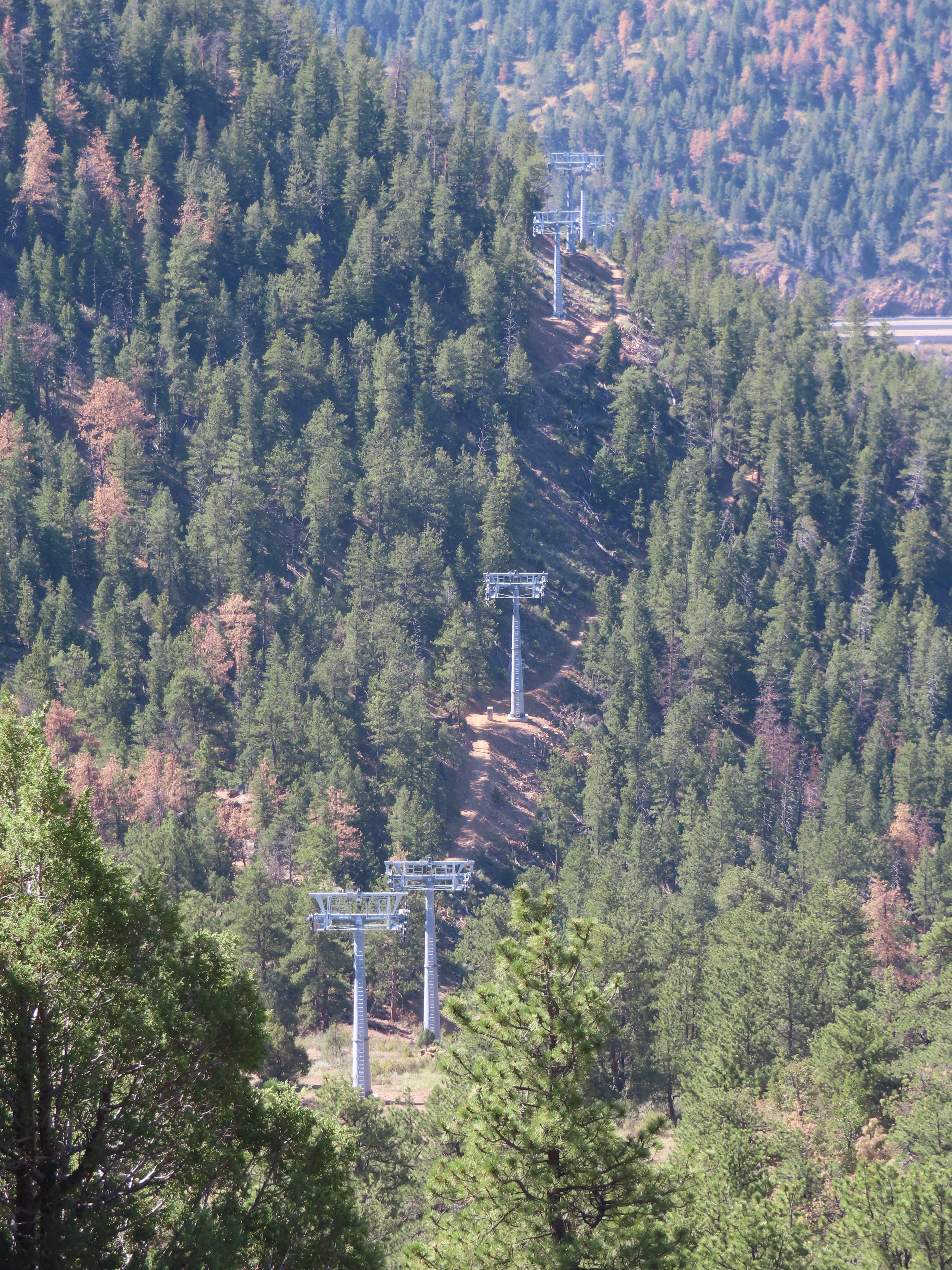
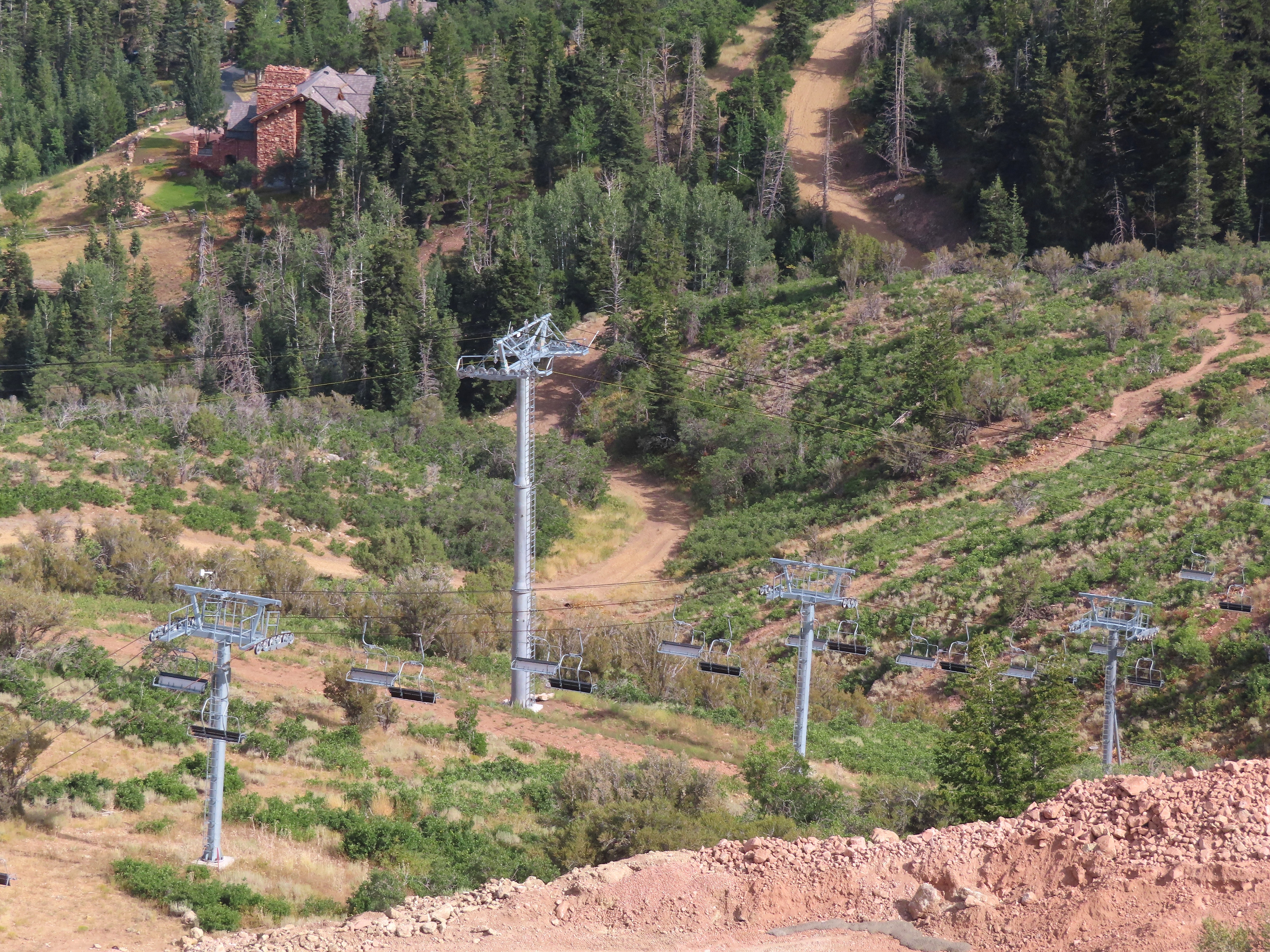
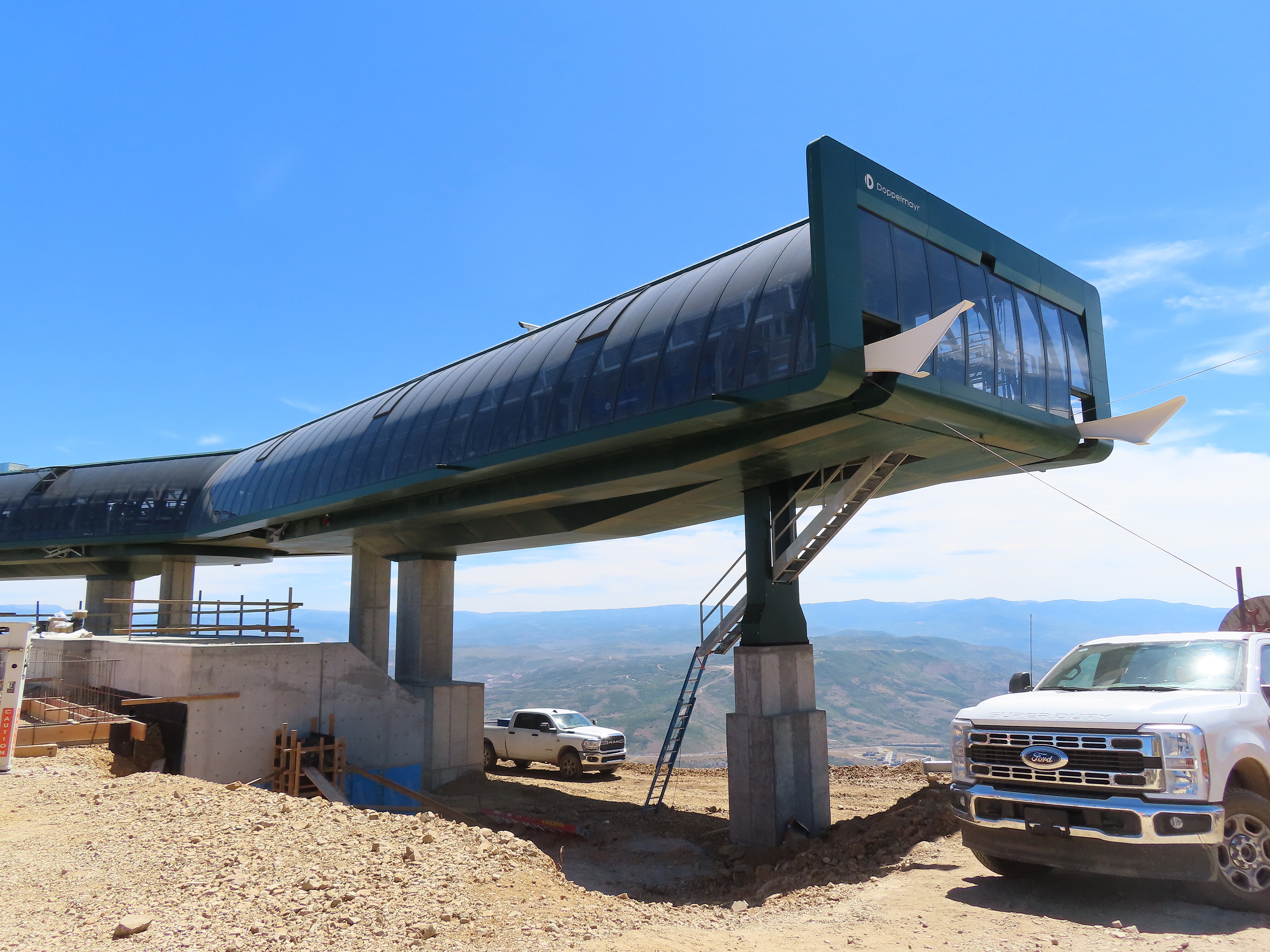
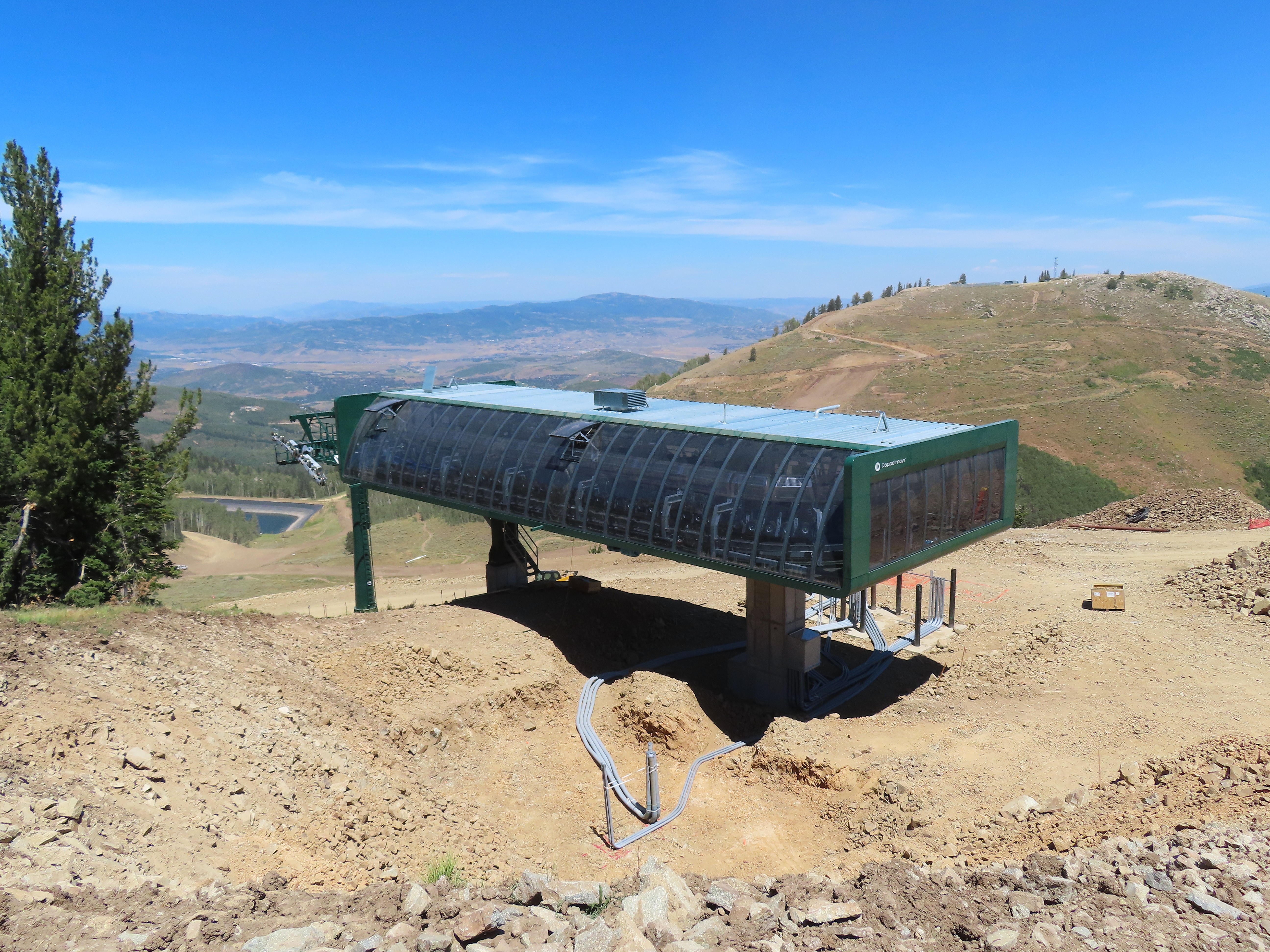
For now the D-Line Pinyon Express will connect historic Deer Valley to new terrain. It’ll load between Bald and Flagstaff mountains, lifting six guests at a time to Park Peak with optional bubble. Pinyon will closely mimic Keetley Express, though with longer terminals for in-station parking. Nine of eleven towers and the top station are complete with the bottom station going up now.
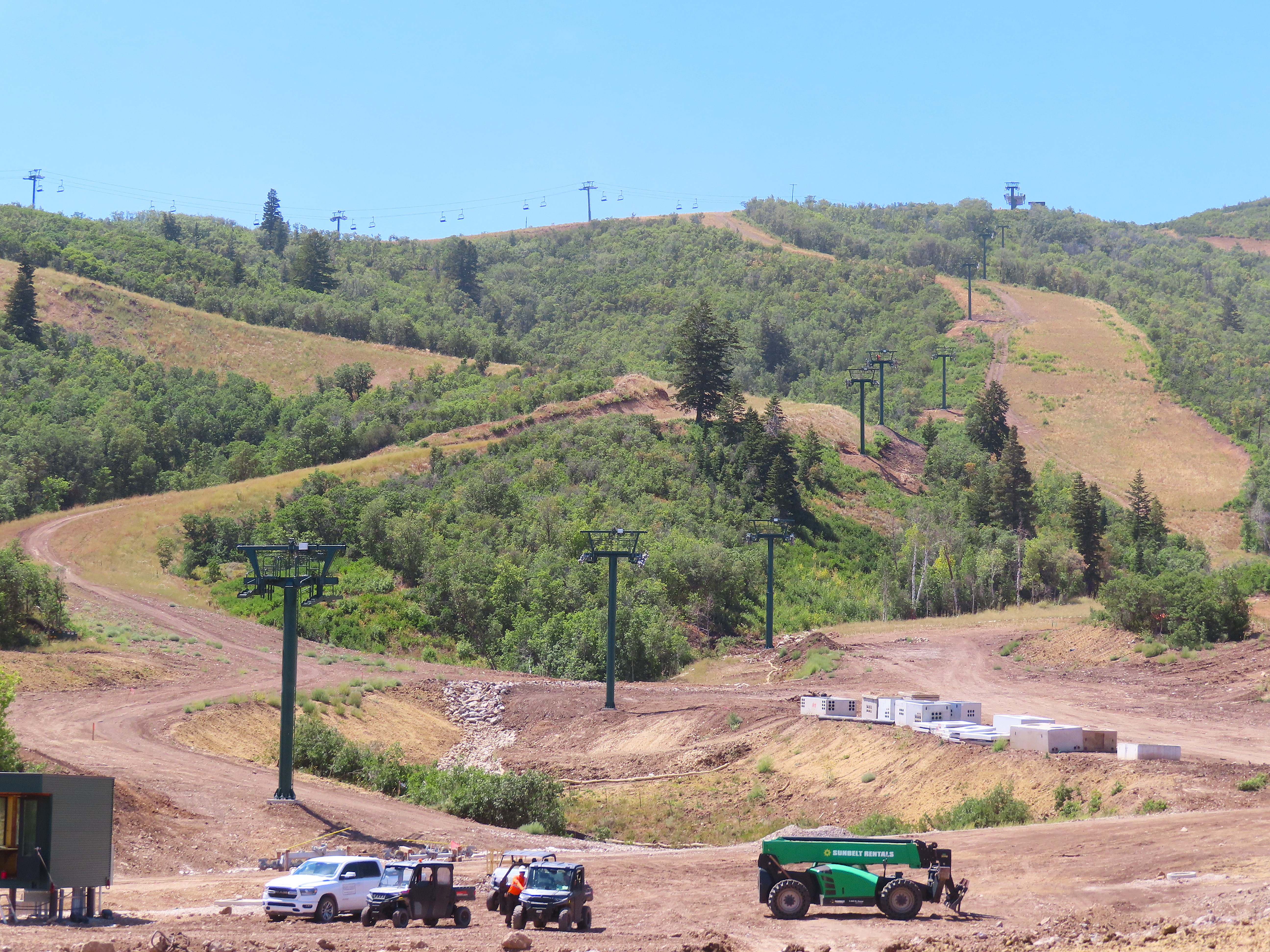
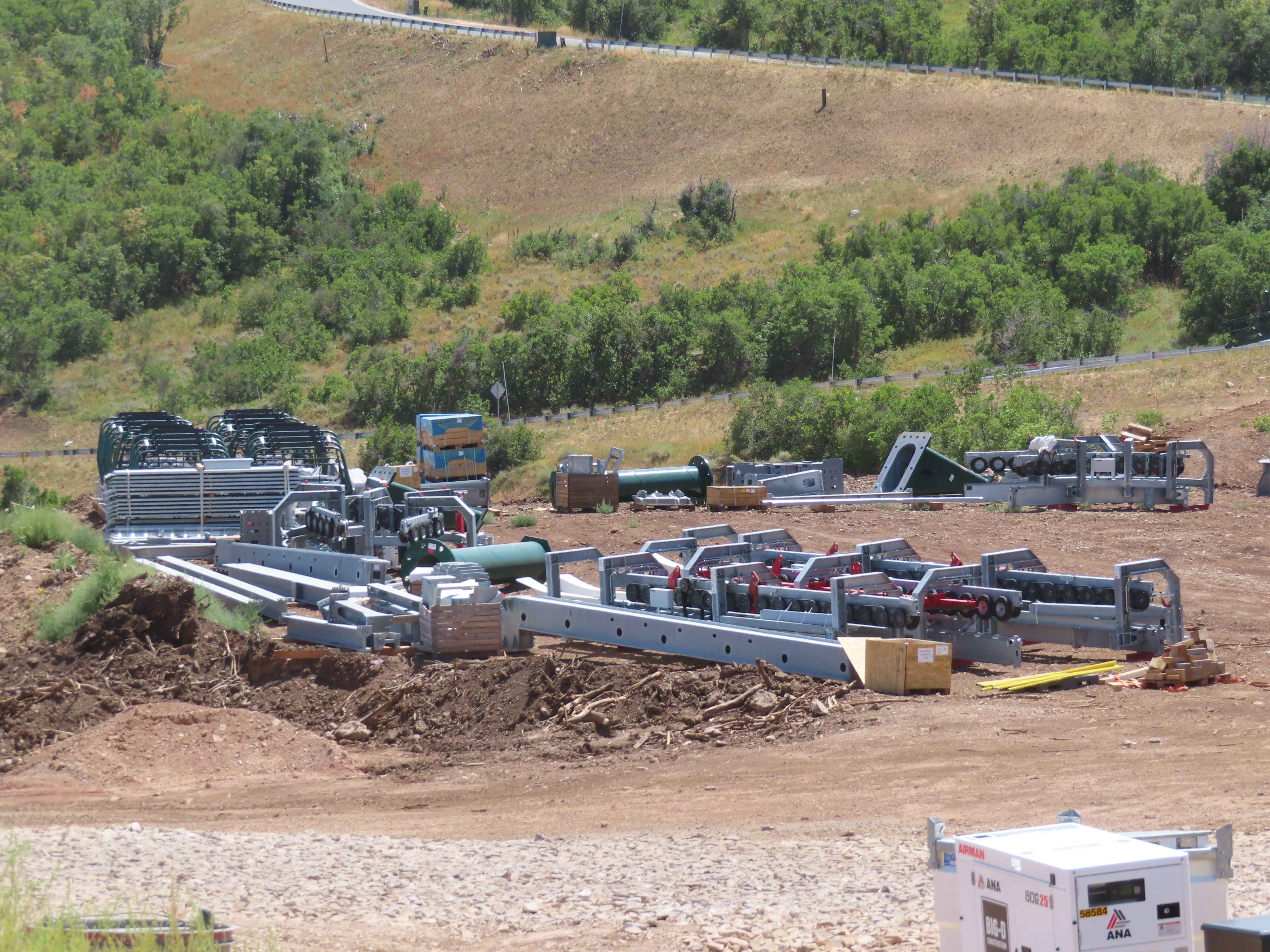
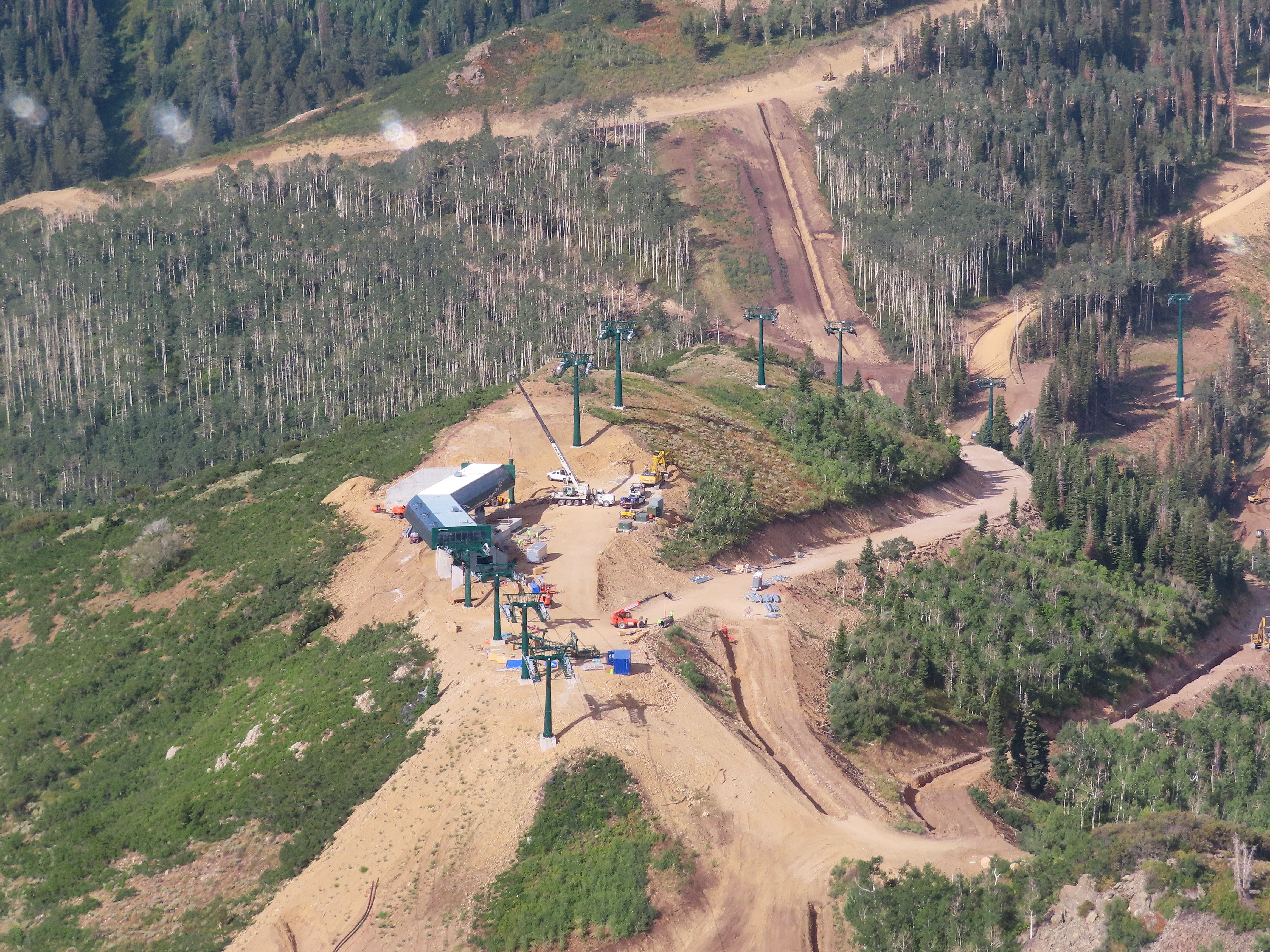
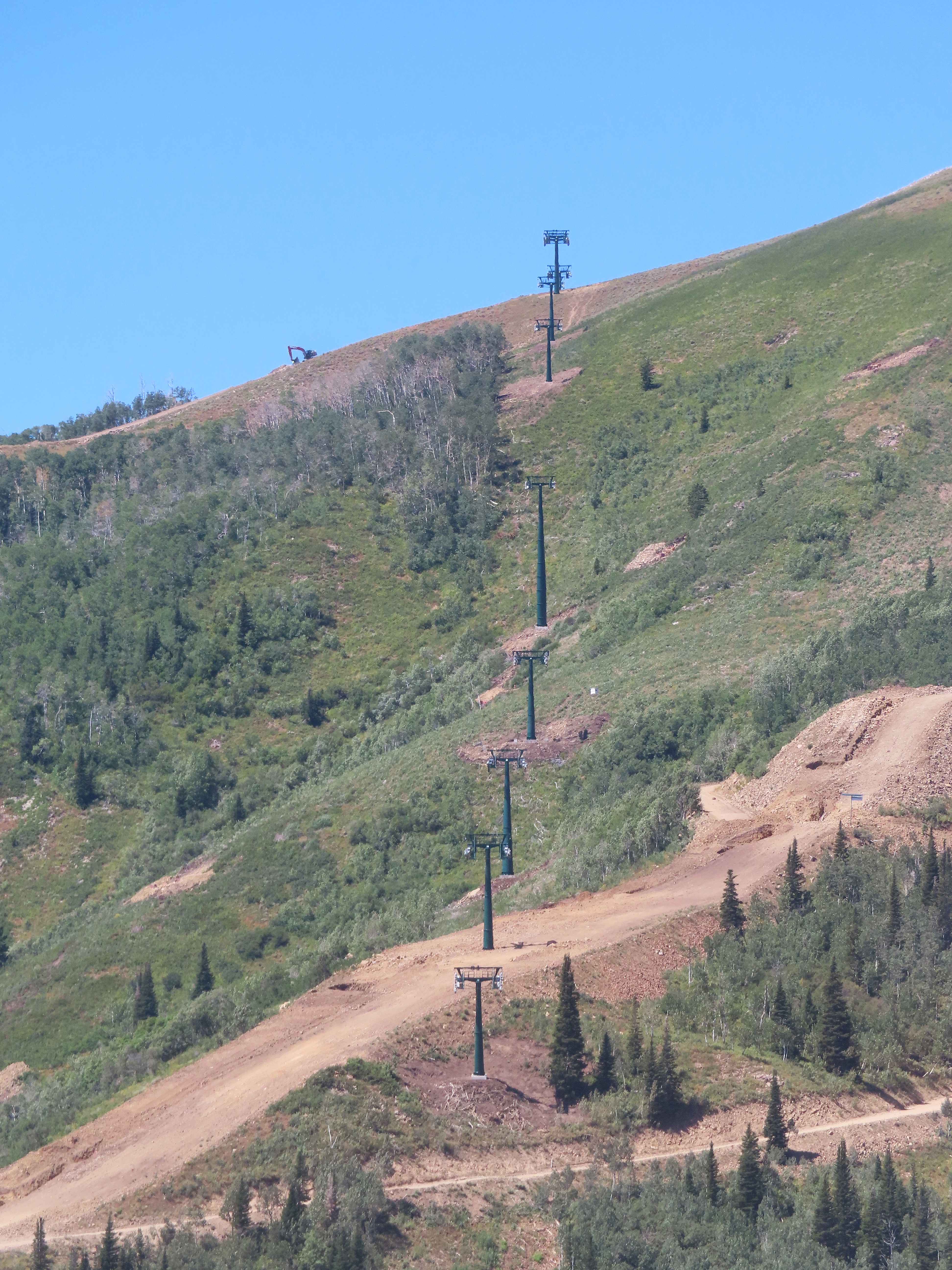
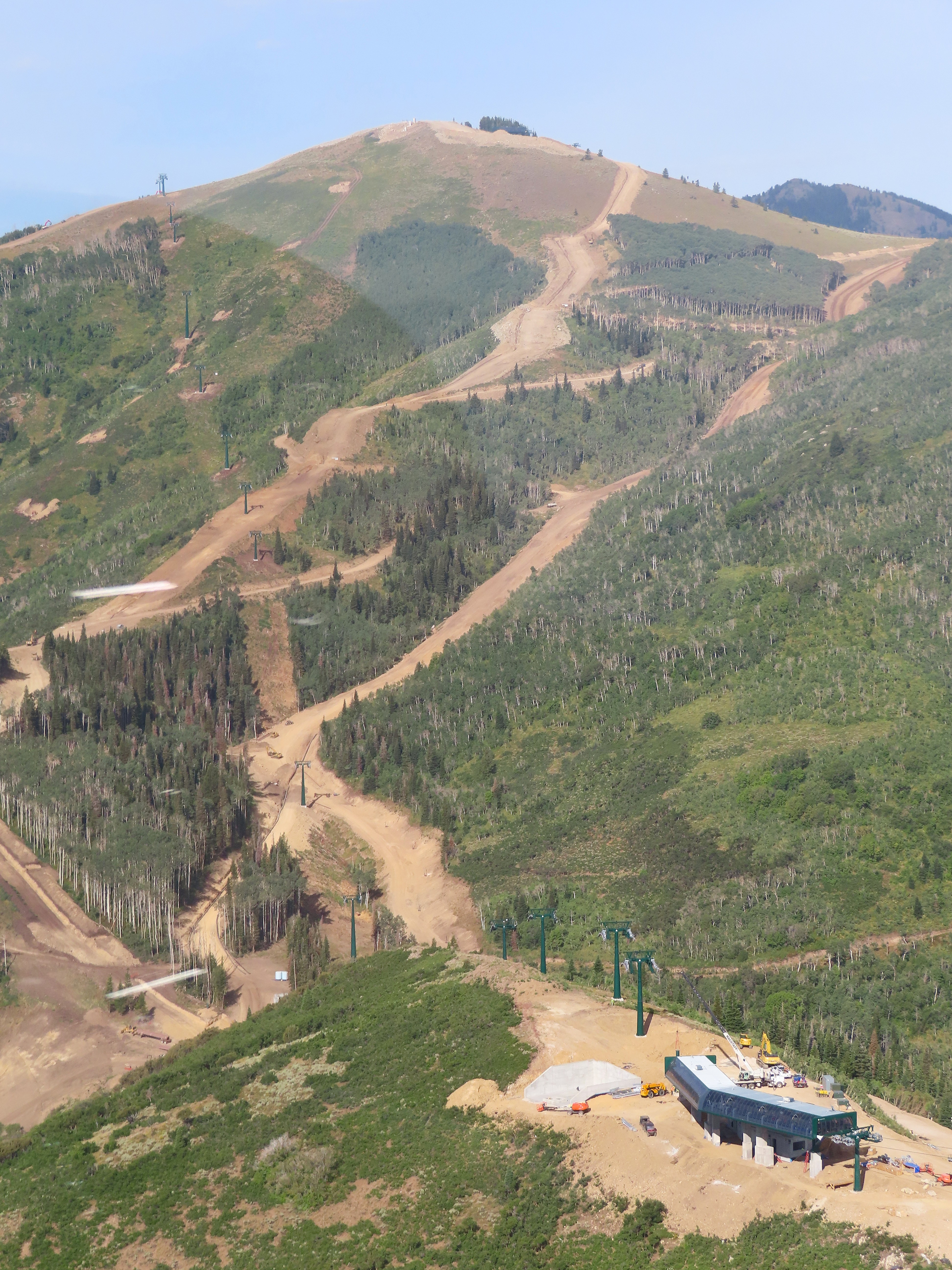
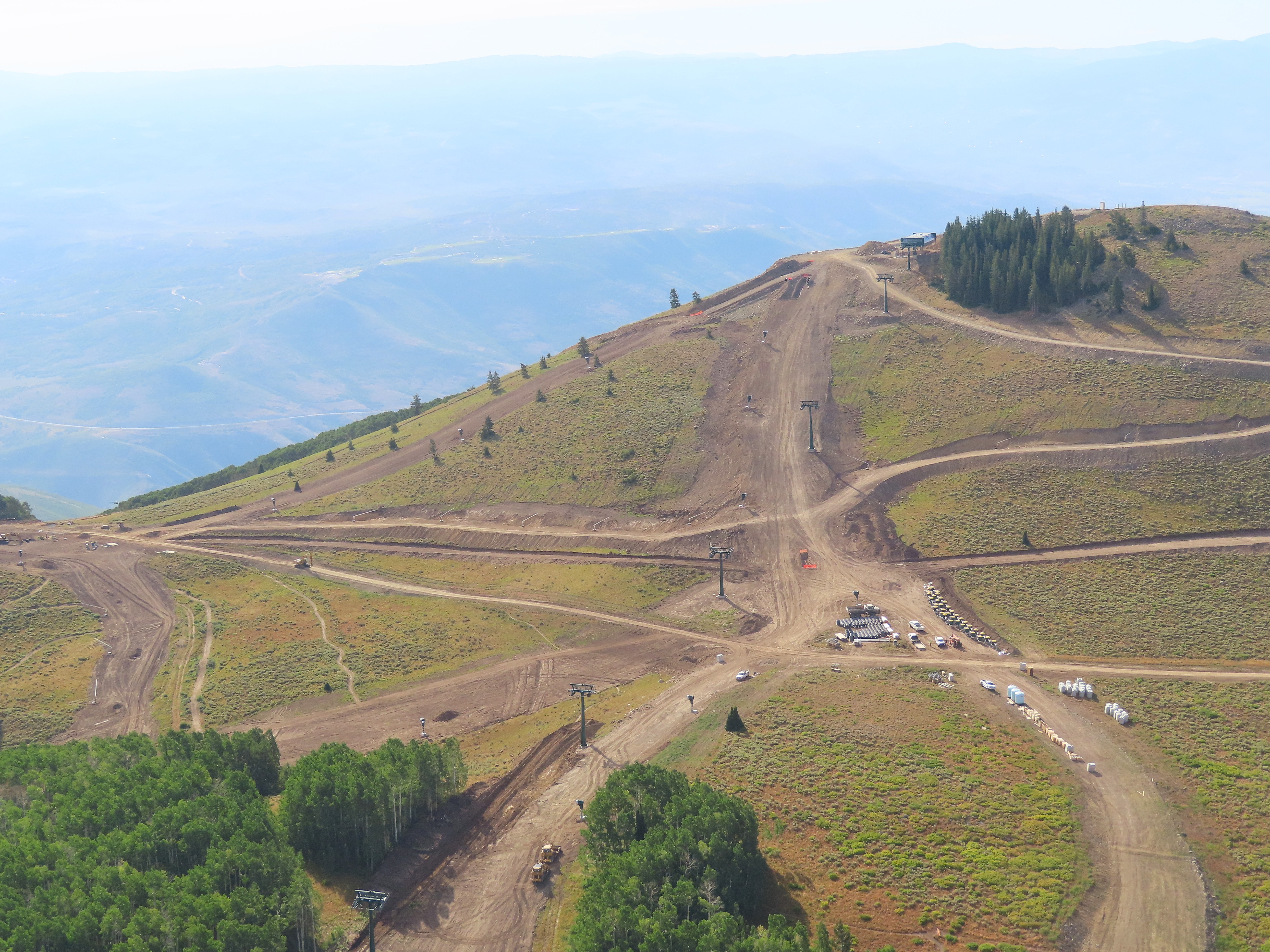
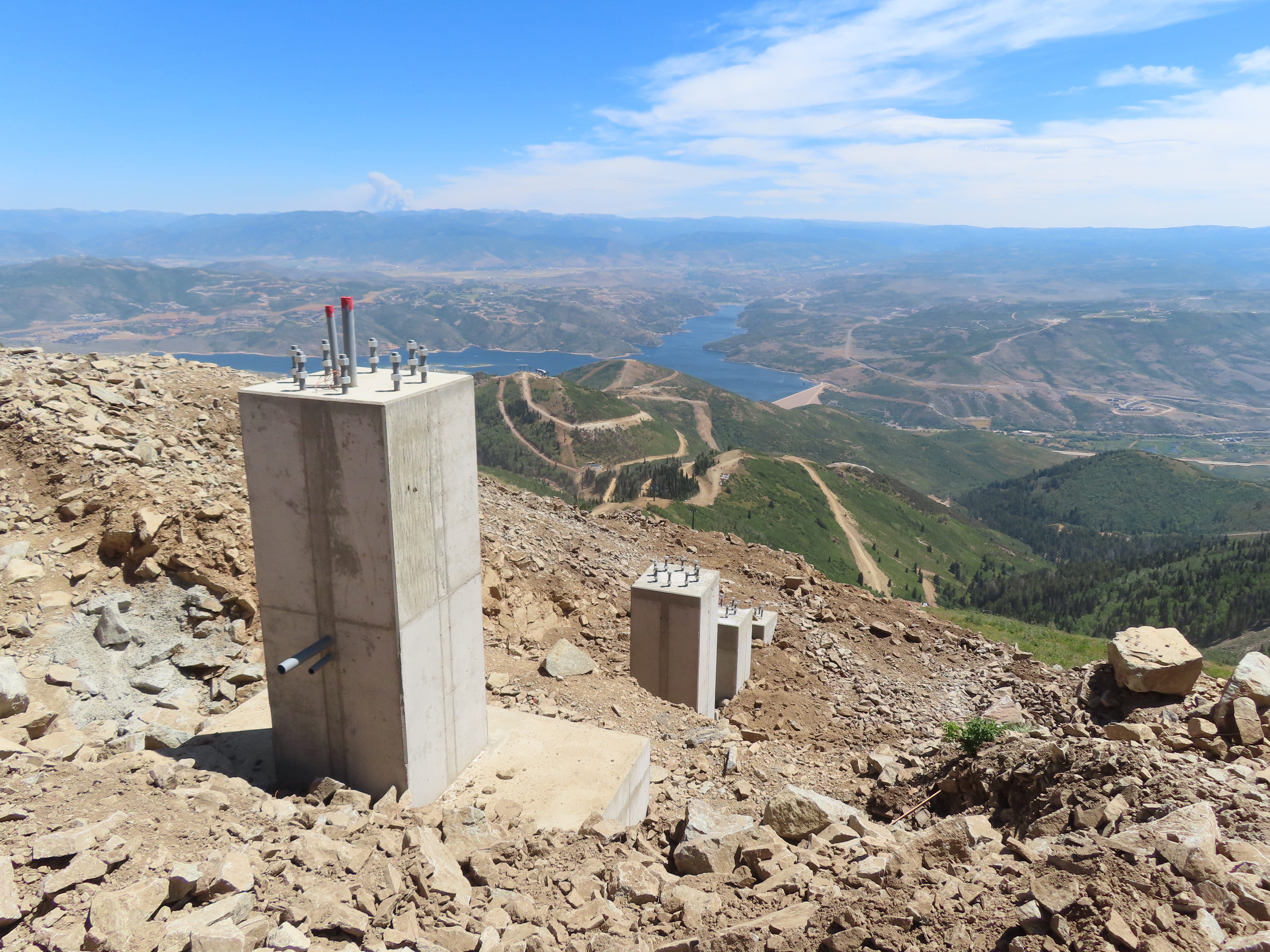
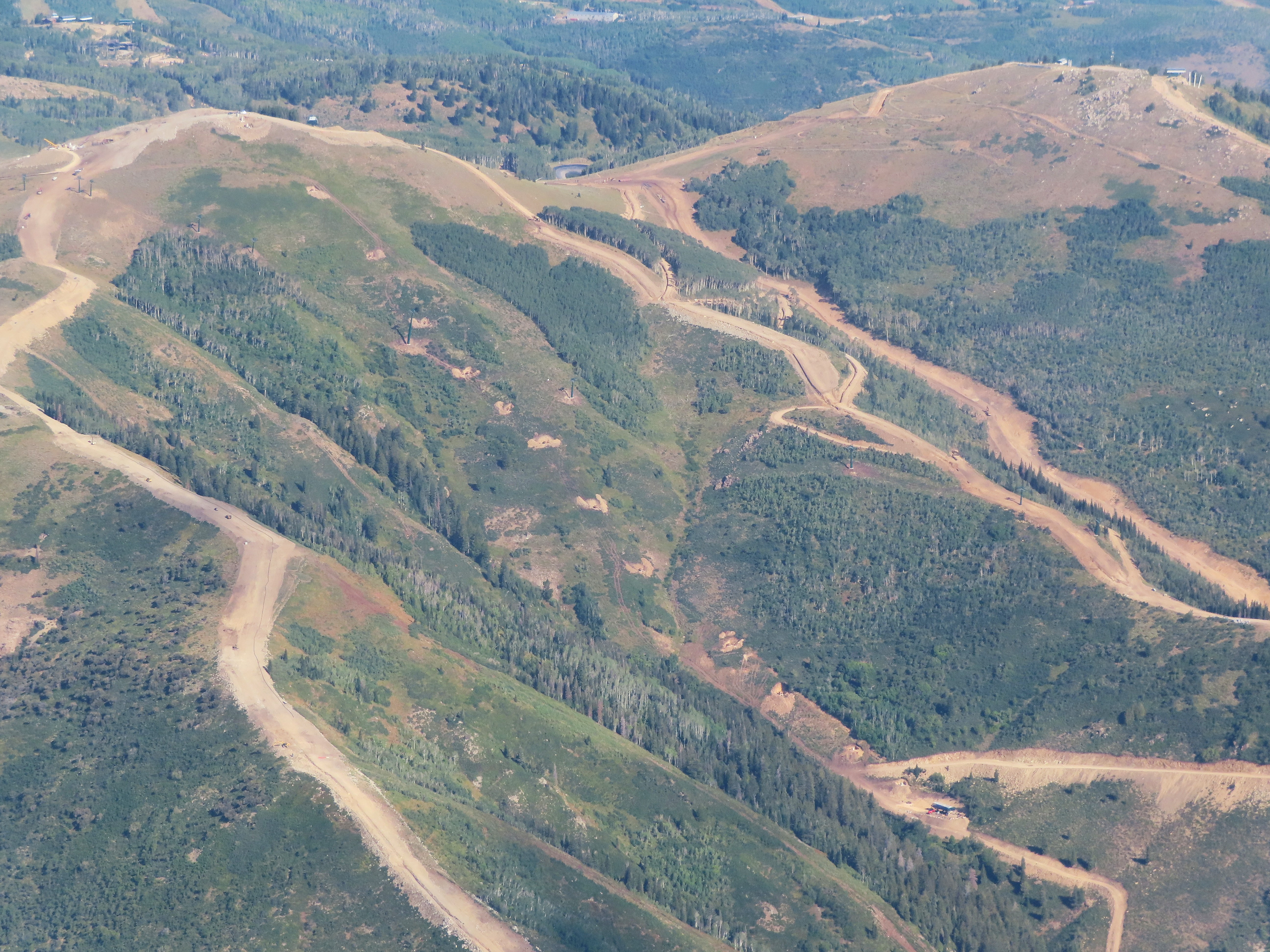
The last two pieces of the chairlift network are what the development team call 6A and 6B, originally planned as one lift with an intermediate station. Now dubbed Vulcan Express and Revelator Express, these steep UNI-G quads will service some of the best fall line skiing in Utah. Revelator will cross underneath the gondola and reach the high point of the expansion – 9,370 feet. Revelator’s bottom terminal is in with concrete almost complete and towers to follow in early September. “We’re almost out of the concrete business,” McKinnon noted.
Highlander is working on 6A/Vulcan, the lower lift that will provide egress from a large bowl that makes up the southern boundary for now. From the Vulcan Express unload, skiers will head right toward the East Village or left to continue up Park Peak via Revelator.
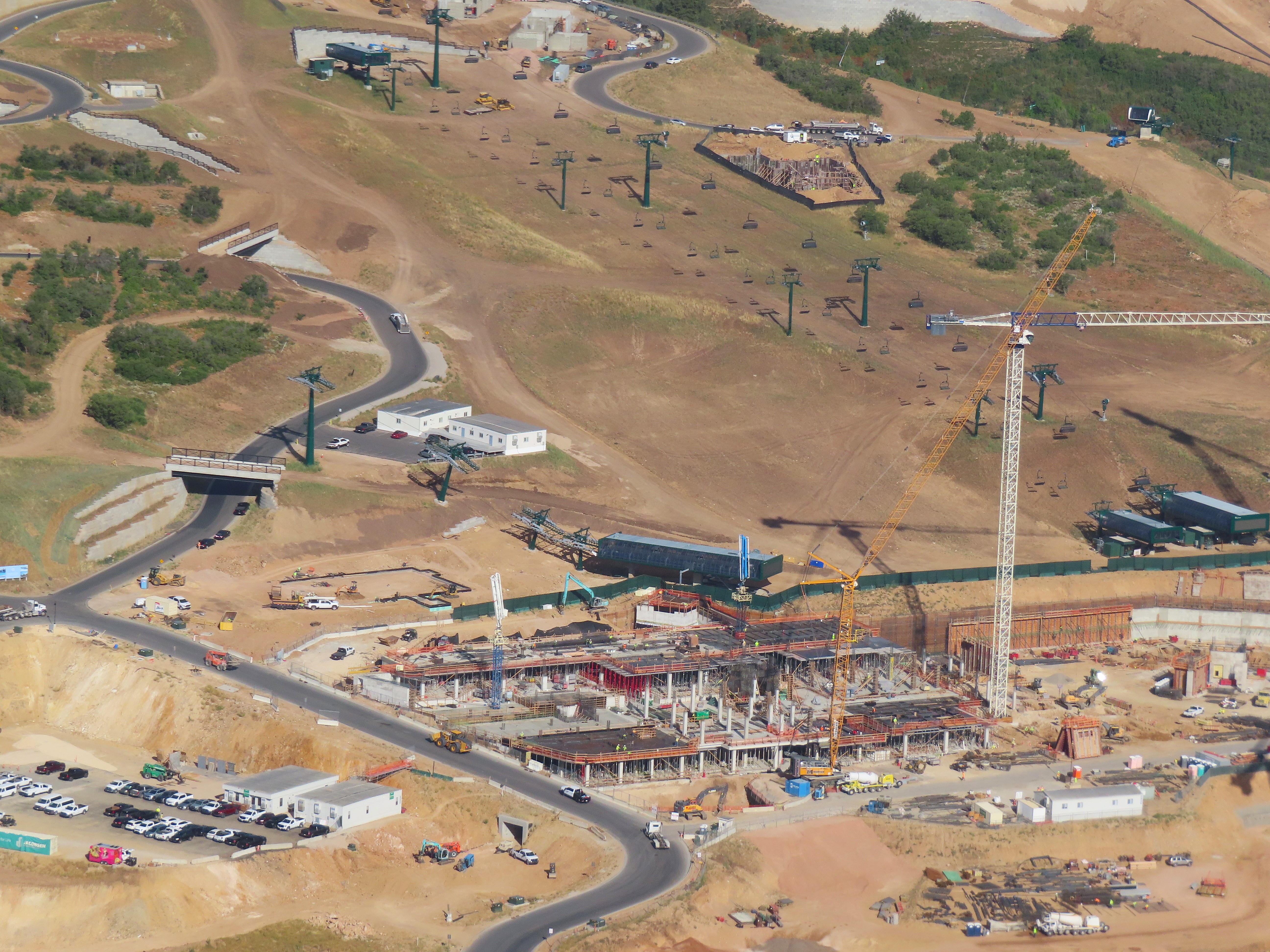
Last but not least are three SunKid conveyors to be situated in the East Village. These form the beginning of a ski school progression from carpet to beginner chairlift to Keetley Express or the gondola. Every lift in the expansion will service at least one green route, including a 4.85 mile snake named Green Monster.
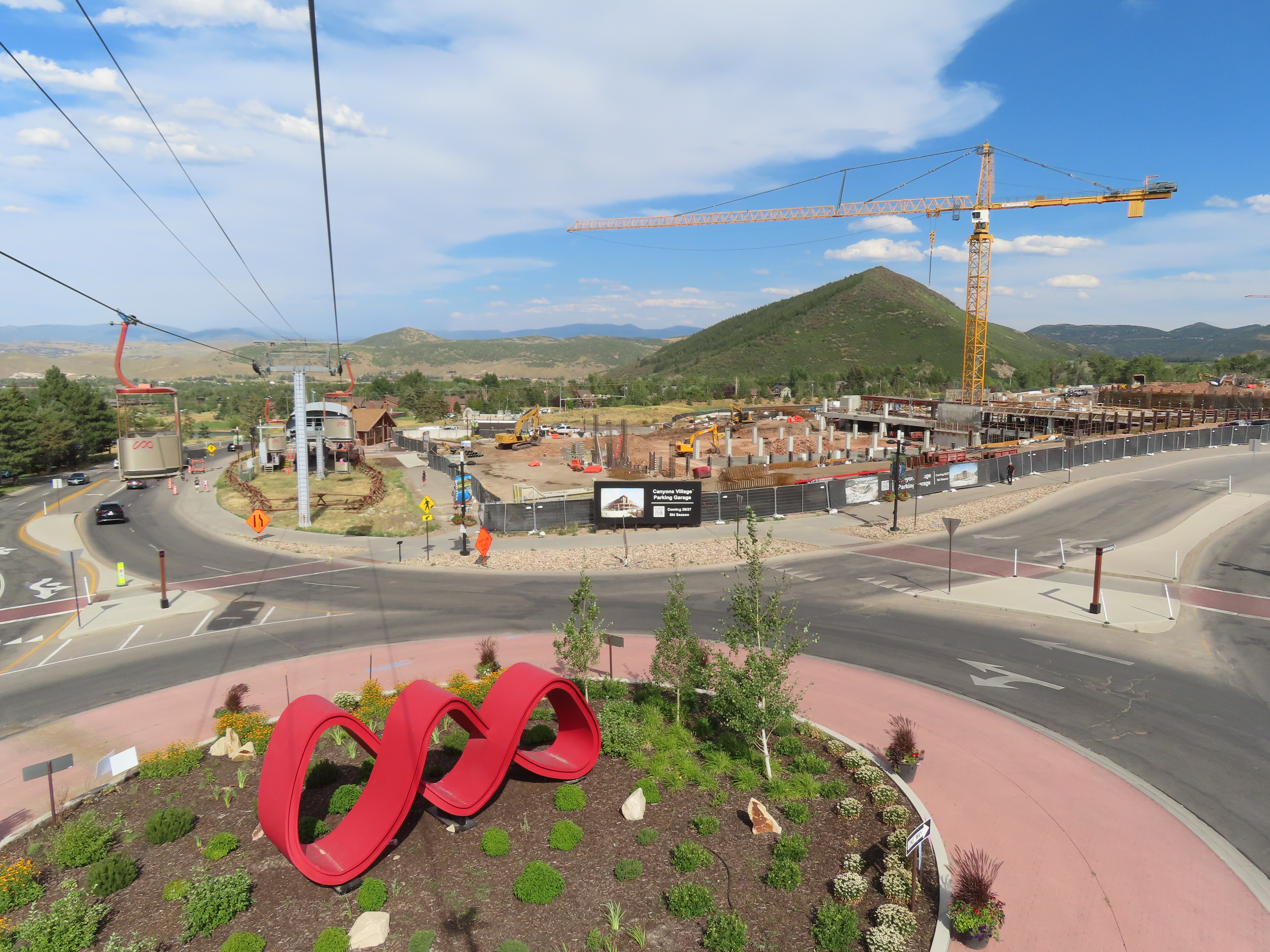
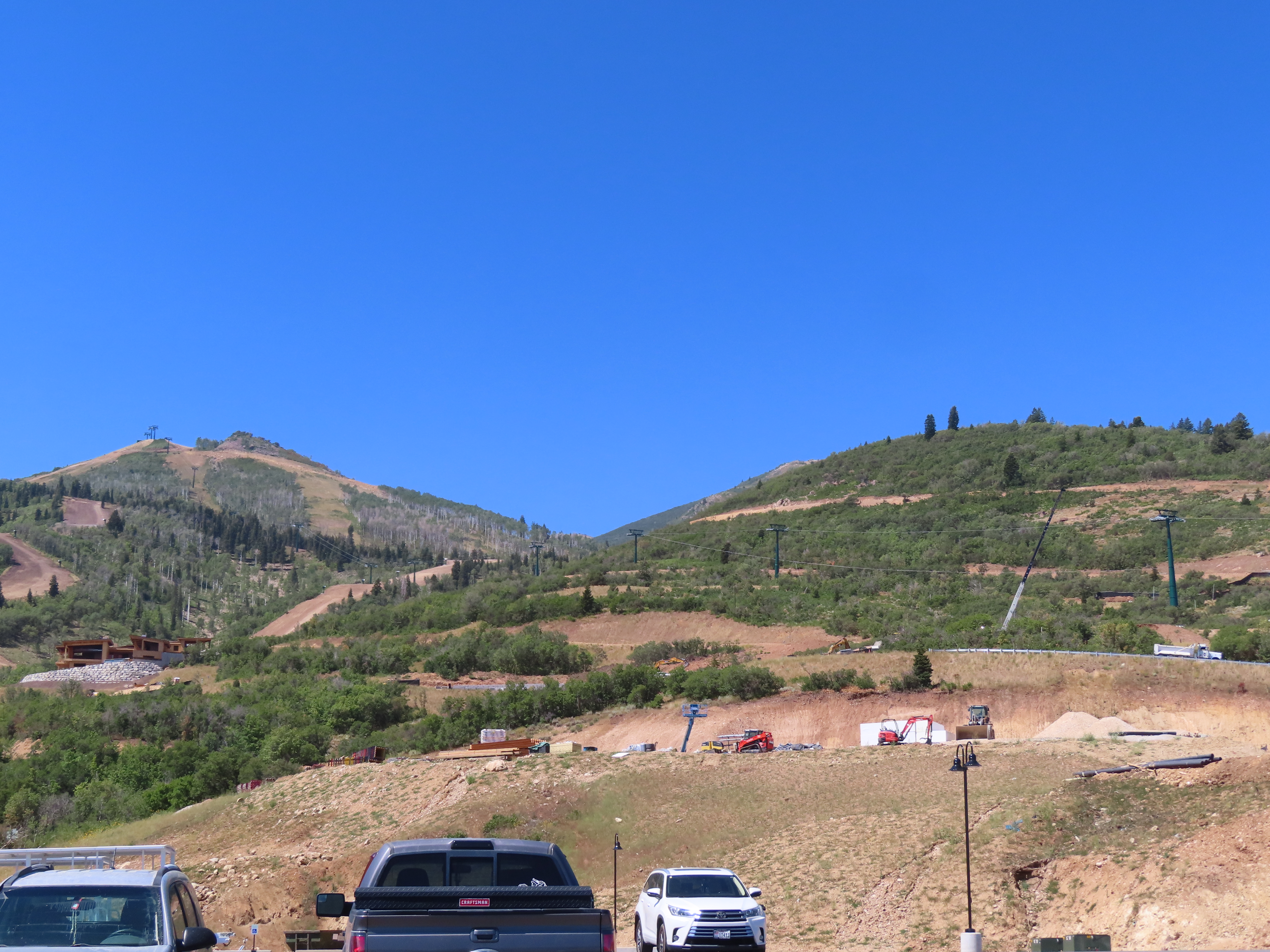
Deer Valley notes 1,200 day skier parking spots will be ready this season in the East Village, up from 500 last winter. A permanent skier services building won’t be but guests can ride a tram to temporary facilities by the gondola (the ride will be shorter than last winter’s to Keetley.) For destination visitors, the Grand Hyatt Deer Valley is already open with a Four Seasons and Canopy by Hilton under construction.
The Hail Peak Maintenance Facility includes a 10,000 gallon per minute pumphouse and space for vehicle maintenance with three cat bays. A 10 million gallon storage pond is being excavated near Park Peak, fed from the Jordanelle Reservoir below. The snowmaking system will include central air lines, meaning no onboard compressors needed for 150 TechnoAlpin fan guns. The vast majority of the system’s 1,100 HKD stick guns will be fully automated.
This season won’t mark the end for Alterra and Extell’s construction teams. Deer Valley recently announced an additional UNI-G detachable quad to open for 2026-27 on Hail Peak, serving seven runs and providing direct lift access from the day skier parking lot. Even once that lift is completed, guests needing rentals or lessons can opt for a tram ride through a new tunnel to the village. There will be escalators.
Park Peak terrain seen during the 2024-25 season.
Several additional lifts remain in the master plan with no set timelines for construction. Possible future projects include a quad on the backside of Bald Mountain, a longer Crown Point lift starting below Keetley Point and a lapable six pack on Big Dutch Peak. Beyond lies South Peak, an expert’s paradise with two possible chairlift alignments. Resort leaders are taking a wait and see approach, watching how skiers flow the next few seasons. With nearly 100 new trails this winter, it’s going to be awhile before Deer Valley needs more terrain.
Thanks to Lift Blog reader and pilot Auston C. for flying me over the expansion and to the Deer Valley team for hosting me.













 Lift Blog