
Every Tuesday, we pick our favorite Instagram photos from around the lift world.
Month: September 2016
Big Sky Flies Towers for America’s Most High-Tech Chairlift


The new bowl lift will dramatically improve upon the old Lone Peak Triple, cutting a 6.2 minute ride to just three minutes. The triple chair opened in 1973 and was among two remaining lifts from the Chet Huntley era. Challenger and Lone Peak are the first all-new lifts built at Big Sky since 2005 and hopefully the first of many upgrades and additions. Capacity in the bowl will remain the same at first – 1,800 skiers per hour – with the ability to upgrade the six-pack to 3,200 pph in the future. Thirty-three six-place chairs running 985 feet per minute will move the same number of skiers as the old lift did with 122 triple chairs! The bowl lift is designed for 26 chairs to be added as needed for an eventual total of 59.
Bartholet Completes Zero Gauge Tramway in France
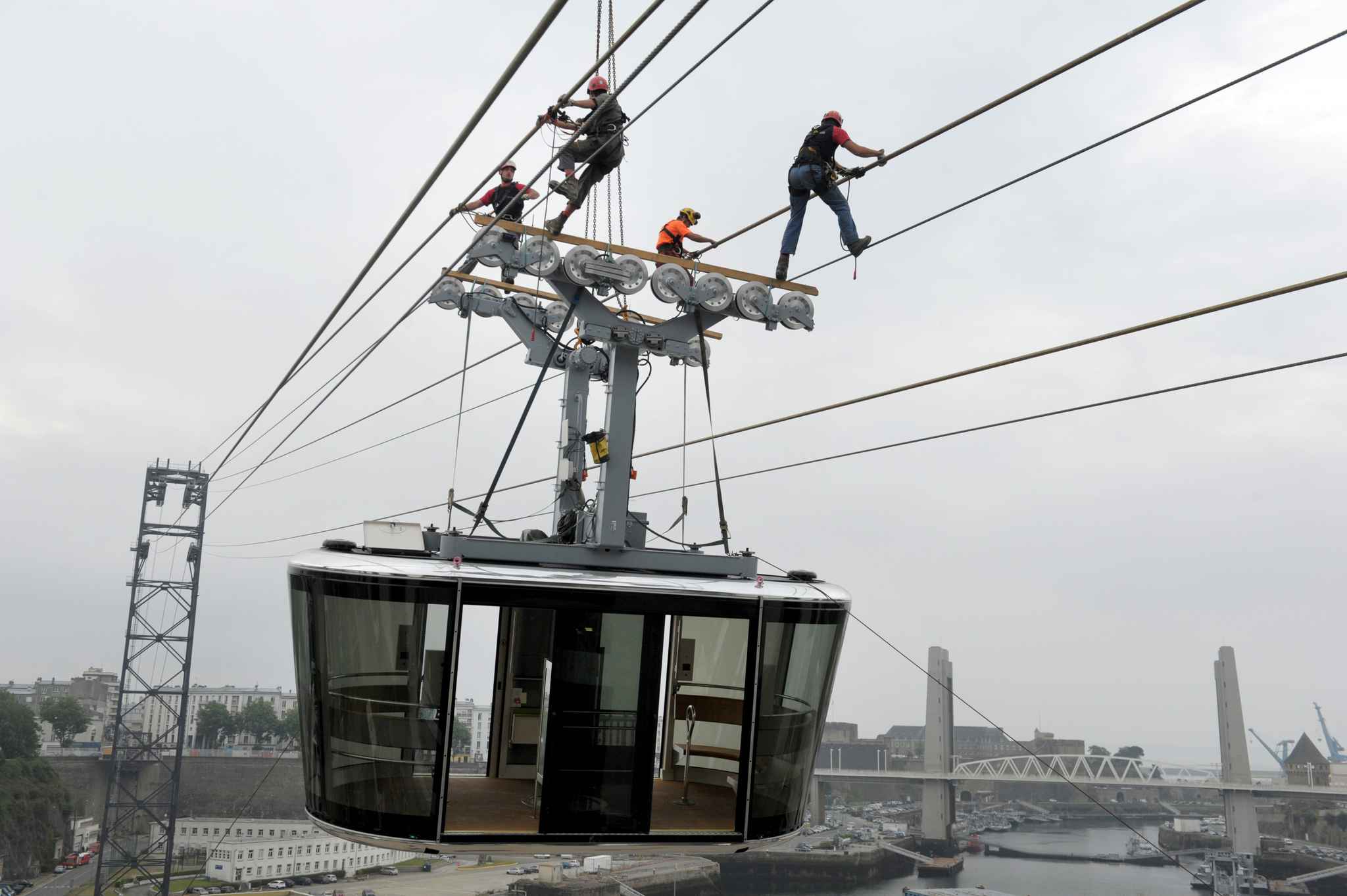
What if you could squeeze a large double-reversible tramway into the footprint of a much smaller single-haul system? The city of Brest, France and Bartholet of Switzerland will open such a tram in October. Because its two cabins are never on the same half of the line at the same time, the Téléphérique de Brest has only one dock at each end and cabins pass directly on top of one another near a 270-foot tall center tower. Other lifts have been built with zero-gauge sections before (notably in Caribbean rainforests) but never on this scale or for their entire length. The new ropeway is also France’s first lift in a true urban environment.
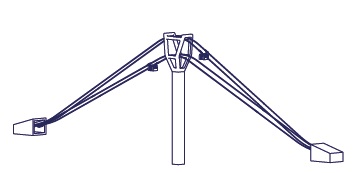
Facing a need connect two points high over The Penfeld river in this Navy port, the City of Brest selected a ropeway instead of a massive bridge or expensive tunnel. The government held a design competition in 2014 and selected the Swiss firm Bartholet Maschinenbau Flums (BMF) together with the French construction conglomerate Bouygues. Fellow BMF Group subsidiary Gangloff supplied two ultramodern 60-passenger cabins. The project cost €19 million versus an estimated €30 to 60 for a new bridge. BMF also recently built two double-reversible tramways in Mexico.
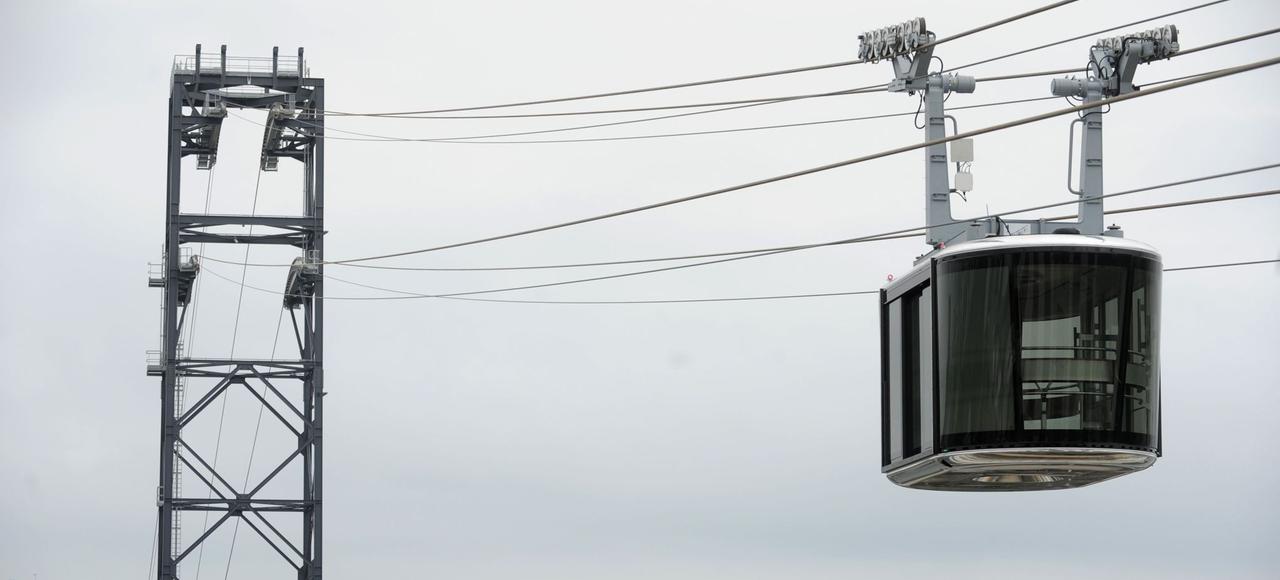
The system has four track ropes, two haul rope loops and four drive motors. The cabins are hung like those on a funitel and can operate in winds up to 70 miles per hour. Each loop is driven by two 135 horsepower motors but if one fails the loops can be mechanically connected and run using the remaining three motors to ensure near 100 percent uptime. The slope length of the tramway is a short 1,352 feet with a line speed of 7.5 m/s. The system will transport up to 1,220 commuters per hour in each direction starting in October. Check out videos of system testing here.
Sweetwater Gondola September Update from Jackson Hole
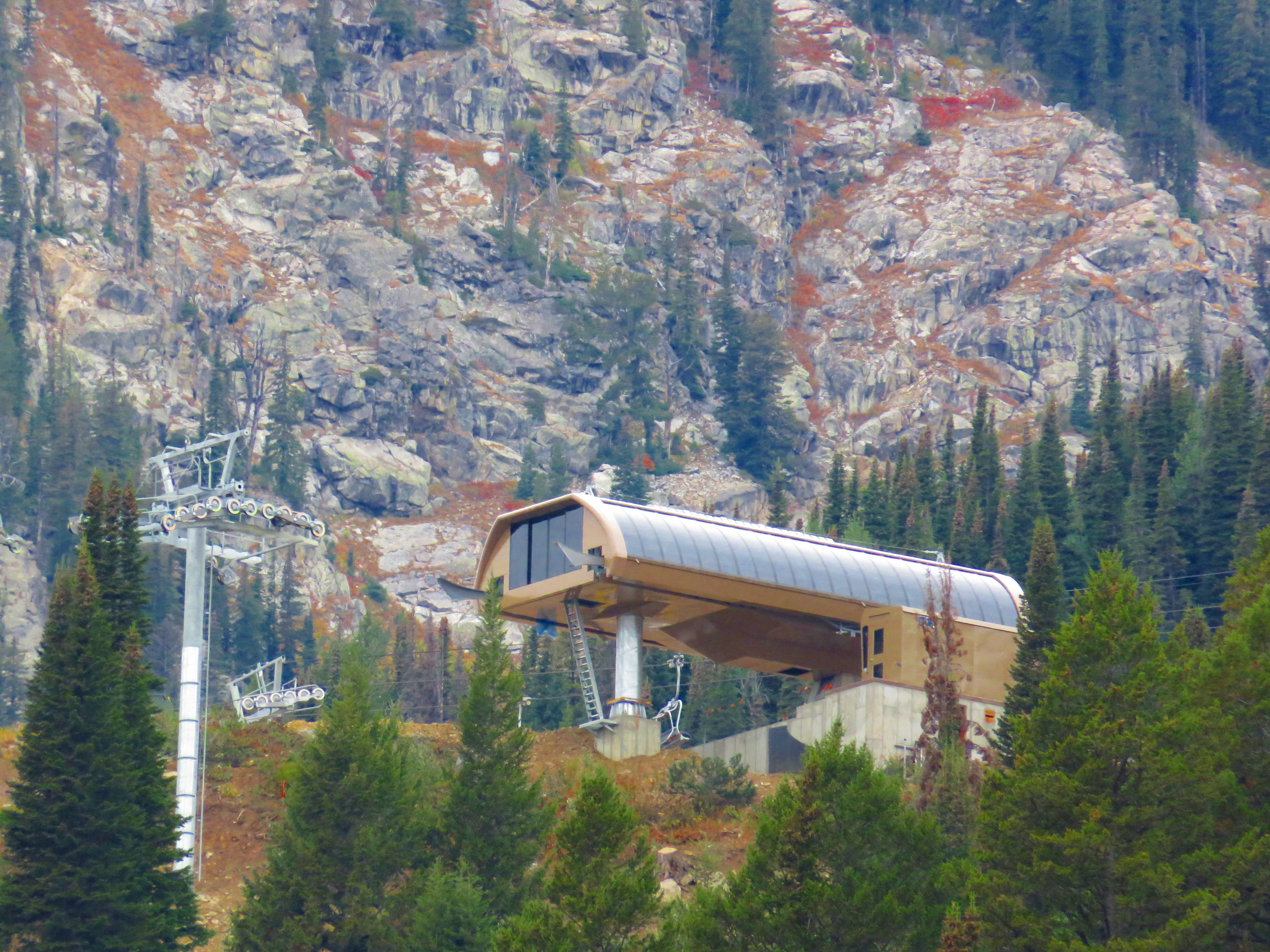
Jackson Hole Mountain Resort opens for skiing 76 days from today and the new Sweetwater Gondola will open for business in mid-December. Since my last update, the Doppelmayr crew finished the enclosure at the bottom terminal and erected the entire drive station up top. Doppelmayr custom-designed the lower station skin in Austria for JHMR with a round end to mimic the shape of Teewinot and Bridger. After some initial skepticism, the consensus around here is it looks awesome and we will have to see if Doppelmayr offers the design to anyone else going forward. The UNI-G is Doppelmayr’s standard detachable terminal worldwide but the new, boxier D-Line will be offered as an option in North America beginning next year.


The drive platform was hauled up the hill in the back of a dump truck and includes an electric motor along with CAT auxiliary and evacuation drives. Operator houses for the mid-station and summit arrived from Salt Lake last week along with the haul rope from France. 48 cabins from CWA will follow next week to meet their hangers and grips which are already here. Doppelmayr’s supply chain is fascinating – Sweetwater includes key components built in the USA, Canada, Austria, France, Germany and Switzerland.
News Roundup: Champagne
- Doppelmayr is reportedly working on a concept 3S gondola that can switch between being cable-driven and self-propelled along elevated guideways.
- The Mexican coastal town of Manzanillo plans to build a sightseeing gondola in 2017.
- Videos of child falling from a six-pack in New Zealand make the rounds.
- Transport for London wants to serve champagne to riders aboard the Emirates Air Line.
- Newly-named Arthur’s Seat Eagle unveils innovative gondola cabins with removable windows.
- Les Otten talks about what he hopes will become the largest ski resort in the Northeast.
- The Green Peak expansion is progressing rapidly at Waterville Valley.
- A new, longer Sunrise lift from Park City’s Canyons Village will likely be built next summer.
- The Rio Grande National Forest seeks public comments on the Meadow lift at Wolf Creek, also likely to go in next summer.
- A progress report from Suicide Six where Leitner-Poma is building a new quad chair.
- More than 32,000 people submitted comments to the Navajo Nation last week regarding the proposed Grand Canyon Escalade.
- Sweetwater Gondola is on schedule at JHMR.
Instagram Tuesday: Doing Work
Every Tuesday, we pick our favorite Instagram photos from around the lift world.
New Owner Plans to Reopen Stagecoach, Colorado in 2017
If Don McClean gets his way, Steamboat Springs will have a third ski area again in a little over a year at the site of the largest ski resort failure in American history. His company, Stagecoach Communities LLC, is under contract to buy the Stagecoach property by October and plans to rebuild the ski area that opened in 1972 and closed less than two years later. Mr. McClean has 38 years of ski industry experience working at Alyeska, Telluride, Beaver Creek and Vail. “Our intention is to create a blueprint for responsible mountain development,” he told the Routt County Planning Commission. Investors include Bode Miller and others from the Vail Valley and Steamboat Springs. Two new Doppelmayr quad chairs are planned for next summer.
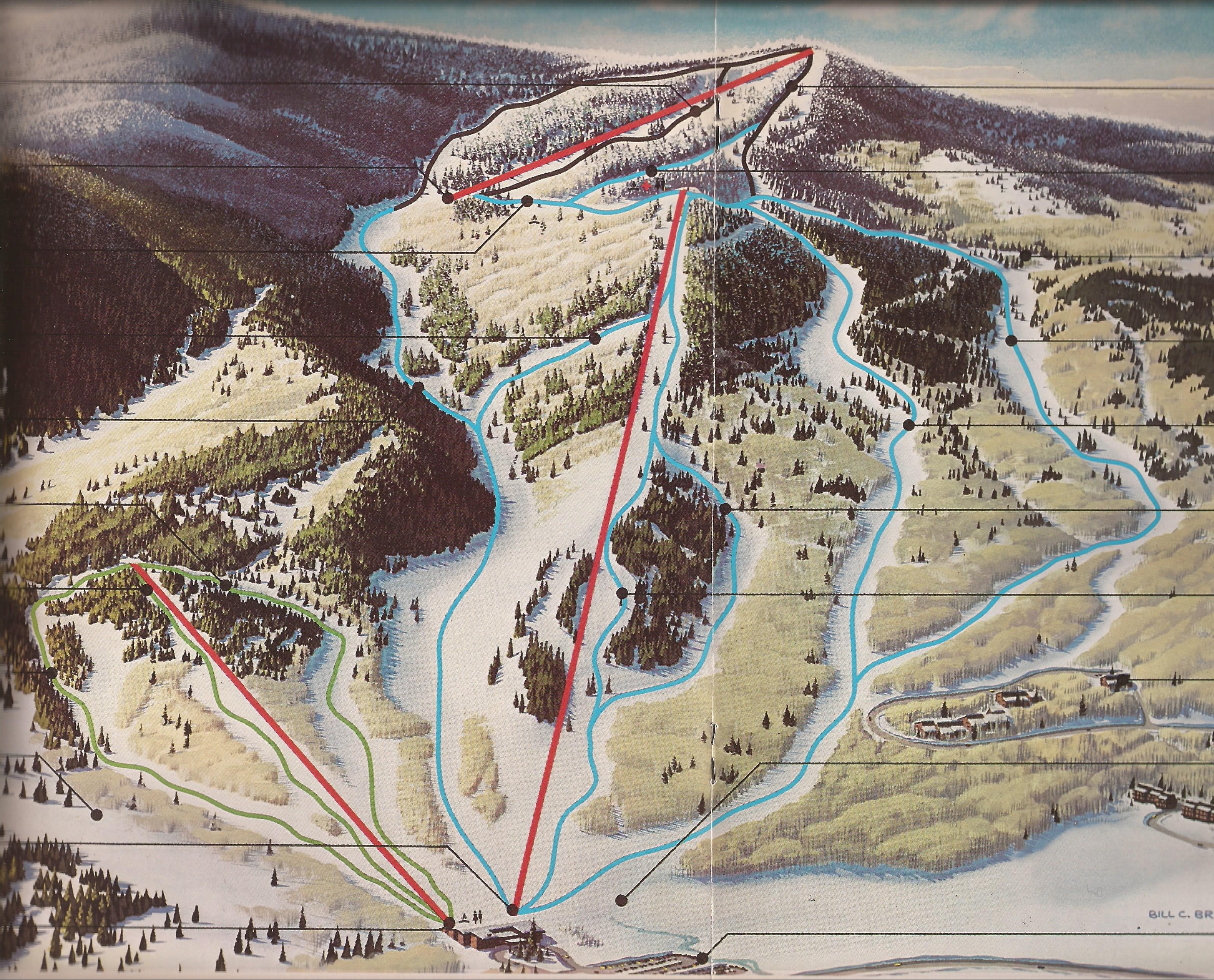
The old Stagecoach opened with three Heron-Poma double chairs in December 1972. It closed in March 1974 when its creditor abruptly pulled financing. The main lift named Big Hitch was relocated to Granby Ranch in 1988 before being moved again to Winter Park and eventually replaced by the Panoramic Express in 2007. Two other chairlifts, Little Hitch and Yellow Jacket Express, remain standing on the site and will be removed. A new high speed quad will replace Big Hitch in a similar alignment and a fixed-grip quad will reach the summit along the former Yellow Jacket Express route.
Mr. McClean surprised the County Planning Commission Thursday with plans to build temporary base facilities along with a high speed quad and fixed-grip quad on the 3,500-acre property that lies 18 miles south of Steamboat. He addresses the Commission starting at 99:45 of the Sept. 1st meeting which can be heard here. McClean noted, “[Stagecoach] will be a ski area built by skiers for skiers and riders.” Doppelmayr has already visited the site and bid the two lifts that will serve 2,200 vertical feet. The existing landowner, the Wittemyer Family, is working on the ski trails and mountain roads this fall. “It’s ready to go.” McClean said.
County Schedules October Auction of Tamarack High Speed Quads
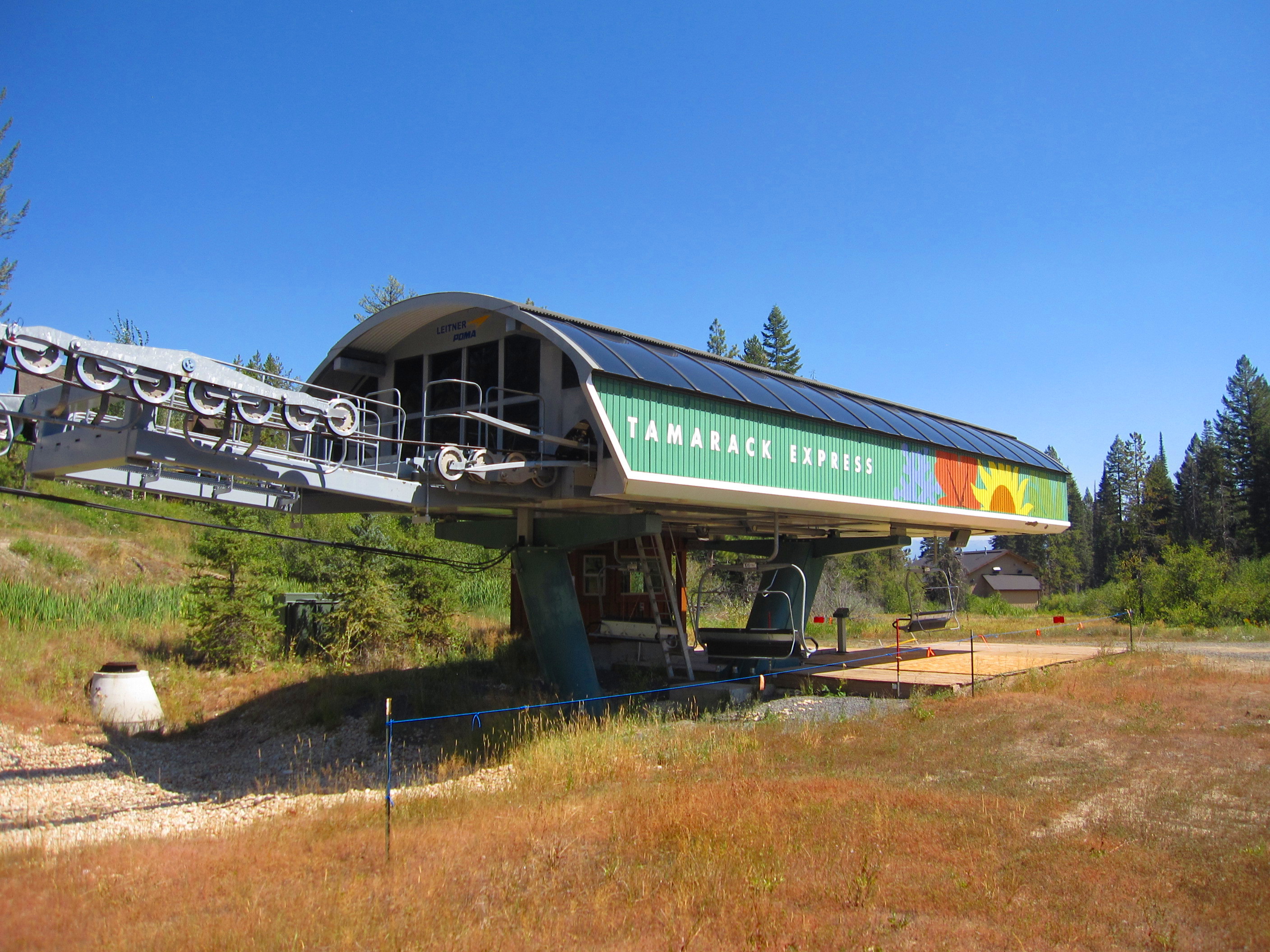
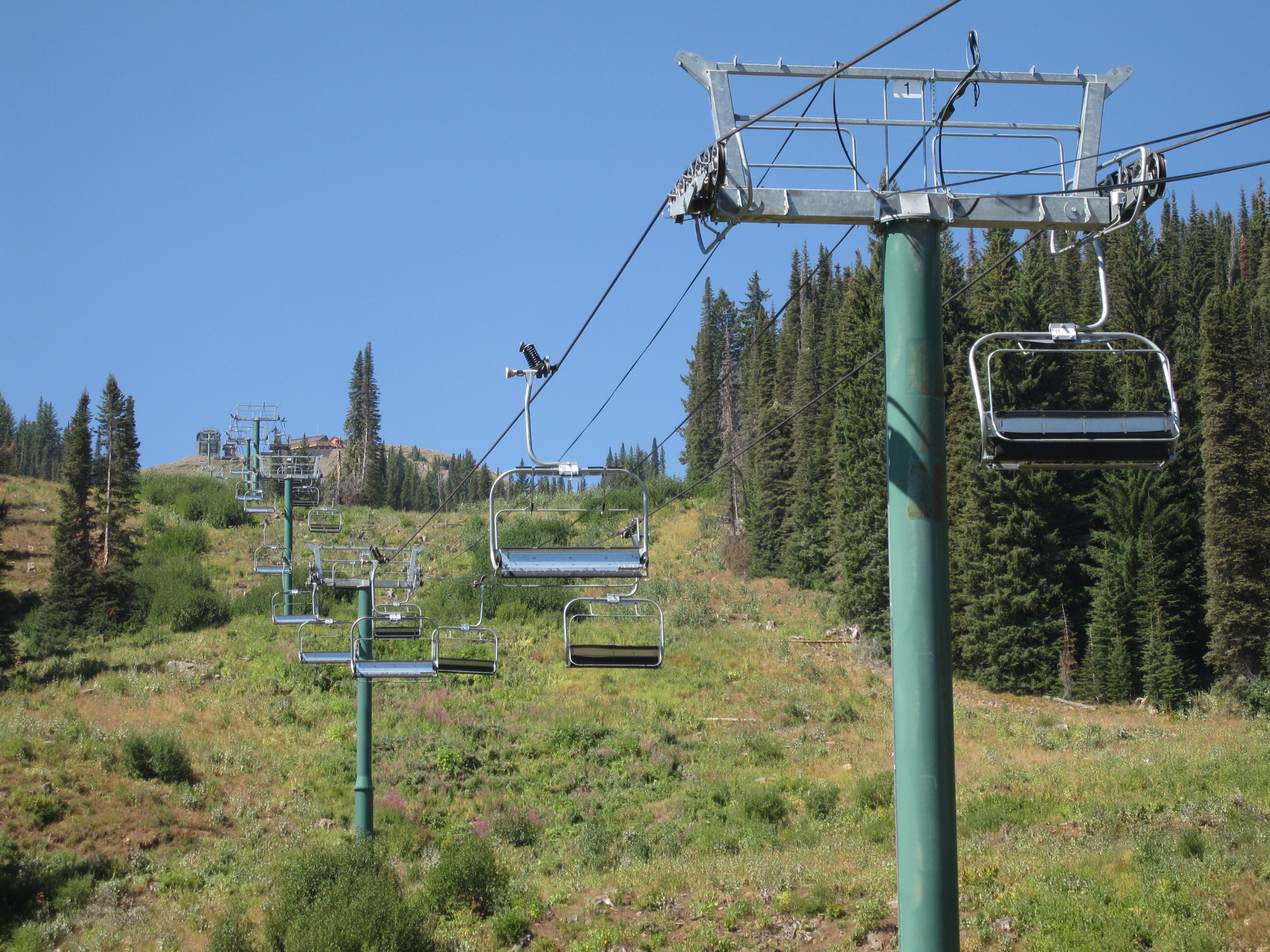

The sale is scheduled for Monday, October 17th at 1:00 pm with no reserves for the items. The two lifts cost nearly $6 million new from Leitner-Poma in 2004.
Grand Canyon Escalade Debate Heats Up
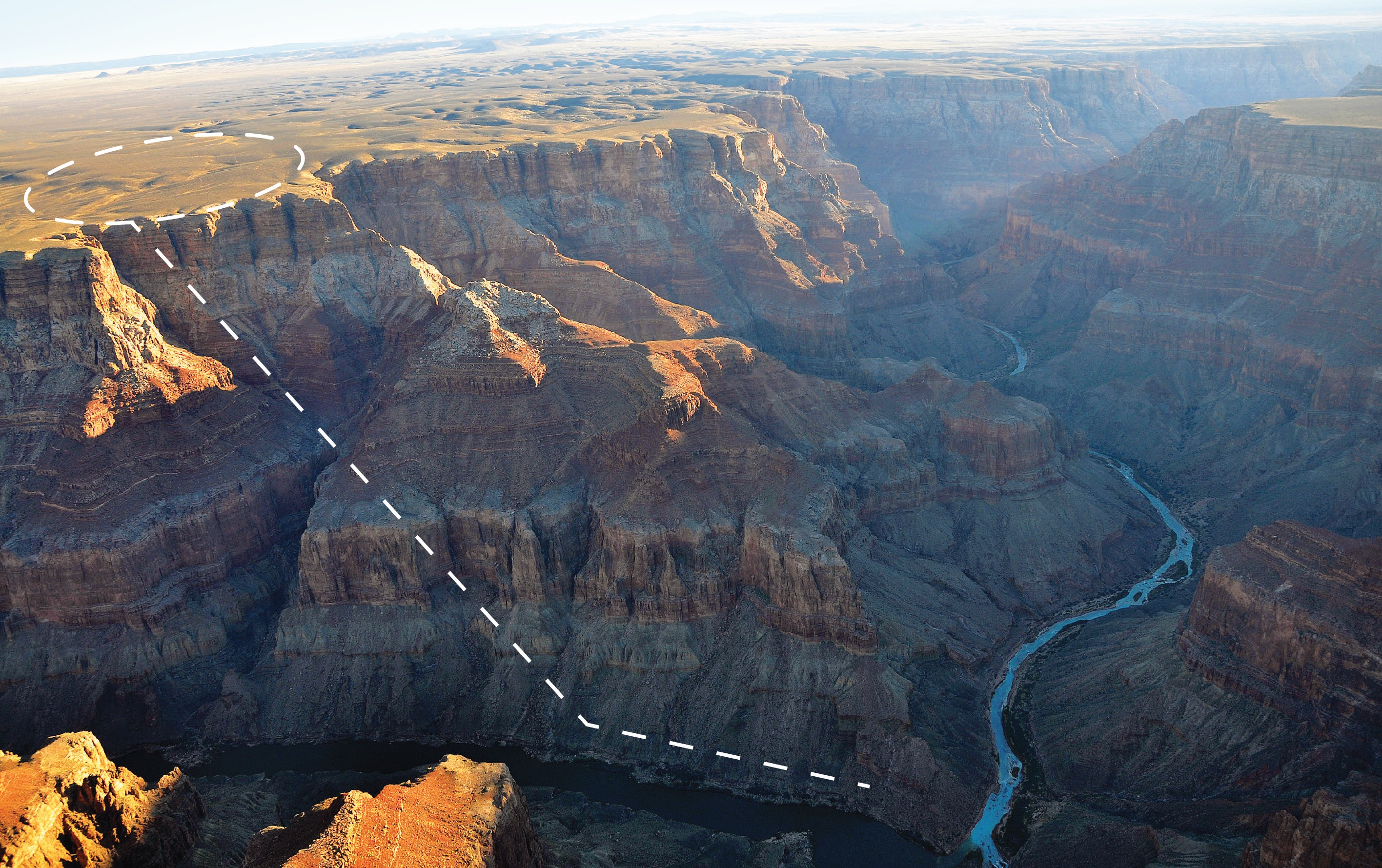
This week could prove pivotal in the fight over the future of the Grand Canyon and the proposed gondola adjacent to one of America’s most treasured National Parks. On Monday, a member of the Navajo Nation formally submitted legislation to authorize $65 million for construction of a road to the site and infrastructure for the Escalade near the confluence of the Colorado and Little Colorado Rivers. Confluence Partners LLC, a non-Navajo corporation based in Scottsdale, proposes a 1.4 mile gondola and related facilities to be located entirely on Navajo land but within a quarter mile of Grand Canyon National Park, a UNESCO World Heritage Site.
The Escalade idea is nothing new. Confluence Partners has wanted to build a gondola from the canyon rim to the bank of the Colorado for years. Under the proposed arrangement, the company will give the tribe between 8 and 18 percent of the Escalade’s revenue depending on ridership. In addition to the gondola, the Escalade site plan includes a hotel, elevated river walk, amphitheater, restaurants and a gift shop. Most of the 420-acre development would be on the canyon rim with the gondola connecting to a smaller complex 3,000 feet below along the Colorado. The gondola could carry up to 10,000 passengers per day to the bottom of the canyon that today can only be reached by foot, boat, mule or helicopter. Confluence Partners says it will create 3,500 jobs on a reservation that suffers from 44 percent unemployment. The jobs number sounds extremely optimistic to me.
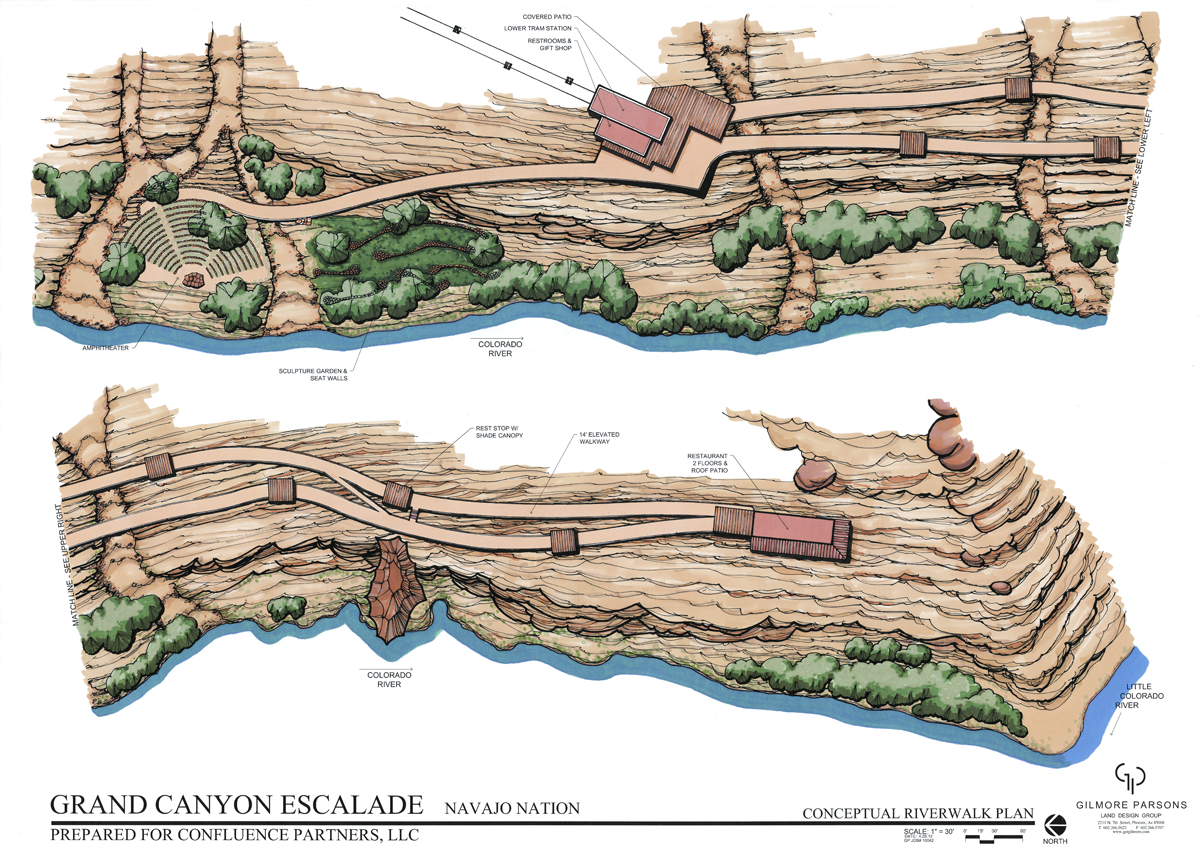
Under Navajo Nation law, a five-day public comment period lasts through Saturday and then the 23 members of the Navajo Council will vote on the bill. For comparison, public comment periods for ski area master plans in National Forests last 30 days. The President of the Nation has vowed to veto the Escalade bill but that could be over-ridden by a two-thirds majority, creating a mad dash by groups on both sides attempting to sway undecided members of the council.
The Grand Canyon Trust, American Rivers, Save the Confluence and others are circulating petitions this week and soliciting public comments to send to the tribe. There’s no question the gondola is technically feasible and would provide a unique experience. Whether such a development is appropriate for this particular location is an entirely different question. You can tell the Navajo Nation what you think by emailing comments@navajo-nsn.gov by 5:00 pm Saturday, September 3rd.
A Throwback to 1955 at the Estes Park Tramway
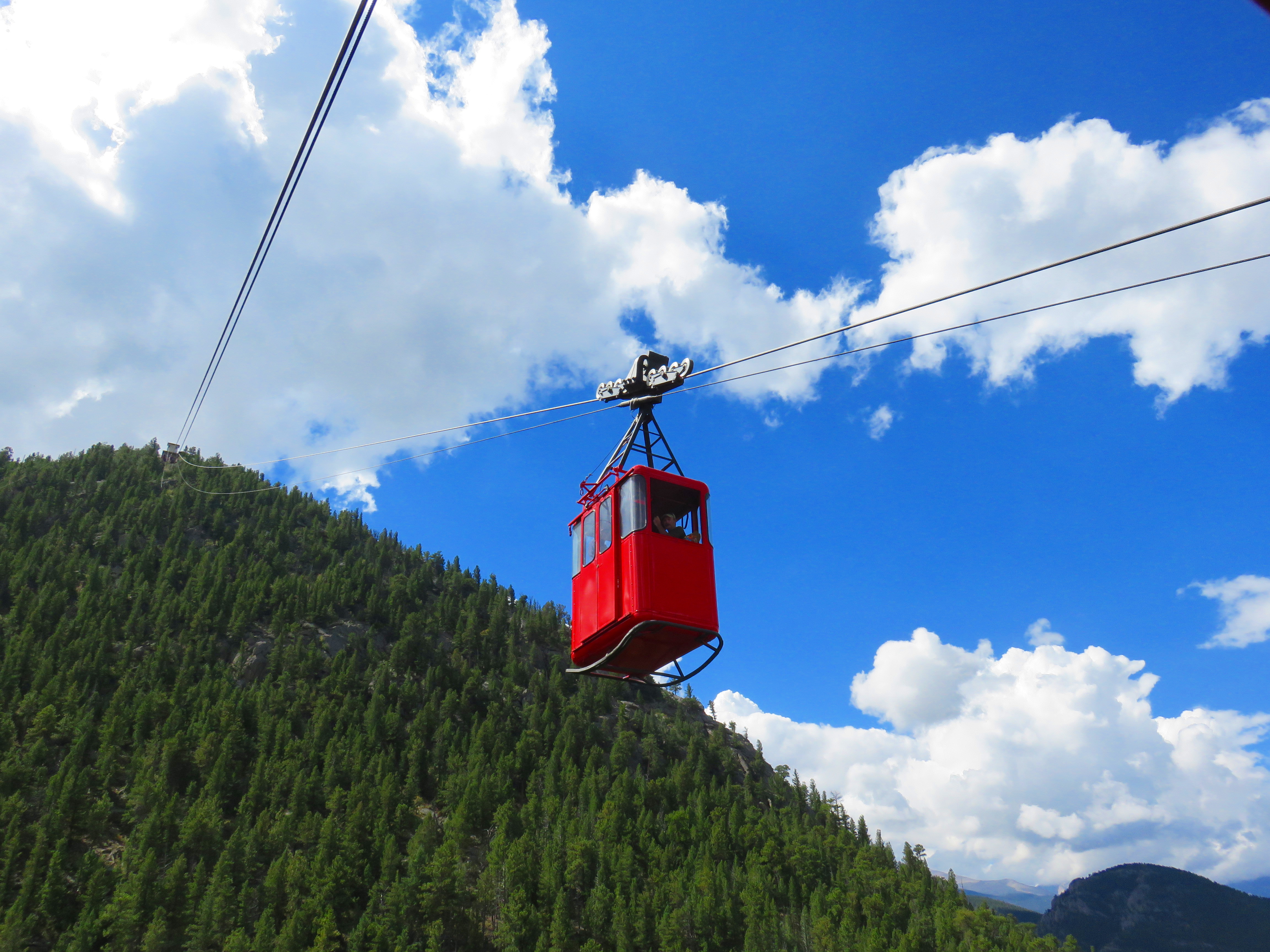
A National Park away from Colorado’s flashy chondolas, six-packs and cabriolets lies one of the world’s oldest operating tramways that is also one of the coolest. A ride on the Estes Park Aerial Tramway takes you back to August 1955 when Robert Heron opened America’s first scenic tramway on the edge of Rocky Mountain National Park. The Heron Family still owns the operation which stands much the same as it did 61 years ago. The tram whisks eight tourists at a time up Prospect Mountain from Memorial Day through Labor Day for $12 apiece and shows no signs of modernizing any time soon. General Manager Steve Barker leads a team of dedicated mechanics, operators, attendants and support staff who return to the tram year after year.
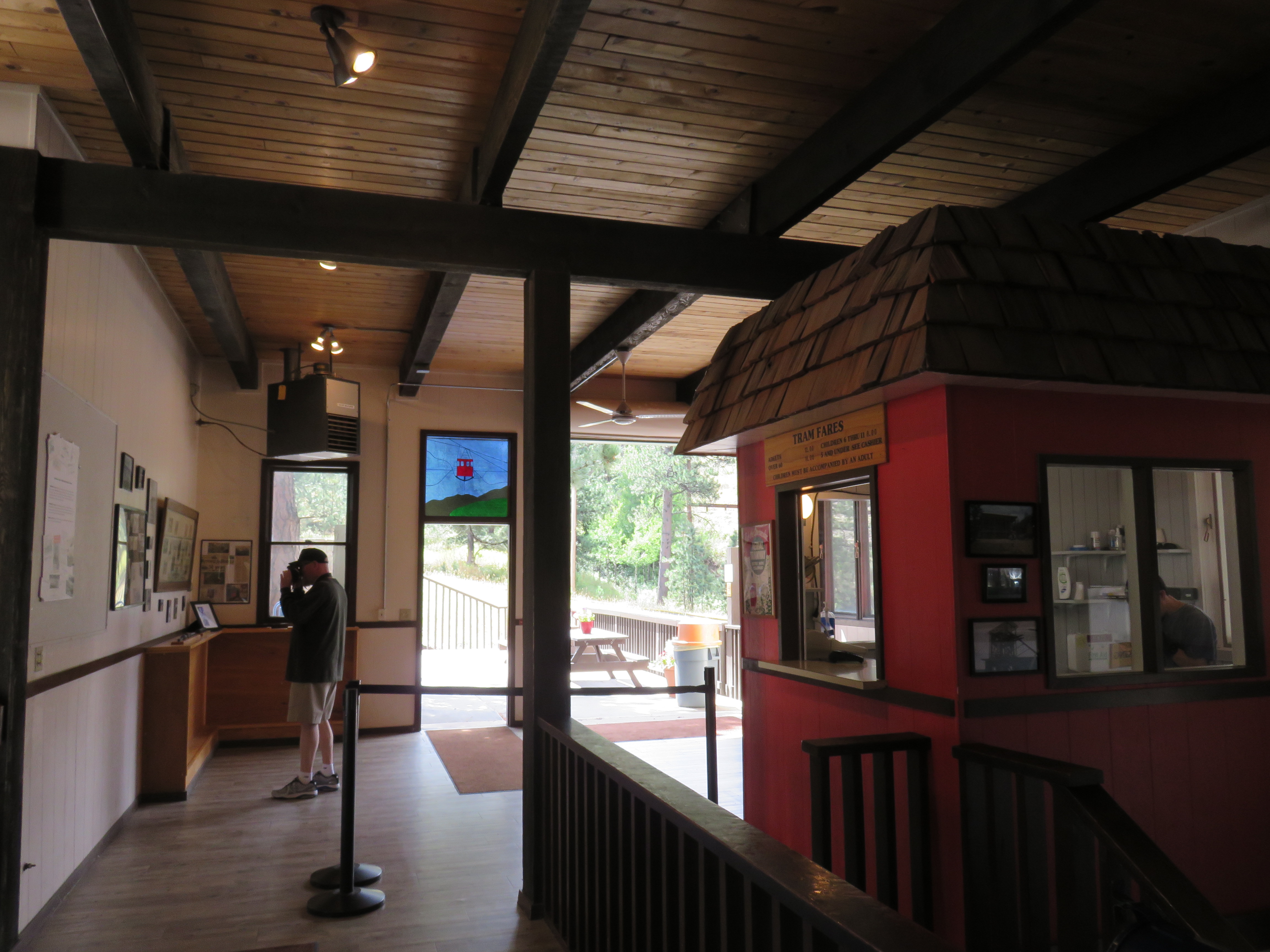
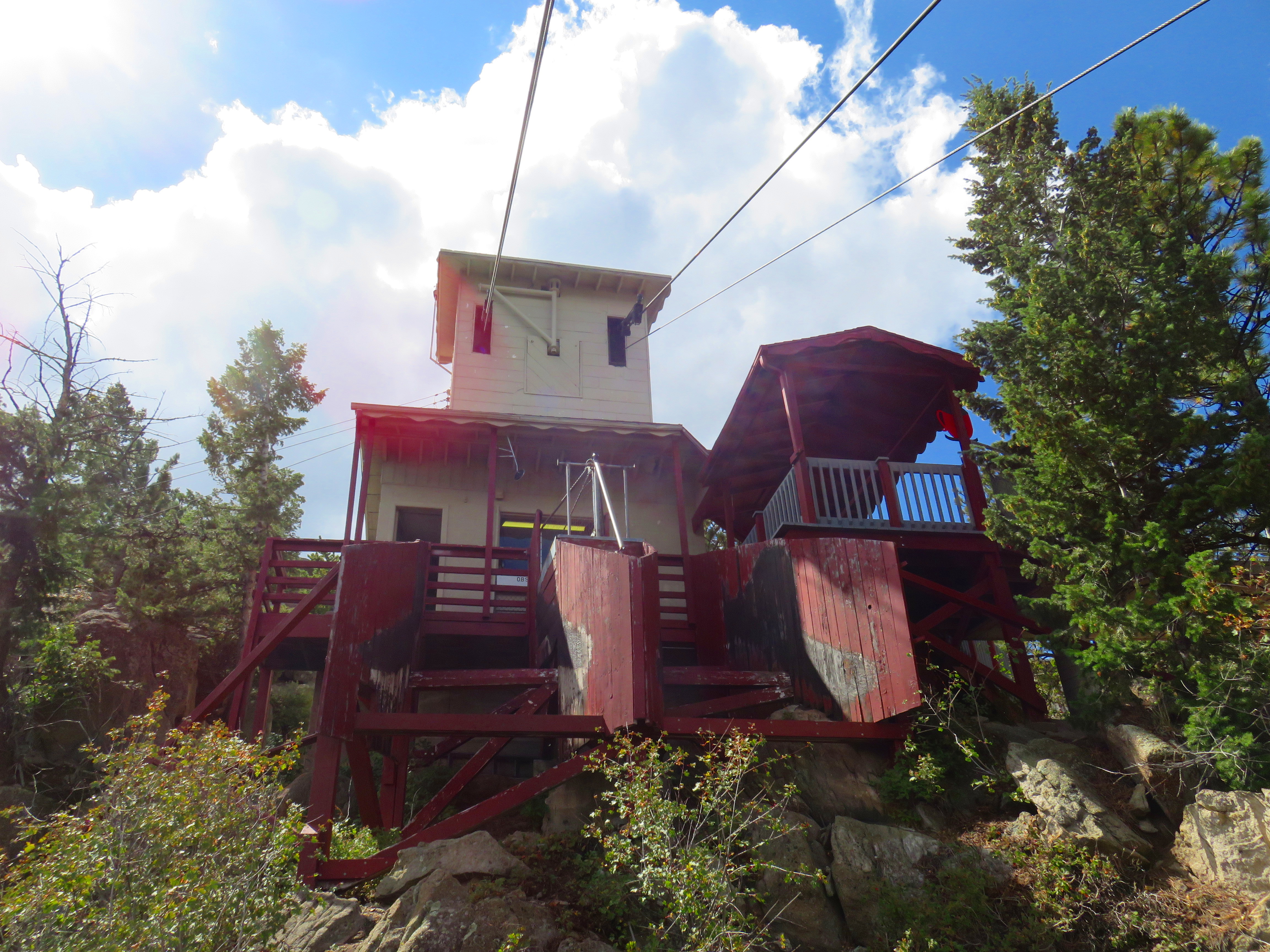
The Estes Park Tramway ascends Prospect Mountain’s 1,060 feet in one free span, reaching 200 feet in the air at times. Two cherry red cars manufactured at a shipyard in 1955 were designed for 12 passengers but now hold up to eight modern Americans. A brisk trip at 1,400 feet per minute lasts two minutes and twenty seconds yielding a capacity of 280 passengers per hour in each direction. At the top, guests are treated to panoramic views of Estes Park Village, Rocky Mountain National Park and the surrounding mountain peaks.
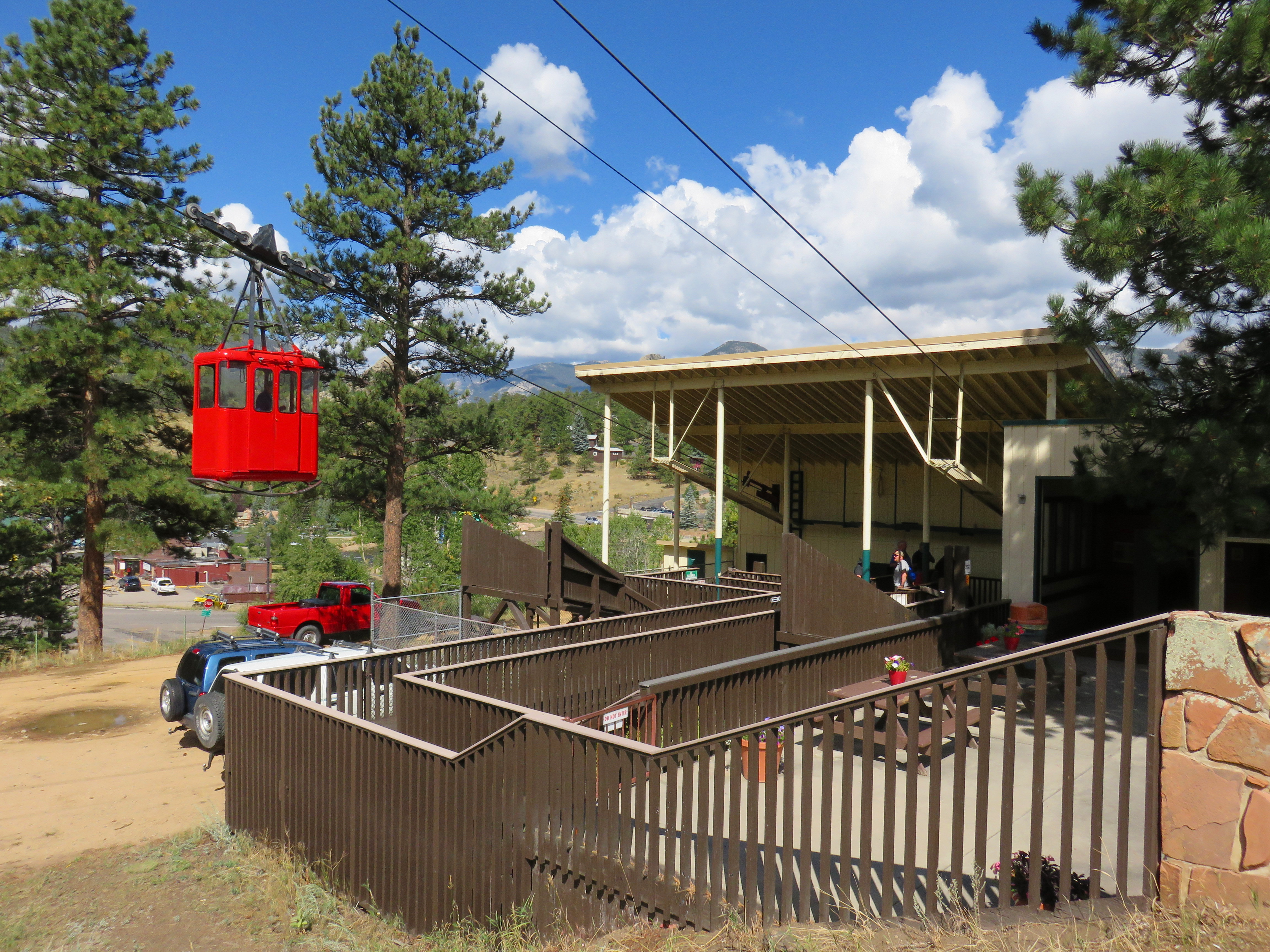
Robert Heron got his start in 1937 with Kennicott Copper designing material tramways after graduating from the Colorado School of Mines. Stearns Roger Manufacturing later hired him to design portable tramways for use by the 10th Mountain Division during World War II. After testing at Fort Hale, Mr. Heron’s design debuted in Italy at the Battle of Riva Ridge carrying food, ammunition and water up and American casualties down a 1,500 foot mountainside. In 1945, Robert and his brother Webb founded Heron Engineering which built its first lift – a single chair – at Aspen Mountain. The Heron brothers went on to build the world’s first double, triple and quad chairs at Berthoud Pass and Boyne Mountain. Heron merged with Poma in 1970 and the rest is history. Robert Heron was inducted into the Colorado Ski Hall of Fame in 1985 and passed away in 1999 but his legacy lives on at Estes Park and the 33 other sites that still operate his lifts.
 Lift Blog