
Every Tuesday, we pick our favorite Instagram photos from around the lift world.
New England Gets a Lift: Suicide Six to Build New Quad Chair
Vermont’s Woodstock Inn & Resort unveiled plans Thursday for a new quad chairlift at its Suicide Six Ski Area. Normally this wouldn’t be a big deal, but it marks the first (and possibly only) major lift project in the Northeast United States for 2016. Over the last ten seasons, Northeastern ski resorts have built an average of ten new lifts each year, testament to this year’s huge departure from normal in the wake of a rough winter.
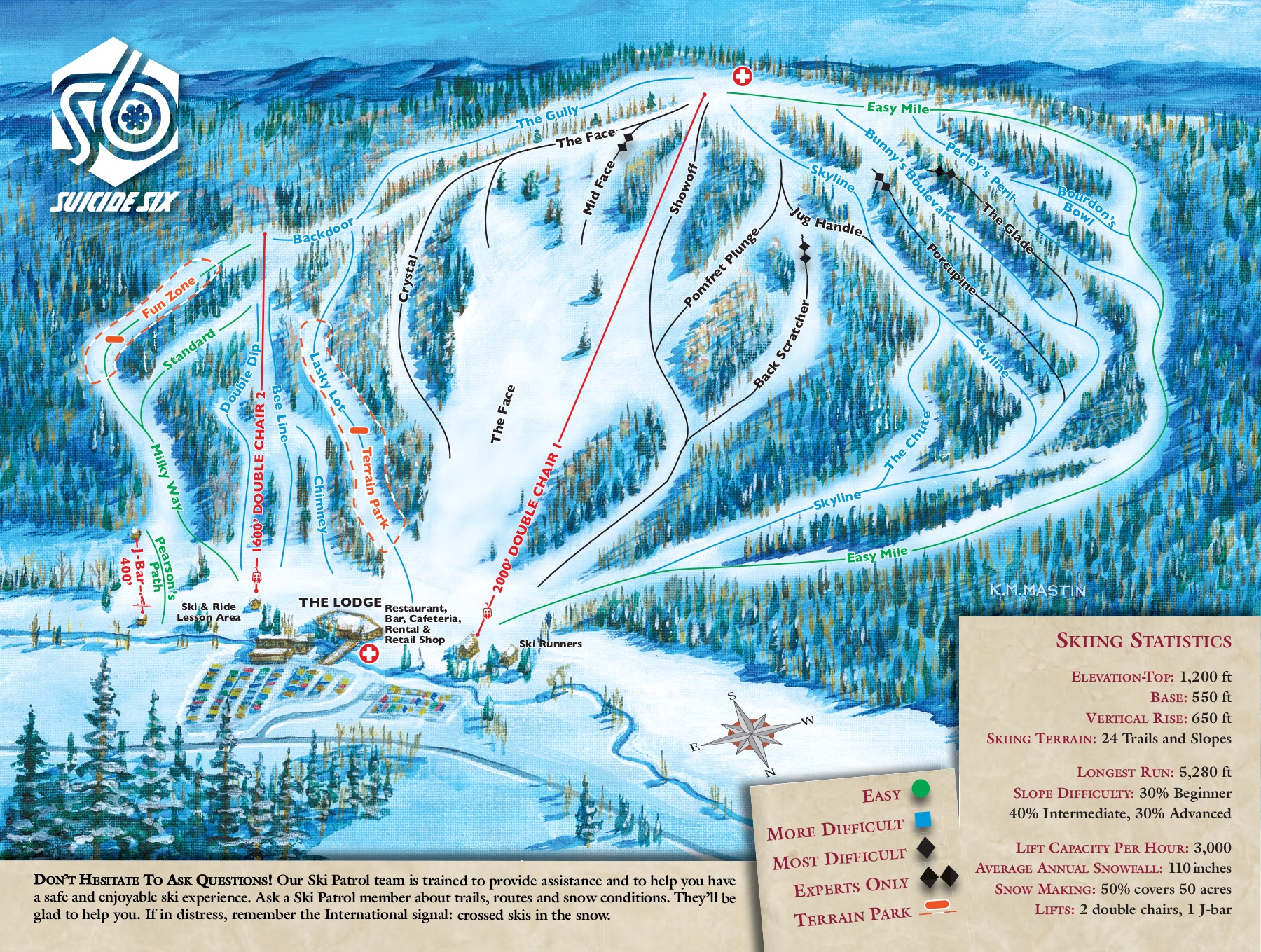
The new Lift #1 will replace a 1975 Borvig double and be built by Leitner-Poma of America. The Laurance S. Rockefeller Fund will foot the bill for the $1.5 million project. The Rockefeller Family’s RockResorts once owned Suicide Six and the Woodstock Inn and spun them off as the nonprofit Woodstock Foundation in the 1980s. Vail Resorts bought RockResorts in 2001.
The 2000′ Borvig double chair being replaced closed in February after the ski area found tower cracks following the Timberline, WV crossarm failure. Although the two lifts’ towers were of different design, the State of Vermont ordered inspections of all Borvig-brand lifts. The new quad will be Suicide Six’s first new lift since Poma built the 1,600′ chairlift way back in 1978. The mountain first opened for skiing in 1936 and currently has two double chairs, a J-Bar and 24 trails.
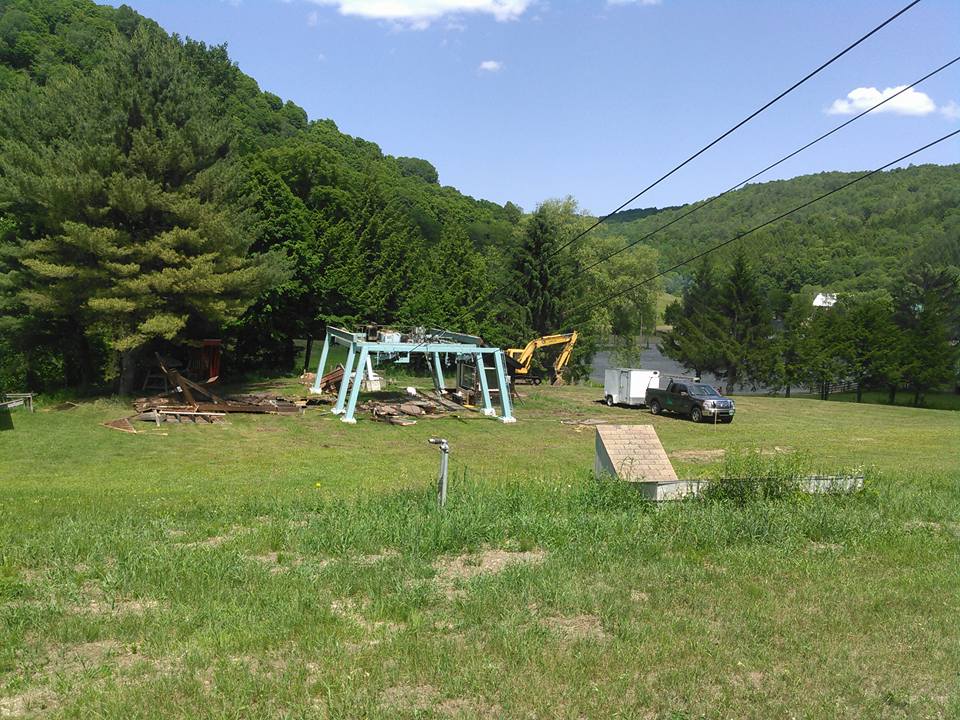
Woodstock President and General Manager Gary Thulander said in a news release, “We recognized the need to upgrade this chairlift as part of the long-term support of the regional ski community including local schools, season pass holders, the Woodstock Ski Runners program, and visiting skiers. Increased chair capacity means a dramatic upgrade to the overall experience of the mountain by all levels of skiers, racers and snowboarders.” Removal of the old chair is already underway.
This is Leitner-Poma’s eighth new lift project for 2016, up from seven last year. With this news from Suicide Six and other recent announcements, the total new lift count for North America stands at 39, up 11 percent from last summer’s 35.
Hauling Bikes: How Far We’ve Come
My first experience with lift-served mountain biking was at Sun Valley as a teenager. In those days I would happily hand off my cross-country mountain bike to lift operators and they would heave them onto hooks on the bails of every other chair. At the top, 2-3 operators would pull bikes off and wheel them to a nearby bike rack. This worked alright with mostly empty chairs, few bikers and even fewer trails. But this system required a ton of staff and could only carry a maximum of two bikes every two chairs – not very good for machines with capacity normally measured in thousands of riders per hour.
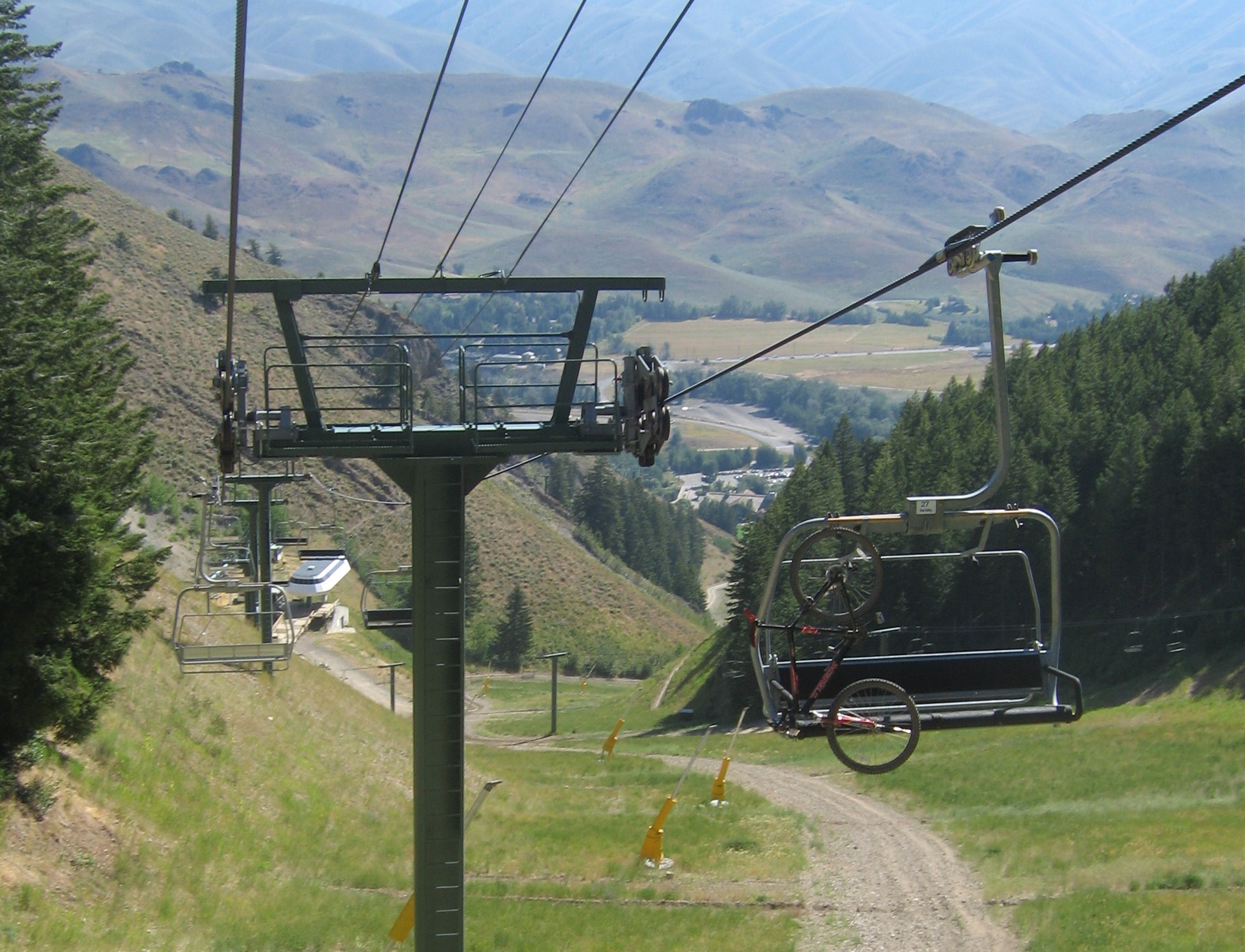
Whistler-Blackcomb changed everything in 1998 with the opening of the Whistler Mountain Bike Park. Its creators didn’t just build some trails but created an experience that thrills riders of all abilities with jumps, berms and bridges. Eighteen years later, the Whistler Mountain Bike Park is now larger than most North American ski resorts with two gondolas and three high speed quads accessing 73 trails and 5,000 vertical feet. The team behind the world’s best bike park now designs parks all over the world from Gravity Logic headquarters in Whistler. The Whistler Bike Park could never have succeeded without the invention of efficient, custom bike racks initially built for the Fitzsimmons Express. Whistler-Blackcomb partnered with Murray-Latta Machine Co., which long ago transformed from a ski lift builder to custom fabricator. The two companies set out to create the best bike racks for chairlifts.
The debut of roll-on, roll-off bike carriers was a huge leap forward. They allowed a single lift operator at the bottom terminal to focus on watching the lift and guests rather than lifting heavy mountain bikes onto hooks. Quick-load carriers can move 2-4 times as many bikes as hooks when installed on every other chair. They reduce damage to bikes that get more expensive every year while limiting the number of workers compensation claims by lift staff. After the jump, see a rundown of innovative bike carriers now available for chairlifts and gondolas.
News Roundup: Making Moves
- Sunshine Village will spin its gondola this summer for the first time in twenty years.
- ZGF Architects, the firm conducting the feasibility study for the Rosslyn Gondola in Washington, D.C. will hold a community open house on July 7th.
- The Jay Peak Tram re-opened last Saturday.
- More trouble from Vermont as the state pauses investment in the South Face Village EB-5 project adjacent to Okemo Mountain Resort. The developer completed one new chairlift last year while the future of another is uncertain.
- Waterville Valley’s World Cup triple is coming down in advance of a move to Green Peak.
- Doppelmayr confirms talks to build urban gondolas in the capital city of the Philippines.
- Caberfae Peaks shows how it’s done keeping guests informed during a seven-figure lift project.
Red Lodge Mountain Mixes Past and Present
Red Lodge Mountain, located near the famous town of the same name and the northeast corner of Yellowstone, is Montana’s fourth largest ski area. You wouldn’t know it pulling up to the classic lodge and old school lifts out front. Opened in 1960 as Grizzly Peak, it now skis like two distinct resorts – the original mountain with 1970s-era double chairs and a huge expansion served by dual high speed quads that opened in 1996. Approaching its 60th anniversary, the mountain faces dueling challenges of prolonged drought and competition from the booming Big Sky region.

Grizzly Peak opened with one lift, now called Willow Creek, in 1960. This classic Riblet double has since been shortened to start above the base area and only operates on peak days. In 1970, the resort added two more Riblet doubles that also still operate – a beginner lift dubbed Miami Beach and another to the summit called Grizzly Peak.
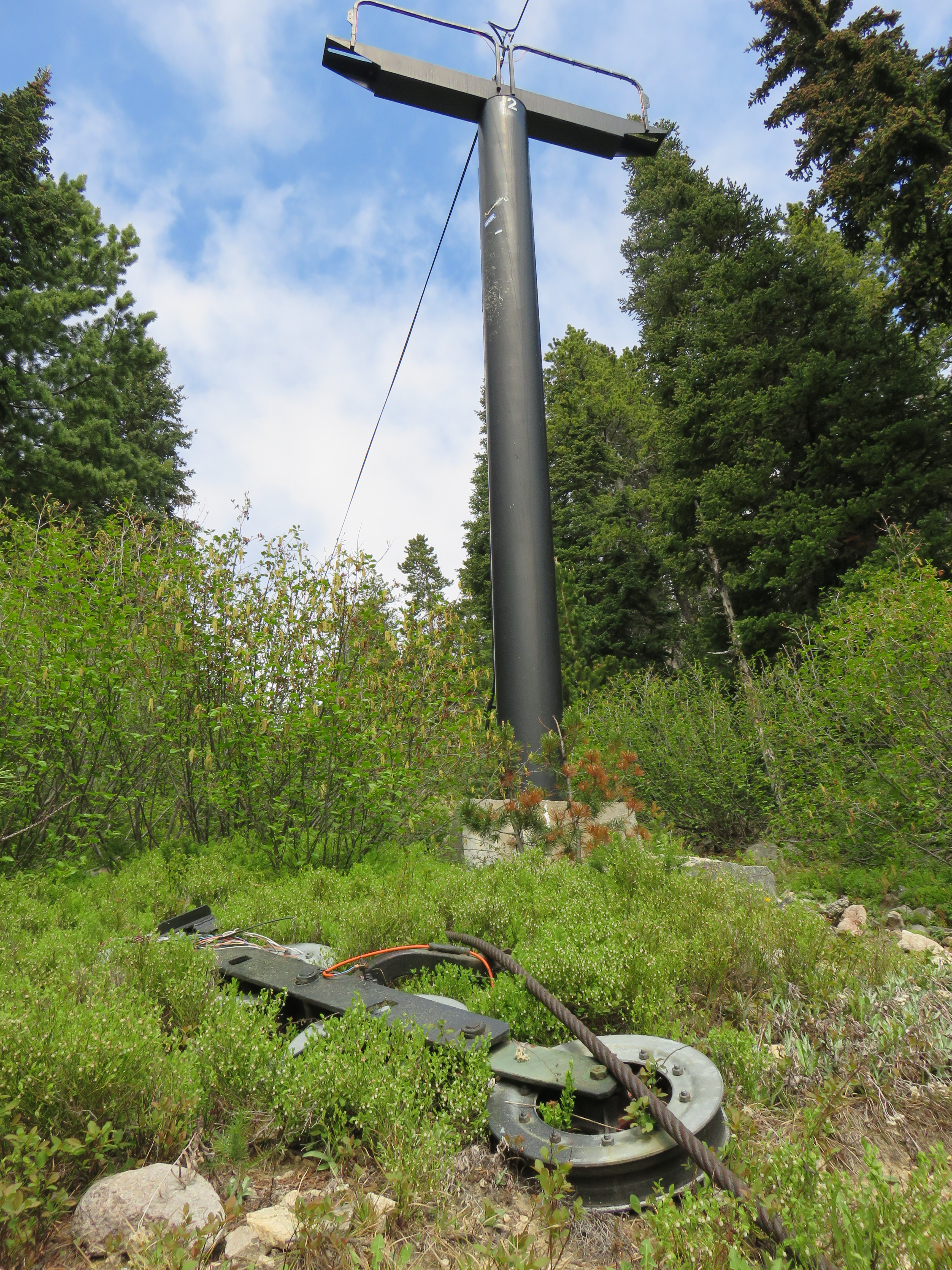
In 1977, Red Lodge added a rare Borvig double at a western ski area called Midway Express. It served no new terrain but allowed skiers to return to mid-mountain without having to ski all the way to the base area. With just five towers and a vertical rise of only 400 feet, this lift proved too expensive to operate and was abandoned in 2010. Most of the chairs were auctioned to raise cash and the sheaves, comm-line and haul rope were dropped to the ground and left. The terminals and towers still stand today.
World’s Largest Aerial Tram Opens for Business

The Nu Hoang Cable Car’s 230-person cabins carried their first public passengers across Ha Long Bay in Vietnam Saturday after a dedication with owner Sun Group, builder Doppelmayr/Garaventa and representatives from the Guinness Book of World Records. The spectacular 7,100′ reversible aerial tramway crushes records for the largest cabins and tallest towers of any lift worldwide.

Meaning Queen in English, the Nu Hoang Cable Car links Ha Long City with Ba Deo Hill and a huge observation wheel. It’s part of a $270 million, 500-acre development called Sun World Ha Long Park. The taller of the tramway’s two concrete tripod towers is 619 feet while the other is only 436 feet. The old record was 373 feet on a tramway in Austria built in 1966.
CWA built the monster red and yellow Kronos cabins in sections and shipped them to Ha Long for assembly. Each cabin has two levels and six sets of doors! With these new cabins, the double-decker, 200-passenger Vanoise Express in France loses the title of world’s largest tram.

The Queen is the latest mega lift project for Doppelmayr and Vietnam’s Sun Group, which also operates the world’s second longest gondola and the longest 3S. In 2015, Sun Group ordered an even longer 3S to link three islands and the mainland on Vietnam’s Southern Coast. This stunning 26,000 foot gondola will become the world’s longest lift of any type when it opens in the second quarter of 2017.
Instagram Tuesday: Wild
Every Tuesday, we pick our favorite Instagram photos from around the lift world.
Construction Underway on New Lifts at Big Sky
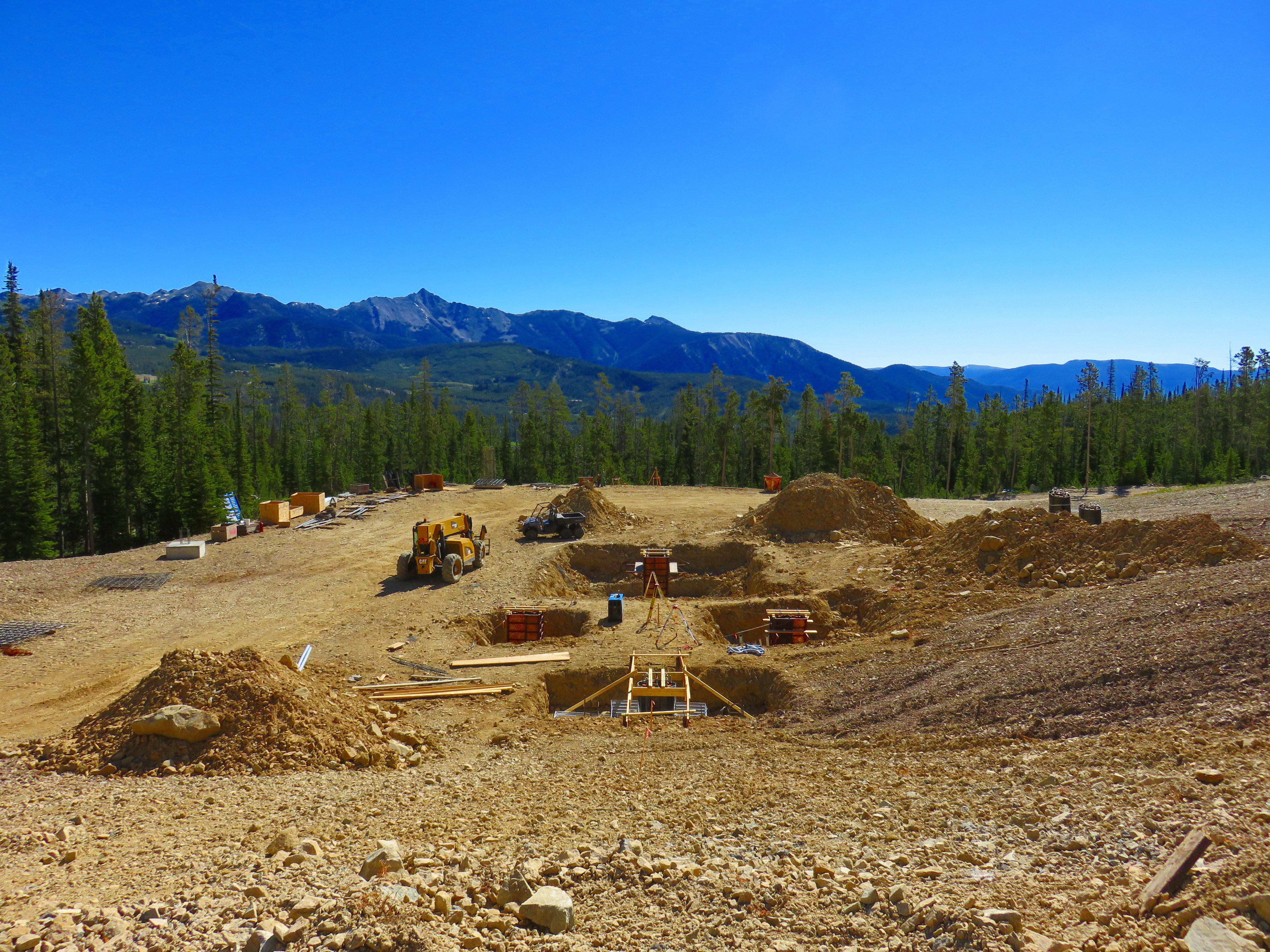
Next winter is going to be huge at Big Sky with a bubble six-pack detachable opening in The Bowl and a new triple chair replacing the legendary Challenger double. Doppelmayr is off to a solid start with terminal and tower footings going in for both lifts. Big Sky is known for its crazy steeps and rocky terrain which makes both projects challenging.
Challenger Triple
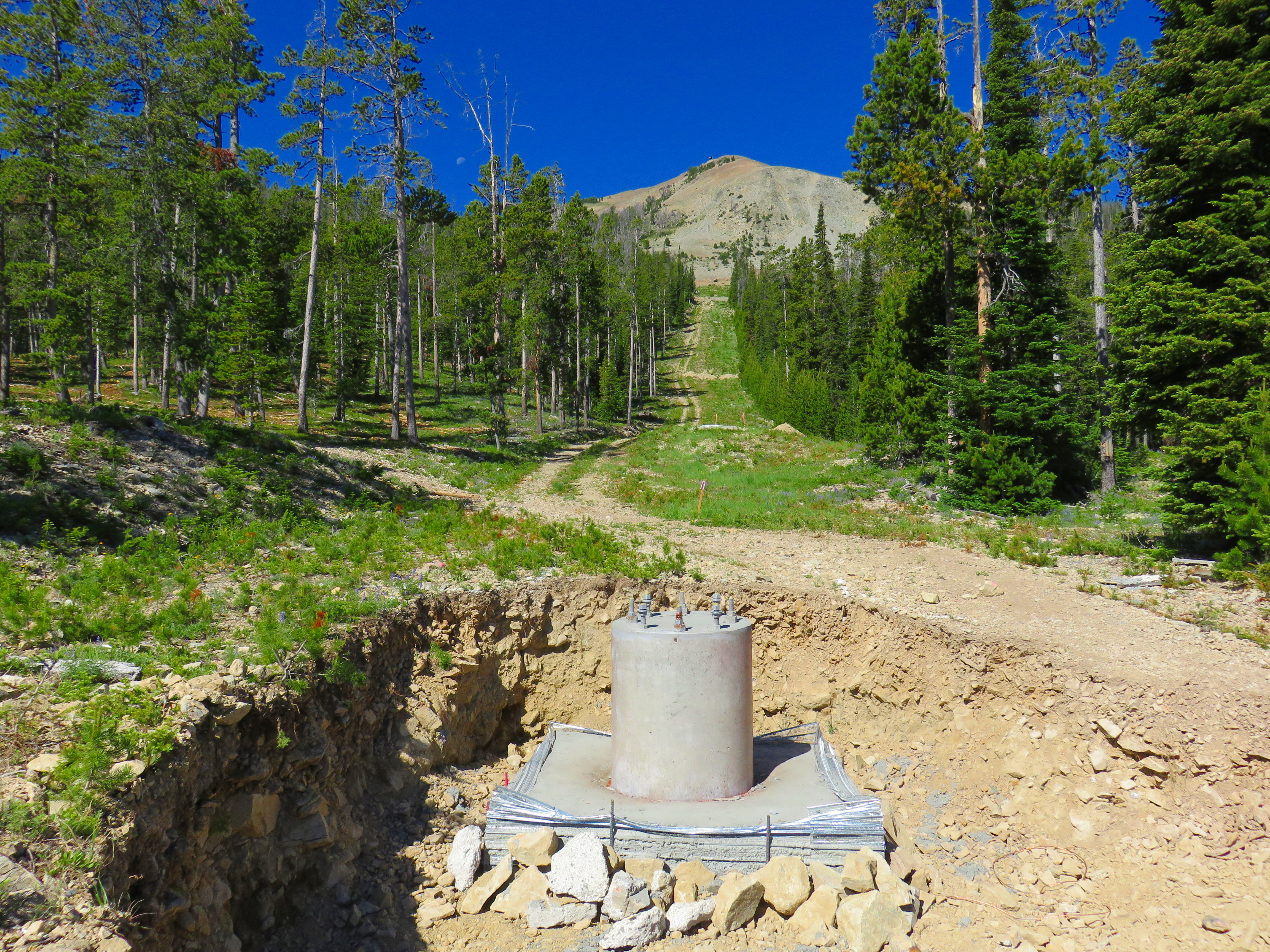
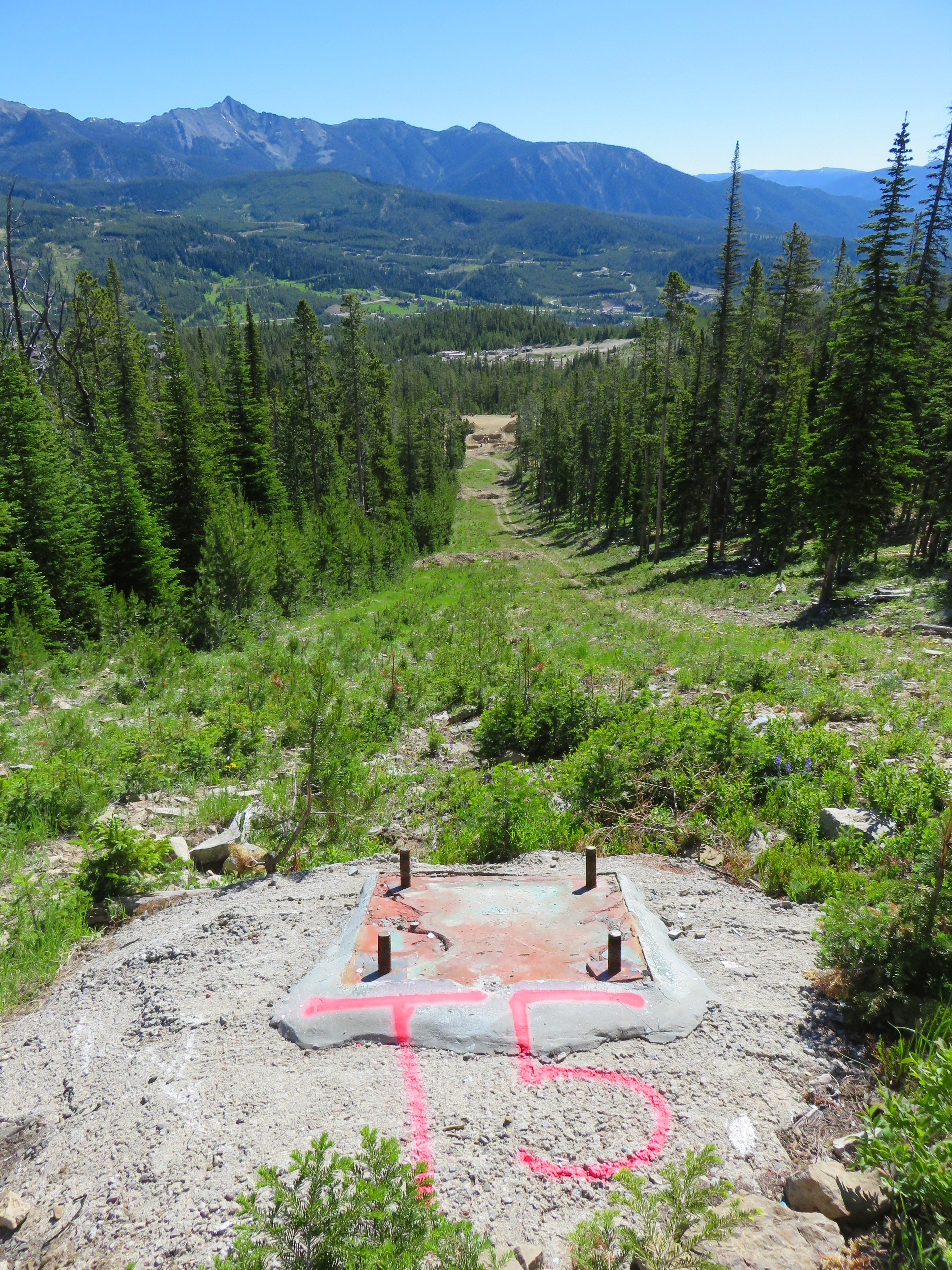
From what I can tell approximately half the old Challenger tower bases from 1988 will be re-used on the new lift. Dyer All Terrain Excavation was working on the upper section of Challenger with a spider hoe today. The only way to the top of Challenger is scrambling on foot or riding the Headwaters chair from the Moonlight side.
Revisiting a Burnaby Mountain Gondola
Burnaby Mountain in Metro Vancouver seems like a textbook site to test cable-propelled transit in a major North American city. Simon Fraser University, with 30,000 students and staff, occupies 200 acres on the western crest of the mountain. A growing neighborhood called UniverCity occupies the eastern hilltop with 5,000 residents. Both are surrounded by parks and conservation lands but are only 1.7 miles from a SkyTrain rail station. The mountain is 985 feet tall and served by a fleet of 48 diesel buses providing more than four million annual transit trips with poor levels of service. Snow cripples transit ten an average of days per year on a hill that 39,000 people will live on by 2030.

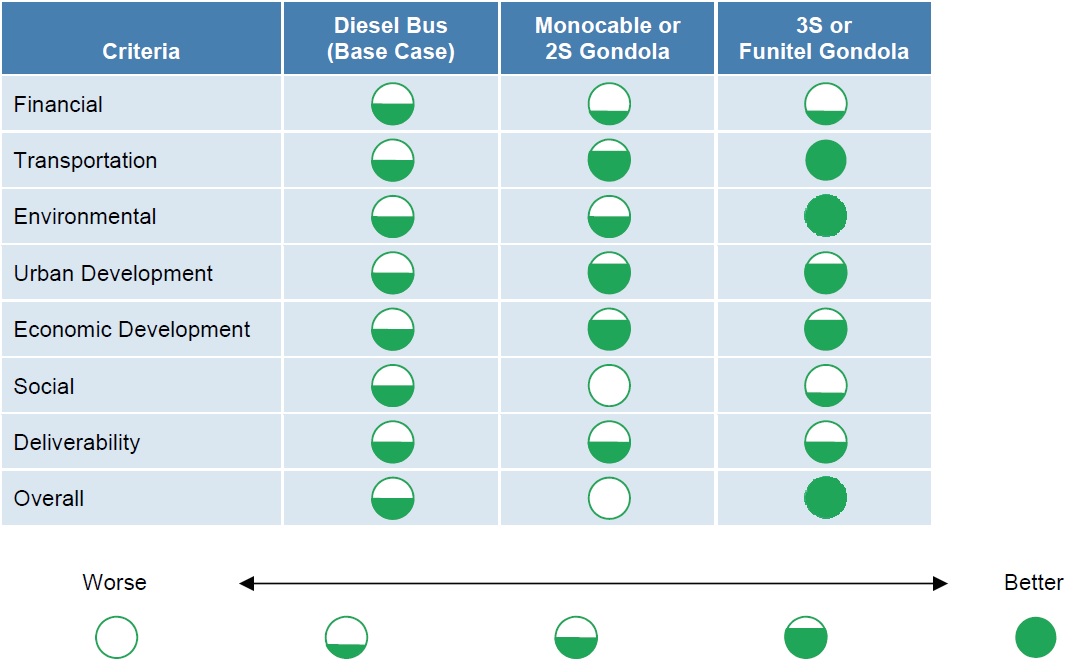
In 2010, TransLink commissioned one of the first comprehensive studies pitting ropeway technologies against the status quo and other alternatives in a North American context. One of the world’s largest engineering firms, CH2M Hill, led the team with financial analysis by PricewaterhouseCoopers and technical consulting by Gmuender Engineering and the lift manufacturers. Commercially sensitive sections of the report were never released to the public in order to safeguard a future competitive procurement process, but what was published is a fascinating read for anyone interested in transit or ropeways.
The SkyTrain Millenium Line, opened in 2002, passes 1.7 miles south of SFU at a station called Production Way-University in Burnaby. Commuters wait an average of seven minutes for a bus here, which takes 13-16 minutes to go the less than four miles to SFU. Increased frequencies of already articulated buses would result in proportionally greater emissions, traffic impacts, staffing needs, required layover space and capital costs.
The study looked at a wide range of alternatives – from bus rapid transit (BRT) to light rail, funicular, subway, trolleybus, reversible aerial tramway, monocable gondola, 2S gondola, 3S gondola and funitel. These were narrowed down to three major categories for further study – diesel bus, monocable/2S gondola and 3S gondola/funitel. Other surface alternatives proved too expensive, had significant neighborhood impacts, or both.
News Roundup: Big Week

- Cloudchaser construction begins July 1 at Mt. Bachelor.
- La Paz’s gondola network sets a new daily ridership record – 180,000 passengers on three lines last Monday.
- Poma signs three year partnership with the World Wildlife Fund to promote environmentally-friendly urban cable transport.
- Doppelmayr sponsors exhibition at the Vienna Technical Museum showcasing ropeways in cities.
- Vista Ridge lost a carpet lift and might have to do some extra NDT but came away from the Fort McMurray wildfire relatively unscathed.
- It’s still not entirely clear when Vermont’s only aerial tram will reopen.
- The first LST lift in North America is under construction at Cannon Mountain.
- Local paper gives a progress report on Wilmot Mountain’s Vail makeover.
- Powdr announces Woodward Park City with lift-served downhill mountain biking and terrain parks to be built on 126 acres at Gorgoza Park.
- Powdr also commits to building a new lift at Eldora next summer, most likely the Cannonball six-pack.
- Laurel Mountain hosts a tower flying party.
- The President of Simon Fraser University puts the Burnaby Mountain Gondola back on the table in hopes of replacing 25,000 daily bus trips between campus and Vancouver’s SkyTrain Millenium Line with a 3S.
 Lift Blog