Lift Profile: Spokane Falls SkyRide

IMG_6921
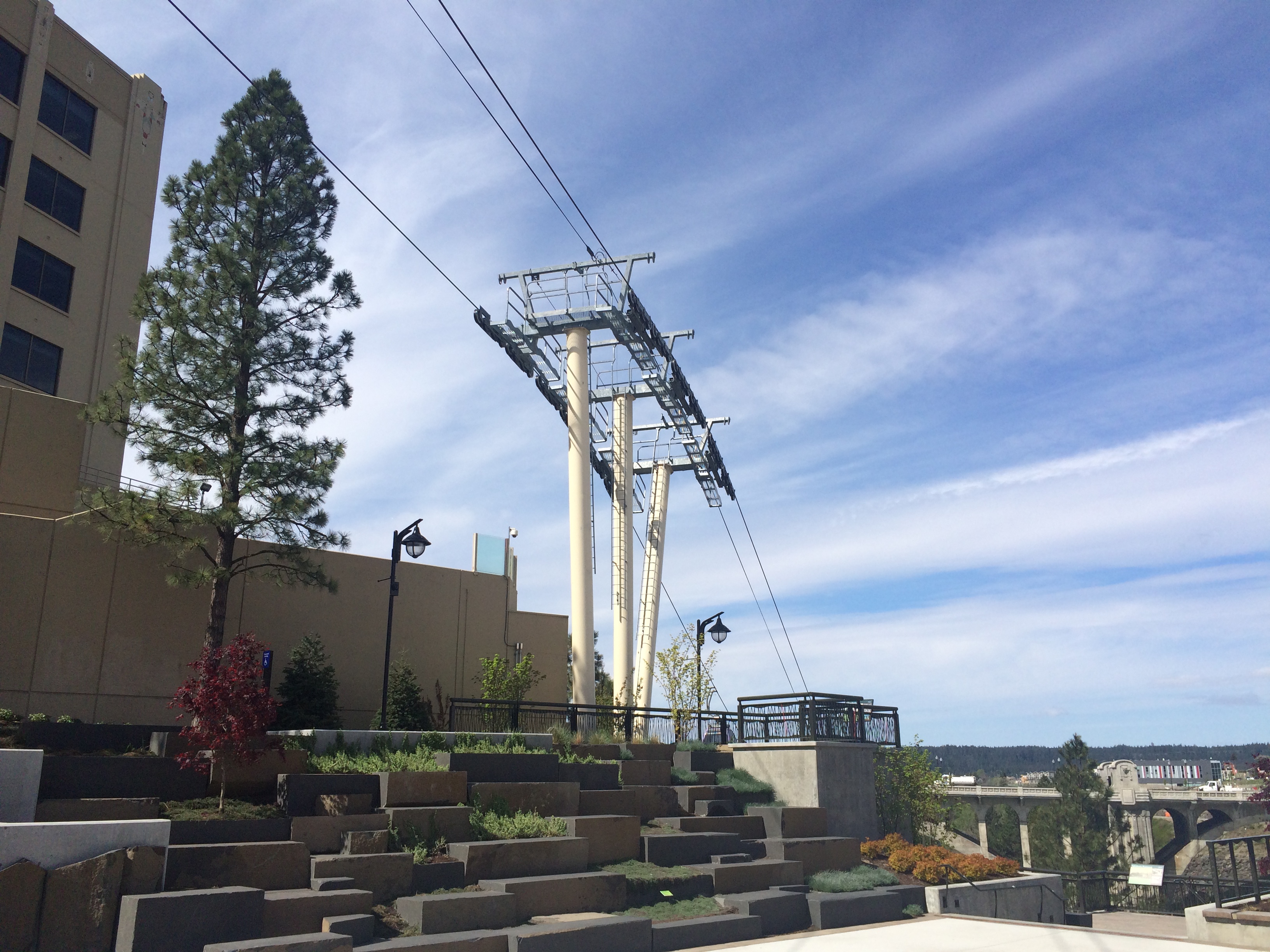
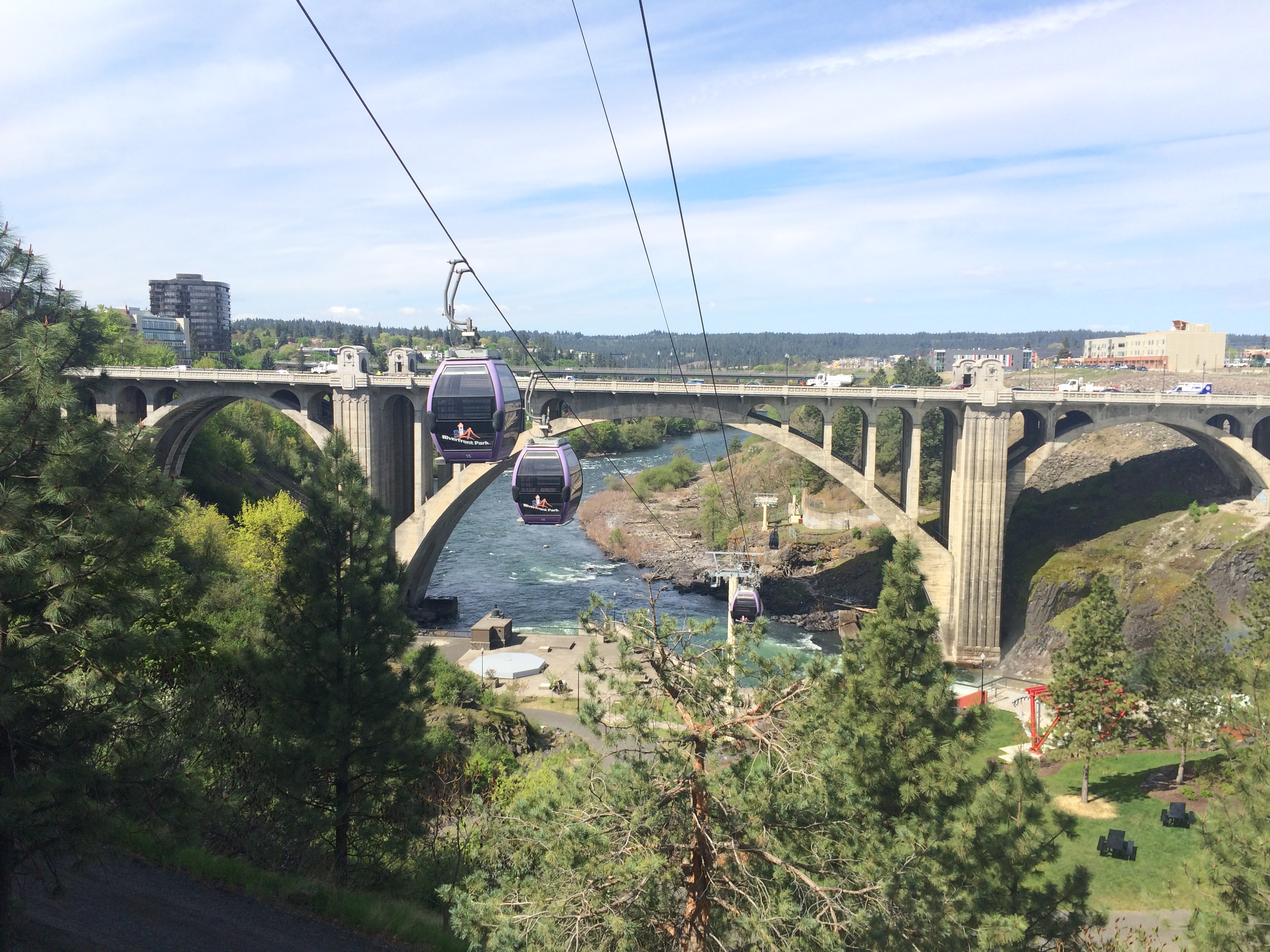
The only lift I know of that crosses under a major bridge.

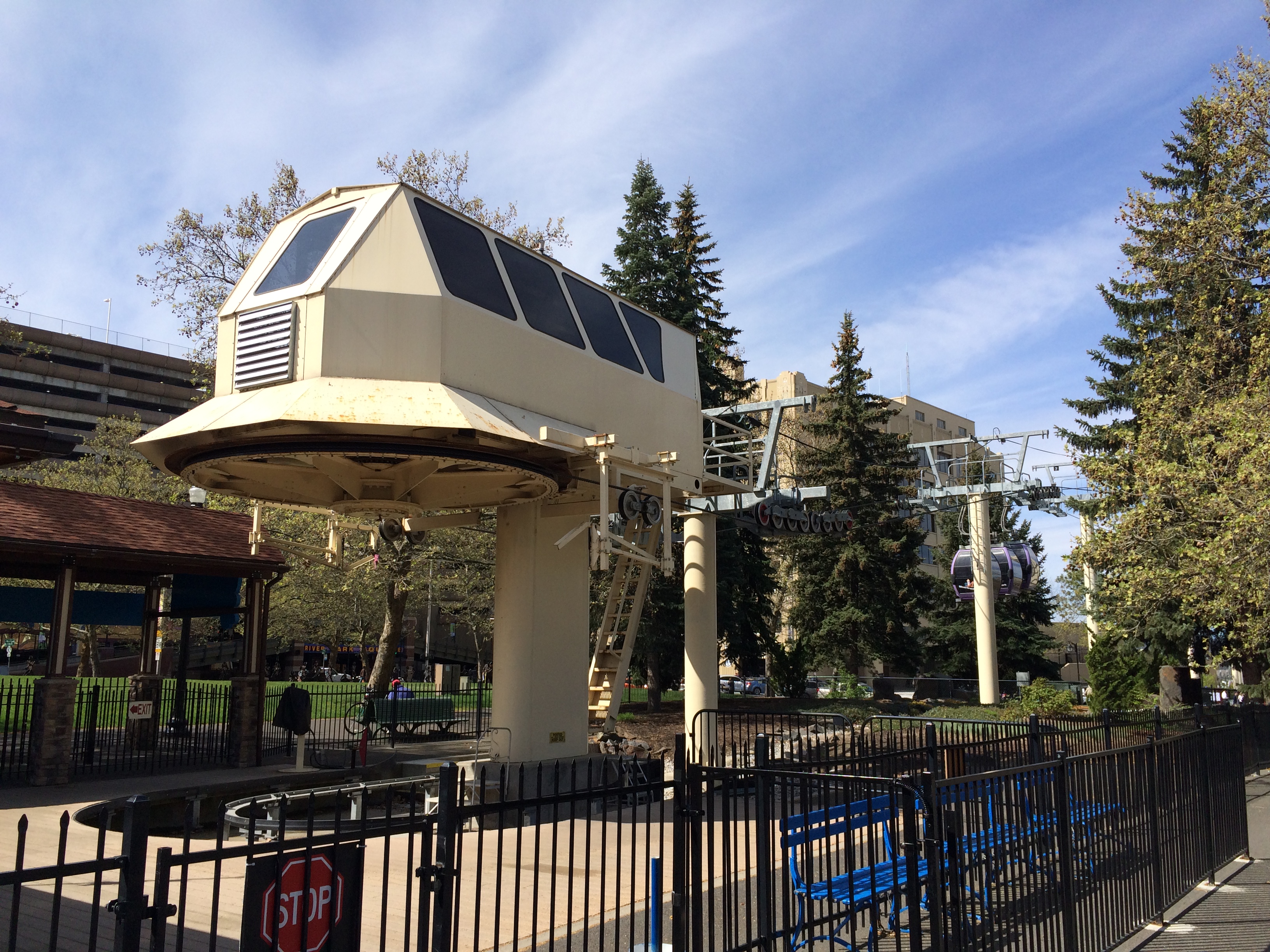
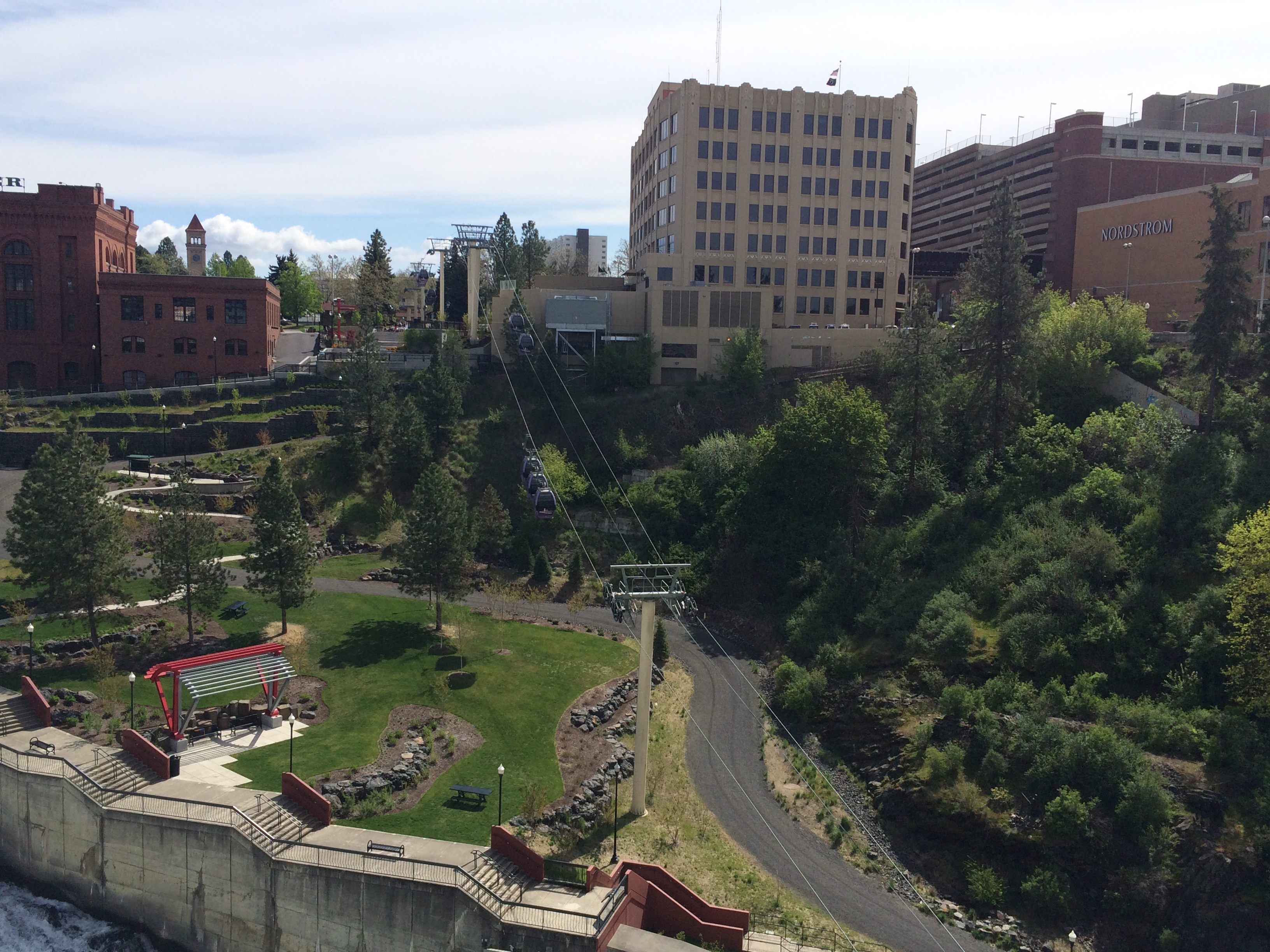
The $2.5 million Spokane Falls SkyRide is one of only a handful of lifts in North America owned by city government.  Doppelmayr CTEC built the pulse gondola in 2005 to replace a Riblet version that debuted in 1974.  Riders board at the drive station in downtown Spokane’s Riverfront Park.  The gondola travels down through the park, across the Spokane River and under a four-lane bridge before turning around.  All this happens in only 1,120 feet.  It takes 15 minutes to ride round-trip at a painful 150 feet per minute (the design speed is 600 fpm.)  The gondola’s turnaround station on the far bank of the river does not have loading/unloading or even an operator.  A ticket for the SkyRide costs $7.50 and it operates year-round.
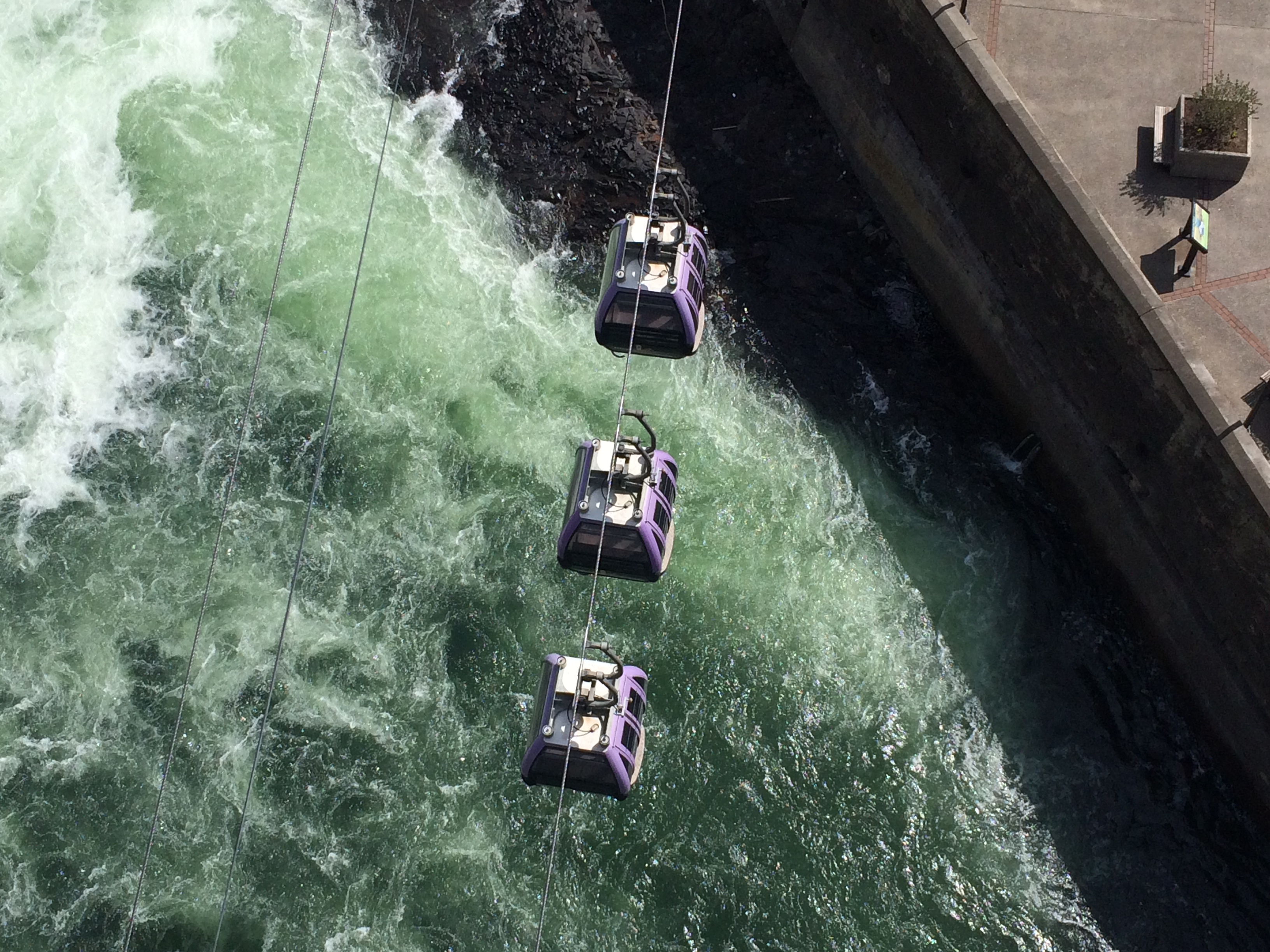
Looking down at one of five pulses of cabins.

Spokane’s original Riverfront SkyRide, built by Riblet, ran in a similar alignment from 1974 to 2005.  (Riblet built over 500 lifts in a shop three miles away.)  The Riblet version of the SkyRide had open air cabins but the new one has 15 CWA Omega 6-passenger cabins.  Because the cabins are enclosed, the SkyRide shuts down when the temperature exceeds 85 degrees, which happens fifty days a year in Spokane.  Last year Doppelmayr developed a plan to retrofit cabins with larger opening windows but so far these have not been installed.  Despite this issue, over 70,000 people ride the SkyRide every year.
IMG_6931 IMG_6920 IMG_6915

News Roundup: Lifts in Strange Places

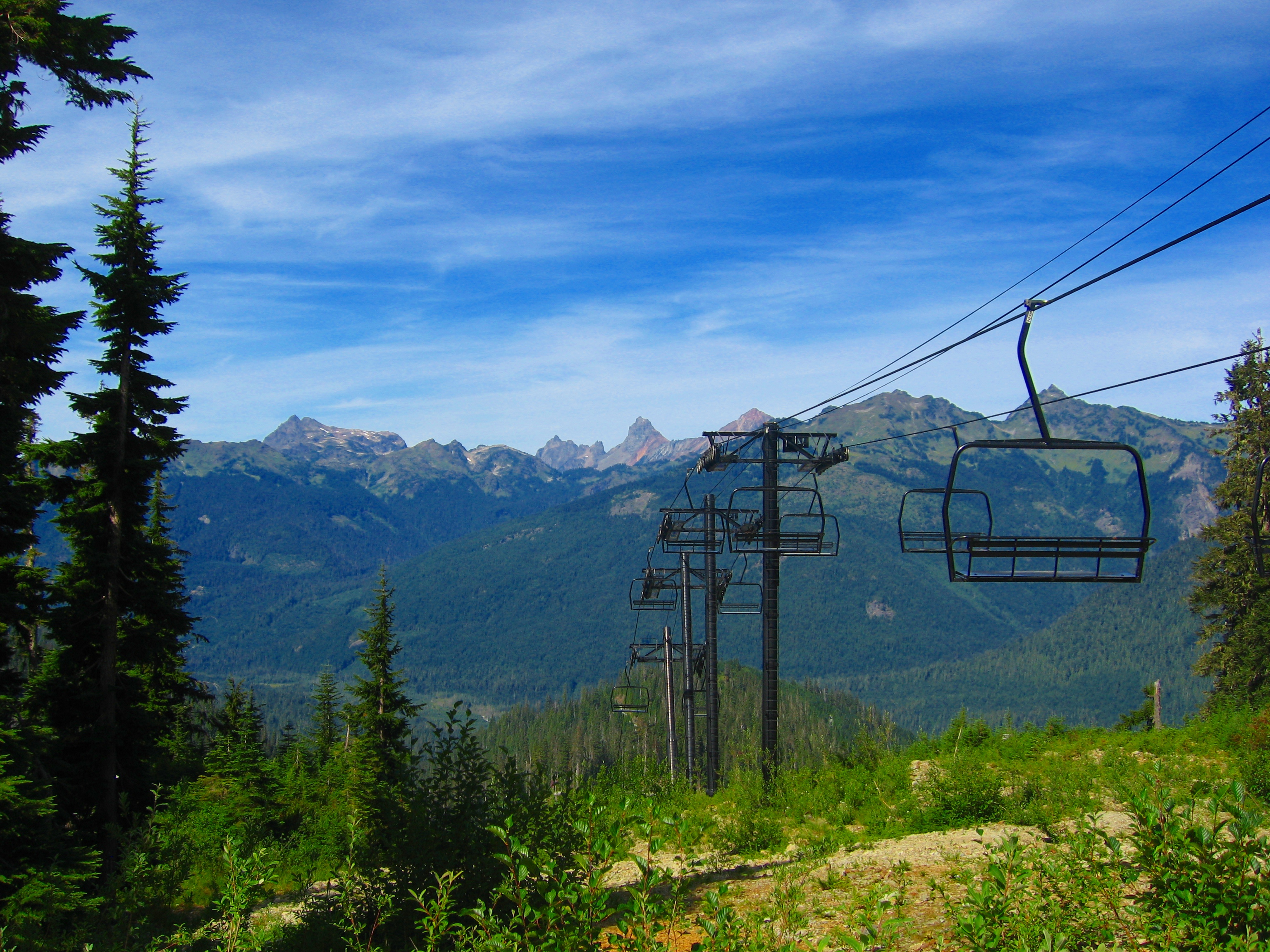
Chair 7 at Mt. Baker, WA

Snow King Rafferty Construction

Dopperlmayr's new
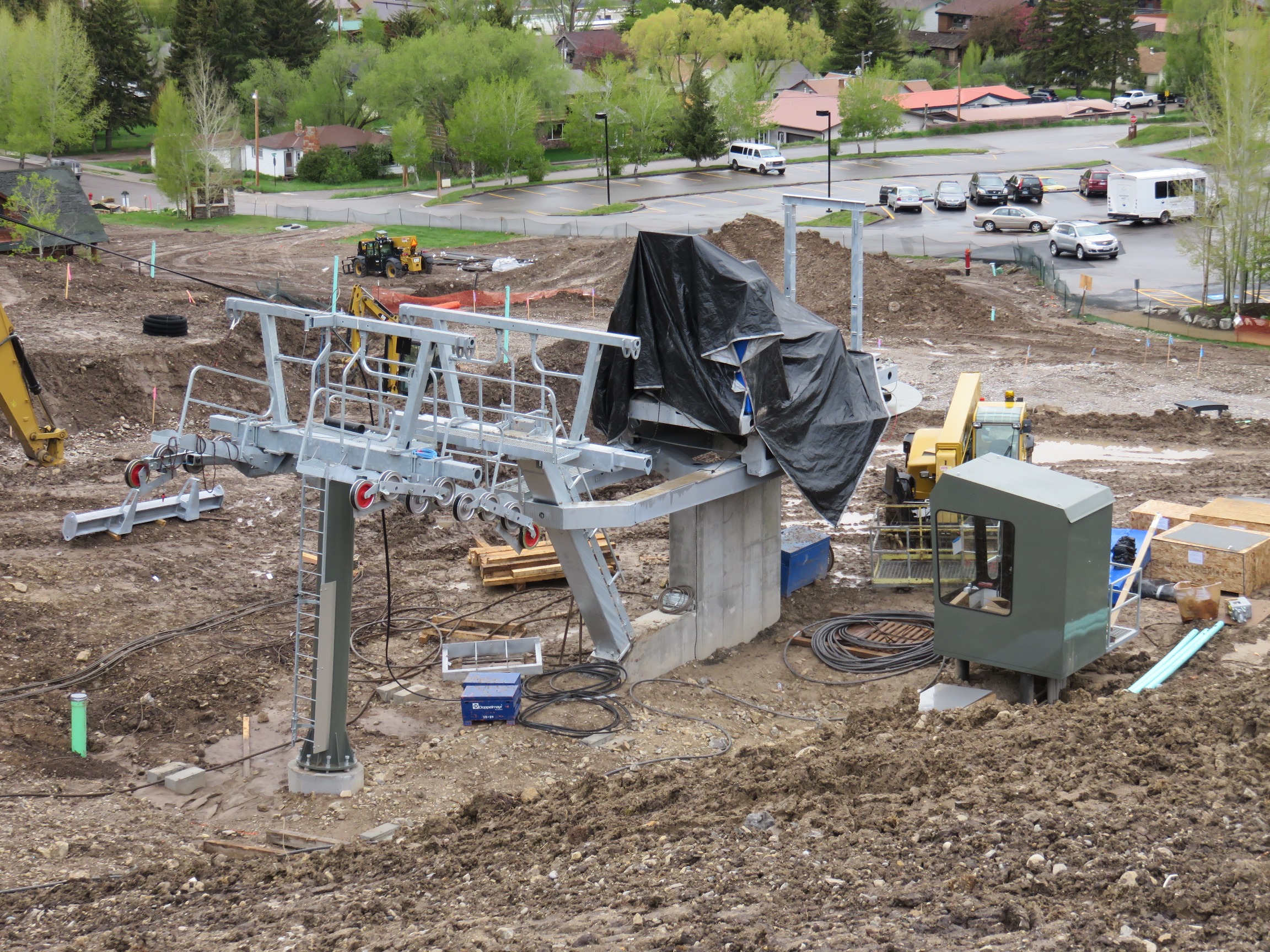
Dopperlmayr’s new Alpen Star terminal.

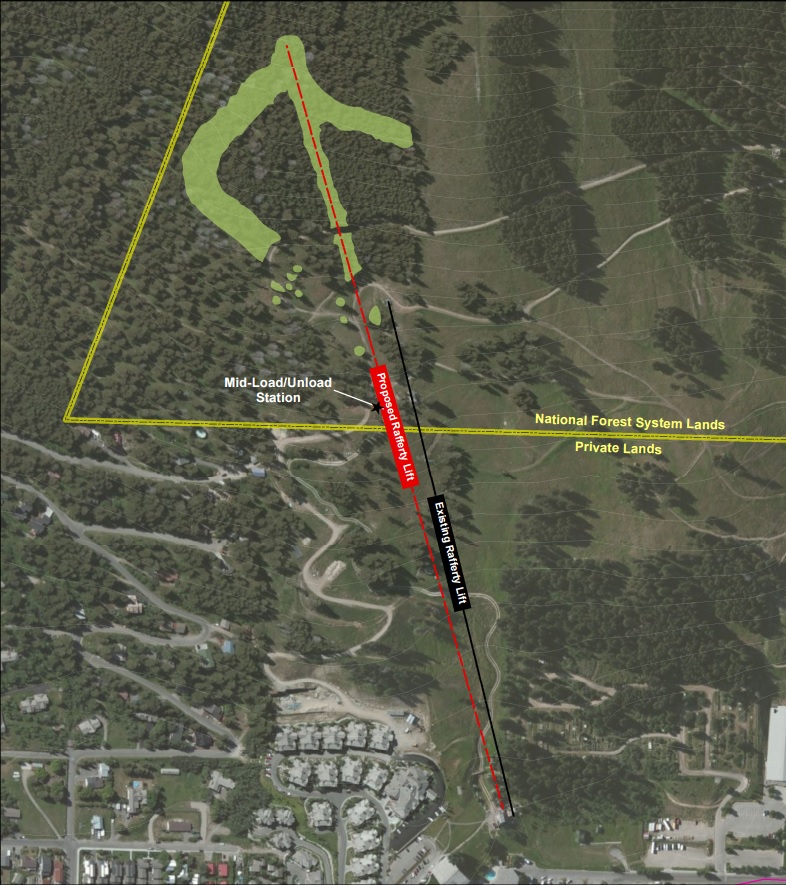
I got to check out the Rafferty lift construction at Snow King Mountain this weekend.  This project is on track to be Doppelmayr USA’s fastest lift installation ever. Snow King actually sells more alpine slide rides in the summer than they do ski tickets in the winter so the lift needed to be completed quickly in between seasons.  Construction began in April and will be done by June 15th.  Snow King is also building a Wiegand Alpine Coaster that will open in August.

New and old Rafferty lift lines.

The old Rafferty was a Hall double installed in 1978.  It will find new life at the Bearizona Wildlife Park in Williams, Arizona.  The new Rafferty quad goes 400 vertical feet higher than the old one but the load- and mid-stations are pretty much in the same spots.  The bottom drive-tension terminal is a brand new design from Doppelmayr called the Alpen Star.  It is a single-mast terminal that looks a lot like SkyTrac’s Monarch design to me.  Check out more pictures below of this $8 million project.

Continue reading

Summer’s Heating Up

It’s been a great couple of weeks for Leitner-Poma since my last new lifts update.

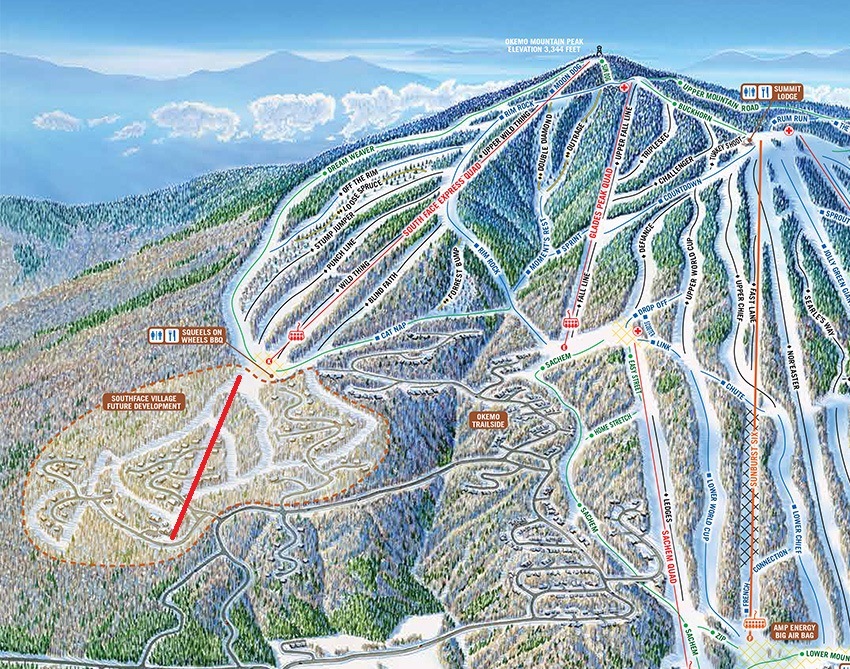
South Face Village at Okemo is moving forward with its first lift.
  • The $200 million Timber Creek real estate development at Okemo is moving forward with their first lift which will be an Alpha quad.  Also at Okemo the Jackson Gore Express is getting bubble chairs to match the Sunburst Six that went in last summer.
  • For the first time since 1966, Snowmass will be Riblet-less.  Aspen Skiing Company moved the High Alpine replacement up by a year to this summer.    It will be an LPA detachable quad in a new alignment.
  • London Ski Club at Boler Mountain in Ontario is replacing their main lift, Columbia, with an Alpha fixed quad.
  • New Mexico’s James Coleman bought four ski resorts last winter and now he’s gone lift shopping.  Sipapu in New Mexico will get a new L-P beginner lift and Purgatory (No longer Durango Mountain Resort) announced the replacement of the Legends triple with an L-P detachable quad.
  • Squaw Valley is replacing the Siberia Express with an L-P six-pack.
  • Loveland announced a major lift realignment.  Chair 2 (Yan triple) will lose its upper half and be shortened to its mid-station.  The parallel 1970 detachable Poma lift will also be removed and Leitner-Poma will build a new “Ptarmigan” lift from the base of the Poma to the old summit of Chair 2.  I am not sure yet if this will be a triple or a quad.

Continue reading

2015 Doppelmayr Worldwide

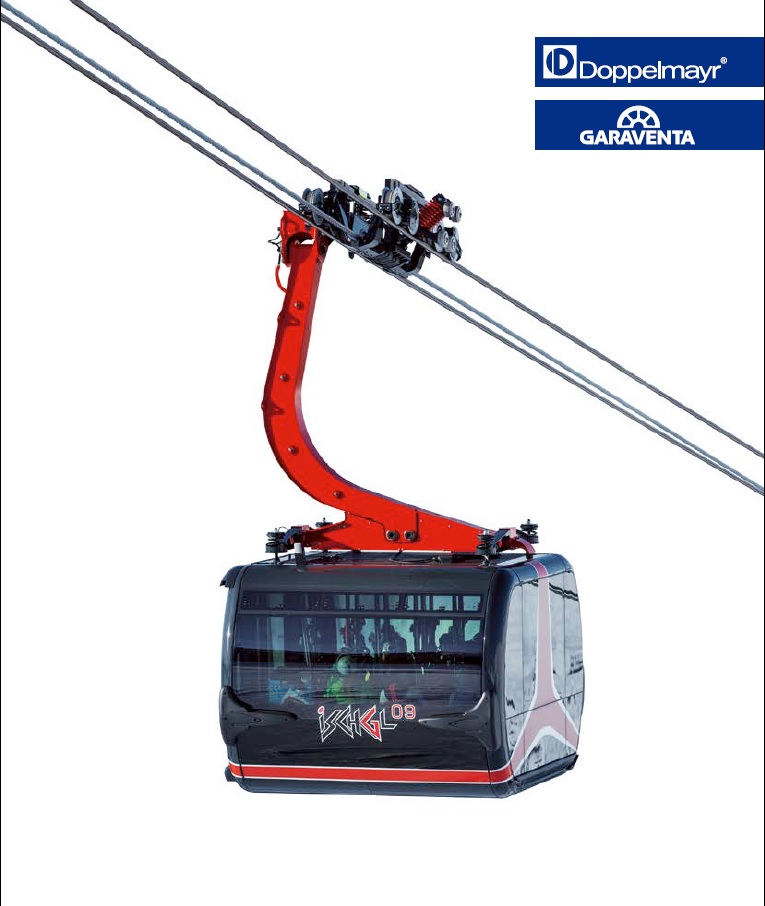
The 2015 Doppelmayr Worldbook is out!  It’s 150 pages of statistics and pictures of the 83 lifts Doppelmayr and Garaventa built last year.  The book comes out every spring and the last seven of them are available online.

worldbook
CWA’s new Titlis cabin is on the cover.

Some of the projects I found interesting:

  • Universal Studios’ Hogwarts Express, a modern funicular designed to look like a train from Harry Potter.
  • Oakland’s airport connector which is the first Doppelmayr CableLiner Shuttle to have multiple haul ropes and detachable cars.  $484 million buys a pretty cool train.
  • Three gondolas in China including one to the Great Wall with heated seats.
  • The world’s longest chondola at Beaver Creek (also the first with 10 passenger cabins.)
  • World’s tallest 3S gondola in Ischgl, Austria.
  • A two-section system in Greece which runs as a gondola at the bottom and chondola at the top with every 4th cabin making the entire trip.

News Roundup: That’s a first

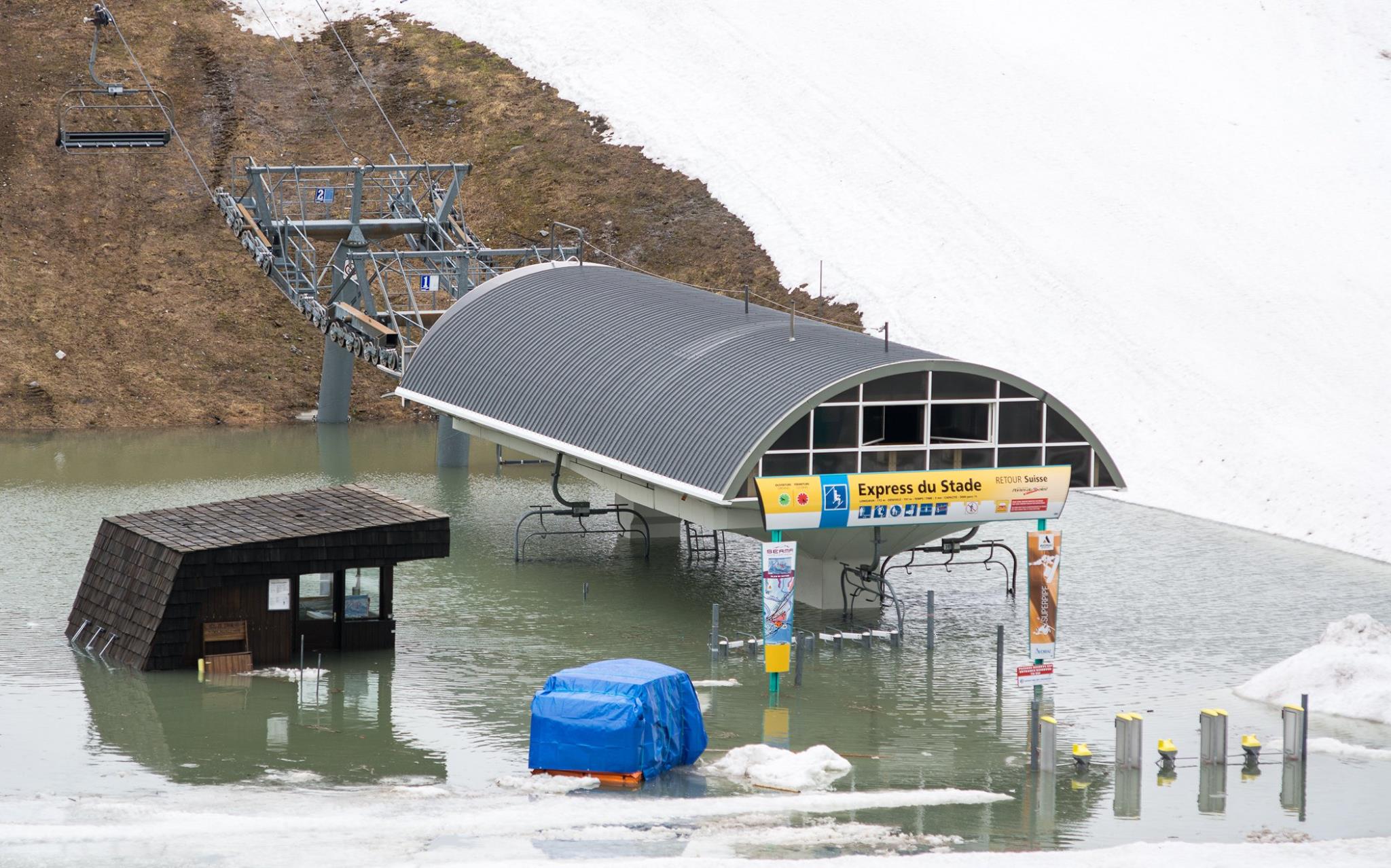
Flooded lift at Avoriaz.  Photo Credit: Avoriaz Facebook page.
Flooded lift at Avoriaz, France. Photo Credit: Avoriaz Facebook page.

Bubble Chairs: Making a Comeback?

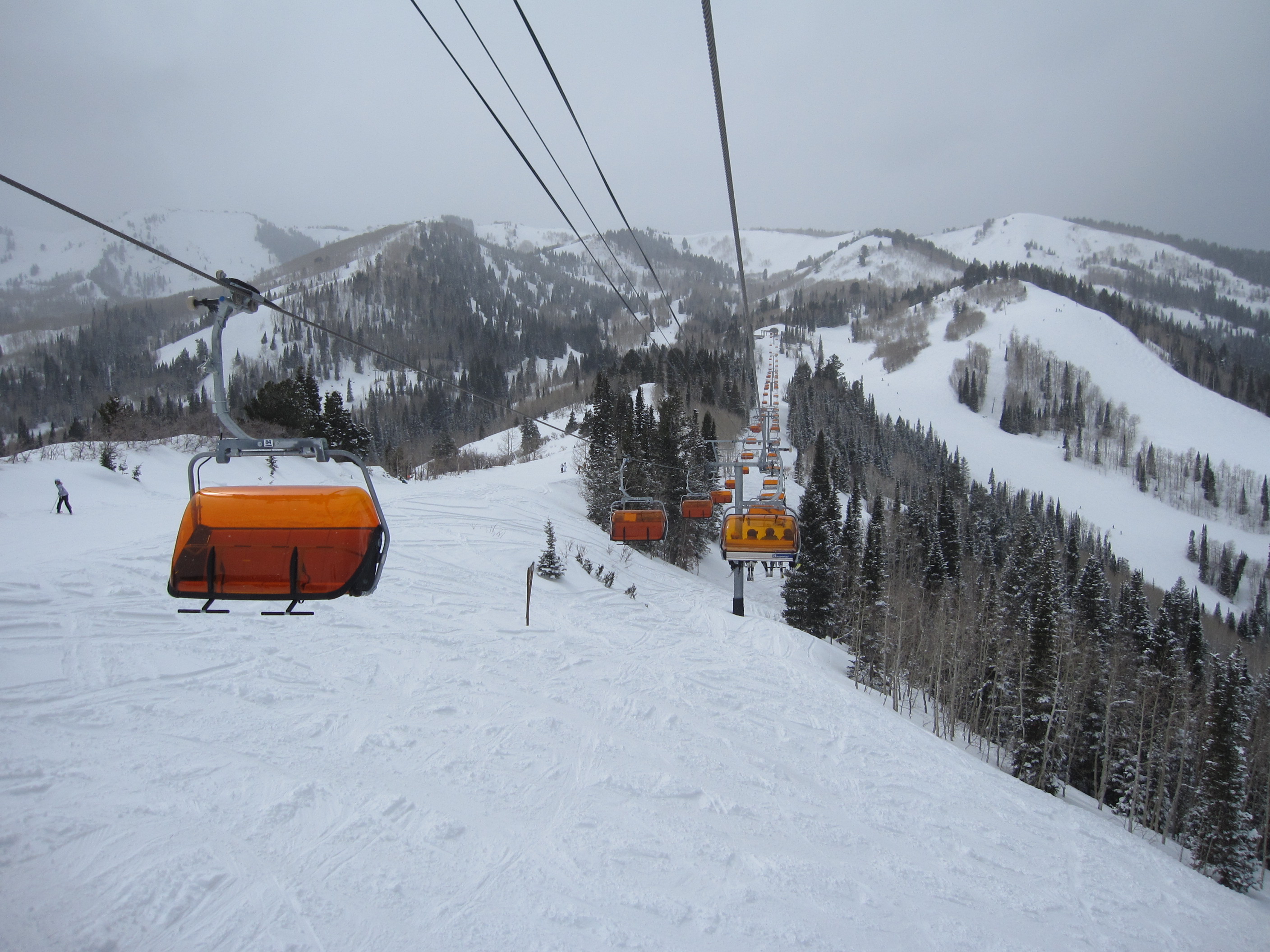
Orange Bubble Express at Canyons Resort.

Growing up in the rainy Pacific Northwest, I happen to love chairs with bubbles.  I can get the comfort of a gondola without taking my skis off or enjoy fresh air like on any other chairlift.  Lifts with bubbles are technically very cool too.  Electronic eyes in the lift terminals know when chairs are empty and the bubbles lower automatically.  Chairs stay dry and lifties don’t have to sweep them or flip chairs at night.

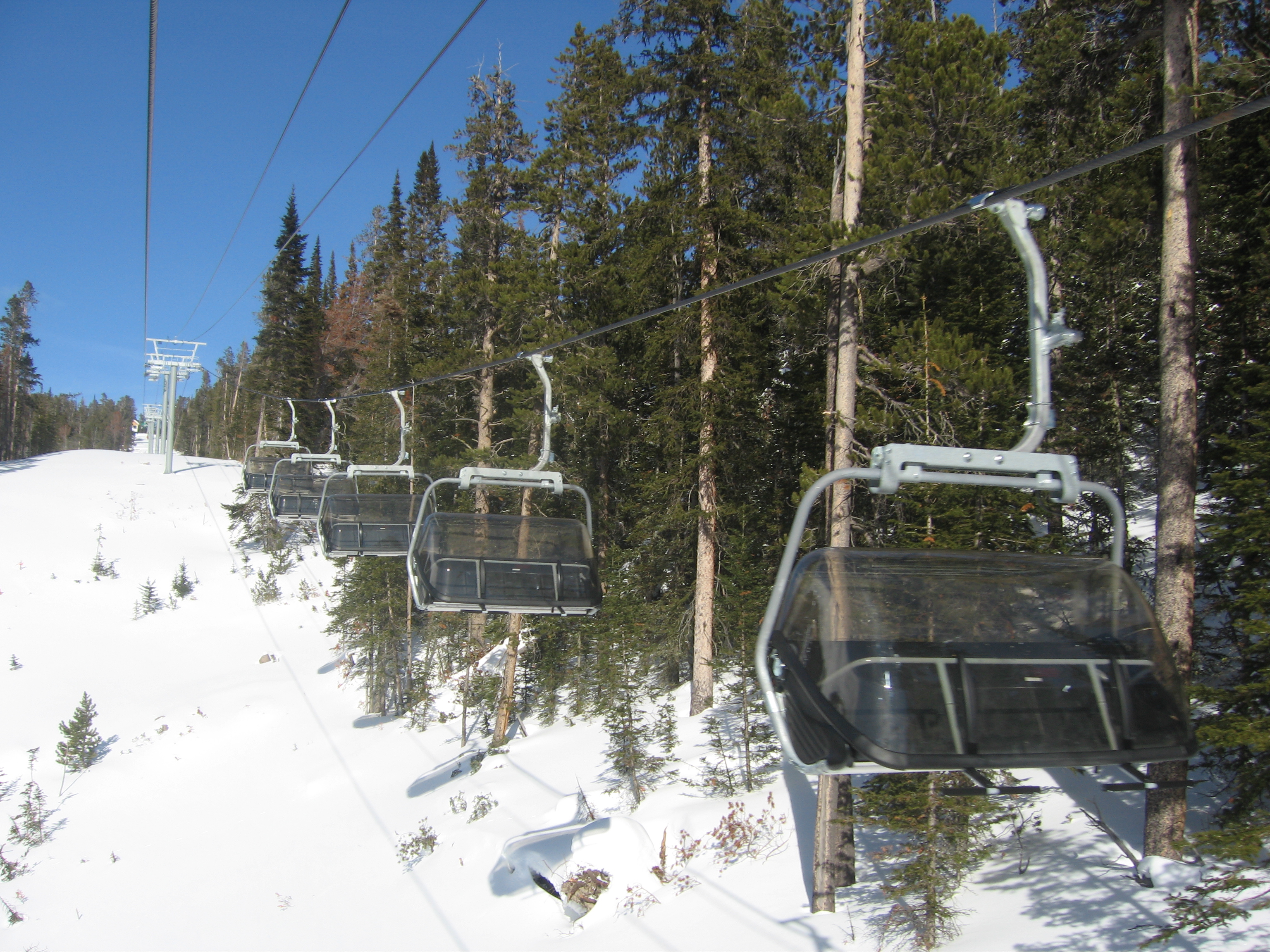
Bubbles everywhere at the Yellowstone Club.

Despite their added comfort, bubbles haven’t really caught on in North America.  Europe is a different story where 30+ lifts are built with them every year.  In the US and Canada, Doppelmayr has built 16 lifts with bubbles since 1985.  You can find them at Whistler-Blackcomb, Sun Peaks, Mont-Saint-Anne, Big Sky, Canyons and Stoneham.  The Yellowstone Club also has bubbles on all six of their quad chairs.

Continue reading

News Roundup: 80 Years

The 3S Gondola

A “3S” is a detachable gondola with two track ropes and one haul rope.  It combines the speed and stability of a tram with the capacity of a gondola.  Cabins generally hold about 30 passengers.  3S systems can move up to 4,500 passengers per hour at up to 8.5 meters per second.  They can withstand high winds and traverse long spans between towers.  These highly capable lifts are also expensive.  Only 12 3S gondolas have been built.  Perhaps the most famous of them, Whistler’s Peak 2 Peak, cost $51 million!

3S Gondolas are huge machines.

The 3S was developed by VonRoll of Switzerland.  The first one to open was the Alpin Express at Saas-Fee in 1991.  A second section opened in 1994.  When Doppelmayr merged with VonRoll in 1996, they inherited the 3S technology.  Doppelmayr built its first 3S in 2002 at Val d’Isere, France.  Called L’Olympique, it accesses the famous ski area of Escape Killy.

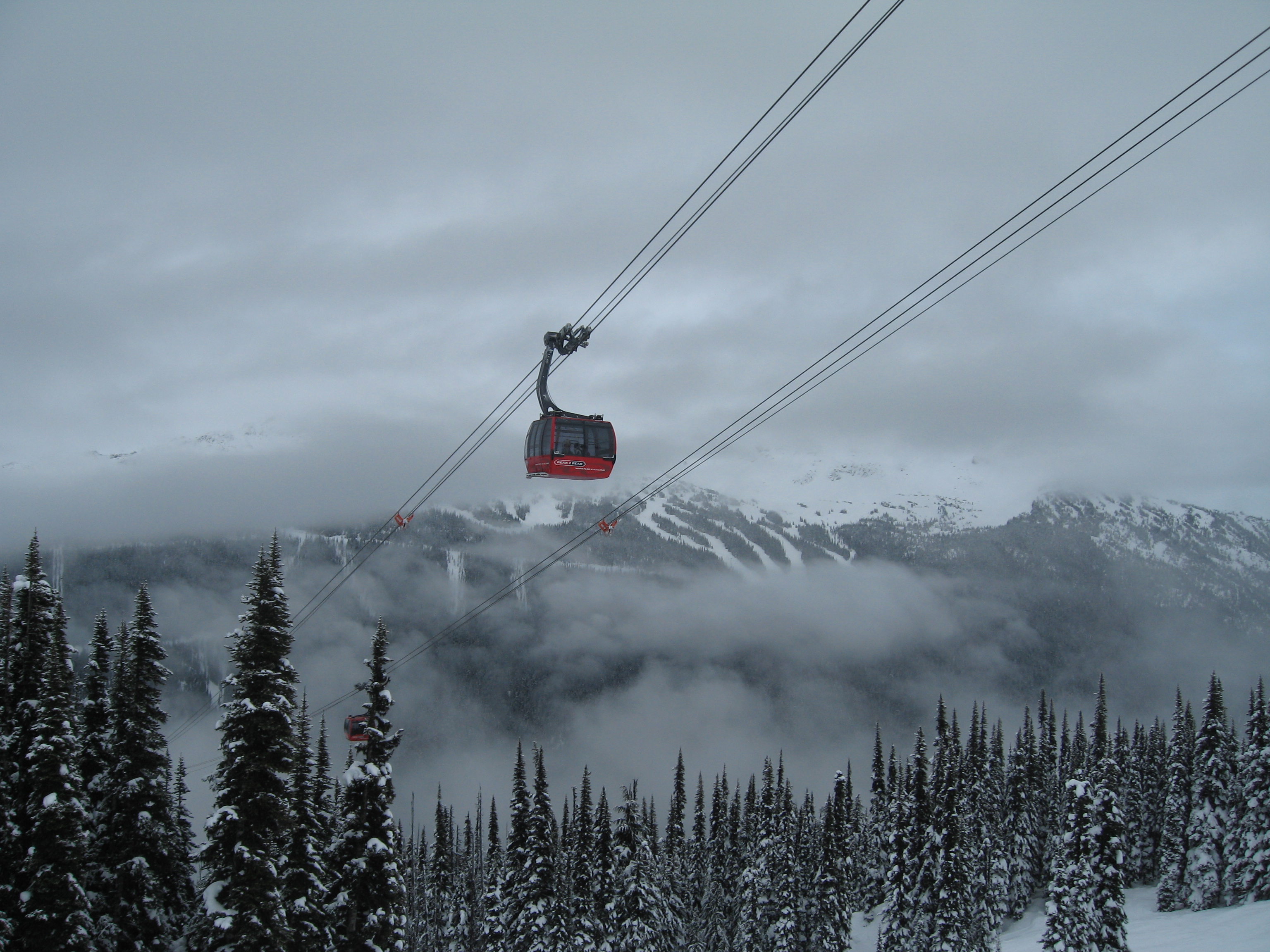
Kitzbuhel, Austria opened the 3S Bahn in 2004.  It connects two ski areas across a valley with an 8,200 foot-long unsupported span.  Four years later, Doppelmayr connected Whistler and Blackcomb with the Peak 2 Peak, featuring an even longer unsupported span of 1.88 miles.  Peak 2 Peak’s highest point above ground is an incredible 1,427 feet.  It remains the only 3S gondola outside of Europe.

Whistler-Blackcomb's Peak 2 Peak Gondola.
Whistler-Blackcomb’s Peak 2 Peak Gondola.

Leitner got into the 3S business in 2009 with a system in northern Italy.  The towns of Renon and Ritten were connected by a 2.8 mile-long 3S.  This was the first 3S built outside of a ski resort.  Another urban 3S was built across the Rhine River in Koblenz, Germany in 2010.  This Doppelmayr system moves 3,800 passengers per hour in each direction.  Also in 2010, Doppelmayr built the Gaislachkogl 2 at Solden, Austria.

Continue reading

Up and Over Lifts

What if you could build two lifts for the price of one longer lift?  A handful of ski areas have done it with “up and over” lifts.  With this setup, riders load at each end and unload at a ridgetop mid-station.   There are obvious cost advantages but also limited locations where such a lift makes sense.  Due to multiple load/unload areas more stops and slows can occur.  Another disadvantage is that the entire system has to run even if only one side is open.  Most up and over lifts are located in the Pacific Northwest.

Ray's lift at Sundance, UT.
Ray’s lift at Sundance, UT.

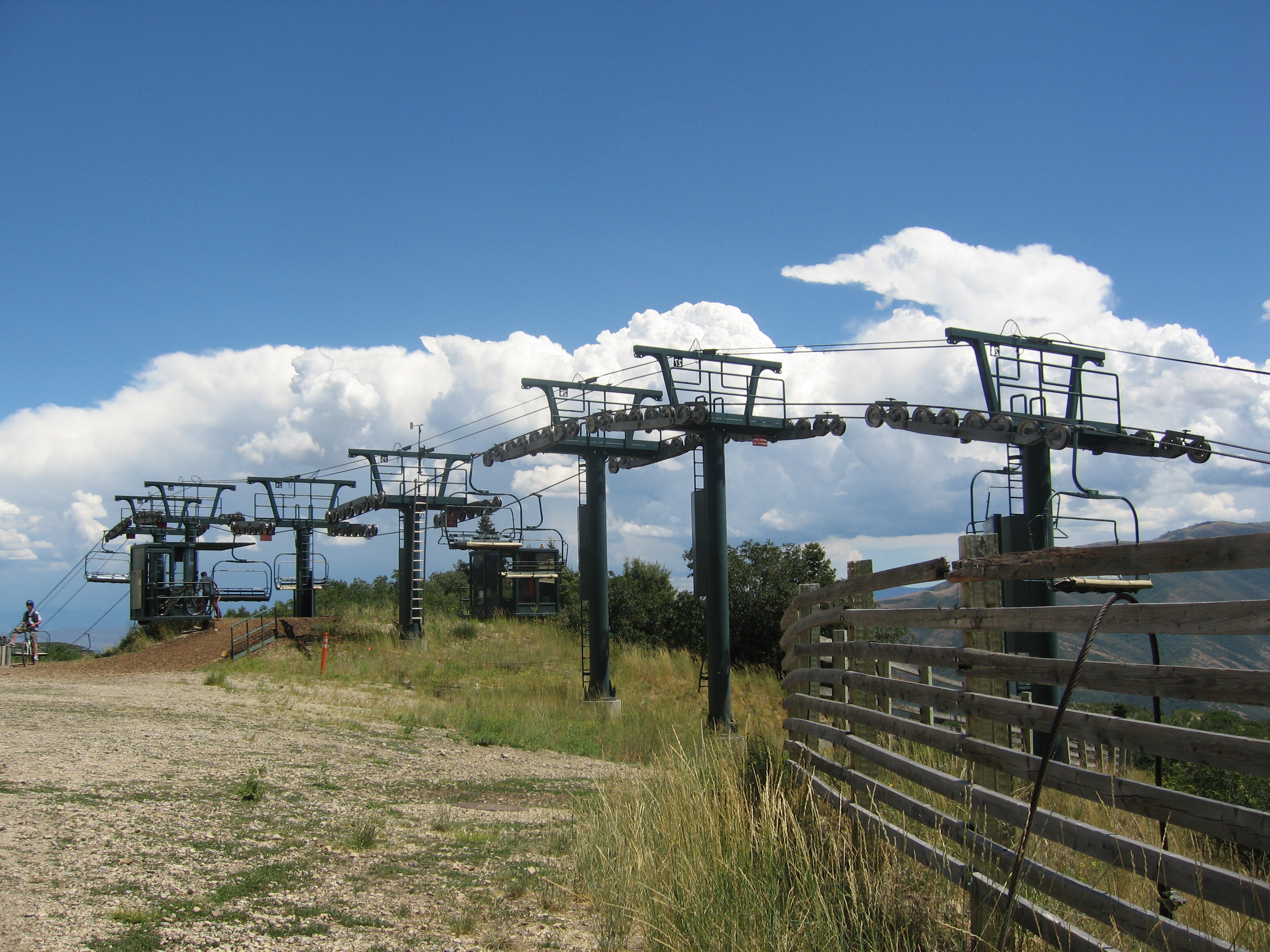
Robert Redford’s Sundance Resort built a CTEC up and over quad in 1995 to replace two lifts.  Skiers who load Ray’s Lift in the main village can unload at the Mont Mountain summit or continue down the other side to the base of the Arrowhead lift.  Guests can also load at this end to ride back up to the mid-station.  Ray’s lift is a beast – depending on the season it has eight different load/unload points, five lift shacks with controls and 33 towers.

Stevens Pass considers its Double Diamond/Southern Cross system as two separate lifts.  Skiers load at both ends and unload on two ramps at the summit which are monitored by one operator.  The front side portion, called Double Diamond, is short and steep while the rest of the lift is on the Mill Valley side and dubbed Southern Cross.  This system was also built by CTEC in 1987.  The combined lift is 5,700 feet long and moves 1,200 people per hour up each side.

One operator oversees two unloading ramps from high above at Stevens Pass.

Perhaps the most famous of the up and over lifts is the Dinosaur at Snoqualmie’s Hyak.  It was built by Murray-Latta in 1965.  Over 5,000 feet long, it started at the base of Hyak, crossed the summit and continued down into Hidden Valley.  This one lift accessed 100% of the resort’s terrain on both sides of Mt. Hyak.  The lift had a rollback in 1971 that injured dozens of skiers.  The Dinosaur continued to run until 1988.  When it closed, large portions of Hyak became abandoned.  The Dinosaur sat idle until was removed in 2009 and replaced with two used Riblet lifts, a triple on the front side and a double in Hidden Valley.

Continue reading