
- Snow Flyer is the name for Bittersweet’s upcoming high speed quad.
- The Steamboat Gondola suffers an extended breakdown with hundreds aboard.
- Steamboat outlines the push to remove, relocate and build multiple lifts this summer.
- Sasquatch Mountain Resort moves ahead with mega expansion plans.
- Doppelmayr is hiring construction employees across the United States including in Colorado, Maine, New Hampshire, Pennsylvania, Utah, Vermont and Washington.
- Snowbird officially retires its original tram cabins.
- The Utah Department of Transportation needs more time to decide between a gondola and enhanced bus service for Little Cottonwood Canyon.
- Attitash will auction 145 chairs from the East-West Double Double for charity.
- A gondola from the Montage to Andesite and more lifts at Moonlight are among the possibilities for future lifts at Big Sky.
- Seattle’s regional transit authority calls a West Seattle gondola “not feasible.”
- Gallix, Quebec and Doppelmayr begin rebuilding the quad lift damaged by a flood last year.
- Doppelmayr and the Government of Brazil inaugurate the first air conditioned gondola in the Americas.
- A new study pegs the economic impact of Sierra-at-Tahoe’s missed season at $43.5 million. The resort missed out on $24 million in revenue and will spend nearly $17 million rebuilding.
- Alta will spin Albion for one final send off on Tuesday.
Author: Peter Landsman
Mt. Shasta Announces Gray Butte Expansion

Rumors of a major expansion and new lift coming to Mt. Shasta Ski Park were spot on. The Northern California mountain plans to build a Doppelmayr fixed grip quad on Gray Butte, significantly extending the skiable vertical drop with five new intermediate runs. The new lift will rise 1,154 vertical feet along an approximately 4,300 foot run, topping out at 7,500 feet in elevation.
“We are so excited to announce the Gray Butte Lift, which has been a long time in the making,” says a new project webpage. “The new lift will service much higher elevation, epic terrain, and access to our backcountry area.” Gray Butte will be the longest chairlift at Mt. Shasta with 14 towers and a 9.5 minute ride time.
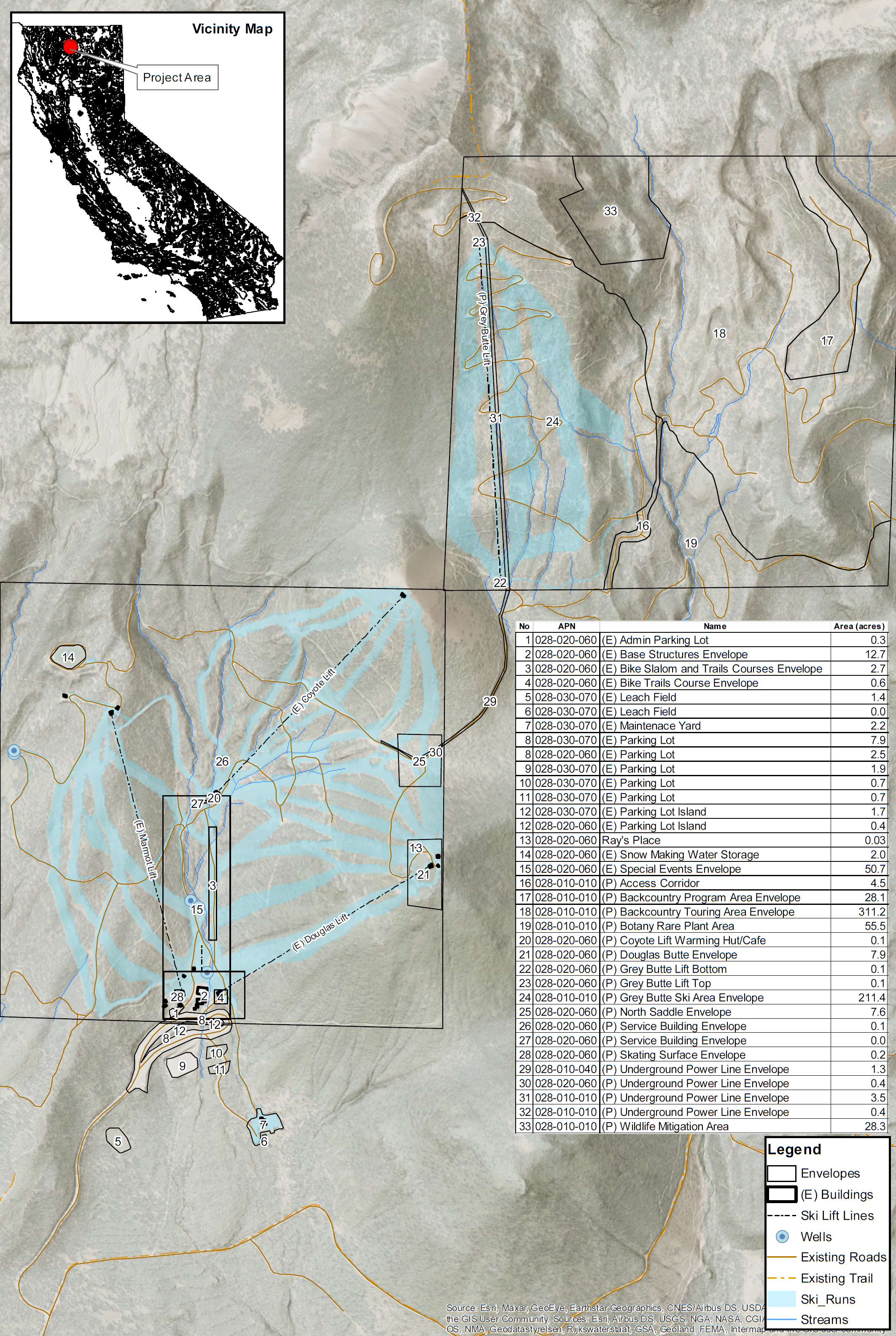
Although the lift line has already been cut, the project has not yet received final approval and the ski area is asking the public to contact the Siskiyou County Planning Commission with support. Planning documents state construction is expected to take place in the fall of 2022 into early 2023. More information on the timeline will be shared at an April 20th public meeting.
Instagram Tuesday: Mountain Ops
Every Tuesday, I feature my favorite Instagram photos from around the lift world.
New Six Packs Coming to Blue Mountain and Camelback
A report by Ski Area Management reveals new six place chairlifts will be installed at both Camelback Resort and Blue Mountain in Pennsylvania this summer. The resorts share common ownership and are located within an hour of each other in the Pocono Mountains, though the lifts will be built by different manufacturers.
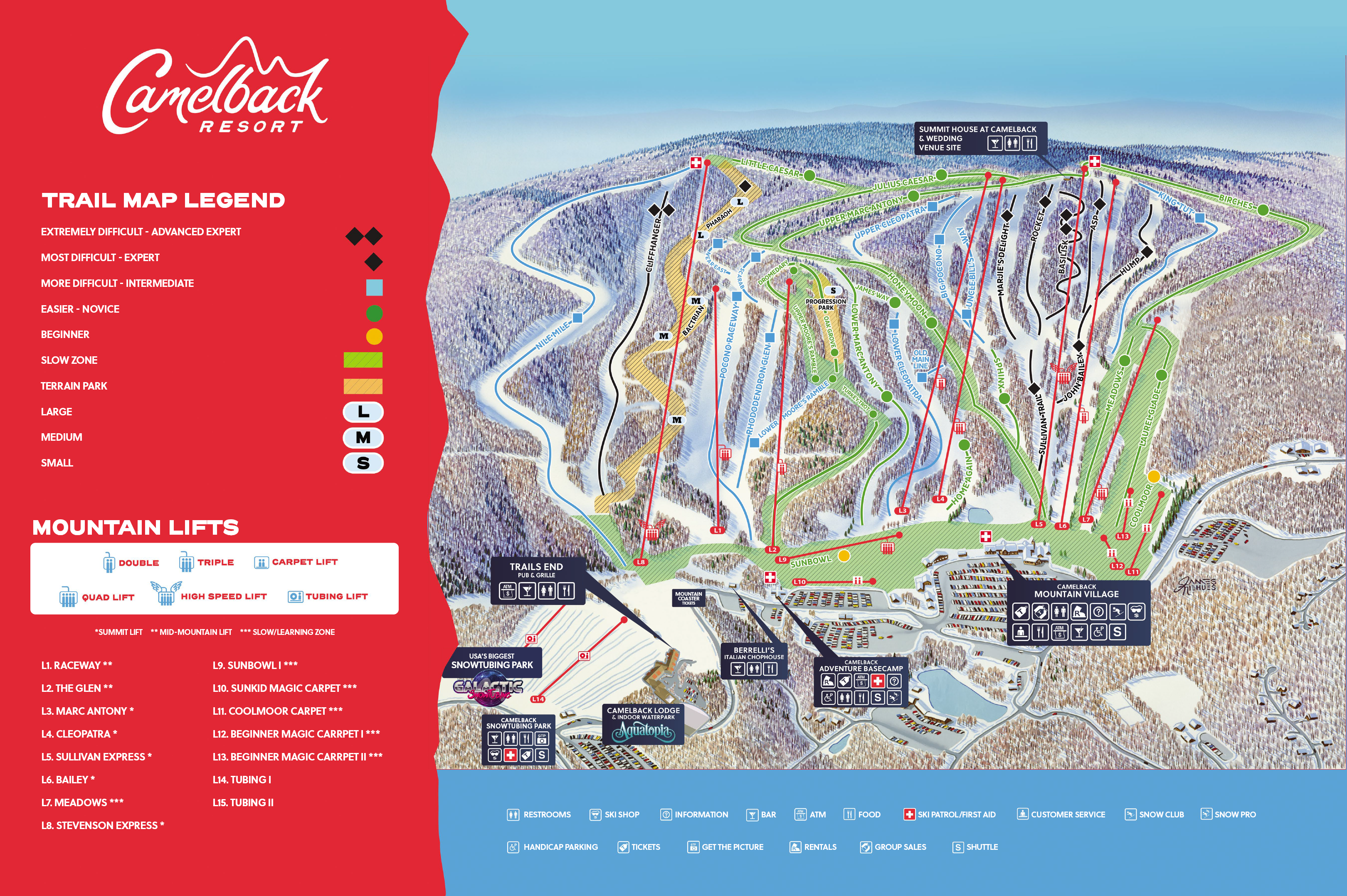
At Camelback, Doppelmayr will replace the aging Sullivan Express with a bubble lift named Black Bear 6. The existing high speed quad was the site of a tragic accident a year ago which injured three guests. Black Bear will feature a 667 foot vertical rise, 3,000 passenger per hour capacity and indoor parking for its 50 chairs.
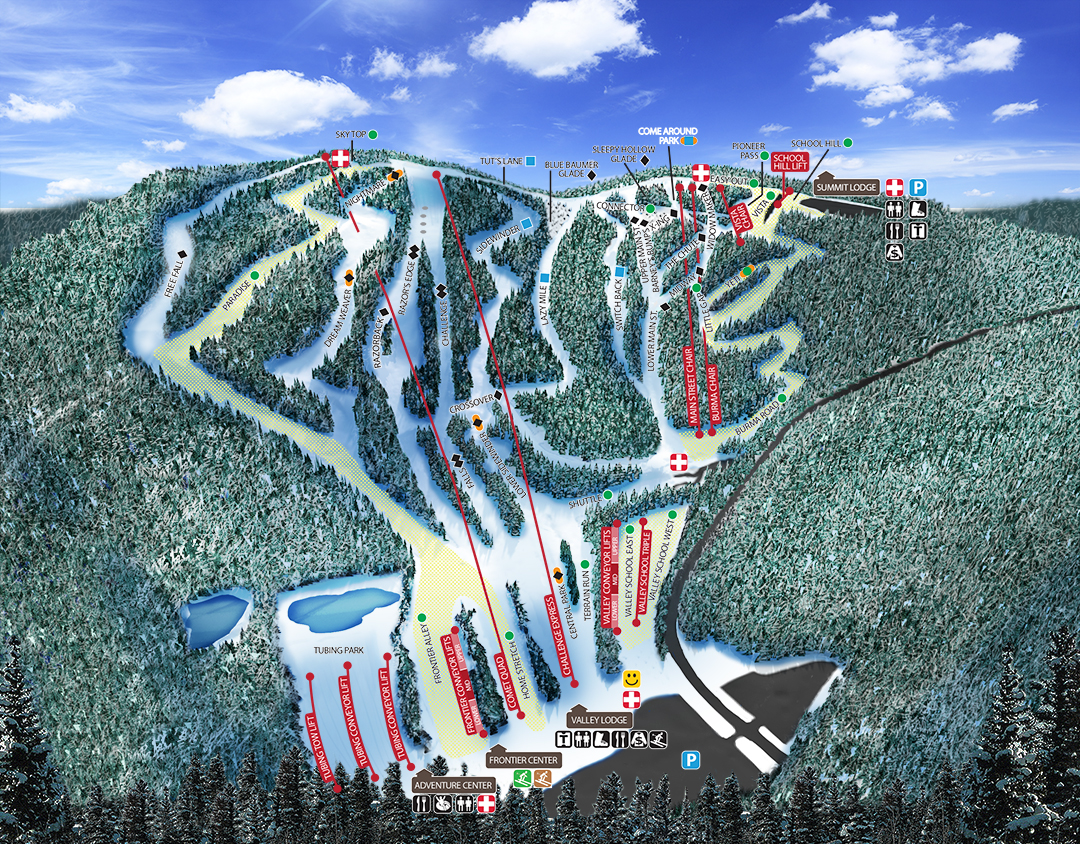
Blue Mountain’s new six pack will replace the Main Street and Burma doubles but start lower on the mountain than the existing lifts. The Leitner-Poma machine will rise 980 vertical feet in under five minutes. “The new lift aims to improve connectivity between Valley Lodge at the base and the Summit Lodge, as well as access to terrain on the western part of the mountain,” reported SAM. The lift will spin at 1,000 feet per minute with 80 carriers.
Both projects are expected to begin construction this month and open for the 2022-23 ski season.
News Roundup: Three Continents
- Vail Resorts to acquire a majority stake in and operate a Swiss ski resort with 32 lifts.
- A Vermont perspective on why some people are unhappy with Vail.
- Juneau Tram owner Goldbelt takes interest in financing a gondola at Eaglecrest Ski Area.
- Homewood says its business model has failed, plans to turn into a private club with two new lifts.
- Taos seeks Forest Service approval to build a base to base gondola and replace two lifts.
- Jackson Hole finds success keeping reservations post-Covid.
- A river crossing pulse gondola is proposed in Red Deer, Alberta.
- The Sun Valley Company is not for sale, will consider a village to mountain gondola in the future.
- A Boise TV station produces an eight minute summary of Tamarack’s checkered history and plans for the future.
- Alpine-X ends its crowdfunding campaign with $1.4 million raised.
- Sommet Saint-Sauveur calls two mid-season breakdowns of the three year old Sommet Express “unfortunate, unacceptable and incomprehensible.”
- As spotted on Interstate 70, someone’s getting a Leitner-Poma detachable named Snow Flyer.
Sundance to Expand with New Lift

Sundance Resort says it’s no joke that a new lift will debut on the back mountain for the 2022-23 season. The Doppelmayr fixed grip quad chair will service four new low angle trails and unload near the top of Jake’s lift. “It has long been a goal of the resort to provide additional terrain on our mountain,” noted Sundance President and General Manager Chad Linebaugh. “This new area has great natural light with abundant sunshine; I am confident it will be a new favorite area for early morning runs and laps throughout the day for families.” When the project is complete, Sundance will feature a total of six chairlifts on two mountains.
Sundance’s new owners and Doppelmayr completed two new quad chairlifts last summer as part of a major rebuilding effort and the next new lift will be similar to Stairway. That project included a new snowmaking system which will be expanded to cover the 15 acres of terrain being added this summer.
Timberline Advances Gondola Plan

Timberline Lodge and Summit Ski Area are officially one, encompassing 4,500 vertical feet of skiing on Mt. Hood. For now, skiers can enjoy the biggest vertical drop of any ski area in the United States only one way as there is no lift connection between the upper and lower mountains. That could soon change, however, as the Forest Service recently accepted Timberline’s new master plan. The cornerstone is a two stage gondola between Government Camp and Timberline Lodge, which would eliminate the need for hundreds of cars to drive to mid mountain each day and provide an enhanced guest experience year round.
The proposed 10 passenger gondola would link three stations 2.5 miles apart with an hourly capacity of 1,800 guests in each direction. “It would serve as an introductory experience to variety of guests to Timberline and the Mt. Hood National Forest, including beginner skiers, more advanced skiers traveling to Timberline, tourists exploring the area, people sledding or tubing, and more,” notes the plan, which was prepared by SE Group. The gondola would ascend 1,958 vertical feet in just 12 minutes, though a journey to the top of Timberline would still require two additional lift rides.
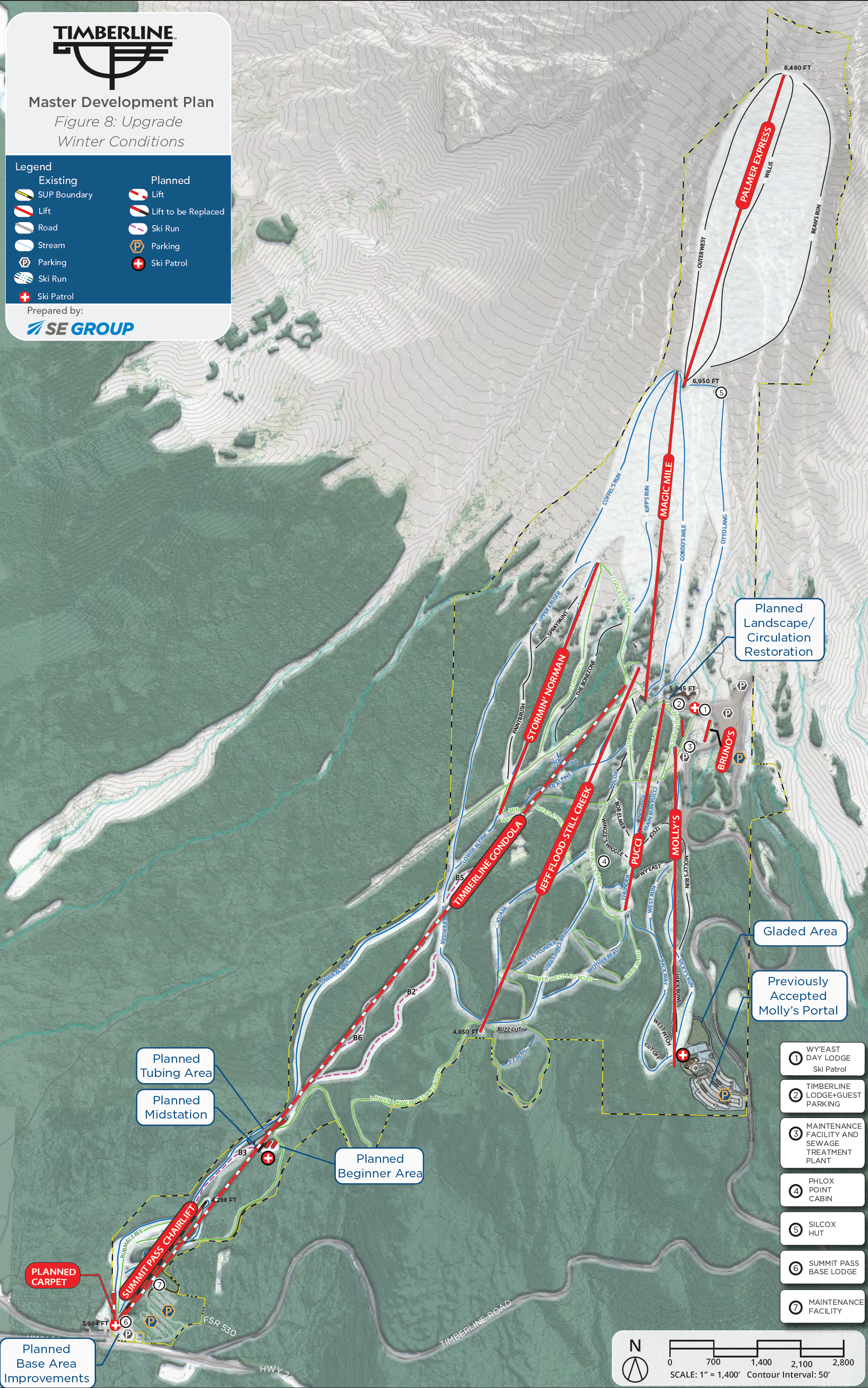
A new Summit Pass base lodge would anchor a new entry point for the larger Timberline area. The 20,000 square foot building would include space for dining, ticketing, ski school, retail, restrooms, and more. A new conveyor lift would serve beginner skiers and snowboarders away from the busy Timberline terrain. The master plan also includes replacement of Summit’s Riblet double with a 2,200 foot fixed grip quad and expansive new snowmaking.
At the gondola’s mid-station, another guest service building, learn to ski area, tubing park, summer camp sites and/or overnight yurts would be built. The intermediate station would also house a storage and maintenance building for the gondola’s approximately 65 cabins. Skiers and mountain bikers coming down the mountain could board the gondola here and return to Timberline without the need to descend all the way to Government Camp.
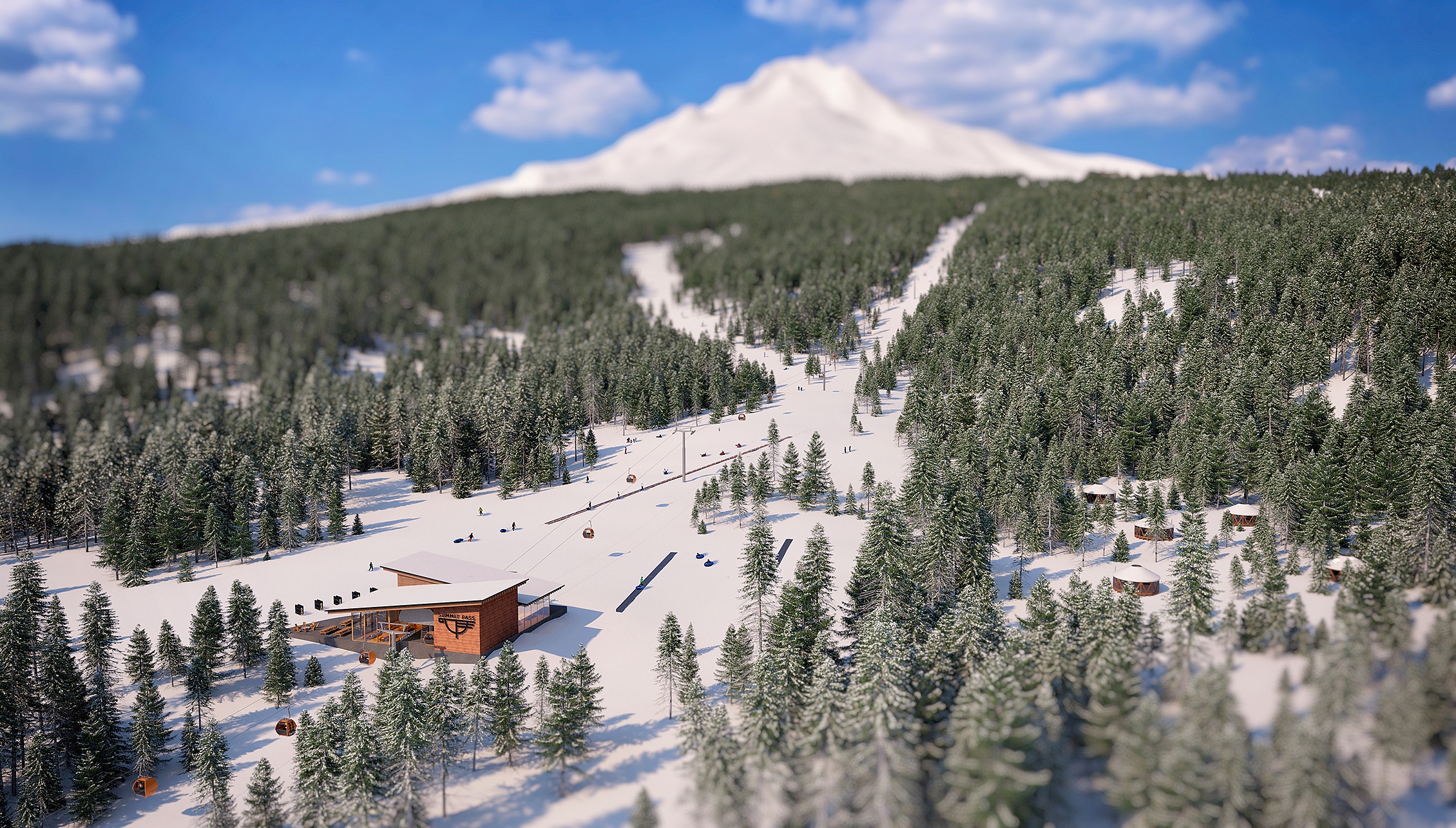
The top station would sit near the Jeff Flood Express, close to Timberline Lodge itself with easy access to other chairlifts. This would also be the home of the gondola’s drive system.
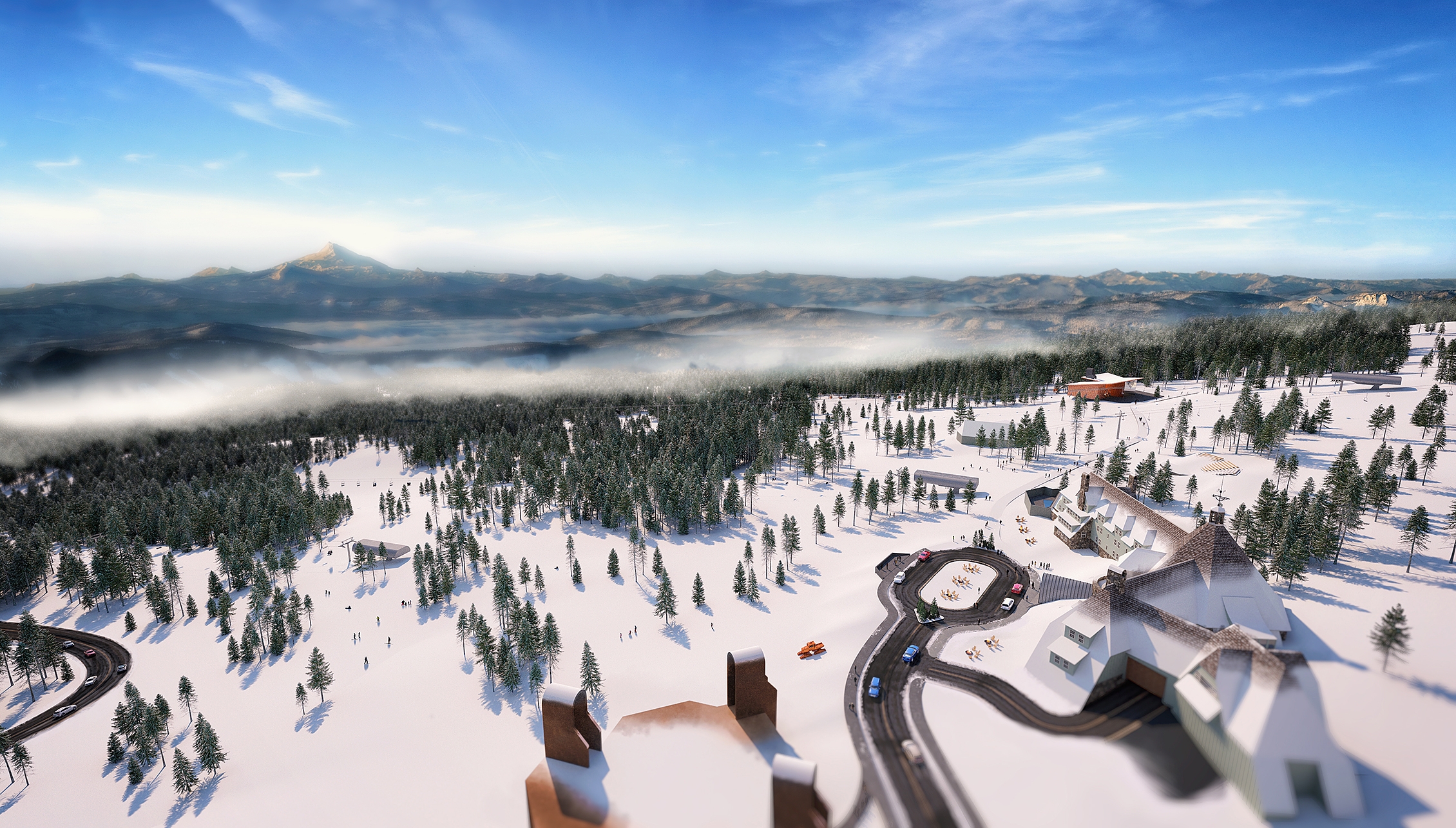
Forest Service acceptance is the first step in a multi-part approval process. Timberline’s owners estimate the gondola, if approved, could be operational within about five years.
Instagram Tuesday: Spring Vistas
Every Tuesday, I feature my favorite Instagram photos from around the lift world.
Red Lodge Mountain to Install Detachable Beginner Lift
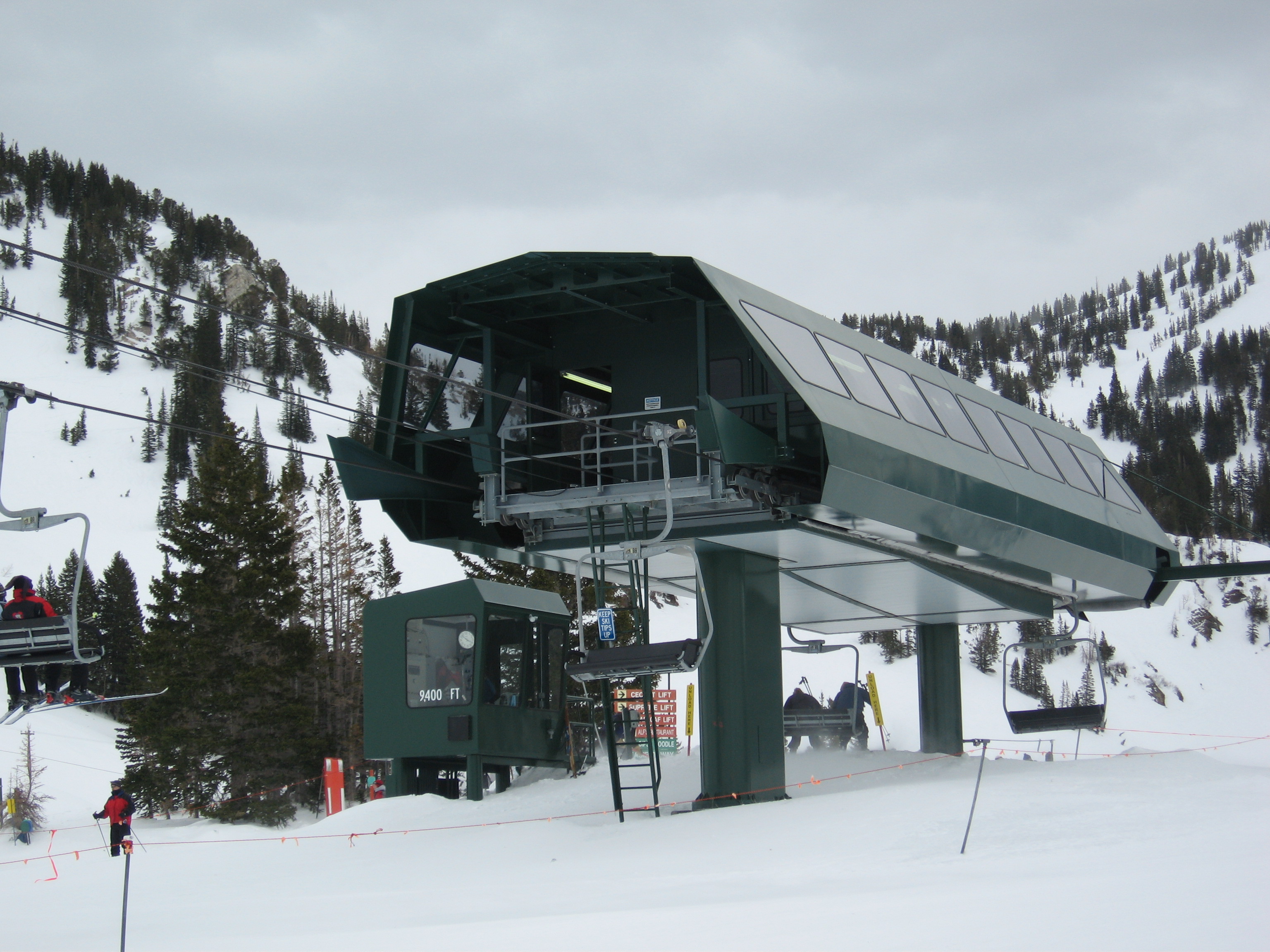
The only detachable triple CTEC ever built has found a new home in Montana. The one-of-a-kind installation will be removed from Alta Ski Area this spring and go on to replace Red Lodge Mountain’s Miami Beach double in 2023. The $2.25 million project will reimagine the learn to ski experience with a new conveyor lift and yurt in addition to the high speed chairlift.
The Miami Beach detachable will follow a modified alignment to better serve the mountain’s beginner terrain and provide access the the Palisades. “This is an exciting and significant investment into the ski experience here at Red Lodge,” said General Manager Jeff Schmidt. “Upgrading to this high-speed triple chair will be a transformation of the beginner experience. The Sunnyside Lift has the perfect horsepower and capacity for the Miami terrain.” The Red Lodge team will assist with removal operations at Alta this spring and the lift will be stored in preparation for installation next summer.
News Roundup: Final Rides
- A decision on the Little Cottonwood Canyon gondola isn’t announced yet but some are already calling for an audit and threatening a lawsuit.
- Telluride celebrates 25 years of public transport by gondola.
- Catamount now plans to finish its two relocated chairlift projects over the summer.
- An impressive six station, 150 cabin urban gondola opens in Israel.
- Granby Ranch teases a new lift between its East and West mountains.
- The Forest Service green lights Purgatory’s Ice Creek expansion, through construction won’t happen right away.
- Whitefish will give the public one last chance to ride Chair 4/Great Northern tomorrow; Bigfoot T-Bar will be closed for the rest of the season due to maintenance.
- Epic Pass prices rise modestly, tiers and blackout dates remain the same.
- In a presentation to investors, Vail Resorts says it will continue to focus on advance commitment products, high return capital investments and network expansion.
- Vail says data-based adjustments to select lifts achieved an average capacity increase of 10 percent, equivalent to adding five high speed quads to its network without investing any capital. The program will expand to more lifts for 2022-23.
- Some Juneau leaders have second thoughts about bringing over a used gondola from Austria.
- Mt. Snow’s Sunbrook quad may live on at another Vail resort.
- A lawsuit seeks to stop the proposed Los Angeles Dodger Stadium-Union Station gondola.
- Following last week’s Bartholet-HTI news, MND says its agreement with Bartholet runs through December 2023 and that MND “aims to be a major and self-sufficient industrial ropeway mobility player.” The company plans to deliver around 32 non-detachable chairlifts and surface lifts this year in addition to Bartholet alliance projects.
- An Associated Press investigation uses an Iowa county’s purchase of Mt. Crescent Ski Area as an example of wasteful pandemic relief spending.
- Connonsburg, Michigan may become the latest private ski area to transition to public ownership.
- A permit extension request reveals why the Palisades Base to Base gondola wasn’t completed last summer.
“The 2021 construction season was particularly challenging due to a number of unusual circumstances. The pandemic resulted in labor shortages for not only the lift construction crews and building teams, but also with the supply chain companies delivering key materials. Helicopter usage was a key component for construction, as they were required for activities including tree removal, setting of lift towers and pouring the foundations at the KT mid-station. Helicopter availability was greatly affected by one of the worst wildfire seasons in California history, and once helicopters were available, their operations were shut down as they could not safely fly in the smoky conditions. The fires also resulted in periods when the crews had to be sent home due to unhealthy air quality. For these reasons, construction could not be completed within the six-to-eight-month time frame anticipated in the EIS.”
 Lift Blog