
Every Tuesday, we feature our favorite Instagram photos from around the lift world.
Breckenridge May Have the Most Interesting Lifts in the World
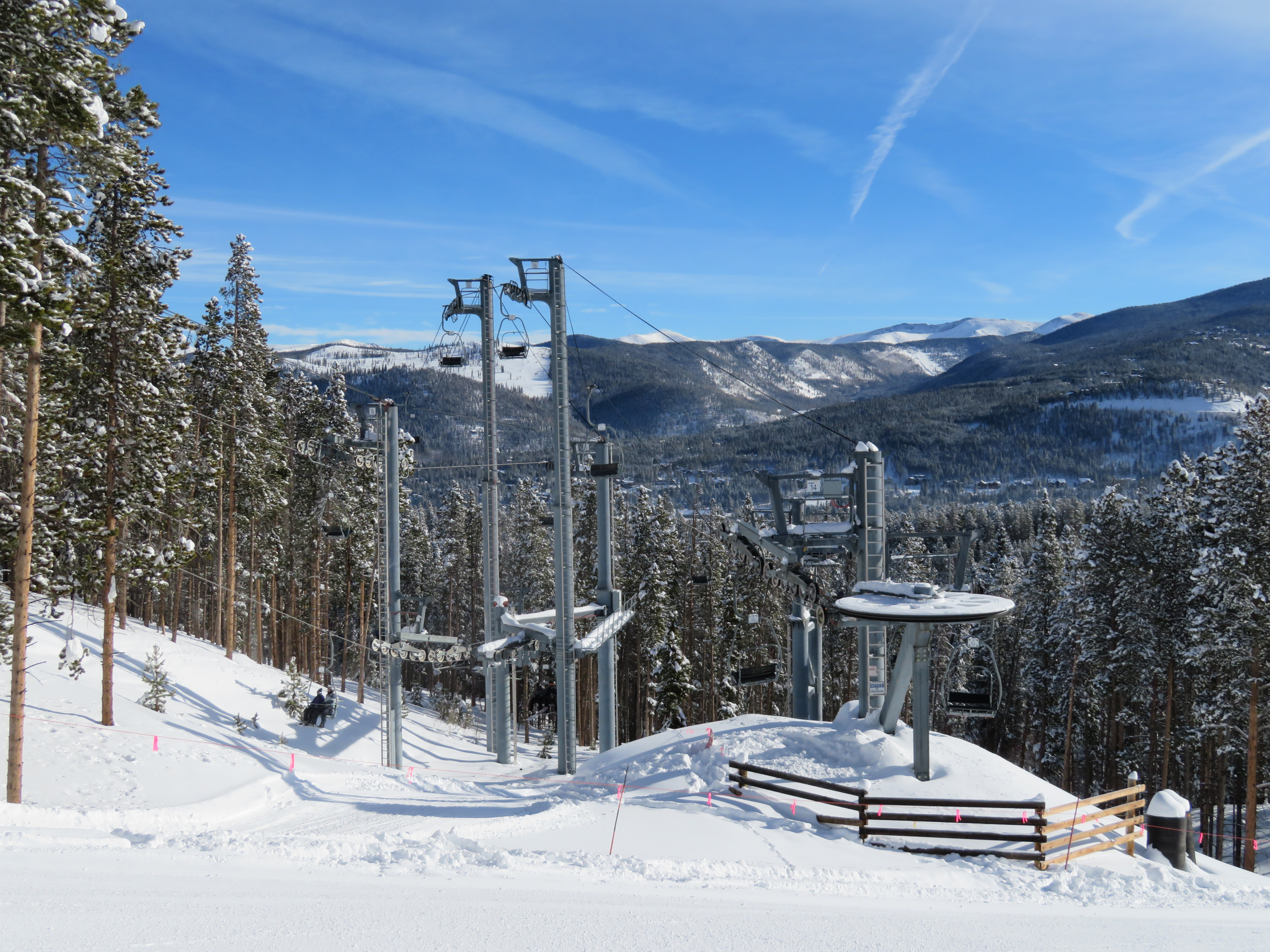
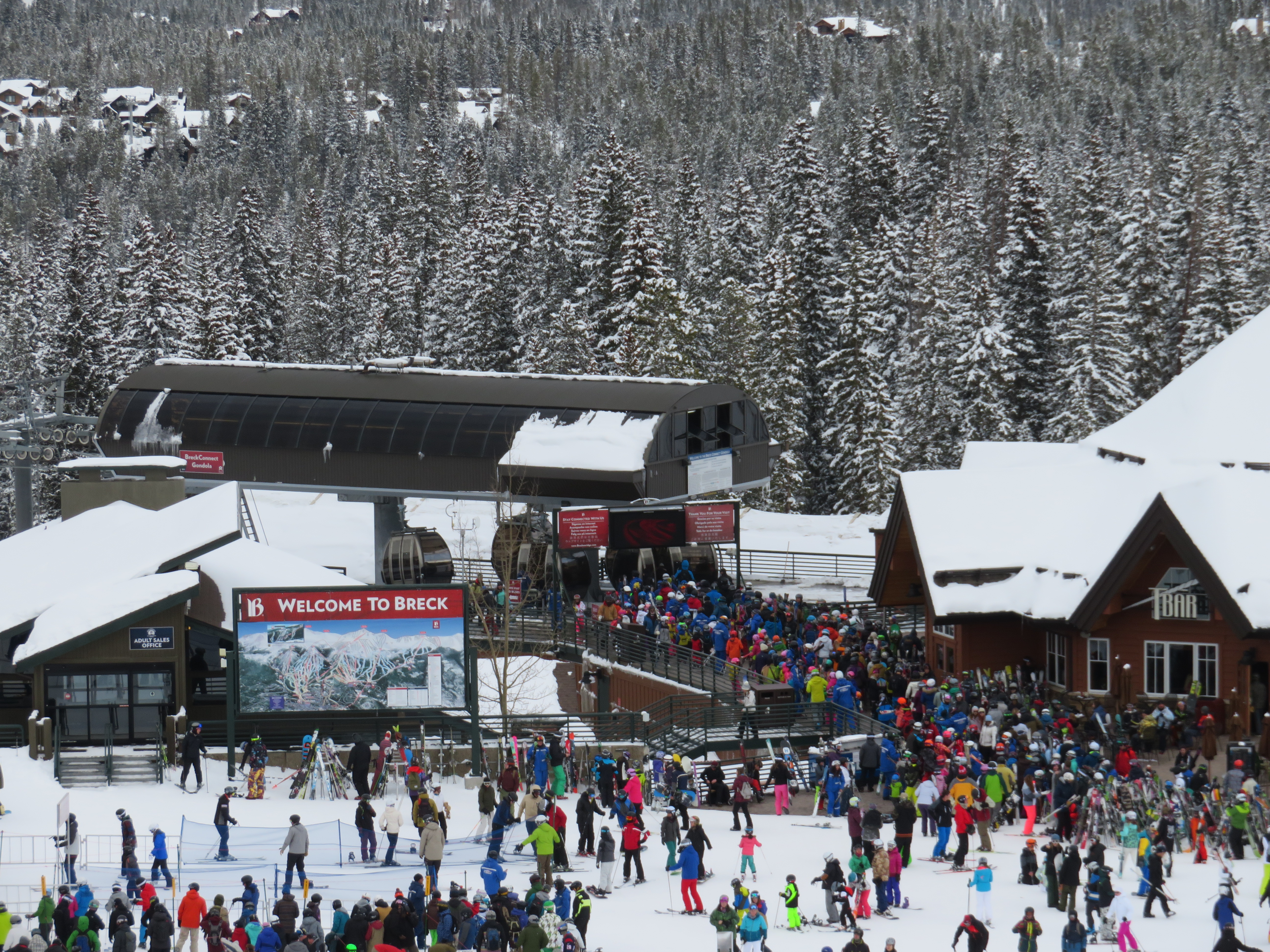

Quickdraw at Granby Ranch to Reopen Following “Rare Dynamic Event”
For the first time in 24 years (and post-Lift Engineering) an electrical or mechanical problem has led to a fatality on an American ski lift. The Quickdraw quad at Granby Ranch will re-open Tuesday after the Colorado Passenger Tramway Safety Board reached an interim operation agreement with the ski area. The news comes almost two weeks after the December 29th accident, in which a mother and her two daughters fell from a chair. Unfortunately, the agreement notes that a “rare dynamic event” due to issues with the electronic drive/control system caused the riders’ fall. Environmental factors, weather and/or rider behavior were not to blame.
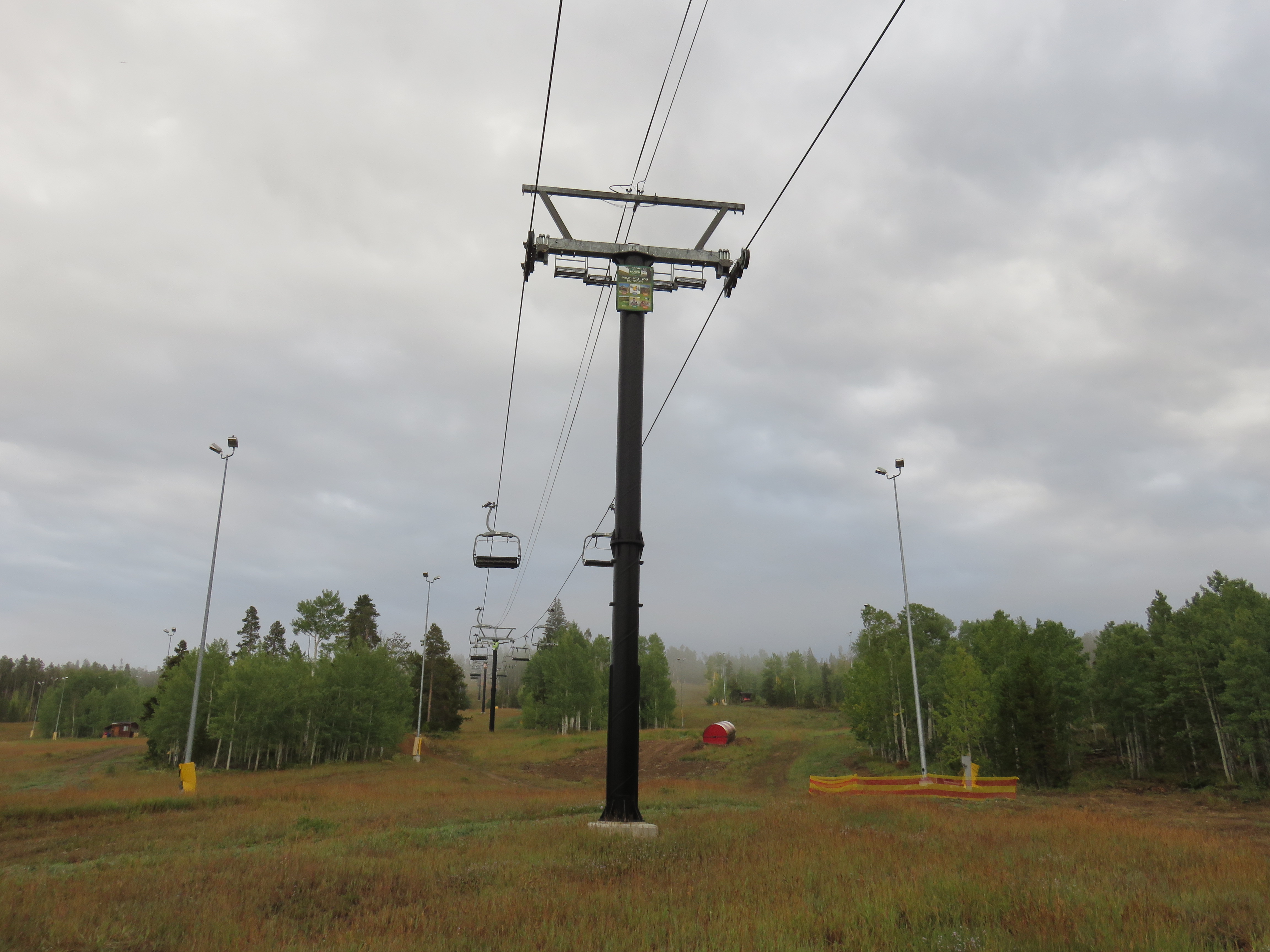
The Colorado Department of Regulatory Agencies, which oversees the tramway board, conducted extensive testing in addition to interviewing witnesses and engineers over the past 10 days. Mother Kelly Huber and her two children were riding chair number 58 when it came into contact with tower 5 due to irregular line dynamics. The lift had been load tested less than four weeks prior, on Dec. 5th.
The operation agreement with the CPTSB is stringent. Quickdraw’s electronic drive must be disconnected (this particular lift has two diesels – auxiliary and evacuation.) Lift mechanics, operators and ski patrollers all must perform a line check prior to operation each day. Additional visual line and ground checks will be required to be documented every two hours. For the first three days, the lift will only be permitted to move 600 feet per minute, even though the diesel auxiliary is rated for up to 900 fpm. After two additional days at 700 fpm, Granby Ranch will be permitted to operate the lift at 800 fpm for the rest of the season. Presumably this summer the lift will get a completely new drive.
The operation agreement is not a final report and does not identify any acts or omissions leading up to the accident, but merely outlines the conditions under which the lift can re-open. In a press release dated today, Granby Ranch echoed its condolences to the family of the victims and affirmed its commitment to safety. “The Quick Draw Express has been operating safely at Granby Ranch over the 16 seasons since its installation,” the company noted. “Granby Ranch has followed all prescribed protocols in operating the lift.”
We haven’t heard the end of this one. Hopefully the final report will provide some insight into how this type of event can be avoided in the future.
Update 1/10/17: Apparently a third-party company installed a new ABB drive last summer that ramped up and/or down too quickly, leading to the dynamic event.
News Roundup: Dangling
- Rope evac goes smoothly at Rabbit Hill, Alberta.
- Bridger Bowl’s new Virginia City lift sounds like a go for 2017.
- Leitner’s newest urban gondola system makes the New York Times.
- Sundance Ski Patrol rescues a second child in as many weeks dangling from Ray’s lift, which has four unload ramps.
- The CPTSB is still investigating at Granby Ranch and Quickdraw remains closed.
- Bruno’s lift at Timberline had a rough day today.
- Eaton Mountain won’t open for skiing this winter, but the dream still lives.
- The brand new LST Valar T-Bar at Cannon Mountain also remains closed, apparently due to multiple problems.
- Alpine Meadows and Squaw Valley are doing their best to weather Winter Storm Helena.
- Across the board, North America had a hugely successful holiday week.
- And yet another crazy dangler story from Colorado.
Instagram Tuesday: Breakover
Every Tuesday, we feature our favorite Instagram photos from around the lift world.
https://www.instagram.com/p/BN_YeNlBIs-/?tagged=skilift
A Look Forward to 2017
This New Year’s Day, I thought I’d review Lift Blog’s second year and make a few predictions for 2017. In 2016, North American lift construction reached a post-recession high, with large new lifts debuting at Arizona Snowbowl, Big Sky and Jackson Hole. In April, we learned Leitner-Poma acquired Skytrac, changing the manufacturer landscape in North America again. LST built its first detachable lift in France (although it’s not quite finished yet) bringing another player to the global market. 2016 also saw number of lifts catch fire and others fall apart. Here’s a rundown of our most-clicked-on posts of 2016:
10. Yan High Speed Quad Retrofits 20 Years Later
9. In His Own Words: Carl Skylling of Skytrac on the Leitner-Poma Acquisition
8. New Owner Plans to Reopen Stagecoach, Colorado in 2017
7. First Look at Big Sky’s Powder Seeker Six and Challenger 2.0
6. Big Sky 2025: A $150 Million Vision for the Next Decade on Lone Peak
5. Sweetwater Gondola September Update from Jackson Hole
4. Construction Underway on New Lifts at Big Sky
3. Ober Gatlinburg Survives Fire, Sky Lift Fate Unknown
2. Sunday River Lift Severely Damaged as Terminal Falls
1. Big Sky Flies Towers for America’s Most High-Tech Chairlift
Blog wise, readership increased five-fold with more than 700 reader comments in 2016. Lift Blog now has 750 Instagram followers and almost 500 likes on Facebook. I even started Tweeting. Now a few predictions for 2017…

- North America will build more than fifty lifts for the first time since 2007. I’ve already identified 28 likely to be built this construction season with the announcement window really just beginning. American consumer confidence is at its highest level since 2001 and the snow is deep in every major ski region of North America.
- An American or Canadian city will commit to building a purpose-built gondola for public transportation. New York City, Washington, Albany and Vancouver are likely candidates but there are dozens more possibilities.
- Vail Resorts will go East. Since October 2010, Vail has acquired a new ski resort every nine months on average. That puts the next purchase approximately May 2017. A major New England or Mid-Atlantic mountain going Epic seems only a matter of time. Wherever it goes, Vail Resorts will invest heavily in new lifts.
Tune in over the next year to see how I do.
Lift Safety in the Spotlight as Family Falls, Mother Dies at Granby Ranch
Tragedy struck yesterday at Granby Ranch, Colorado during what is normally a celebratory week at American ski resorts. A 40-year old woman and her two daughters, ages 9 and 12, fell from a chair on the Quickdraw quad at approximately 9:30 am. Kelly Huber, of San Antonio, Texas died, while one of her children remains in stable condition at a Denver hospital. The older sister was treated and released. In a statement today, the resort noted, “All of us at Granby Ranch are deeply saddened by yesterday’s tragic incident at our resort. We extend our heartfelt condolences to the family of our guests. Our focus right now is on supporting those affected by this tragedy.”
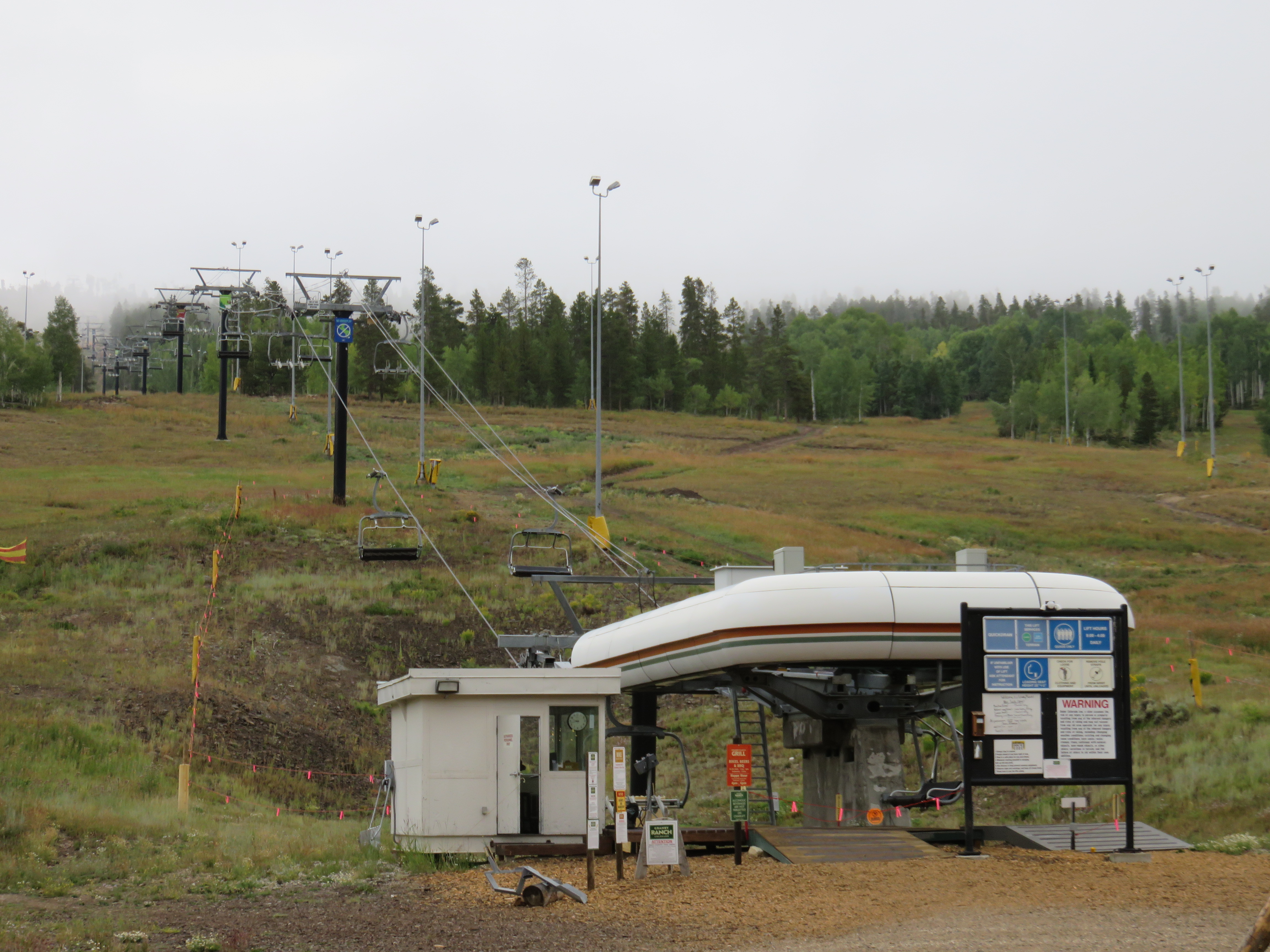
Quickdraw is one of only three Italian-built Leitner detachable chairlifts in the United States, debuting at Granby Ranch in 1999. Leitner and Poma merged their North American operations in 2002. While some reports indicate the lift stopped frequently before the accident, those of us who work around lifts know that is not unusual this time of year and often not due to any mechanical problem. There’s no indication the detachable grip failed and the fourth spot on the chair was apparently empty. Quickdraw’s chairs are equipped with both restraining bars and footrests. The Colorado Passenger Tramway Board is investigating and Quickdraw remained closed today.
According to the NSAA, the last fatal fall from a U.S. chairlift occurred on December 18, 2011 at Sugar Bowl, when a 7-year old boy fell 60 feet. Non-deadly falls are more common, however, with 227 reported in Colorado alone between 2001 and 2012. 86 percent of those were found to be a result of rider error, with 4 percent due to medical problems and just 2 percent attributed to operator/mechanical issues (the rest were never classified.) Yesterday’s accident was the first deadly chairlift fall in Colorado since 2002, with 1.7 billion safe rides in the years between, according to Colorado Ski Country USA.
Nevertheless, as I write this, a family is in mourning and the story occupies the fourth spot on CNN.com. With more holiday weeks to come, let this terrible accident be a reminder that no matter how statistically safe they are, ski lifts can become dangerous in an instant. Already this year, we’ve seen falls from chairs at Mt. Hood Meadows, Seven Springs and Whistler with near misses at Sundance and Mt. Ashland. Many more never make the news. Be safe out there – especially with kids on lifts.
News Roundup: Climbing
- Suicide Six debuts new Leitner-Poma quad chair, Red River opens its new Doppelmayr quad.
- Sundance employees rush a ladder to a chair, climb up and pull a hanging child back up in just minutes. A man at Seven Springs fares worse.
- Two of Canada’s richest families still plan to build $3.5 billion ski resort near Squamish.
- Telluride Mountain Village Gondola turns 20.
- Jay Peak’s tram is back in action.
- The AP runs a story on future urban gondolas in the United States.
- Cannon Mountain’s new LST T-Bar goes down ahead of dedication.
- If you enjoy this blog, Ski Inc. is a must read.
Instagram Tuesday: Heights
Poma to Build World’s First 3S Dedicated to Public Transportation
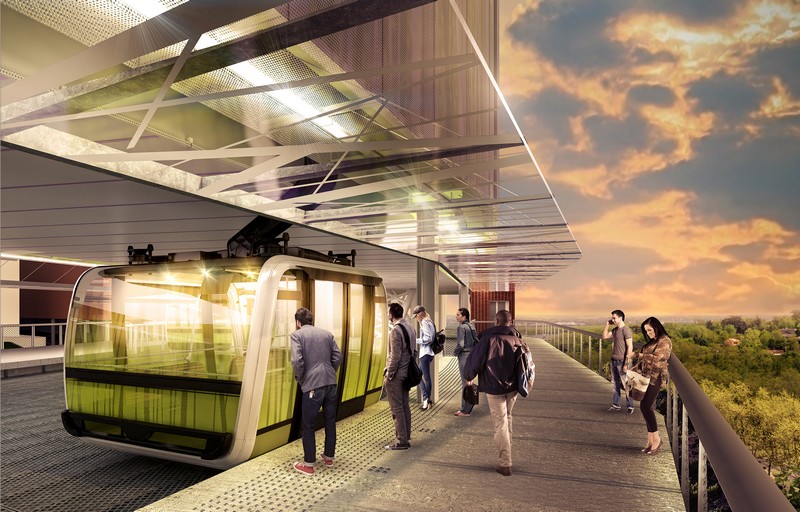
In its home country of France, Poma Ropeways has won a $56 million tender to realize the first 3S gondola designed entirely for public transport. Téléphérique Urbain Sud (South Urban Cable Car) will link two hospitals to Paul Sabatier University in the city of Toulouse. You may know France’s fourth largest city, with 1.2 million inhabitants, as the global headquarters of the Airbus Group.
The gondola’s 1.9 mile route will ascend a 300-foot hill called Pech David before crossing the Garonne waterway. Factors leading to the selection of a 3S over a MGD were the need for long spans between towers (just 5 required instead of 20), the ability to more easily transport wheelchairs/bicycles as well as wind tolerance. Fourteen 35-passenger Sigma Symphony cabins will circulate between three stations with an hourly capacity of 1,500 passengers per direction. At 5 m/s, the system will achieve headways of just 90 seconds and a trip will take ten minutes each way, a 20-minute improvement from today in a car. Like other successful urban gondola projects, riders of the 3S will be able to use existing fare media and easily transfer to and from metro trains or buses. Additional stages are likely to be added to the ends of the new gondola in the future.

 Lift Blog
