Whistler Blackcomb Unveils $345 Million Renaissance
IMG_8813

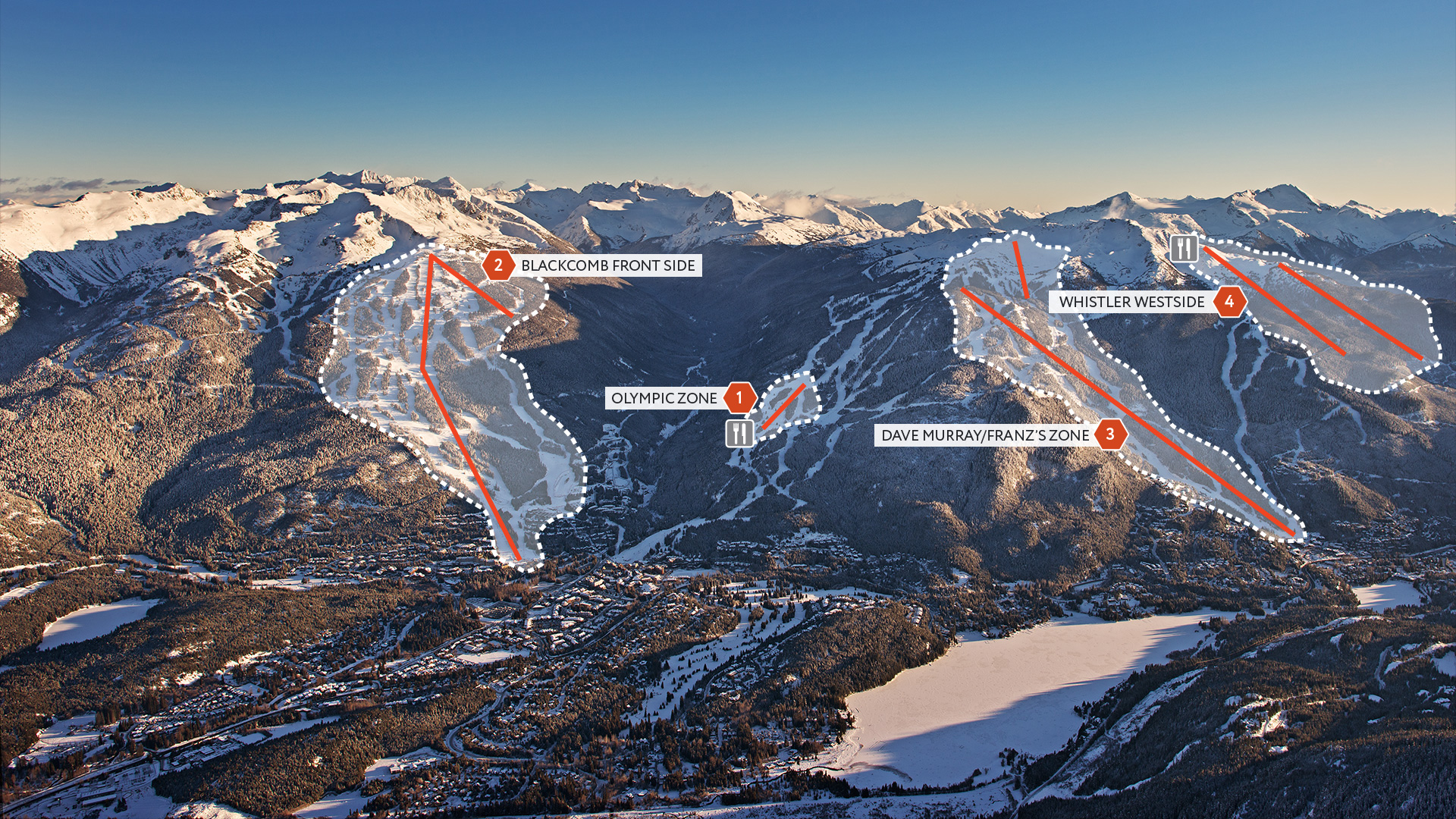
Whistler Blackcomb’s market capitalization surpassed $1 billion last week as its stock reached an all-time high on the Toronto Stock Exchange.  Already North America’s largest and most visited ski destination, the company today unveiled a $345 million capital plan, the largest in its history.  On-mountain improvements are only part of the initiative which also includes new four seasons attractions, base area revitalization and additional real estate development.

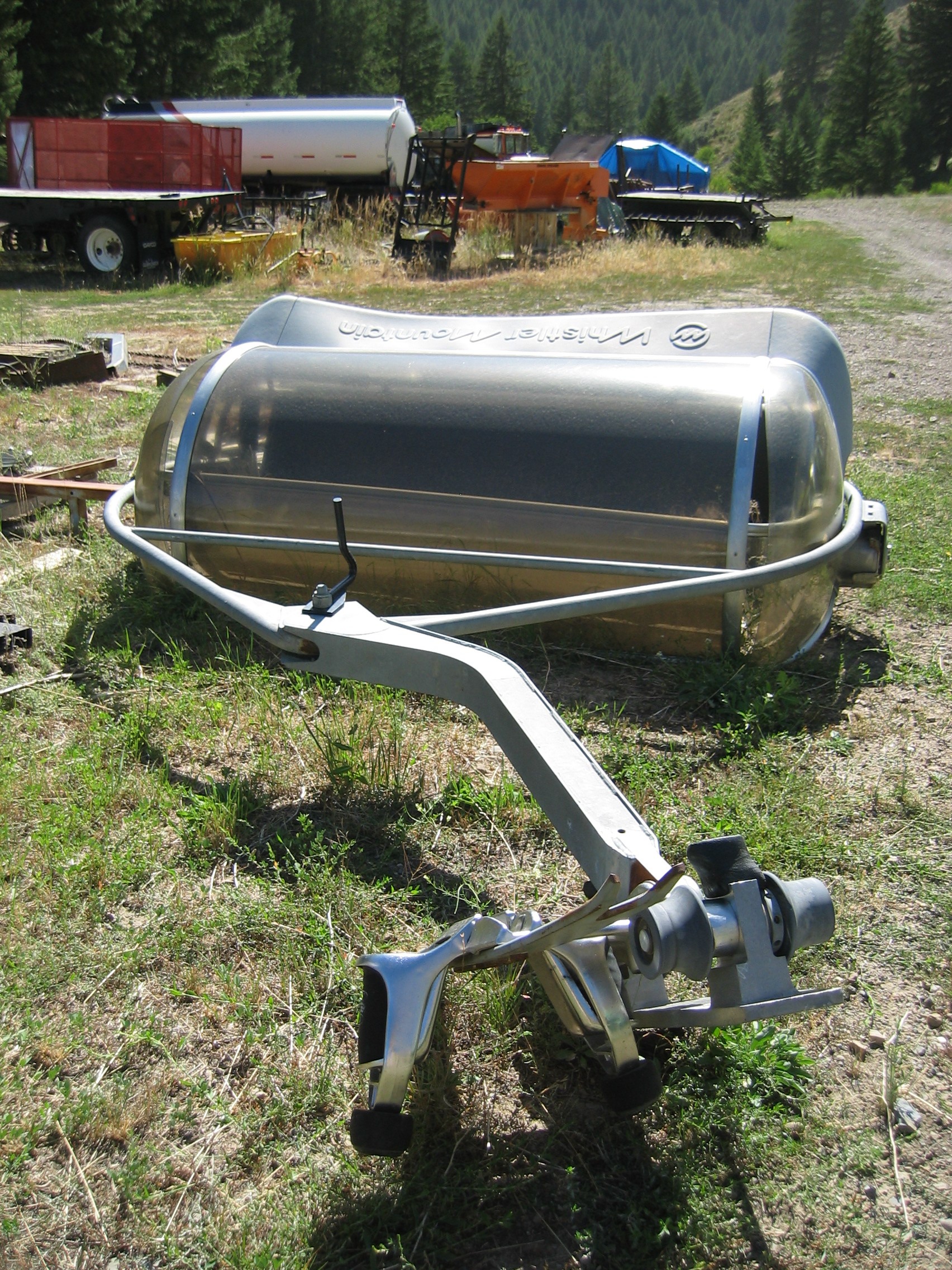
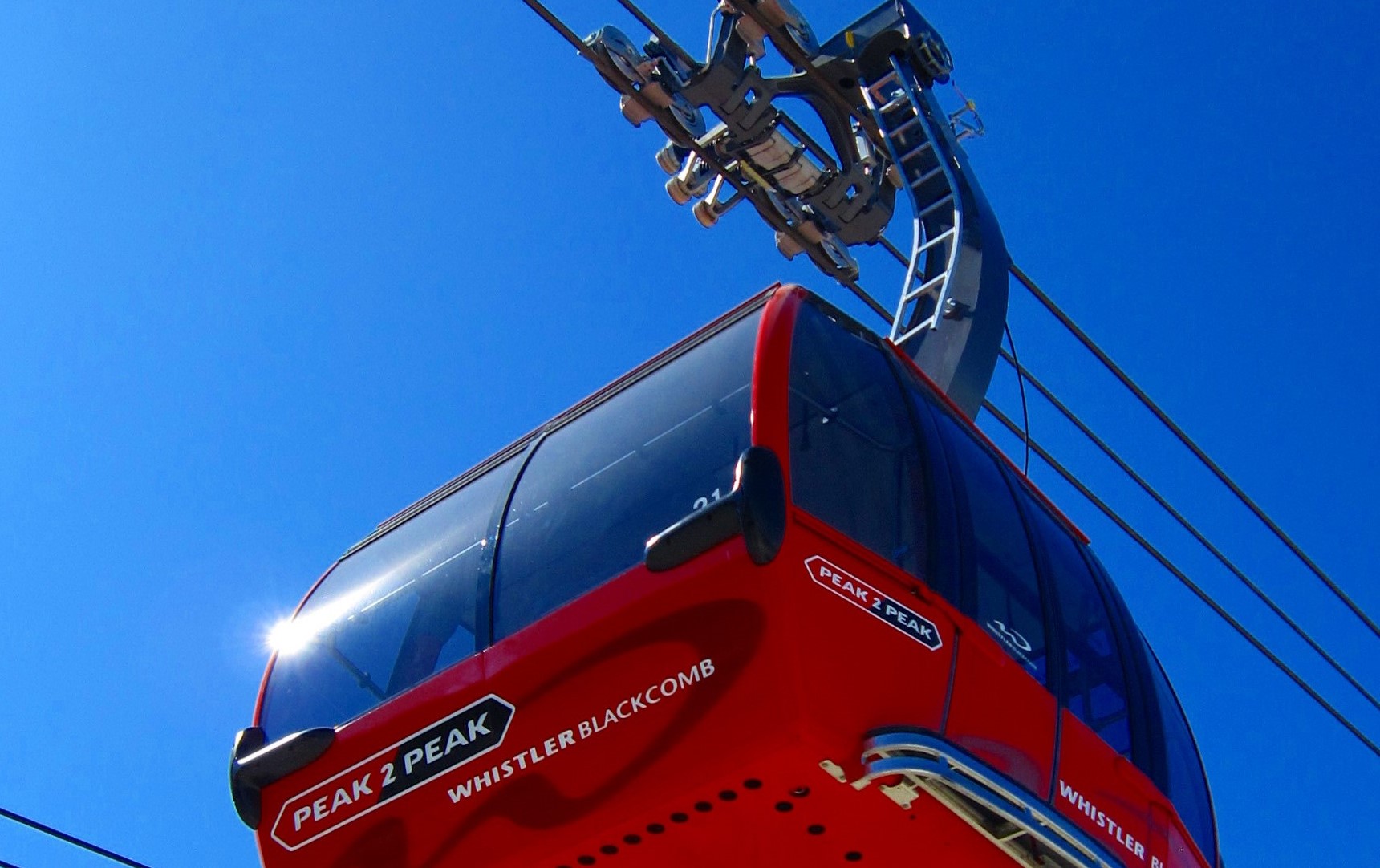
Blackcomb gondola
The Magic Chondola will connect Blackcomb base to Base II.

The big lift news is Renaissance Phase One will include a new chondola to replace the Magic Chair connecting the Blackcomb Daylodge to Base II, where a 16,300 square foot waterpark and skier services building will go up.  The park and chairlift will be just one component of a new Blackcomb Adventure Park with a mountain coaster and more.  The chondola will be open day and night to connect the key destinations at both ends.  I suspect W-B will also expand hours on the first section of Excalibur to create a true gondola transit system between the Blackcomb base areas and Whistler Village.
8_FutureDevMap.jpg

Continue reading

Yan High Speed Quad Retrofits 20 Years Later

Twenty years ago this spring, 15 resorts faced near-disaster when the high-speed lifts they spent more than $50 million to build proved to be of faulty design and had to be retrofitted or replaced just a few years later.  Lift Engineering, the company founded in 1965 by Yanek Kunczynski and more commonly called Yan, entered the detachable lift market in 1986 at June Mountain, CA reportedly after just one year of development.  Yan built a total of 31 detachable quads in the US and Canada between 1986 and 1994.  The majority of Yan’s customers were repeat clients such as Whistler Mountain Ski Corporation, which bought three high speed quads and the Sun Valley Company, which purchased seven.  Whistler’s general manager would later write to Lift Engineering describing his team as the “unwitting recipients of a research and development project.”
IMG_8958
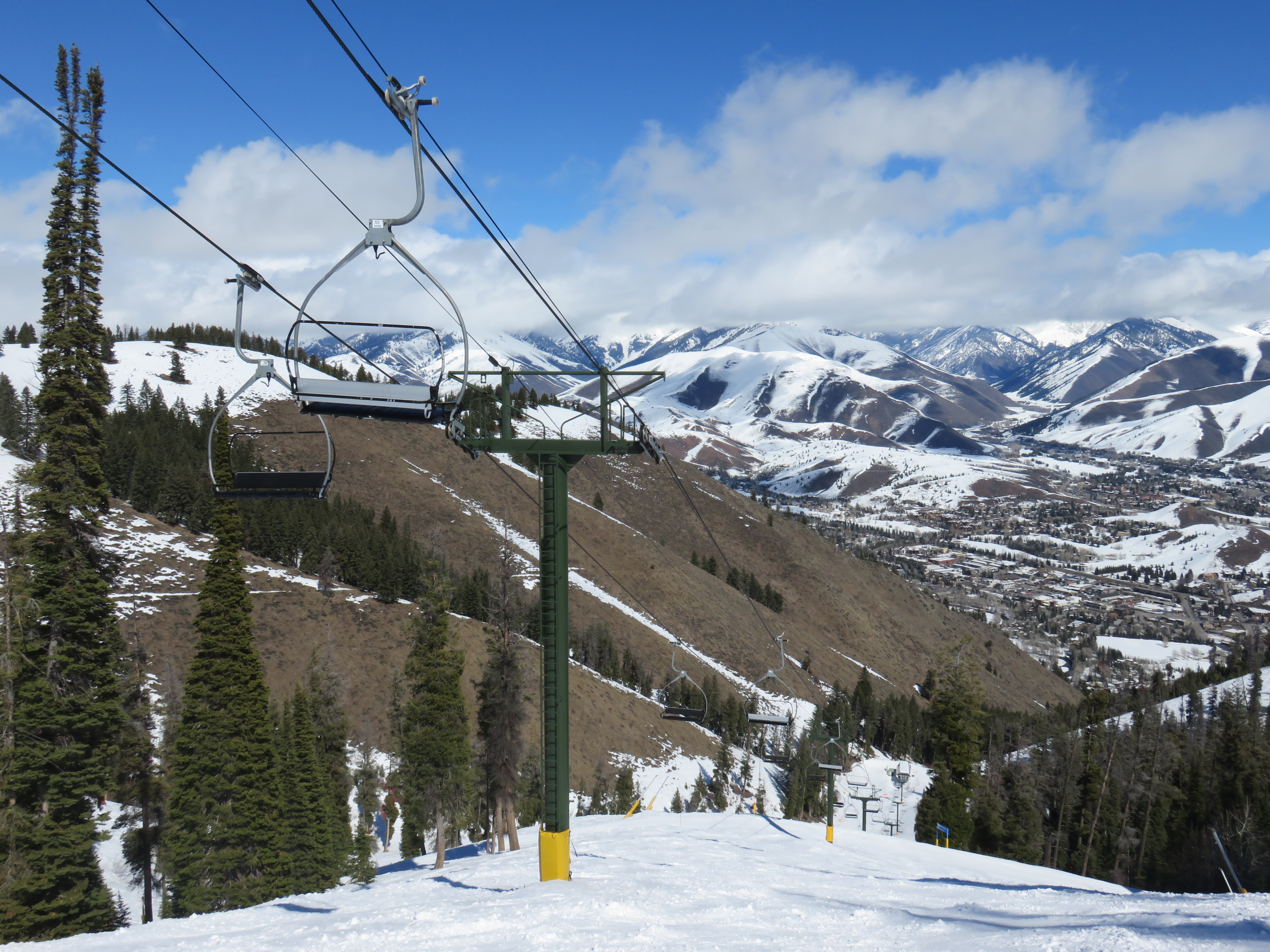
Frenchman’s is one of seven high speed quads on Bald Mountain built by Yan and retrofitted by Doppelmayr after accidents elsewhere.  The original Yan teardrop chairs are some of the most comfortable I’ve ever ridden.
Three incidents in two years sealed the fate of Yan detachables and eventually forced Lift Engineering to liquidate.  On April 4, 1993, a 9-year old boy was killed and another child injured when loose bolts and a subsequent derailment caused two chairs to stack up on Sierra Ski Ranch’s Slingshot lift.  The same lift had sent an empty chair to the ground two months prior when a grip failed.  Lift Engineering settled a wrongful-death suit after the accident for $1.9 million. Sierra Ski Ranch’s marketing director would later state, “we found they just didn’t withstand the test of time” when the company committed $6 million to replace its three Yan detachables in 1996.

svlifts 007
A Yan type-11 grip with marshmallow rubber springs on a bubble chair from Whistler’s Quicksilver high speed quad.
On December 23rd, 1995, a routine emergency stop on the Quicksilver high speed quad at Whistler Mountain initiated a chain reaction crash of four down-bound chairs, plunging skiers 75 feet onto the Dave Murray Downhill course below. 25-year old Trevor MacDonald died at the scene, nine people were seriously injured, 200 had to be evacuated and a second guest died 12 days later.  The coroner’s investigation revealed Yan’s design failed to maintain the required 15-degree lateral swing clearance over towers, causing damage to grips over time.  The type-11 grips could not maintain adequate clamping force for the maximum 38-degree rope angle on Quicksilver between towers 20-21 (Quicksilver was the only lift built with Yan’s type-11 grip owing to its heavier chairs with bubbles, the rest had the type-7 grip.)  On two prior occasions, empty chairs had fallen from Quicksilver’s line, including one time three weeks prior to the deadly accident and in the same location.  Leading up to December 23rd, mechanics were getting grip force faults 20+ times a day and had reportedly stuffed paper into the corresponding alarm.  At the time, detachable lifts were relatively new and not required to stop automatically as a result of a grip force fault.

Continue reading

News Roundup: Italy Goes Premium

csm_chair-680x350_3f1770fe47.jpg

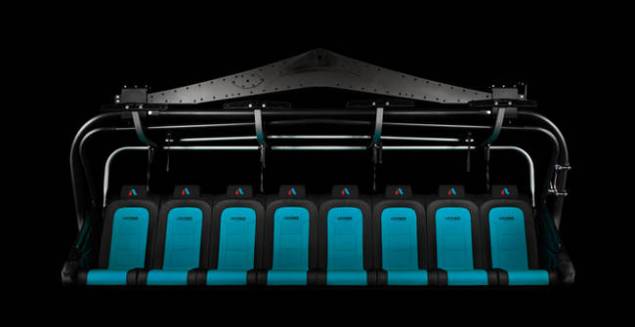
  • Leitner Ropeways will build Italy’s first 8-passenger chairlift this summer featuring the Leitner Premium Chair.
  • A 16-year old rides up outside of a gondola cabin hanging upside down from the doors.  Yikes.
  • Sugarloaf’s Lift Safety blog keeps guests informed of hiccups with the mountain’s lifts, most recently the SuperQuad,  Sawduster and Double Runner East.
  • Snowbird will replace the four track ropes on its Garaventa Aerial Tram starting April 18th.  The tram will re-open sometime in June.
  • 11-year old boy falls from the Peak Chair at Whistler, is caught by a group of staff and guests to the cheers of onlookers.

Whistler Blackcomb’s Next 20 Years

Whistler Blackcomb is the greatest resort success story on our continent – from humble beginnings in 1966 to a resort municipality with 53,000 beds, Olympic host and the first to draw two million skiers in a season.  While Whistler and Blackcomb mountains were developed independently, they are now linked by one of the most iconic ropeways ever built.  Today, the mountains have a fleet of thirty lifts including seven gondolas and 14 detachable chairs over 8,200 sprawling acres.  Despite being the largest ski resort in the US or Canada, W-B still gets crowded and has opportunities for continued improvement and expansion.  The resort’s master plan prescribes replacing nine lifts and adding eleven more, primarily on Whistler Mountain. Many of the lifts add new out-of-base capacity with the goal of “staging” both mountains with 32,000 skiers in 2.5 hours or less.

Winter-Dual-Mountain-Evening-Lights-Snowy-Trees-Village-DavidMcColm

On the Whistler side, the plan includes a major expansion to the south, creatively dubbed Whistler South.  It would include an 8-passenger gondola from a new “Cheakamus” parking area and another base facility part way up.  At just 2,000 feet above sea level, The lower base would have no trails to it, just the gondola to the upper base area.  A second gondola would connect to here from Whistler Creekside.  Trail pods above would include a beginner area and three detachable chairlifts including one in Bagel Bowl.

Whistler's Master Plan includes removing 5 lifts and adding 14.
Whistler’s Master Plan includes removing 5 lifts and adding 14.

The Creekside base would also get a fourth gondola direct to Whistler’s Chic Pea, bypassing the Creekside Gondola/Big Red choke point.  Higher up, Franz’s chair and Whistler’s two original T-bars would be replaced by a single detachable quad from the bottom of the former to the top of the latter.  At the heart of Whistler Mountain, Emerald Express is slated to be swapped with a six-pack.  The quad would move to a parallel alignment ending slightly higher.  Talk about an increase in capacity!

If you’ve ever been in Symphony Bowl, you know the high speed quad built in 2006 serves an area larger than most ski resorts.  As such, Whistler Blackcomb plans two more lifts starting at the Symphony base fanning out in opposite directions.  One called Robertson’s goes towards Harmony while the other serves either Flute Peak or Flute Shoulder with a detachable four or six-passenger chair.  Access to the alpine from Whistler Village stays exactly the same; the only change on this side of the mountain is replacement of Magic (a Yan triple) with a 6/8 chondola.

Continue reading