Author: Peter Landsman
Checking Out Vail’s New Lift 2
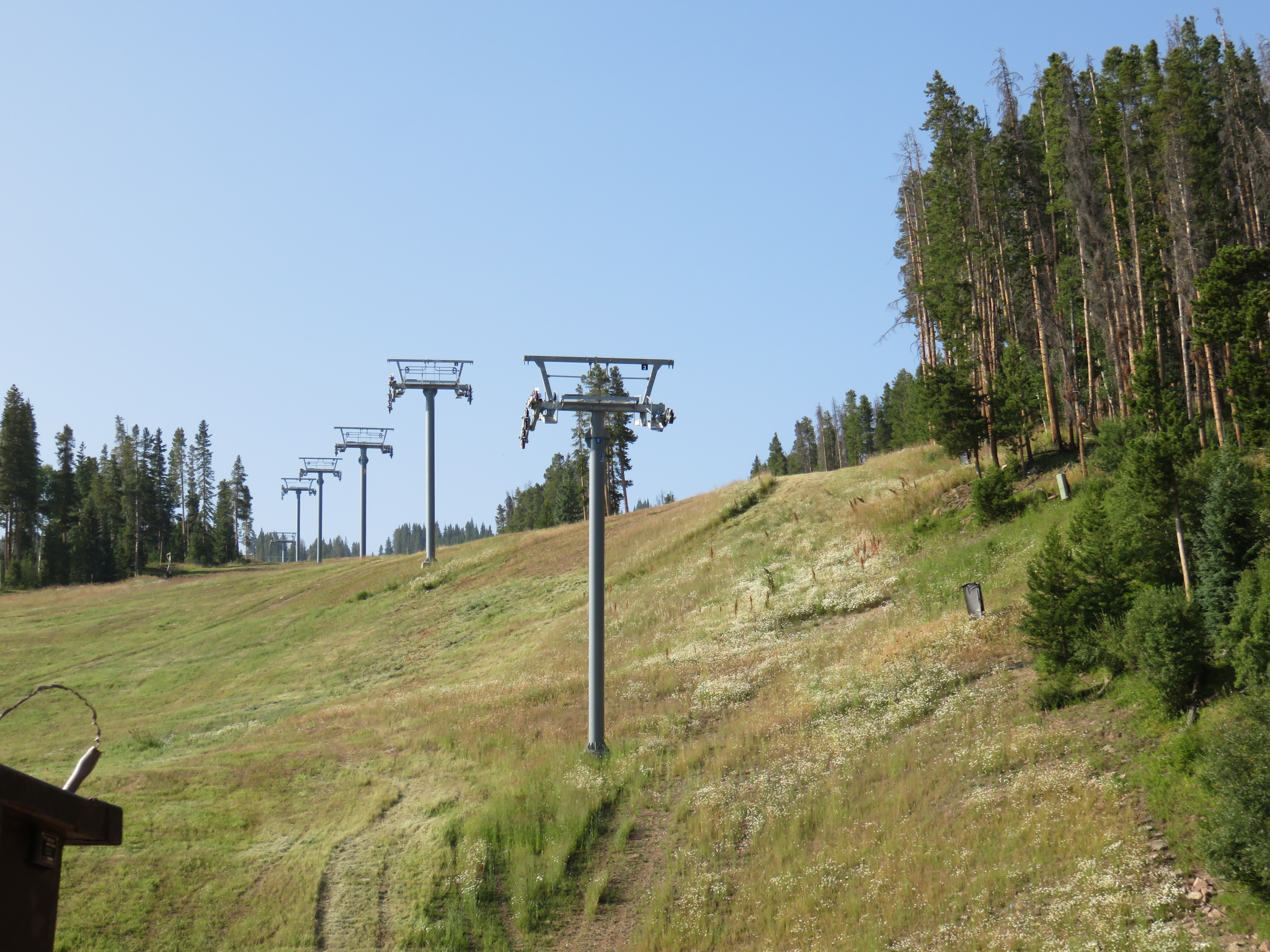
Vail Resorts is in the midst of a major program at its four Colorado resorts to replace first-generation detachable quads with new six packs and gondolas. Up for a refresh this summer is Chair 2 at Vail, the Avanti Express. The 1989 detachable quad is being replaced with a Doppelmayr six-pack. This follows the replacement of the Vista Bahn with a Leitner-Poma 10-passenger gondola and the Mountaintop Express with a Doppelmayr six-pack last summer. Vail has been saving parts from these lifts to keep others of the same vintage going. Lifts 7, 8, 11 and 21 are the only 1980s detachables left at Vail and will likely be replaced in the next few years. Northwoods and Game Creek are the oldest two lifts of any kind left at Vail, dating back to 1985.
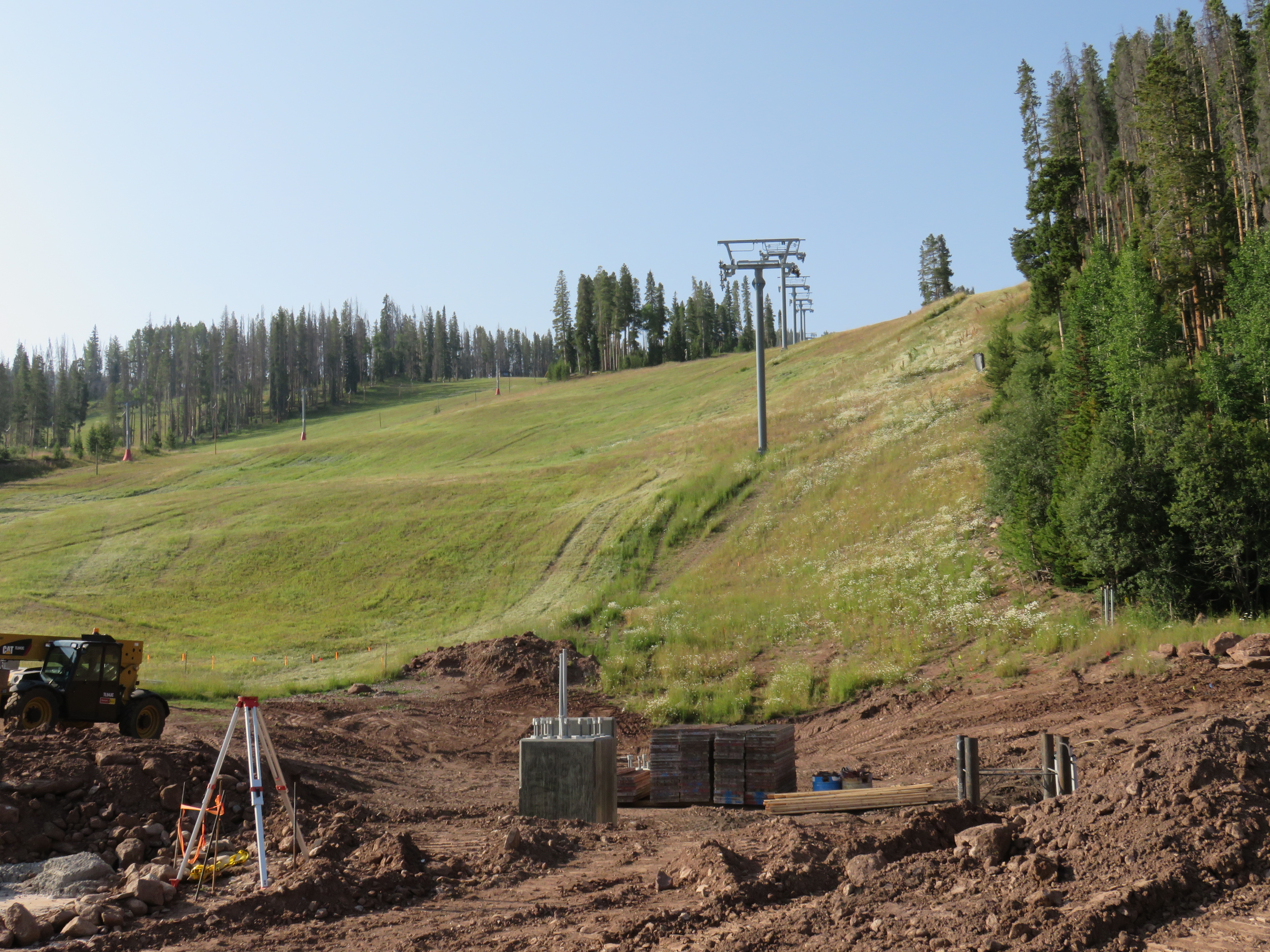
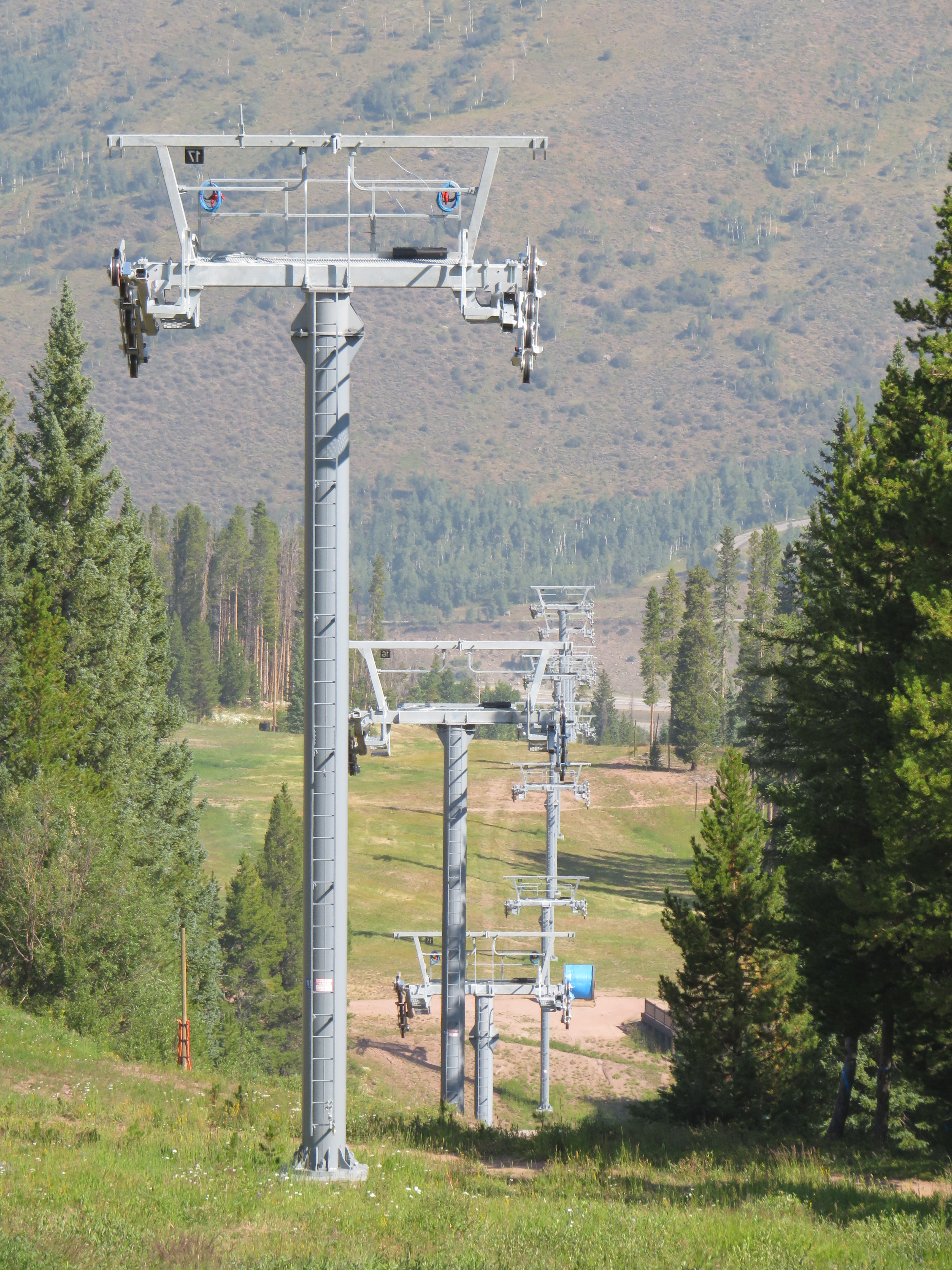
The new 2 is in the same alignment as the old and re-uses its tower tubes. New, wider crossarms were flown into place a few weeks ago with the exception of towers 24 and 25 at the summit. Concrete work for both terminals is finished except for the loading carpet pit at the bottom terminal. Steel for the terminals has been delivered. New chairs are staged at the summit and the haul rope spool sits at tower 9.
Is This Doppelmayr’s New Detachable Terminal?
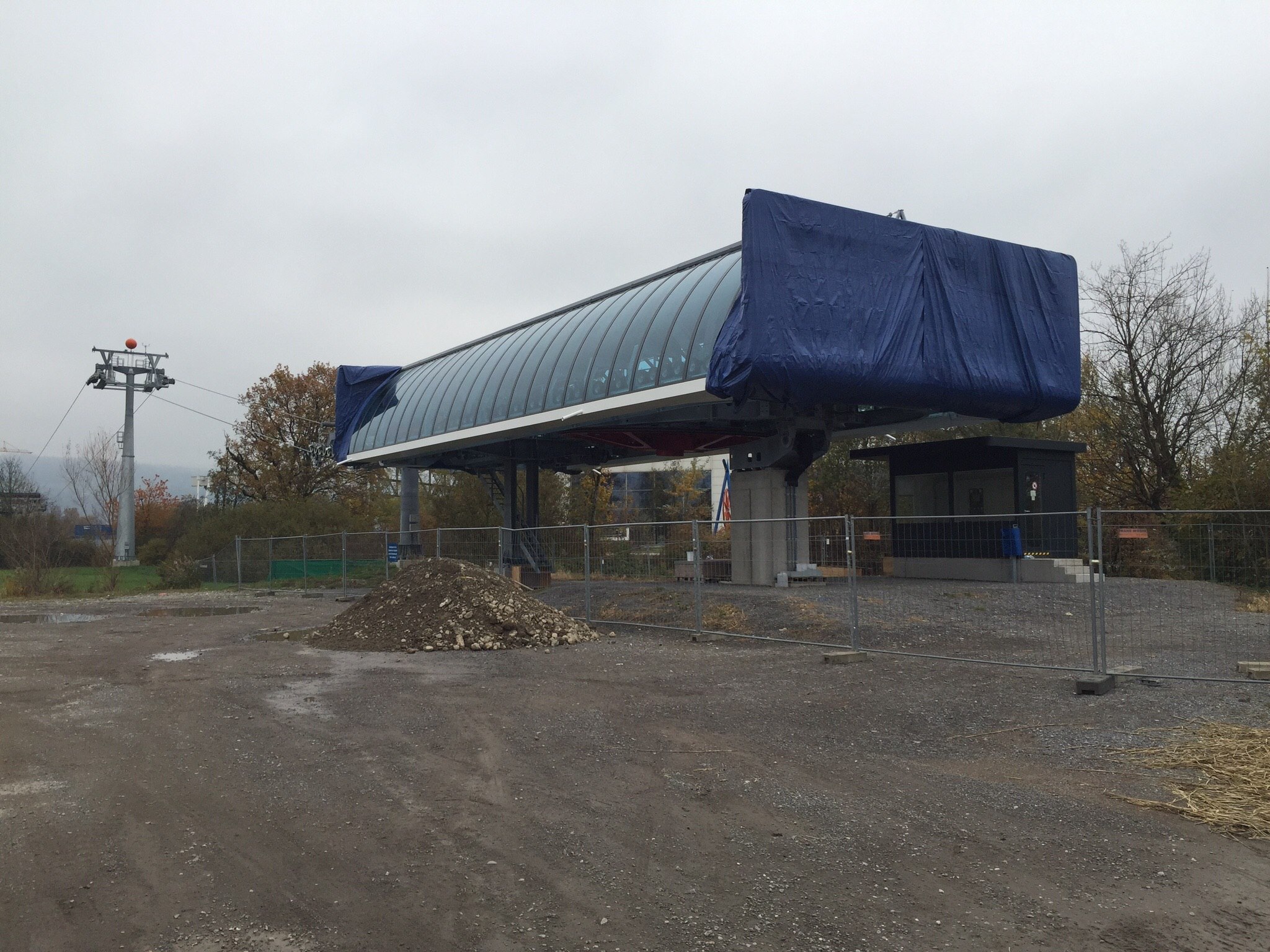
Back in November, Seilbahntechnik.net posted some interesting pictures of a prototype lift being built at Doppelmayr’s headquarters in Wolfurt, Austria. The lift is detachable with at least one six-pack bubble chair and 8-passenger gondola cabin on the line. More interesting are the terminals, which are different from any production model I have ever seen. They look similar to the Uni-G (the current standard terminal used worldwide) but are definitely different. Doppelmayr has been rumored to be working on a more economical detachable lift and this could be it.
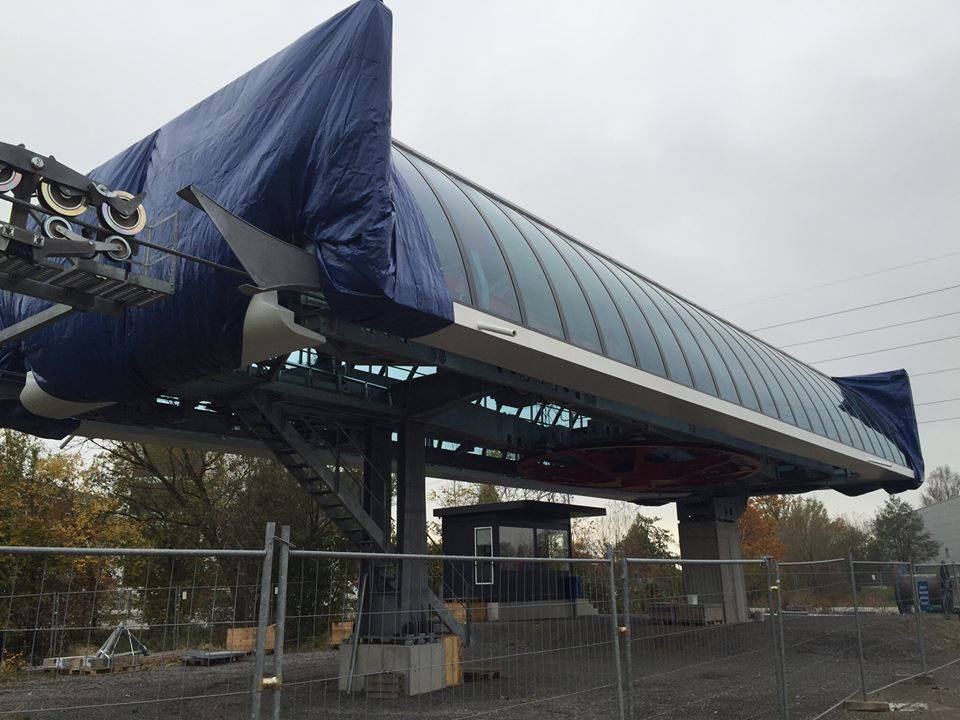
Remember Doppelmayr CTEC tried using a less-expensive detachable terminal in North America called the Uni-GS from 2003-2010. It was discontinued it in favor of the Wolfurt-designed Uni-G, which made its North American debut in 2000. The terminal model used before that, what I call the “Spacejet,” lasted from 1995-2001, so the Uni-G may be due for a refresh.
Park City Motherlode Express August Update
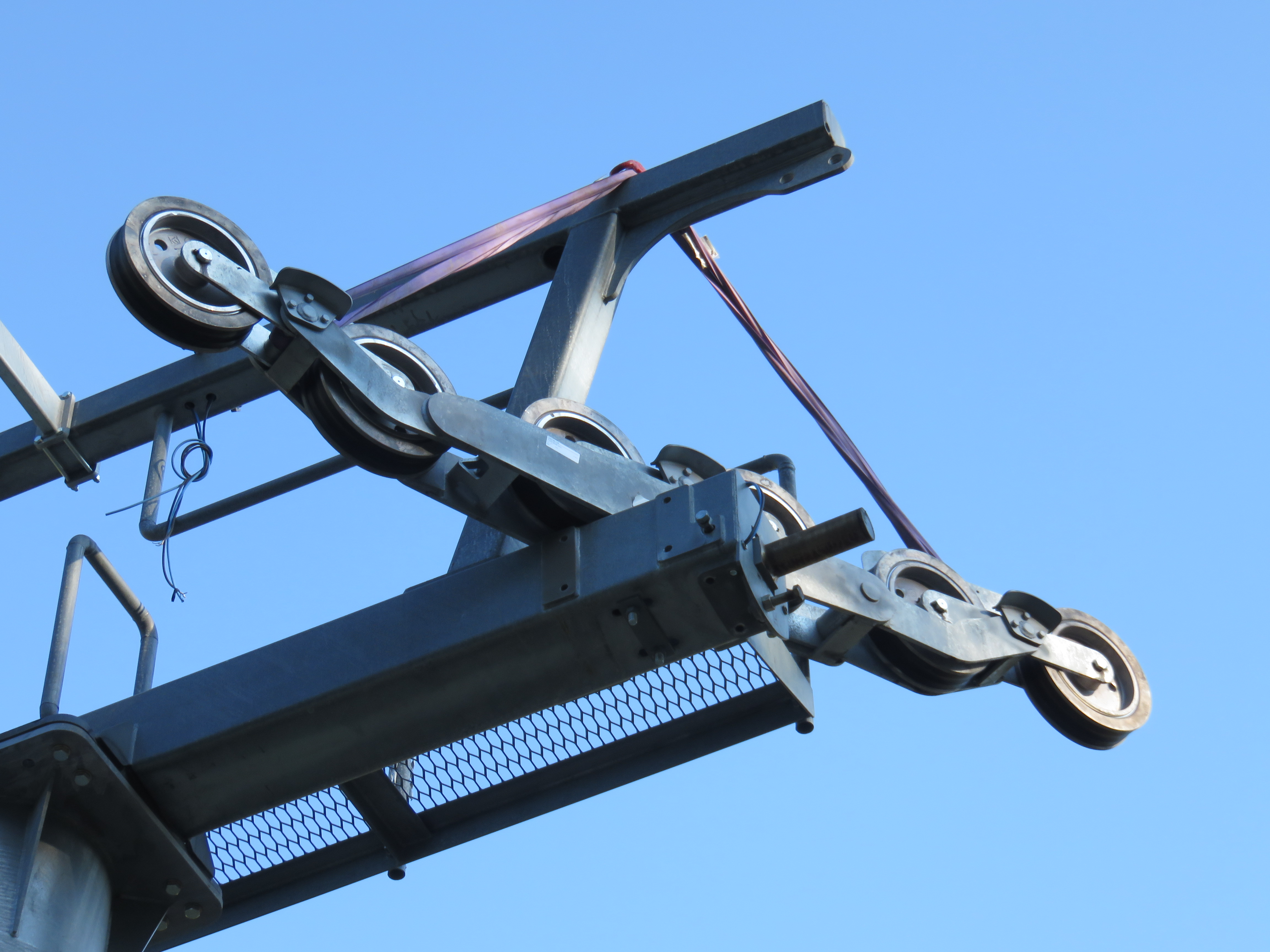
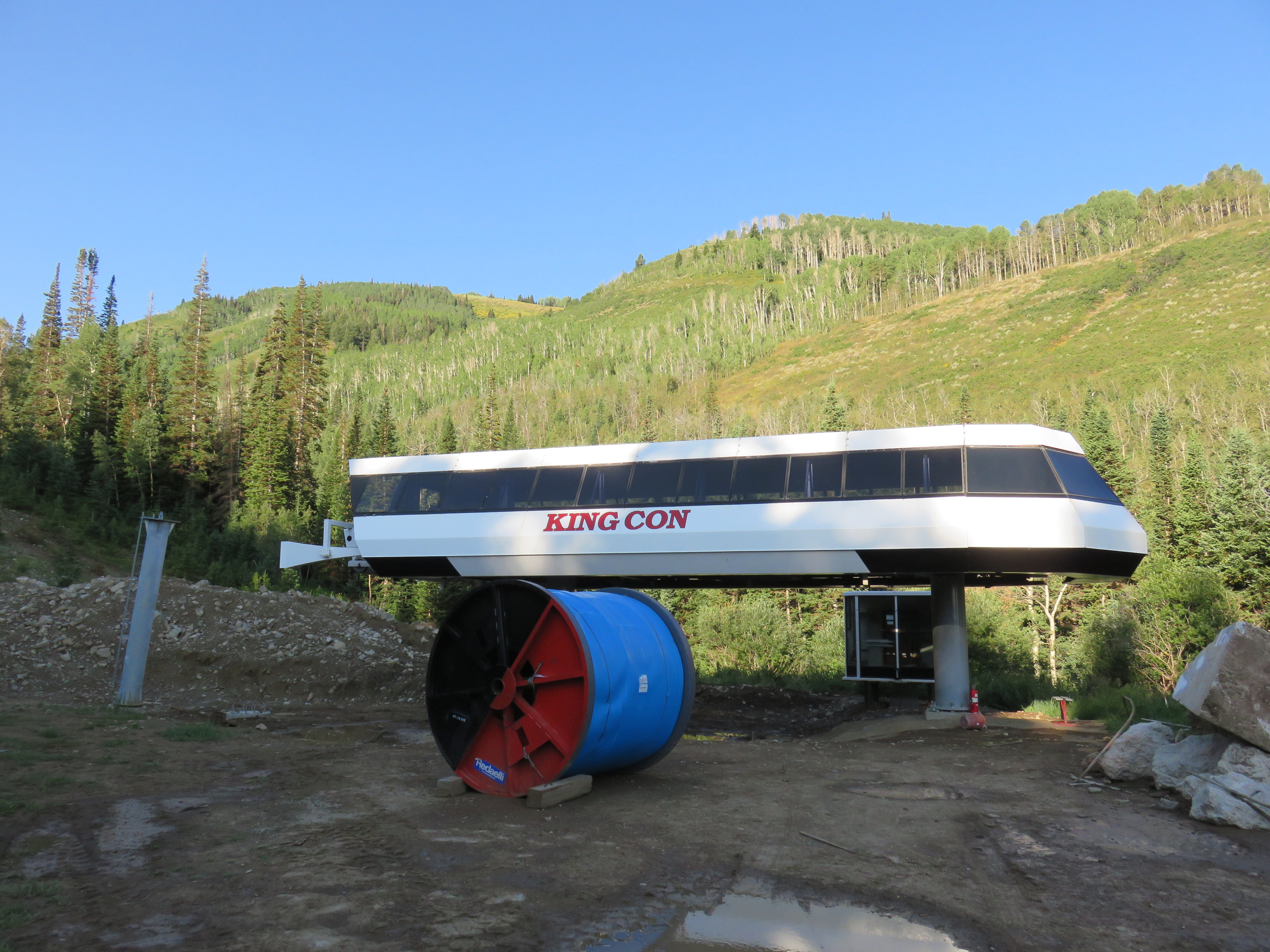
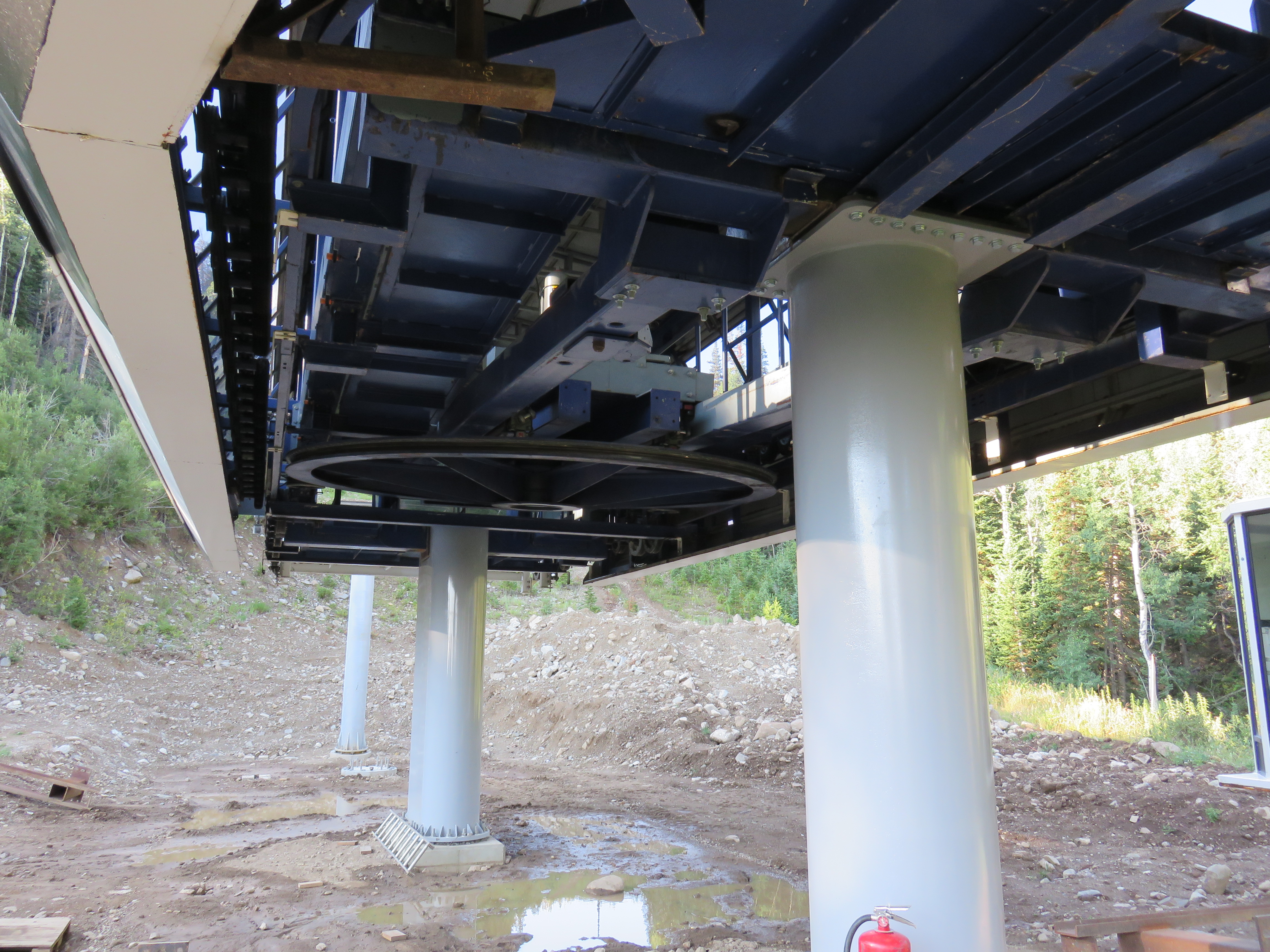
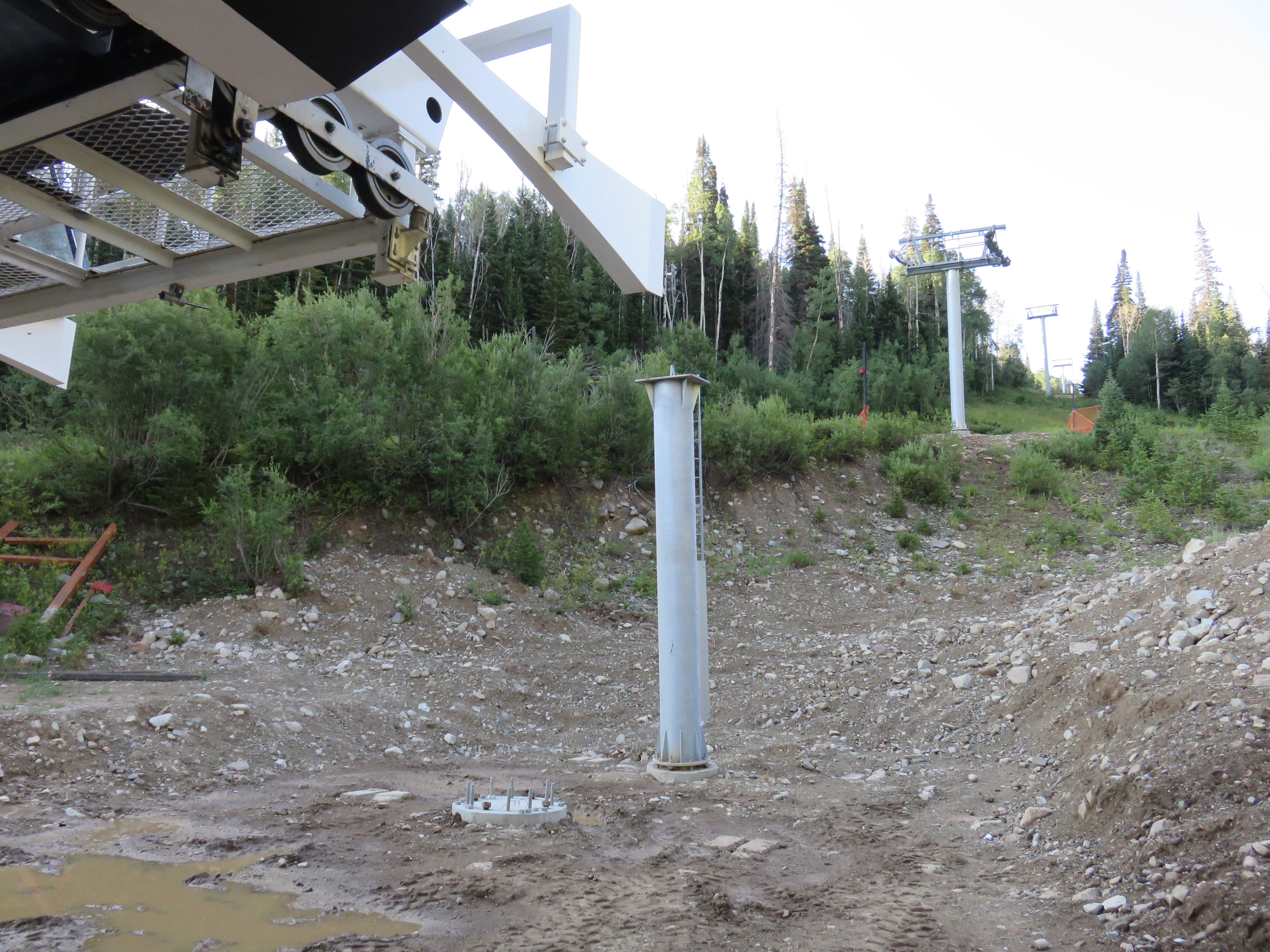
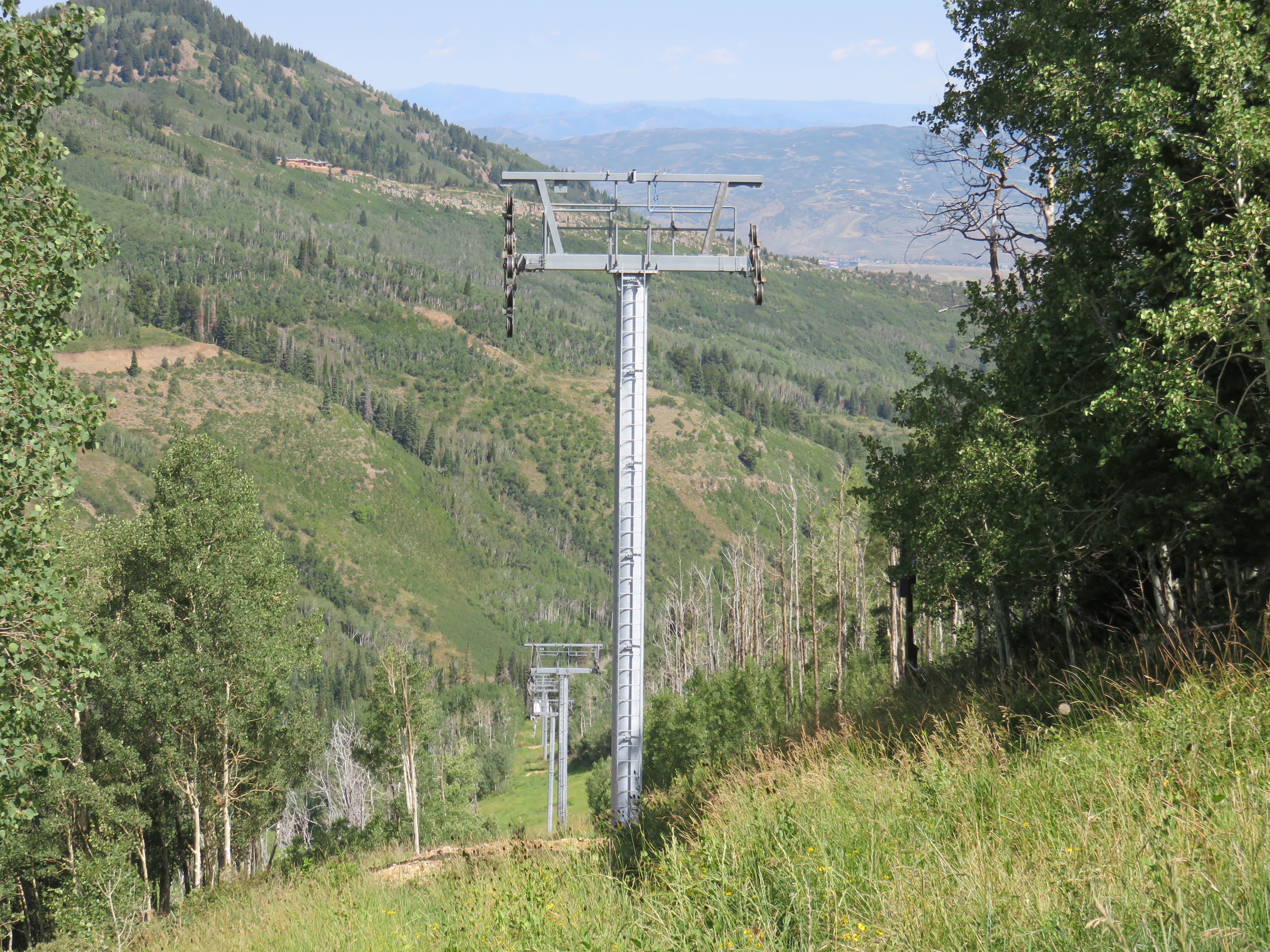
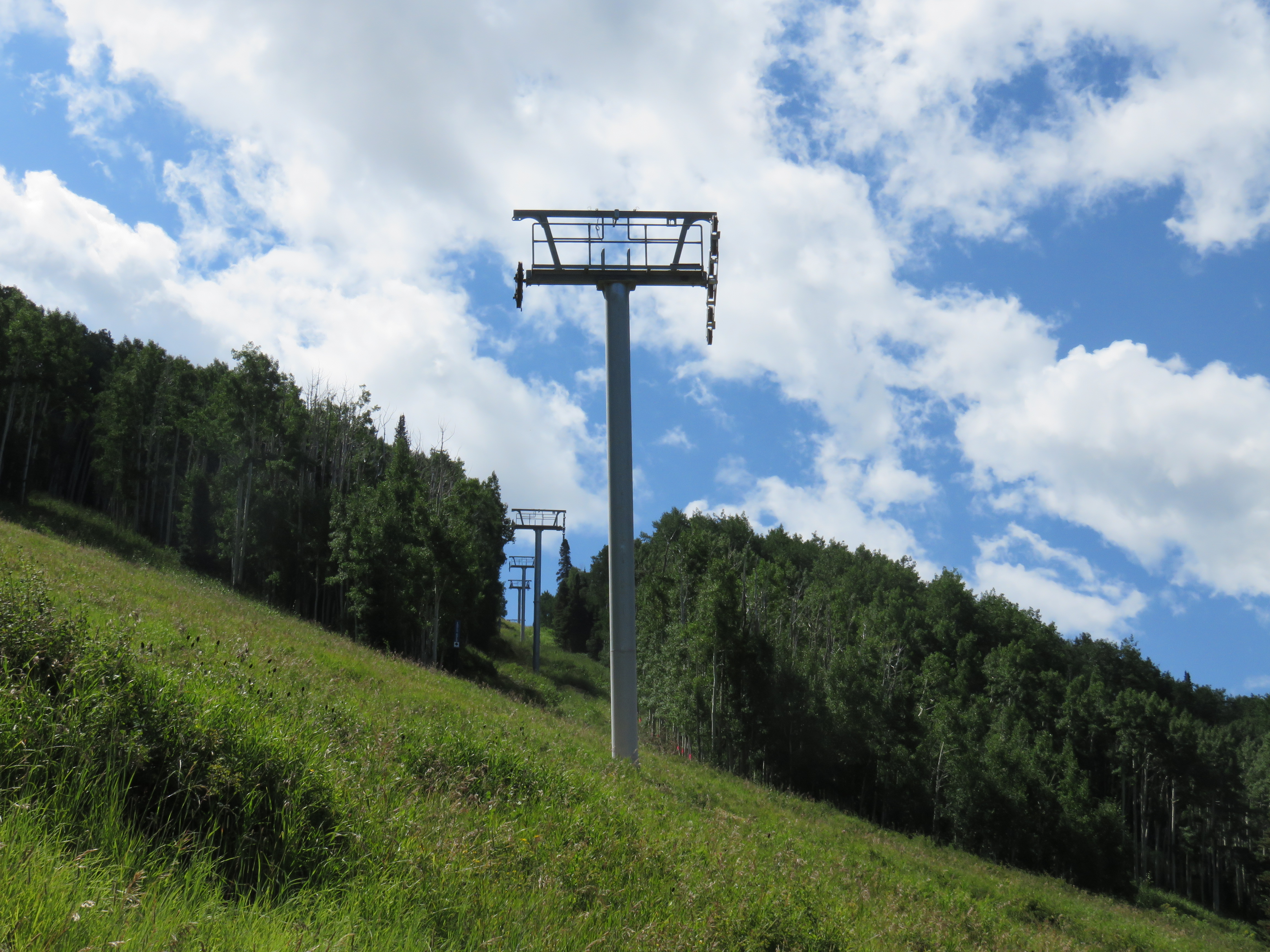
If you’ve been following the $50 million being spent at Park City this summer, you know that Vail Resorts opted not to buy a new lift for the upgrade of Motherlode to a high speed quad. Instead they are re-using the old King Con, a 1993 CTEC. Only the tower/terminal tubes and one crossarm are new. Tower heads and sheaves were flown into place a few weeks ago. Electrical work is ongoing at both terminals, which still say King Con on the outside. A new Redaelli haul rope is sitting at the bottom and chairs are ready to go at the top. Motherlode is about 1,000 feet longer than King Con but I haven’t seen any sign that more chairs will be added.
Lift Blog’s 100th Post: How Are We Doing?

Yesterday saw the 100th post on Liftblog.com, four months after starting this project out of off-season boredom. I can see on my end that readership is increasing every week but I really would like to know who is reading and what types of posts you would like to see more of. Google tells me that the most popular time for the site is 2:00pm on Tuesdays but they cannot tell me everything. Please take two minutes to fill out the below survey and let me know your thoughts. Thanks for the support!
Lift Blog 100 Post Feedback
And for the curious, below are the top five posts to date. Notice a theme?
News Roundup: Glass Floors and Rainbow LEDs
- In Aspen, the Lift 1A saga continues.
- Poma has begun construction on a 13,000 foot gondola to the ancient Peruvian fortress of Kuelap. The $18 million system will span 2,170 vertical feet in 20 minutes and open by July of next year.
- Despite having a bunch of brand new lifts that haven’t spun since the Olympics, Russia is spending $76 million to build four new lifts in 2016 at Rosa Khutor.
- Sun Peaks Resort, already Canada’s second largest resort, is cutting new runs in preparation for a new West Morissey lift. If you haven’t gotten the chance to ski there, Sun Peaks has a very cool 360-degree layout with three mountains circling the village.
- Berkshire East’s former Summit triple is up for sale. It’s a 1988 Poma that was previously at Magic Mountain, Vermont. The other lift on there is from the defunct Ascutney Mountain.
- Alpine Valley, Wisconsin is getting a new beginner lift which will be a used Hall double with a new SkyTrac Monarch drive terminal. SkyTrac is also reportedly finishing the half-completed Stagecoach lift on the Moonlight side of Big Sky.
Instagram Tuesday: Some Assembly Required
Vail Resorts to Add Lift Wait Times to EpicMix
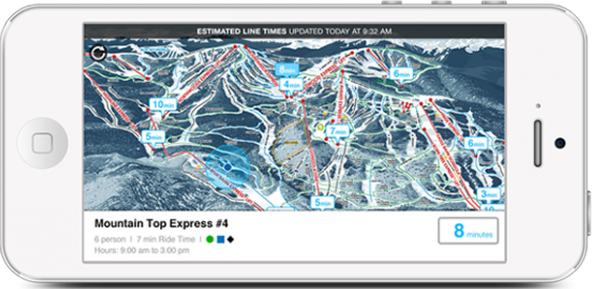
Last week, Vail Resorts announced their EpicMix mobile app will provide guests with live lift wait times for 55 lifts at Vail, Beaver Creek, Breckenridge and Keystone starting this winter. Vail Resorts will use their app to track guests through lift lines to provide a crowd-sourced estimate called EpicMix Time. The technology is currently being tested at the company’s Perisher resort in Australia. Vail compares the system to Google’s Waze app, which crowd sources traffic and accident information for Google Maps. The company plans to expand the technology in future years to all its resorts and other places where guests have to wait in line such as restaurants and rental shops.
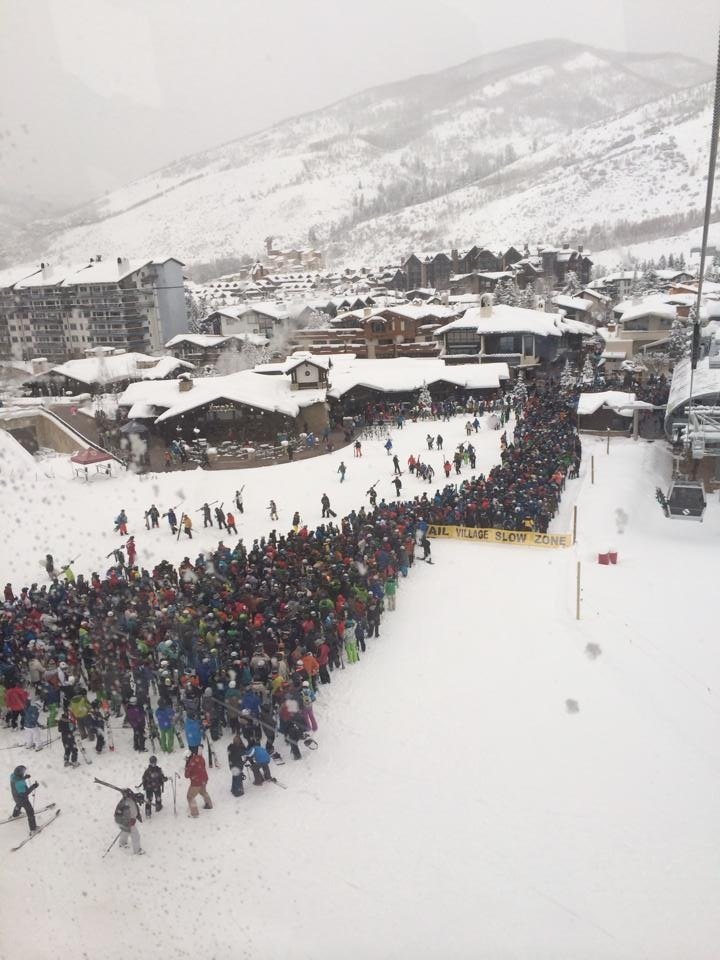
Other resorts have tried to provide lift waiting times in the past. For years, Whistler-Blackcomb has had lights on its lift status signs that indicate whether a lift line is less than 5 minutes, 5-15 minutes, or more than 15 minutes. I suspect Whistler’s system is powered by lift operators calling a dispatcher which is a less than perfect solution. Vail’s technology will be much more accurate and timely.
Six Companies That Operate 589 Ski Lifts
Like many industries, much of the ski business is controlled by a handful of large companies. There are six such businesses in the Americas that operate more than 50 lifts each. Their combined 589 lifts account for one fifth of all the lifts in North America and almost a third of the VTFH (vertical transport feet per hour.) The top three operators are, as you would expect, Vail Resorts, Boyne Resorts and Intrawest. But there are others including Mammoth Mountain, LLC which operates 55 lifts at four different ski areas in California and Powdr Corporation which has 68 lifts in five states.
Vail Resorts doesn’t just own lots of lifts; the lifts they operate are bigger, newer and faster than average. This winter, the company will operate 15 gondolas and tramways, 75 detachable chairlifts and 83 fixed grip chairlifts. These numbers for Vail Resorts do not even include the lifts at Perisher, the company’s newest acquisition in Australia. If you put each lift at each of Vail’s resorts end to end, the total length would be 115 miles. The average lift owned by Vail Resorts is 21.5 years old, six years newer than the national average. 56 percent of Vail’s lifts were built by Doppelmayr and CTEC, 14 percent by Leitner-Poma. Vail accounts for 11.4% of all the vertical transport capacity on the continent, with a total VTFH of 353 million!
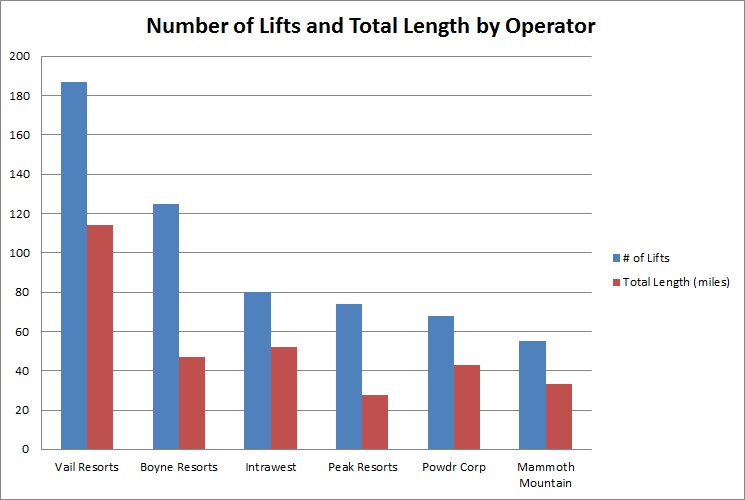
The second biggest resort operator is privately-owned Boyne Resorts, which has 126 lifts at 11 mountains. Boyne doesn’t actually own most of the properties it operates; instead holding long-term leases through CNL Lifestyle Properties. The lifts Boyne operates are older and smaller than Vail’s. They include 30 detachable chairlifts and 85 fixed-grip chairs. Doppelmayr and CTEC built 45 percent of Boyne’s lifts, followed by Riblet at 20 percent. Boyne accounts for 5.3 percent of the total VTFH in North America or 162 million.
Teton Lift Gets a Drive Terminal
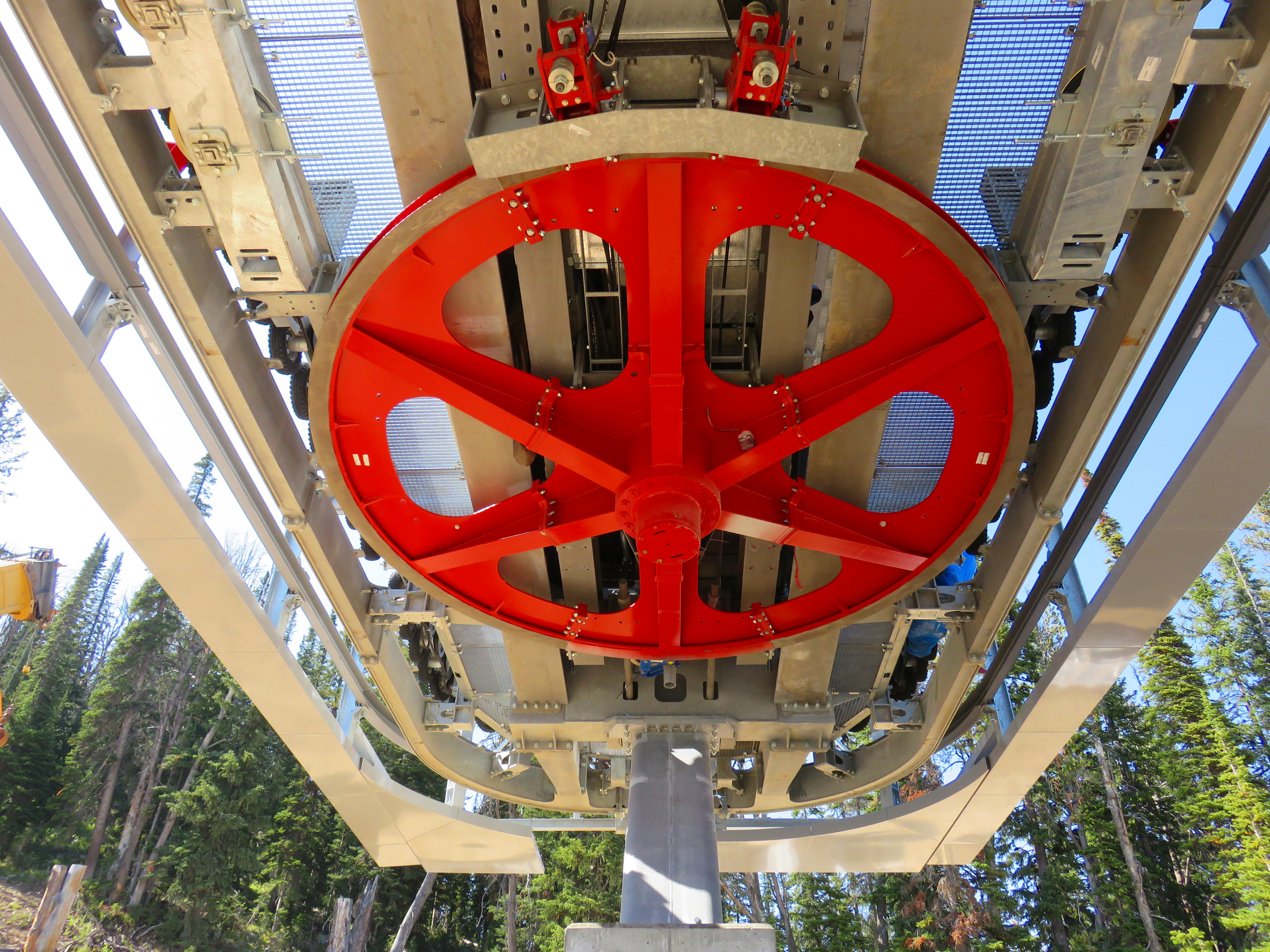
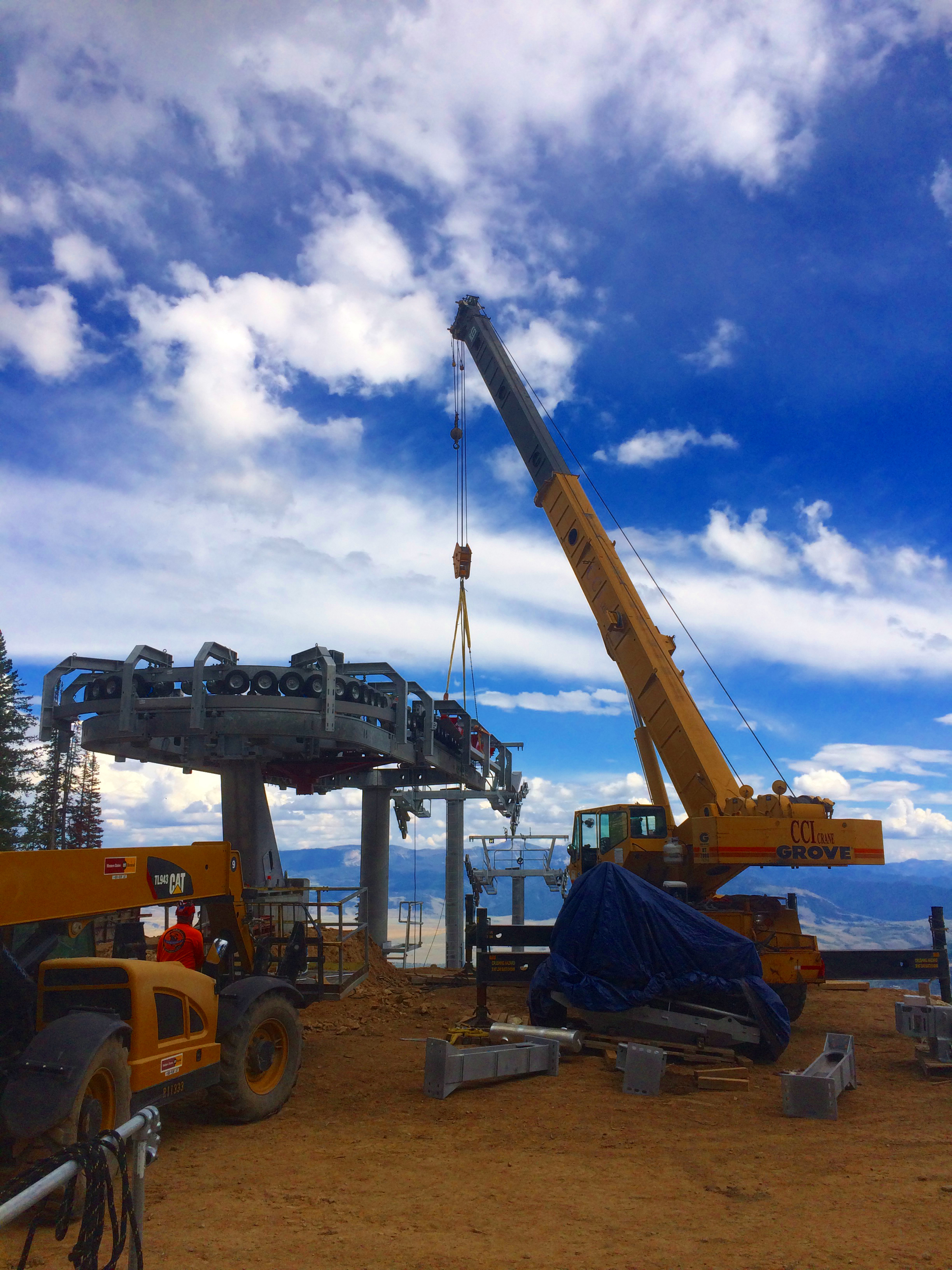
Workers from Doppelmayr began assembling the top terminal of the Teton lift by crane this week. Once the top is finished, crews will move to the bottom return terminal 1,800 feet below. The lift is on schedule to be load tested by mid-October. A new ski patrol station is also taking shape and grading continues on the new Kemmerer, Ridge and Wide Open runs. Weather permitting, the entire expansion will open December 19th.