An Adventure in Europe with Leitner-Poma

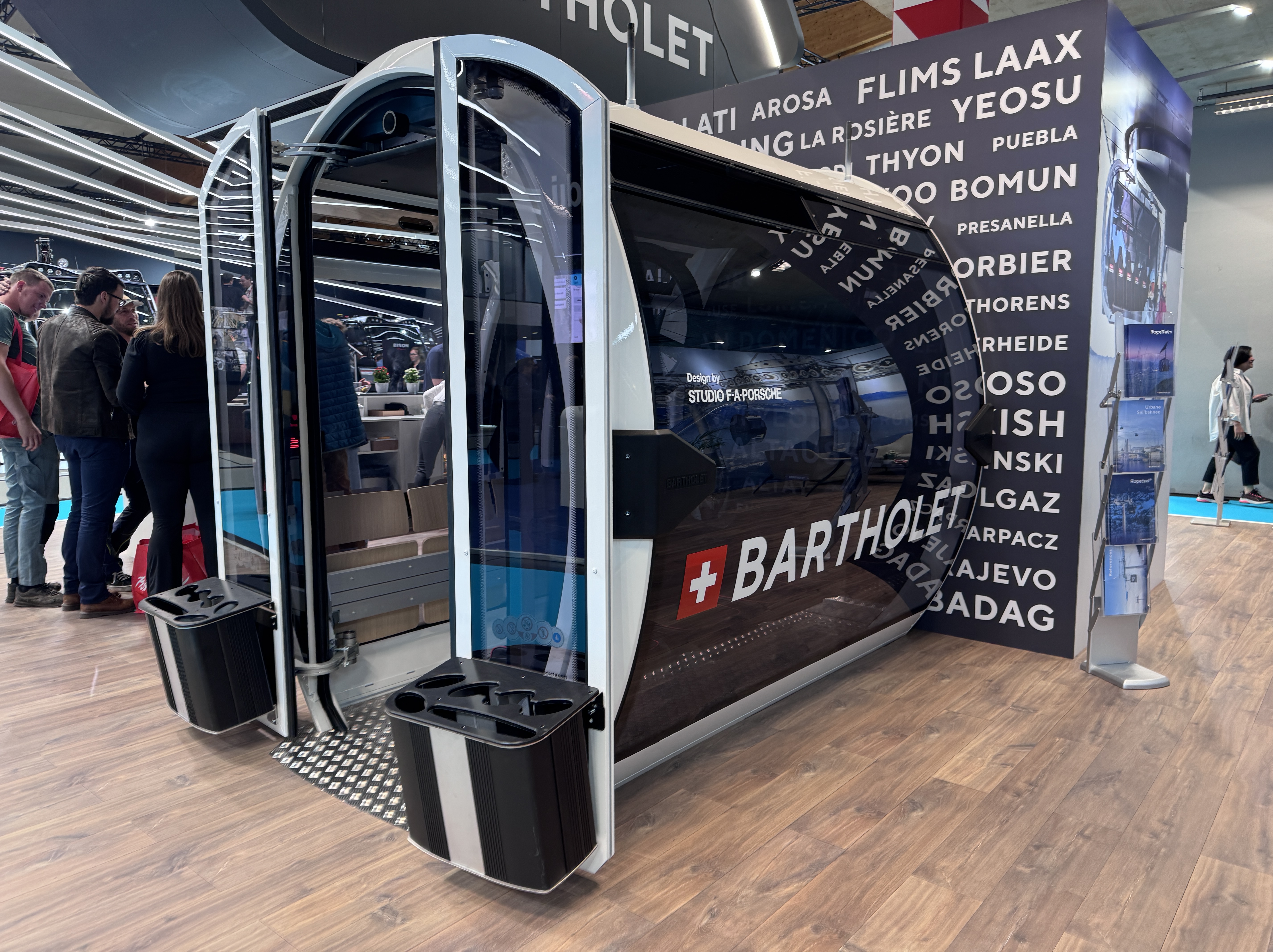
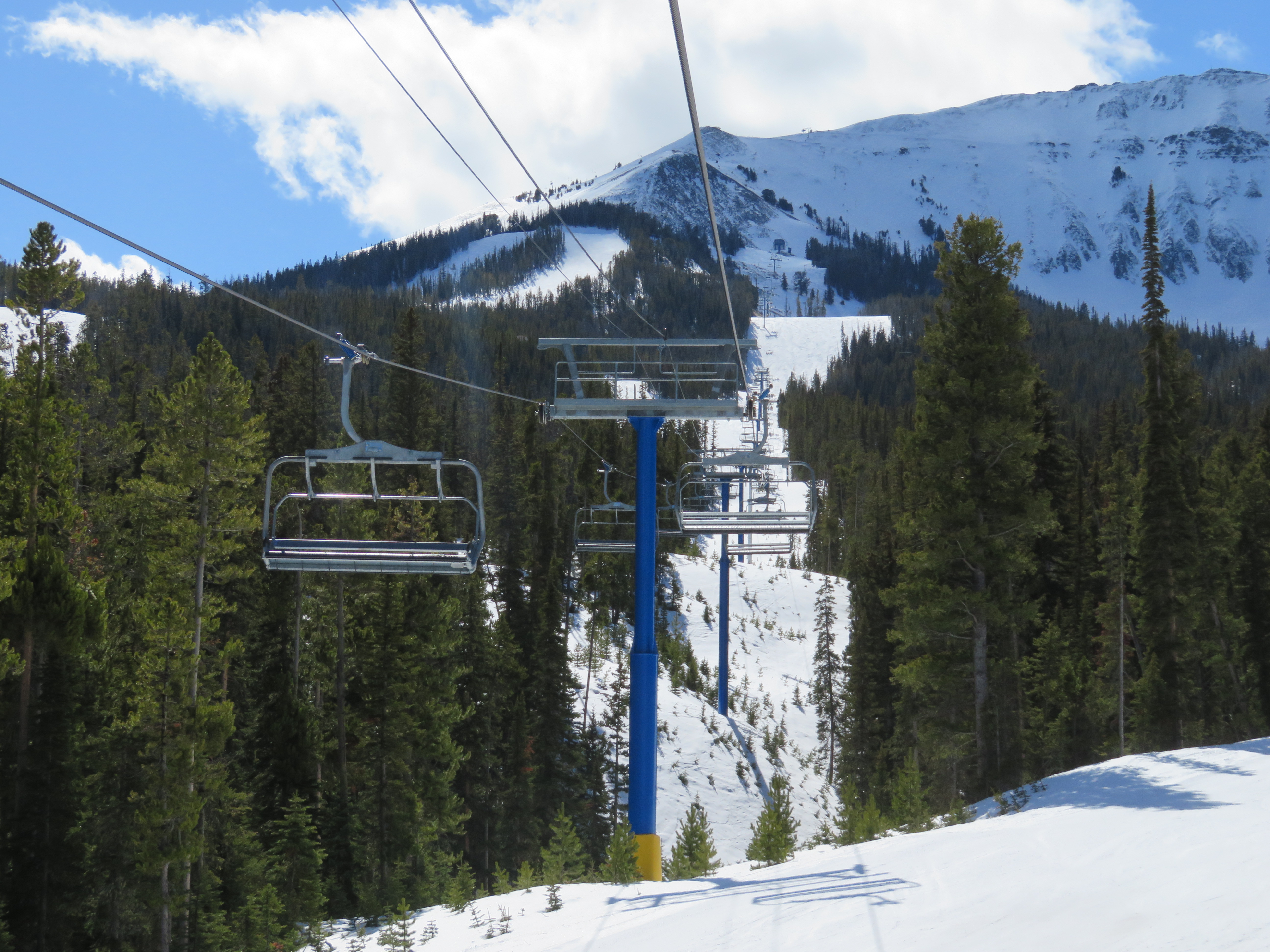
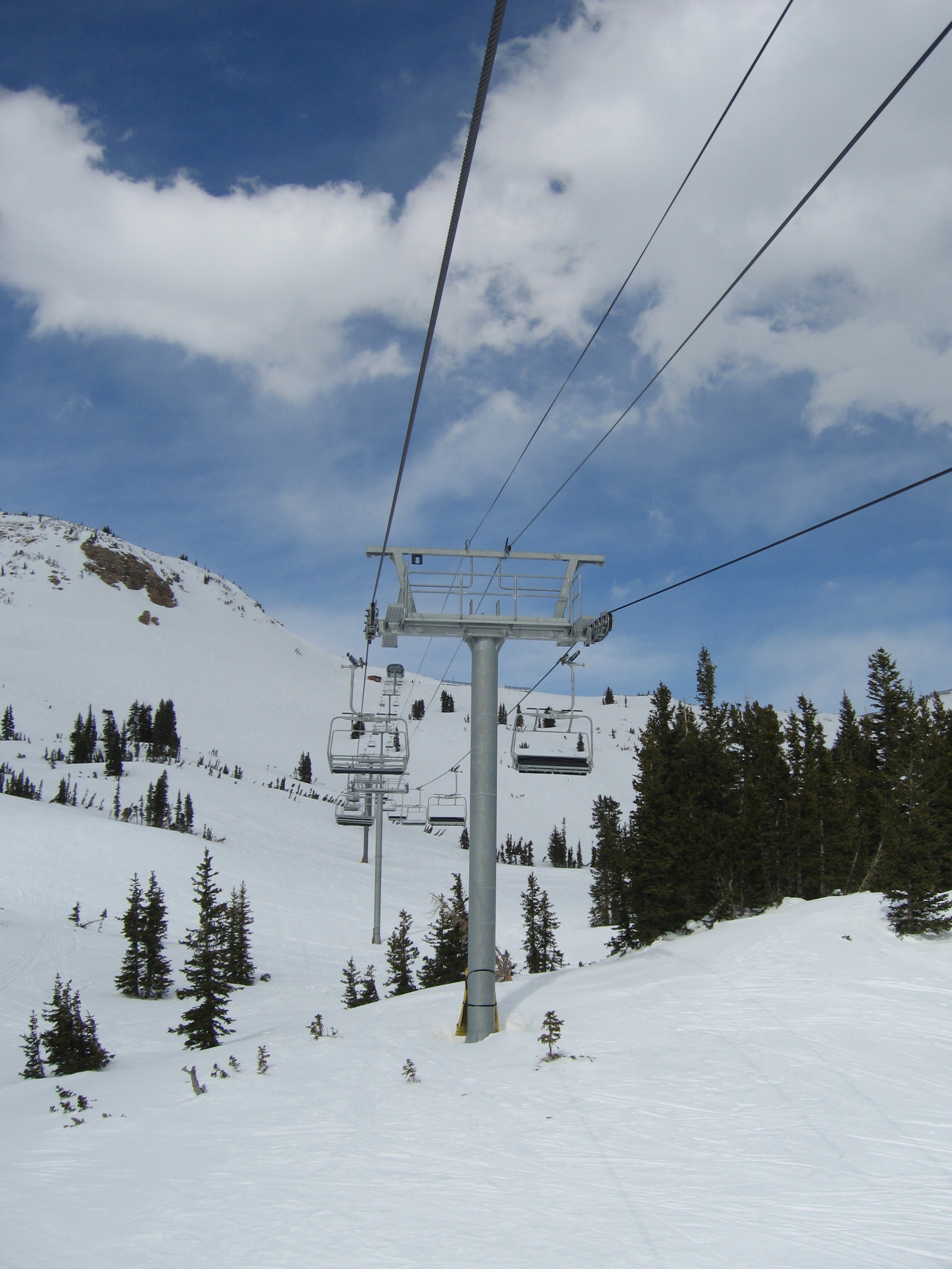
A few weeks ago I ventured to the Alps with a delegation from Leitner-Poma of America. LPOA is the North American arm of High Technology Industries, the holding company behind iconic European ropeway builders Leitner, Poma and Bartholet. While Leitner-Poma of America fabricates upwards of 85 percent of its equipment in Colorado and Utah, the US outpost partners closely with its sister companies back in Europe. The trip included peers from a dozen US and Canadian resorts along with Leitner-Poma employees and partners (full disclosure, LPOA covered the cost of my trip other than airfare.)

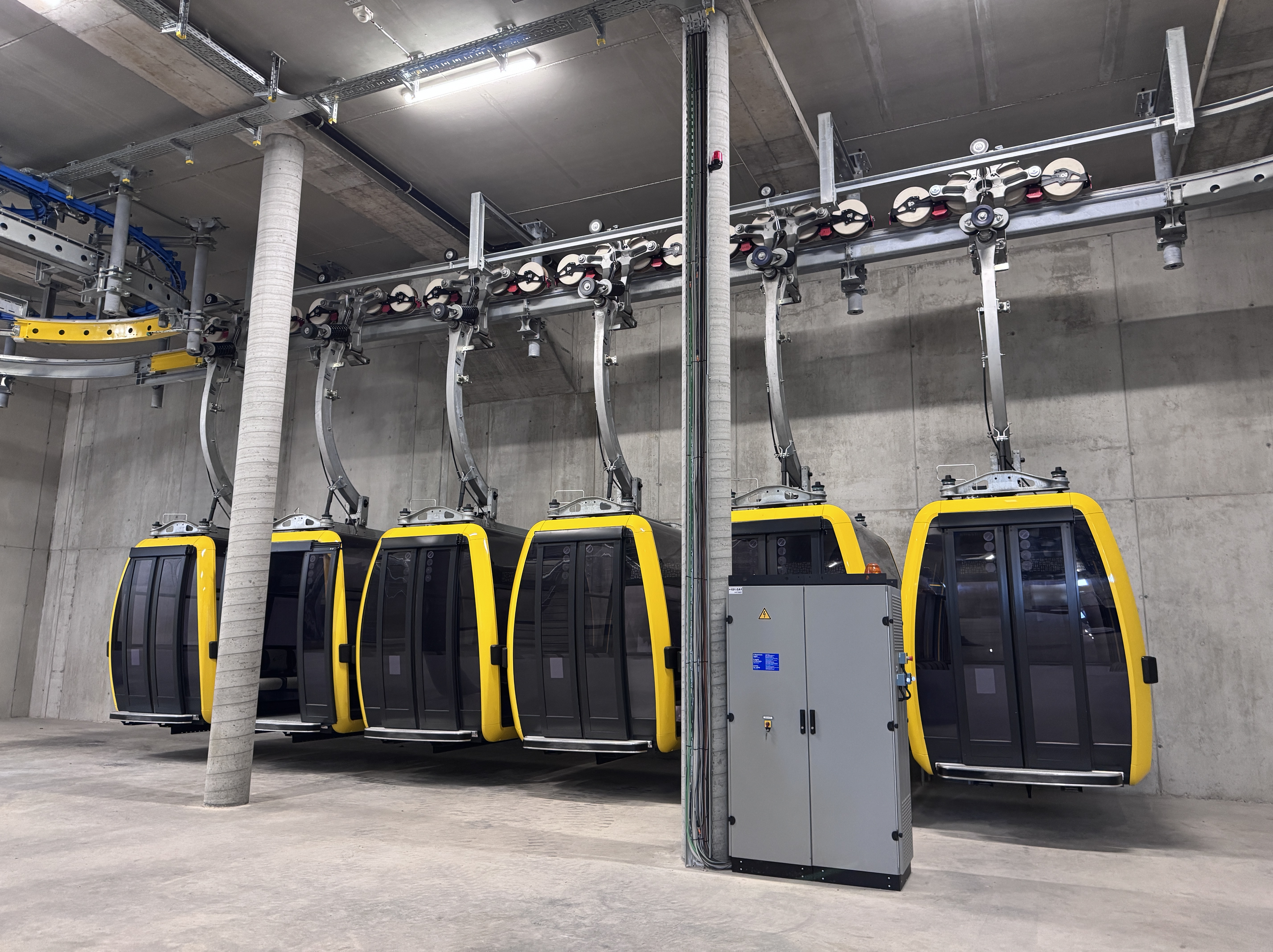
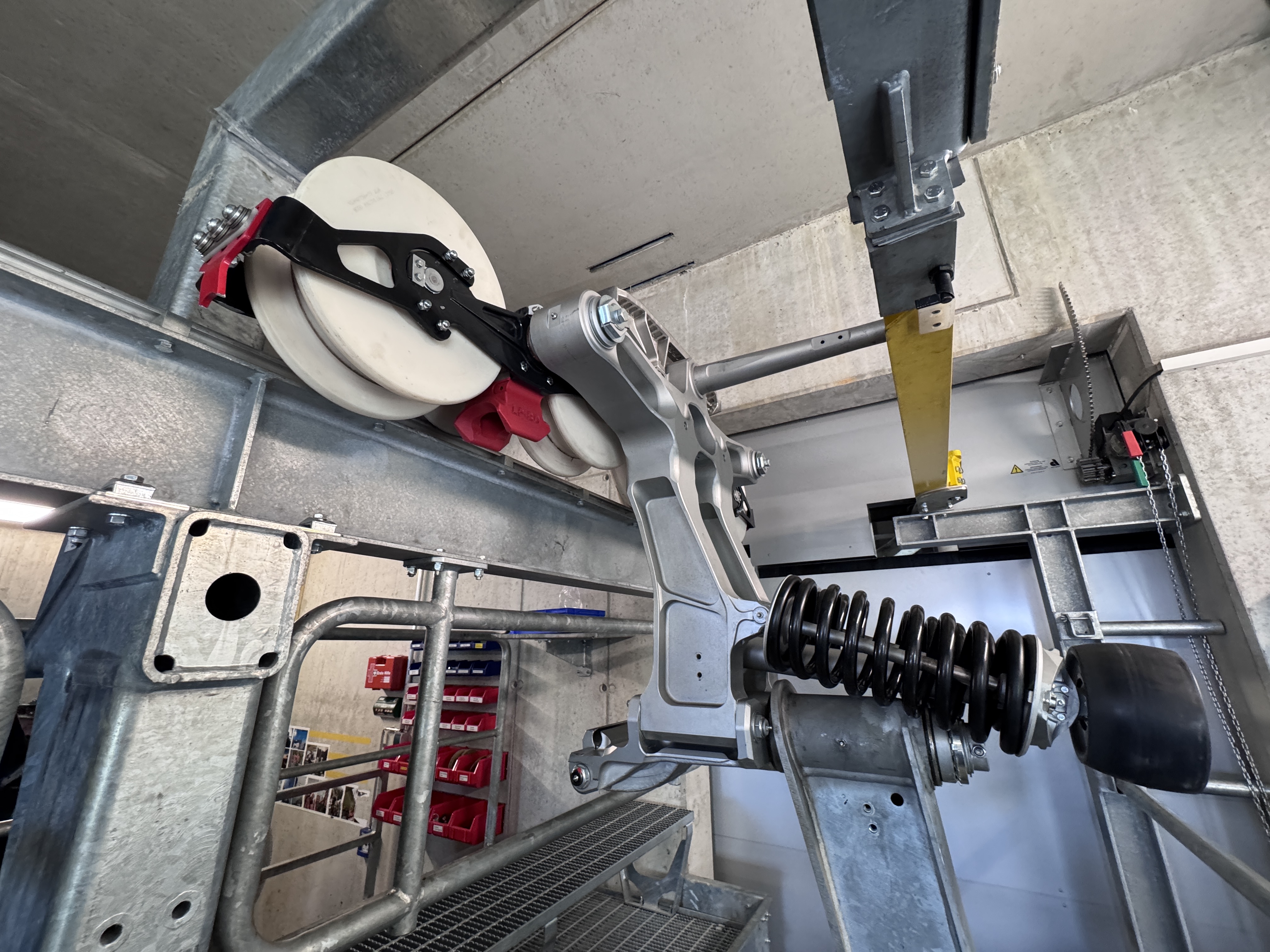
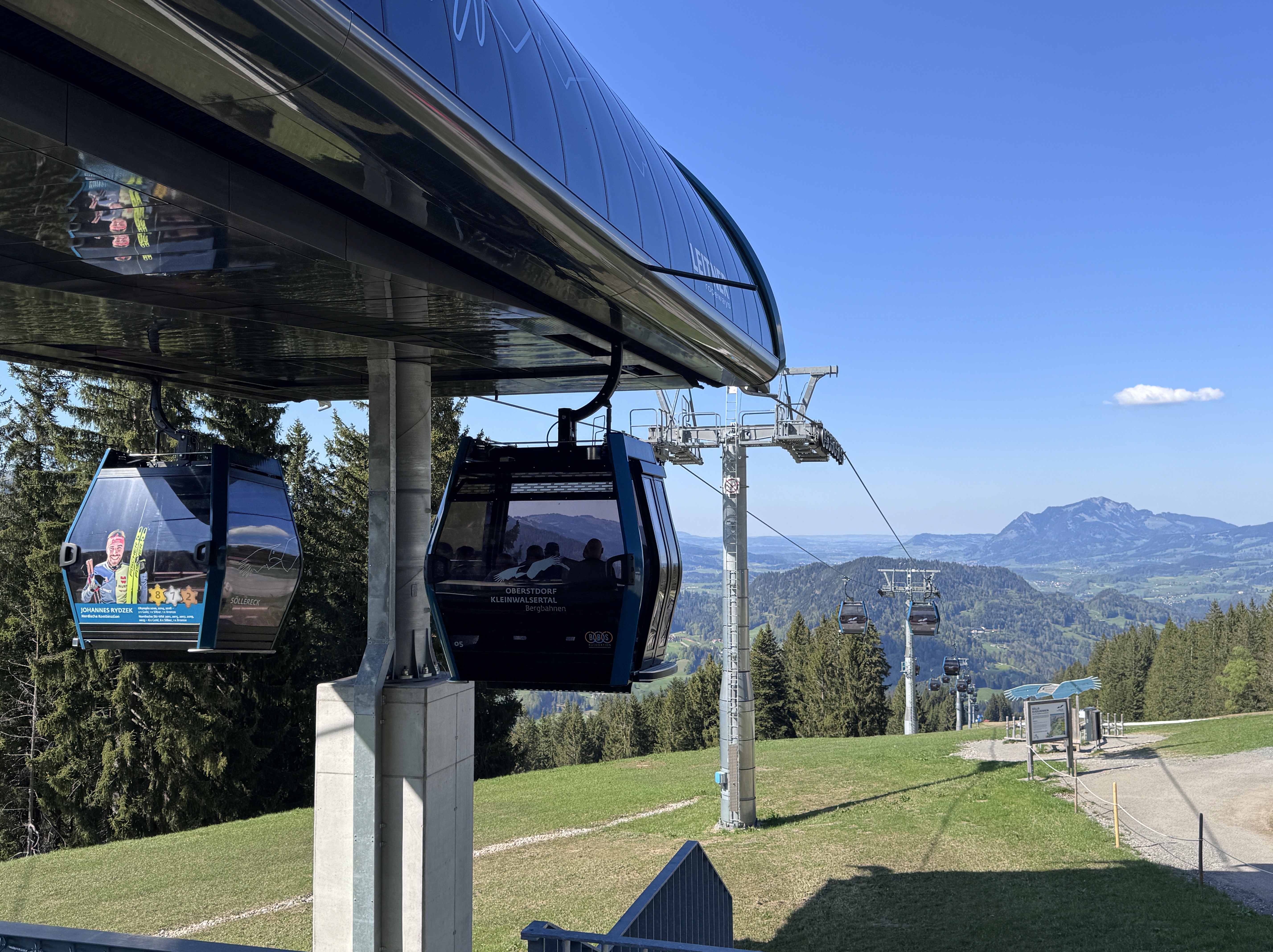
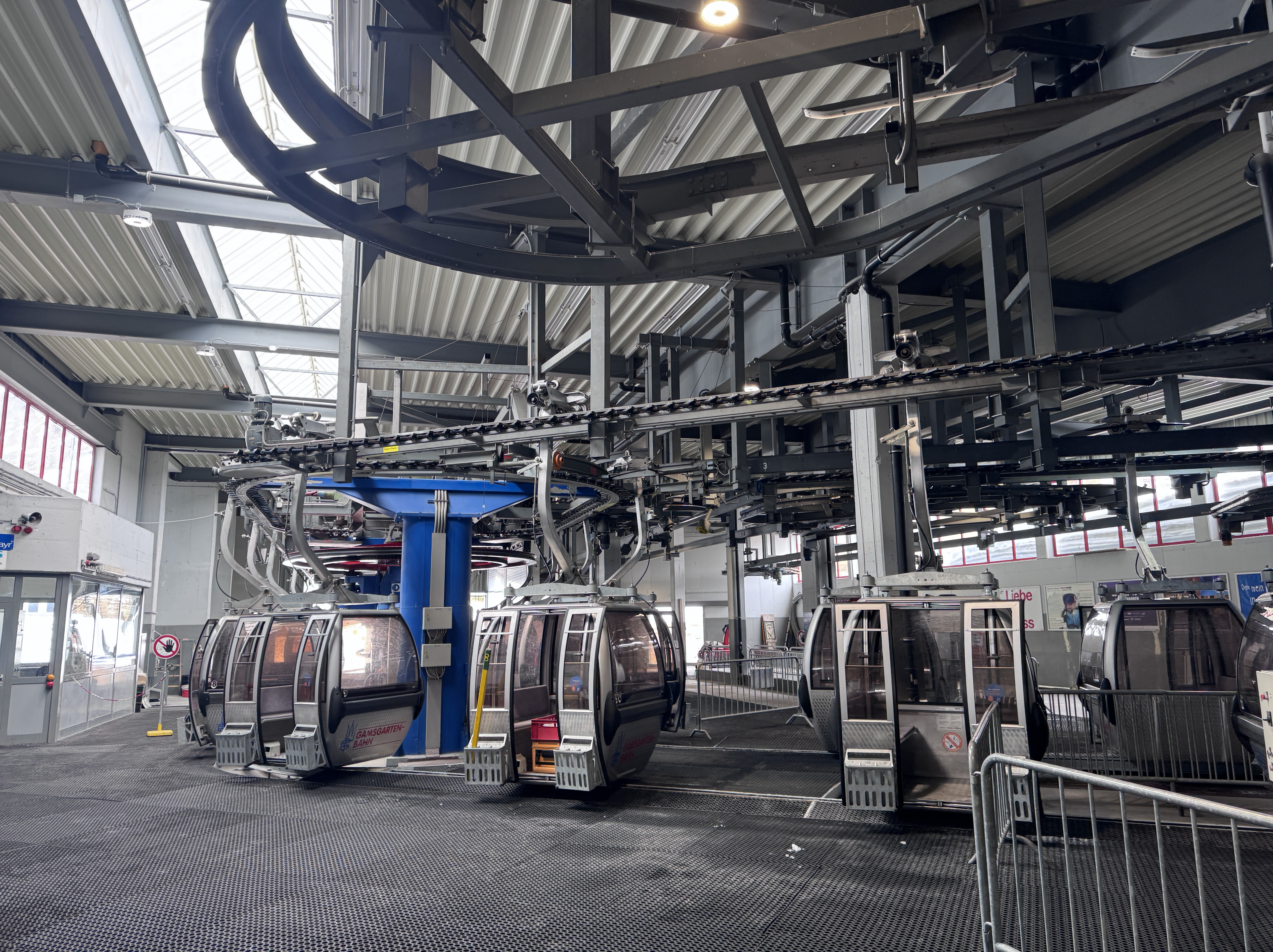
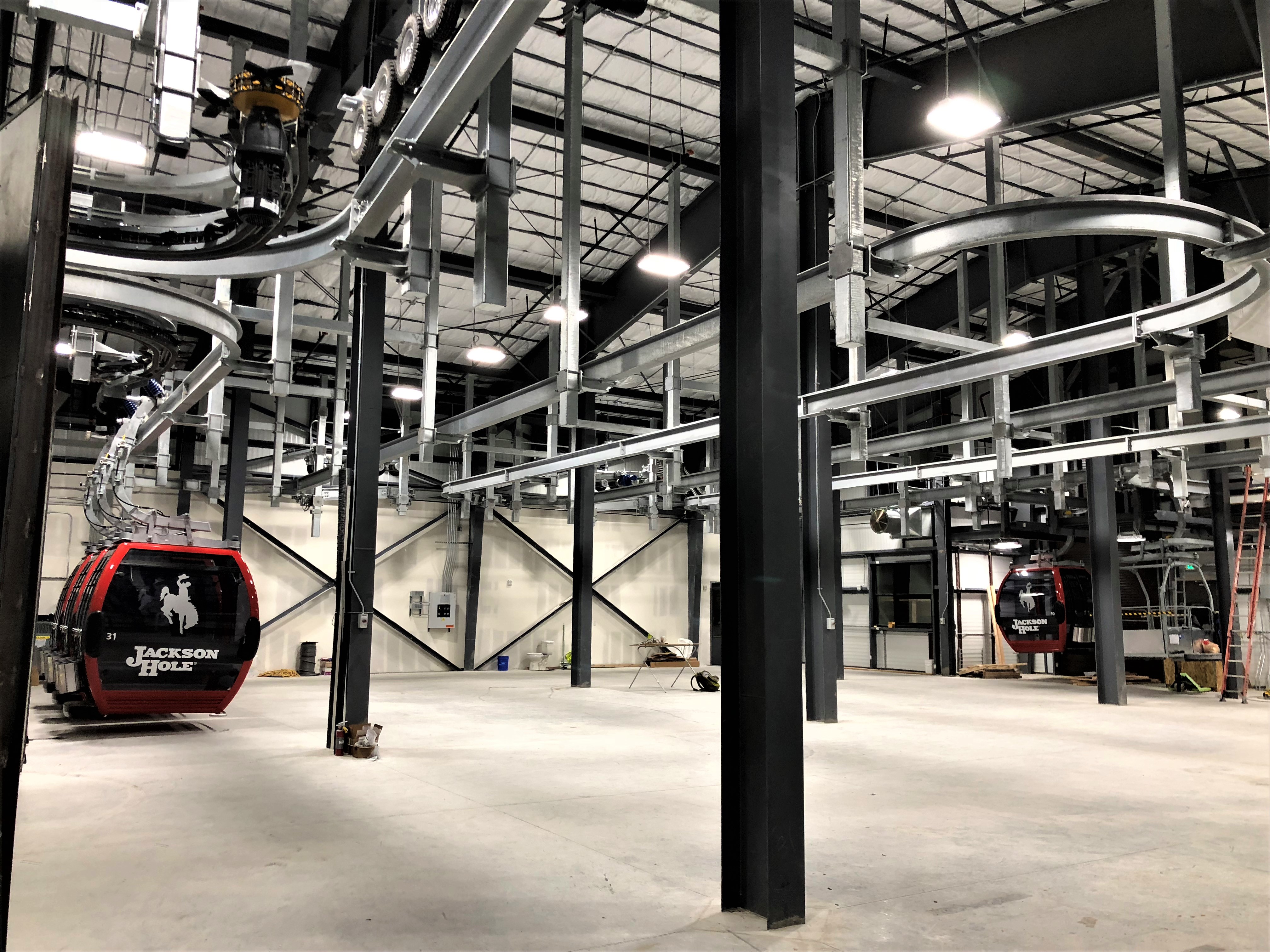
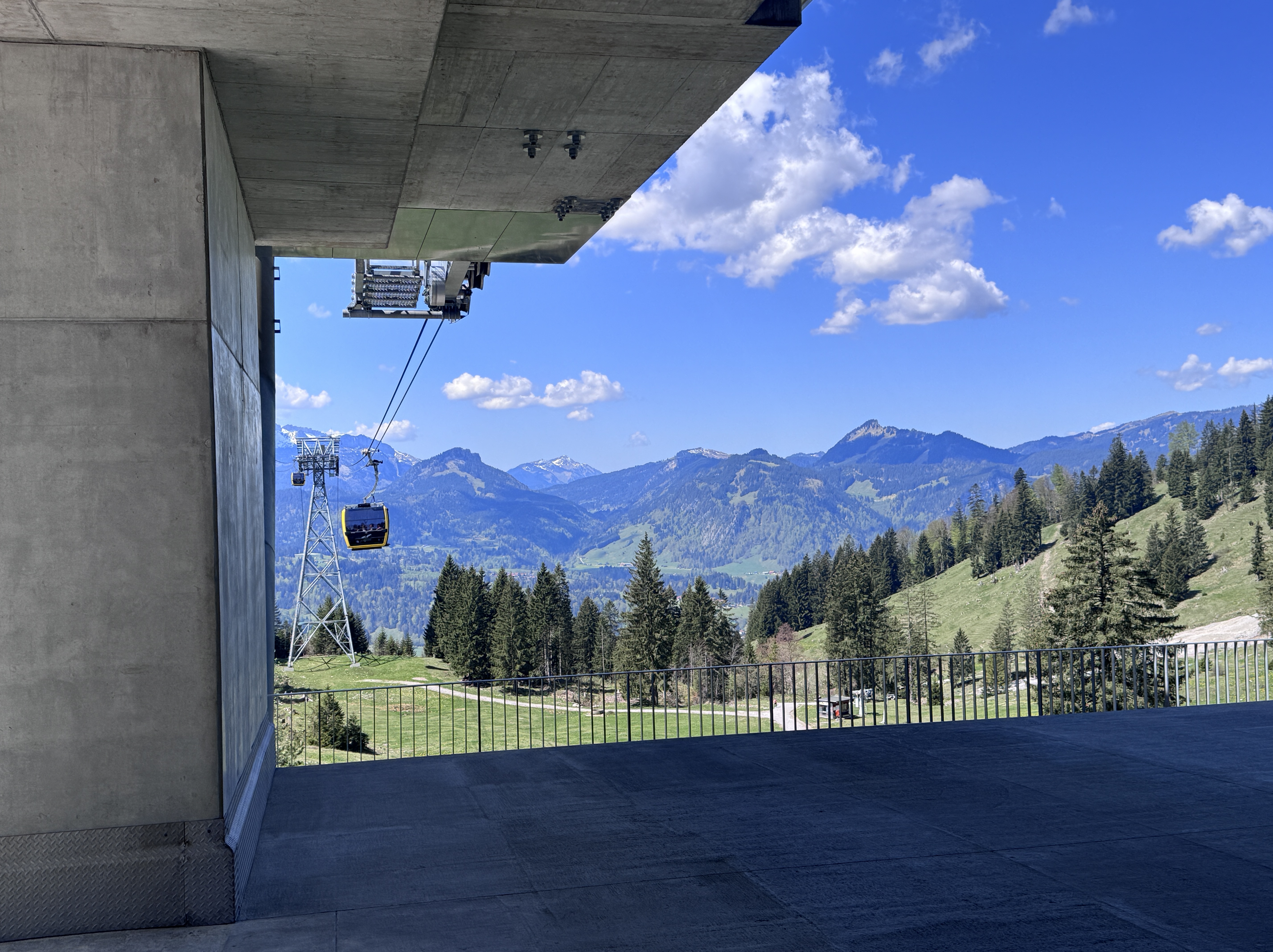
Our first stop after arriving in Munich was the Nebelhorn, near the town of Oberstdorf. Leitner constructed a state-of-the-art 2S system here in 2021, replacing several jig-back tramways. A 2S combines the efficiency of a monocable gondola with the stability and long spans of a tram. The Nebelhornbahn features two sections, automated parking and striking Symphony cabins designed by Pininfarina. Oberstdorf Lifts CEO Henrik Volpert took us on a fantastic tour of the gondola’s motor rooms, maintenance bays and parking areas. Not only does Henrik oversee seven ski areas in the region but he also serves as President of the German Ski Areas Association.

At the top of the 2S, we continued onto an older jigback tramway, the first of several on this trip. It was closing day for this resort and locals were still skiing on the upper mountain while we ate lunch.
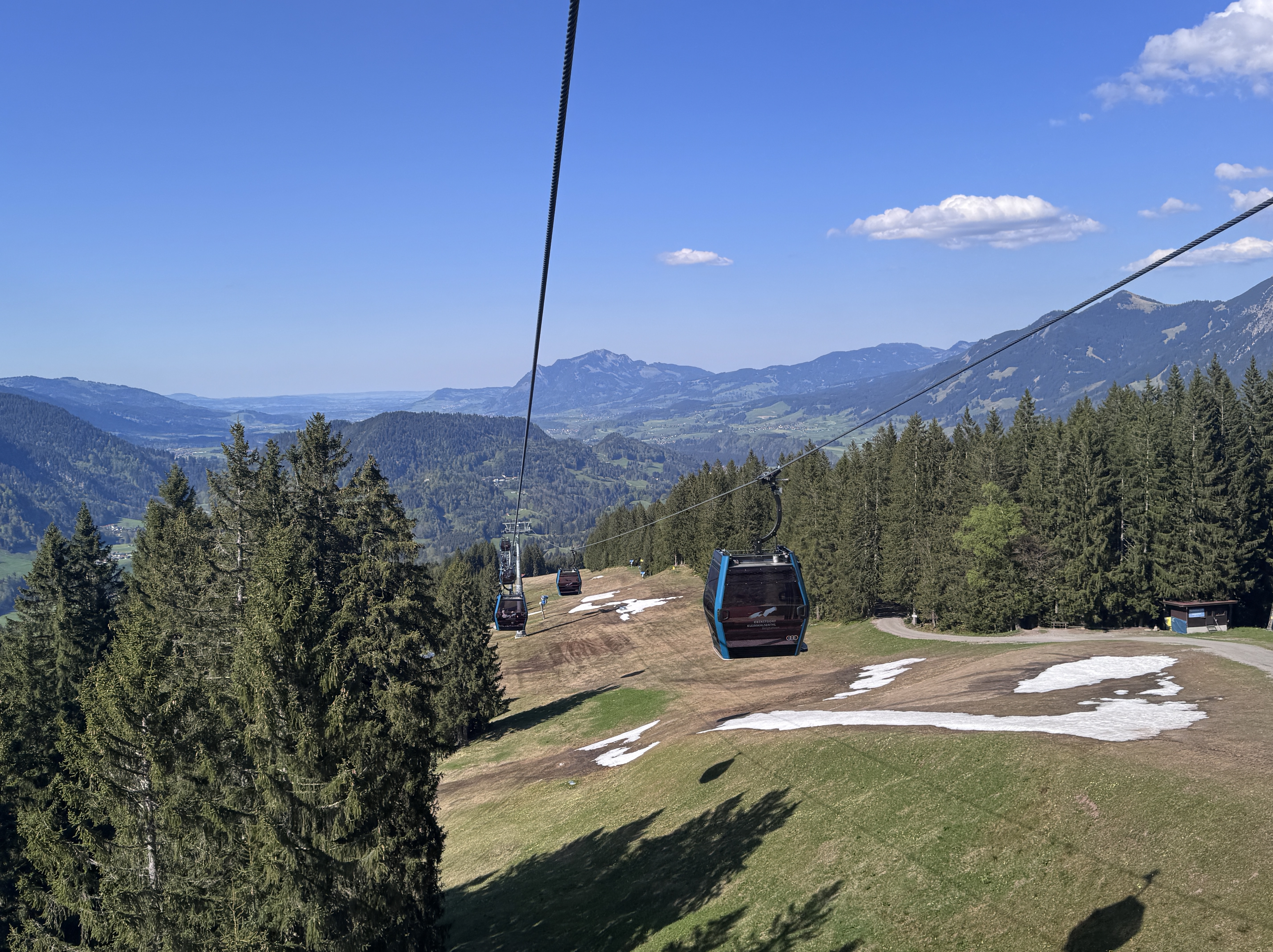
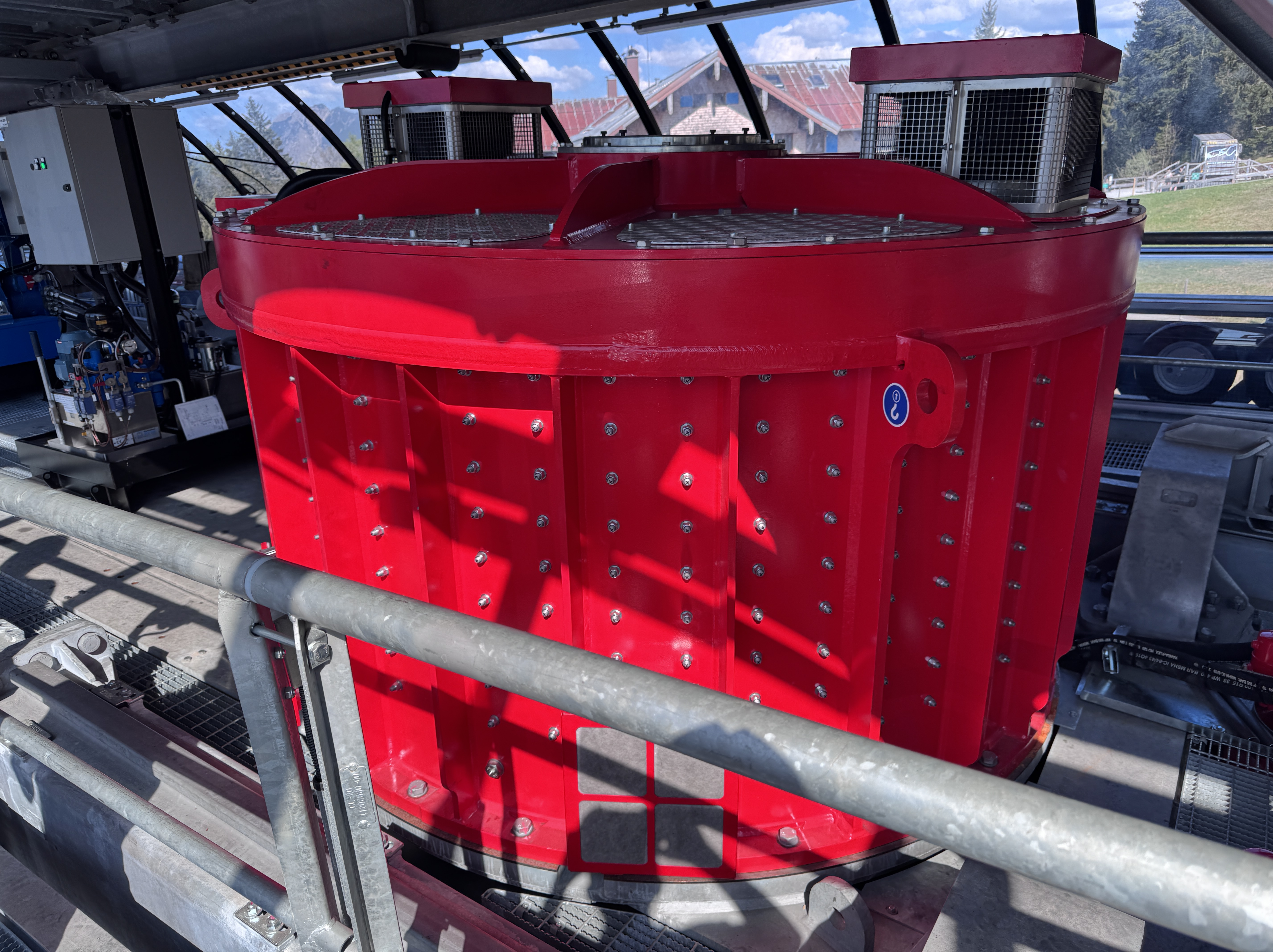
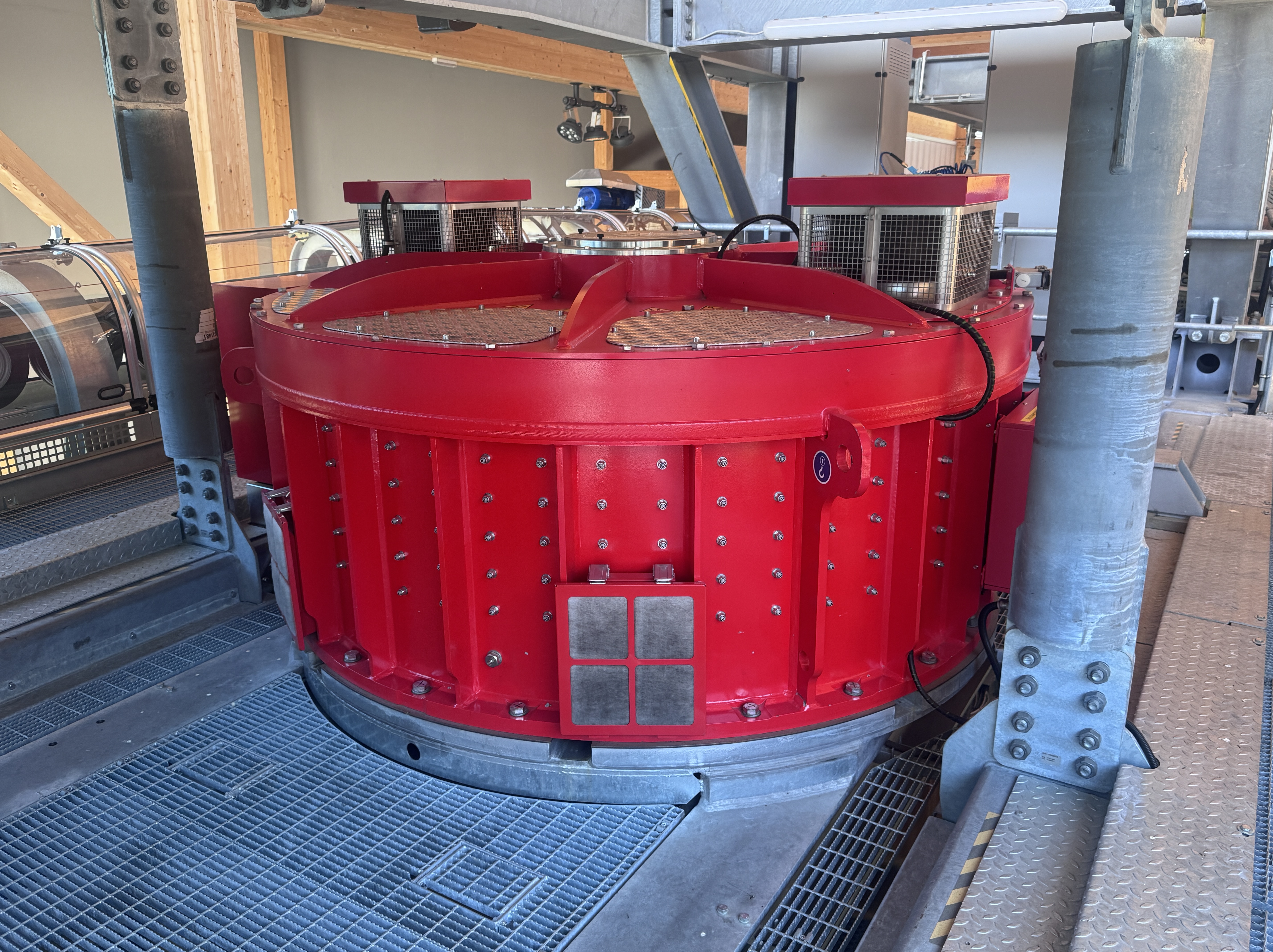
After lunch we headed to the other side of the valley, where another of Henrik’s mountains had already opened for summer. This family ski area features a mountain coaster, several kid-friendly activities and hiking in the summer season (there’s no real offseason here.) We rode a neat monocable gondola with a 90 degree angle station to mid-mountain. Everything on the lift was top of the line including Leitner’s premium stations, a direct drive and Diamond EVO cabins.

Sterzing/Vipiteno, the hometown of Leitner and other HTI companies like Prinoth and Leitwind.

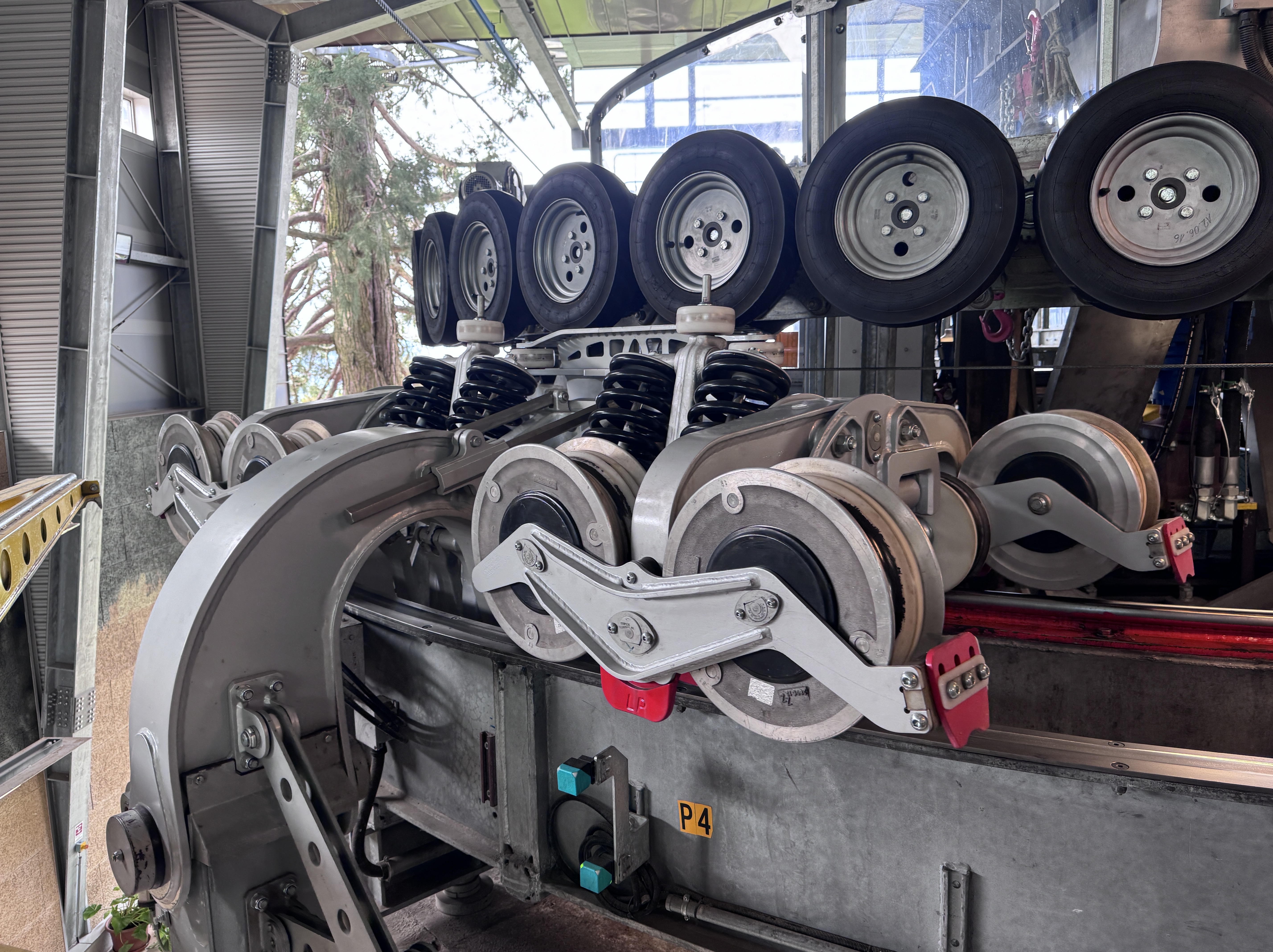
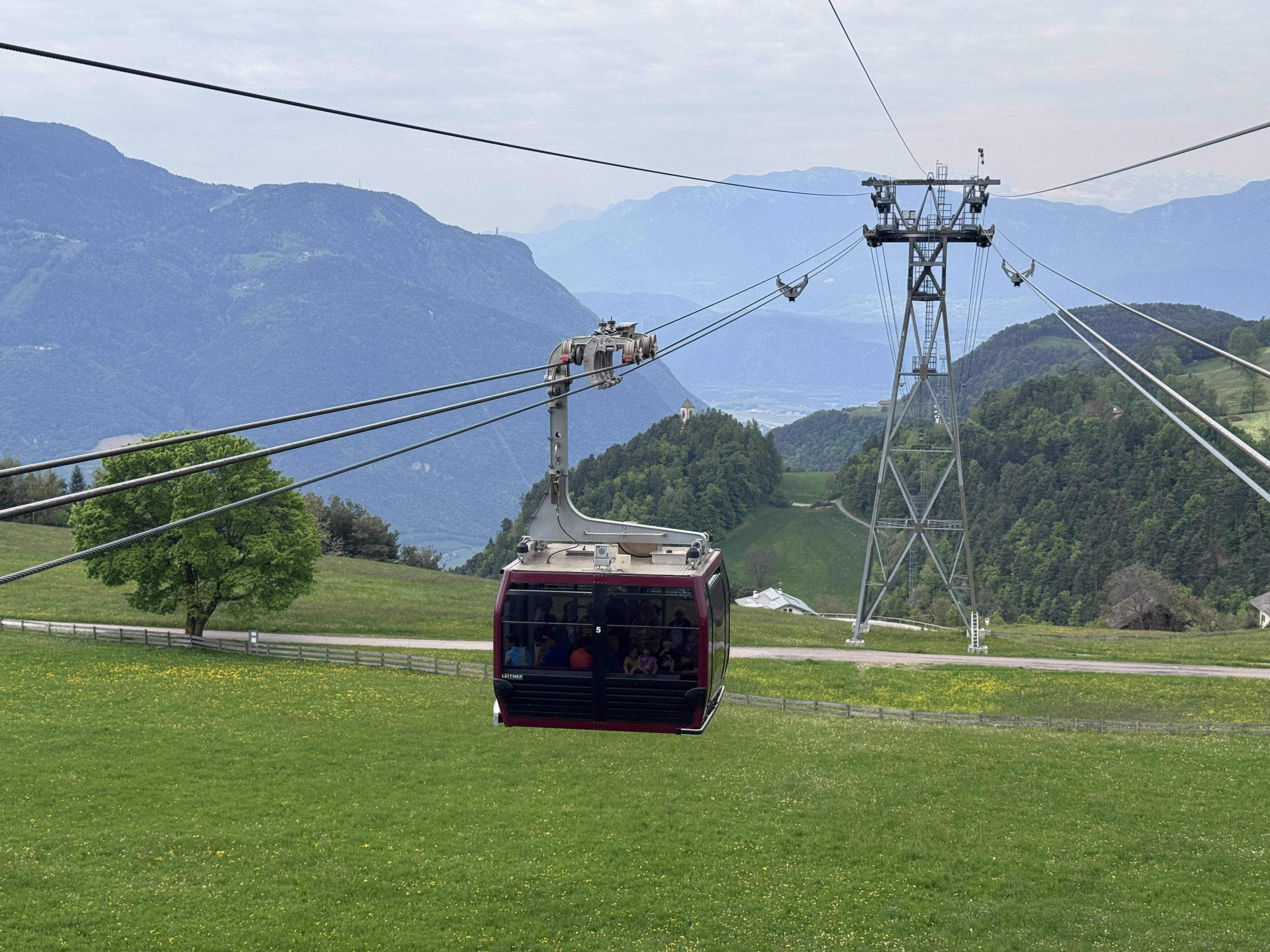
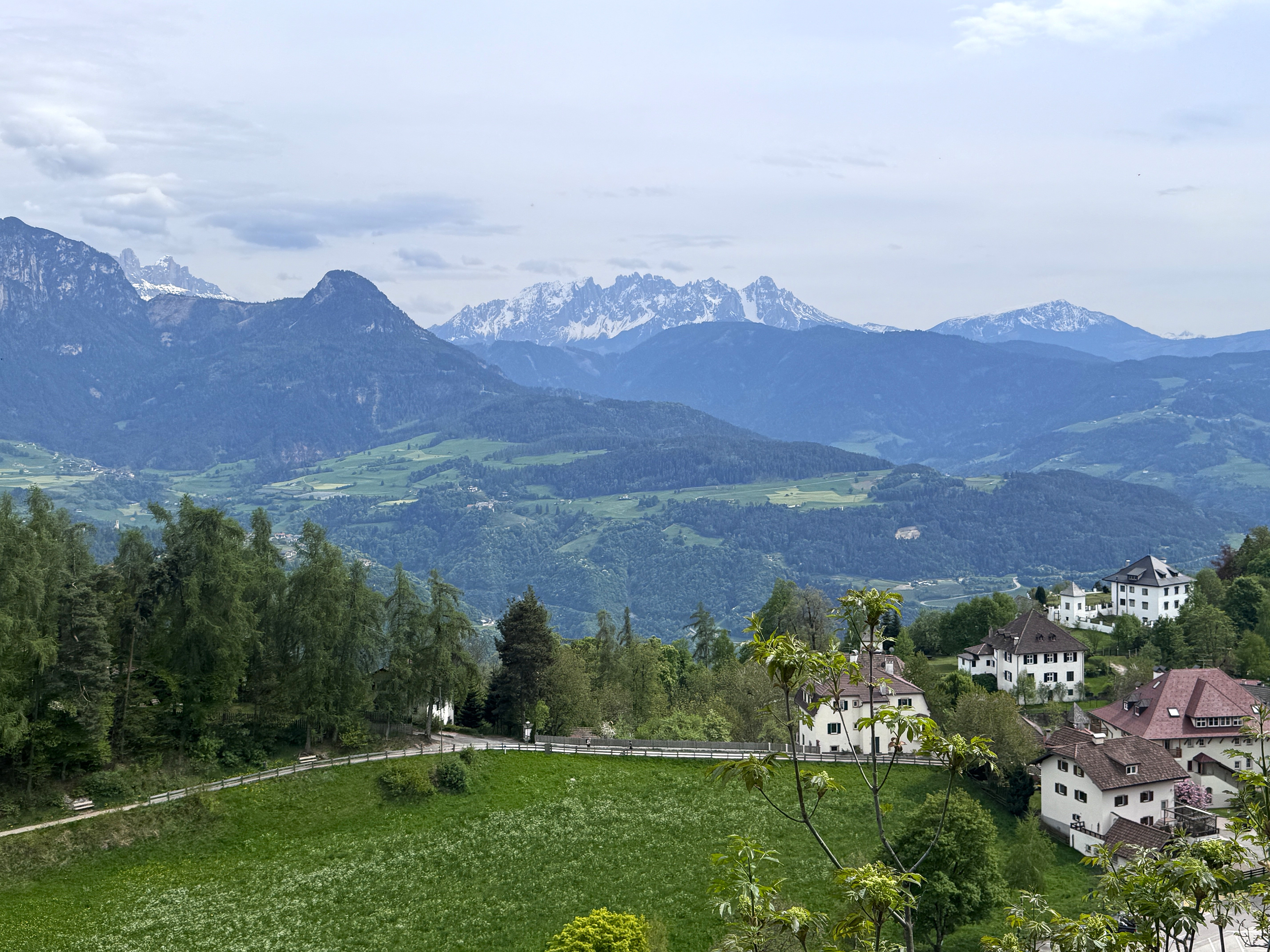
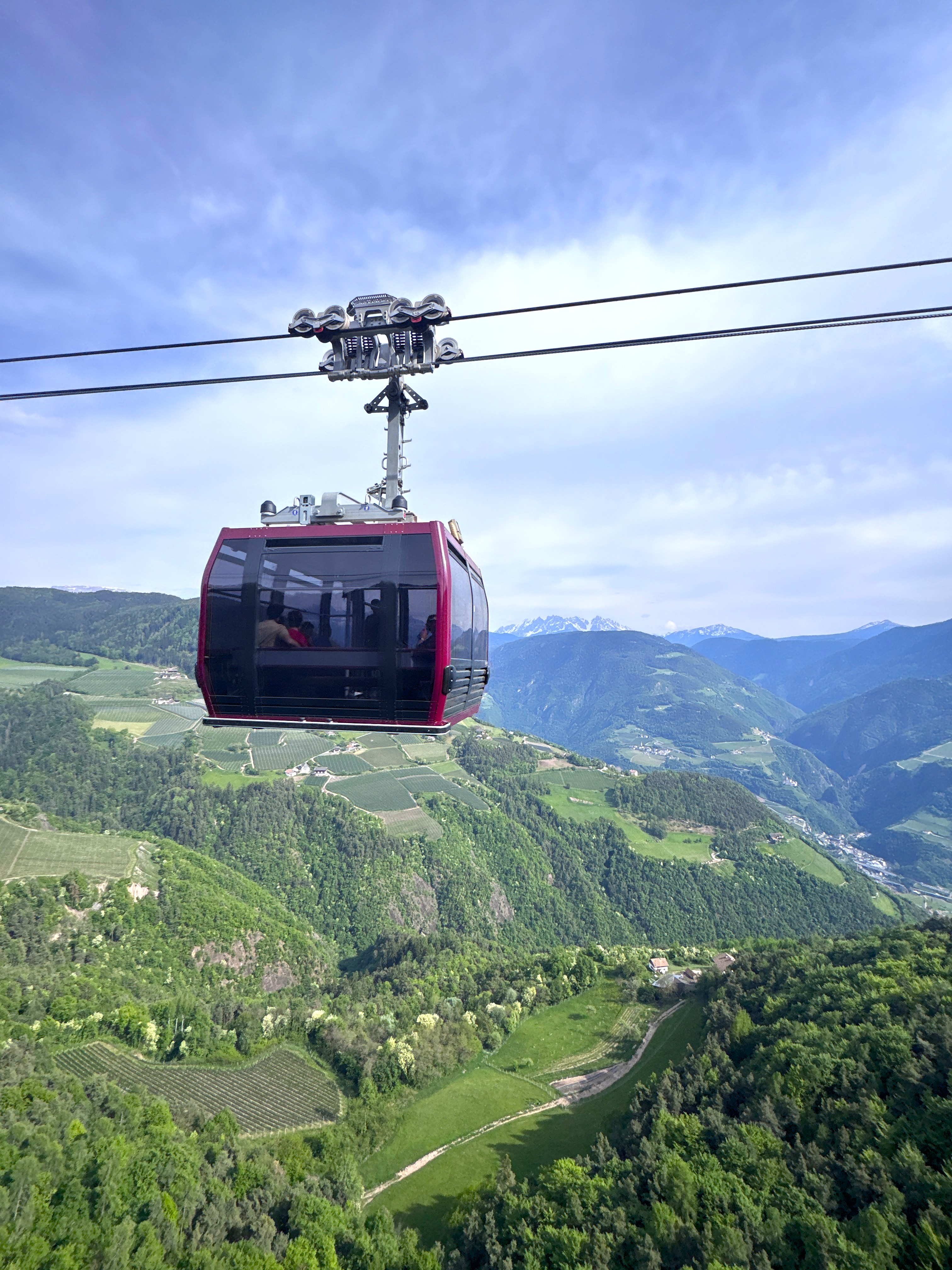
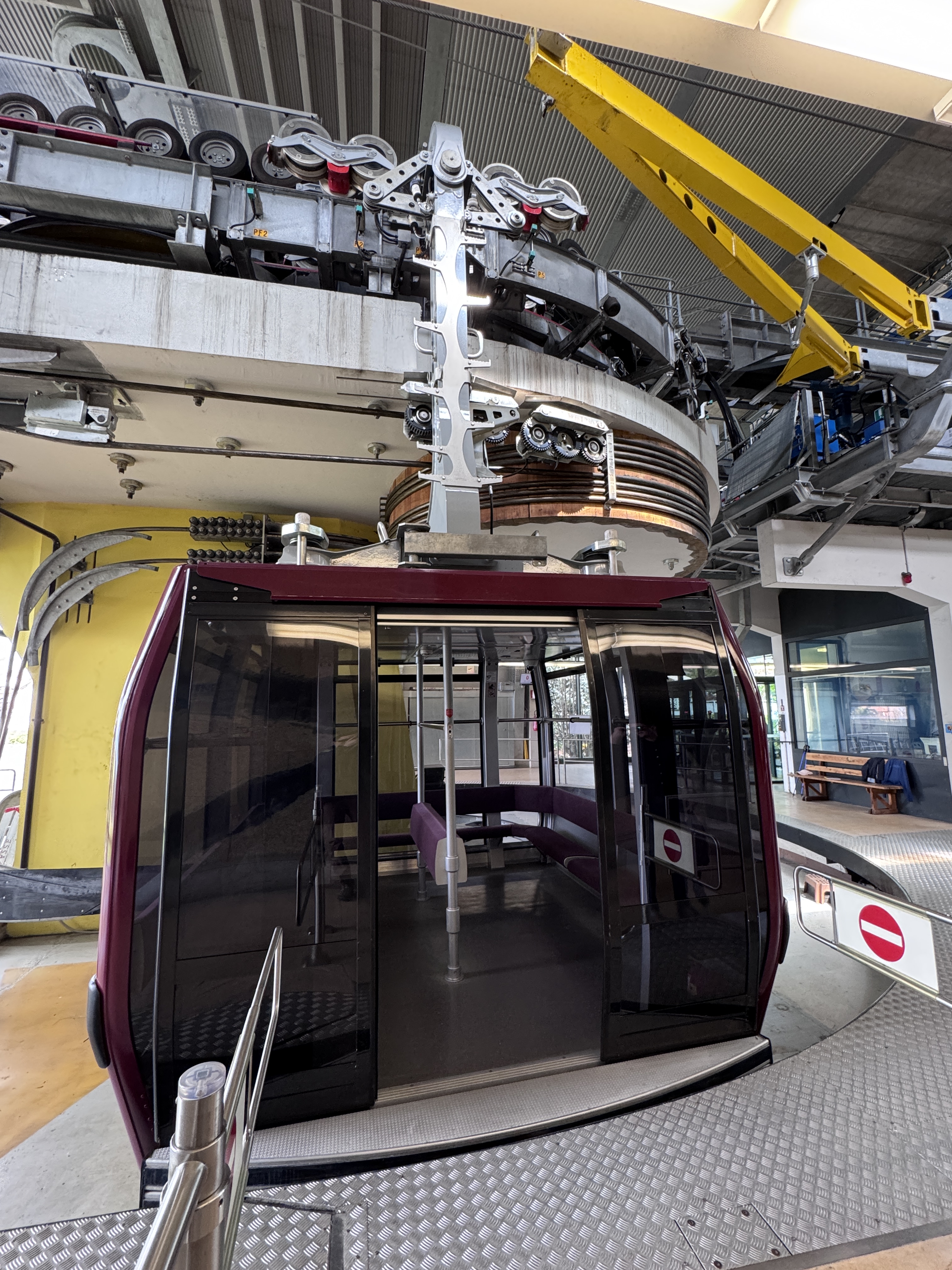
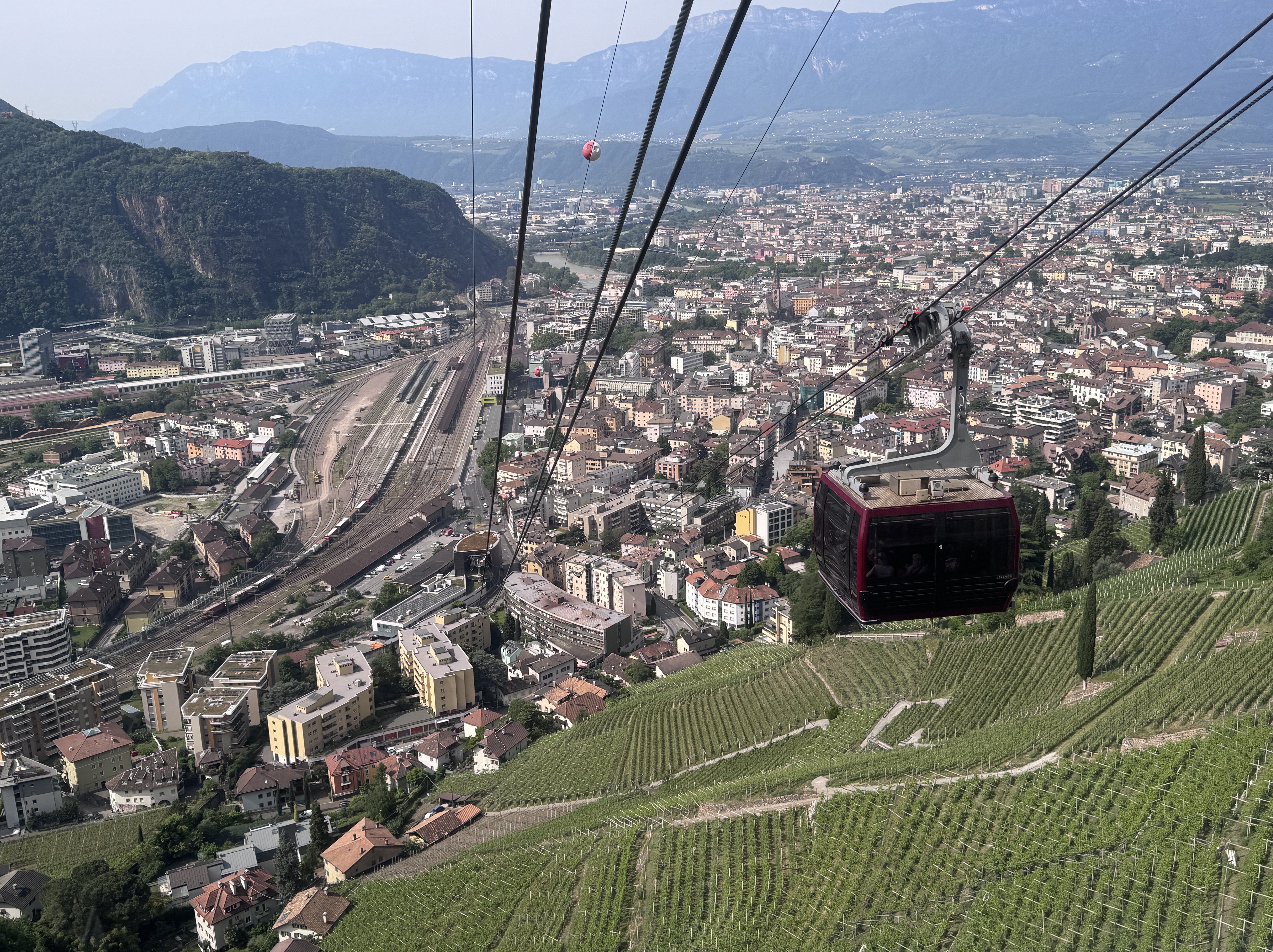
The next day took us through Austria to Italy, where Leitner’s first 3S system operates between the city of Bolzano and the mountain village of Ritten/Renon (towns in this region carry both German and Italian names.) This unique 3S operates in a pulse fashion with cabins coming to complete stops in the stations while the line keeps moving at varying speeds. The 3S serves as public transit for more than a million riders a year and costs just five Euros to ride. The lift spans nearly 15,000 feet with ten 35 passenger cabins. At the top, an electric train carries riders further up the plateau with views of the Dolomites.
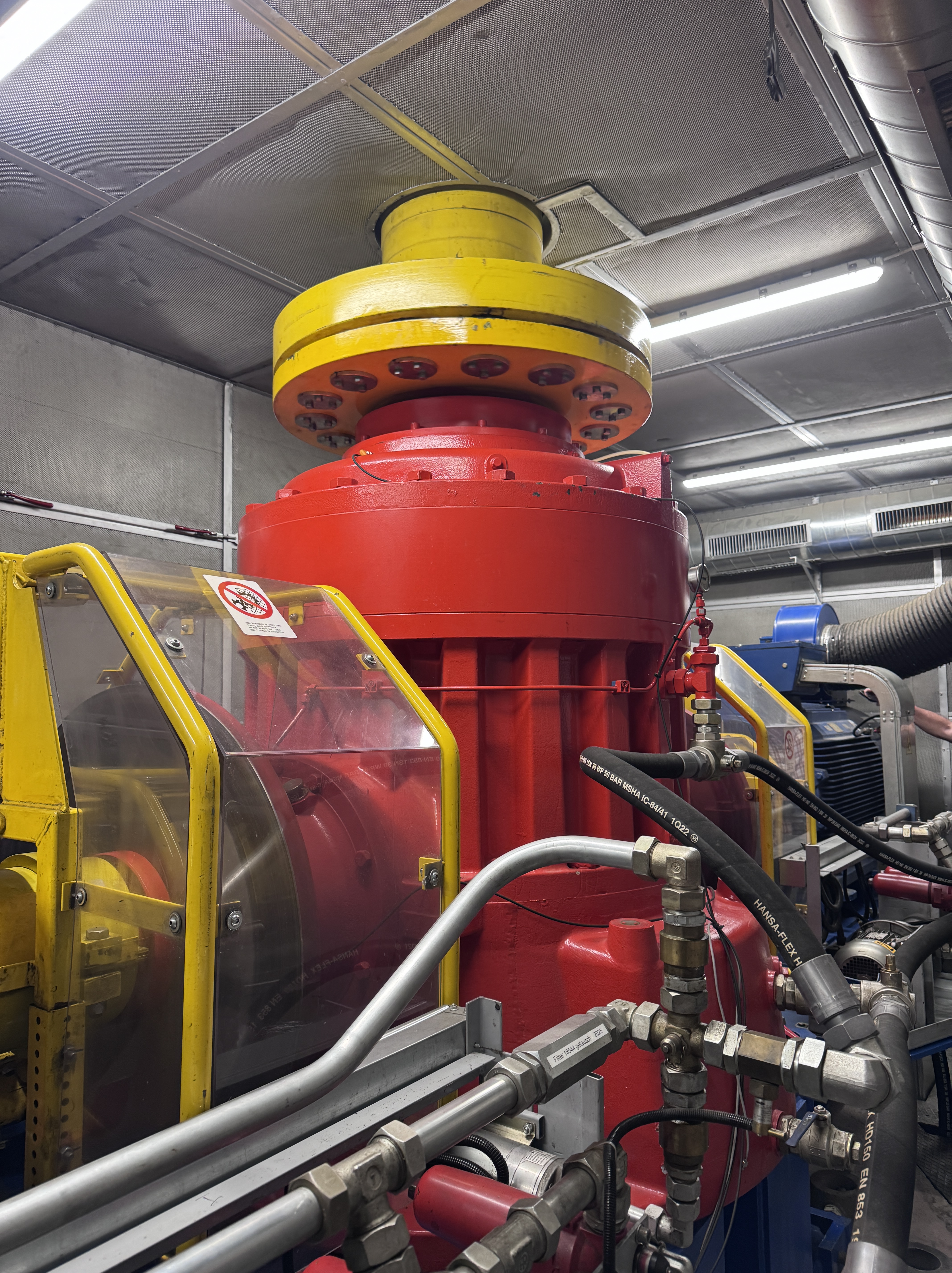
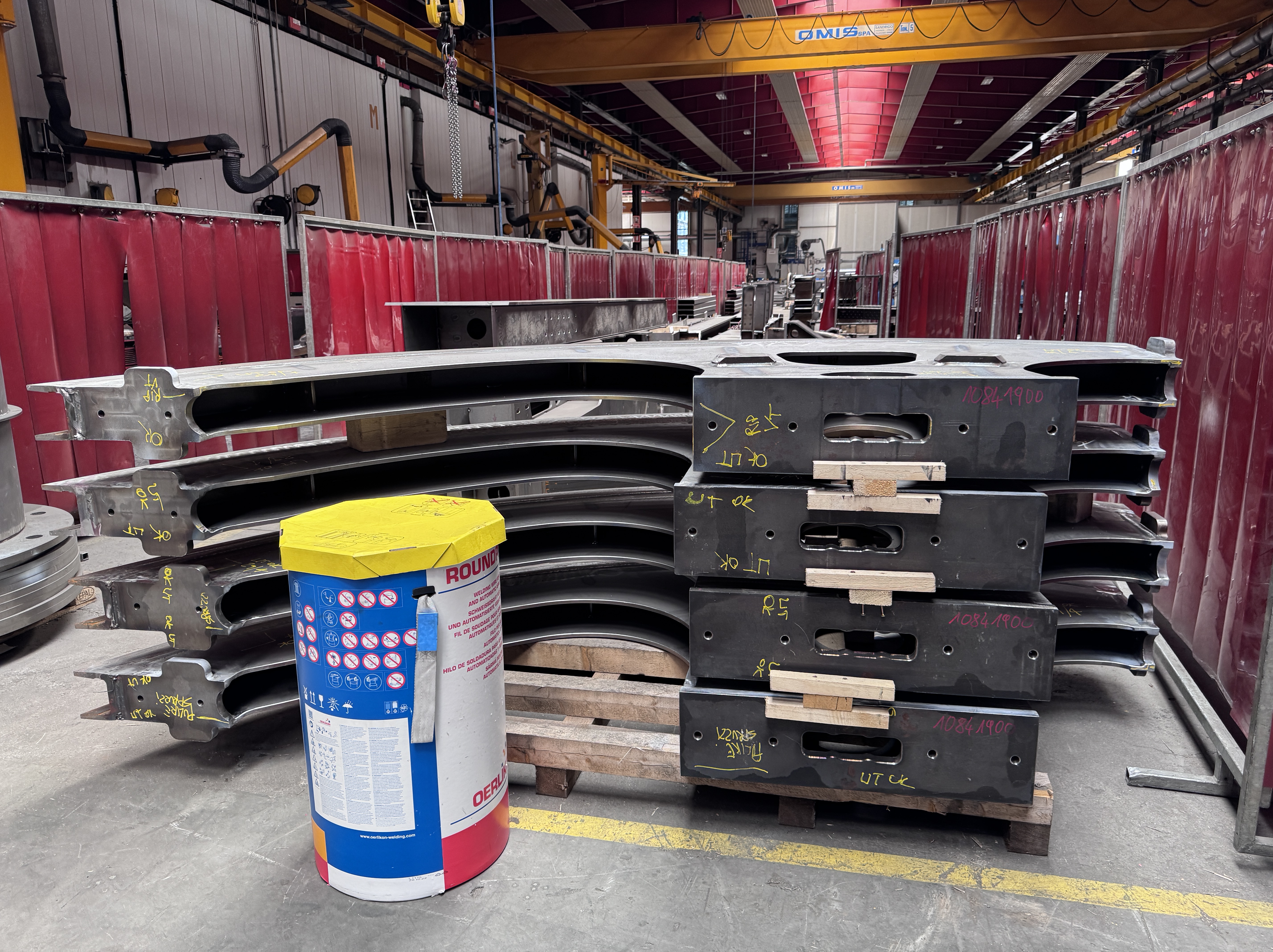
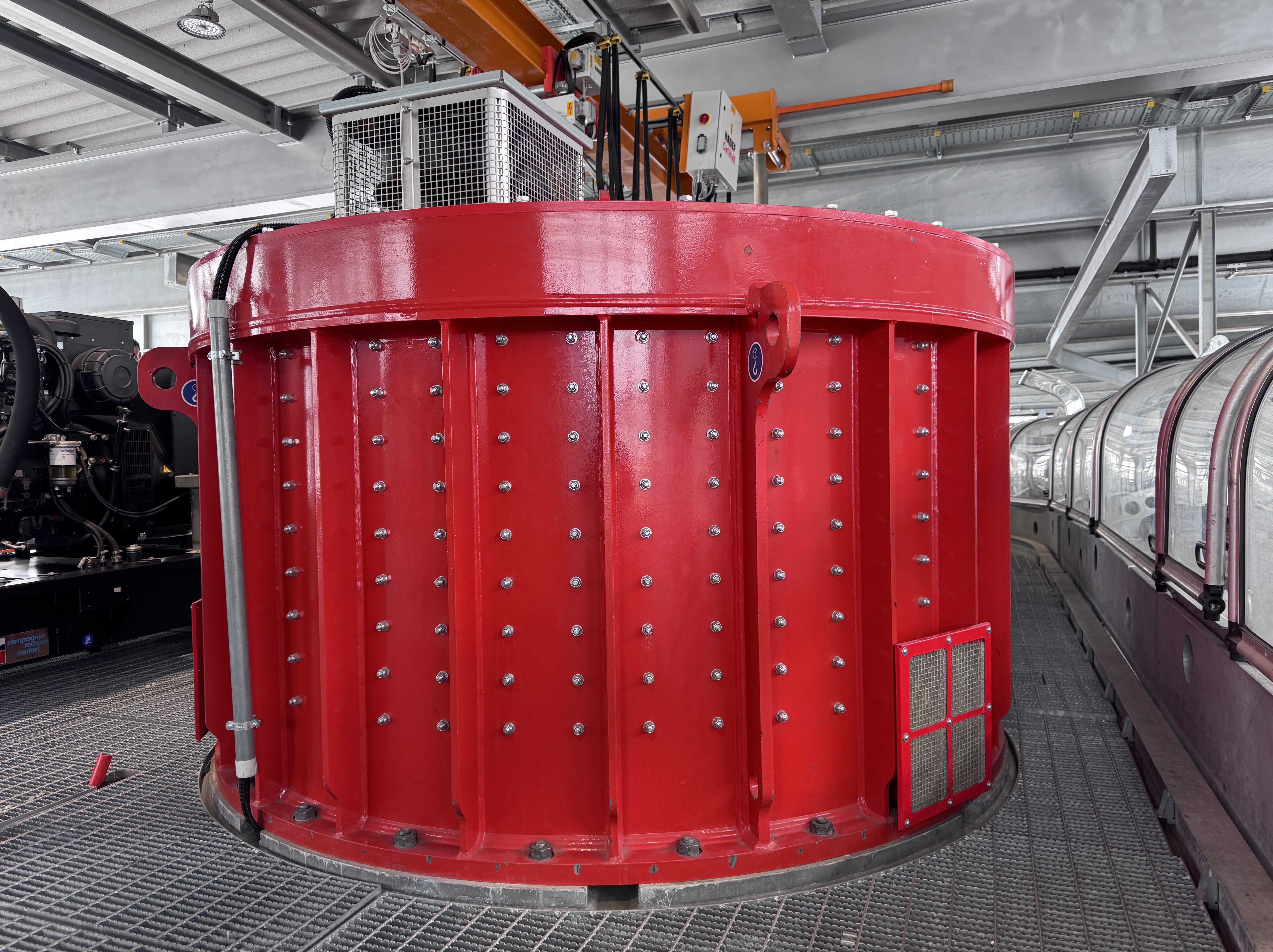
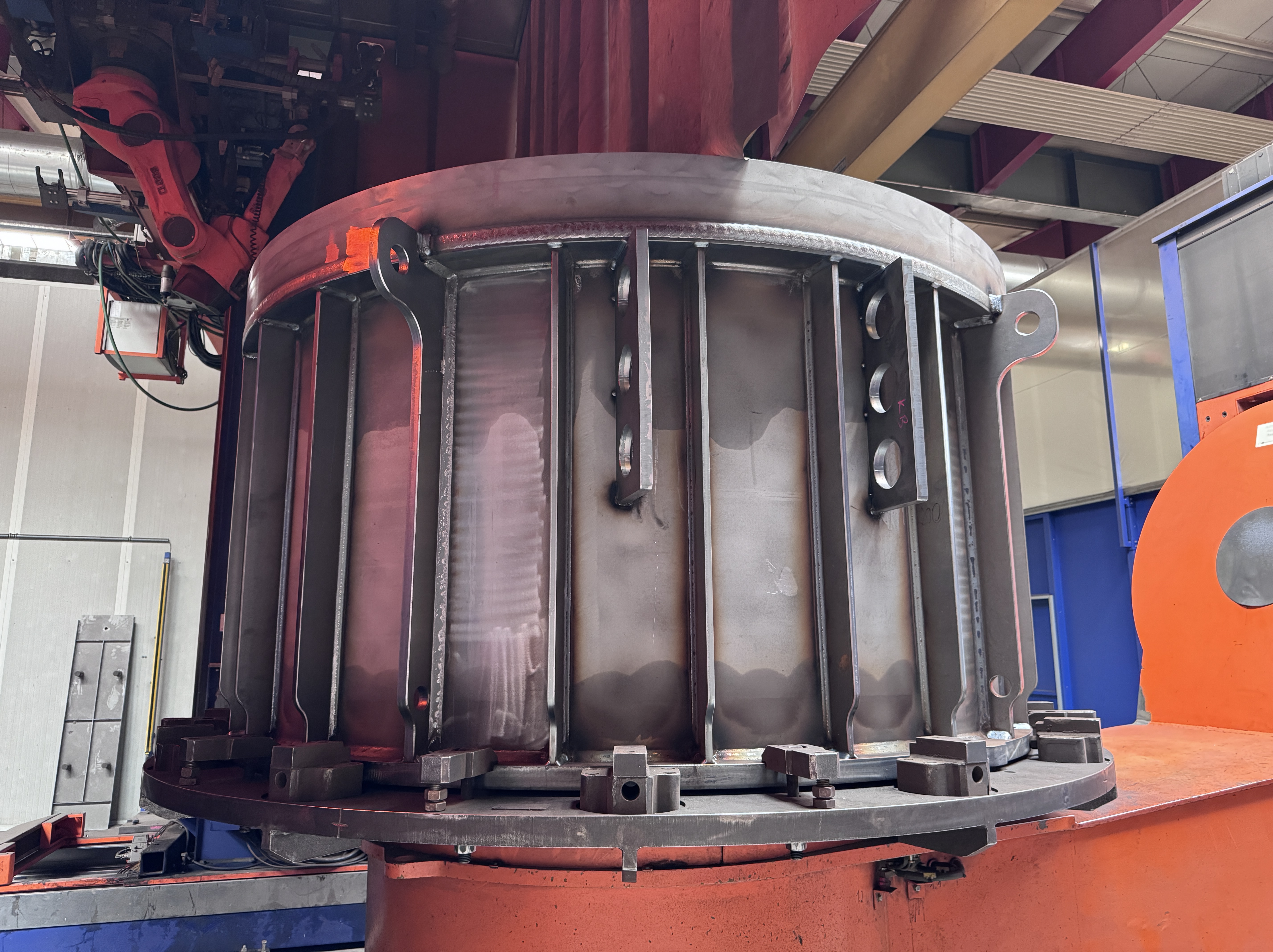
A highlight of the trip was seeing Leitner’s factories, the largest of which lies in the company’s hometown of Sterzing. There’s a ski area right in town, of course, but it had closed for the season. Our host here was Anton Seeber, the friendly leader of HTI Group and its many brands. Sterzing is a true production facility with workers and machines cutting and welding raw steel into bullwheels, tire banks and towers. Sterzing also produces casings for direct drives used all over the world. We visited this factory on a Sunday so no one was working but it was cool to see components in varying stages of completion.
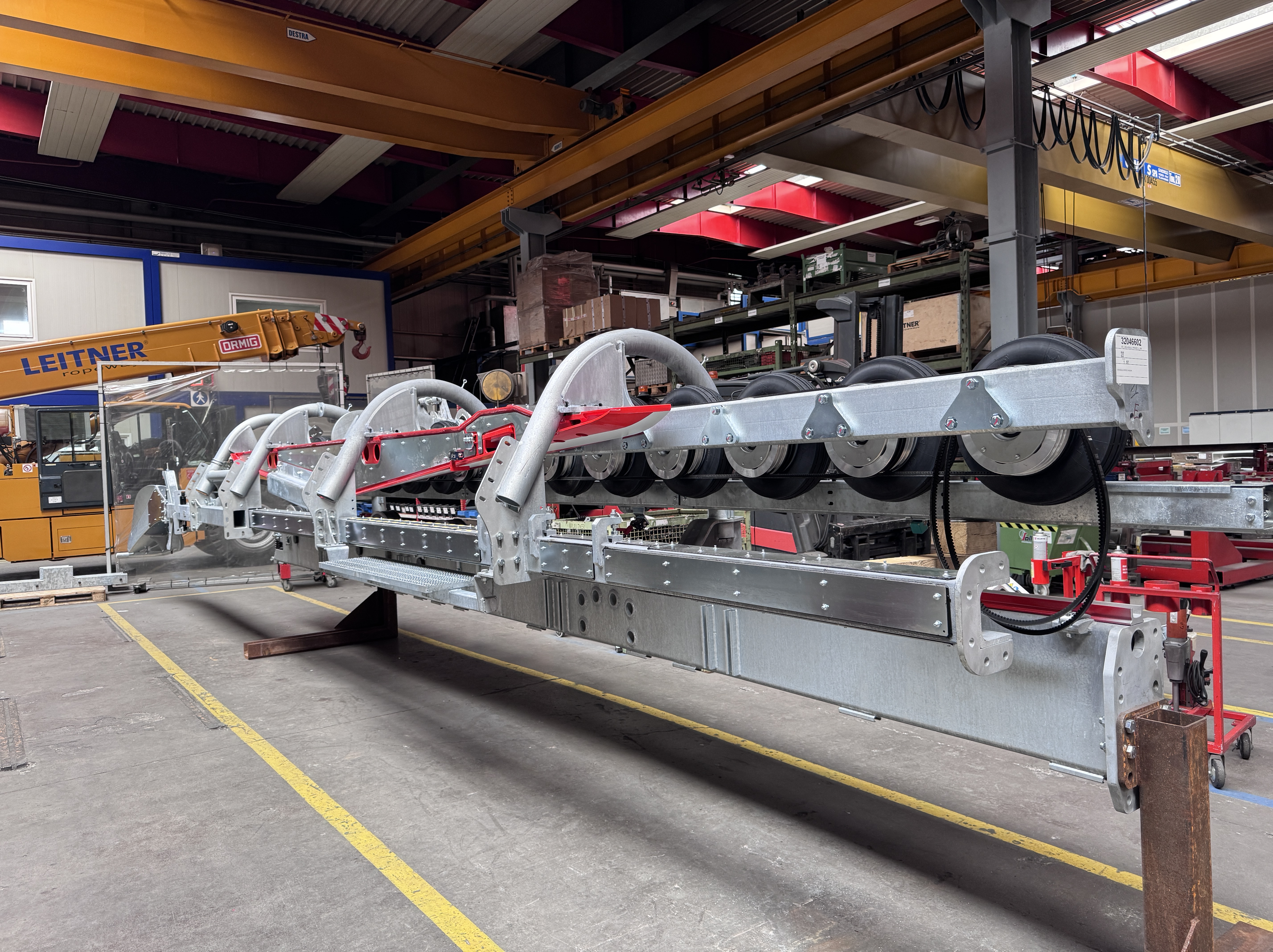
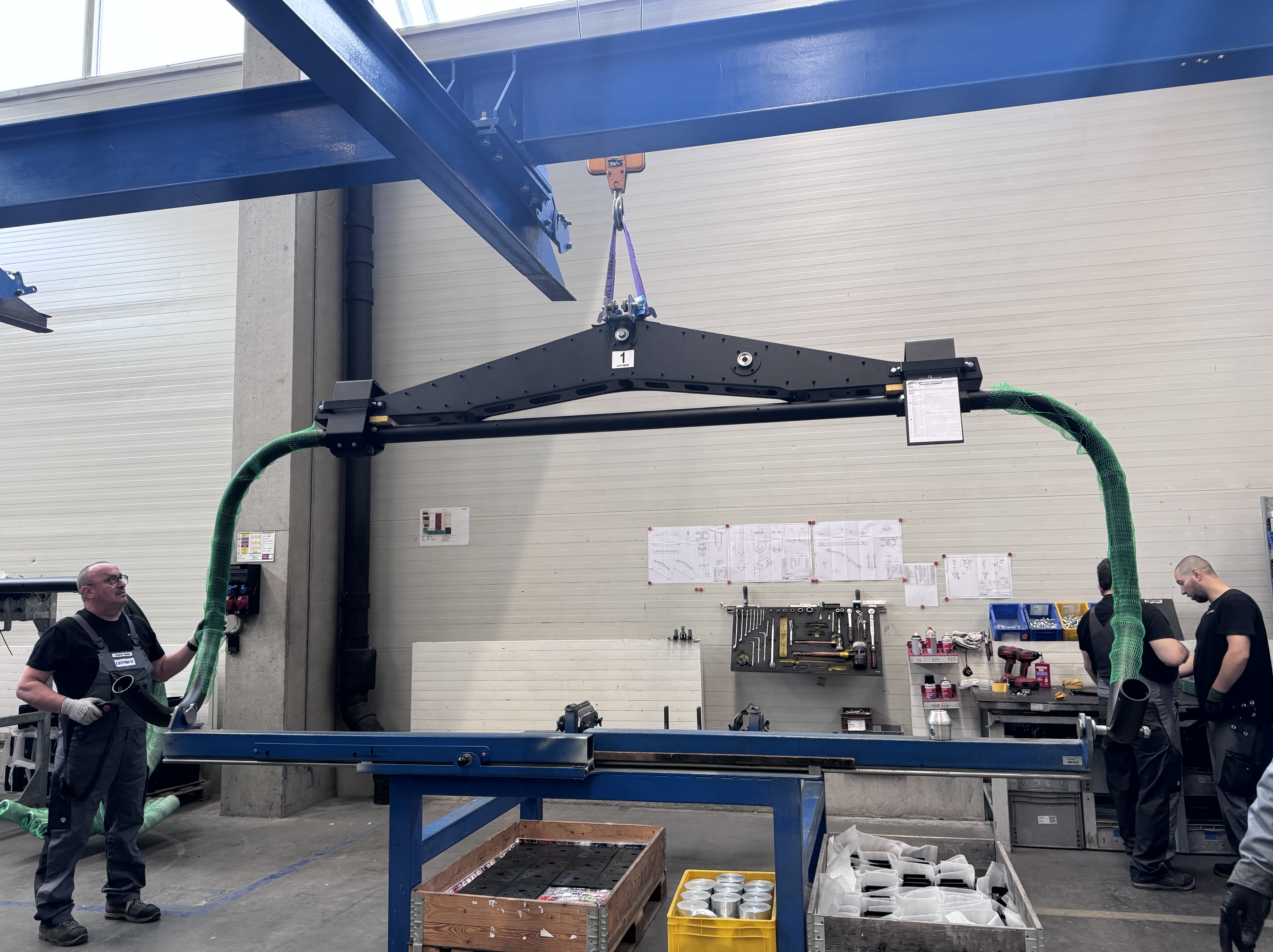
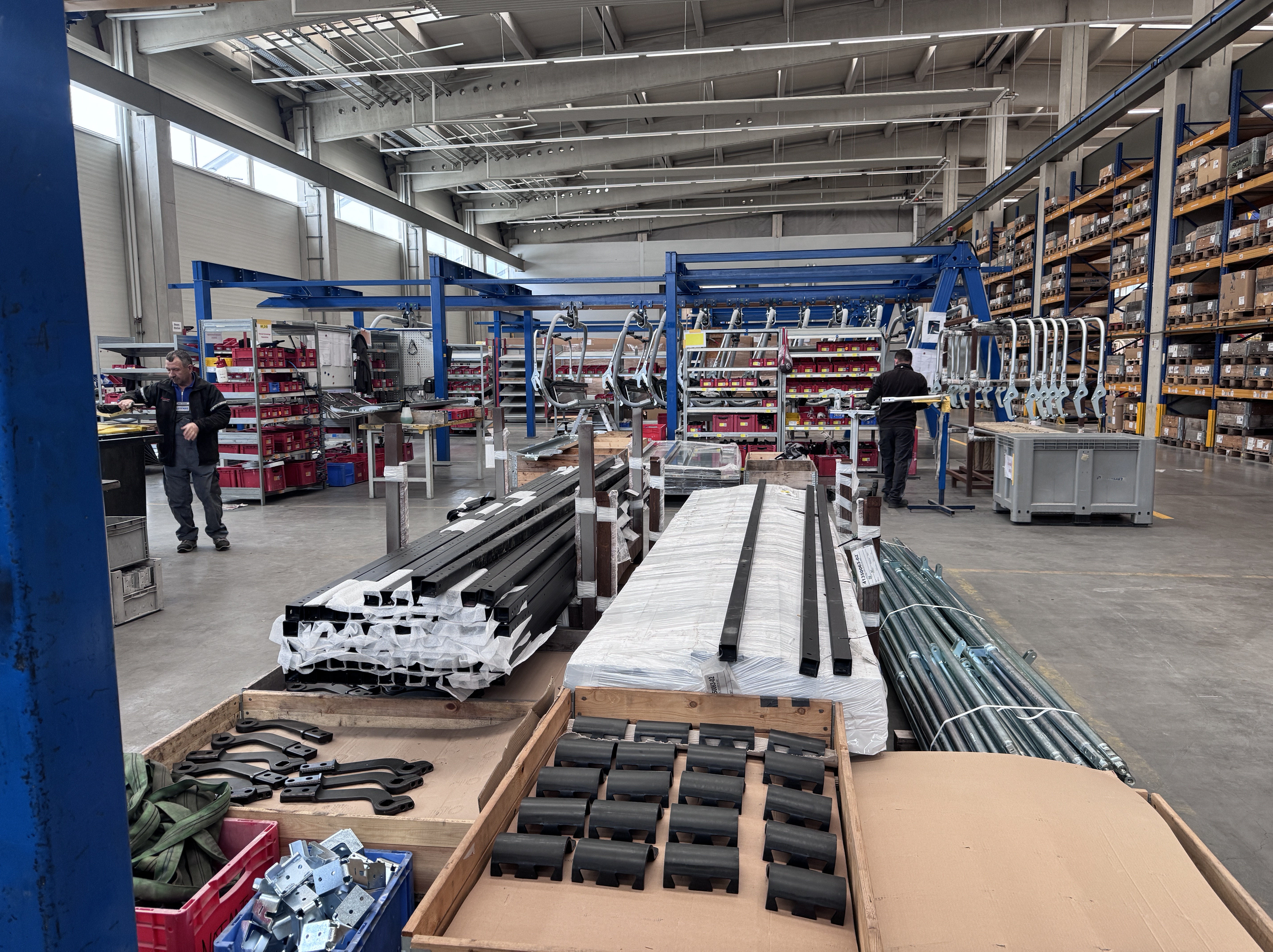
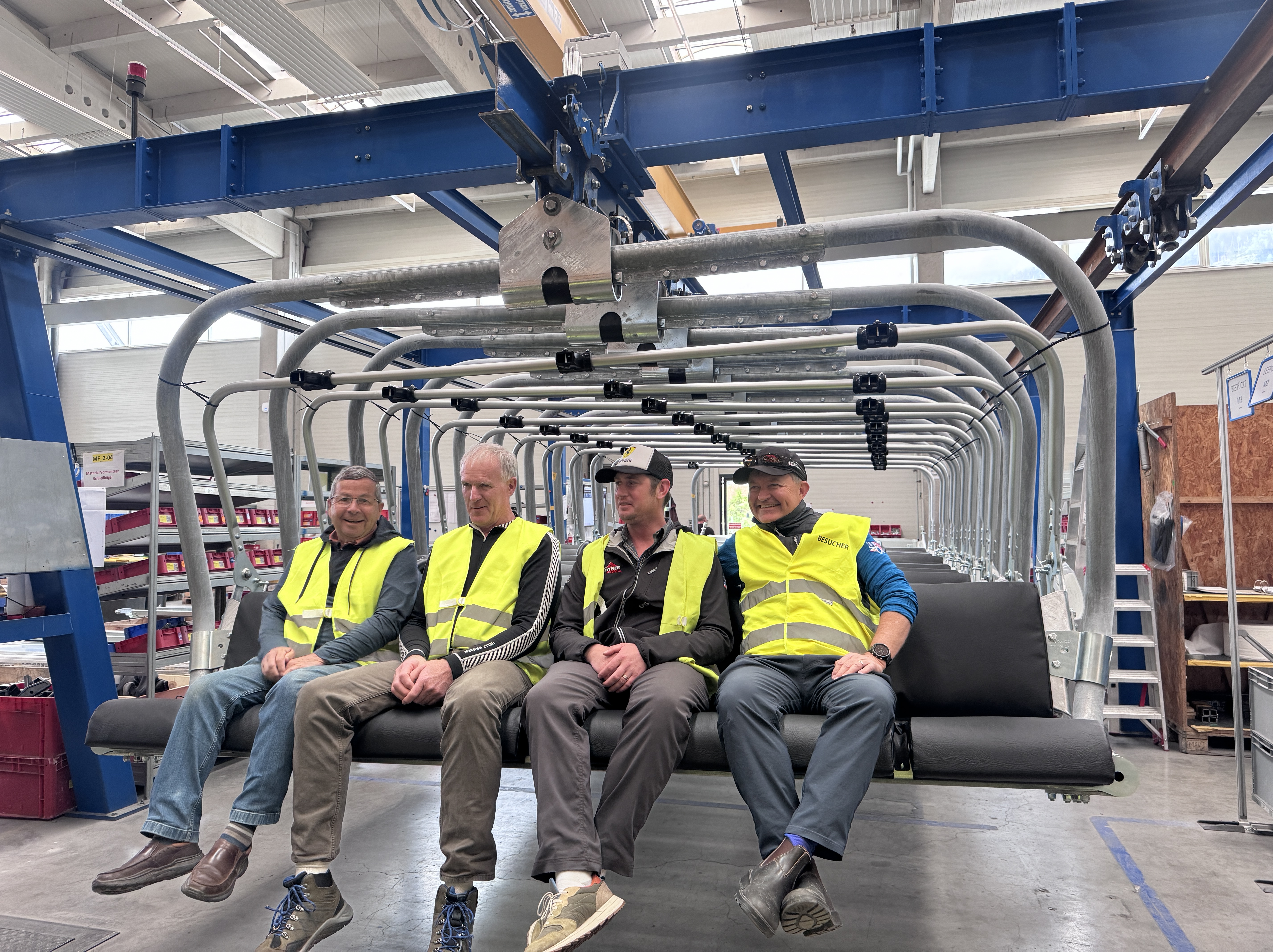
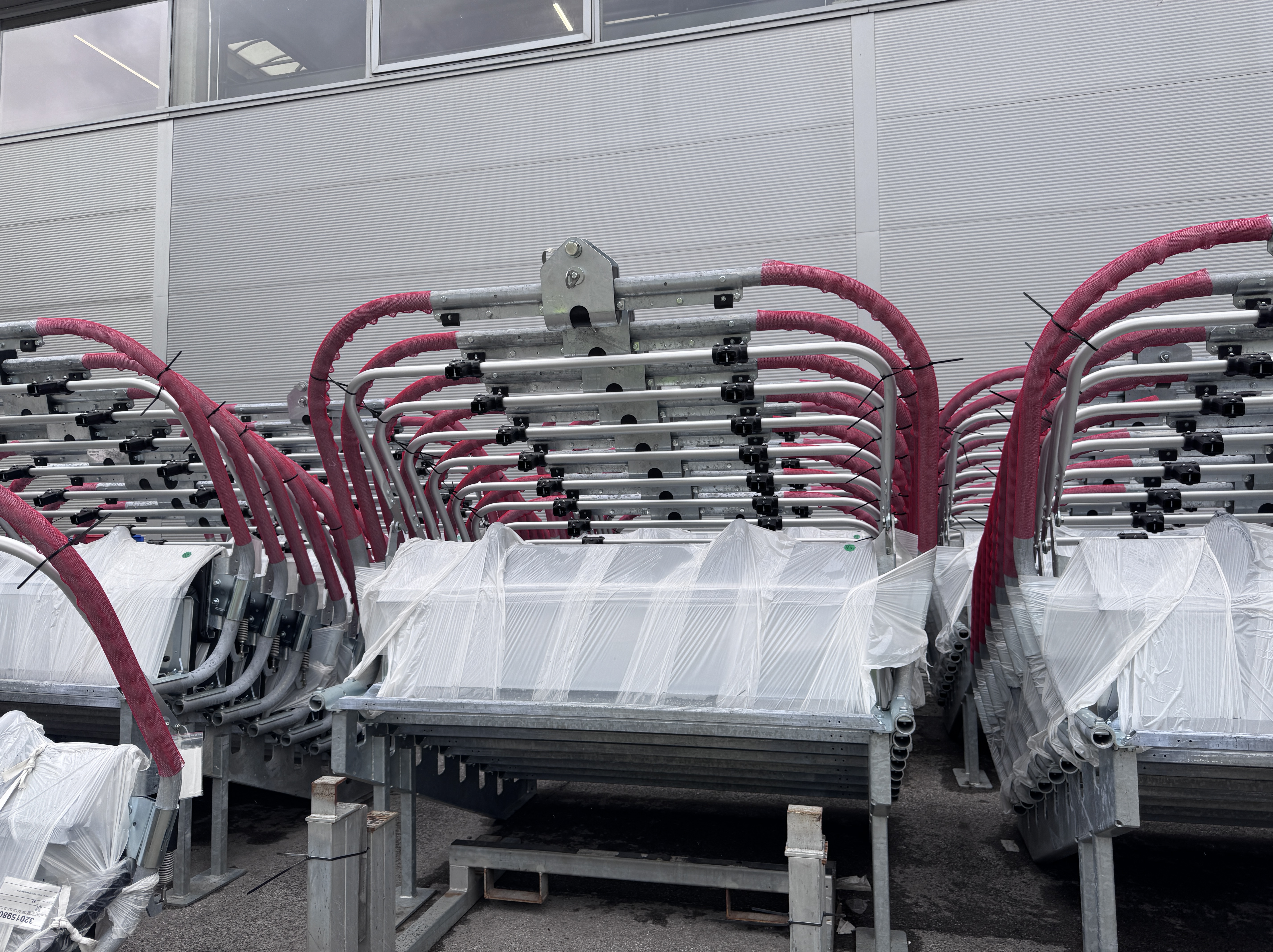
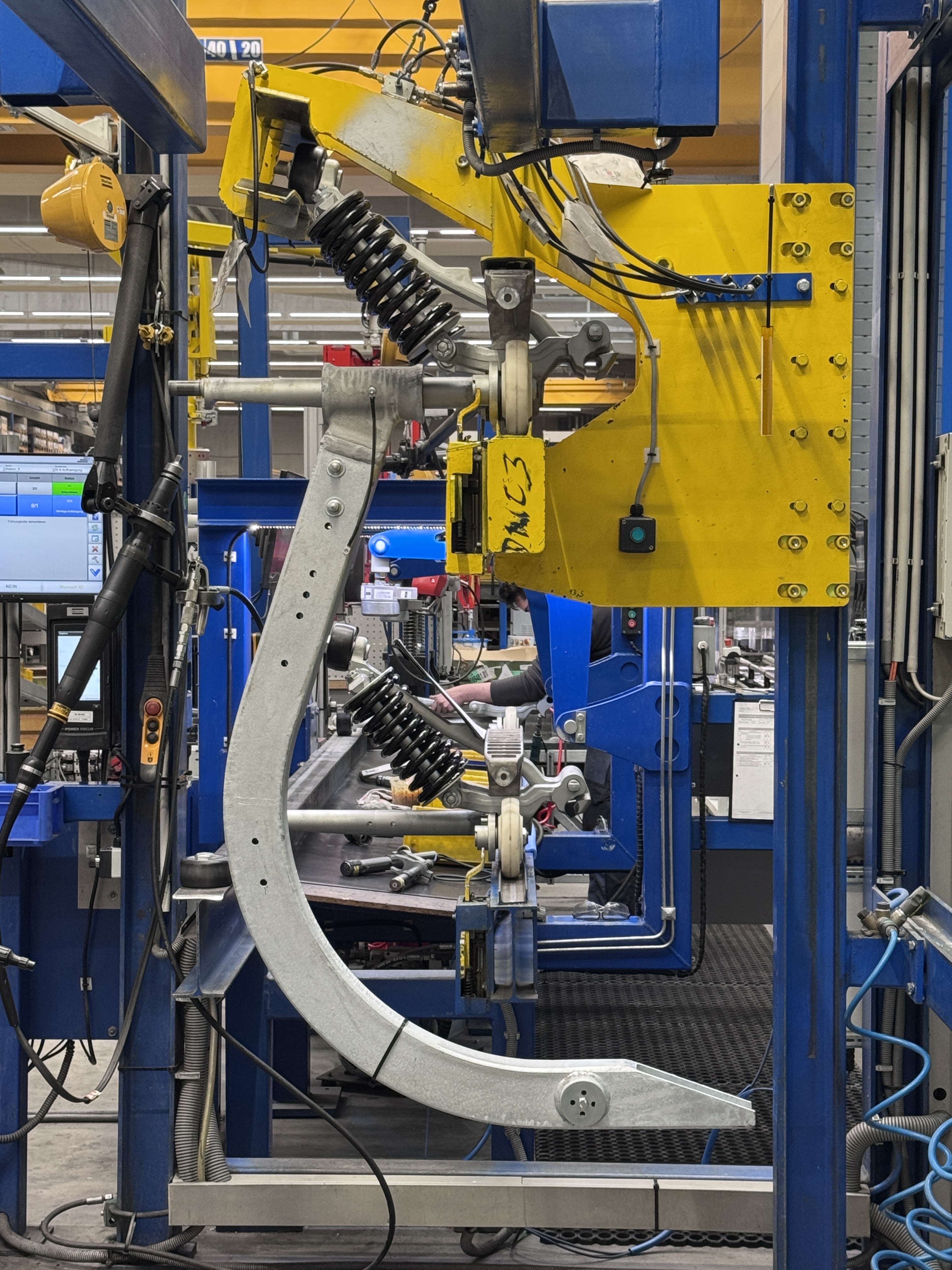
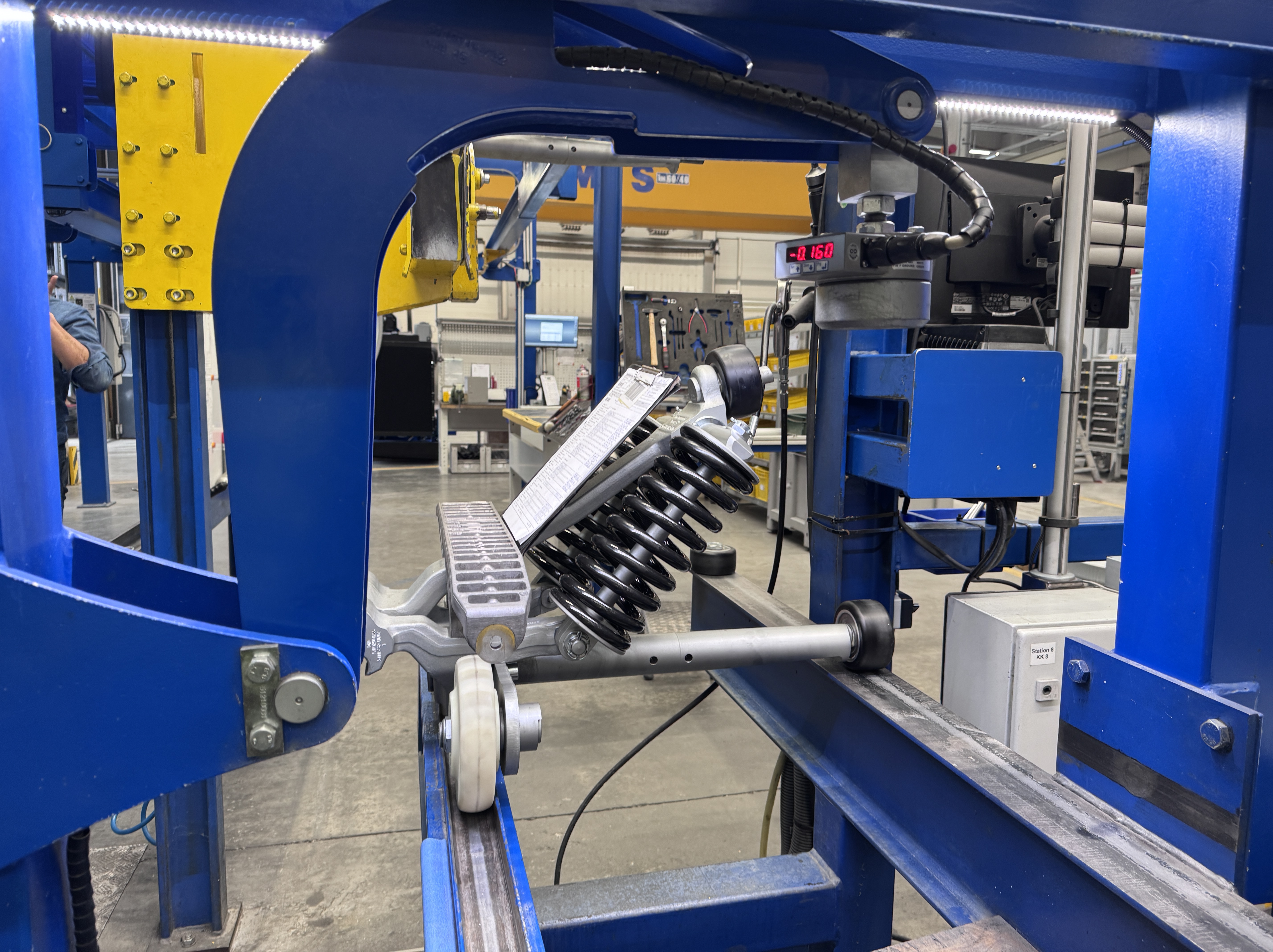
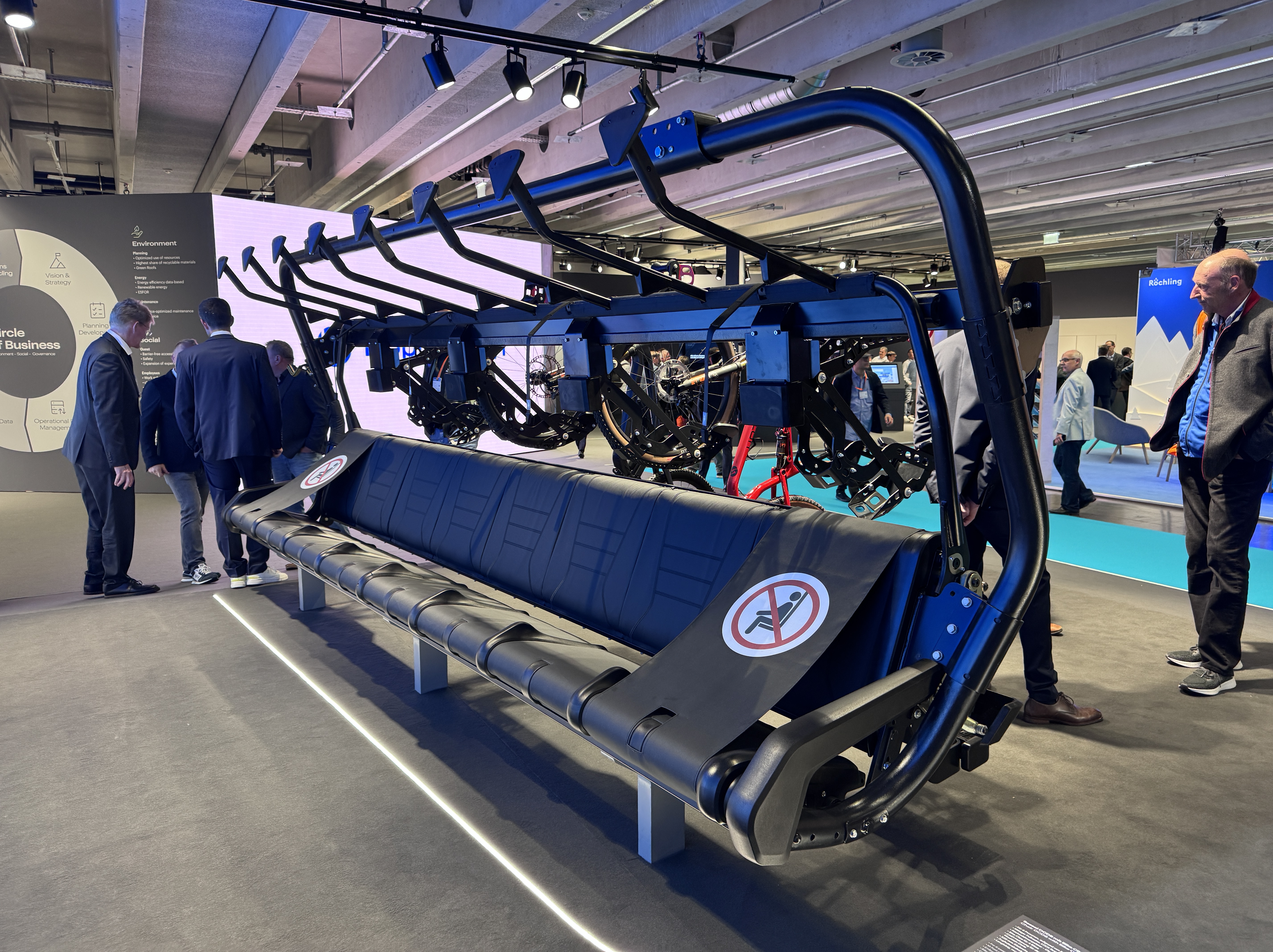
The next day we headed back to Austria and a newer factory which specializes in assembly of chairs, grips, hangers and direct drives. The 45,000 square meter Telfs plant opened in 2008 and serves just three customers: Leitner, Poma and Leitner-Poma of America. The various arms of HTI used to produce chairs and grips in different plants but consolidation to Telfs improved efficiency and quality control. In a busy year, LPOA buys 1,000 chairs from Telfs out of 2,600 to 4,000 chairs produced there. Chairs are built in batches for a specific lift. The reason for this is a six place chair, for example, can be ordered in 230 different variations depending on customer preferences. The day we were in the factory a crew was busy assembling chairs for Snowmass’ new Elk Camp six pack, set to open next season. Two Snowmass guys were on the tour and got to sit on their new chair for a photo months before first chair. Bretton Woods’ Bethlehem Express chairs had just been completed and were being readied for their boat ride to New Hampshire.

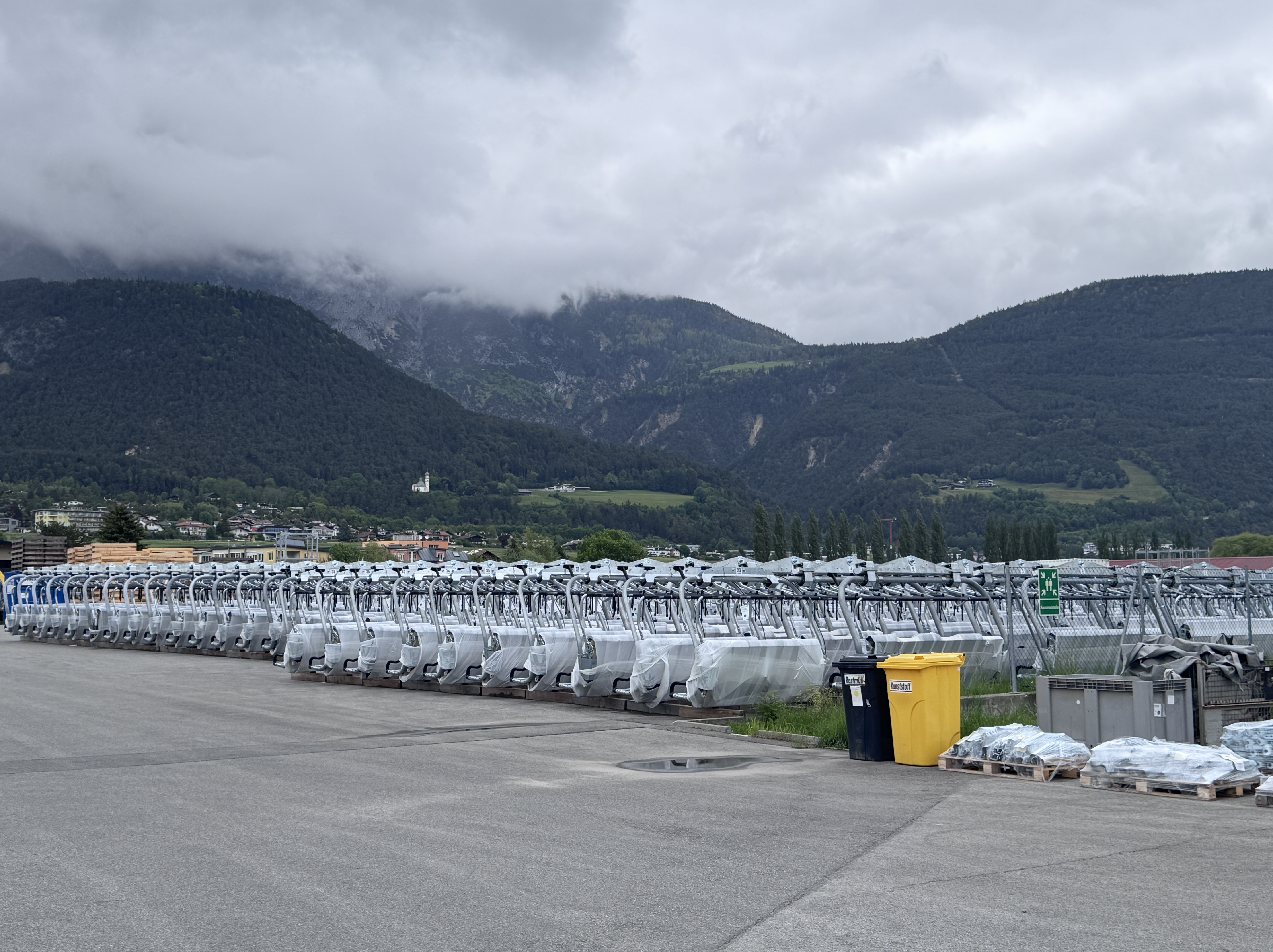
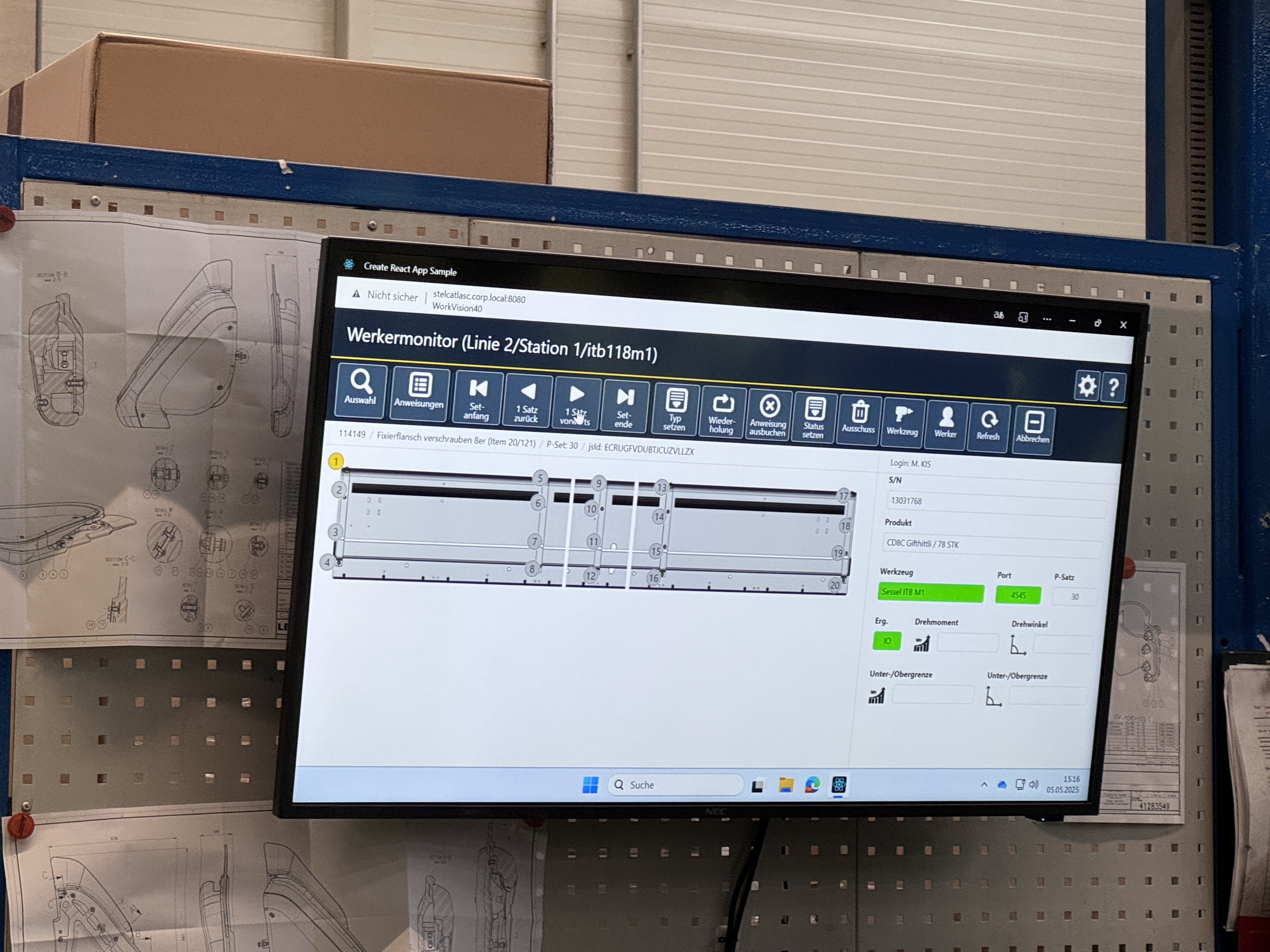
Every chair begins as a straight piece of tubular steel. An automated bending machine transforms each tube into a chair bail. Another machine cuts holes in the tube and other finishing is completed by hand. The bails are sent out for galvanization before returning for assembly. Other than the bail, the rest of a chair’s parts are sourced from a network of suppliers, many of whom also supply automakers in nearby Germany. A single chair can contain 1,500 parts and workers use high tech torque wrenches linked with software to optimize workflow. A screen shows the assembler exactly where a particular part goes on the chair.

There’s one other chair component Telfs fabricates as opposed to just assembling: bubbles! This factory will produce around 600 bubbles in 2025, all starting as flat sheets of polycarbonate. The process Leitner uses is proprietary but can be summarized as thermo stretch forming. This work is highly specialized and difficult with not every bubble meeting quality standards (around 10 percent are discarded instead of making their way to lifts.) After forming, holes are drilled and a plastic rim is glued on before the bubbles are installed on chairs.

The third section of Telfs we toured was direct drive assembly. This was the first time I got to see the inside of a direct drive as normally they’re not opened once installed. Leitner was the pioneer of direct drive lifts and Telfs completes around 50 to 60 units a year, most of which stay in Europe.
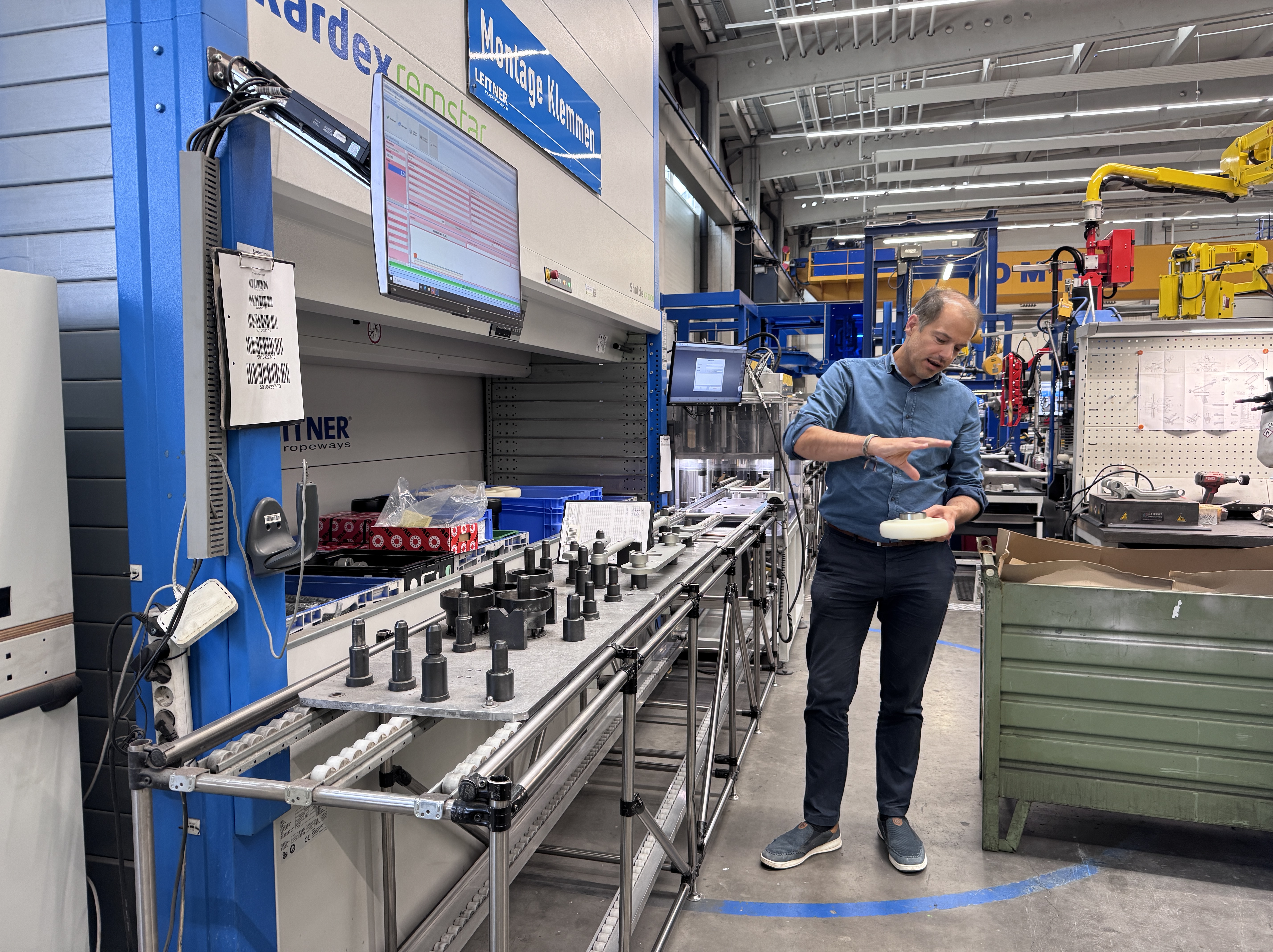
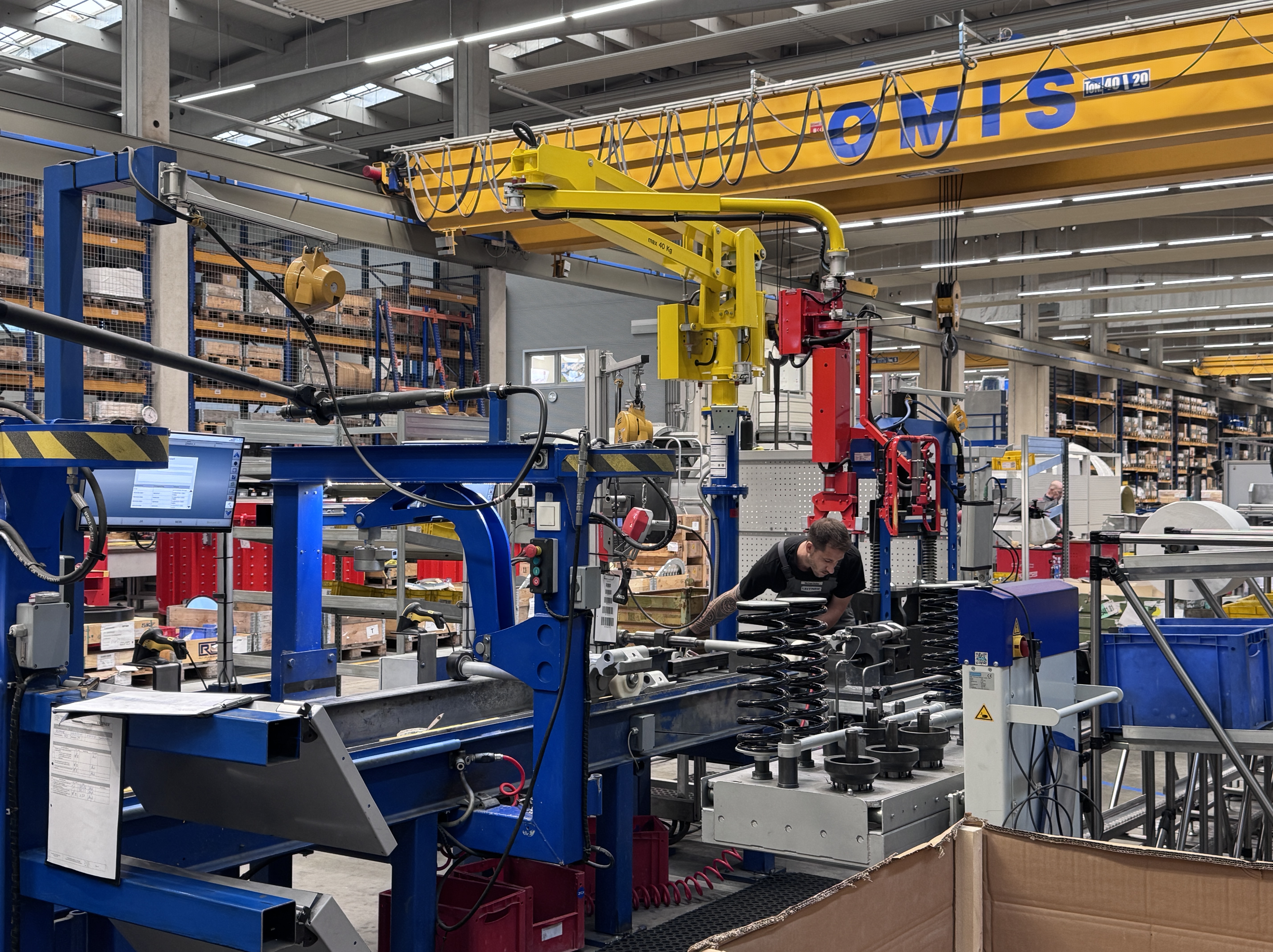
The last stop was the LPA grip assembly line, designed using systems from modern automobile and aircraft factories. HTI formerly built detachable grips in three places but now every grip and hanger come off this one line. Parts are delivered to the line by an automated system but the actual assembly is done mostly by hand. Once a grip is complete, it’s tested and a series of cameras take dozens of photos to detect any anomalies. This also allows Leitner to track each grip and hanger to a specific production run on a specific date by a specific employee. The grip and hanger mechanisms are then shipped together to project sites. Once on site, crews simply connect a chair to a hanger with one bolt. This is fast but also ensures quality and safety with most of the assembly done in a controlled environment rather than a ski area parking lot.
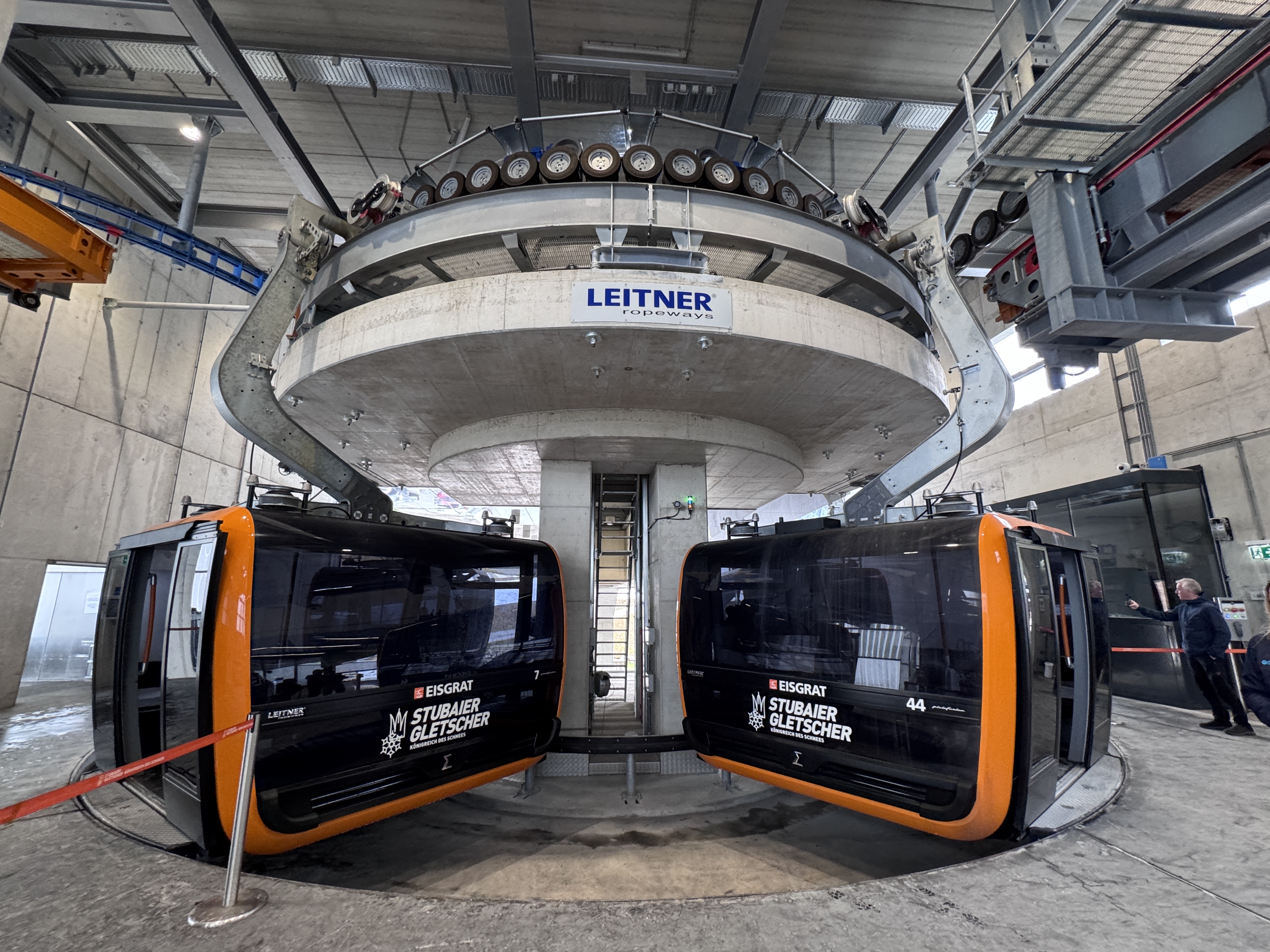
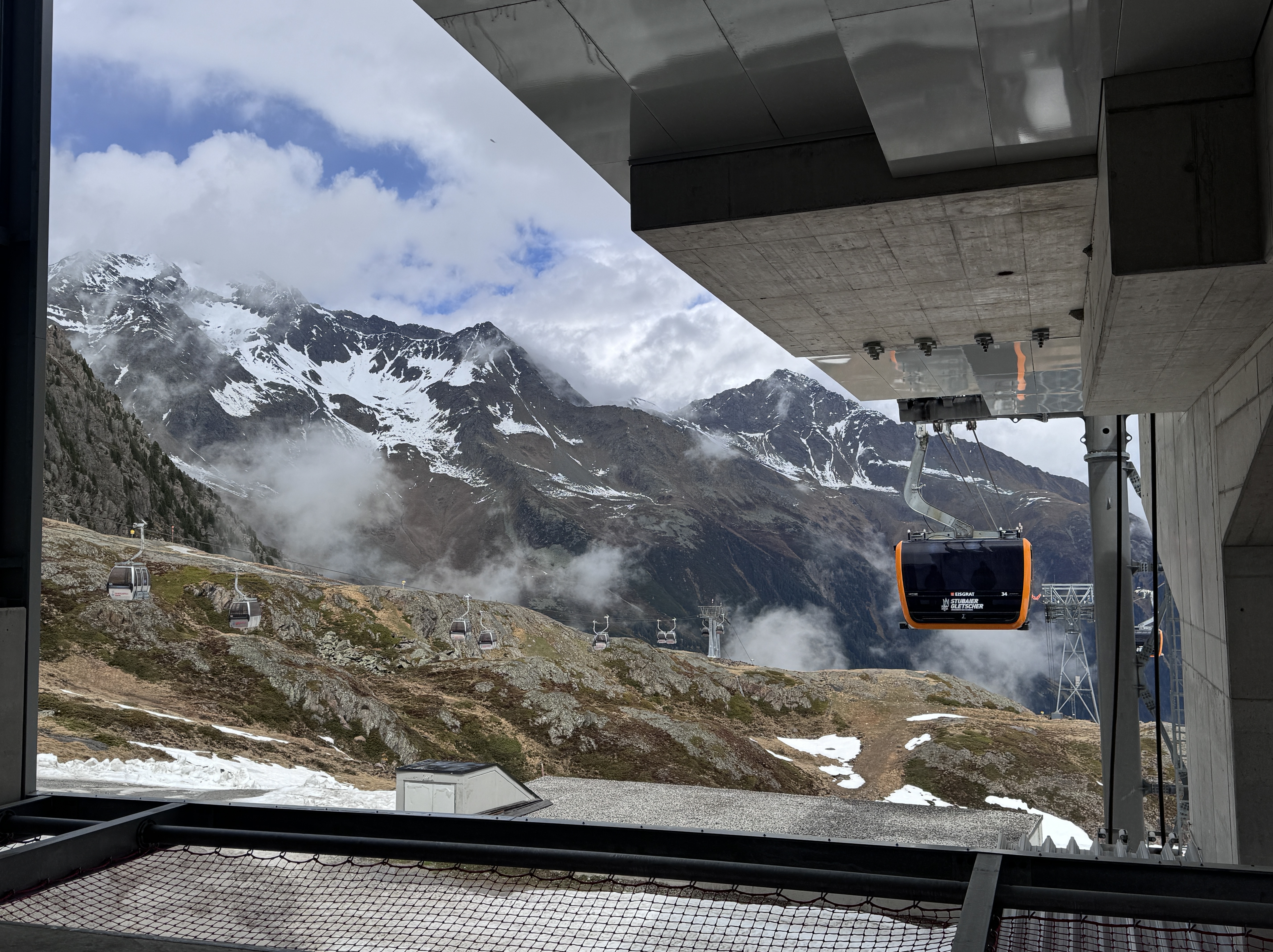
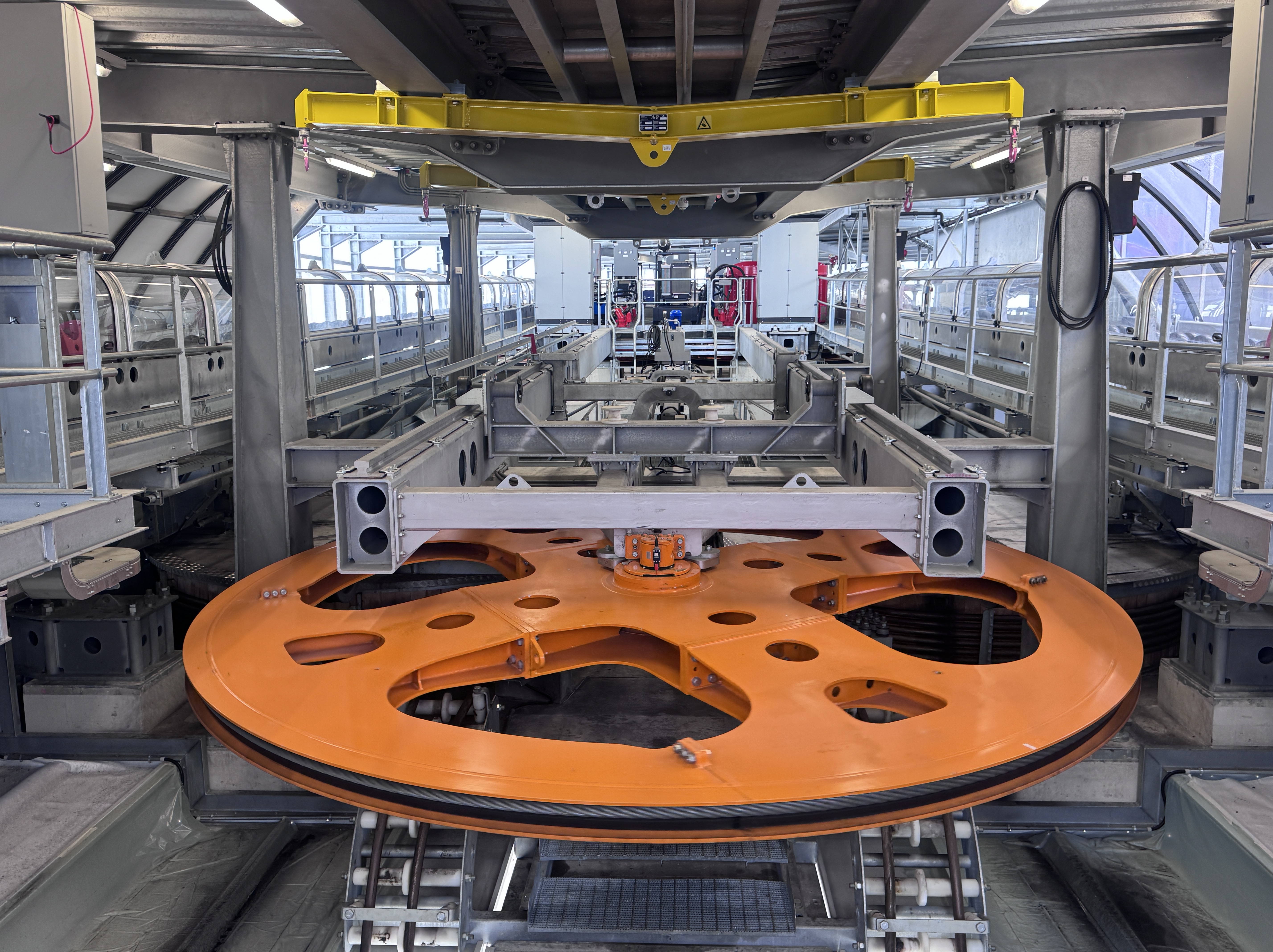
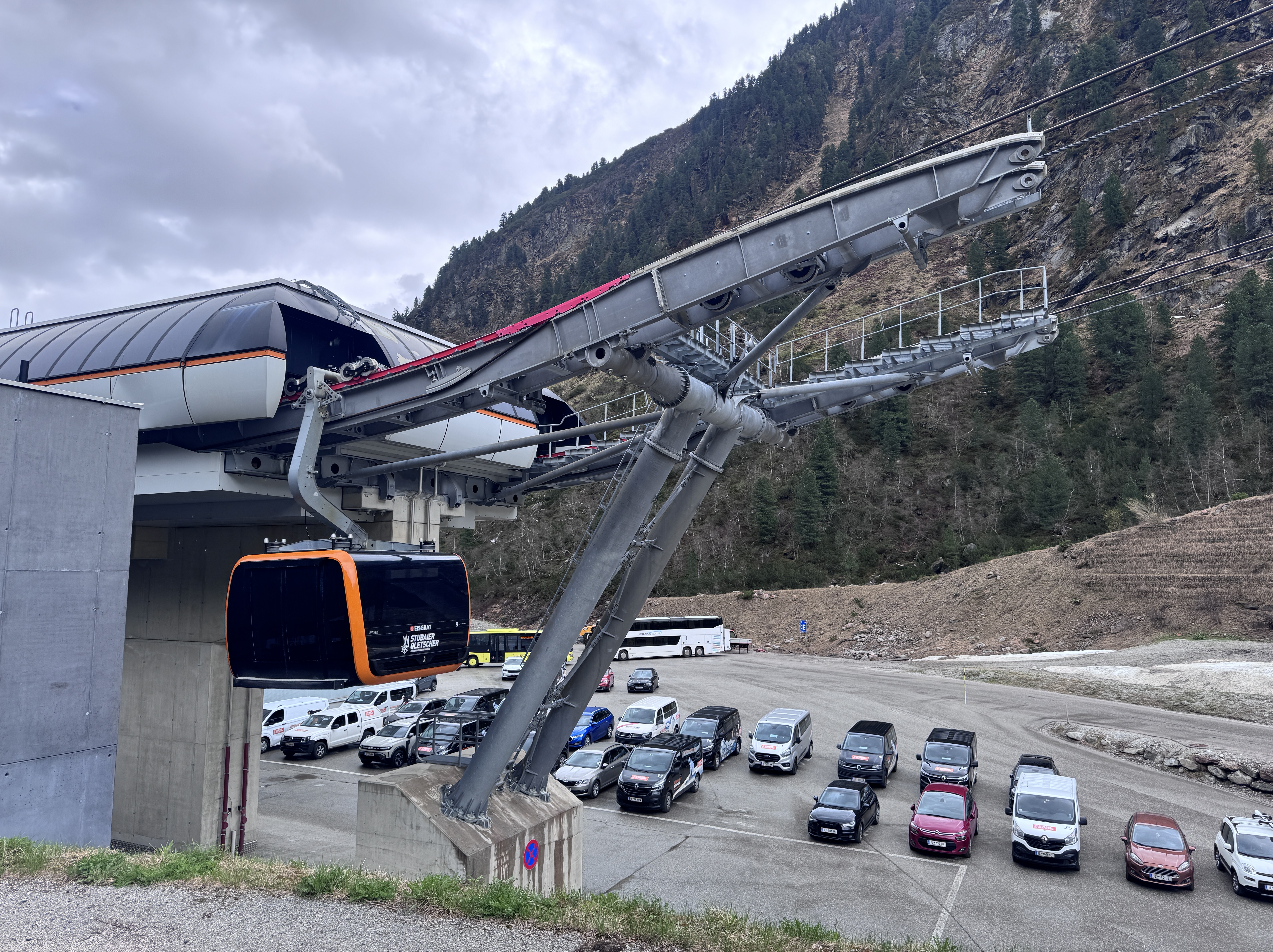
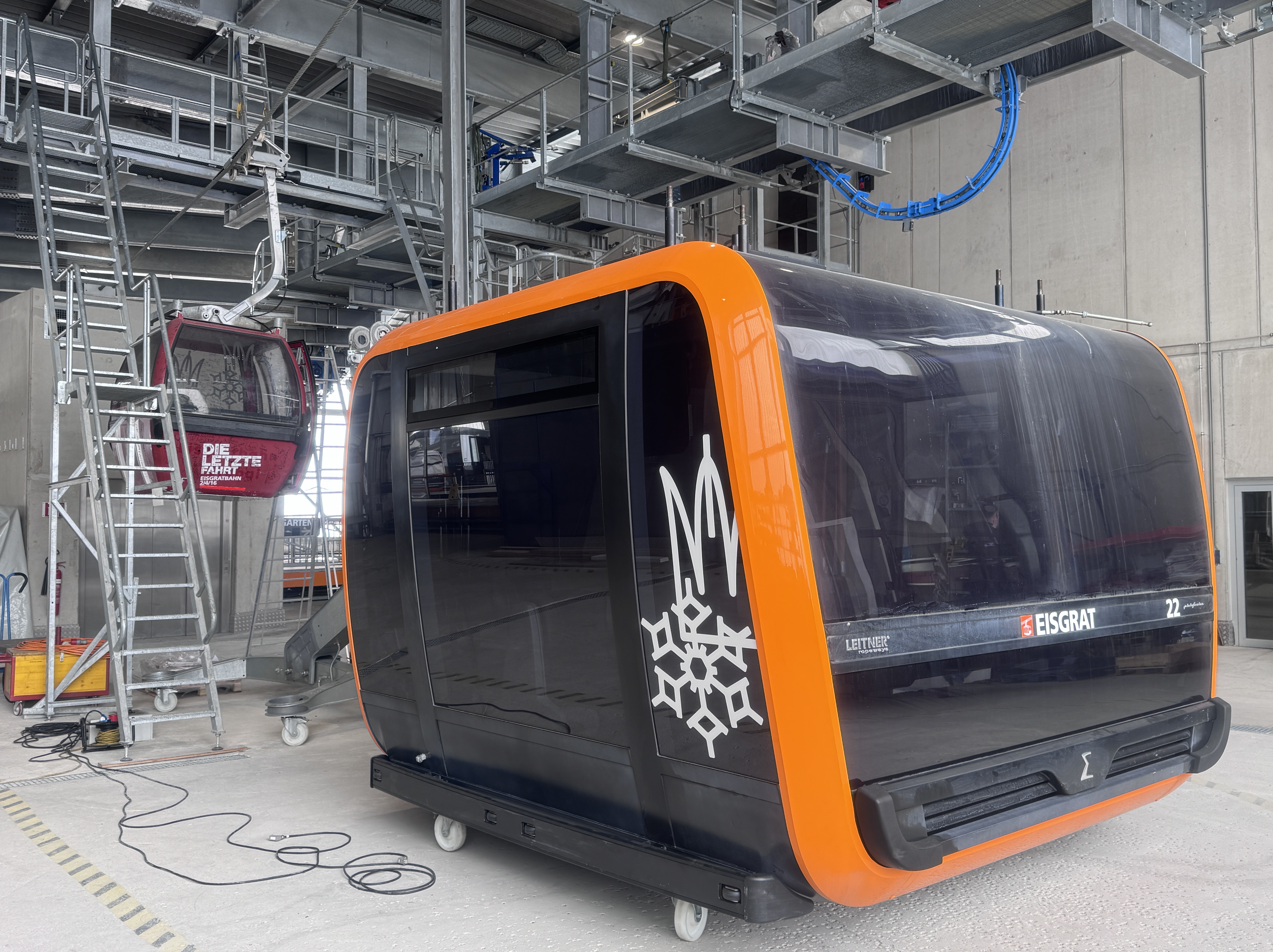
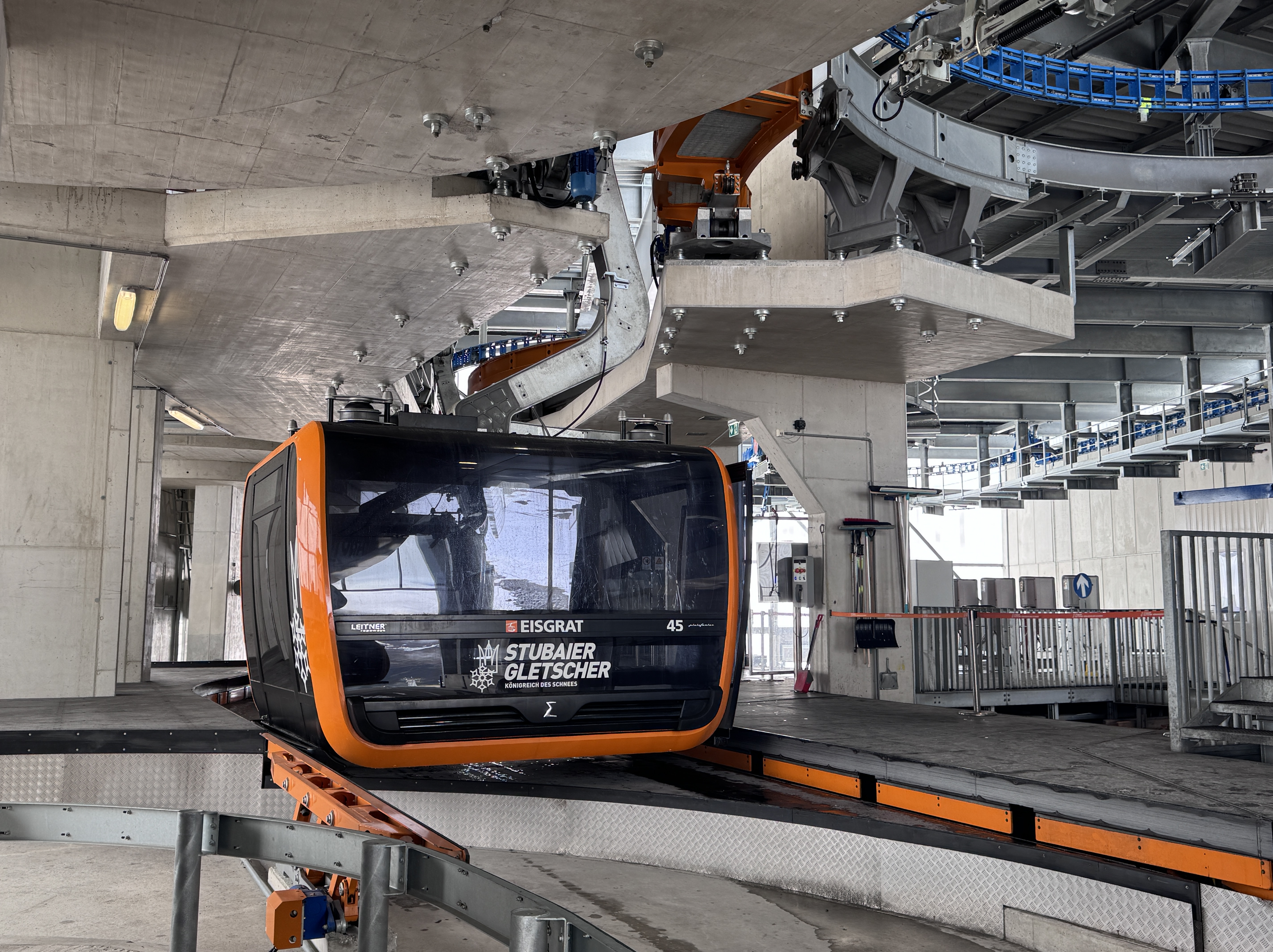
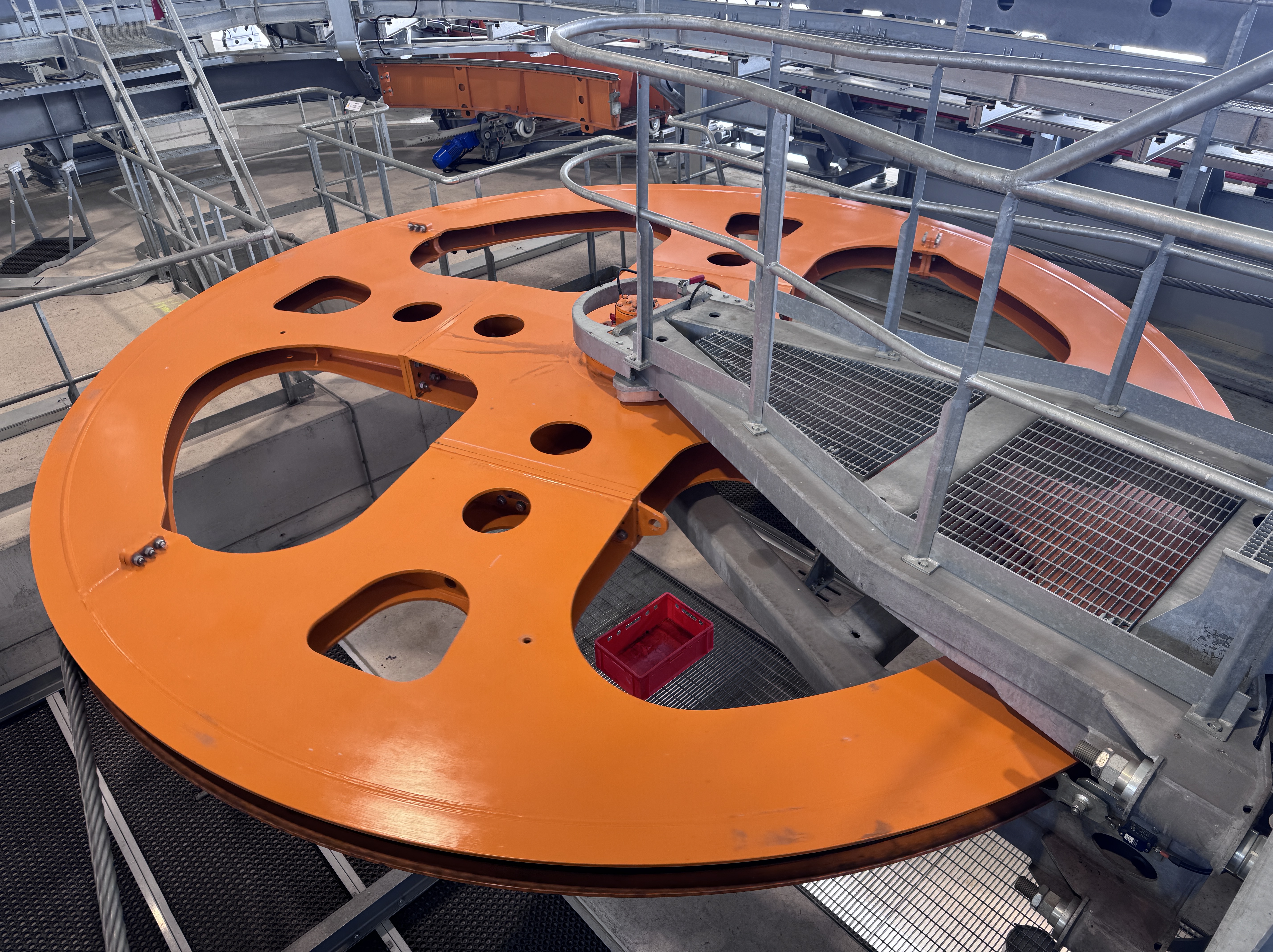
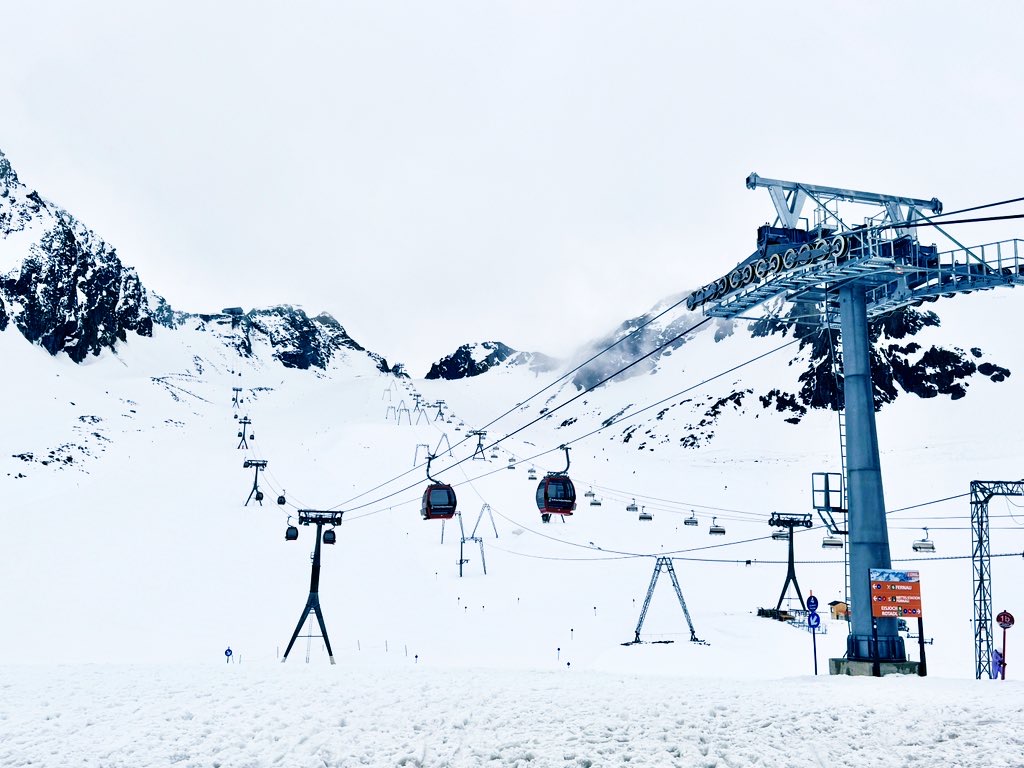
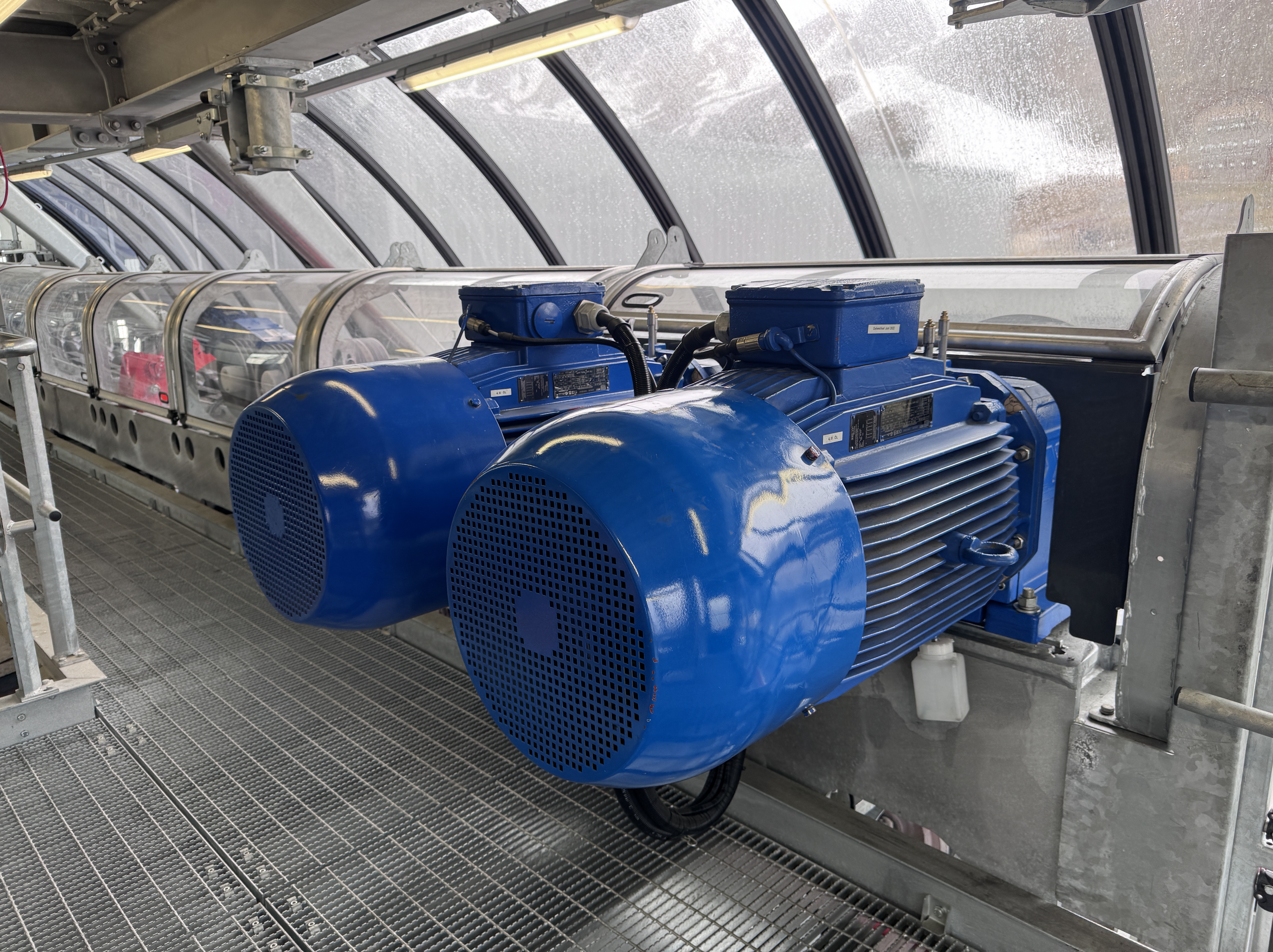
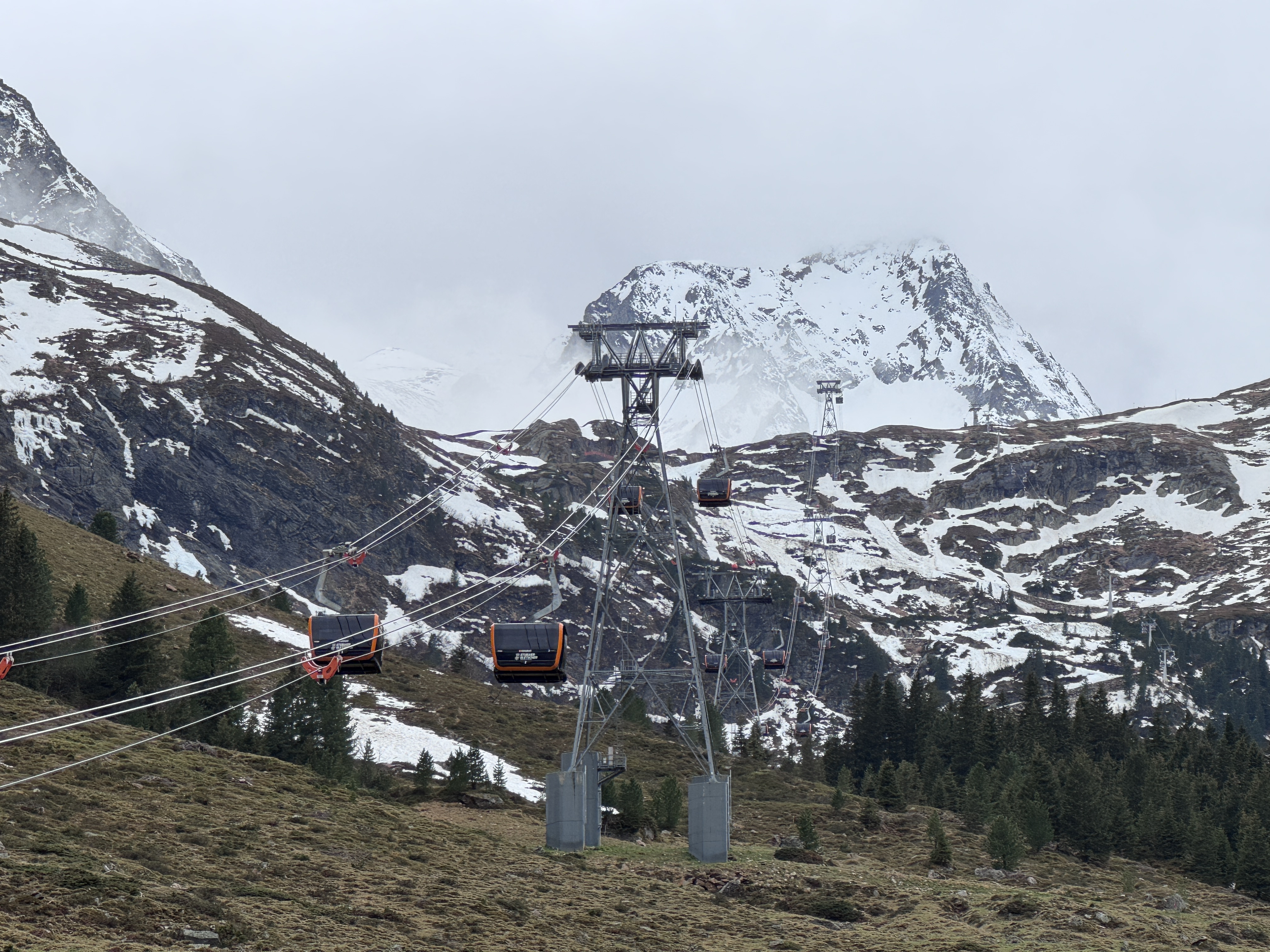
After Telfs we ventured up to Stubai Glacier, home to a spectacular Leitner 3S and numerous other lifts. Although we weren’t skiing, several gondolas and chairlifts still carried skiers at higher elevations. Many towers were pinned to the glacier rather than traditional foundations. On the 3S, carriers can be parked at all three stations, allowing the line to be cleared of cabins automatically in a matter of minutes. Of course each section is driven by a direct drive. This lift is so big that tire sections are run by motors rather than PTO belts. These helper motors are bigger than those powering entire chairlifts in the Midwest.

Our last stop was Innsbruck, home to the Interalpin mountain technology tradeshow. Before the show, we ventured up the Nordkette Cable Car, which Leitner part owns. This ski area is accessible right from downtown Innsbruck via a Leitner funicular railway. The funicular includes a bridge over a river, several tunnels and grades ranging from zero degrees to very steep. At the top of the funicular, we rode a series of jig back tramways to reach a 2,334 meter summit. It was foggy that day so I didn’t take many pictures of the two trams we rode.
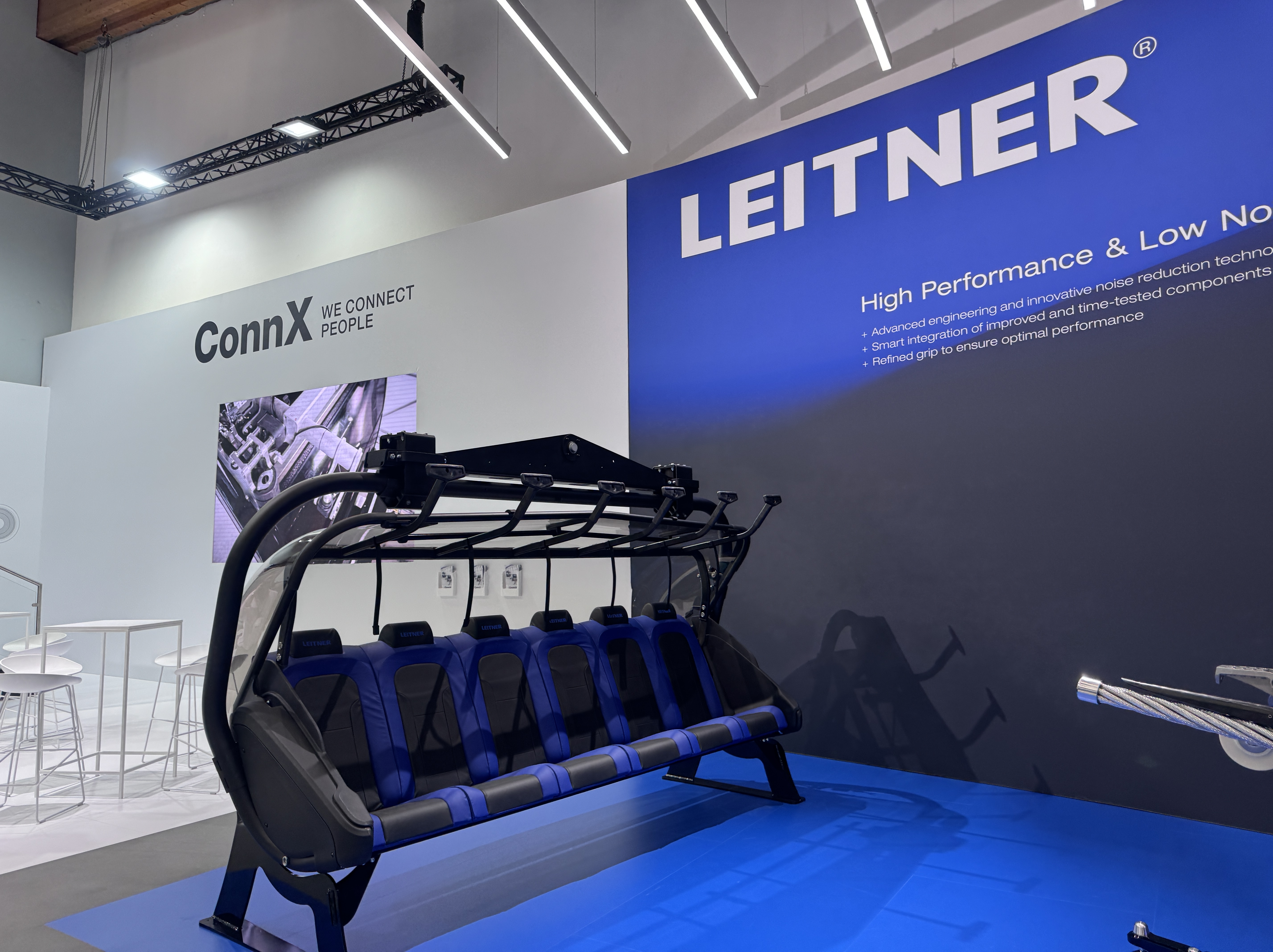
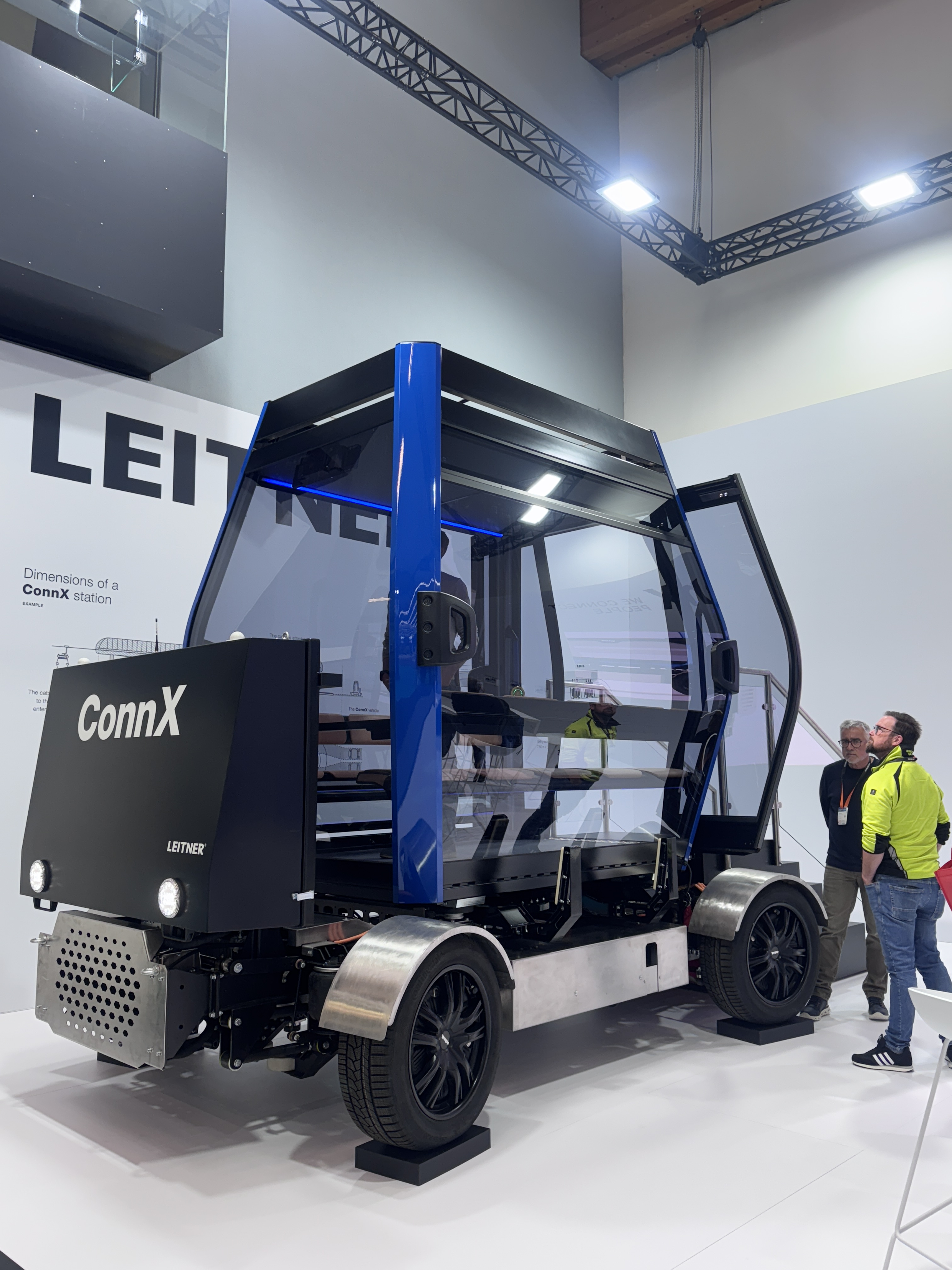
This was my second time to Interalpin and I could spend days there. If a company sells technology to ski areas, they come to Interalpin. The Leitner booth featured a ConnX autonomous gondola cabin, several Symphony gondolas and a Leitner premium chair (the new Ropera detachable was unveiled the day after our visit.)
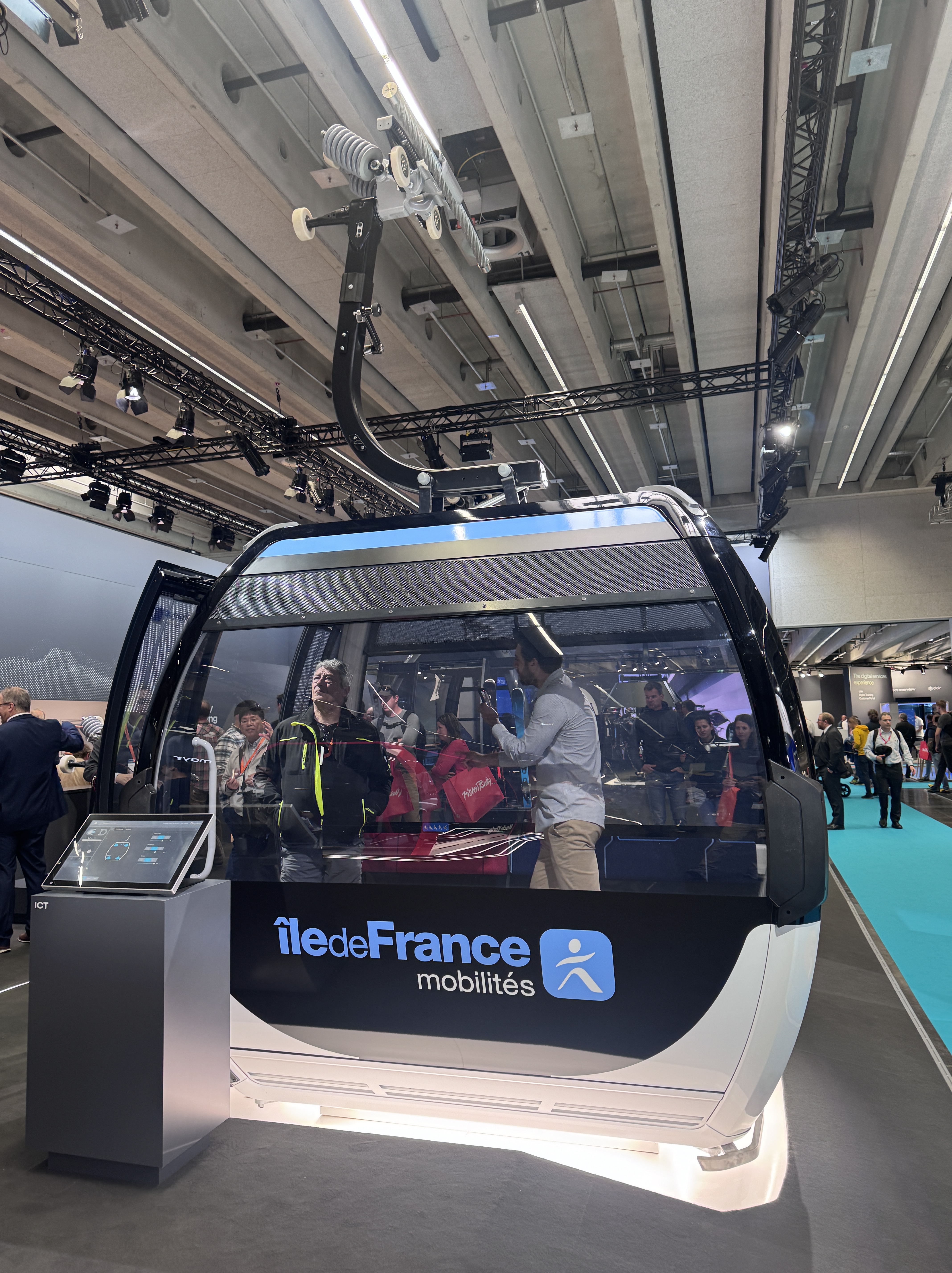
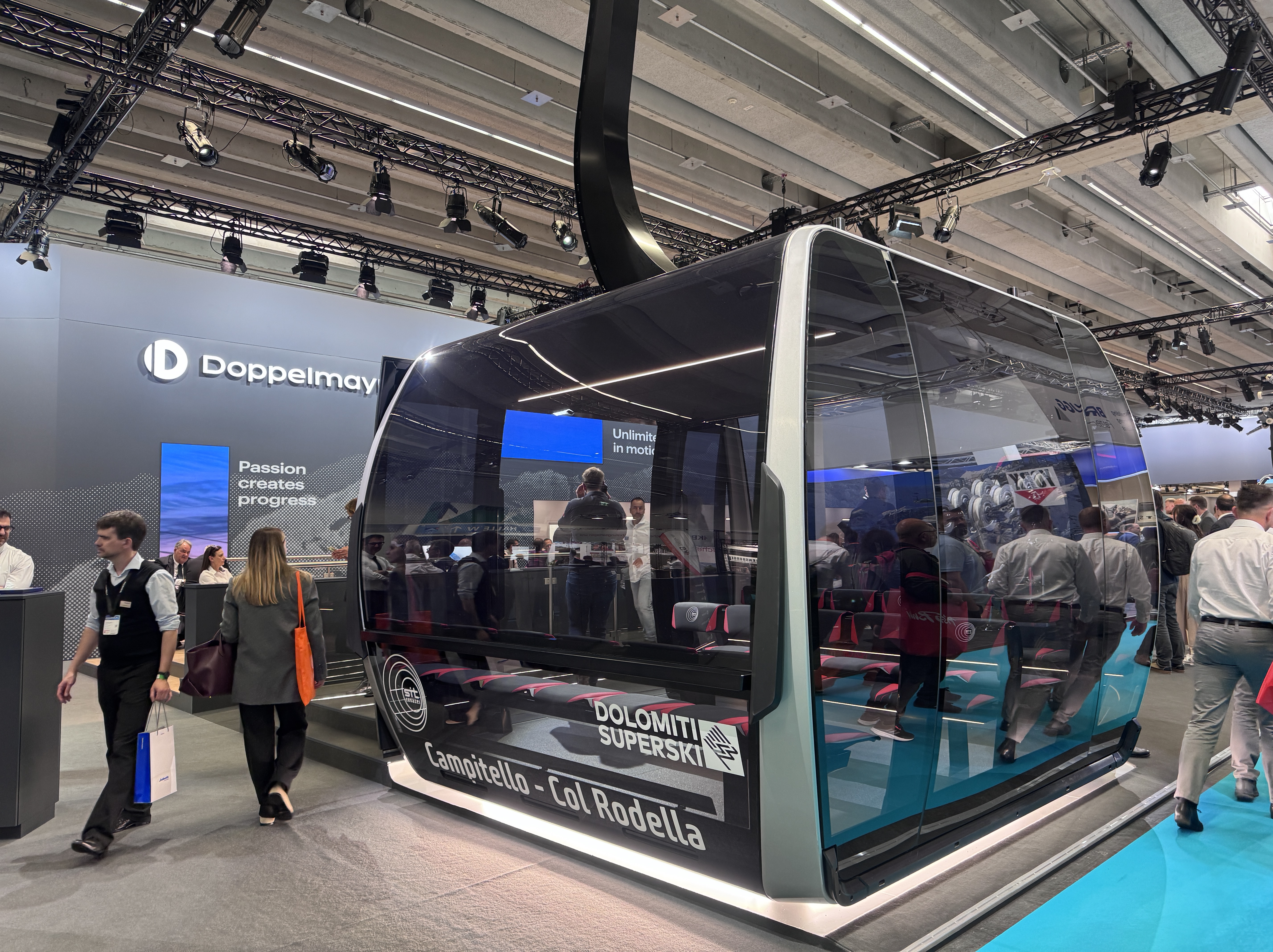
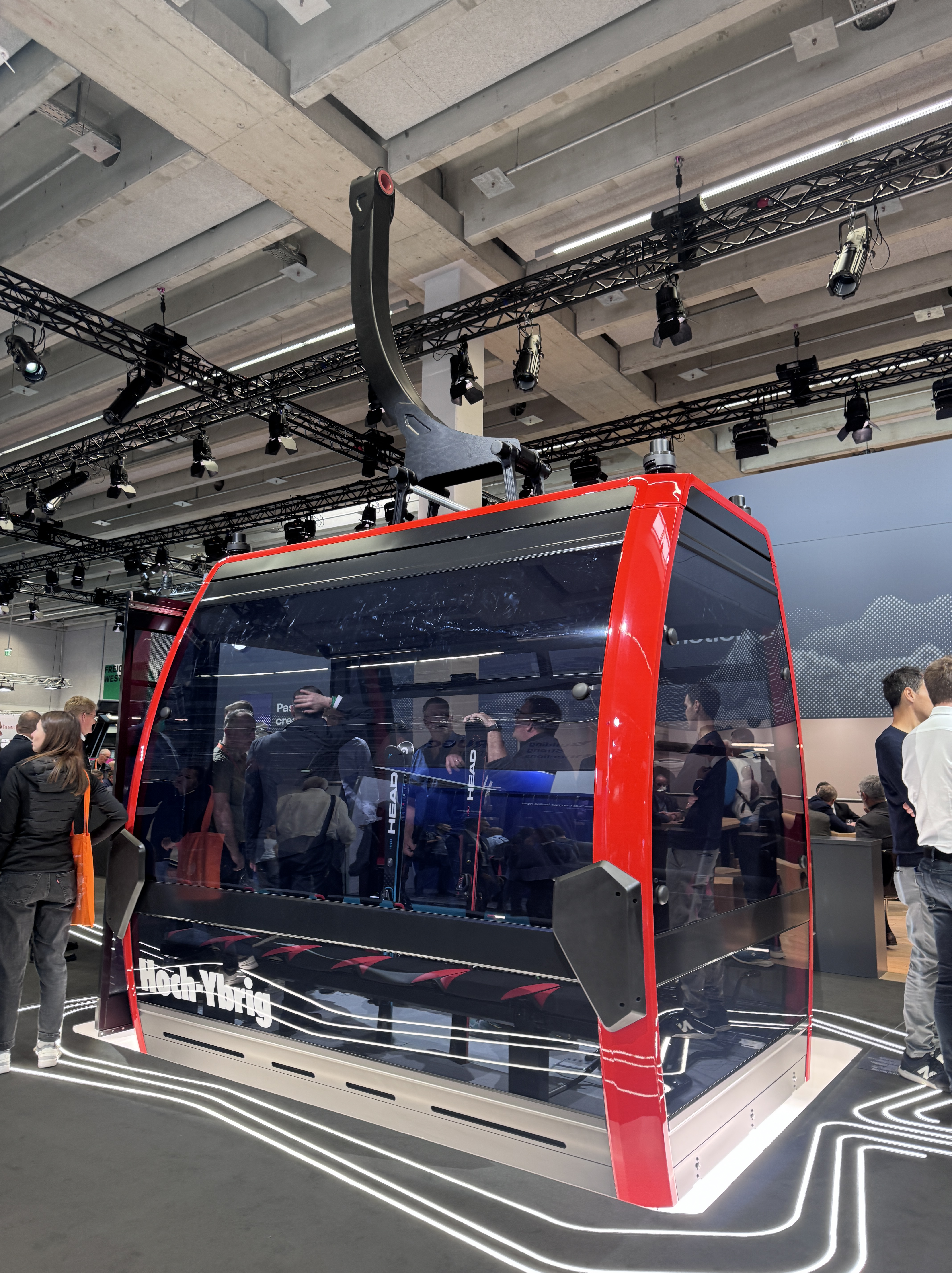
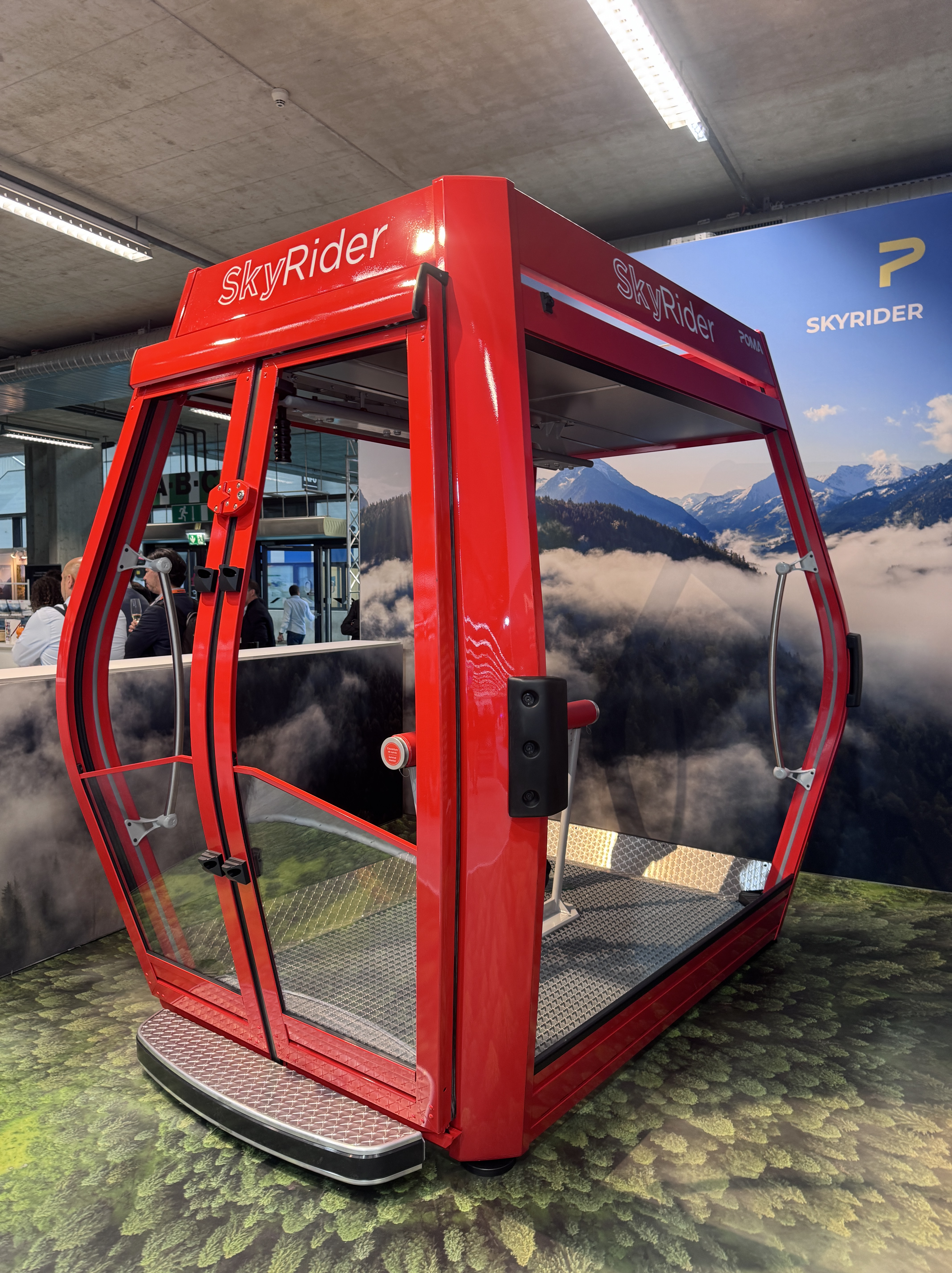
Doppelmayr of course had a large presence including a 3S cabin for an installation opening next winter in the Dolomites, a 10 seater cabin from Paris’ upcoming urban gondola and a Stella cabin for the soon-to-open TRI-Line at Hoch-Ybrig, Switzerland. MND was there too with a cabin from their Orizon detachable line. AI was a major focus of the show with manufacturers highlighting software products to improve maintenance and operations.

I haven’t even mentioned all the delicious food we ate, the good times had in the evenings and many other warm people we encountered. Thank you to Daren Cole, Jon Mauch and everyone at Leitner-Poma for including me on the trip. My advice to anyone interested in lifts who has not been to Europe: Go!
Big Sky & Doppelmayr Christen Ramcharger 8

IMG_5926

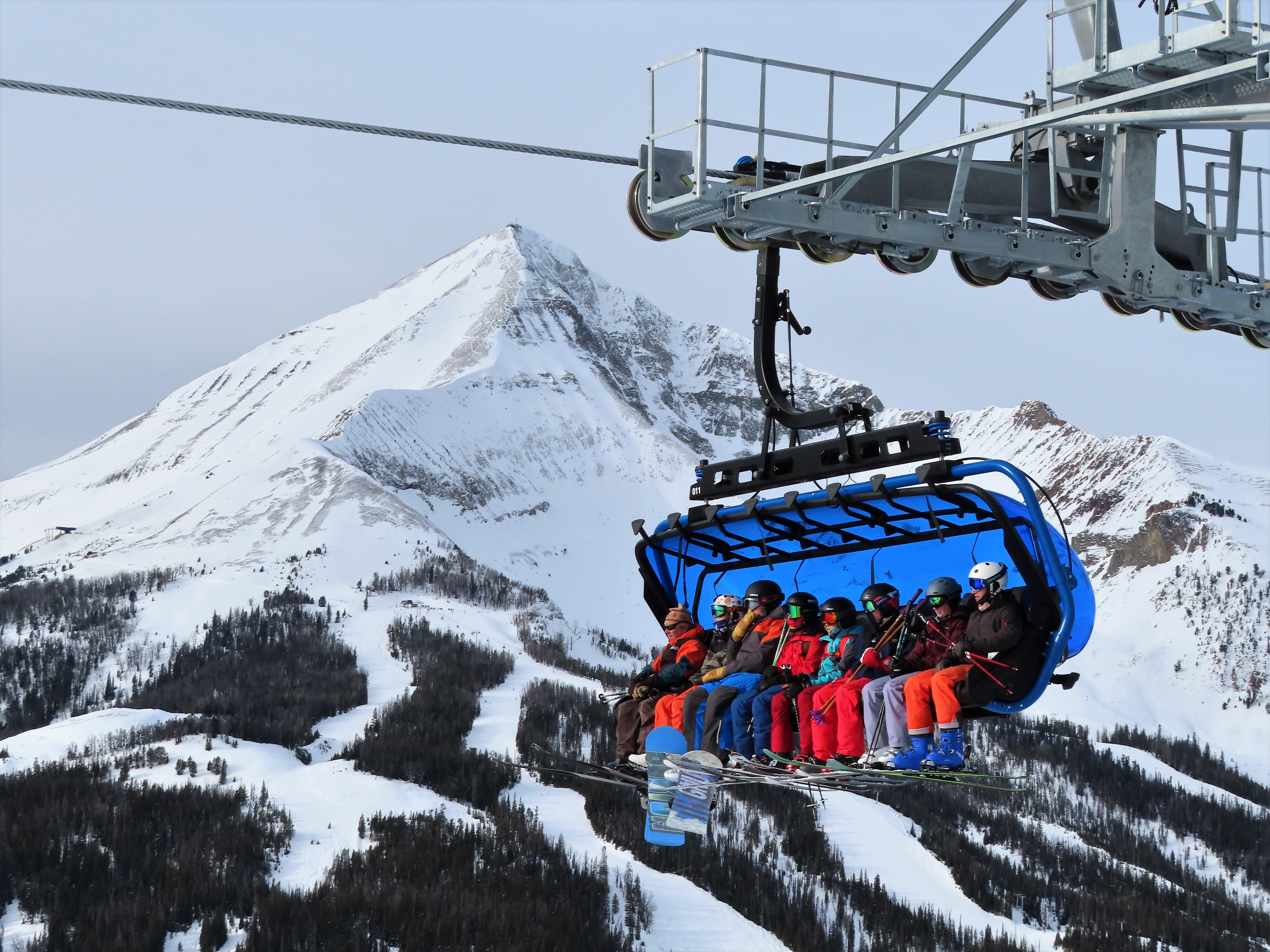
Forty five years to the day since Chet Huntley welcomed the first skiers to Big Sky Resort, Boyne Resorts today debuted North America’s most technologically-advanced chairlift on Andesite Mountain.  The eight pack is a bold but logical move for Michigan-based Boyne, which once pioneered the world’s first triple and quad chairlifts.  Not only is Ramcharger 8 the first of its kind in North America, it’s also the first Doppelmayr D-Line eight place chairlift in the world.

IMG_5816
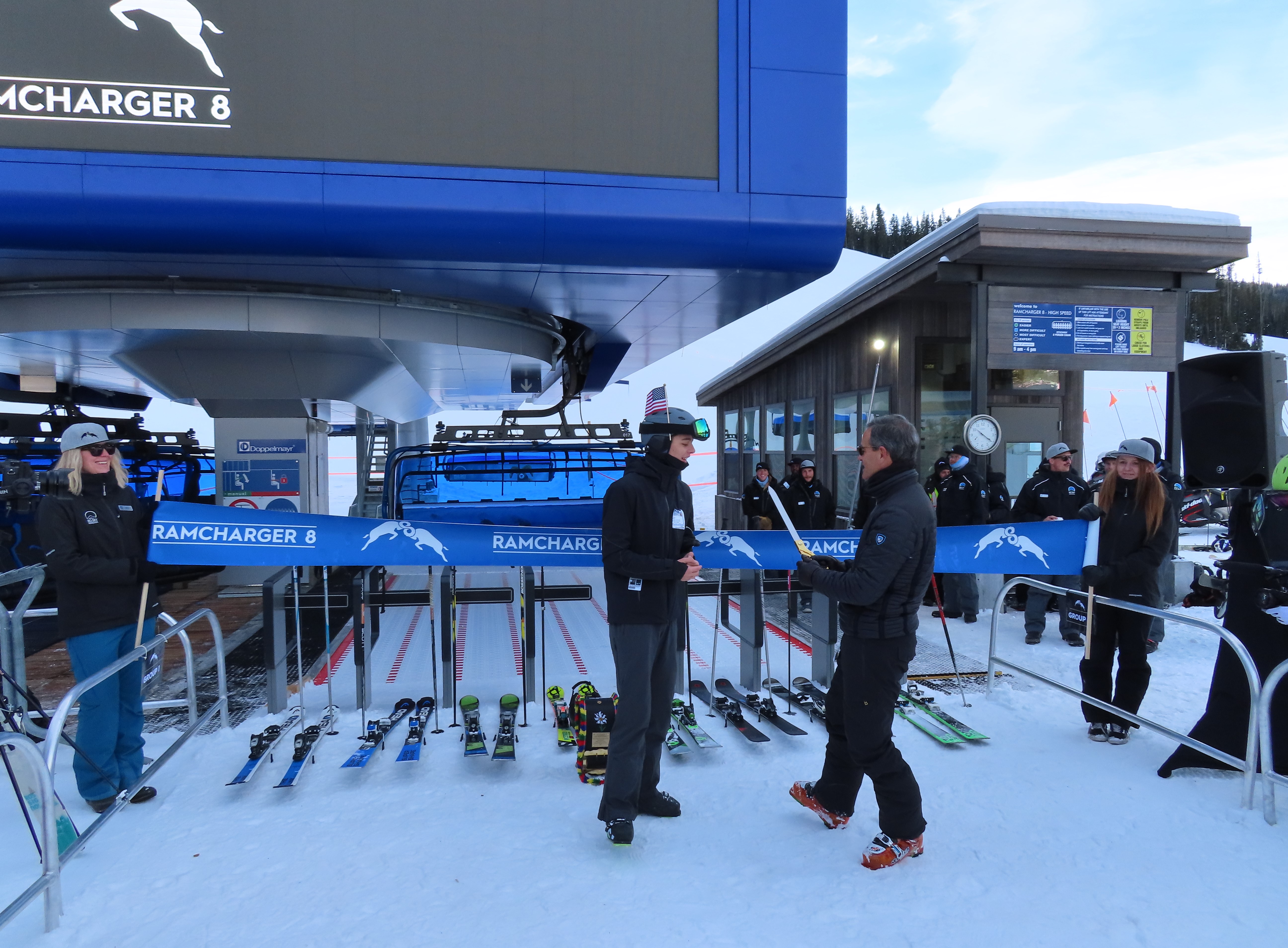
Boyne Resorts President Stephen Kircher and son Everett prepare to cut the ribbon.

“Doppelmayr and Boyne Resorts have been collaborating for over 40 years, and together have introduced many firsts to the ski industry,” said Stephen Kircher, President of Boyne Resorts at a mid-morning ceremony.  “We are incredibly proud to bring the first eight-seat chairlift to North America, setting a new standard for lift technology in the world.”

IMG_5802

Mark Bee, President of Doppelmayr USA, presented the Big Sky Resort team with a customary bell from Austria to celebrate.  He also thanked the construction team, led by Jamie Kanzler, for a successful project delivered on schedule.  “Without Jamie and his team, we wouldn’t be here today,” said Bee, noting the contract for this ambitious project was signed on March 5th.  “Ramcharger 8 is the culmination of everything we have learned so far, and incorporates many firsts for the North American market; first eight-passenger chairlift, first direct drive motor, first locking restraint bar, first height-adjustable loading carpet, first high resolution video display, and the first of our newest generation detachable lifts,” he continued.

Continue reading

Doppelmayr Takes Ropeway Configurator to the Next Level

thunderdline

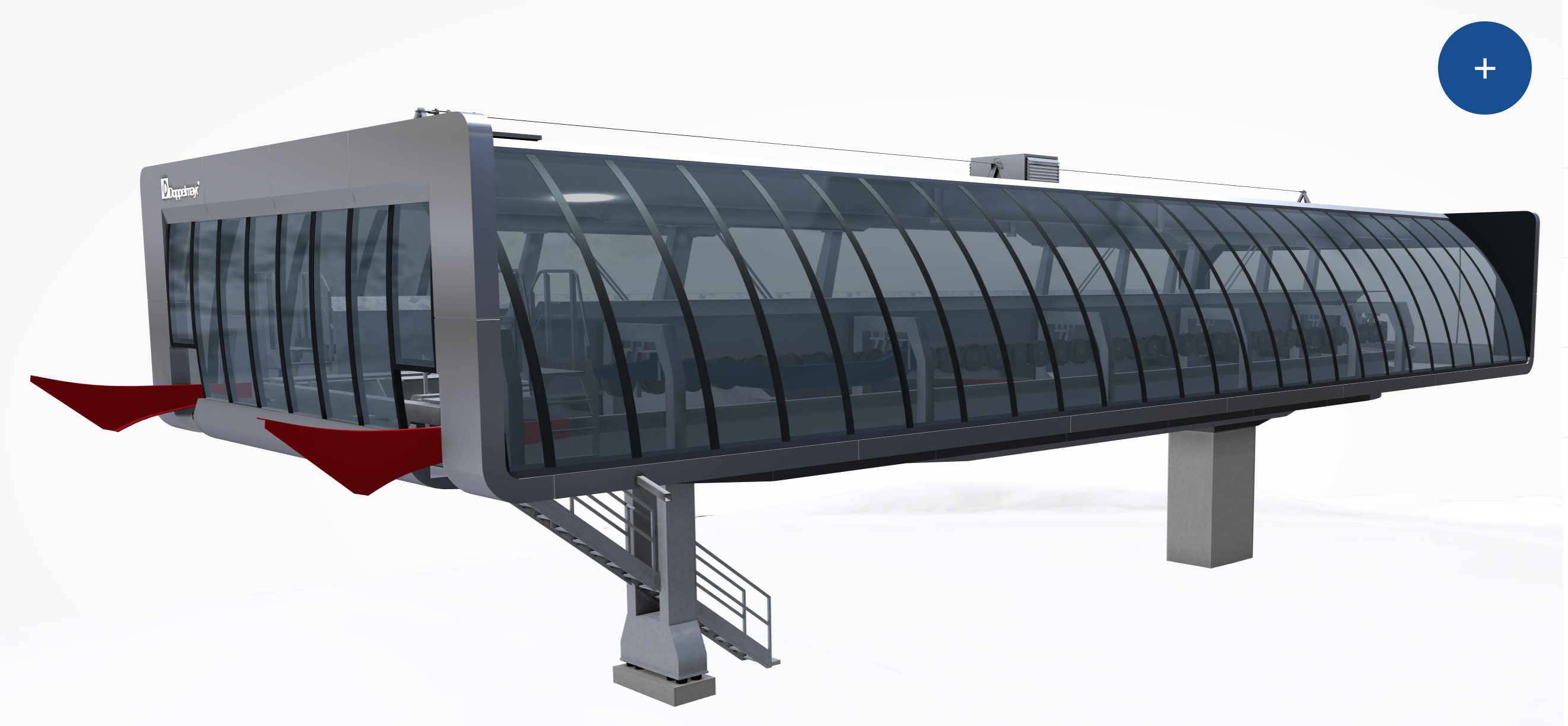
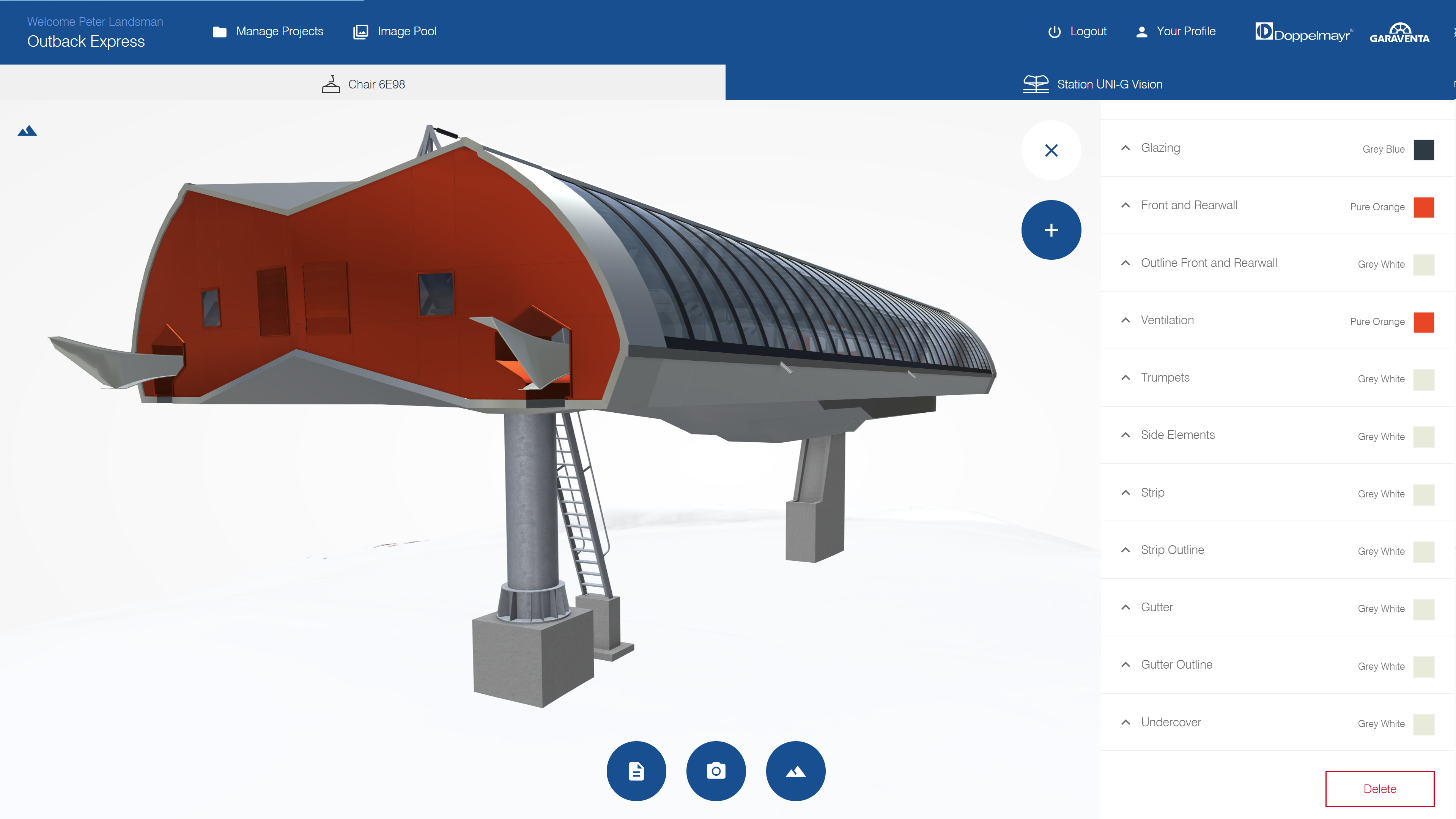
What if you could launch a new lift at your favorite mountain?  Say, for instance, you owned the Jackson Hole Mountain Resort and wanted to upgrade the popular Thunder fixed-grip quad.  Guests are seeking a faster ride but wind is an issue and you don’t want to overcrowd the storied Amphitheater and legendary Laramie Bowl.  The neighbors to the north are going D-Line but the media facade doesn’t quite fit in with the Teton landscape.  With Doppelmayr’s latest generation ropeway configurator, part of Doppelmayr Interactive, anyone with a computer can visualize the lift of their dreams.  For Thunder, I came up with a modest capacity D-Line six place in gray and red.

keystone

I spent way too much time testing out other hypotheticals on the new version tonight.  Another one: Arizona Snowbowl is considering Doppelmayr for its new base-to-summit combination lift.  With the configurator, owner James Coleman could customize D-Line and non D-Line versions of six-passenger chairs and 10-passenger gondola cabins from anywhere.  My mock up includes galvanized D-Line bubble chairs and and Omega cabins in Snowbowl blue.  You can create whatever you like and then take a zoomable 360-degree spin.

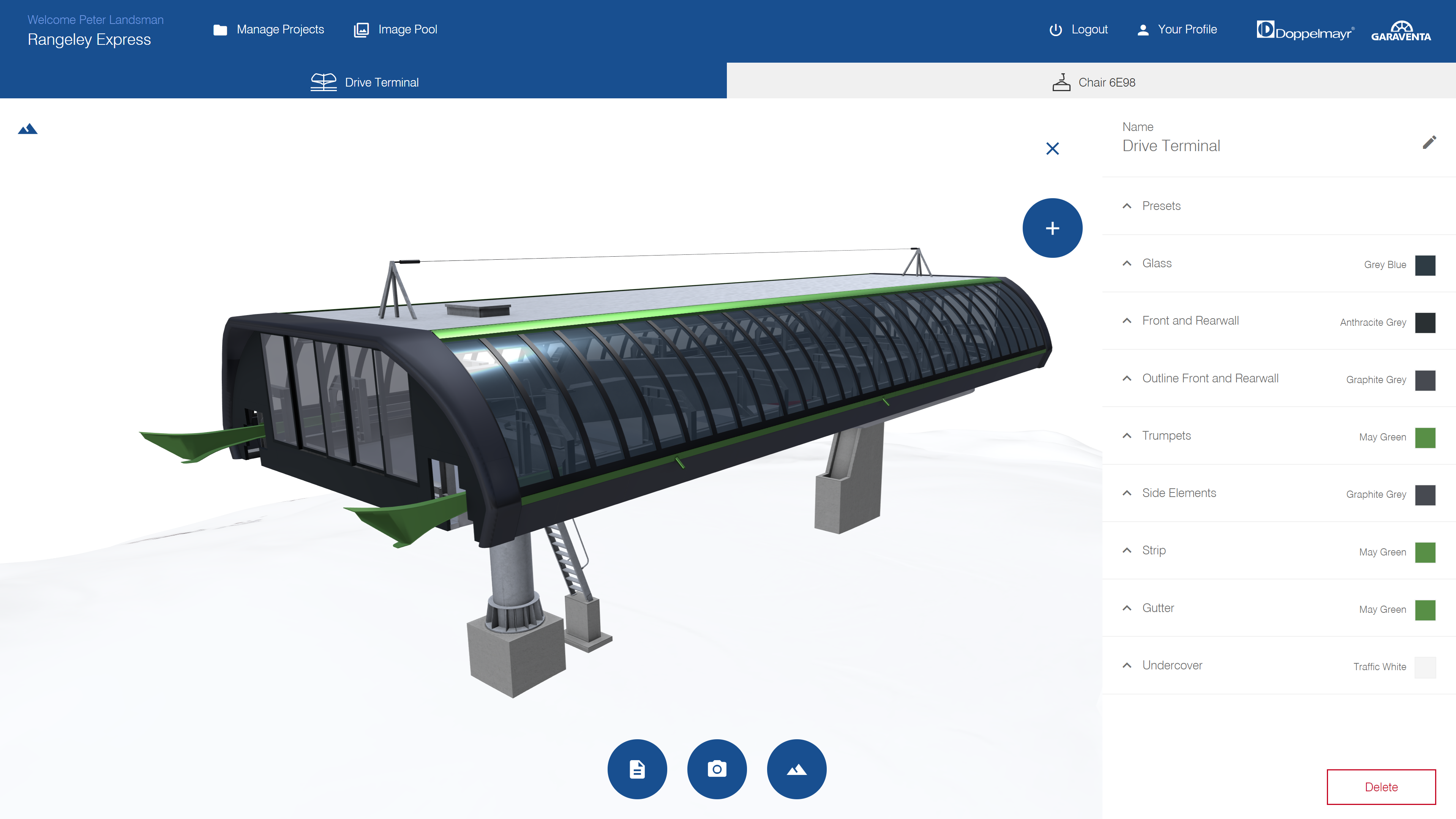
Last one: say a group of investors finally fronts the money to purchase the beautiful Saddleback Mountain in Maine and wants to build a signature lift to replace Rangeley up the heart of the mountain.  No D-Line this time, simply a modern take on classic green and gray for a new UNI-G six-pack launching in late 2019.  If only it was this easy!
saddleback

Just like a real lift, the possibilities are endless.  Models now available to customize are 6E98 & 6DCD chairs, CWA Omega IV-8 LWI & Omega IV-10 SI D cabins, and UNI-G, UNI-G Vision, D-Line R1 & D-Line R2 stations.  You can even upload background images and logos to customize your dream lift with any colors in the RAL spectrum.  For those with access to the Doppelmayr customer service portal, your existing account works to save and send your creations.  Pretty darn cool!

Inside the Sweetest Parking Around

IMG_4512

For the first time since their journey across the Atlantic, Jackson Hole’s newest gondola cabins slept inside last night.  With a parking and storage facility officially commissioned at Sweetwater‘s Solitude Station, 48 luxury vehicles that cost tens of thousands of dollars each now have a world-class home that brings together the latest lift technology with proven principles.

Jackson Hole Mountain Resort opened its Bridger Gondola barn in 1998 and 84 cabins have been going inside for twenty years there.  The CWA X models are in incredible shape for their age and number of hours, a testament to their quality construction, dedicated maintenance staff and indoor storage.

IMG_4433
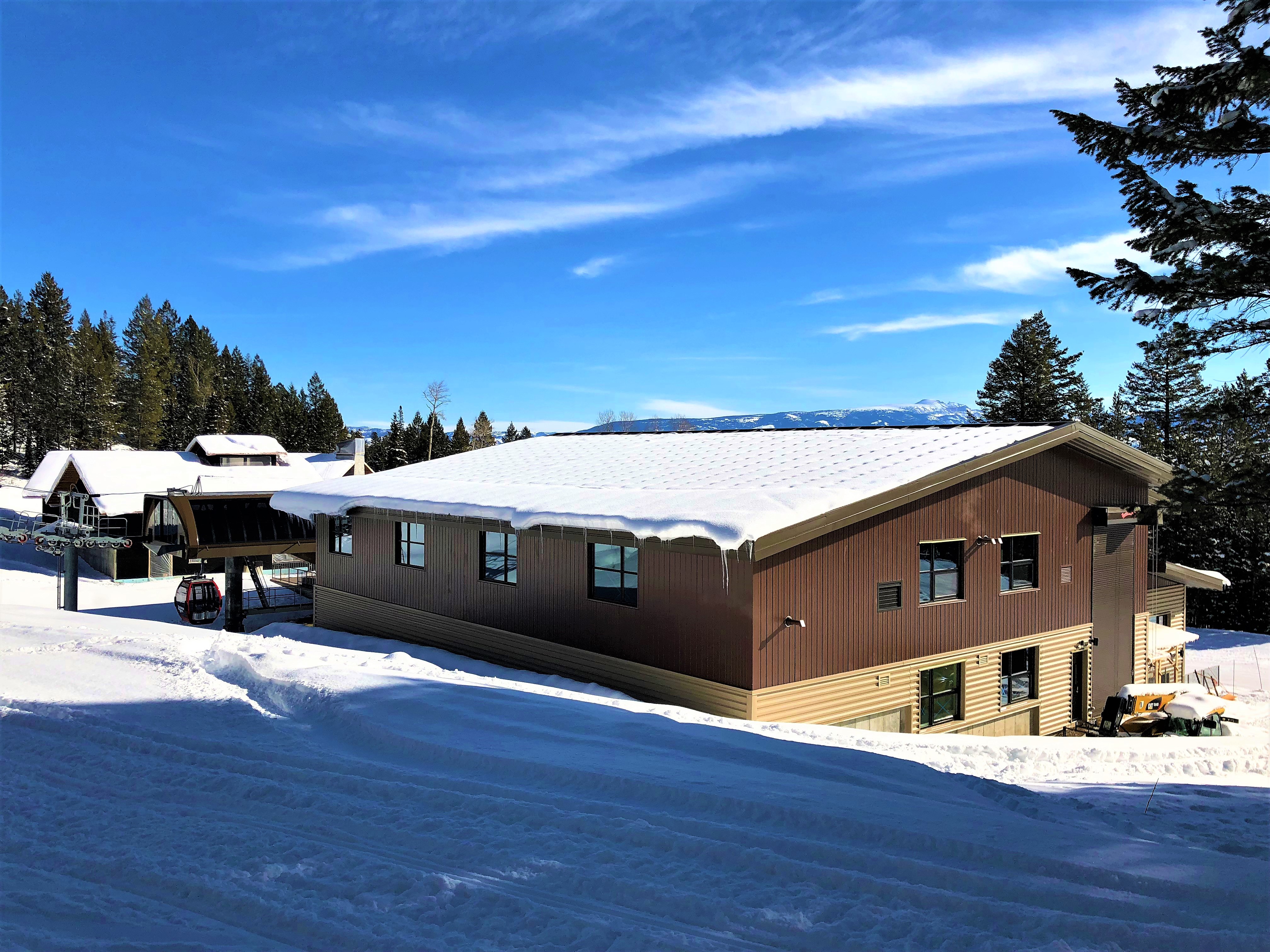
Sweetwater’s new cabin storage building is located in an underutilized area adjacent to the middle station.

JHMR launched gondola number two in December 2016 and its CWA Omega IV cabins remained on the line continuously until yesterday.  The winter of 2016-17 proved to be a monster in the Tetons and while the cabins performed well, fifty feet of snow often turned to ice on flat roofs.  Frozen chunks would bounce up and down, making sounds that mimicked falling metal.  Jackson Hole sometimes goes weeks or even months without a thaw and ice would also accumulate on the cabin floors and in ski racks (other fun liquids would freeze too!)  Ice storms that can cripple door mechanisms and plague detachable grips thankfully never materialized last year and the days of worrying that storm would come are now over.

Continue reading

Behold The Bend, Alta’s Latest Lift Creation

IMG_7330
The new Supreme lift at Alta, Utah turns 8.1 degrees in a totally unique arrangement engineered by Leitner-Poma.

Jagged ridgelines spread in seemingly endless directions at Alta Ski Area, serviced by relatively few lifts in just the right places to make skiing there a blast.  Alta has collaborated with various lift manufacturers over its 80 year history to create unique contraptions such as the Transfer Tow, a Yan rope tow mechanically more similar to a chairlift and one of the world’s only high-speed triple chairs, called Sunnyside.  In 2004, Alta and Doppelmayr CTEC dreamed up Collins, two Stealth high-speed quads joined together at a 29-degree angle with loading but no unloading at the mid-station.  “Don’t text and bend,” a sign at the Wildcat base warns riders destined for the full trip.

This season, the new Supreme detachable quad goes where no bend has ever gone before, replacing both the Cecret double and Supreme triple but without an angle station.  Prior to 2017, there were a handful of lifts that turn a few degrees using canted sheaves, particularly in Utah, where the mining scene created an enduring checkerboard of public and private lands.  Snowbird, Park City, Deer Valley and Moonlight Basin in Montana all sport lifts that bend a few degrees for one reason or another.

Continue reading

Breckenridge May Have the Most Interesting Lifts in the World

img_2790
The Snowflake lift at Breckenridge, CO is the only lift of its kind, making a 45-degree turn.
Breck has been on my bucket list for a long time.  Not because of the skiing, necessarily, but because its collection of 23 lifts is among the most unique anywhere.  Nowhere else can you find so many lifts with turns (5), lifts that cross other lifts (4), not to mention North America’s only double-loading detachable and its highest elevation chairlift.  This weekend I made a break for Breck and the three other Colorado Vail Resorts to see what Epic is all about.

img_3442
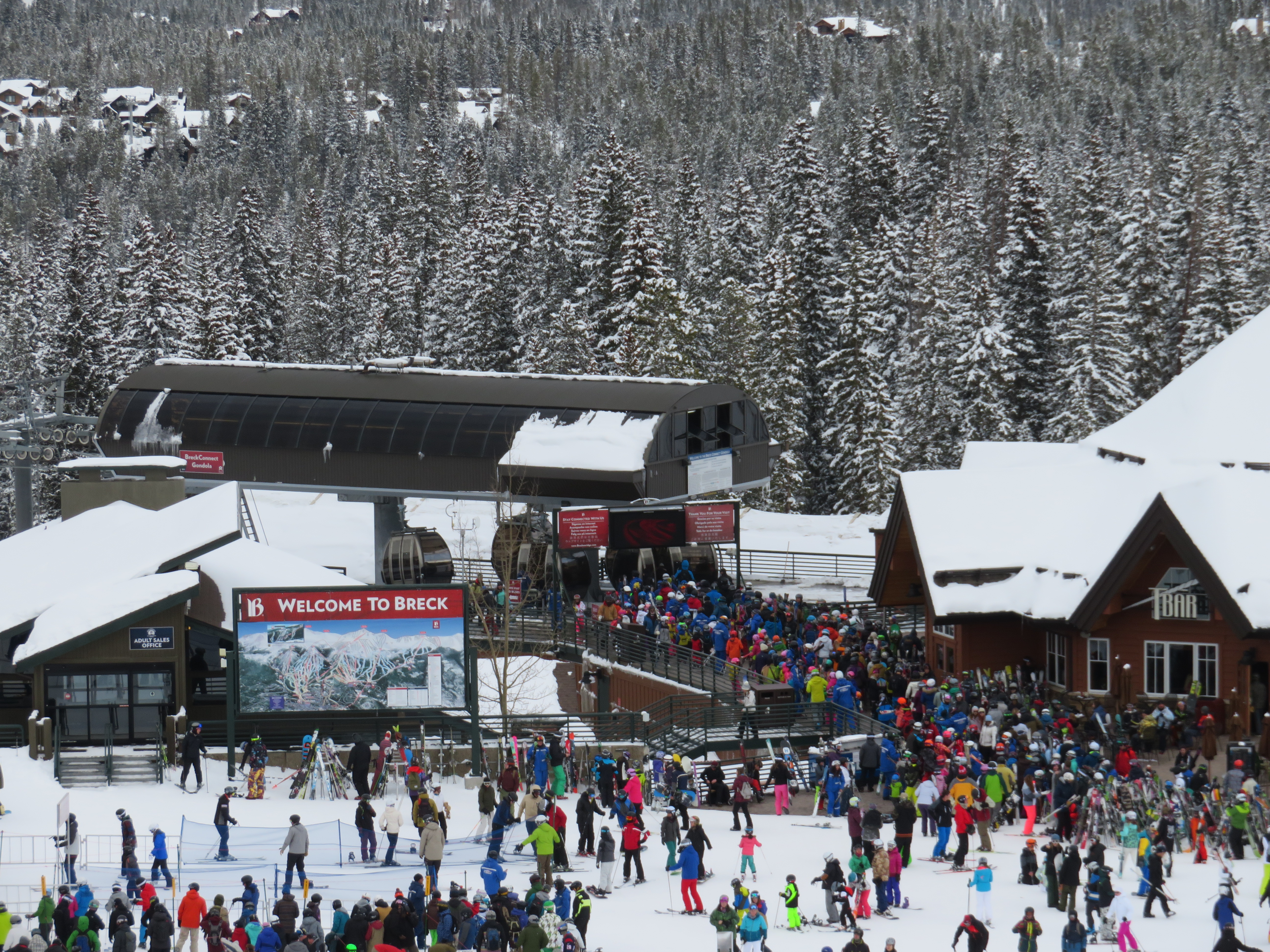
Even with the option to ski back to town via the Four O’Clock ski run, the BreckConnect is an immensely popular transportation solution.
I’ll start with the BreckConnect Gondola, which first connected one end of town to Peaks 7 and 8 in 2006.  The Leitner-Poma gondola is free and operates both winter and summer. Locals I talked to can no longer remember life without it.  Although it has two mid-stations each with an angle change of more than 40 degrees, the entire system operates with one haul rope.  It’s way cooler than taking a bus from the parking lot.

img_2712
The Peak 8 SuperConnect links Peaks 9 and 8 with an angle station in between.
Continue reading

See How CWA Builds Gondola Cabins in Switzerland

Cesar Dockweiler is the General Manager for Mi Teleferico, the growing state-owned gondola network in Bolivia’s capitol city.  This week, he’s in Switzerland visiting suppliers working on the Blue and White lines for La Paz, which are about 75 percent complete. Throughout the trip, Mr. Dockweiler has been tweeting updates from CWA and Fatzer to his more than 3,000 followers.

Pictures from CWA show how workers still make gondola cabins one at a time and largely by hand.  Because the company builds on demand, even a lift with just four cabins can have its own custom design.

Continue reading

Take a Virtual Tour of Doppelmayr’s D-Line

Yesterday Doppelmayr released a series of videos on YouTube highlighting the specifications and features of the company’s latest evolution in detachable technology called D-Line.  While these are computer animations, there is a real-life prototype at Doppelmayr’s Wolfurt campus and the launch customer opened the first D-Line gondola last December in Hochgurgl, Austria.  The first video highlights the CWA Omega IV SI D cabin, which has a simplified hanger and larger overall dimensions.  10-passenger cabins appear to be the standard for D-Line rather than 8-passenger cabins.

You can also take a tour of the detachable grip-D with a virtual tear-down.  The grip-D can support ropes up to 64mm in diameter, carry up to 4,000 lbs and operate on 45-degree rope inclines.

Perhaps most interesting is the Station-D, which has gotten some negative reaction for its appearance.  We now learn there is a boxier version utilizing real glass that can even be customized into a video wall.

https://www.youtube.com/watch?v=mQ3sOsEPujY

D-Line will be available in North America in 2017 alongside the current-generation UNIG terminals and Agamatic/DT grips offered by Doppelmayr.

Will Detachable Lifts Get Faster?

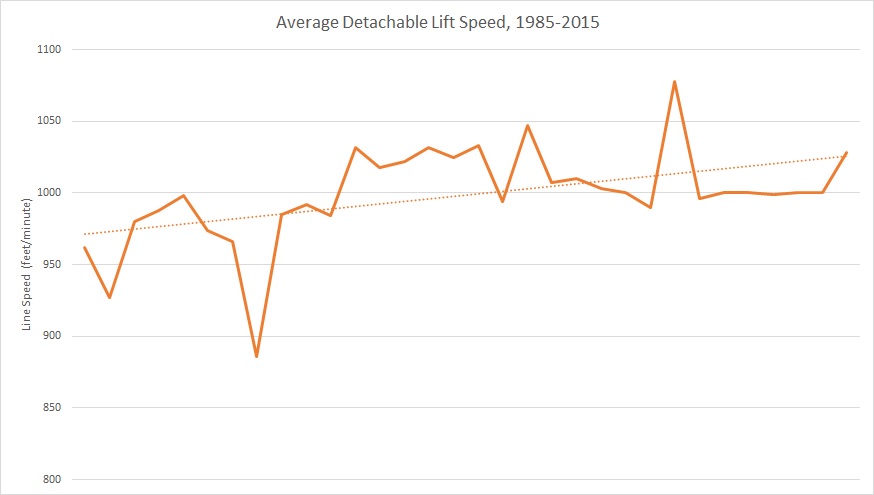
There’s a lively discussion going on over at Alpinforum about the future of detachable lifts, which haven’t gotten much faster despite huge advances in technology over the last thirty years.  The first modern detachable chairlift, Quicksilver at Breckenridge, went 787 feet a minute when it debuted in 1981.  Since then, manufacturers have installed hundreds of gondolas and chairlifts capable of going more than 1,000 fpm.

The first lift to go 1,100 fpm was the Whistler Village Gondola in 1988 and the first capable of 1,200 fpm was Stowe’s gondola in 1991.  Both were built by Poma, the early adopter of faster line speeds.  The only detachable installed in North America since 1991 capable of traveling any more than 1,200 fpm is the Peak 2 Peak Gondola, debuting in 2012. As a tri-cable gondola, P2P has an impressive capability of 1,476 fpm (7.5 m/s.) Doppelmayr claims similar systems can go up to 1,670 fpm (8.5 m/s.)  So far, the fastest 3S ever built goes 8 m/s and one that can go 8.5 will debut in Vietnam next year.  Meanwhile, 1,200 fpm (6 m/s) remains the highest speed for a single cable detachable, a stat that hasn’t changed since 1991.

avg speed over time
From 1984 to 2015, the average speed of a detachable lift in the U.S. increased by only 900 feet a minute.

The truth is the vast majority of detachable lifts built these days have the standard design speed of 1,000 fpm (5.08 m/s) and operate even slower much of the time.  In my experience, many ski areas run so-called high speed lifts at 800 or 900 feet a minute on all but the busiest of days.  As users on Alpinforum note, ski resort operators care more about reducing stops, wear and tear than shaving thirty seconds off a ride time that the average guest won’t even notice.

Continue reading

Turning Lifts with Sheaves Instead of Stations

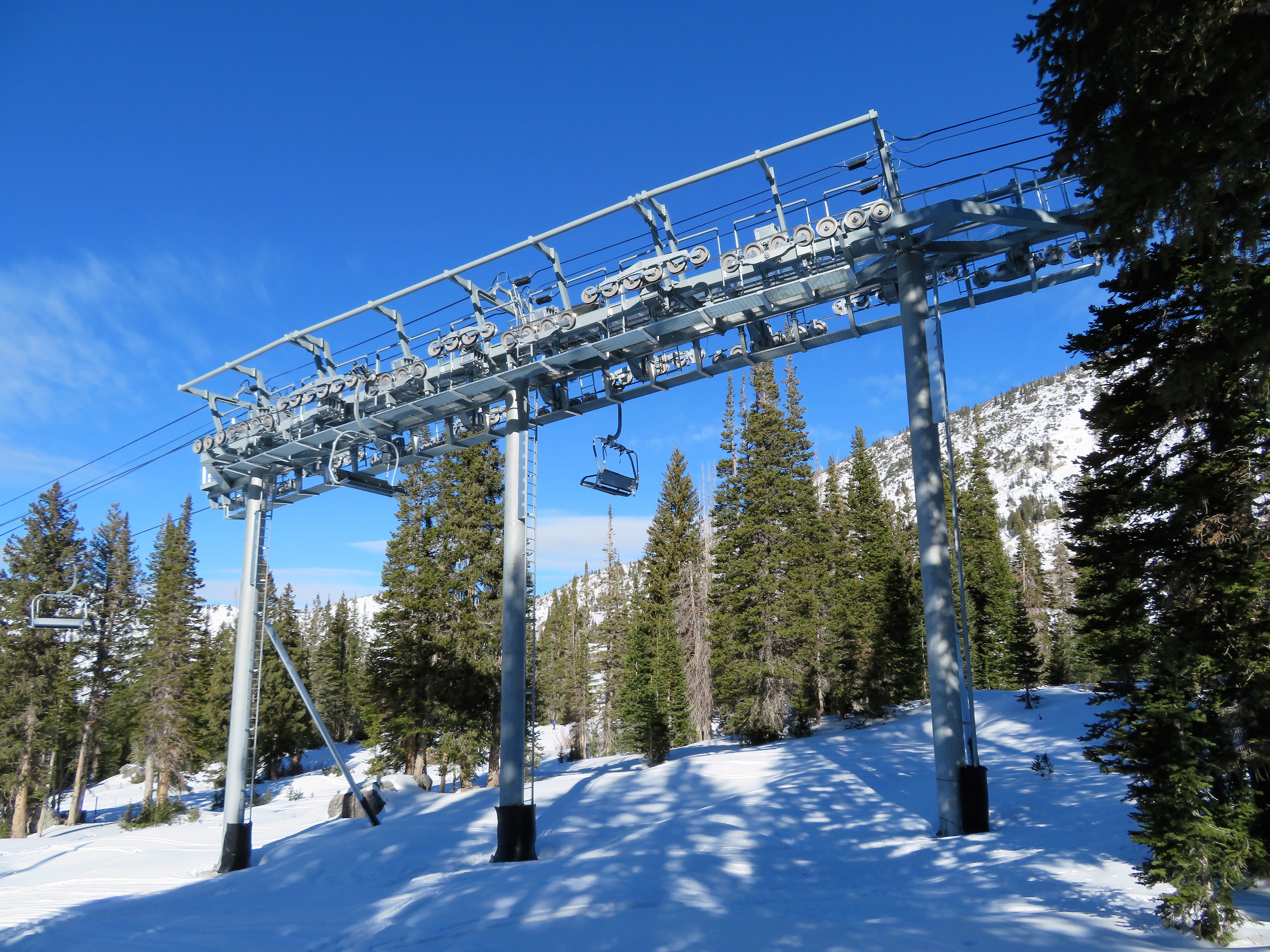
We’re used to lifts that run in a perfectly straight line between terminals but sometimes a lift just has to have a turn.  Common reasons for this uncommon occurrence include buildings in the preferred alignment and challenging property lines.  Most lifts with turns are detachable systems with angle stations which are very expensive.  But not all lifts that need to turn require loading or unloading mid-way.  In a handful of these cases, lift manufacturers have avoided the need for angle stations or extra bullwheels by designing towers with canted sheaves.

Look closely at the very top of Six Shooter at Big Sky. The last few towers are in a different alignment than the rest of the lift.

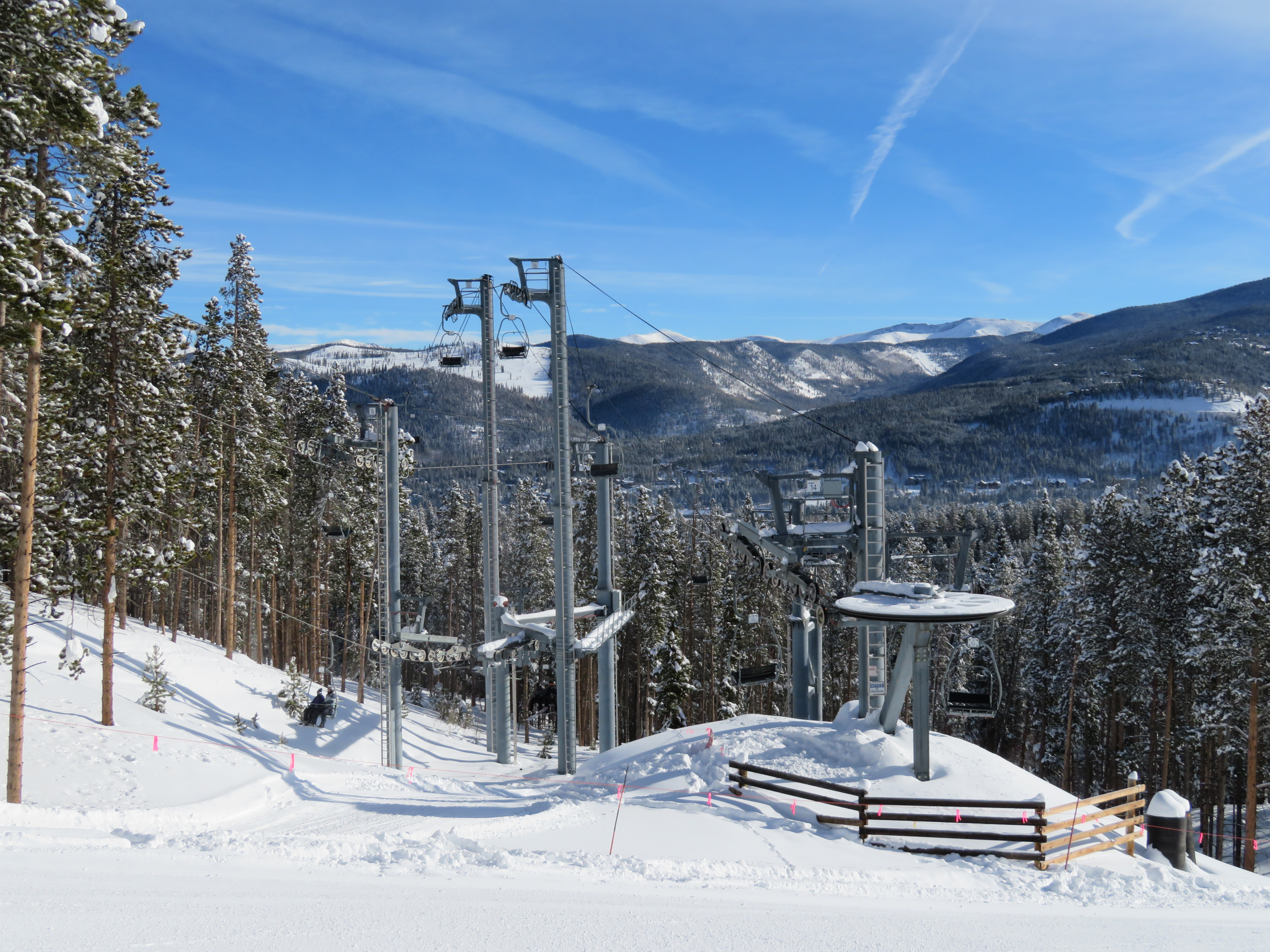
The first company to use this trick was Riblet with Chair 5 at Breckenridge way back in 1970 1986. Closely-spaced towers 10A, 10B and 11 have angled sheaves in a compression-support-compression setup.  I’m not sure of the exact angle of the turn on Chair 5 but its a couple of degrees.  (Edited to add later: the lower terminal and towers of Chair 5 were moved in 1986, 16 years after the lift was first built.)

If you look closely, the Baldy Express at Snowbird does not run in a straight line. Don't worry, this was by design and it's been done a number of times.
The Baldy Express at Snowbird also does not run in a straight line.  It’s by design!

Most of the lifts that turn using angled sheaves were built by Doppelmayr CTEC and its predecessor Garaventa CTEC and turn less than five degrees.  A turn is typically accomplished over three towers with the middle of the three being a depression assembly.  The Cabriolet at Park City (formerly Canyons) was the first modern lift with this setup and opened in 2000, connecting the main parking lot to village.  Its five degree turn was required due to private property lines and existing buildings.

Canted sheaved on the Cabriolet at Park City, a 2000 Garaventa CTEC Stealth detachable.
Canted sheaves on the Cabriolet at Park City, a 2000 Garaventa CTEC Stealth detachable.

A year after the experiment at The Canyons, Garaventa CTEC built another detachable with a turn for Snowbird.  The Baldy Express turns between towers 10 and 12 again due to private property lines.  The first six pack with a turn was the Six Shooter at Big Sky (formerly Moonlight Basin) which was built in 2003 and has a couple degree turn between towers 24 and 26.  I’ve heard Six Shooter’s turn was due to a surveying mistake that would have put the top terminal on Big Sky Resort’s property.  Doppelmayr CTEC engineered the turn rather than re-doing a bunch of tower bases.  The irony here is that ten years later Big Sky ended up buying the land and lifts anyways.

Continue reading