
Every Tuesday, I feature my favorite Instagram photos from around the lift world.
Month: February 2024
Mudflow Shutters Marble Mountain, Newfoundland
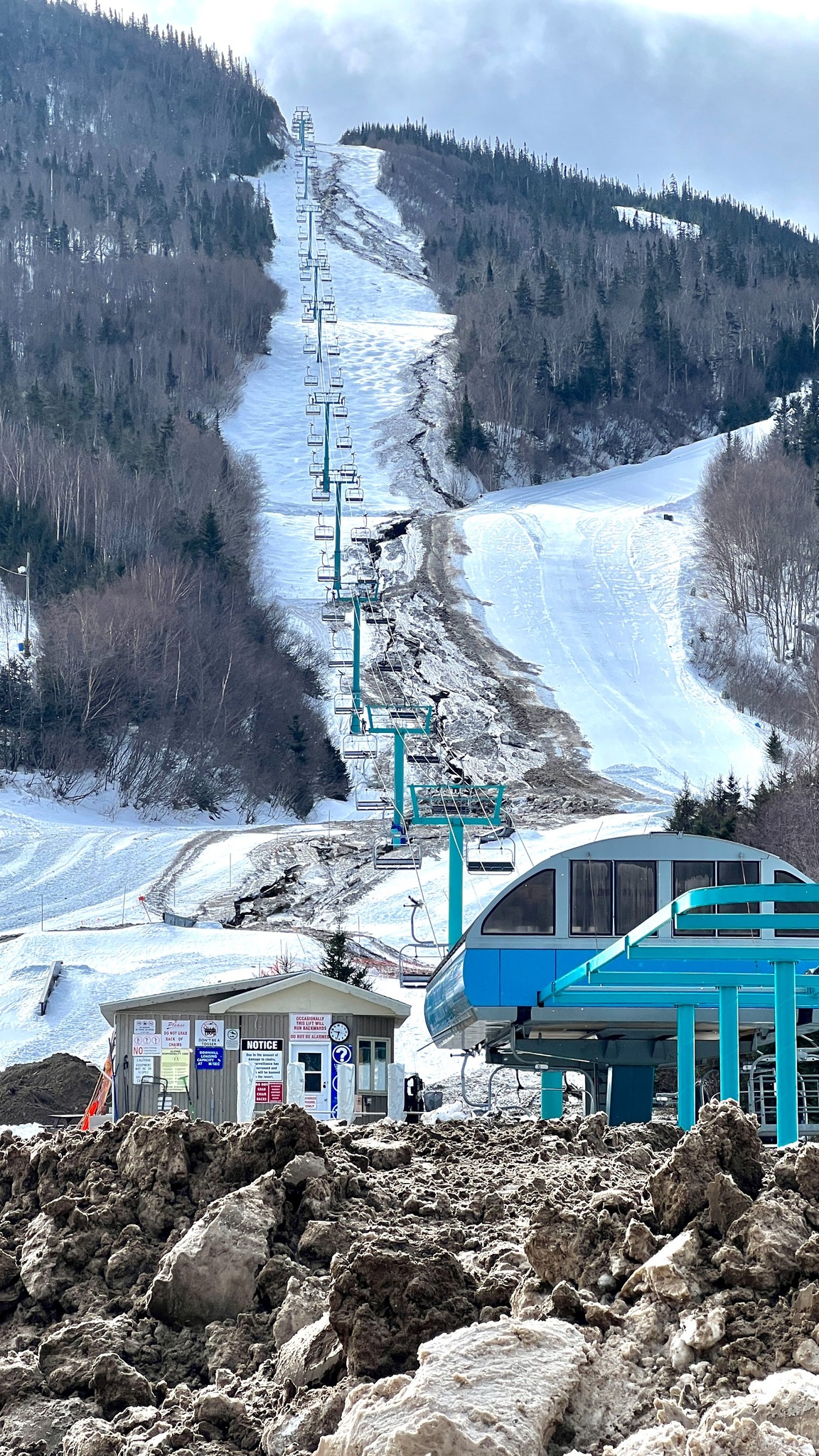
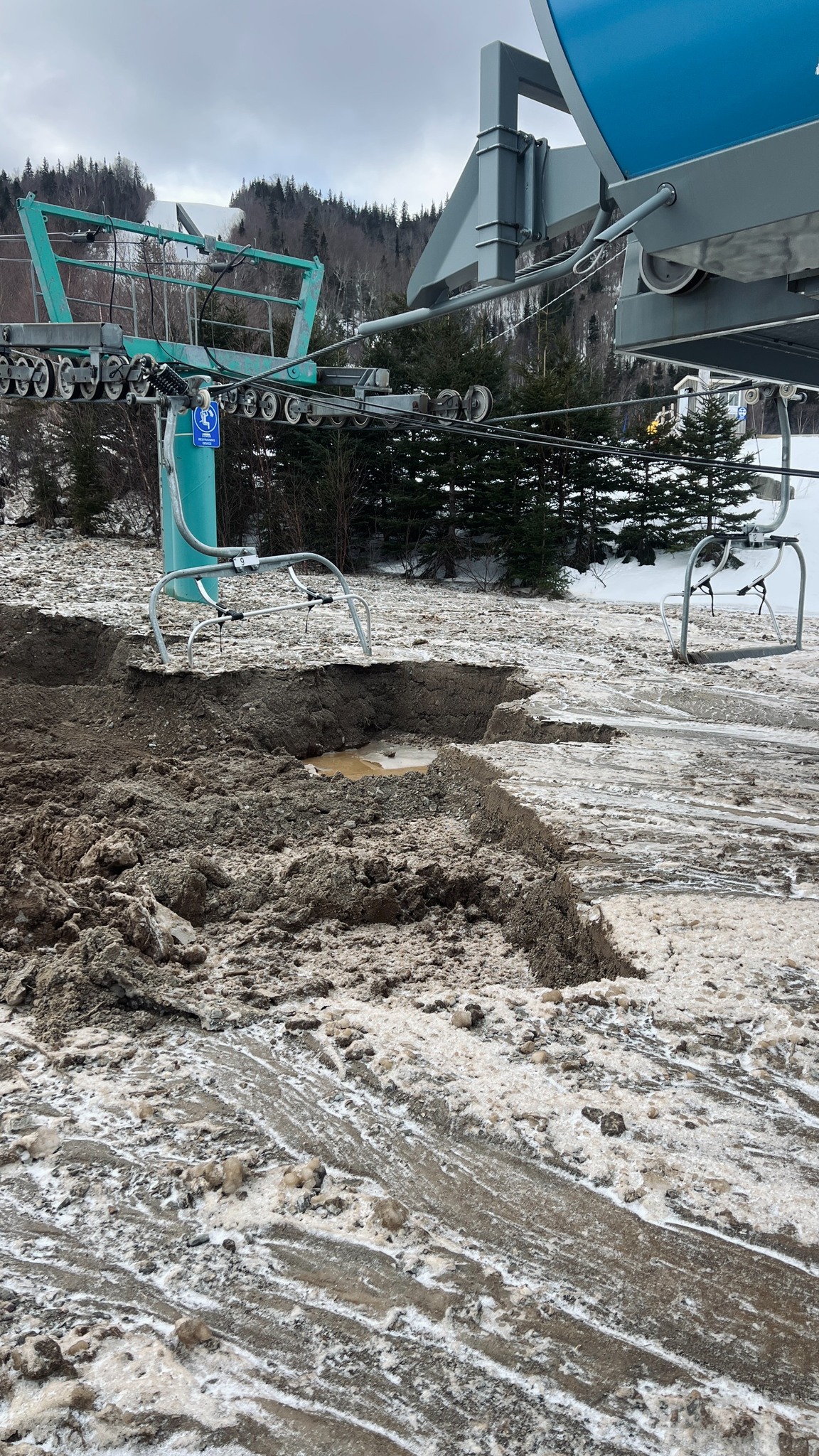
The largest ski resort in Atlantic Canada shut down Sunday and will remain closed through Thursday following a severe storm with heavy rainfall. Marble Mountain’s main base-to-summit high speed quad, the Lightning Express, was buried in multiple feet of mud and debris, rendering it inoperable.
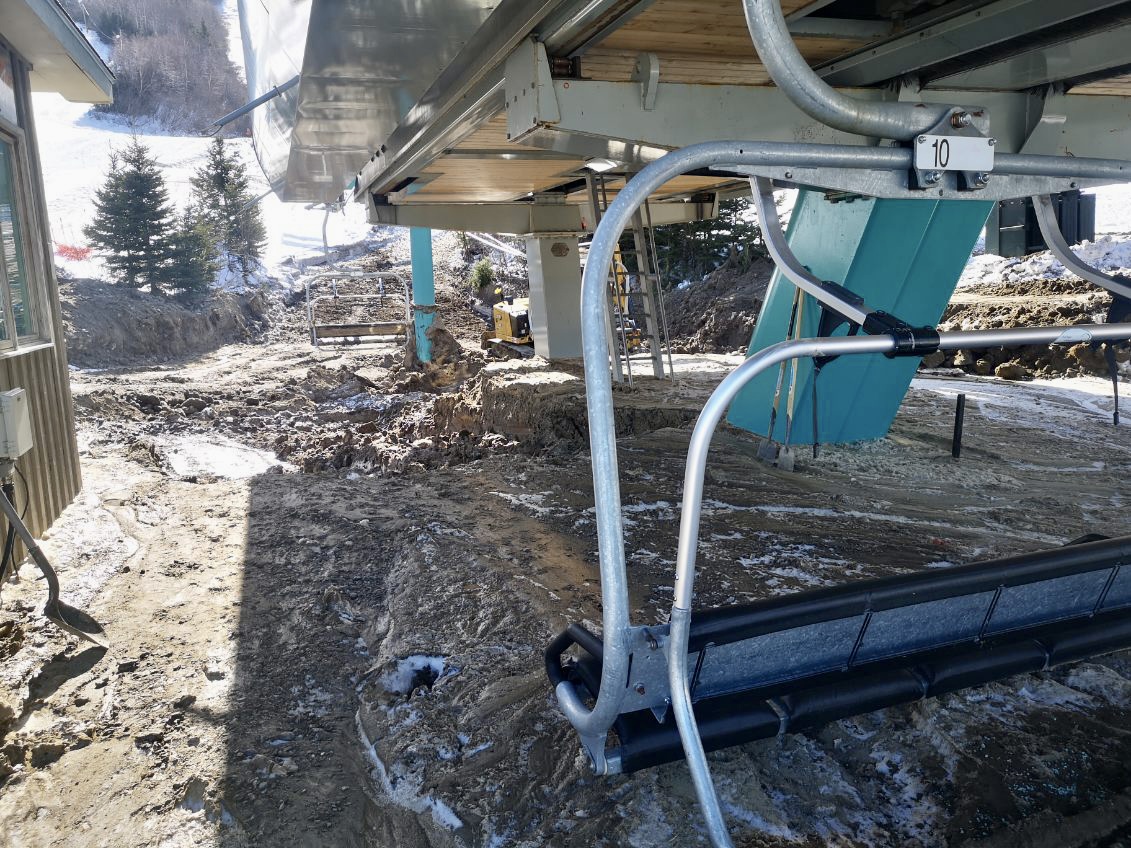
Thankfully, the Leitner-Poma detachable was not damaged and cleanup work is progressing well. Approximately 550 tons of mud has been removed so far and work will continue over the next two days. “We’re incredibly proud of the progress we’ve made thanks to the dedication of our operations team and the invaluable support from JCL Construction, who have been instrumental in the removal process,” the mountain said on Facebook.
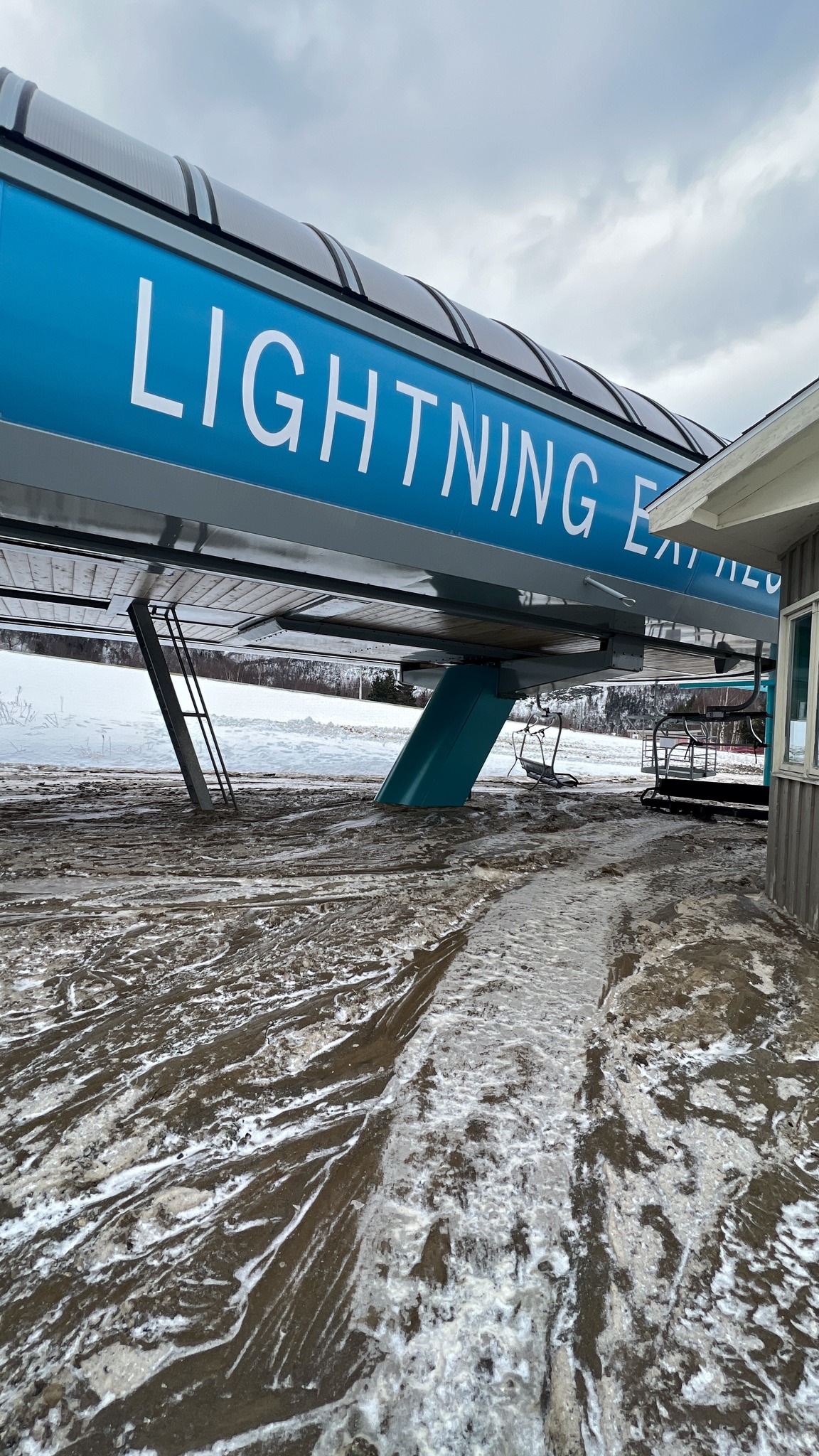
The Lightning Express has a bit of a wild history with natural disasters. In August 2014, lightning struck the top terminal, setting it ablaze to the point that the lift’s haul rope snapped. Leitner-Poma spent all fall and the following winter rebuilding the lift with new terminals, chairs, grips and haul rope. The old lift was refurbished and now operates as the Flat Top Flyer at Powderhorn, Colorado.
Marble Mountain plans to reopen with top to bottom skiing on Friday.
Deropement Leads to Lift Evacuation at Brian Head, Utah
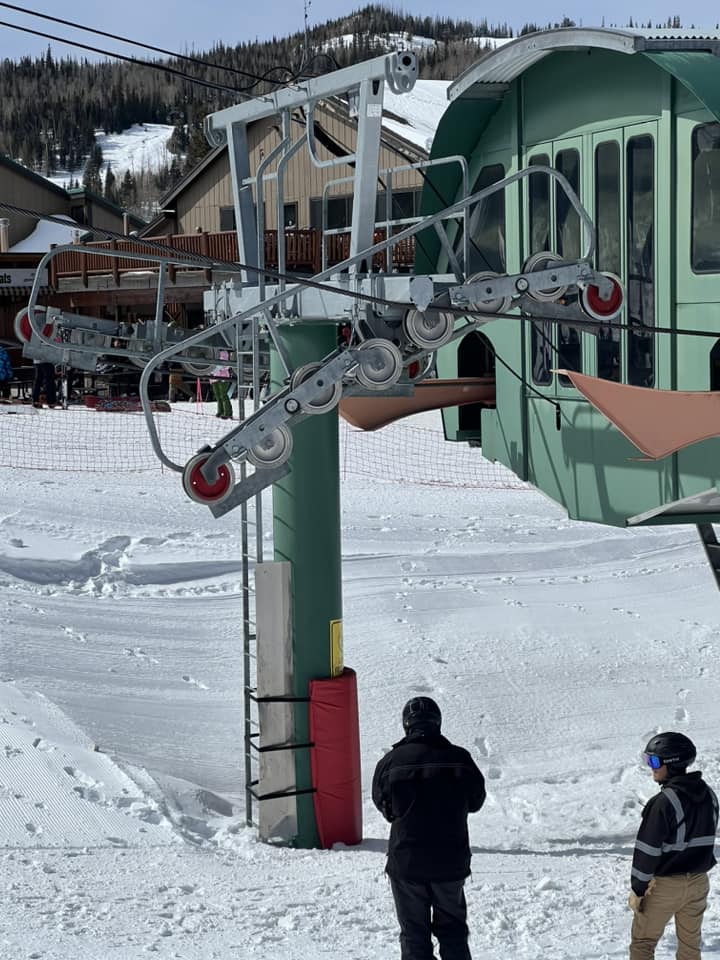
Skiers and snowboarders had to be roped down from the Giant Steps Express at Brian Head yesterday following a tower deropement. The incident occurred on the heavy side of tower 1, immediately adjacent to the bottom station. Witnesses reported the lift was nearly full and the rope evacuation lasted a number of hours. “At approximately 12:05 pm the Giant Steps Express chairlift experienced a mechanical issue that resulted in a lift evacuation,” the resort said in a statement. “Mountain operations teams quickly responded and safely evacuated all guests without incident or injury in less than 2 hours.”
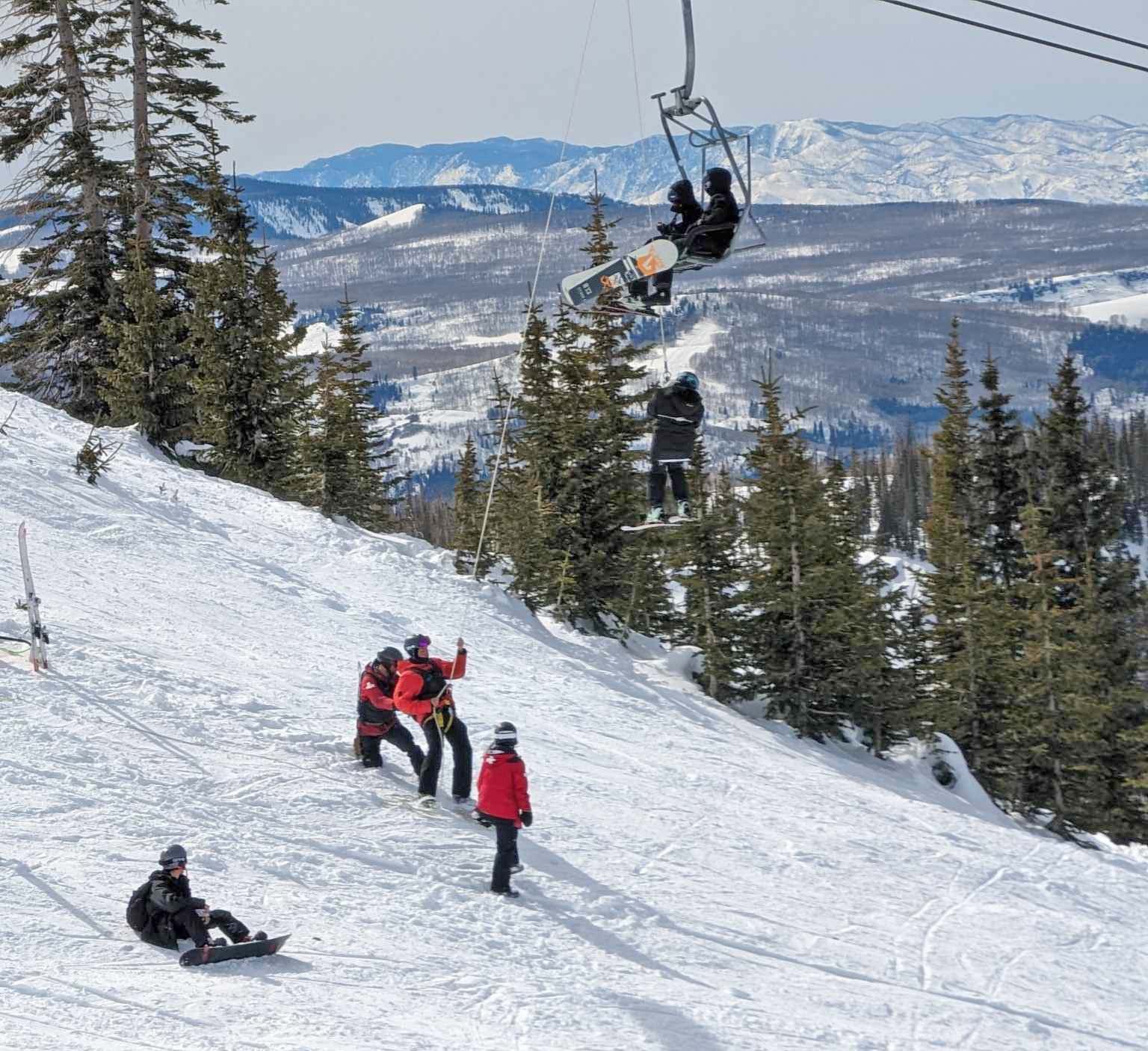
Giant Steps is a Doppelmayr CTEC high speed quad manufactured in 2005. The UNI-GS series detachable originally operated at Tamarack Resort in Idaho before being installed at Brian Head in 2014. The incident is the third deropement leading to a rope evacuation in the last four days. On Thursday, the Aurora Quad at Sunday River de-roped near the bottom terminal and 200 plus riders were roped off. Then on Saturday, a deropement caused chairs to fall from the North Chair at Snow Ridge, New York, leading to another evacuation. All three lifts remain closed today.
Deropement Causes Chair Pileup at Snow Ridge, New York
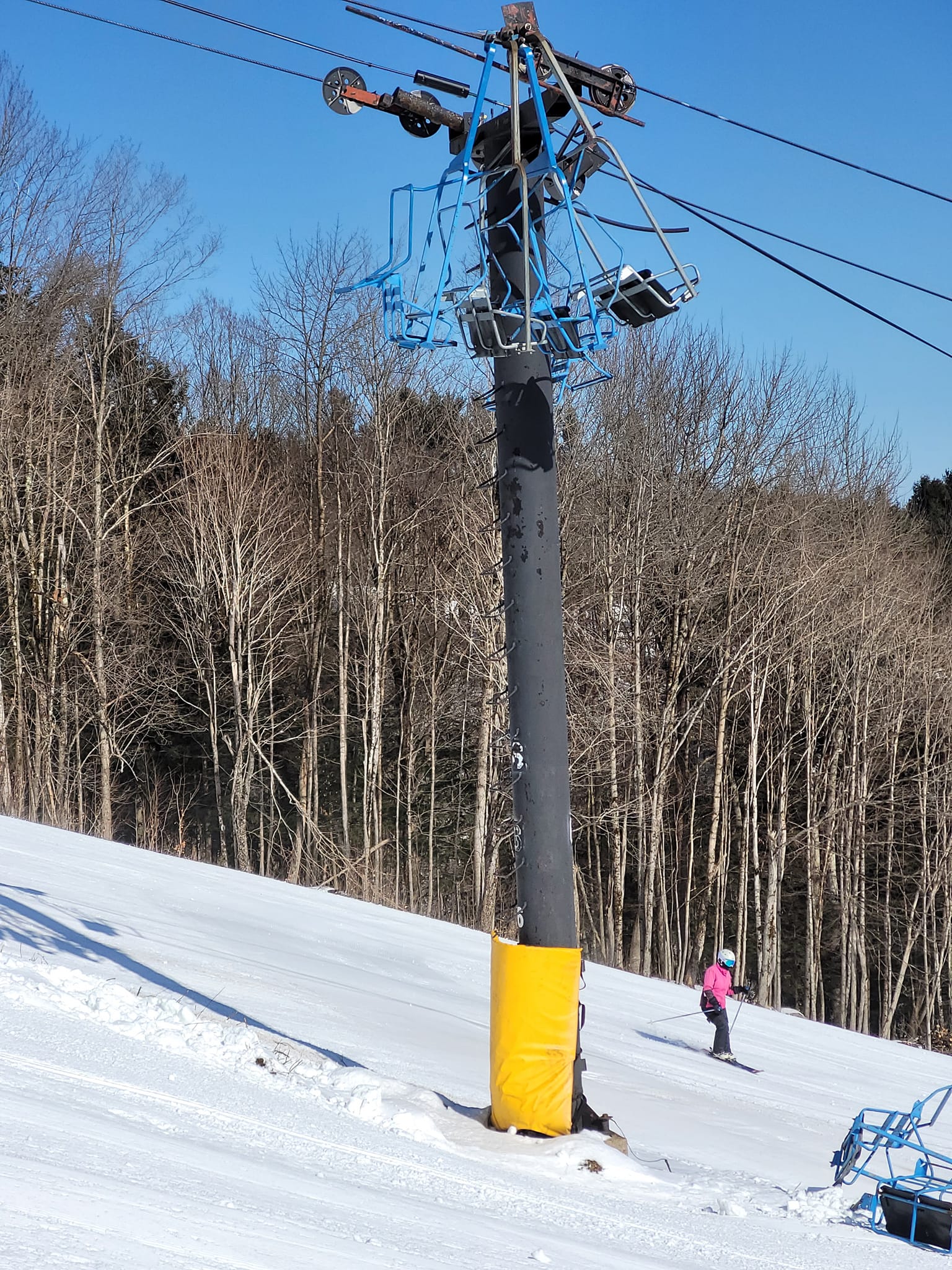
Snow Ridge has had a tough year. An EF-3 tornado tore through the small Upstate New York mountain last August, damaging all four of the mountain’s lifts. A number of other ski areas, volunteers and resort staff joined forces to put the mountain back together all fall. North Chair, the final lift to reopen, just returned to service last Saturday. Unfortunately today the lift deroped on both sides of tower 6, causing two chairs to fall to the ground and four additional chairs to stack up on the light side of the tower. Thankfully none of the impacted chairs were occupied and no one was hurt. According to a post by Bob Bennett on Ski the Northeast Facebook Group, the mountain had just opened for the day and only one person had to be rope evacuated. The incident follows just two days after a significant deropement at Sunday River, Maine required 200+ skiers to be rope evacuated. No one was injured in that mishap either.
North is very old and contains parts from multiple defunct manufacturers, primarily Hall. According to New York Ski Blog, the double chair was just inspected and cleared by the State of New York to operate on February 16th. It was not immediately clear why safety systems designed to stop a lift after a deropement failed to do so for at least four chair lengths this morning.
News Roundup: Too Expensive
- Bromont, Quebec joins the Mountain Collective, Arapahoe Basin will remain for 24-25.
- Steamboat’s Pony Express goes down, temporarily cutting off lift access to the new Mahogany Ridge Express as well.
- The main beginner chair goes down at Big Powderhorn.
- Arizona Snowbowl nears an agreement with tribes and land managers to resume development of the resort.
- New owners of Alyeska float a base area pulse gondola.
- Staff at Rabbit Hill, Alberta successfully catch a falling chairlift rider.
- Middlebury Snowbowl announces the Bailey Falls triple won’t operate this season due to “unprecedented challenges.”
- Powder Mountain will pause lift-served mountain biking this summer while it constructs four new chairlifts.
- Alta tests new, cushier chairs on Supreme to possibly alleviate the bumpiness of the bend.
- A day in the life of Beaver Creek Lift Maintenance.
- The beautiful new 3S between Switzerland and Italy proves unpopular at $250 per ride.
- A father who jumped from a Park City chair after his daughter fell from a lift sues Vail Resorts over their injuries.
- A number of British Columbia ski areas report a disastrous season so far.
- McCauley Mountain is set to acquire Gore Mountain’s outgoing Hudson triple.
- The Forest Service indicates it will approve Monarch Mountain’s proposed expansion into No Name Basin.
- Perfect North will hold a chair auction.
- The owner of the Chicago Cubs to acquire White Pine, Wyoming.
- Deer Valley is working with both major lift manufacturers on potential Expanded Excellence lifts.
- Big Sky plans to name the new Moonlight lift Madison 8, seeks wildlife photography for D-Line chair backs.
- Sunday River evacuates more than 200 riders from the Aurora Quad following a deropement yesterday.
- A 3S gondola proposal in Los Angeles notches another approval.
The Summit at Snoqualmie Shuffles New Lift Plans
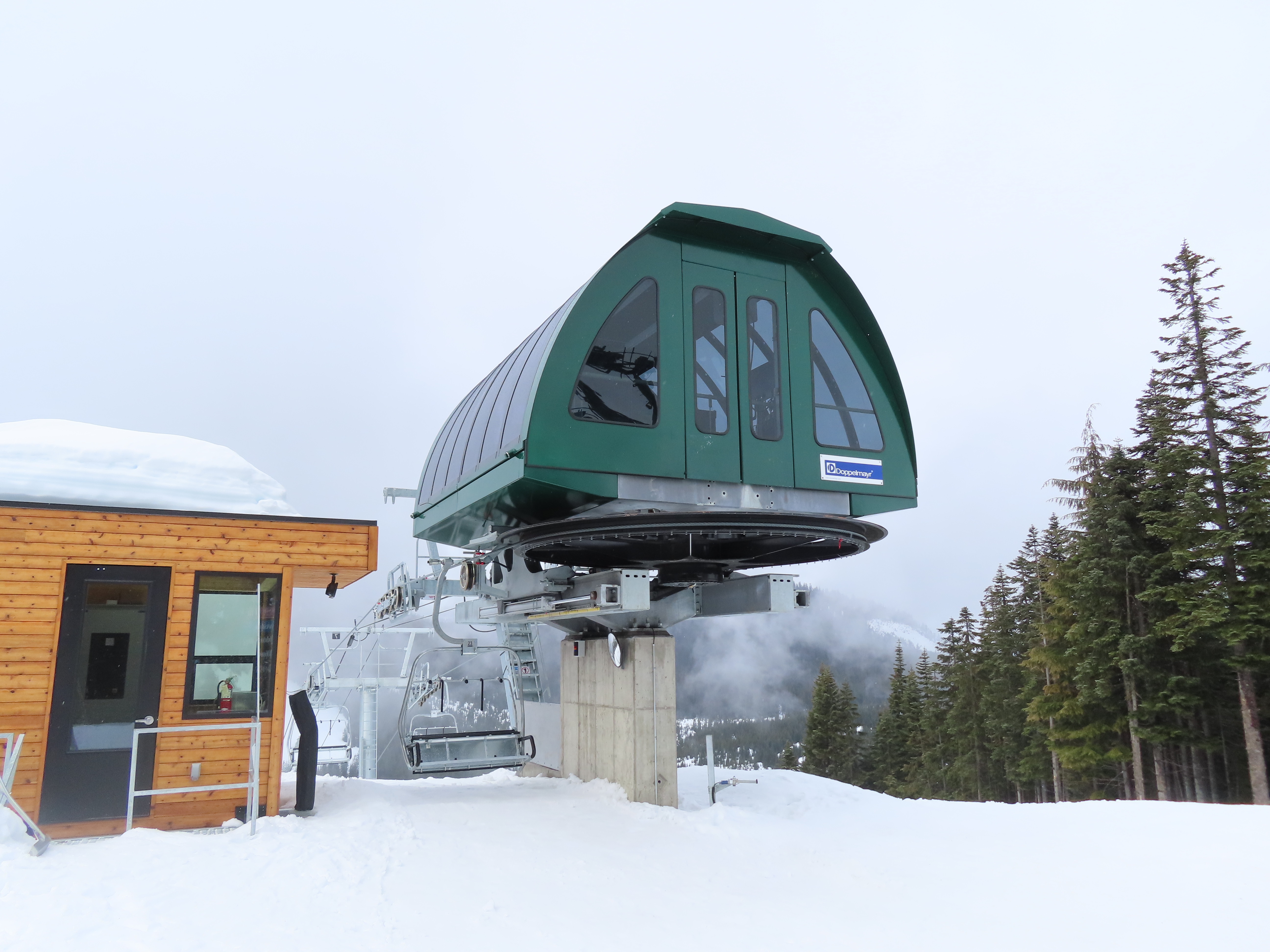
Instead of building two new chairlifts at Alpental this summer, The Summit at Snoqualmie will instead build one lift at Alpental and another at Summit West in partnership with Doppelmayr. The Summit encompasses four distinct ski areas and is in the midst of a multi-year investment push called Summit 2030 that will now see at least five new lifts installed over four years. Alpental is a major focus of the plan with two lift replacements and one completely new expansion lift. Phase one was a replacement Sessel lift, which debuted this season. A brand new International triple will follow above Sessel this summer. Snoqualmie previously announced Chair 2/Edelweiss would also be replaced in 2024, but that has now been postponed one year to 2025.

Crews have already completed many of the foundations for both International and Chair 2, which ascend extremely steep terrain and have limited to no road access outside of snow season. In fact, crews this week transported the new haul rope for International up the mountain over snow in advance of this summer’s construction. “Shifting the Edelweiss timeline will allow the construction team at Alpental to focus all their efforts on completing International prior to the 24/25 season,” the resort noted. “We’ve mentioned it before but work on International is extremely challenging and time-consuming due to the lack of road access and gnarly terrain.”

Simultaneously with the International project, crews will now replace the Wildside triple with a new fixed grip quad at Summit West for next season. Wildside dates back to 1974 and had broken down occasionally in recent seasons. Summit West has traditional service roads and work can more easily be completed there at the same time as International. “[Wildside] is a much simpler installation with easier access for the construction team and is a great opportunity to get another aging lift replaced,” said Snoqualmie. Unlike the current lift, the realigned Wildside will feature a loading conveyor and restraint bars.
New Chair 2 at Alpental will now debut in winter 2025-26, the fourth season in a row with a new lift on Snoqualmie Pass. In the meantime, skiers can enjoy one more season on the classic Riblet to the top.
Instagram Tuesday: West Mountain
Every Tuesday, I feature my favorite Instagram photos from around the lift world.
News Roundup: Aspen Snowmass
- Aspen Mountain’s Lift 1A goes down and is rope evacuated.
- Aspen closes redundant lifts midweek due to low ridership.
- The next lift upgrades at Snowmass will be Coney Express followed by Cirque and potentially another lift at the same time.
- Multiple homeowner associations sue Deer Valley, arguing an East Village-Snow Park gondola won’t mitigate traffic.
- Magic Mountain successfully load tests the new Black Line Quad.
- Ski Santa Fe will self install its high speed quad this summer, then look at replacing Easy Street.
- Sugarloaf opens West Mountain with a high speed quad and nine new trails.
- Deer Mountain, South Dakota reopens as a private ski area.
- The new Telluride-Mountain Village gondola will likely be a 10 passenger model with direct drive.
New Master Plan Previews Vail Mountain Lift Upgrades
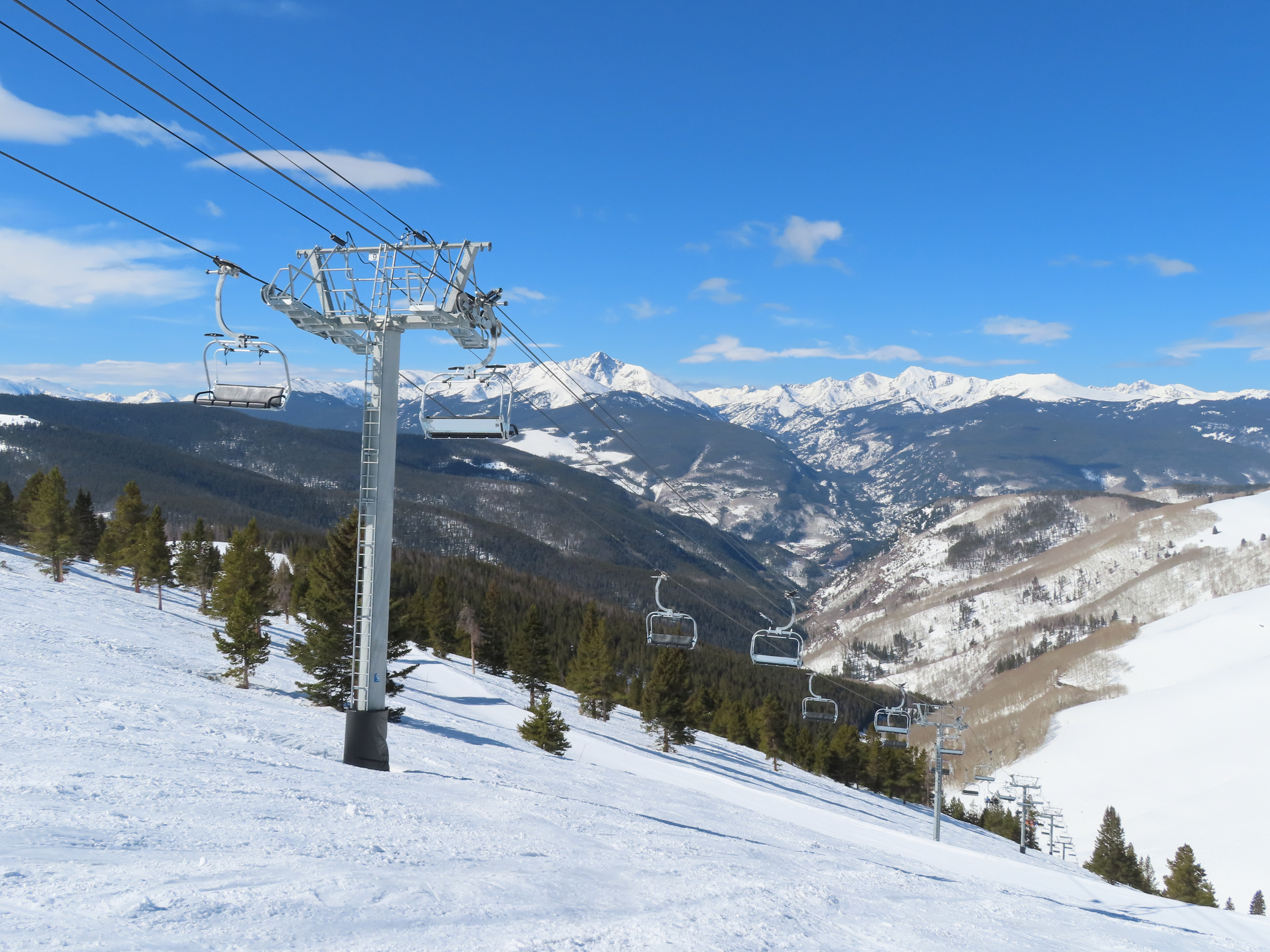
With one of the largest lift fleets in the country and a dozen recent additions, Vail Mountain could probably stop building lifts for awhile and be fine. However a new 2024 Master Development Plan, accepted by the Forest Service last month, suggests investment will continue at Vail Resorts’ flagship mountain. The new plan is a collaboration between Vail, SE Group and the Forest Service and replaces a 2018 MDP. It’s important to note that resort master plans are conceptual in nature and don’t constitute approval of specific projects. But Vail has big plans, or at least big ideas.
Today Vail operates two gondolas, 21 chairlifts, four surface tows and seven conveyors designed to accommodate 23,690 guests on the mountain. However the resort is managed to a capacity of 19,900 skiers per day, a planning target that won’t change as lifts are upgraded and reconfigured. “Vail desires to maintain certain capacities, particularly the lift network capacity, in excess of the manage-to threshold in order to ensure a high-quality guest experience,” the plan notes. If implemented completely, it would increase lift network capacity by about seven percent to to 25,420 guests. “The goals of Vail are to continue operating at less than full capacity, but add lifts and lift capacity where needed in order to improve circulation, ease congestion, spread skiers out, more fully utilize underutilized terrain and keep wait times at lifts at a comfortable level and, therefore, maintain a high level ski experience for guests,” notes the MDP.
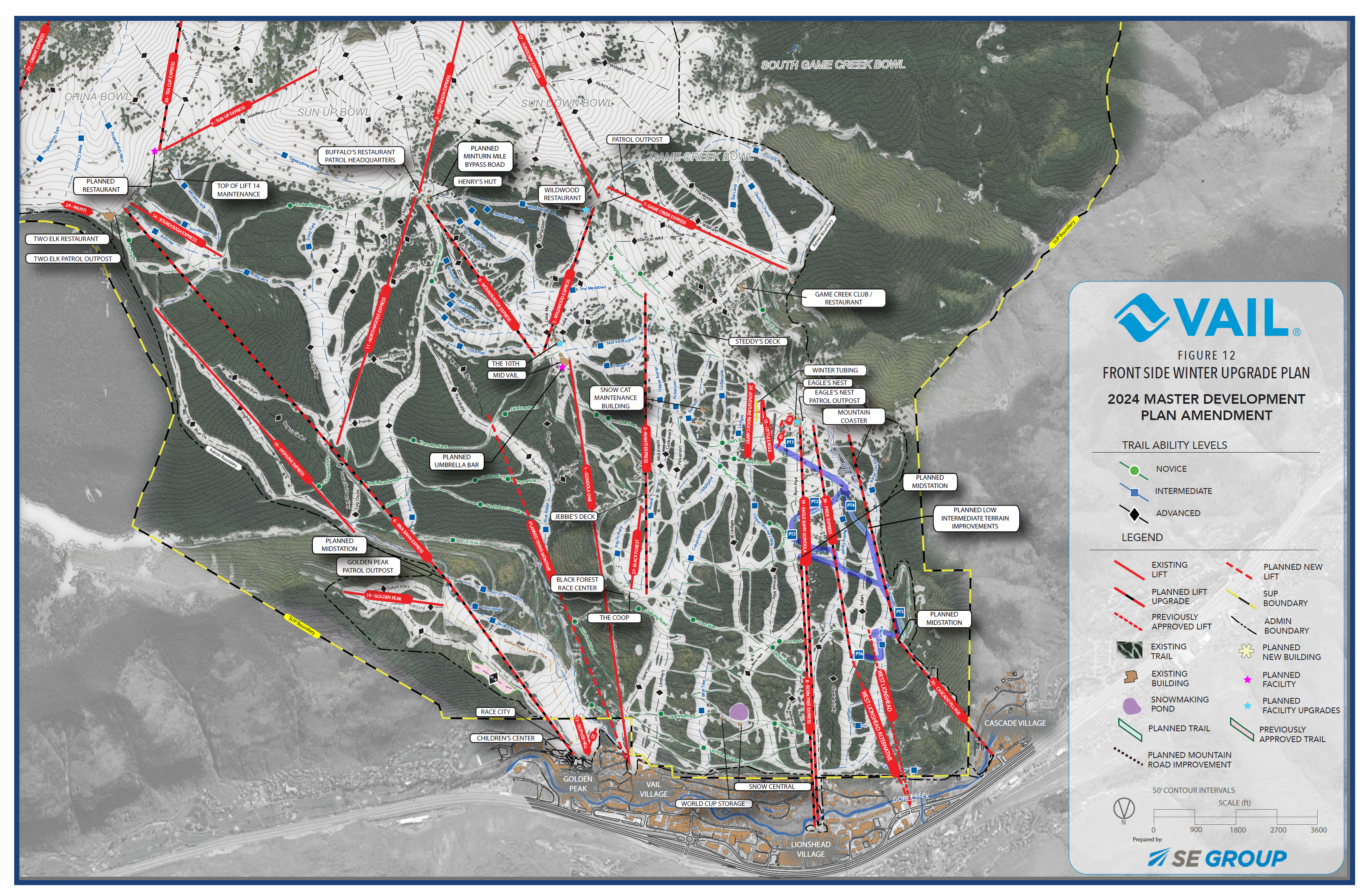
A major focus of the upgrade plan is moving guests up and out of Vail’s base areas. When Vail occasionally makes headlines for an epic lift line, it’s often at a gondola base first thing on a powder morning. To address this, five new egress lifts are planned. First the Eagle Bahn Gondola at Lionshead is earmarked for replacement. “Given its year-round, day and night operations, freight hauling duties, and limited capacity, the gondola will need a major overall or potentially an upgrade during the life of this plan,” notes the MDP. Built by CTEC in 1996, Eagle Bahn is technically a twelve person gondola; however, Vail has operated the gondola effectively as an eight passenger gondola. A new Lionshead gondola will likely feature 12 passenger cabins and move 3,200 riders per hour.
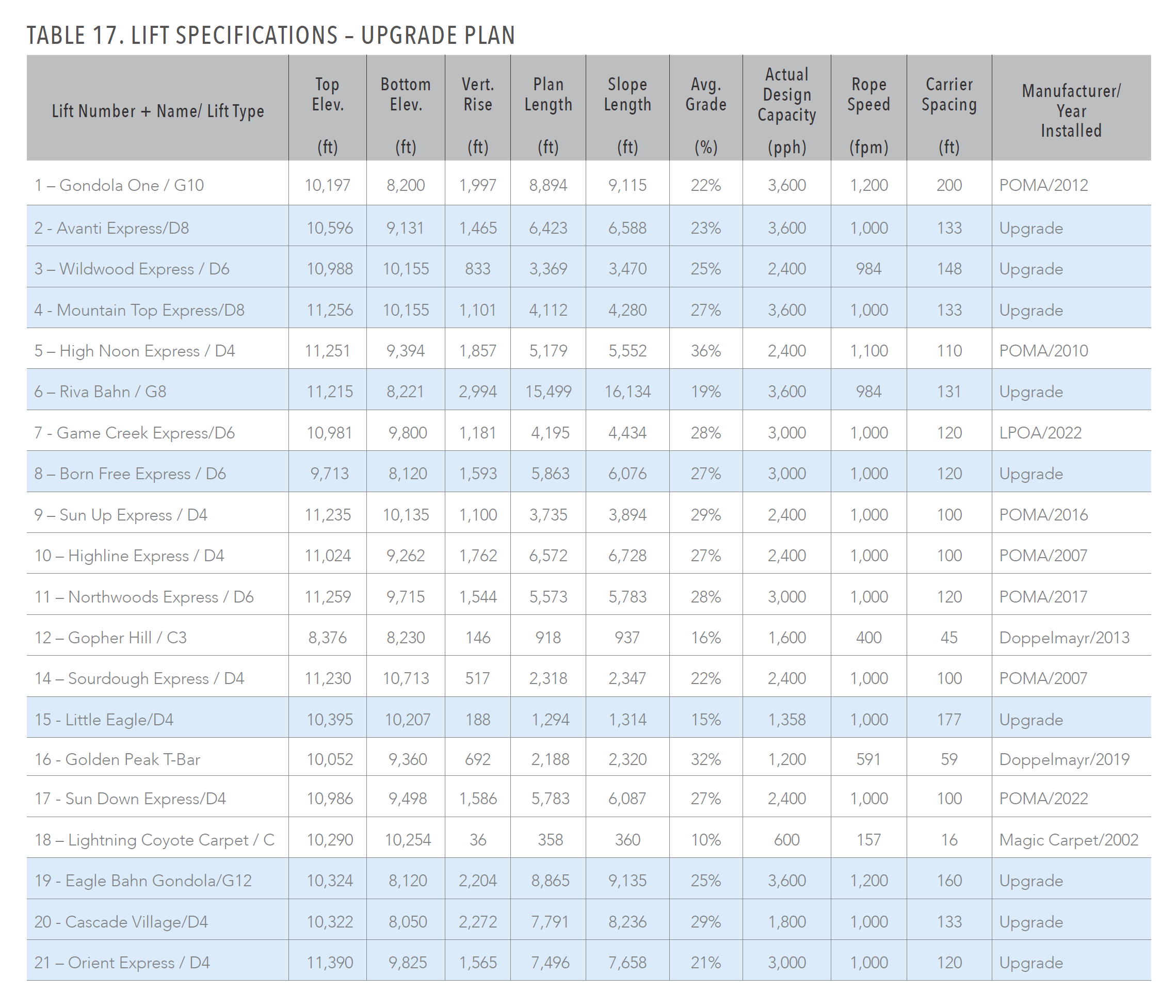
On the Vail Village side of the valley, the Riva Bahn Express is planned to become a third gondola extending all the way to Two Elk Lodge. The new lift would continue to feature a mid-station on Golden Peak but the top terminal would move thousands of feet up the mountain. “Due to the extended alignment, it will have an enhanced role in transporting guests to the back bowls rather than having guests access this terrain using Northwoods Express #11,” the plan notes. This eight passenger gondola would be a beast, stretching more than 16,000 linear feet and rising nearly 3,000 vertical feet from base to summit.
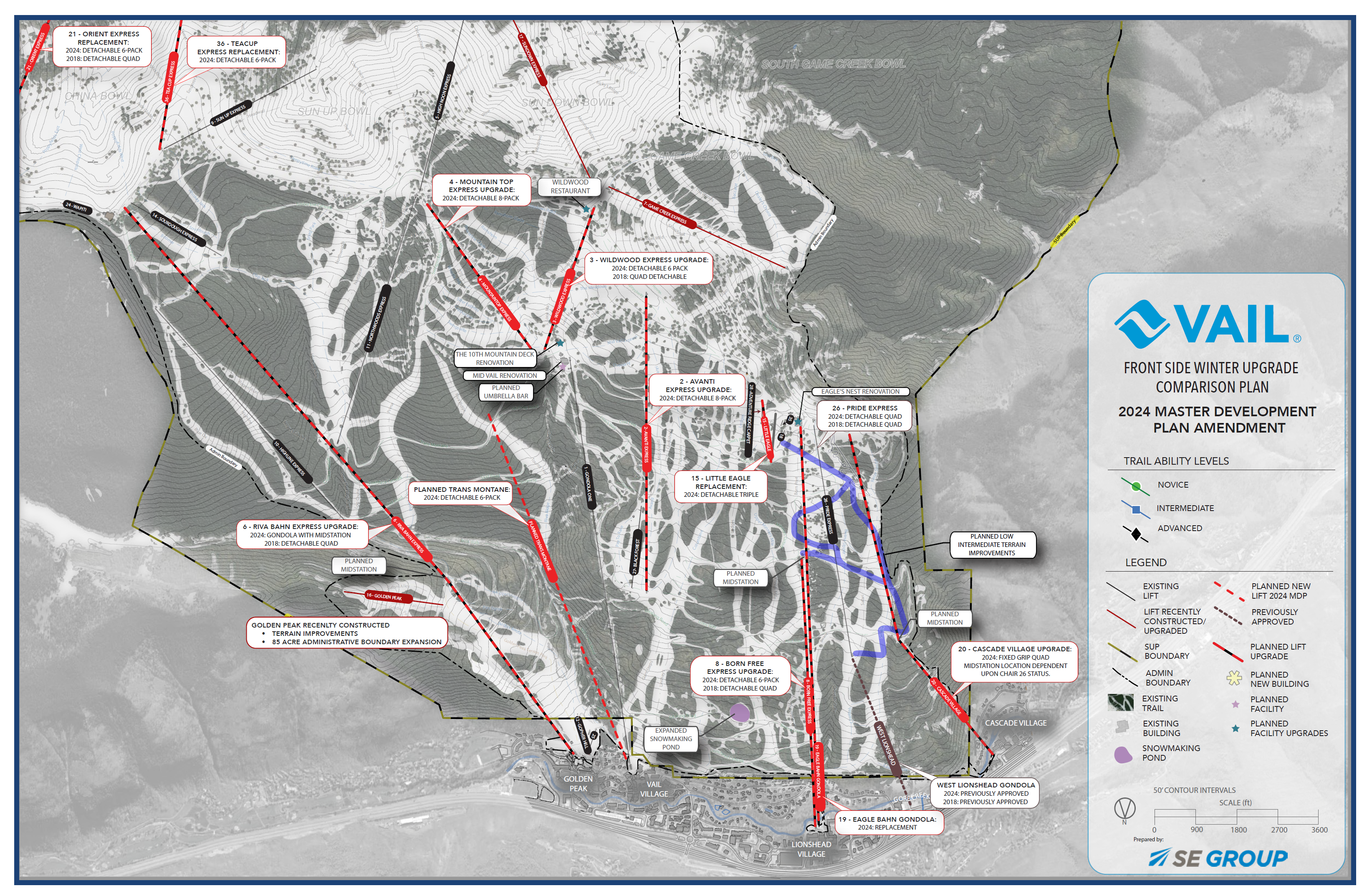
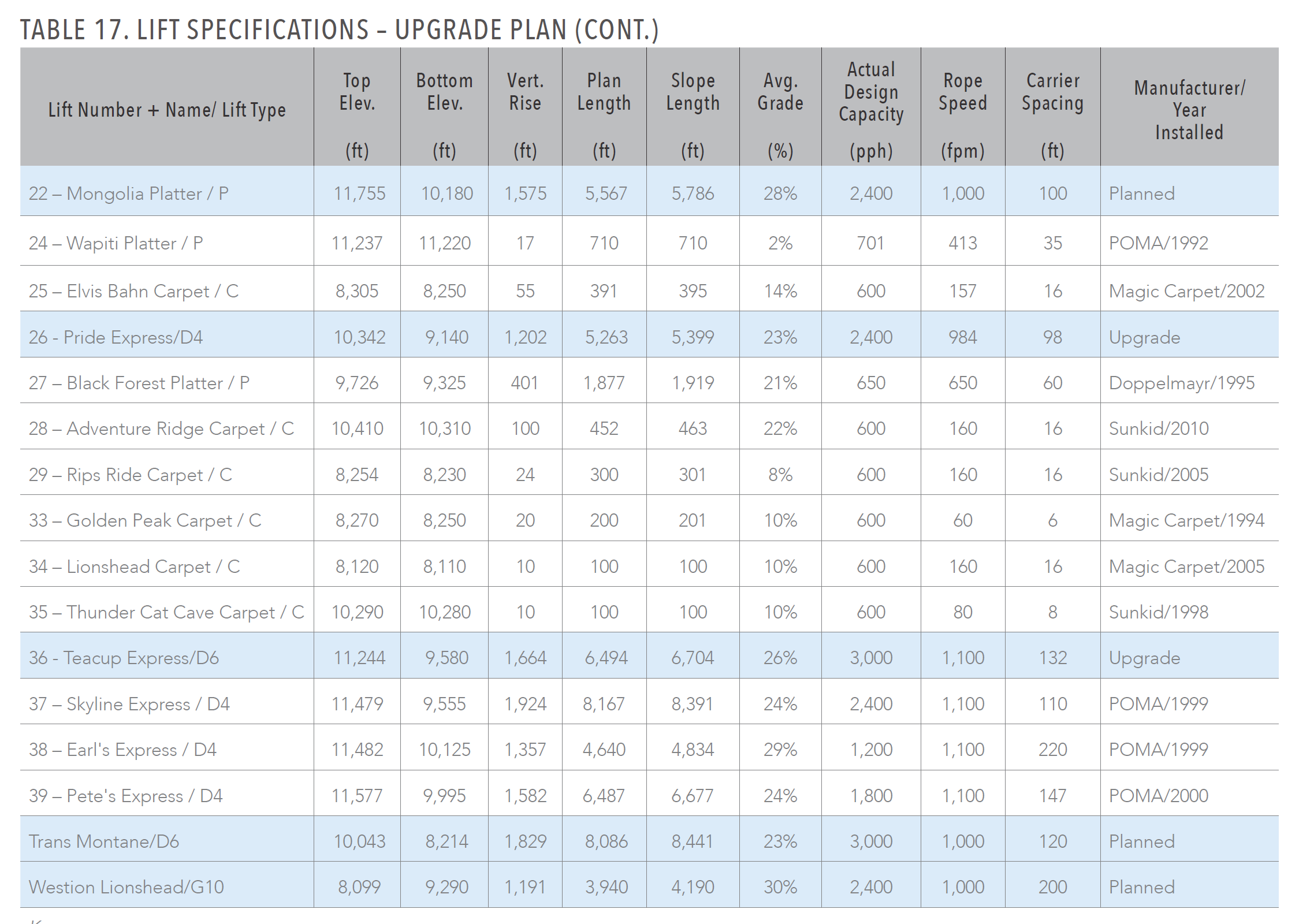
Also envisioned for Vail Village is a completely new lift with the working name Trans Montane. This 8,400 foot long six pack would start adjacent to the workhorse Gondola One and rise to mid-mountain, providing much-needed capacity and redundancy out of Vail Village. The top station would sit where the Riva Ridge and Trans Montane runs merge and provide access to Northwoods Express. Trans Montane would carry 3,000 guests per hour with a vertical rise of 1,829 feet.
Another new out-of-base lift in Lionshead has already been approved by the Forest Service but not constructed. Once known as Ever Vail and now called the West Lionshead lift, this would be either a detachable chairlift or 10 passenger gondola with a capacity of 2,400 skiers per hour. A couple possible alignments are under consideration with approximately 1,200 feet of vertical unloading near the base of Pride Express #26. Also at Lionshead, Born Free Express #8, is slated to become a six pack while continuing to run parallel to the Eagle Bahn Gondola. This lift is the only original CLD-260 detachable left on the front side, dating back to 1988.
Finally on the out-of-base egress front, the longest fixed grip lift at Vail, Cascade Village #20, would also go detach. This one would be a quad, either following the existing alignment or running further up the mountain to Eagle’s Nest. The lengthened option would include a mid angle station with the lift totaling 2,272 feet of vertical rise. Once all new lifts are in place, guests could choose from seven different gondolas and chairlifts capable of moving 21,000 skiers each hour.
Numerous chairlift replacements are also envisioned on the upper mountain. Even relatively new lifts may be replaced with more modern and larger capacity versions. The first is Avanti Express #2, which would go from a six to an eight place (Vail Resorts just this season opened its first eight place chairlift in North America at Whistler and apparently sees more possibilities in the future.) Mountaintop Express #4 also could be up-gauged from a six to an eight. If either of these projects happen, existing equipment would likely be reinstalled on Vail Mountain or elsewhere in the Vail Resorts portfolio.
Wildwood Express #3 and Pride Express #26, both aging CTEC detachables, would be replaced by newer technology high speed quads or six packs. Little Eagle #15, another one of the three remaining fixed grip chairs at Vail, would be replaced with a detachable quad to create an improved beginner experience. The alignment would move slightly as well and increase in length.
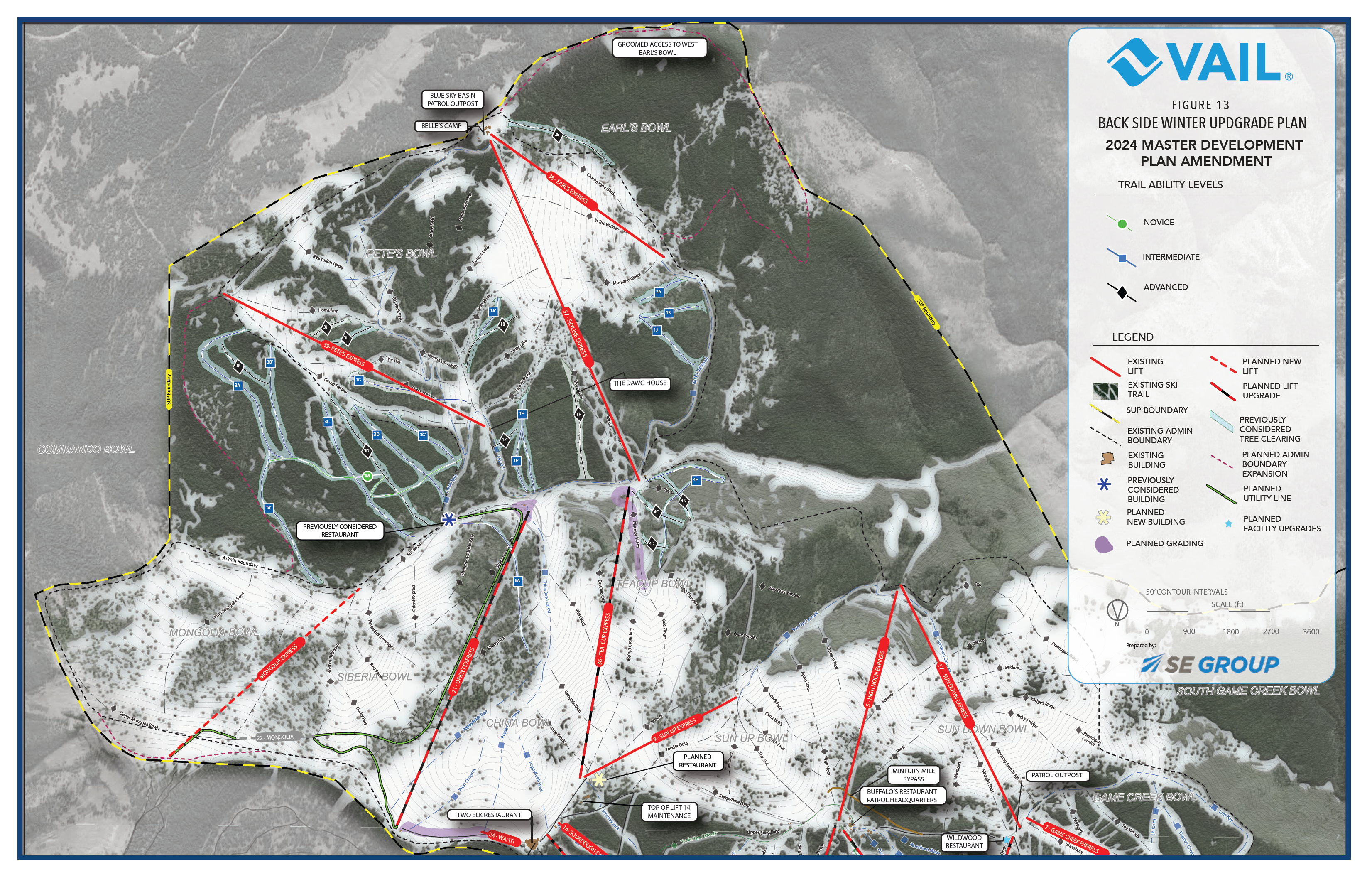
Vail’s Back Bowls are the other location where viral lift line photos occasionally originate. In China Bowl, the 1988 build Orient Express #21 is slated for retirement. “This chairlift is the only access to Mongolia, and Siberia bowls, so reliable service is critical to access the back bowls of the resort,” notes SE Group. The new lift would become the first six pack in the Back Bowls. Nearby, Teacup Express #36 could also go from a quad to a six seater. Finally, a completely new Mongolia Express quad is proposed to run from near Two Elk Creek to the ridgeline above the existing Mongolia Platter. This would create a direct route up Mongolia Bowl and become the sixth detachable lift in the legendary back bowls.
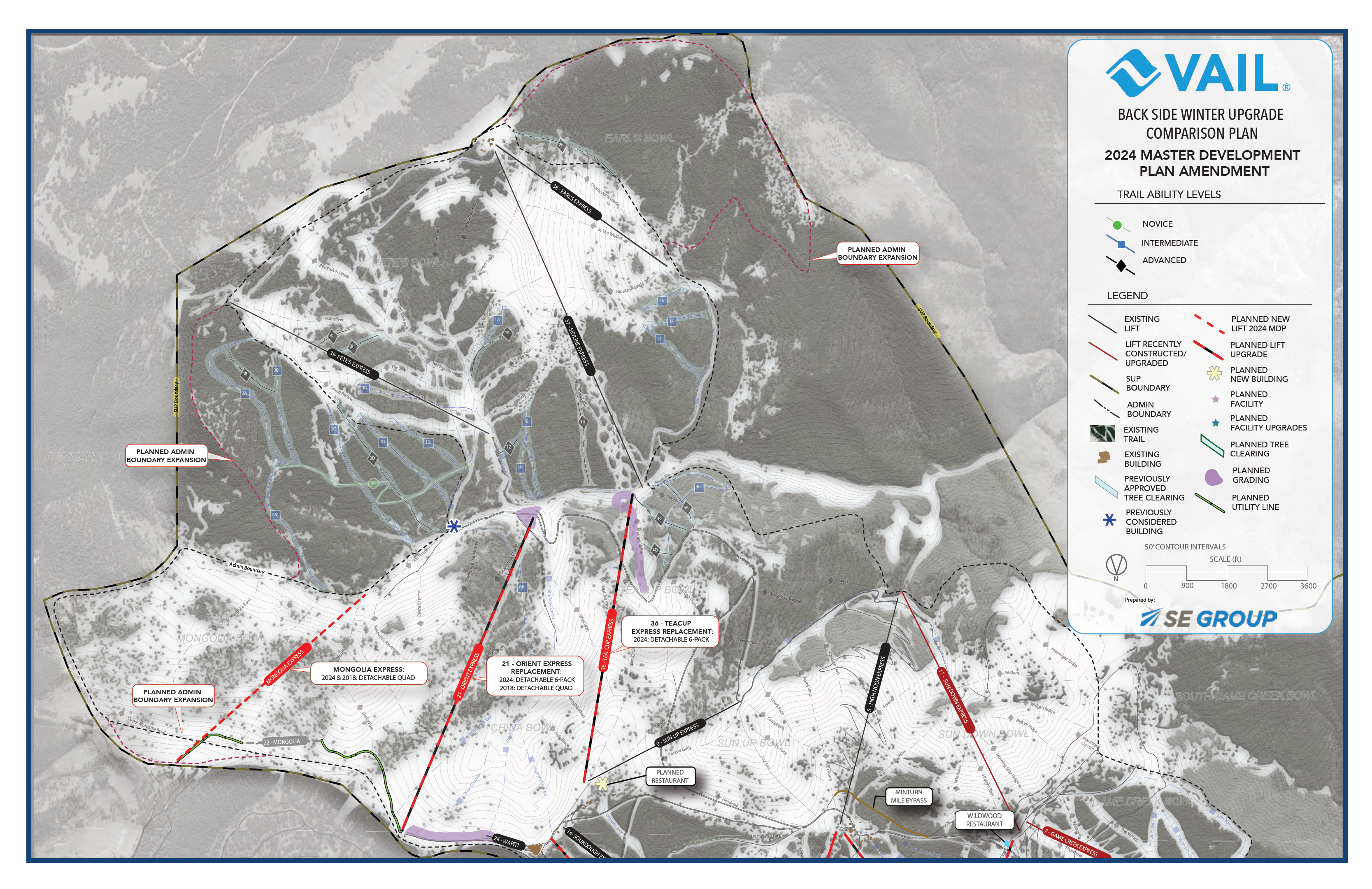
No lift upgrades are planned in Blue Sky Basin, however a variety of trails remain in Vail’s plans. The MDP also contains plans for snowmaking improvements, new lodges and summer activities across the mountain. The full plan is available on the Forest Service website here.
Bogus Basin to Build Two New Lifts
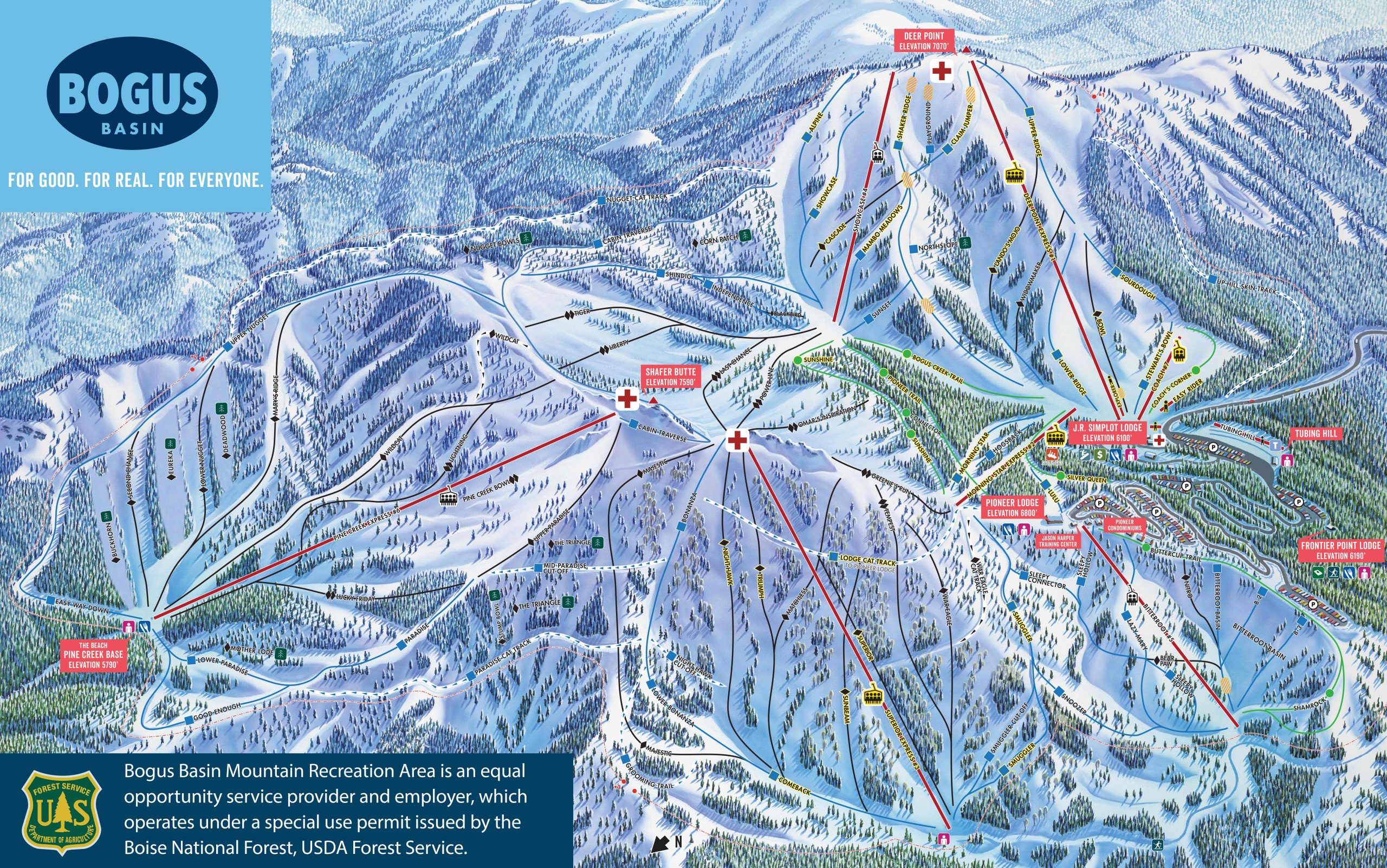
The nation’s largest nonprofit ski area will embark on two lift replacement projects this summer after initially planning just one. Bogus Basin has signed a contract with Skytrac to build the fixed grip quads replacing the aging Coach and Bitterroot chairlifts. The mountain notes the local population grew more than 25 percent between 2010 and 2020 with strong demand for winter recreation. “Bogus Basin is rising to this occasion, continually enhancing our product offerings to ensure everyone has a special experience on their local mountain,” the resort said in a blog post announcing the projects.

The Forest Service already approved the plan to replace Coach, a 1981 Yan double. The Yan beginner lift is in its second location and originally ran where the Deer Point Express spins today. The new Skytrac will follow a longer alignment, spanning 1,412 feet in 2.9 minutes. Vertical will increase from 163 feet on the current double to 323 feet. Bogus will create a wraparound beginner run off the top that is almost 3.5 times longer than the current bunny slope along with adding additional groomed and gladed intermediate terrain. New snowmaking and lighting are also planned for Coach.

Bogus Basin acknowledges that both Coach and Bitterroot were initially planned to become detachable quads in the mountain’s 2015 master plan. However, costs for detachables have risen dramatically in the Covid era. Bids from both manufacturers exceeded $6 million for a 1,400 foot detachable quad at Coach. Just five years ago, Bogus purchased a high speed quad more than twice as long for $4.3 million. Luckily Skytrac came in with a $2.5 million bid to replace Coach with a fixed grip quad and Bogus realized it could use the savings to also replace Bitterroot.
The mountain is a 501(c)(3) organization run by a board of directors that invests all profits back on the mountain. “Bogus Basin is charged with the fiduciary responsibility of the community’s investments to ensure excellent and sustainable recreation for the Treasure Valley,” the resort notes. “When analyzing the statistics of the Coach chairlift upgrade, opting for a fixed-grip quad translates to a slightly longer ride time of 1.5 minutes compared to a high-speed quad, while saving over $2,500,000 for a second lift upgrade.”
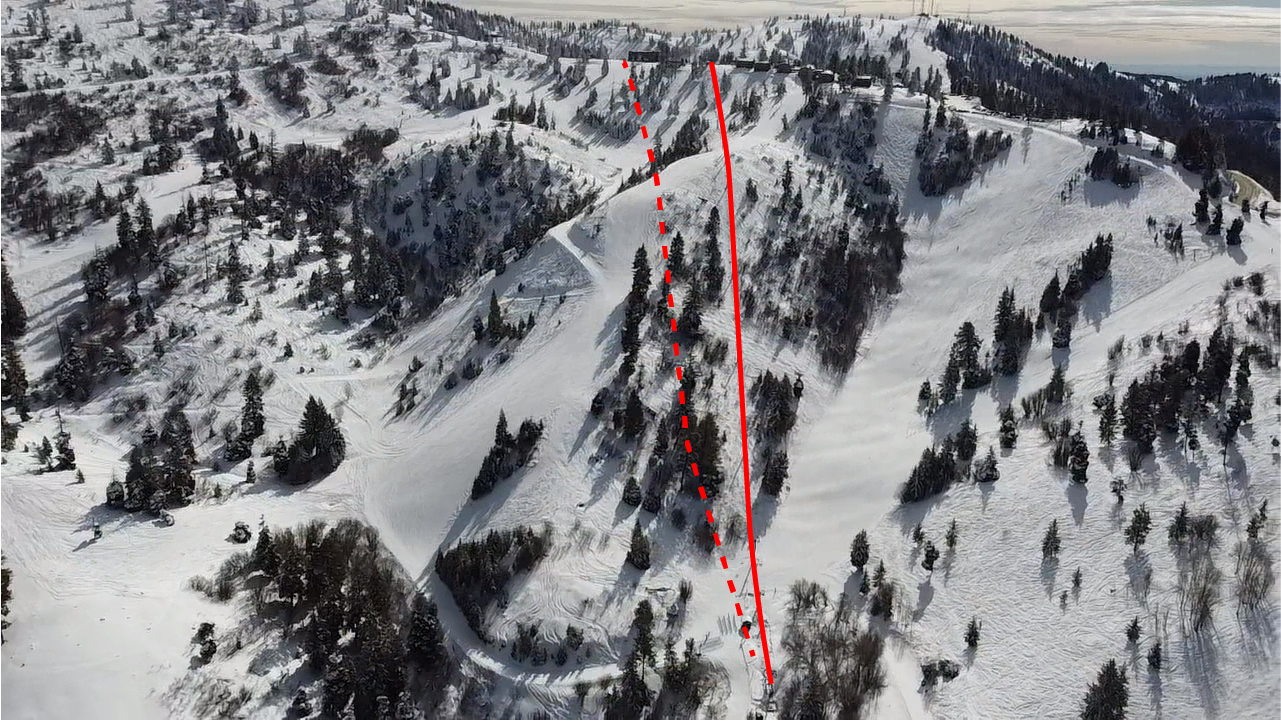
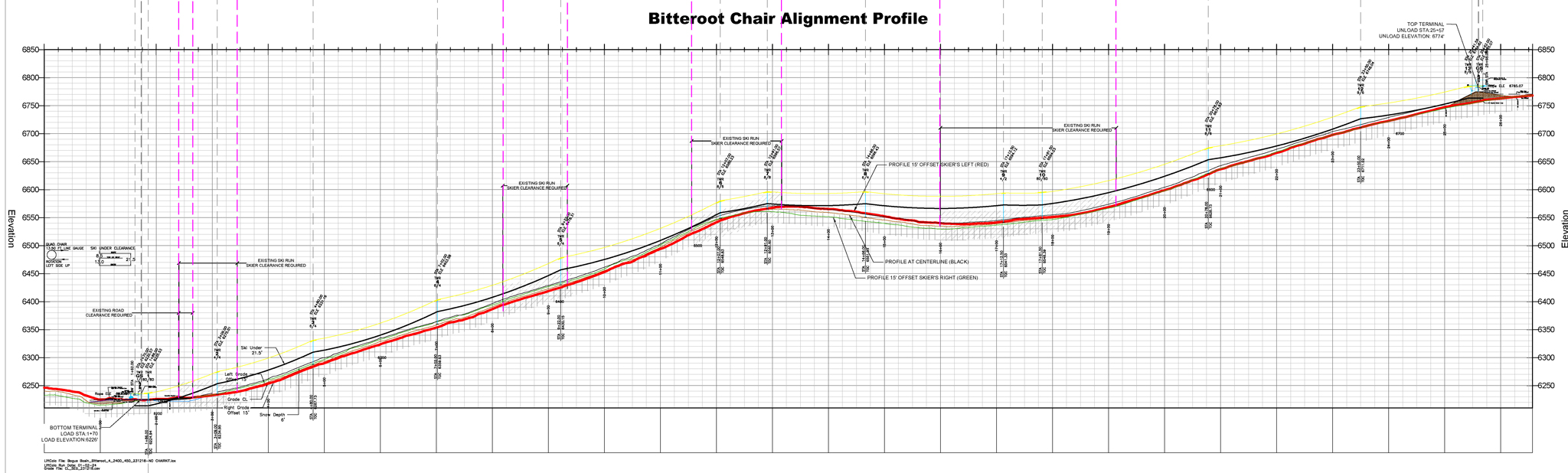
Bitterroot is a Riblet double dating back to 1973 that only operates on weekends and holidays. The new Skytrac will run in an improved alignment and perhaps more often. The top station will move to the North side of the Pioneer Lodge and ride time will decrease to 4.9 minutes. “Guests will now have more convenient access to the lodge’s amenities as well as the runs that access Morning Star Express, Bitterroot quad, and Superior Express chairlifts,” the mountain notes. This second new Skytrac will run 2,462 linear feet with a vertical rise of 538 feet. Bitterroot is located entirely on private land thus its replacement does not require Forest Service approval.
Bogus Basin notes that it has invested more than $60 million since 2017 and will continue to make improvements to serve Boise’s growing population. Bogus has up to three future chairlift installations and numerous snowmaking and facility upgrades on tap after this busy summer.
 Lift Blog