
- Doppelmayr wins a €9.4 million contract for a detachable gondola in Bogota, Colombia. The 10-passenger, two mile system will carry 2,600 passengers per hour.
- The US Forest Service accepts Crested Butte’s new master plan for review. It includes replacing the North Face lift as well as two new lifts in Teocalli Bowl.
- Rick Spear, the president of Leitner-Poma, thinks an aerial tram from Staten Island to Manhattan is (not surprisingly) a good idea.
- Arizona Snowbowl’s new lift announcement gets lots of press.
- Italy’s Leitner and Aguido are merging. Leitner built a couple dozen lifts in the US and Canada before their joint venture with Poma began in 2002. Aguido built the Cannon Mountain Aerial Tramway in New Hampshire.
- Sugarloaf decides it doesn’t have the money to upgrade its oldest lift to acceptable safety standards so it will be removed without a replacement. Bucksaw was built in 1969. After it is removed there will be 23 Stadeli lifts remaining in operation, four of which are older than Bucksaw.
- Construction on The Balsams has been delayed again. I’ll believe the hype when lift towers start going in.
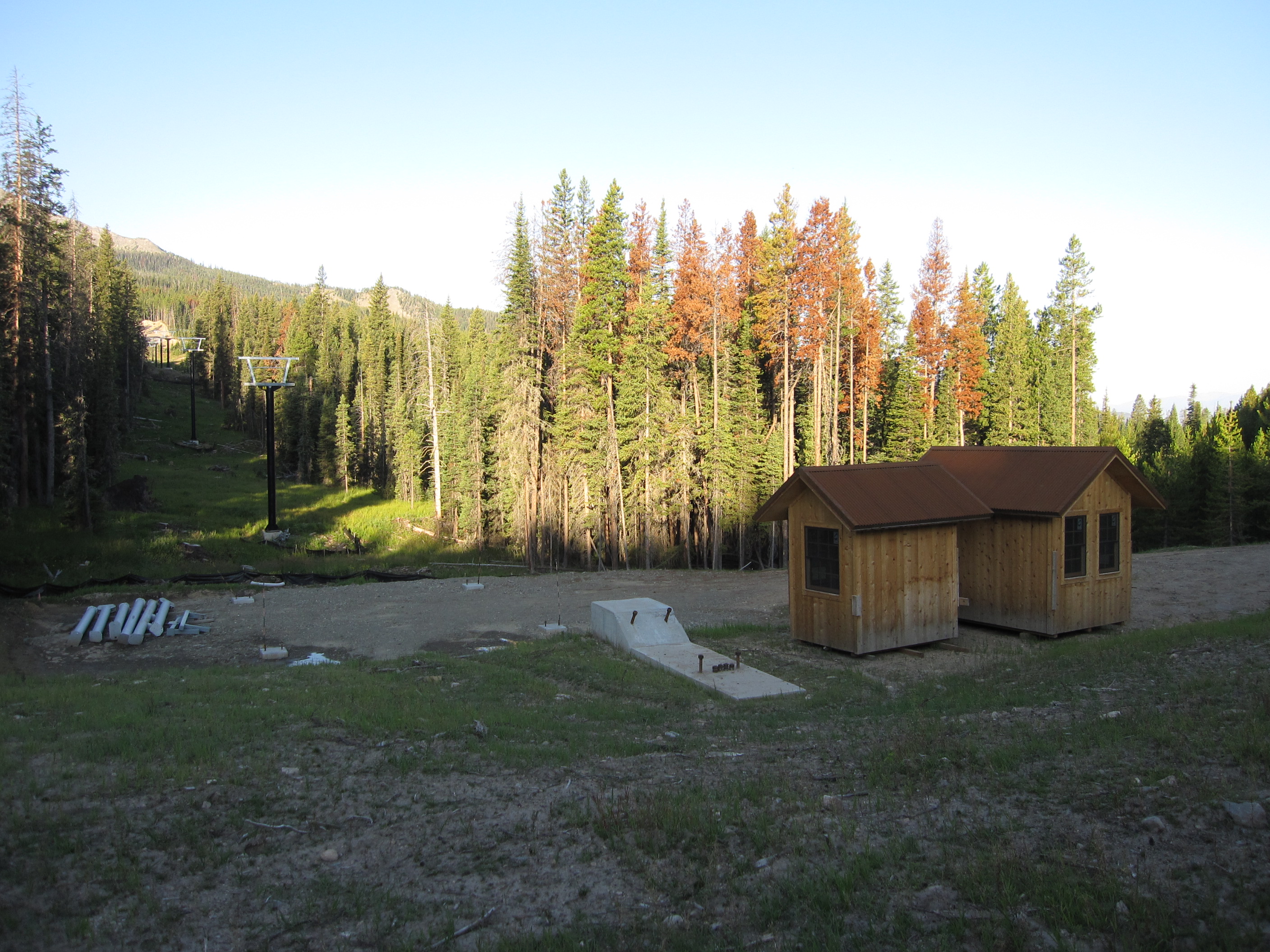
- Rumor on Skilifts.org is SkyTrac will complete the abandoned, half-constructed Stagecoach lift on the Moonlight Basin side of Big Sky. I believe this Doppelmayr double came from the defunct Fortress Mountain in Alberta.
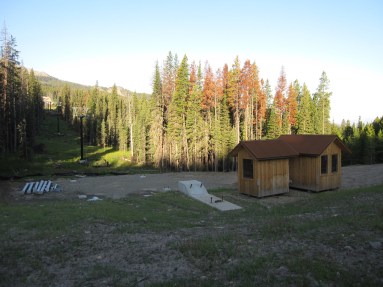
The Stagecoach lift was partially completed before Moonlight Basin went bankrupt in 2009.
Vail Resorts Unveils Park City’s New Brand
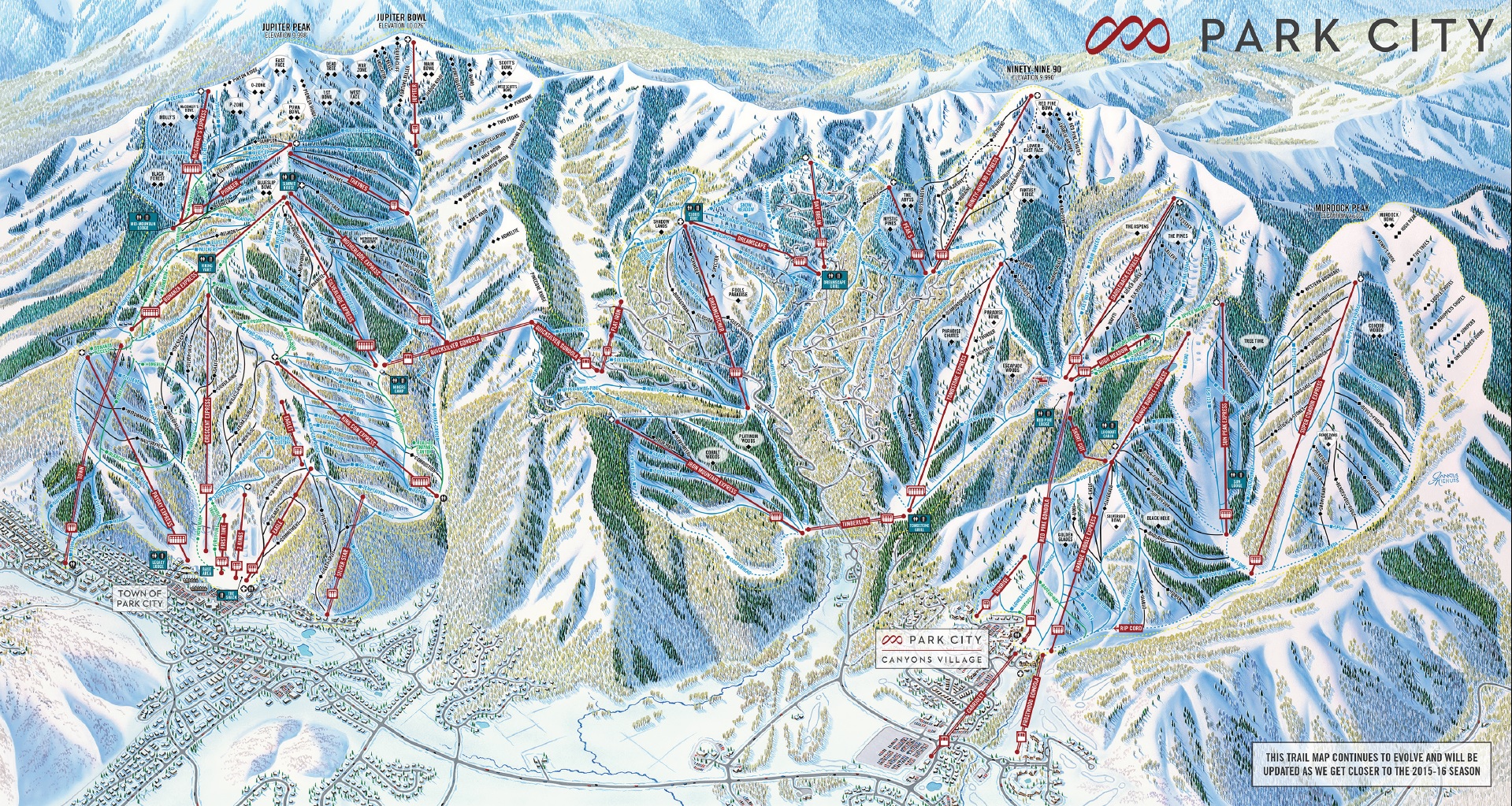
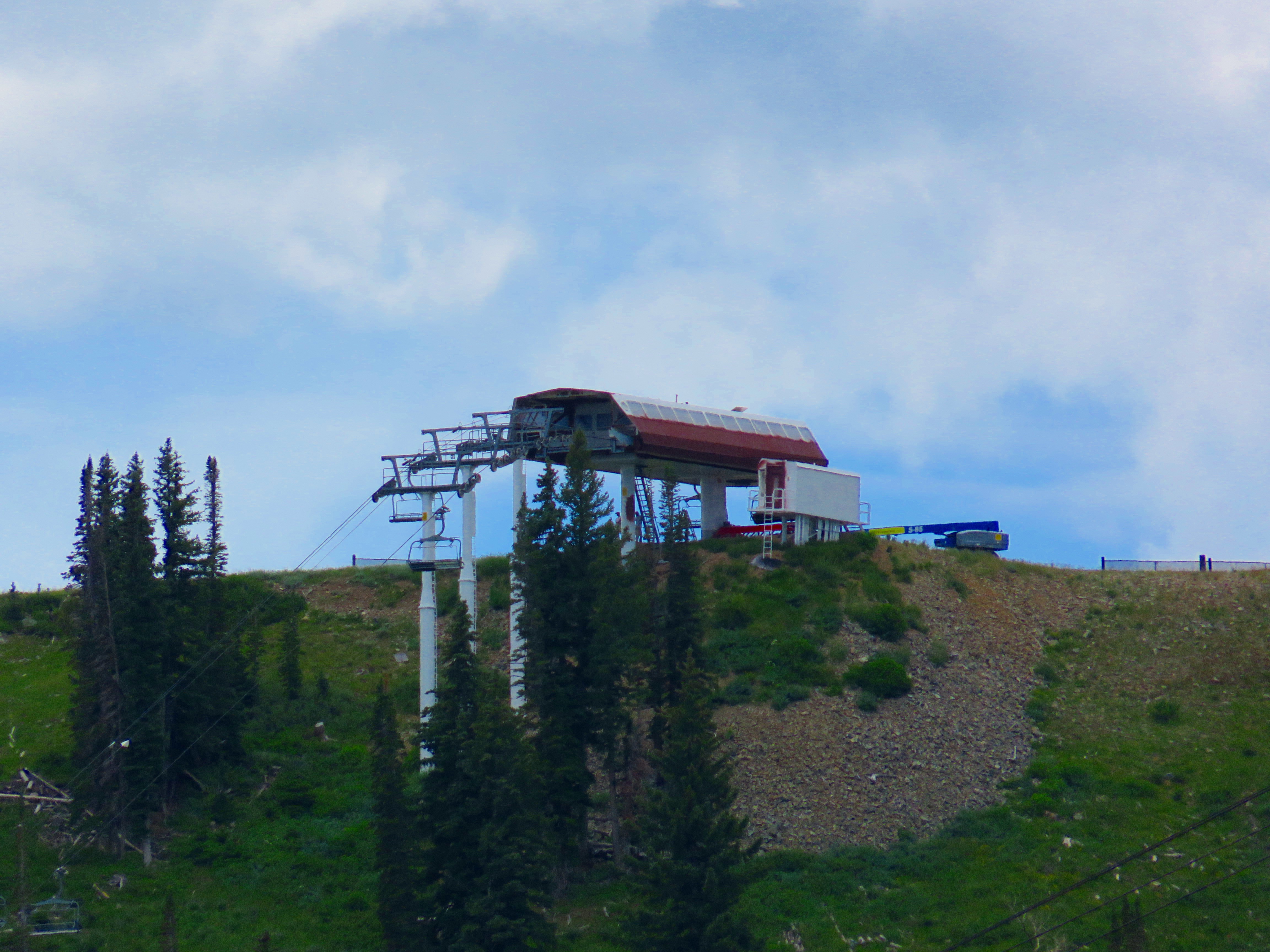
At an event this afternoon, Vail Resorts officially launched the brand for America’s new largest ski resort. The new Park City logo combines the Canyons infinity symbol with a new Park City red color and the tagline “There is Only One.” This is not terribly surprising from a company whose flagship resort is branded “Like Nothing on Earth.” CanyonsResort.com now redirects to the new Park City website, which ironically is the old Canyons site. No doubt the new logo and colors look sharp and will serve them well for years to come. Many of the lifts have already been repainted in the new red and silver color scheme in preparation for this winter.

Also unveiled today was a new trail map painted by James Niehues. The working name for the new gondola (Pinecone Gondola) has been scrapped in favor of Quicksilver Gondola in an ode to Park City’s mining heritage. I liked the Pinecone name; it was chosen for the ridge the gondola crosses but I imagine Vail was worried about confusion with the existing Red Pine Gondola. Quicksilver fits well with the mining names already in use at Park City such as Silverlode, Bonanza, Motherlode and Payday. The new lodge at the base of the Quicksilver Gondola will be called Miner’s Camp. Although it has mostly disappeared, the Canyons name lives on as the northern base area has been renamed Canyons Village.
Jackson Hole Tower Flying Part II
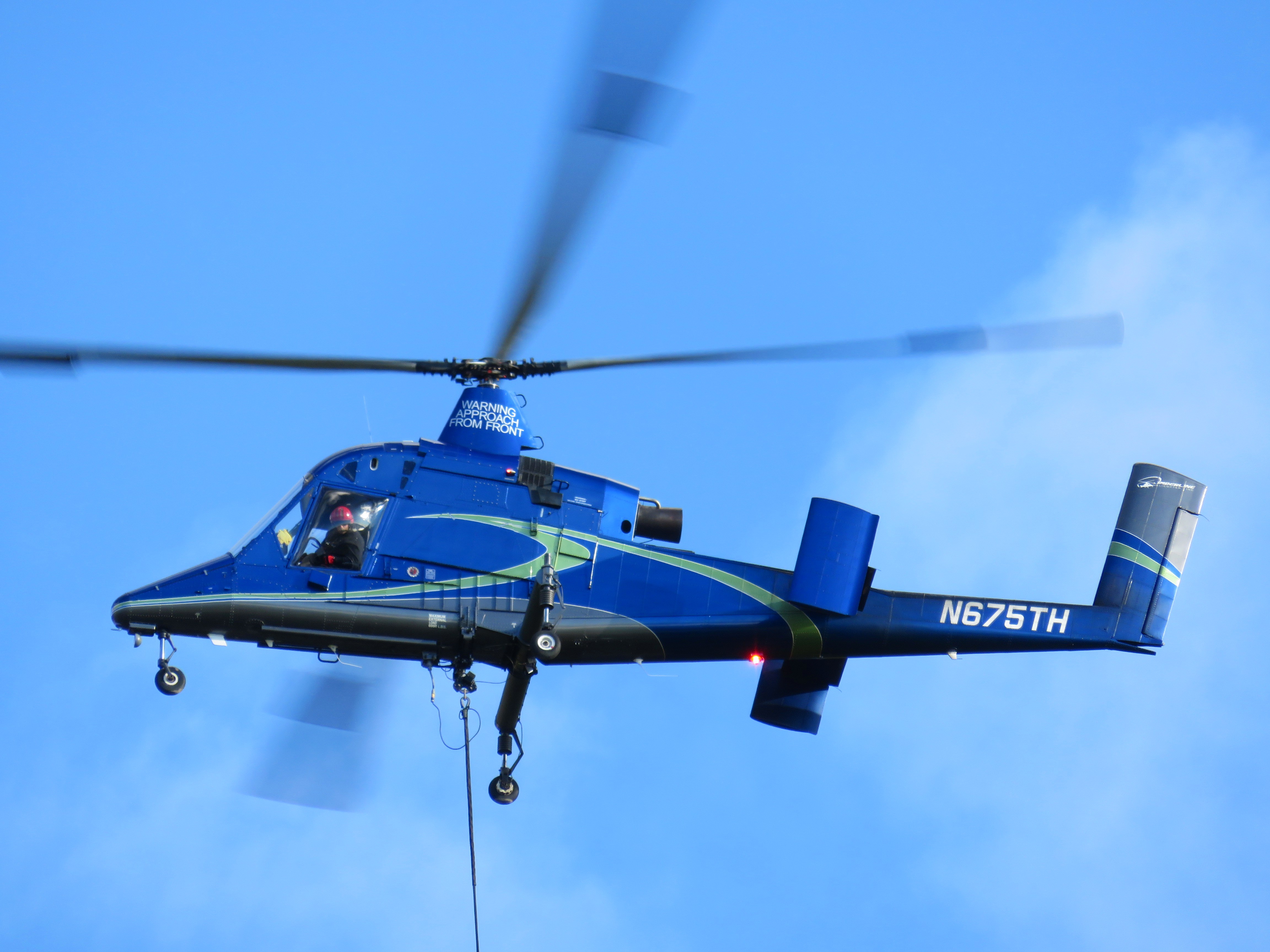
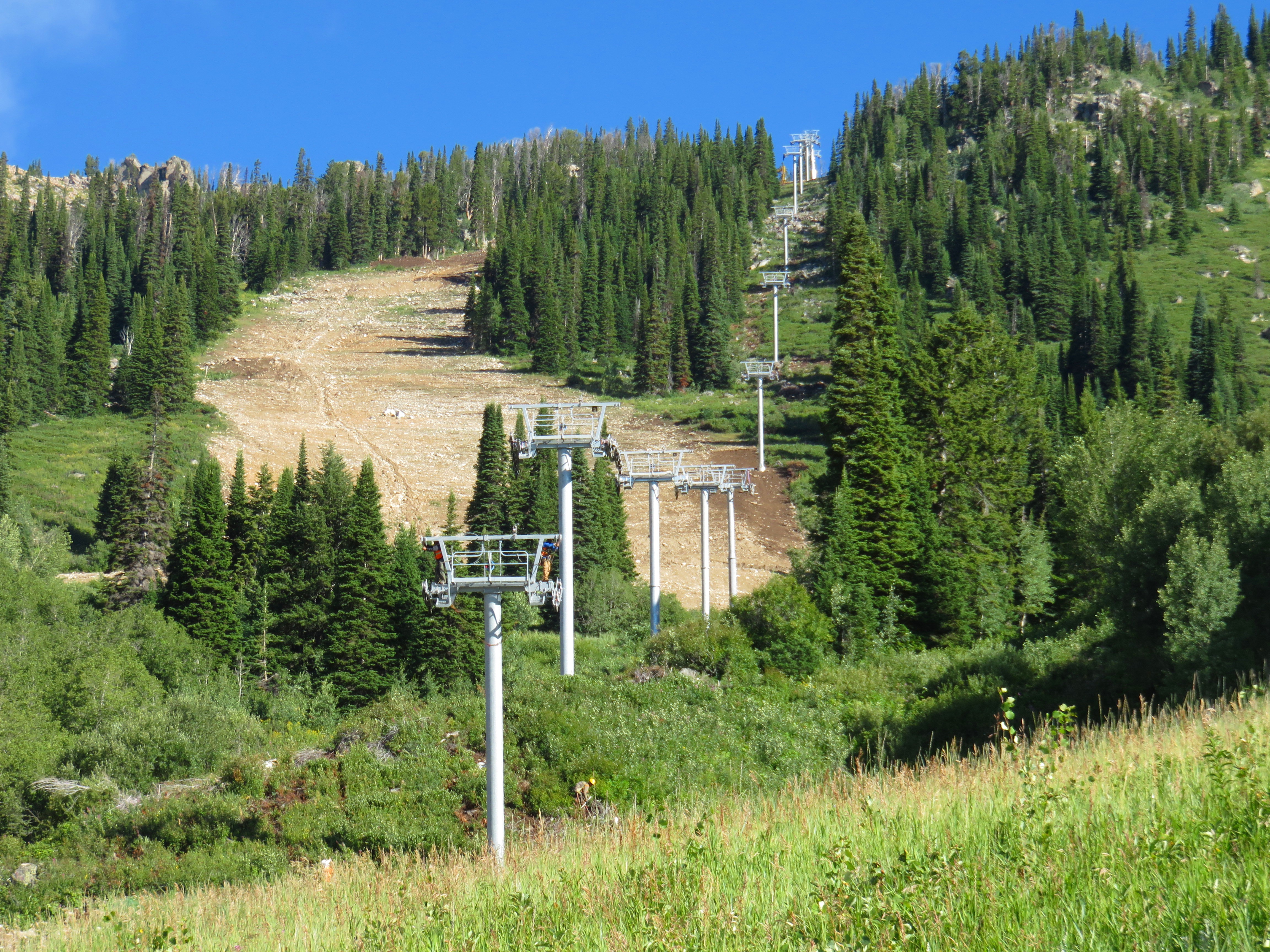
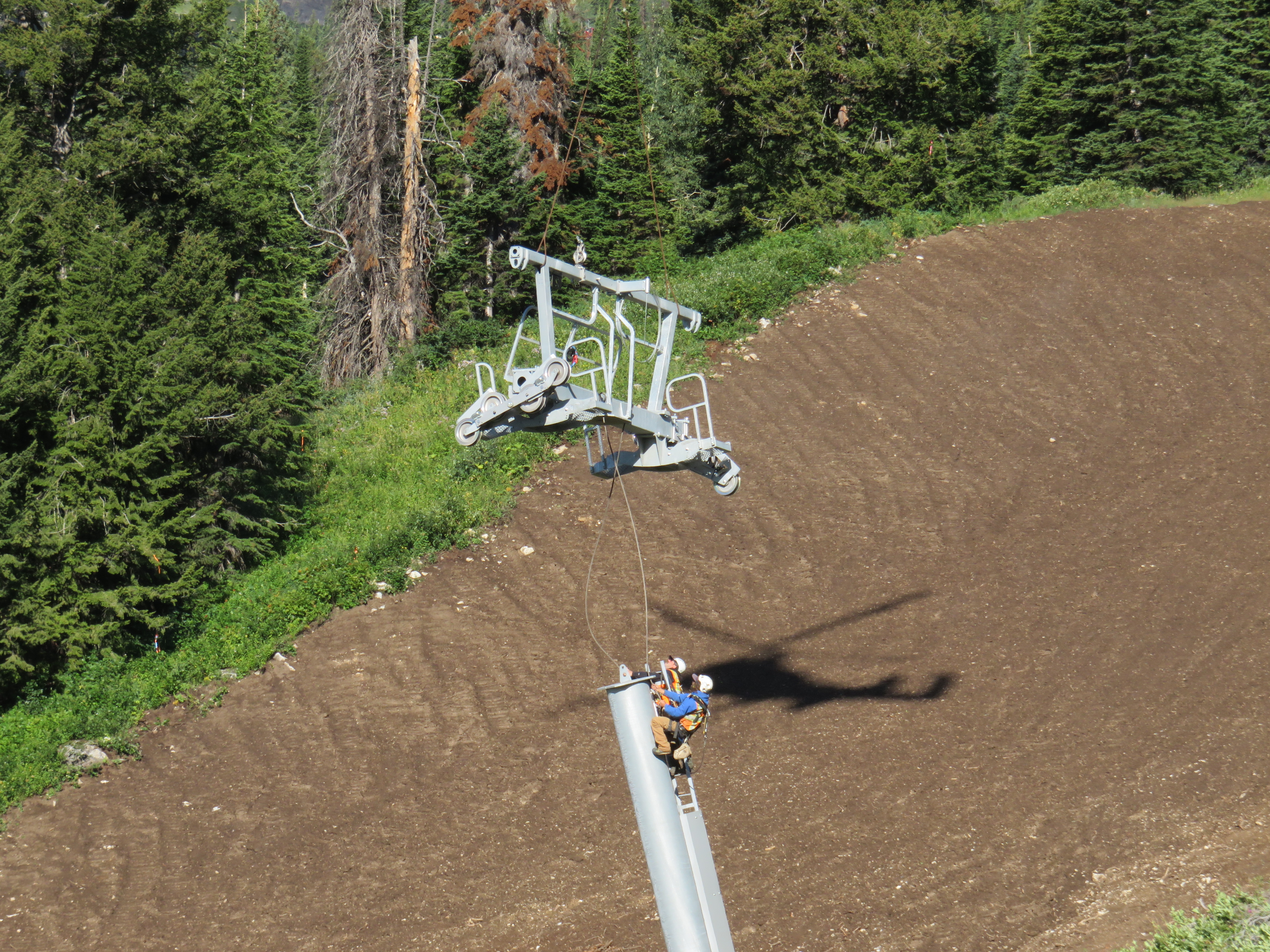
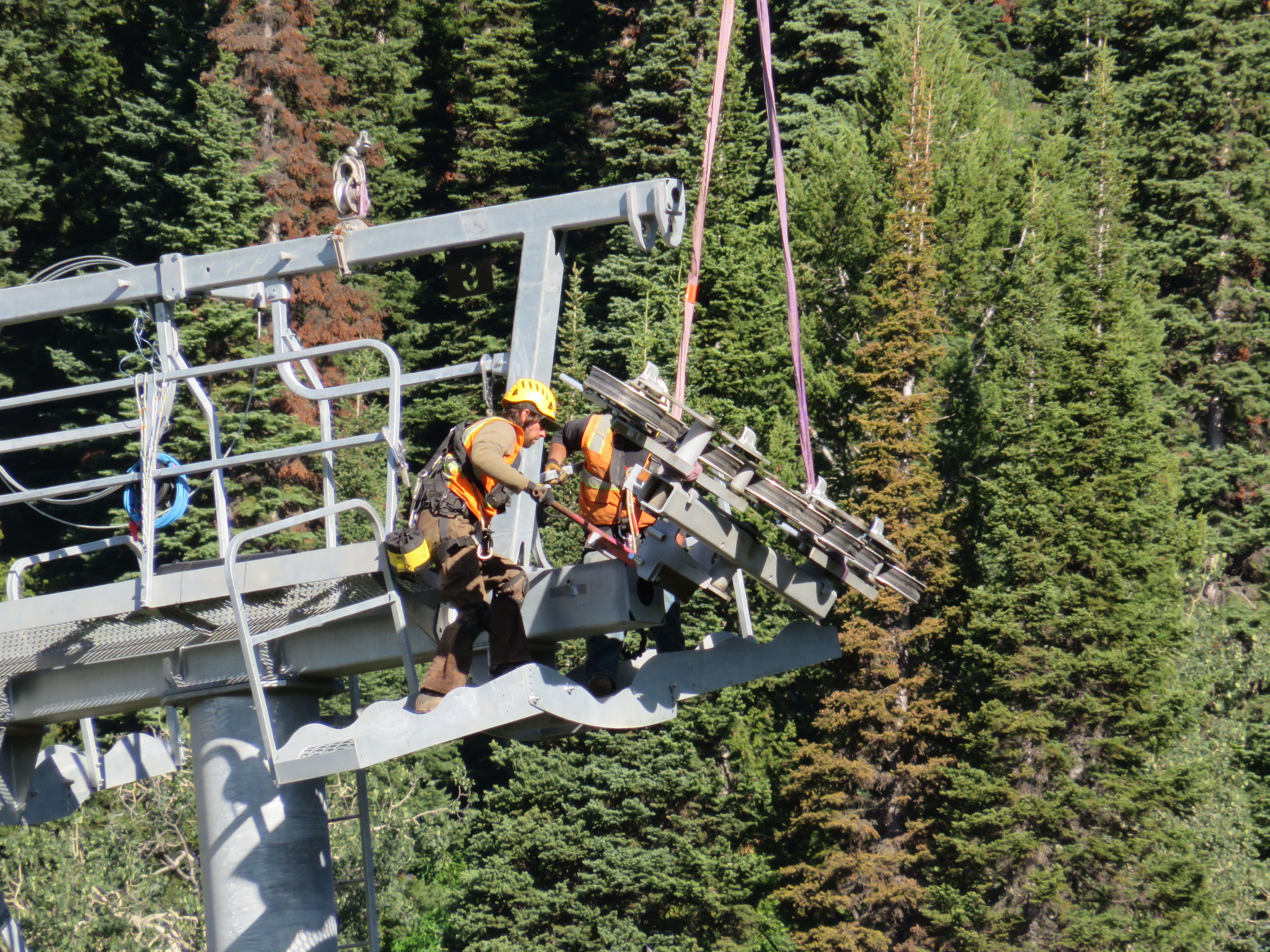
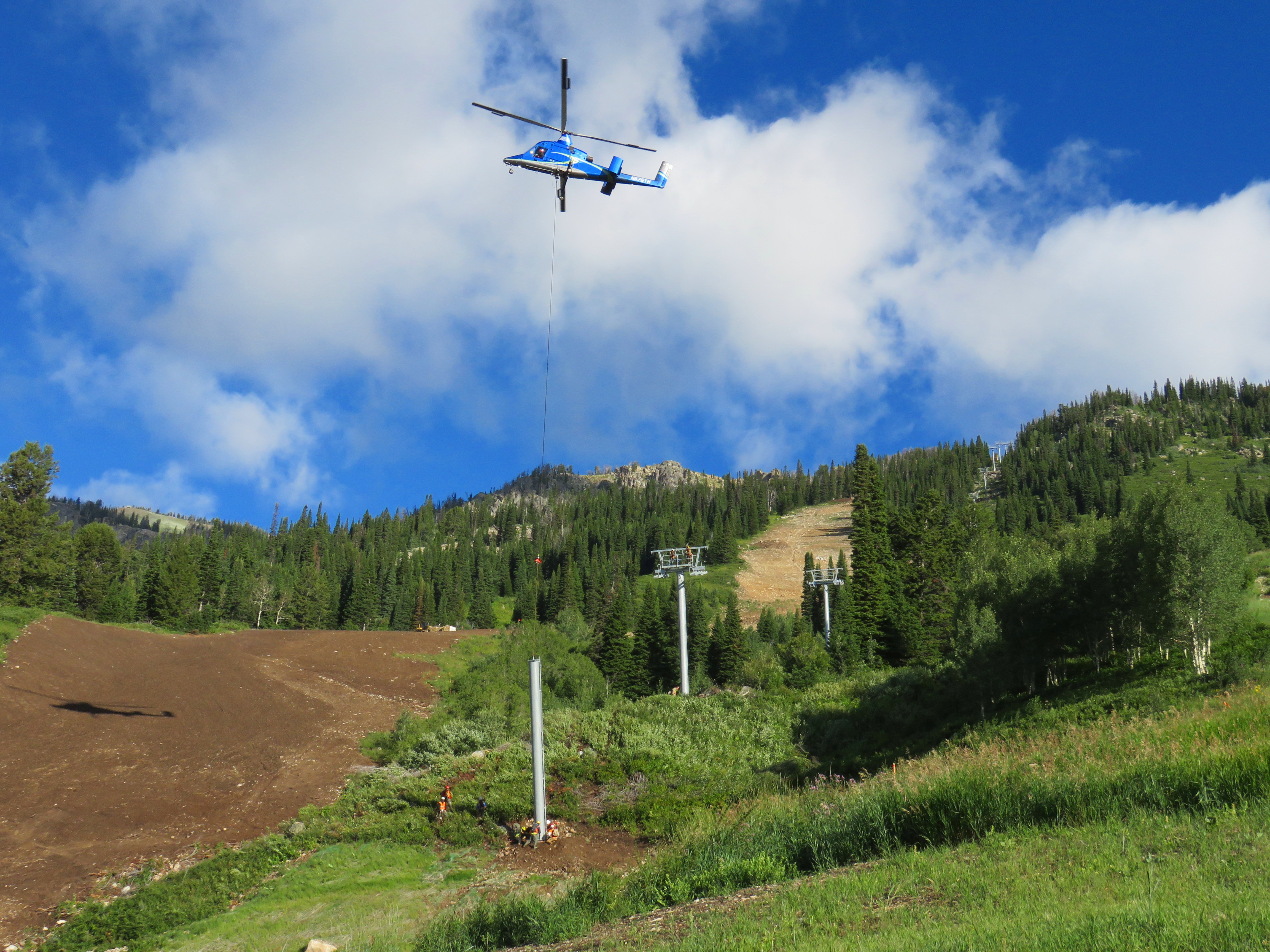
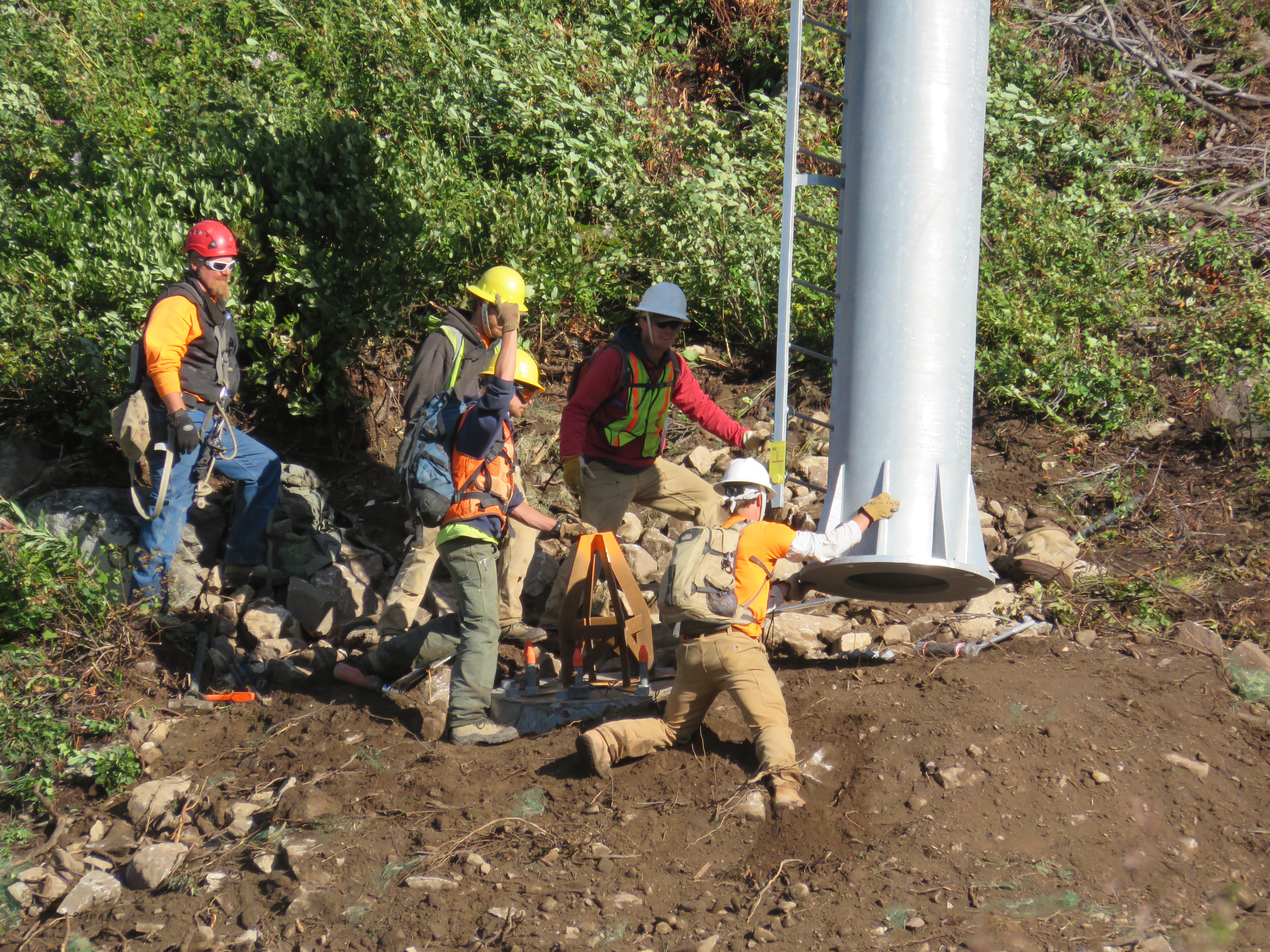
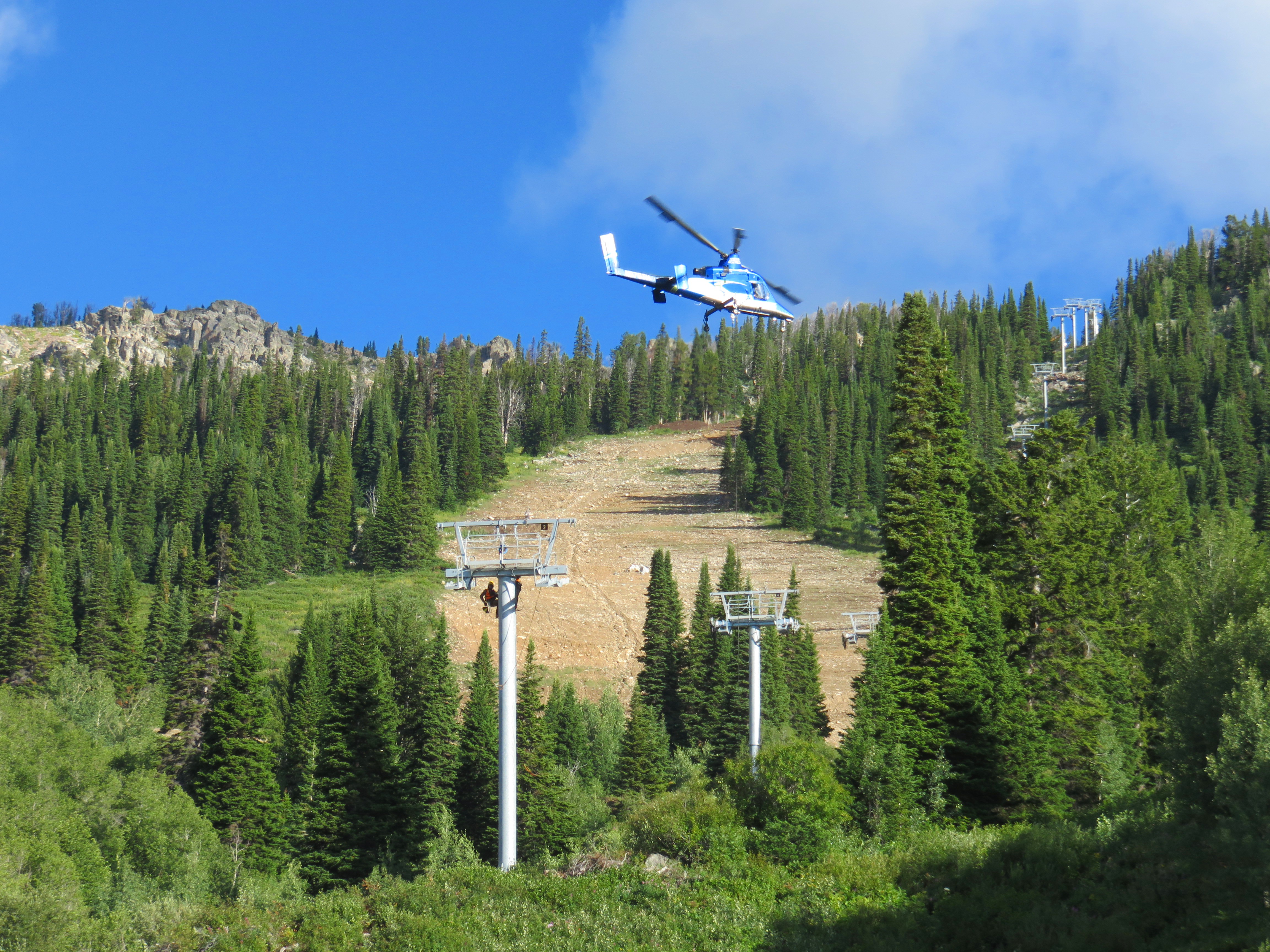
Tower fly day number two for Jackson Hole’s Teton lift went smoothly with crews setting the remaining six towers in less than two hours. Some of the top and bottom terminal parts were also flown up the hill while the helicopter was here. With road access at both terminals, I don’t expect to see any more heli work on this project. Lower Valley Energy is currently running power to the top drive terminal site from Casper and the first lift cabin arrived from Doppelmayr. Footings for the bottom terminal are about halfway done. See below for more pictures of today’s flying.
Arizona Snowbowl to Build First New Lift in 30 Years
James Coleman, the new owner of Arizona Snowbowl and three other resorts in the Southwest has gone lift shopping again. Snowbowl’s new Humphreys Peak Quad will be built by SkyTrac in Salt Lake City and open for the 2015-16 season. Coleman already bought two lifts from Leitner-Poma this year – a beginner quad for Sipapu and detachable quad for Purgatory to replace the Legends triple. Humphreys Peak will be the first new lift at Arizona Snowbowl since CTEC built the Agassiz triple back in 1986.
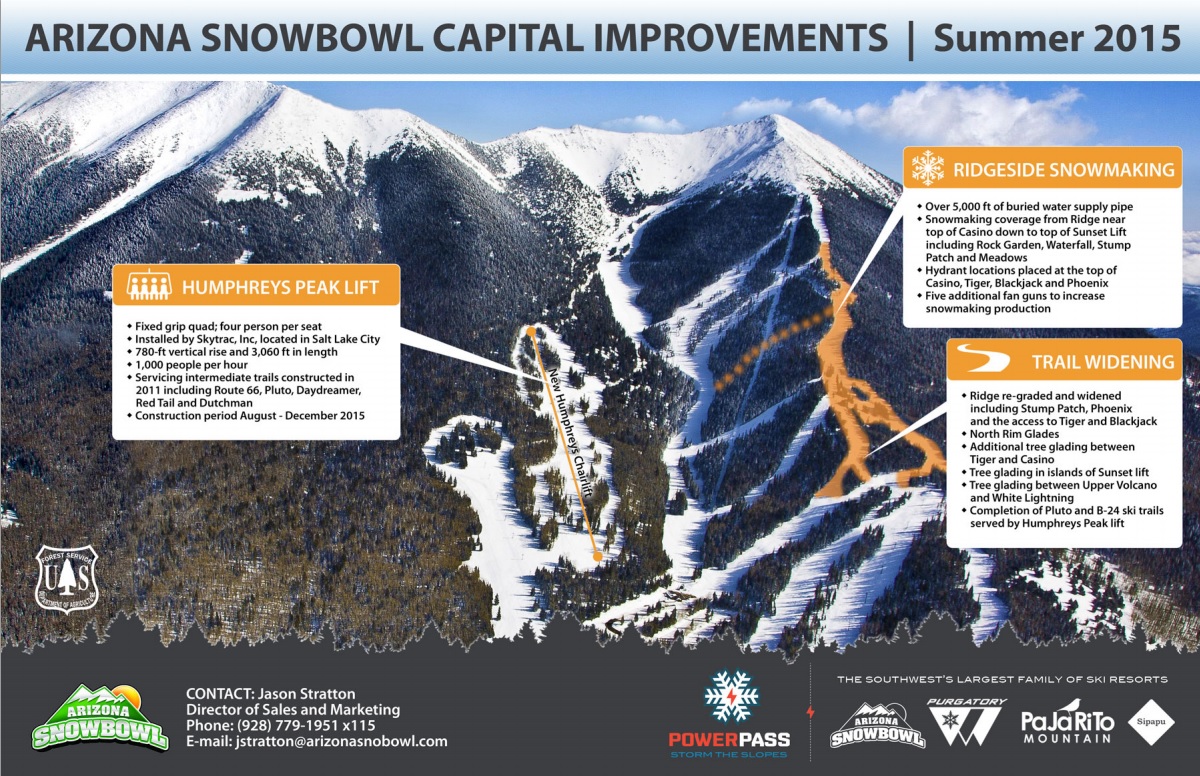
Snowbowl’s new lift will be located between the Hart Prarie and Agassiz lifts, serving intermediate terrain. It will be 3,060 feet long and rise 780 vertical feet with a very low hourly capacity of 1,000 skiers per hour. SkyTrac has committed to complete the project by December despite the late start. This is SkyTrac’s second complete lift project this summer after Pomerelle, Idaho announced a new triple chair last week.
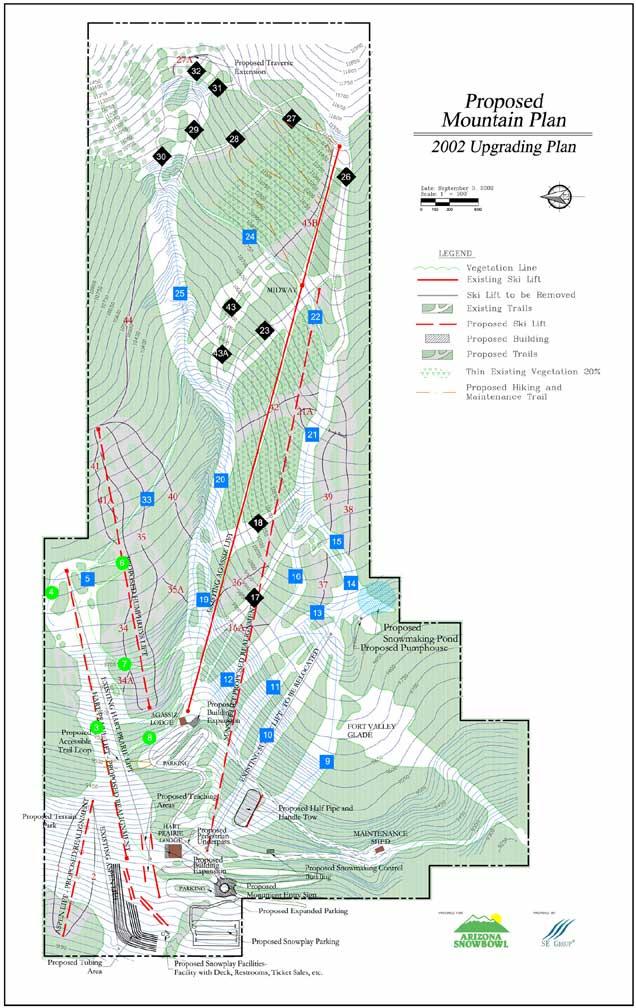
Arizona Snowbowl also announced today planning for the new Grand Canyon Express which will be the resort’s first high speed lift and serve 90% of its skiable terrain. Although a timeline was not announced, I would not be surprised to see the project happen next summer. Arizona Snowbowl’s master plan also includes replacing and realigning the Aspen and Hart Prarie lifts which are both Riblet doubles. It seems James Coleman has no shortage of money to spend on capital improvements.
Instagram Tuesday: Build More Lifts
Fly Day in Teton Village
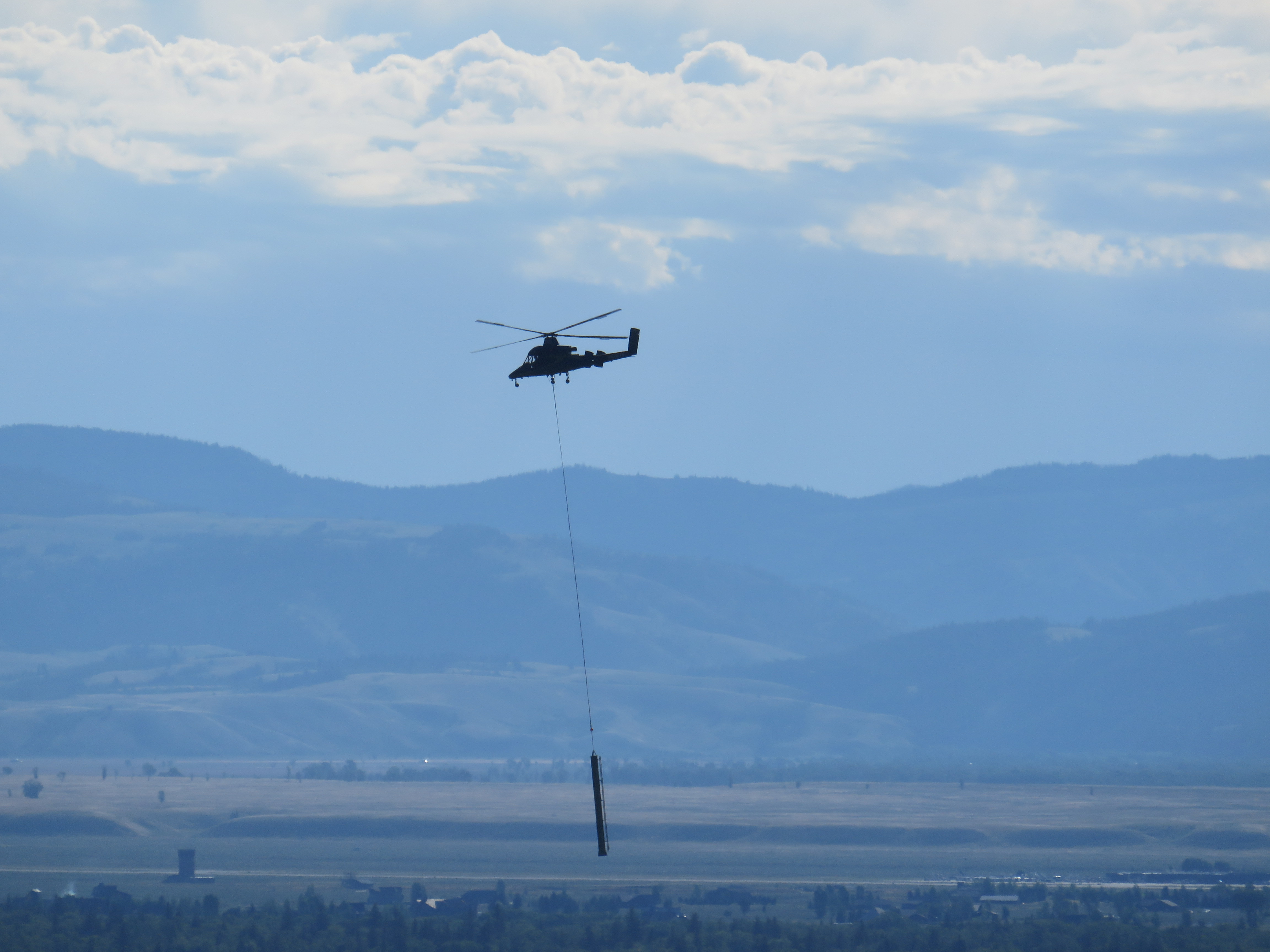
Last night I heard the unmistakable sound of a helicopter flying over my house. Around here it’s usually a search and rescue chopper but this time I looked out to see the double rotors of a Kaman K-Max. It’s the same helicopter that did the concrete footings for the Teton lift last week. Doppelmayr started flying towers early this morning and the crew worked their way down from the top, setting towers 15 through 5 before wind and snow shut them down around noon.
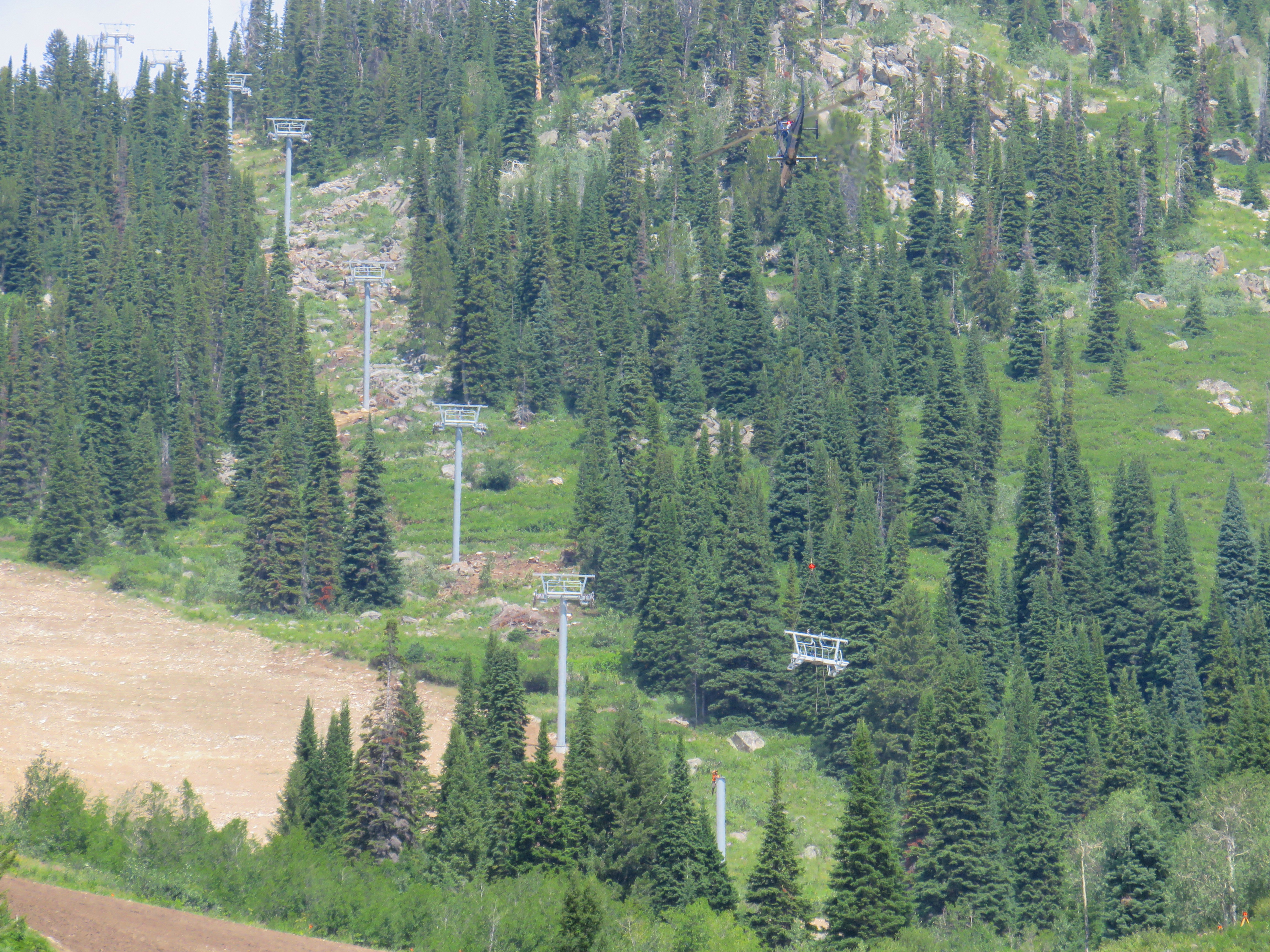
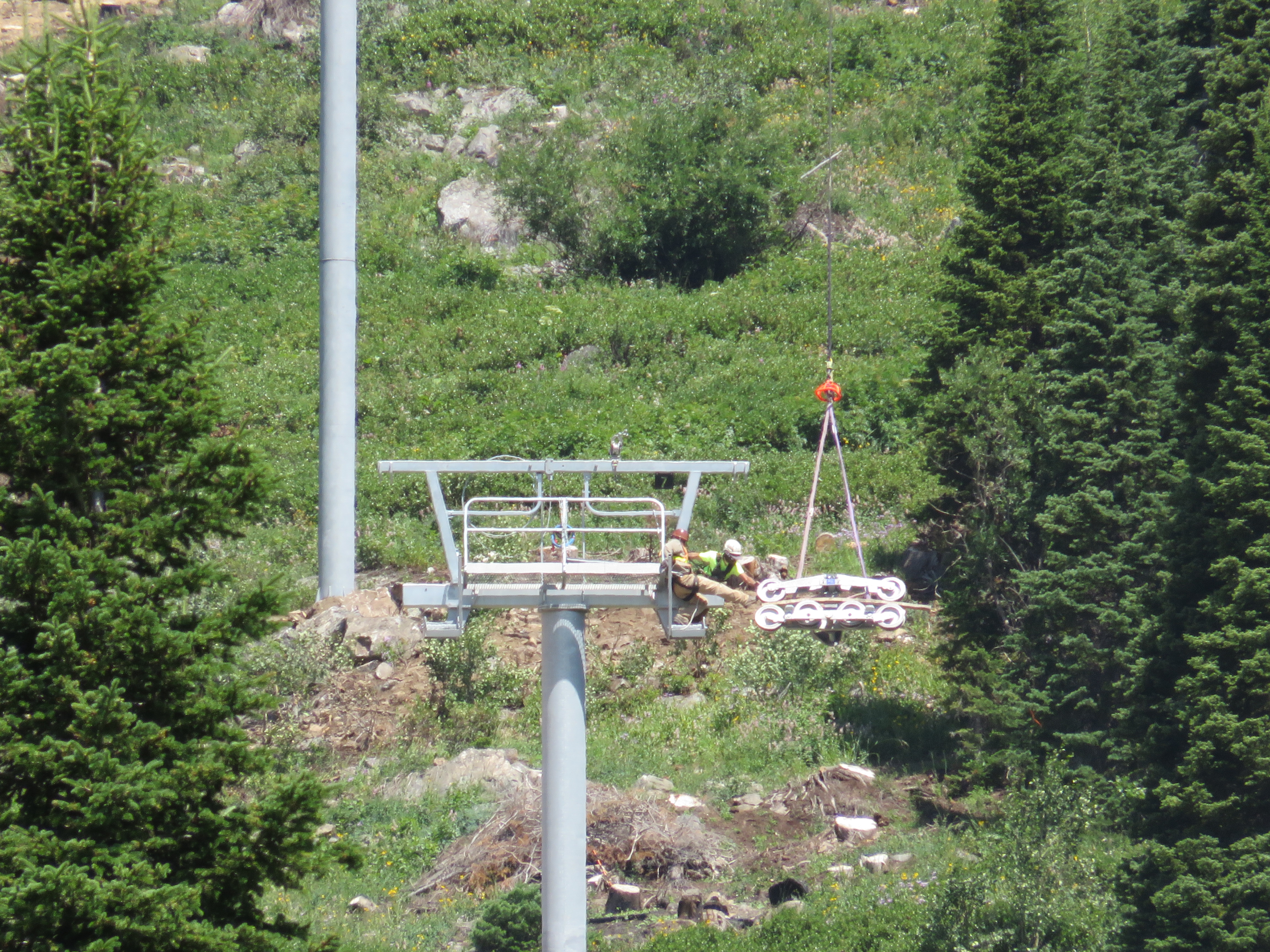
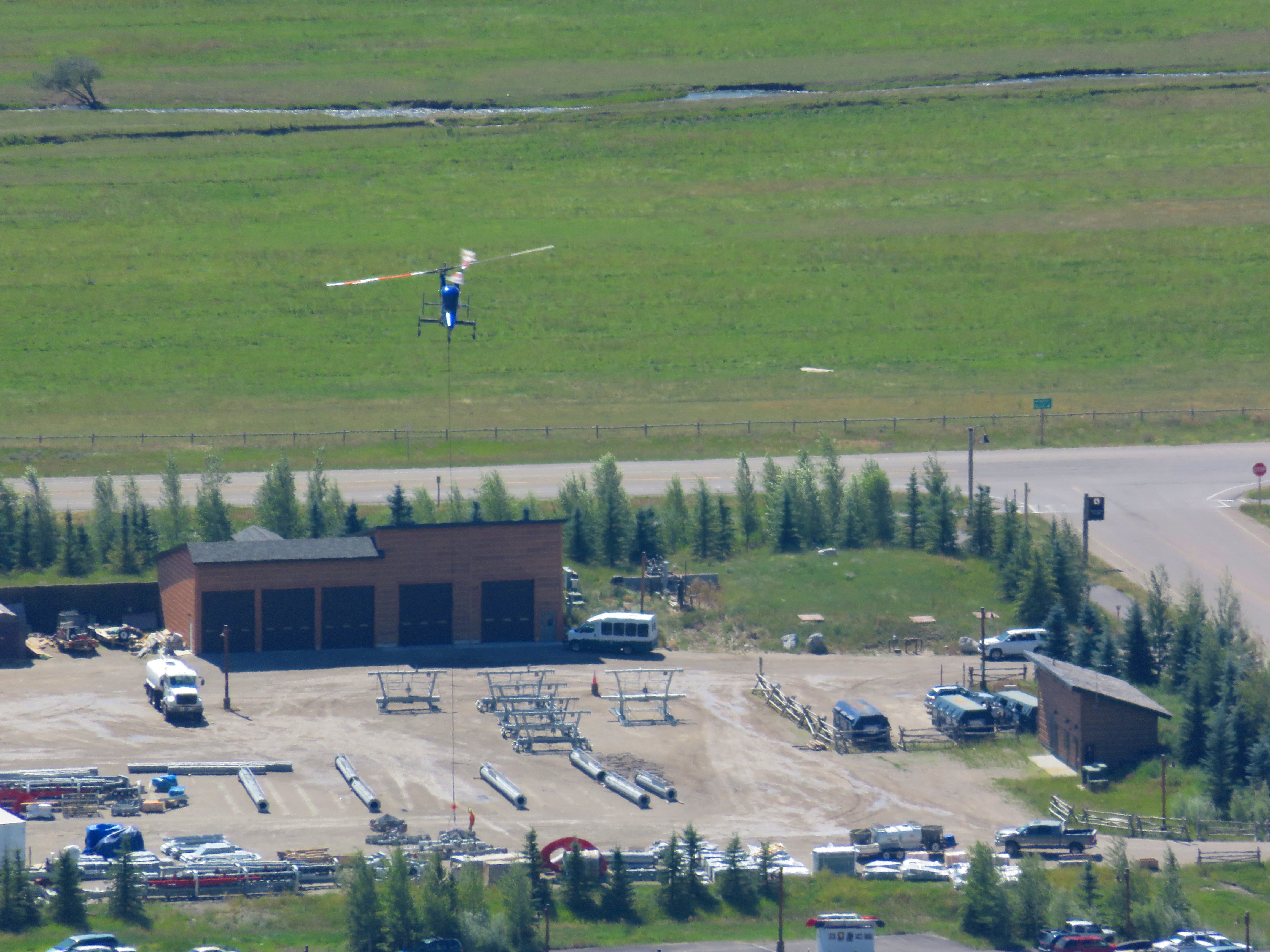
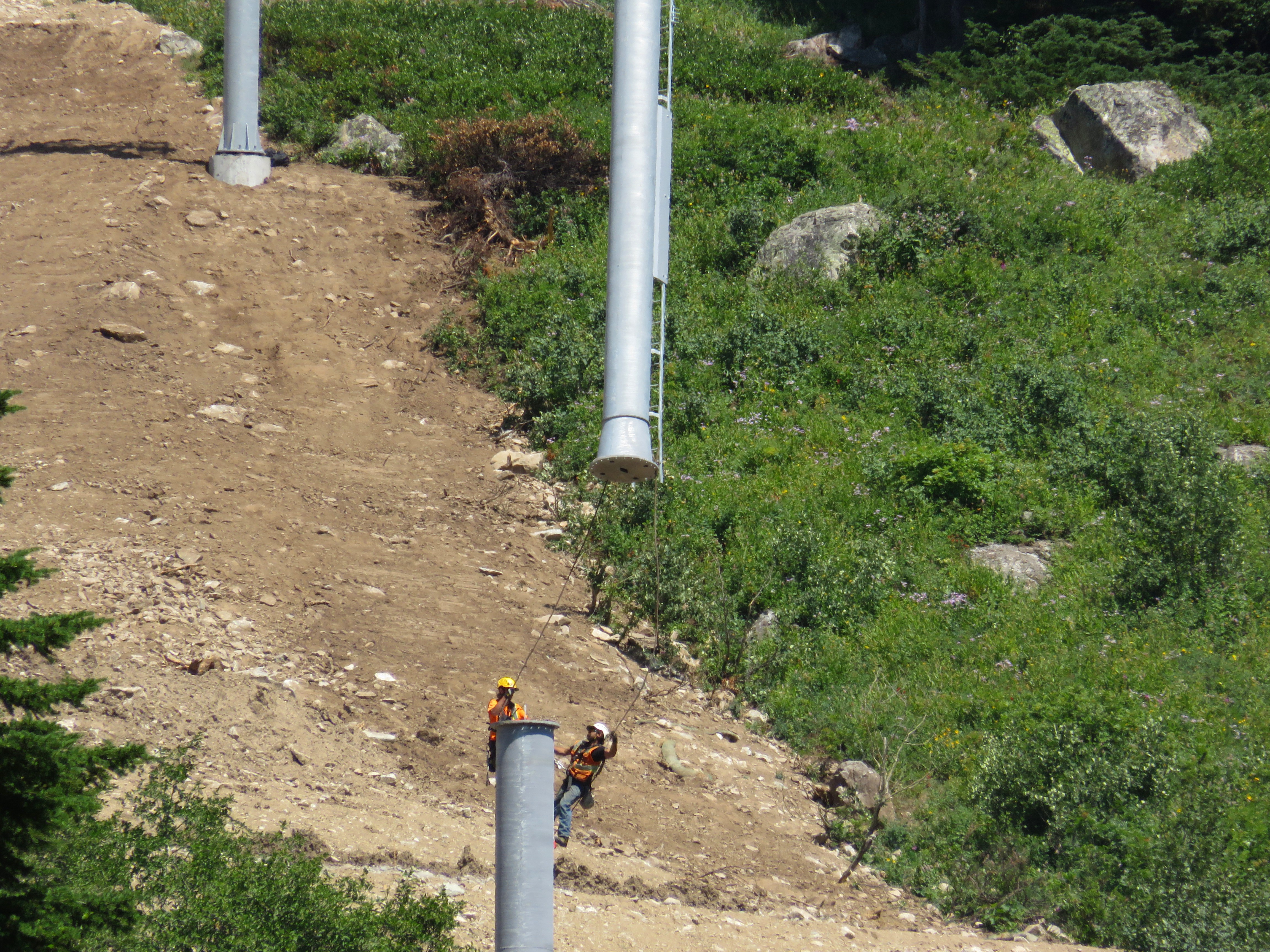
The K-Max can’t fly complete towers at 9,000 feet so the tubes, crossarms and sheave trains were flown separately. As the wind picked up, the pilot had to call it a day while working on tower 5 so it sits for now missing a crossarm. Tower 1 can be done with a crane when the lower terminal goes in so there are only a handful left to fly.
Top Ten Biggest Lifts in North America by VTFH
Vertical transport feet per hour (VTFH) is the best way to measure how lifts move people up mountains. VTFH combines hourly capacity and vertical rise into one number, usually measured in millions. Ski Area Management uses this metric each fall when they look at how good of a year it was for the lift-building business.
For a lift to score big it has to have a high hourly capacity (think lots of carriers, high speed) and large vertical rise (think big slope length with many towers.) The Jackson Hole tram has a huge vertical (over 4,000′) but very low capacity so its VTFH is only 2,654,600 – not even in the top 400. The Peak 2 Peak Gondola has a huge capacity but only rises 119 feet for a dismal VTFH of 243,950. There are 49 lifts in the US and Canada that move enough people high enough to achieve a VTFH over five million. Below are the top ten.
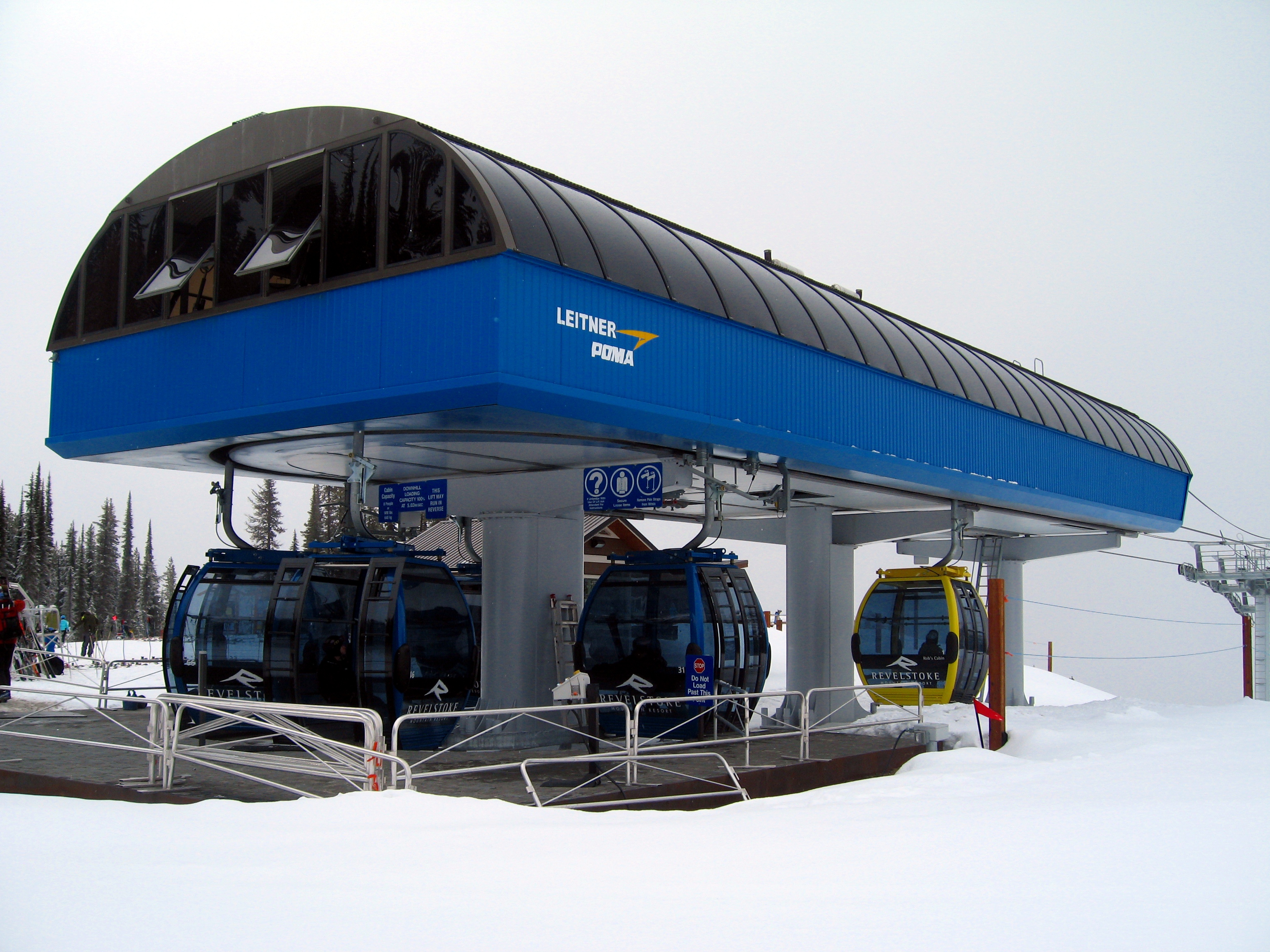
1. Revelation Gondola Stage II, Revelstoke Mountain Resort, British Columbia
2007 Leitner-Poma 8-passenger gondola
2,952′ vertical x 2,800 passengers per hour = 8,265,600 VTFH
2. Gold Coast Funitel, Squaw Valley, California
1998 Garaventa CTEC 28-passenger funitel
2,000′ vertical x 4,032 passengers per hour = 8,064,000 VTFH
3. Heavenly Gondola, Heavenly Mountain Resort, California
2000 Doppelmayr 8-passenger gondola
2,874′ vertical x 2,800 passengers per hour = 8,047,200 VTFH
4. Gondola One, Vail Mountain, Colorado
2012 Leitner-Poma 10-passenger gondola
1,996′ vertical x 3,600 passengers per hour = 7,185,600 VTFH
5. Centennial Express, Beaver Creek Resort, Colorado
2014 Doppelmayr 6/10 chondola combination lift
2,102′ vertical x 3,400 passengers per hour = 7,146,800 VTFH
Lift Profile: Portland Aerial Tram

The Portland Aerial Tram, opened in January 2007, is one of only a handful of urban commuter lifts in the United States. It connects the campus of the Oregon Health & Science University with Portland’s up-and-coming South Waterfront neighborhood. The tram was built for $57 million during Doppelmayr-Garaventa’s North American golden years when they completed three projects worth $150 million in less than two years (the others being Jackson Hole’s new tram and the Peak 2 Peak Gondola.) The Portland tram now carries more than 3,300 passengers a day, far exceeding initial projections.
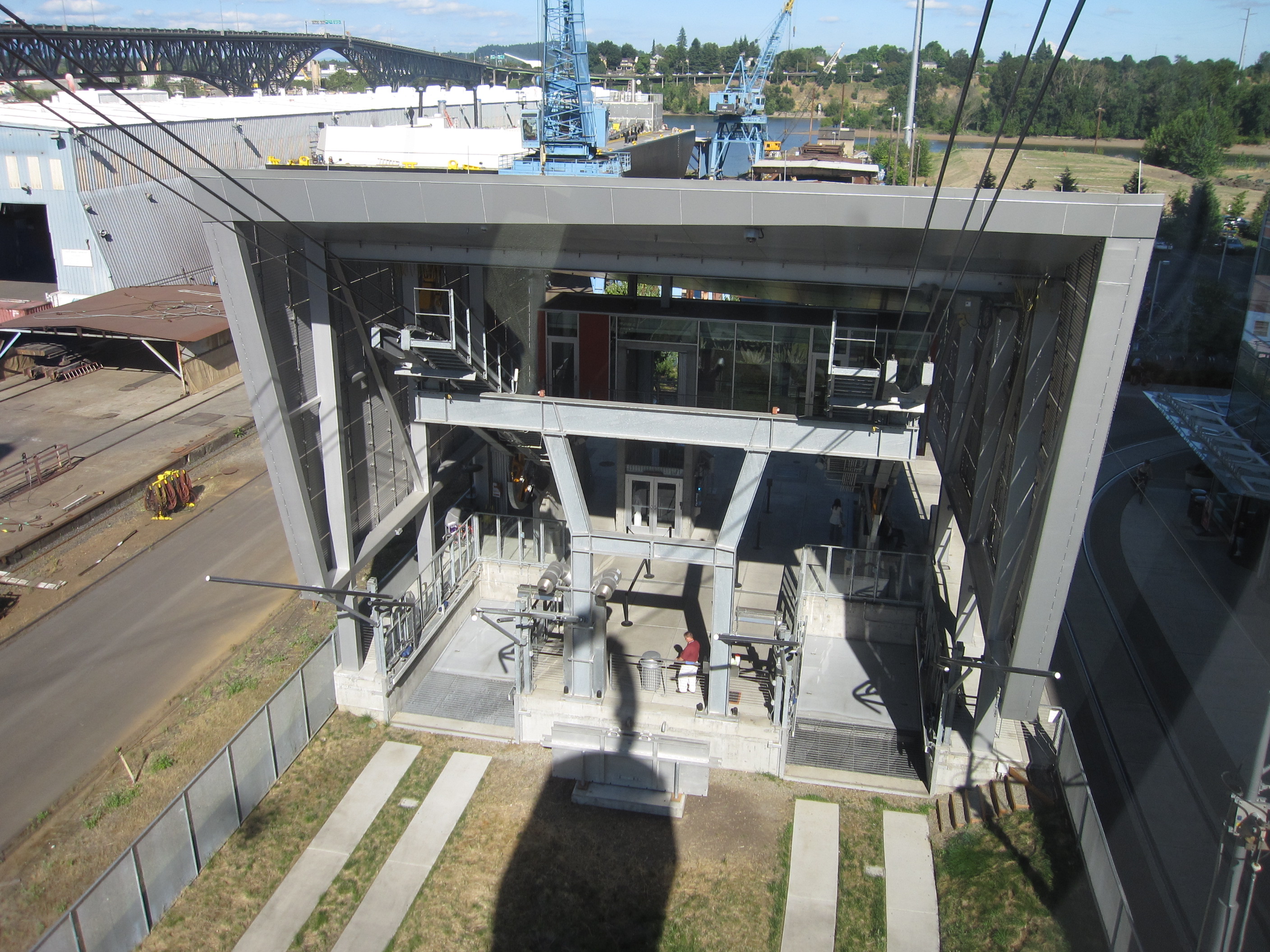
The tram only rises 496 feet but it crosses a light rail line, eight lanes of Interstate 5 and eleven other roads. The bottom terminal houses the 600 HP drive motor and tram offices while the 80,000 lb. counterweight sits underneath the top station. Slope length is only 3,437 feet, allowing quick three-minute trips at 2000 feet per minute or 7 m/s. This achieves a capacity of 1,014 passengers per hour, per direction.
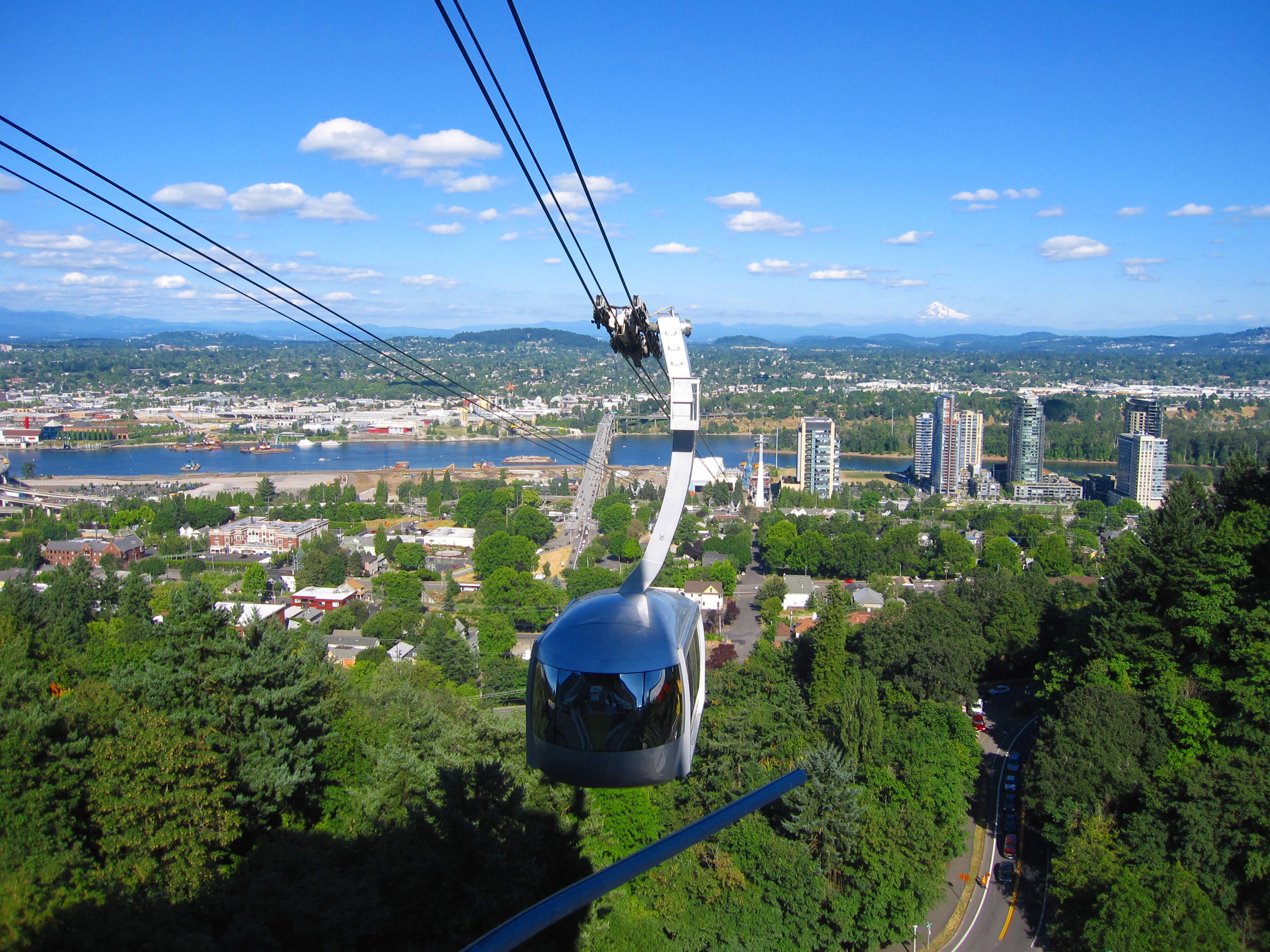
Why did a tram one quarter of the size of Jackson Hole’s cost $25 million more? Two words: politics and aesthetics. Designers wanted the system to be unique to Portland and aesthetically pleasing. The city held an international design competition and selected AGPS Architecture of Zurich to design the terminals, tower and cabins. The 197-foot tower is entirely covered in steel panels and lit up in colors at night. Gangloff custom-designed the tram’s two 78-passenger cabins to look like flying reflective bubbles. The top station is perhaps the most complex piece of the project, sitting 140-feet above ground and supported by angled columns.
Top Ten Longest Chairlifts in North America
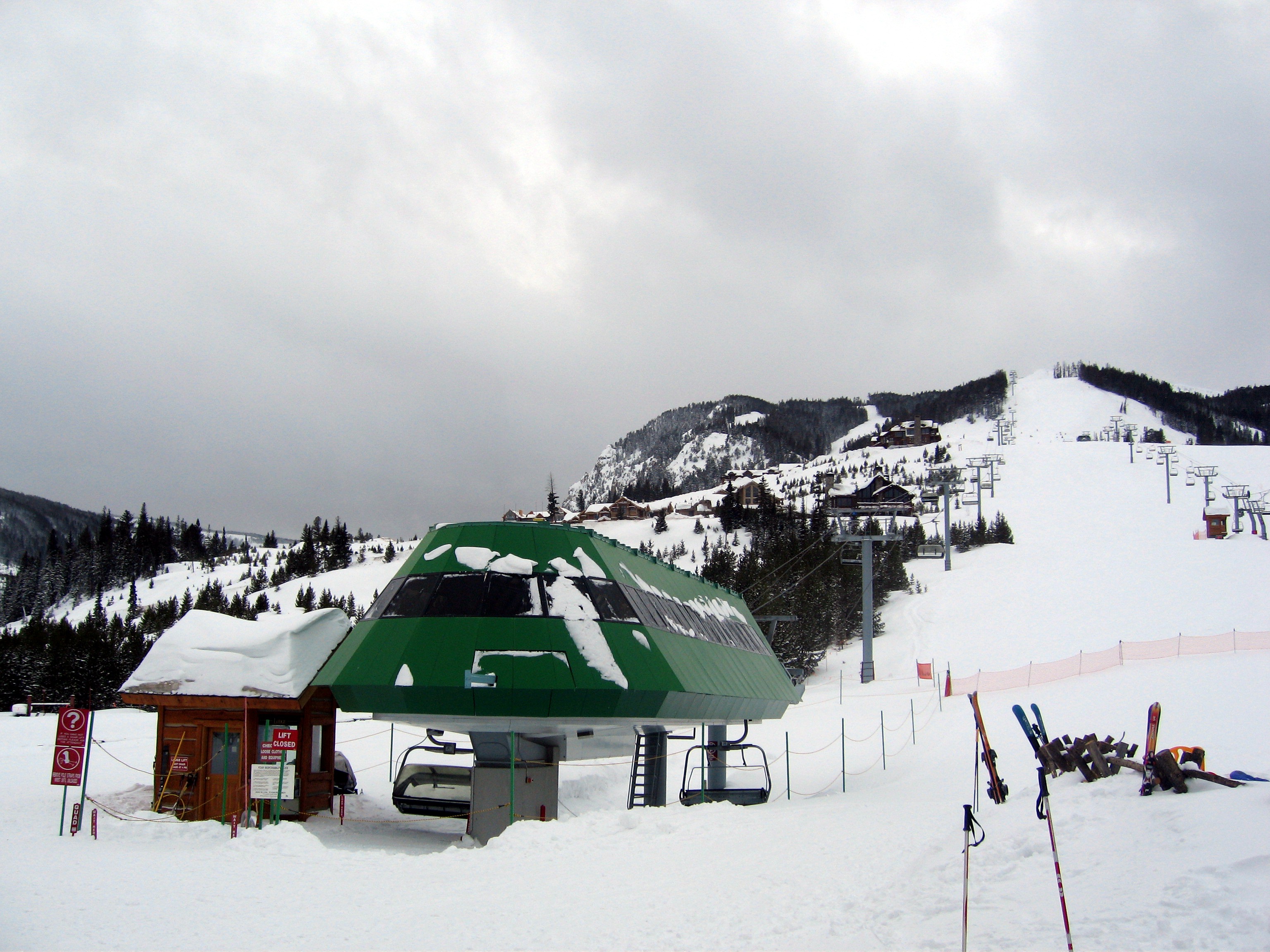
There are 63 chairlifts in the US and Canada that stretch longer than 7,000 feet but only four over 10,000′. Six of the top ten are in the State of Colorado and all but two are detachable quads. Sun Peaks Resort near Kamloops, BC claims the title of the longest fixed-grip chairlift in the world and the only non-detachable among North America’s hundred longest lifts. A ride on the Burfield Quad takes a painful 21 minutes to go 9,510 feet (and that’s at full speed.) Below are the top ten longest chairlifts in the US and Canada.
1. Slide Brook Express, Sugarbush, Vermont – 11,012 feet
1995 Doppelmayr Detachable Quad
2. Chile Express, Angel Fire Resort, New Mexico – 10,992 feet
1996 Poma Detachable Quad
3. Sunshine Express, Telluride, Colorado – 10,732 feet
1986 Doppelmayr Detachable Quad
4. Village Express, Snowmass, Colorado – 10,074 feet
2005 Leitner-Poma Detachable Six
5. American Flyer, Copper Mountain, Colorado – 9,907 feet
1986 Poma Detachable Quad
News Roundup: Fire Season
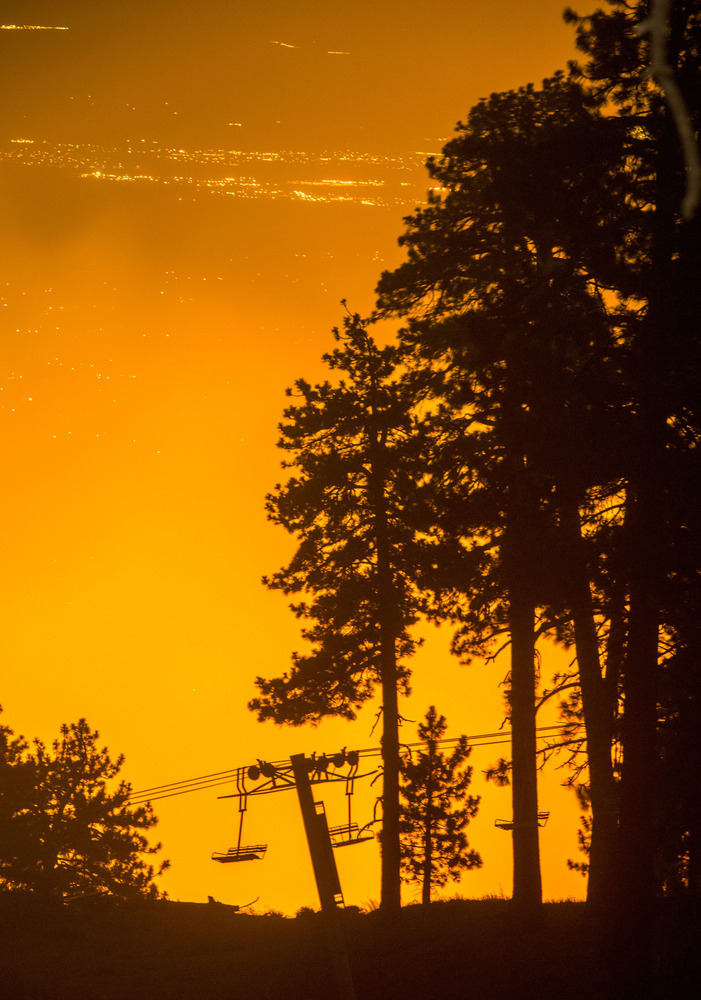
- The North Resort at Mountain High narrowly escapes one of California’s many wildfires burning out of control.
- Leitner-Poma is about to start 3 1/2 months of construction at Sipapu, New Mexico.
- Next season will not happen at Saddleback, Maine unless the resort can secure $3 million for a new quad lift in the next two weeks. Or so they say.
- In central New Hampshire, Waterville Valley continues clearing for the Green Peak expansion while Tenney Mountain prepares to reopen after a decade being closed.
- Sugarloaf launches their lift safety website that appears it took an intern half an hour to make.
- Leitner gets into the surfing business with DirectDrive.
- Poma’s 2014 Reference Book is now online. Better late than never!
- Snow King Mountain’s very wealthy investors announce phase 2 expansion with a base-to-summit gondola and major skiing expansion.
 Lift Blog