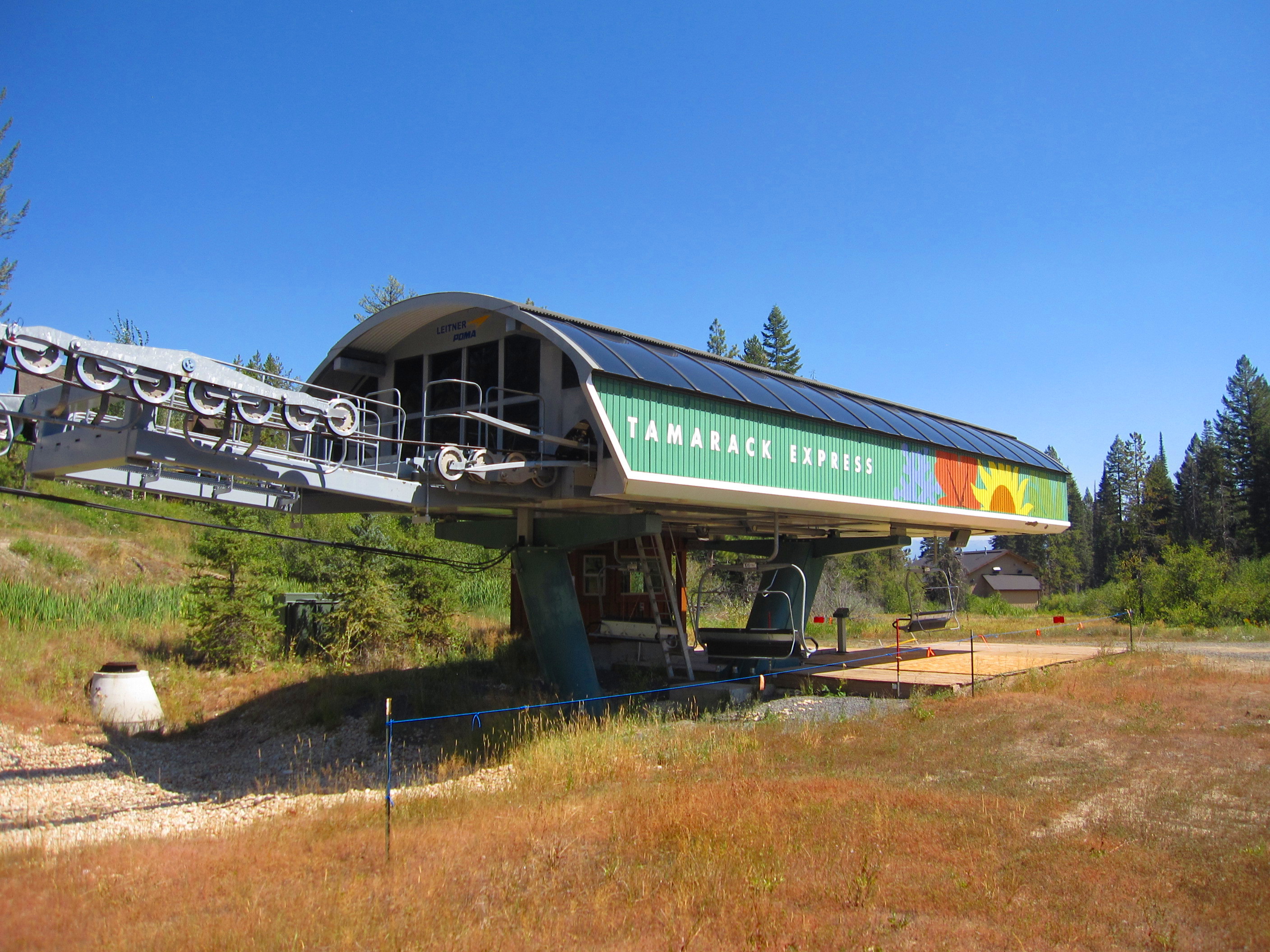
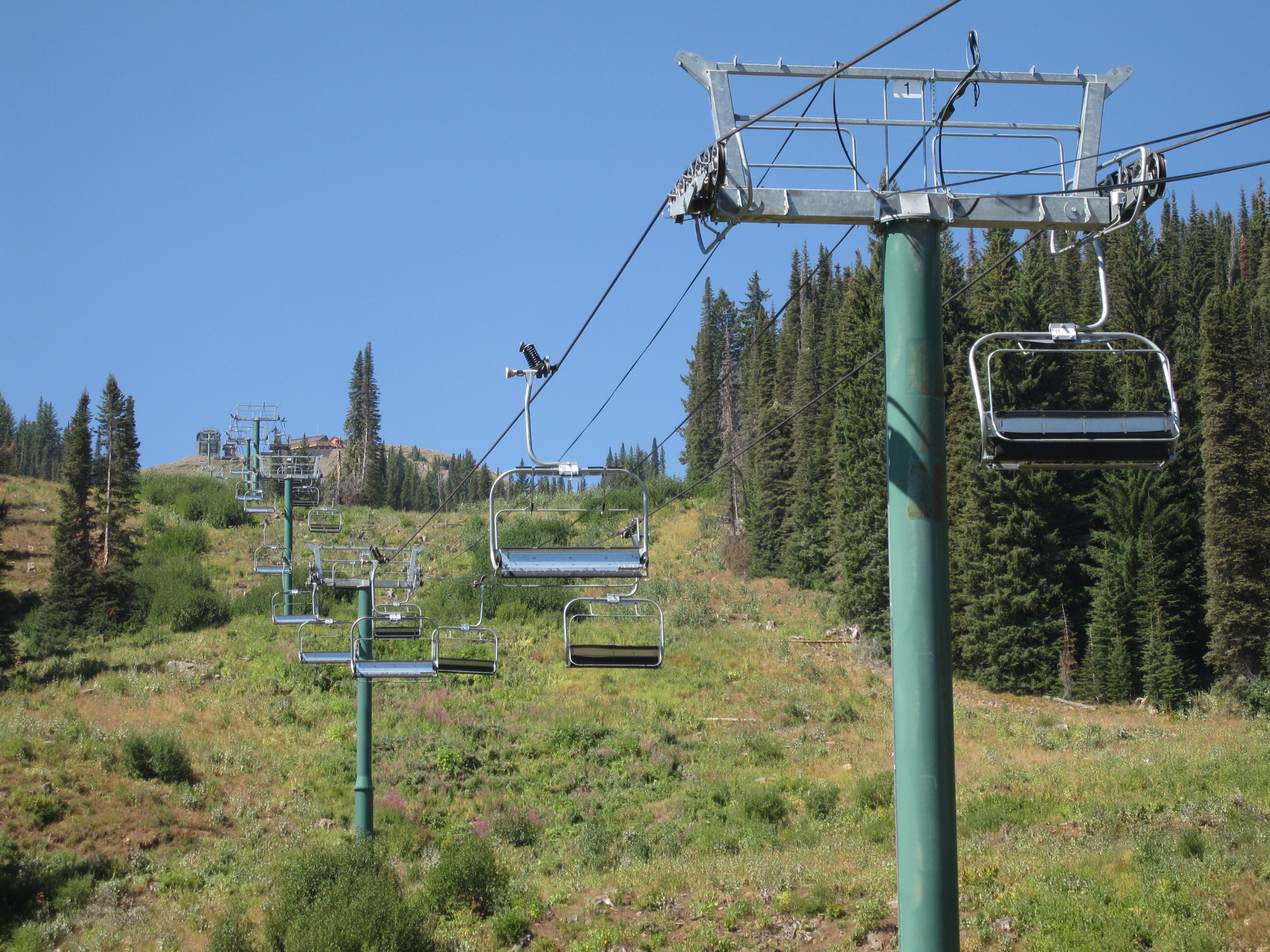

The sale is scheduled for Monday, October 17th at 1:00 pm with no reserves for the items. The two lifts cost nearly $6 million new from Leitner-Poma in 2004.
The sale is scheduled for Monday, October 17th at 1:00 pm with no reserves for the items. The two lifts cost nearly $6 million new from Leitner-Poma in 2004.
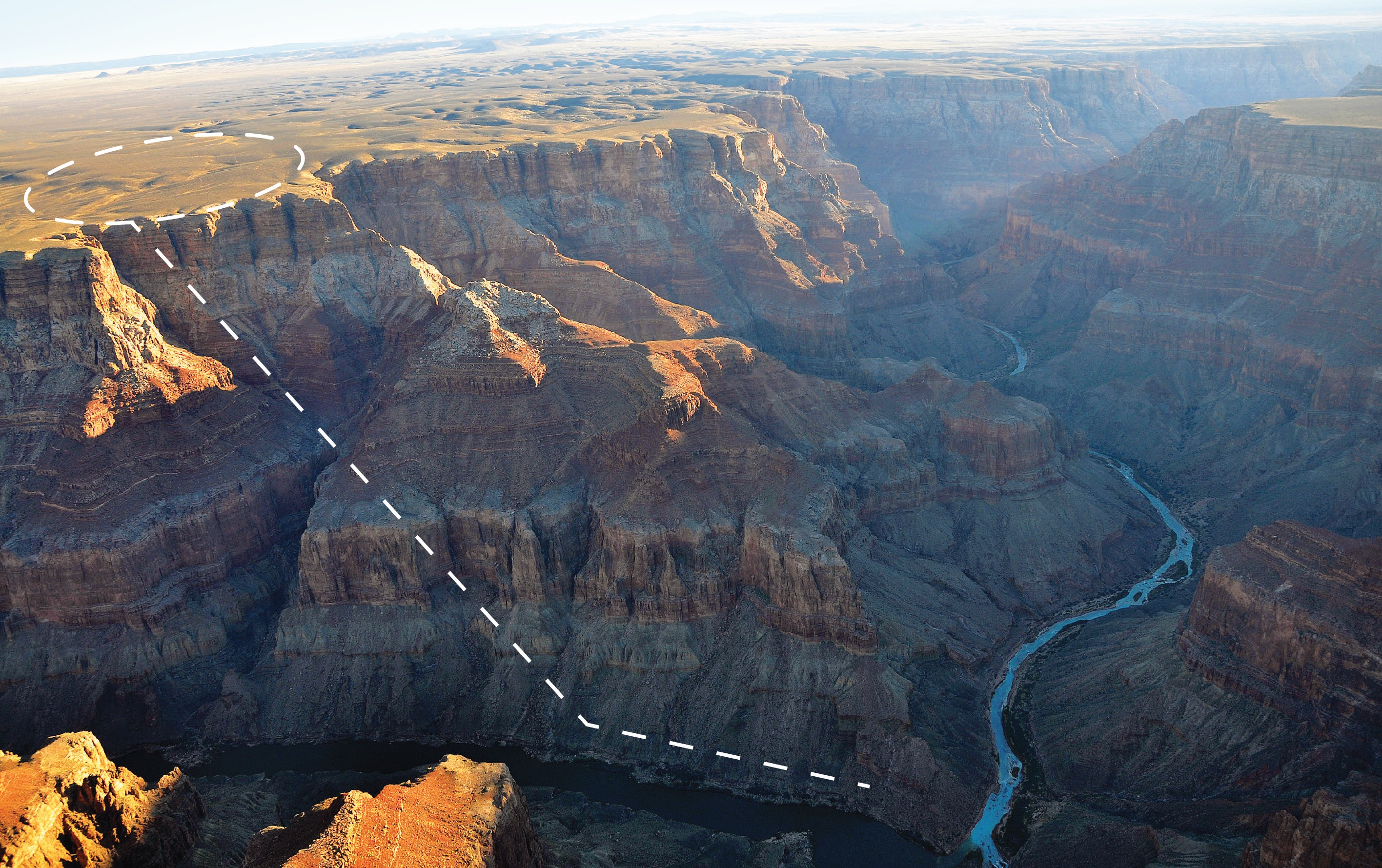
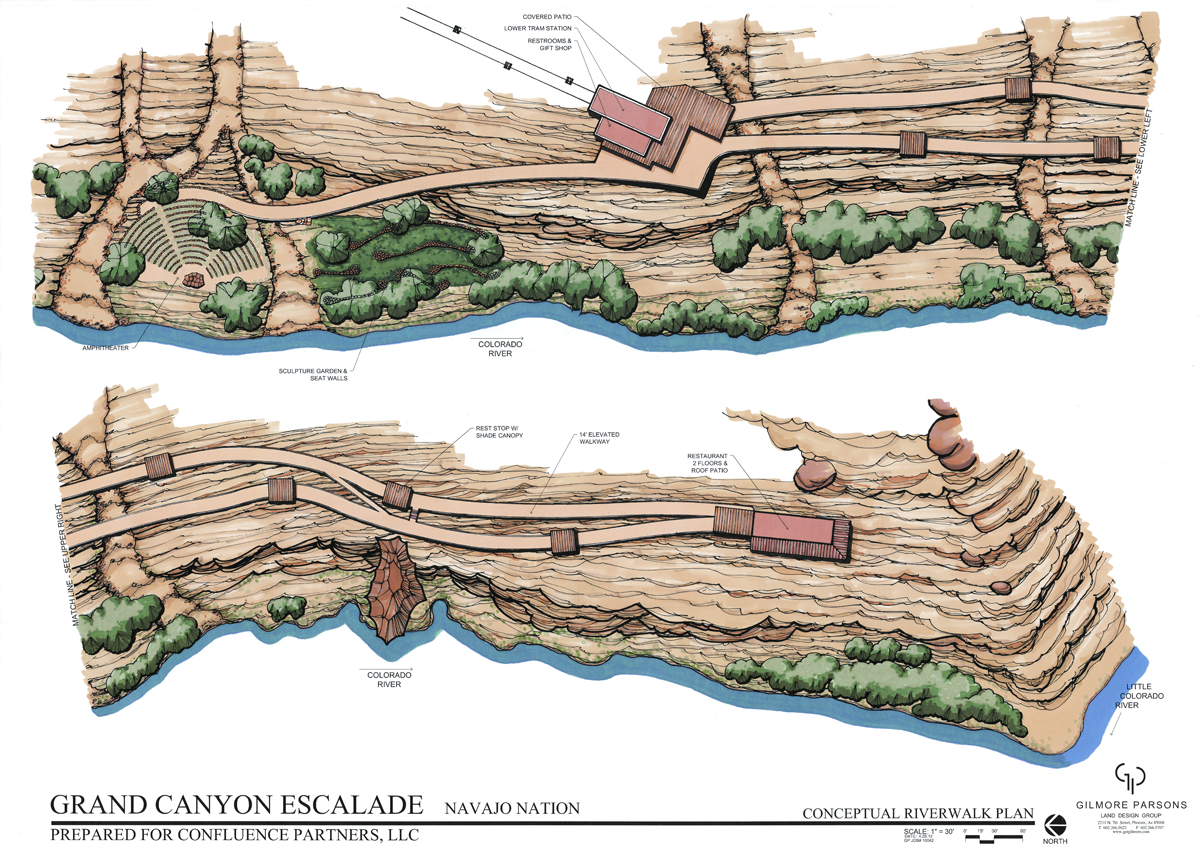
This week could prove pivotal in the fight over the future of the Grand Canyon and the proposed gondola adjacent to one of America’s most treasured National Parks. On Monday, a member of the Navajo Nation formally submitted legislation to authorize $65 million for construction of a road to the site and infrastructure for the Escalade near the confluence of the Colorado and Little Colorado Rivers. Confluence Partners LLC, a non-Navajo corporation based in Scottsdale, proposes a 1.4 mile gondola and related facilities to be located entirely on Navajo land but within a quarter mile of Grand Canyon National Park, a UNESCO World Heritage Site.
The Escalade idea is nothing new. Confluence Partners has wanted to build a gondola from the canyon rim to the bank of the Colorado for years. Under the proposed arrangement, the company will give the tribe between 8 and 18 percent of the Escalade’s revenue depending on ridership. In addition to the gondola, the Escalade site plan includes a hotel, elevated river walk, amphitheater, restaurants and a gift shop. Most of the 420-acre development would be on the canyon rim with the gondola connecting to a smaller complex 3,000 feet below along the Colorado. The gondola could carry up to 10,000 passengers per day to the bottom of the canyon that today can only be reached by foot, boat, mule or helicopter. Confluence Partners says it will create 3,500 jobs on a reservation that suffers from 44 percent unemployment. The jobs number sounds extremely optimistic to me.
Under Navajo Nation law, a five-day public comment period lasts through Saturday and then the 23 members of the Navajo Council will vote on the bill. For comparison, public comment periods for ski area master plans in National Forests last 30 days. The President of the Nation has vowed to veto the Escalade bill but that could be over-ridden by a two-thirds majority, creating a mad dash by groups on both sides attempting to sway undecided members of the council.
The Grand Canyon Trust, American Rivers, Save the Confluence and others are circulating petitions this week and soliciting public comments to send to the tribe. There’s no question the gondola is technically feasible and would provide a unique experience. Whether such a development is appropriate for this particular location is an entirely different question. You can tell the Navajo Nation what you think by emailing comments@navajo-nsn.gov by 5:00 pm Saturday, September 3rd.
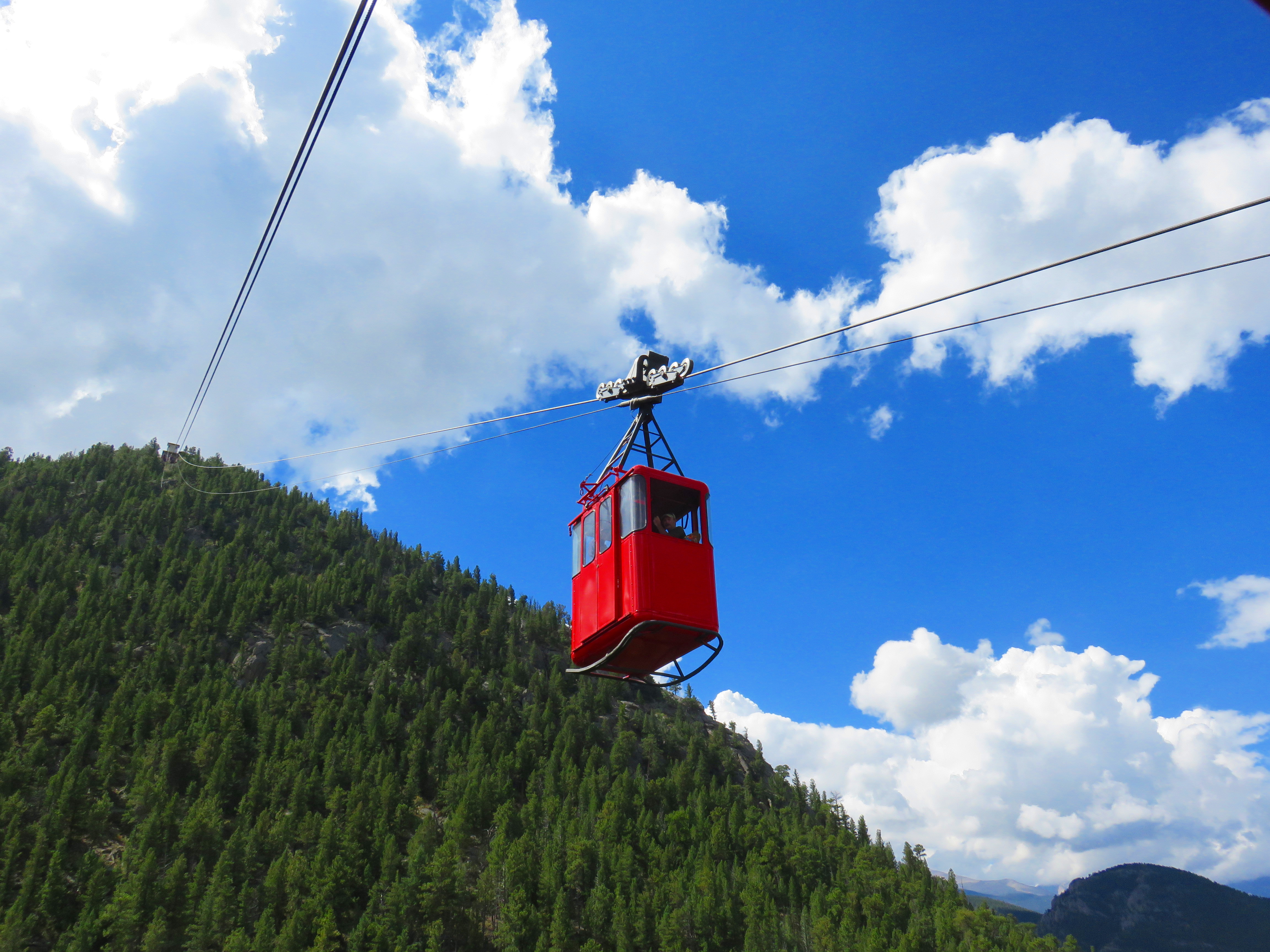
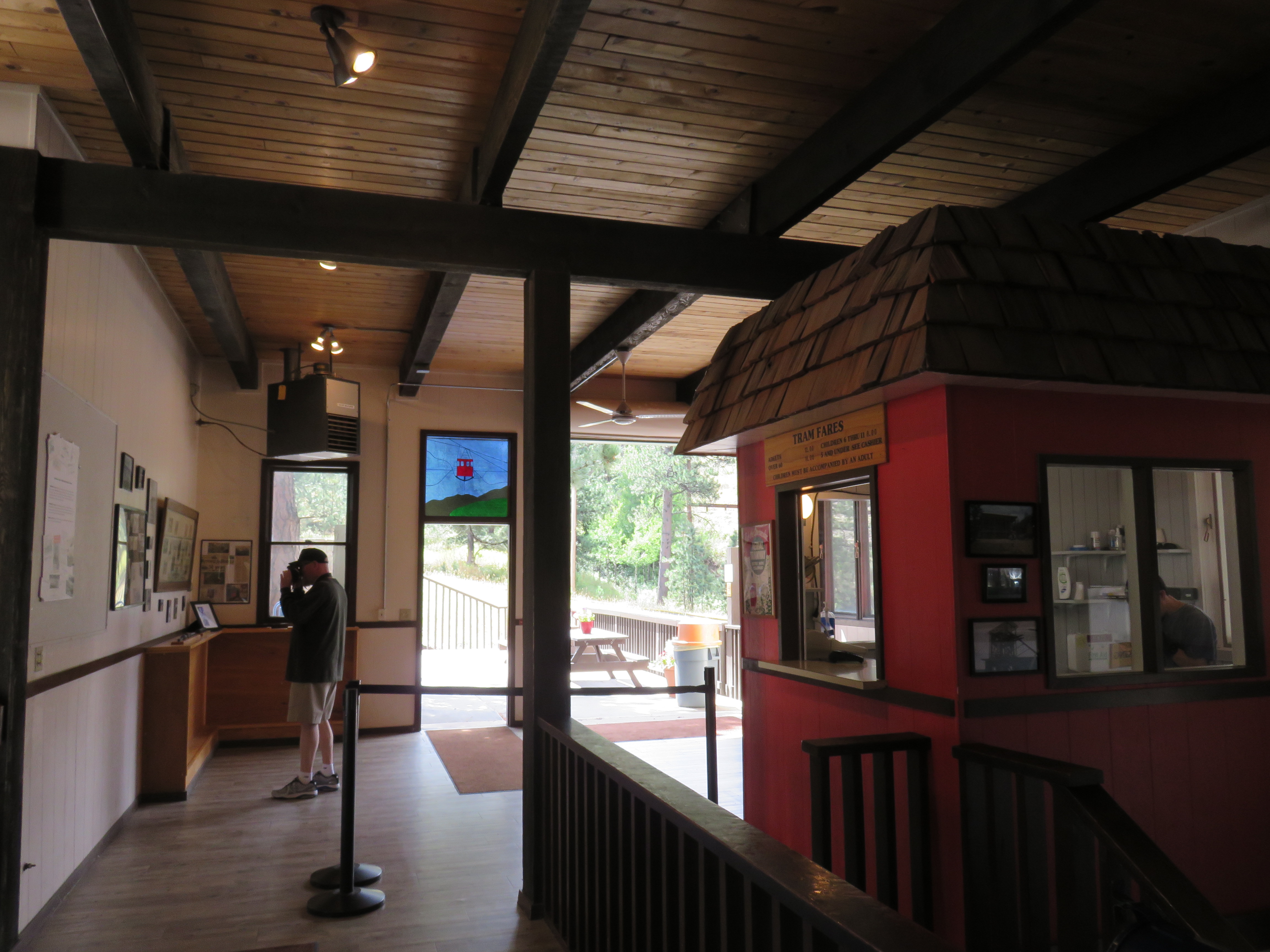
A National Park away from Colorado’s flashy chondolas, six-packs and cabriolets lies one of the world’s oldest operating tramways that is also one of the coolest. A ride on the Estes Park Aerial Tramway takes you back to August 1955 when Robert Heron opened America’s first scenic tramway on the edge of Rocky Mountain National Park. The Heron Family still owns the operation which stands much the same as it did 61 years ago. The tram whisks eight tourists at a time up Prospect Mountain from Memorial Day through Labor Day for $12 apiece and shows no signs of modernizing any time soon. General Manager Steve Barker leads a team of dedicated mechanics, operators, attendants and support staff who return to the tram year after year.
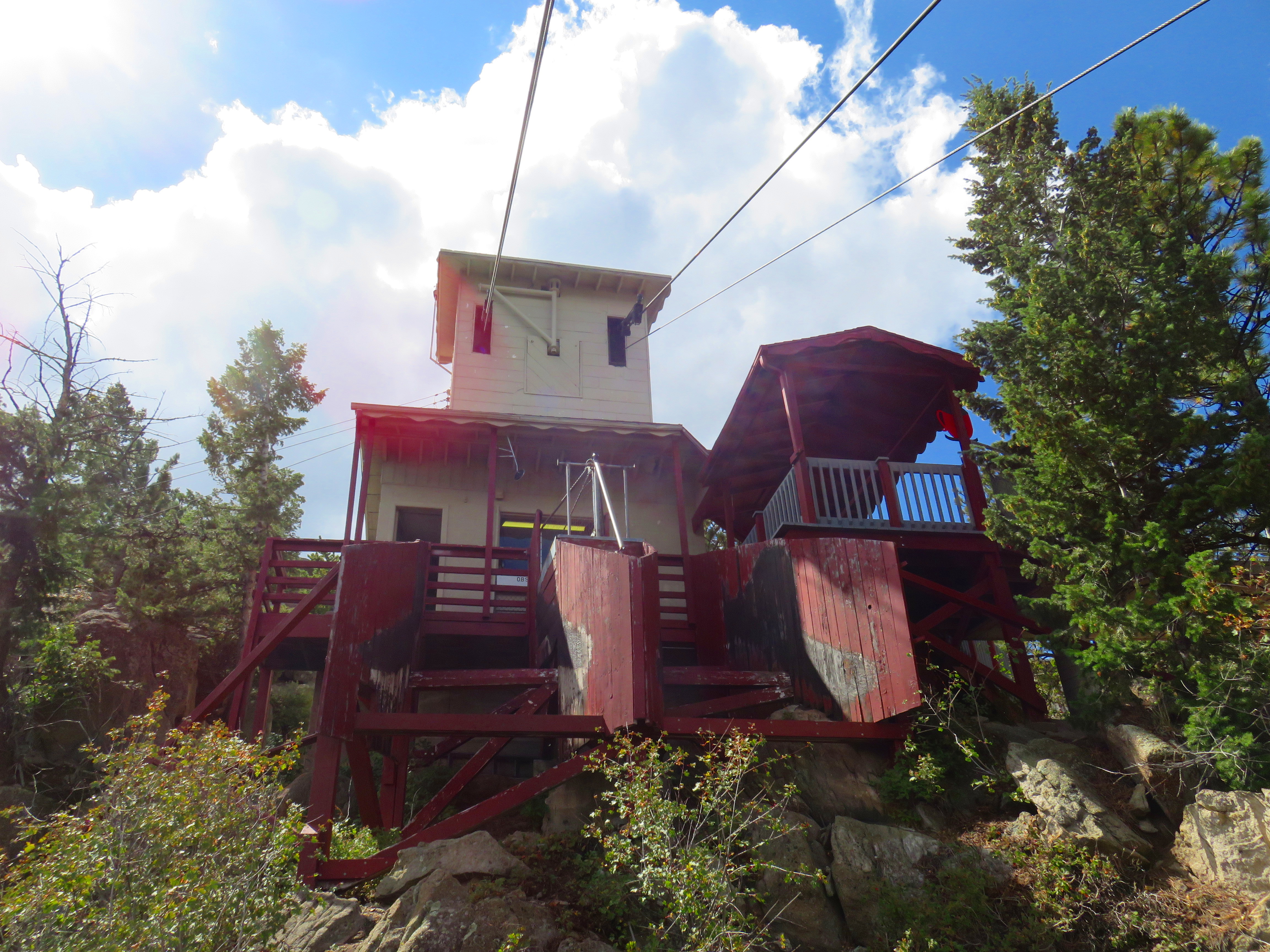
The Estes Park Tramway ascends Prospect Mountain’s 1,060 feet in one free span, reaching 200 feet in the air at times. Two cherry red cars manufactured at a shipyard in 1955 were designed for 12 passengers but now hold up to eight modern Americans. A brisk trip at 1,400 feet per minute lasts two minutes and twenty seconds yielding a capacity of 280 passengers per hour in each direction. At the top, guests are treated to panoramic views of Estes Park Village, Rocky Mountain National Park and the surrounding mountain peaks.
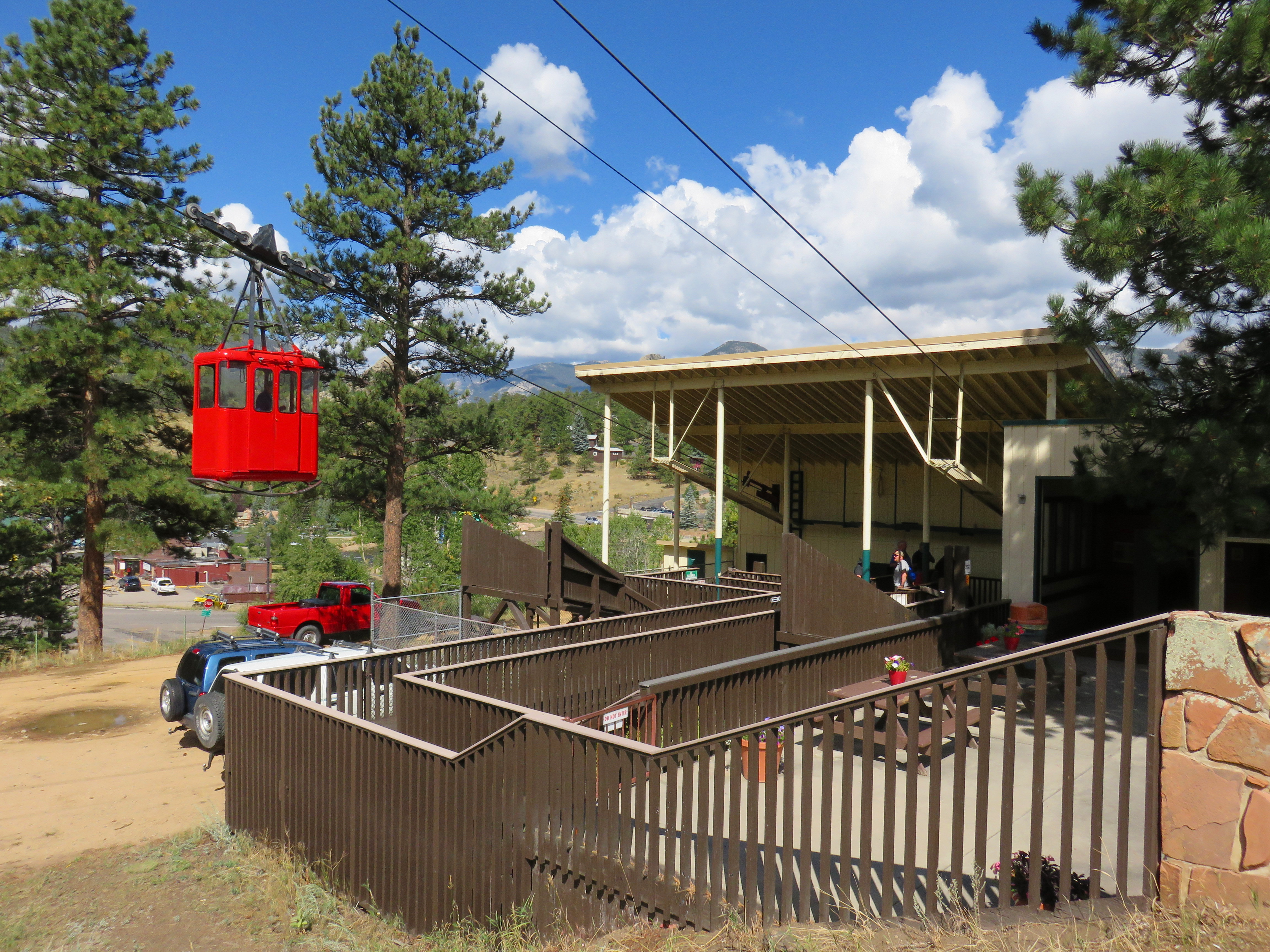
Robert Heron got his start in 1937 with Kennicott Copper designing material tramways after graduating from the Colorado School of Mines. Stearns Roger Manufacturing later hired him to design portable tramways for use by the 10th Mountain Division during World War II. After testing at Fort Hale, Mr. Heron’s design debuted in Italy at the Battle of Riva Ridge carrying food, ammunition and water up and American casualties down a 1,500 foot mountainside. In 1945, Robert and his brother Webb founded Heron Engineering which built its first lift – a single chair – at Aspen Mountain. The Heron brothers went on to build the world’s first double, triple and quad chairs at Berthoud Pass and Boyne Mountain. Heron merged with Poma in 1970 and the rest is history. Robert Heron was inducted into the Colorado Ski Hall of Fame in 1985 and passed away in 1999 but his legacy lives on at Estes Park and the 33 other sites that still operate his lifts.
Waterville Valley will open new terrain for the first time in thirty years this winter, CEO Chris Sununu confirmed at a press conference this morning. With $2 million in financing clearing just recently, SkyTrans Manufacturing will relocate the World Cup Triple this fall to serve the ten new trails on Green Peak. The U.S. Forest Service approved the 45 acre expansion in 2013. In addition to managing Waterville Valley, Mr. Sununu is running for Governor of New Hampshire which could have something to do with the late-summer timing of the announcement. He frequently cites his leadership and job creation at Waterville Valley on the campaign trail.
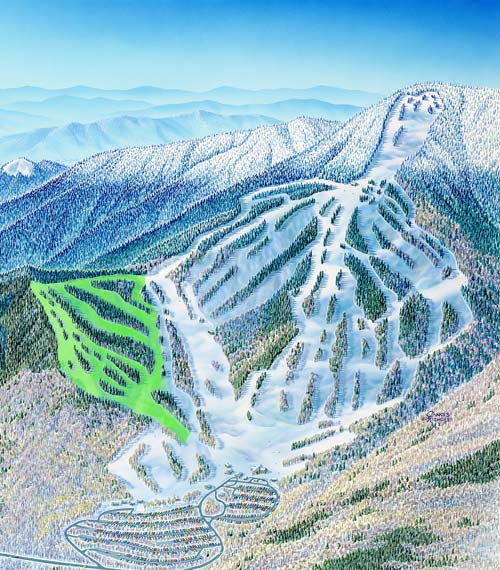
The Green Peak triple chair will rise 1,011 vertical feet and move up to 1,800 skiers per hour over a slope length of 4,380′. SkyTrans, which specializes in refurbishing old lifts and relocating them to smaller ski resorts and amusement parks, has experience at Waterville. SkyTrans General Manager Rich Combs said in a press release, “this project builds on our history, starting when O.D. Hopkins Associates, the predecessor to SkyTrans, installed the very first lifts at Waterville Valley Resort.” Those lifts were all built by Stadeli and the mountain still operates six of them!
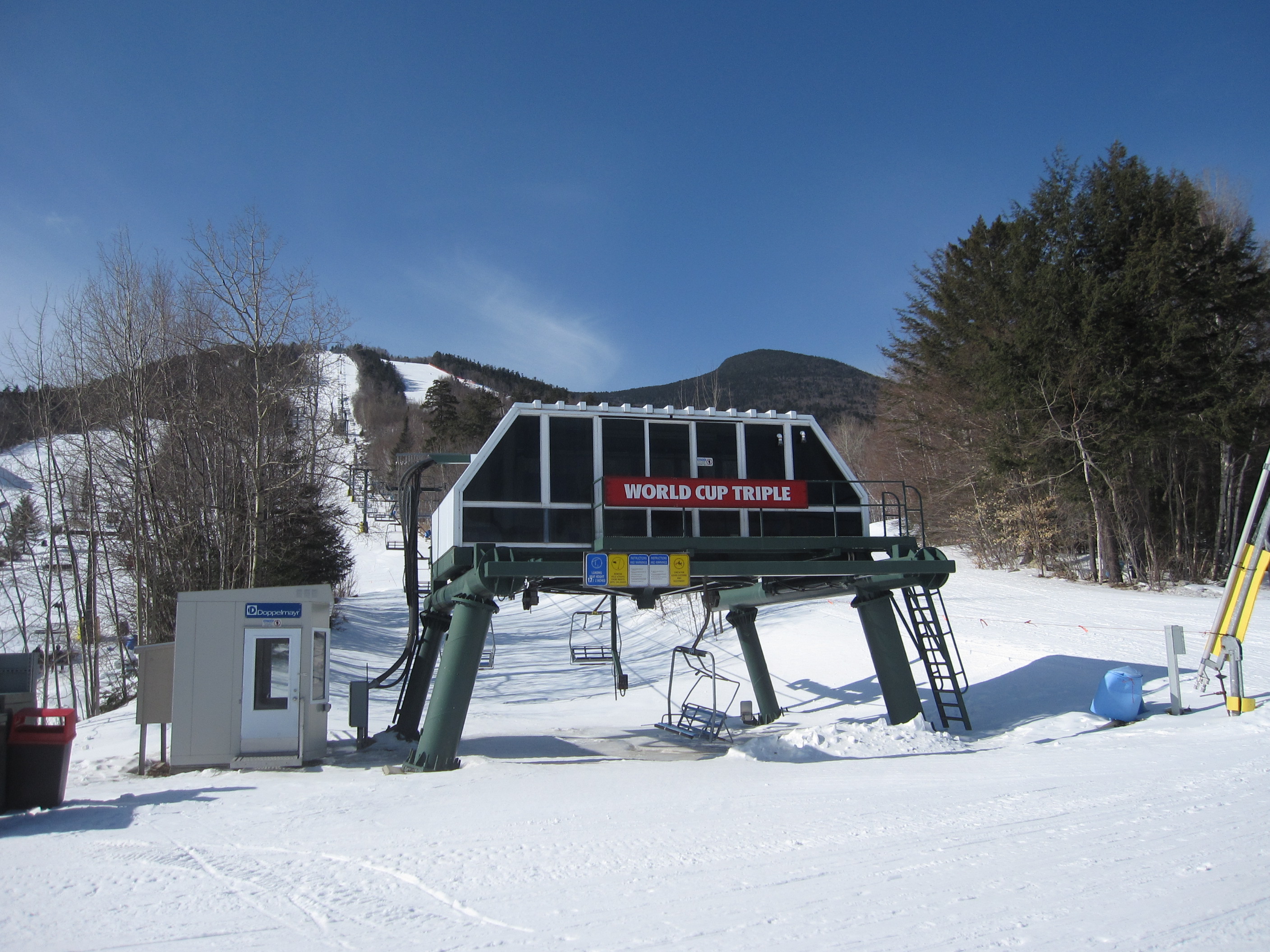
The 1985 triple formerly known as World Cup has numerous Doppelmayr components thanks to a June 2000 lightning strike and fire. The bottom station building burned to the ground and the haul rope separated due to the heat. Doppelmayr came in and replaced both stations and added a mid-station at the same time. After the installation of the parallel White Peaks Express in 1988, World Cup only ran weekends and holidays and was removed starting in June. The move to Green Peak comes sooner than many expected and the new lift and terrain will open sometime this winter.
Every Tuesday, we pick our favorite Instagram photos from around the lift world.
https://www.instagram.com/p/BJSuuzhAzAo/?tagged=liftmaintenance
This week’s construction update comes from northern Colorado where Steamboat Resort is in the midst of replacing a fixed-grip quad with a UNI-G detachable. The Elkhead Express will be Steamboat’s first Doppelmayr lift built since 1997 after three new Leitner-Pomas in a row. Nearby Vail went the other way this year, switching from Doppelmayr back to L-P. Elkhead Express is the third lift in its location following a 1972 Heron-Poma double and later a Lift Engineering quad. The not-that-old Yan has been carefully disassembled and will undoubtedly find a new home somewhere down the road.


The new Elkhead will only have around ten towers; the old lift had 13. The Doppelmayr crew has finished concrete and set the big steel with a crane at both terminals. Tower footings are ready to go but I couldn’t find any of the towers laying around yet. The stations will be blue and white with red stripes and are sure to look sharp. Compared with the UNI-G terminals going up in Jackson and Big Sky, Elkhead’s stations are noticeably smaller. Like all of Steamboat’s detachables, Elkhead Express will have a deluxe indoor maintenance bay attached to the bottom terminal. Steamboat’s eighth detachable lift will be ready to go by Thanksgiving.

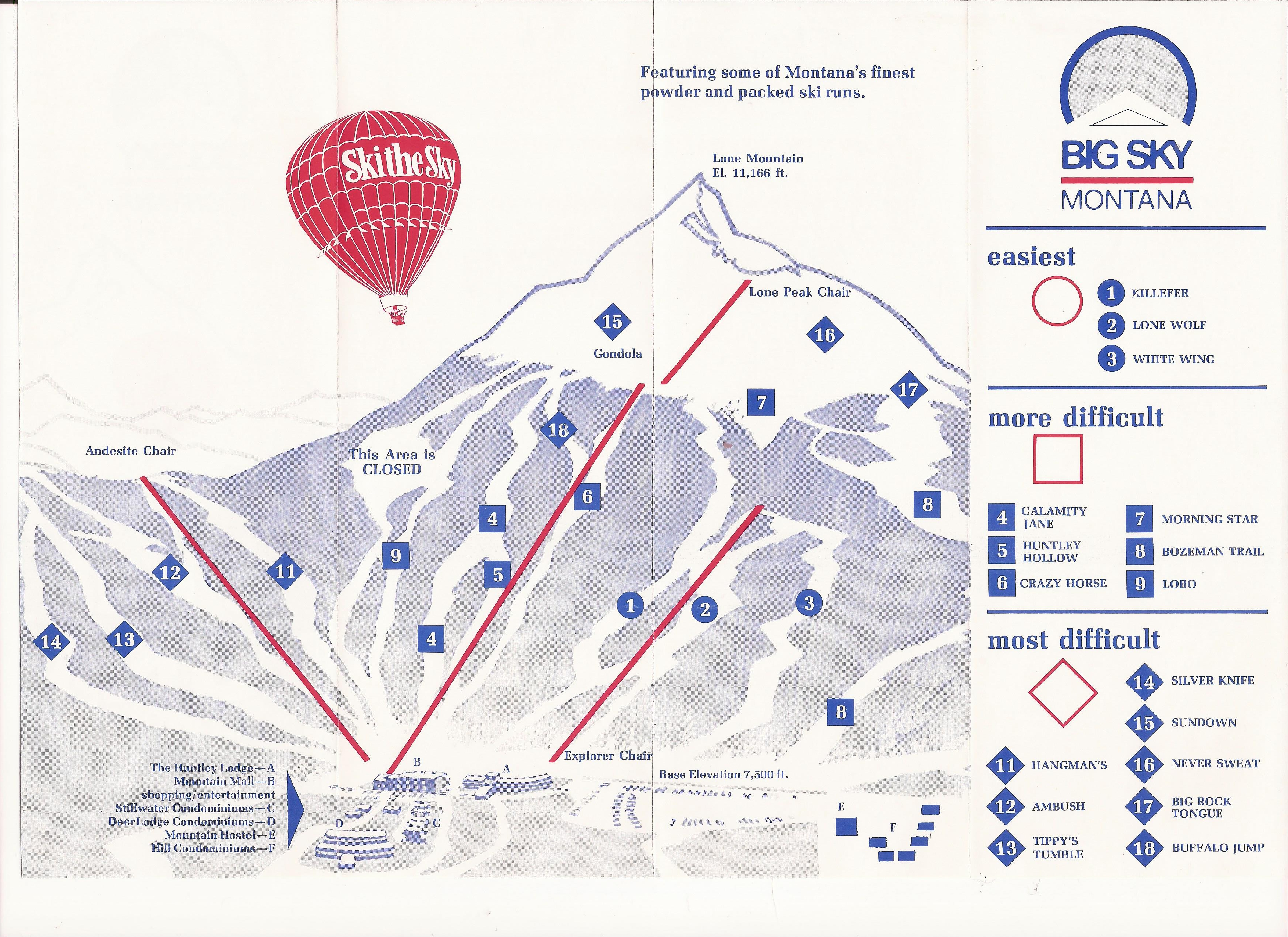
Big Sky Resort plans to build the most high-speed, high-tech lift network in North America over the next ten years, the company announced at media event this afternoon. Boyne Resorts Principal Stephen Kircher outlined Big Sky 2025, a $150 million road map for capital investment that includes a new North Village gondola, replacement of core lifts with bubble six-packs and additional lifts to serve new terrain. Enhanced snowmaking, new on-mountain dining and improvements to the Mountain Village will complement the massive investment in new lifts.

The rise of Big Sky from Chet Huntley’s four-lift outpost in 1973 to the Biggest Skiing in America with 26 lifts owes in large part to the Matterhorn-like mountain named Lone Peak. Boyne Resorts bought Big Sky in 1976 and slowly grew it into America’s largest ski resort by 2013 with the purchase of Moonlight Basin and the Spanish Peaks Mountain Club. Mr. Kircher noted none of the three mountains were financially sustainable in the 2000s and the uniting of the three has been transformative. Now with 5,800 acres of terrain, Boyne seeks to elevate the ski experience to match the grandeur of its mountain that is unmatched in North America. “We have a unique opportunity with the high alpine terrain here at Big Sky,” he noted.
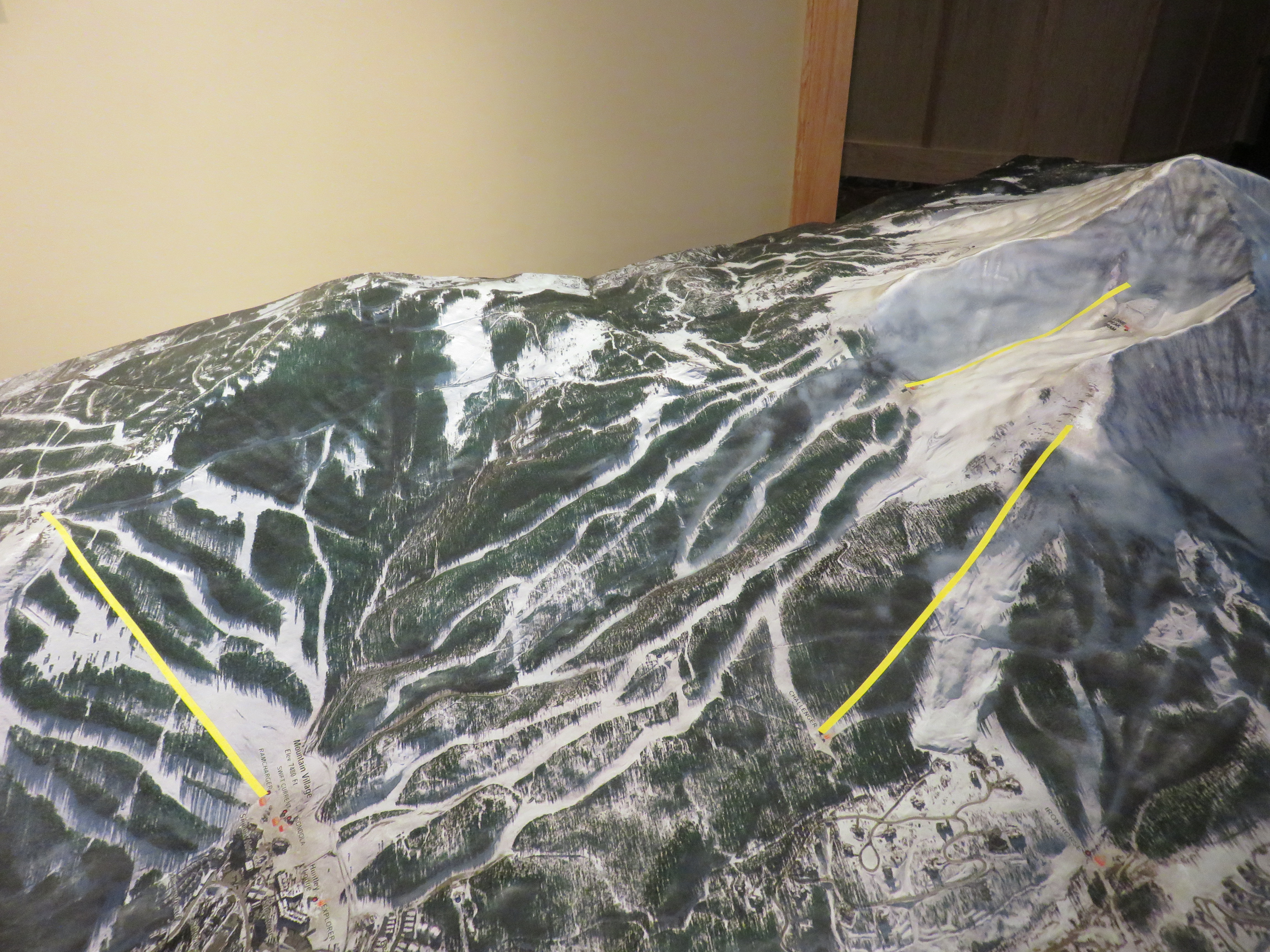
With $13 million of construction underway on the mountain, Big Sky Resort will operate the second third largest lift fleet in North America this winter behind Whistler Blackcomb and Park City. The sprawling complex already includes two six-packs, five detachable quads and the famous Lone Peak Tram. This summer’s new lifts are just the beginning of a plan that includes the return of a gondola and ten more lifts (eight with bubbles) within existing boundaries and beyond. Big Sky 2025 will transition the resort from one with nearly the most lifts to one with the best lifts featuring loading carpets, bubble chairs, head rests and heated seats that skiers have become accustomed to in Austria and Switzerland but rarely find in the States.
Every Tuesday, we pick our favorite Instagram photos from around the lift world.
 Lift Blog