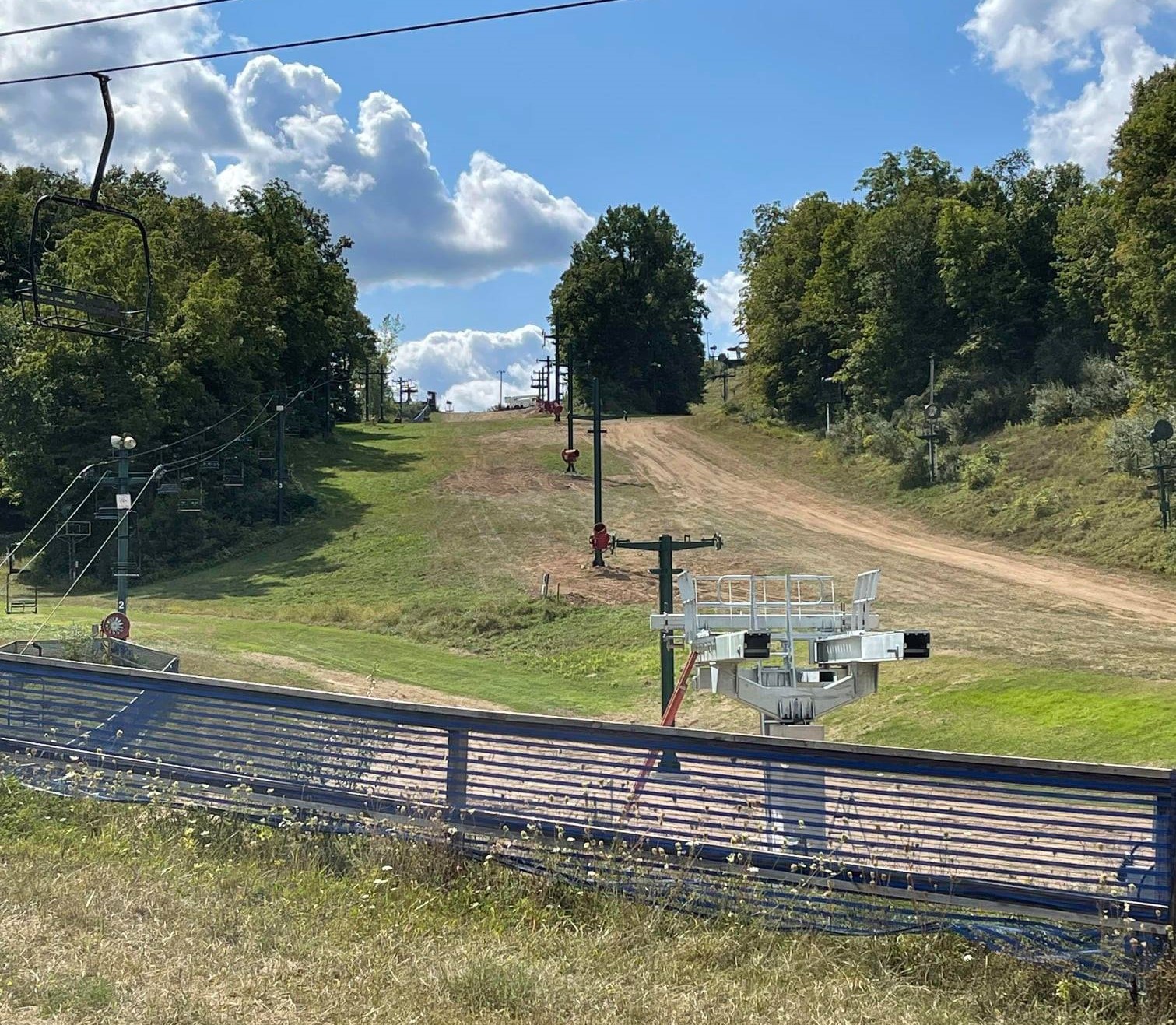
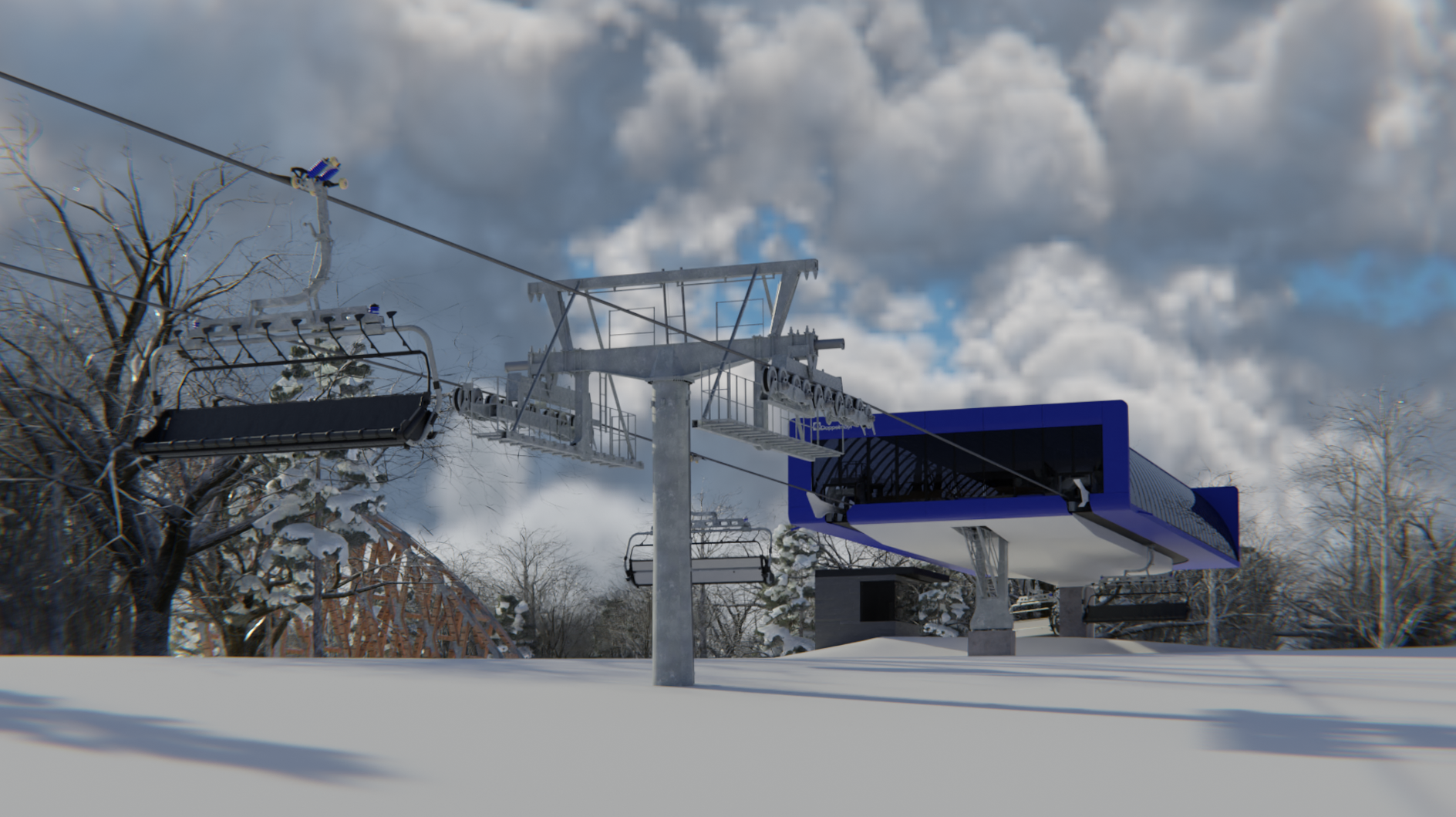
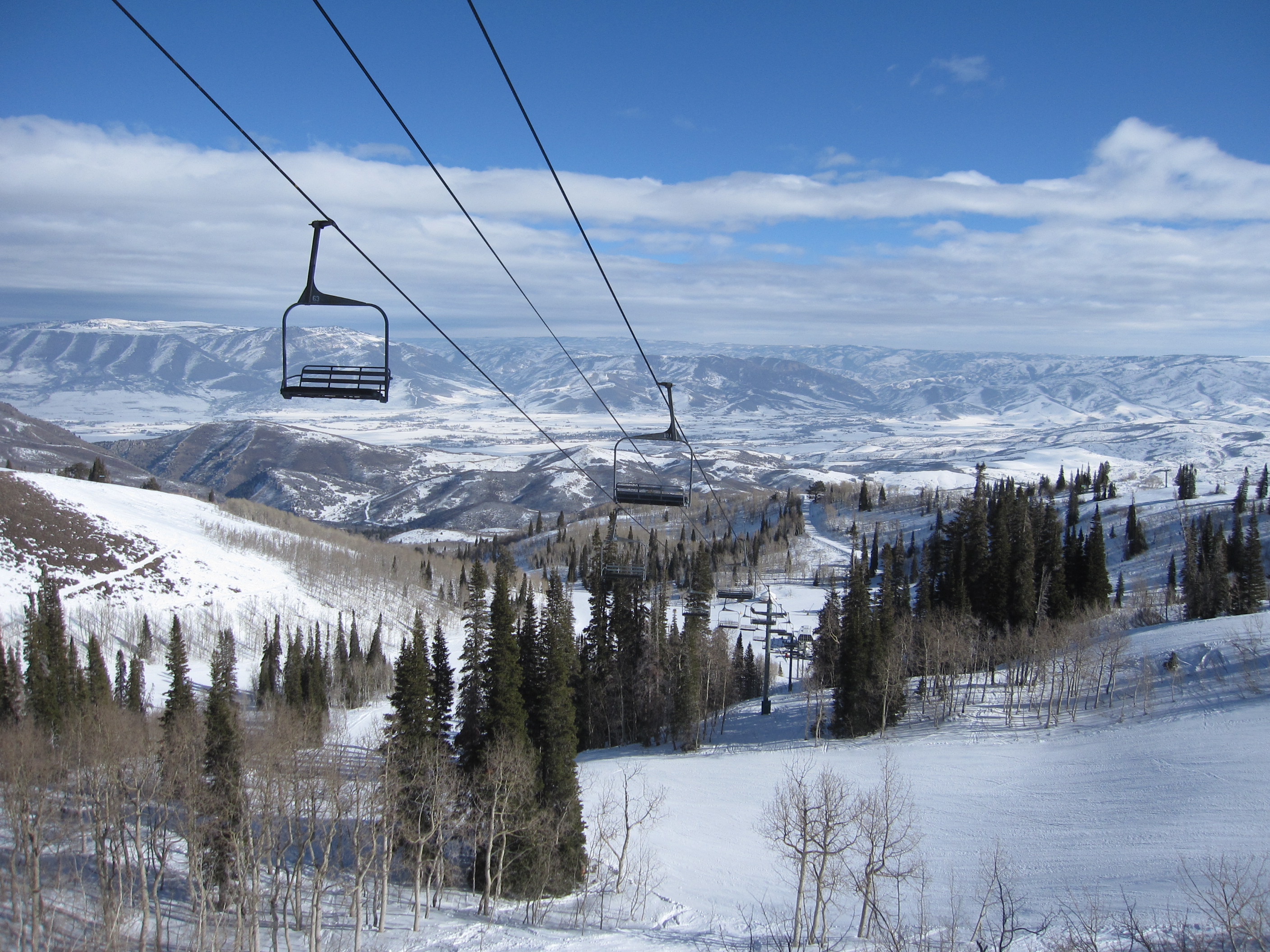
Arapahoe Basin has reached a deal with its longtime lift supplier Leitner-Poma to replace the Lenawee Mountain triple next year. The mountain’s first six place chairlift will increase throughput from 1,800 skiers per hour to 2,400. “In addition to 6-packs being more stable in high winds, we felt this lift would do the best job of increasing capacity,” wrote Chief Operating Officer Al Henceroth on his always informative blog. “Through our planning we felt the need to upgrade the capacity of Lenawee from 1,800 people per hour (pph) to 2,400 pph. While this could technically be achieved with a quad chair, we felt that in actual use, the 6-pack would be far more effective achieving that goal of 2400 pph,” he continued.
Other new lifts planned for Colorado next year include the first section of Steamboat’s new Wild Blue Gondola, a Rip’s Ride replacement at Breckenridge, Bergman Bowl Express at Keystone and two new detachables at Vail. Copper Mountain, Loveland and Winter Park all have Forest Service approval to build lifts as well, though timelines have not been announced for those projects.
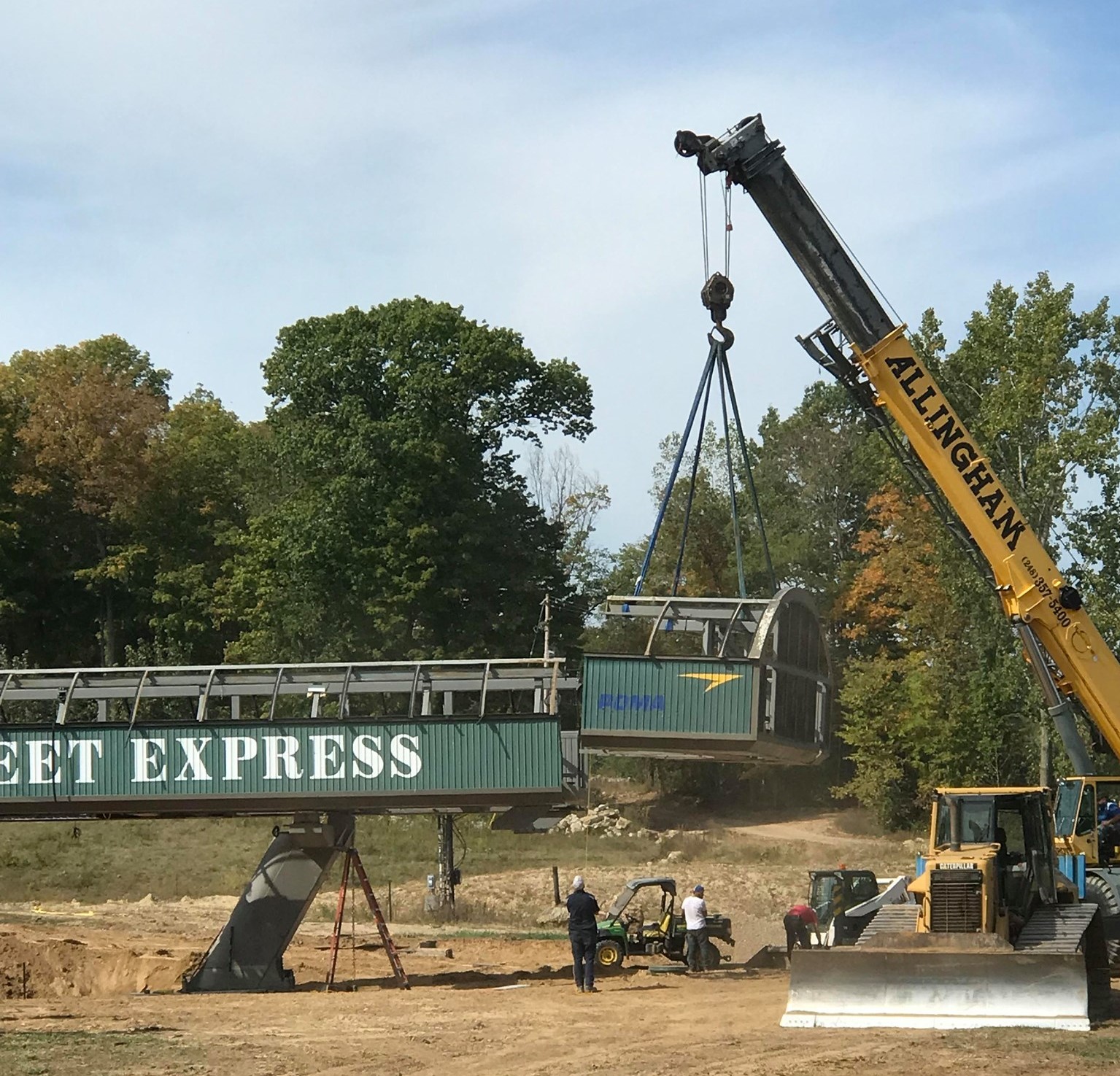
Bittersweet in Michigan is making way for a second detachable chairlift in 2022. The mountain’s current high speed quad, the Sweet Express, will move northwest to replace the Poison Ivy triple this season. That late model Hall has been moved the other direction to replace the Chickory double. Along the way, Chickory will be upgraded with a brand new Skytrac drive terminal.
The lift shuffle come as Bittersweet owner Wisconsin Resorts expands to include six mountains in Michigan, Wisconsin and Ontario. Throughout its history, the company has invested heavily in both lift and snowmaking infrastructure.
The new Sweet Express is the third lift announced for the state of Michigan in 2022. On Wednesday, Boyne Mountain unveiled plans for the region’s first eight passenger chairlift. Caberfae Peaks also plans to add a new lift next year.
Boyne Resorts’ commitment to modernizing lift infrastructure across its properties will continue in 2022. The company today announced construction of Disciples 8, an eight place chairlift replacing Disciples Ridge and Disciples II at Boyne Mountain. The Doppelmayr D-Line system will feature a direct drive, auto locking safety bars and a loading conveyor, though no bubbles due to its 3.2 minute ride time. D8 will be Boyne Resorts’ third eight passenger chairlift following installations at Big Sky Resort in 2018 and Loon Mountain this year.
Boyne Mountain has been a center of lift innovation ever since it opened with the Midwest’s first chairlift in 1948. From there, Boyne introduced the world’s first quad in 1964 and installed America’s first high-speed six person chairlift in 1992. “Boyne Mountain started our company’s 75 year journey in the ski and resort business, and we are excited to again build on its incredible foundation of innovative industry firsts with the next generation of attractions and our heritage of elevating the Midwest resort experience,” said Stephen Kircher, CEO and president of Boyne Resorts. More information on other improvements announced today can be found here.
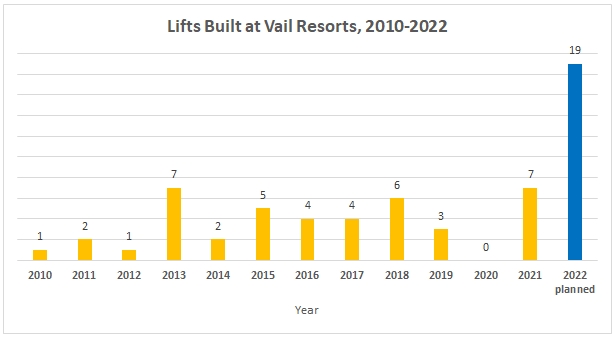
Vail Resorts today announced it will pump $320 million into its mountains coming out of the pandemic, building a whopping 19 new lifts next year. The company’s largest-ever annual investment will include a new gondola at Whistler Blackcomb, the firm’s first North American eight person chairlift at Park City and expansion into Bergman Bowl at Keystone. Vail properties across the Northeast and Midwest will also see new lifts. “Our mission at Vail Resorts is to provide an Experience of a Lifetime to anyone who visits our resorts – and delivering on that mission requires constant re-imagination and investment into the guest experience,” said Rob Katz, Chairman and Chief Executive Officer of Vail Resorts. “Our teams have been hard at work identifying significant opportunities to improve the guest experience and have produced an initial list of exciting lift upgrades, a restaurant expansion and projects that expand access to incredible terrain for next season, with more to be announced.”
Subject to government approvals, lift projects planned ahead of the 2022-23 season include:
British Columbia, Canada
Whistler Blackcomb, Creekside Gondola: A new 8-person gondola, replacing the existing 6-person gondola, will significantly improve wait times and increase out-of-base uphill capacity by 35% in the Creekside area, especially on high-volume days.
Whistler Blackcomb, Big Red Express: The replacement of the existing high-speed 4-person lift with a high-speed 6-person chair will increase uphill capacity by nearly 30% and enhance and modernize the guest experience mid-mountain out of the Creekside area.
Colorado
Keystone Resort, Bergman Bowl: Enhancements to Bergman Bowl will include a new high-speed 6-person chairlift, increasing lift-served terrain by 555 acres. Additional enhancements include 16 new trails, a ski patrol facility and snowmaking infrastructure. This project unlocks access for novice and intermediate guests and provides expanded entry to expert terrain in Independence and Erickson Bowls.
Vail Mountain, Sun Down Lift: The installation of a new high-speed 4-person chair in the Sun Down Bowl from the base of Chair 5 (High Noon Express) to the Wildwood restaurant will materially reduce wait times on peak days at Chair 5 and create the opportunity for skiers and riders to much more conveniently access the trails in Sun Down Bowl.
Vail Mountain, Game Creek Bowl: Skiers and riders will see improved reliability and capacity in this popular bowl with the replacement of the current 4-person chair with a new high-speed 6-person lift, increasing capacity by nearly 50%.
Breckenridge Ski Resort, Rip’s Ride Lift: The beginner/ski and ride school experience will be enhanced at the highly utilized Peak 8 base area by replacing the current fixed-grip double with a high-speed 4-person chair, increasing uphill capacity by nearly 70% and improving out-of-base circulation.
Utah
Park City Mountain, Eagle Lift: A high-speed 6-person chair with a new mid-station will replace the existing Eagle lift, significantly reducing crowding and wait times, and improving the guest experience, especially for beginner skiers and ski and ride school guests.
Park City Mountain, Silverlode 8-Person Lift: Vail Resorts’ first-ever high-speed 8-person chair, replacing an existing 6-person chair, will increase uphill capacity by 20% and reduce wait times at a critical spot to circulate guests on mountain.
Lake Tahoe, California & Nevada
Northstar California, Comstock Lift: A new high-speed 6-person chair will replace the existing mid-mountain 4-person chair and is designed to reduce wait times at one of the mountain’s most popular lifts and increase uphill capacity by nearly 50%.
Heavenly Ski Resort, North Bowl Lift: The replacement of an existing fixed-grip triple with a high-speed 4-person chair will increase uphill capacity by more than 40% and reduce the combined ride time of the Boulder and North Bowl lifts, which is expected to reduce wait times at the Stagecoach and Olympic lifts.
Vermont & New Hampshire
Stowe Mountain Resort, Mountain Lift: The replacement and extension of the existing fixed-grip triple to a high-speed 6-person lift will increase uphill capacity by 100%, eliminate the steep hike to the base of the lift, improve reliability on windy days and offer beginner and intermediate guests with better access to lower-level terrain choices.
Mount Snow, Sundance/Tumbleweed Lift: The replacement of the Sundance and Tumbleweed triples with one high-speed 6-person lift will improve access to underutilized terrain and alleviate pressure on other lifts in the main base area, increasing uphill capacity by nearly 70%.
Guess who is getting new lifts ahead of the 2022/2023 season? Hint: It’s us. A new high-speed quad will replace the fixed grip Sunbrook Quad, and a new high-speed six-pack will replace the fixed grip Tumbleweed and Sundance triples. #EpicLiftUpgradehttps://t.co/oWNtDv0AOQpic.twitter.com/JnDU0KJKZb
Mount Snow, Sunbrook Lift: A new high-speed 4-person chair to replace the existing fixed-grip quad will significantly decrease the current 14-minute ride time by approximately 30% and result in better utilization of the Sunbrook terrain.
Attitash Mountain Resort: The replacement of the East and West Double-Double chairs with one fixed-grip 4-person chair will improve reliability and enhance the overall guest experience.
Pennsylvania & Ohio
Jack Frost/Big Boulder: The replacement and consolidation of multiple lifts at both resorts will improve reliability and enhance the overall guest experience. Jack Frost will receive two new fixed-grip 4-person chairs (one to replace the B & C lifts and the other to replace the E & F lifts) and Big Boulder will receive a new fixed-grip 4-person chair to replace the Edelweiss Triple.
Boston Mills/Brandywine: At Boston Mills, the resort will get a new fixed-grip 4-person chair replacing the Lift 5 double. At Brandywine, a new fixed-grip 4-person chair will replace the Lift 3 triple.
Including this latest capital plan dubbed the Epic Lift Upgrade, Vail Resorts’ total investment is expected to reach approximately $2.2 billion over 15 years. The move comes as Vail enjoys brisk season pass sales. Epic Pass adoption through September 17, 2021 for the upcoming 2021/2022 North American winter season increased approximately 42 percent in units and approximately 17 percent in sales dollars as compared to the same period in the prior year. Compared with pre-pandemic 2019, Epic Pass sales increased an incredible 67 percent in units and 45 percent in sales dollars.
Although no manufacturers were identified for the 19 new lifts, an initiative of this size is likely to include multiple suppliers.
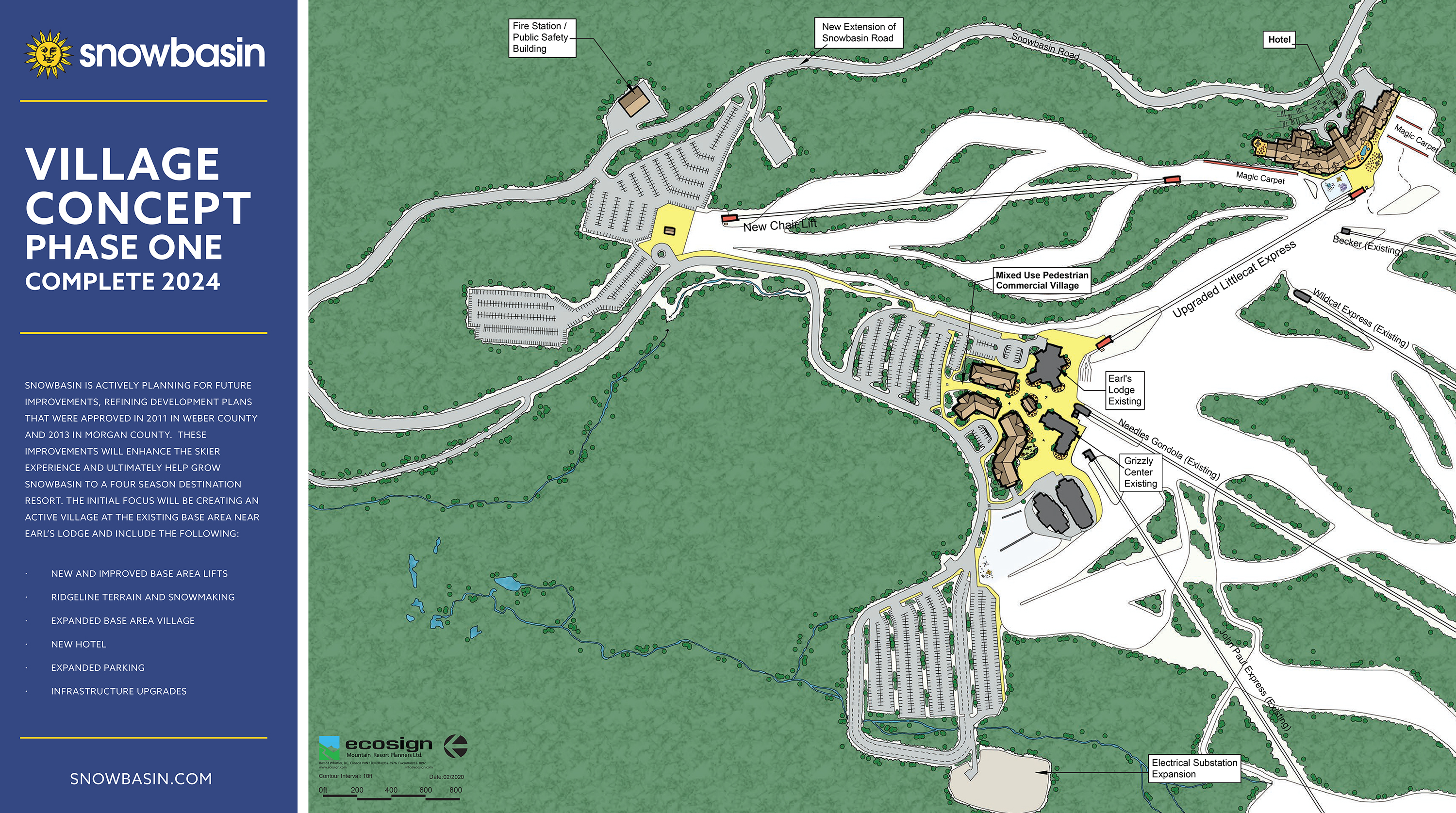
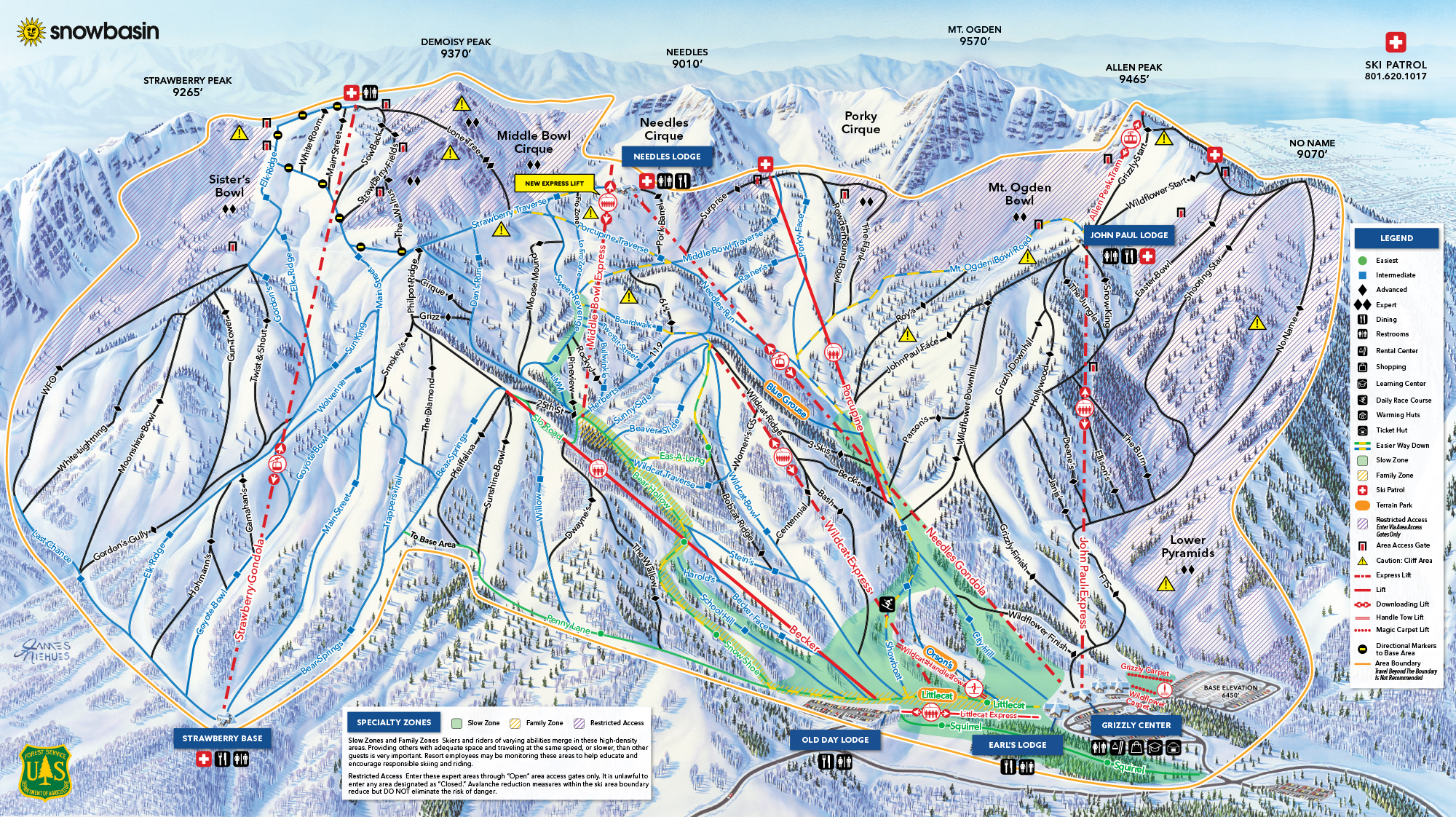
Upcoming commercial developments will bring multiple new and upgraded lifts to Snowbasin Resort. Today the mountain announced partnerships with East West Partners and Club Med to transform the resort’s base area over the next several years.
By late 2024, the first all inclusive hotel at a United States ski resort by Club Med will be complete, connected to the base village by an upgraded Little Cat Express. This signature lift will be a multi-use, serving skiers and foot passengers in both directions. As part of the hotel project, a beginner expansion dubbed Ridgeline will open with a new chairlift and conveyor.
Future phases will see the construction of two additional village area chairlifts, a platter lift and more conveyors. “We’re thrilled to announce this extensive list of improvements for both our local guests and travelers that will now have the opportunity to stay at Snowbasin,” said Davy Ratchford, Snowbasin General Manager. “These new developments put us on track to become the world-class resort destination envisioned for Snowbasin.”
We’re thrilled to share significant enhancements & upgrades coming to the resort & experience.
These started with a lift & parking expansion for the 2021-22 season; & ultimately feature overnight accommodations including a hotel & base area village.
Snowbasin is owned by Grand America Hotels & Resorts, which also owns Sun Valley, Idaho and is controlled by the Holding Family. “East West Partners and Club Med will bring distinctive, high-quality development to Snowbasin; building on a superlative ski experience and decades of careful stewardship and investment into Snowbasin from our owners,” said Bruce Fery, CEO of Grand America. “Our local guests will continue to be a priority, with a plan that increases parking and out-of-base lift capacity. Club Med will showcase the beauty and excellence of Snowbasin to a largely international clientele, which will benefit the entire region,” added Fery.
Snowbasin will host two public events to detail resort expansion plans later this month. Each event will be open to the first 100 guests that register at snowbasin.com/openhouse.
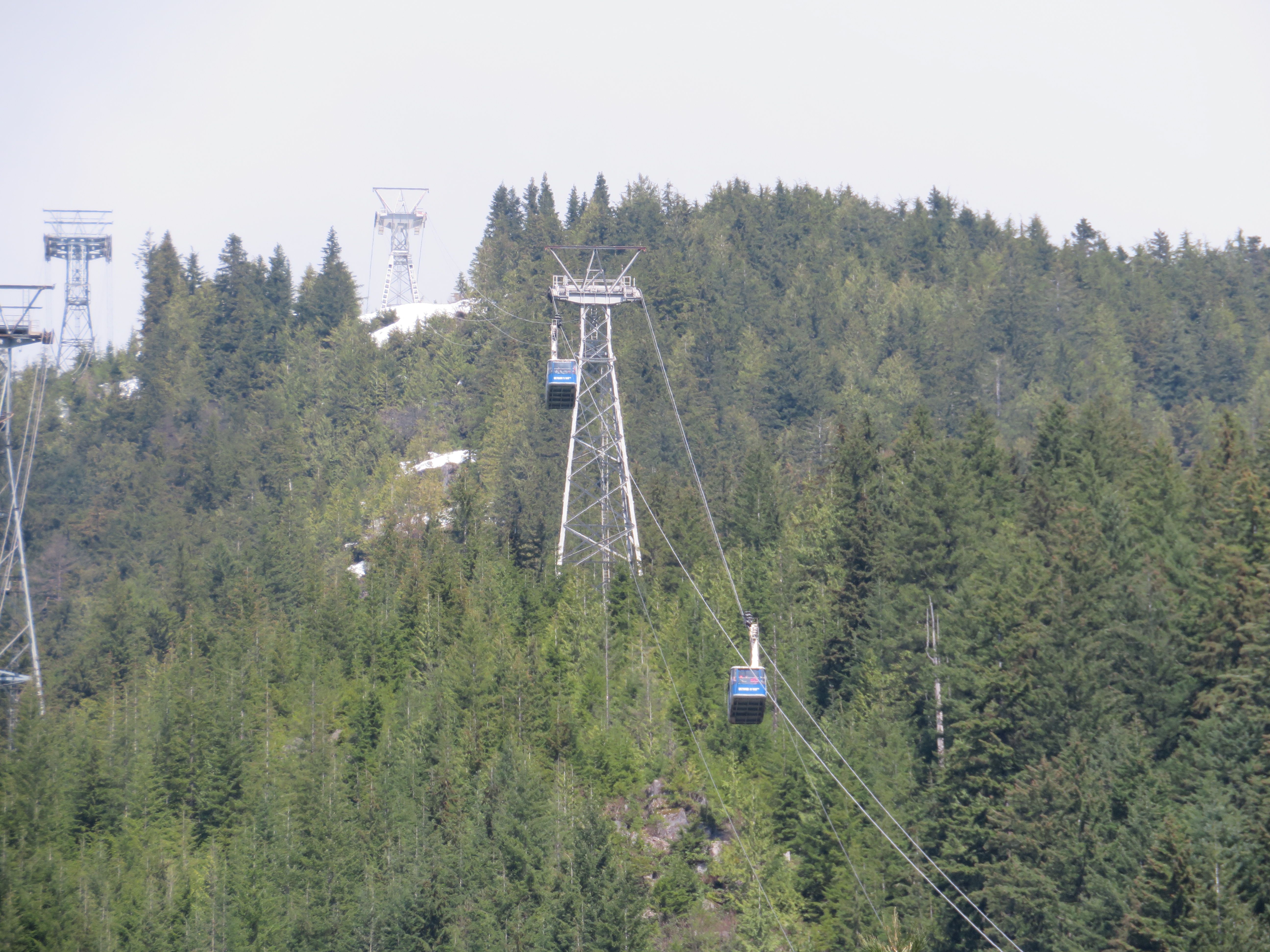
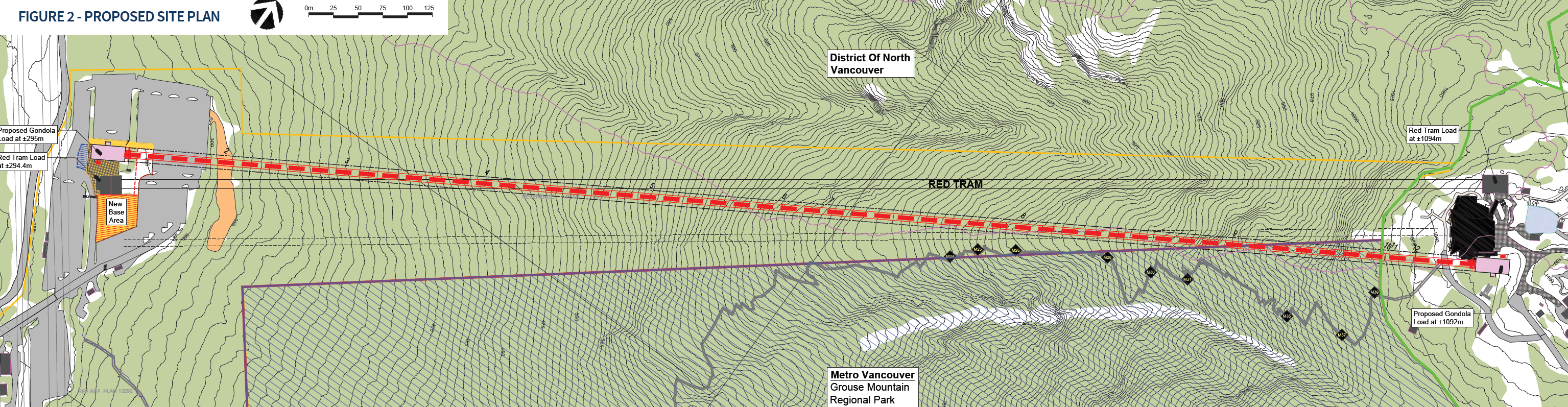
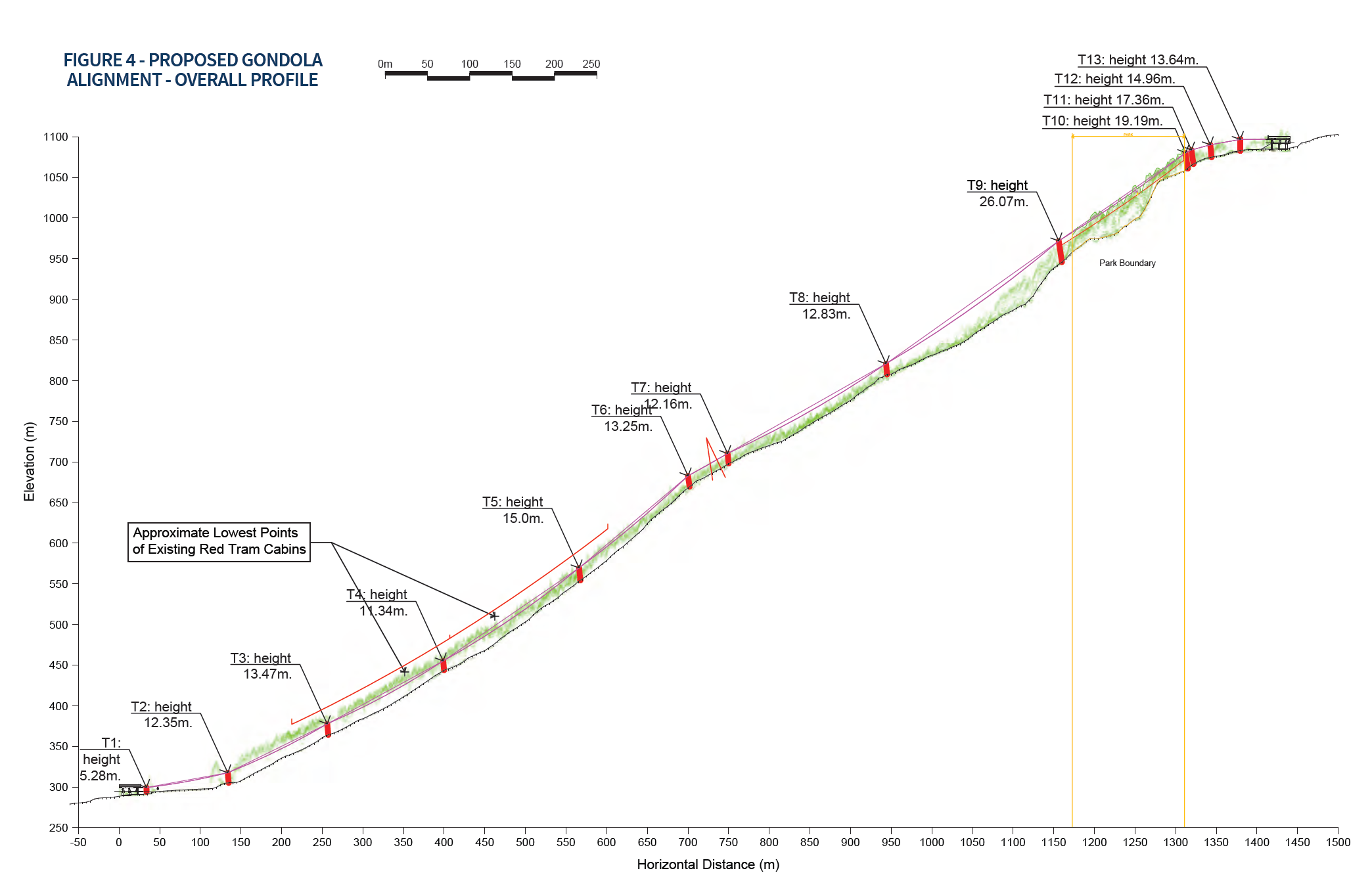
Northland Properties has announced a CA$30+ million investment to transform the arrival experience at Grouse Mountain. If approved, a modern eight passenger gondola would replace the 1966 jig back affectionately known as the Blue Skyride. The state-of-the-art gondola will provide continuous loading and a more comfortable experience for up to 2,000 guests per hour (1,000 per direction). The lift is planned to cross under the Red Skyride, which today provides the only public access from the parking lot to the mountain. The 100 passenger Garaventa-built tramway will remain in service for additional capacity and redundancy.
Northland, which also owns Revelstoke Mountain Resort, has partnered with Leitner-Poma to supply the gondola. The 27 cabin, 13 tower machine would travel at 5.1 meters per second, achieving a ride time under six minutes. Gondola cabins would be parked when not in use beneath the upper terminal. The estimated CA$30-35 million project also includes a reconfigured drop off area and 193 new parking spaces. Visitors would see reduced wait times and Grouse would be able to operate year round with no maintenance closures.
“Grouse Mountain is proud to be an integral pillar of the North Vancouver community since 1926 and we look forward to upgrading our facilities leading up to our 100-year anniversary,” notes the project website. The public is invited to learn more about the plan via a virtual public meeting taking place now through September 27th. The District of North Vancouver welcomes public comments as it considers approval. If given the green light, construction on the gondola is expected to last 18 months with an opening targeted for December 2023.
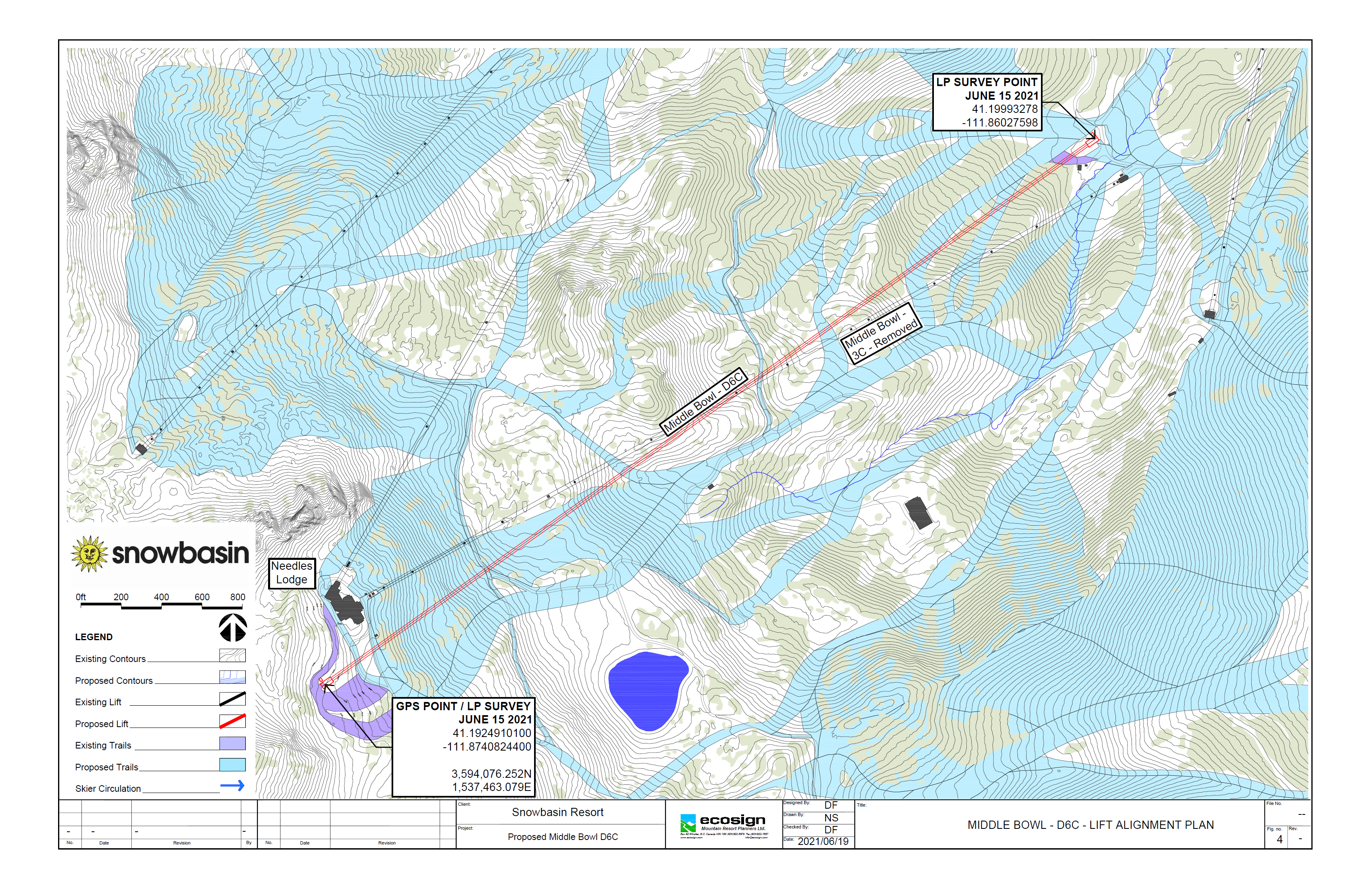
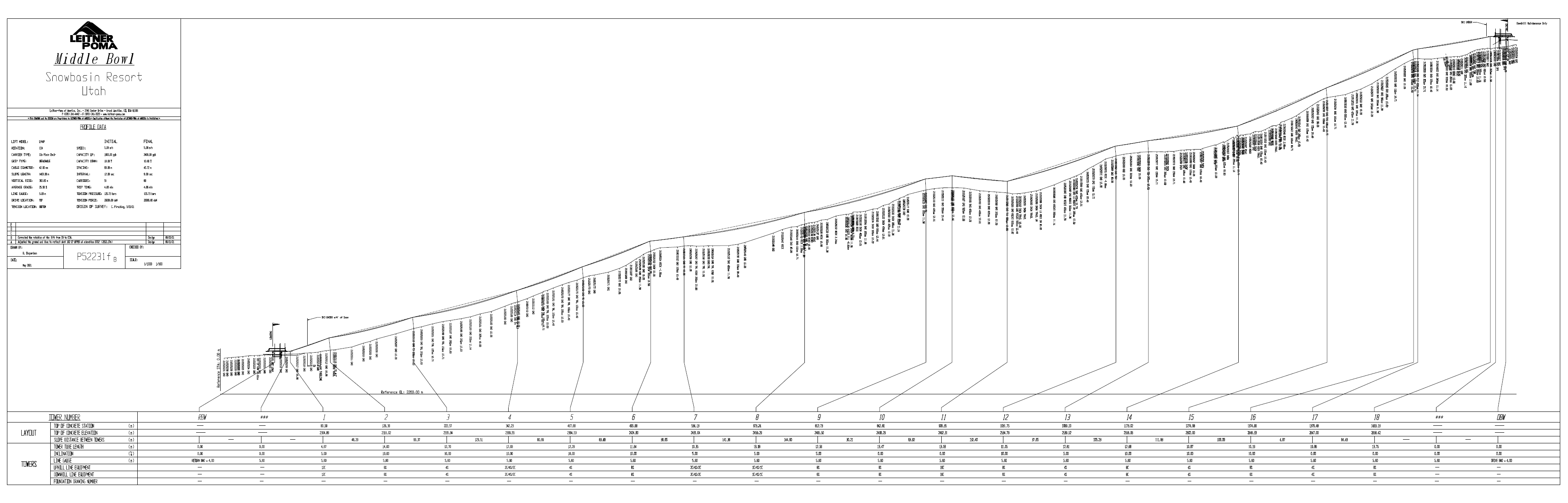
Utah’s Snowbasin Resort has partnered with Leitner-Poma of America for its next big project, a six place chair in Middle Bowl. The lift will replace Snowbasin’s oldest fixed grip, a 1979 CTEC triple. Together with the recently-built Wildcat Express, the new six pack will offer an attractive alternate route up the mountain to the Needles Gondola. Middle Bowl Express will be the first Leitner-Poma lift for Sinclair Oil Corporation, the parent of Snowbasin and Sun Valley.
“Middle Bowl is a legendary lift that runs through the heart of Snowbasin,” said Davy Ratchford, General Manager of Snowbasin Resort. “We are committed to our guest experience and advanced lift infrastructure, so we’re thrilled to provide this upgrade to improve our guests’ access to upper mountain skiing.”
According to planning documents submitted to Weber County, the new Middle Bowl will load to the north of the current base station and terminate above Needles Lodge, allowing more room for egress. It will rise 1,190 vertical feet over 4,803 feet of slope length and 18 towers. Initial capacity is planned at 1,800 passengers per hour with 51 chairs on the line. In the future, 17 carriers could be added to reach 2,400 skiers per hour. A ride up Middle Bowl will last just 4.9 minutes compared with 9.2 minutes on the old lift at full speed.
Leitner-Poma is currently looking for employees to help build the six pack beginning in mid-July through November.
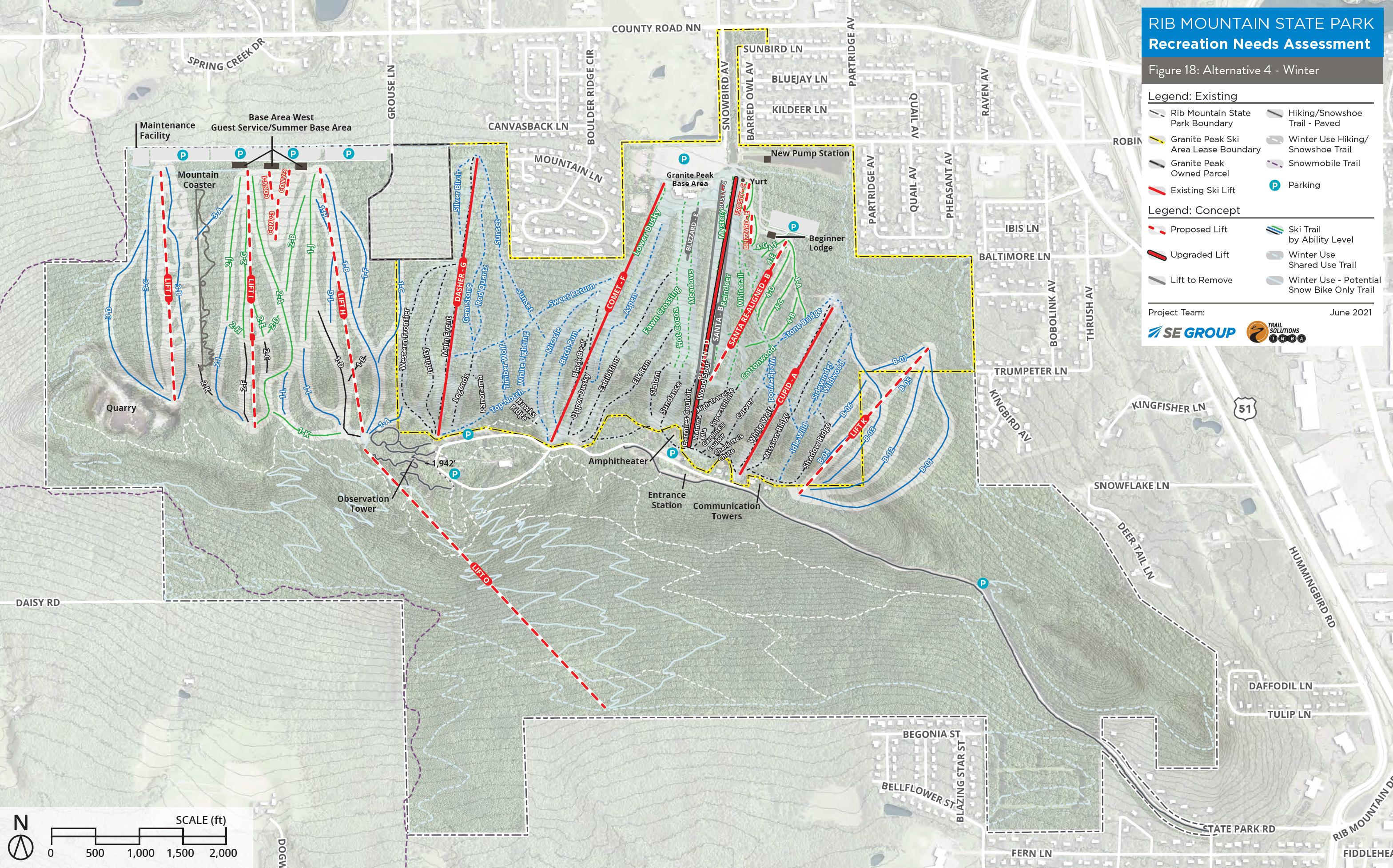
A big time mountain in a state full of mostly small ski areas, Granite Peak features three high speed lifts serving 700 vertical feet of diverse terrain. As Wisconsin’s largest ski area, Granite serves both the local community of Wausau and regional visitors seeking a big mountain experience. Under a new vision developed by the Greater Wausau Prosperity Partnership and SE Group, the resort could see up to six new chairlifts, a gondola, 139 acres of new terrain, a second base area and year-round downhill mountain biking.
Like hundreds of other resorts in the United States, Granite Peak occupies public land leased to a private operator. In this case, development would be a partnership between Granite Peak owner Charles Skinner and the Wisconsin Department of Natural Resources (Skinner also co-owns Lutsen Mountains, the Midwest’s largest ski area with an ambitious expansion playbook of its own in partnership with the US Forest Service.) The plan notes that unlike most ski areas in the Midwest, Granite Peak has significant access to capital to make transformational improvements.
SE Group developed four alternatives, the first of which is the usual no action option. Granite Peak would remain a winter-focused operation with skiing and seasonal chairlift rides. Under this scenario, the ski area would expect to see fewer winter visitors over time consistent with current trends. Downhill mountain biking could be added but would be limited to about 12,500 visits a year.
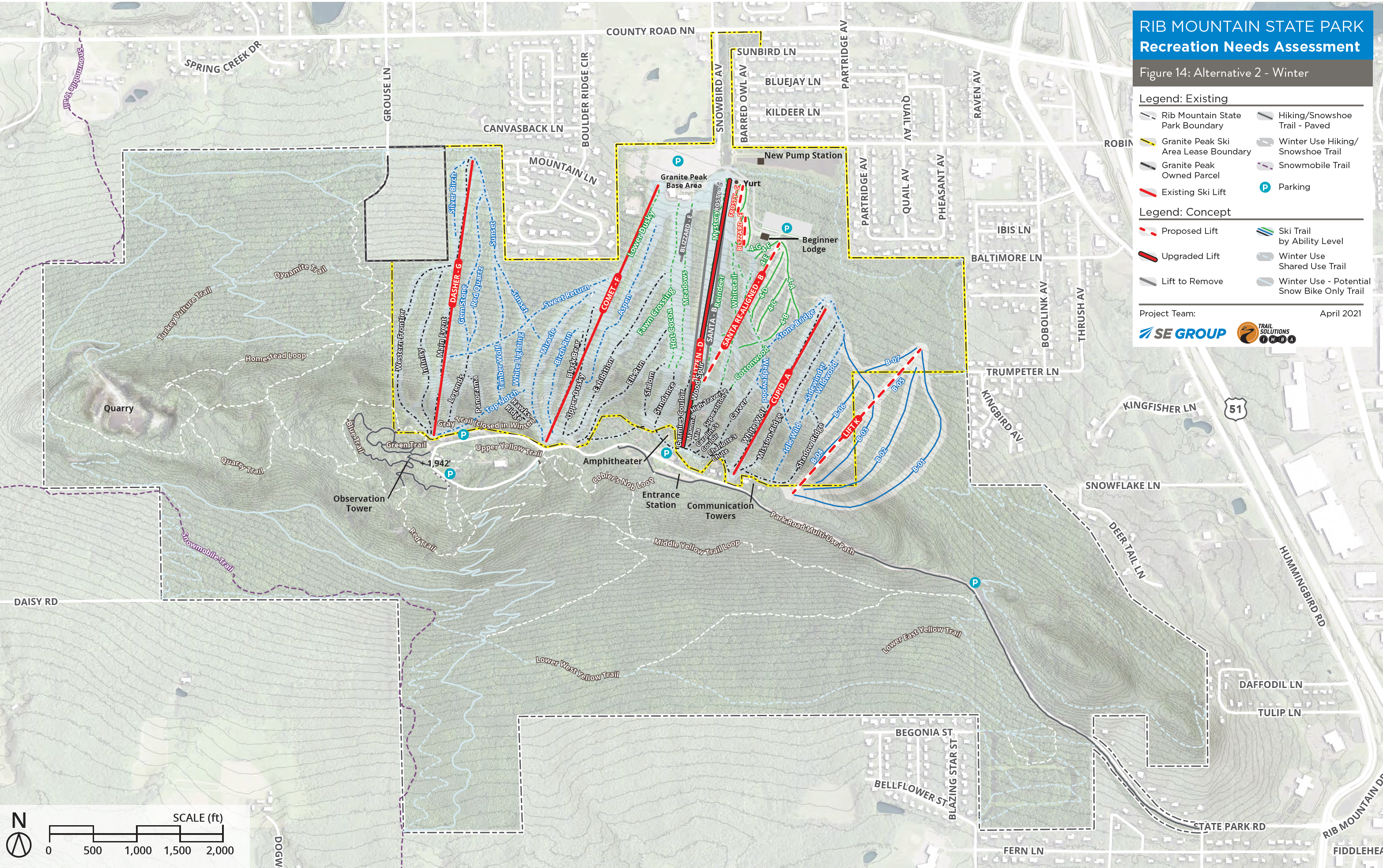
Alternative 2 adds a new ski lift east of the existing Cupid lift servicing five new low intermediate trails. The Blitzen triple would become a detachable quad and Santa would be realigned to better service novice terrain alongside a new lodge. Blitzen Express would service summer downhill biking and chairlift rides. This alternative would attract some additional summer visitors and likely keep skier visits neutral.
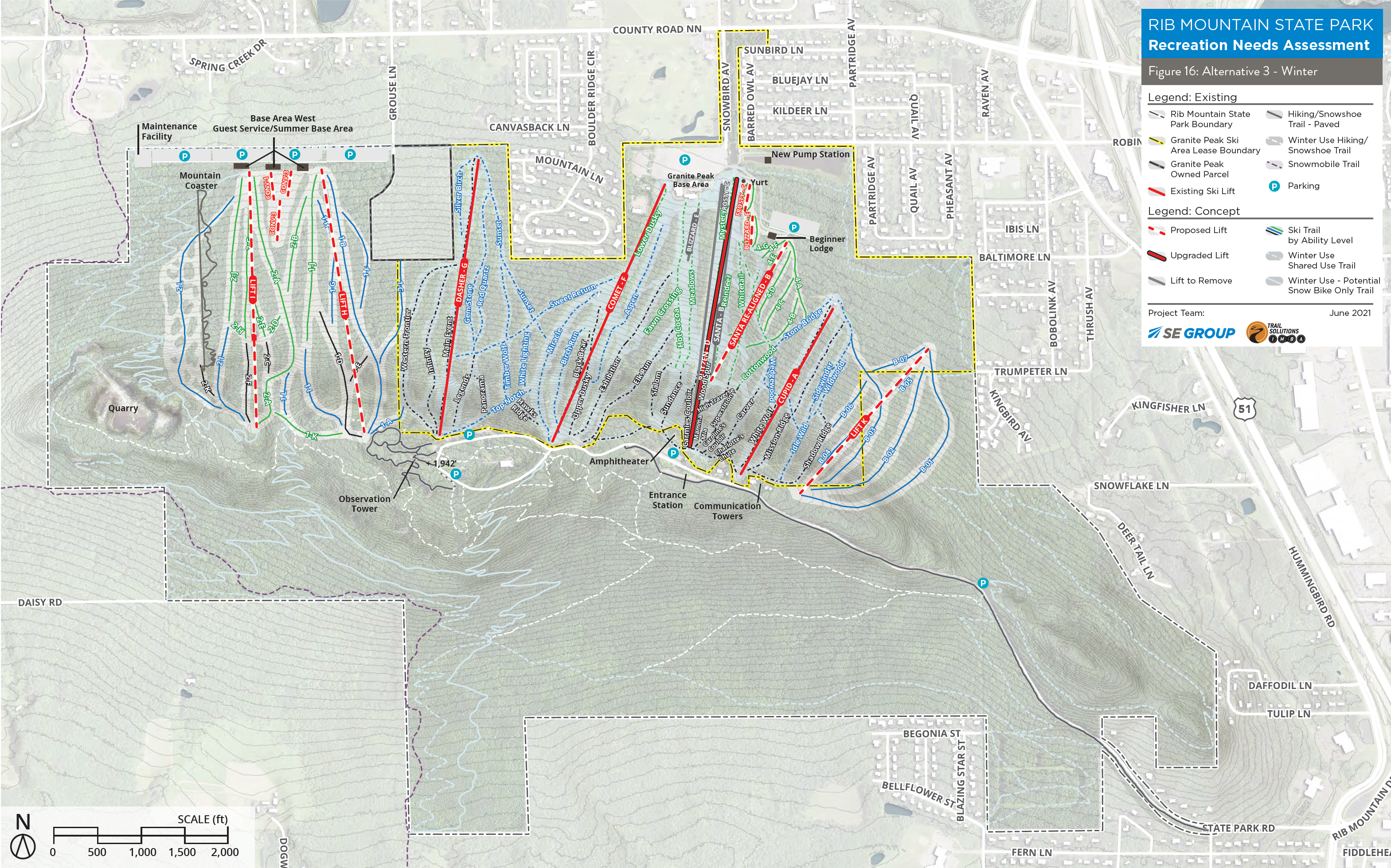
A more ambitious Alternative 3 includes all of the projects from Alternative 2 plus a westward expansion with parking, a day lodge, gondola, chairlift and three surface lifts. Two of the new lifts would serve beginner runs from the summit, a key differentiator from the Granite Peak of today where novices are limited to mid-mountain and below. Summer operations would live here and include a zip line plus mountain coaster. Winter could see a total of 121 new skiable acres and an estimated 136,000 additional annual visits.
Alternative 4 adds a third westward expansion lift plus a year-round mountain biking chair on the south side of the mountain (yes, a lift dedicated to fat bikes instead of skiers all winter). Total visitation in winter and summer could reach 744,000 with the most diverse recreational offerings in the region.
Not surprisingly, Granite Peak supports Alternative 4, which provides the most flexibility for expanded terrain and services. “This is exciting,” noted General Manager Greg Fisher in a blog post today. “Of course as an operator and outdoor enthusiast I want to go big and Option 4 is awesome. It gives us the most opportunity to utilize so much of the natural resources we have here within the park boundary.”
I personally have never had the chance to ski at Granite Peak but have hiked up and down to photograph the existing lifts. It really is unique in Wisconsin and I would love to see it grow. The State is accepting public comments here through July 14th if you’d like to weigh in.
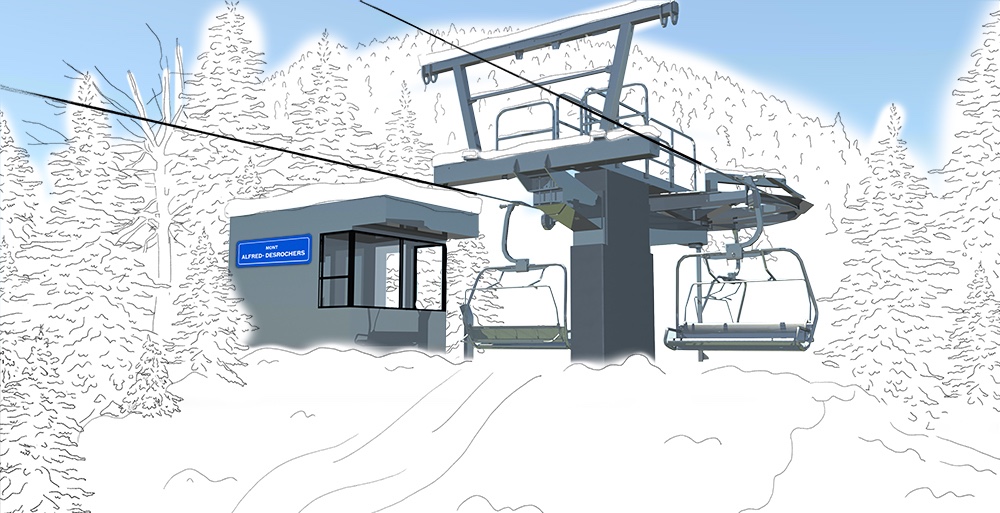
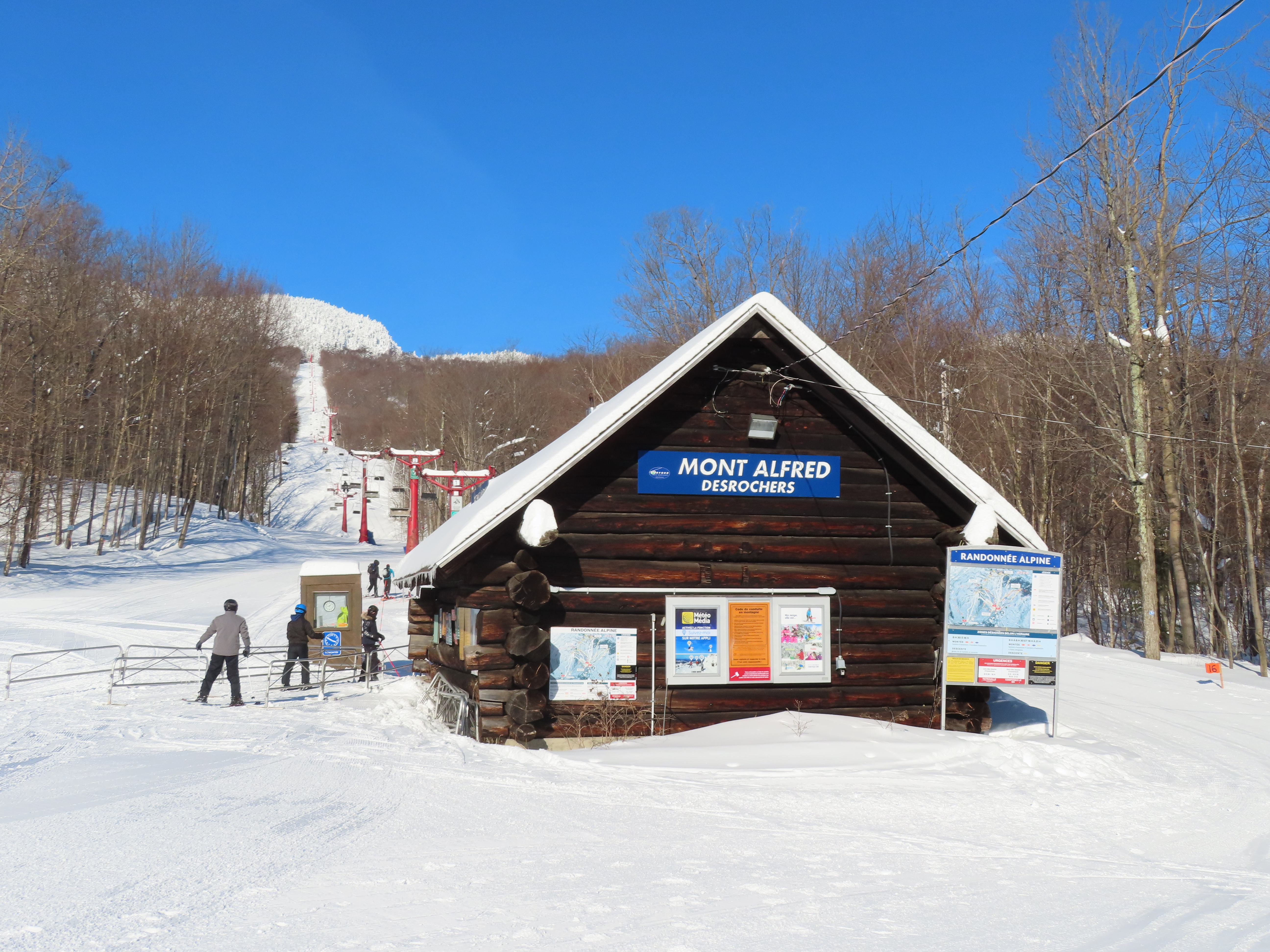
One of Canada’s oldest chairlifts has spun its final laps and will be replaced this upcoming season with a fixed grip quad. Mont Orford’s Alfred-Desrochers double dates back to 1965 and was built by Samson. Doppelmayr will construct its replacement, which will increase capacity by 60 percent. The project represents a CA$4.5 million investment.
“We are very happy to be able to complete this major change that is long awaited by our customers, which is part of several improvements that we wish to carry out in the coming years,” said the ski area. “In addition to being faster and more efficient, the ascent will feature an easy-to-use boarding conveyor.” Unlike its predecessor, the new lift will operate seven days a week, enhancing access to beginner and intermediate trails.
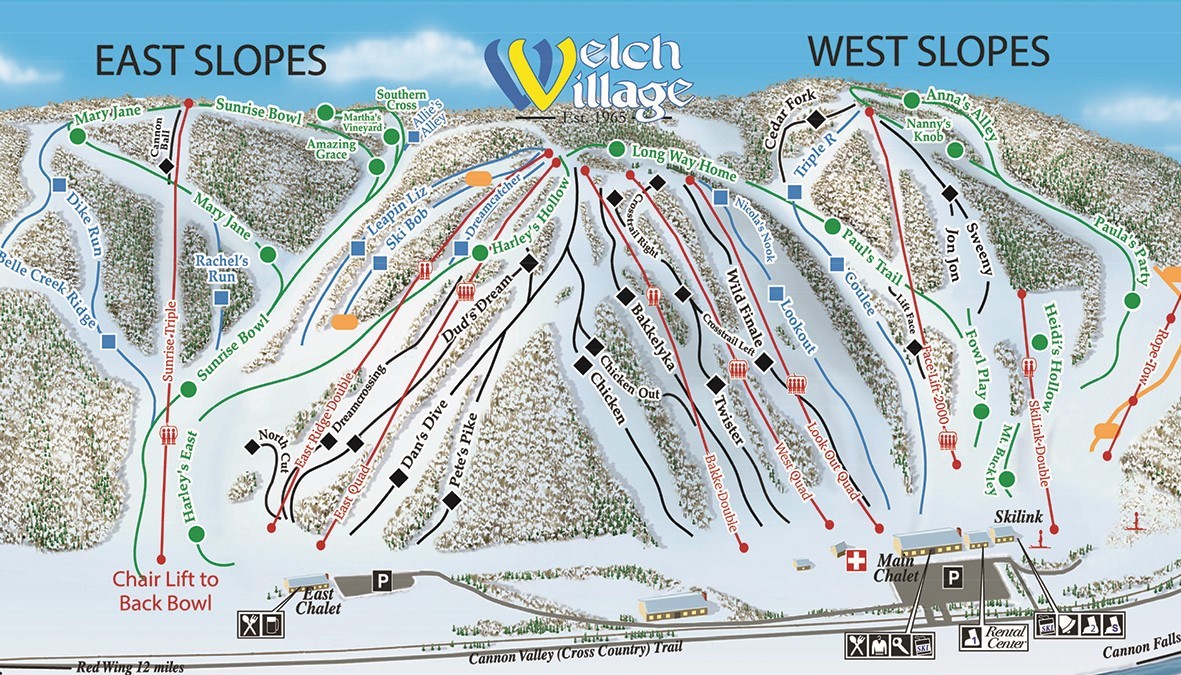
Minnesota’s Welch Village has announced a deal with Doppelmayr for an Alpen Star quad chair. The fixed grip lift will replace the East Ridge double, also known as Lift 4. The new machine will load about 30 feet to the west of the current Hall and open some time in December. “By moving the bottom of this new lift further to the west, we will be able to open up the bottom of the Harley’s Hollow enabling guests to actually ski and ride in between the new quad chair and the Triple Chair,” said Welch Village President and General Manager Peter Zotalis in a blog post. “There are a lot of exciting aspects to this project (and other projects) that we will share with you over the course of the summer and fall.”
Welch Village also announced the removal of the Bakke double, which two newer lifts made redundant years ago. When this summer’s projects are complete, the mountain will operate six quads, one triple and one double.