- Berkshire East and Catamount to join Burke Mountain and Smugglers’ Notch under unified ownership.
- Quebec’s CMSQ takes over management of a fifth mountain, Belle Neige, and sets sights on a sixth.
- A private ski area with five chairlifts is approved in Nevada’s Ruby Mountains.
- Doppelmayr’s CEO highlights the importance of the United States market.
- In the wake of a fatal crash, Swiss media report Garaventa offered a voluntary retrofit for DT-108 grips on the Titlis Xpress several years ago.
- One person is killed and six injured when an aerial tram cable snaps in India.
- A law firm files an antitrust lawsuit against Alterra and Vail, claiming both “unlawfully inflated prices and suppressed competition through anticompetitive bundling practices tied to their multi‑mountain season passes.”
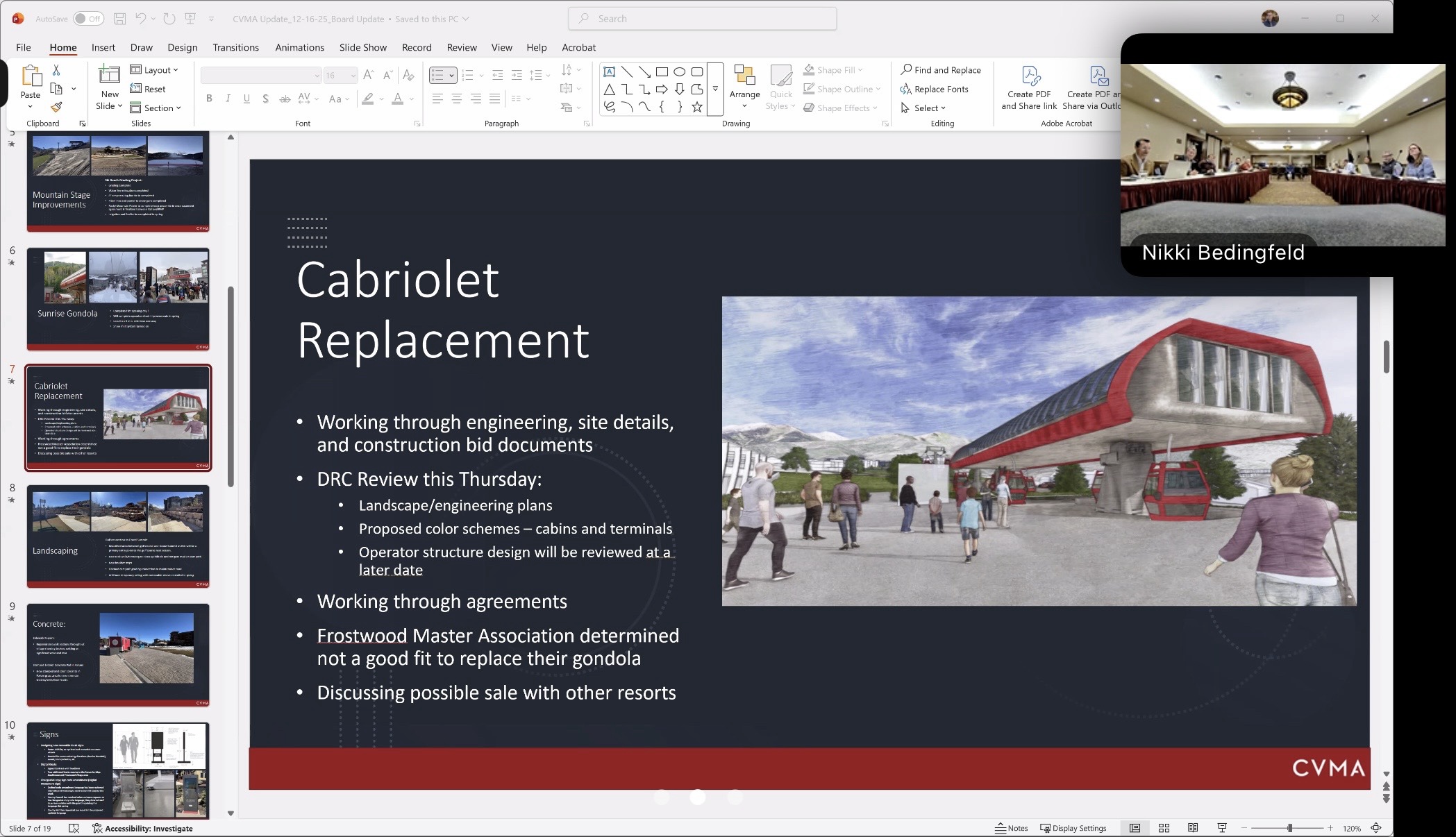
- Park City’s Cabriolet replacement to be called the Canyons Village Skyway.
- Park City officials get another chance to approve Eagle and Silverlode replacements.
- MND provides an update on its 10 lift project in Uzbekistan, including the first Orizon detachable.
- A Denver TV station looks back at the 1976 Vail gondola disaster with a multi-part series.
- Here’s a cool primer on how a splice comes together.
- Jackson Hole to debut a golden gondola in honor of Olympian Breezy Johnson.
- A tree falls on the Silver Mountain gondola.
- Alaska public radio explores how a gondola project supposed to cost under $10 million more than tripled in price.
- Big Sky will shorten Powder Seeker 6 this summer, slightly lowering the top terminal due to moving glacial rock.
- The Zincton proposal in BC faces local opposition.
- Nub’s Nob to replace the Orange triple with a Skytrac quad this summer.
- Skytrac will also build Lee Canyon’s expansion lift.
- Sponsored job: Electrical Lift Installer – Okanagan Project – Doppelmayr Canada
Park City
News Roundup: Spring Debuts
- Whaleback’s chairlift is back in action after being closed all season.
- Angel Fire performs a mid-season splice on the Southwest Flyer, now back open.
- A child is okay after falling from a chairlift at Blue Knob, Pennsylvania.
- Another child falls from a chair and is airlifted from Sierra-at-Tahoe.
- Telluride sues several current and former elected officials seeking millions of damages incurred during the December patrol strike.
- The latest Eaglecrest gondola complication: cabins shipped on their side rather than upright.
- The Mighty Argo Cable Car in Colorado will soft open next month.
- OZ Trails Bike Park to open with Arkansas’ first detachable chairlift in June.
- BC’s Okanagan Gondola set to open in April 2027.
- Vail Resorts reports an 11.9 percent decline in North American skier visits and lowers financial guidance.
- Park City Billionaire Matthew Prince still wants to buy Park City Mountain from Vail.
- Alterra CEO Jared Smith steps down.
- Vermont considers regulating both lift operator breaks and staffing levels.
- Leitner to build the world’s first jig-back tramway with a direct drive in Italy.
- Both the Green Mountain Express and North Ridge Express go down at Sugarbush’s Mt. Ellen, leaving hiking as the only access to the summit.
- Black Mountain, New Hampshire won’t become a co-op after all, will continue to be managed by Entabeni Systems.
- Mt. Sima, Yukon to reactivate its T-Bar after many years.
- A massive nearby rockslide closes Whistler’s Peak Chair indefinitely.
- Magic Mountain, Idaho won’t open this season.
News Roundup: Horsetrac
- Alta Sierra, California reopens for the first time in several years but has to rope evacuate a lift on day one.
- Indy Pass raises its base pass price, lowers the full pass price and adds Thrill Hills, ND; Pebble Creek, ID and Murray Ridge, BC plus several international and cross country outposts.
- Lost Valley, Maine would like to expand onto the opposite side of its access road with several lifts.
- Aspen Highlands looks to build a year-round gondola, replace Thunderbowl with a detachable and add an Apple Strudel lift.
- Doppelmayr USA partners with Ski Utah.
- Powder Mountain proposes replacing one carrier on Lightning Ridge with a carousel horse. Automated gates will prevent skiers from riding the horse.
- Two empty gondola cabins collide in Austria.
- Another avalanche takes out a lift tower in France.
- Mont-Sainte-Anne runs its gondola on diesel at reduced speed with less than 40 cabins out of 90 operational.
- McConkey’s at Park City has been down this week.
- Sugarbush pulls both Green Mountain Express and Super Bravo Express for a few days to complete repairs.
- Opposition emerges to the proposed gondola in Rock City, Georgia.
- An unseated passenger makes it all the way to the top of Bear Mountain’s longest detachable quad.
- Royal Gorge, Colorado debuts new glass floor gondolas tomorrow.
News Roundup: Settlement
- The Hermitage Club to build a detachable quad to mid mountain this summer.
- Snowmass likely to replace the Sky Cab pulse gondola with a detachable system in 2027.
- Under a proposed settlement, Resorts of the Canadian Rockies would pay some 300 riders who were on the Mont-Sainte-Anne gondola during two abrupt stopping incidents in 2020 a total of CA$5.1 million.
- Blackcomb closes Catskinner for a few days for haul rope inspection/repair.
- Glen Eden’s Limestone quad goes out of service for repairs.
- Also Luckey’s at Table Mountain.
- And Lift 2 at Loveland.
- Ragged Mountain works to return Barnyard to service.
- Tremblant runs the rarely open Casino Express as a substitute for the Soleil Express for a few days.
- Two workers are killed on a Bartholet construction site in Oman when a work carrier falls.
- A snowboarder dies in Japan after being dragged by a backpack while trying to disembark a lift.
- A Graffer gondola for the Cortina Olympics may not be finished in time.
- An unseated passenger is okay after falling from height at Mammoth.
- Nonprofit Badger Mountain, Washington fundraises to maintain utilities and insurance.
- Another transit gondola route is floated in Park City.
- After two incidents and two lawsuits, Sun Peaks stops allowing a concessionaire to load “Snow Limos” on chairlifts.
- Closed Sleeping Giant, Wyoming in talks to sell to an unnamed operator with properties in Colorado and New Mexico.
- Gore Mountain conducts a high-profile evacuation of its gondola following a deropement.
- Cornerstone General Contractors is the low bidder to be construction manager/general contractor on the Eaglecrest used gondola install.
- An update on the sale of Eldora to a nearby town.
- Several Oregon ski areas suspend operations due to minimal snowpack.
News Roundup: Back at It
- Park City resubmits applications to build an Eagle six pack and Silverlode eight place.
- Snow King, Wyoming to add eight cabins to its gondola for summer concert capacity.
- The triple at Mont Cascades, Quebec closes until further notice due to mechanical issues.
- Same with Buzzsaw at Searchmont, Ontario.
- Red Mountain, BC goes without the key Motherlode triple this week due to a motor issue; runs a a snow cat shuttle instead.
- Crescent Hill, Iowa completes installation of a whole new drive terminal for its double chair.
- Little Eagle at Vail is evacuated after an incident; Vail Resorts declines to say whether anyone was injured amid online rumors (update 2/4: in a Colorado Passenger Tramway Safety Board Meeting, the state’s Supervisory Tramway Engineer said no one was injured.)
- Winslow at Dartmouth Skiway is also rope evacuated.
- A reader says Frenchman’s at Sun Valley was also rope evac’d this week.
- Visits to US resorts by Canadians are down 41 percent this winter.
- Mountain Village, Colorado intends to select a vendor for the new gondola this calendar year.
- Doppelmayr to build four urban gondolas in Puebla, Mexico with 12 total stations and 96 towers.
News Roundup: Granite State
- Tenney Mountain rope evacuates Hornet.
- Two people are injured falling from the Panorama Express at Gunstock.
- Hatley Pointe, North Carolina loses its main lift due to a mechanical issue.
- Cuchara successfully opens Chair 4 for the first time since 2000.
- Mt. Jefferson, Maine may close after this season.
- The publicly-owned ski hill in Des Moines, Iowa seeks a new chairlift.
- With a strike dragging on, Le Massif announces the end of ski season, then promptly reaches a deal to reopen tomorrow.
- With public and private funding secured, Mont-Sainte-Anne plans to sign a contract to replace three aging detachables in March.
- A mixed-use development near Park City could include a gondola connection to Deer Valley East Village.
- Vail CEO Rob Katz discusses unionization efforts in the ski industry and reflects on last season’s strike at Park City.
- A rider who died after falling from a chairlift at Cypress Mountain last week may have lost consciousness before falling.
- Elected officials are under investigation for meeting with the owner of Telluride about a sale during the patrol strike.
News Roundup: 462 Cabins
- Telluride’s ski patrol strike ends after 13 days.
- Le Massif partially reopens with limited hours as a strike drags on.
- More than 500 people spend most of an overnight atop the Palm Springs Tramway following a technical issue, now resolved.
- Nearly 200 are rescued safely from Whitefish’s Big Mountain Express in a multi-hour rope evacuation.
- Sugarloaf’s SuperQuad goes down due to a gearbox issue.
- Leitner-Poma will build the new Canyons Village gondola at Park City.
- Anakeesta’s new LPOA gondola to be called Crystal Express.
- Doppelmayr wins the contract for Killington Snowdon with a total project cost of $7.04 million.
- Doppelmayr also will build the world’s longest urban gondola in Mexico City with 12 stations, 462 cabins and 114 towers over 9.4 miles.
- Wildcat reopens its beginner chair after a year-long closure.
- Castle Mountain’s new map shows lift expansion on Mt. Haig.
- A state evaluation following the Park City gondola mishap last week notes no mechanical malfunction but says “a gondola cabin leaving a terminal with a passenger being suspended by the foot is not acceptable and has the potential for extremely serious injuries.” During a Utah Passenger Ropeway Safety Committee Meeting, Park City’s Director of Mountain Operations Nick Dana notes “we did have a loading incident on Red Pine Gondola last week so we’re continuing to look into that and work with the manufacturer to investigate into our door monitoring switches there at top of Red Pine Gondola.”
- Also from the UPRSC, the Forest Service notes several recent chair detachments on Riblet and Stadeli lifts in Montana.
News Roundup: Back Up
- Telluride plans to reopen Lift 1 Monday with non-union workers.
- Here’s some detailed on the ground reporting from the Telluride strike.
- Le Massif, Quebec also shuts down completely due to a strike.
- Mountain High, California temporarily closes due to rain damage.
- Mt. Waterman’s Chair 1 sustains severe damage from the same storm.
- Marquette Mountain, Michigan’s Rocket chair will miss this season due to a gearbox issue.
- Boyne Mountain, Michigan rope evacuates Disciples 8.
- Trollhaugen, Wisconsin rope evacs Chair 4.
- Sasquatch Mountain, BC’s Sasquatch chair remains out of service.
- Black Mountain, New Hampshire loses its only two chairlifts over the holiday period; both are now back in action.
- Mont Farlagne, New Brunswick loses its only chairlift to a gearbox issue, considers buying a T-Bar for future redundancy.
- Burke Mountain’s 1965 J-Bar is back after missing a season.
- Norway Mountain, Michigan revives the Thor double after many years inoperable.
- Asessippi, Manitoba notes several carriers are unusable on the Porcupine triple but the lift will continue to run.
- Seven people are injured in Italy when an aerial tram fails to slow down properly when docking.
- A child dies after becoming entangled in a conveyor lift in Japan.
- A woman is uninjured after dangling upside down from the doors of a gondola cabin at Park City (video).
- Mount Snow shutters Ego Alley and Seasons for different reasons.
- The latest court filing over a delayed lift project at Bluewood, Washington alleges Steelhead Systems’ “experience in the sale and delivery of used chairlifts” has “been marred by disappointing results, delays and unexplained cost overruns.”
News Roundup: Under Contract
- Challenger at Mount Snow is down due to mechanical.
- Two people are hospitalized after falling from the Mountaintop Express at Vail.
- Canyons Village Management Association says the outgoing Cabriolet will not move to replace Frostwood after all but it’s in talks to sell the Cab to another mountain.
- Lake Louise’s new map depicts the Richardson’s Ridge expansion.
- Quebec clears Mont-Sainte-Anne to reopen lifts ordered closed for inspection last week.
- Eaglecrest delays the opening of the summit Ptarmigan lift due to extended maintenance.
- Crystal Mountain, Washington will operate at limited capacity through January due to a road washout.
- British Columbia selects a new operator for closed Tabor Mountain.
- Telluride details where negotiations stand with its ski patrol union. Both sides plan to meet Saturday.
- The last segment of the first Bartholet Ropetaxi on demand gondola opened today.
- Also a remarkable new 3S in the Dolomites.
- Leitner opens its first Ropera next-gen detachable.
- MND’s first production Orizon detachable to be commissioned summer 2026 in Uzbekistan.
- ORDA may spend $3 million on a consultant to guide maintenance on more than $600 million in infrastructure.
- Loon Mountain formally seeks approval to build the Gateway pulse gondola.
- A new ownership group is under contract to purchase Hermon Mountain, Maine.
- The Royal Gorge, Colorado gondola to receive glass floors in 2026.
- Instead of replacing two lifts in 2026, Mt. Ashland will likely do Windsor in 2026 and Ariel for 2027.
Vail Resorts Announces New Lifts for Blackcomb & Seven Springs
The world’s largest mountain operator today revealed two incremental lift projects for 2026, bringing the total to three. At Whistler Blackcomb, Vail plans to replace the Showcase T-Bar with a fixed grip chairlift, subject to government approval. Across the continent, another fixed quad will replace the Blitzen triple at Seven Springs, Pennsylvania. The two projects join the previously-announced Canyons Village gondola at Park City as part of Vail’s $234 to $239 million capital plan for ’26. By comparison, Vail built four new detachable lifts in 2025 at Perisher, Australia; Andermatt-Sedrun, Switzerland and Park City, Utah as part of a $249 million to $254 million capital plan. Vail operates just over 300 overhead cable lifts at 42 resorts as of this winter.
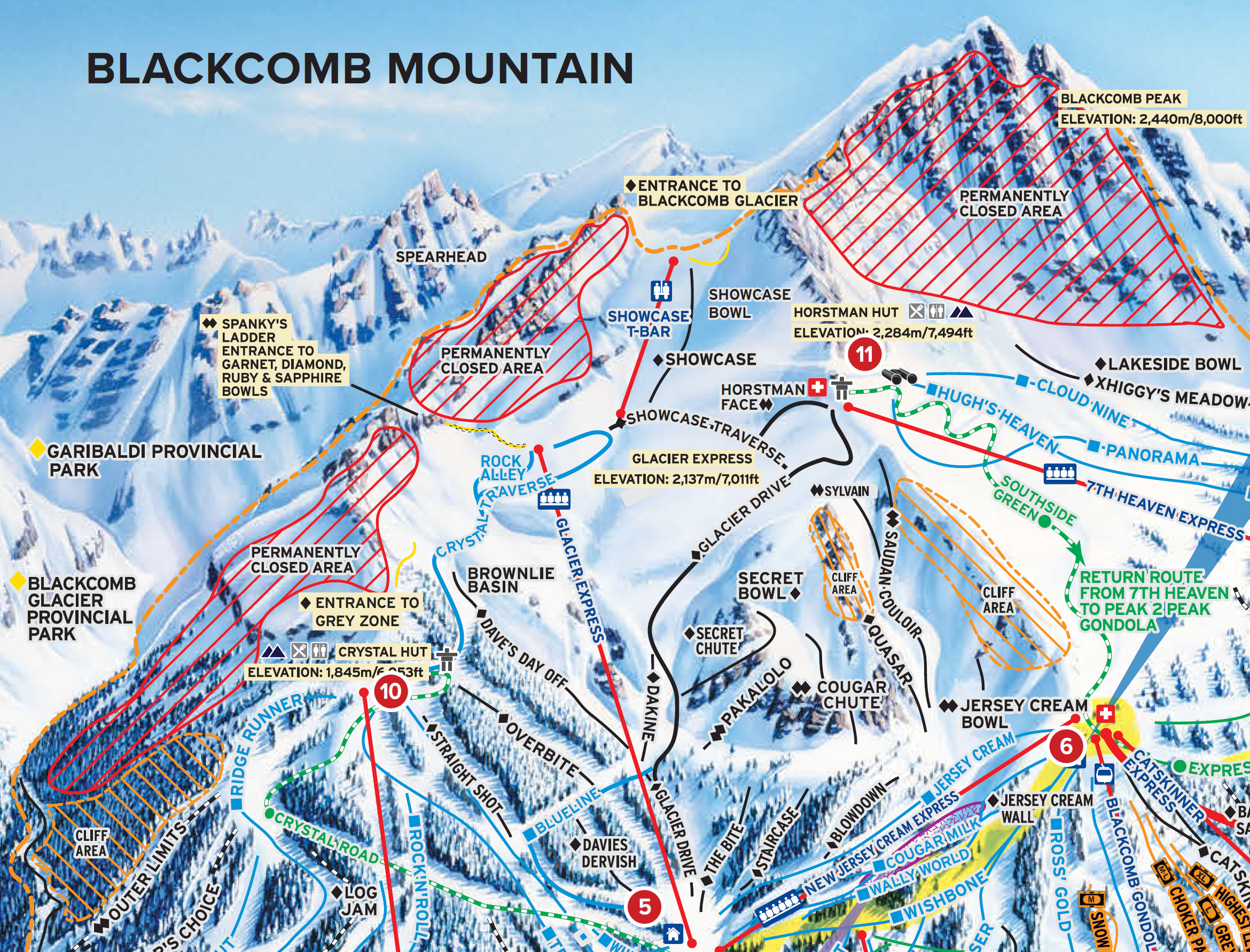
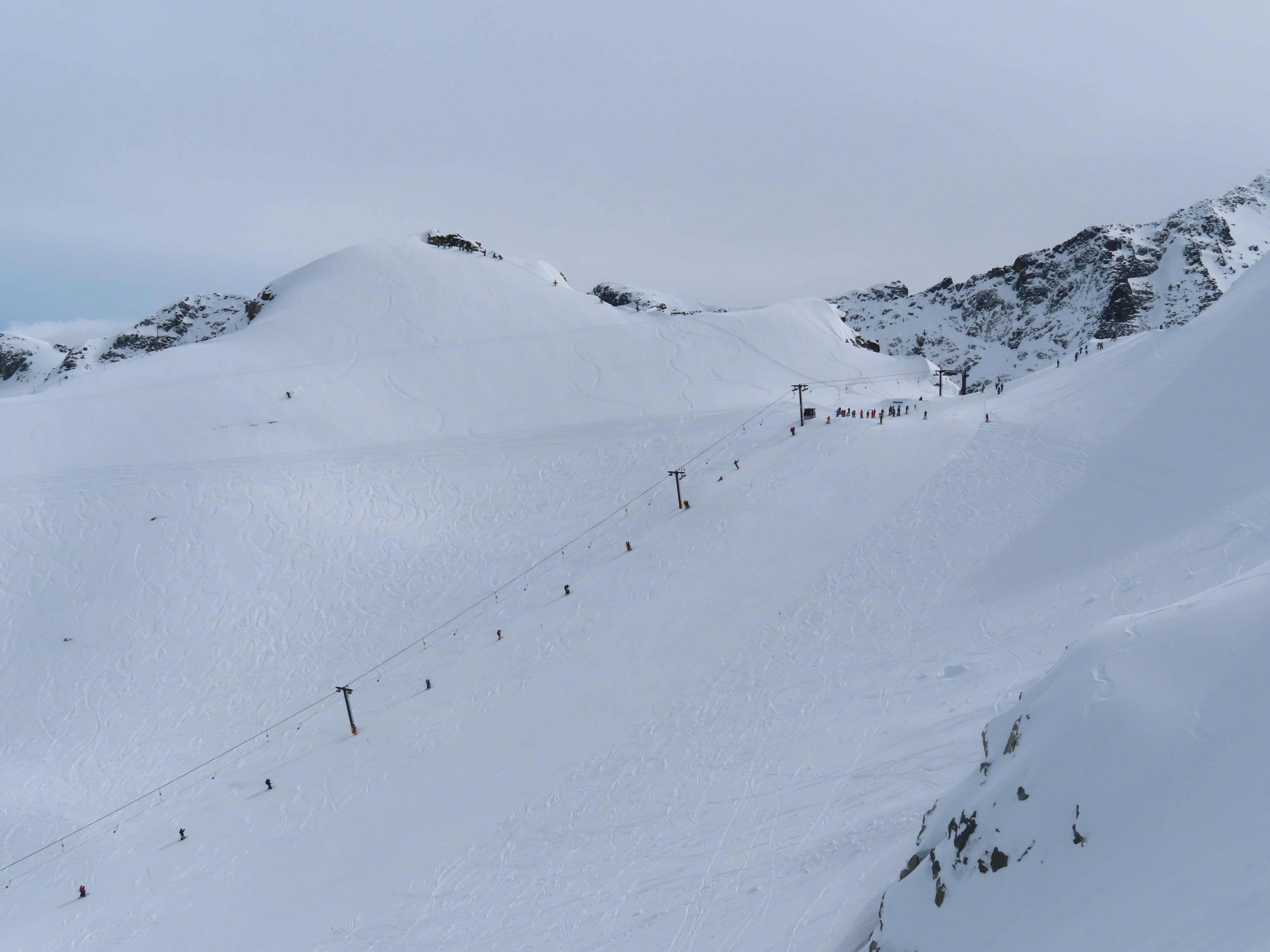
Opened in 1988, the Showcase T-Bar crests the upper part of Horstman Glacier near Blackcomb Peak. For much of its history, the T-Bar ran throughout winter, spring and summer; servicing a wide variety of terrain. In recent years, glacial recession caused the Doppelmayr T-Bar to operate sporadically. Three of Showcase’s towers are pinned on ice, requiring periodic maintenance and repair. When snow levels drop too low, the track becomes too steep for safe riding. Vail removed the nearby Horstman T-Bar without replacement in 2020 due to recession on the lower part of the glacier.
Now Whistler Blackcomb has a long-term plan. The new chairlift will follow a longer alignment off the ice. It will shift north and continue to service the glacier without running on top of it. The lift is expected to be in place by the beginning of the 2026-27 ski season.
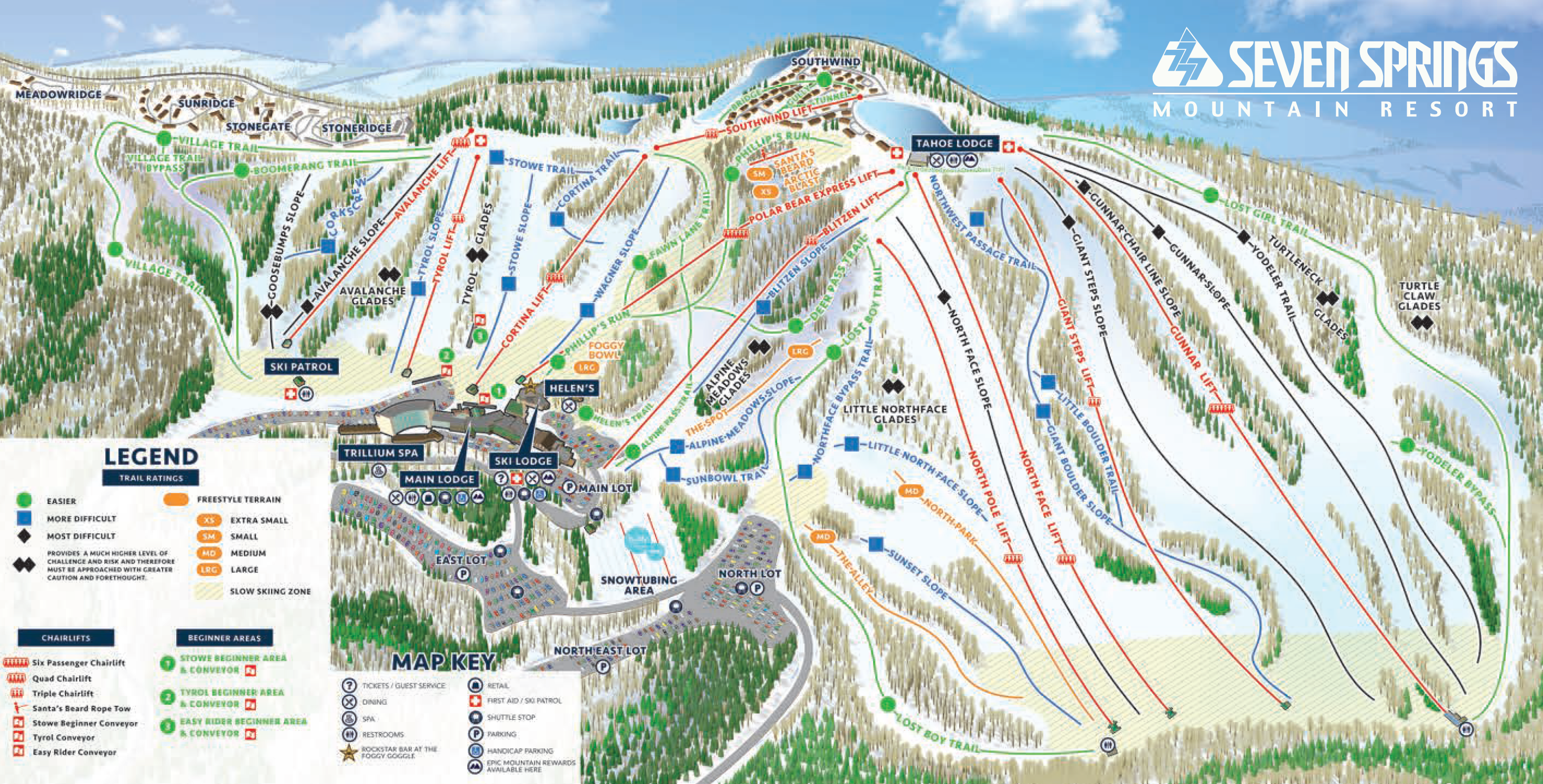
A world away in western Pennsylvania, Vail plans to retire Seven Springs’ oldest lift and only remaining Thiokol called Blitzen. The classic triple dates back to 1975 and services a variety of beginner to advanced terrain. The new quad will be Vail’s first project at Seven Springs since acquiring the resort in 2021.

Manufacturer(s) have not been announced for any of Vail’s 2026 projects. Alongside today’s lift news, the company announced its fiscal first quarter results. Season pass sales declined 2 percent in units but increased 3 percent in dollars compared to a year ago. The company expects to welcome approximately 2.3 million passholders this season representing 74 percent of skier visits. Vail reaffirmed its fiscal 2026 guidance, including net income of $201 million to $276 million and Resort Reported EBITDA of $842 million to $898 million.
 Lift Blog