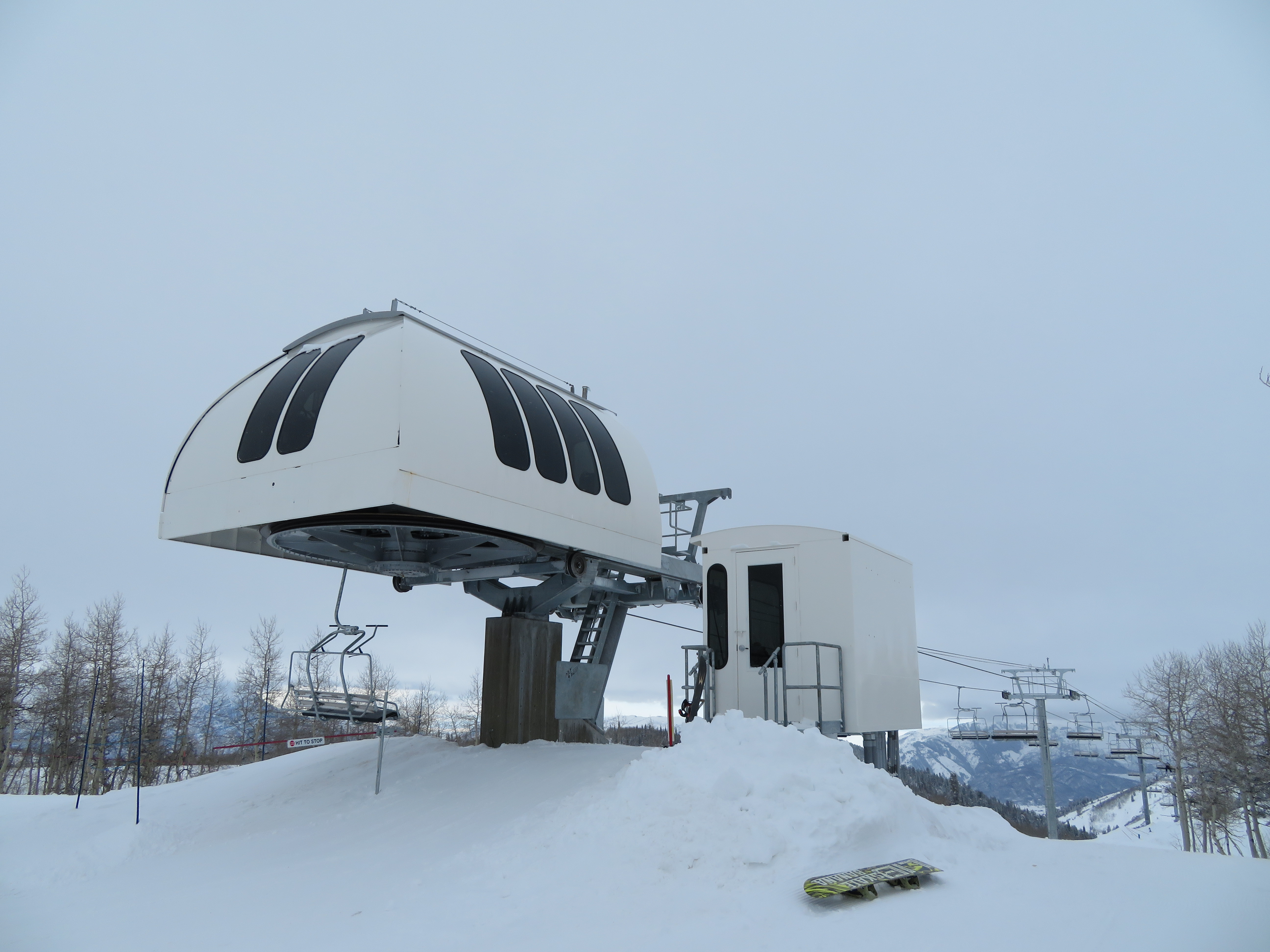
Purgatory will embark on a significant expansion this summer, constructing the long-awaited Gelande lift and five new trails. The top drive Skytrac triple will introduce a new out-of-base option, allowing day visitors to bypass the main village. “This addition will greatly improve our guests’ experience by creating a new way to access the top of the mountain without requiring access through the Columbine or Village base areas while adding to the advanced and expert terrain offered on the frontside of the mountain,” said Purgatory General Manager Dave Rathbun.
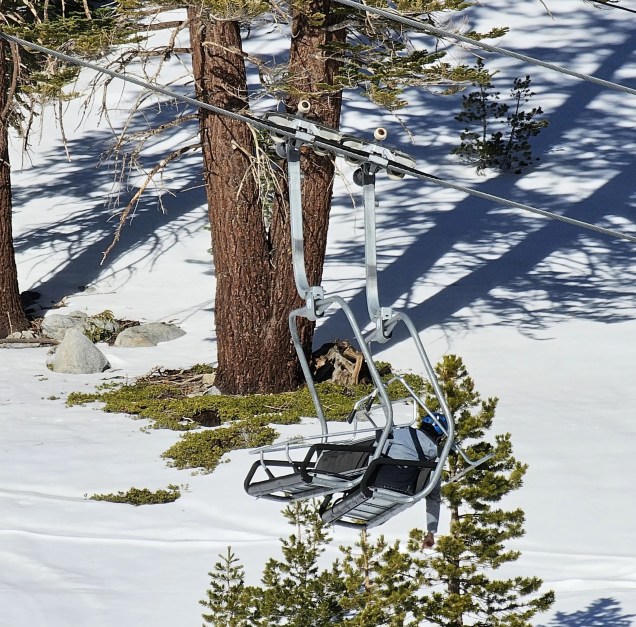
The triple chair will be substantial for a fixed grip, spanning roughly 4,200 feet with 1,600 feet of vertical rise. The alignment includes some very steep sections near the bottom and flatter segments up top.
The Forest Service approved this project back in 2018 and it will add 26 acres to Purgatory’s special use permit boundary. The expansion is expected to create 12-15 construction jobs, mostly utilizing existing winter seasonal employees. Purgatory hopes the new year-round team will continue building new lifts and trails in future summers. “We are excited to be in position to grow and develop our year-round team of employees,” said Rathbun. “These positions will play a crucial role in the ski lift construction and ski trail development. It will also give us the opportunity to provide year-round, benefited positions to some of our key winter seasonal employees and build a stronger, more knowledgeable and experienced team.”
Due to construction, the Purgatory Bike Park will not operate in 2025. “We understand that the temporary closure of the Mountain Bike Park may be an adjustment, but we are confident that the long-term benefits of the new Gelande chairlift and ski terrain will be well worth it,” said Purgatory.
Mountain Capital Partners (MCP) may construct its second chairlift/gondola hybrid lift at Sandia Peak, its latest acquisition near Albuquerque. The Telemix system would directly replace Chair 1, a Stadeli double which dates back to 1963, and effectively replace Chair 3, a Riblet double constructed in 1980. MCP acquired and reopened Sandia Peak earlier this year and quickly reactivated two of its four chairlifts that had sat idle for several seasons. Chair 1 was not among them and has been inoperable since 2017.
The new lift would closely resemble the Arizona Gondola which Leitner-Poma built for MCP at Arizona Snowbowl in 2020. Sandia’s Telemix would travel 7,400 feet in 7.5 minutes, half the time of the old lift. It could operate in both winter and summer for skiers as well as foot passengers coming from the independently-owned Sandia Peak Tramway. Although specific chair and gondola sizes weren’t specified, the lift would transport 2,400 guests per hour. The Forest Service is currently accepting comments on the proposal via email and expects to reach a decision in August.
If Bluewood, Washington can’t complete its planned relocation of a used high speed quad from Austria next season, it will keep its Borvig lift and credit passholders $100.
The US government implements a blanket 20% tariff on goods from the European Union and 31% on products from Switzerland, both major source regions for lift components.
Skeetawk, Alaska works to repair its only chairlift but snow may run out first.
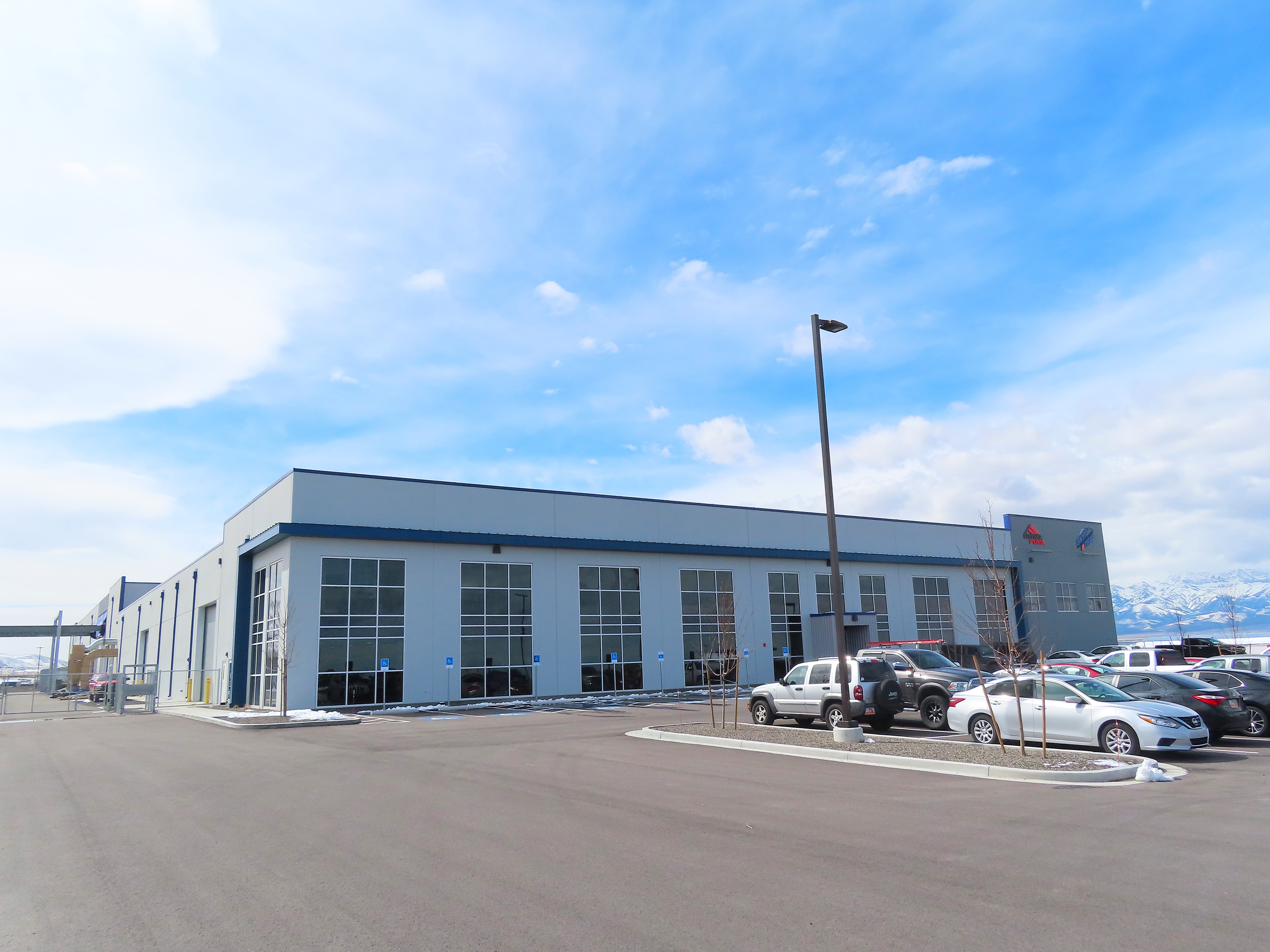
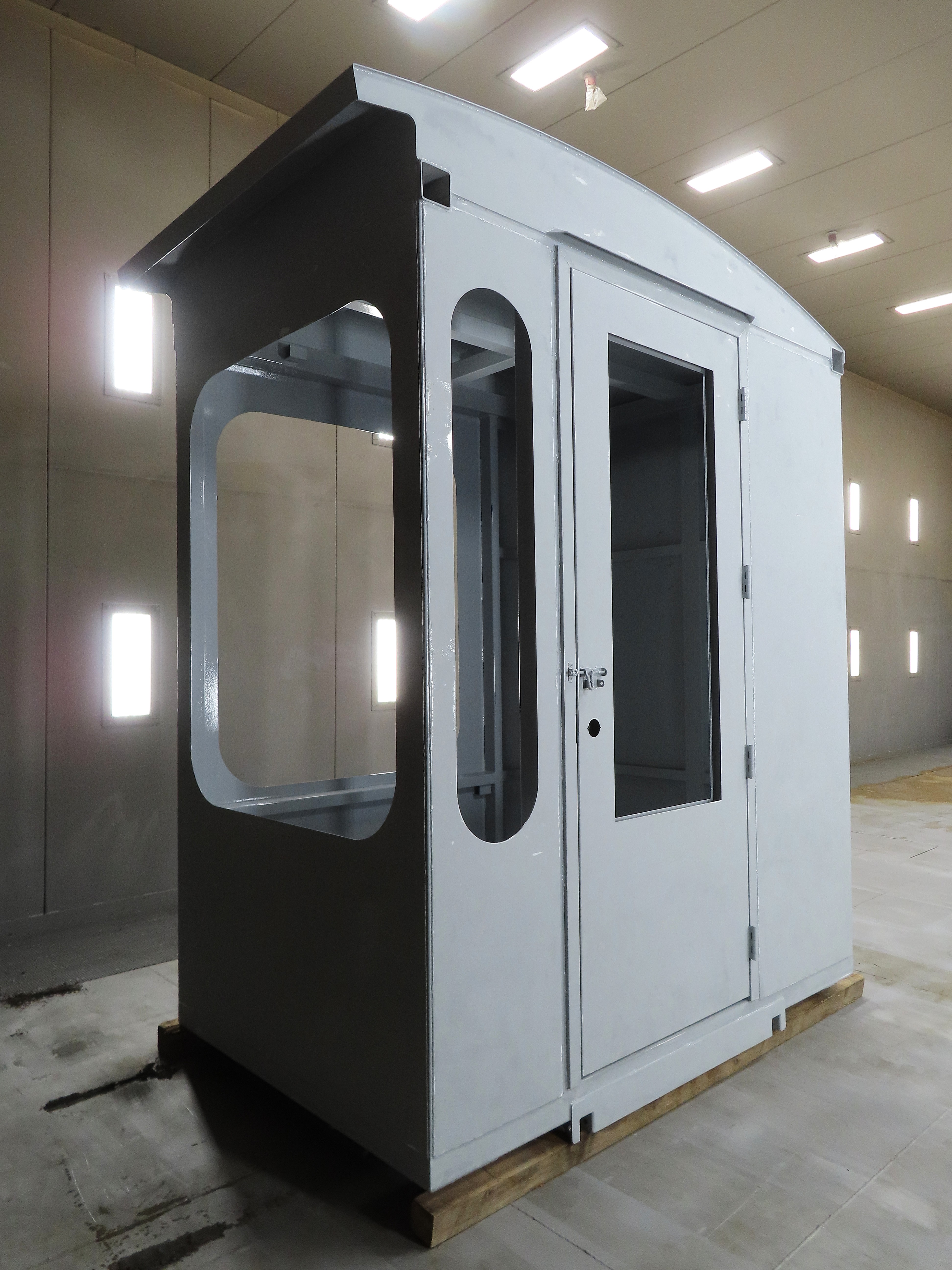
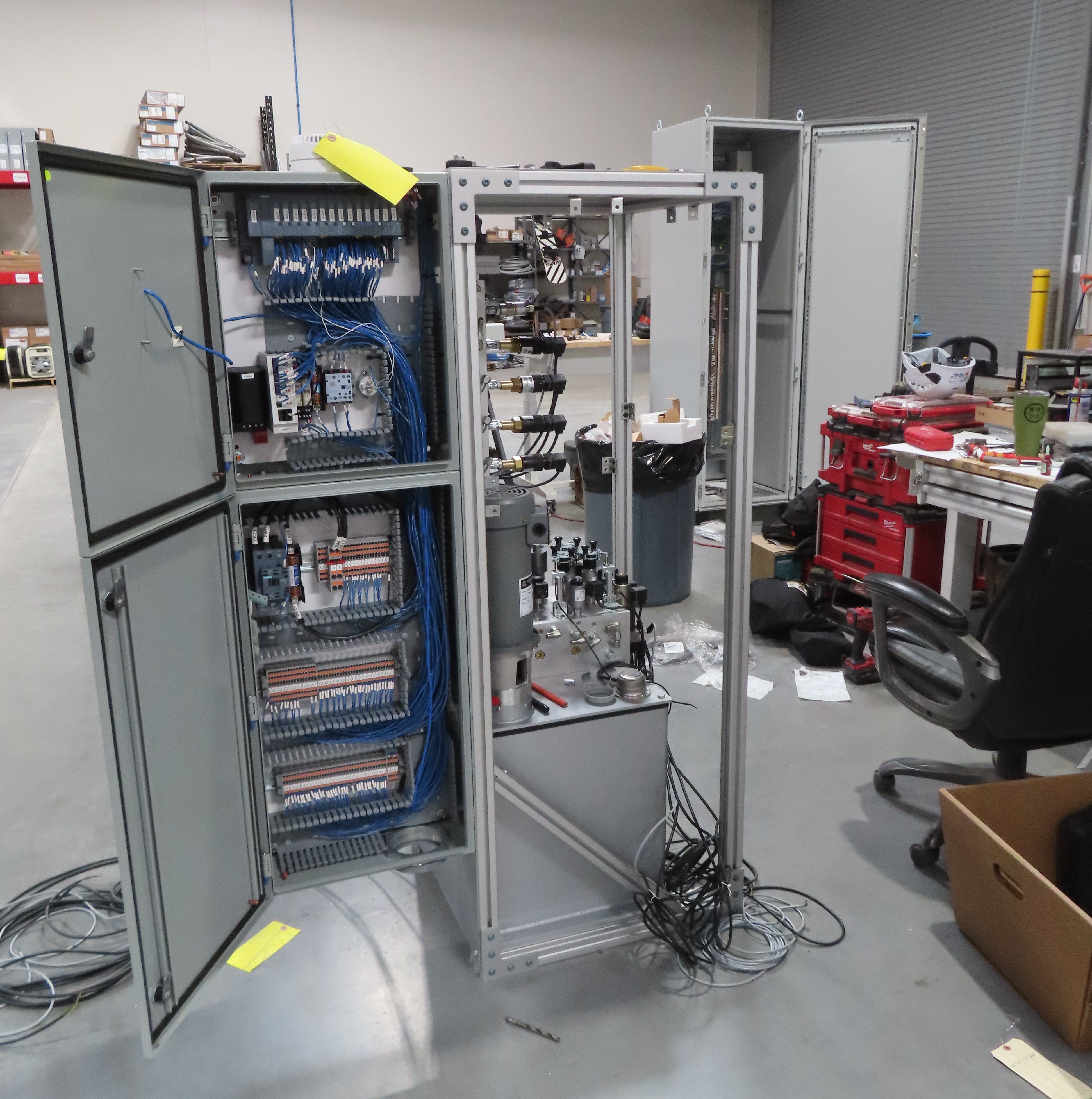
In between Utah lift visits last week, I ventured to Tooele, a sleepy town west of Salt Lake to see America’s newest lift factory. Skytrac Lifts opened its 25-acre campus last summer, which will supply chairlifts and surface lifts to customers throughout the US. During my visit, the Skytrac team was finishing getting settled while gearing up to build at least nine new lifts this summer.
Skytrac has grown substantially since building its first drive terminal at Monarch Mountain, Colorado in 2010. With the late Jan Leonard as one of the founders, the company quickly found a niche providing ski areas high quality yet uncomplicated fixed grip chairlifts. As of this winter, Skytrac has built 82 lifts in three countries along with numerous retrofits, modifications and relocations.
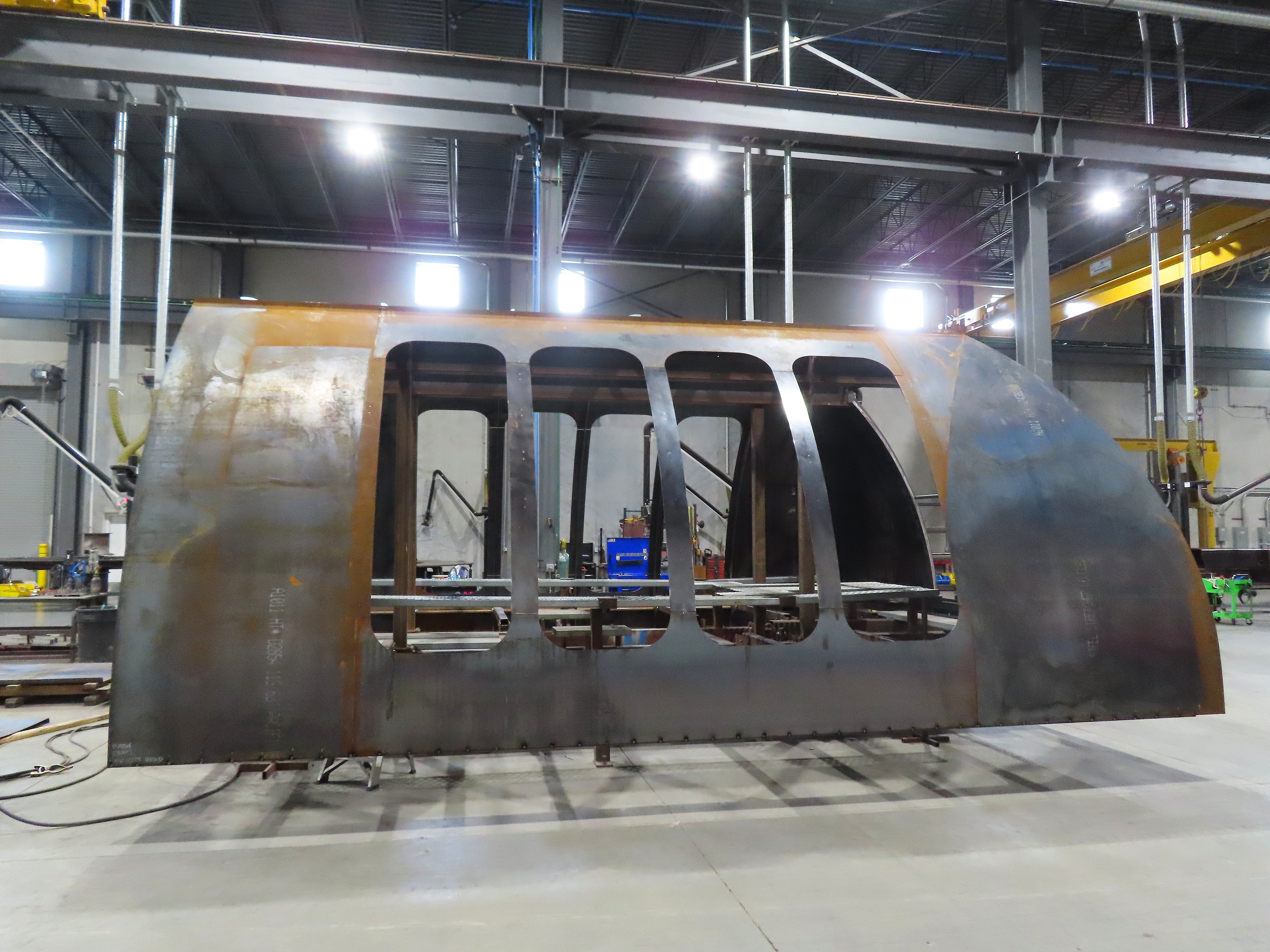
Leitner-Poma of America acquired Skytrac in 2016. The two companies remain distinct brands under Italian conglomerate High Technology Industries (HTI). Skytrac and Leitner-Poma often bid separately on the same projects and retain unique product lines. While both subsidiaries make fixed grip chairlifts, Skytrac recently took over the surface lift (T-Bar and Platter) side of the business while Leitner-Poma focuses on larger chairlifts and gondolas. For a surface lift, Skytrac manufactures operator houses, towers and control systems but imports carriers and terminals from Leitner’s specialized facility in Slovakia. Skytrac’s original products, the Monarch fixed grip chairlift and Hilltrac inclined elevator, are produced almost entirely in Tooele.
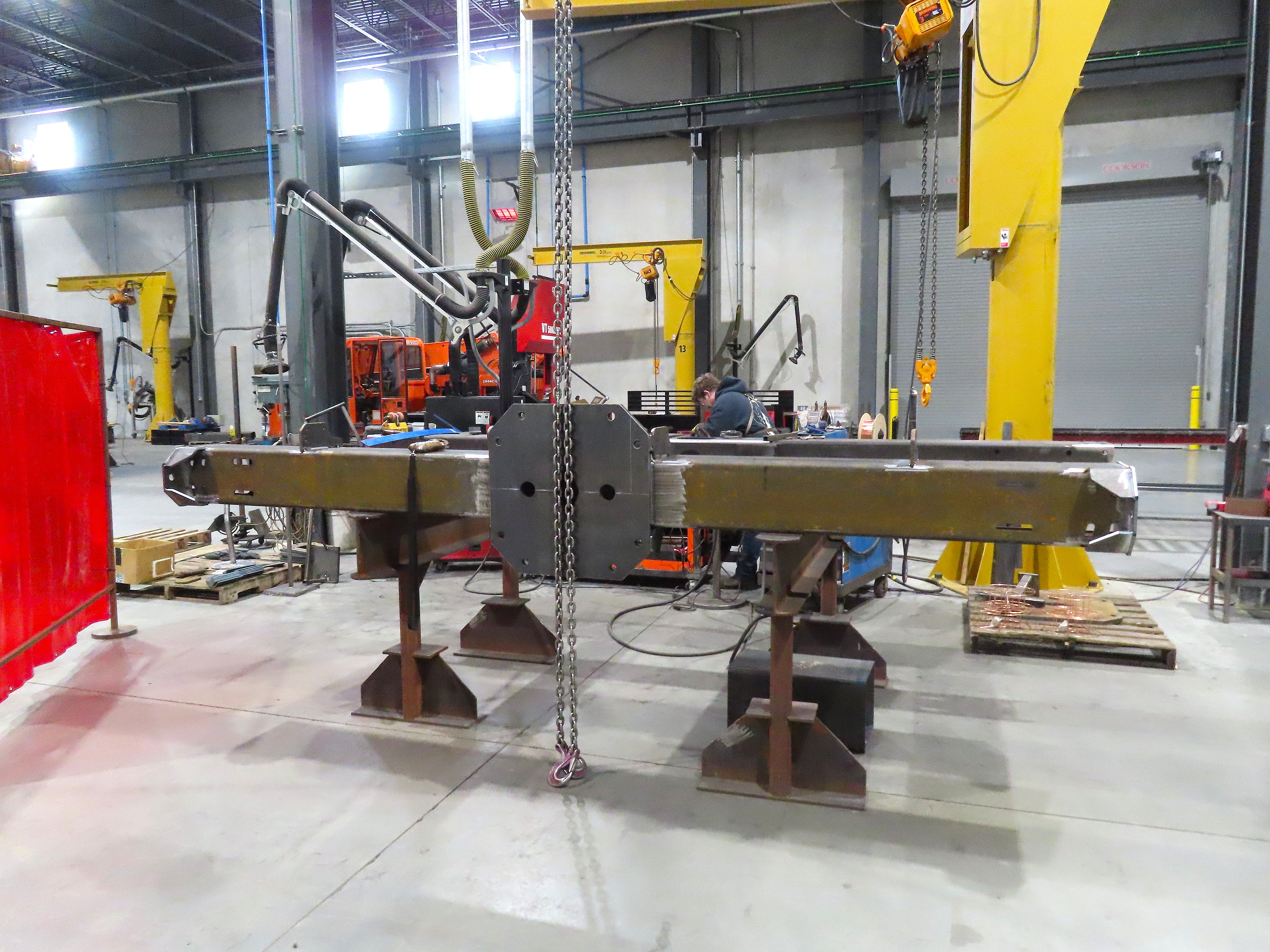
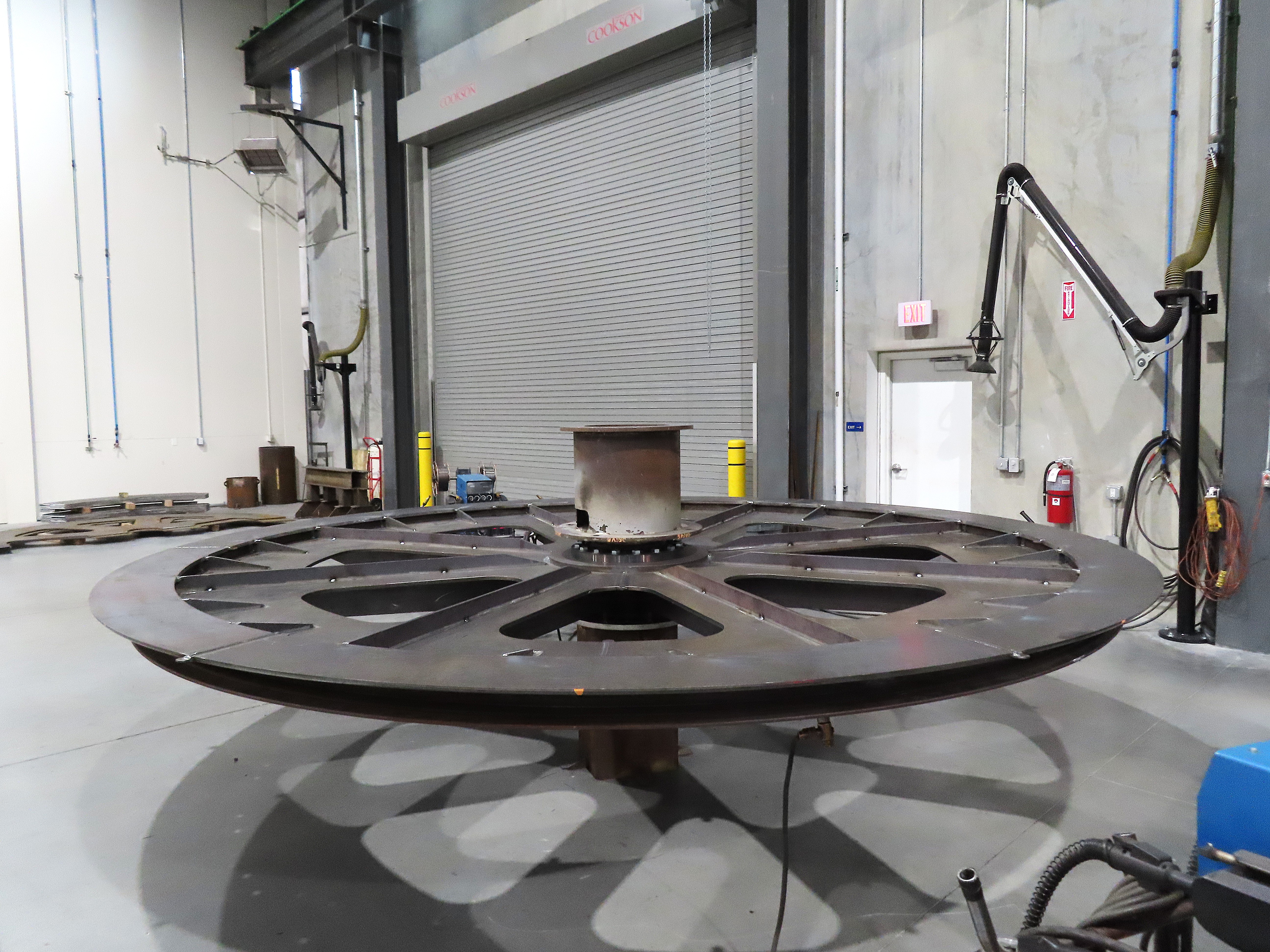
HTI’s 130,000 square foot building replaced a smaller site Skytrac leased site near the Salt Lake City airport. Tooele lies roughly 30 minutes west with ample land and two nearby technical colleges. With Skytrac occupying 90,000 square feet, the $27 million facility can produce nearly an entire chairlift under one roof. Everything from chairs and towers to bullwheels and control systems are made here. Electrical, engineering and sales departments work right alongside the production hall. Skytrac lifts are truly made in America with typically only the haul rope and gearbox imported from abroad.
The new facility is even larger than LPOA’s Grand Junction plant with ample room for growth. Bobby Langlands, Skytrac’s Sales Engineer and my tour guide, said the factory could probably pump out 20-plus lifts a year, up from the eight to ten they generally do now. In addition to production, there’s a cavernous parts warehouse, which will expand to include stock for the growing number of Leitner-Poma lifts in the Intermountain region. HTI sister companies Prinoth and Demaclenko also have space for parts and service in Tooele.
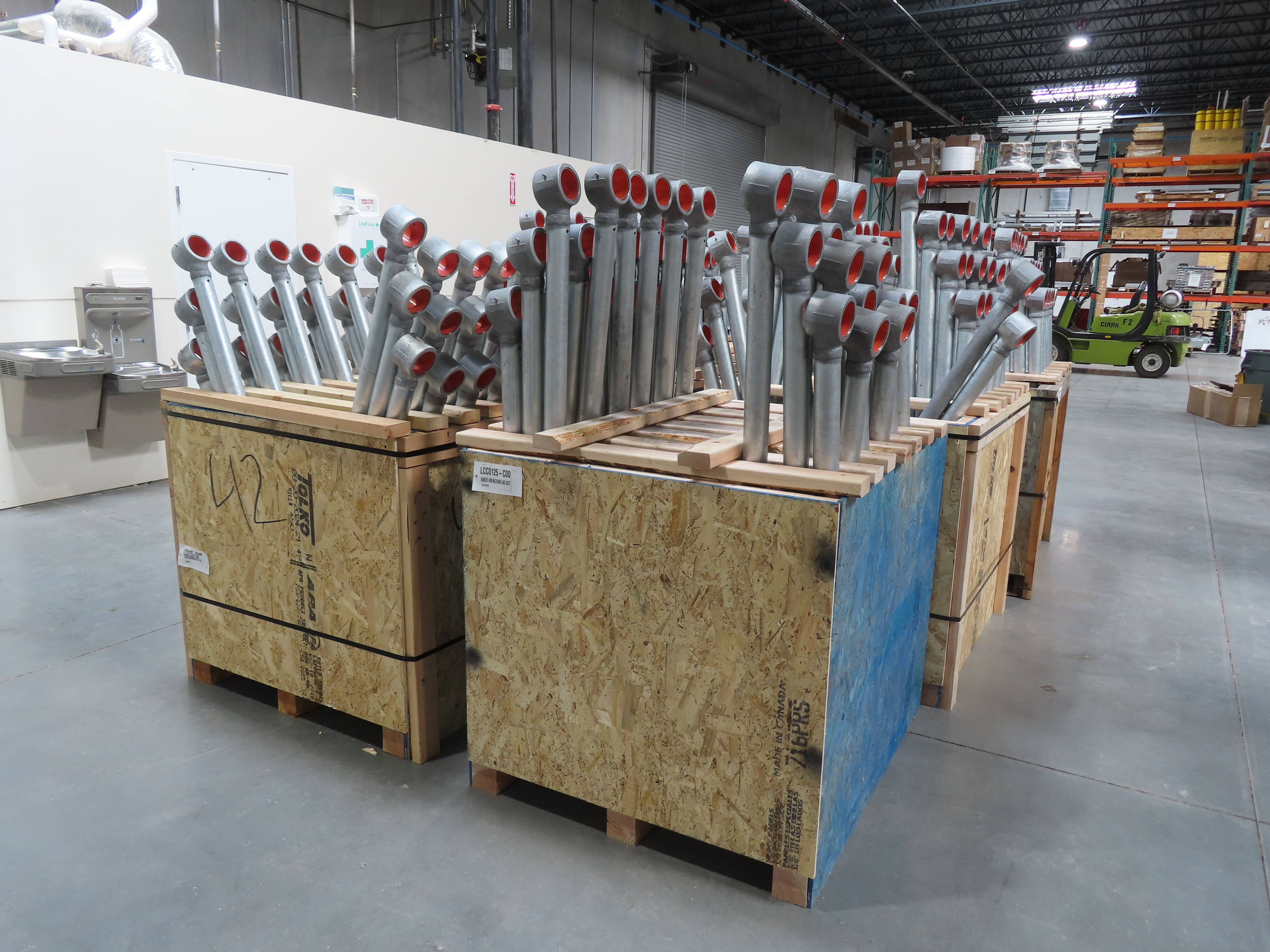
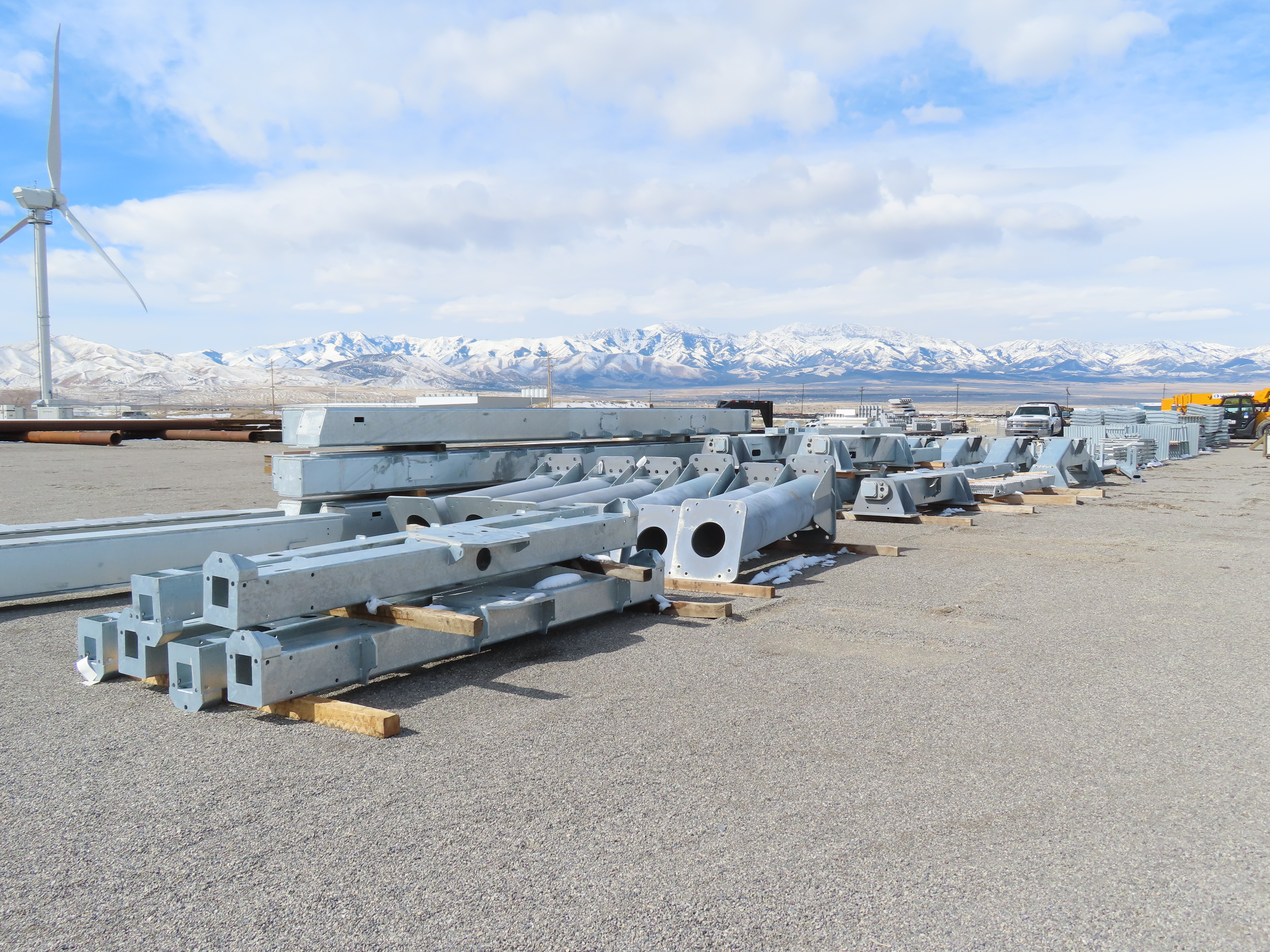
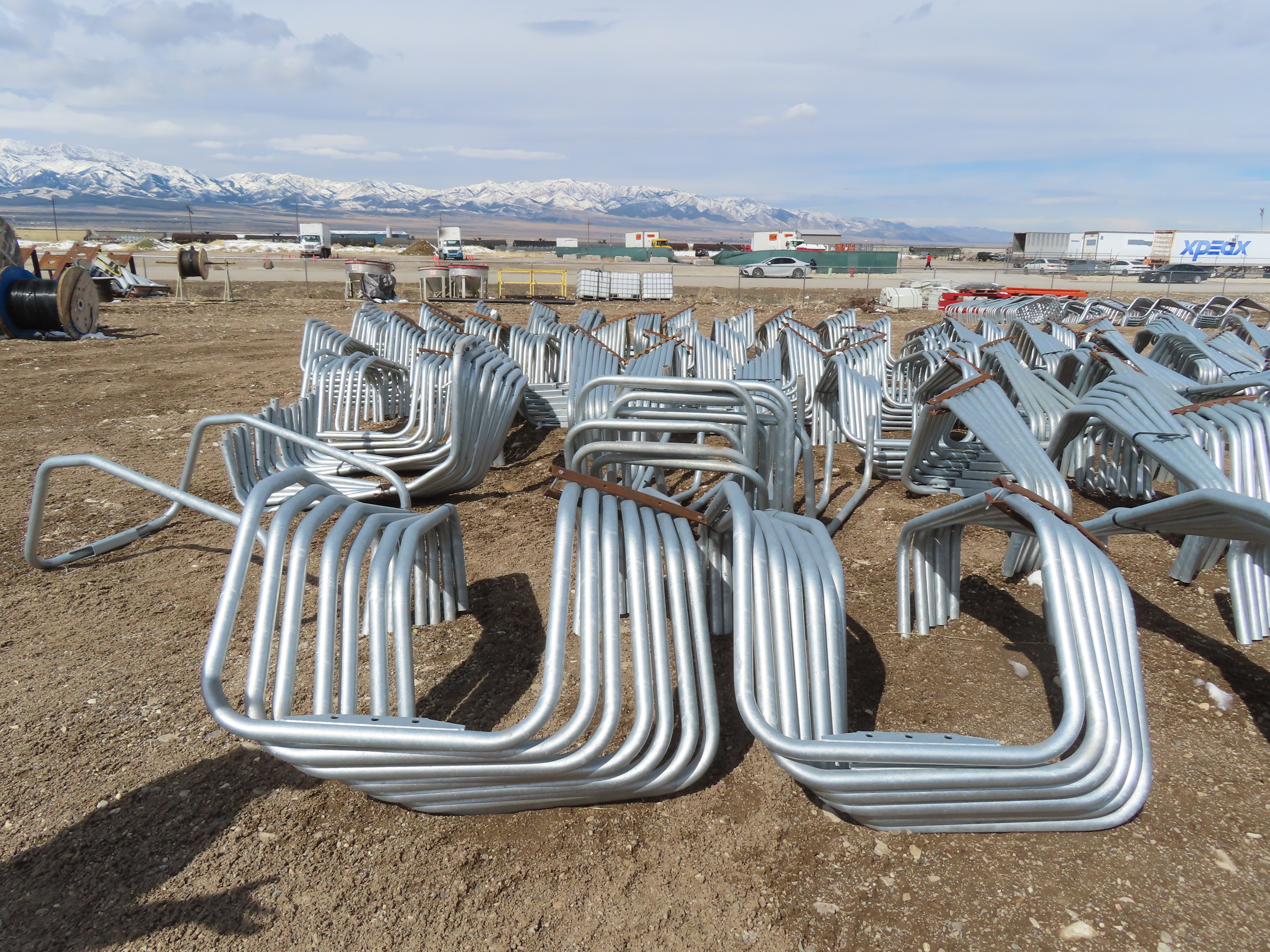
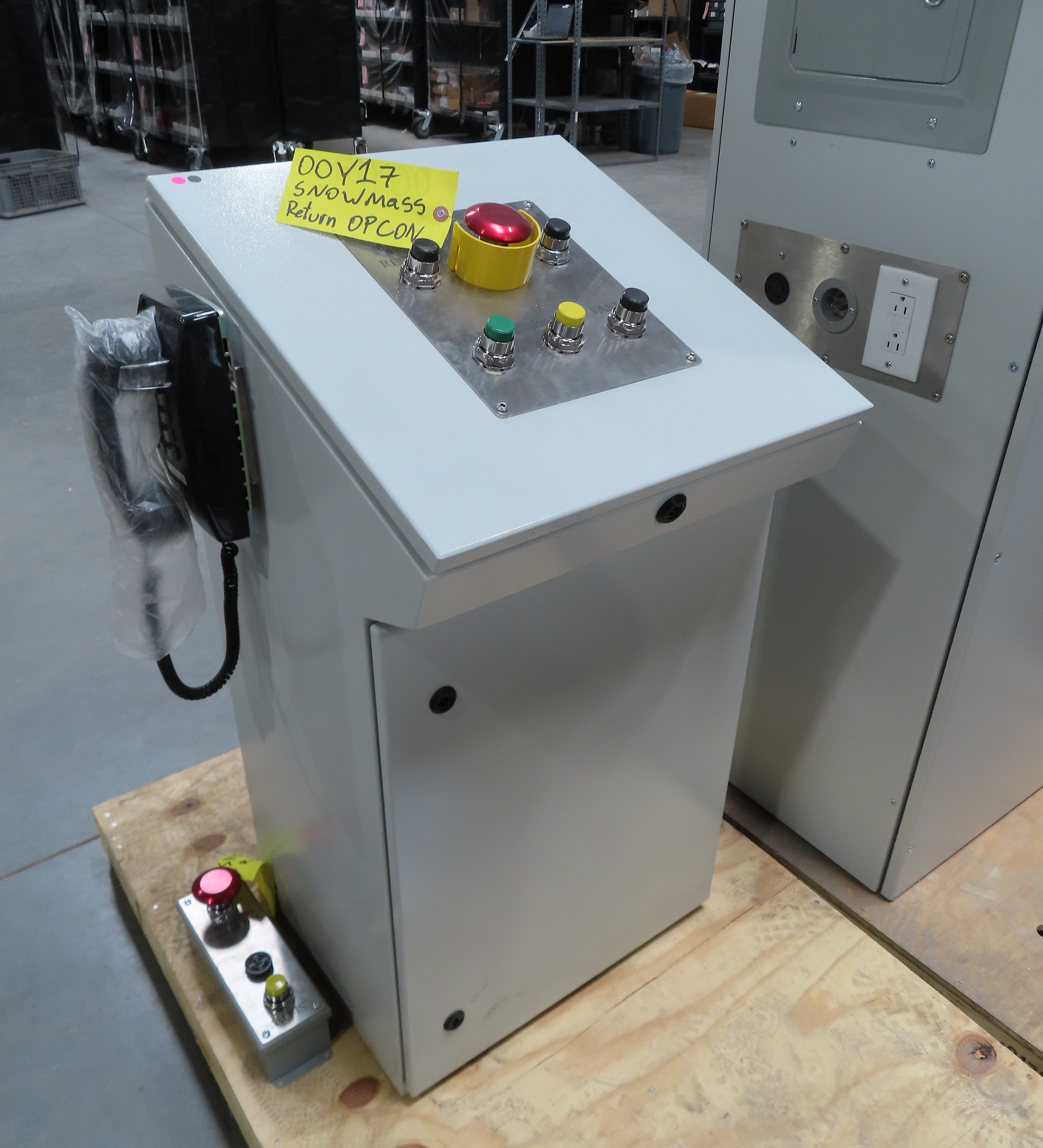
One of the coolest things when touring a lift factory is seeing parts tagged with names of mountains they’re headed to. Lift manufacturers generally produce components in order of contract signing and I saw pieces destined for Pats Peak, Ski Butternut, Monarch and Snowmass. Skytrac produces the most common components in advance based on a forecast. As an example, the company is producing 120 tower crossarms this spring and will do a second production run later if orders warrant. One thing that makes a Skytrac lift relatively affordable is the number of parts that are common among every lift. The chair bail, for example, is the same regardless of whether a customer orders a double, triple or quad.
Recently Skytrac has been busy engineering and fabricating restraint bars for older lifts that did not previously have them.
Skytrac utilizes several robotic welding machines in Tooele along with automated plasma cutters. Hard working people do the rest of the work by hand. The new facility includes a state-of-the art sandblasting and paint booths for finishing operator houses and motor room enclosures. Galvanizing is completed offsite by contractors.
In addition to Skytrac, Leitner-Poma, Demaclenko and Prinoth, a fifth HTI company is also involved with the Tooele project. Wind energy manufacturer Leitwind supplied a 250 kilowatt wind turbine capable of powering the entire plant. Italians were on site last week testing the turbine to prepare to hook up to Rocky Mountain Power’s regional grid.
Skytrac built nine complete lifts in 2024 and plans to do at least that many again this year. During my visit, the construction team was outside preparing to fan out across the country as Skytrac nears its 100th new lift.
Relations sour between the Town of Mountain Village and Telluride Ski Resort owner Chuck Horning with the Town Manager giving a lengthy speech about problems at the resort.
Skeetawk, Alaska’s only chairlift shuts down for a multi-week repair.
Kicking Horse’s gondola remains closed indefinitely; the resort will transport gear up to Stairway to Heaven free of charge but guests still have to walk there.
We now know more about what happened on the Comet Express at Heavenly in December when two chairs collided, injuring six people. The Forest Service recently completed an Incident Review Report which I obtained via a public records request.
Comet Express is the oldest detachable chairlift at Heavenly and was constructed by Doppelmayr in 1988. At roughly 9:45 am on December 23rd, a DS103 grip failed to close completely but did not trigger any safety switches when leaving the bottom terminal. The chair, number 66, reached tower 2 before sliding backward into the chair behind it, number 67. Three of the four adults on the slipping chair were ejected and fell approximately 24 feet to the snow below. The fourth passenger jumped from the chair. On the chair that was hit, one teenaged male rider fell and another teen remained pinned between the chairs. The lift was eventually run in reverse to unload him. It is unknown if passengers on chair 66 had lowered the restraint bar but the bar was down on chair 67. Remaining passengers on the lift were unloaded safely without the need for a rope evacuation. A total of six people were injured, five of whom were transported to area hospitals. At least one person was airlifted by helicopter to Reno.
Heavenly Mountain Resort promptly contacted the Forest Service as required following a serious lift incident in a National Forest. Representatives from the USFS, Doppelmayr and Vail Resorts collaborated to review the incident over the following days. “[Heavenly Mountain Resort] was able to take corrective steps and develop a DS-103 Grip Quality Assurance plan to correct the causes leading to the grip failure and provide additional standard operating procedures to reduce future incidents on other HMR ropeways with similar euqipment,” the Forest Service wrote. The resort and Forest Service also “discussed the importance of compliance with Service Bulletins issued by Manufacturers and written documents verifying compliance.” Comet Express was cleared to reopen on December 29th and returned to service the following day.
The Forest Service noted “the purpose of an incident review is not to determine fault or liability” and said it does not conduct investigations. Ski areas generally conduct internal investigations of incidents but it is not standard to submit those to the Forest Service. Vail Resorts has not released details of the curcumstances publicly other than confirming an incident occurred. Though Heavenly operates lifts in both California and Nevada, this incident occurred in Nevada where there is no tramway board to conduct a state investigation.
“We recognize the significance of the incident on Comet Express and offer our sympathy and support to everyone involved,” said Shaydar Edelmann, Heavenly Vice President and General Manager in a statement. “While chairlift incidents like this are extremely rare, we are constantly working to ensure the safety of our employees and our guests on all chairlifts at the resort,” he continued. “In this instance, we identified the cause and worked with the U.S. Forest Service and lift manufacturer to resolve the issue and safely reopen Comet chair. I am grateful to those partners who assisted us throughout the incident, and to our team members who responded quickly and professionally. Safety is our top priority, and we are committed to providing an excellent guest experience at Heavenly.”