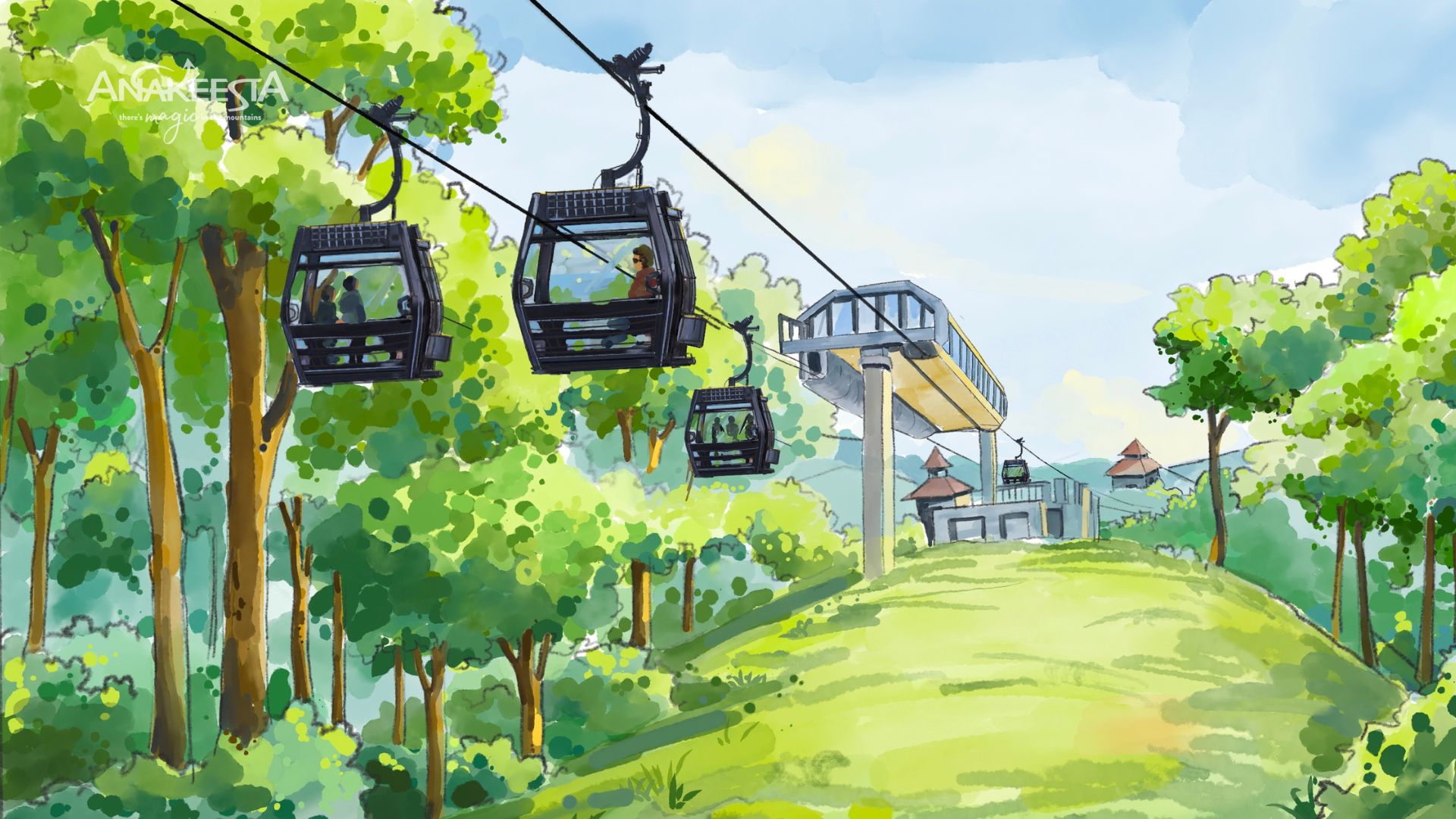
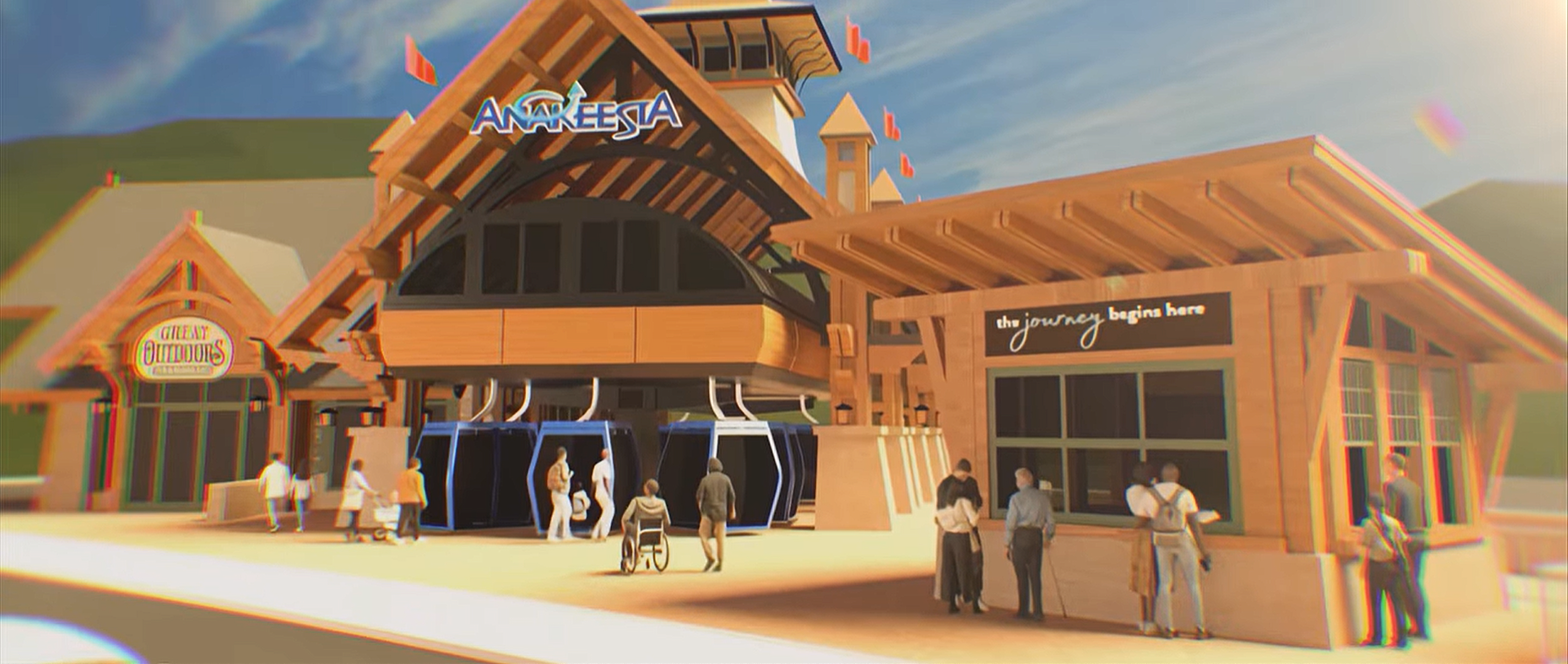
Tennessee mountaintop theme park Anakeesta will debut a detachable gondola next year, part of a $100 million expansion called Making More Magic. The high-speed, six place lift will replace Anakeesta’s fixed grip chondola, which has carried millions of guests from downtown Gatlinburg to the park over the past nine years. The current lift moves only 200 feet per minute, leading to long ride times and limited capacity. Leitner-Poma designed the new gondola to move more people with 56 Diamond Evo cabins featuring floor-to-ceiling windows and glass floors. “Designed to offer panoramic, 360-degree views of the Great Smoky Mountains, each cabin transforms a simple ride into an unforgettable experience,” said Anakeesta. “As guests glide gently upward during the four-minute ascent, the world unfolds beneath the cabin—lush forests, native wildlife and the charming skyline of downtown Gatlinburg.” This will be the first true gondola in Gatlinburg, a bustling town with no fewer than five scenic chairlifts and an aerial tramway.
Construction will begin this month and the existing lift will spin through the Christmas holiday period. Anakeesta will close completely on January 5th and reopen in March with alternative transportation. The upgraded gondola will follow later in the spring alongside a reimagined mountaintop village and expanded treetop skywalk.
Ikon Pass signs three more mountains to the two day bonus tier: Grouse Mountain & SilverStar in BC and Ski Butternut in Massachusetts (full Ikon only, subject to blackout dates.)
A jury finds the Glenwood Caverns Adventure Park and a drop ride manufacturer liable for $205 million after a child’s death; the gondola-accessed park says “the size of the total jury verdict award puts the existence of Glenwood Caverns at serious risk.”
Amid removal rumors, I asked Hunter Mountain about D-Lift and the Highlands Poma. GM Trent Poole shared the following:
“We’re in the process of removing the D-Lift. Thanks to last year’s Epic Lift Upgrade – the new Broadway Express – our updated lift infrastructure provides faster, more efficient access than what D-Lift provided, and similar terrain can be accessed at Hunter North via the Northern Express. At this point, the lift is both redundant and outdated, and the time and resources needed to revive this lift are better focused where guests will see a positive impact to their experience on mountain, like our snowmaking upgrades.
The Highlands Poma is something our team has discussed as part of long-term planning. We’re always exploring ways to enhance the guest experience, and that lift remains part of the broader conversation. For now, our focus is on showcasing the significant upgrades we’ve already delivered—Broadway Express, Otis, and automated snowmaking additions—along with maximizing the terrain available on Hunter North, West, and East. It’s also worth noting that Hunter is the only ski resort in New York to feature three high-speed six-passenger lifts: Northern Express, Katskill Flyer, and Broadway Express. For now, we’re confident in the strength and efficiency of our current lift system.”
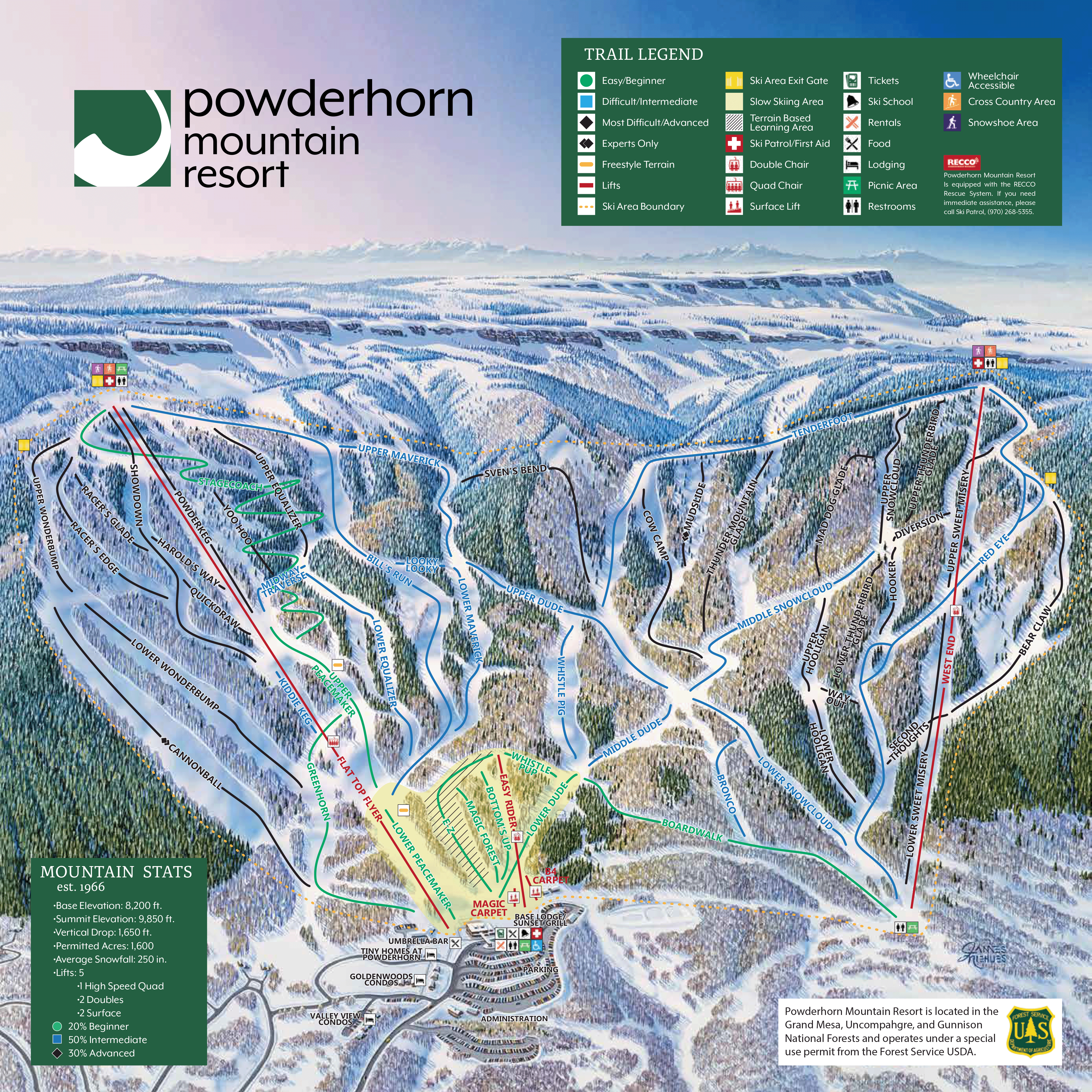
Powderhorn, Colorado will welcome a new lift for its 60th season, expanding detachable access to 100 percent of terrain in 2026. The new Wild West Express will replace the venerable West End double, which has served the western half of the resort since 1972. The new lift will cut ride time by more than half from 13-plus minutes to about six. Pending Forest Service approval, Wild West will follow a shorter alignment terminating 700 feet below the current top station.
Leitner-Poma of America, headquartered in nearby Grand Junction, will realize the project utilizing parts from the former Elk Camp lift at Snowmass. LPOA plans to overhaul both terminals, rebuild sheave assemblies, replace the electrical drive system and supply new grips. Leitner-Poma and Powderhorn completed a similar refurbishment to create Powderhorn’s other detachable, the Flat Top Flyer, in 2015. That project included used equipment from Marble Mountain in Newfoundland, Canada. Interestingly Poma constructed both Elk Camp and the Marble lift in 1995 and the two machines will reunite at Powderhorn 30 years later. “Powderhorn has a special place in my heart, both personally and professionally,” said Daren Cole, President and CEO of Leitner-Poma and former Powderhorn general manager. “Our teams are excited to work on our hometown mountain. Once the lift goes through our rigorous refurbishment process, it will feel like a brand-new installation. Powderhorn is an essential asset for this community, and we are honored to be a part of their future.”
Powderhorn is one of six regional mountains operated by Pacific Group Resorts and a new detachable is a big deal for the company which last built a lift eleven years ago. “This is a major step forward for Powderhorn,” noted Powderhorn General Manager Ryan Schramm. “Installing a high-speed lift on the west side of the resort will feel like opening new terrain,” he continued. “The old West End lift was long enough that most people only did a run or two before returning to the Flat Top Flyer. This upgrade marks the next chapter in our commitment to invest in the resort’s future and enhance the guest experience across the mountain.” Construction is expected to commence in summer 2026 with opening planned for the 2026-27 ski season.
Three more chairlifts are coming to Utah’s Powder Mountain over the next two years, though you’ll need to purchase a house or know someone with one to ride two of them. First, a bit of background. Ever since Powder Mountain’s founding in 1971, the ski area struggled to generate enough cash for growth and capital improvements. The volume of skiers venturing beyond more accessible resorts like Park City and Snowbird was never enough to match the ambition and available terrain at PowMow. Not a single new lift was constructed from 1976 to 1993 while dozens popped up across the Wasatch including an entire new ski area named Deer Valley. Fixed grip doubles and triples serviced the bulk of Powder Mountain’s terrain well into the mid-2000s. A couple different owners tried their hands at PowMow over the following years with only modest growth.
Fast forward to 2023 and Netflix co-founder and chairman Reed Hastings purchased a controlling stake in Powder for $100 million. He quickly pivoted to a bifurcated model where real estate sales and private skiing would subsidize a smaller public mountain. The public side would continue to be known as Powder Mountain with the private complex dubbed Powder Haven. Two existing lifts, Village and Mary’s, were removed from the public area and reserved for homeowners only. Last year, Hastings constructed four new lifts, three of which opened to the public. Raintree became the first all-new lift to be reserved exclusively for real estate owners. The public gained new access to Lightning Ridge. This season Powder will span 8,000 acres, making it the largest mountain in North America (with several caveats.)
Powder broke ground on three more lifts this summer, one of which will be public and two private. I’m told the initial plan was for all three to be completed this summer but permitting delays recently pushed two to next year. The first to open will be Primetime, a Leitner-Poma detachable quad servicing the all-new Davenport territory and topping out next to Raintree. Davenport makes up “1,000 gnarly acres of powdery glades and cut runs on the northeast face of the mountain,” notes Powder Haven’s sales site. “Serviced by a new high-speed detachable lift, Davenport is ready and waiting for those ready to push their limits and let it rip on some of North America’s most uniquely challenging terrain.” Primetime will become the first detachable quad at Powder open exclusively to homeowners and their guests. It will also be the lowest elevation lift at Powder, increasing the mountain’s vertical to 3,346 vertical feet – if you have means to access it.
Powder Haven Half Pint lift line.
Next summer a fixed grip quad will rise to service the private Shelter Hill neighborhood. Its 39 homesites will encompass “a blend of family retreats and bespoke enclaves, each one rare and distinctive in its own way,” the sales deck notes. Skytrac will install the lift, called Half Pint, utilizing CTEC equipment from the former Paradise quad. “Private ski slopes glide down the mountain below,” says the website. “All around, panoramic views and a closeness with the wild world around you.”
By next season Powder Haven will swell to 2,700 private acres, making it larger than most US ski areas with five dedicated chairlifts. A 73,000 square foot lodge is set to open for winter 2027-28, designed by the same architect as the Yellowstone Club, Spanish Peaks and the Ritz-Carlton Bachelor Gulch. The private facility will include a rock climbing wall, thermal pools and omakase experience, among other amenities.
Powder Mountain DMI expansion
The public can look forward to a new DMI lift, scheduled to open for winter 2026-27. This Skytrac triple will service some of the steepest terrain at PowMow, currently accessed only via guided expedition. The lift will rises out of Wolf Canyon and terminate at the top of Sundown. DMI will add 900 acres of lift-served and 147 acres of hike-to access, for a total of 1,047 acres of public advanced terrain. With the addition of DMI, Powder Mountain’s public lift fleet will span two detachable quads, four modern fixed grip chairlifts and several surface lifts. The future of the Sunrise Poma is unclear, woefully under capacity with equipment over 30 years old and a potentially private Cobabe lift earmarked for the same vicinity.
Powder continues to buck industry trends, shunning multi-mountain passes and reserving peak weekends for season passholders again this season. “Escape the Masses,” Powder’s public homepage proclaims. I hit Powder Mountain several times last winter and its was indeed uncrowded and powder-filled, even on weekends. In a letter to passholders last year, Hastings wrote “the previous business model was failing. While we’ve historically been uncrowded and inexpensive, we’ve been losing money, not upgrading lifts or lodges, and building up debt,” he said, simultaneously announcing increased prices but eliminating a cap on the number of season passes sold. “The rise of Epic and Ikon have made the independent ski resort business very challenging, and we likely would have been acquired by one of the mega pass owners had we stayed on the old model…Our Wolf Canyon expansion, alongside limiting day ticket sales and not accepting mega passes, continues to fulfill our promise of keeping Powder Mountain uncrowded, independent, and truly a special experience for generations to come.”
Austria’s Saalbach, Zell am See-Kaprun, Mayrhofen, Hintertux and Silvretta Montafon join the Epic Pass as partner resorts, bringing Epic to nine European destinations.
Poma releases its 2024 Reference Book highlighting projects around the world.
A few weeks ago I ventured to the Alps with a delegation from Leitner-Poma of America. LPOA is the North American arm of High Technology Industries, the holding company behind iconic European ropeway builders Leitner, Poma and Bartholet. While Leitner-Poma of America fabricates upwards of 85 percent of its equipment in Colorado and Utah, the US outpost partners closely with its sister companies back in Europe. The trip included peers from a dozen US and Canadian resorts along with Leitner-Poma employees and partners (full disclosure, LPOA covered the cost of my tripother than airfare.)
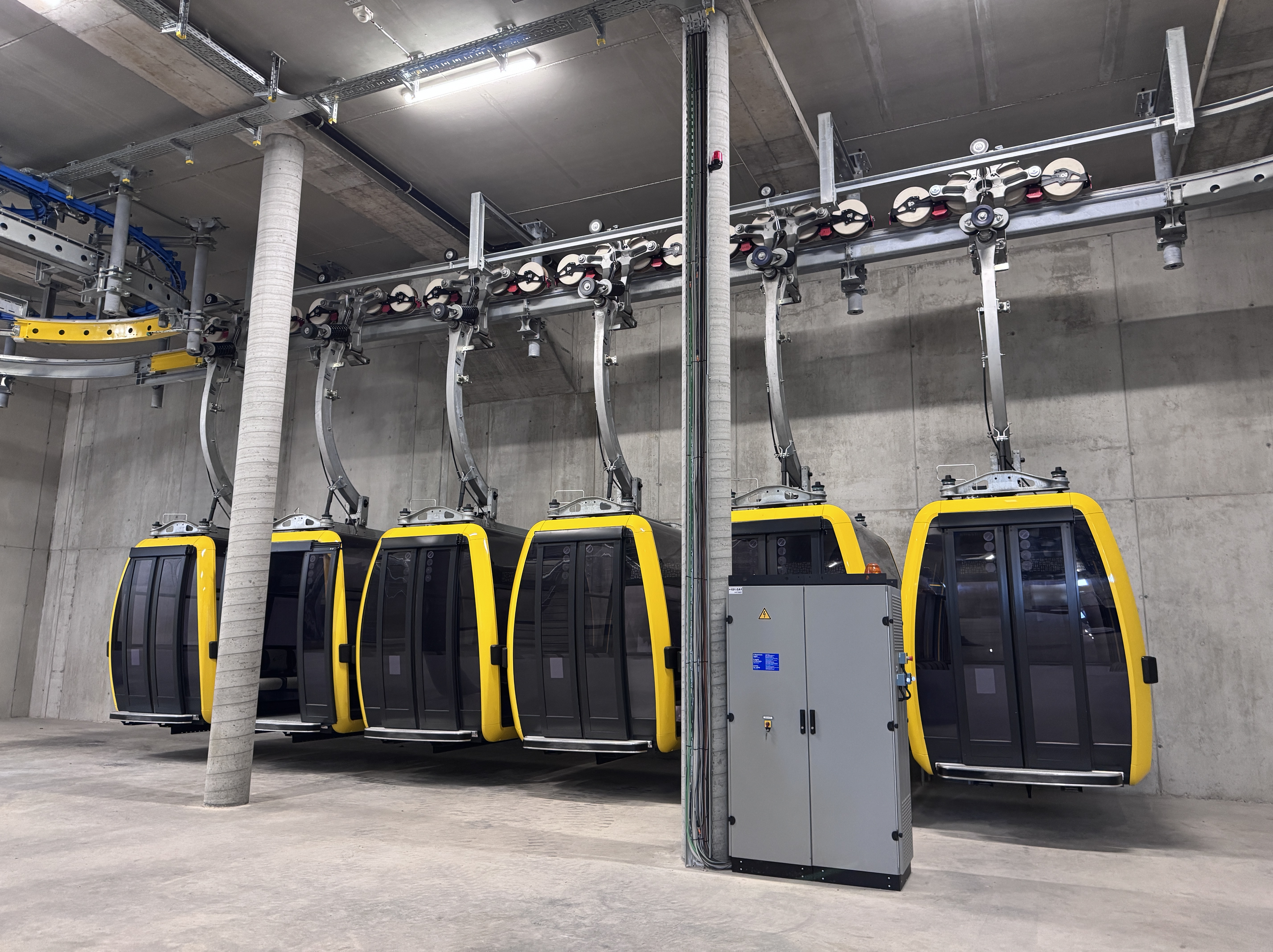
Our first stop after arriving in Munich was the Nebelhorn, near the town of Oberstdorf. Leitner constructed a state-of-the-art 2S system here in 2021, replacing several jig-back tramways. A 2S combines the efficiency of a monocable gondola with the stability and long spans of a tram. The Nebelhornbahn features two sections, automated parking and striking Symphony cabins designed by Pininfarina. Oberstdorf Lifts CEO Henrik Volpert took us on a fantastic tour of the gondola’s motor rooms, maintenance bays and parking areas. Not only does Henrik oversee seven ski areas in the region but he also serves as President of the German Ski Areas Association.
At the top of the 2S, we continued onto an older jigback tramway, the first of several on this trip. It was closing day for this resort and locals were still skiing on the upper mountain while we ate lunch.
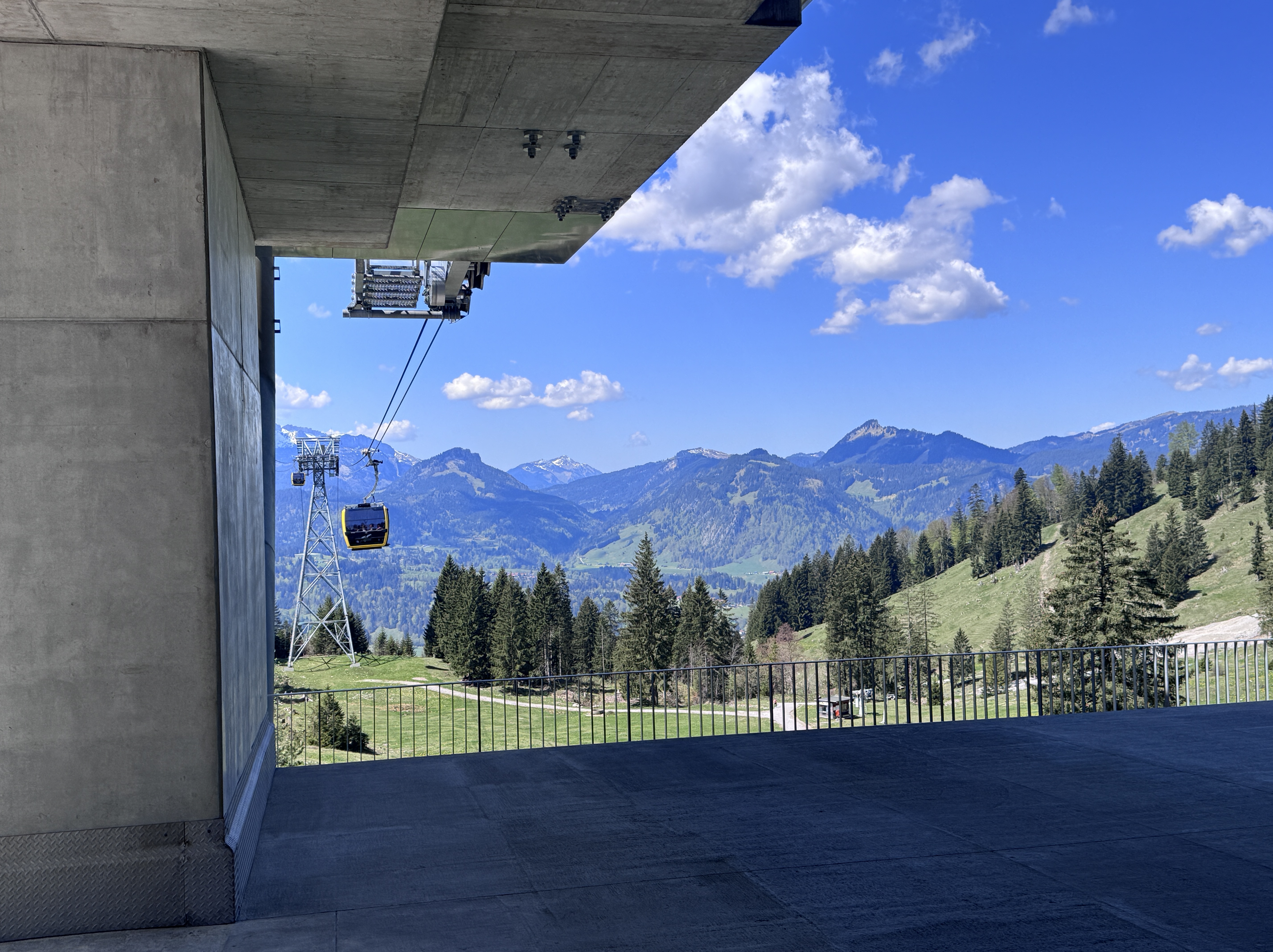
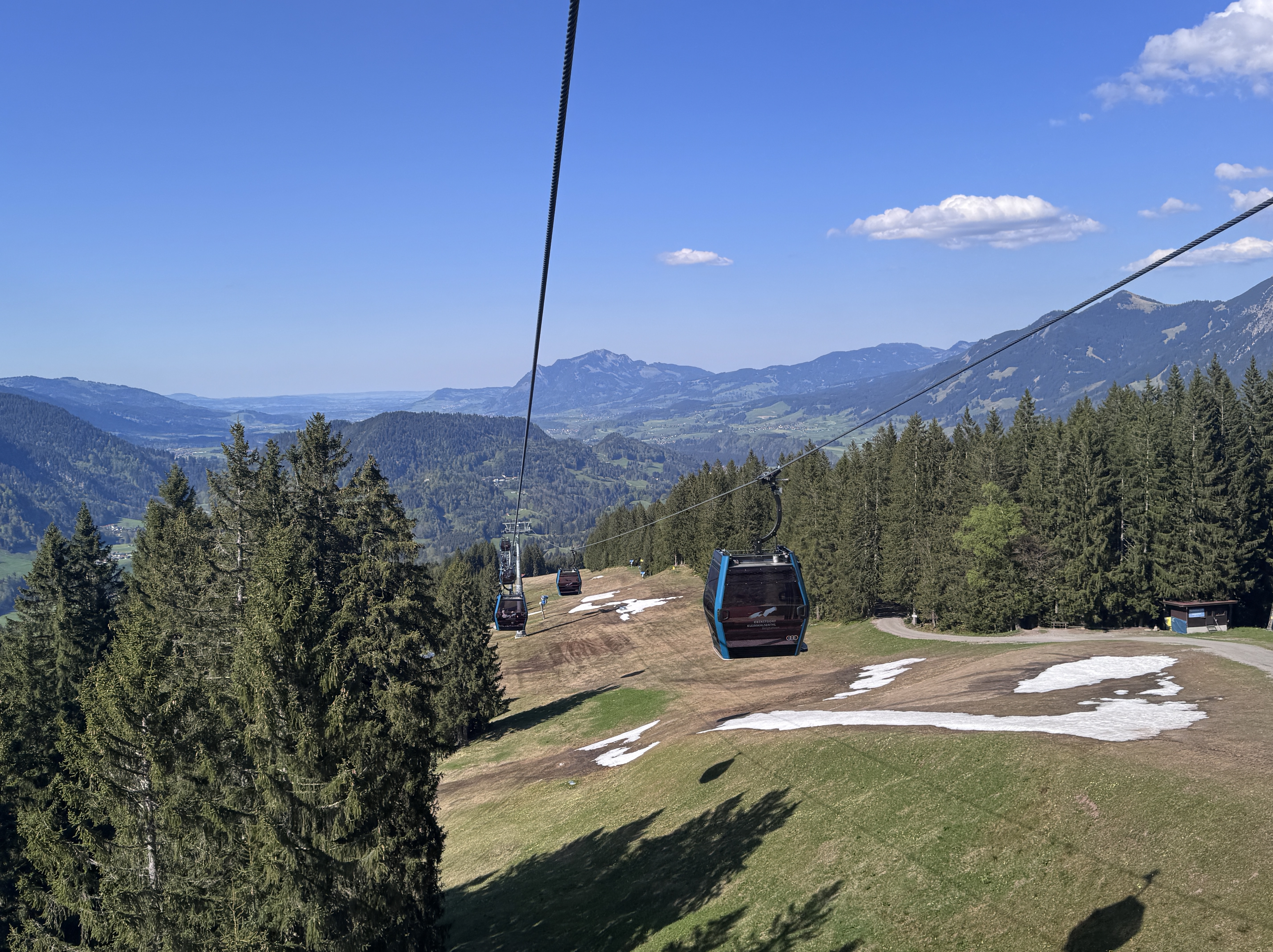
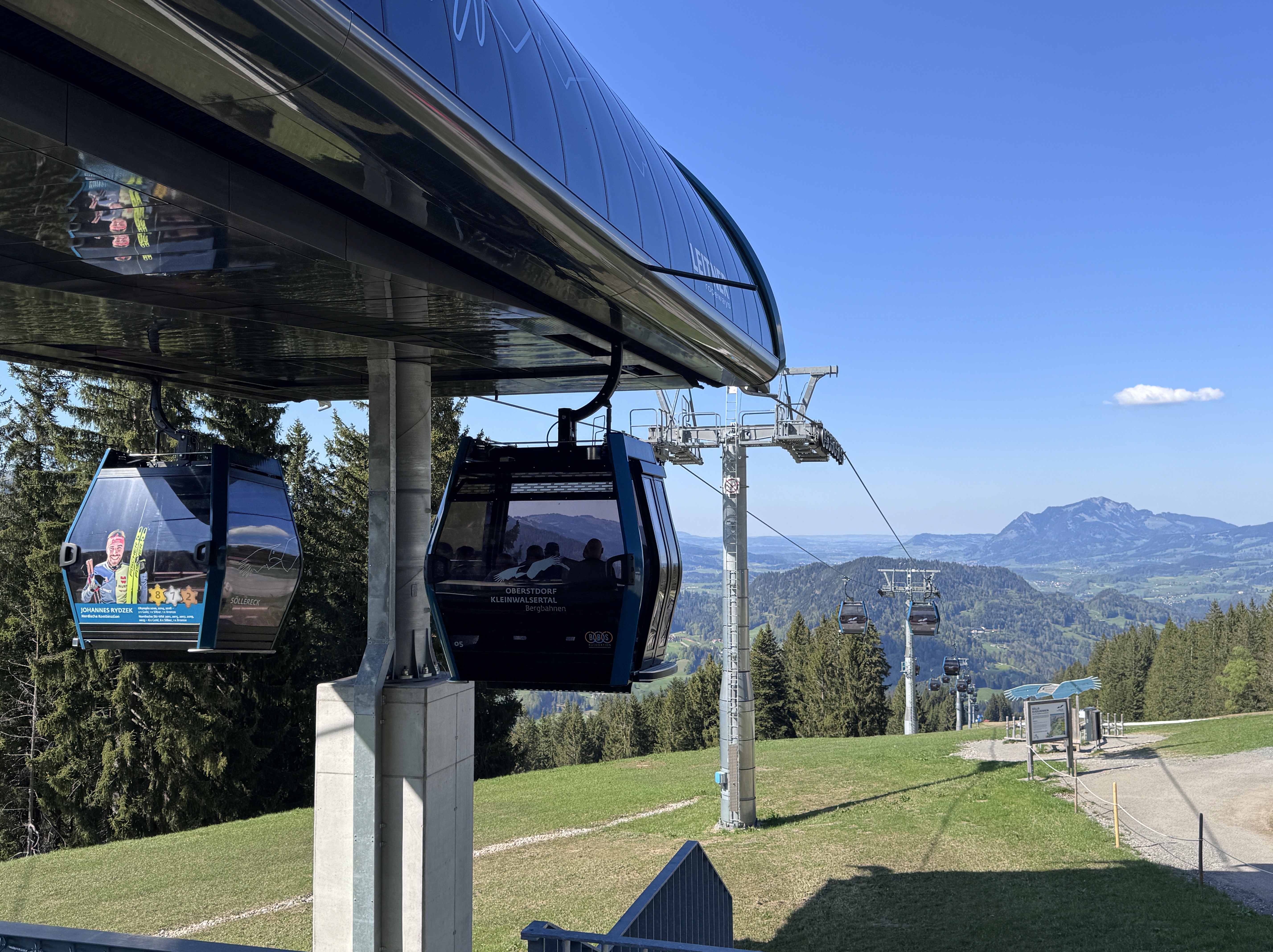
After lunch we headed to the other side of the valley, where another of Henrik’s mountains had already opened for summer. This family ski area features a mountain coaster, several kid-friendly activities and hiking in the summer season (there’s no real offseason here.) We rode a neat monocable gondola with a 90 degree angle station to mid-mountain. Everything on the lift was top of the line including Leitner’s premium stations, a direct drive and Diamond EVO cabins.
Sterzing/Vipiteno, the hometown of Leitner and other HTI companies like Prinoth and Leitwind.
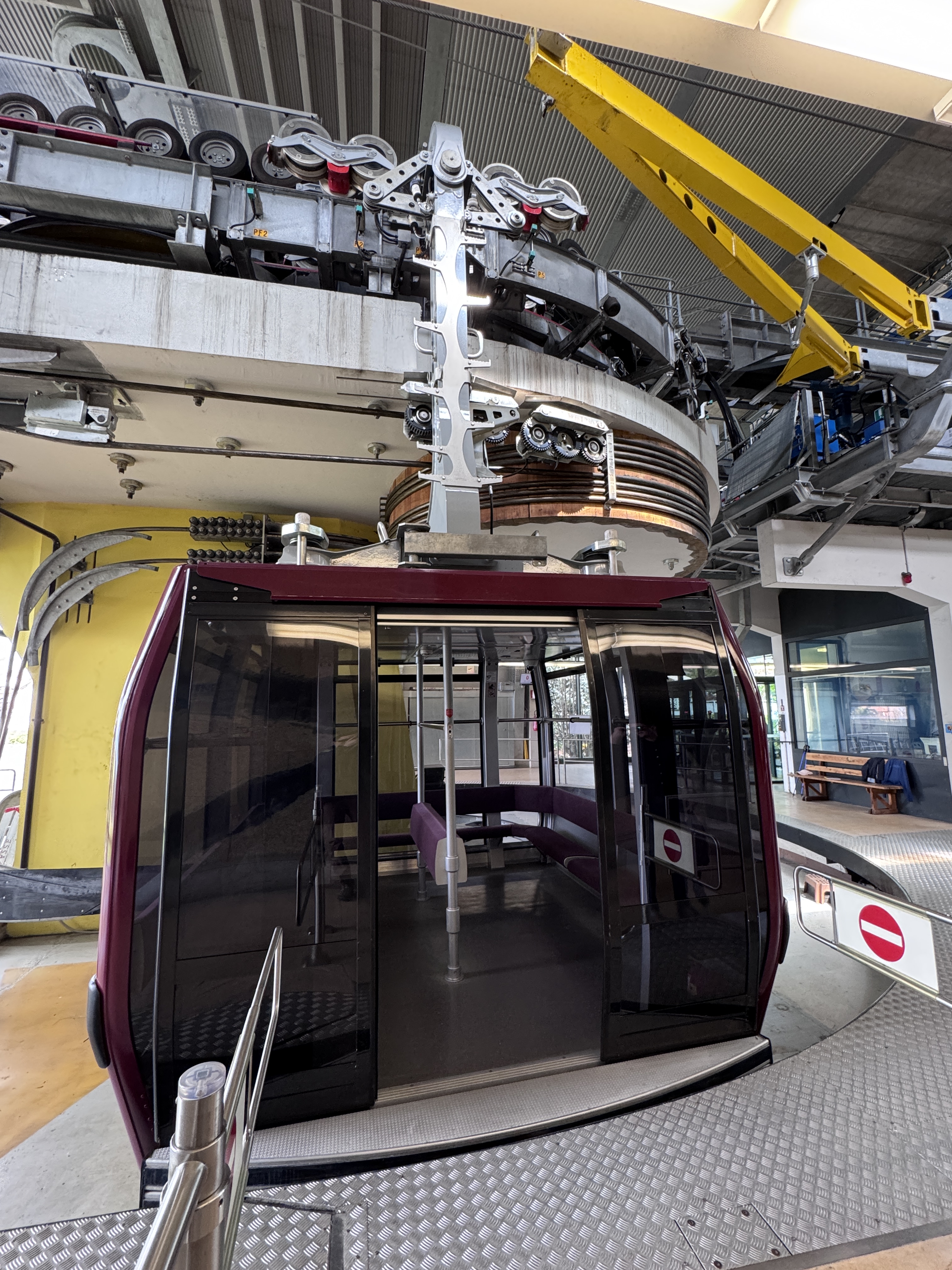
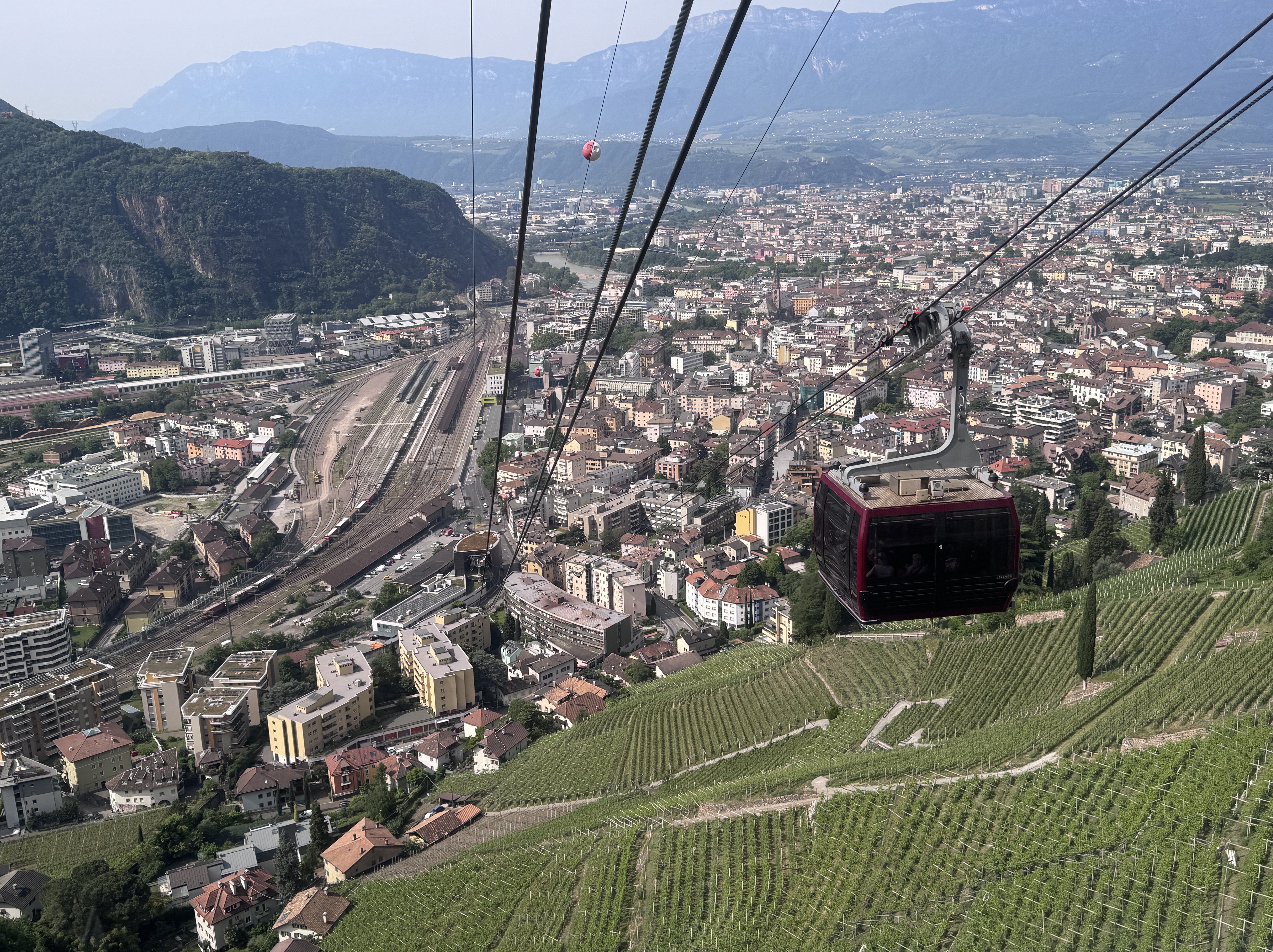
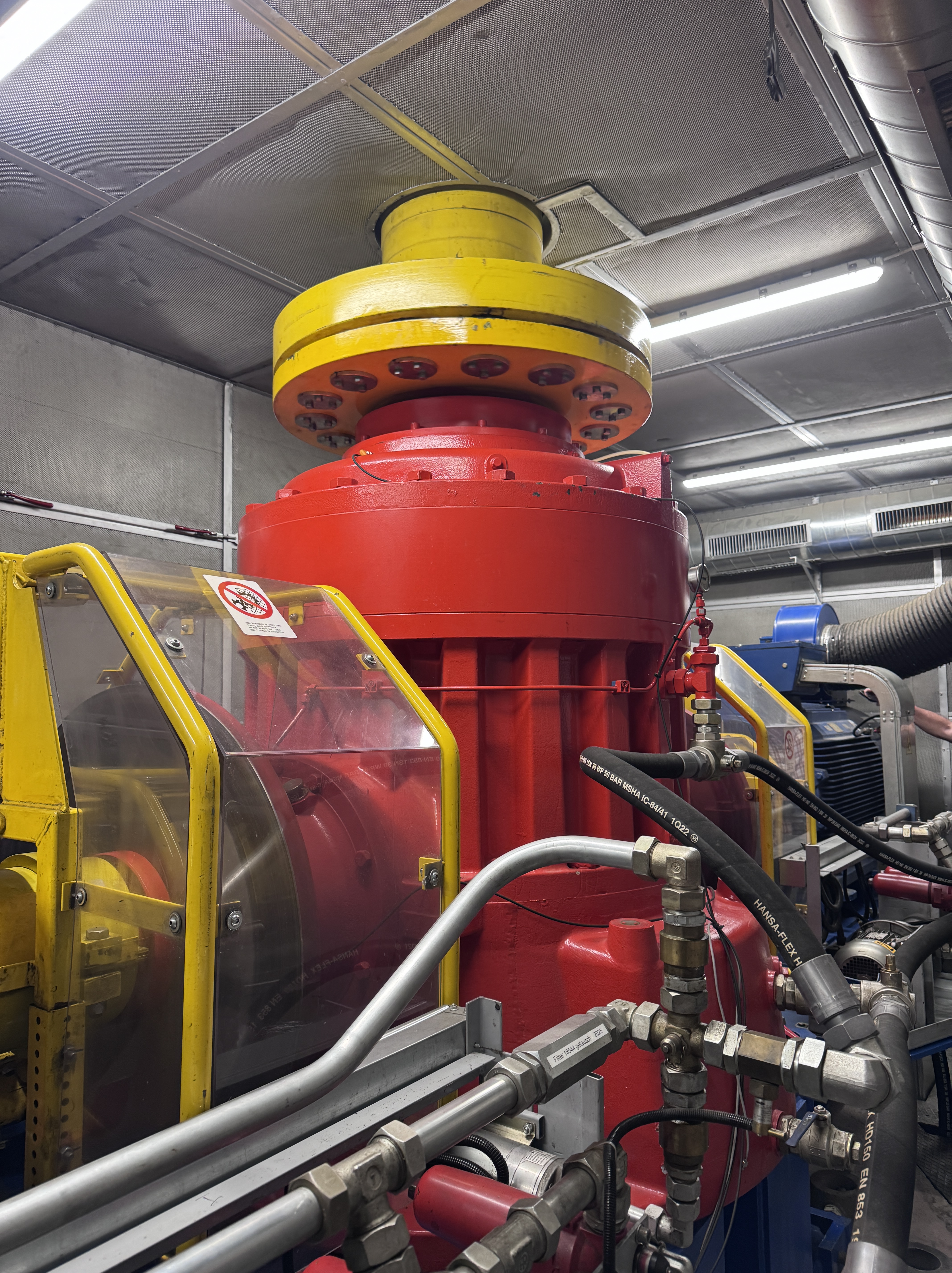
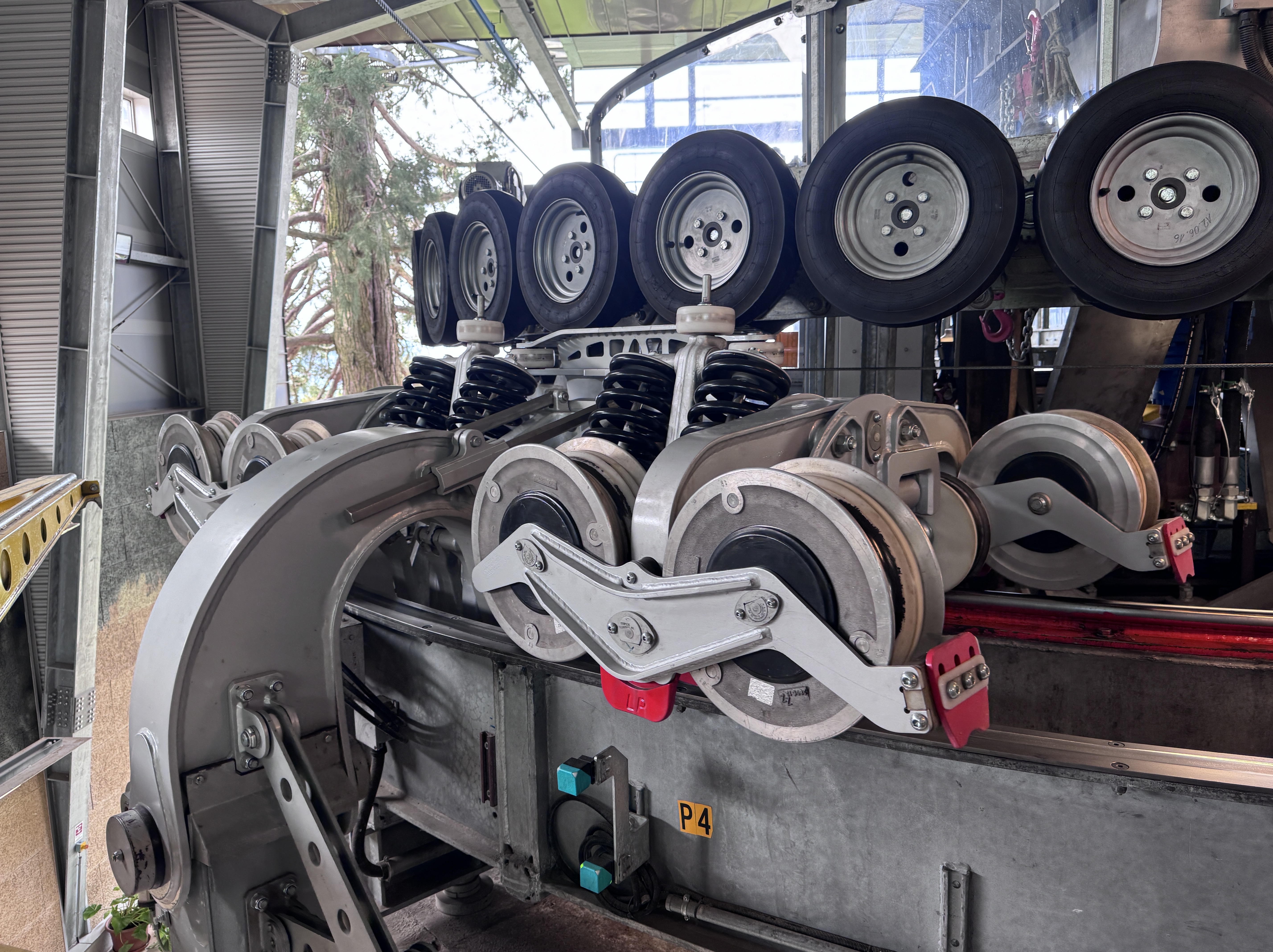
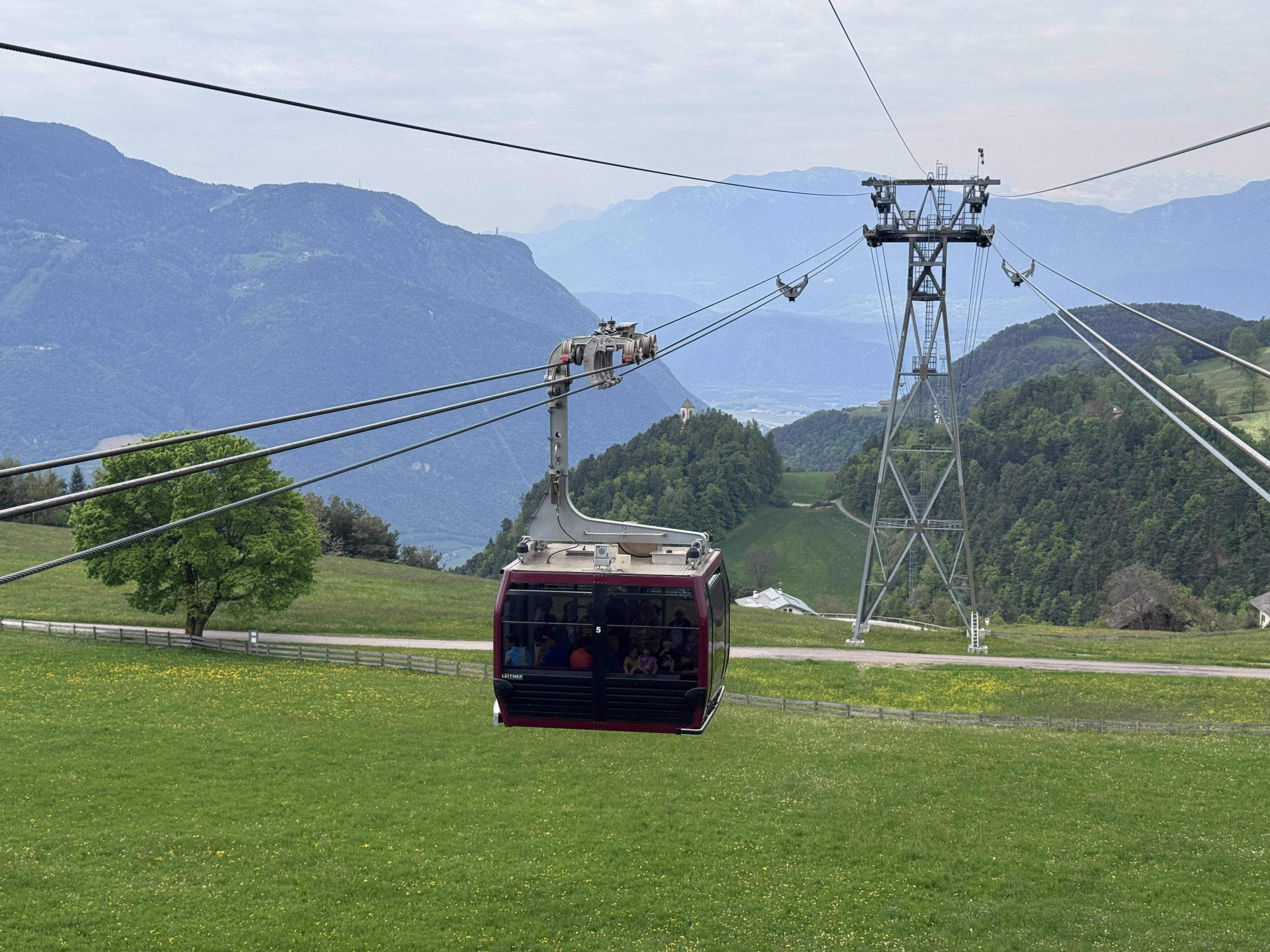
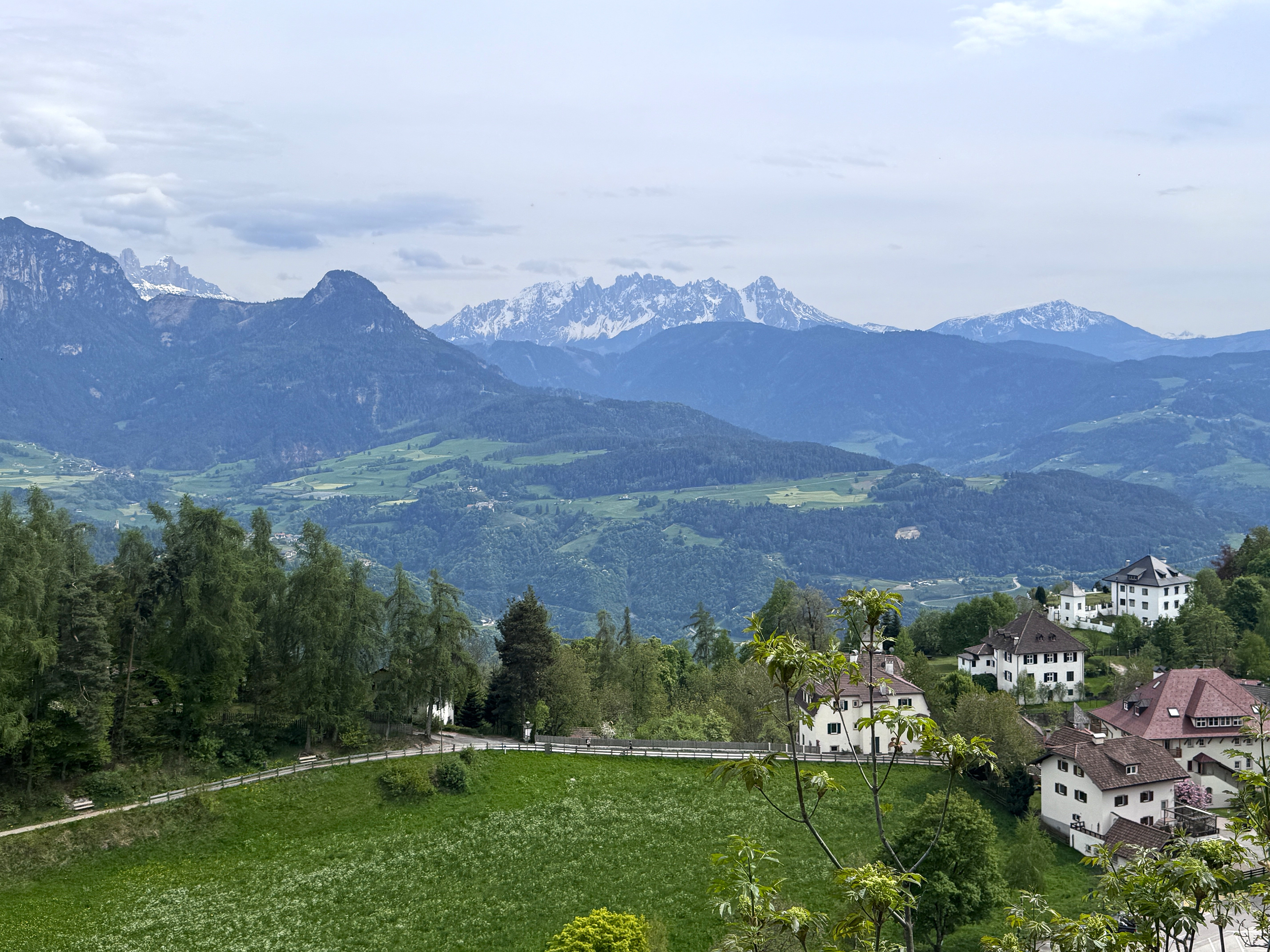
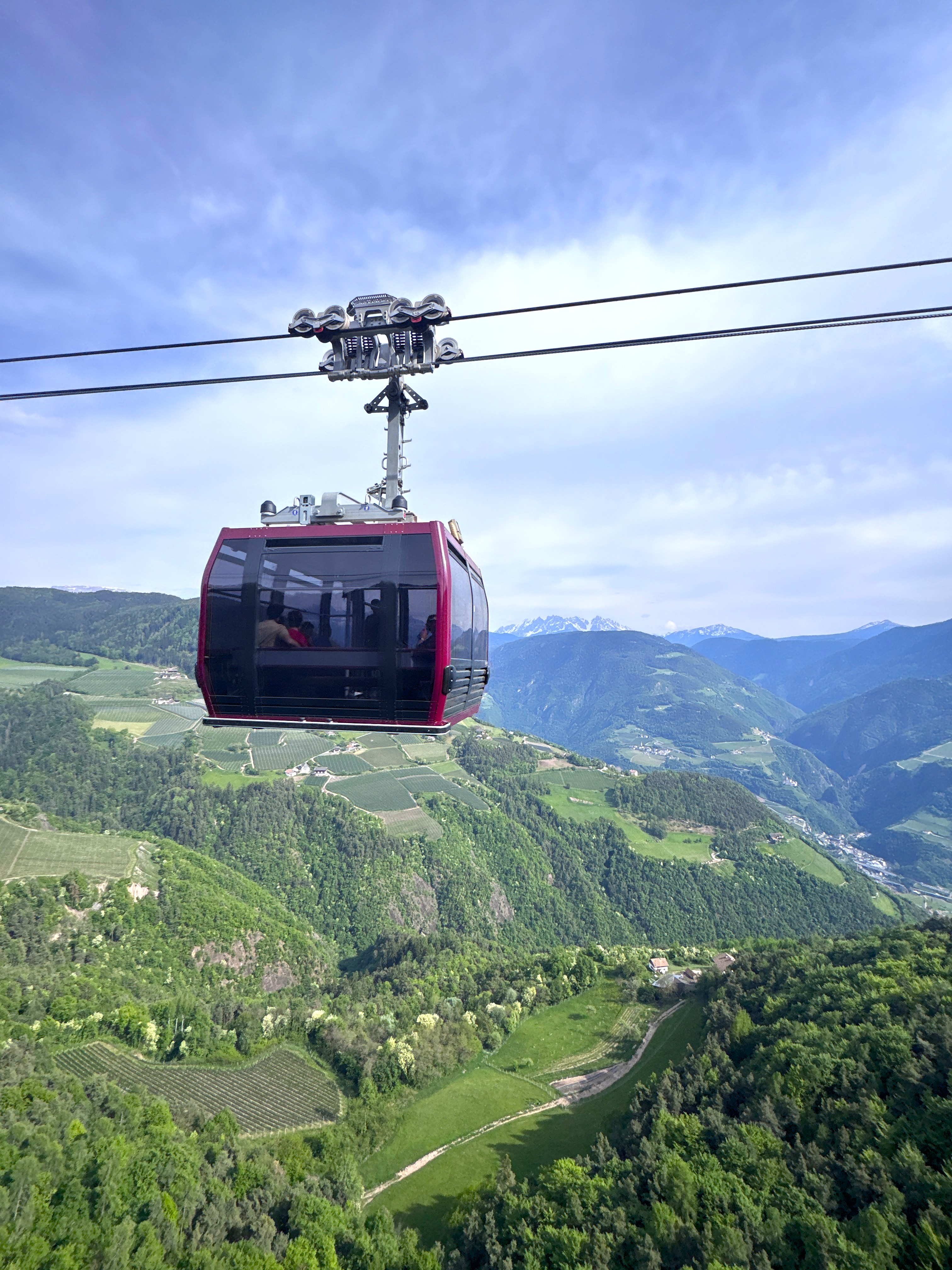
The next day took us through Austria to Italy, where Leitner’s first 3S system operates between the city of Bolzano and the mountain village of Ritten/Renon (towns in this region carry both German and Italian names.) This unique 3S operates in a pulse fashion with cabins coming to complete stops in the stations while the line keeps moving at varying speeds. The 3S serves as public transit for more than a million riders a year and costs just five Euros to ride. The lift spans nearly 15,000 feet with ten 35 passenger cabins. At the top, an electric train carries riders further up the plateau with views of the Dolomites.
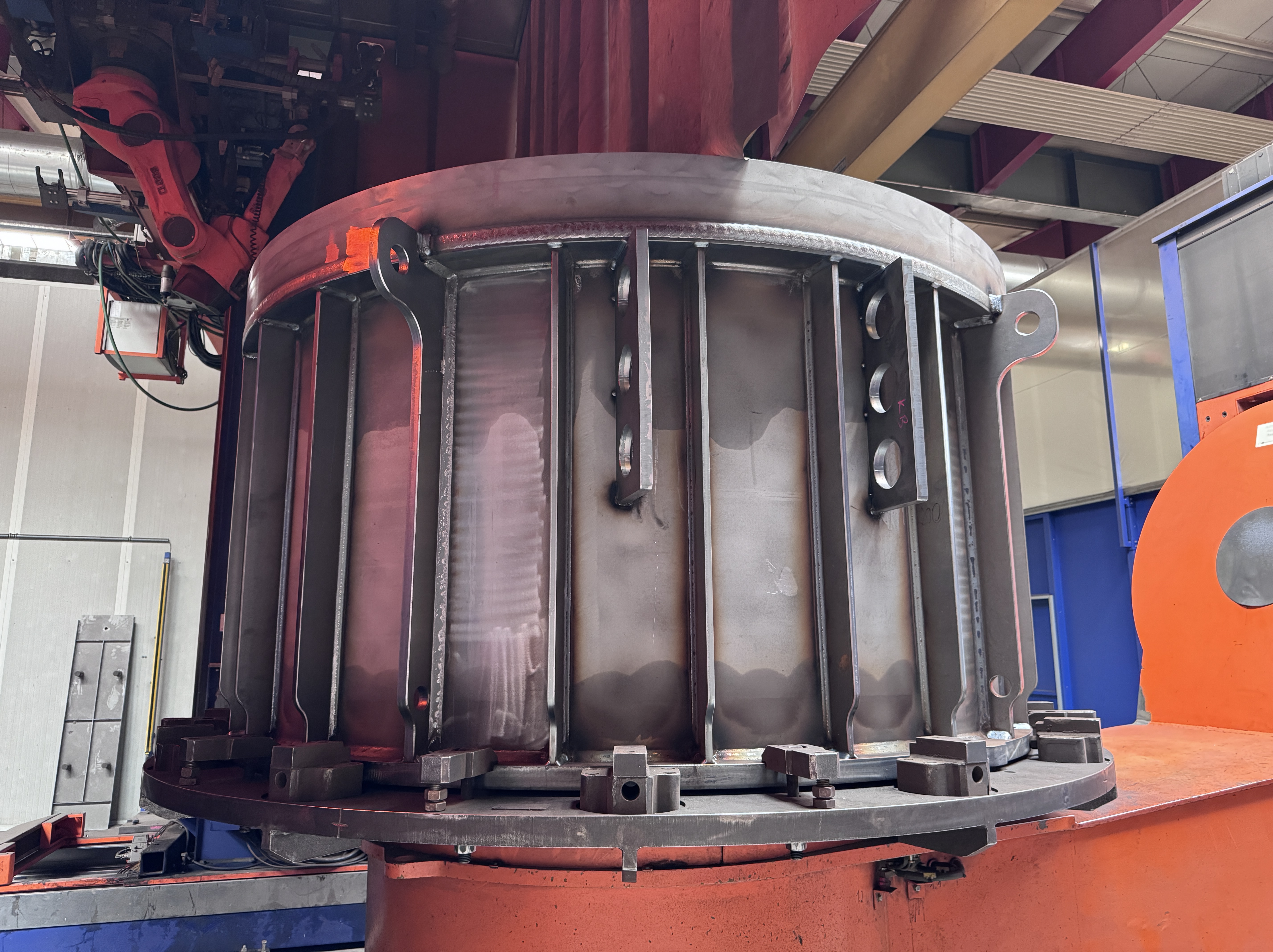
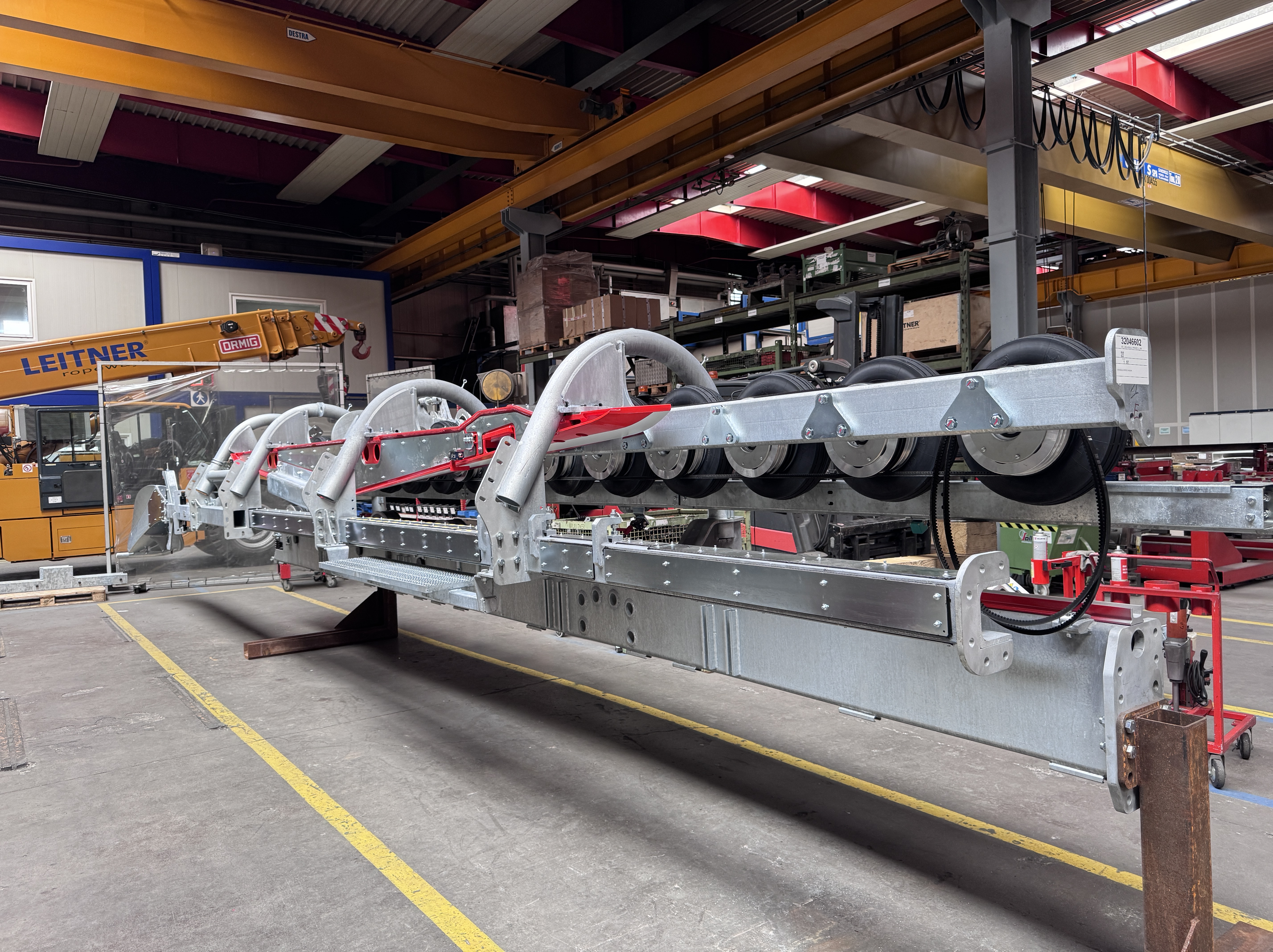
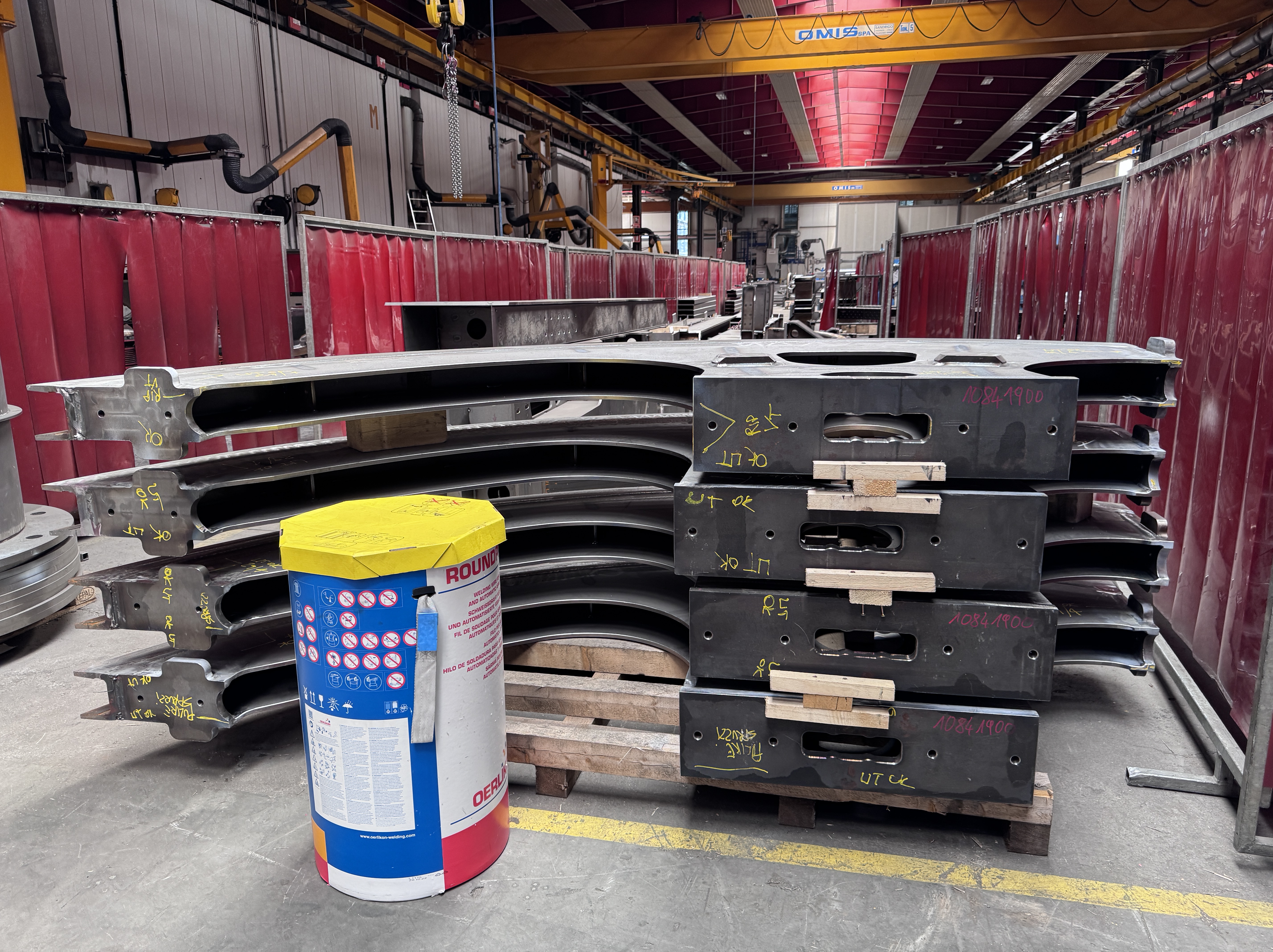
A highlight of the trip was seeing Leitner’s factories, the largest of which lies in the company’s hometown of Sterzing. There’s a ski area right in town, of course, but it had closed for the season. Our host here was Anton Seeber, the friendly leader of HTI Group and its many brands. Sterzing is a true production facility with workers and machines cutting and welding raw steel into bullwheels, tire banks and towers. Sterzing also produces casings for direct drives used all over the world. We visited this factory on a Sunday so no one was working but it was cool to see components in varying stages of completion.
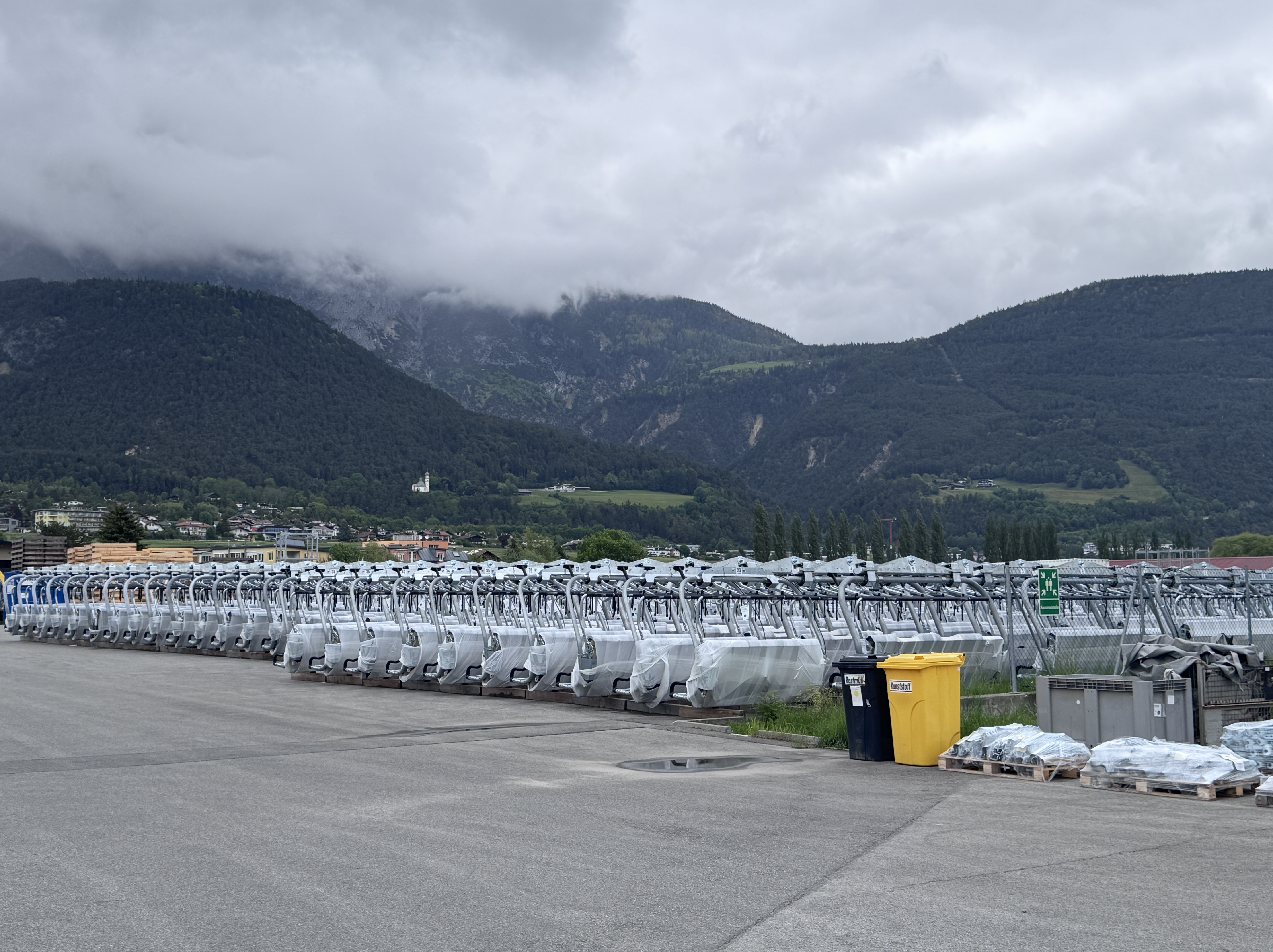
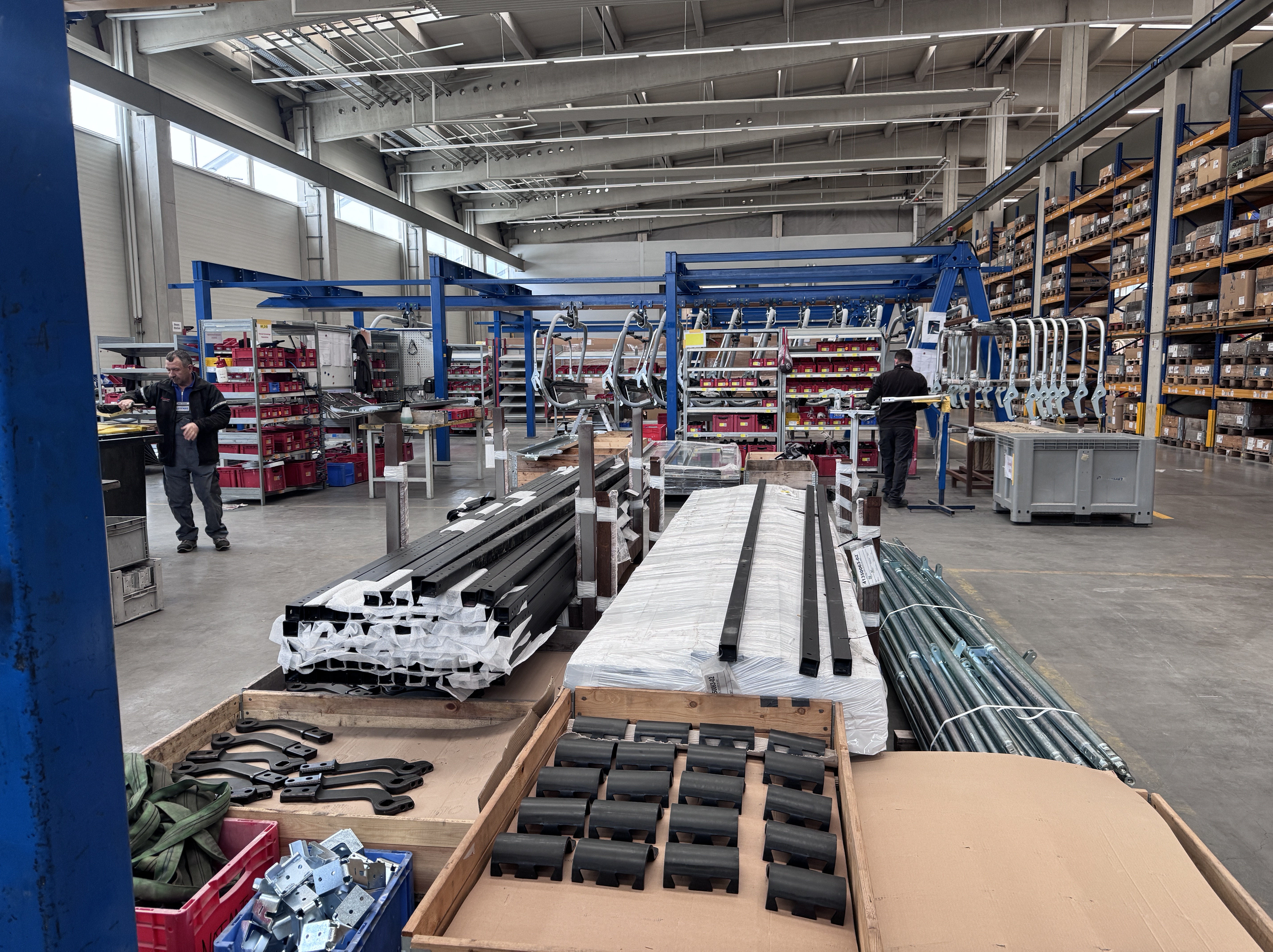
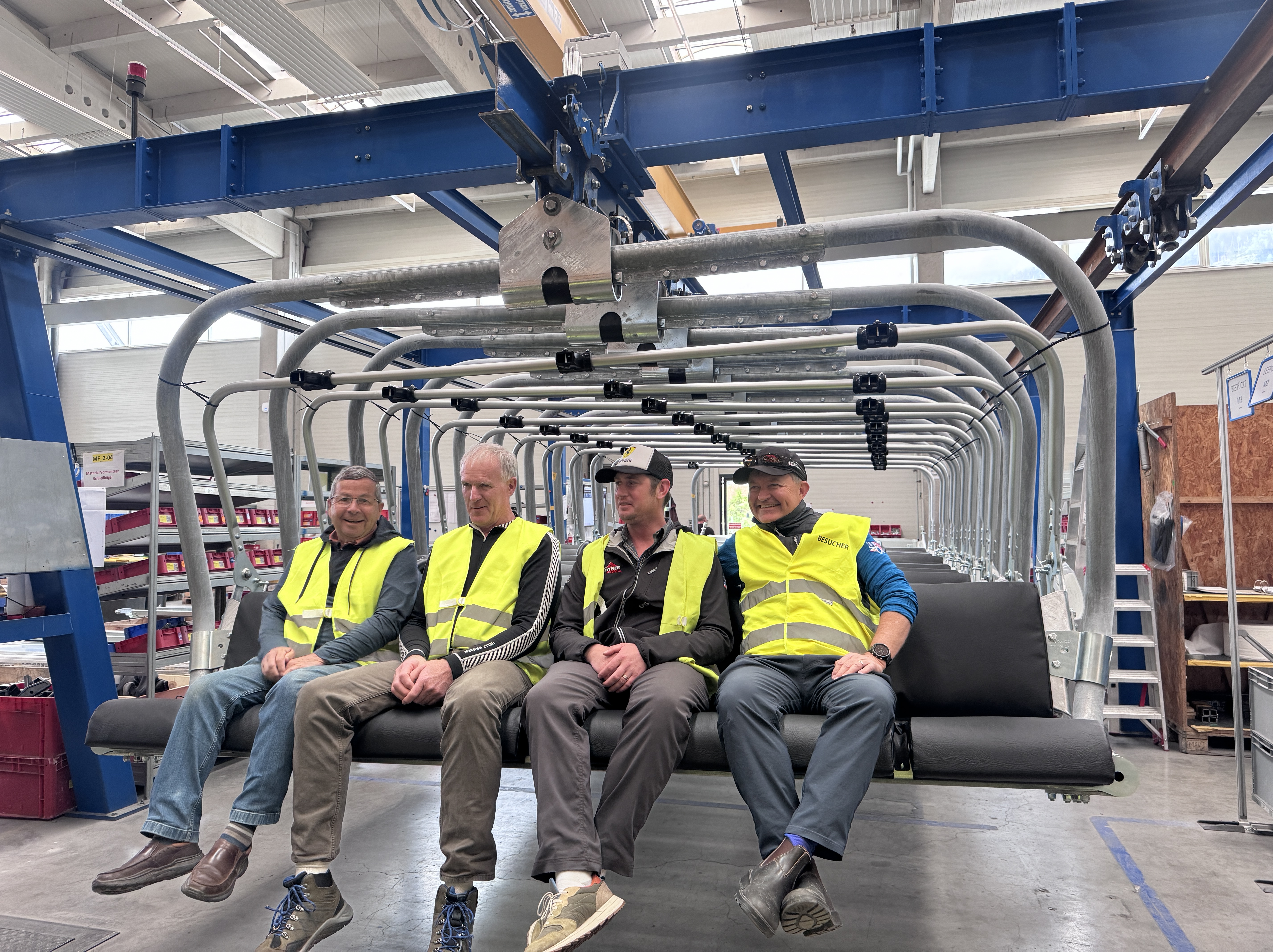
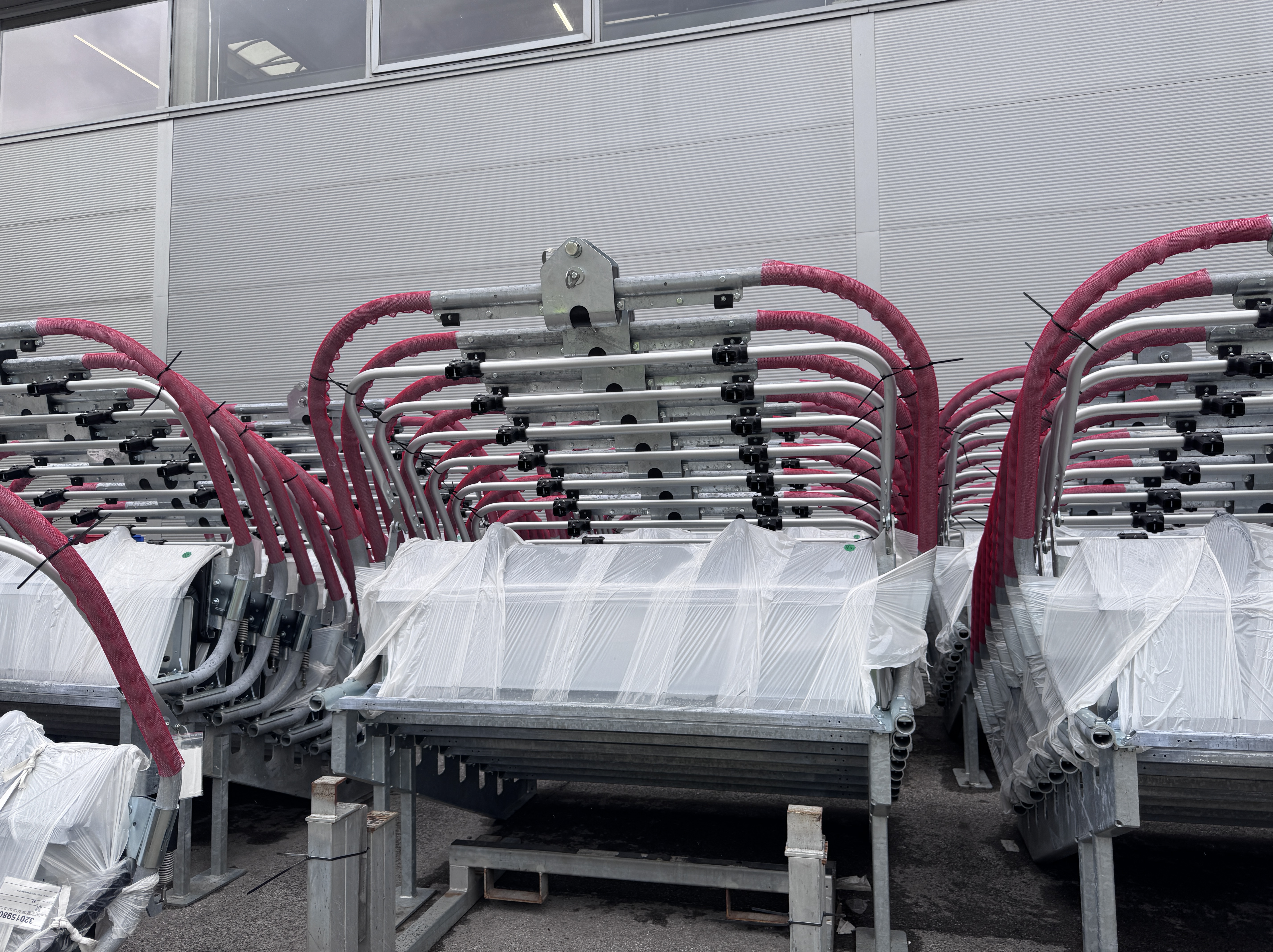
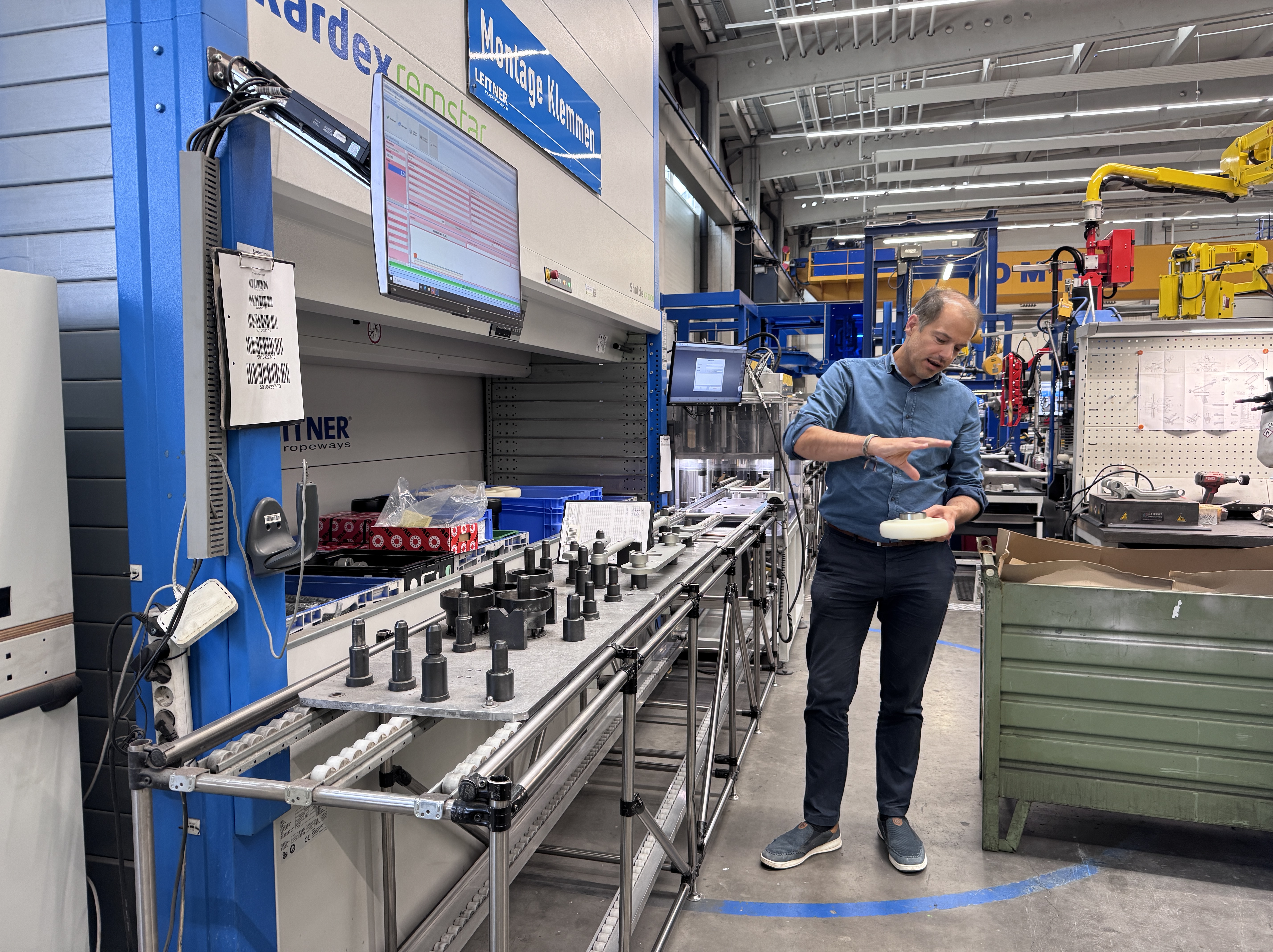
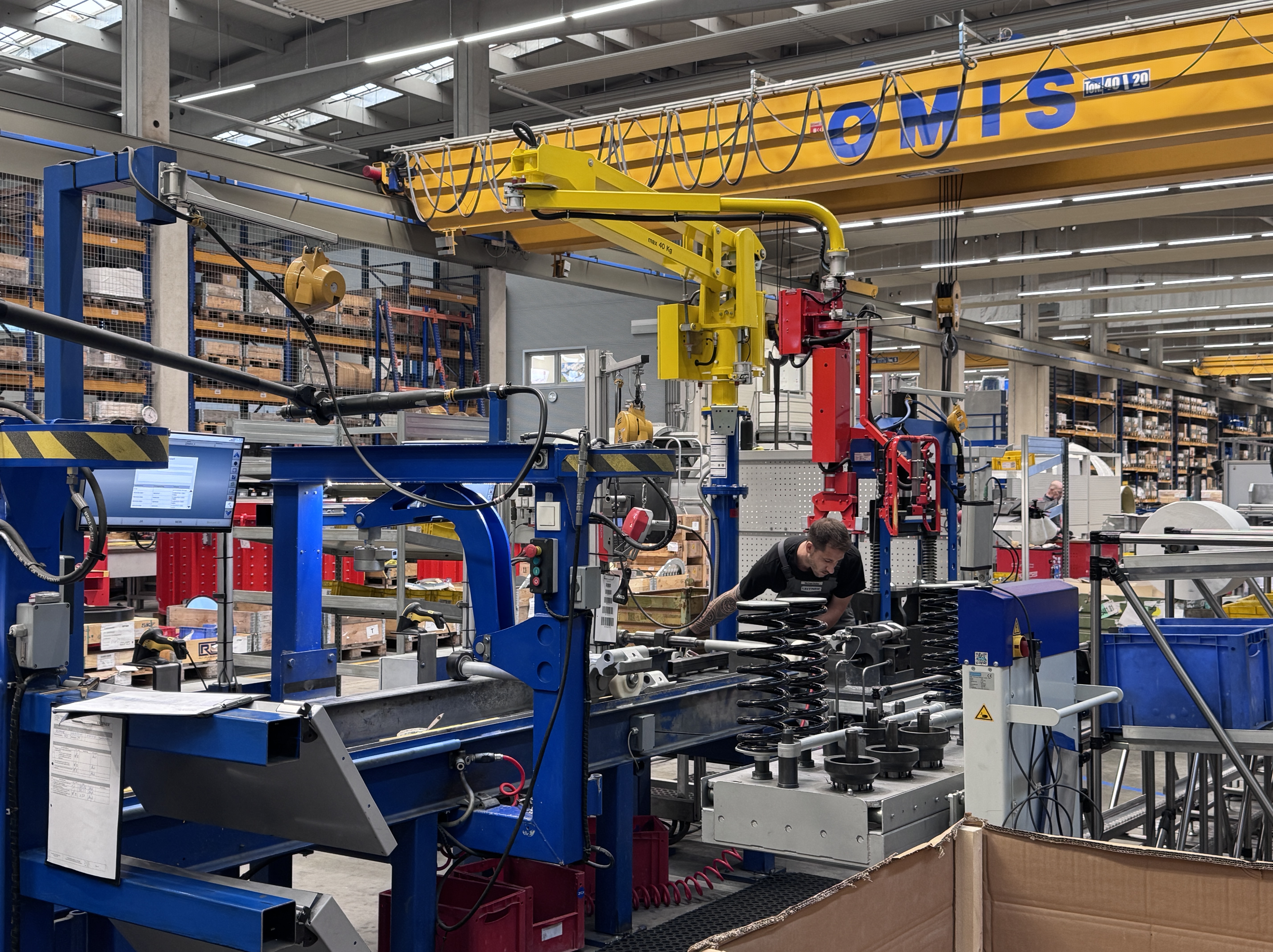
The next day we headed back to Austria and a newer factory which specializes in assembly of chairs, grips, hangers and direct drives. The 45,000 square meter Telfs plant opened in 2008 and serves just three customers: Leitner, Poma and Leitner-Poma of America. The various arms of HTI used to produce chairs and grips in different plants but consolidation to Telfs improved efficiency and quality control. In a busy year, LPOA buys 1,000 chairs from Telfs out of 2,600 to 4,000 chairs produced there. Chairs are built in batches for a specific lift. The reason for this is a six place chair, for example, can be ordered in 230 different variations depending on customer preferences. The day we were in the factory a crew was busy assembling chairs for Snowmass’ new Elk Camp six pack, set to open next season. Two Snowmass guys were on the tour and got to sit on their new chair for a photo months before first chair. Bretton Woods’ Bethlehem Express chairs had just been completed and were being readied for their boat ride to New Hampshire.
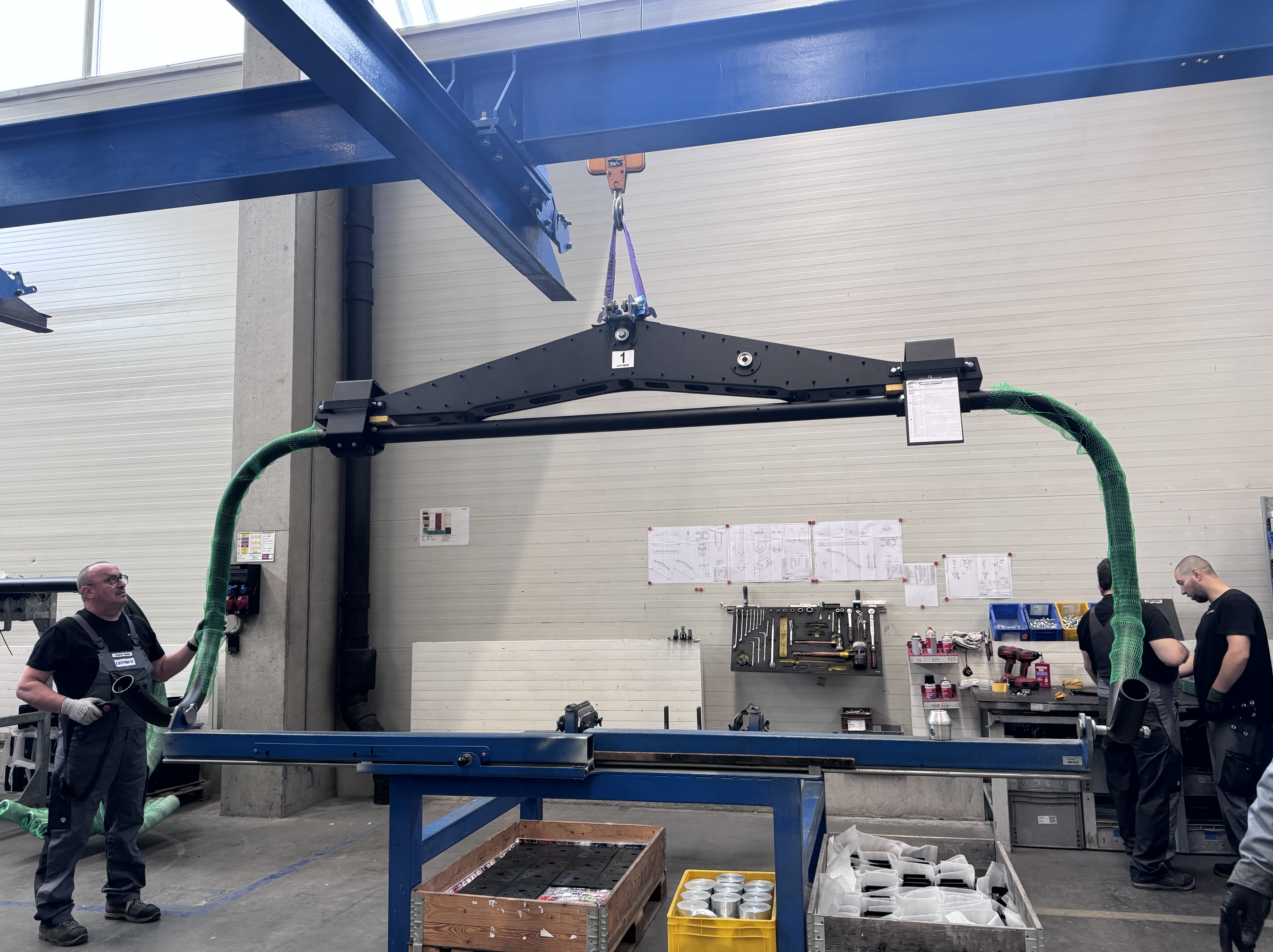
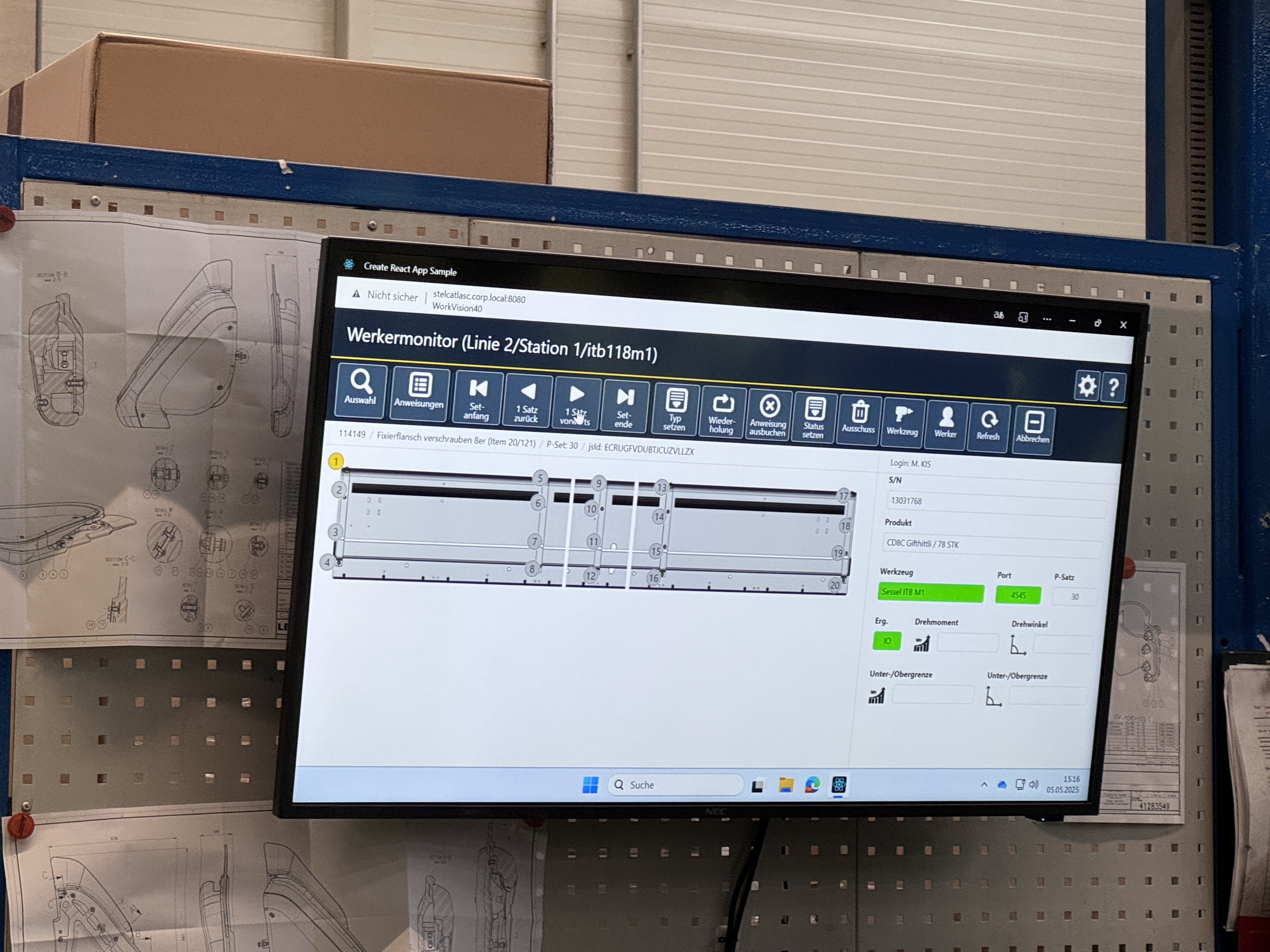
Every chair begins as a straight piece of tubular steel. An automated bending machine transforms each tube into a chair bail. Another machine cuts holes in the tube and other finishing is completed by hand. The bails are sent out for galvanization before returning for assembly. Other than the bail, the rest of a chair’s parts are sourced from a network of suppliers, many of whom also supply automakers in nearby Germany. A single chair can contain 1,500 parts and workers use high tech torque wrenches linked with software to optimize workflow. A screen shows the assembler exactly where a particular part goes on the chair.
There’s one other chair component Telfs fabricates as opposed to just assembling: bubbles! This factory will produce around 600 bubbles in 2025, all starting as flat sheets of polycarbonate. The process Leitner uses is proprietary but can be summarized as thermo stretch forming. This work is highly specialized and difficult with not every bubble meeting quality standards (around 10 percent are discarded instead of making their way to lifts.) After forming, holes are drilled and a plastic rim is glued on before the bubbles are installed on chairs.
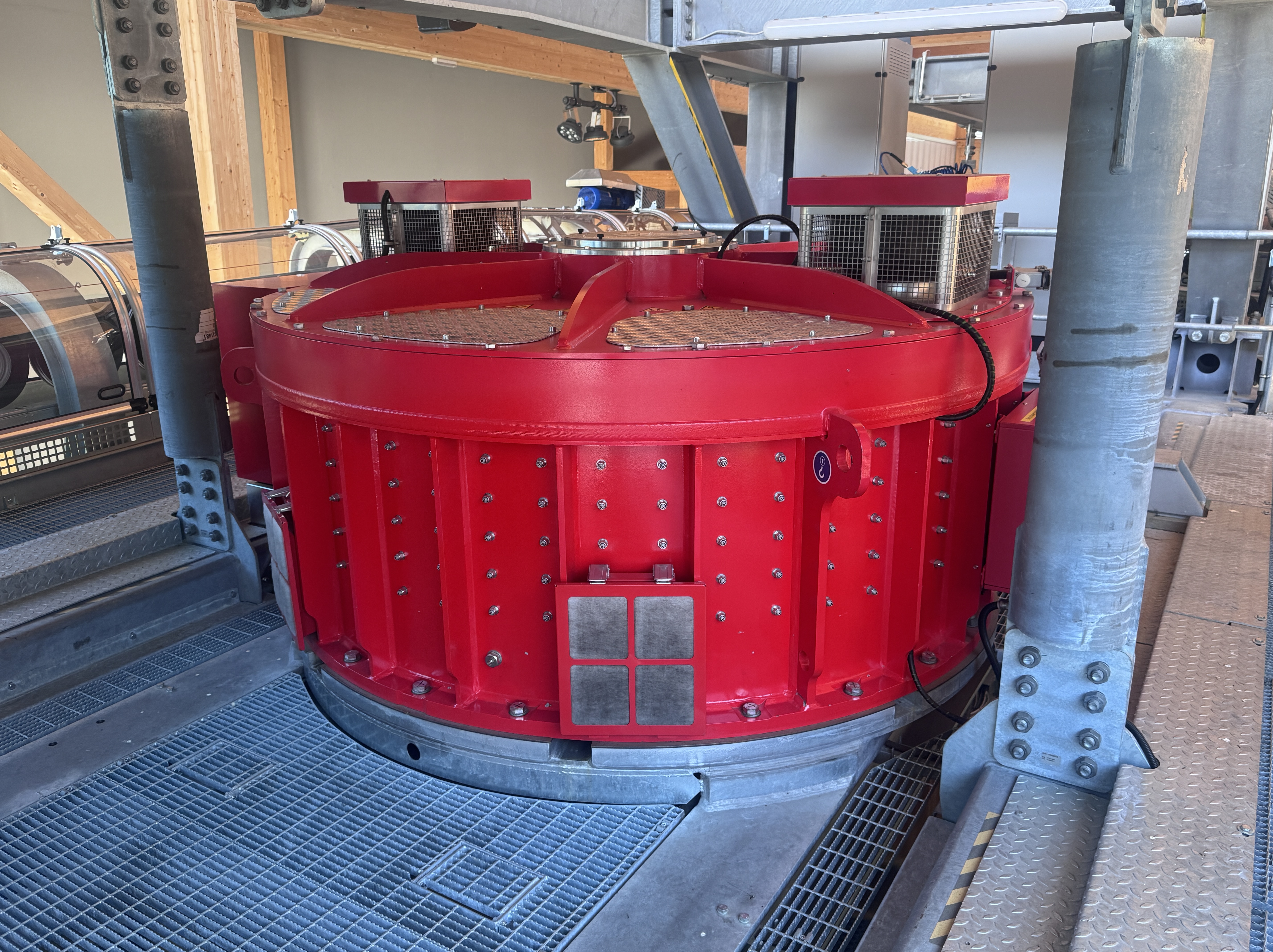
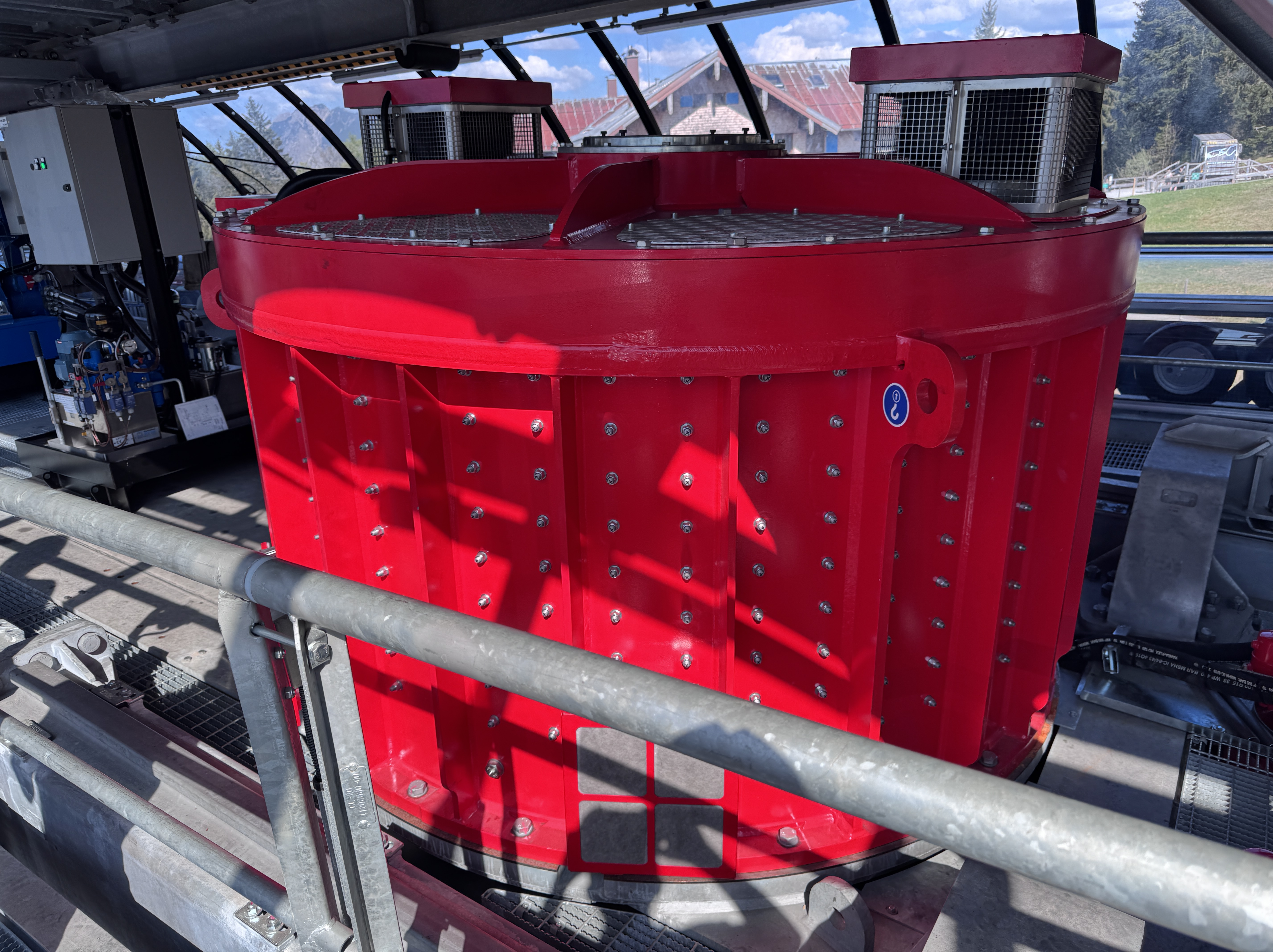
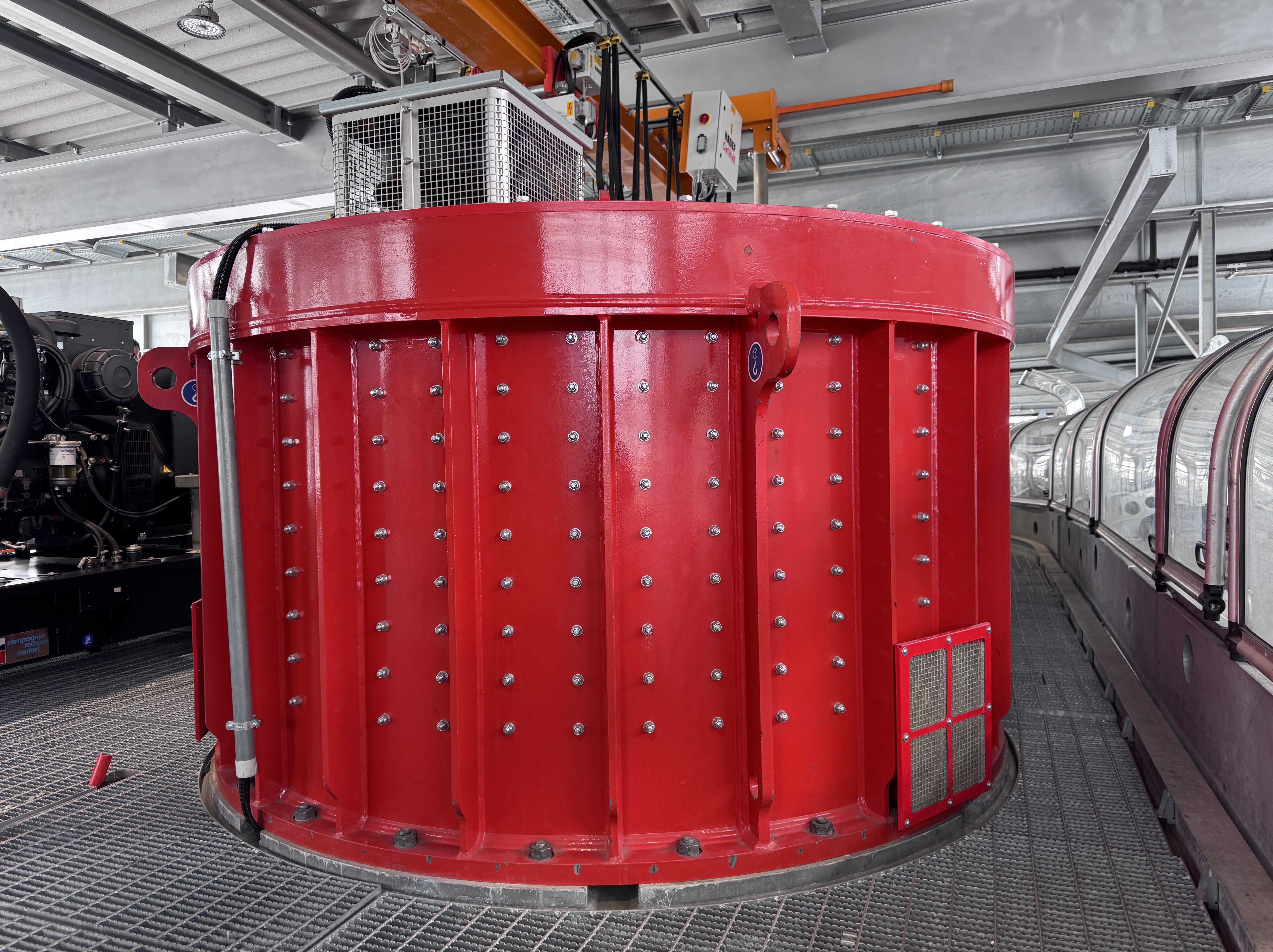
The third section of Telfs we toured was direct drive assembly. This was the first time I got to see the inside of a direct drive as normally they’re not opened once installed. Leitner was the pioneer of direct drive lifts and Telfs completes around 50 to 60 units a year, most of which stay in Europe.
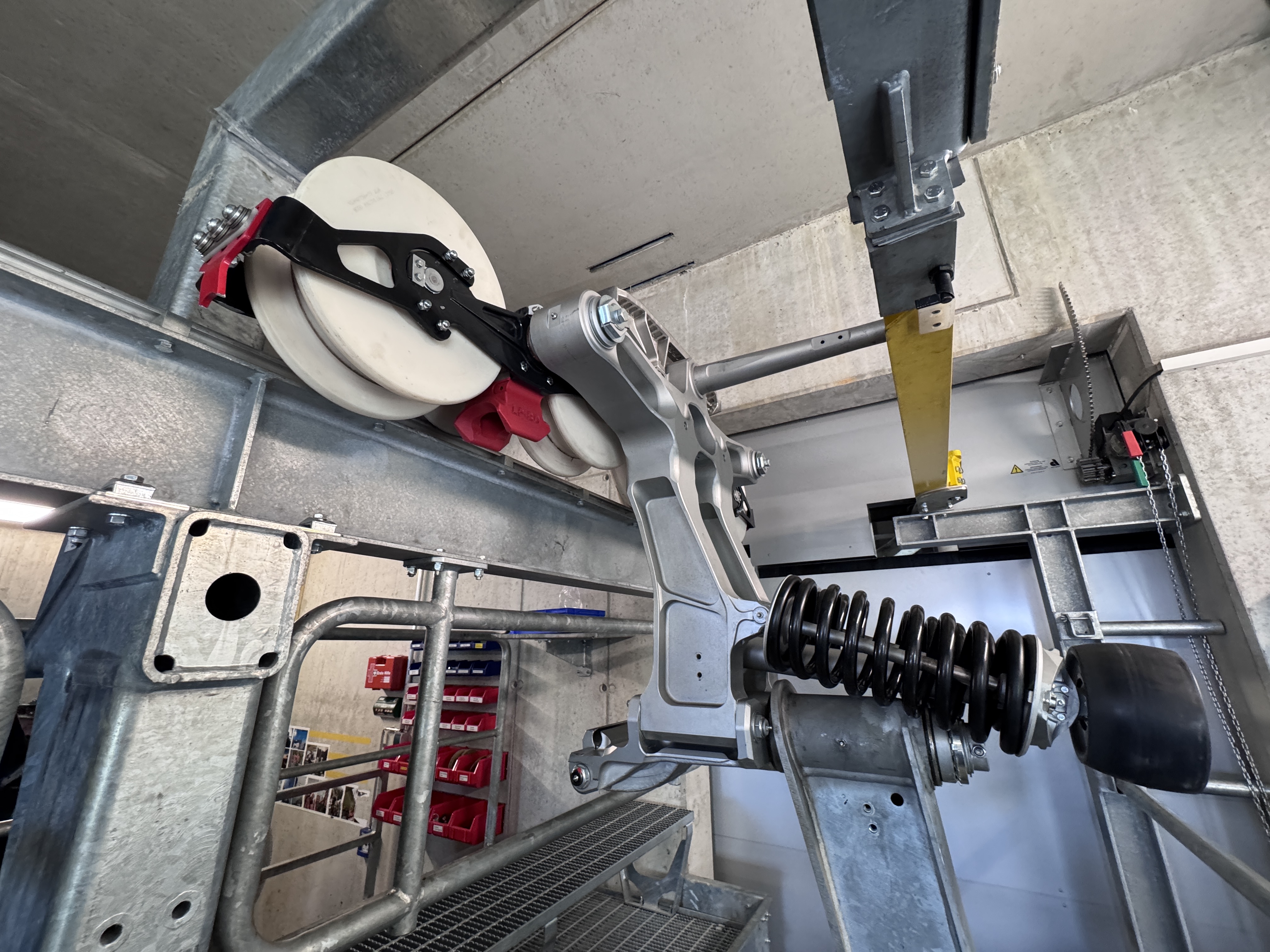
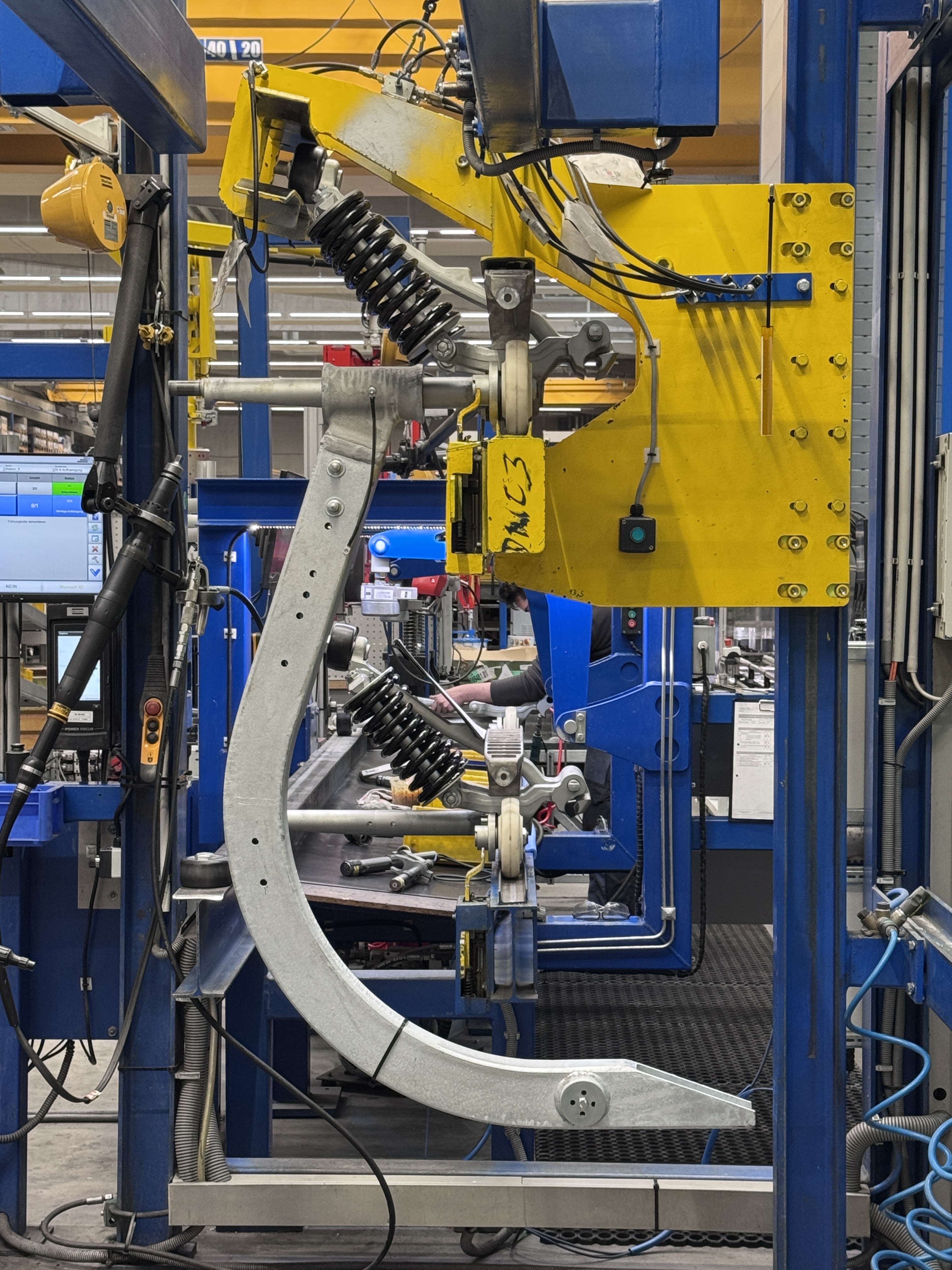
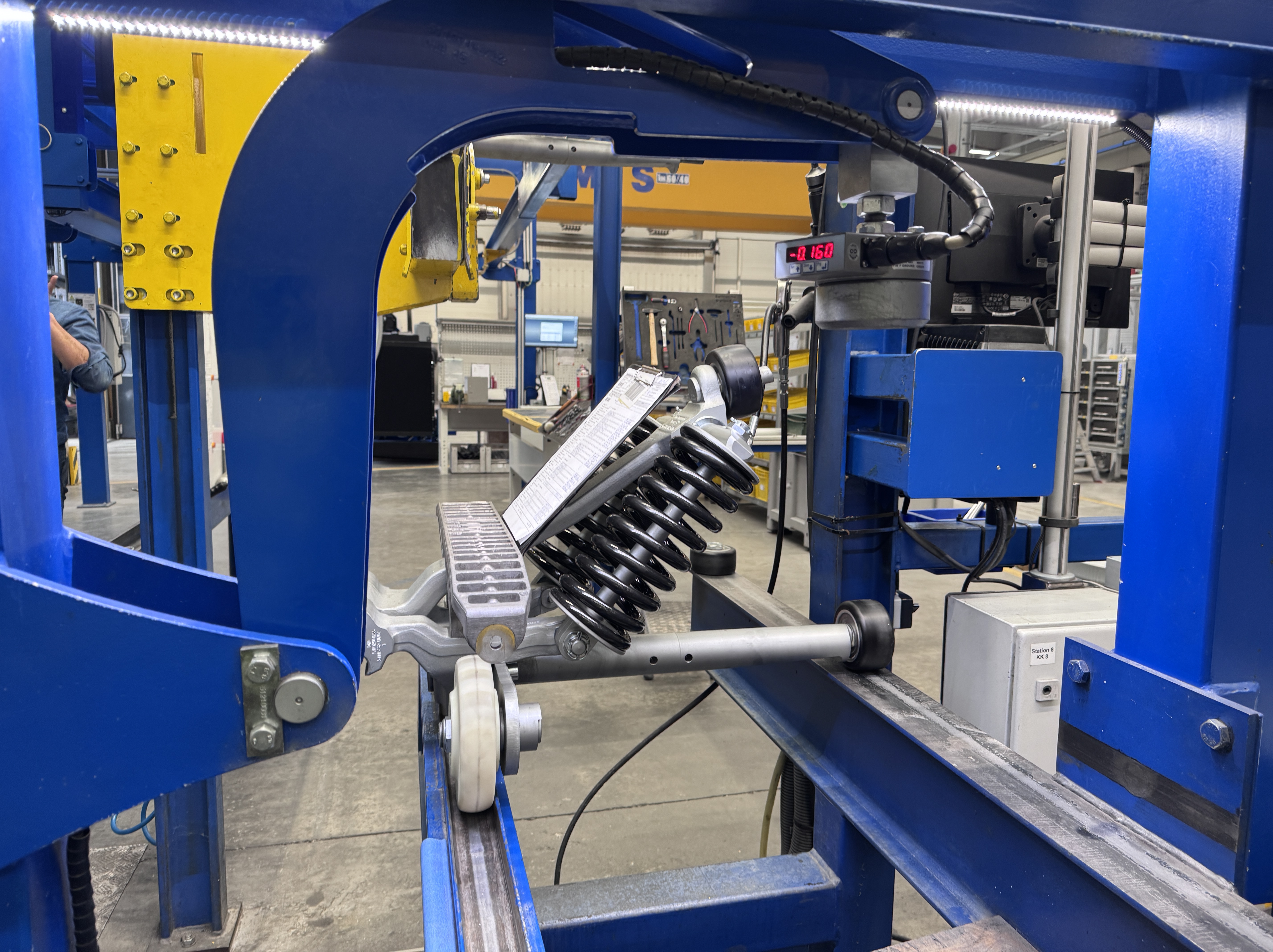
The last stop was the LPA grip assembly line, designed using systems from modern automobile and aircraft factories. HTI formerly built detachable grips in three places but now every grip and hanger come off this one line. Parts are delivered to the line by an automated system but the actual assembly is done mostly by hand. Once a grip is complete, it’s tested and a series of cameras take dozens of photos to detect any anomalies. This also allows Leitner to track each grip and hanger to a specific production run on a specific date by a specific employee. The grip and hanger mechanisms are then shipped together to project sites. Once on site, crews simply connect a chair to a hanger with one bolt. This is fast but also ensures quality and safety with most of the assembly done in a controlled environment rather than a ski area parking lot.
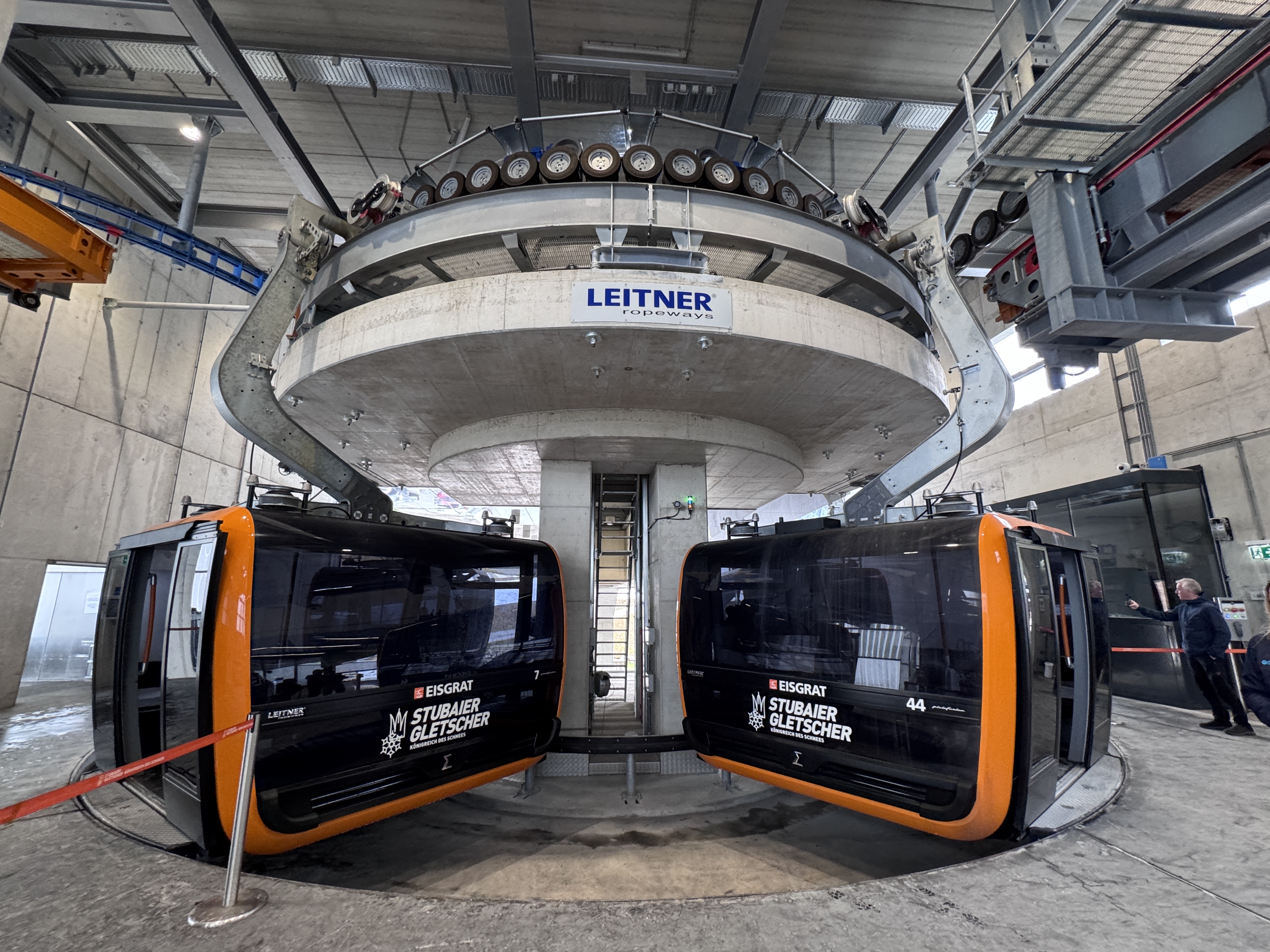
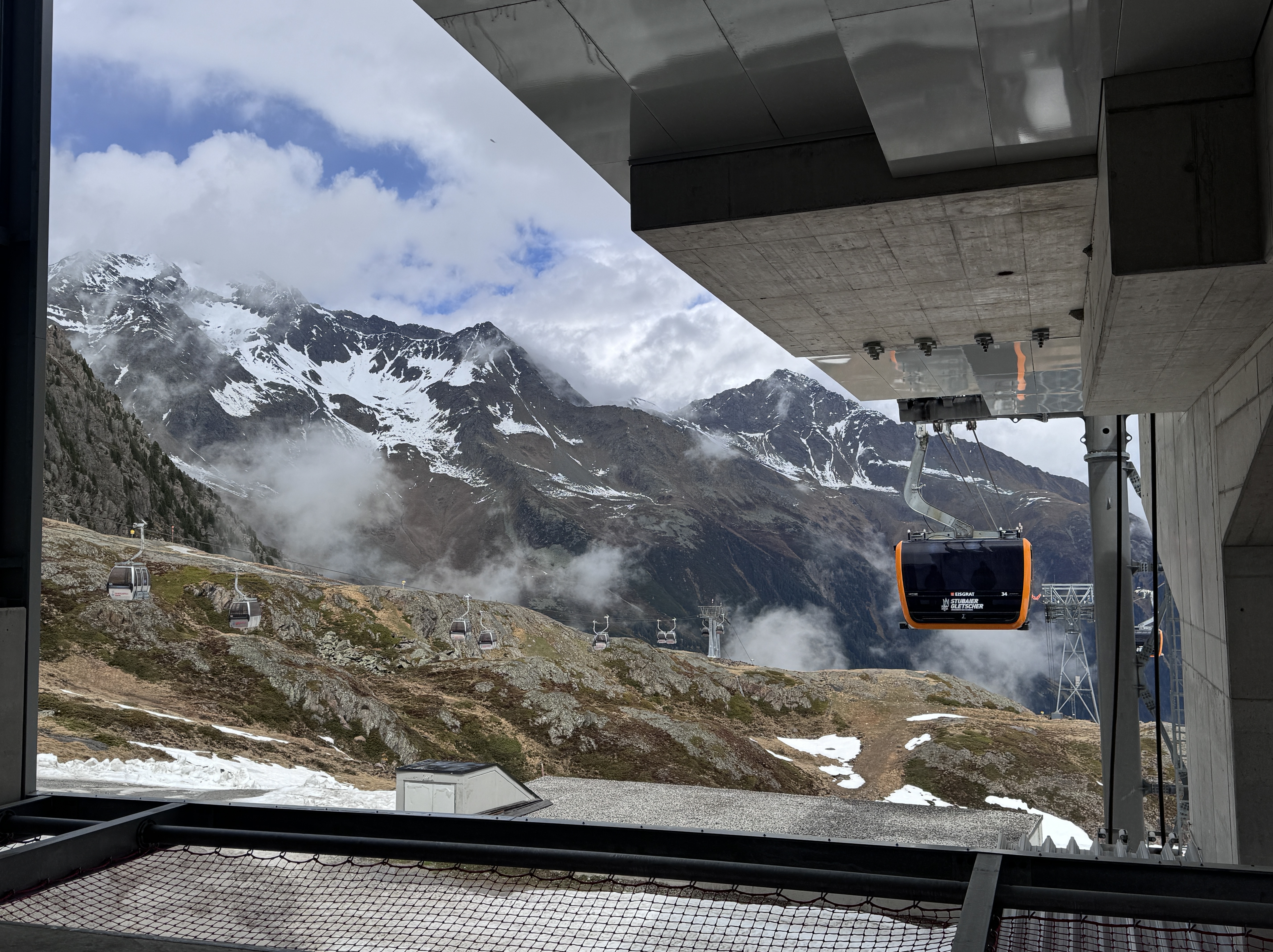
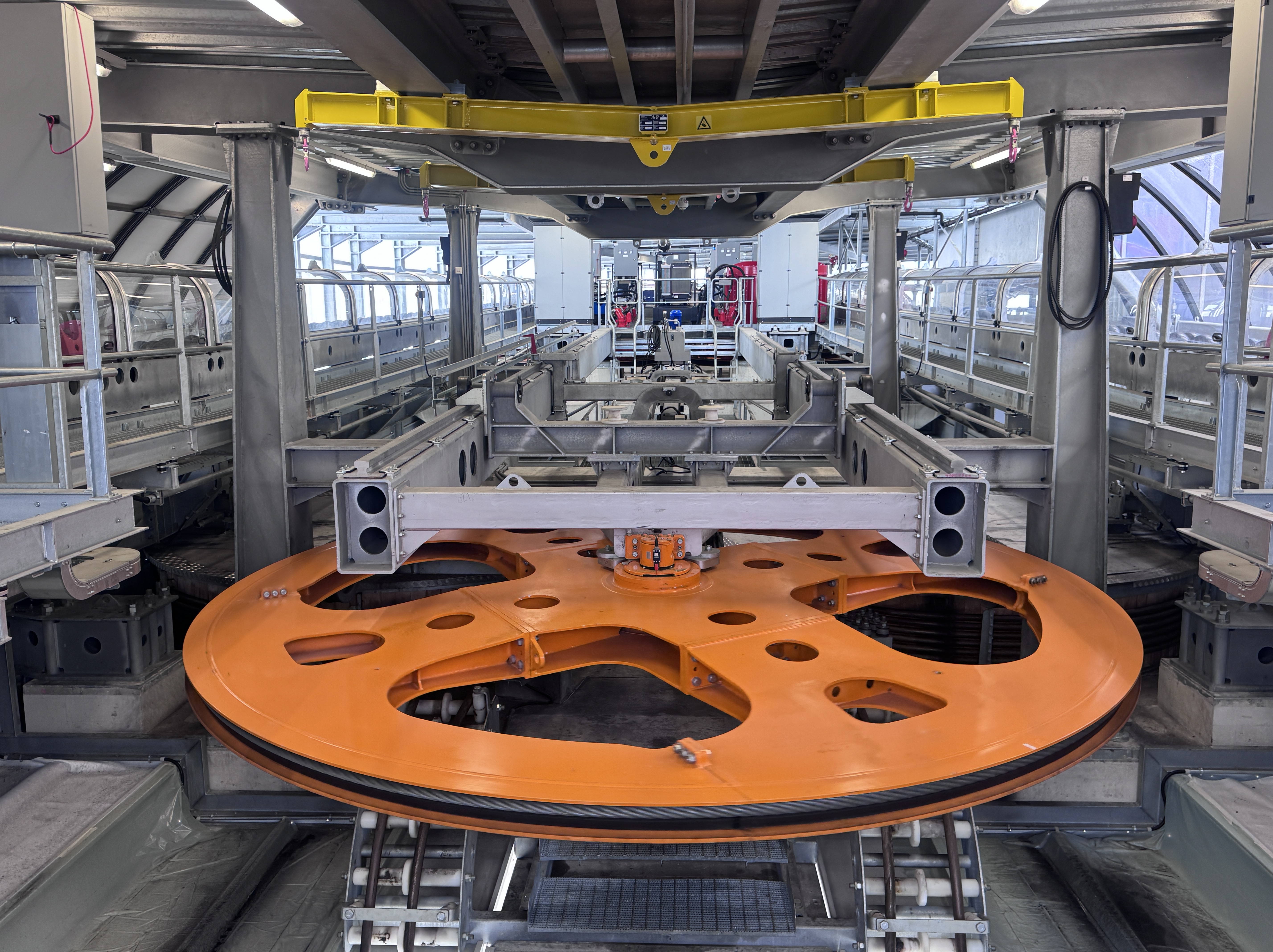
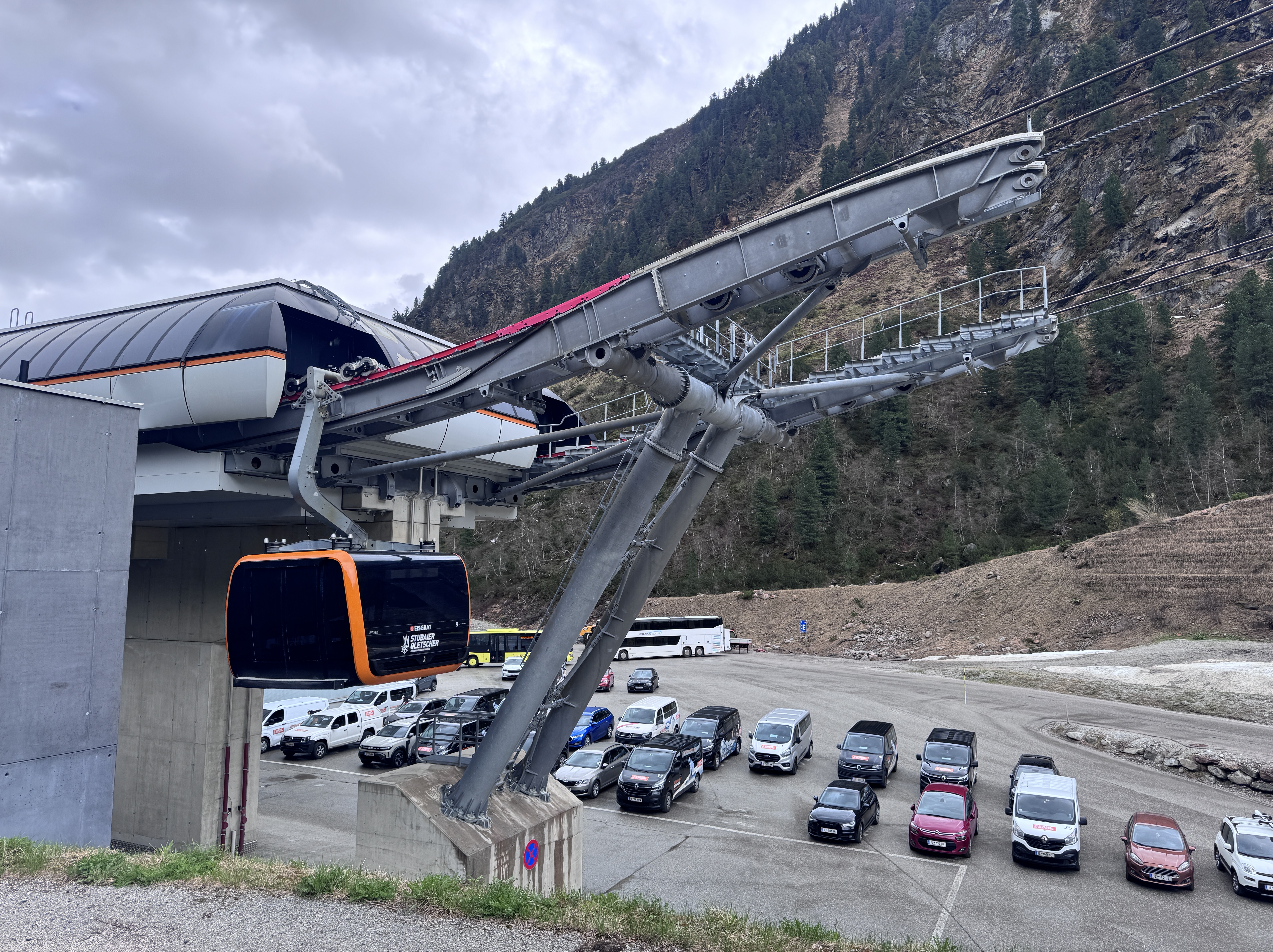
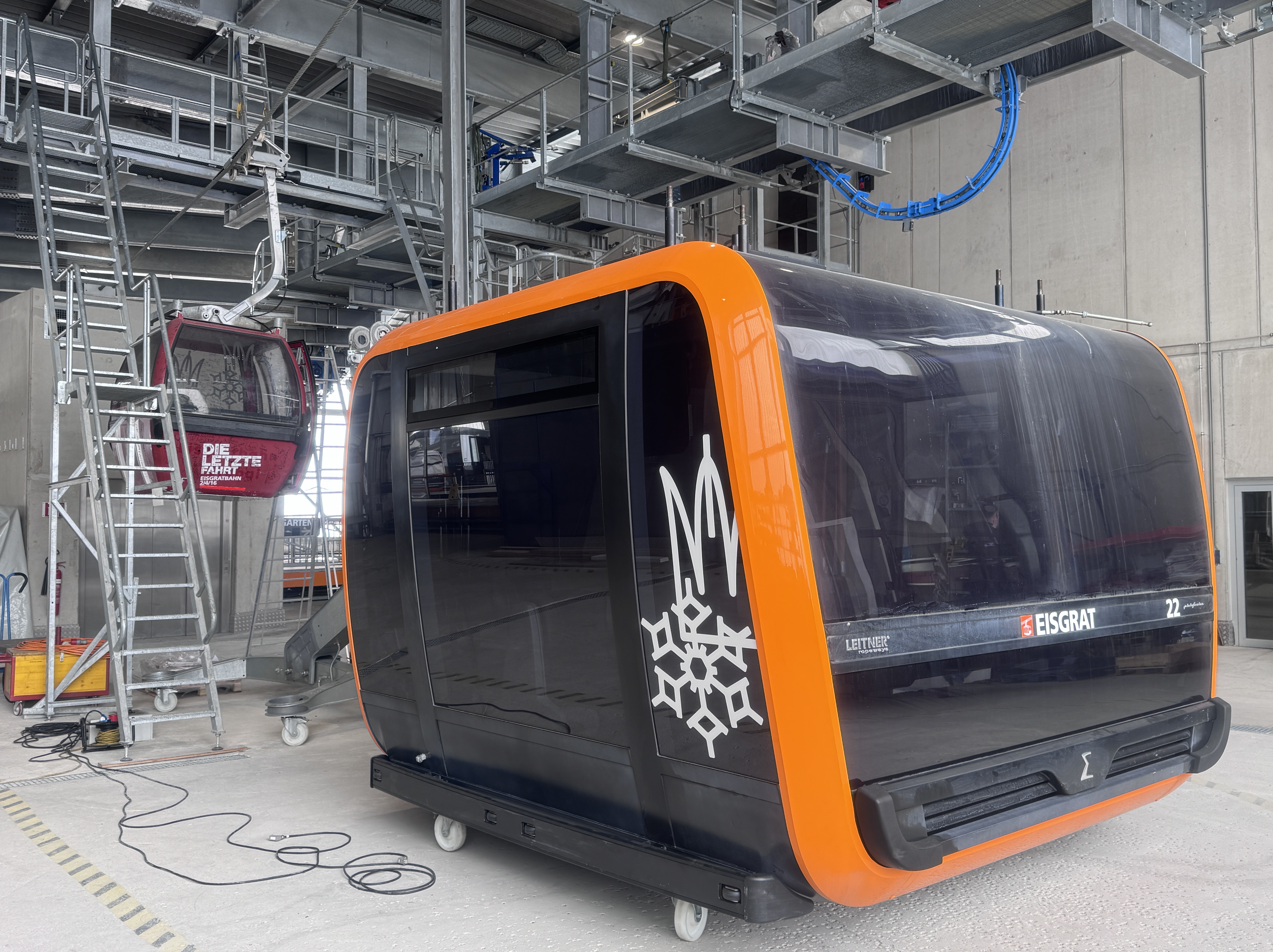
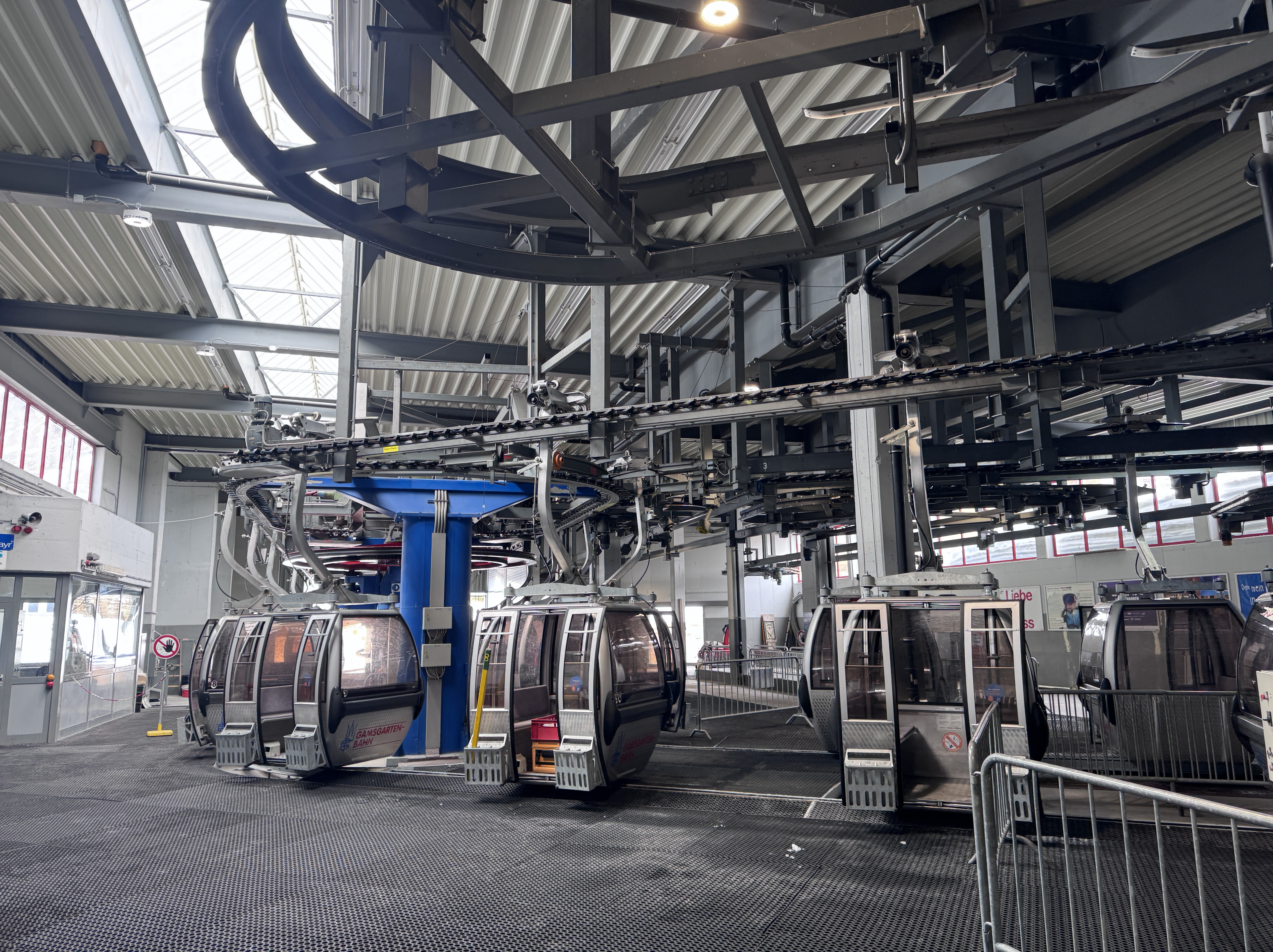
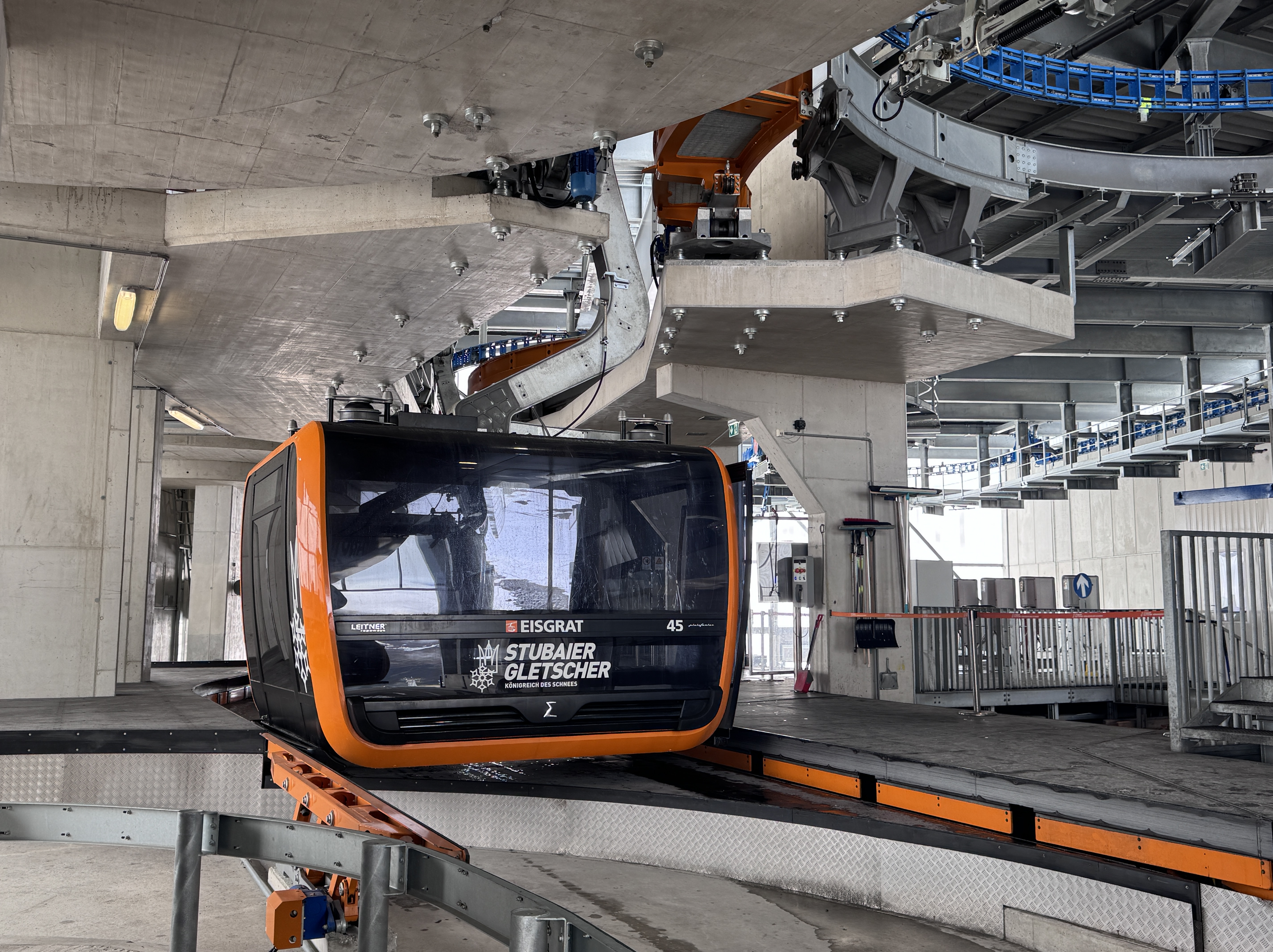
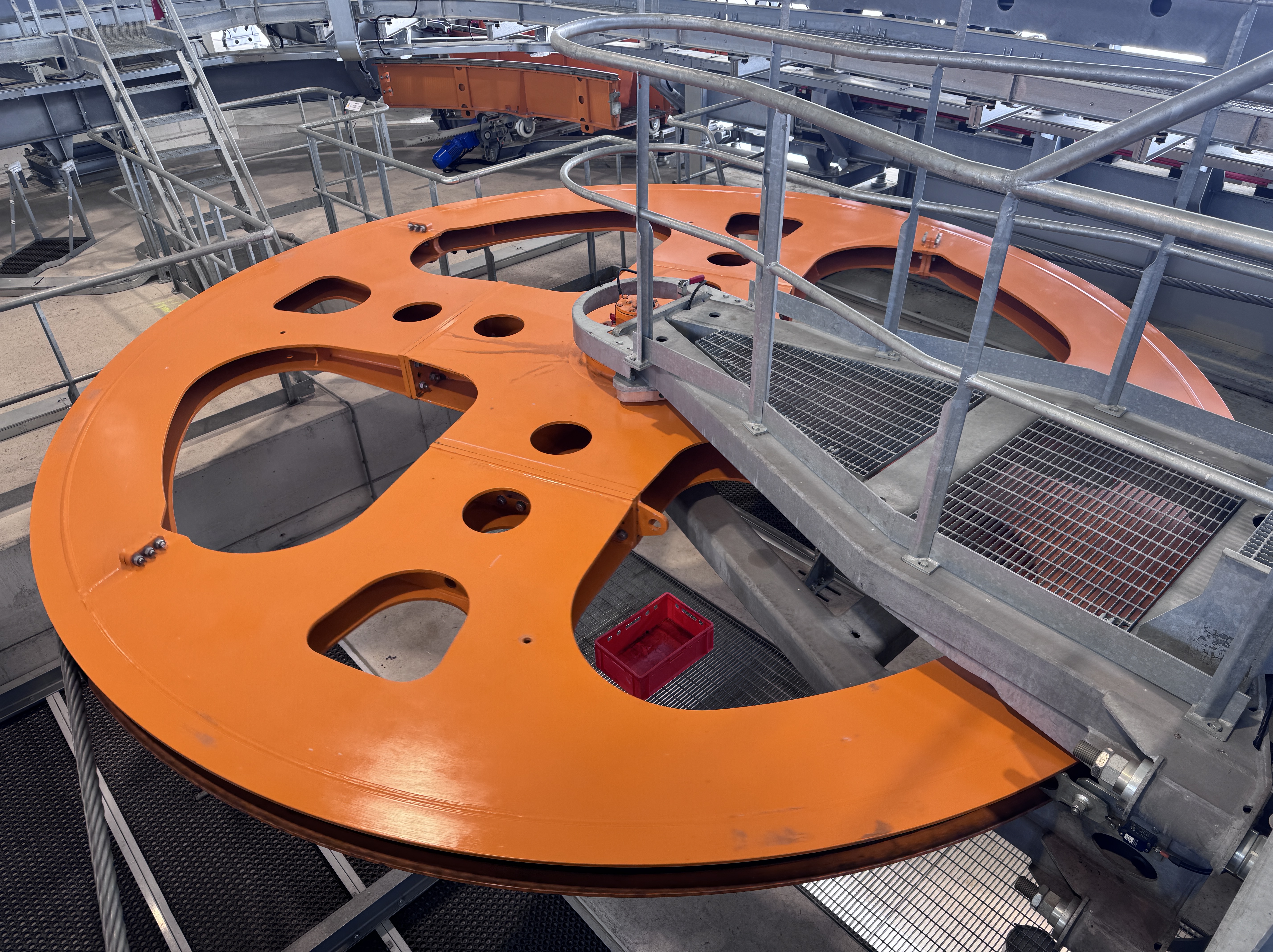
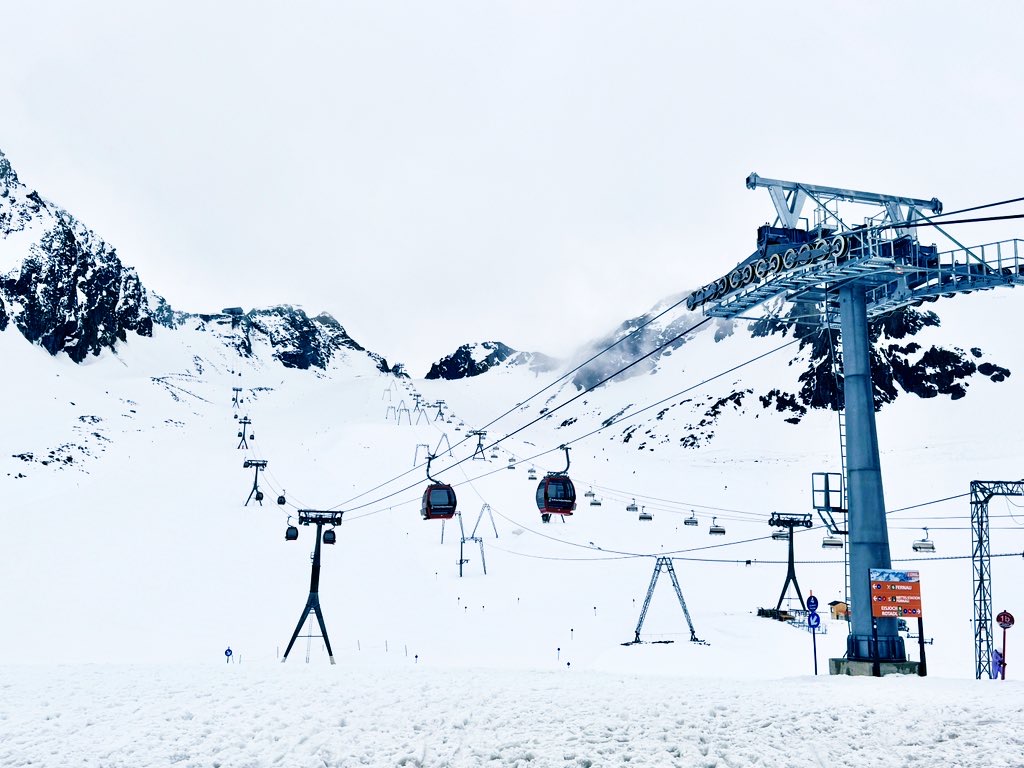
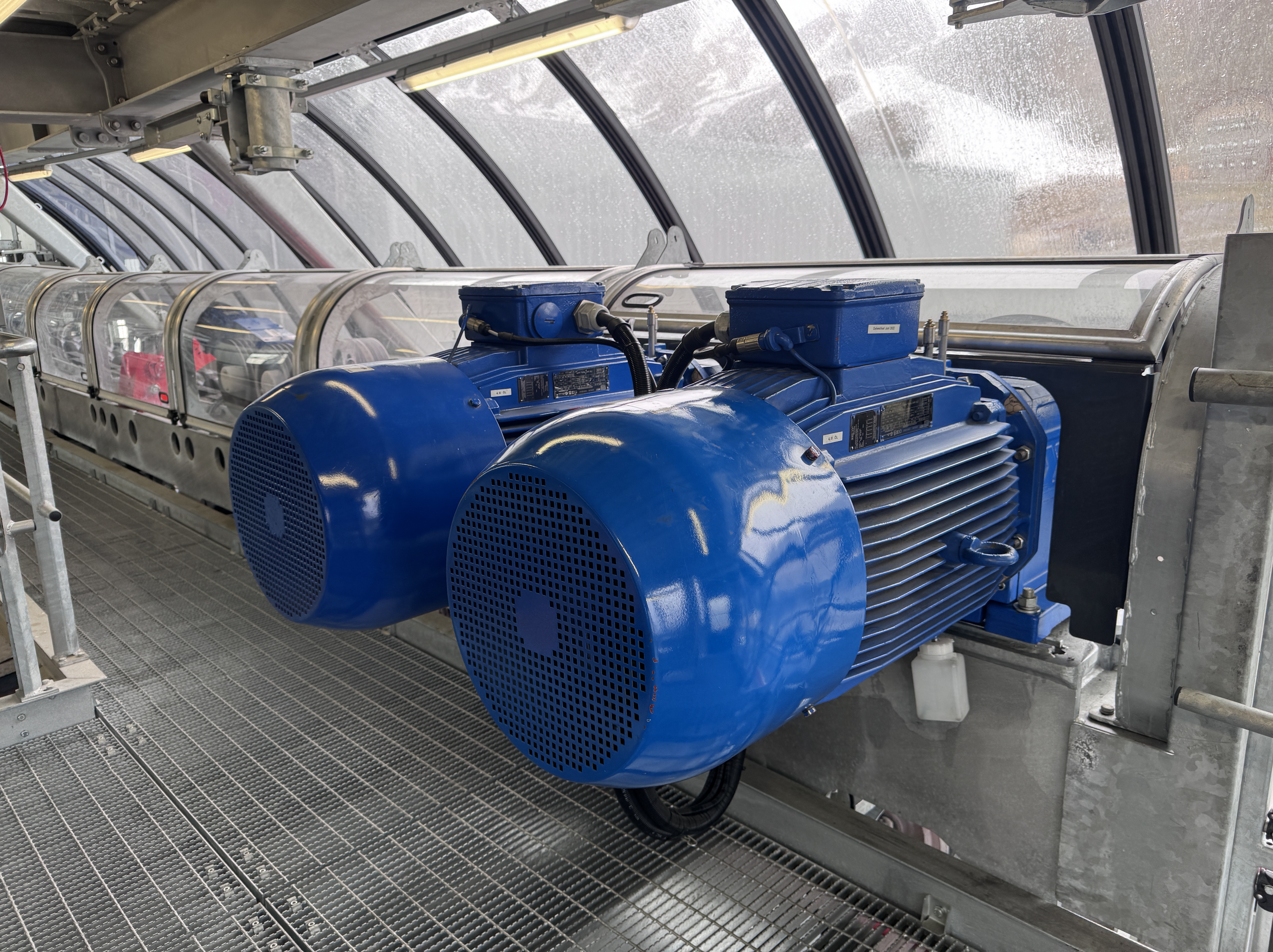
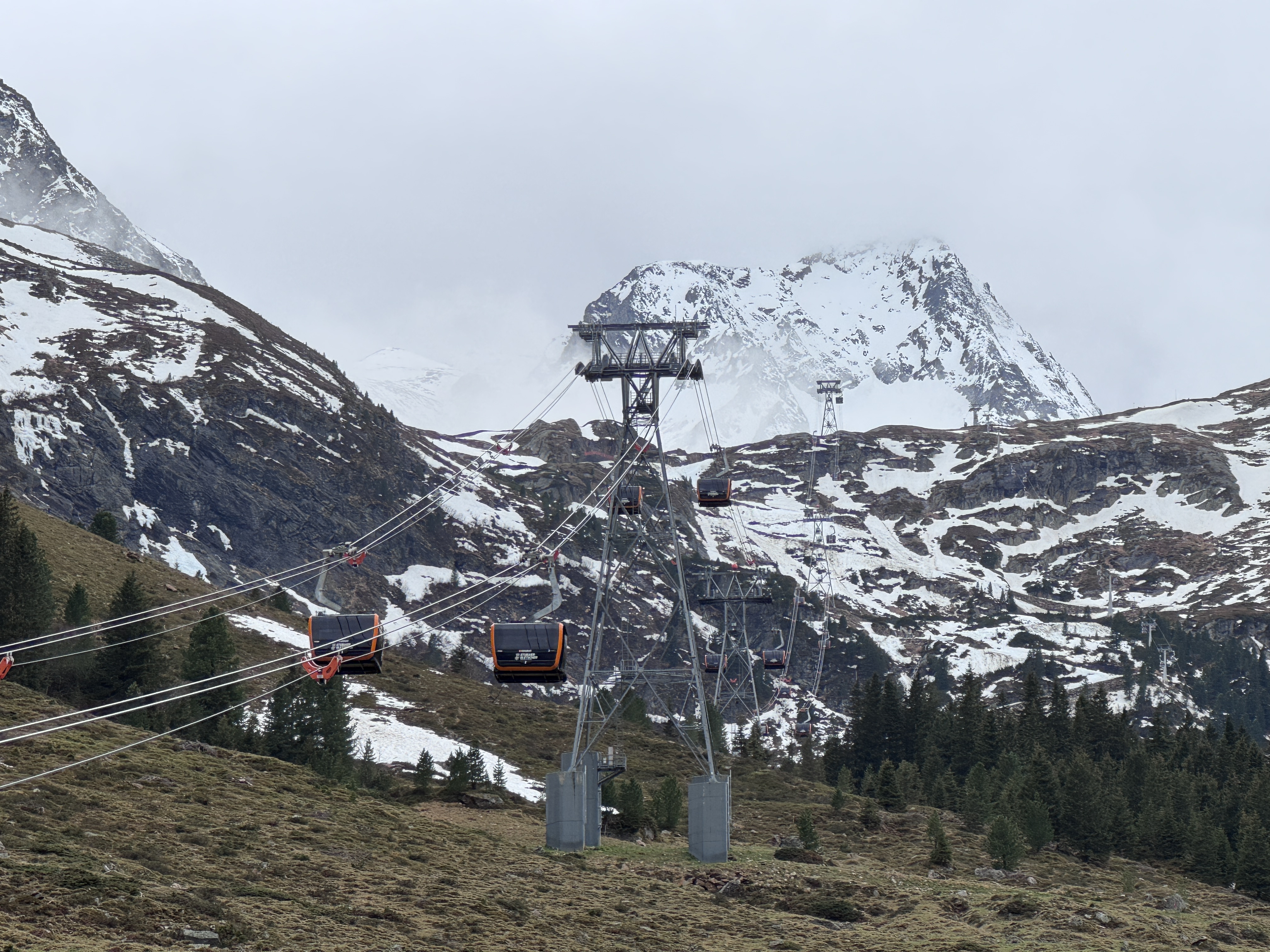
After Telfs we ventured up to Stubai Glacier, home to a spectacular Leitner 3S and numerous other lifts. Although we weren’t skiing, several gondolas and chairlifts still carried skiers at higher elevations. Many towers were pinned to the glacier rather than traditional foundations. On the 3S, carriers can be parked at all three stations, allowing the line to be cleared of cabins automatically in a matter of minutes. Of course each section is driven by a direct drive. This lift is so big that tire sections are run by motors rather than PTO belts. These helper motors are bigger than those powering entire chairlifts in the Midwest.
Our last stop was Innsbruck, home to the Interalpin mountain technology tradeshow. Before the show, we ventured up the Nordkette Cable Car, which Leitner part owns. This ski area is accessible right from downtown Innsbruck via a Leitner funicular railway. The funicular includes a bridge over a river, several tunnels and grades ranging from zero degrees to very steep. At the top of the funicular, we rode a series of jig back tramways to reach a 2,334 meter summit. It was foggy that day so I didn’t take many pictures of the two trams we rode.
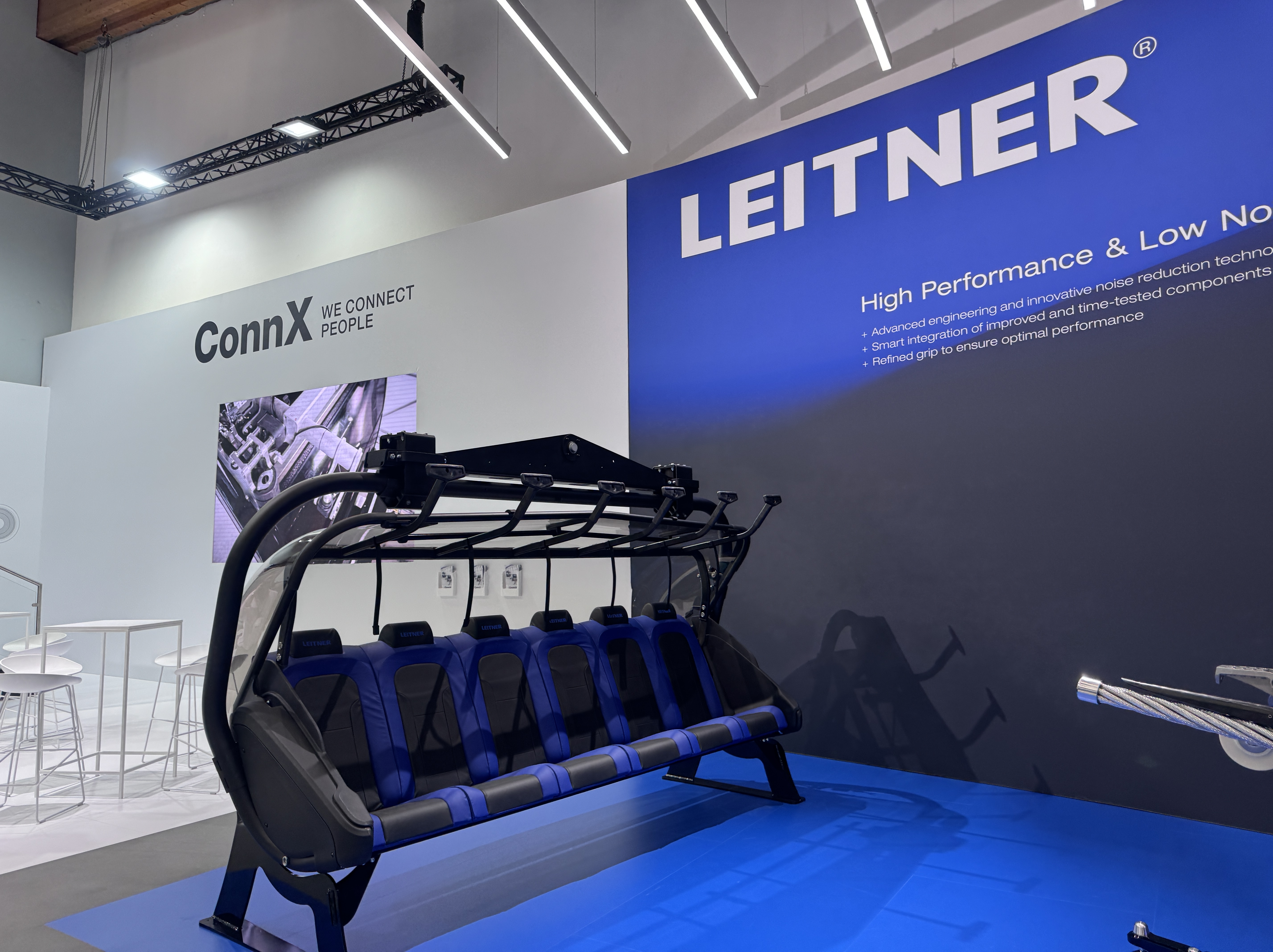
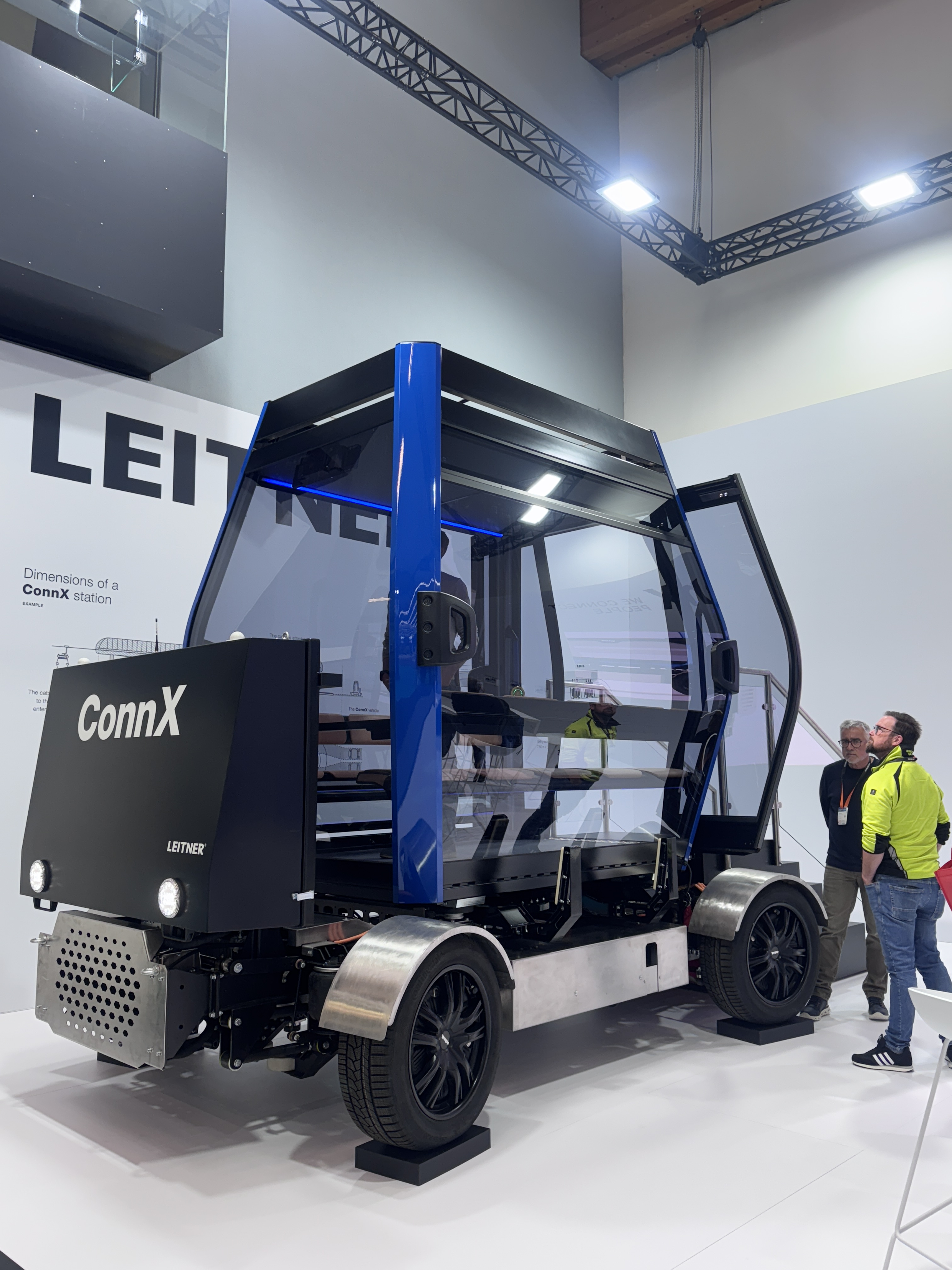
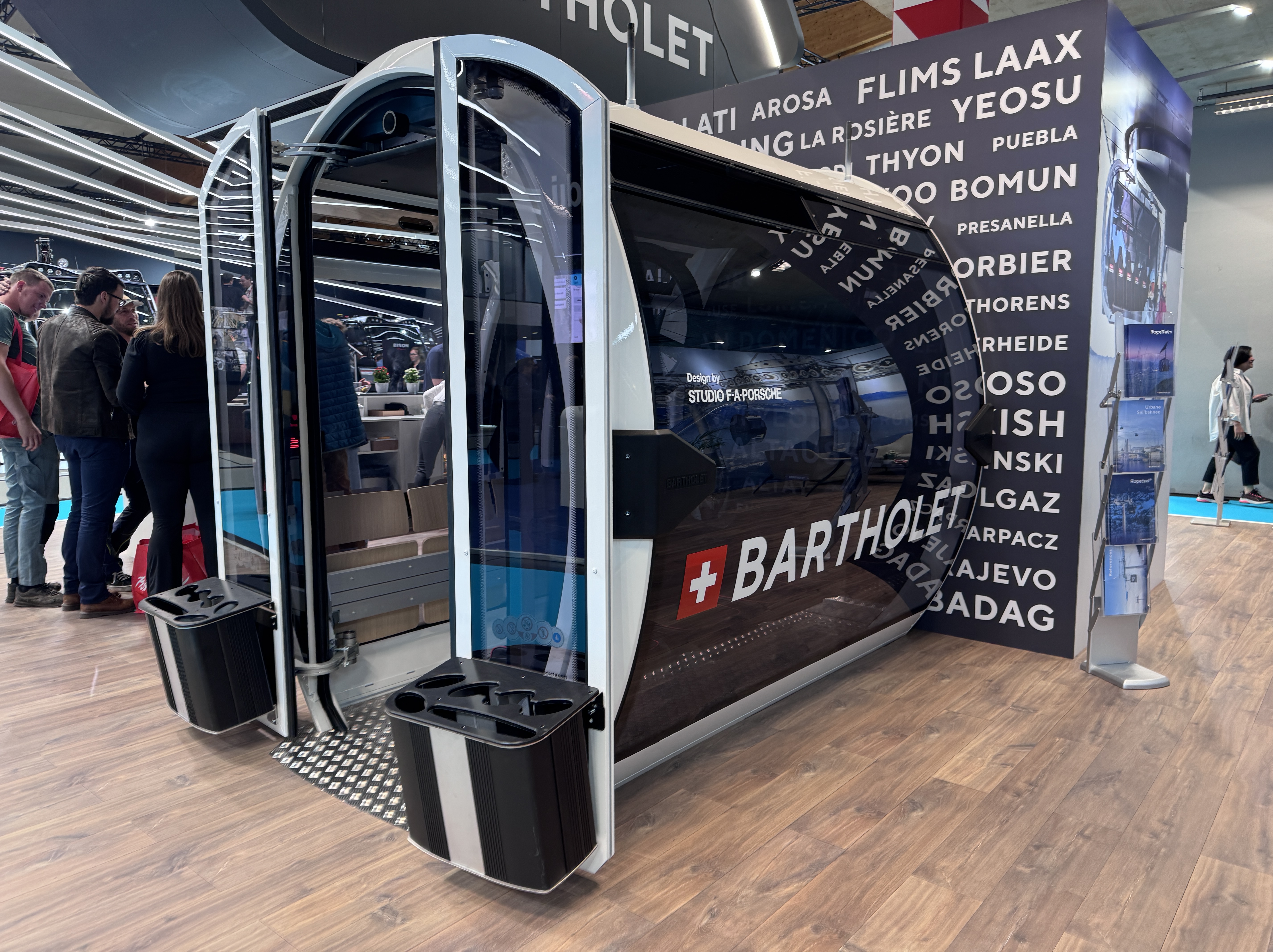
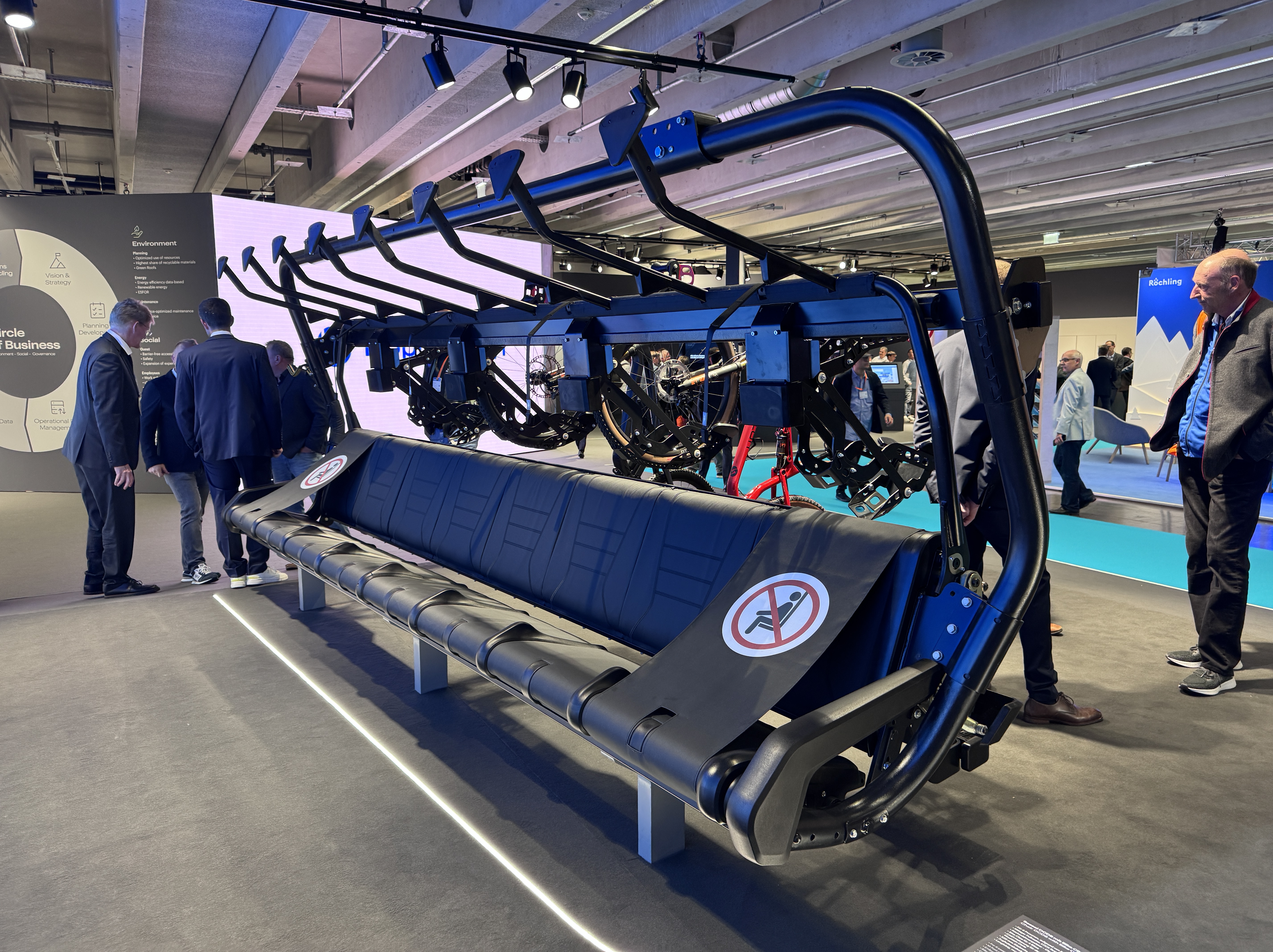
This was my second time to Interalpin and I could spend days there. If a company sells technology to ski areas, they come to Interalpin. The Leitner booth featured a ConnX autonomous gondola cabin, several Symphony gondolas and a Leitner premium chair (the new Ropera detachable was unveiled the day after our visit.)
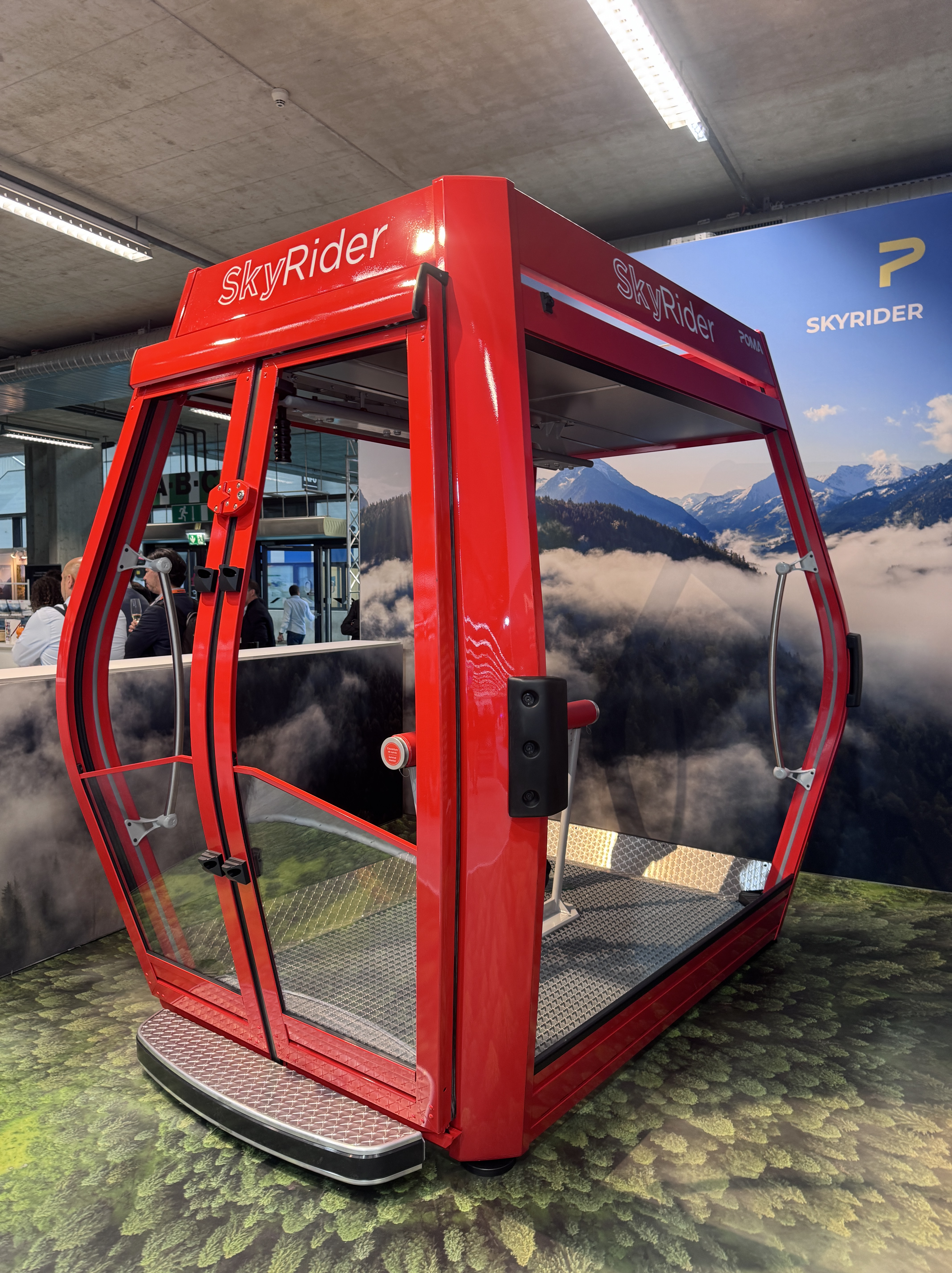
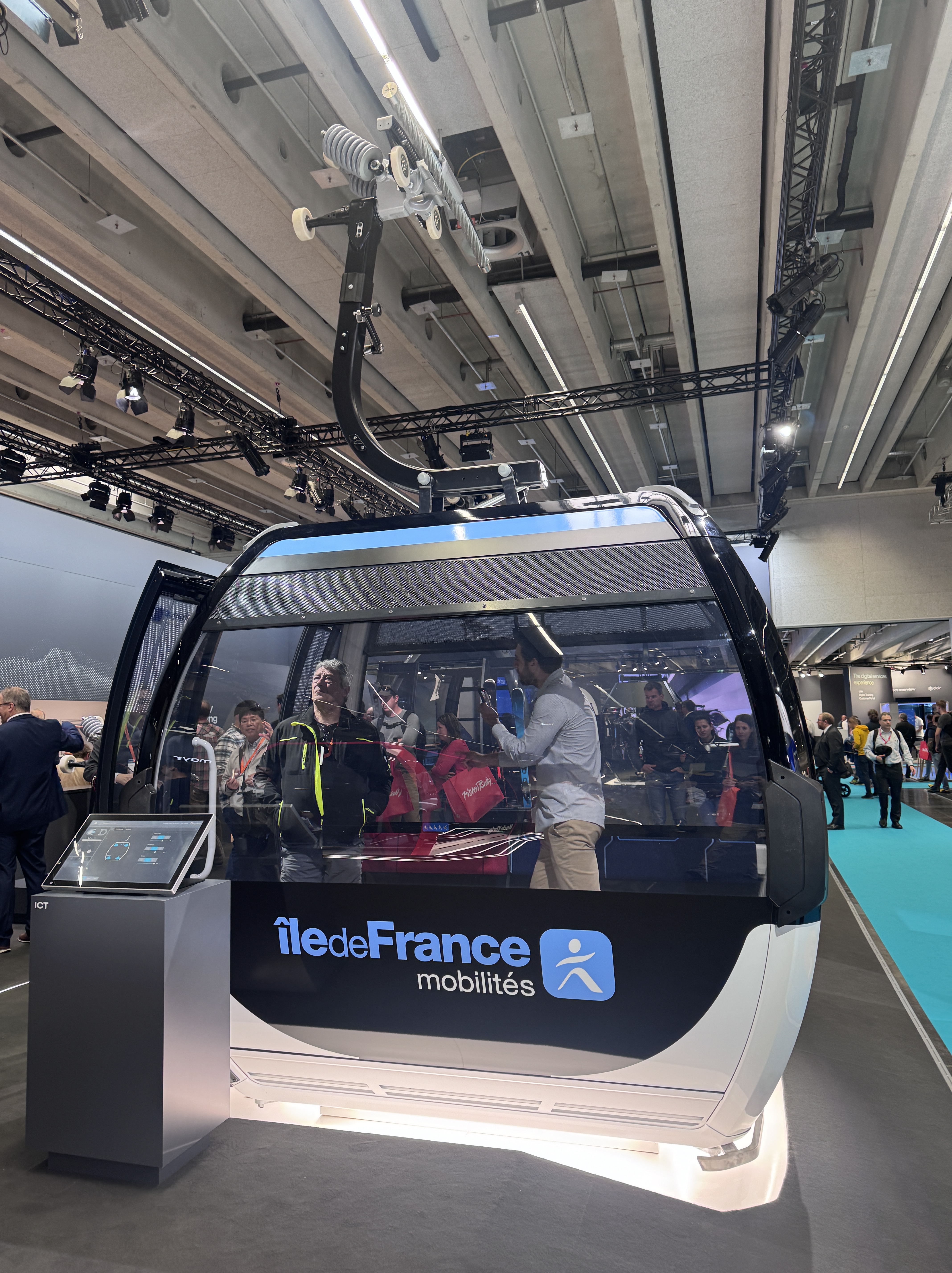
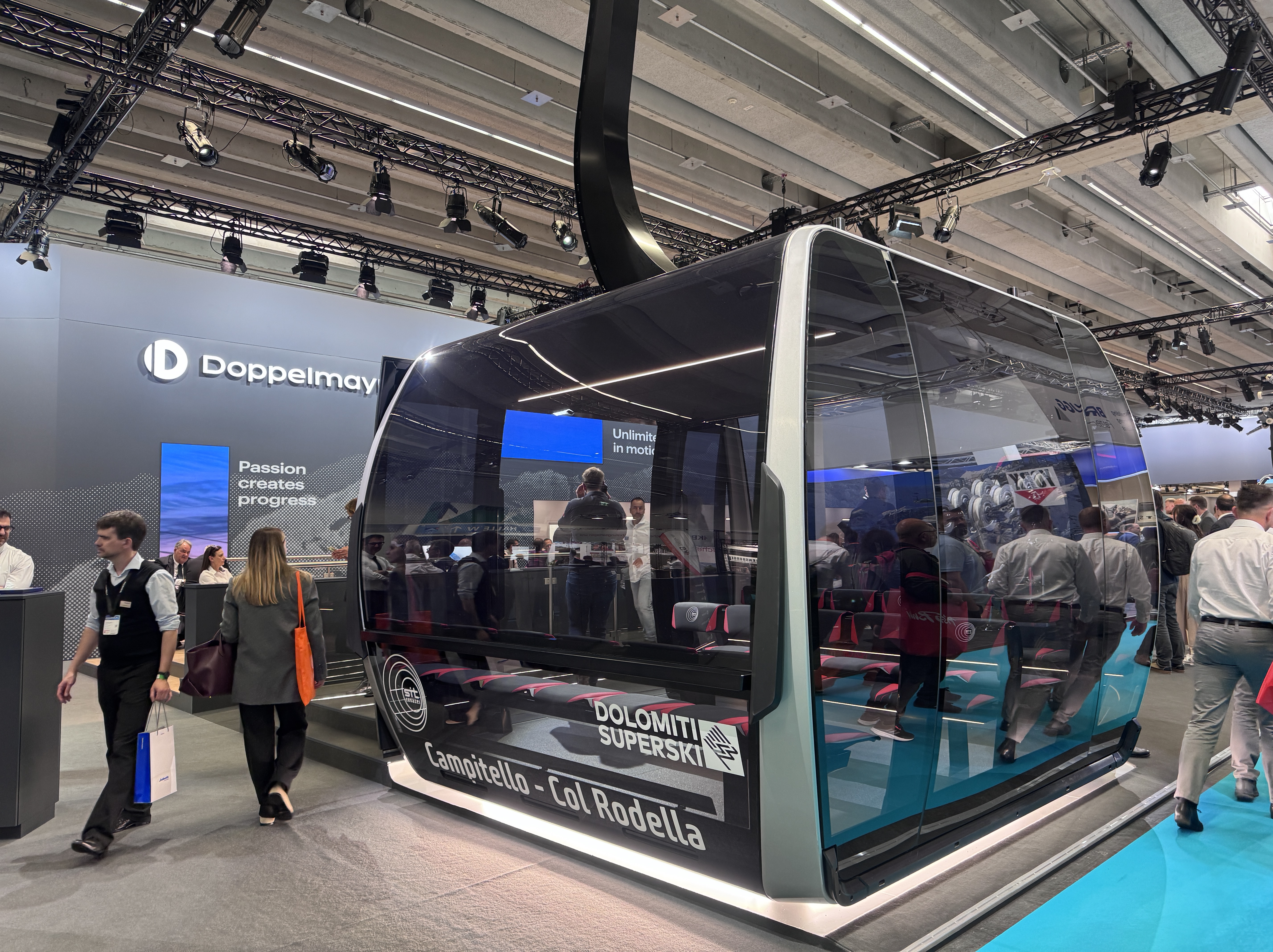
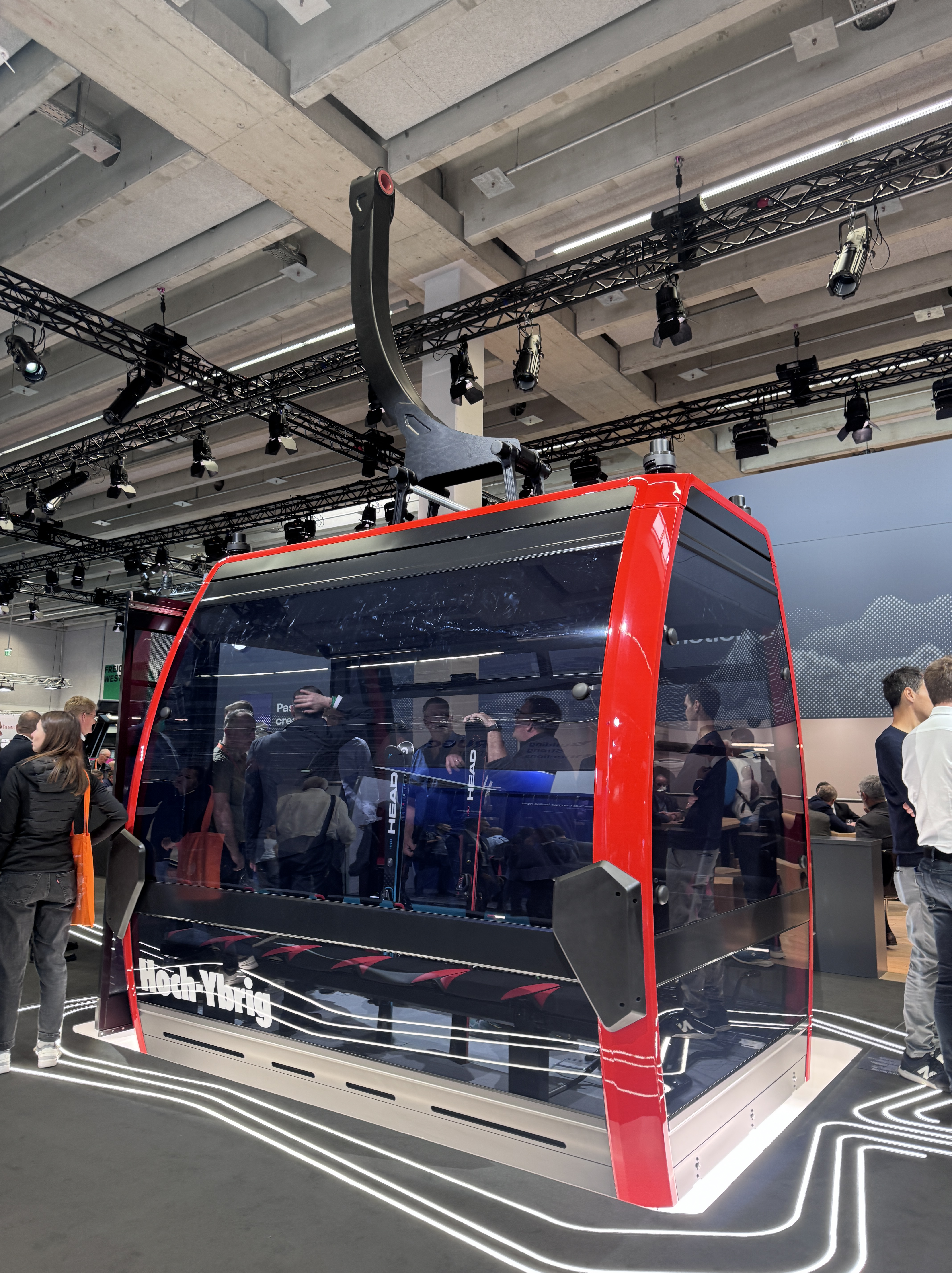
Doppelmayr of course had a large presence including a 3S cabin for an installation opening next winter in the Dolomites, a 10 seater cabin from Paris’ upcoming urban gondola and a Stella cabin for the soon-to-open TRI-Line at Hoch-Ybrig, Switzerland. MND was there too with a cabin from their Orizon detachable line. AI was a major focus of the show with manufacturers highlighting software products to improve maintenance and operations.
I haven’t even mentioned all the delicious food we ate, the good times had in the evenings and many other warm people we encountered. Thank you to Daren Cole, Jon Mauch and everyone at Leitner-Poma for including me on the trip. My advice to anyone interested in lifts who has not been to Europe: Go!
US ski resorts report their second best season ever with 61.5 million visits.
Colorado releases a detailed report on Winter Park’s gondola tower evener beam failure last December. Leitner-Poma will retrofit or replace similar beams on existing lifts and modify the beam’s design for future installations.
The Kicking Horse gondola hanger failure remains under investigation but the resort will replace all hangers and not operate the gondola until mid-summer at the earliest.
Leitner-Poma discusses the impact of tariffs on the SAM huddle.
Burke Mountain emerges from nine years of government receivership with new owners.
Mount Saint Louis-Moonstone, Ontario teases a new era coming to the Outback side of the mountain.
Leitner introduces its next generation monocable detachable called Ropera, combining technology from Leitner, Poma and Bartholet. The launch customer will be Speikboden, Italy with a six place chairlift.
It’s official: Snowmass will construct two lifts simultaneously this summer for the first time since 2006. Leitner-Poma will replace the Elk Camp detachable quad with a six pack and Skytrac will install a T-Bar to replace the Cirque platter. The projects are part of an $80 million capital improvement summer for Aspen Snowmass. Other projects include a new Ullrhof restaurant, snowmaking upgrades and forest health work. “We have a huge summer ahead for on-mountain developments here at Aspen Snowmass,” said Geoff Buchheister, CEO of Aspen Skiing Company. “These projects represent Aspen One’s commitment to ongoing investment in delivering the most exceptional guest experience possible.”
The Elk Camp chair dates back to 1995, tied for the third oldest lift at Snowmass. Elk Camp services popular intermediate terrain in the winter and hauls bikes to the top of the Snowmass Bike Park come summer. Winter throughput will increase from 2,020 skiers per hour on the current quad to 2,800 while bike haul capacity will nearly double. The lift’s alignment will shift slightly away from the Elk Camp Restaurant.
At the top of the mountain, the curved Cirque platter will be retired in favor of a straight Leitner/Skytrac T-Bar. Capacity here will increase from 450 guests per hour to 1,000. Similar to the new surface lift at Champan Hill, Colorado, Cirque will combine specialized Leitner parts from Europe with American made towers, controls and operator houses from Skytrac.
“The areas of terrain served by these lifts are some of the most popular on our mountain,” said Susan Cross, Mountain Manager at Snowmass. “These updates allow for guests to more smoothly access Snowmass’ classic wide-open slopes and sweeping vistas at Elk Camp, and the incredible variety of high-alpine terrain we have off The Cirque. I am proud that we continue to invest in making this mountain the best that it can be, and having high-speed, higher capacity lifts is critical to the Snowmass experience,” she continued.