
Once again in 2016, Seattle found itself the fastest-growing big city in America, and the only one of the top five in close proximity to major mountain resorts. The Seattle-Tacoma-Bellevue metro area is now home to 3.8 million people, seven figures more than metro Denver or the Wasatch Front and growing faster than both. Yet despite being generally outdoorsy and with high average incomes, Puget Sound residents have only three real choices for where to spend a day skiing. Unlike in neighboring Oregon, where three resorts flank Mt. Hood and another Mt. Bachelor, Washington’s large volcanoes never saw ski development before being placed under conservation. Most of Washington State’s ski areas lie far from Puget Sound, along which two-thirds of Washingtonians live, concentrating some 1.5 million skiers annually at The Summit at Snoqualmie, Stevens Pass and Crystal Mountain.
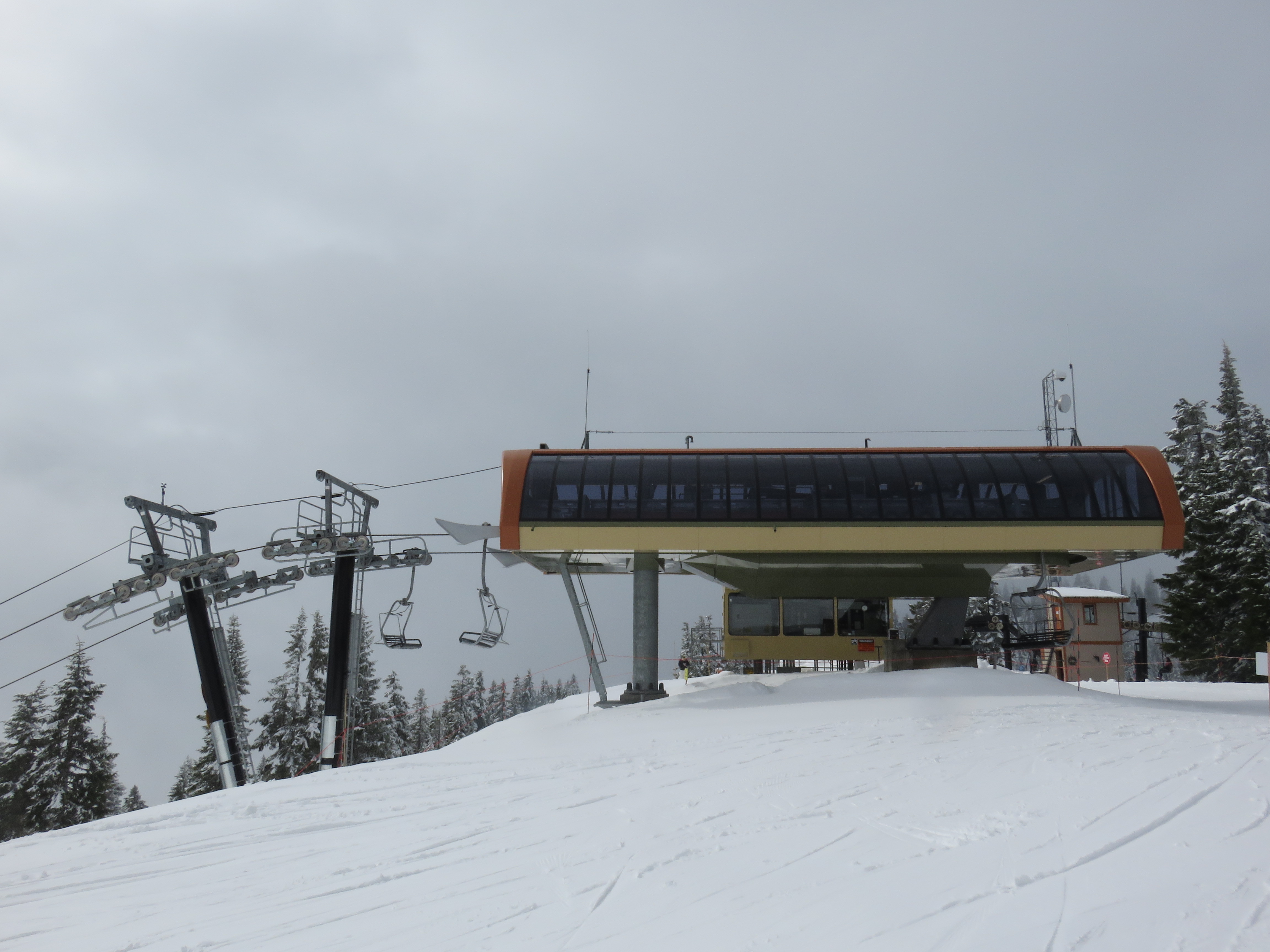
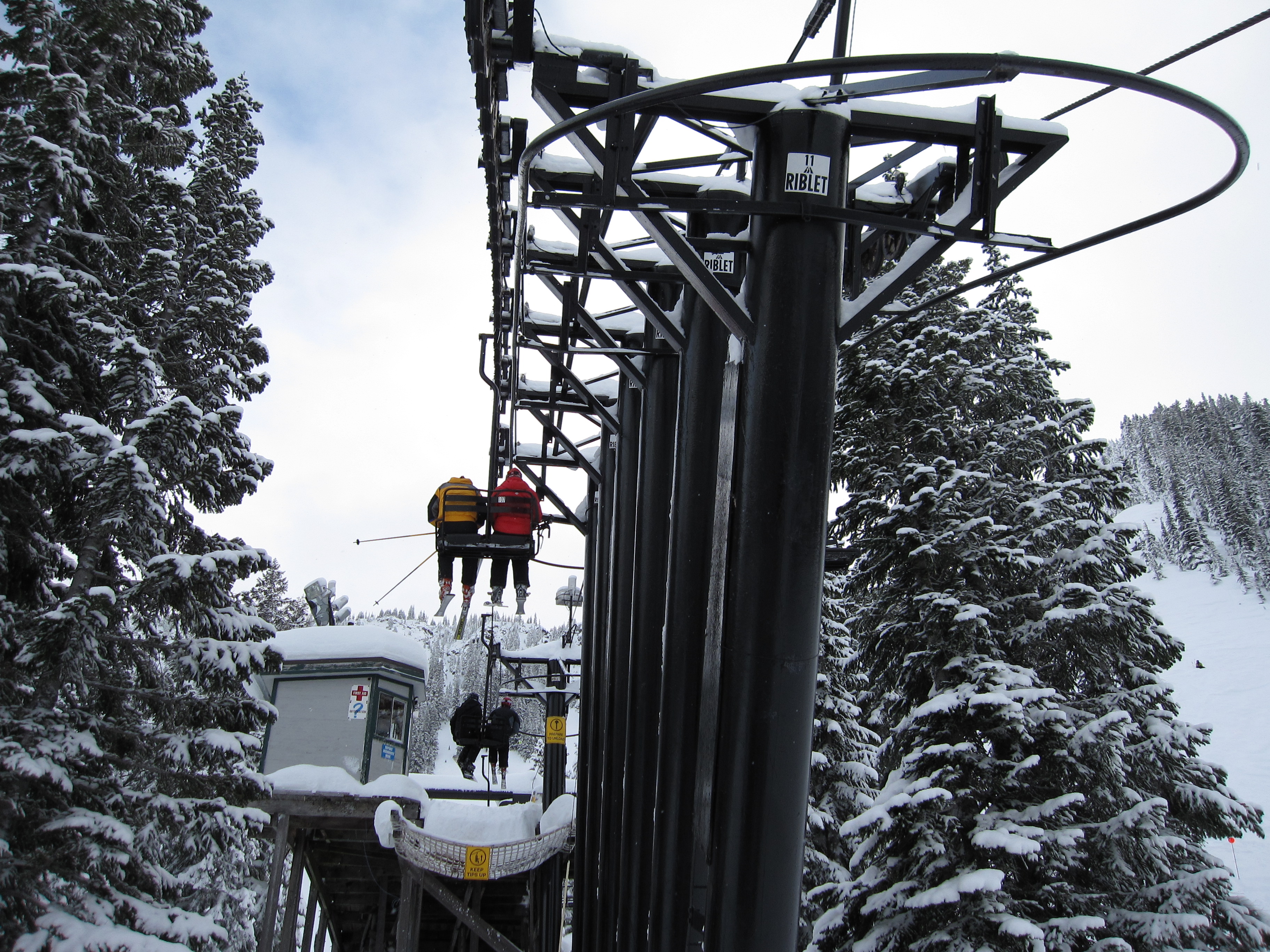
Crystal spun off from Boyne Resorts in April to become Seattle’s only locally-owned and operated mountain. The resort’s master plan includes new lifts but most of them have already been built. Michigan-based Boyne still operates The Summit at Snoqualmie, just 45 minutes from Amazon’s new 24,000-head complex in Downtown Seattle. The Summit’s approved plan includes a dozen new lifts but almost all of them simply replace very old ones. That leaves the place where I first rode a detachable chairlift in 1997, Stevens Pass, to meet much of the Puget Sound region’s growing demand for local skiing. As the second busiest resort in Washington, Stevens averages double the skier density of Crystal and Snoqualmie. Located along U.S. Route 2, Stevens Pass grew under the ownership of Seattle-based Harbor Properties, which also at one point held Mission Ridge and Schweitzer. In 2011, Harbor sold Stevens to CNL Lifestyle Properties with operations assumed by Karl Kapuscinski of Mountain High, California. Stevens saw one new lift during CNL’s tenure, a Doppelmayr detachable in Mill Valley called Jupiter Express.
As the 2007 Stevens Pass master plan notes, “demand for skiing facilities currently exceeds capacity both on the trails, on the lifts and in the base area. A a result, Stevens Pass frequently experiences days when these facilities are overcrowded, resulting in the use of satellite parking, long lift lines, lack of seating and a shortage of restrooms.” The introduction concludes by noting Stevens has been over-utilized every year since 1995. But with its ambitious upgrade plan approved in 2015 and new stability following the sale of CNL’s ski holdings to hedge fund Och-Ziff last fall, more lifts and less crowding are on the horizon.








 Lift Blog
