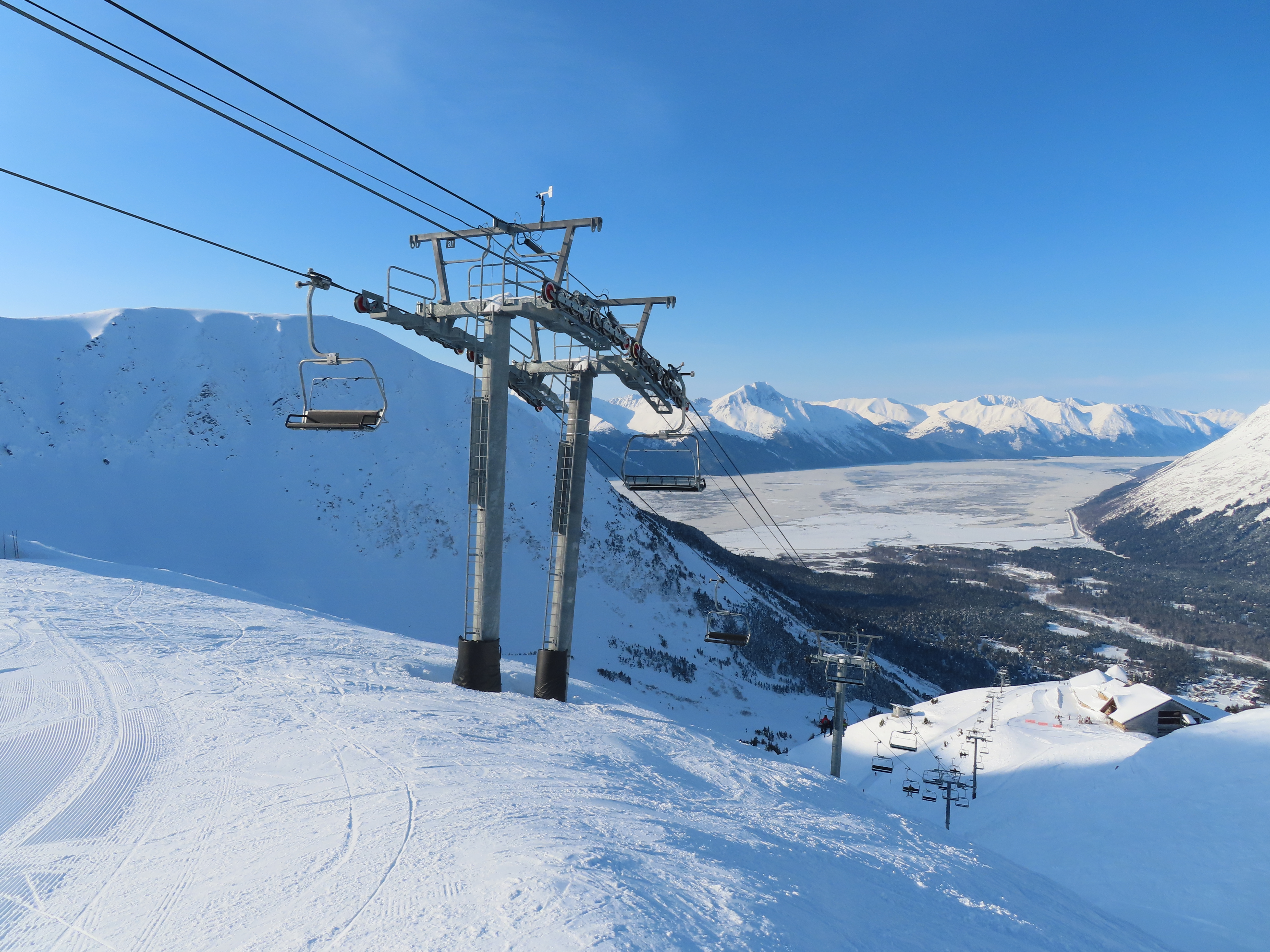
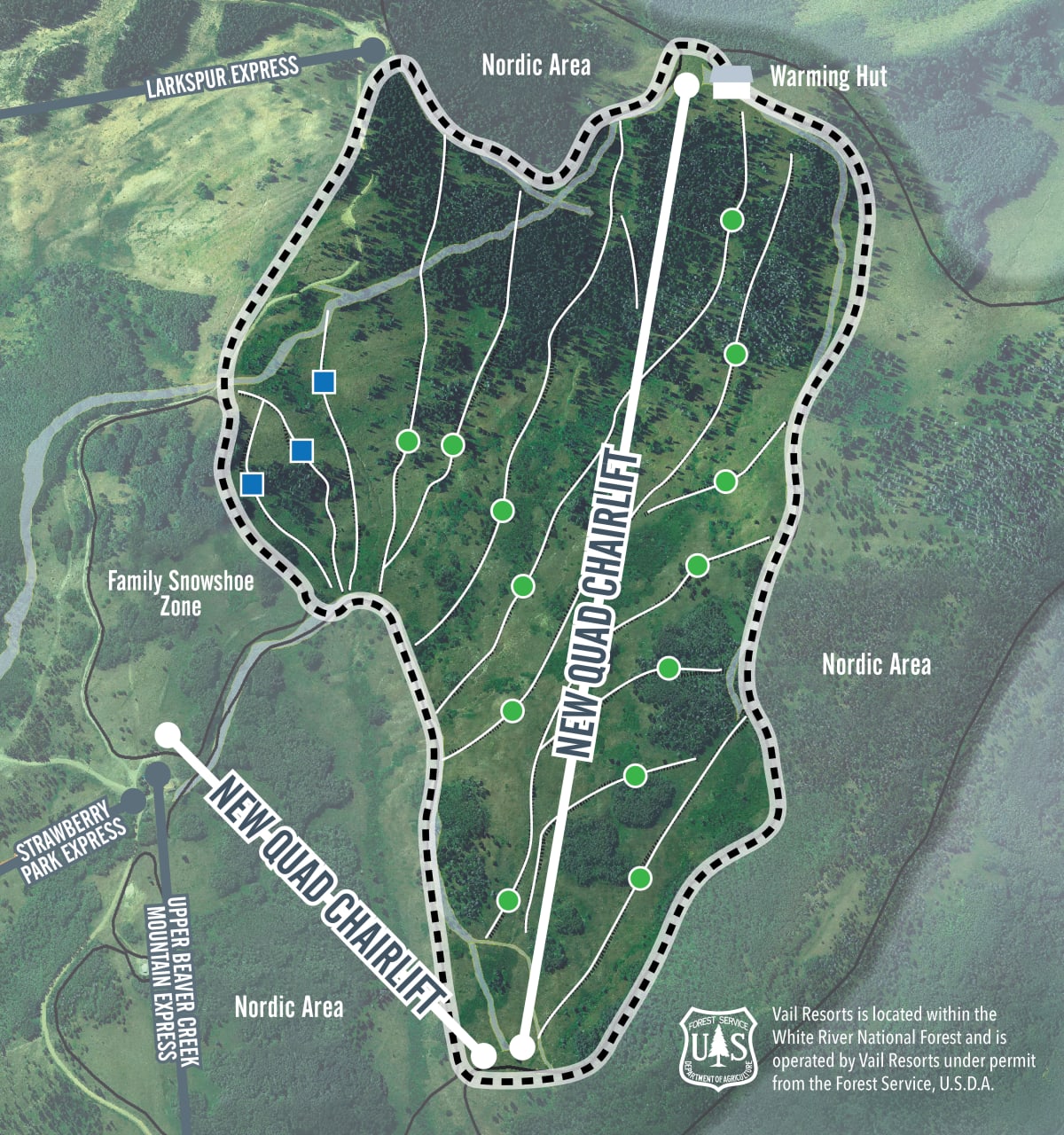
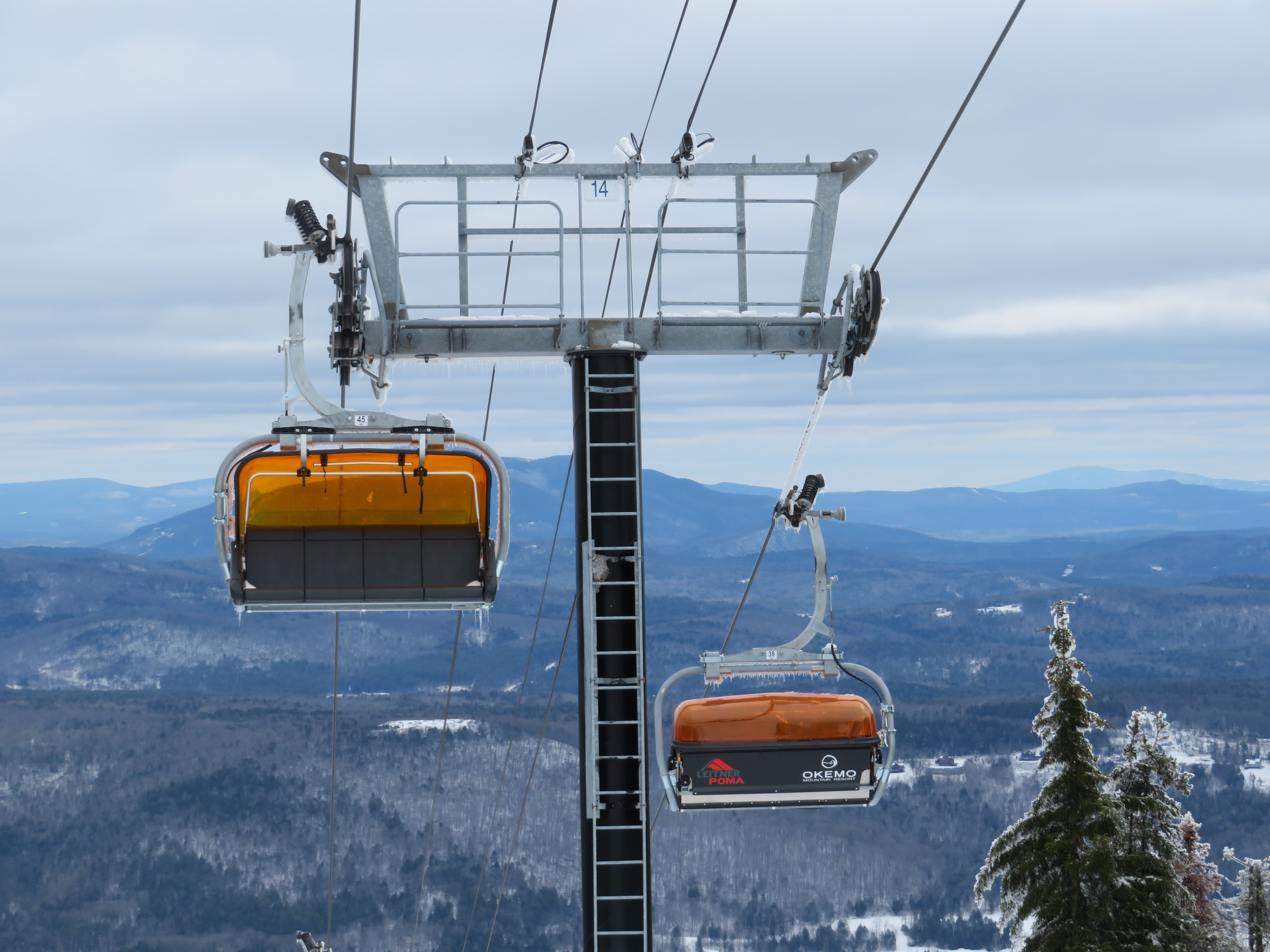
Ski industry fallout from the global pandemic continues. Vail Resorts today announced the deferral of lift construction projects slated for Beaver Creek, Breckenridge, Keystone and Okemo due to a dramatic decline in revenue, which is expected to continue into fiscal year 2021. The suite of projects was first announced last December, the same month COVID-19 first appeared in Wuhan, China. While the virus spread across Asia, lift manufacturers were gearing up to build lifts that now won’t happen this year. Beaver Creek had planned a major expansion into McCoy Park and Okemo earmarked a new bubble six pack for Jackson Gore. Both Breckenridge and Keystone planned new chairlifts to increase uphill capacity in high traffic areas.
Vail said weeks ago coronavirus will cost the company between $180 and 200 million in March and April alone. Eliminating lift construction, terrain expansions and discretionary base area improvements will save the publicly-traded company $80 to 85 million while allowing the vast majority of maintenance capital projects to proceed. “The circumstances surrounding COVID-19 are unprecedented and the financial impact to our Company and the broader travel industry has been significant,” noted Rob Katz, Chief Executive Officer of Vail Resorts. “We are taking proactive steps to align our capital spending and return of capital approach to ensure that we remain positioned for long-term success.” Other steps revealed today include the furlough of nearly all year-round hourly employees, suspension of the company’s shareholder dividend, salary reductions for non-hourly employees and elimination of cash compensation for the CEO and board of directors.
The decision to postpone lifts is a blow to both major lift manufacturers but particularly Leitner-Poma, which like Vail itself, is Colorado-based. The firm had been awarded contracts to build three detachable chairlifts and move another this summer. Doppelmayr USA had planned to install the two machines at Beaver Creek.
As goes Vail, often go others. While I’m hopeful some lifts (and the jobs that come with them) are safe, more deferrals are possible. Rival Alterra Mountain Company planned to add only two lifts this year, both six place chairlifts at Mammoth Mountain. The privately-held group has not announced any changes to its capital plan thus far. In tough times, every company is understandably revisiting capital budgets and commitments, however.
The sudden onset of such deep uncertainty in this critical period of the lift production cycle is unprecedented. With the elimination of Vail Resorts projects for 2020, announced US and Canada complete new lifts stand at 24, fewer than Doppelmayr built by itself last year.