Voters in Mountain Village, Colorado enact a 5 percent tax on Telluride lift tickets starting next week to fund gondola construction, operations and maintenance.
Both the Denver Post and Colorado Sun cover growing local frustration with Telluride’s owner over gondola funding, snowmaking, labor relations and alleged personal conduct.
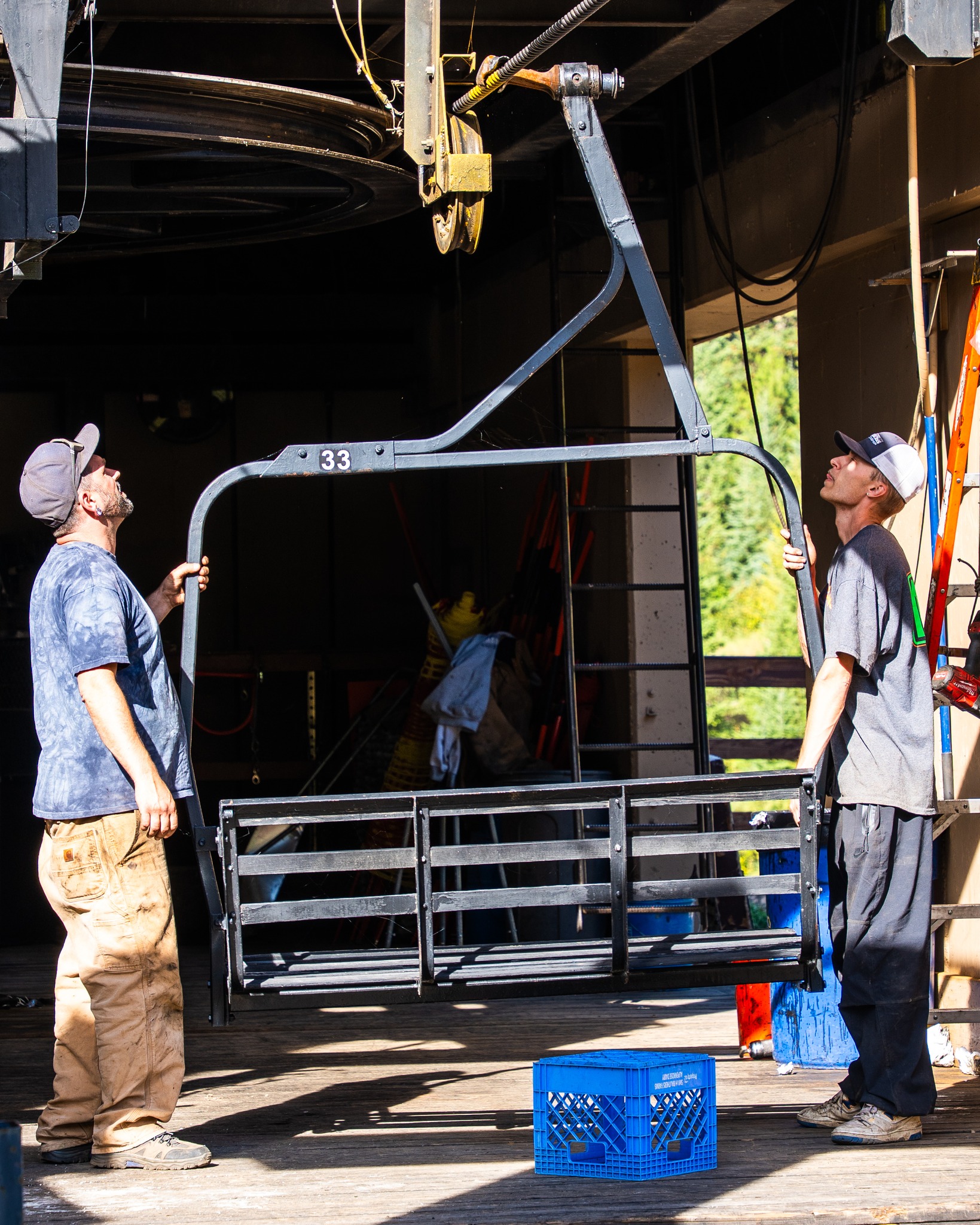
Bluewood lift maintenance staff re-hang chairs on the Skyline Express, a Borvig triple once scheduled to be replaced by a used detachable quad this year. Photo credit: Ski Bluewood
British Columbia-based Steelhead Systems Inc. (SSI) has responded to a lawsuit filed by Ski Bluewood, Washington over a delayed lift project. As I detailed last month, the two parties initially agreed to bring a used detachable quad to Bluewood in June 2024. The 1993 Doppelmayr lift would replace a base-to-summit triple chair and dramatically reduce ride time. SSI would act as a broker between Pro-Alpin Ropeway Services of Austria and Bluewood, bringing the lift from Sölden to Washington at significant saving versus a new lift. SCJ Alliance would engineer the lift and Bluewood would complete much of the installation work itself. Bluewood announced in late June 2024 the lift was expected to open for the 2025-26 season.
The deal soured this summer when disagreements arose over shipping costs, timelines, the number of shipping containers needed, exchange rates and more. In its claim filed in the Supreme Court of British Columbia, Bluewood alleged breach of contract, negligent misrepresentation and unjust enrichment by SSI. In its Response to Civil Claim, SSI’s attorney denies many of Bluewood’s claims, including that shipping costs and exchange rates were fixed upon contract signing. SSI alleges only after Bluewood stopped making payments did it stop shipping containers across the Atlantic. “Pursuant to [the agreement], all responsibility and risk with respect to the equipment, including transportation, rests with the Buyer,” the filing notes. “This responsibility includes any changes to shipping costs or exchange rates, which are matters outside the control of the Defendants.” SSI argues three outstanding invoices total $587,548.
SSI also alleges its principal, Zrinko Amerl, told Bluewood in 2024 that fall 2025 completion was an optimistic timeline. The complaint alleges Bluewood failed to provide accurate survey data in a timely manner. Steelhead Systems says SCJ Alliance’s engineer requested a 16th tower, which SSI agreed to provide at below market price. Finally, SSI alleges “ProAlpin insisted that there be a garage system put in place for maintenance and storage of chairs, however [Bluewood] refused to follow this recommendation.” On October 26th, I received word that SCJ did not request a 16th tower and that line was in the process of being corrected in the Response to Civil Claim.
To date 23 containers have been delivered to Bluewood containing chairs, terminal elements and towers. Four containers’ worth of equipment remains in Austria. Alarmingly, Pro-Alpin indicated to SSI that all remaining parts, including bullwheels and the haul rope, not picked up by September 8th, 2025 would be scrapped. “As of today’s date, SSI is unaware if any action has been taken with respect to this,” the filing notes.
Shortly after filing the response, SSI countersued Bluewood’s owners, alleging the lawsuit, associated press release and media coverage have damaged its reputation. The filing specifically mentions Lift Blog’s coverage and reader comments impacting SSI’s ability to sell lifts within the broader mountain resort industry. “As a result of the defamatory statements made by [Bluewood], SSI has suffered and continues to suffer losses to its business,” the suit says, alleging statements made by Bluewood will cause an estimated loss of approximately $10 to $15 million in revenue. The company seeks payment of outstanding invoices plus interest, damages and other costs.
Bluewood officials declined to comment beyond their initial press release, citing pending litigation. The ski area has been busy re-hanging chairs on the Skyline Express, the 1978 Borvig once set to be replaced.
A ranch in Hawaii scales down its proposed gondola in hopes of allaying community concerns. Even so a State Representative plans to introduce a bill to ban chairlifts and gondolas from ever being constructed in Hawaii.
“We’re always going to be upgrading lifts; we announced a new lift for next year and that’s critical. But I think we need to realize also as a company and as an industry that it can’t just be about lifts. It’s not the only thing that matters to people. And in our minds we think there’s technology that can make a big difference. How people use technology in the digital experience, how it makes it easier for them to rent skis, how it makes it easier for them to connect with their ski instructor, how it makes it easier for them to get food, how it makes it easier for them to get around a resort or overall book a vacation. I think these are all things that are critical that really speak to the entirety of the guest experience when they come to us. Those are things where we really have a unique advantage because we own and operate all our resorts. They’re all on a common platform. And it’s where you invest dollars that actually impact everyone’s experience with all of our resorts rather than a singular lift, which affects one resort for some people who use that lift. Now that said, we have to keep investing in lifts. When you look back historically, you’ve seen us spend a lot of money on lifts over the last four years. So that’s continuing. We’re still going to keep proposing lifts. But I think the differentiator is going to be in this other area which is not as capital intensive as trying to replace every lift on Vail Mountain or something like that. That’s where we’re putting our focus.”
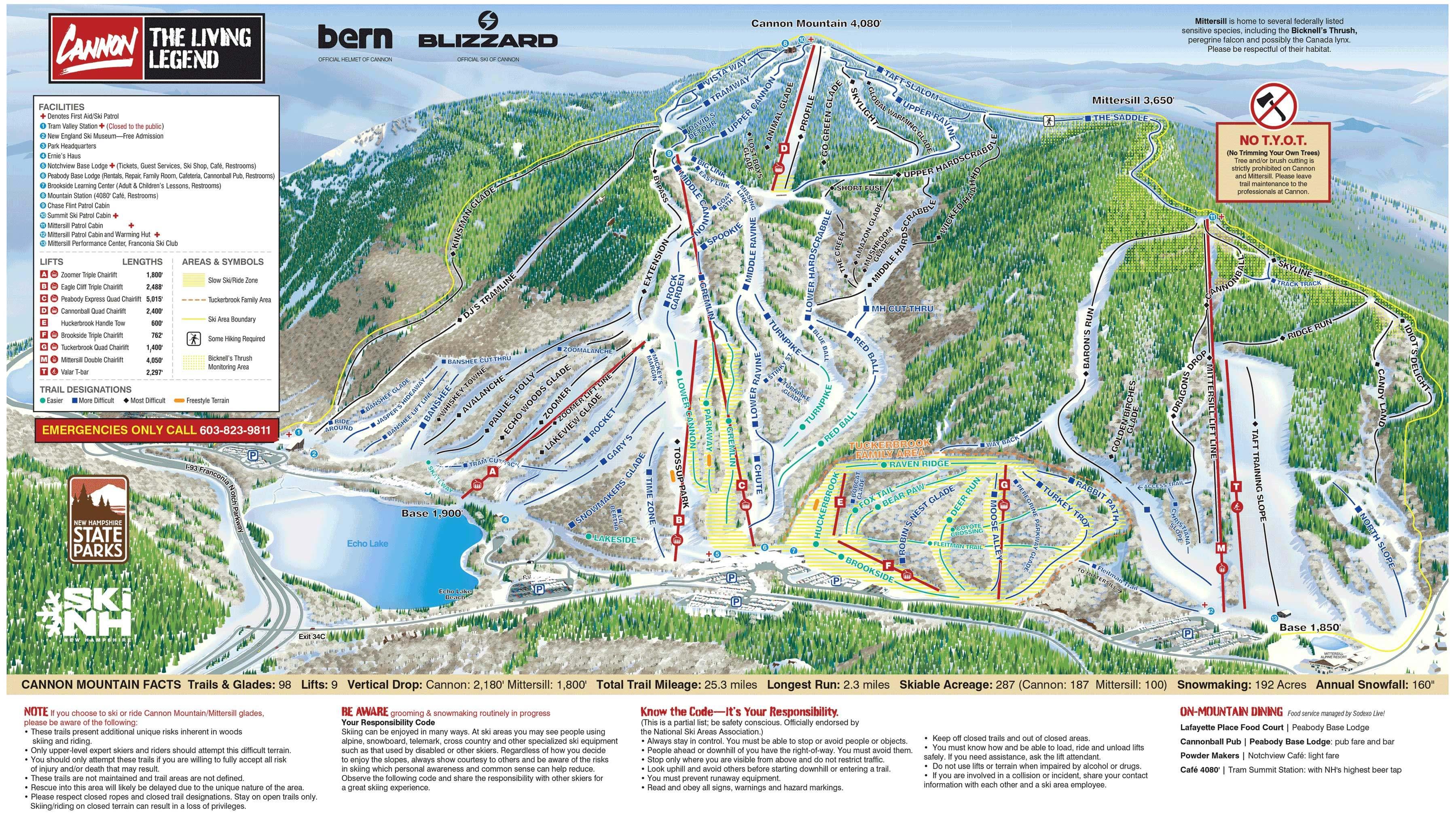
BigRock, Maine introduces a new trail map painted by Rad Smith.
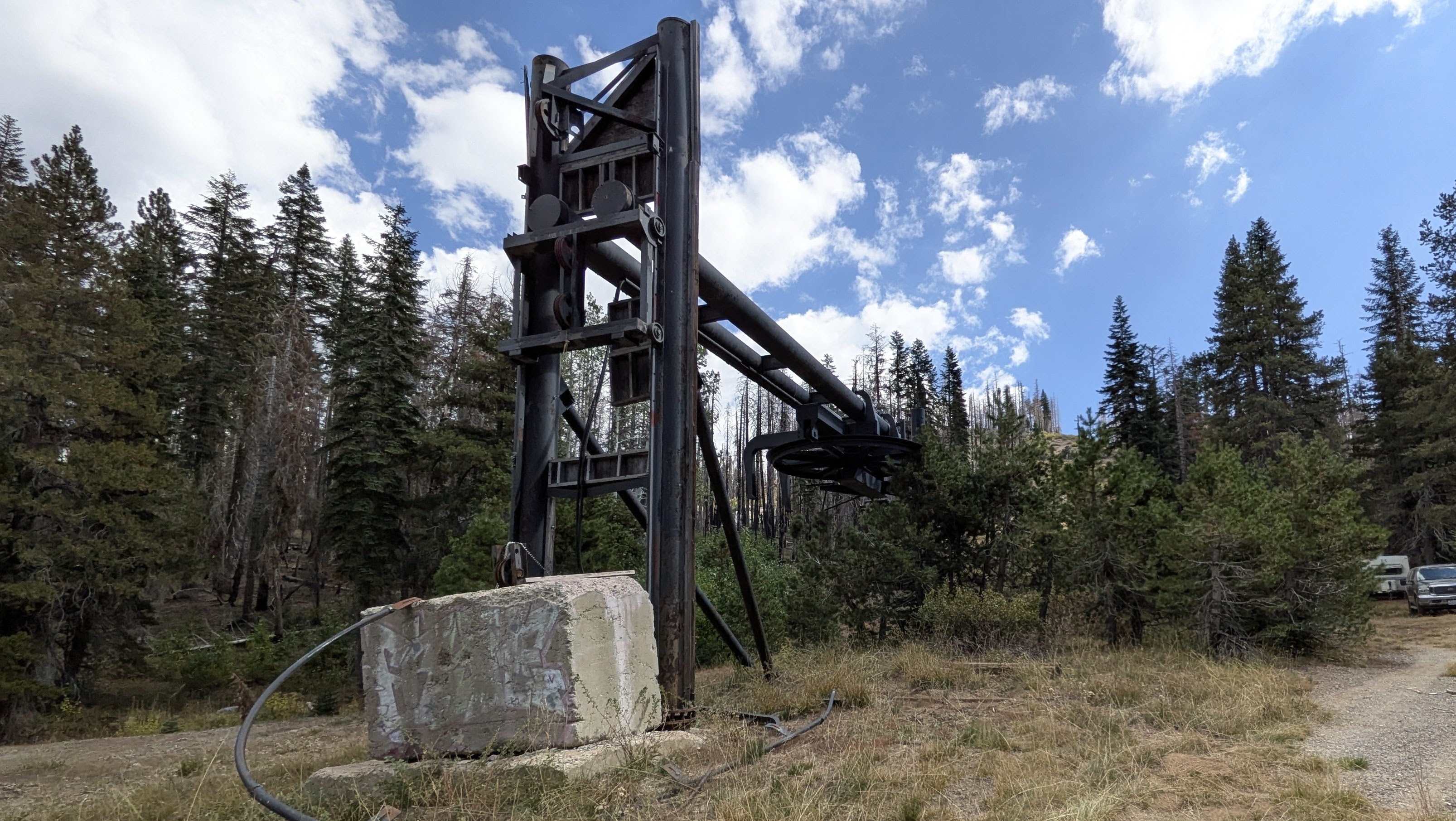
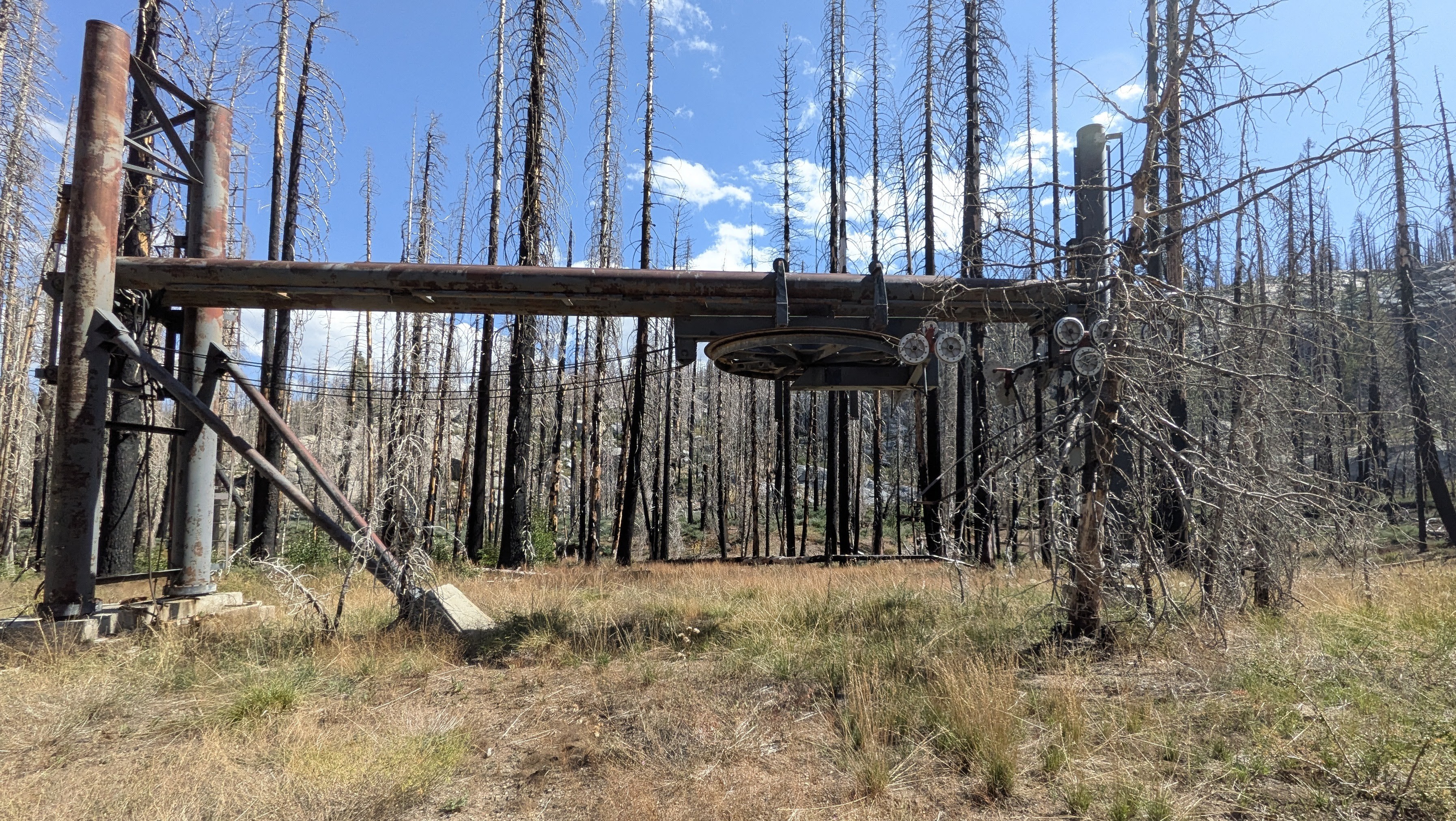
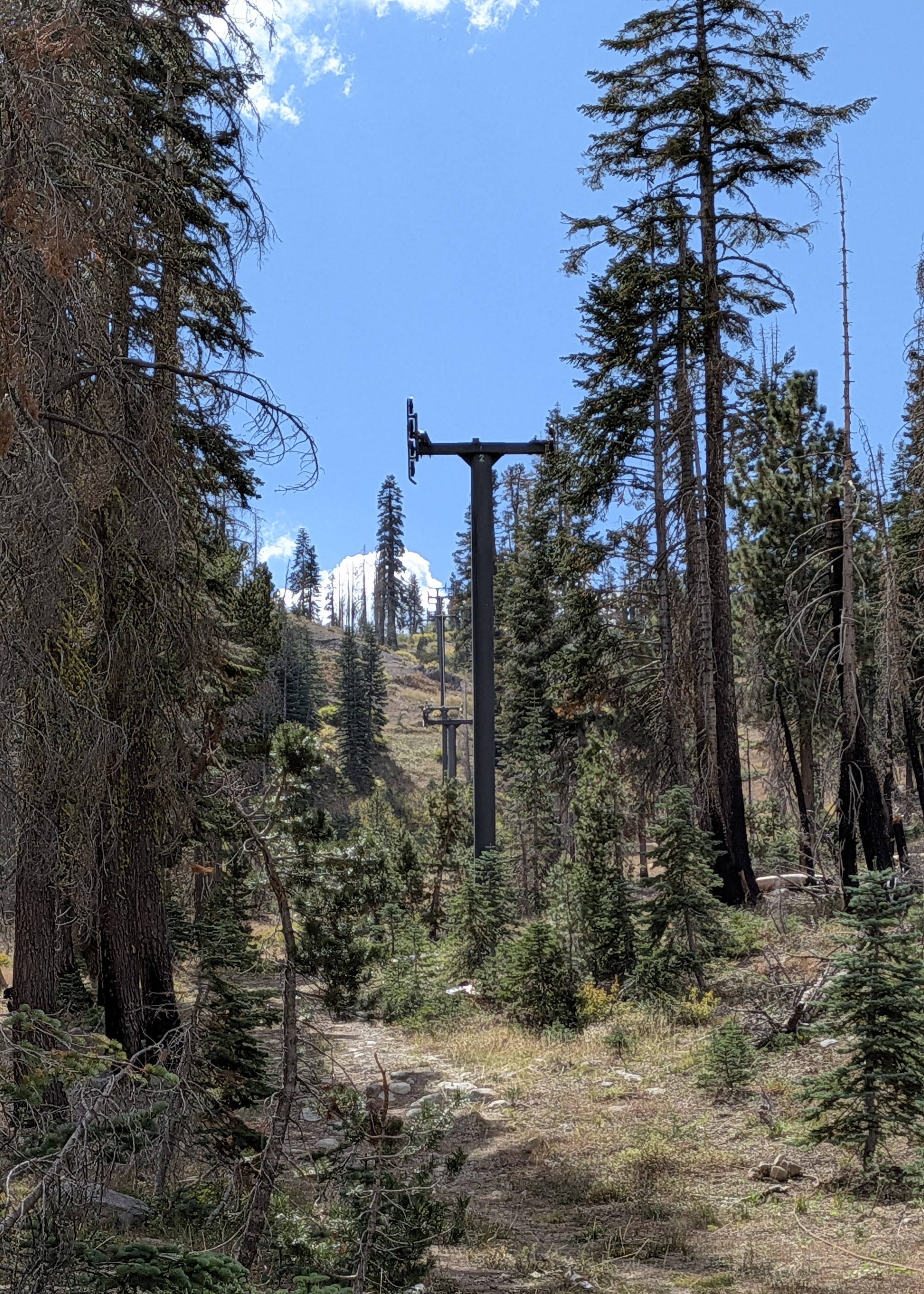
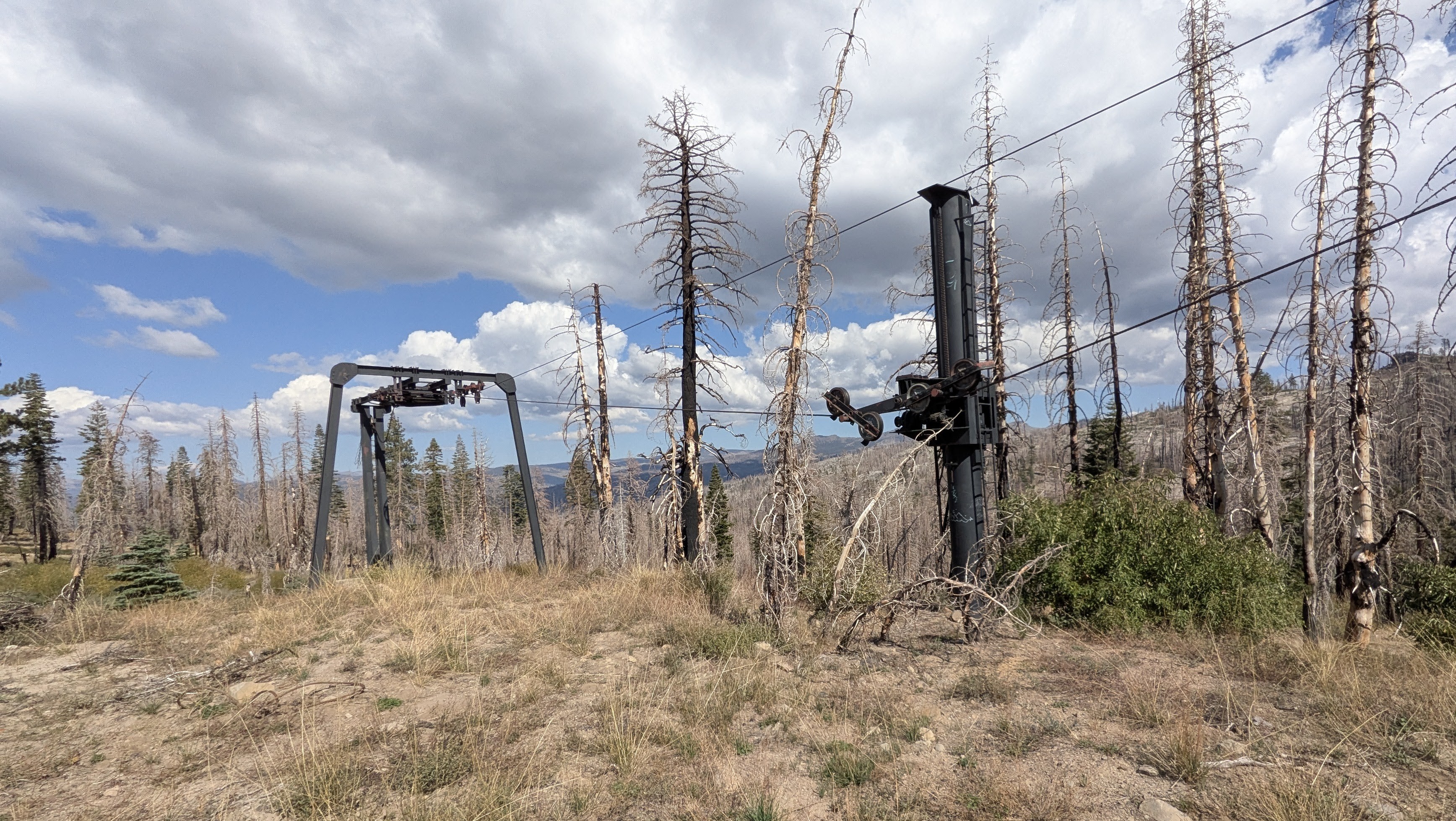
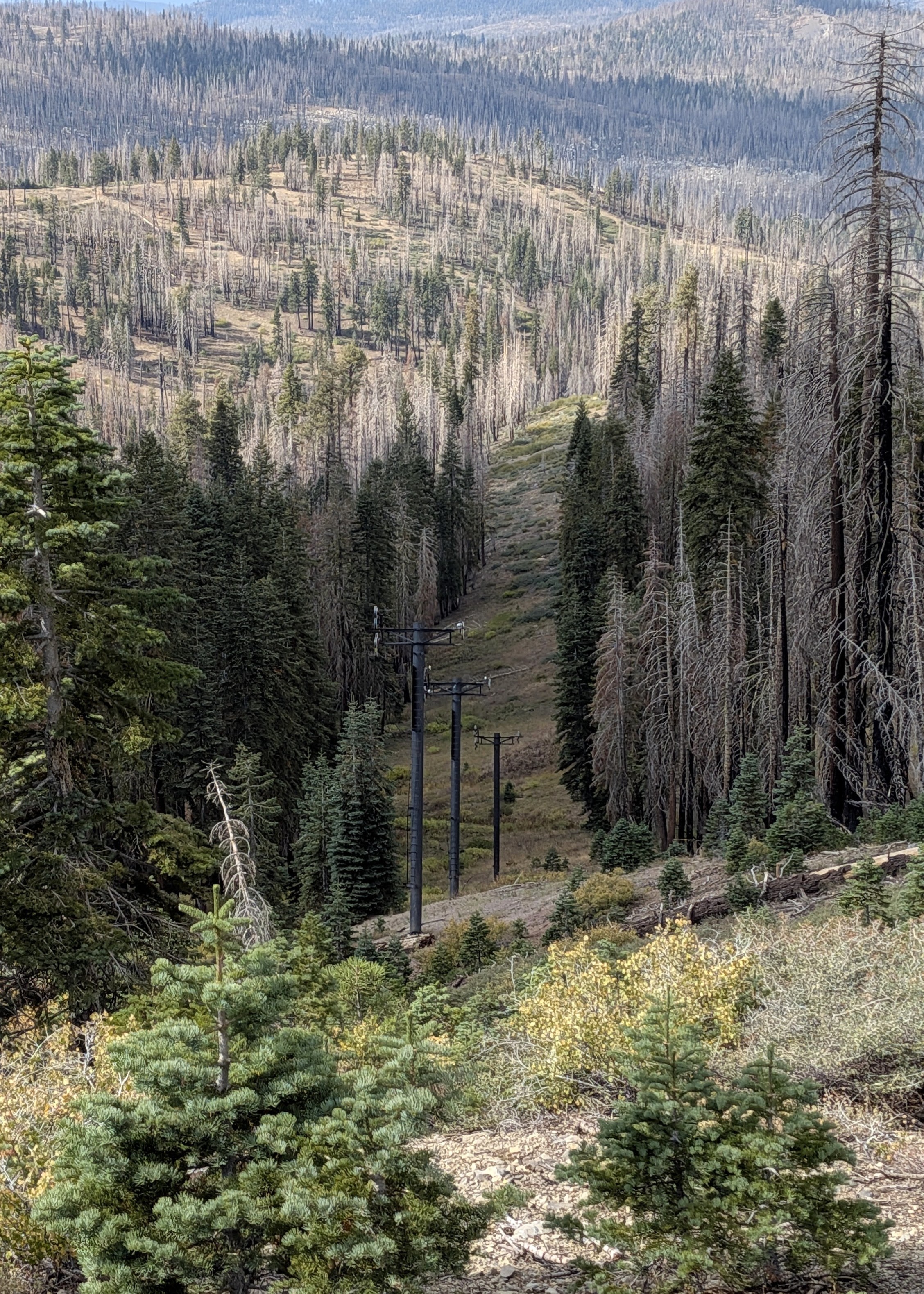
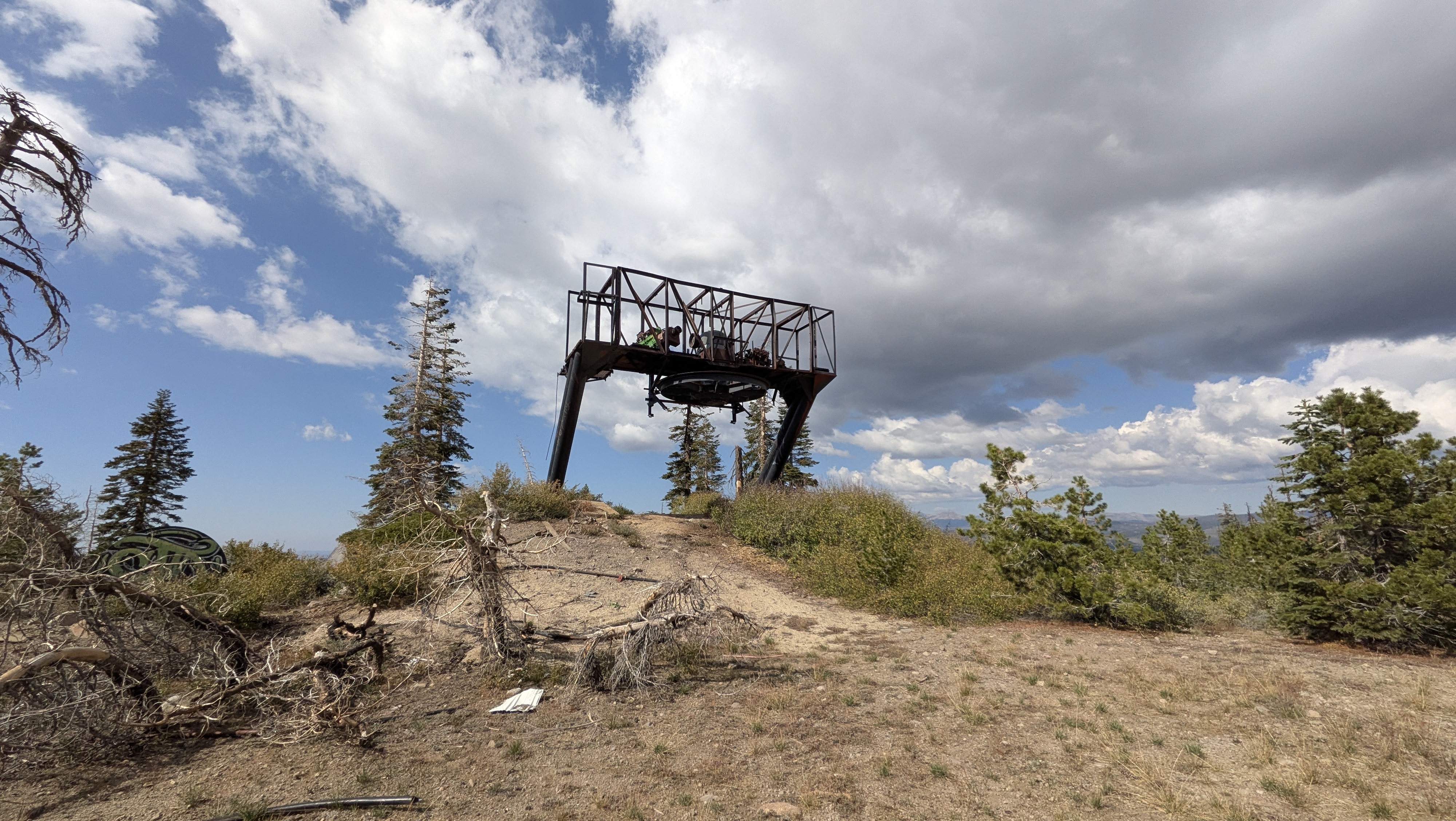
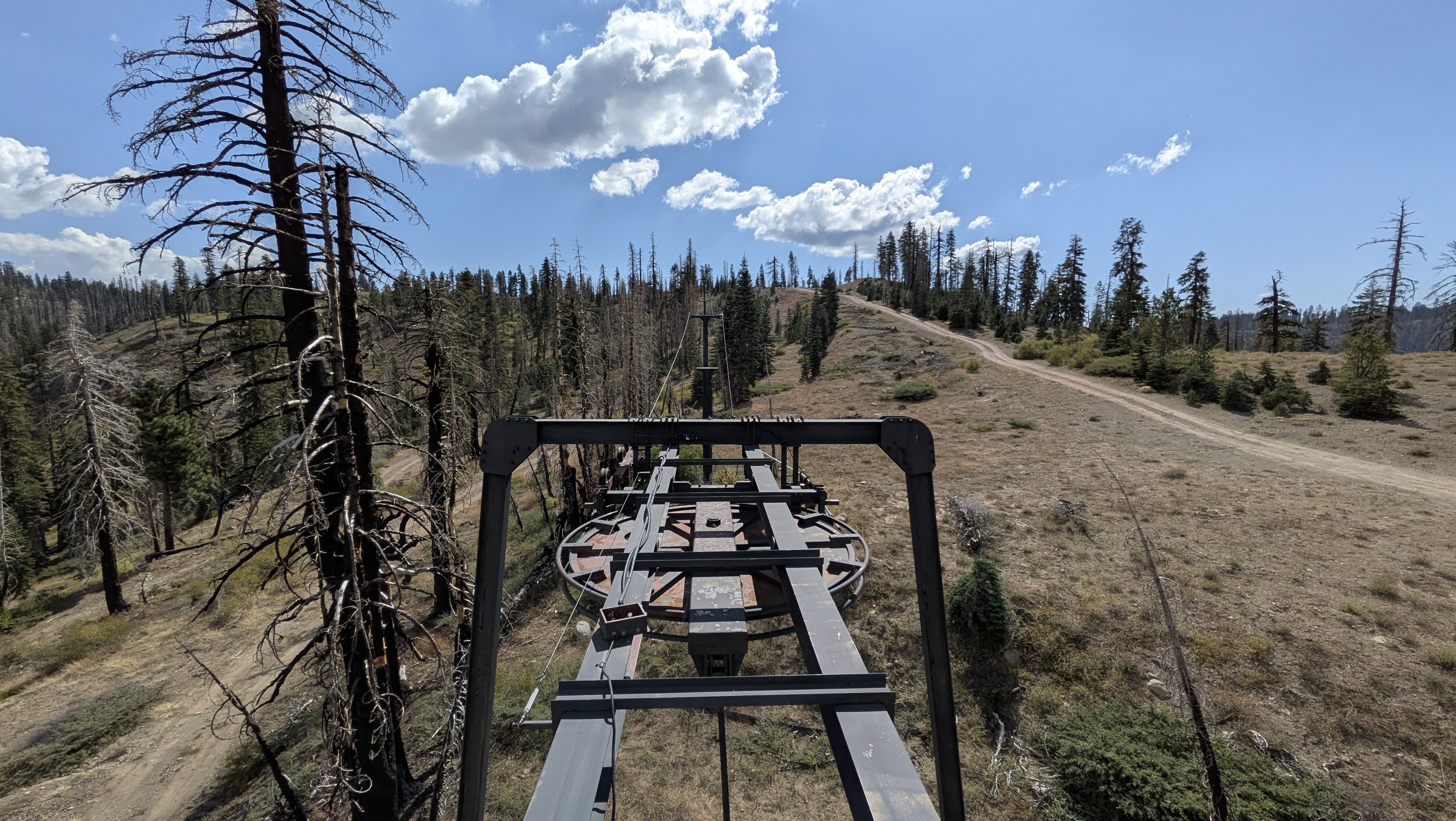
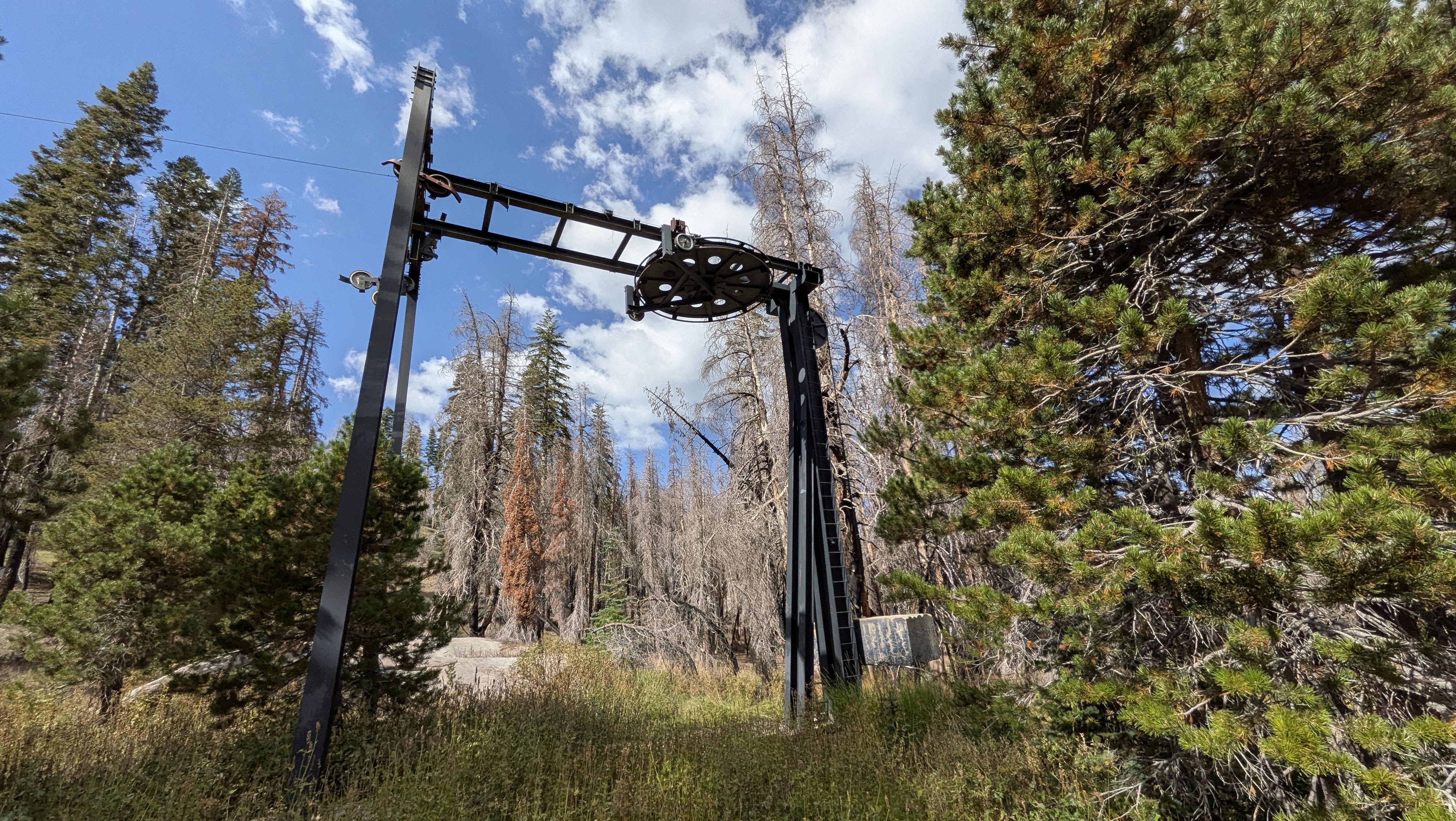
Part of the former Iron Mountain Ski Area near Kirkwood goes up for sale. A reader who’d like to remain anonymous sent along these recent photos of five abandoned lifts.
Rendering of the proposed Canyons Village gondola set for construction next year at Park City Mountain.
Vail Resorts today released its fiscal 2025 fourth quarter and full year earnings report, including updates on pass sales, cost cutting and capital improvements. Net income for the year ended July 31st rose 21 percent to $280 million compared with $231.1 million a year earlier. Resort Reported EBITDA landed at $844.1 million compared to $825.1 million for fiscal 2024, an increase of 2 percent. On the less bright side, pass product sales for next season declined 3 percent in units and rose just 1 percent in dollars through September 19th despite a 7 percent price increase. The Company provided an outlook for fiscal 2026, expecting net income attributable to Vail Resorts, Inc. to decline to between $201 million and $276 million and Resort Reported EBITDA to fall between $842 million and $898 million. In a subsequent release, Vail announced the departure of two longtime board members. Vail Resorts’ share price has fallen roughly 15 percent year to date and declined 2 percent after hours upon the earnings release.
“The results from this past season were below expectations and our season-to-date pass sales growth has been limited,” noted Rob Katz, Vail’s newly-returned CEO. “We recognize that we are not yet delivering on the full growth potential that we expect from this business, in particular on revenue growth, in both this past season and in our projected guidance for fiscal year 2026. However, we are confident that we are well positioned to return to higher growth in fiscal year 2027 and beyond.” Vail acknowledged an outsized focus on email for attracting guests and a drive toward season pass sales at the expense of lift ticket revenue. “Our approach to engaging with guests has not kept pace with shifting consumer behaviors and as a result, we have not been able to fully capitalize on our competitive advantages or adapted our execution appropriately to respond to shifting dynamics,” Katz said. “While email was for many years our most effective channel, its impact has declined significantly in recent years, and we’ve been slow to shift to new and emerging marketing channels. We also believe we need to shift more focus to marketing our lift ticket business, which has not received the same level of focus, creativity, and resources as pass penetration increased.” Commenting on recent pass sales, Katz noted the company is seeing lower renewal rates from less-tenured passholders and fewer new passholders. Renewal rates are better for people who’ve held a pass for many years. ” We continue to see long-term opportunity to further expand the reach of our pass program,” Katz said.
Vail is largely on track with its resource efficiency transformation plan announced a year ago. At the time, the company planned to achieve $100 million in annual cost savings by fiscal 2026 through scaled operations, global shared services and expanded workforce management. It achieved $37 million in savings for fiscal 2025 and plans $75 million in savings in fiscal 2026. Vail plans to exceed $100 million in efficiencies in fiscal year 2027.
The under construction Canyons Villageparking structure, set to be served by a new gondola in late 2026.
Vail traditionally announces new lift projects and key capital priorities for the following year in September. This go around Vail affirmed its commitment to build a new Canyons Village gondola in 2026, replacing the aging Cabriolet. Subject to approval, the 10 passenger gondola will include a mid-station to service the middle village and will also serve the new Canyons Village parking structure, set to open this winter. “This new gondola will provide an upgraded arrival experience to the resort and complement the Canyons Village Parking Garage, a new covered parking structure with over 1,800 spaces,” said Vail. Vail Resorts and the Canyons Village Management Association will split the cost of the village gondola, similar to the nearly complete Sunrise Gondola by Leitner-Poma.
Notably Park City plans to resubmit plans to replace Eagle and Silverlode, projects sidelined in 2022 over a process dispute. If approved, the six-seater Eagle and eight-seater Silverlode would be constructed in 2027. Vail sent the original Doppelmayr equipment for these lifts to Whistler Blackcomb in 2023 and 2024 so the project will need to be contracted anew.
Equipment for Park City’s Eagle and Silverlode replacements seen in 2022, before the project was blocked by local residents.
The only other capital projects Vail announced across its 42 resorts was a hotel renovation at Vail and additional functionality in the My Epic App. There certainly are other needs, however, and additional projects could be announced with Vail’s next earnings in December.
Ikon Pass signs three more mountains to the two day bonus tier: Grouse Mountain & SilverStar in BC and Ski Butternut in Massachusetts (full Ikon only, subject to blackout dates.)
A jury finds the Glenwood Caverns Adventure Park and a drop ride manufacturer liable for $205 million after a child’s death; the gondola-accessed park says “the size of the total jury verdict award puts the existence of Glenwood Caverns at serious risk.”
Amid removal rumors, I asked Hunter Mountain about D-Lift and the Highlands Poma. GM Trent Poole shared the following:
“We’re in the process of removing the D-Lift. Thanks to last year’s Epic Lift Upgrade – the new Broadway Express – our updated lift infrastructure provides faster, more efficient access than what D-Lift provided, and similar terrain can be accessed at Hunter North via the Northern Express. At this point, the lift is both redundant and outdated, and the time and resources needed to revive this lift are better focused where guests will see a positive impact to their experience on mountain, like our snowmaking upgrades.
The Highlands Poma is something our team has discussed as part of long-term planning. We’re always exploring ways to enhance the guest experience, and that lift remains part of the broader conversation. For now, our focus is on showcasing the significant upgrades we’ve already delivered—Broadway Express, Otis, and automated snowmaking additions—along with maximizing the terrain available on Hunter North, West, and East. It’s also worth noting that Hunter is the only ski resort in New York to feature three high-speed six-passenger lifts: Northern Express, Katskill Flyer, and Broadway Express. For now, we’re confident in the strength and efficiency of our current lift system.”





 Lift Blog