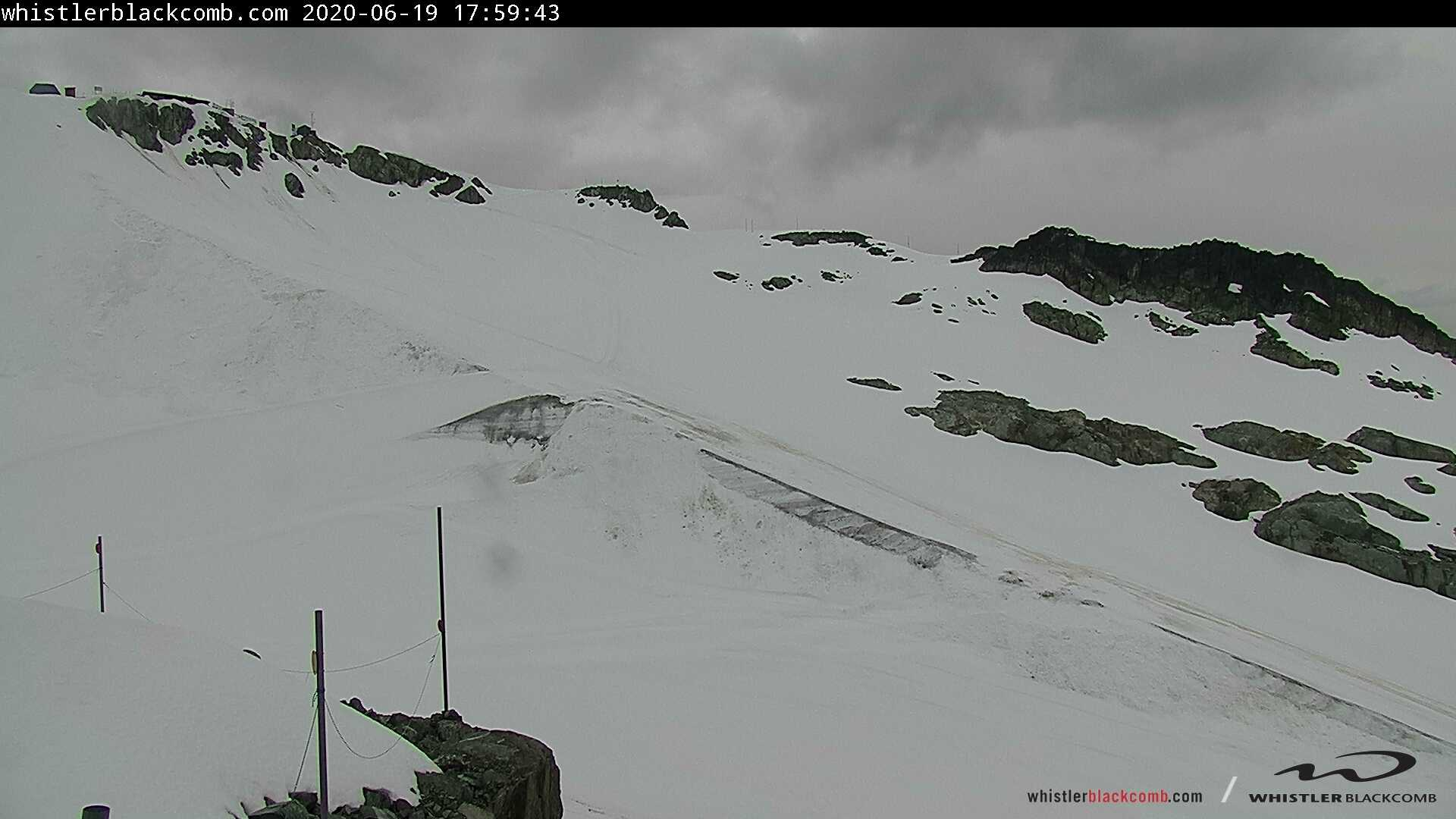
- Looking back as Blackcomb turns 40.
- As Chair 1 reopens, 49 Degrees North provides a thorough update regarding what happened last weekend and the steps it’s taking to avoid future issues.
- Liftopia’s assets are acquired by a European firm.
- Arizona Snowbowl quietly opens the Arizona Gondola.
- More on the Eiger Express: Not only does it feature the first automated cargo loading on a passenger ropeway, but also a VIP cabin with boarding from a dedicated lounge (cost: $13,500 per year.)
- This interview with Hermitage Club manager Bill Benneyan includes tons of historical facts about Haystack and also Mountain Creek. The Club opens tomorrow for the first time in two and a half years.
- Mission Ridge works hard to complete the lift it brought over from Europe but cannot estimate a completion date.
- Residents seek to stop construction of Wasatch Peaks Ranch, a 3,000 acre private ski resort near Snowbasin.
- Leitner-Poma of America introduces Freedom Control, a wireless remote control for lifts.
- Public comments are being solicited for Big White’s new master plan, which includes a staggering amount of new terrain.
- Ski Magazine ranks top lift systems in the East.
- California effectively shuts down lodging in some ski regions.
- The new Broadway quad will carry its first passengers this weekend at Sun Valley.
- Zermatt and Doppelmayr prepare to launch the first unstaffed lift in Switzerland, a 10 passenger gondola.
- French ski resorts sue the government over closures.
- Holiday Valley pursues a tax break for its $4 million Yodeler Express project.
- A lawsuit seeking class action status alleges lift operators and other employees at Vail Resorts were not paid for use of personal equipment and time spent getting to and from work stations.
- Timberline Mountain relaunches tomorrow with both new chairlifts in operation.
- British Columbia’s Zincton Mountain Village releases new maps of its proposed layout.
- Les Otten courts environmental, social and governance investors as he tries to revive the northernmost ski area in New Hampshire.
- When asked about acquisitions on last night’s earnings call, Rob Katz said Vail is focused on positioning the company to be able to make the most of whatever opportunities may come over the next 12 months.
- Vail is forced to cancel some guest reservations and black out employee skiing in Colorado this weekend due to limited snow and terrain.
Vail Resorts
Vail Resorts to Debut Seven New Lifts in 2021
Despite a 44 percent decline in earnings, Vail Resorts plans to invest in new lifts across five mountains in 2021. The seven projects at Beaver Creek, Breckenridge, Crested Butte, Keystone and Okemo were initially planned for 2020 but postponed due to the coronavirus pandemic. “We remain committed to reinvesting in our resorts and creating an experience of a lifetime for our guests,” noted CEO Rob Katz. “We plan to maintain a disciplined approach to capital investments, keeping our core capital at reduced levels given the continued uncertainty due to COVID-19.” The company will announce its complete capital plan for calendar year 2021 in March.
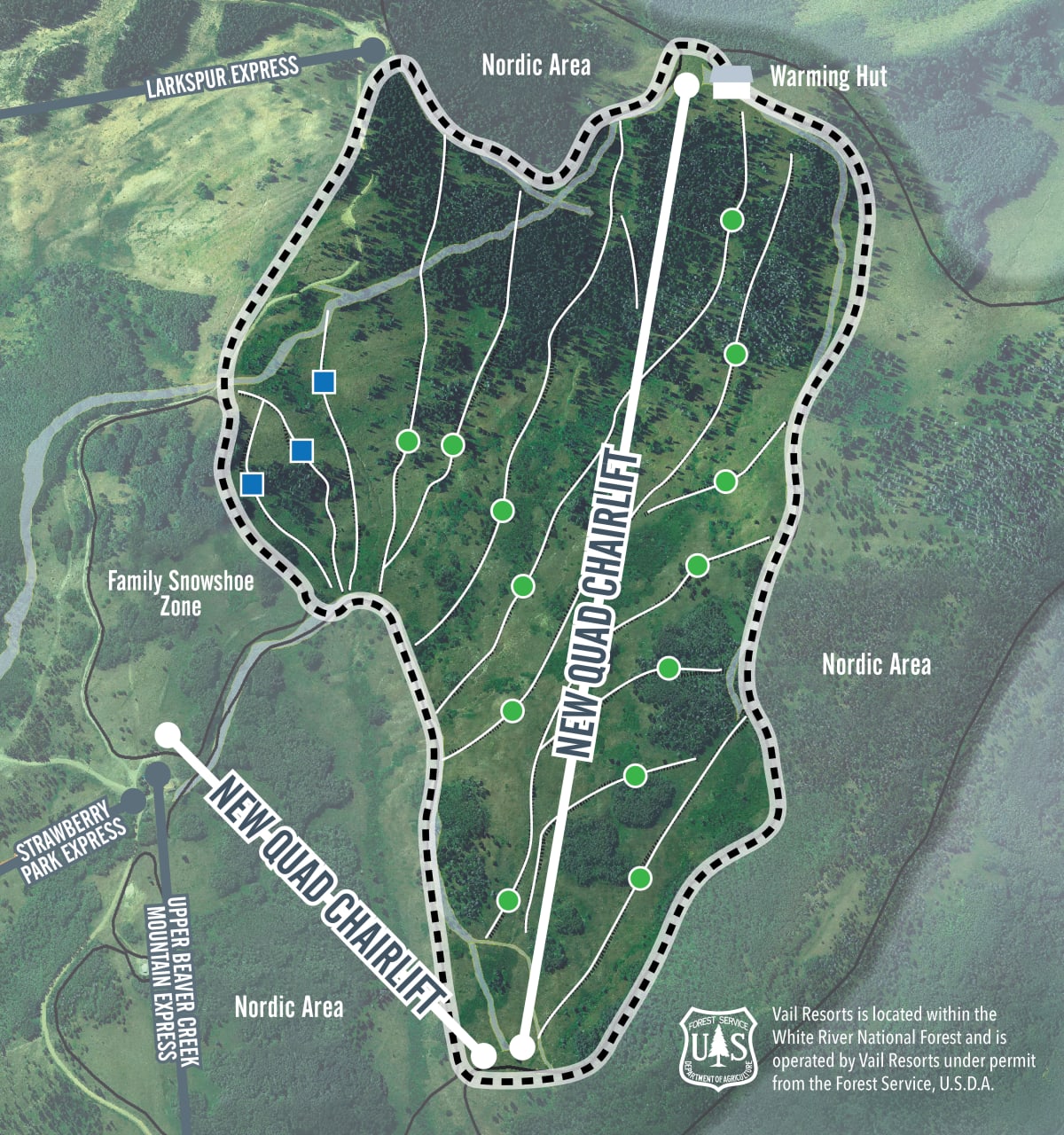
At Beaver Creek, a new Doppelmayr detachable quad will service the high alpine McCoy Park learning zone. “This new lift accessed beginner and intermediate bowl experience is a rare opportunity to expand with highly accessible terrain in one of the most idyllic settings in Colorado and will further differentiate the high-end, family focused experience at Beaver Creek,” said the company. A second quad chair will provide egress to the top of the Strawberry Park and Upper Beaver Creek Mountain Express lifts.

At Keystone, Leitner-Poma will replace the Peru Express with a six pack. The new machine will increase out-of-base capacity and improve circulation. Also in Summit County, a new detachable quad on Breckenridge’s Peak 7 will enhance uphill capacity near the Independence SuperChair. “This additional lift will further enhance the guest experience at the most visited resort in the U.S. and will significantly increase guest access and circulation for the intermediate terrain on Peaks 6 and 7,” said Vail.
Crested Butte plans to replace the two-person Peachtree chairlift with a Skytrac triple servicing beginner terrain at the base of the resort. Grading around the new lift will create a more consistent experience for beginner and ski school guests.
News Roundup: Name Game
- Ski areas across New Mexico are ordered to close for the rest of the month.
- Saddleback GM Andy Shepard joins the Storm Skiing Podcast to discuss reopening, possible 2021 lift additions and more.
- Mission Ridge aims to open Washington’s first bubble chair by the Christmas holiday.
- Big Tupper is likely to be foreclosed on this spring and a group wants the town to buy it.
- Snow Ridge, NY and Antelope Butte, WY join the Indy Pass, bring it to 59 mountains.
- The proposed community ski hill in Valemount, BC looks to buy a T-Bar.
- Could the pandemic finally bring order to chaotic lift mazes in the Swiss Alps?
- The Hermitage Club relaunches as a member-owned ski area.
- Sun Peaks’ new map shows the route of the new Crystal chair.
- Take a video visit to one of America’s largest lost ski areas.
- The City of Burbank opposes a gondola in Griffith Park near Los Angeles.
- Vail Resorts will report earnings on December 10th, traditionally when the company announces capital improvements for the following year.
- Belleayre renames the Superchief lift Belleayre Express and Whiteface christens its new lift Falcon.
- New Bousquet owners intend to upgrade or replace the Blue chair in the coming years.
- The State of Utah officially adds the La Caille gondola base option to the Little Cottonwood transportation study.
Bergman Bowl Project Moves Forward at Keystone
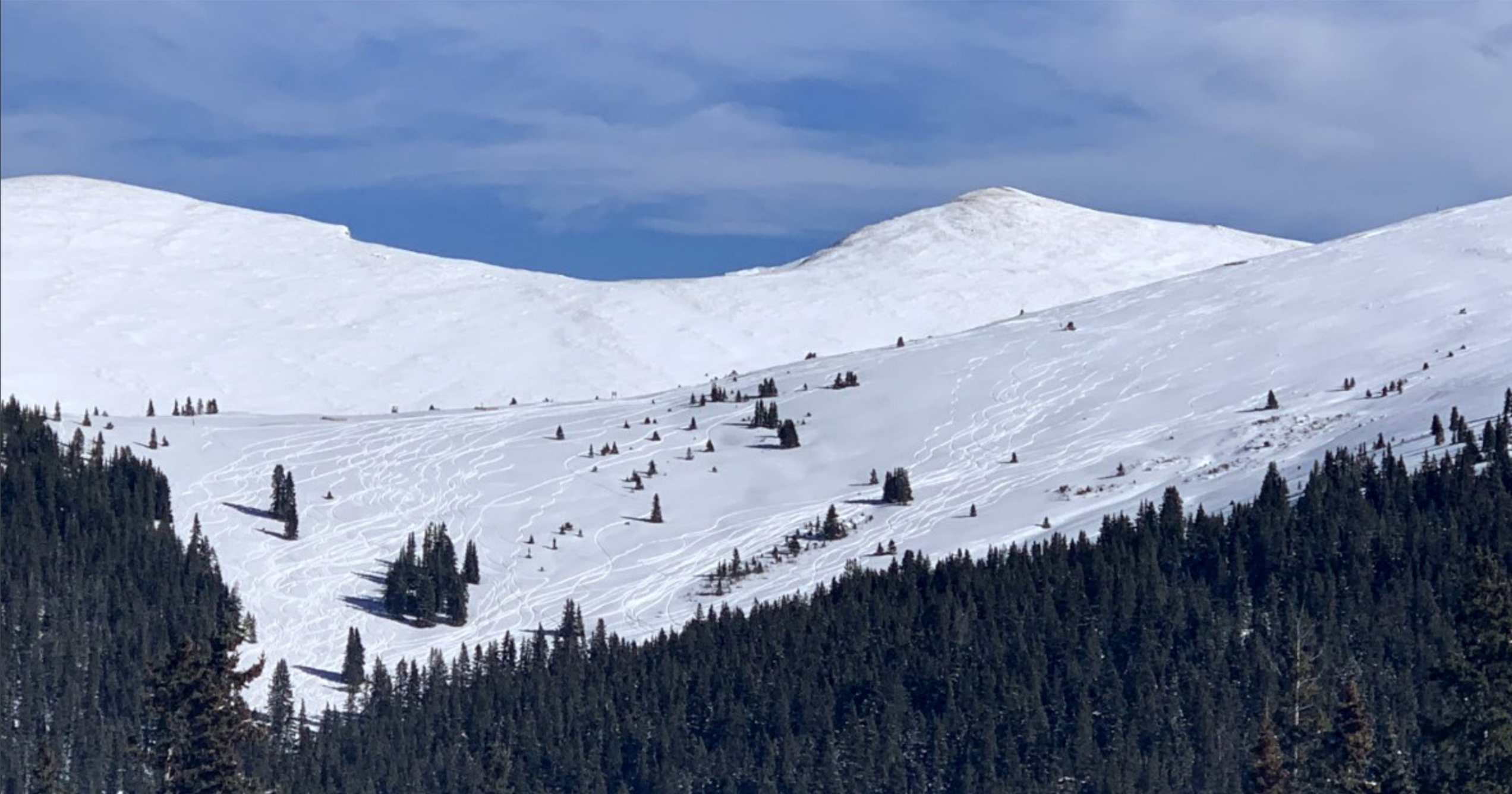
Being the first Front Range mountain to open wasn’t the only great news for Keystone Resort this morning. The White River National Forest also released a Draft Decision Notice paving the way for construction of the mountain’s seventh high speed chairlift. The lift will service 555 acres of alpine terrain in Bergman and Erickson bowls, delivering up to 2,400 skiers per hour to an altitude of 12,300 feet. The project also includes 20 acres of new snowmaking, expansion of the Outpost restaurant and a ski patrol station atop Bergman Bowl.

The White River hosts the most skiing of any National Forest and staff worked closely with Keystone to minimize environmental impacts. The lift’s bottom terminal, towers and access roads were shifted from initial locations to reduce impacts on wetlands. Required glading was also reduced by 19 acres and tree clearing by 10 acres to lessen pressure on Canada lynx.
Project approval is subject to a 45 day objection period. Assuming everything is still a go, Vail Resorts could opt to start building as soon as next summer. Keystone’s parent company had planned to replace the Peru Express this year, a project awarded to Leitner-Poma but delayed by the coronavirus. Vail also postponed construction of new lifts at Beaver Creek, Breckenridge and Crested Butte. If the ski season now underway is successful, the Bergman Bowl Express could be one of a bunch of new lifts in Colorado over the next few years.
Mt. Sunapee Master Plan Includes Lift System Overhaul
Vail Resorts recently submitted an updated improvement plan for Mt. Sunapee to the State of New Hampshire which includes construction of five new chairlifts and two surface lifts. Most transformative would be the West Bowl expansion, including a mile long high speed quad and 1,082 feet of vertical. This would be Mt. Sunapee’s second longest lift, servicing five new trails. West Bowl would also feature a new beginner conveyor, parking and guest services building.

Vail also plans to upgrade the Sunapee Express to a six pack or combination lift with gondola cabins capable of moving 3,000 guests per hour. The existing high speed quad opened in 1998 and is undersized for the amount of terrain it services.
As planned by Triple Peaks before the 2018 Vail purchase, the North Peak triple would be replaced by a fixed grip quad. The nearby Spruce triple is also slated to be upgraded to a fixed quad, compensating for Vail’s recent removal of the Duckling double. It’s possible one of these two lifts would utilize equipment from the former Sunbowl quad, which remains in storage on site.
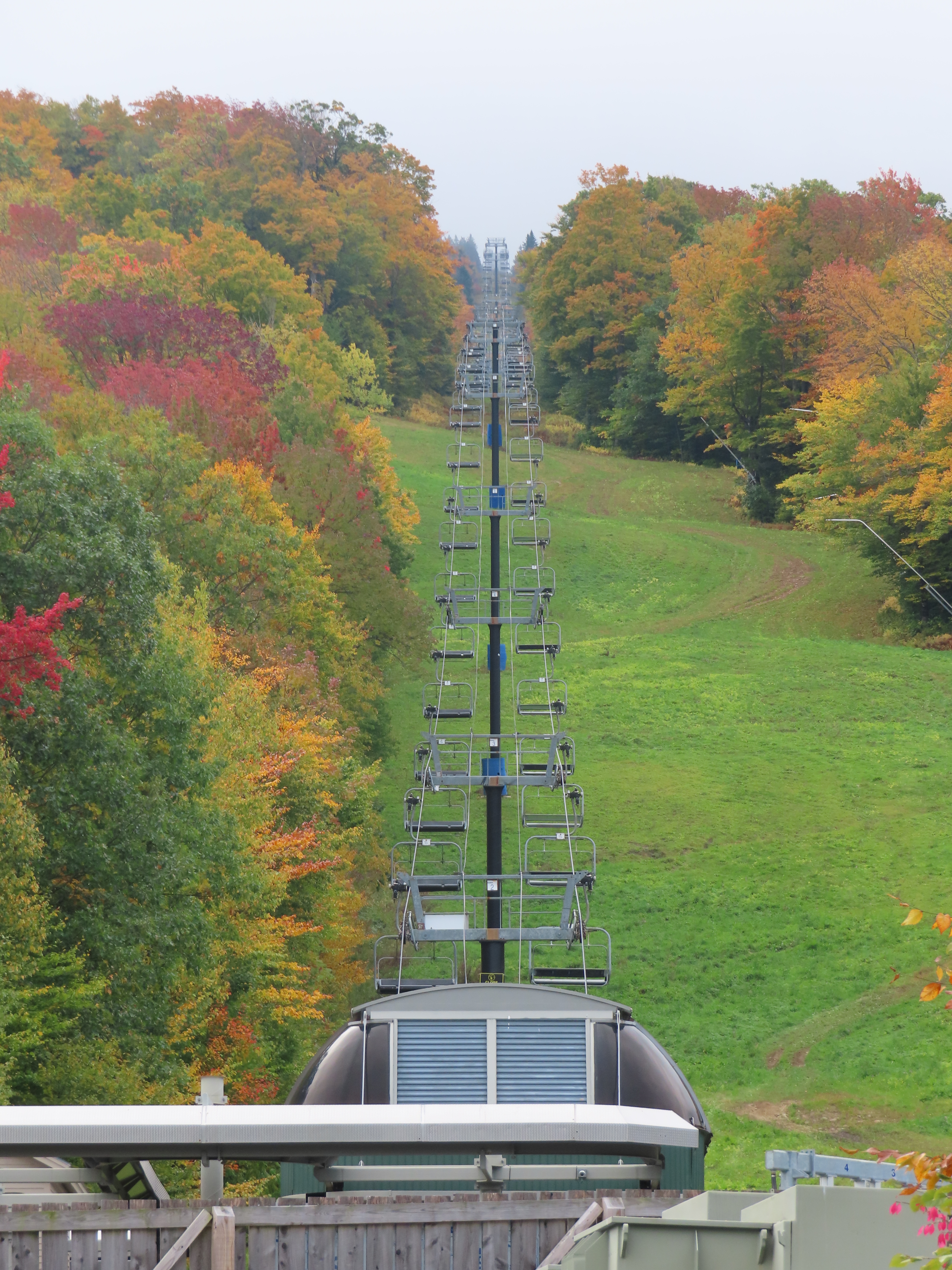
A new triple chair would be be built to connect the bottom of Sunbowl to North Peak. Known as Cataract, this lift would service a modest amount of new terrain and improve skier circulation. Rather than purchasing new, Vail may opt to re-use equipment from the North Peak and/or Spruce triples for Cataract.
A rope tow is proposed to link Parking Lot 2 and Spruce Lodge, reducing the resort’s reliance on shuttle buses. Finally, Vail seeks to add a grip maintenance building and carrier storage for the Sunbowl Express.
The plan would increase Mt. Sunapee’s comfortable carrying capacity by 40 percent to 6,850 skiers. Most of the proposed projects were previously approved during Triple Peaks ownership, though a few are new. A public meeting will be held Thursday evening to solicit comments or you can submit them to MountSunapeeComments@dncr.nh.gov. The deadline to weigh in is November 12th.
News Roundup: Vail Numbers
- Vail Resorts has sold 850,000 season passes as of September 18th, an 18 percent increase compared to last year at this time.
- CEO Rob Katz assures skiers reservations should be widely available for most resorts on most days.
- Vail lost $153.6 million in the quarter ended July 31st compared with an $89.5 million loss in the same period last year.
- For the full fiscal year 2020, Vail reported a net income of $98.8 million, a decrease of 67.2 percent.
- The company also recently cut 410 jobs.
- Regarding capital projects and the seven lift projects Vail postponed this year, Katz said on the conference call:
“We are of course going to be monitoring the season closely before we come out with any plan for calendar year 2021. We’ll make sure we’re incorporating what happened this year. We will likely still be in a conservative approach though hopefully not as conservative as last year because the environment around Covid and travel has all improved. We will definitely be prioritizing projects that we think will have a significant impact on the guest experience and certainly some of the projects that we deferred from last year will be top of the list.”
- Government-owned Marble Mountain remains on the hunt for a private operating partner.
- Towers are up for the largest new lift of the year.
- A fire comes uncomfortably close to Mt. Waterman, California.
- More than 6,500 people commented on Little Cottonwood Canyon transportation alternatives including a possible 3S.
- Mont-Sainte-Anne’s gondola remains inoperable following last winter’s mishaps but the ski area expects it to reopen in December.
- Disney won’t open chairlift-accessed Blizzard Beach until at least March of 2021.
- The Sea to Sky Gondola reopens its base facilities.
- Defunct Vermont ski area Snow Valley is for sale.
- The Town of Mountain Village acquires 20 used gondola cabins for social distancing at the base of Telluride.
- The last chance to comment on Burnaby Mountain Gondola routes is Wednesday.
- The Forest Service signs off on two new lifts and removal of three old ones at Waterville Valley.
- Snow King’s gondola is approved by the Town of Jackson.
- Whiteface will auction off retired cabins from the Cloudsplitter Gondola.
- Indy Pass adds Swain Resort in New York.
- The Central Wasatch Commission seeks feedback on potential 3S gondola transportation from Alta to Brighton and/or Brighton to Park City.
- Le Relais eliminates season passes entirely. Guests will buy blocks of skiing until they reach a certain total for the season, then all remaining blocks are free.
- A local investment banker will take over operations of nonprofit Sleeping Giant Ski Area.
- Bogus Basin’s Morning Star Express will miss the final two weekends of the season.
- A lot of Covid operating plans are coming out these days. This one from Mt. Hood Meadows stands out as excellent.
- Sugarloaf GM Karl Strand joins the Storm Skiing Podcast for a discussion on the West Mountain expansion and Sugarloaf 2030 lift plans.
- Former Aspen CMO Christian Knapp launches Lift Ticket, a new series about resorts navigating Covid.
- Doppelmayr unveils a new Wir magazine.
News Roundup: Endless Winter
- Construction will begin early next year on a new point of interest chairlift in Pigeon Forge, Tennessee.
- Amazon files a patent for a skier-pulling drone.
- Mission Ridge provides another fantastic construction update.
- 2020-21 is the final season the largest ski resort in California will be known by the name Squaw Valley Alpine Meadows.
- The Forest Service seeks public comments on eight lift projects and more included in the Grand Targhee master plan.
- Big Snow American Dream reopens Tuesday after nearly six months closed. The snow never melted!
- Utah Olympic Park expects to add a fourth chairlift and new terrain next summer.
- After years focusing on snowmaking, Telluride’s owner considers lift upgrades.
- Ski Santa Fe fires up snow guns to help protect lifts from wildfire.
- Glenwood Caverns reopens today following a 16 day fire closure.
- Riders get stuck on the Sandia Peak Tramway for hours.
- Vermont may provide direct payments to ski resorts.
- Harry’s Dream at Beaver Mountain gets a new Skytrac return terminal.
- Vail Resorts won’t sell day tickets early season and will require passholders to make reservations at all 34 of its North American mountains for 2020-21.
- The Denver Post catches up with Colorado mountain leaders to talk winter plans.
- The Lower T-Bar at Pass Powderkeg, AB is being extended.
- Doppelmayr begins testing its D-Line gondola to the beach in Mexico.
- The City of Los Angeles releases four gondola alignment alternatives it’s studying for Griffith Park and the Hollywood sign.
News Roundup: Tough Choices
- The Italian parent of Leitner and Poma reports record revenue of €1.06 billion, having completed 78 ropeway projects in 2019, though the company expects sales to fall 30 percent in 2020.
- Public comments are now being solicited regarding Steamboat’s proposed Wild Blue Gondola, Sundown Express replacement and Priest Creek removal projects.
- Vail Resorts suspends operations at two Australian resorts just three days into the season due to the evolving Coronavirus situation.
- Even though American Dream and Big Snow in New Jersey are closed, a second American Dream location remains in development in Miami.
- Vail Resorts-owned OnTheSnow.com and sister websites will shut down Monday due to the challenging financial landscape. A Vail-owned TV station is also closing.
- Bloomberg speaks with the CEOs of both Alterra and Vail about next winter.
- Today is the last day to comment on Little Cottonwood Canyon transportation alternatives, including a 3S gondola.
- Walt Disney World won’t allow unrelated parties to ride together in gondola cabins when the Skyliner reopens.
- Doppelmayr USA, Leitner-Poma of America, MND America, Skytrac and SkyTrans all received Paycheck Protection Program loans supporting more than 400 American jobs.
- A key link located on a receding glacier, the Horstman T-Bar at Whistler Blackcomb is no more.
- Design work continues for Aspen Mountain’s Lift One Telemix and related developments.
News Roundup: Mask Up
- Nitehawk removes three lift towers which were carried away from their original locations by a landslide.
- Walt Disney World hasn’t set a Skyliner reopening date but cabins were back on the Epcot line last week.
- The Telluride’s Mountain Village public transit gondola returns to service.
- LST Ropeways and Bartholet will partner to build a 50 passenger urban aerial tramway on the island of Réunion.
- Dodge Ridge begins removing Chair 6 for an upgrade project.
- A fire threatens America’s southernmost ski area.
- When it opens later this year, Medellín’s sixth Metrocable line will become the world’s first urban gondola with 12 passenger cabins.
- The Juneau Tram will not operate at any point in 2020.
- Timberline’s Palmer Express opens for summer glacier skiing.
- Aspen Skiing Company says hiring a lawyer was a last resort in an ongoing dispute between Liftopia and Mountain Collective resorts.
- Aspen Snowmass skier visits fell 20 percent last season.
- Many Vail Resorts properties will reopen over the next few weeks but most of the company’s bike parks will remain closed.
- Mt. Sunapee and Stevens Pass are suspending summer operations entirely.
- On all Vail Resorts lifts, face coverings will be required when loading/unloading and at all times while on gondolas and bubble chairs.
- Authorities seek information on a vandal who damaged lift sensors and other property at Pine Knob.
- Pajarito cancels summer operations.
News Roundup: Switzerland to Italy
- In Massachusetts, Bousquet sells to a private investment firm which will be advised by Jon and Jim Schaefer.
- Magic Mountain resumes work on the Black Line Quad project.
- Bravo to many more ski areas offering up ski lifts for graduation ceremonies: Big Bear, Canyon, Copper Mountain, Deer Valley, Giants Ridge, Jackson Hole, Mountain High, Snow Valley and Treetops.
- Nub’s Nob says goodbye to the Blue Chair.
- There will be no summer skiing on Blackcomb Glacier this year.
- A Canadian government decision means no Alaska cruises will sail in 2020 and it will likely be 2021 until Icy Strait Point’s dual gondola system debuts.
- The creator of the Indy Pass argues shared revenue models are the future of ski passes.
- Poma’s 2019 Reference Book is here.
- Doppelmayr begins building Saddleback’s $7 million high speed quad.
- The Aspen Mountain Telemix may happen in 2022.
- Mountain Collective adds a fifth new resort for 2020/21: Sun Peaks, British Columbia.
- Set to become the world’s longest alpine 3S, Jungfrau’s Eiger Express will open early.
- Launching tomorrow: another spectacular 3S which travels 705 feet above the sea in Vietnam. Three more sections will eventually form a 12.1 mile gondola chain.
- Demaclenko creates a fully automated fogging/disinfection solution for moving gondola cabins.
- Construction gets underway on the first bubble chairlift in the Pacific Northwest, which will load and unload inside buildings.
- In Minnesota, both Welch Village and Spirit Mountain pull the plug on summer operations.
- Vail Resorts lost $40 million less than anticipated in March and April and reported a net income of $152.5 million for the quarter ended April 30th.
- Purgatory proposes building a detachable quad chair and four low intermediate trails in an area known as Ice Creek.
- On Mt. Hood, Summit Ski Area seeks a boundary extension to the Timberline border, a first step towards a possible lift link.
- Leitner-Poma President Daren Cole pens a letter addressing challenges facing the ski industry in the age of coronavirus.
- Alterra extends the Ikon Pass deferral option to April 2021 and introduces a credit policy in the event of resort closures next season.
- A new English edition of International Ropeway Review profiles Treeline Cirque at Alpine Meadows and the Express du Village at Bromont.
- Utah’s Department of Transportation narrows its Little Cottonwood Canyon mobility study to gondolas and buses.
- The Snowbird tram will carry only 25 passengers when it reopens June 13th.
- The City of Idaho Springs, Colorado conditionally approves the Mighty Argo Cable Car, a 1.2 mile gondola on the site of a historic mine.
 Lift Blog